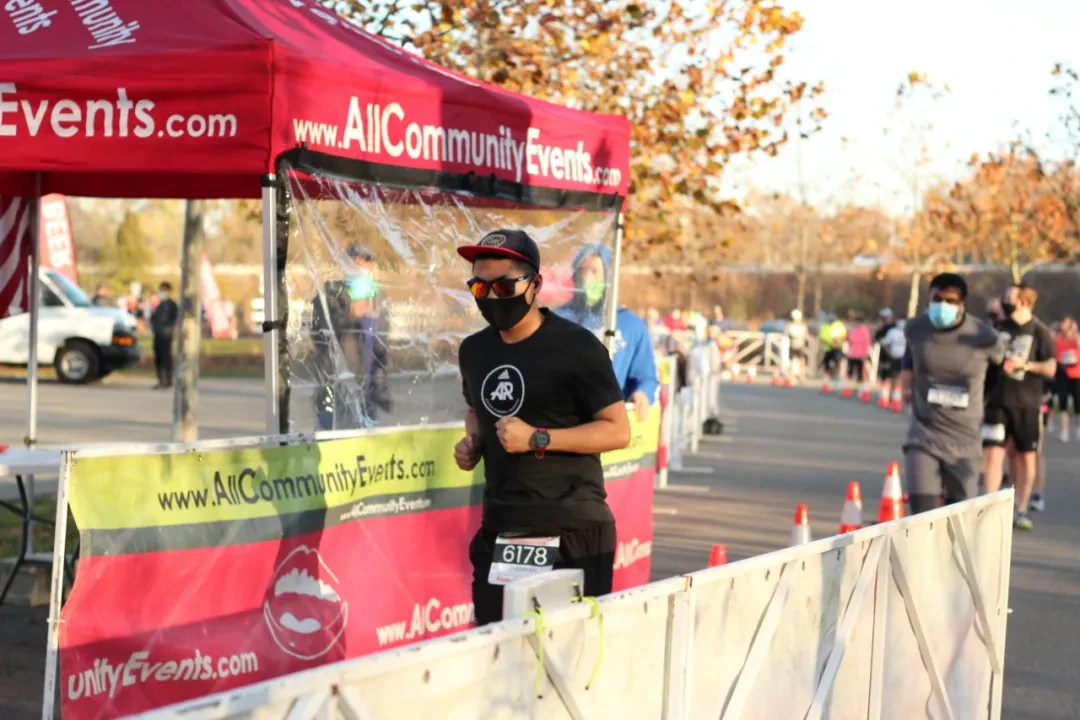
The Louisville Marathon normally belongs to the city. In 2020, COVID pushed it out to Beckley Creek Park, where runners started one at a time behind masks and six-foot gaps. It was a strange setting for a milestone, but it became my first marathon in North America and the first state on my Run50 map.
The Marathon
The Louisville Marathon is the city's second-largest marathon and a Boston qualifier. Because of the pandemic, the race was moved from downtown to Beckley Creek Park, dozens of kilometers away. A few months earlier, I had actually prepared an electric bicycle for this marathon and bought a spare battery, just enough to cover the round trip.
But the bicycle was gone by race week, so I had to use Lyft and Uber instead. The rides cost close to $100. I had also just bought a car, but I still had not managed to get my driver's license, so it could only sit outside my home while I stared at it every day.
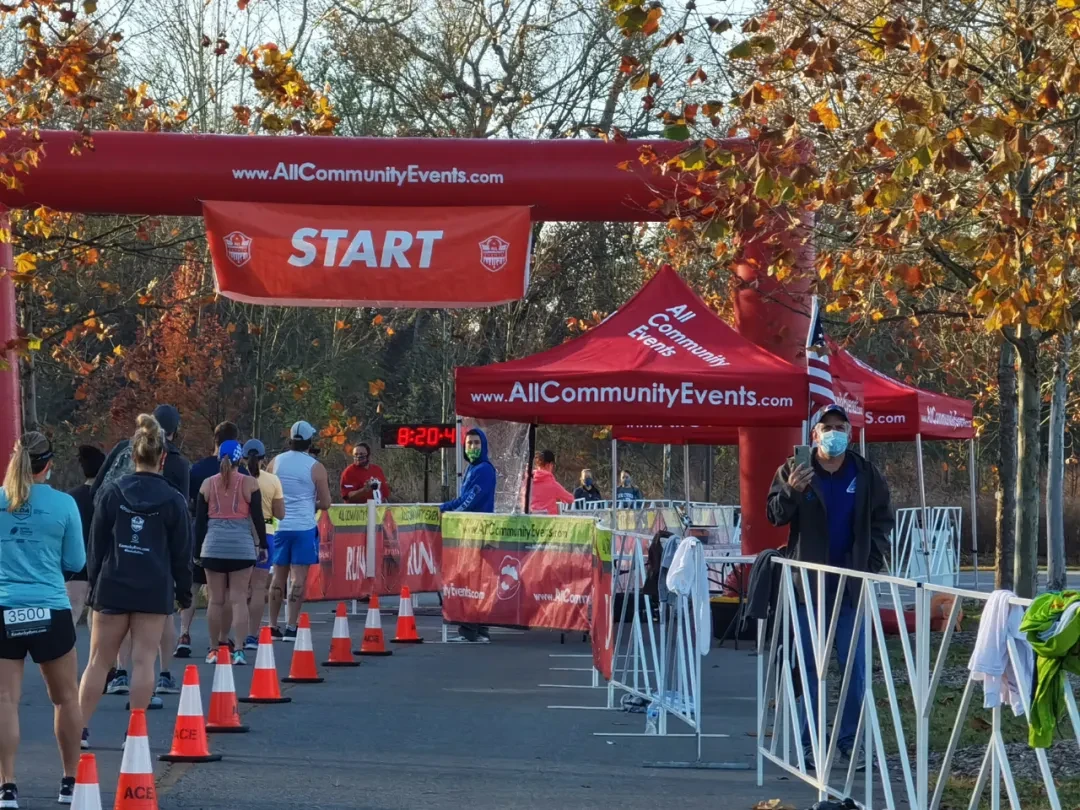
I took a Lyft there. The driver was a Black guy whose English was not great, so we did not talk much. Taking a car to a race was definitely easier than riding a bicycle. He dropped me in the parking lot, and I did not even need a map. I just followed the music from the marathon start.
I changed clothes near the start and left my bag with a few American service members. The race did not officially offer bag check, but they still agreed to look after it for me.
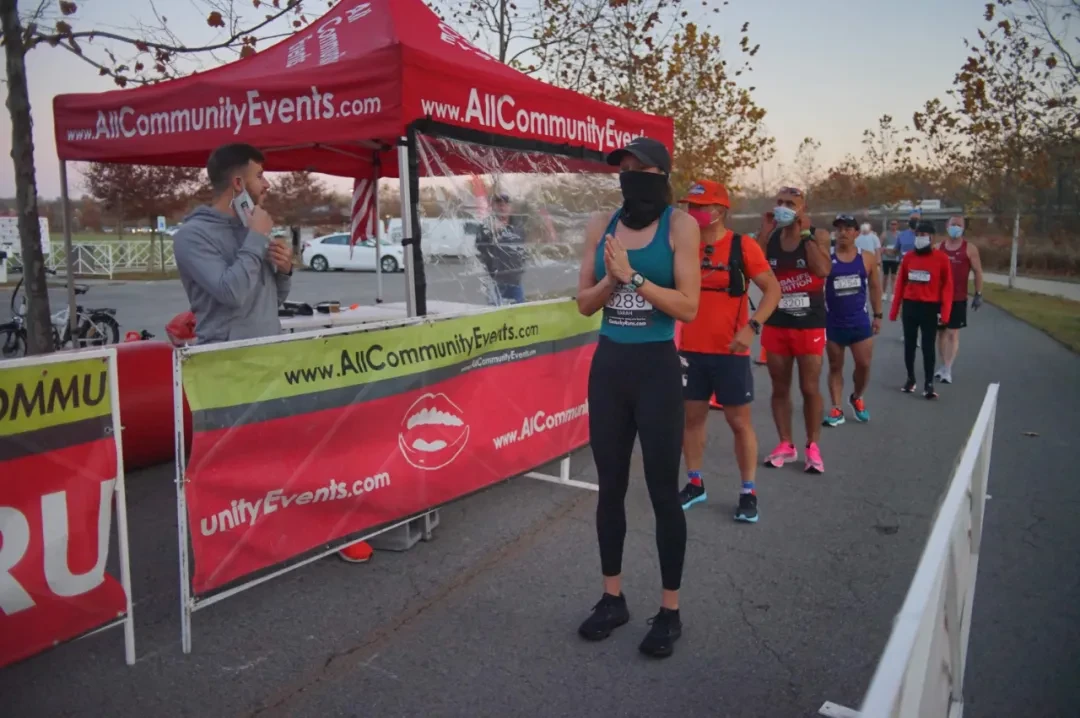
The race used staggered starts, and masks were required anywhere people gathered. My assigned start time was 8:24. Everyone stood in line with six feet of social distance between us. With U.S. COVID cases already past ten million, simply being able to hold a marathon at that moment was remarkable.
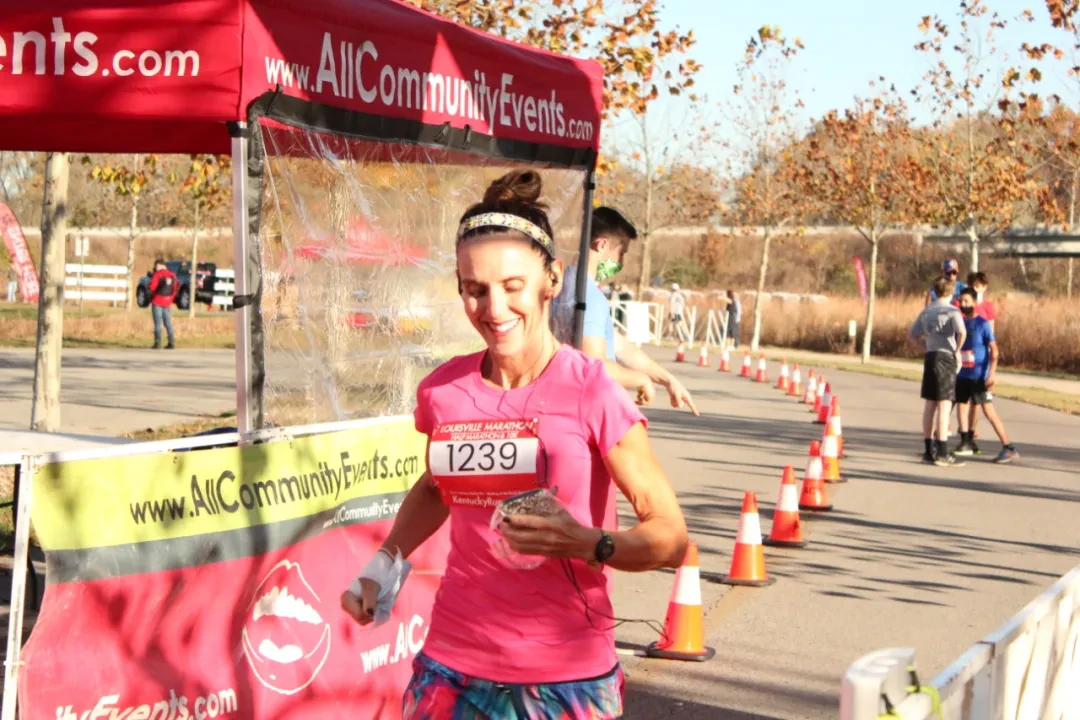
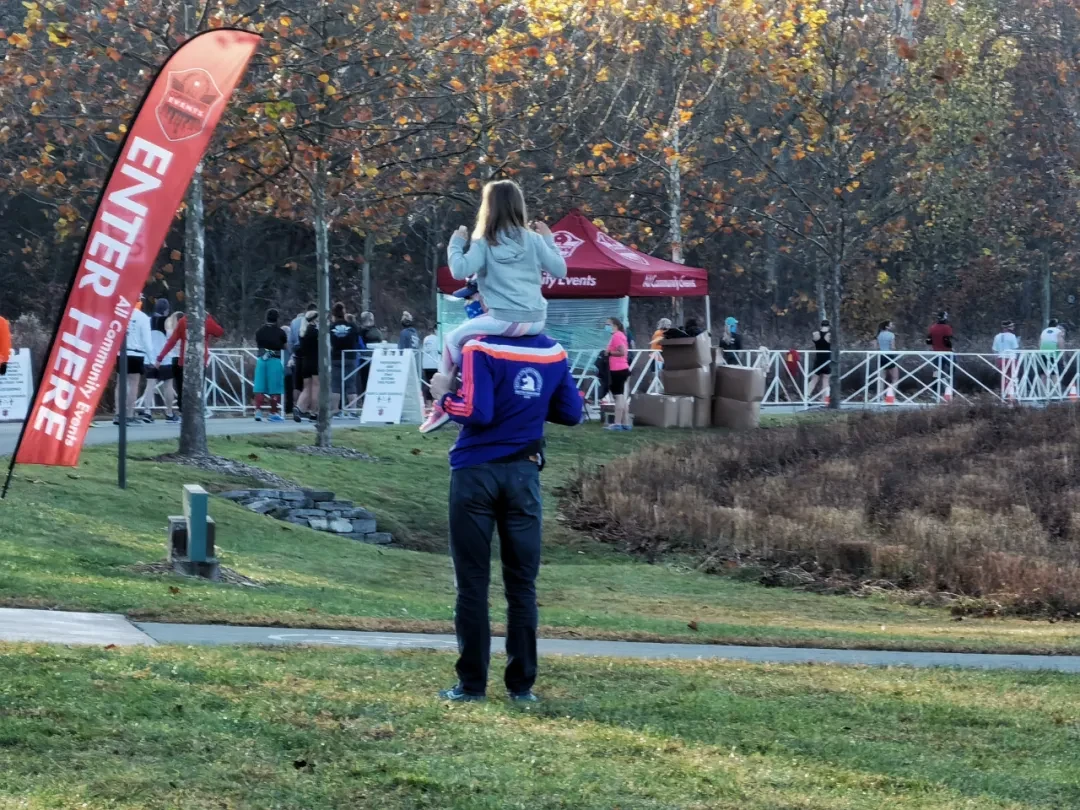
The runners had clearly been cooped up for too long. Nobody could hide the excitement.
My line moved with impressive precision. My turn came at exactly 8:24. A light breeze blew, I took the first step, and the marathon was finally underway.
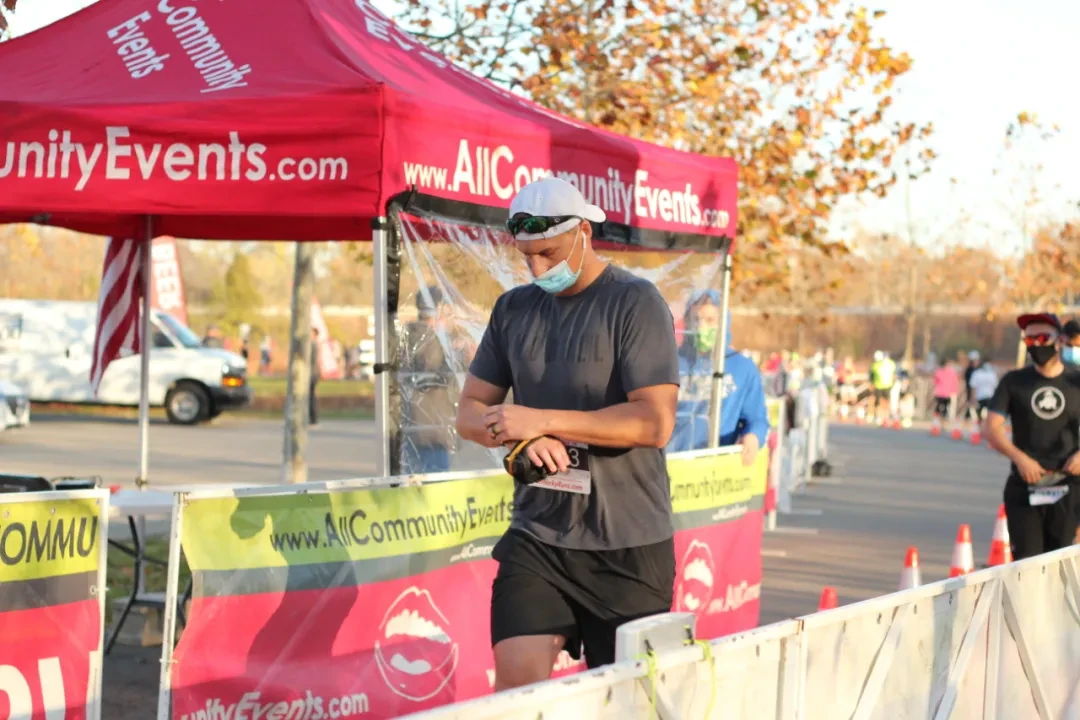
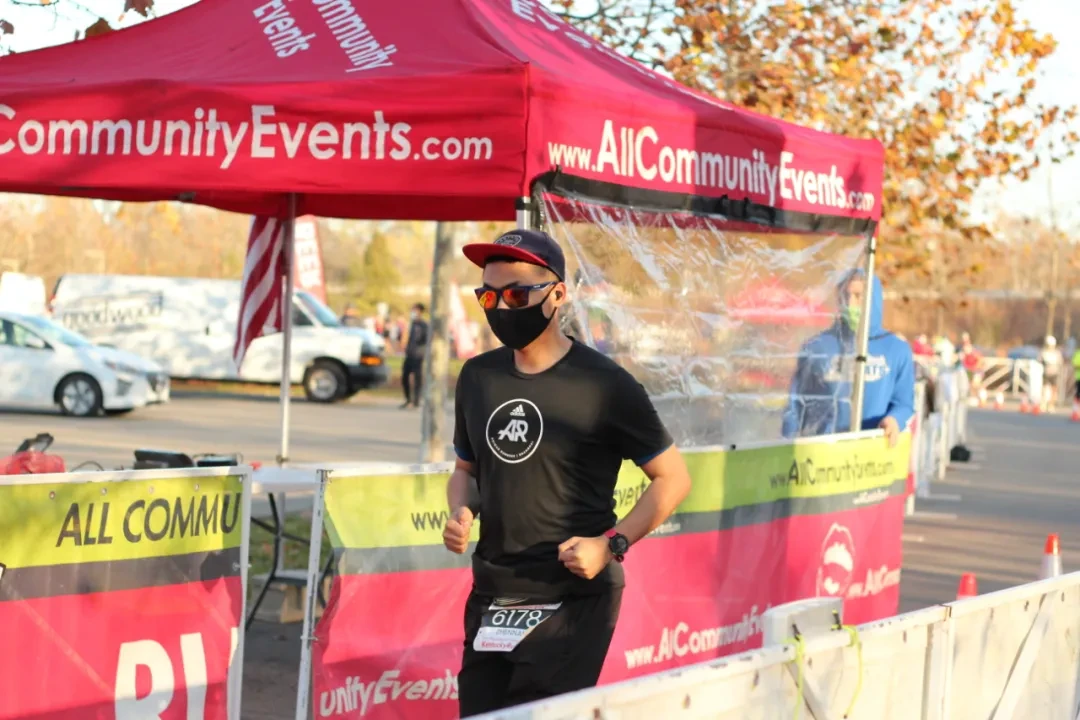
The weather was excellent, around 20°C, just right for running. Other than the lack of spectators, everything felt good. The first few kilometers followed a paved road with almost no traffic because we were far from downtown. The opening felt easy enough that I even took time for a bathroom stop.
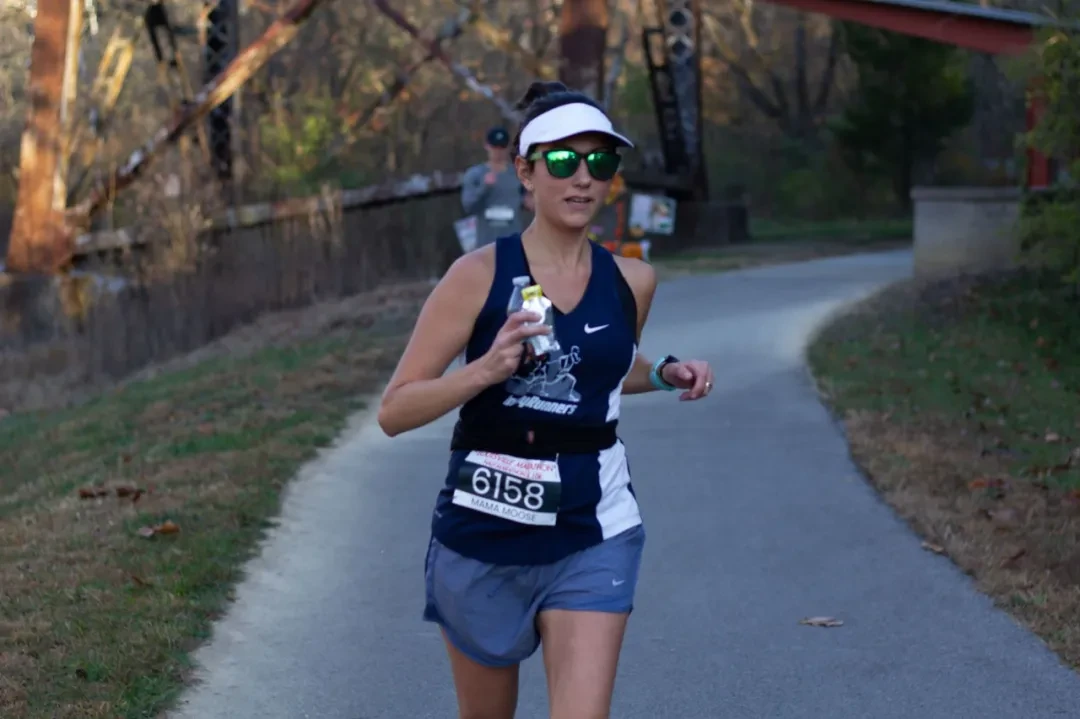
After the paved road, the course entered a small forest. Race day happened to be Lidong, the traditional Chinese beginning of winter. Louisville had already passed its prettiest autumn moment, and most of the leaves were nearly gone. I followed an older American runner and conserved energy. I felt all right, but I had not run a full marathon in a long time. The real test would come later.
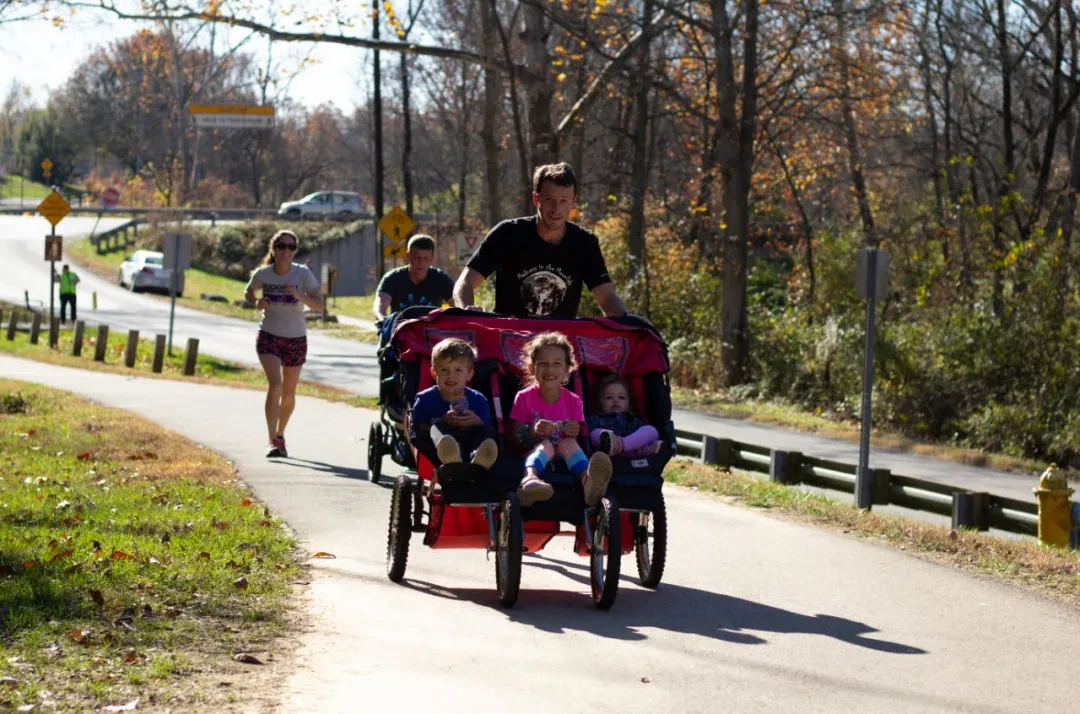
At 10 kilometers, I took an energy gel. The race actually had plenty of aid stations. Compared with the banquet-like spreads at races in China, they were undeniably sparse: just water and sports drink, with an occasional gel. Still, that was enough for me.
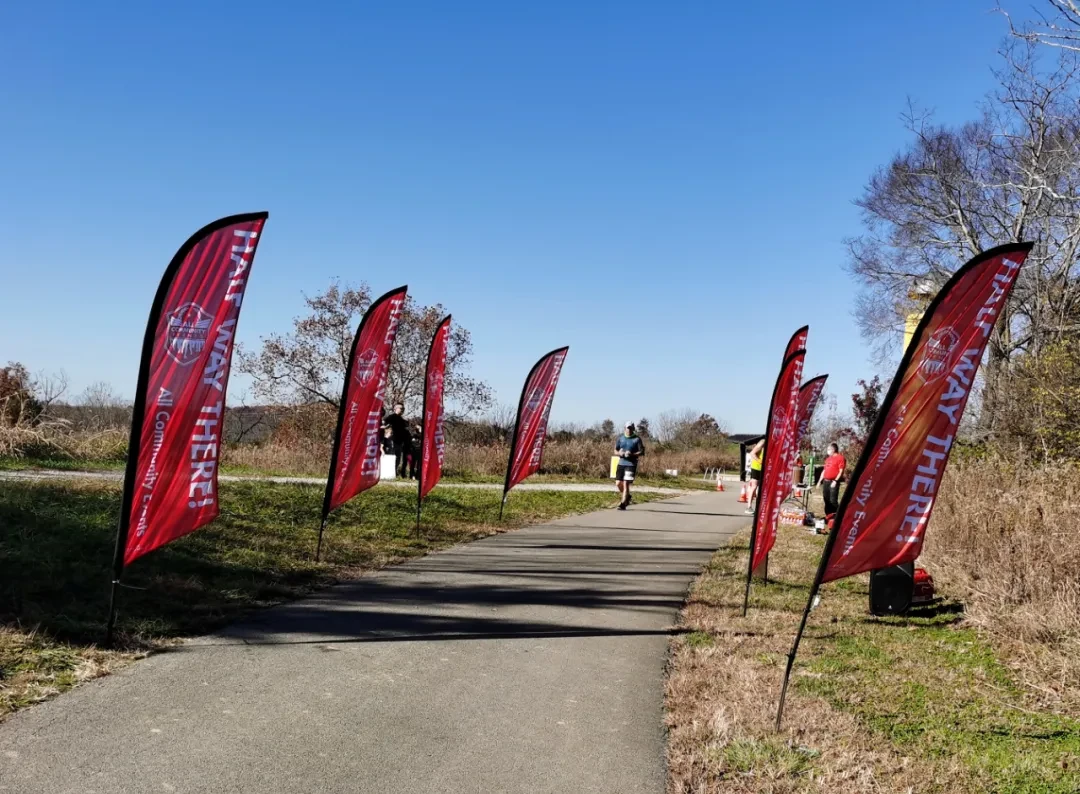
The park scenery was fairly repetitive, with few places worth stopping to photograph. An ordinary pond or iron bridge appeared now and then, but nothing really made me turn around for another look.
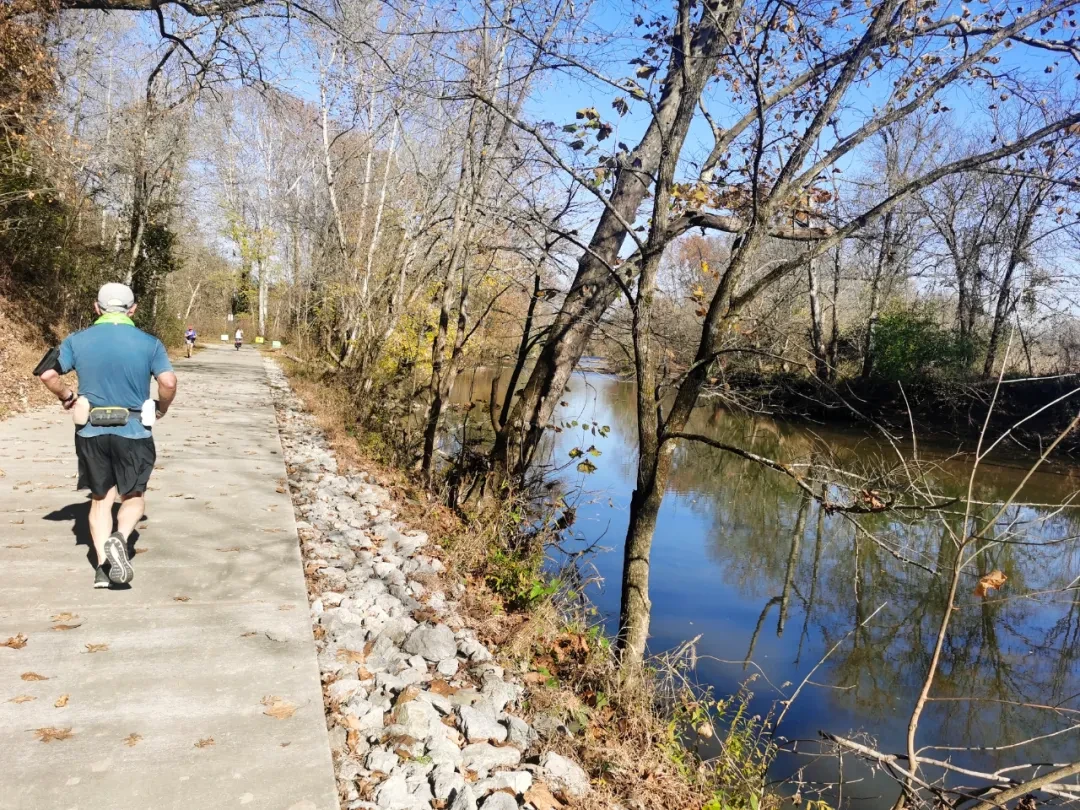
I approached the halfway point in a steady rhythm. A long uphill stretch appeared ahead, and my legs suddenly felt heavy. Then I heard someone cheering for me. I turned and saw a Chinese auntie with what was probably her American husband beside her. My fuel tank instantly felt full again.
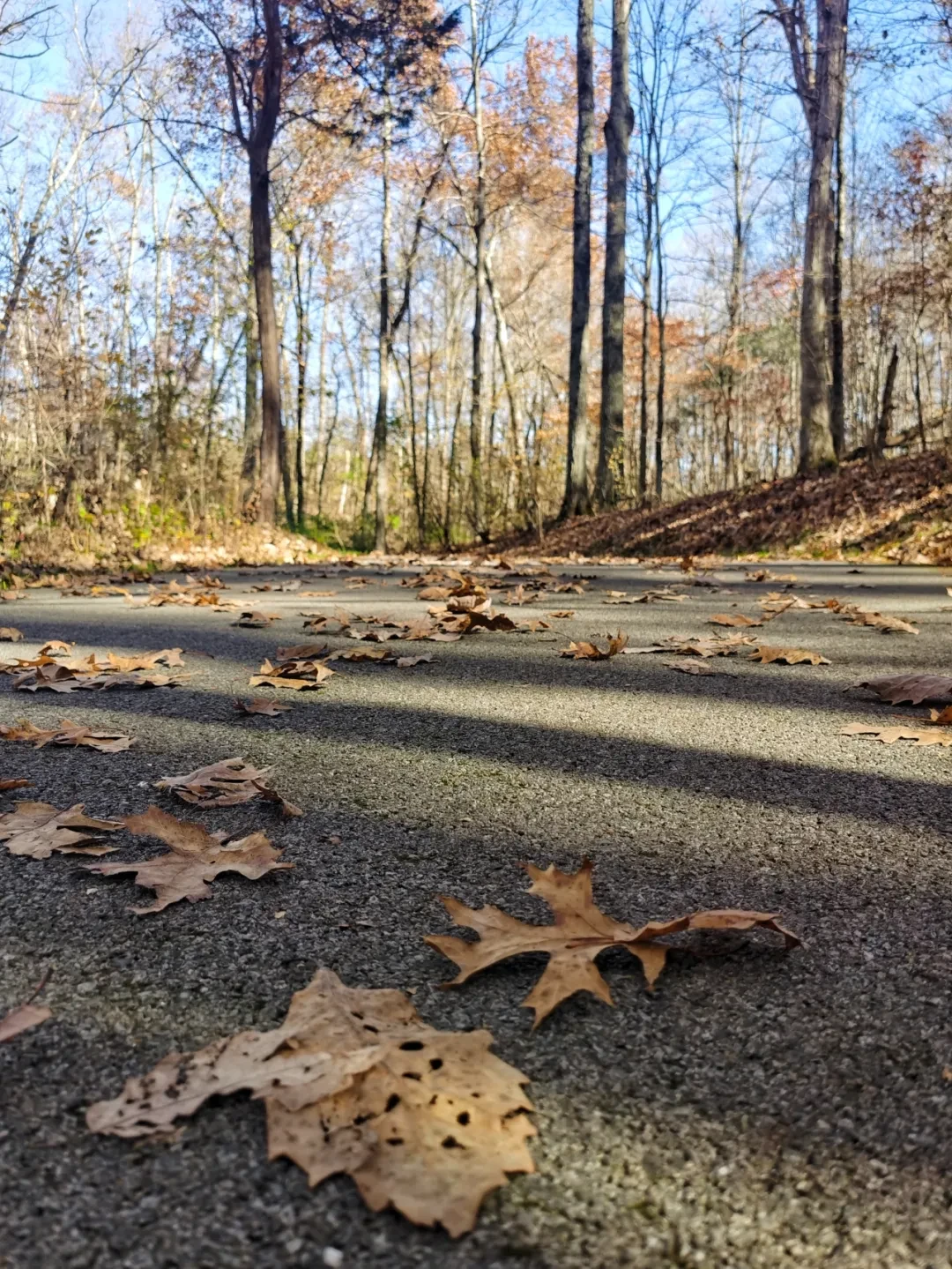
There was an aid station at the halfway turnaround, with no special ceremony. I ate two gels in one go. The real test was only beginning.
After the climb, the first part of the return felt genuinely comfortable. The course wound through the woods, neither cold nor hot, and the sun was not glaring. I reached 25 kilometers feeling relaxed.
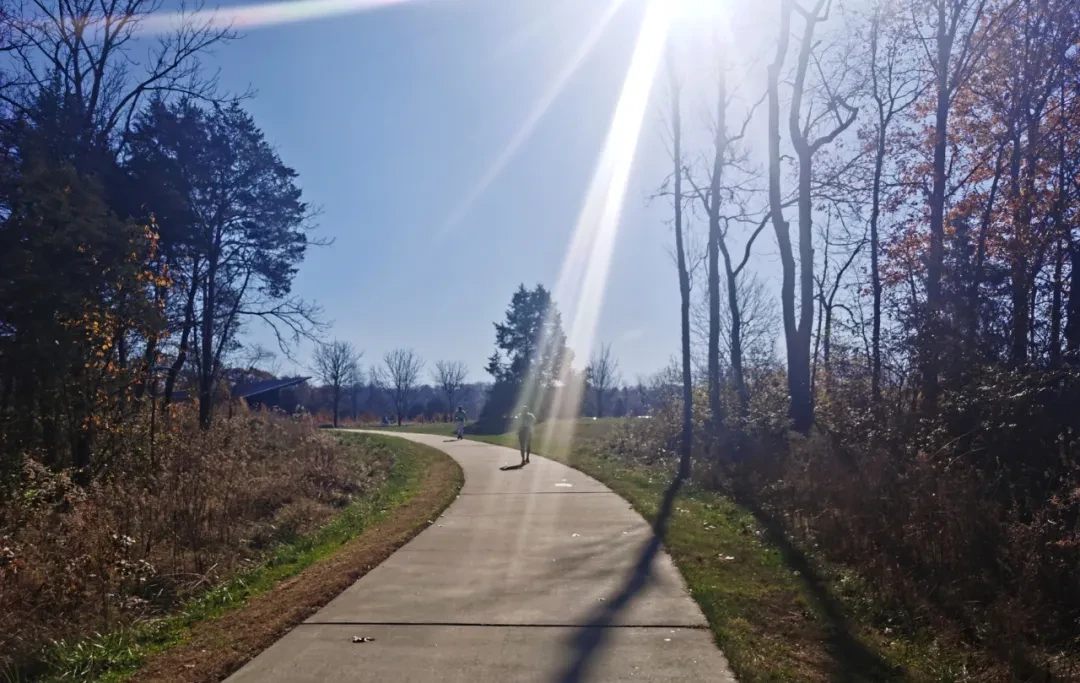
The stretch from 25 to 35 kilometers is usually the hardest part of a marathon, but I was still doing all right. In my headphones was Kangmushi's song "However You Want Us to Be." Hearing the singer's permanently charming, slightly offbeat Mandarin suddenly took me back to running marathons in Singapore and Bangkok. I thought it was just my strange brain traveling through time for a moment.
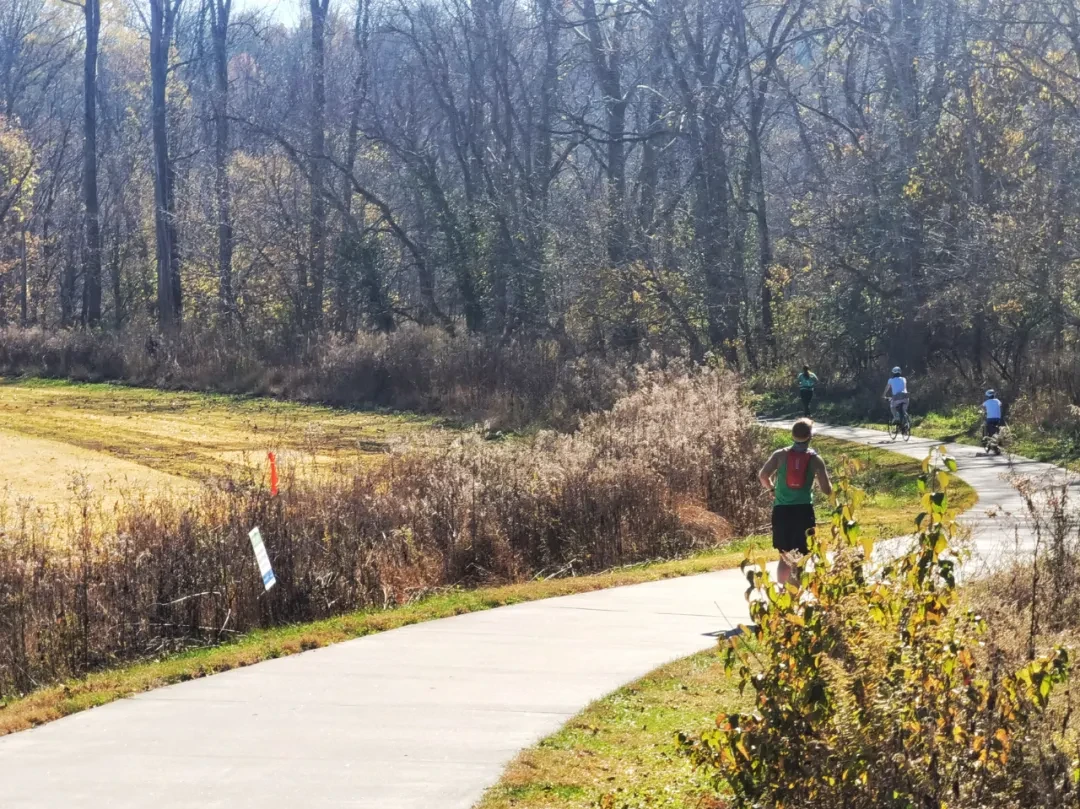
But when I came back to the present, I realized it was more than a memory. Once I left the shade, the noon temperature climbed quickly, and it really did feel a little like racing in Southeast Asia. At 30 kilometers, my race mode finally changed from running to walking.
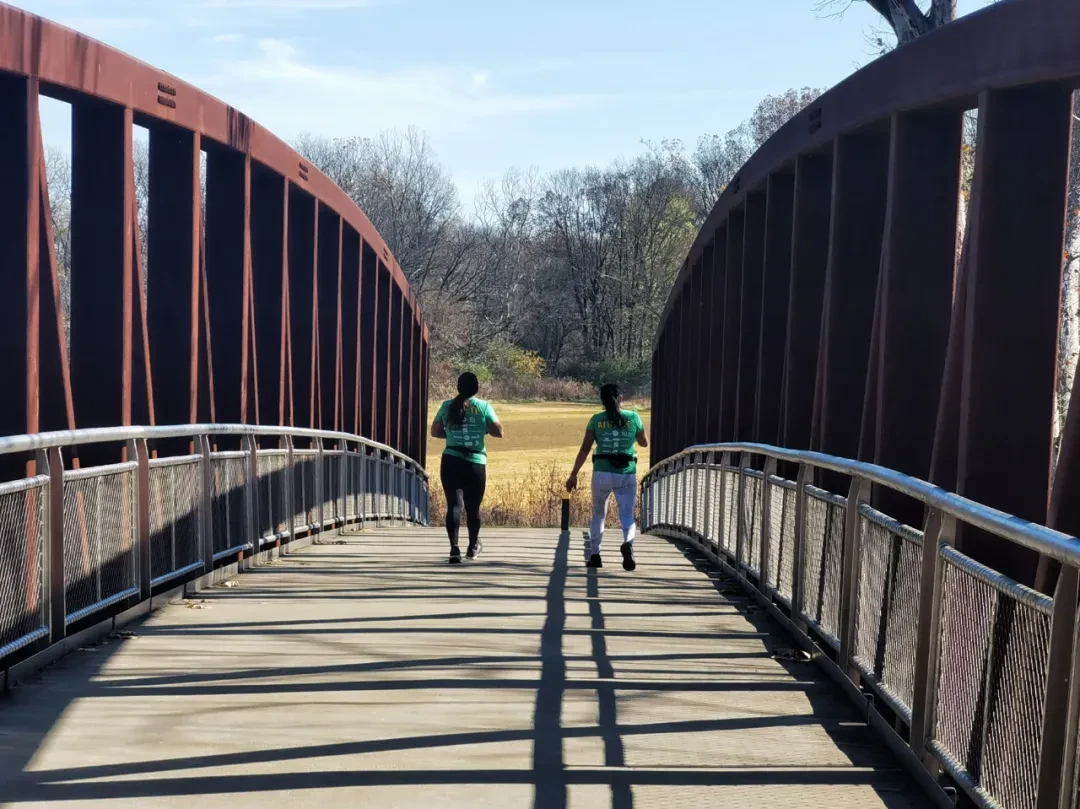
I had not covered this distance in a long time, and the final dozen kilometers were genuinely hard. I followed two women in green, alternating between running and walking. Sometimes I passed them, then they passed me again. All of us were nearly out of fuel and could only keep inching forward.
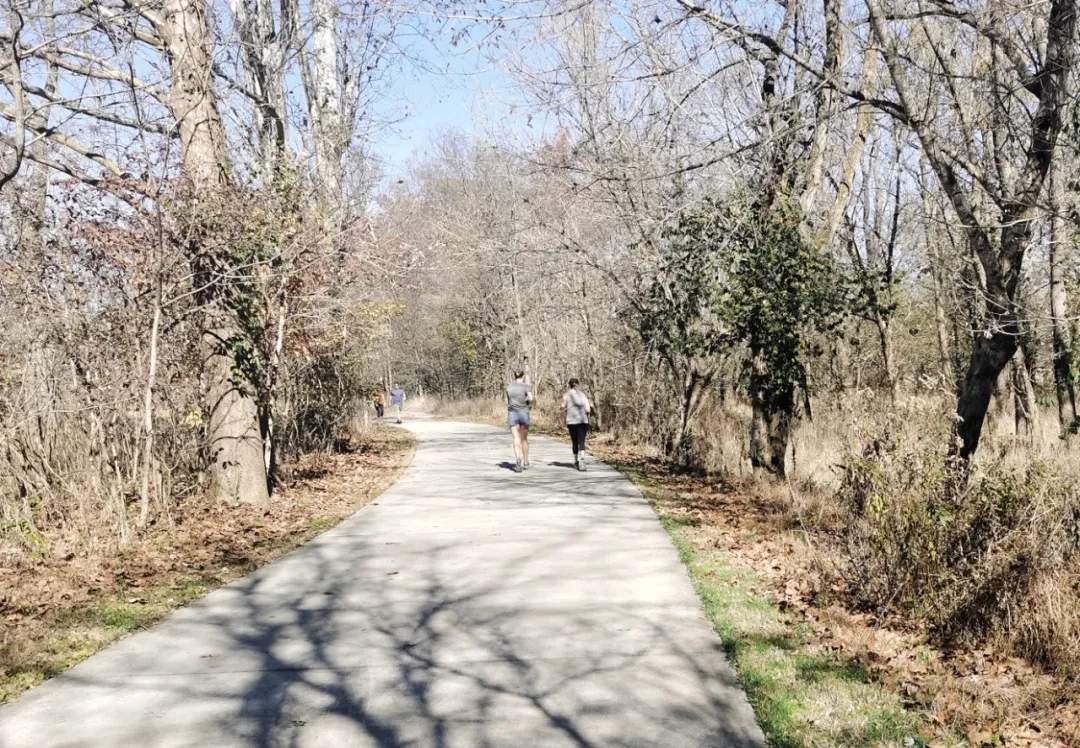
After 35 kilometers, the two American women encouraged me and said I could stay with them. I tried, but I truly could not keep running. I waved my thanks and continued walking. The sun was intense by then. I had never expected the beginning of winter to feel this hot.
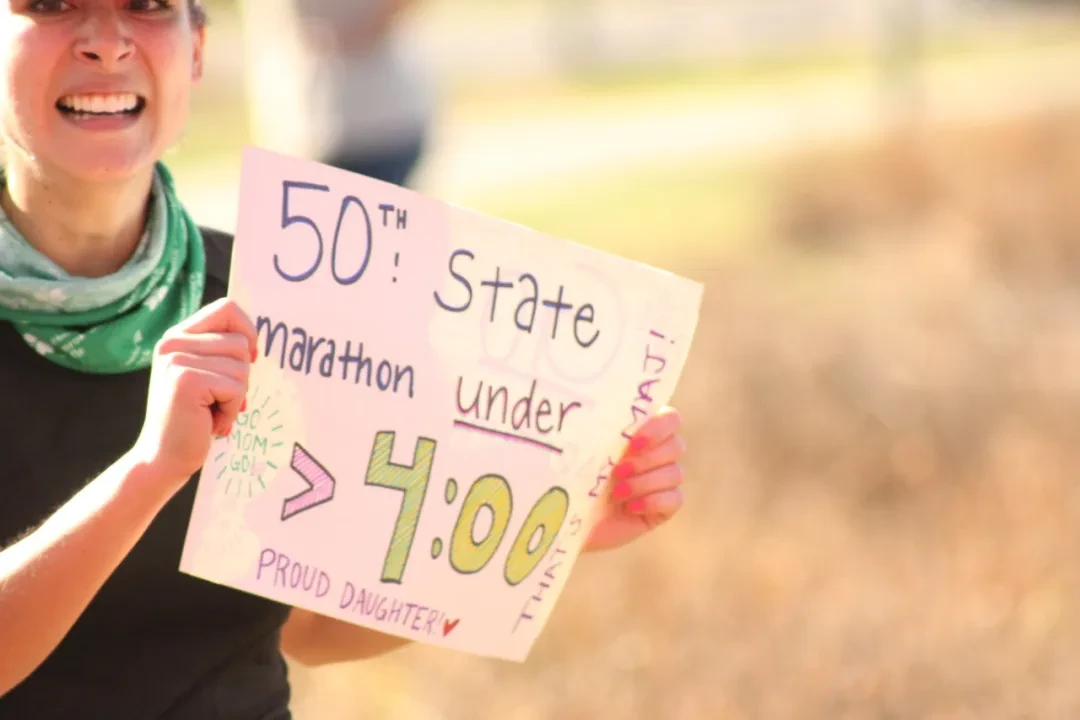
At 40 kilometers, I met a young Asian runner and an older American woman. We encouraged one another and alternated running and walking until the finish. The music was loud, but because of the pandemic, the atmosphere was not especially lively.
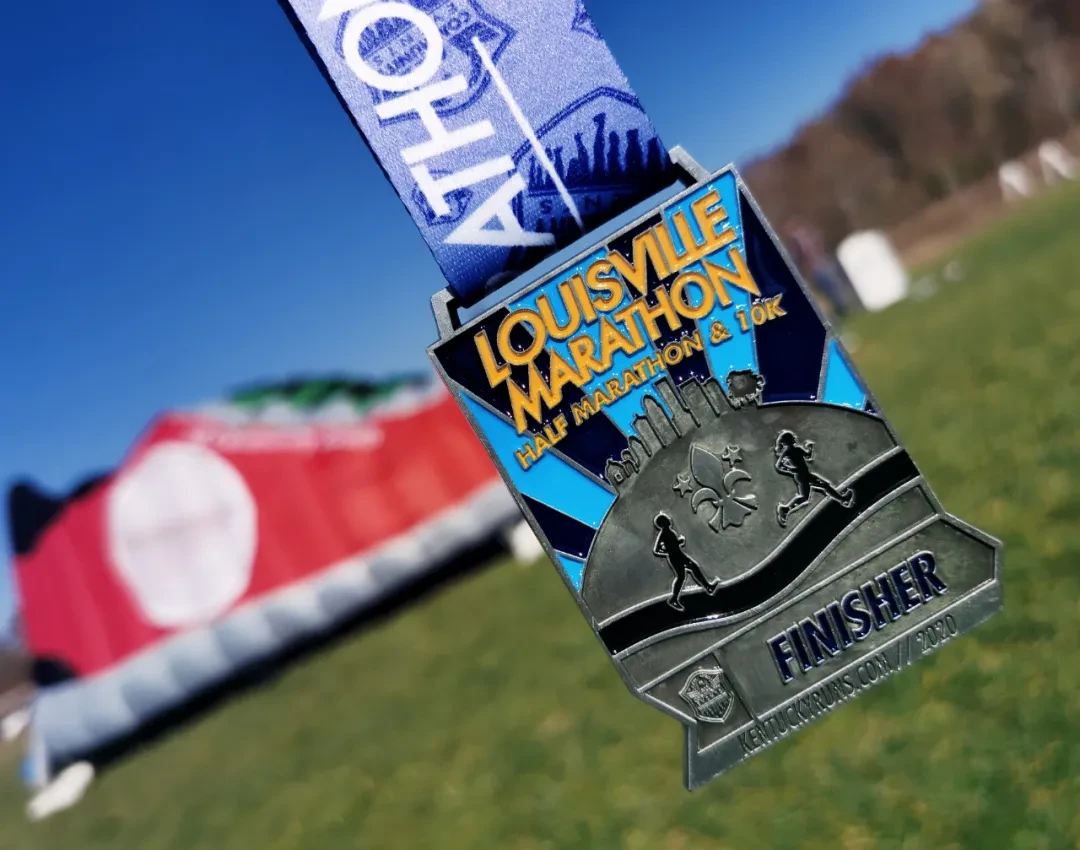
The medal looked great. When I went back for my bag, the service members had already left, but the bag was still there. I then helped the older woman take a few photos. With that, this difficult marathon was complete.
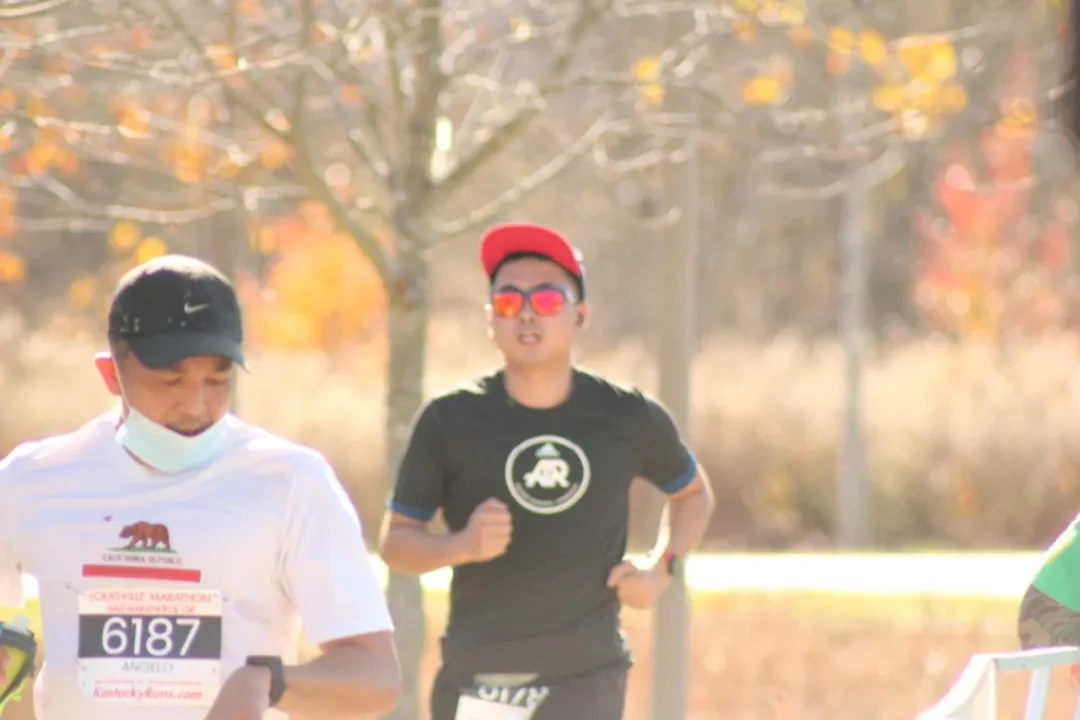
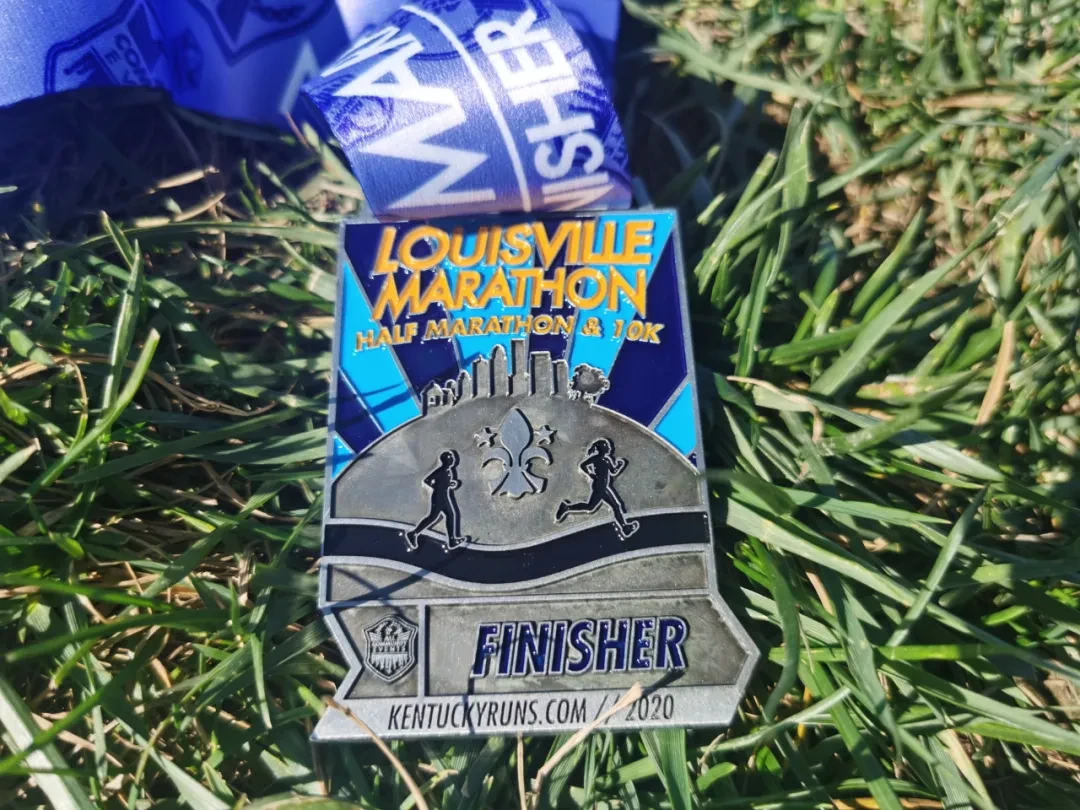
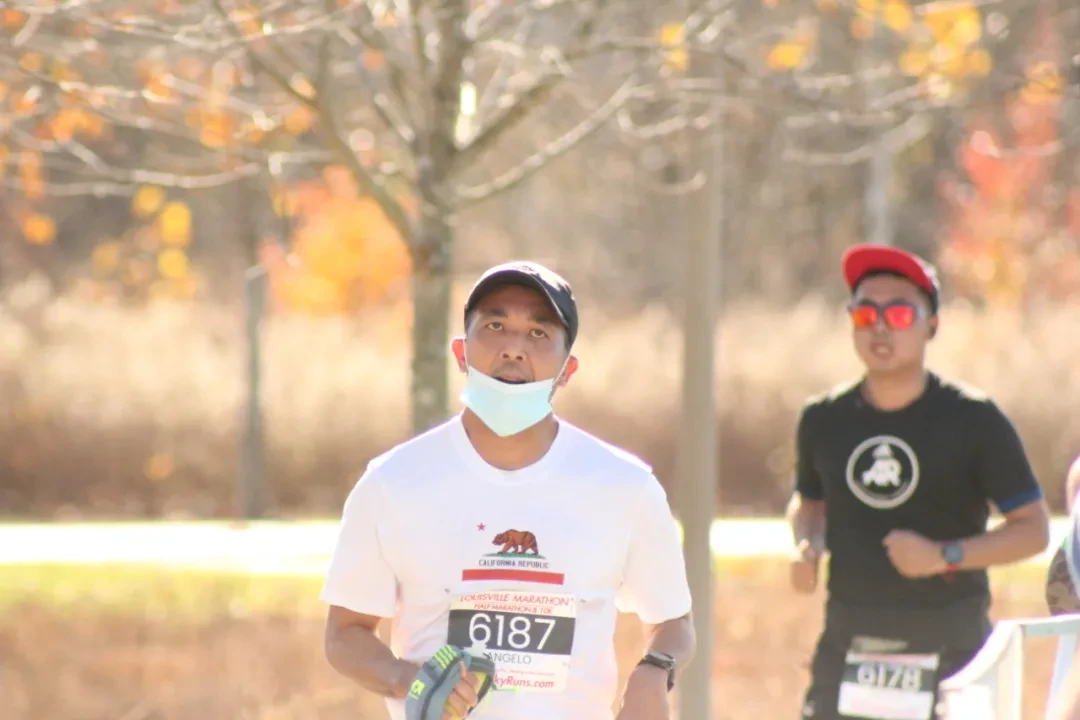
After a little stretching, I lay on the grass and looked at the sky. My whole body ached, but I felt deeply satisfied. In a year as unusual as 2020, keeping my small goal of running a marathon every year was something worth being proud of.
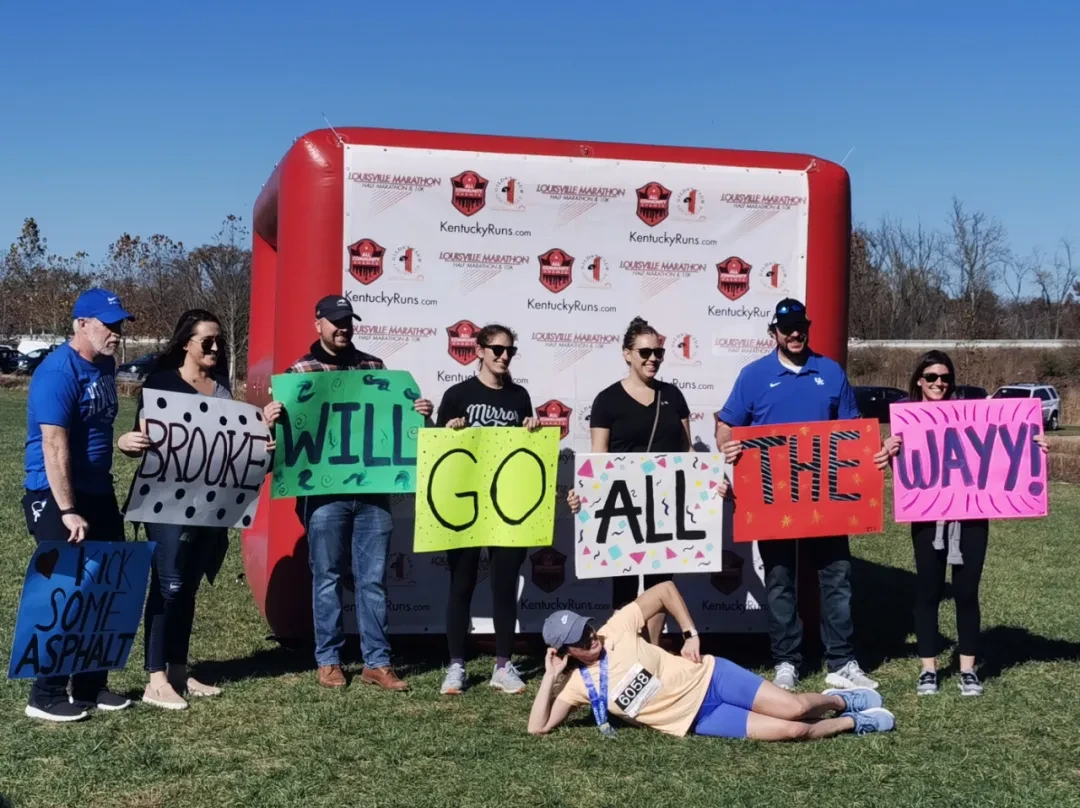
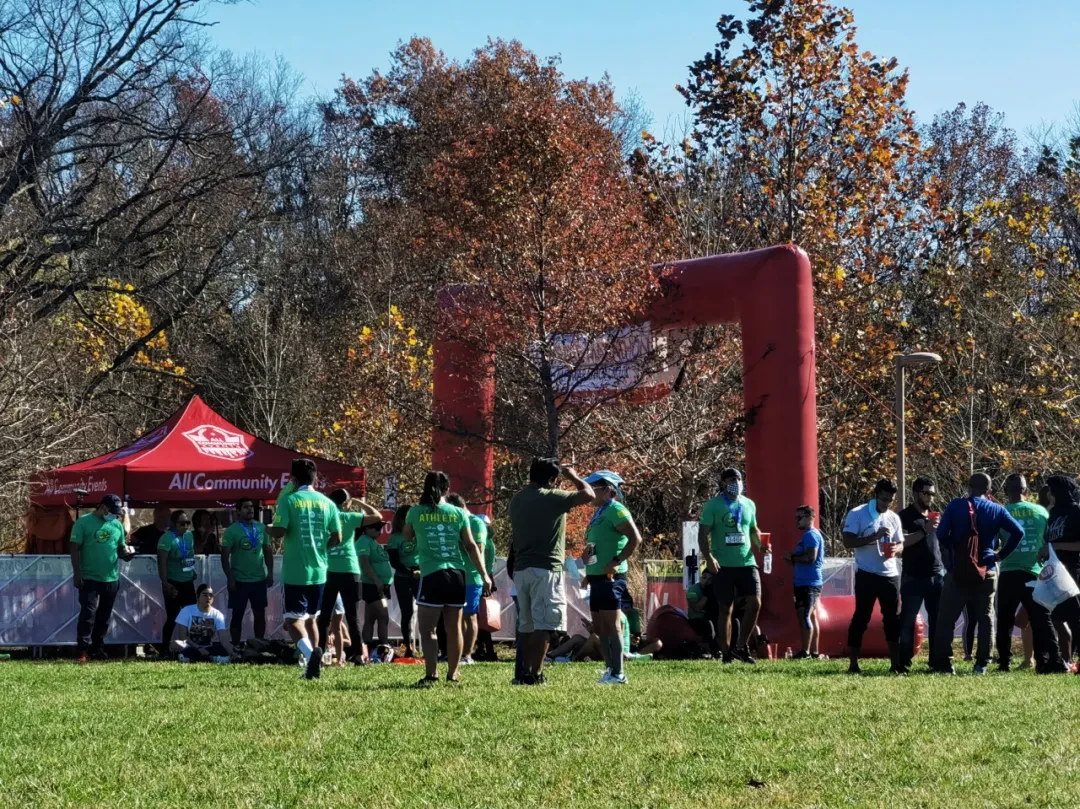
That finish carried more than 26.2 miles. It also completed a small promise I had been trying to keep through an impossible year, so the story now rewinds to the 200 weeks of running that brought me to the start.
Preface
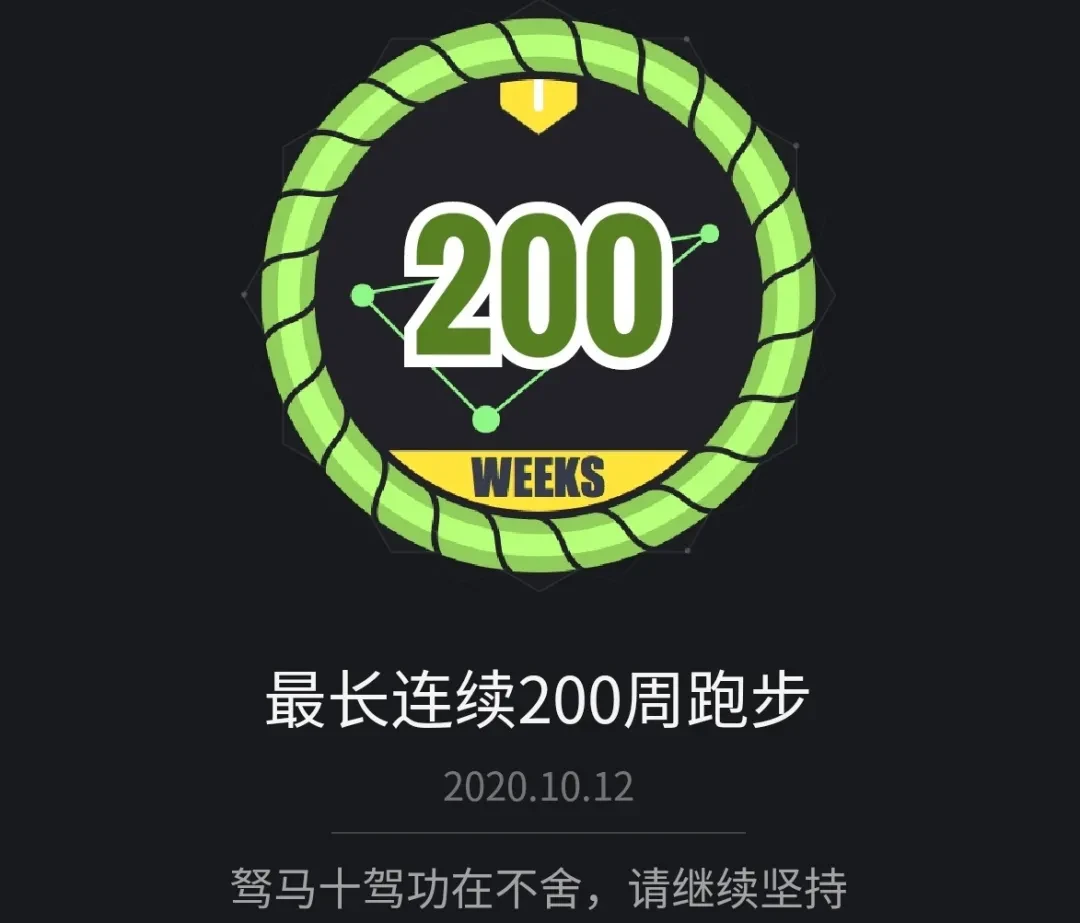
My first marathon of 2020 came a little later than expected. I had been hooked on running for more than four years, and looking back, I had now run for 200 straight weeks. That felt like a modest but meaningful achievement.
Running at least one marathon every year is always something I look forward to. Because 2020 had been so surreal, keeping that rhythm going felt especially meaningful, even though getting there was not easy.
Postscript
After waiting half an hour for an Uber, I could finally go home. Biden and Harris campaign signs occasionally passed outside the window. Experiencing a U.S. election as someone actually living here was completely new to me. I had felt the pressure of Trump-era policies and understood how powerless an ordinary person could feel against the background of a much larger era. I also felt fortunate to have the chance to witness American society changing at this particular moment.
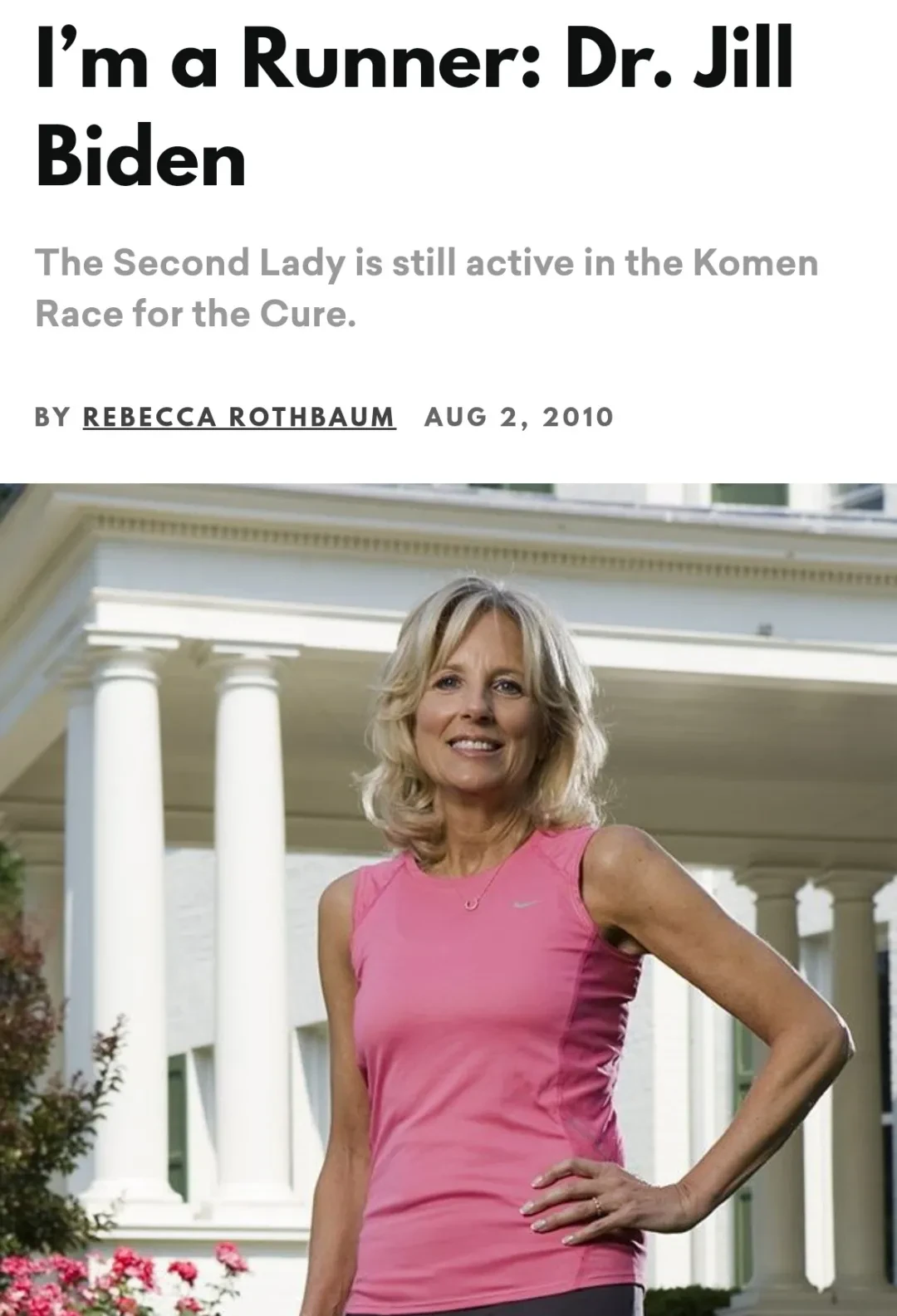
As a fellow runner, I already felt warmly toward the soon-to-be First Lady. In the end, whatever the new administration might bring, I simply hoped things would keep getting better.
- End -
Words | Arsenan
Photos | Arsenan
Design | Arsenan