I ran Mexico City's marathon at altitude, then got stranded by the pyramids at midnight
Race date: August 31, 2025. Mexico City Marathon at 7,300 feet: corrals chaos, a full-blown toilet crisis, a cobblestone sprint into the Zocalo, then a strange night by the pyramids.
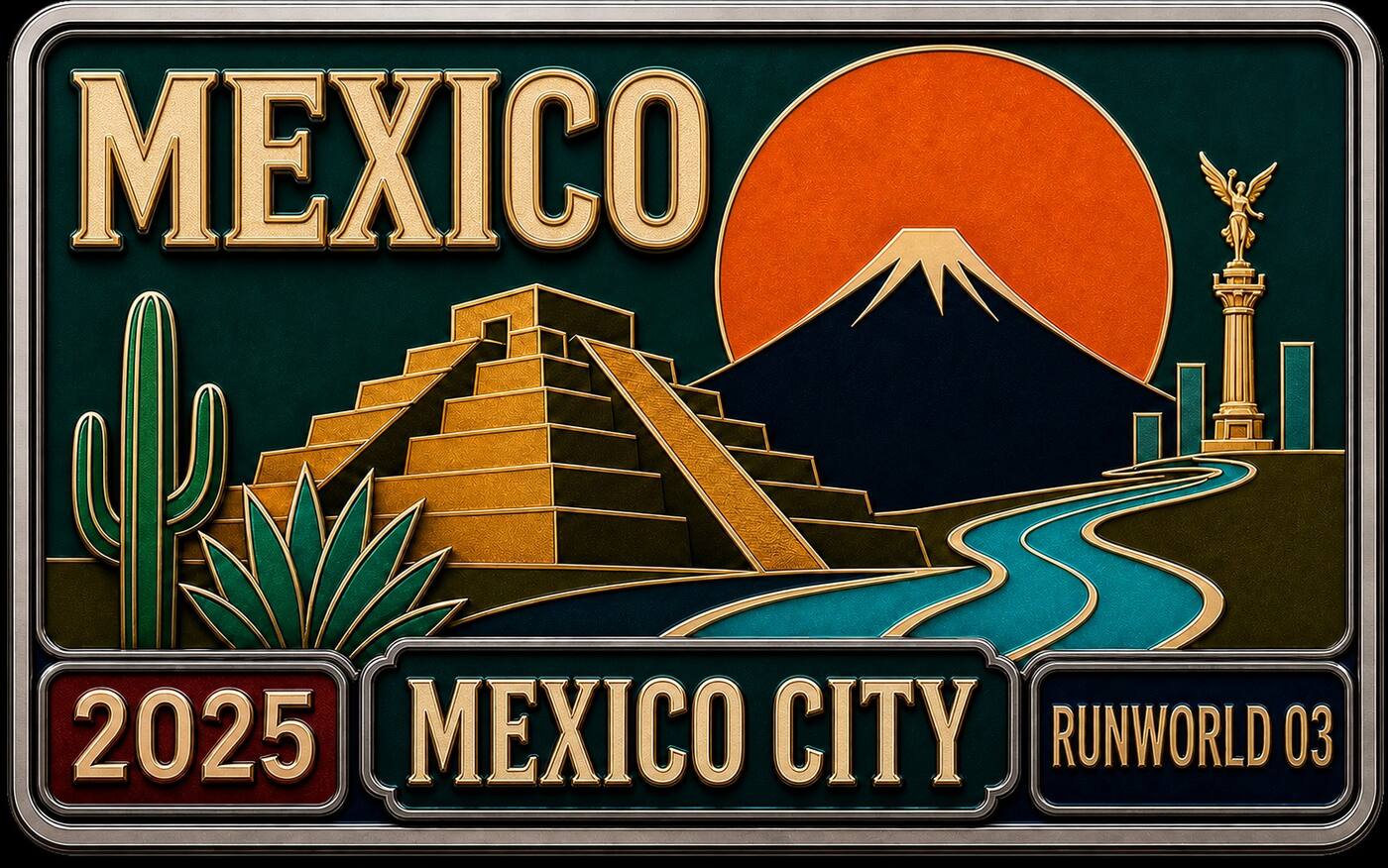
The gun · 🌶️ Mexico City, Mexico
Gun goes off at 7,300 feet
Let’s start where it counts: the start line. The Mexico City Marathon kicks off inside the Olympic Stadium at UNAM — the “Harvard of Latin America” — the same stadium that hosted the 1968 Olympics. Our cab could only get us to the nearest open curb, because half the neighborhood was already shut down. So we walked in with tens of thousands of other runners.
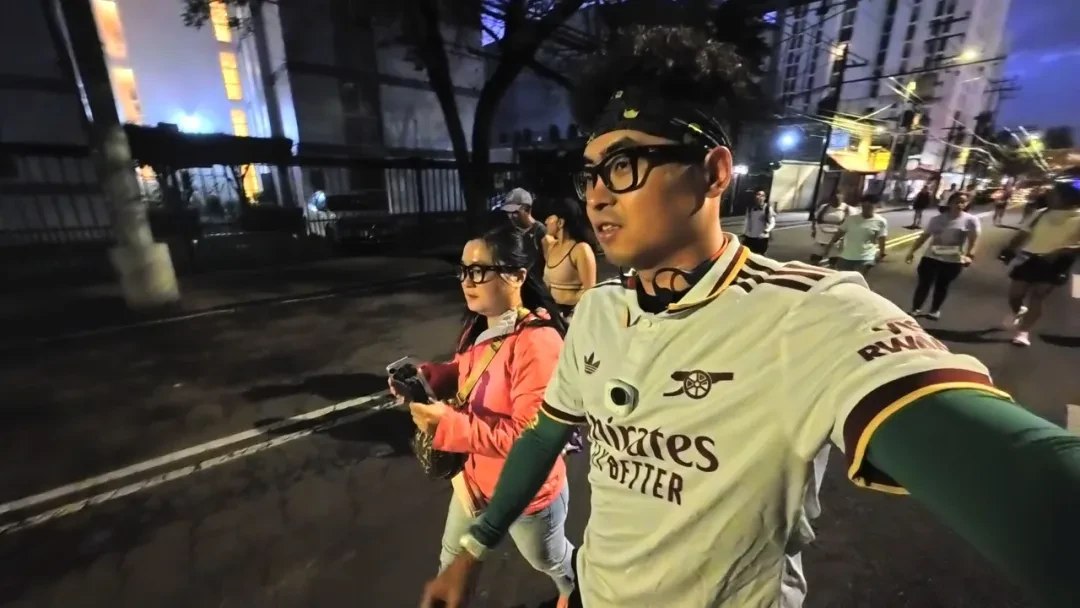
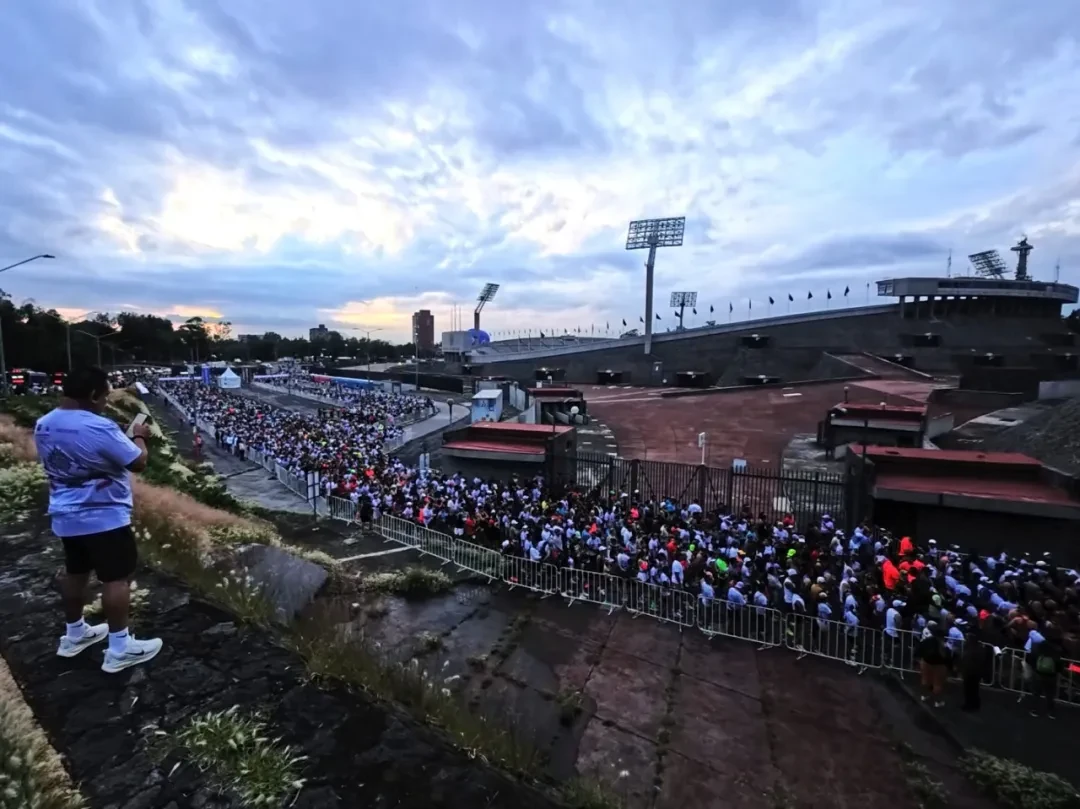
The corrals were chaos. I wandered into the blue zone, a volunteer waved his arms and yelled at me in Spanish to go somewhere else, and I understood exactly none of it — so I waited for him to look away and slipped in anyway. Very proud of myself. Then I found out blue was actually behind red. Genius move. I shuffled forever to reach the red corral, where everyone had long since left, so I just used the bathroom and called it a win.
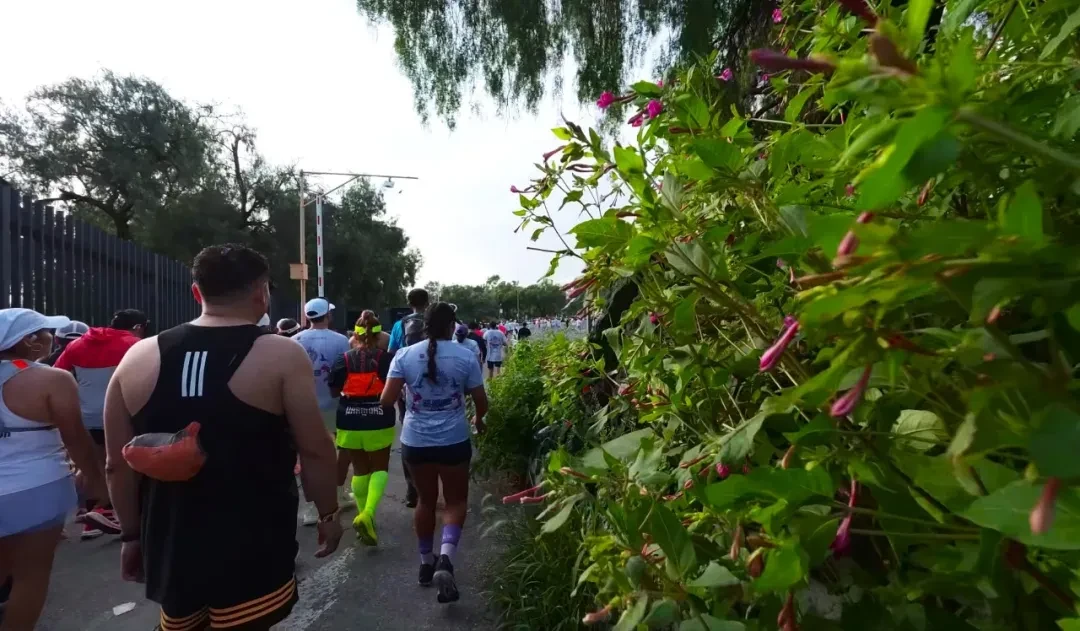
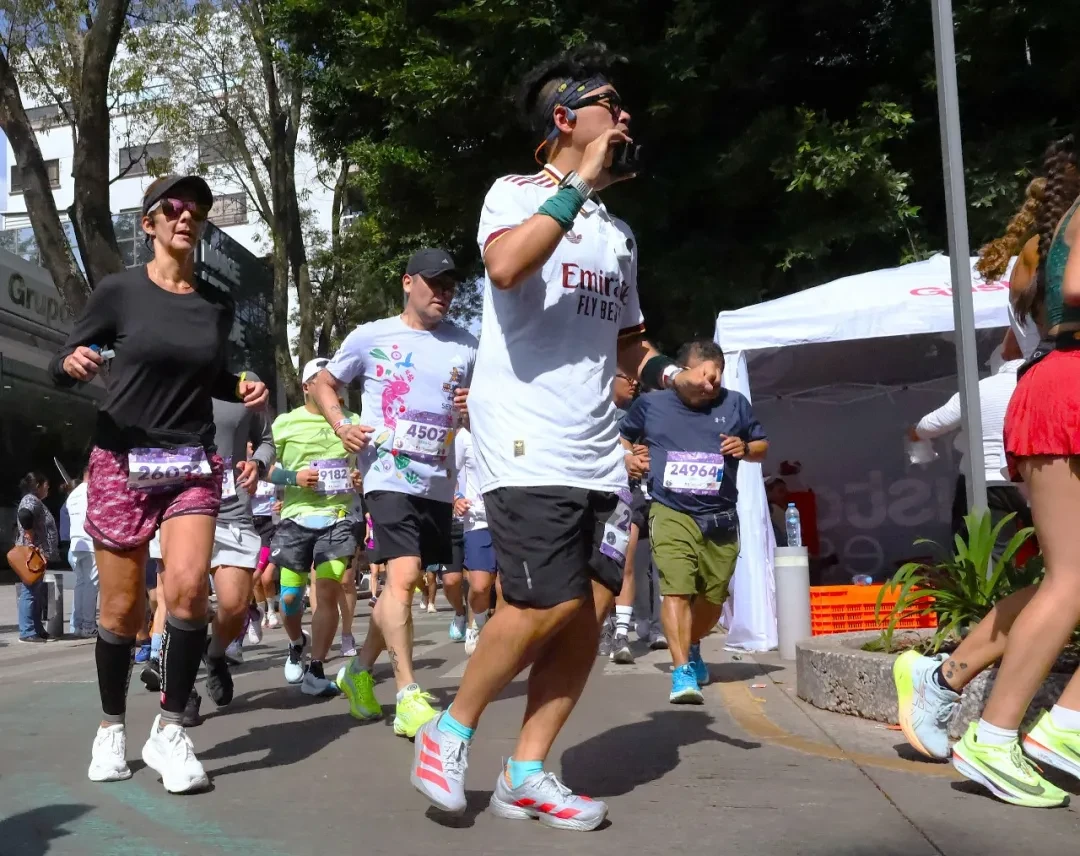
Then we’re off — and the altitude says hello. 2,240 m, about 7,300 feet. I took a few deep breaths expecting to suffer, but honestly it felt okay. A bit in, I spotted Siqi up on an overpass with the DJI Pocket 3 pointed at the course. I waved and yelled up at her, and that made it into the first clip of the day.
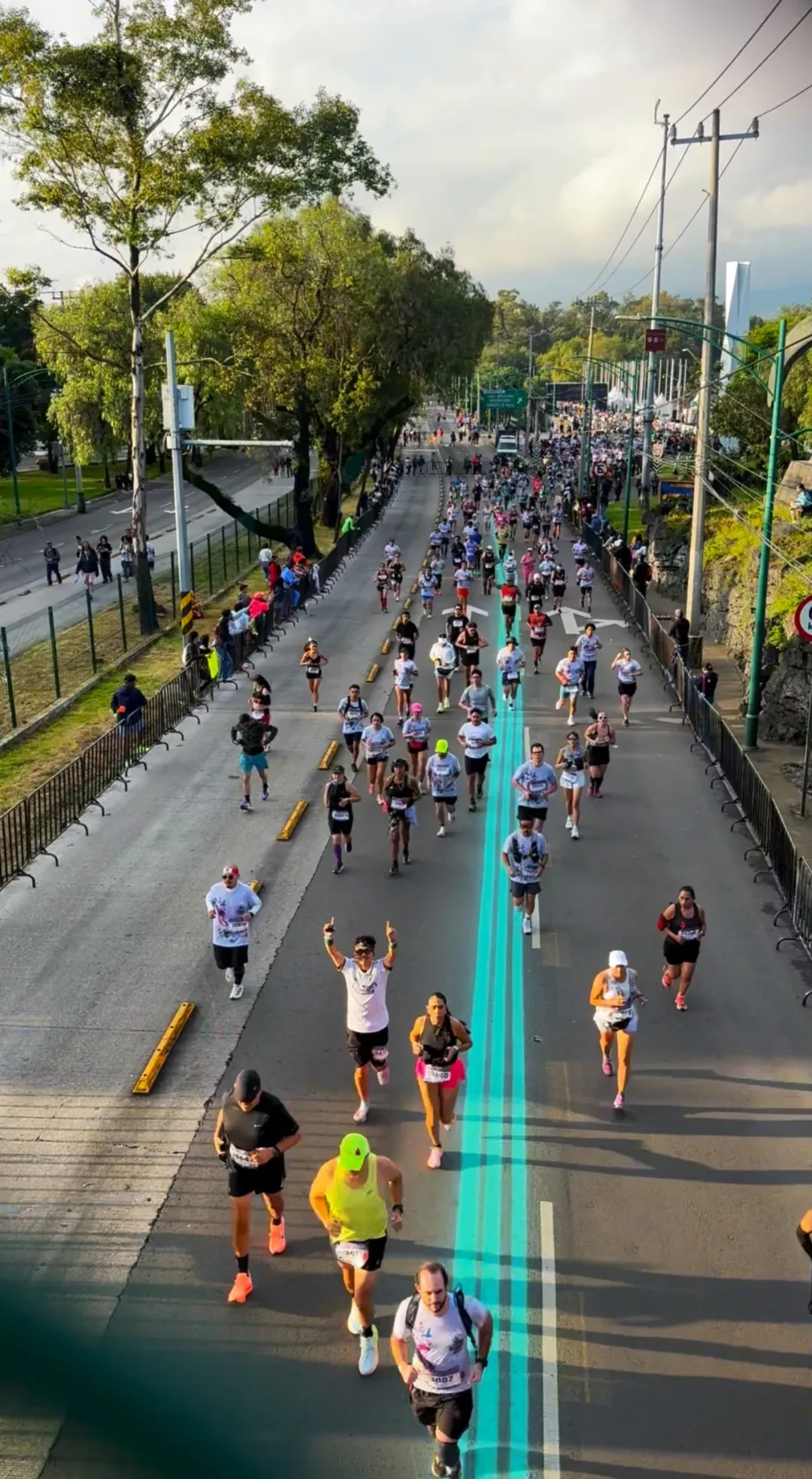
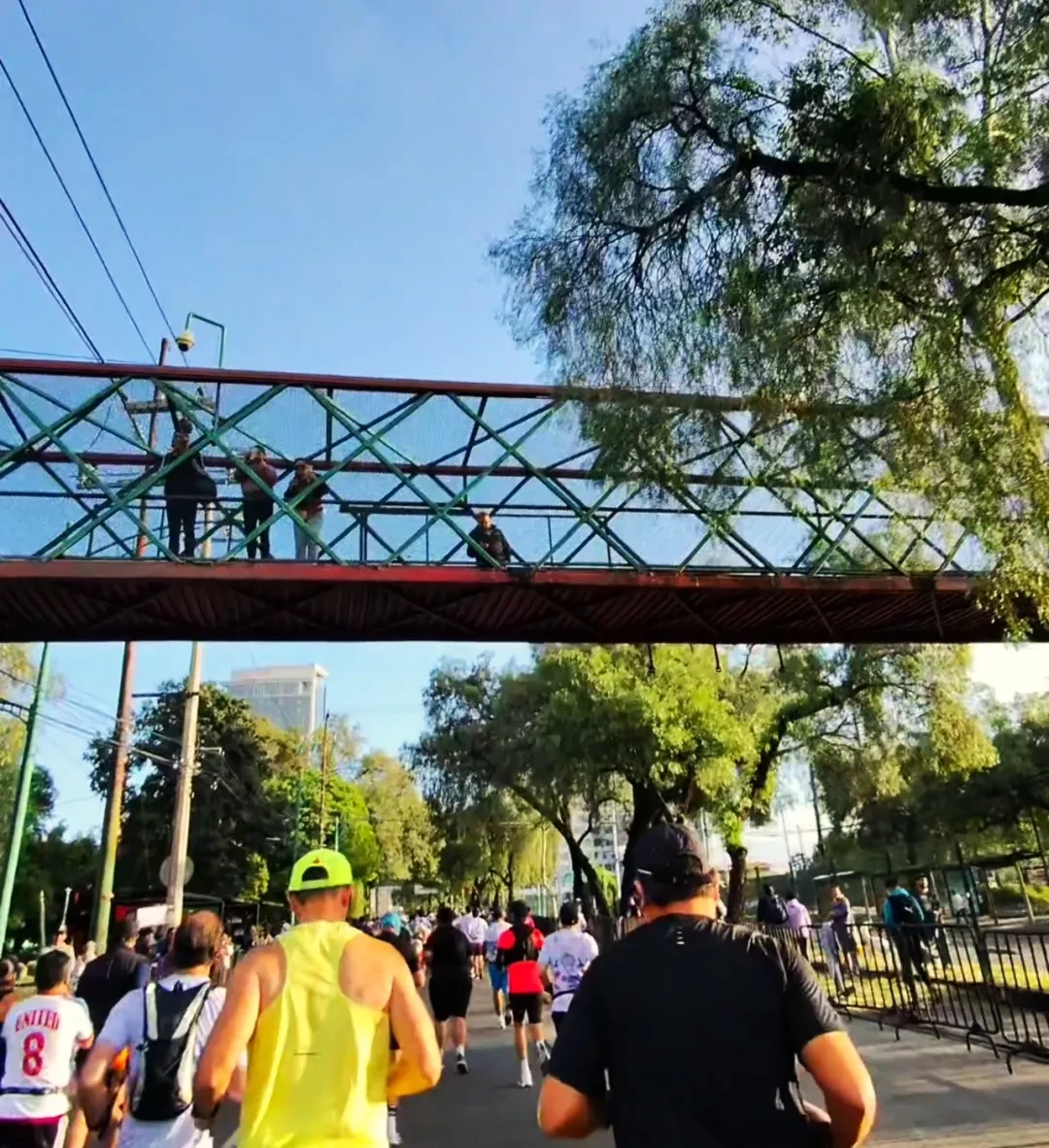
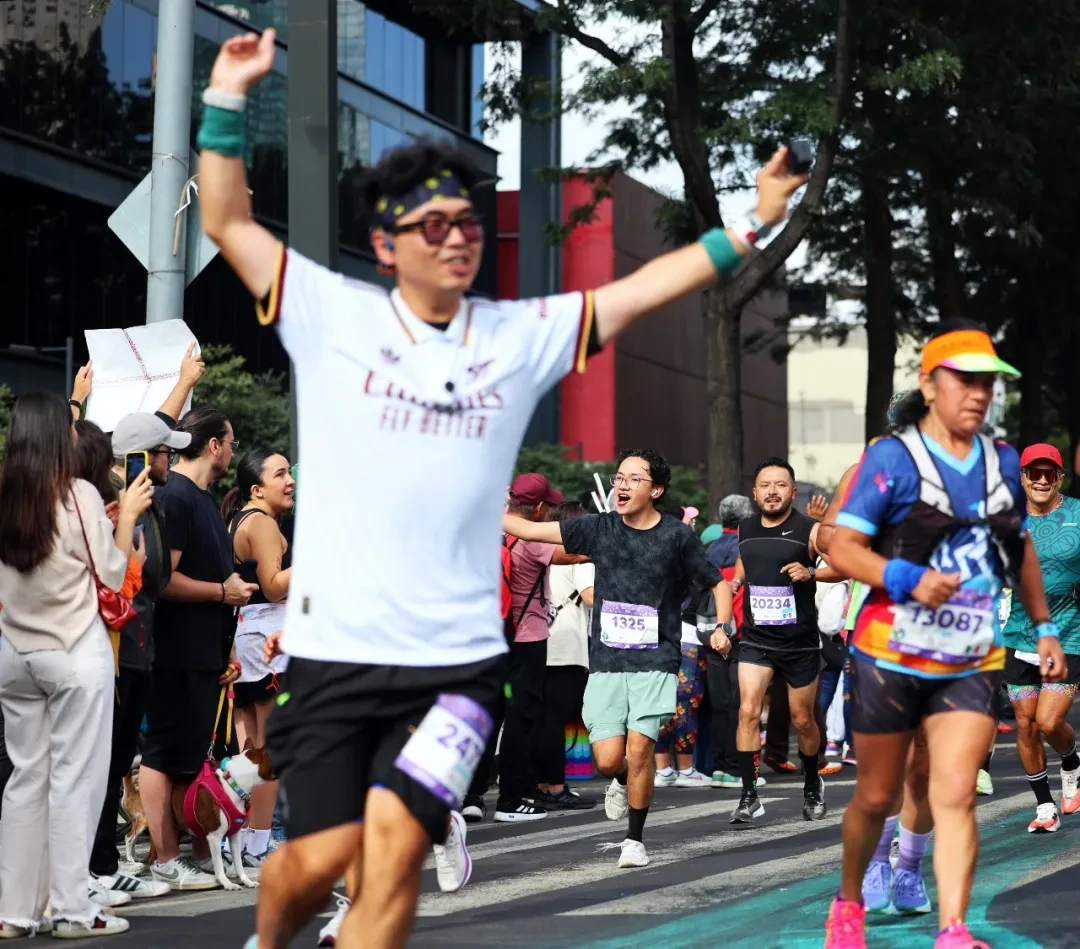
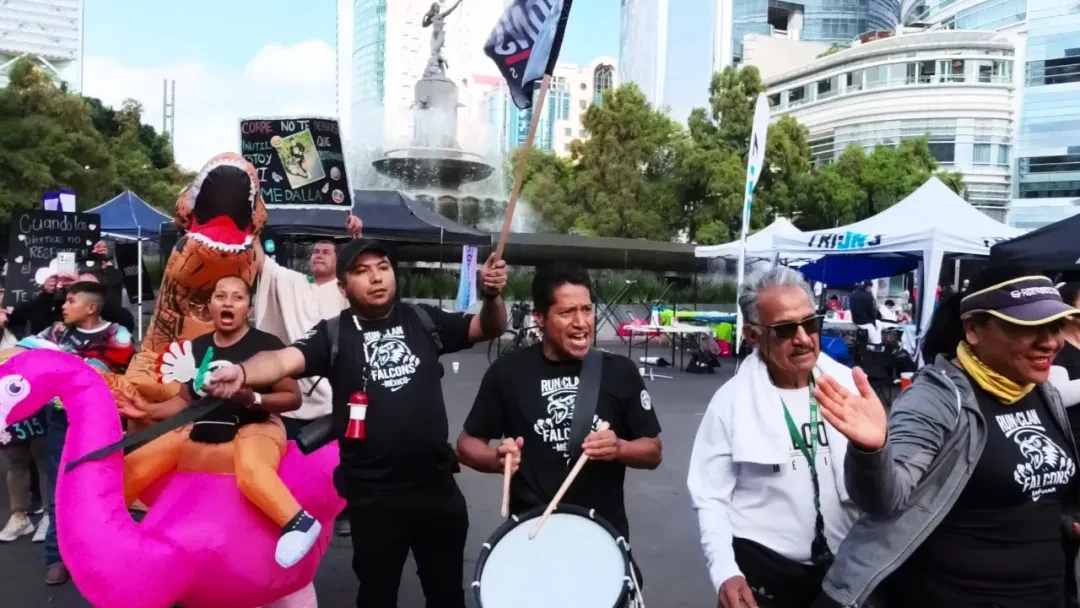
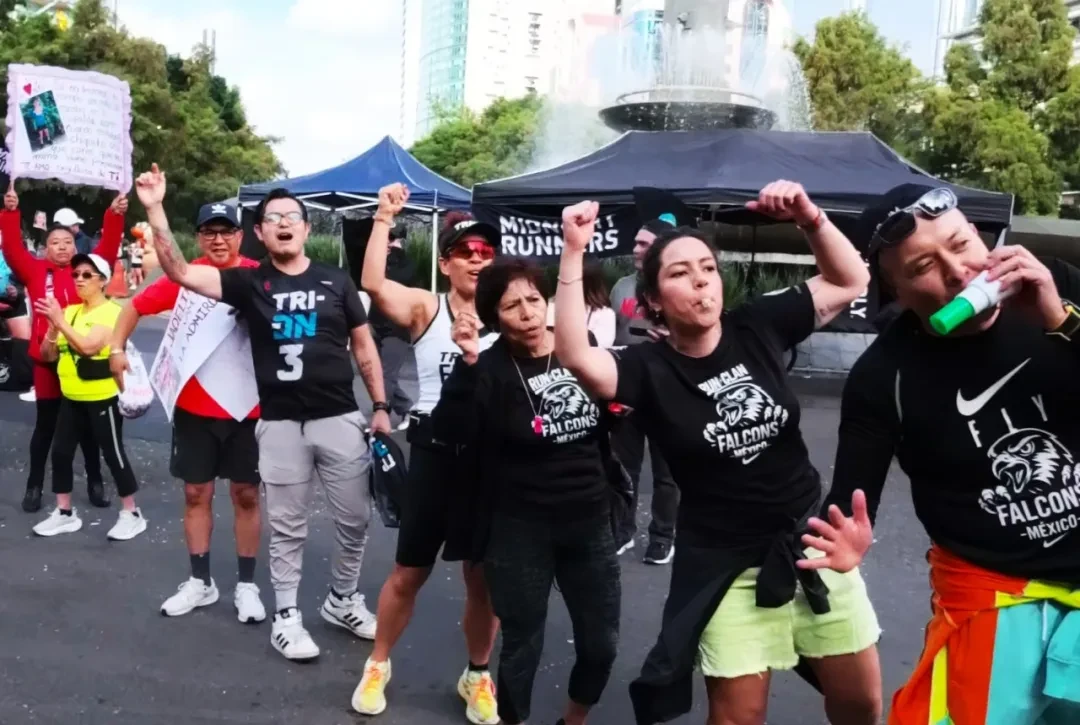
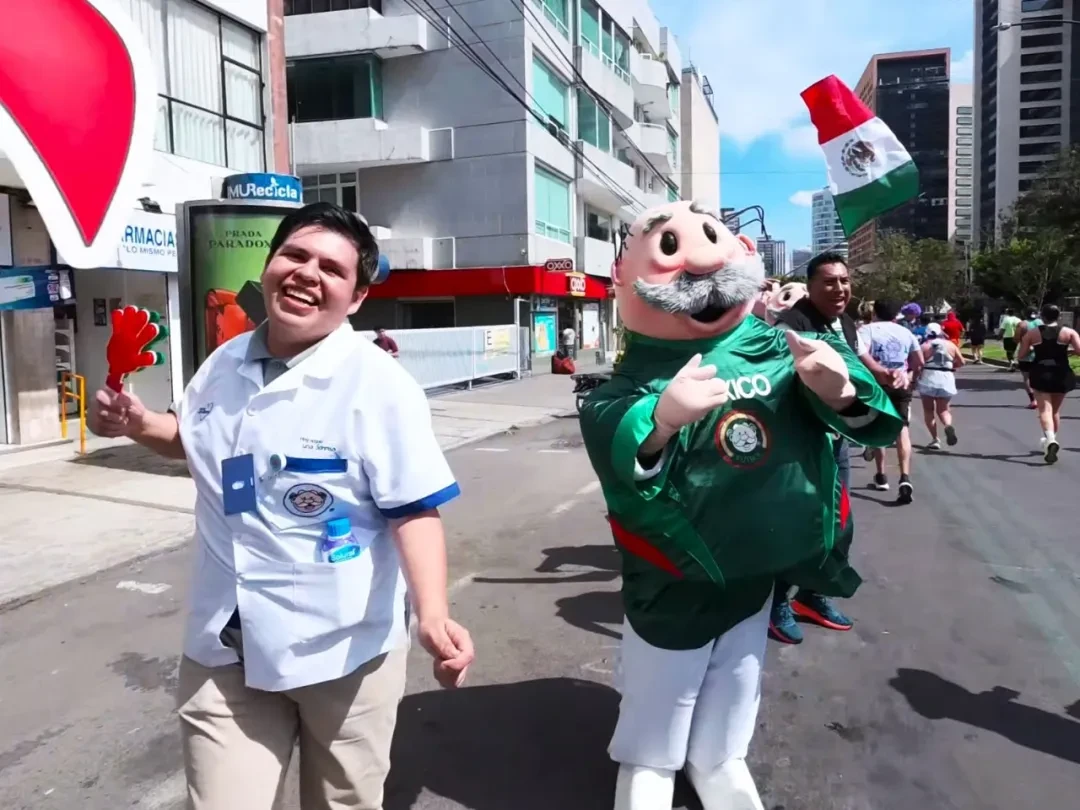
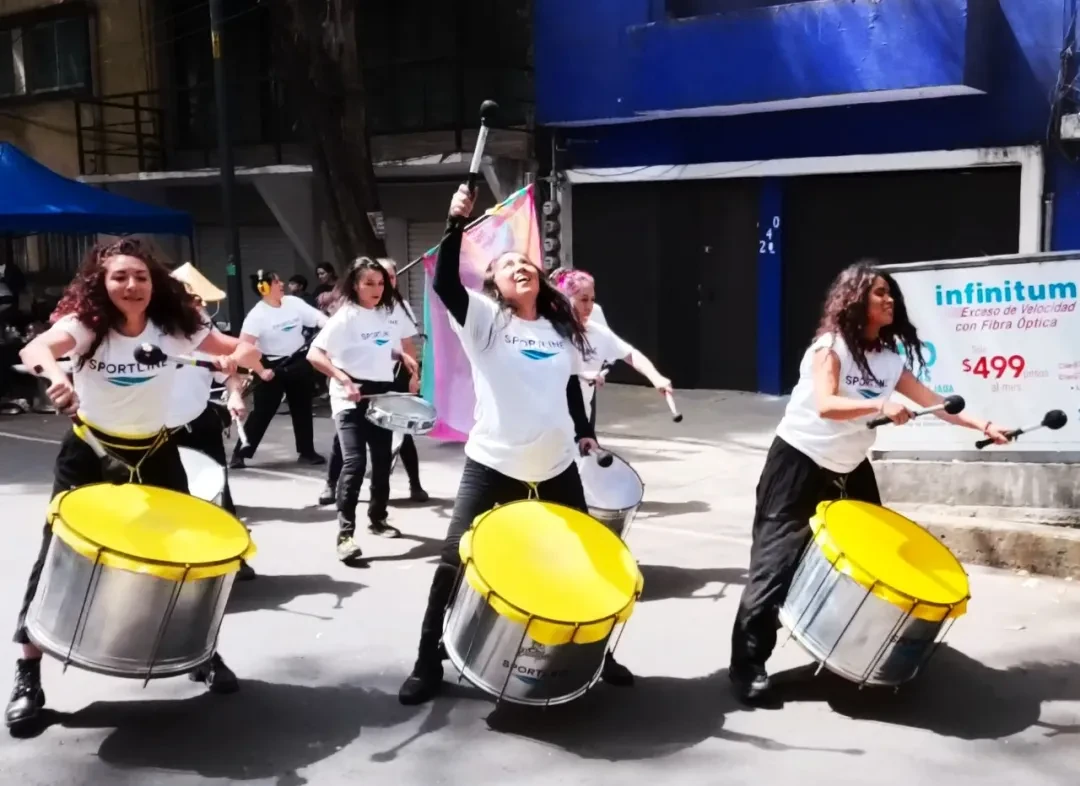
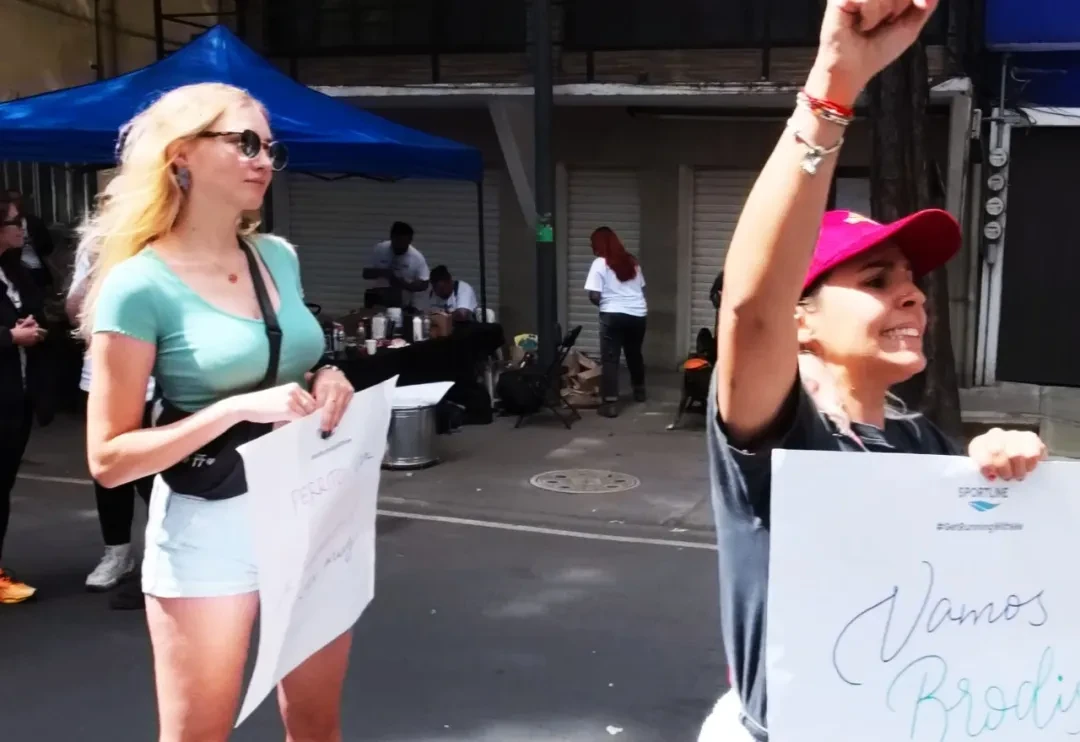
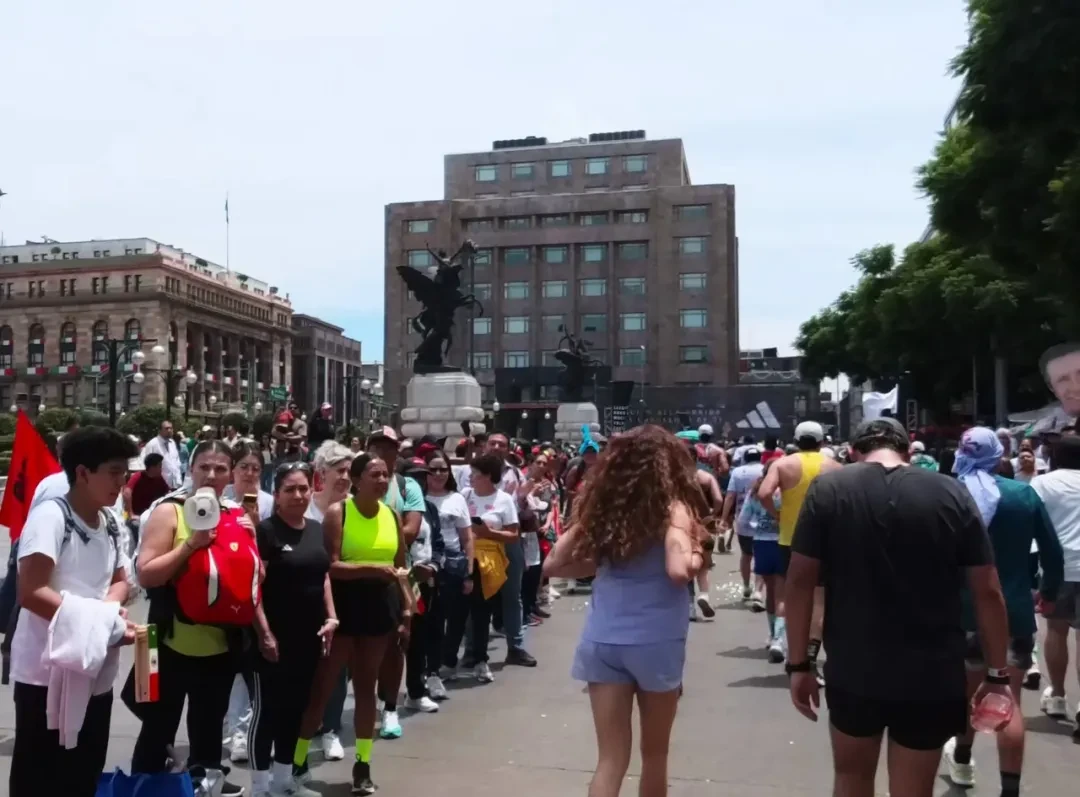
The crowds never thinned out, even back in my wave. The spectators were absolutely electric — chanting Spanish I couldn’t understand, but the sound alone was fuel. ¡Ánimo! ¡Vamos! Between the drums and whistles, it lights you up.
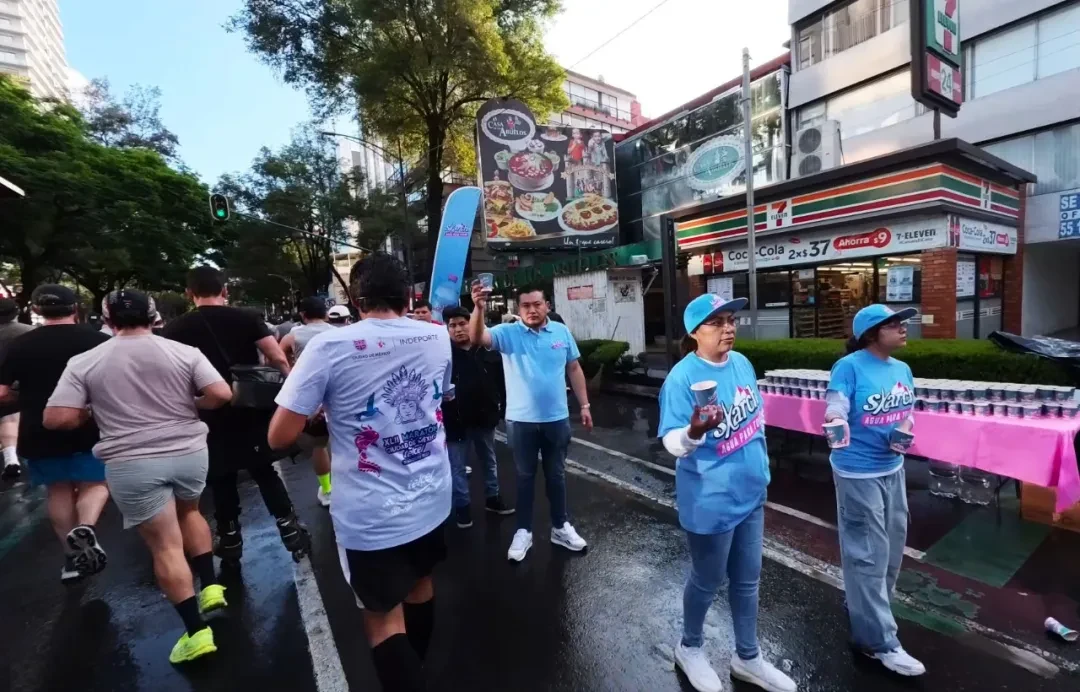
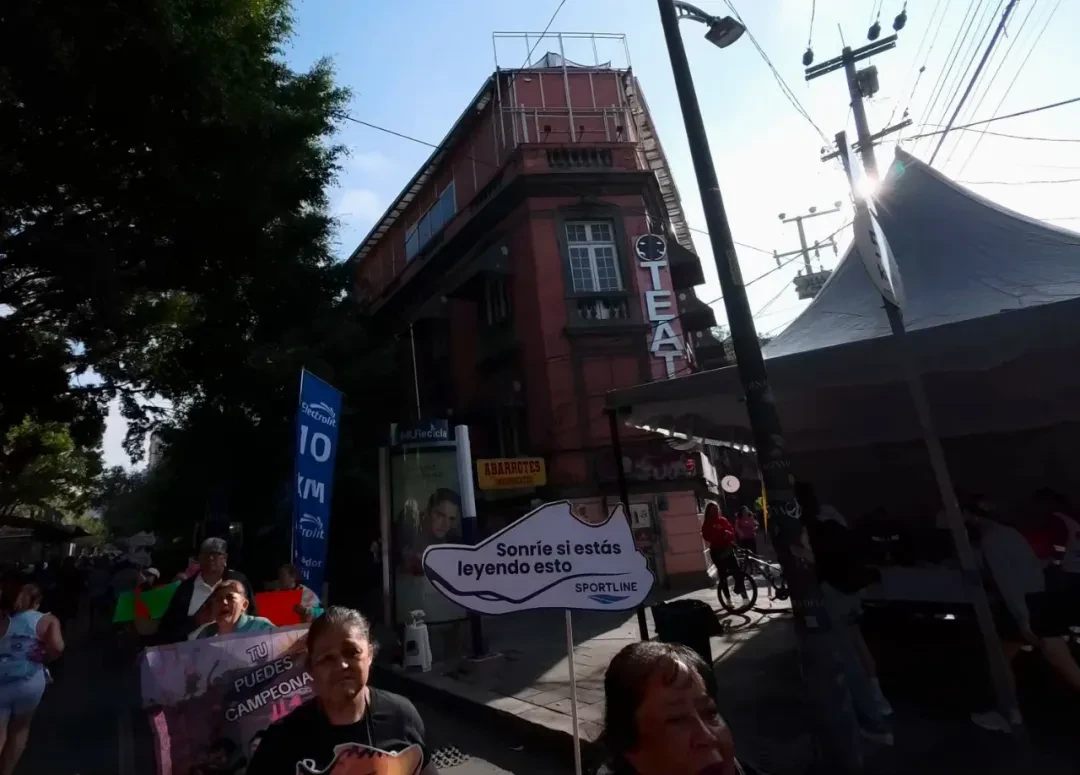
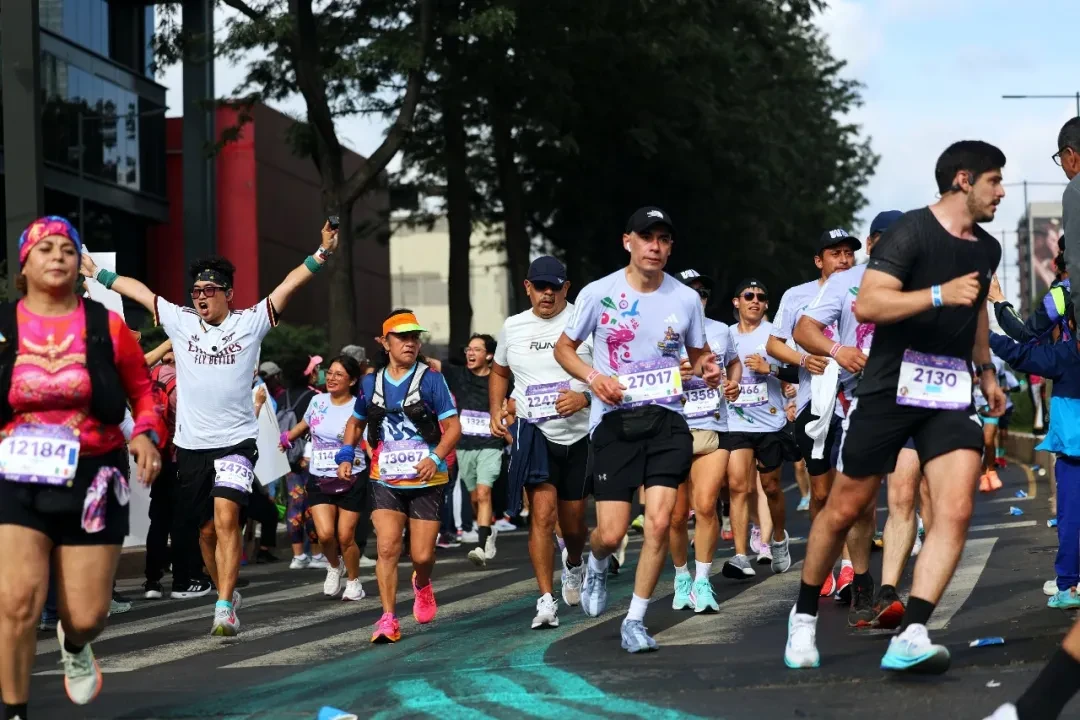
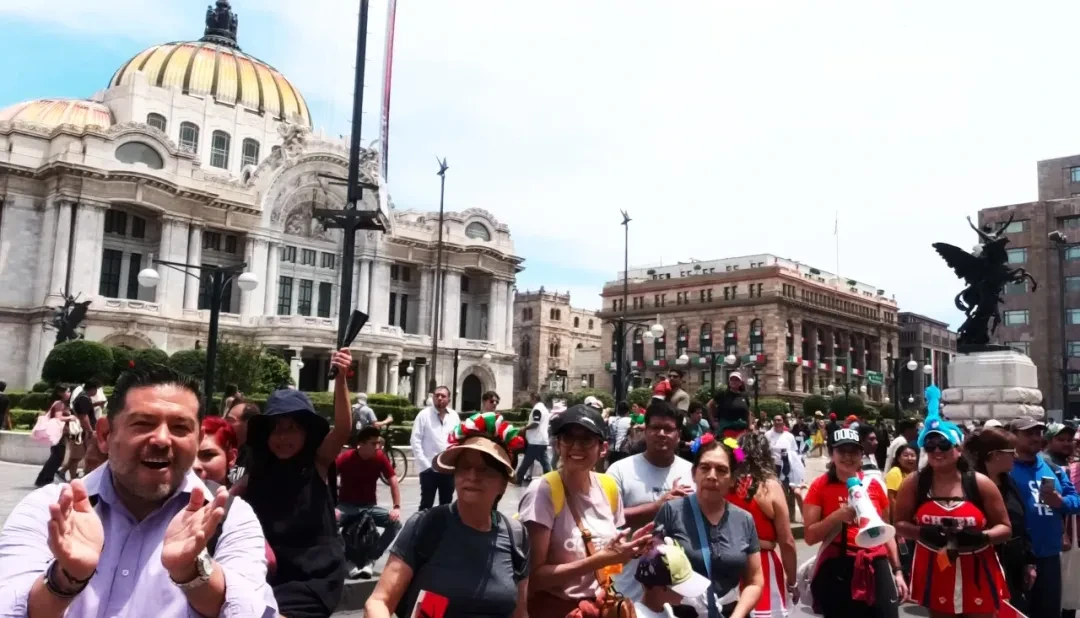
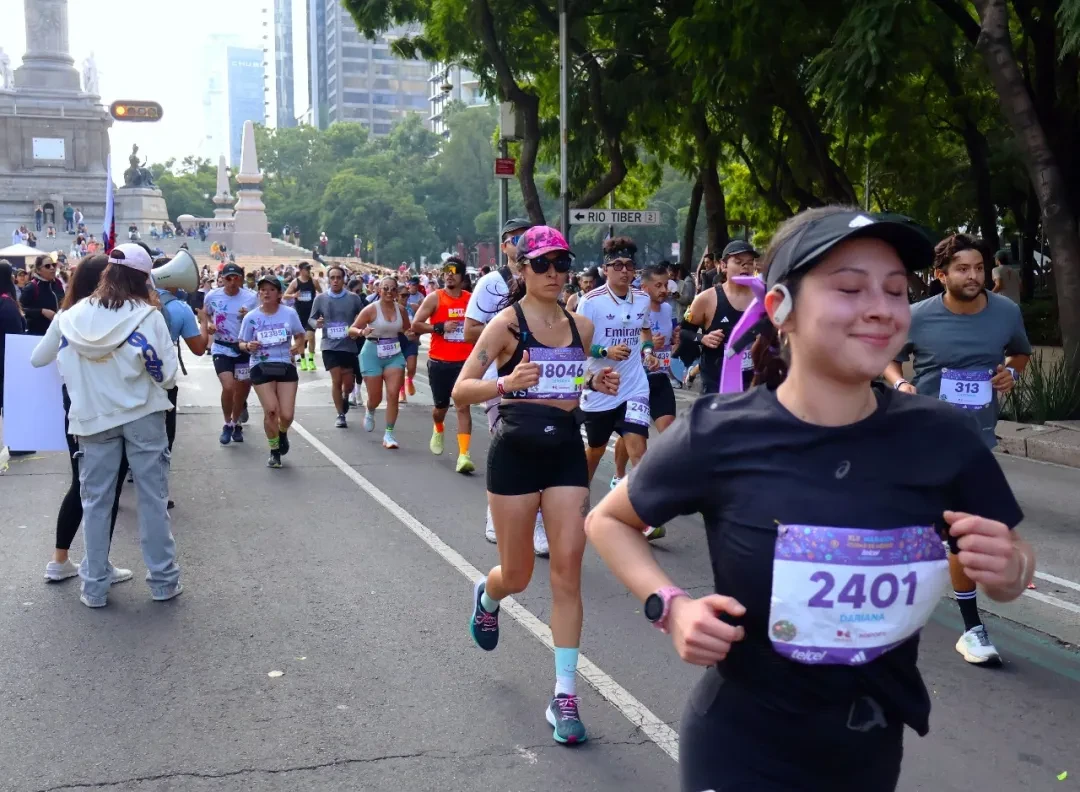
The course ducked through some campus greenery, then climbed onto the city’s grand axis: Chapultepec park, then Paseo de la Reforma, then the gold Angel of Independence rising in the middle of the road. Wide avenue, big skies, Latin swagger meeting capital-city grandeur.
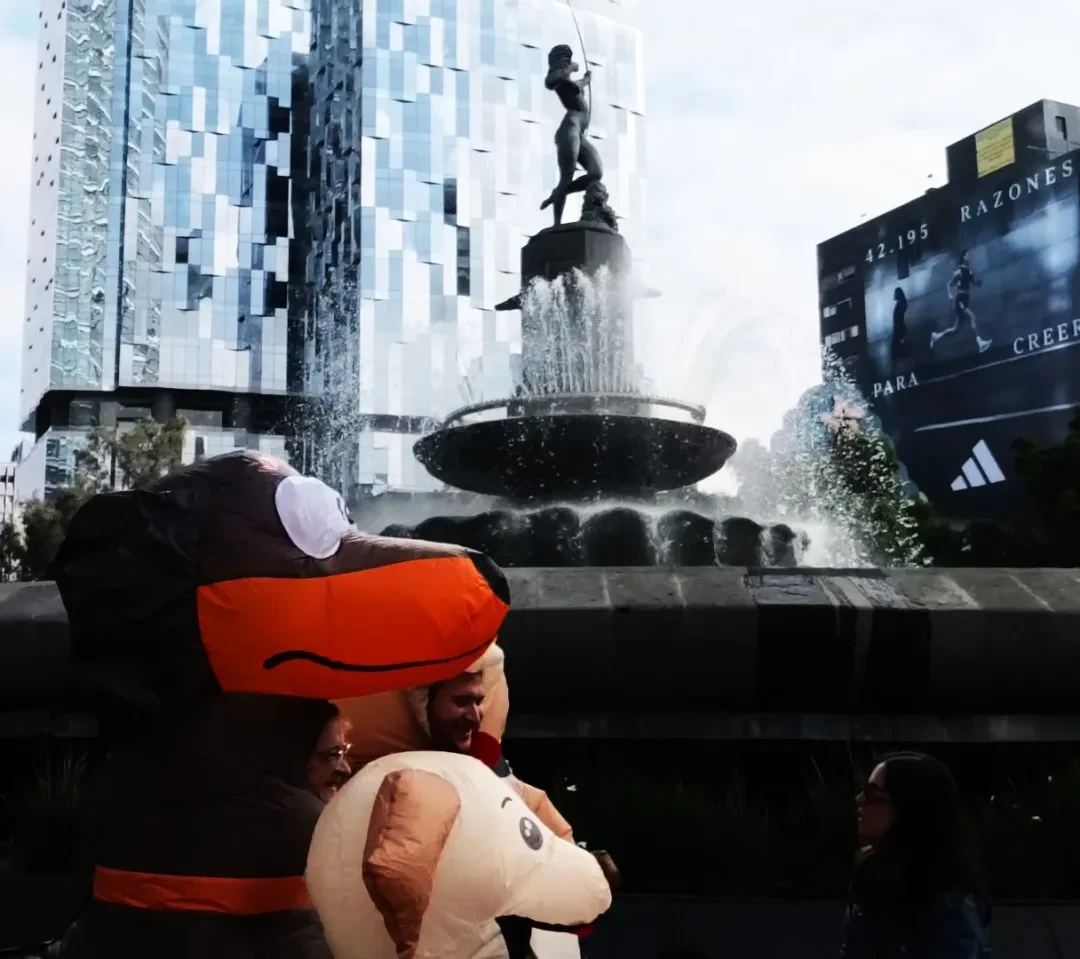
Mile 6–16 · 🌶️ Mexico City, Mexico
The toilet marathon
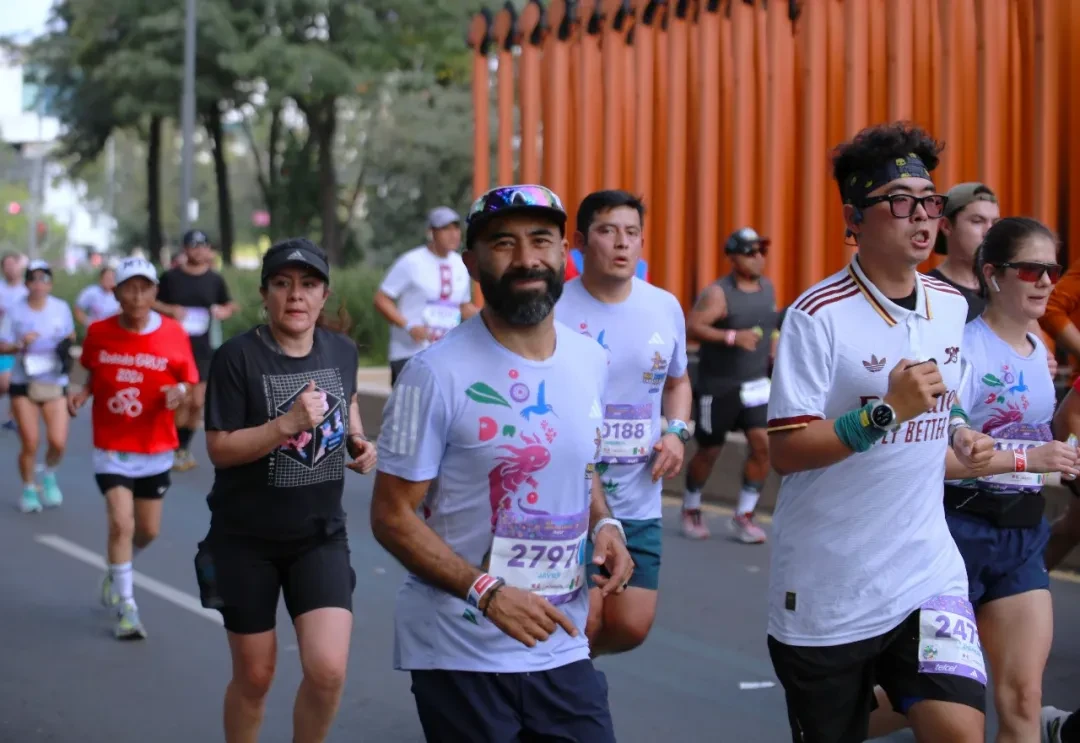
Around 10K I hit Chapultepec Park — Mexico City’s Central Park, basically. Lakes, a zoo, museums, a castle, and the course running right through the shade with huge crowds.
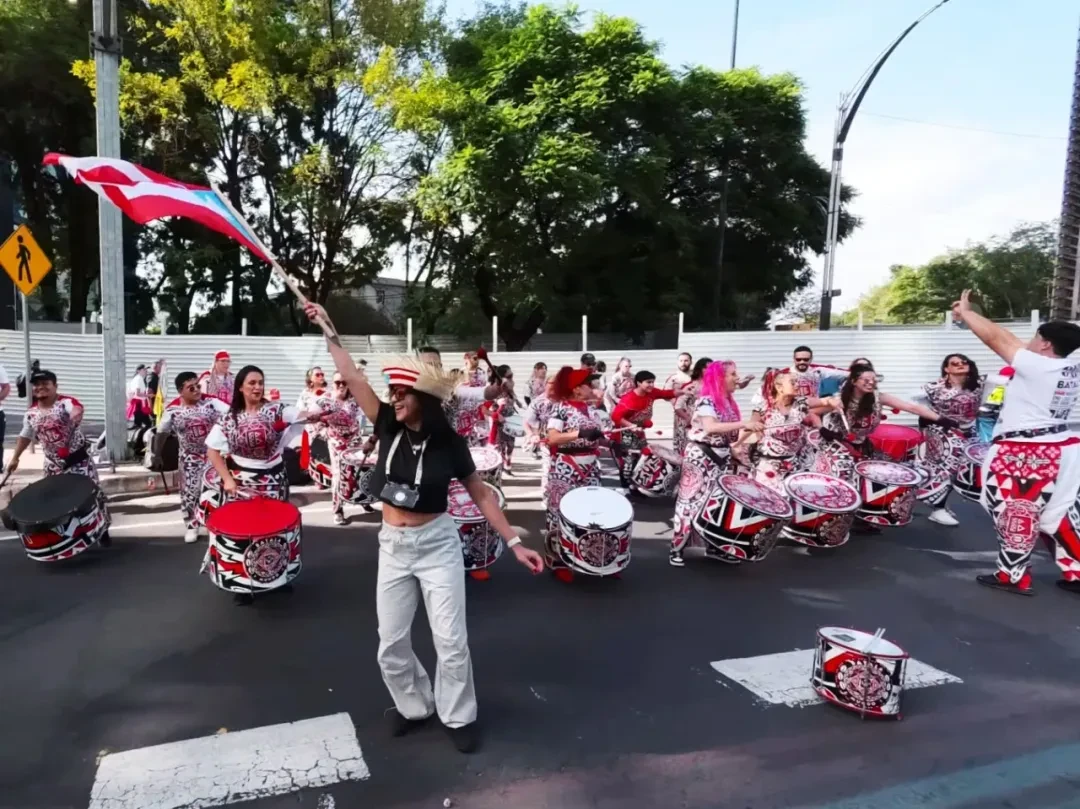
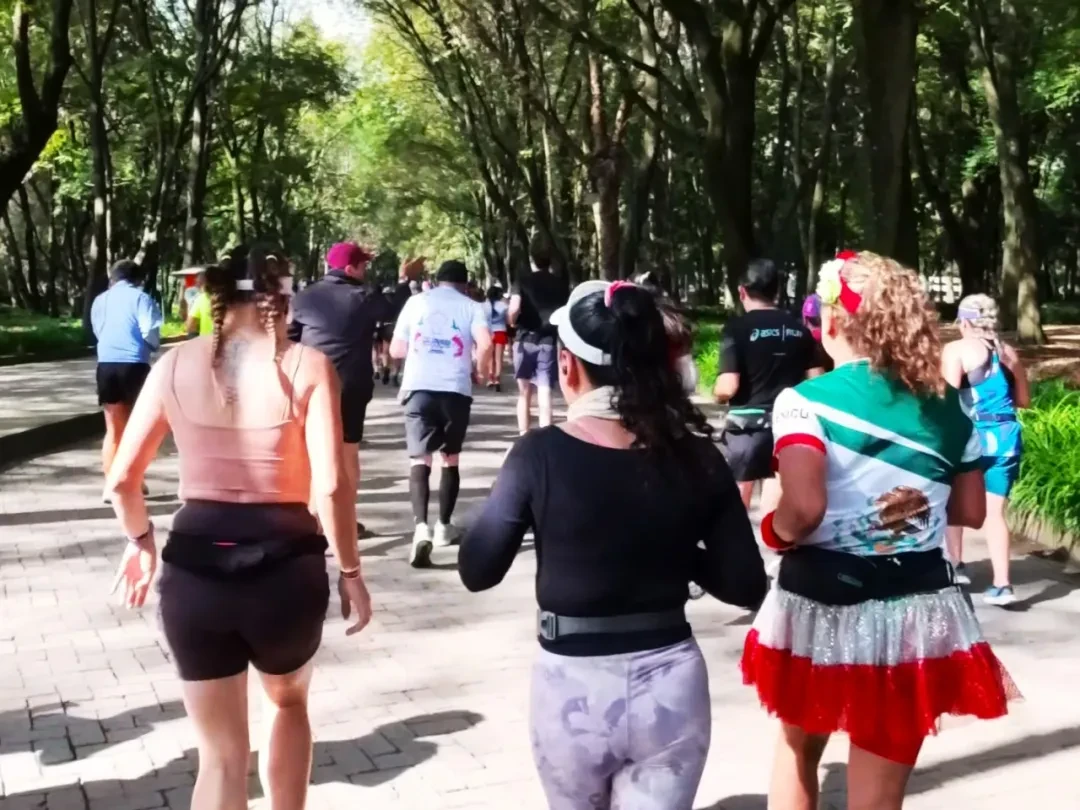
And of course, this is exactly when I needed a bathroom. Badly. There weren’t many porta-potties, and every one I saw had a ridiculous line. “I’ll wait for the next one, it’ll be emptier” — the next one was another mob. A few guys just turned to the bushes, which instantly reminded me of the old “Beijing Marathon red wall” meme. I held it. I have standards. Kept running.
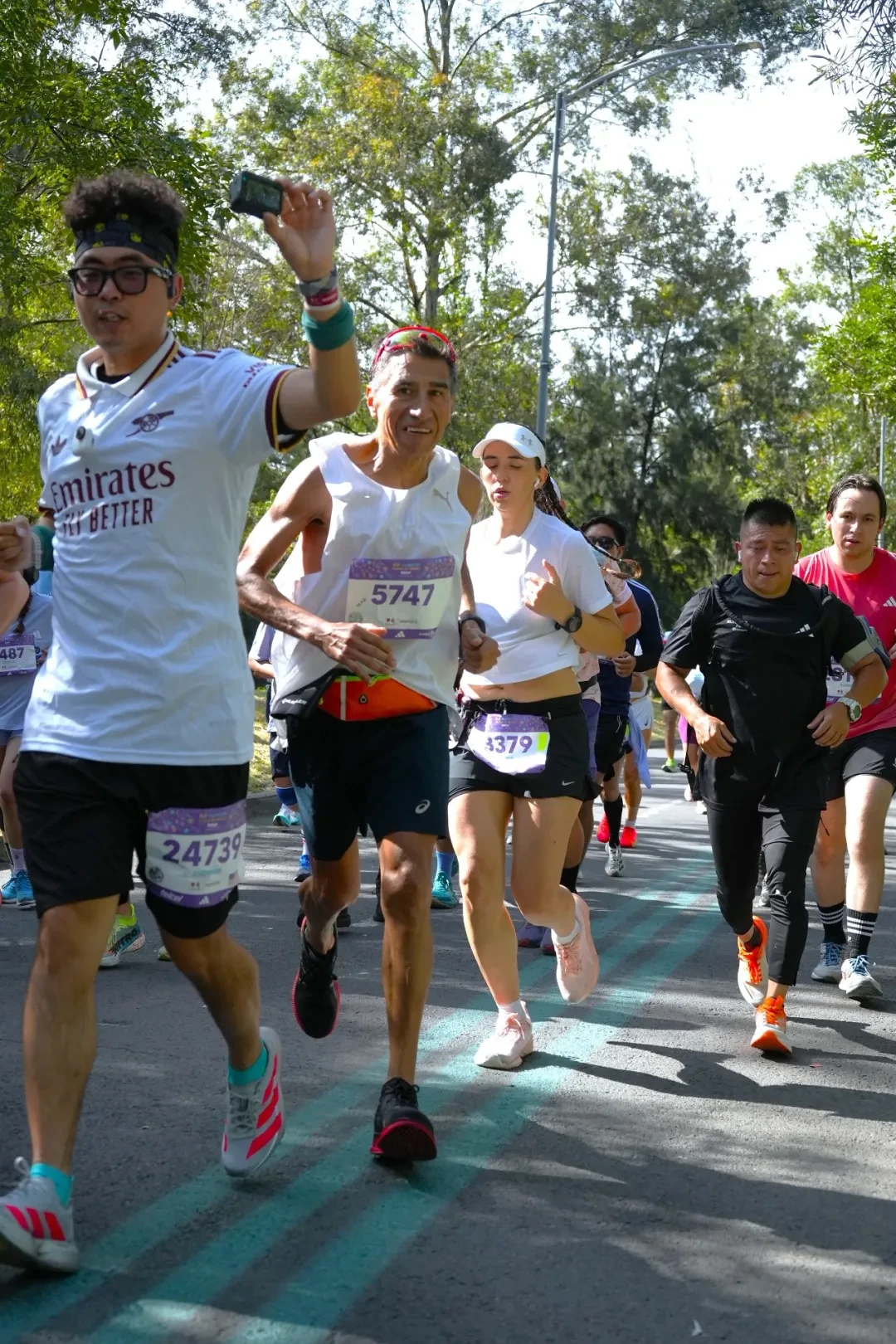
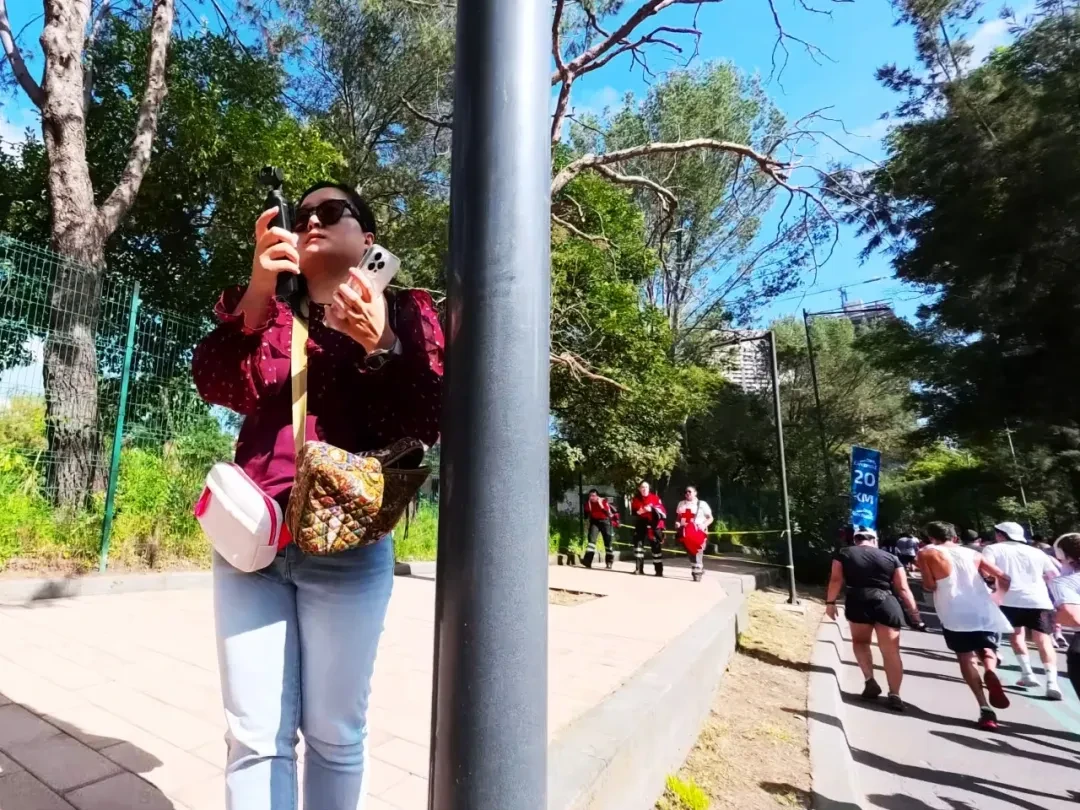
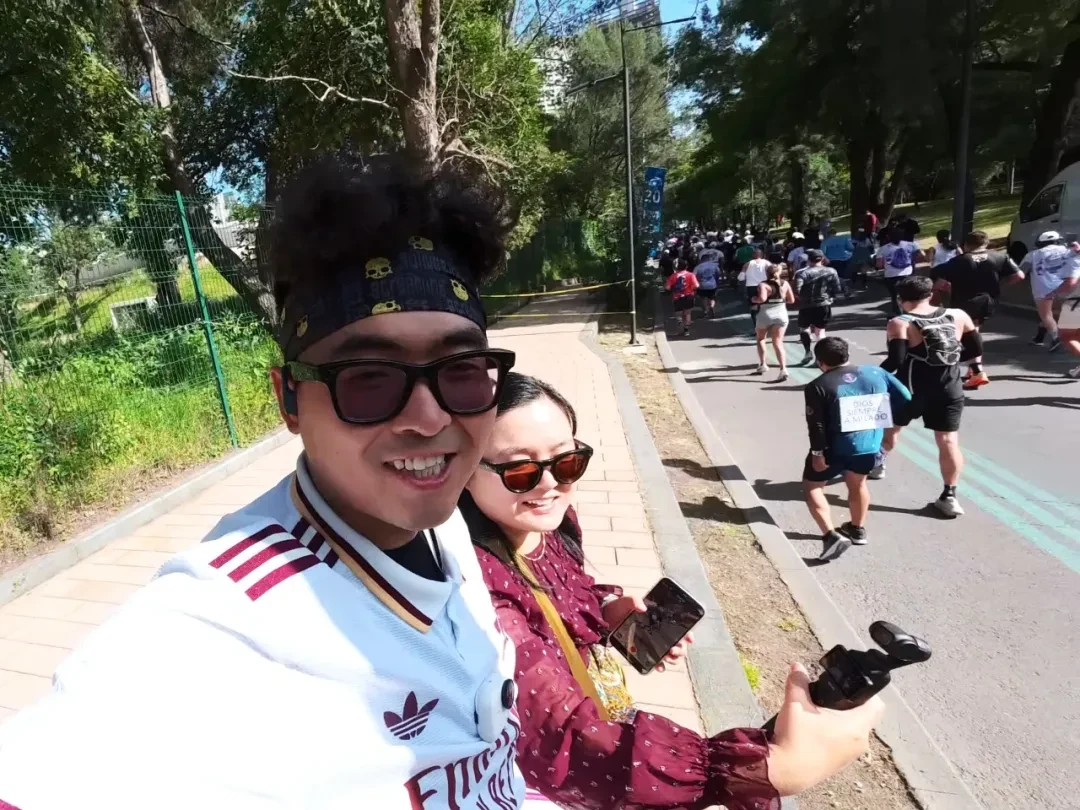
Out of the park I bumped into Siqi again, grabbed a photo, and kept hunting for a toilet through the trendy Roma/Condesa neighborhoods — cafes, bars, beautiful people everywhere. I figured I’d duck into a bar, buy the cheapest thing, and use their restroom. Hard no. They weren’t having marathoners flood in. I had no cash anyway, so I crawled back out onto the course defeated.
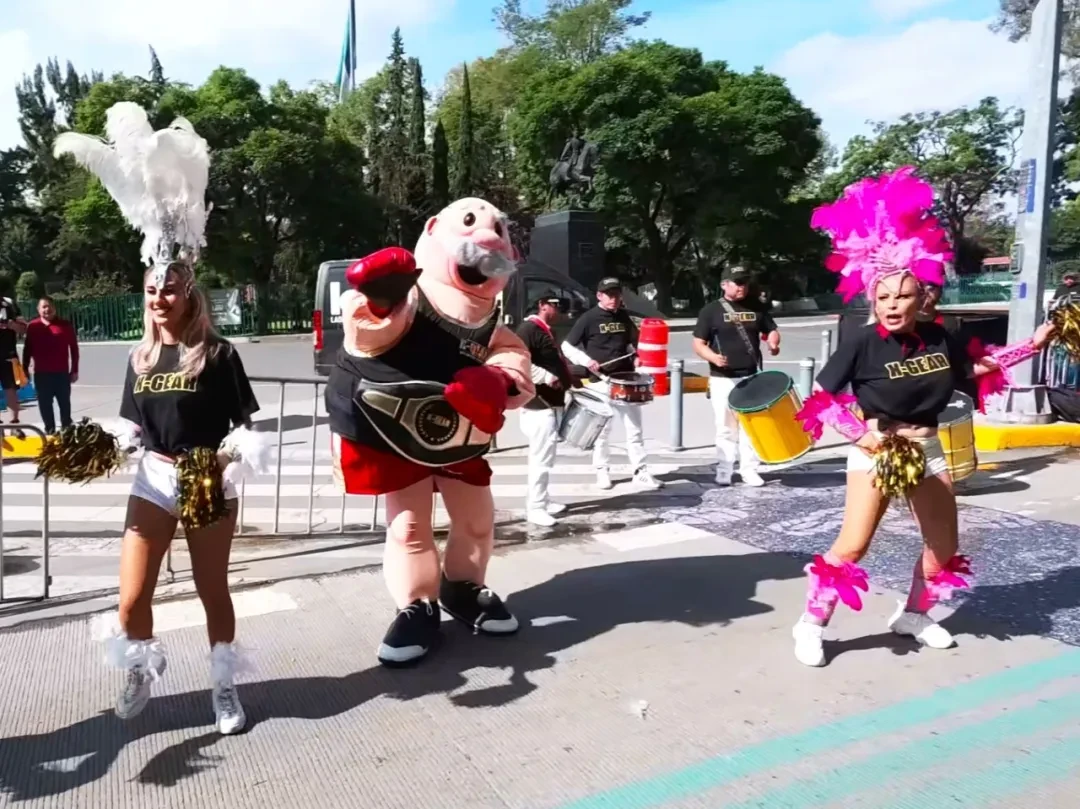
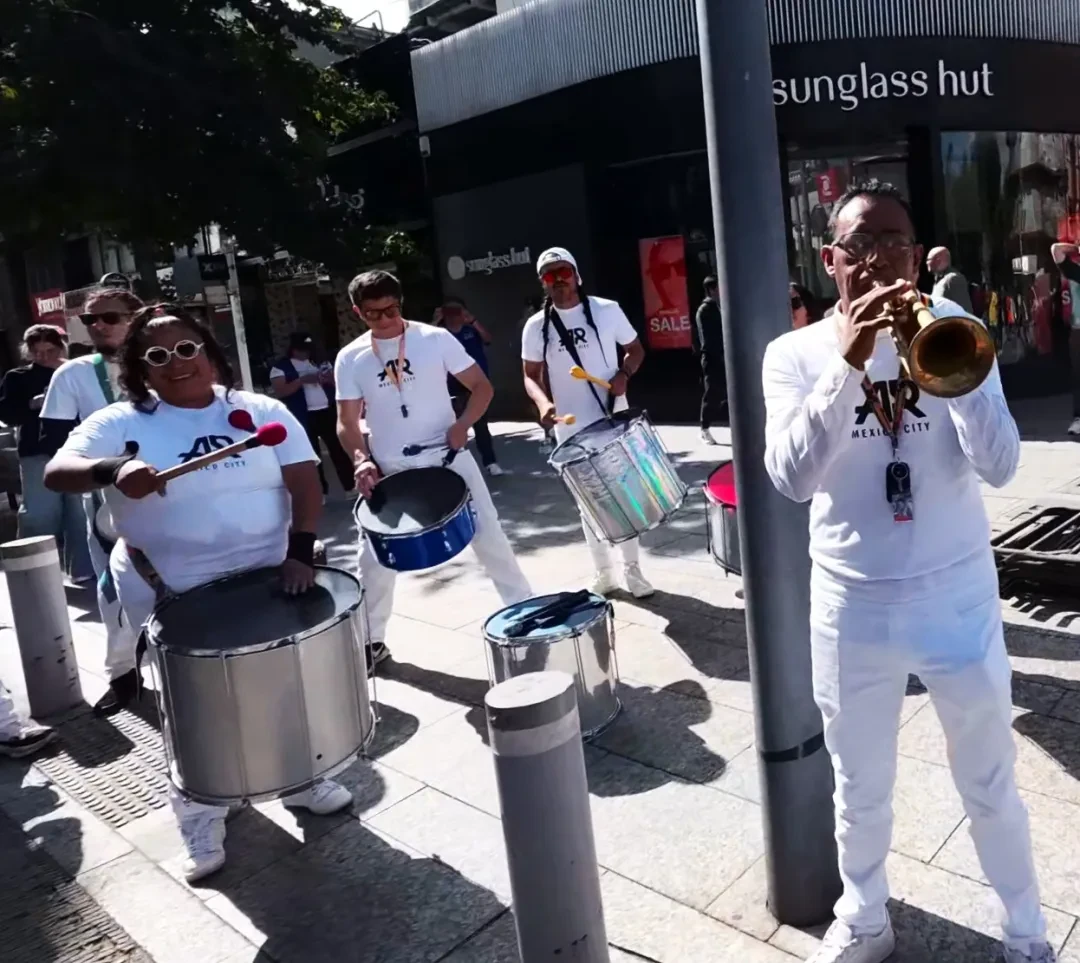
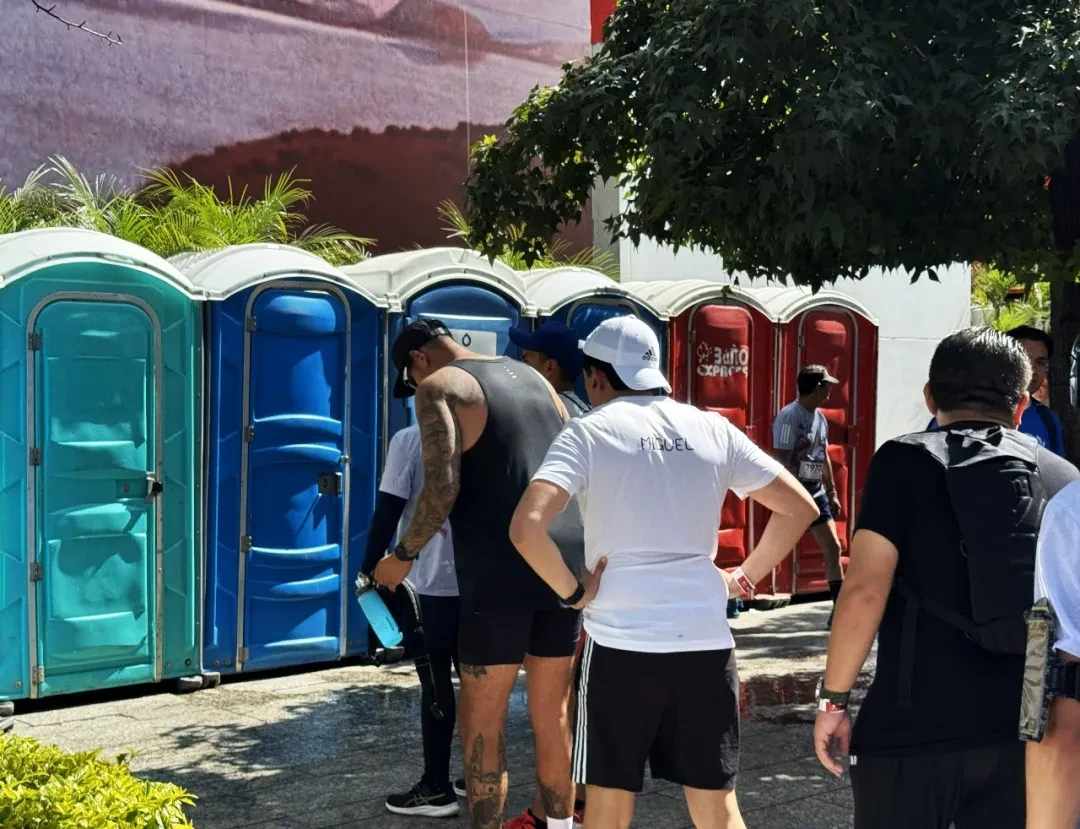
Finally at 25K: a row of blue-and-pink porta-potties, and I treated the line like a forced rest stop. Twenty minutes later it was my turn. Pure, unspeakable relief.
Mile 16–26.2 · 🌶️ Mexico City, Mexico
Reforma again, then a sprint into the Zócalo
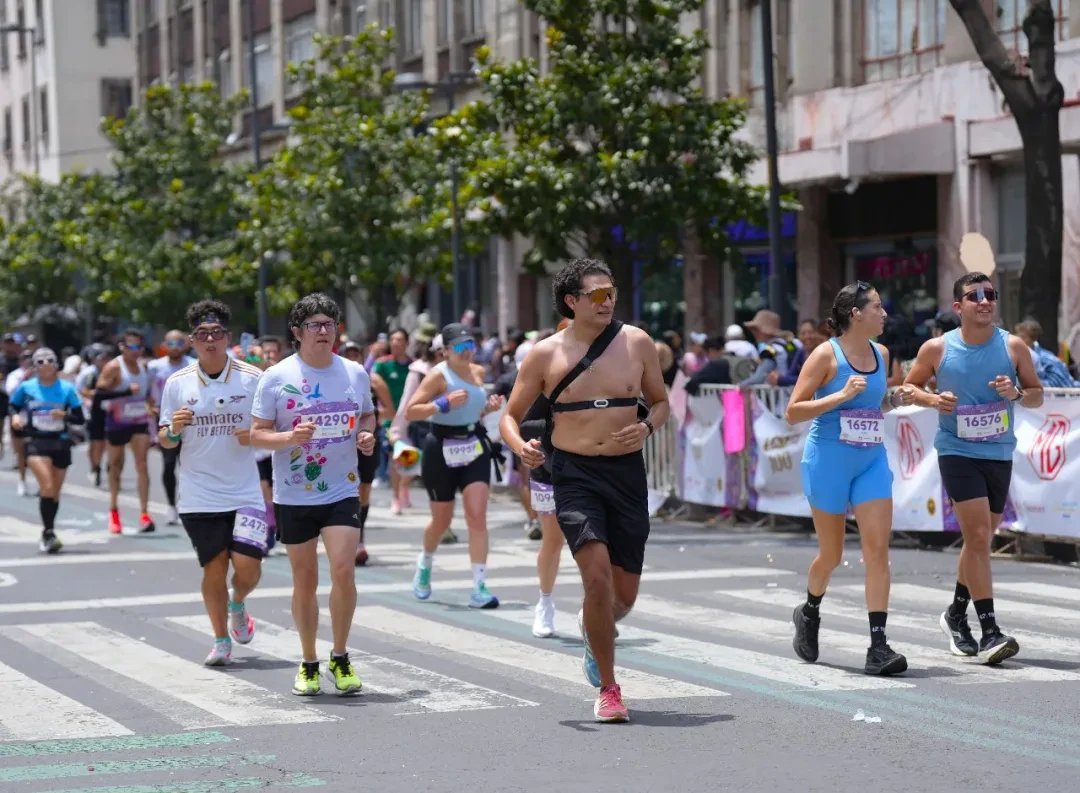
Back out, my legs forgot how to run for a bit and the fatigue piled on. But the crowd kept feeding me — water, bananas, salt, noise. I even picked up some race-day Spanish, yelling “agua!” and “cola!”, and to my shock the volunteers actually understood and handed it right over.
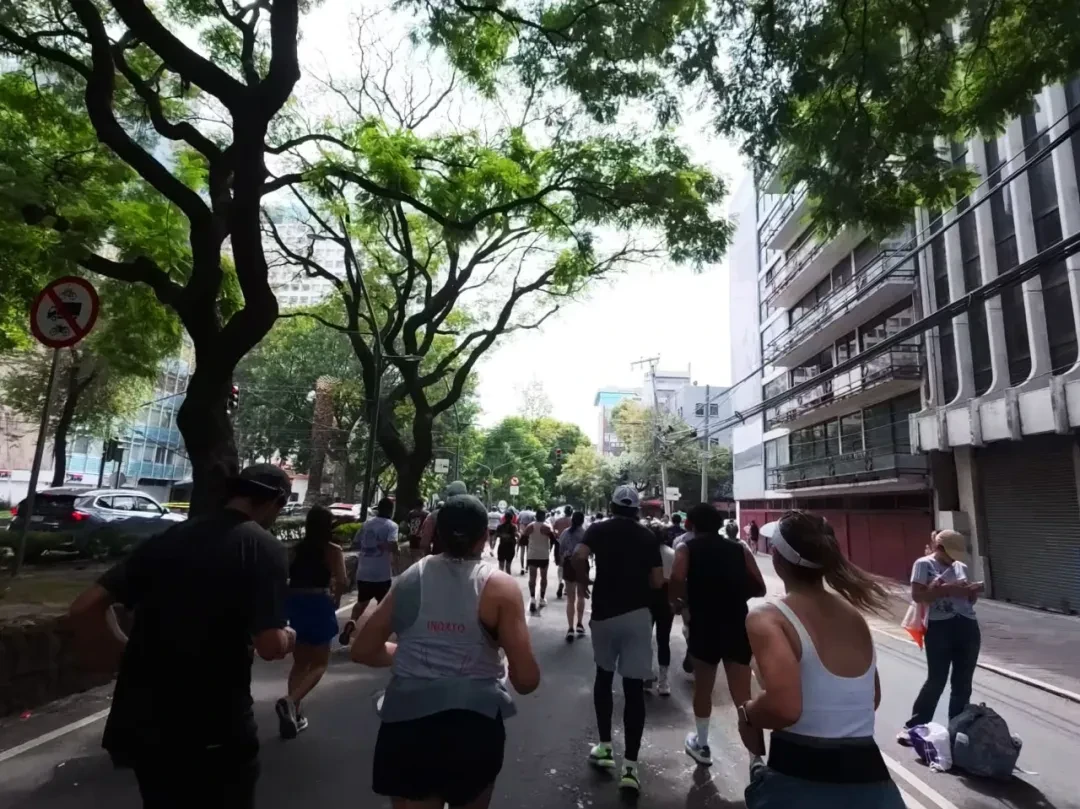
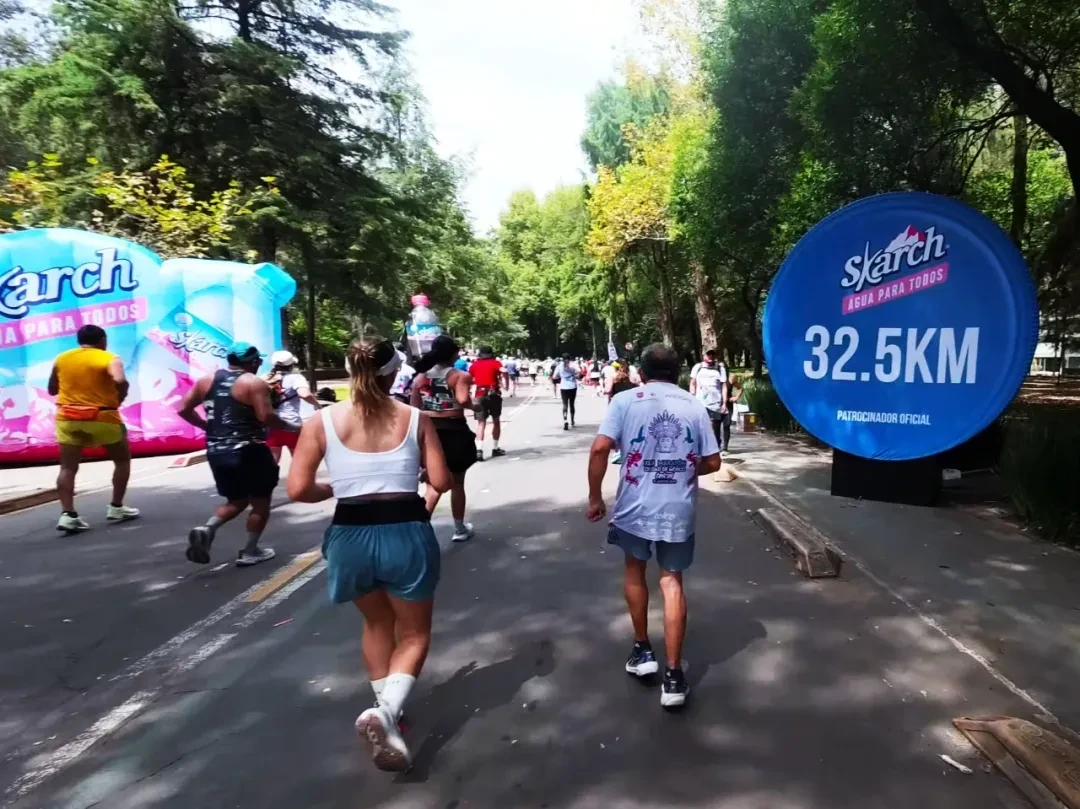
At the 32.5K aid station, a voice popped up behind me — Siqi again. She knows this park, asked if I needed a bathroom (I’d JUST gone), and we agreed to meet at the finish, whoever got there first.
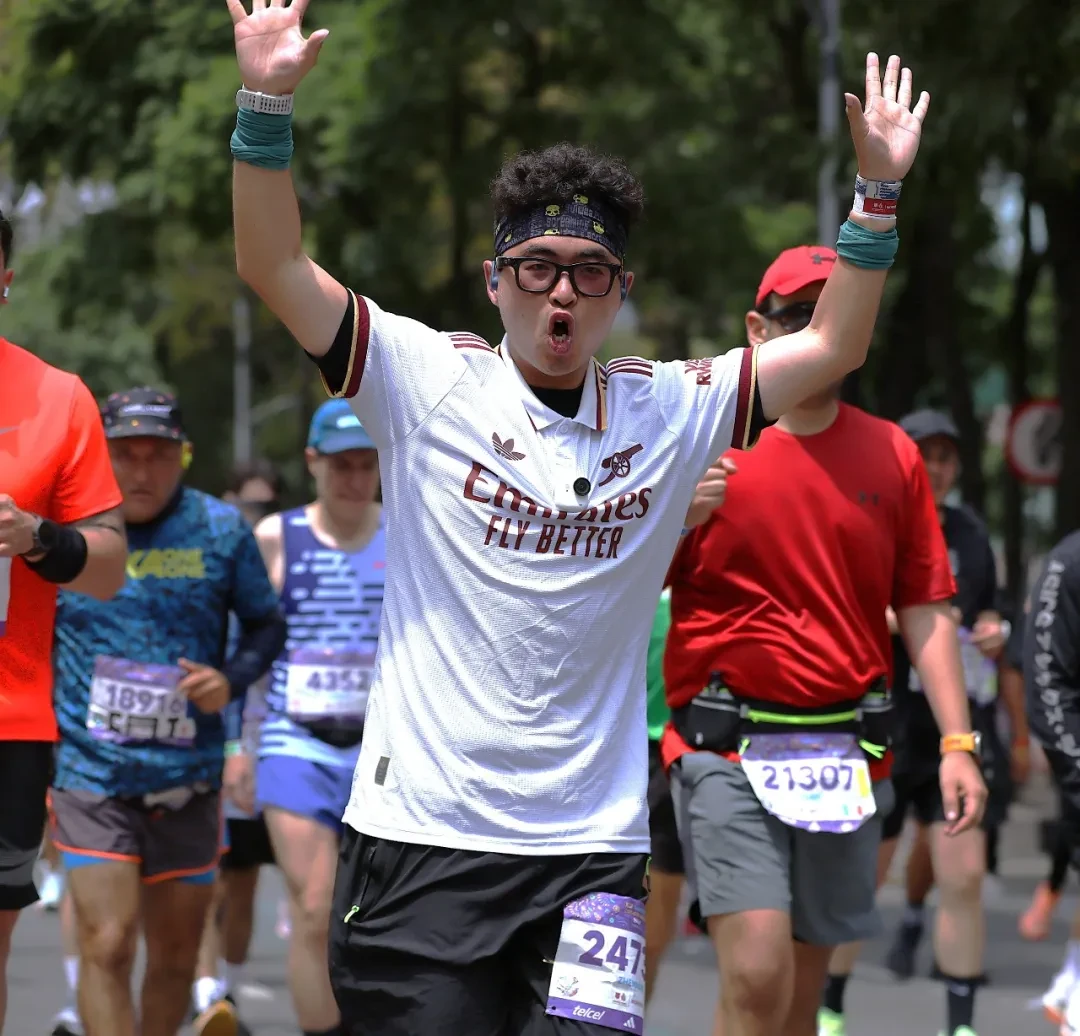
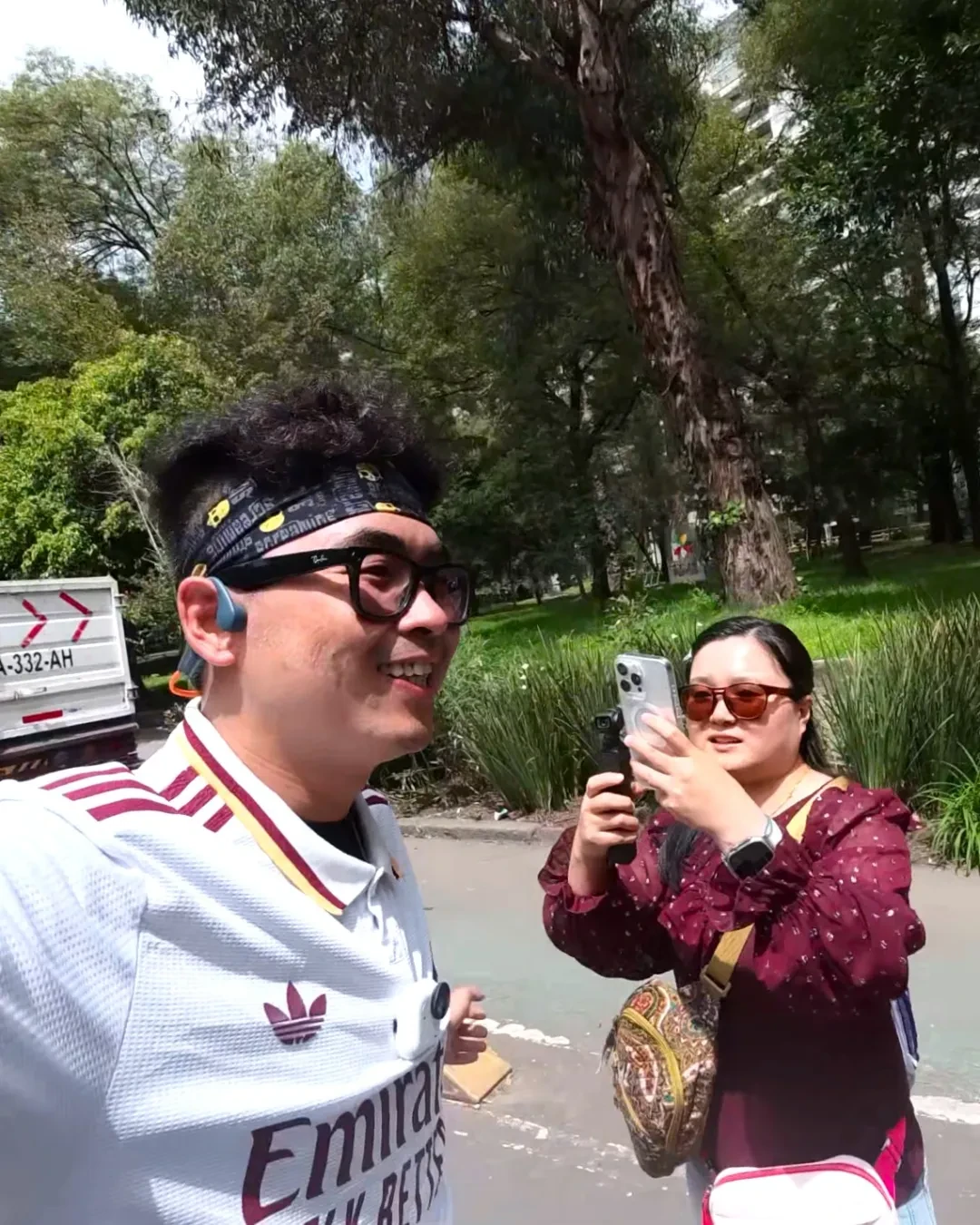
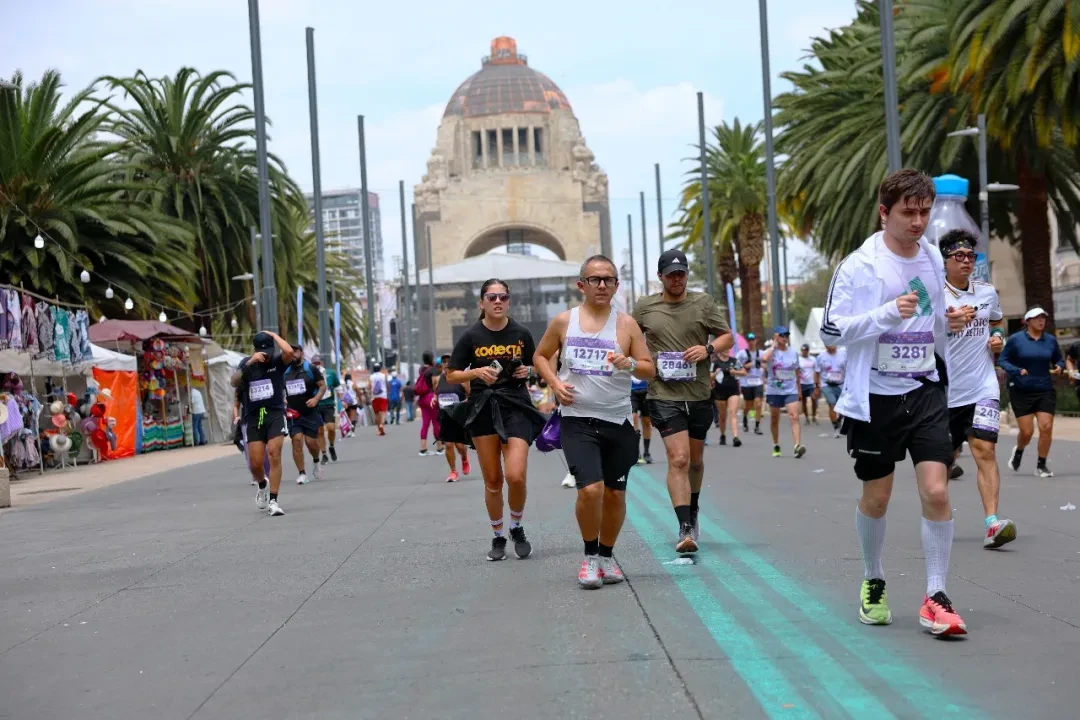
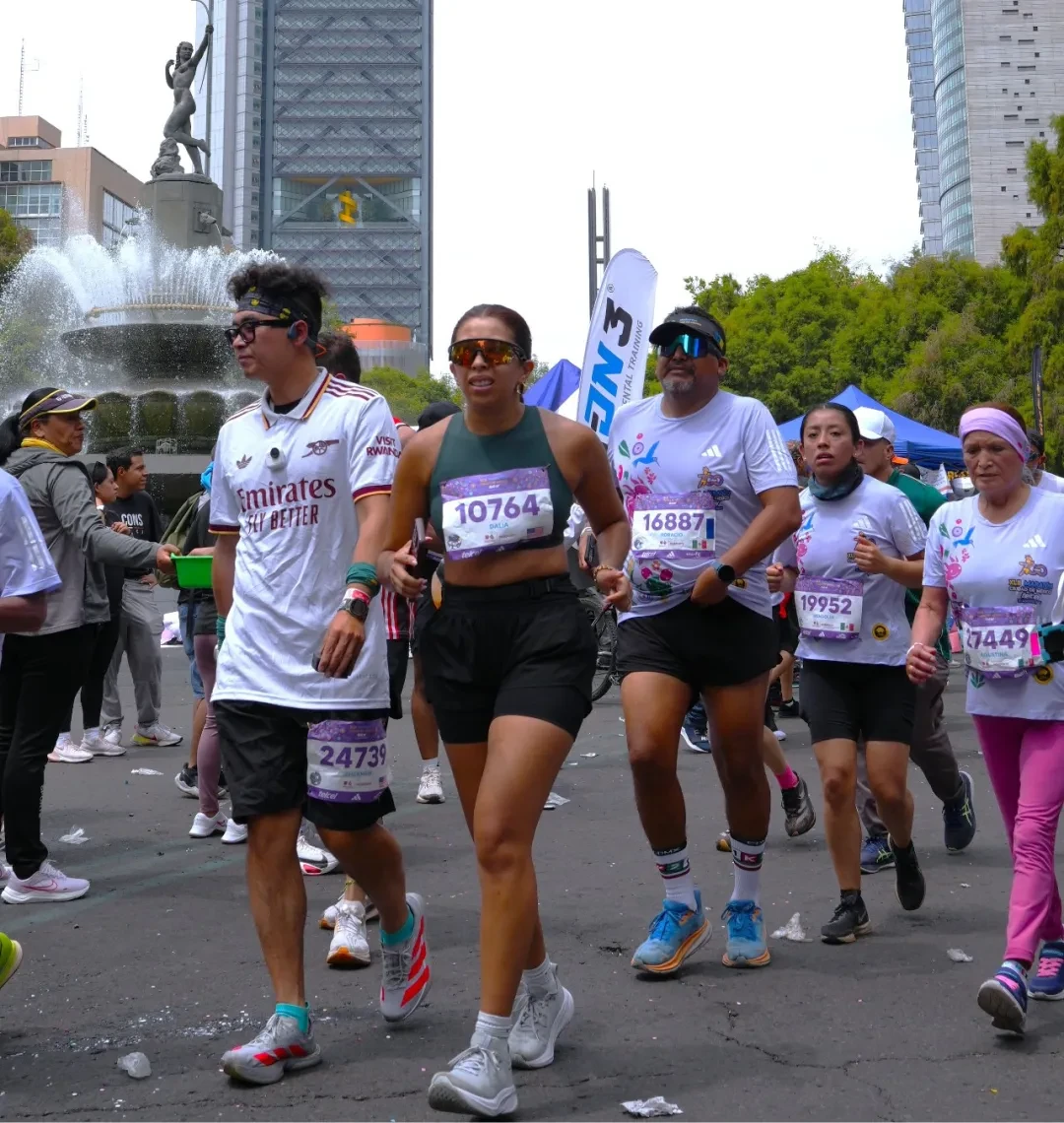
Then the course hit Reforma a second time — the 19th-century boulevard Emperor Maximilian built to copy Paris, linking the castle to downtown. Towers, banks, statues, and the Angel of Independence in the middle of it all. You run through it feeling stacked on top of a hundred years of history.
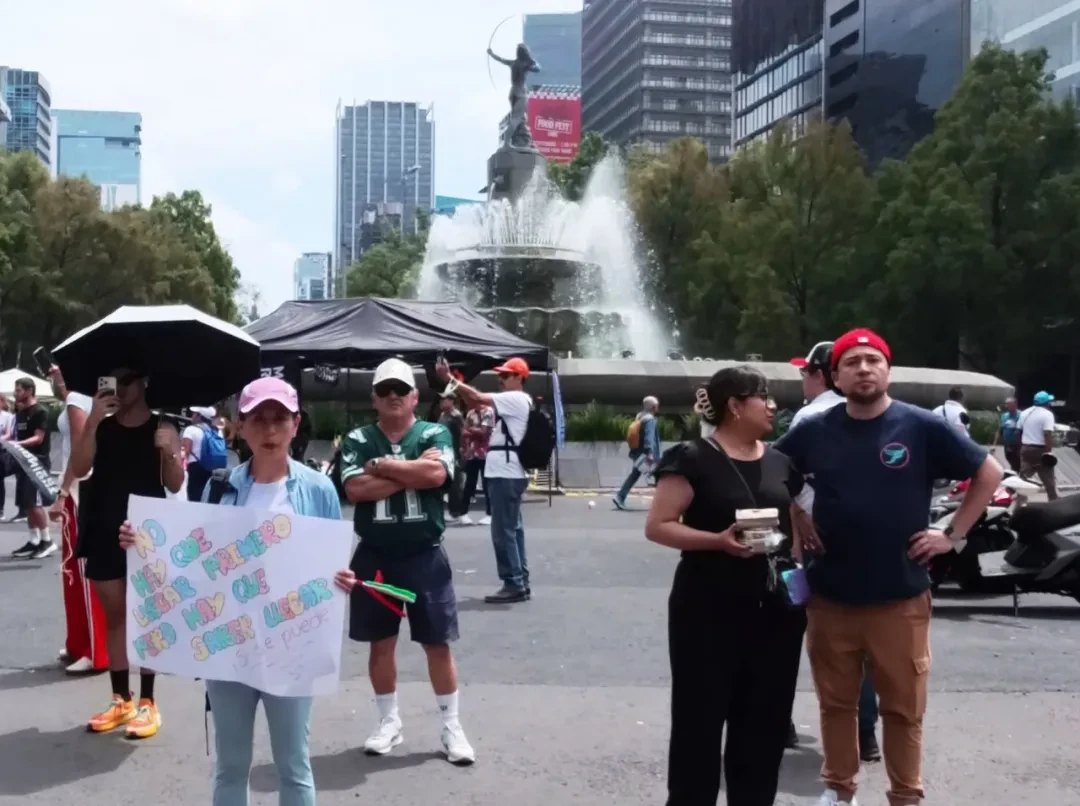
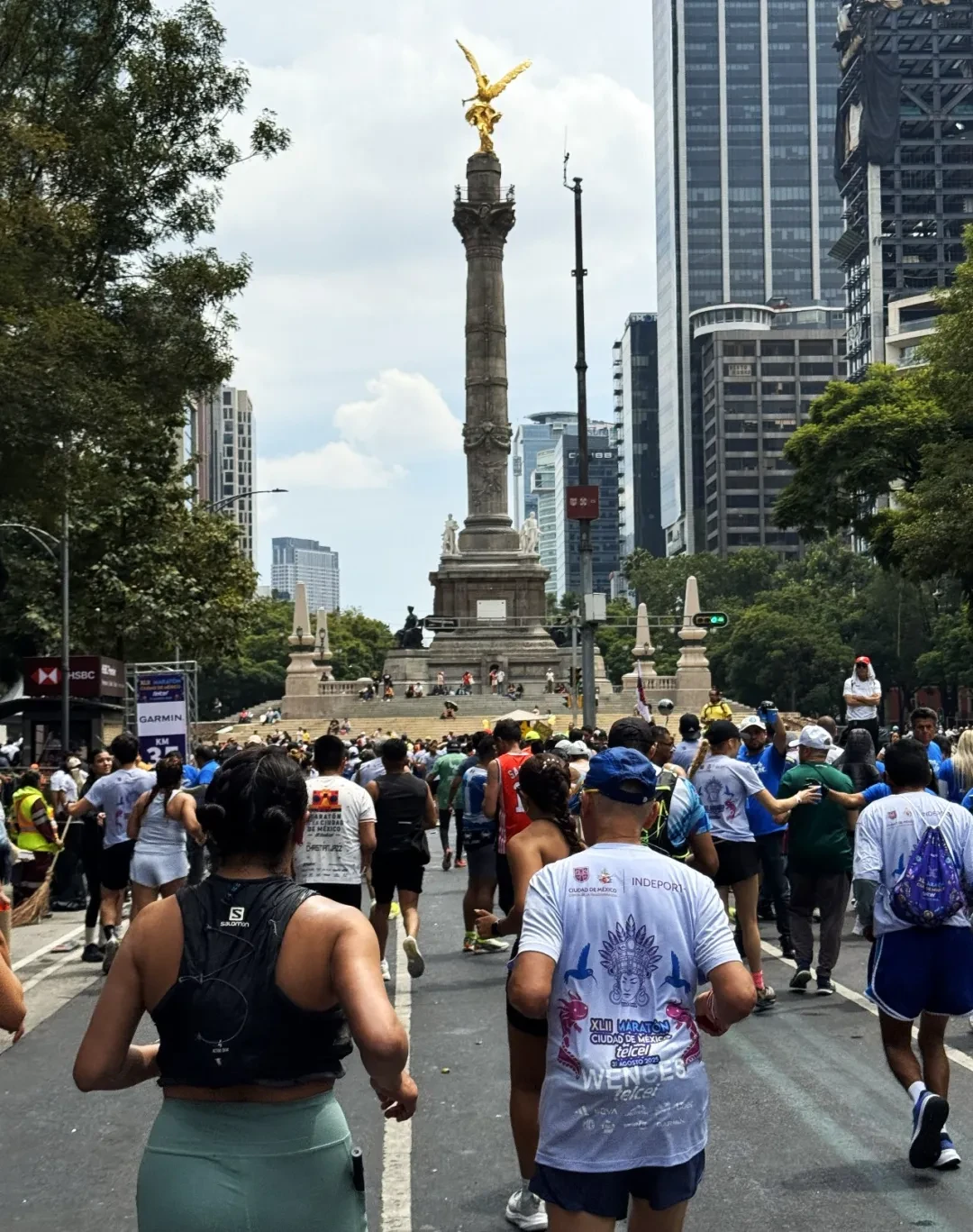
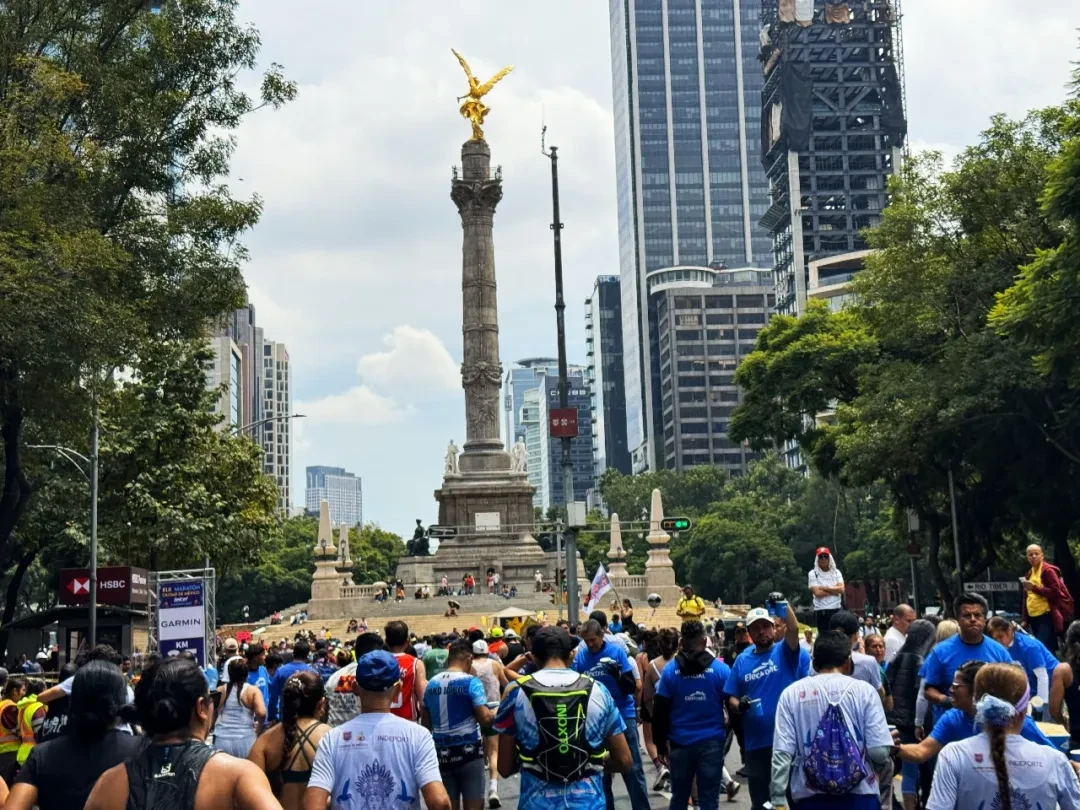
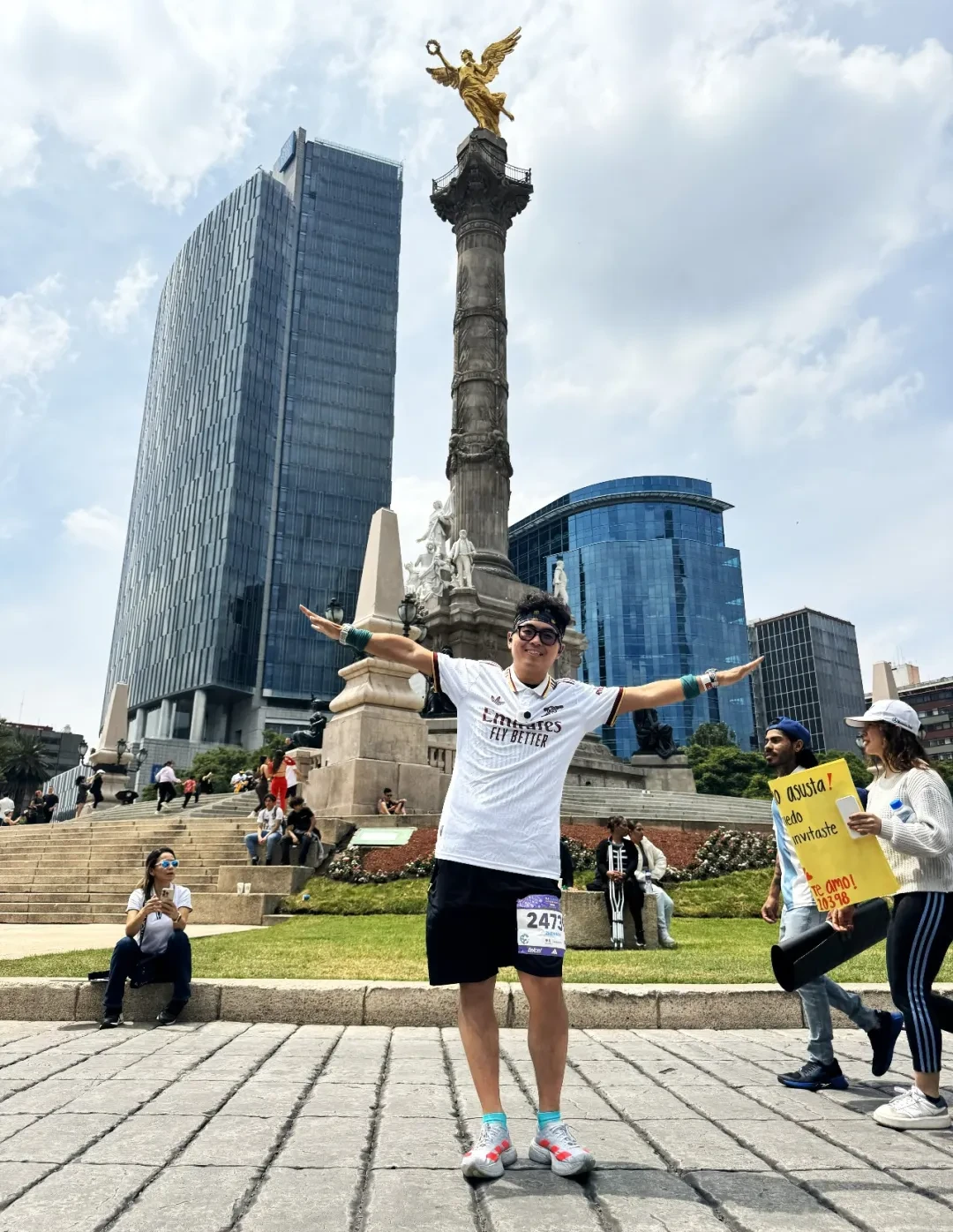
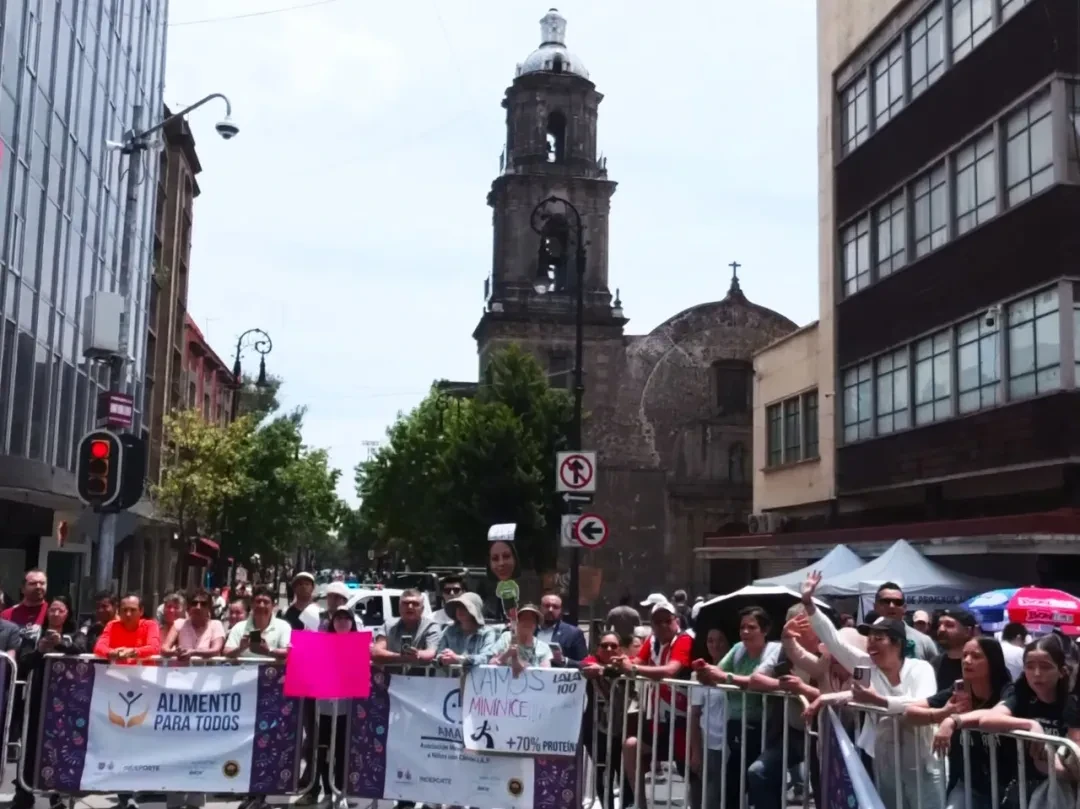
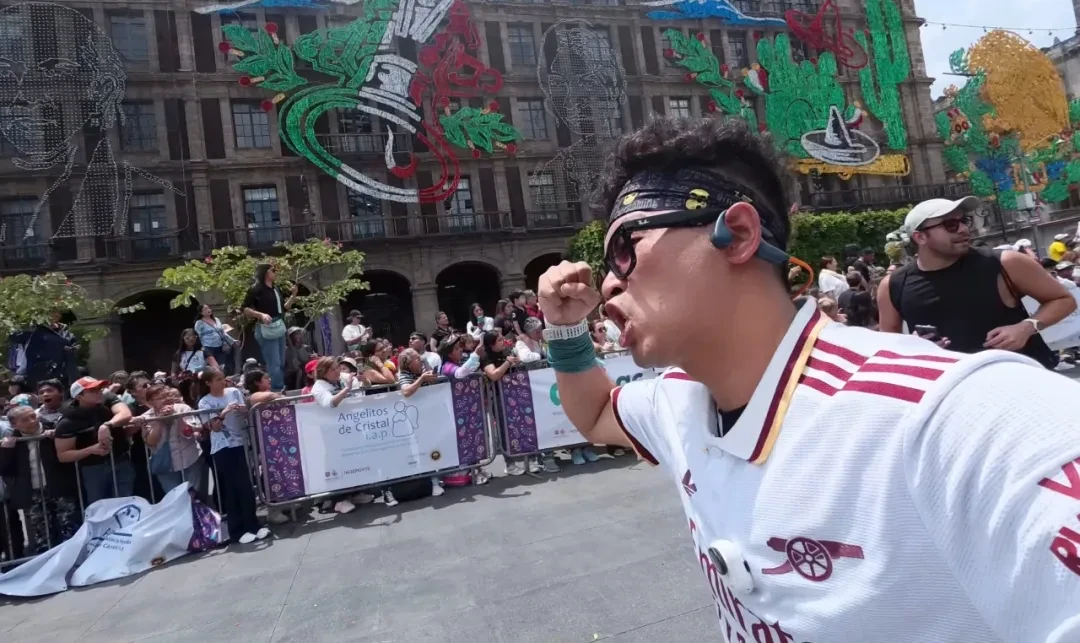
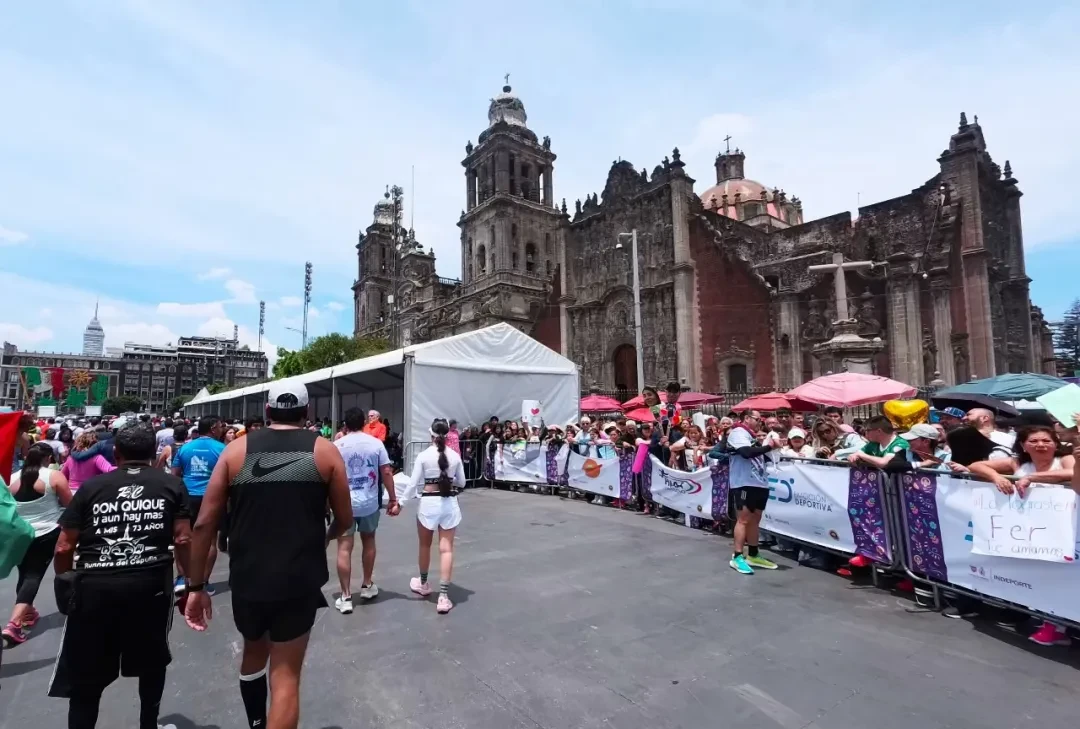
Into the historic center, the cobblestones start — watch your feet — with colonial facades on both sides. The final stretch is Calle Madero, a narrow pedestrian street pointing straight at the Zócalo. The crowd is right on top of you, cheers ricocheting off the stone like an echo chamber, shoving you forward.
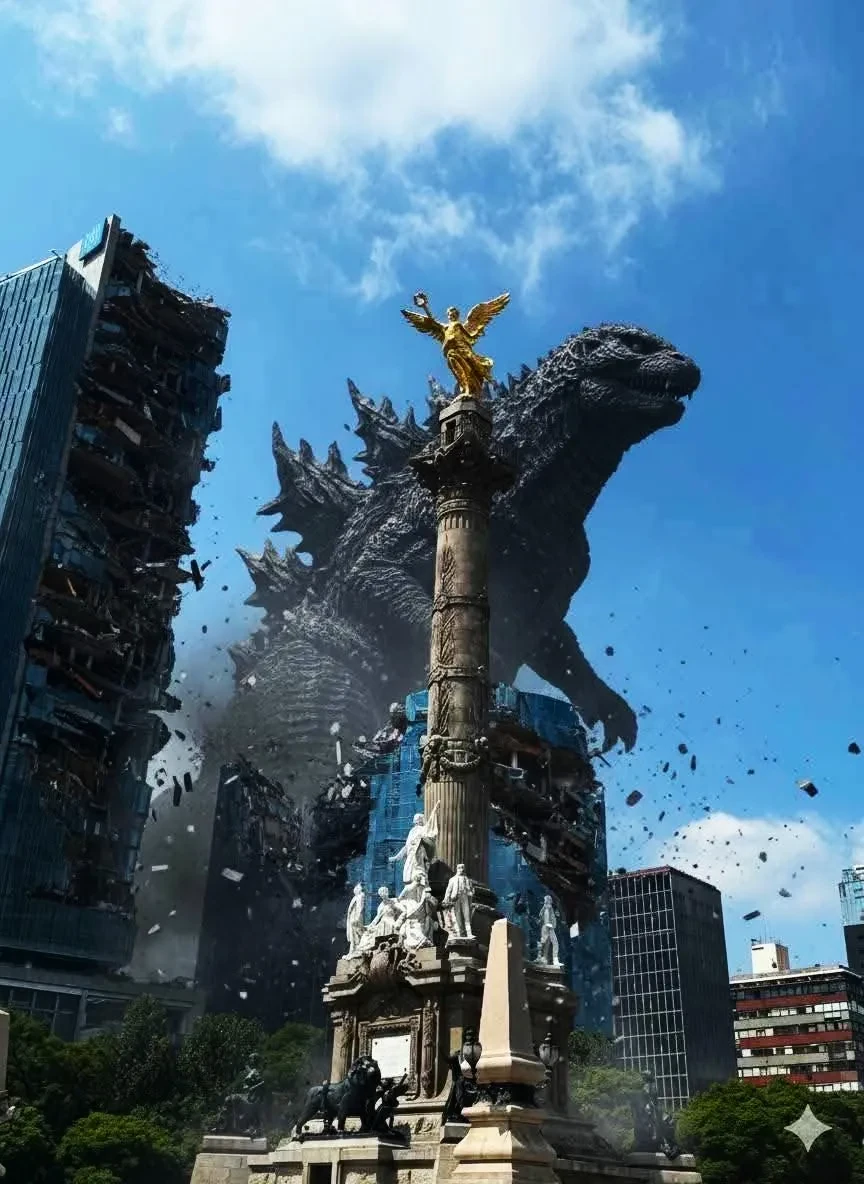
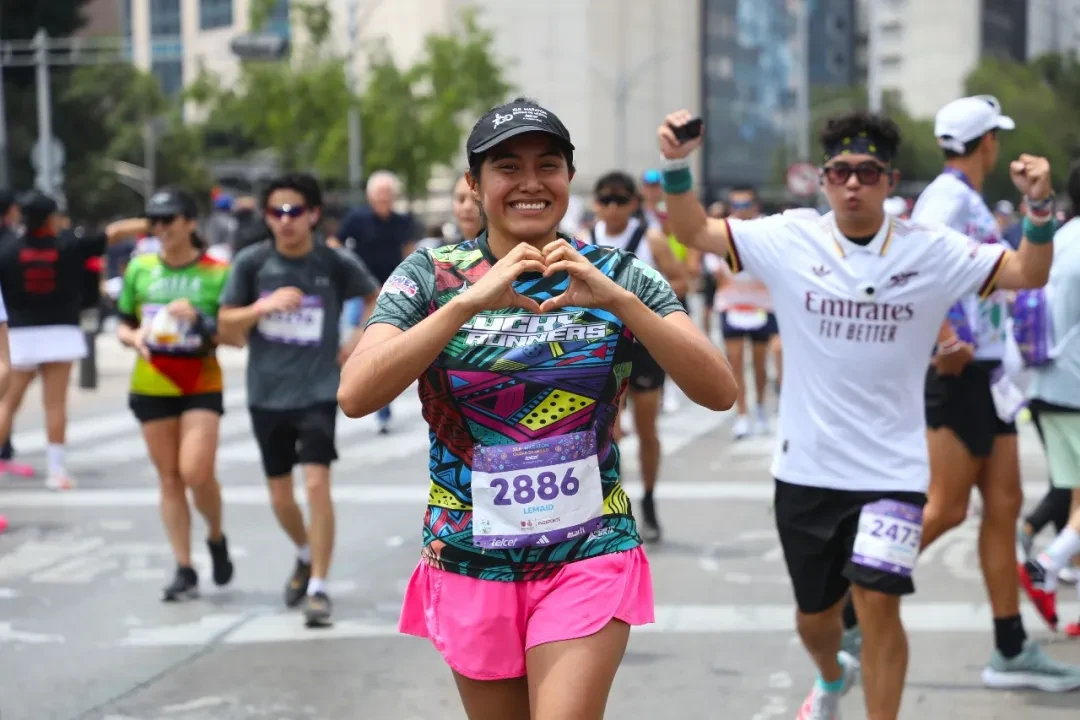
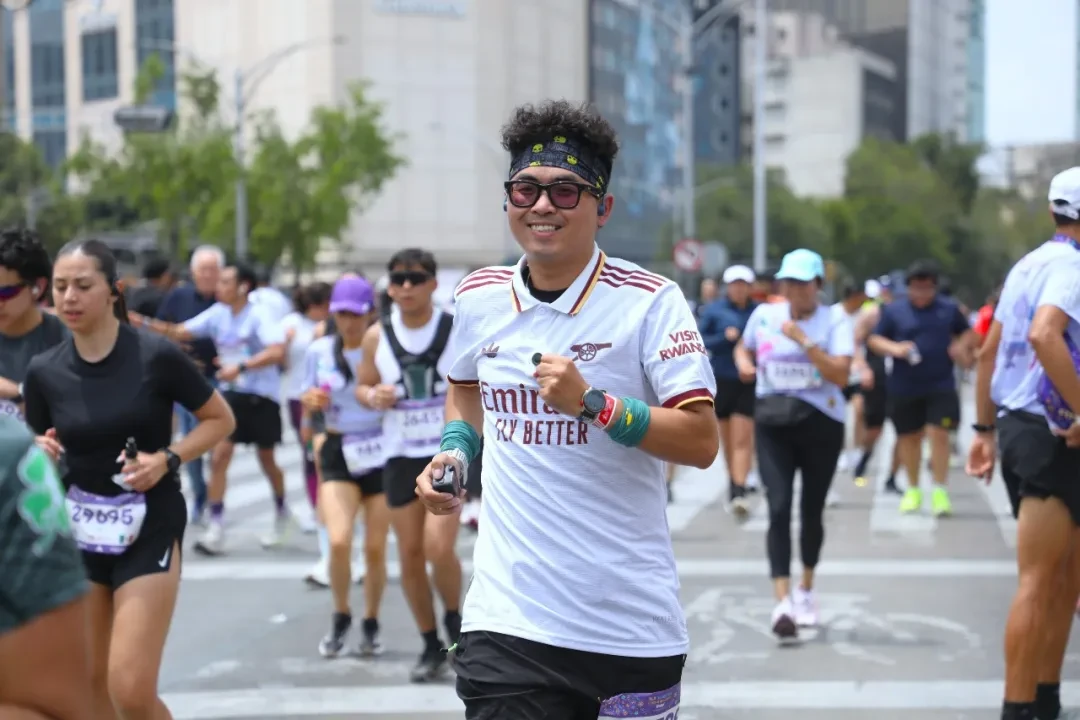
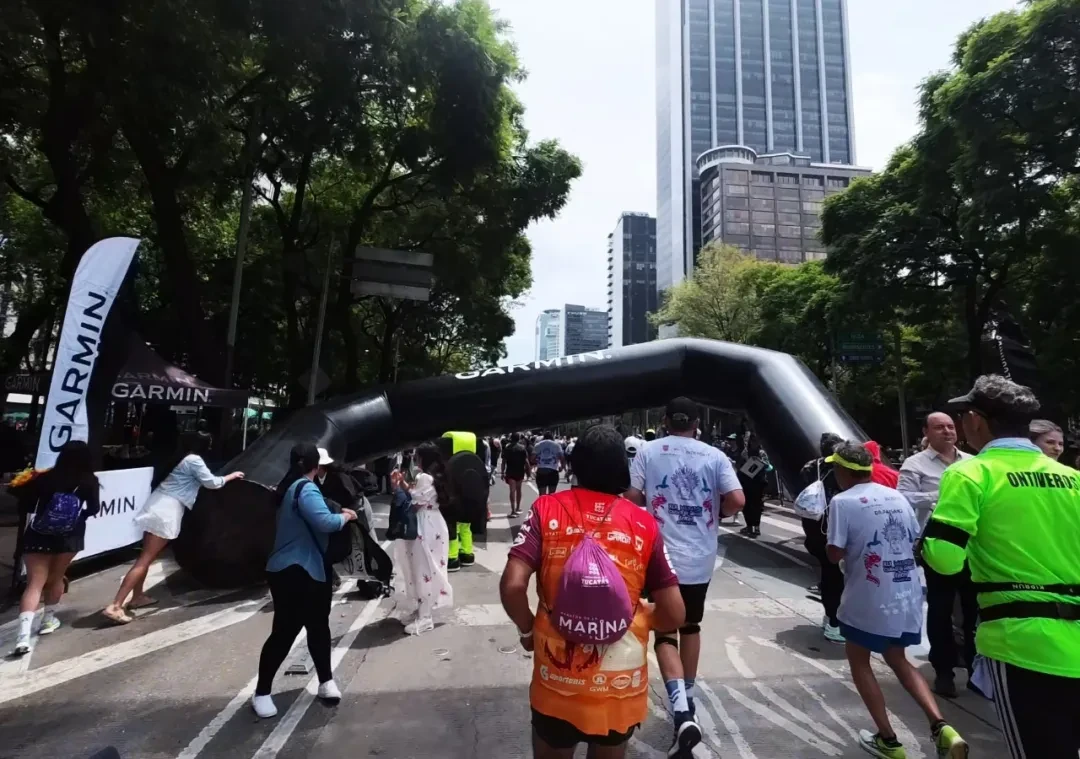
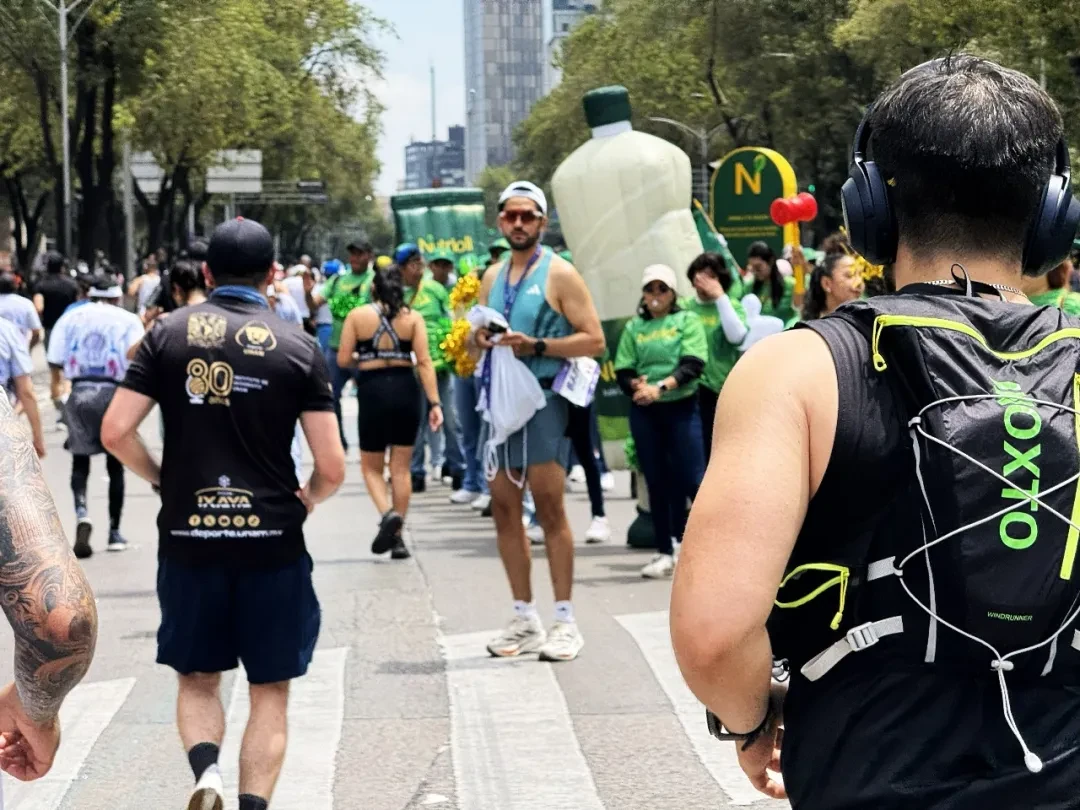
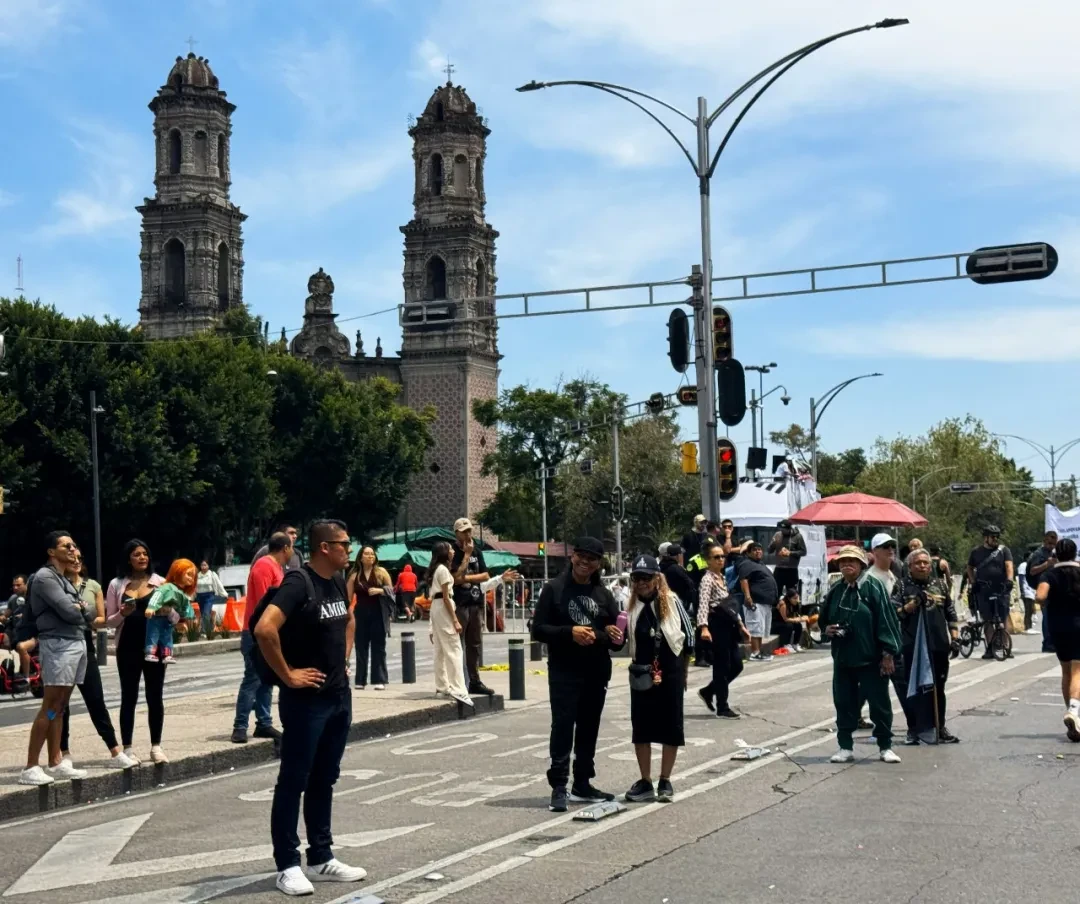
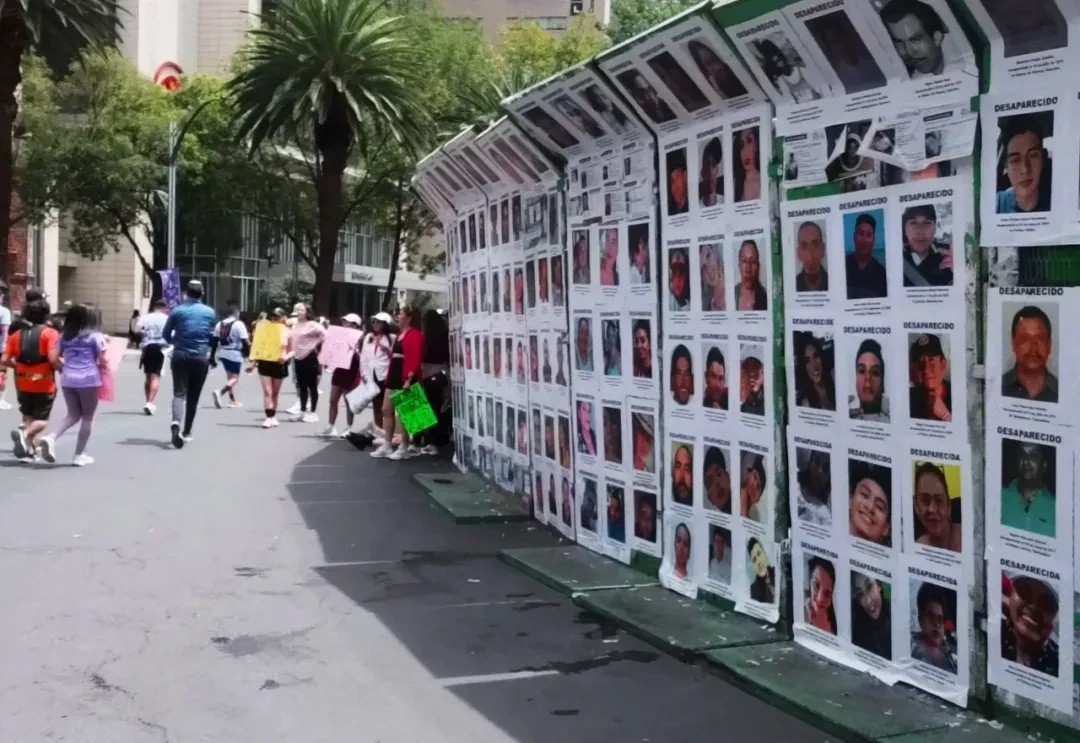
In the last few kilometers I passed a wall covered in photos, each one labeled with the same word: Desaparecido — the disappeared. The city is cheering, the race rolls on, and that wall quietly reminds you that some people leave without a sound.
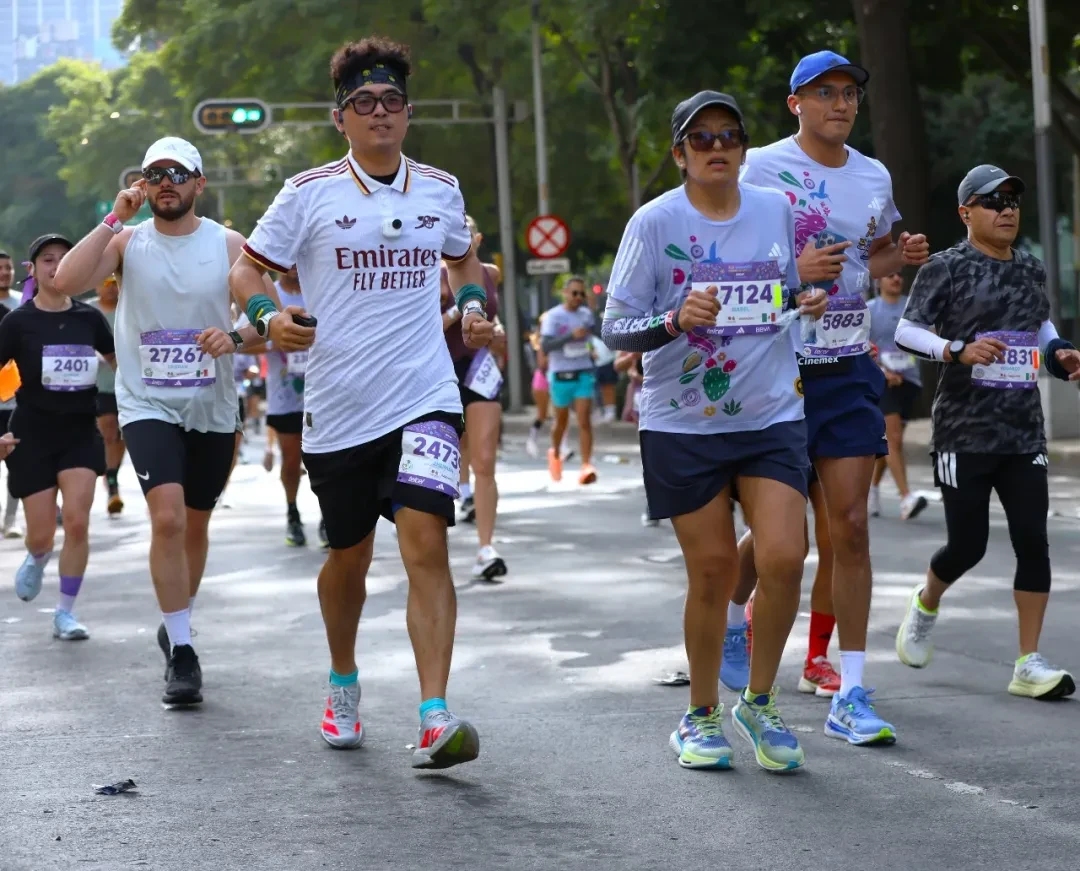
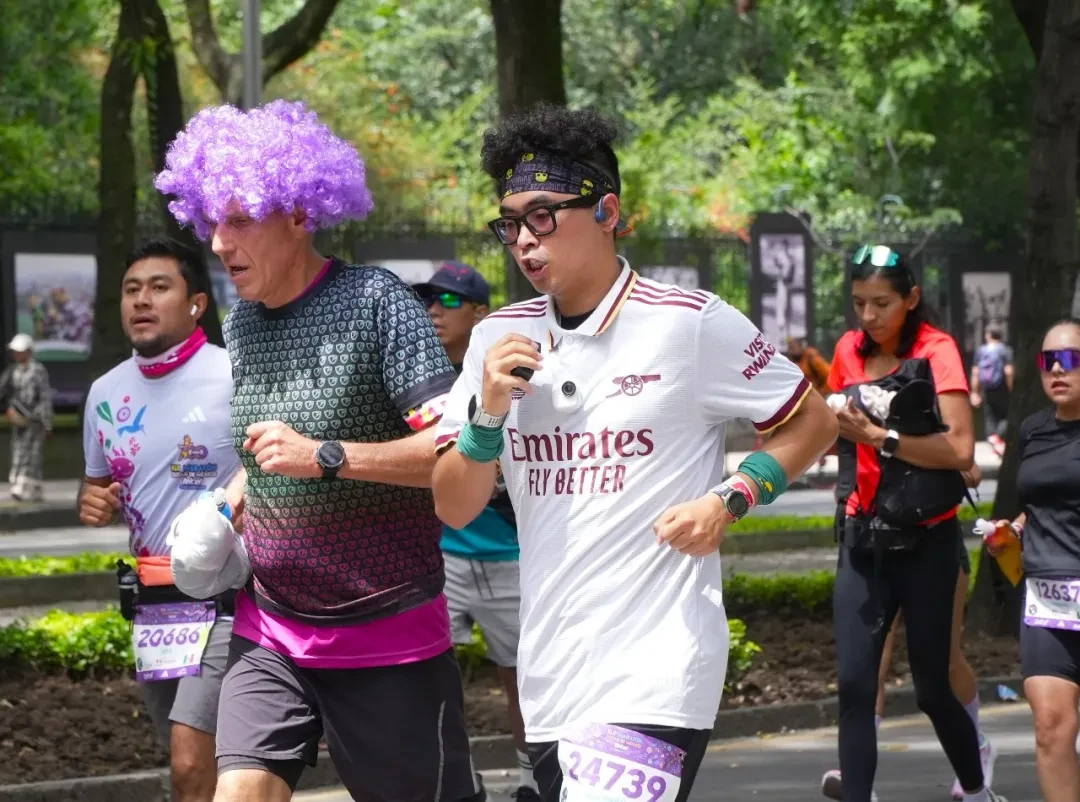
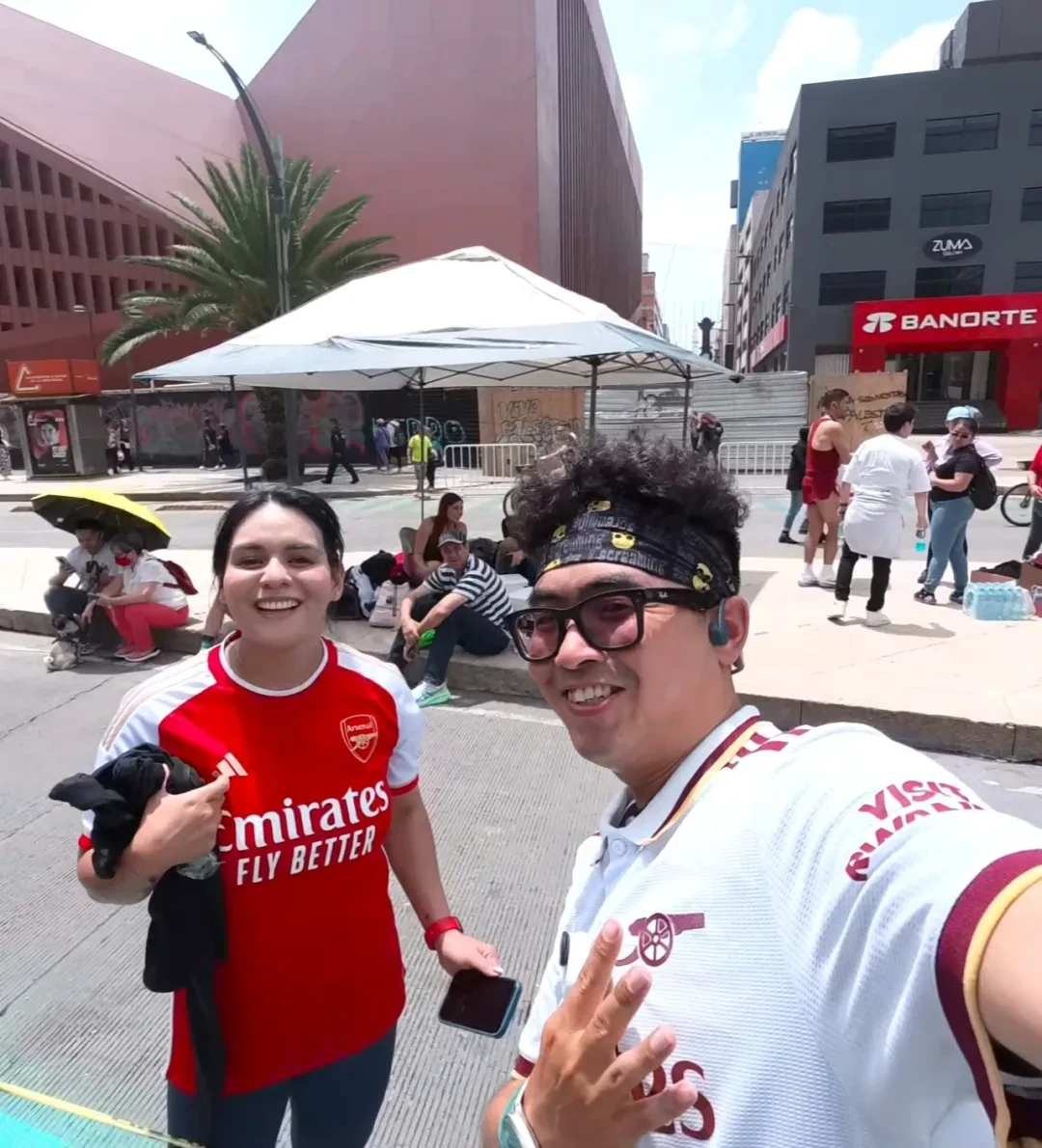
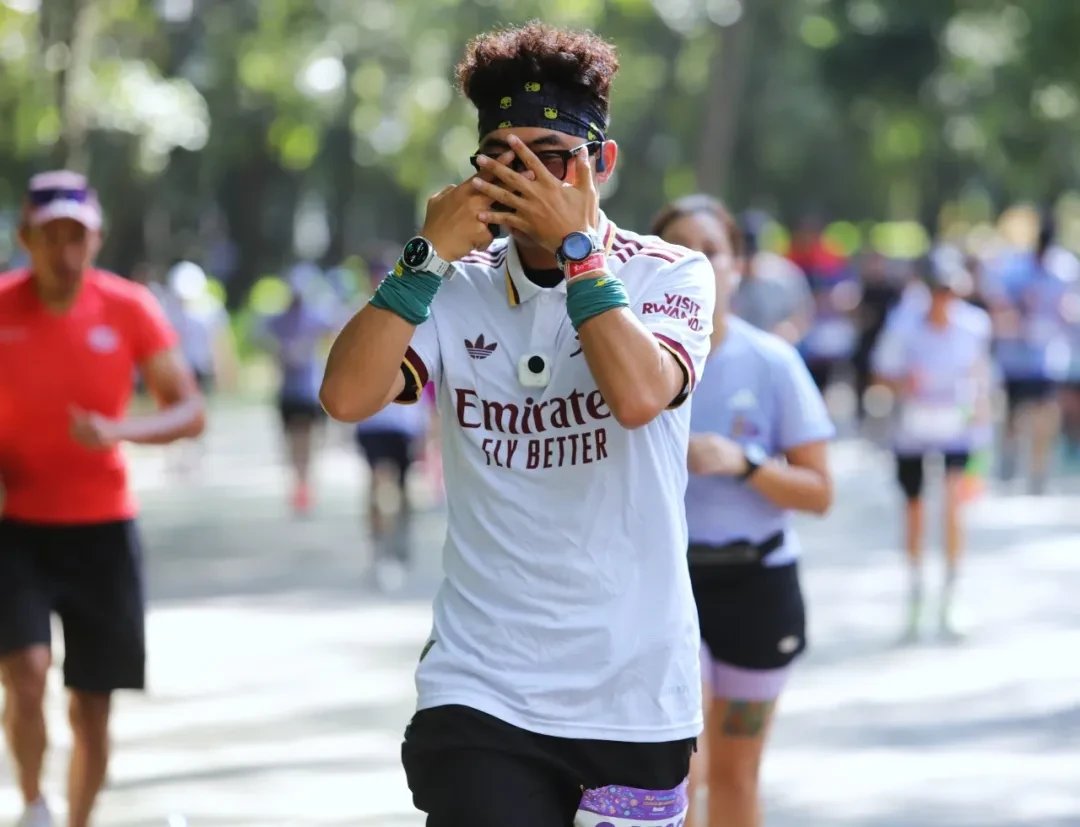
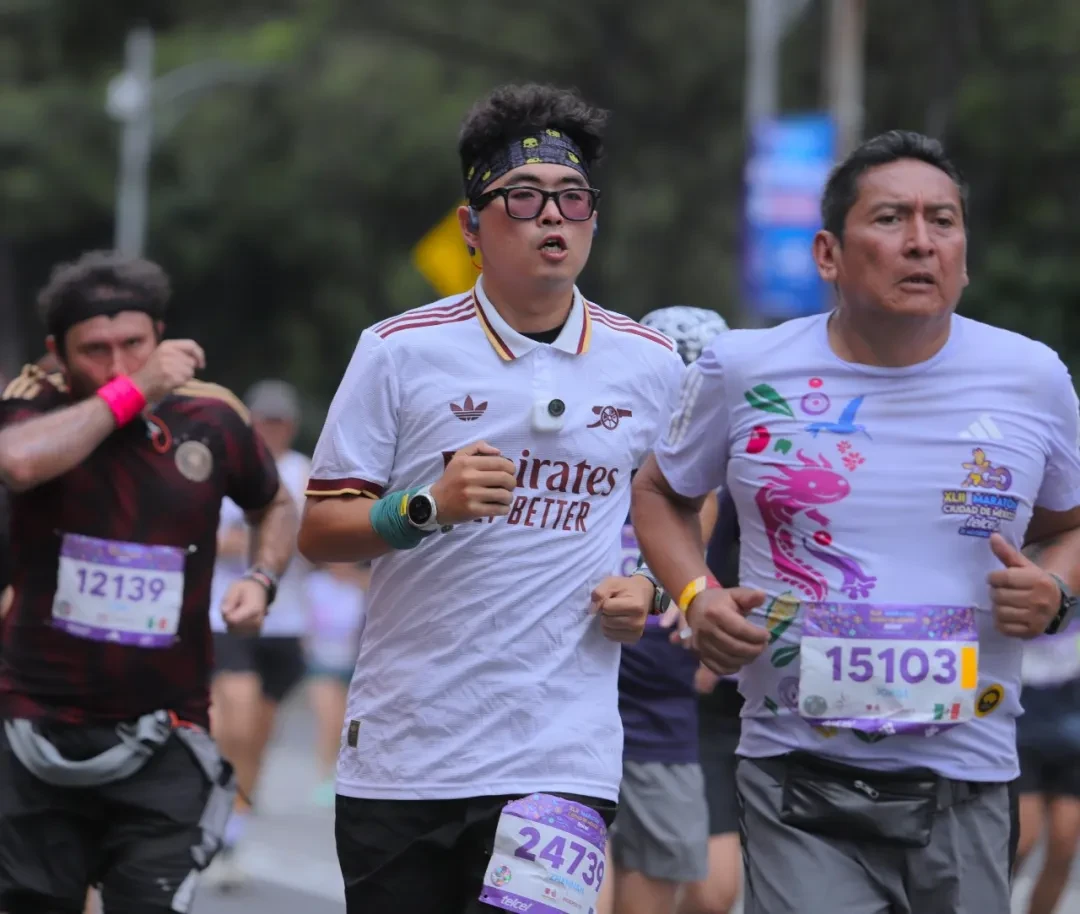
I also spotted a woman in an Arsenal shirt (my people), and a photographer caught me throwing a deeply mediocre Gyökeres celebration.
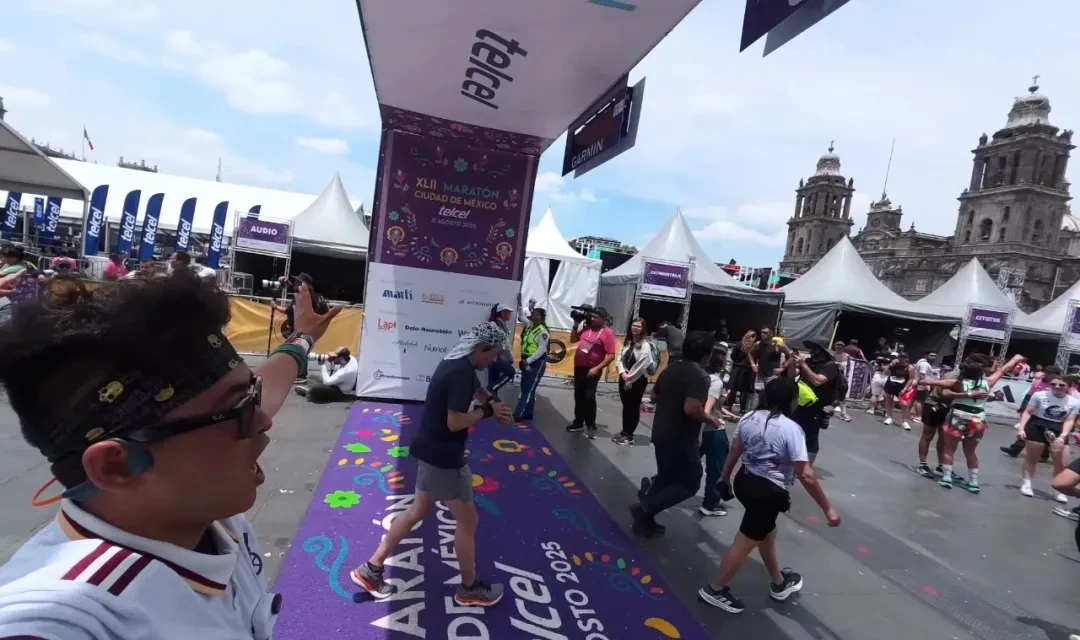
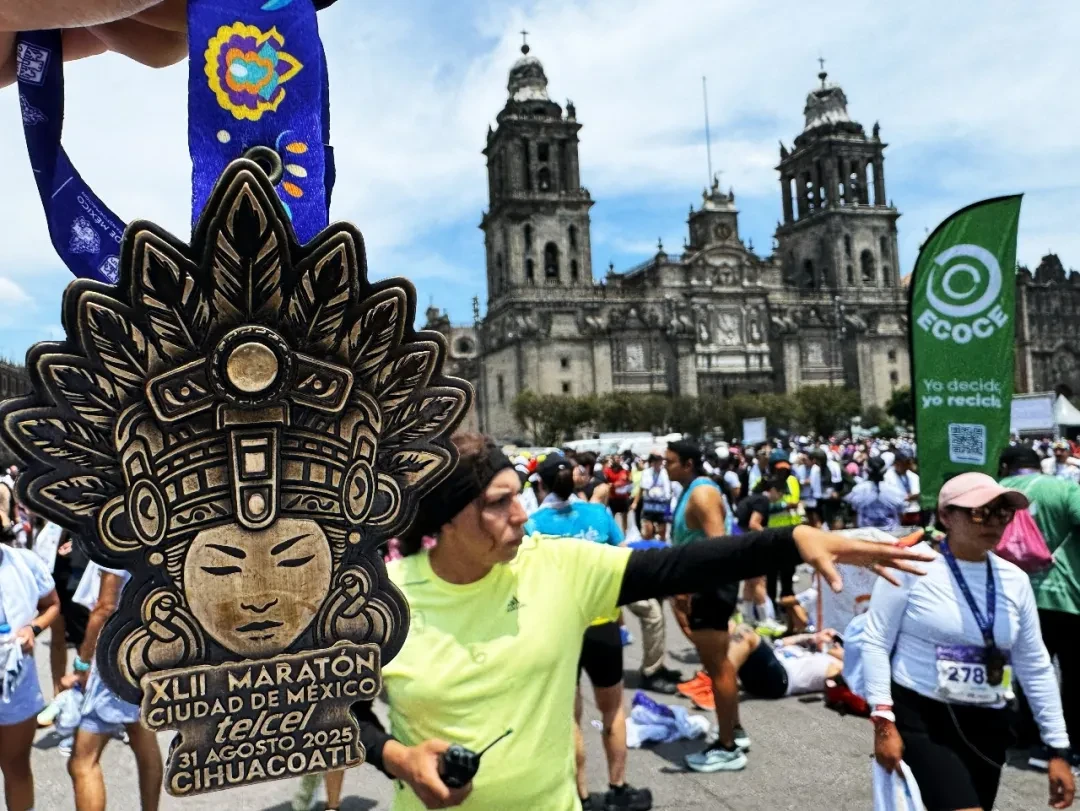
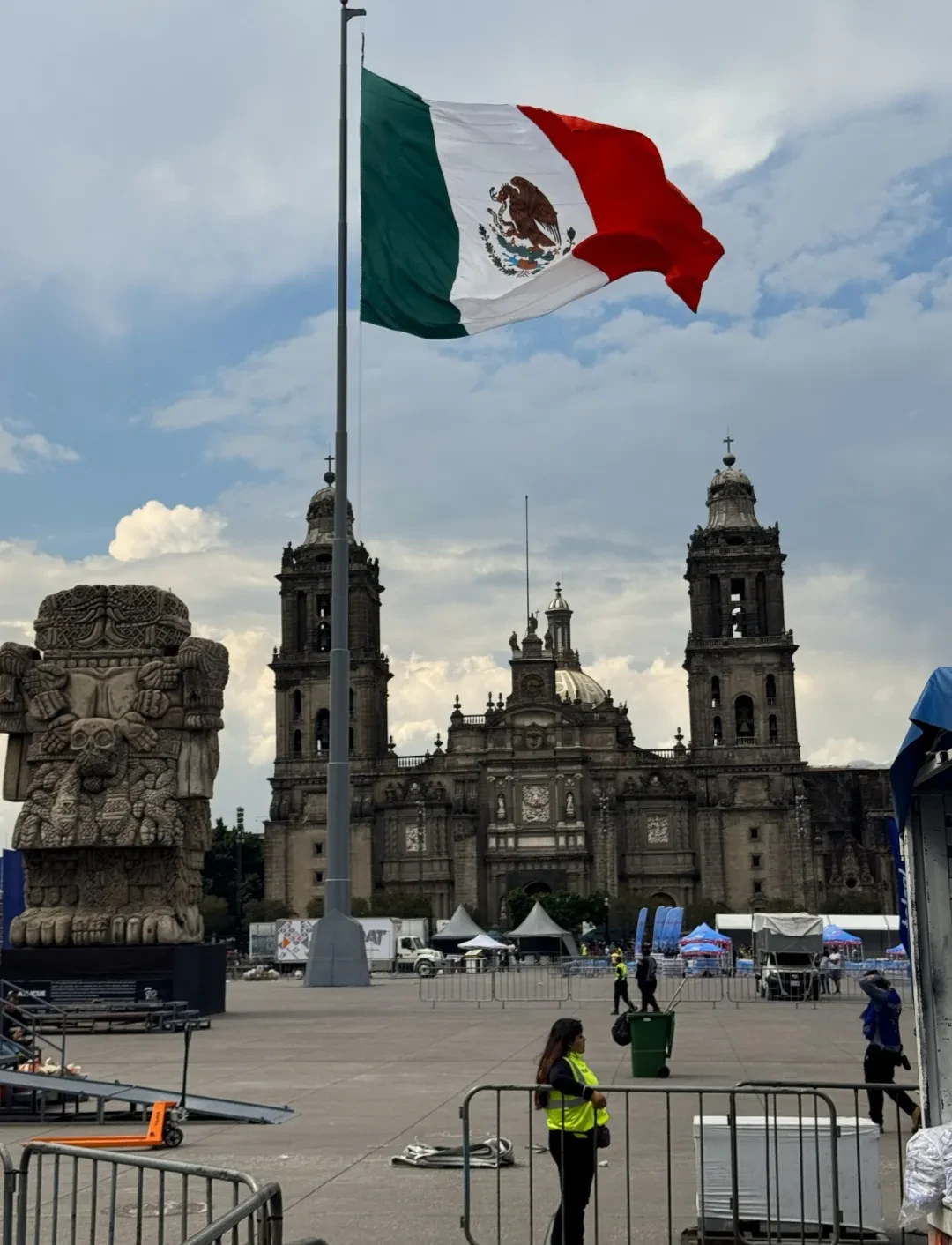
Then the archway, and it all opens up: the Zócalo, Constitution Square — once the heart of the Aztec capital Tenochtitlan, now the heart of Mexico, where presidents are sworn in. Mexico’s version of Tiananmen Square. I raised my hand, ran through the arch, stopped the watch. Finish.
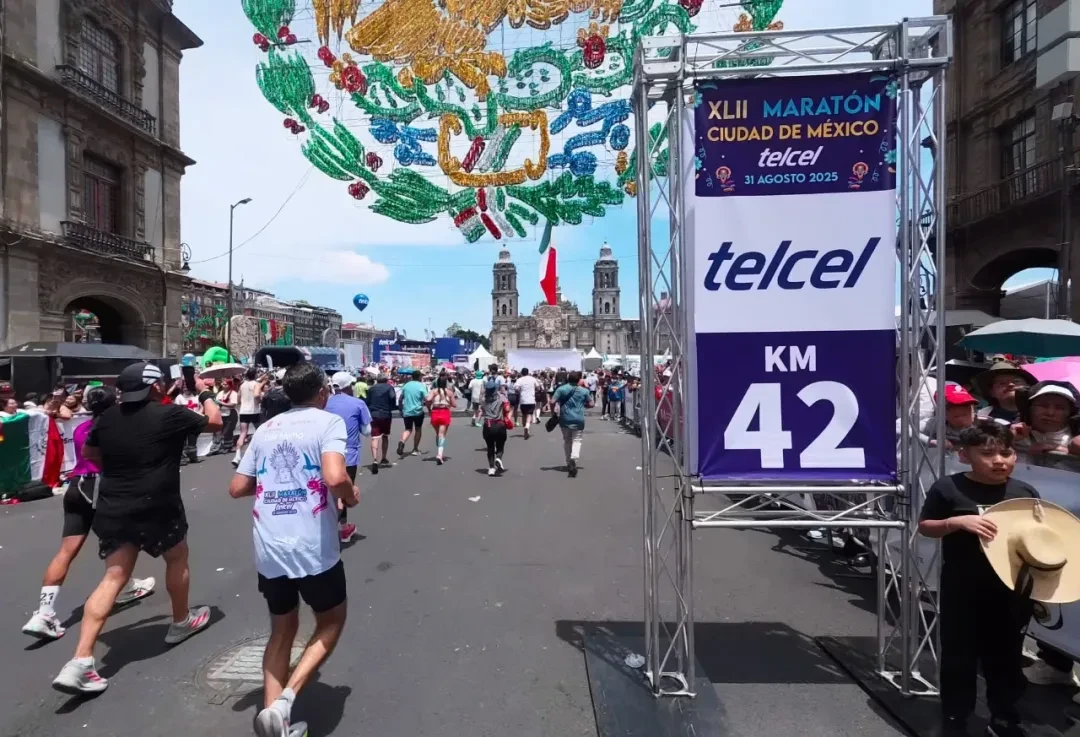
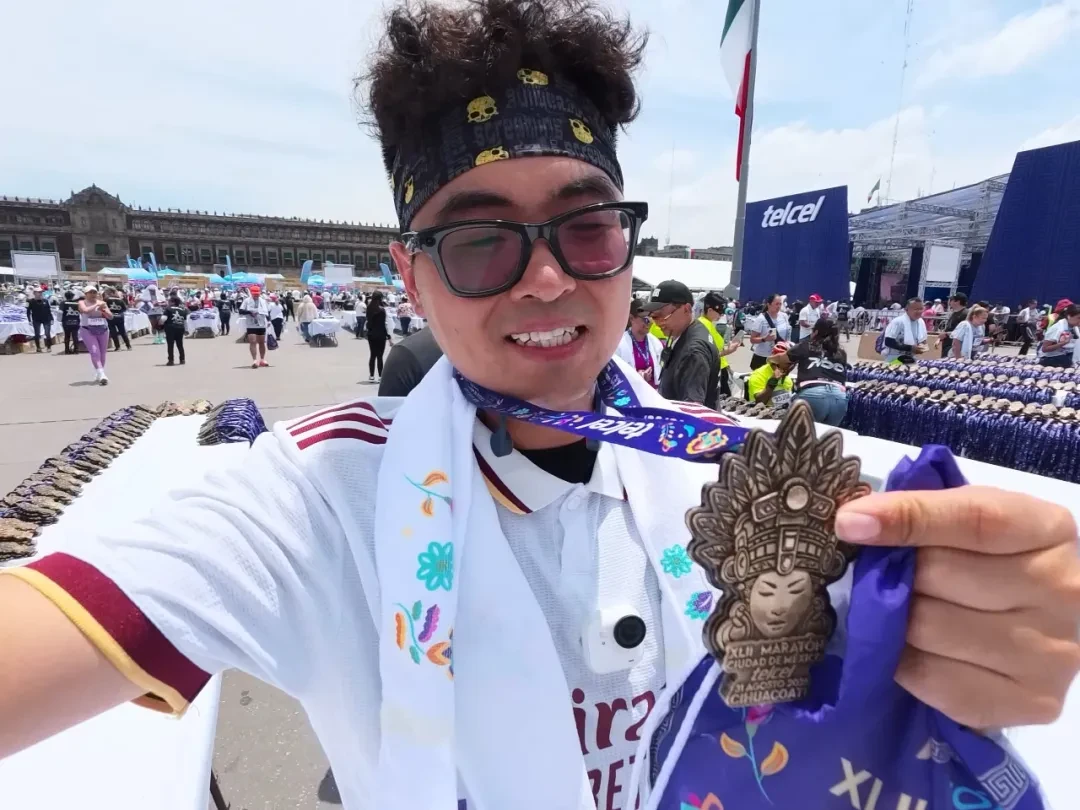
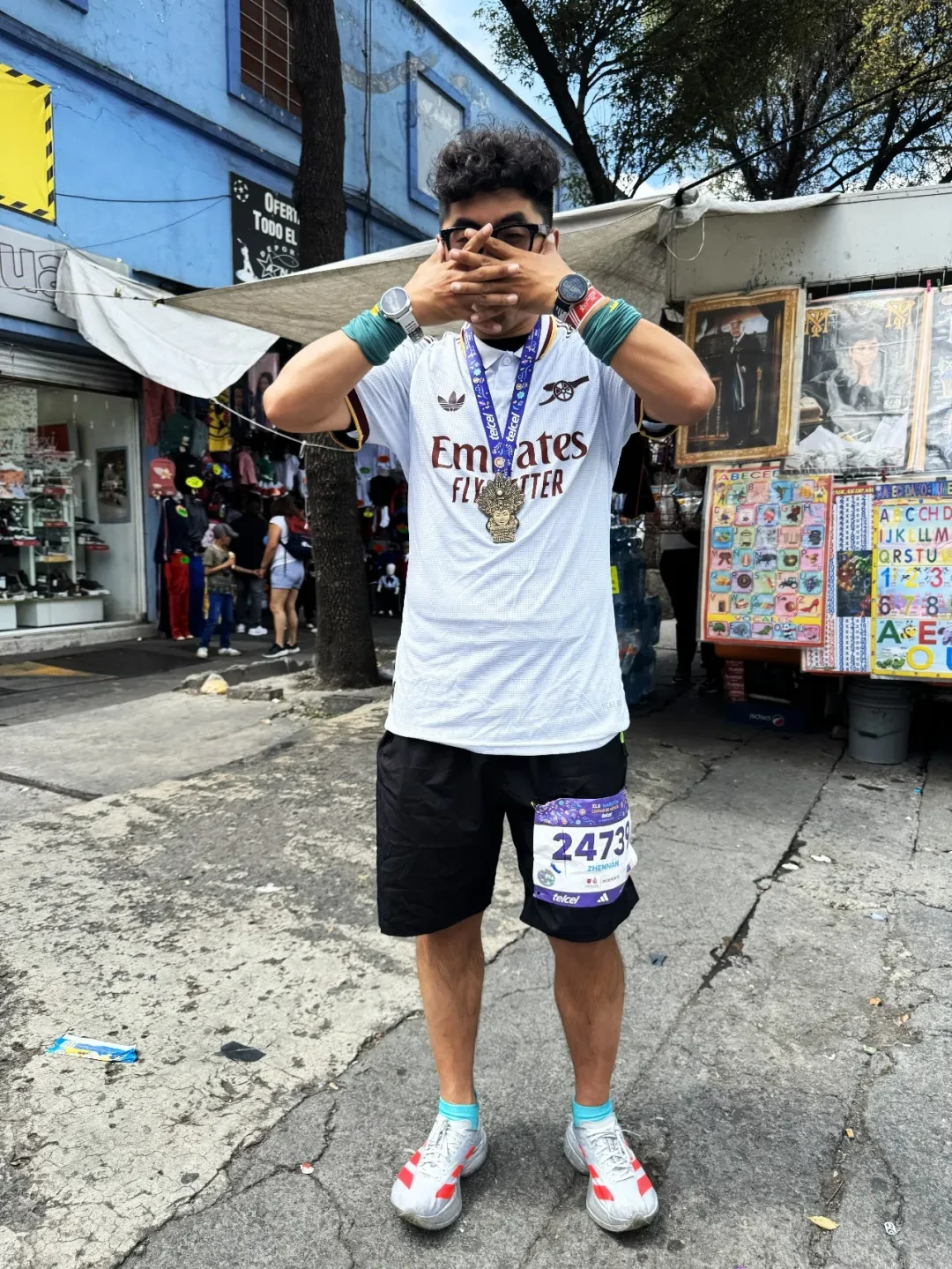
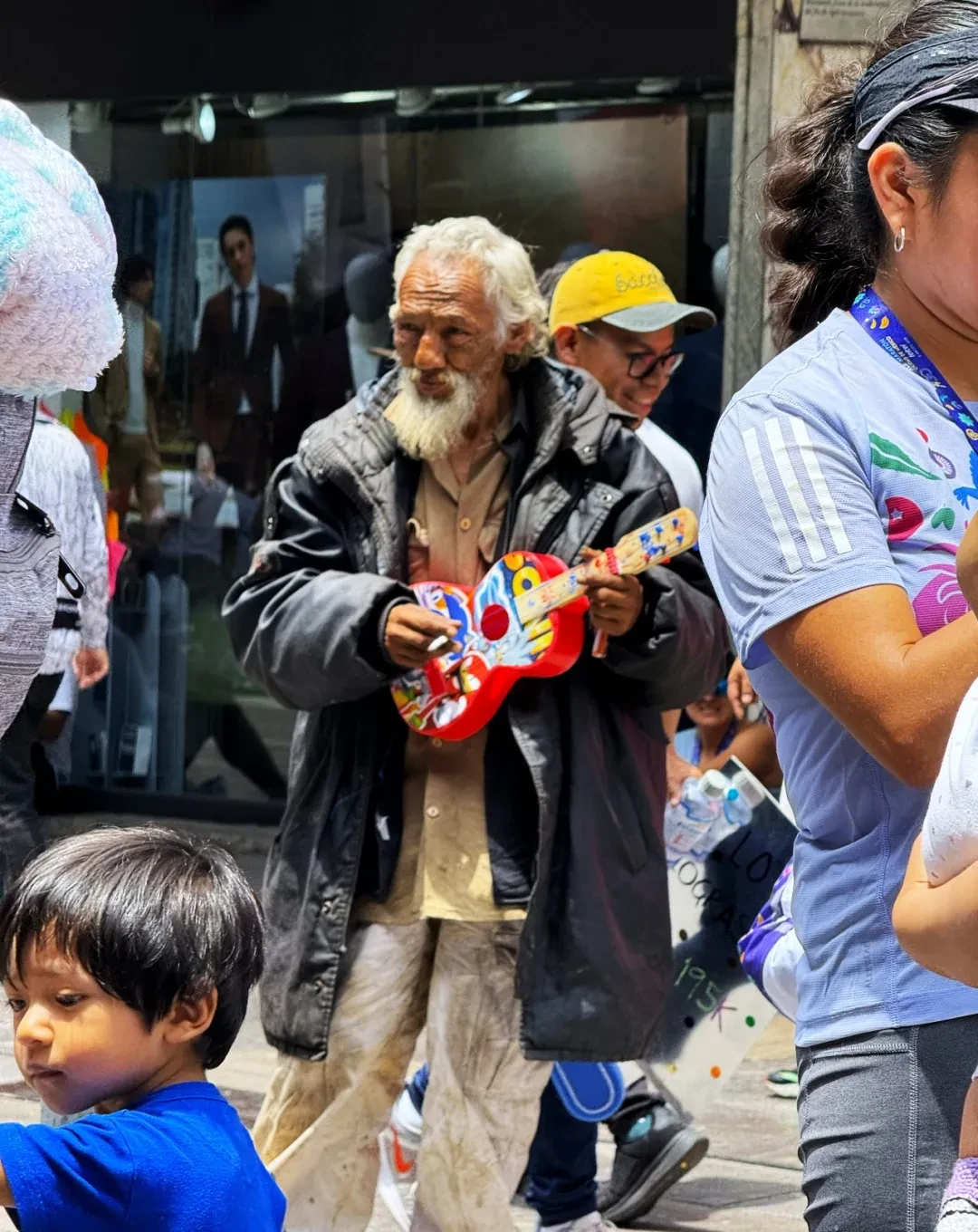
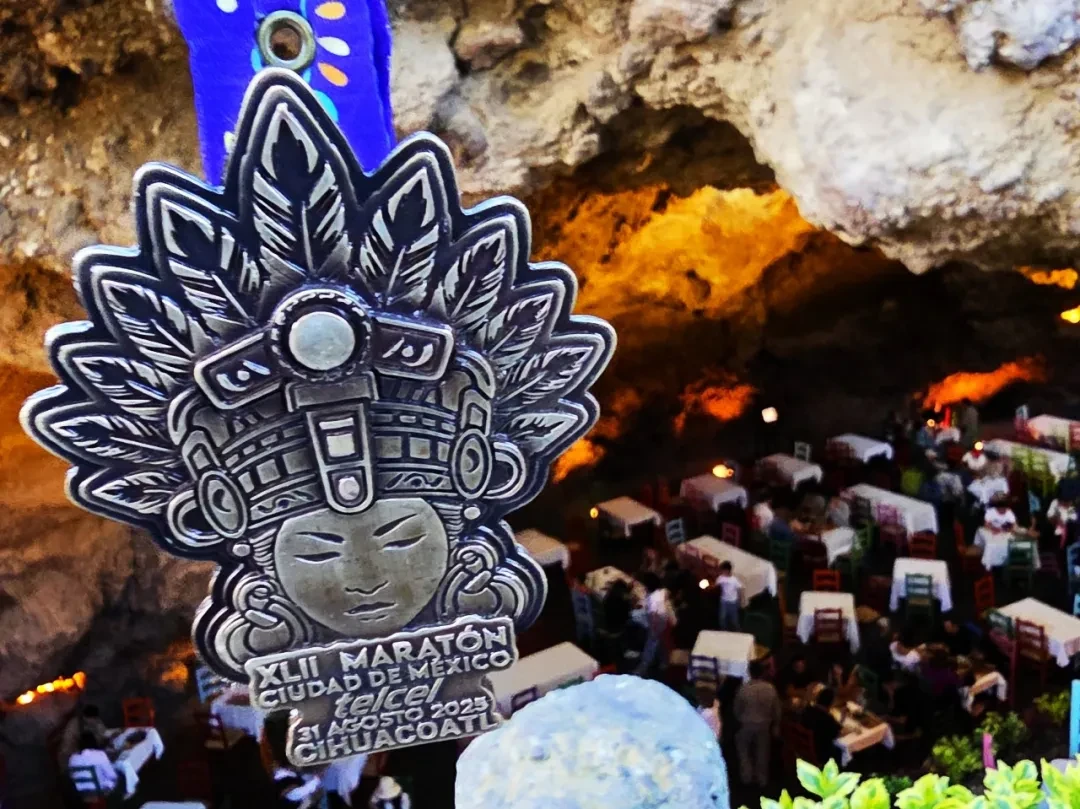
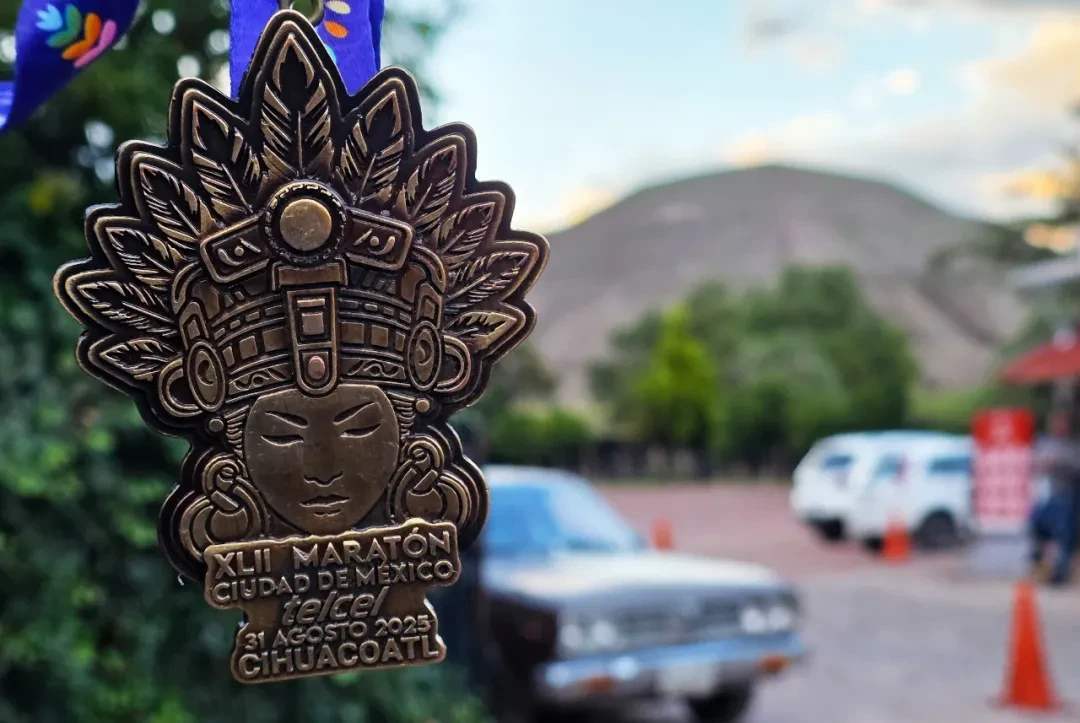
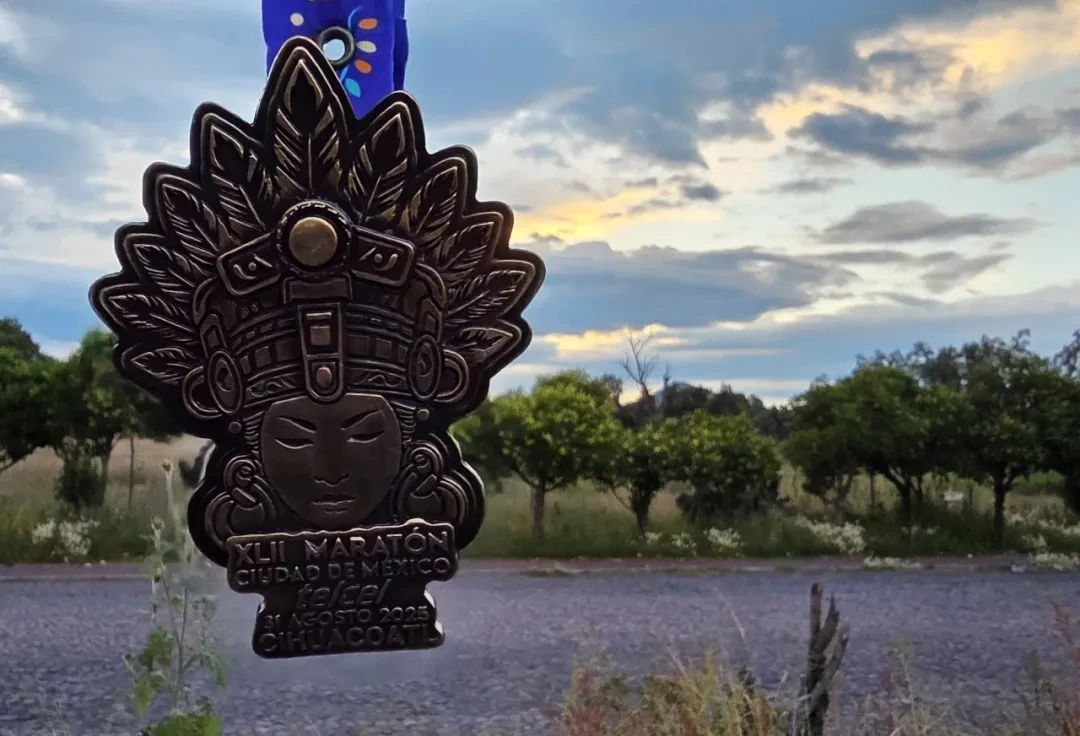
The medal looks plain at first, but the worn, aged pattern grows on you — just like the city: too young and too old at the same time. I sat down to stretch while the square churned around me: finishers, tourists, vendors, and one old man cradling a ragged, colorful guitar. Skyscrapers and handicrafts, order and grit, all in one frame.
Rewind · 🌶️ Mexico City, Mexico
So how did I even end up here?
Quick rewind. I was flying home to China in September, and I wanted a little “rehearsal” first — leave the U.S., come back in, see how it feels. First solo border crossing, a bit nerve-racking, so I picked somewhere close: Mexico. And I love running a new country’s biggest street. One search later, there it was — the Mexico City Marathon, late August, Latin America’s “national marathon,” the second biggest race in the Americas, and it lined up perfectly with the Labor Day long weekend. Done. Let’s go.
Saturday · 🌶️ Mexico City, Mexico
Gridlock, a sea of runners, and a square full of smoke
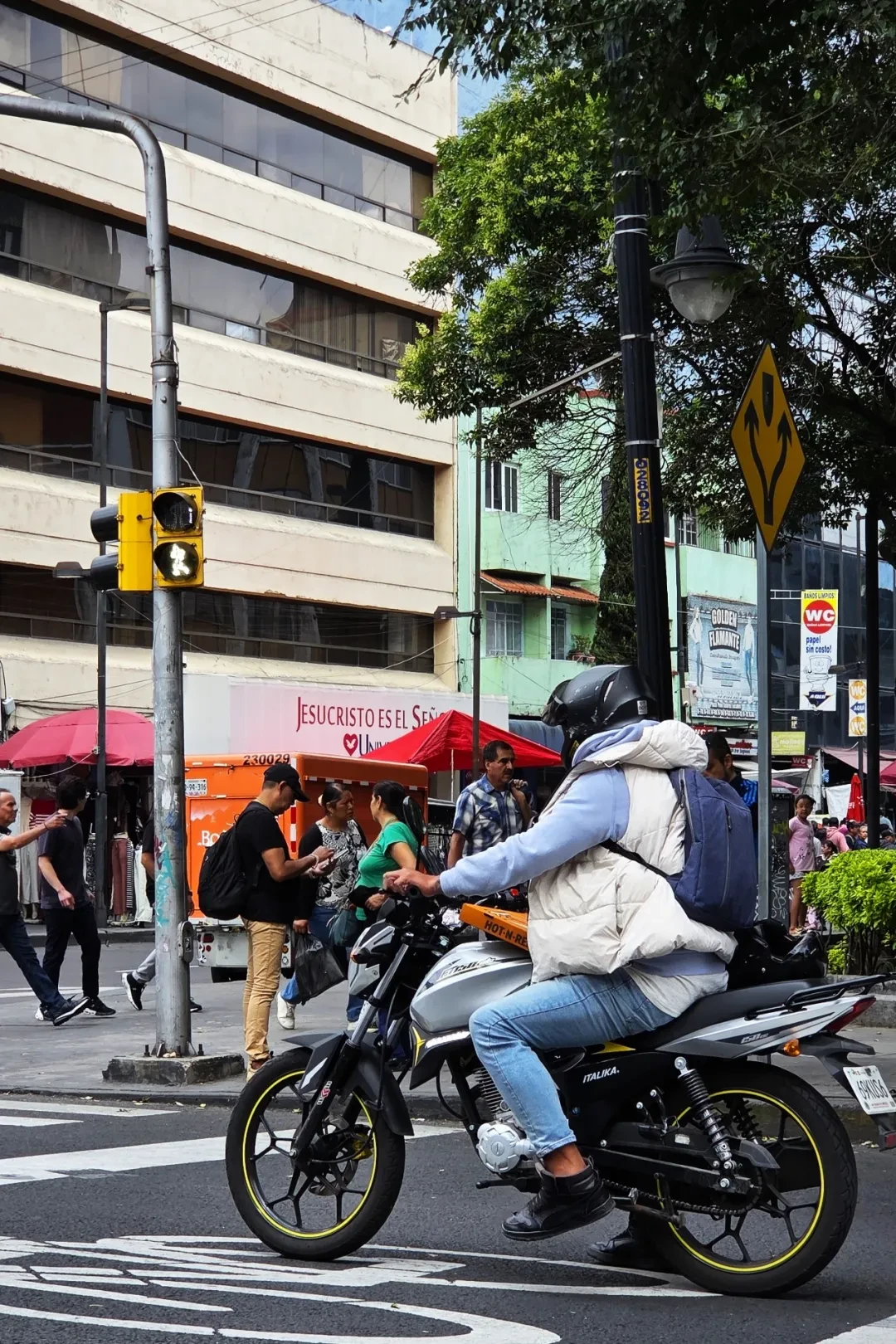
Fly out Saturday from Louisville, fly back Monday — three days, two nights, one marathon. The drivers in Mexico City are something else: two lanes become five “potential” lanes and no gap is ever wasted. Air’s rough, the ride is bouncy, but the newness beats the discomfort. At a red light a kid wipes your windshield whether you want it or not.
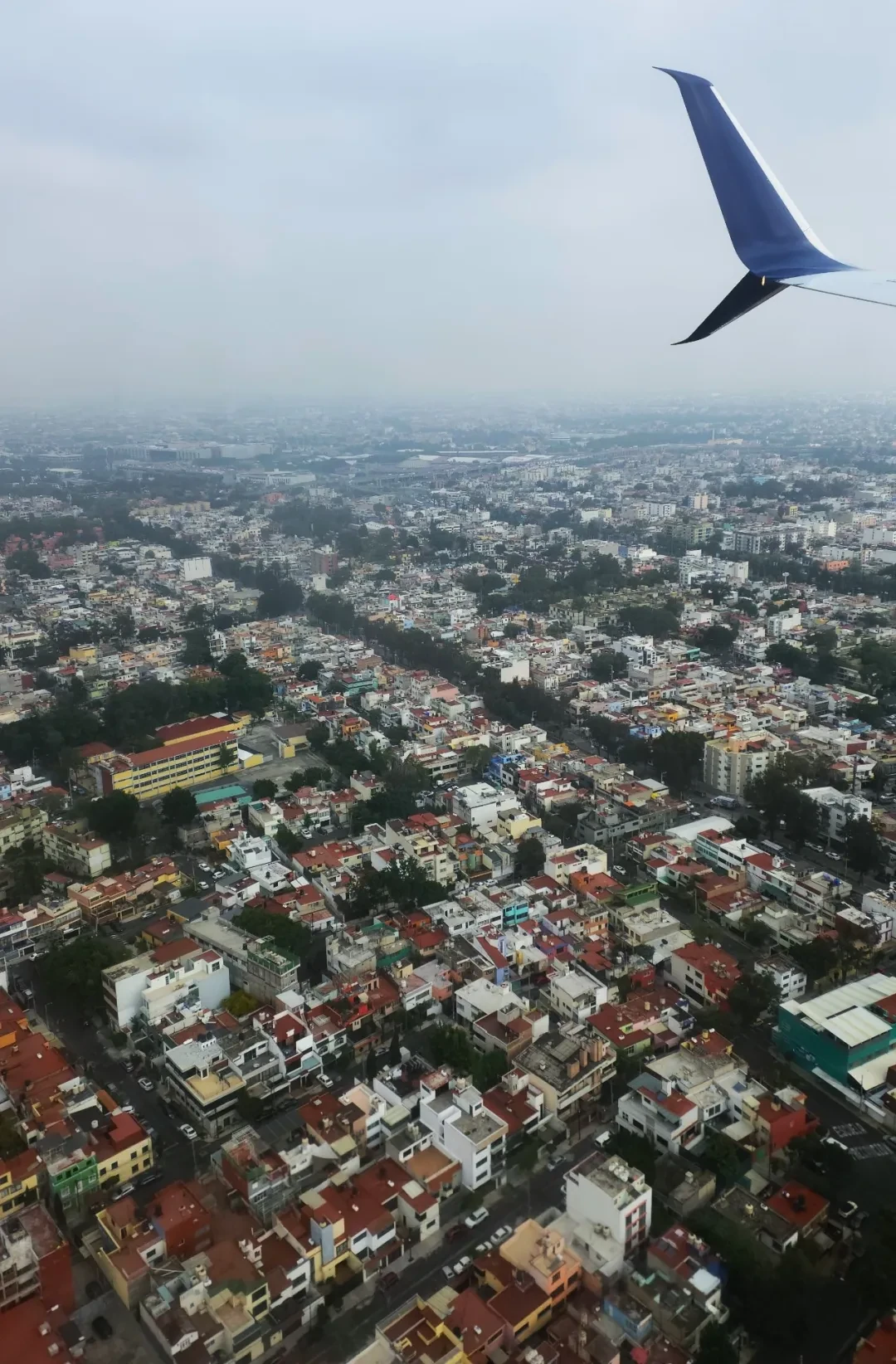
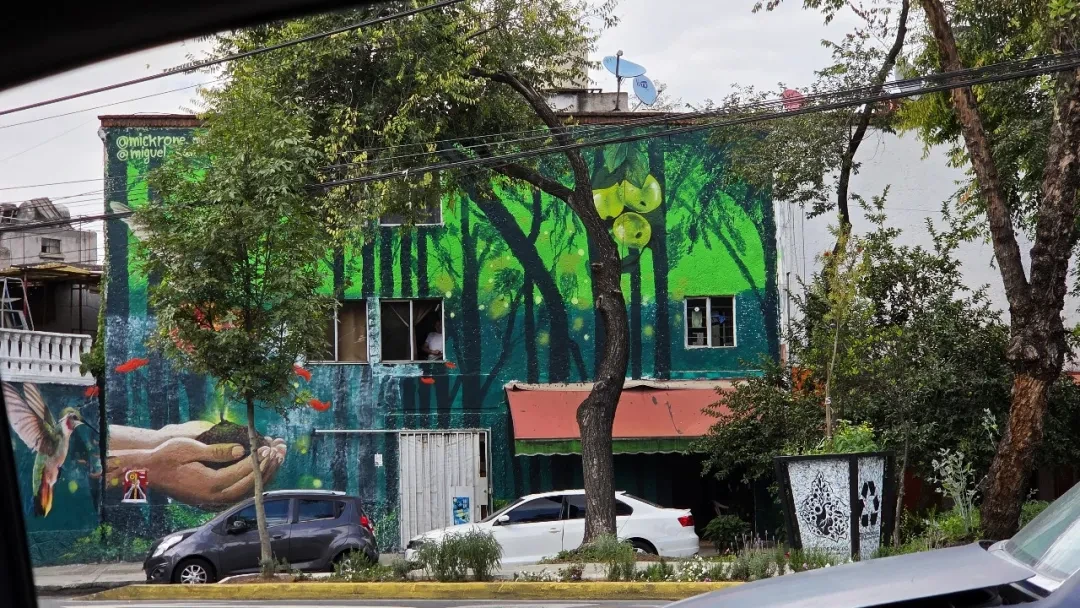
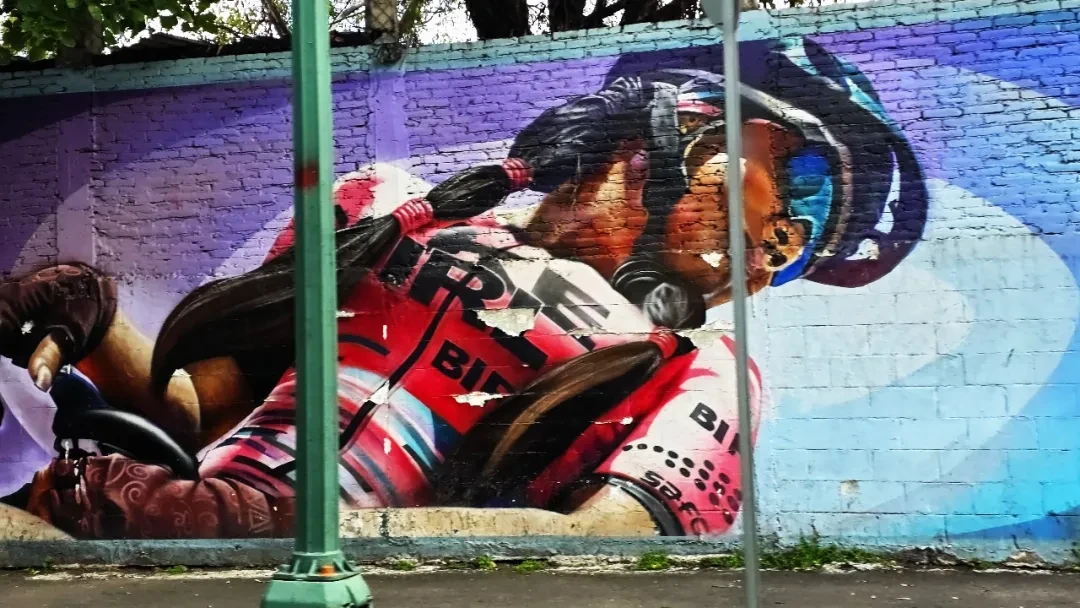
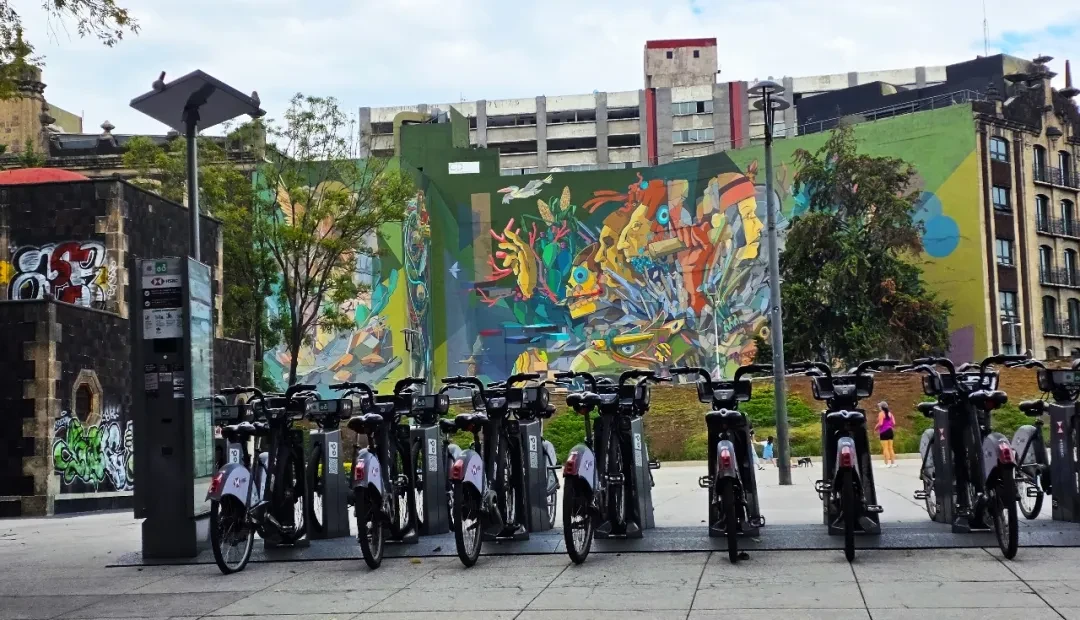
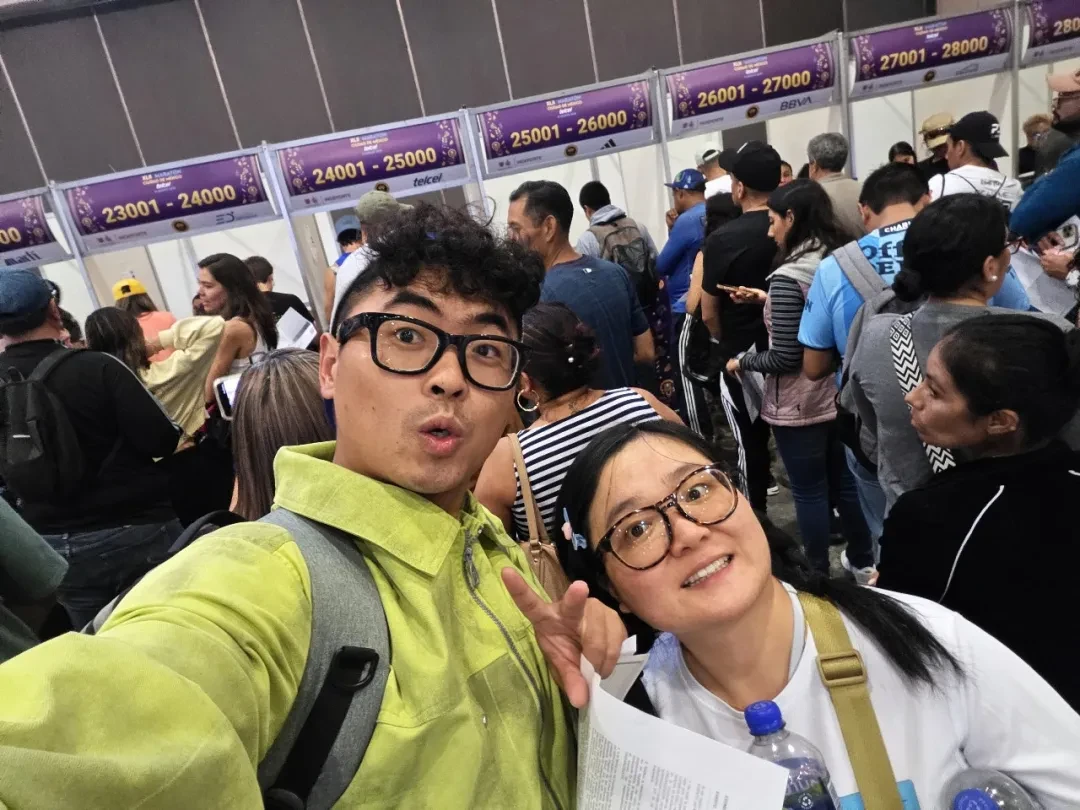
We stayed at an arty, Airbnb-style place in Coyoacán near Frida Kahlo’s Blue House, dropped our bags, and headed to the expo at the World Trade Center. It was a wall-to-wall sea of people — a real “national marathon.” Everyone was waving a sheet of paper at the entrance: the liability waiver. I signed it letter by letter in Spanish, copying the lady ahead of me. Bib #20-something-thousand. The race packet had water, noodles, rice, supplements, vitamins — way more loaded than U.S. races.
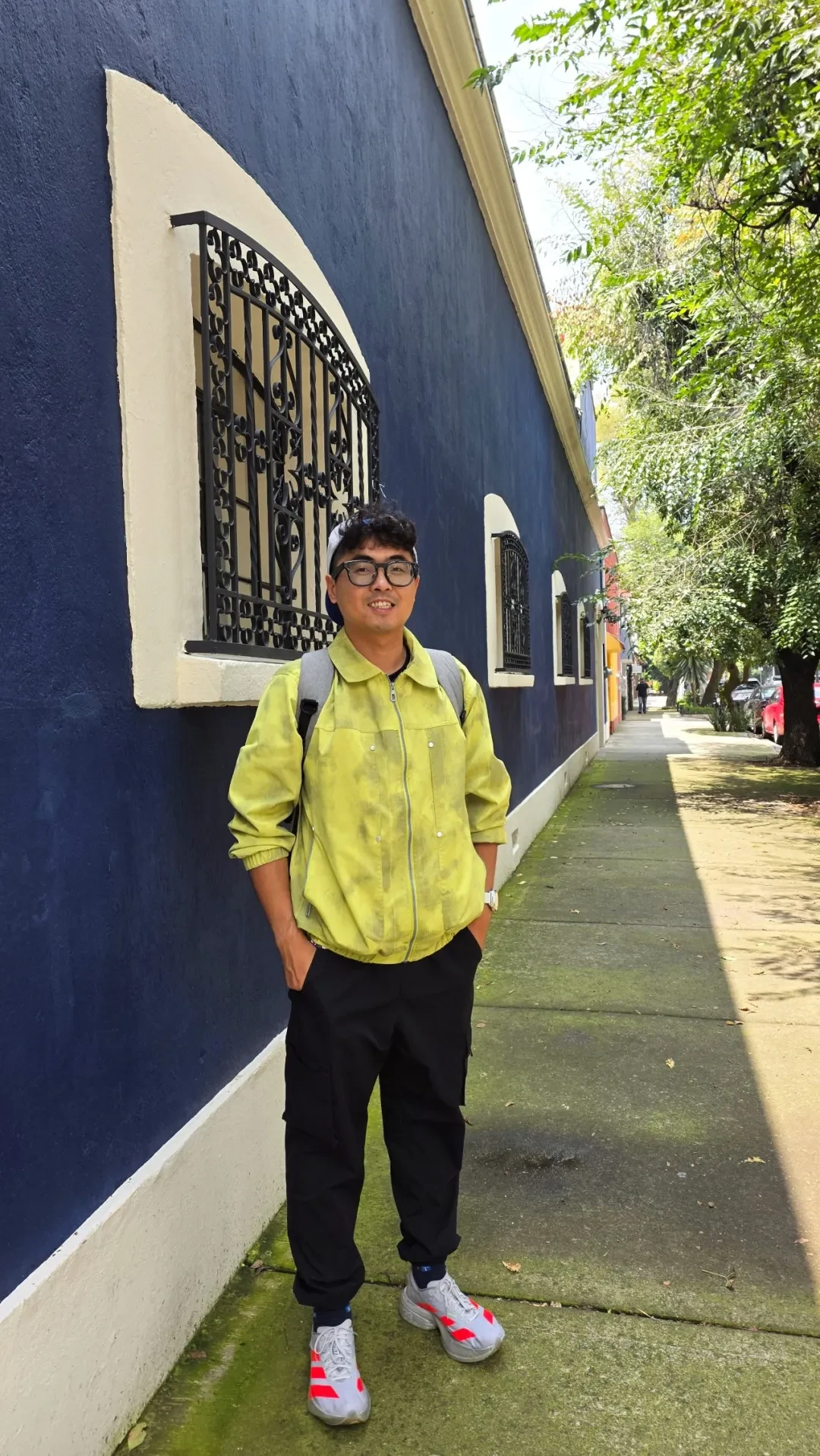
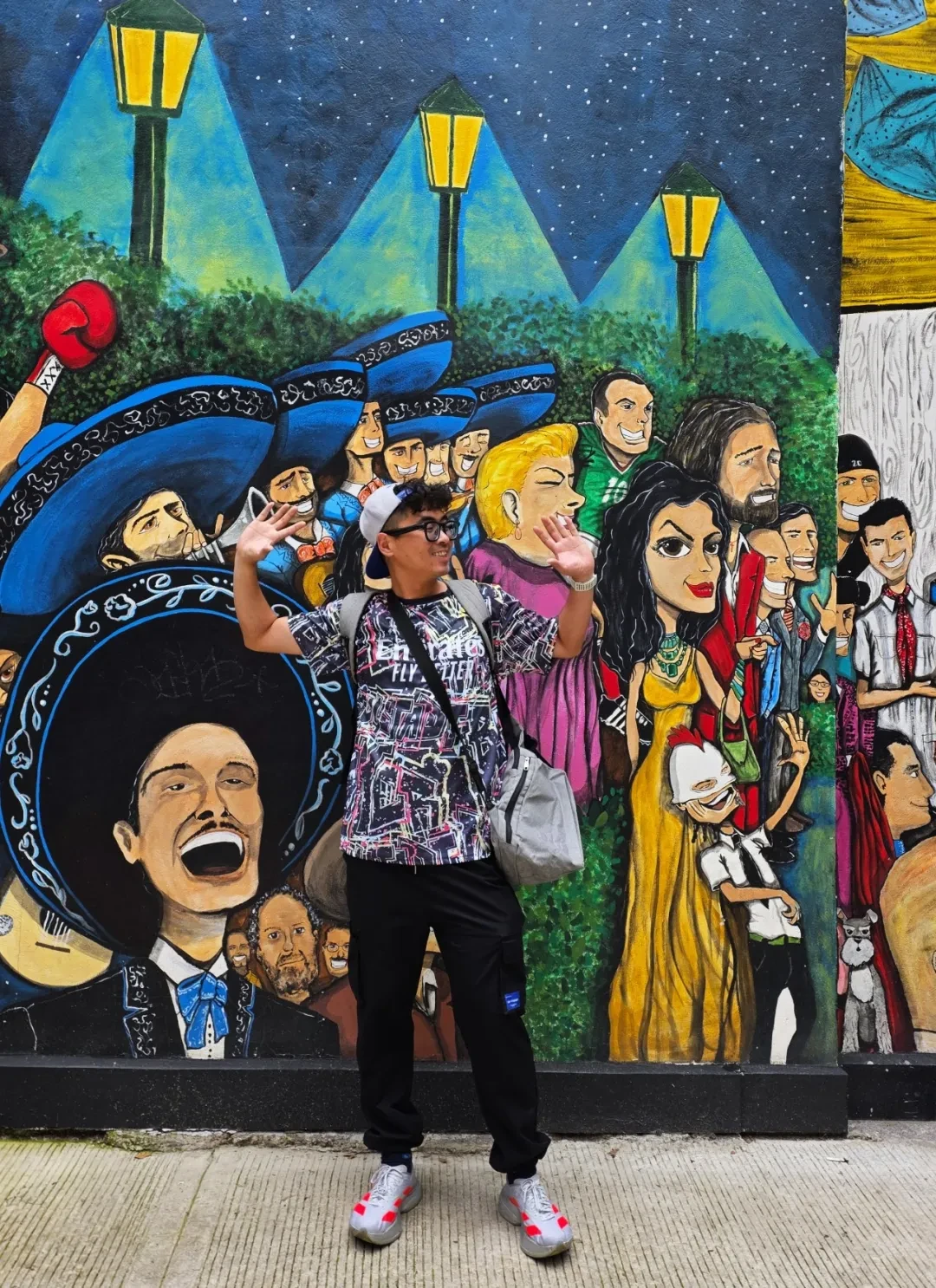
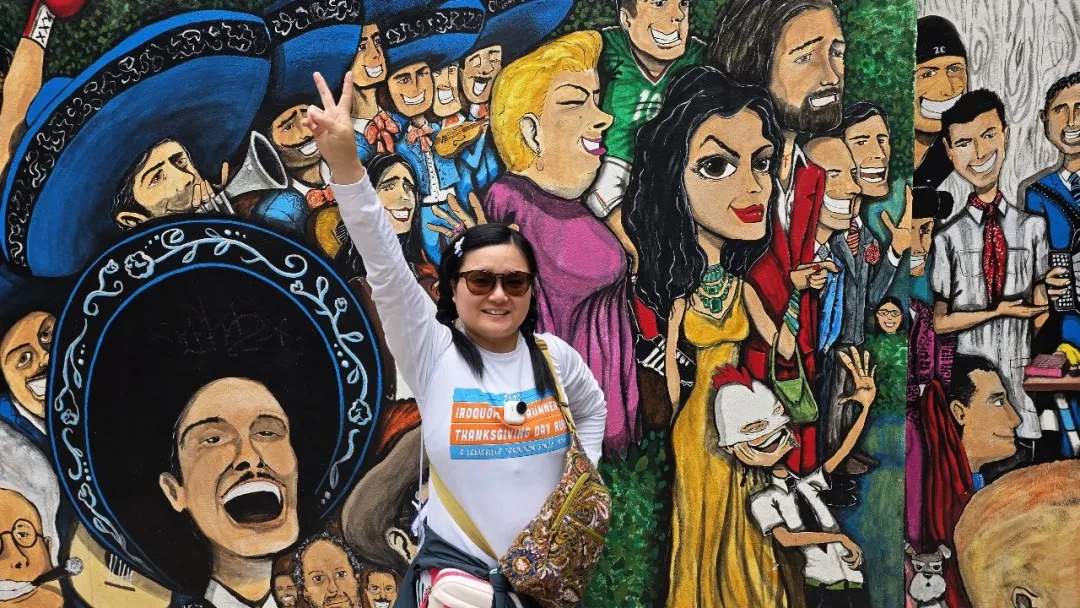
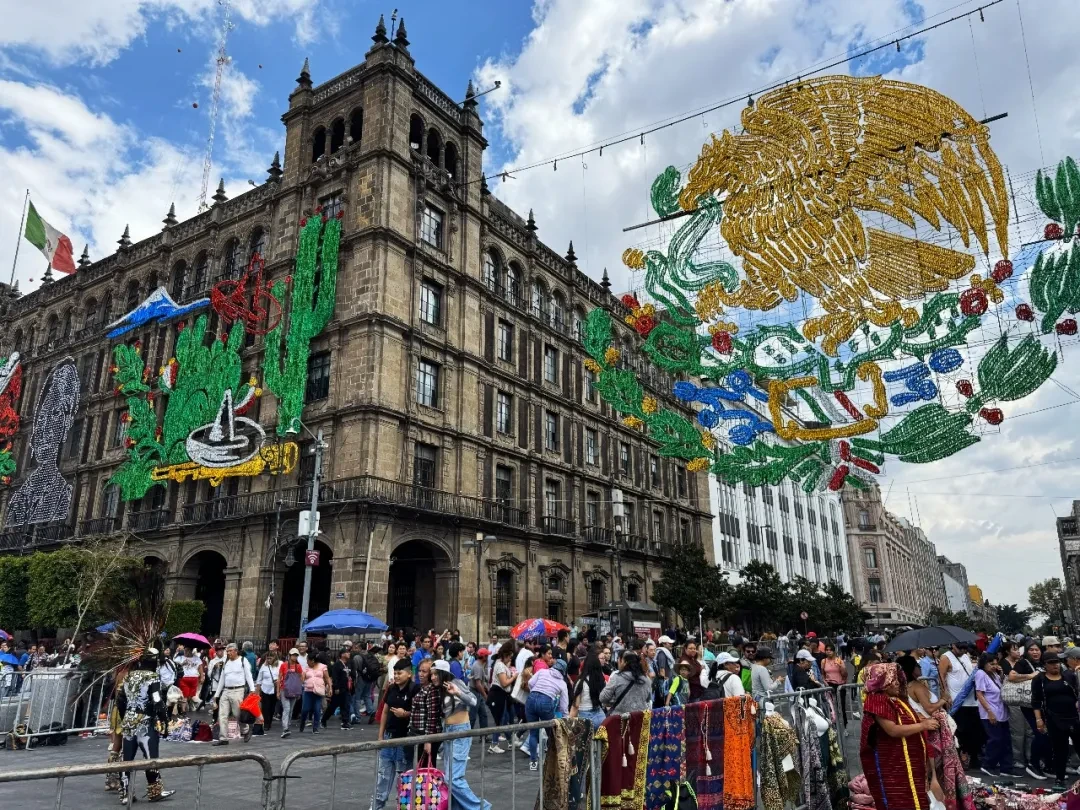
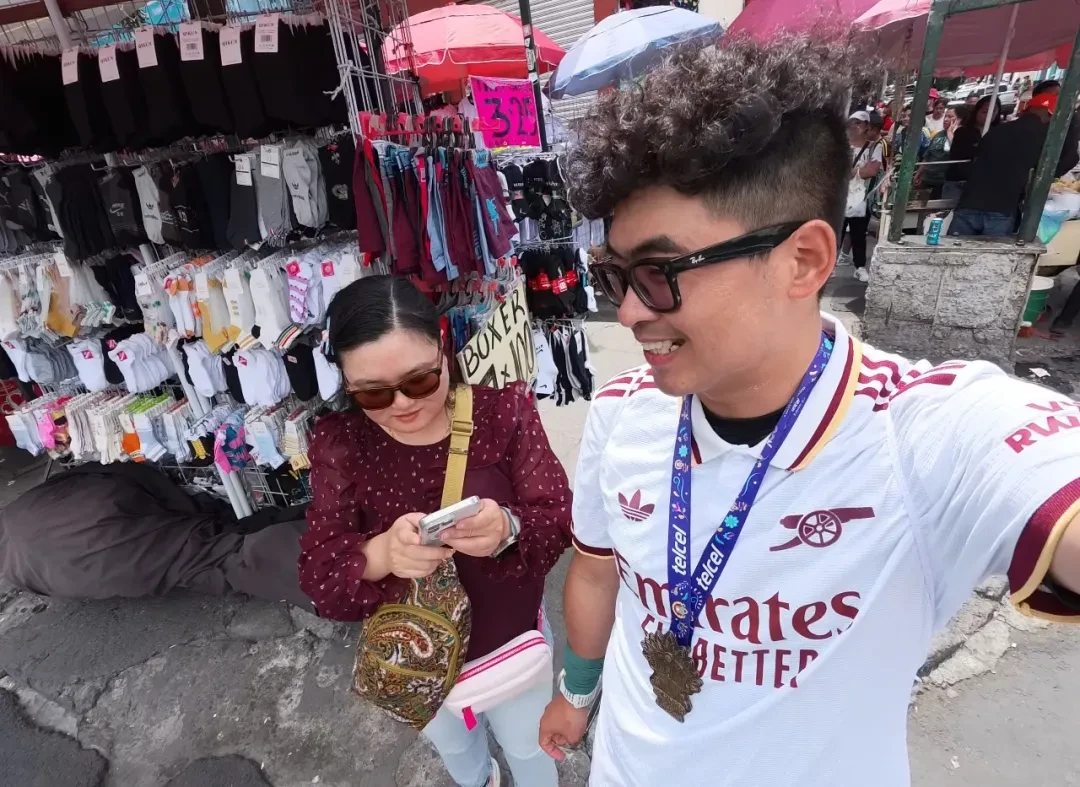
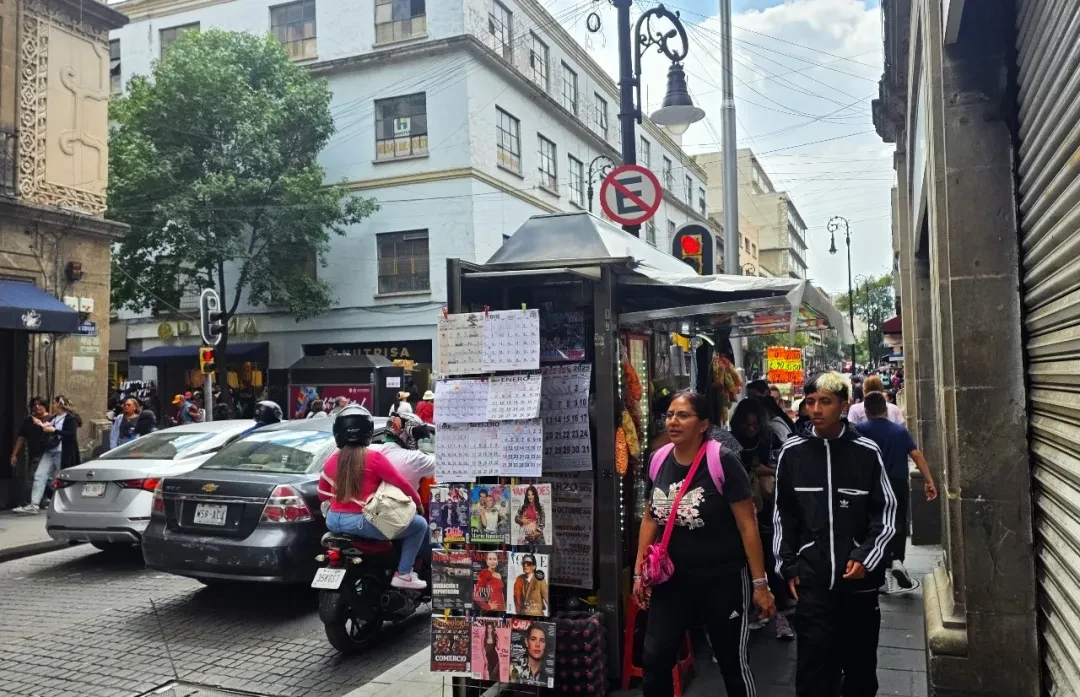
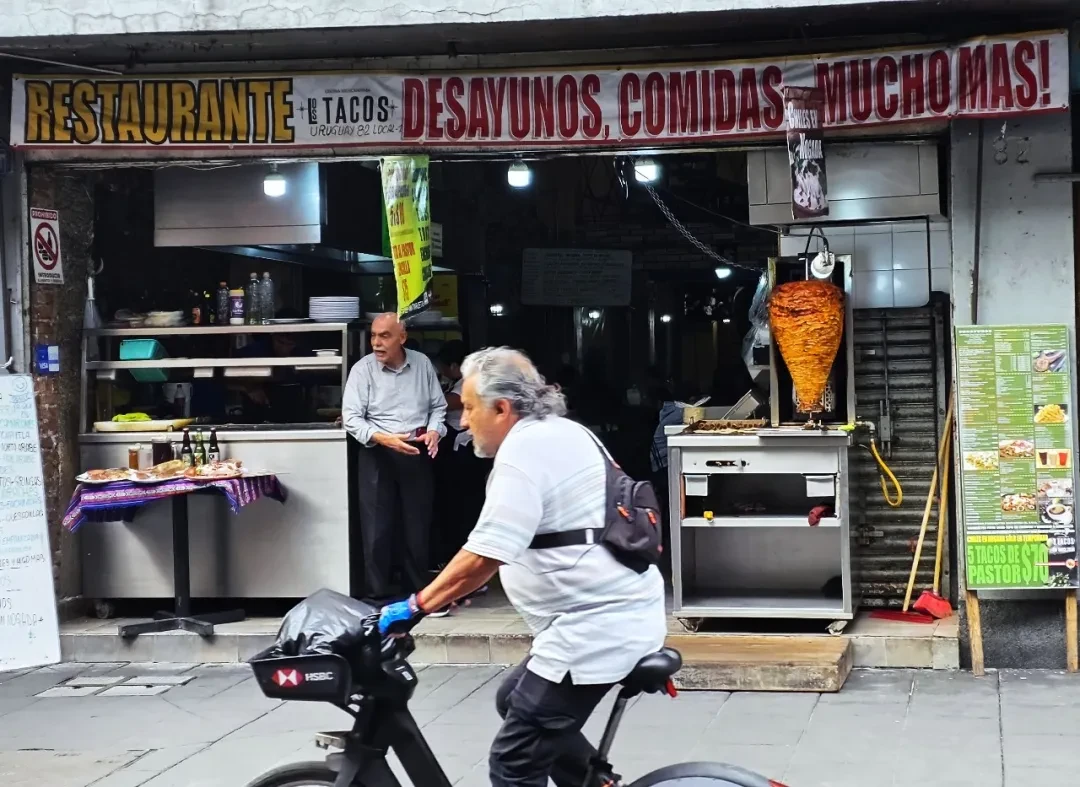
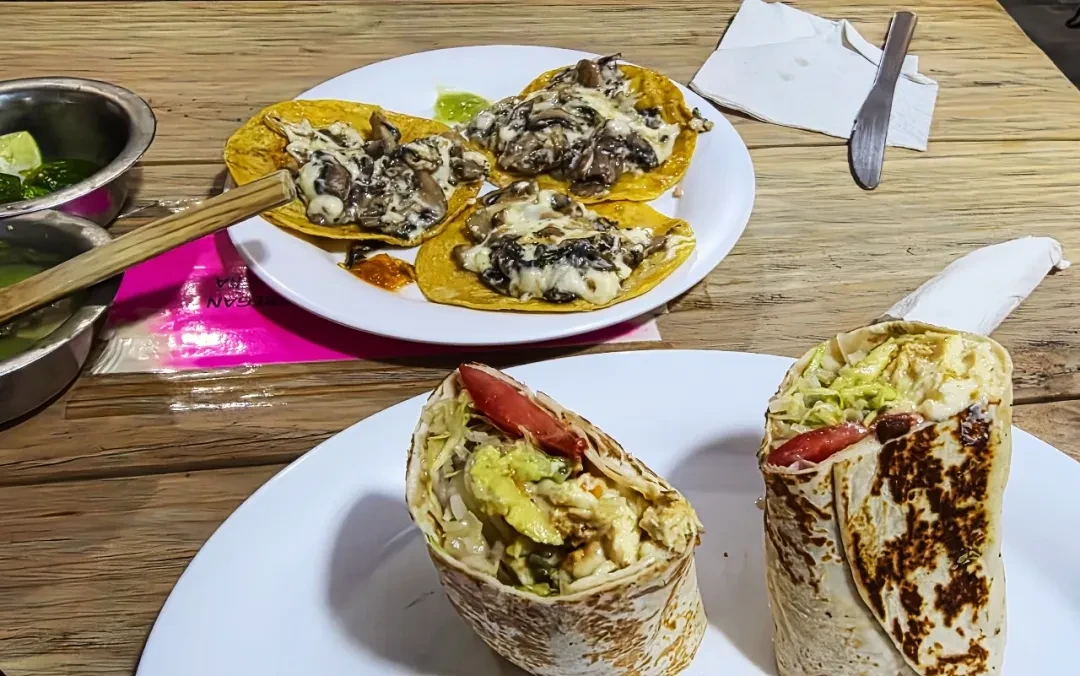
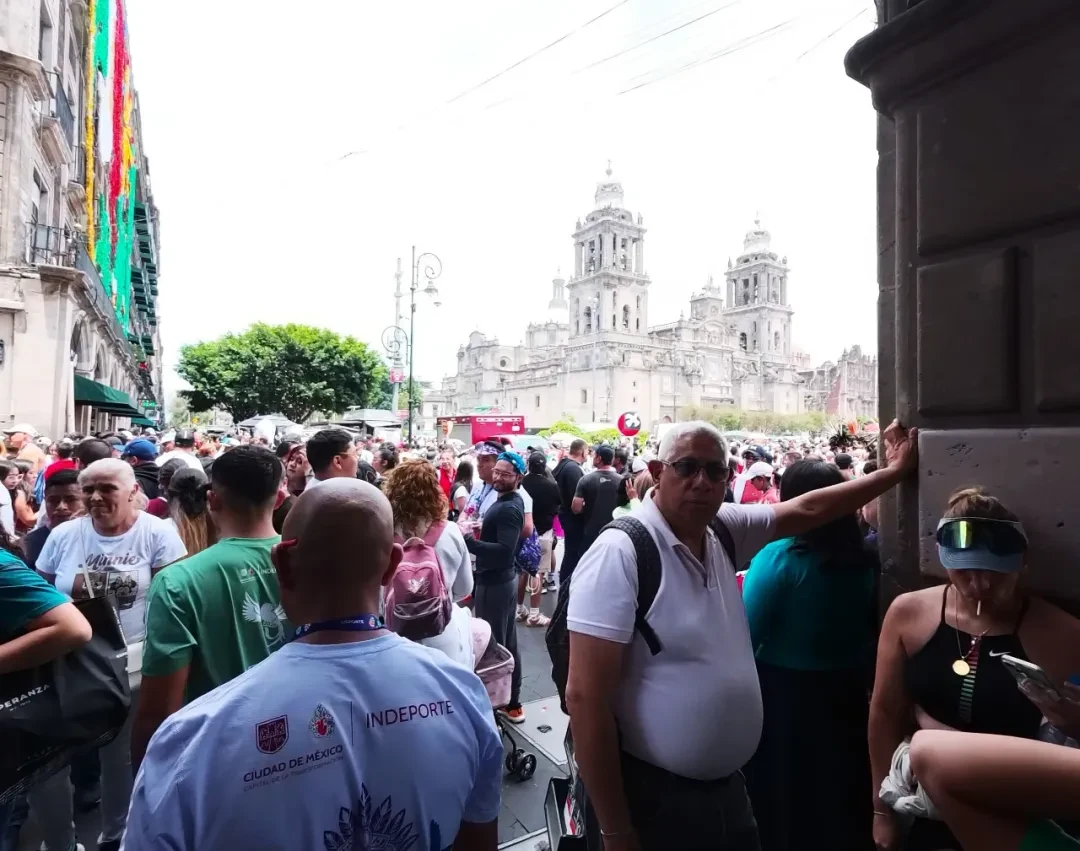
Siqi grabbed a mango cup dusted with chili and salt (about three bucks), and we pushed through the traffic to the Zócalo. Up close the crowd comes at you in waves. The cathedral and National Palace loom over everything, with the blue marathon finish tents already set up in the middle of the square. We ate tacos and a burrito on a side street — cheap, great, and a chance to use a (paid) bathroom, which is very much not a U.S. thing.
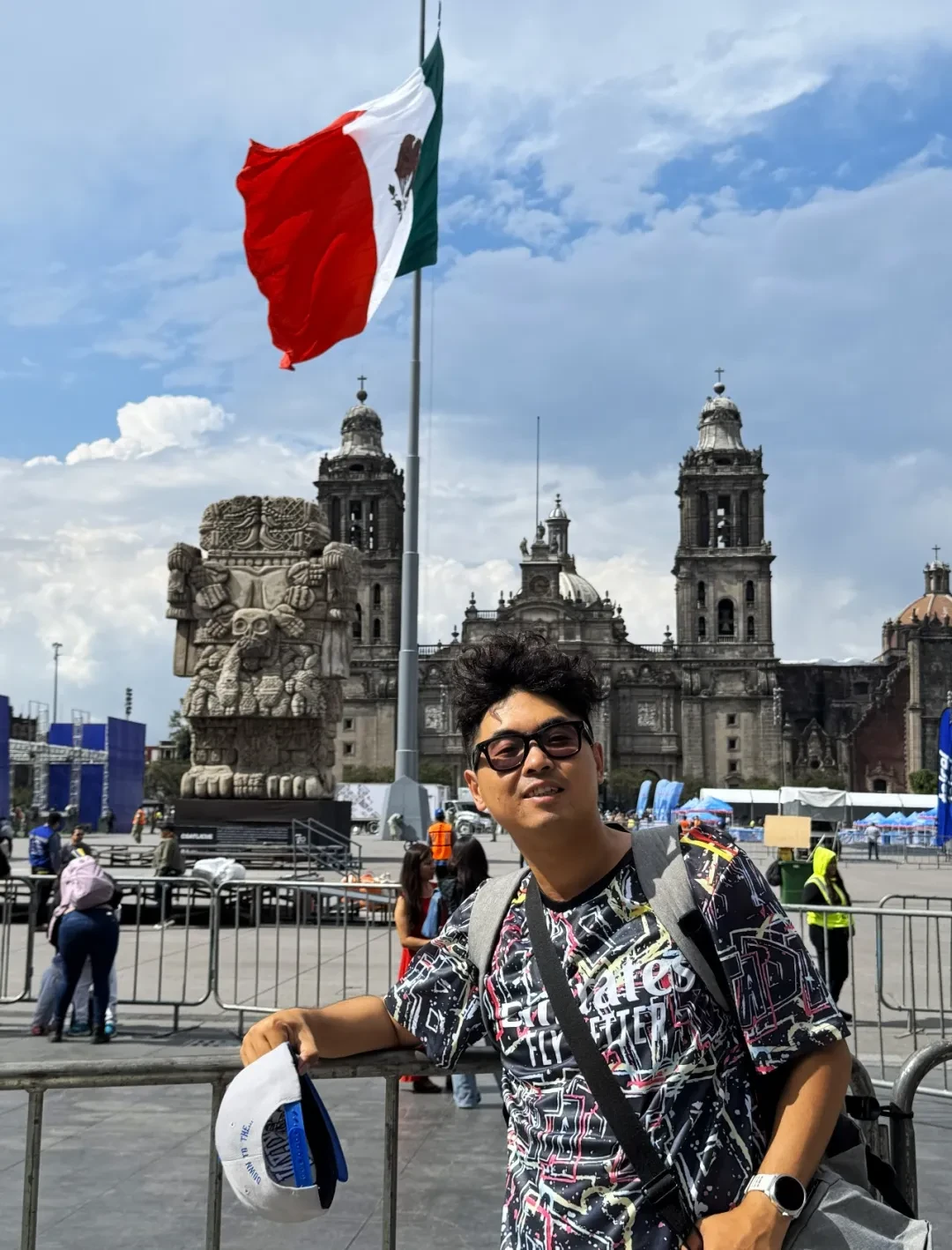
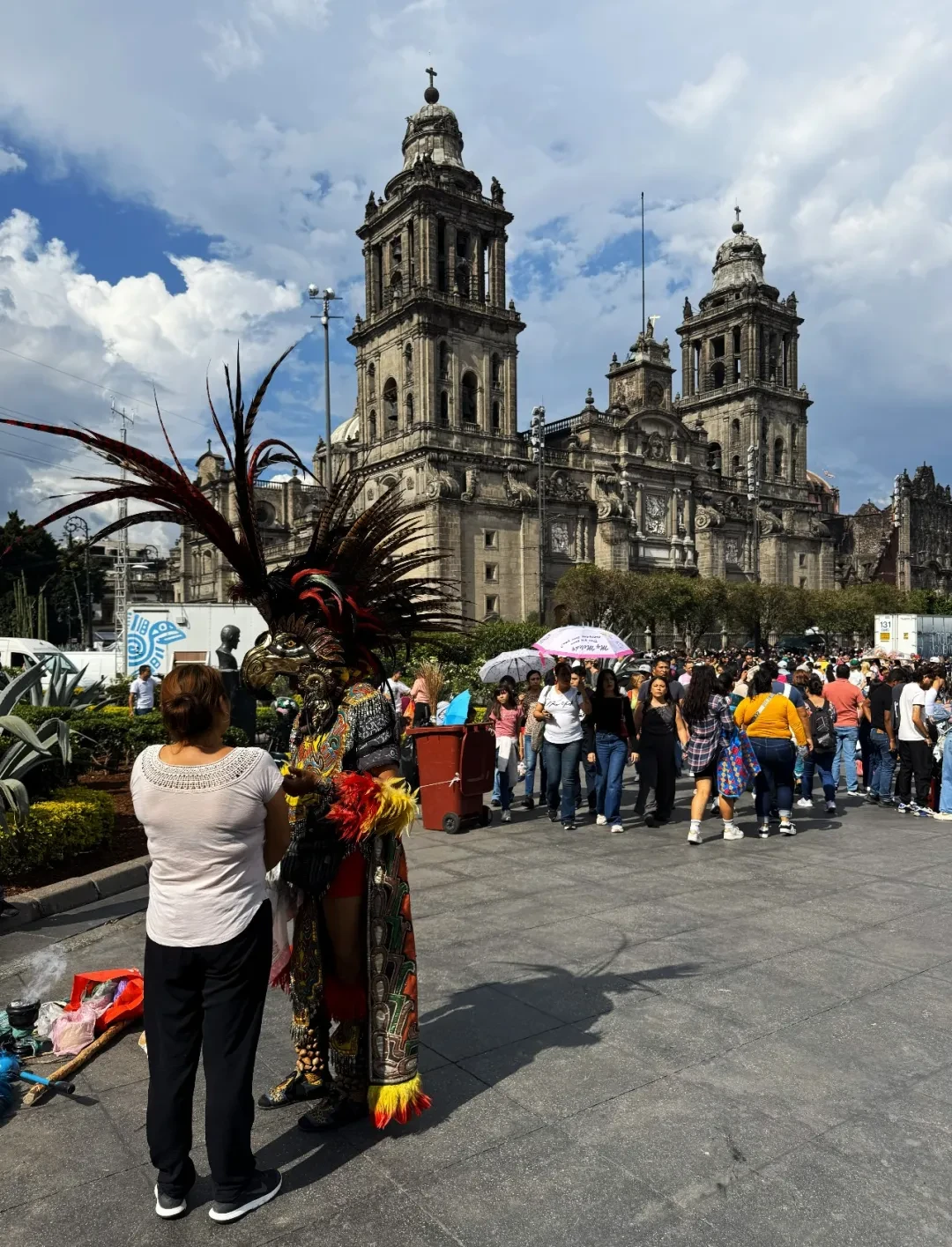
Then two “shamans” in feathered headdresses appeared, waving herbs and a smoking bundle of copal resin, wreathing smoke around people and murmuring. It’s a limpia — a cleansing ritual to smoke away bad luck and ask for a little protection. Spirituality, right out in the open in the world’s biggest square. I thought about getting cleansed too… then decided I’ve been doing enough good deeds lately, my luck should hold.
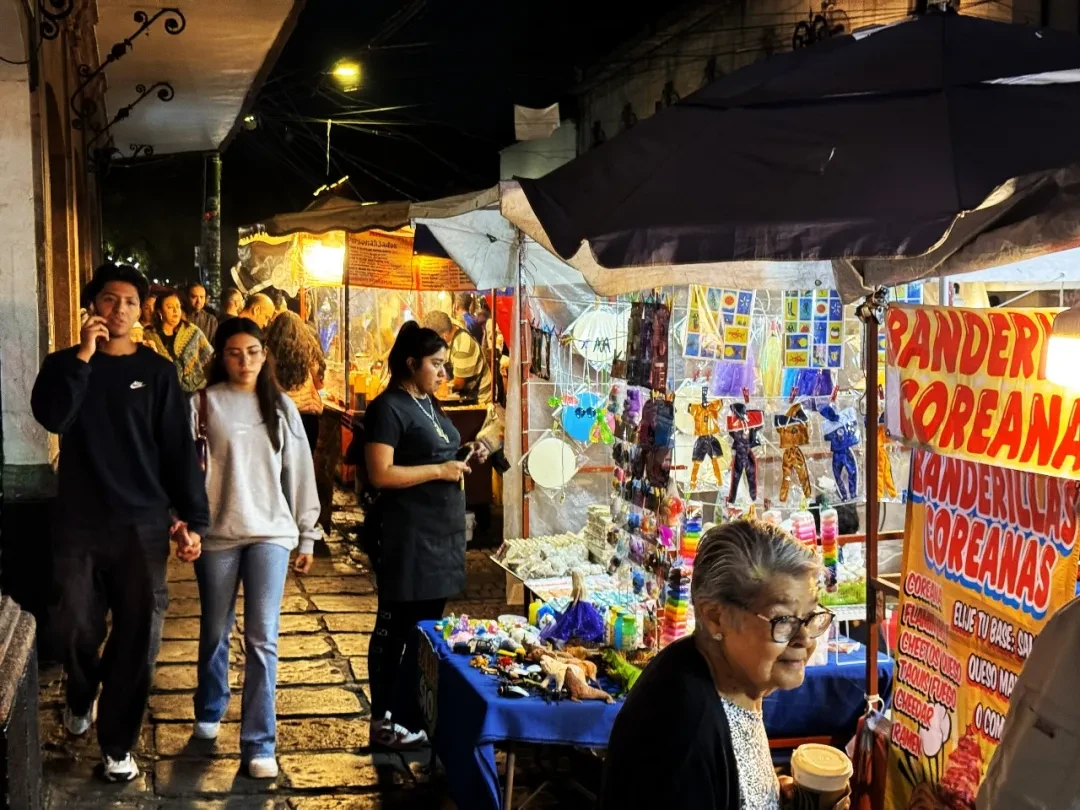
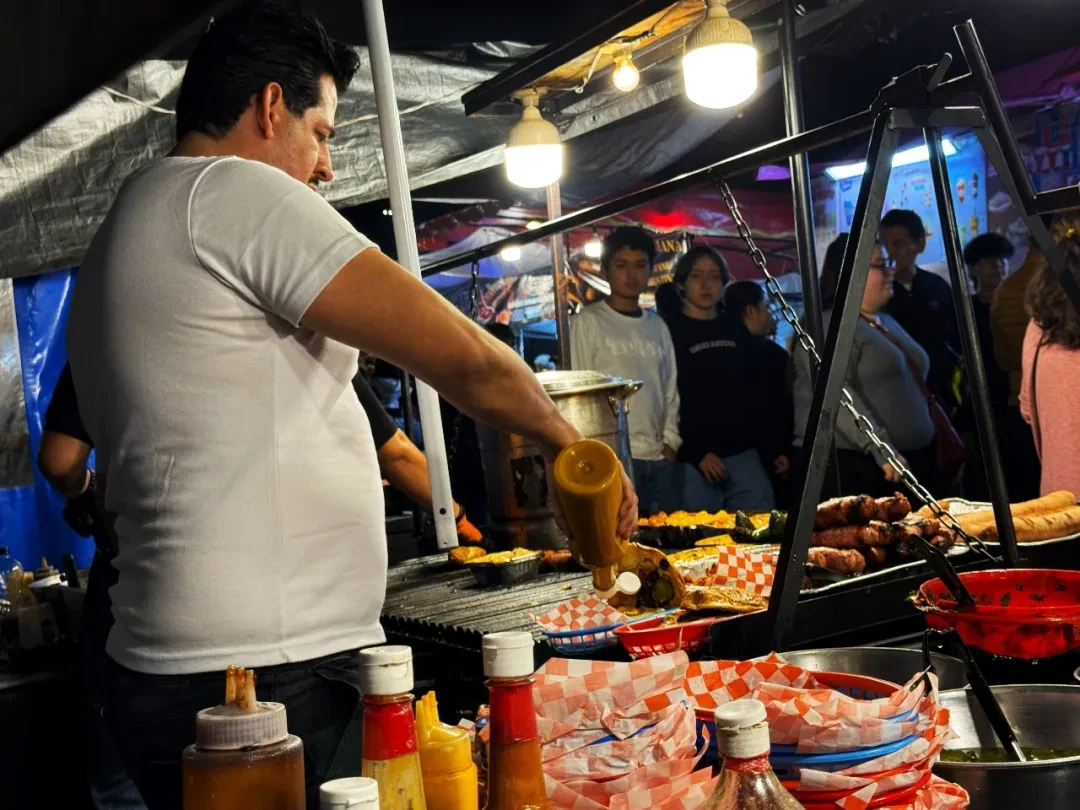
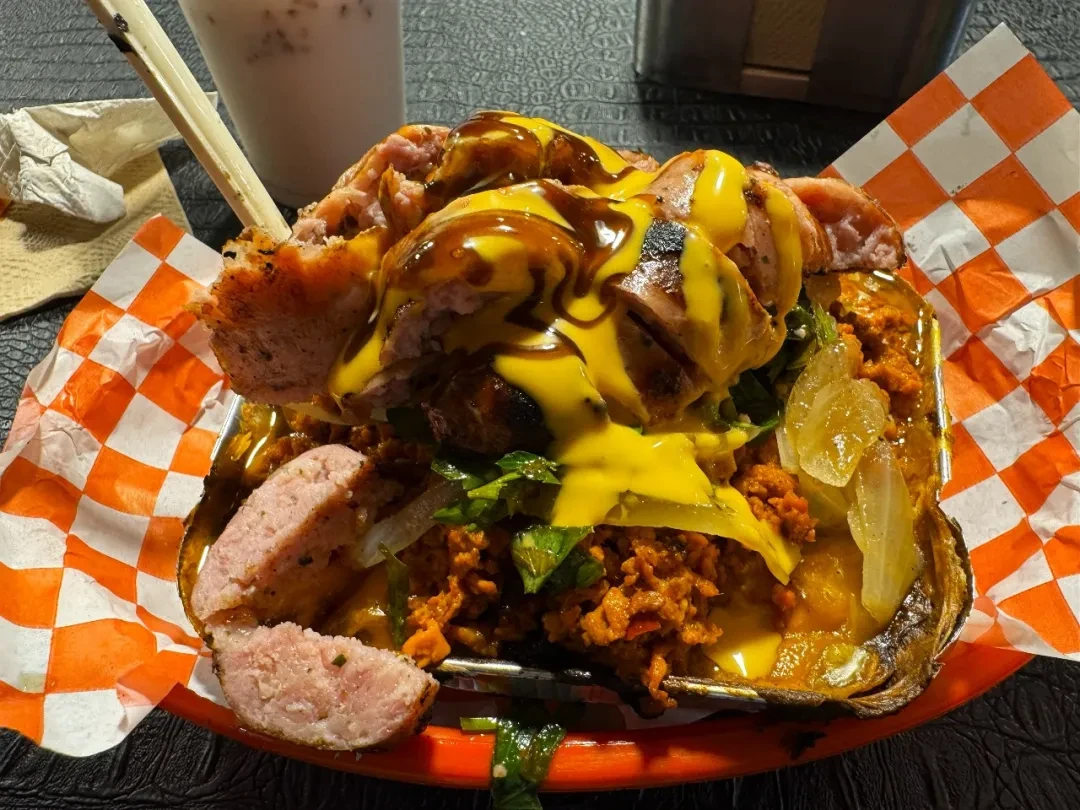
Back in Coyoacán that evening, the Blue House was closed so we photographed the green door, then hit the food street. I got a foil-grilled sausage with cheese and potato (good, a little greasy); Siqi got a “fancy” drink and an “instant ramen” that came with an egg and, in her words, “no flavor.” There was a little artist party at the hotel that night — the owner in feathered earrings offered us a drink, but I had a marathon in the morning. Music thumped through the wall; I put my earbuds in and, weirdly, the altitude knocked me right out.
That night · 🌶️ Mexico City, Mexico
Pyramids, a cave restaurant, and a carful of strangers
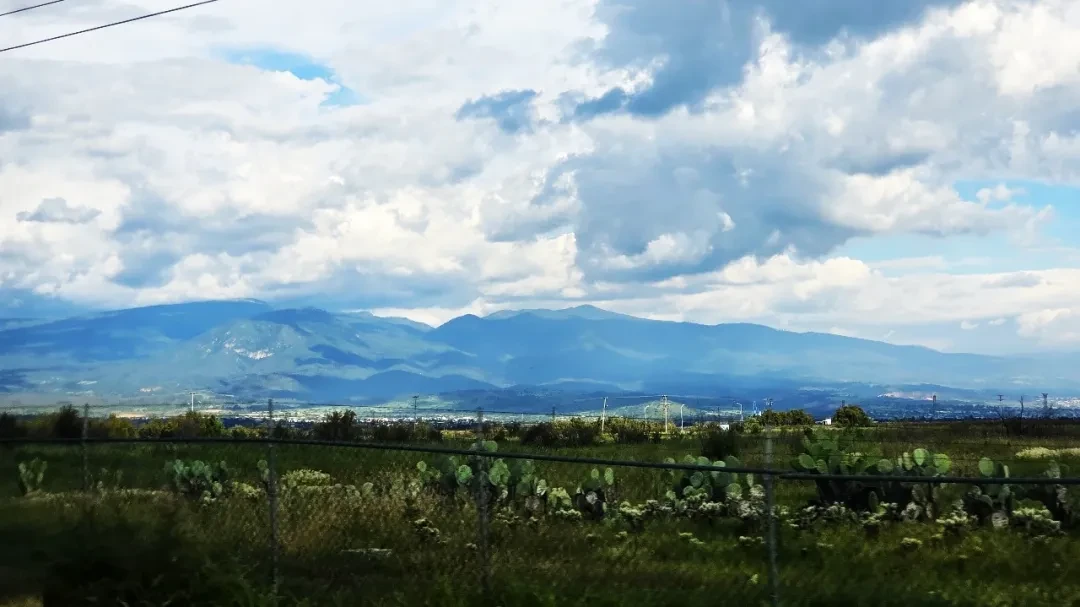
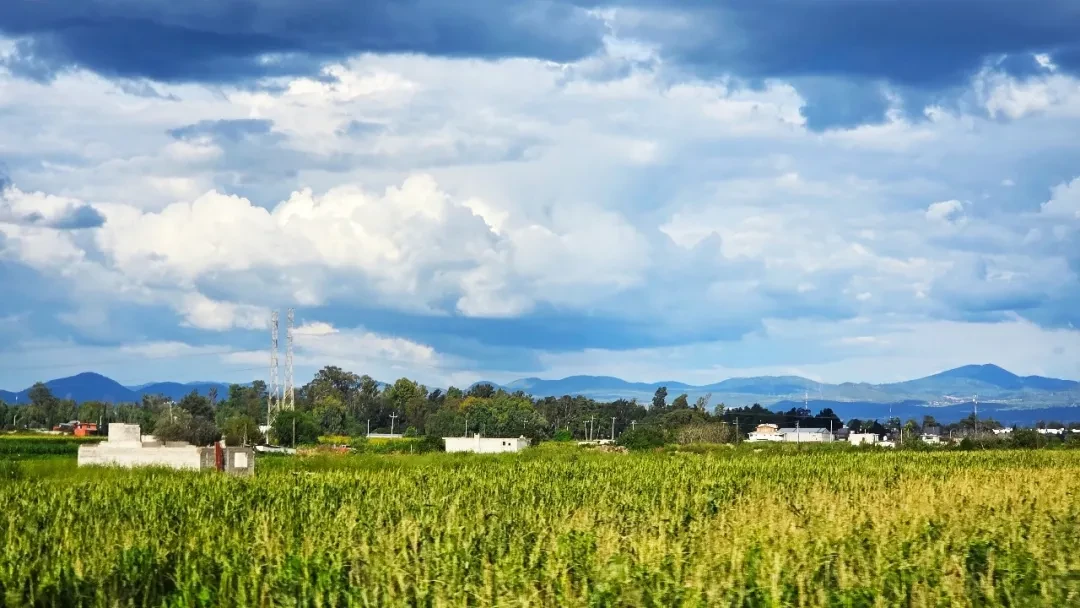
After the race we cleaned up and cabbed out to Teotihuacán to see the Pyramids of the Sun and Moon — except the park’s last entry was 16:30 and we were never going to make it. So we aimed for the famous cave restaurant across from it instead. Out of the city the highway opens up, cornfields everywhere, white houses packed onto the far hills.
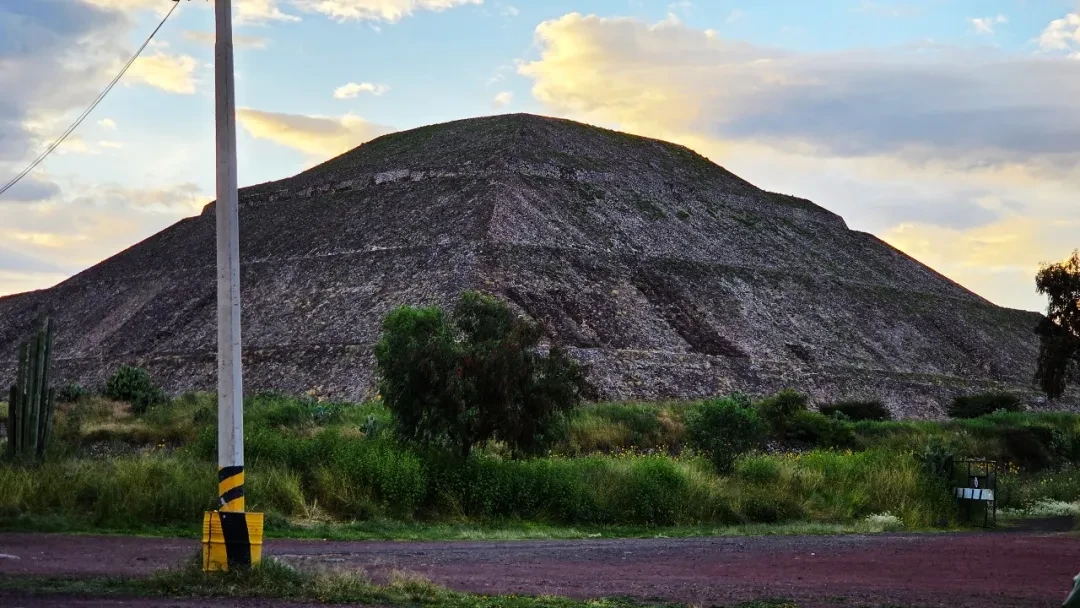
This place predates the Aztecs by over a thousand years — built starting in the 1st century BCE, once home to maybe 100,000+ people, one of the biggest ancient cities on earth. The Aztecs rediscovered it and called it “the place where the gods were created.” And yes, the local legend says it might be an alien landing site.
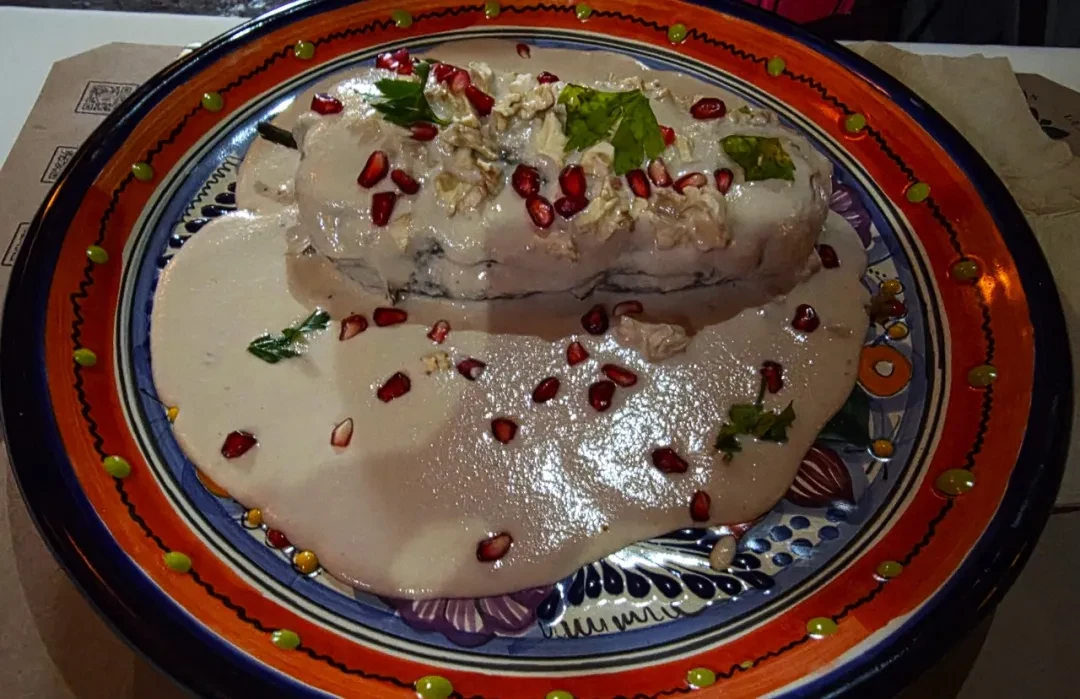
La Gruta, the cave restaurant, sits right at the foot of the pyramids and has been open since 1906. It’s a natural lava cavern, and once the colored lights come on the walls glow red and blue. Walking in feels like dropping into the center of the earth — the food is almost beside the point, it’s all about the setting. Siqi couldn’t get a reservation, but walk-in was fine — “No problem!” They served us a seasonal stuffed-poblano dish (a cousin of Chiles en Nogada). Interesting, not really my thing. But you’re paying for the “only here,” not the flavor.
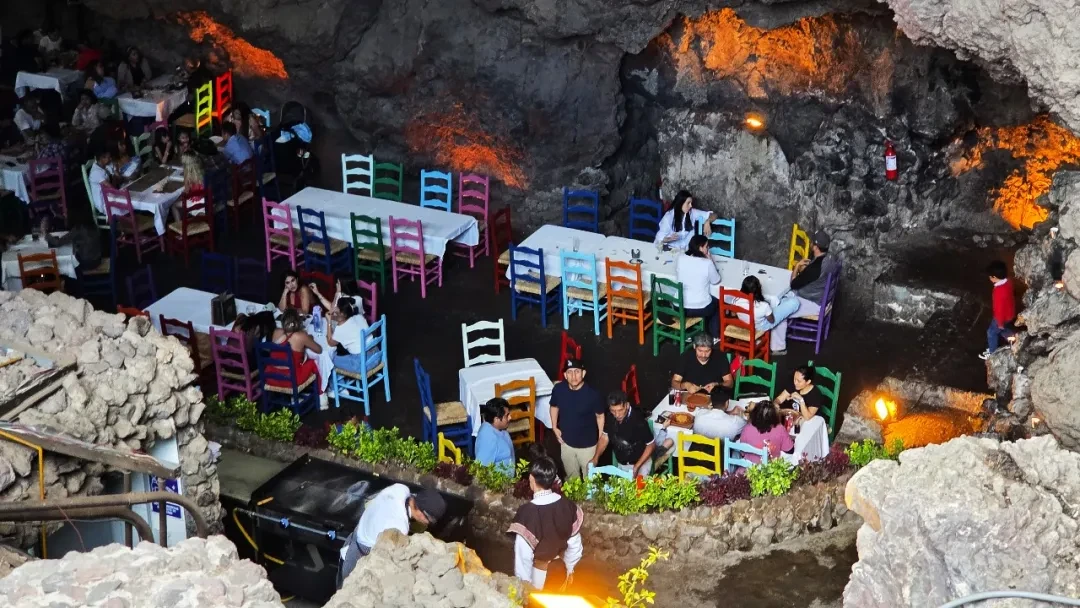
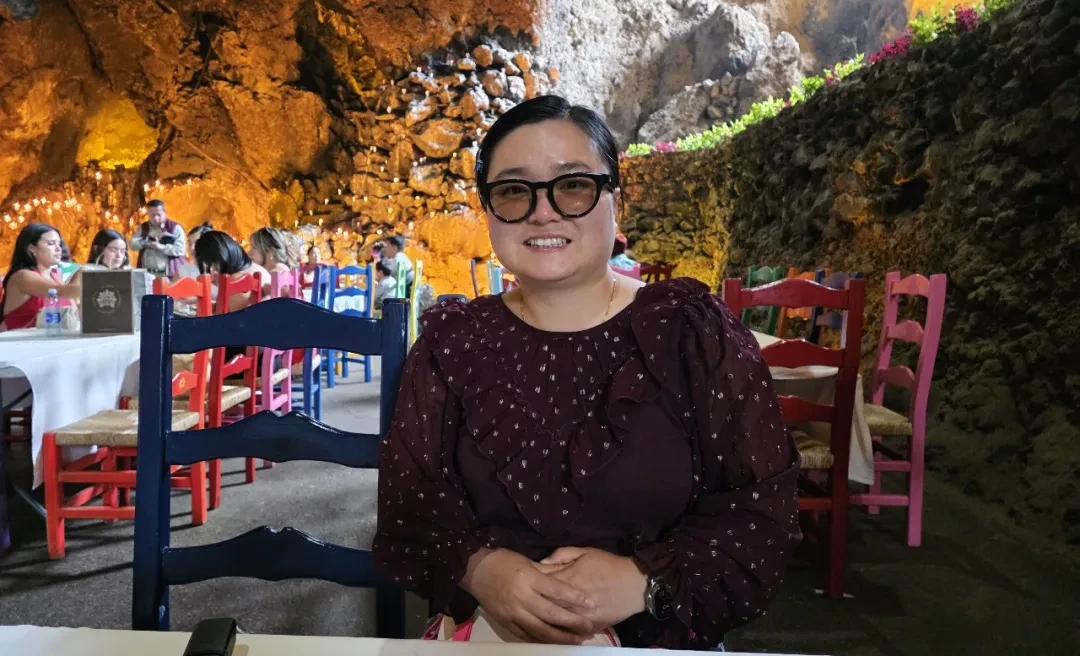
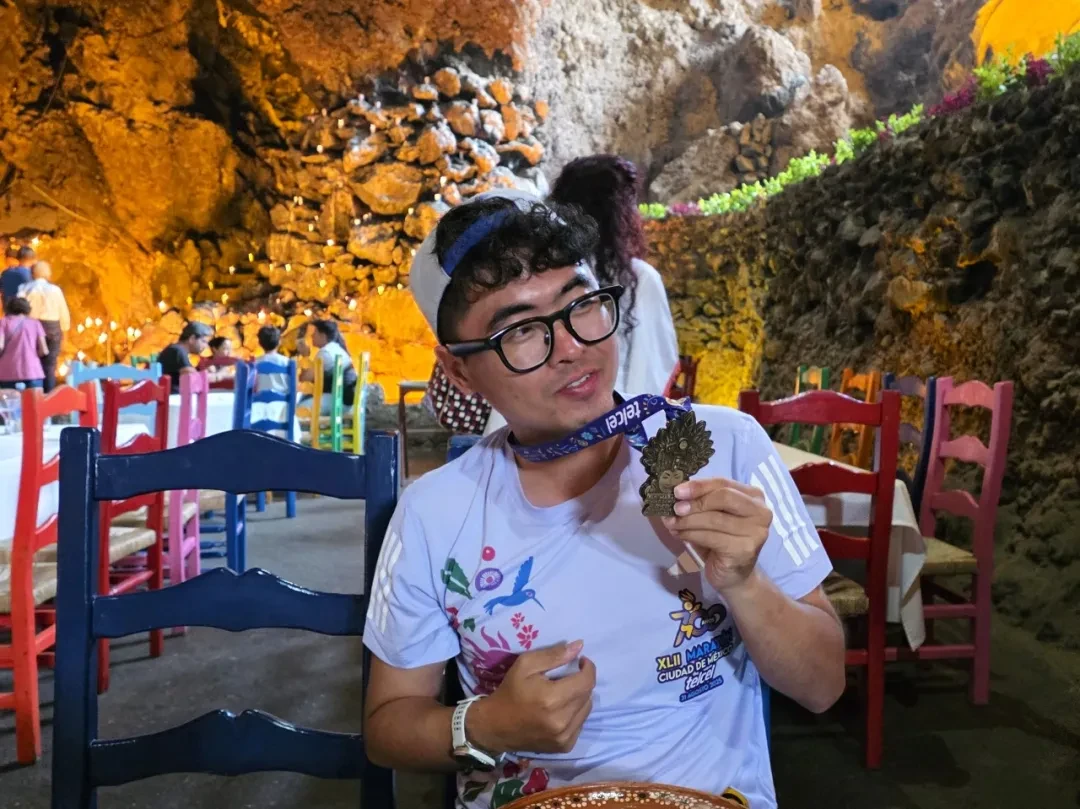
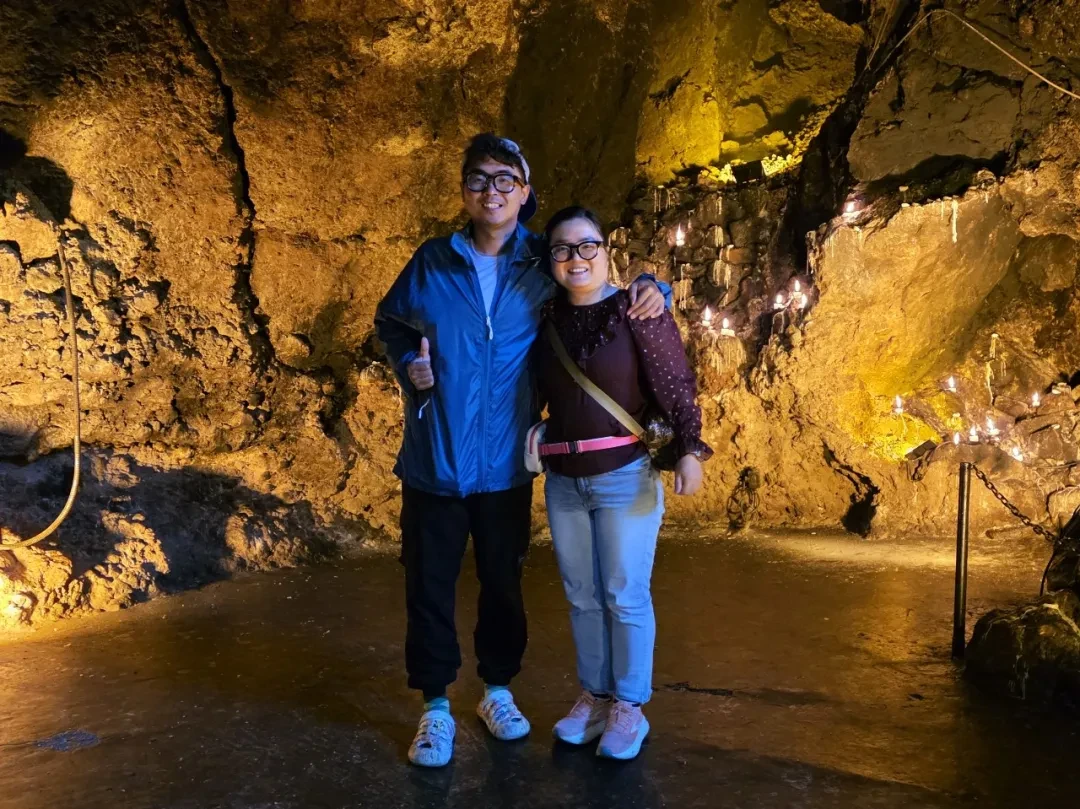
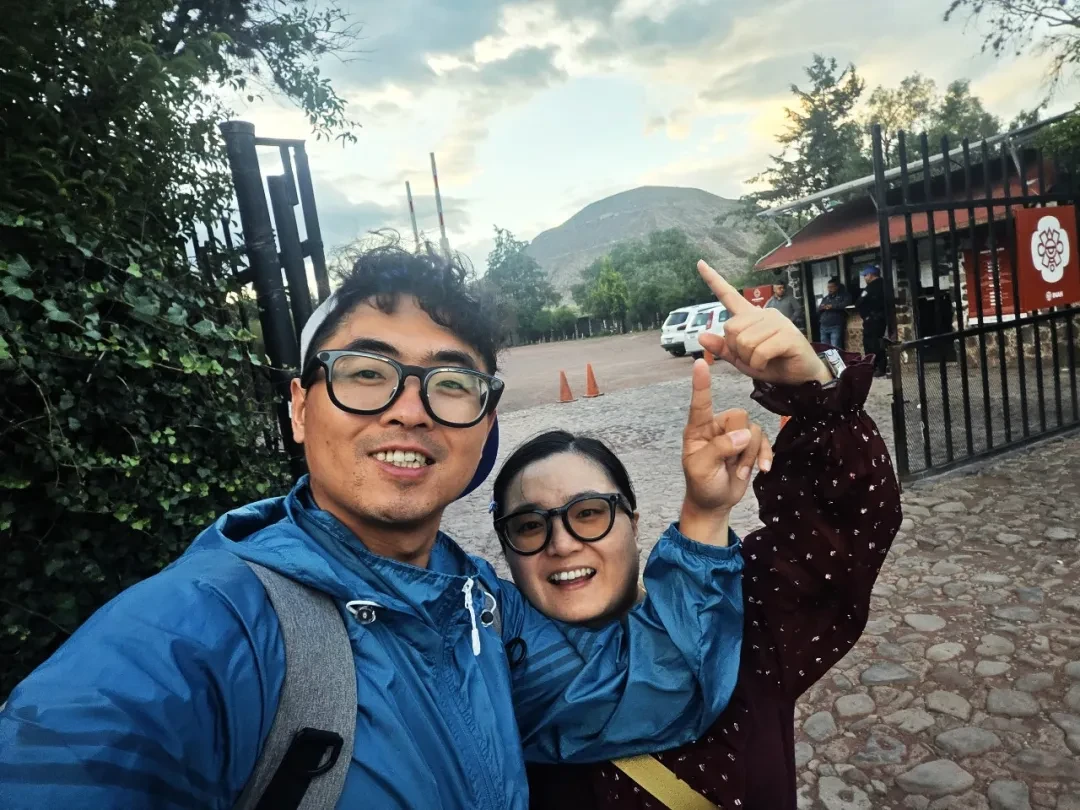
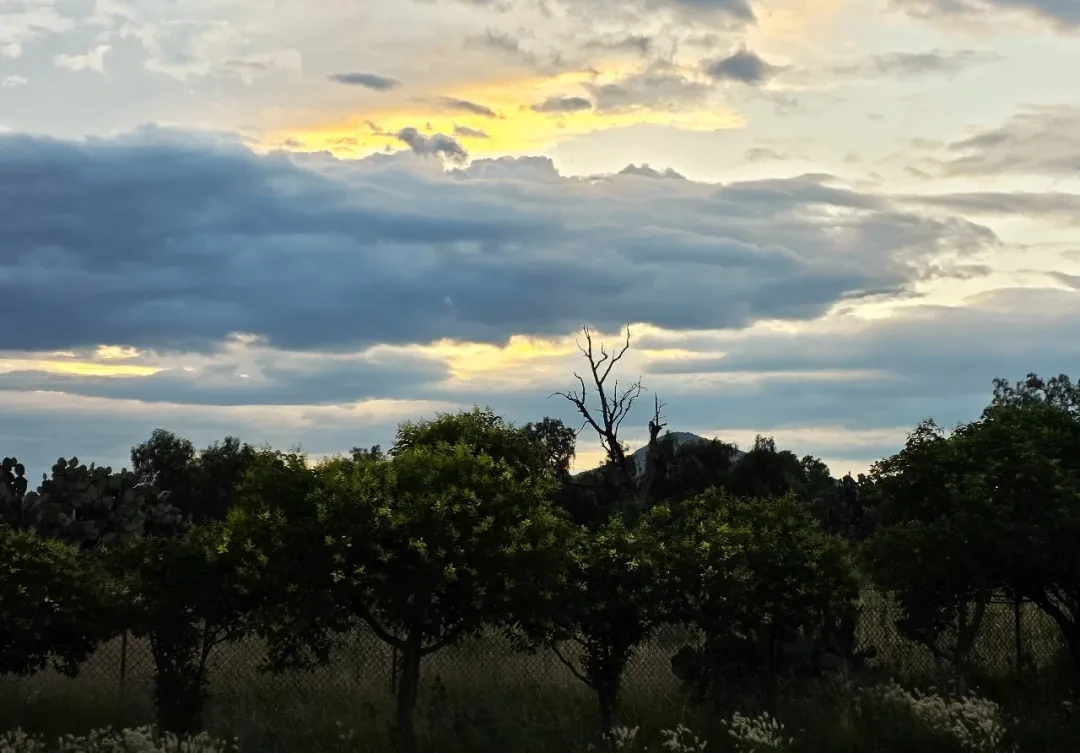
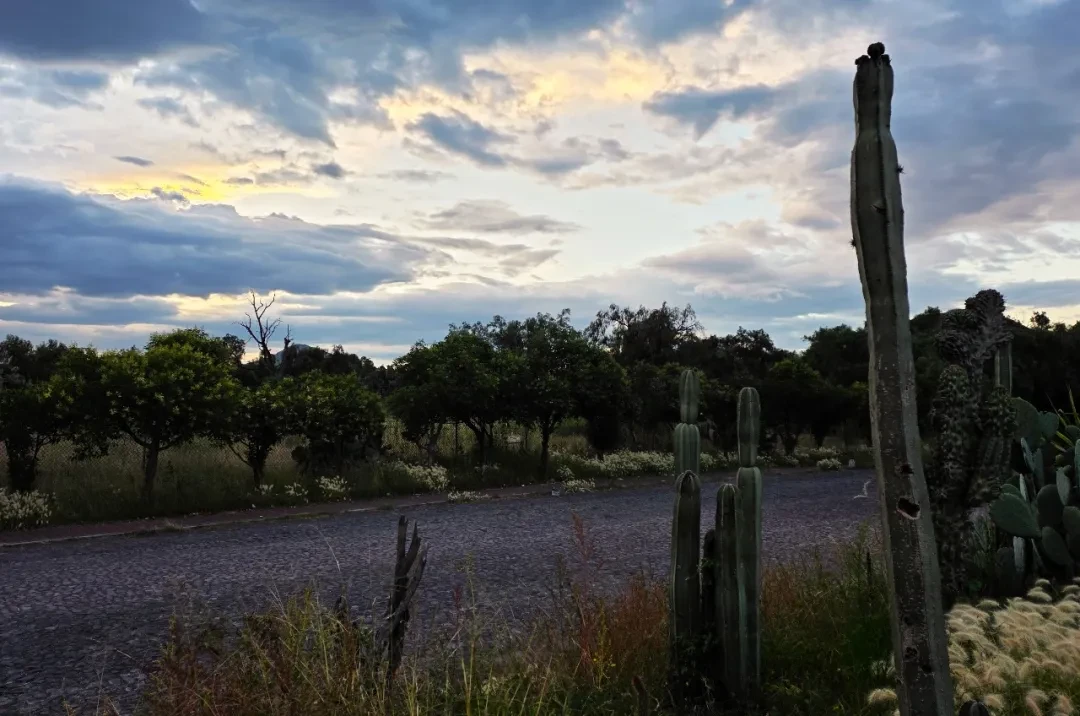
After dinner we peeked at the Pyramid of the Sun through a gap in the gate. The clouds were dramatic, cactus by the road, the place gone quiet and a little eerie — a couple of corn vendors, stray dogs barking in the dark. And that’s when it hit us how much trouble we were in: a remote town 60 km from the city, terrible signal, no rideshare taking the request, a dying phone — and a 7 a.m. flight.
I found one open restaurant with a light on. The owner was lovely, lent us Wi-Fi, and we ordered cake and fries while still failing to book any car. So I pulled up ChatGPT, translated into Spanish, and asked the Mexican lady at the next table for help. She immediately recommended her English-speaking nephew, Fernando. The shop was about to close and my battery was deep in the red — but the owner just smiled and said he’d wait to lock up until our ride came, and lent me a charger.
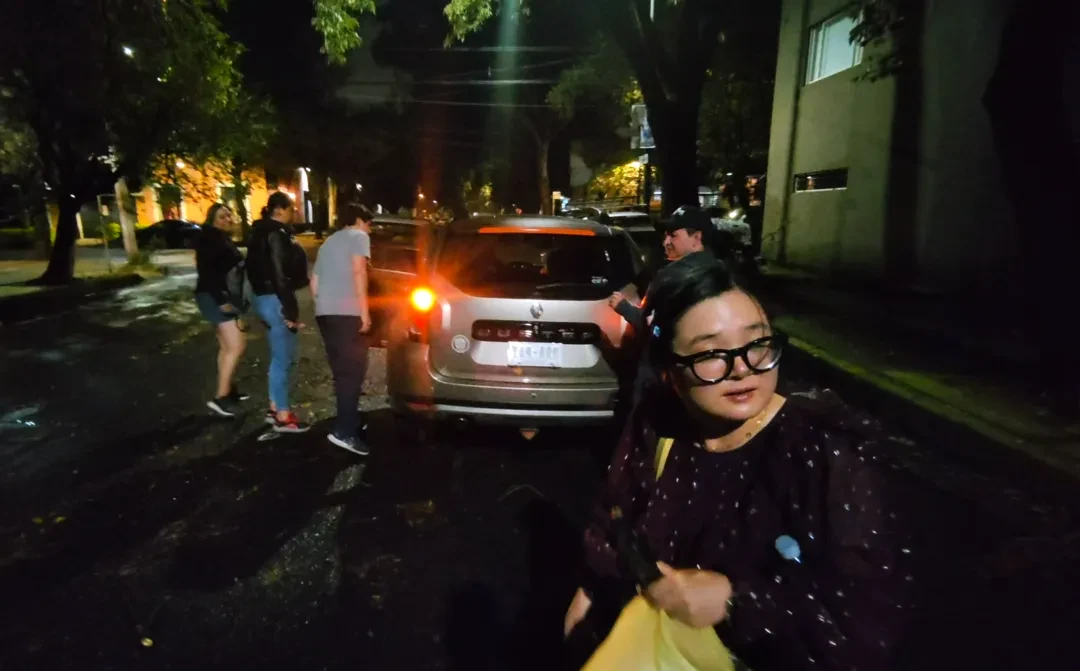
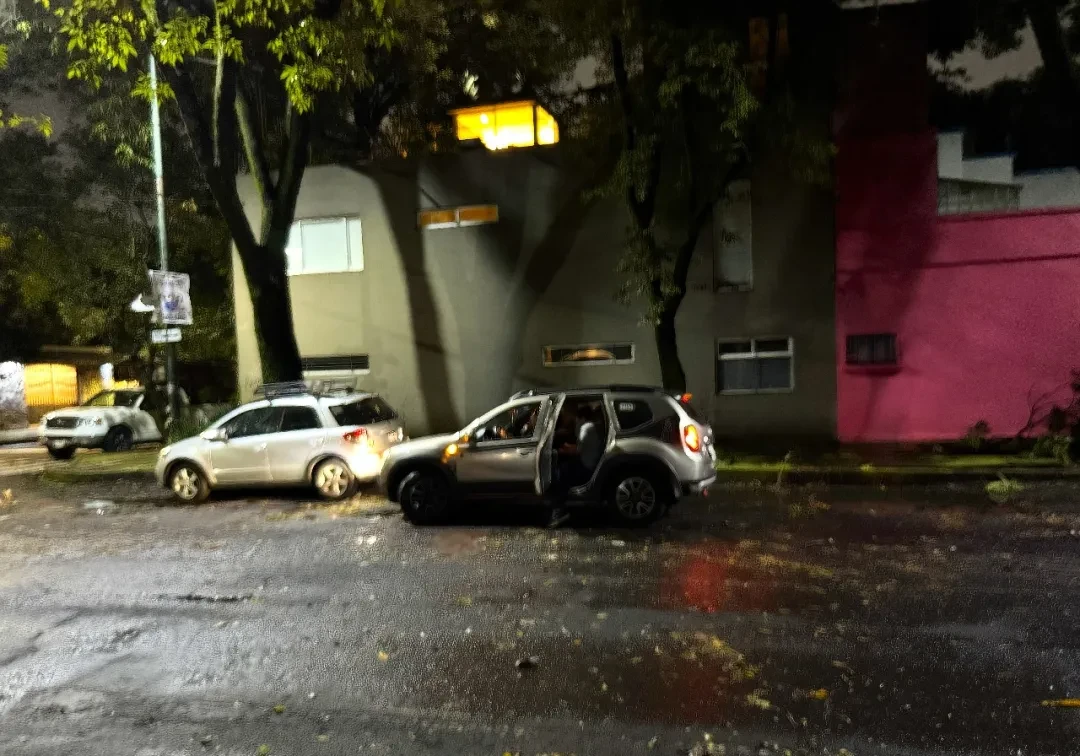
Then Fernando’s family, on their way out, turned around and said: “We can just drive you back to the city.” It sounded like a fairy tale — and also exactly the thing every travel blogger warns you about. But after half an hour of talking, we chose to trust them. Six of us squeezed into a five-seat SUV; the uncle literally climbed out of the trunk and folded himself into the back row to give us his seat.
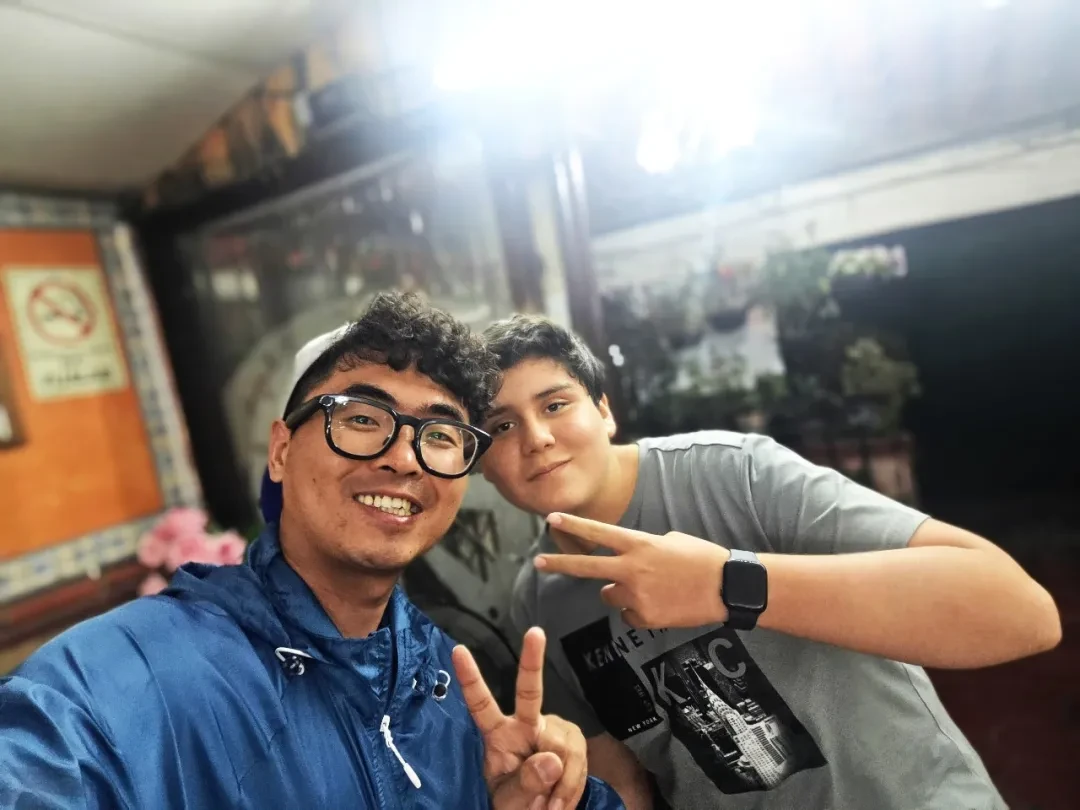
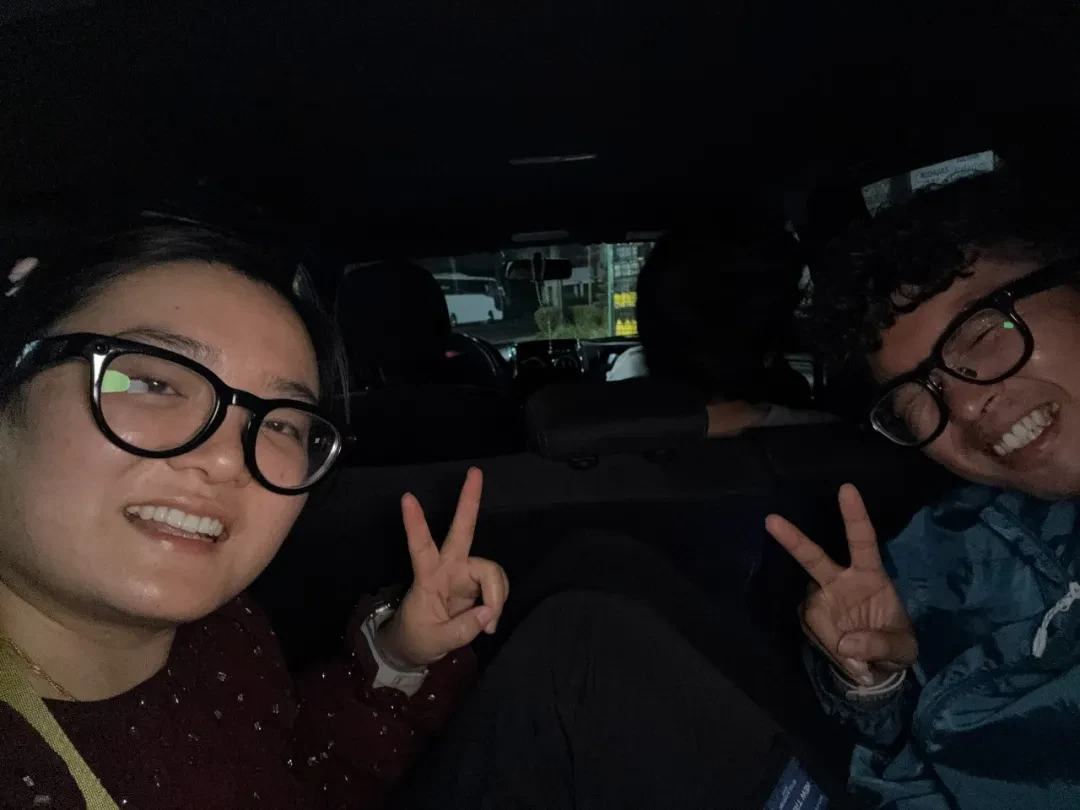
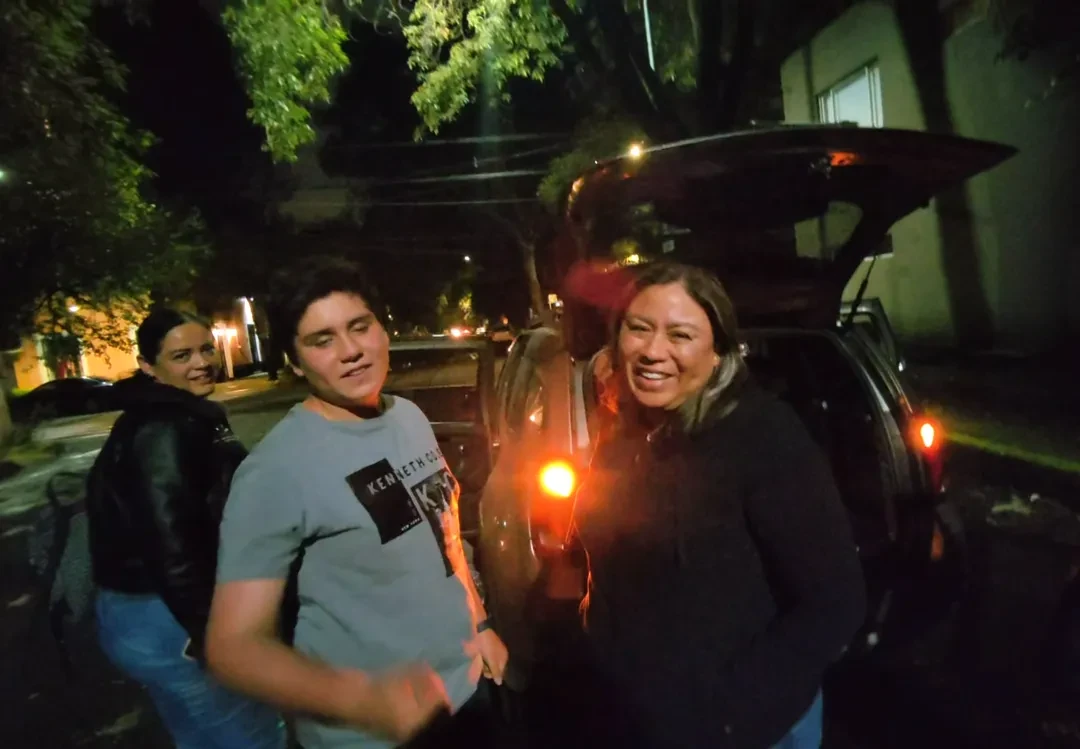
Cheerful Mexican music the whole way. We talked about Mexico and China, dance and cities — Fernando performs dance and opera in town, and it turned out this was his sister-in-law’s birthday trip; she’d just wanted to see the pyramids. For locals, a weekend pyramid run is a casual, free little outing. My backside was crushed, but that crowded car felt a hundred times safer than waiting in the cold for a bus that might never come. An hour later we hit the city — and it turned out their home was on the exact same block as our hotel. They walked us to the door, popped the trunk, and waved goodbye.
The morning after · 🌶️ Mexico City, Mexico
A badge from the high plateau
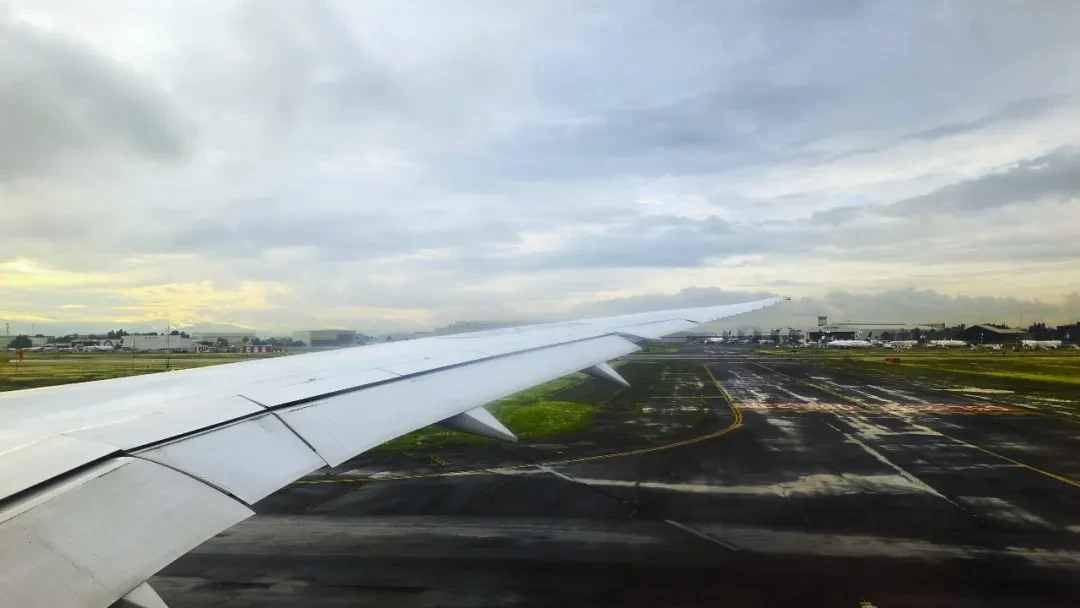
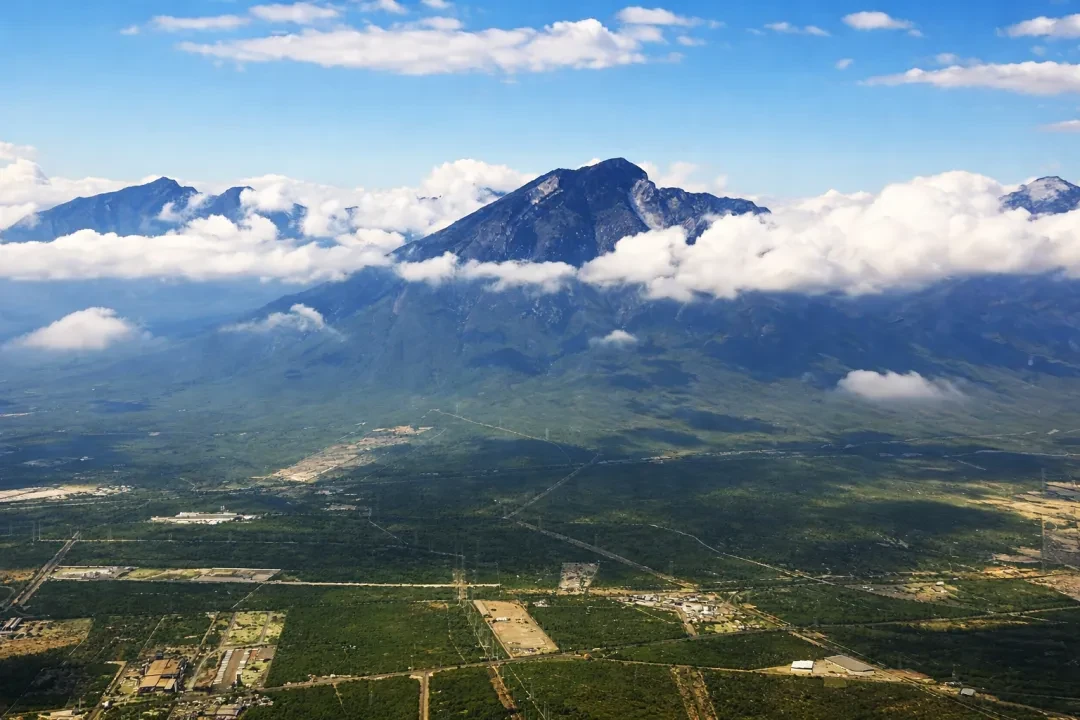
I slept two hours, then ran for the early flight — Mexico City to Monterrey, immigration in Atlanta, home to Louisville. Re-entry was smoother than expected, and the second I was back the whole vibe went chill again. Two countries, two base colors.
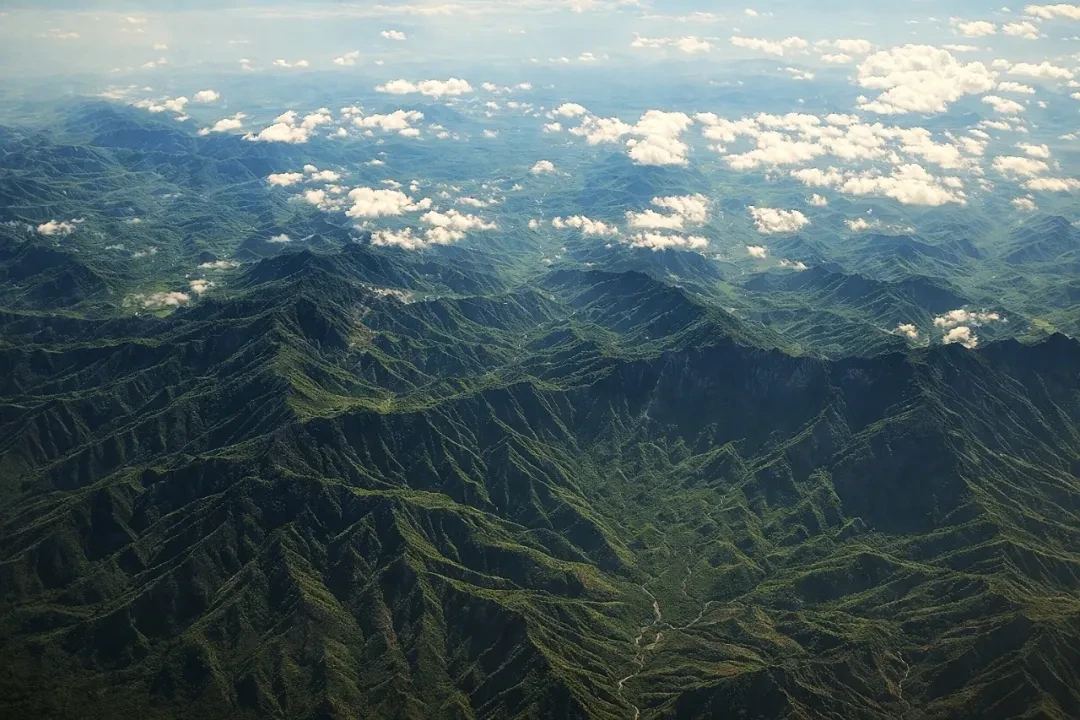
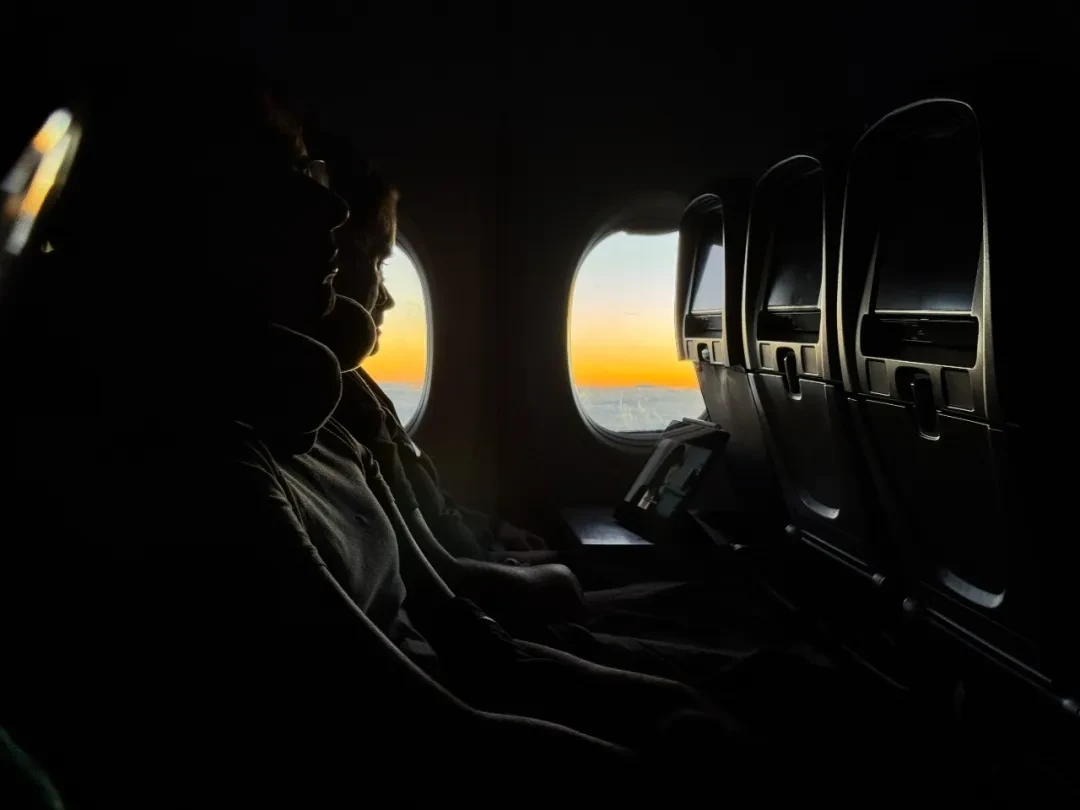
This trip was tight, exhausting, and full. The 42.195 km at altitude wrote my first impression of the city straight into my legs; the Zócalo finish stamped history and feeling together; the pyramids and the cave restaurant lit a lamp for the journey; and Fernando’s family brokered a quiet peace between the “travel safety guide” and plain human trust. It’s not a World Major, but it carries real weight in Latin America — no PB promised, but your lungs and your willpower get a thorough rinse. For this one I’ll pin on a high-plateau badge — and send a warm Nochebuena, the flower of the holy night, to that carful of strangers in the dark.
— THE END —
Photos — Arsenan
Design — Arsenan
- End -
Words | Arsenan
Photos | Arsenan
Design | Arsenan