
Race day
New York is loud before the gun ever goes off: subway platforms full of runners, the Staten Island Ferry at sunrise, a long cold wait, then the climb onto the Verrazzano Bridge. That is where this story begins.
Checking in at the 50th NYC Marathon
Preface
From the mixed-up neighborhoods of Brooklyn to Manhattan, the so-called center of the world, New York feels like a little stage sketch with every flavor thrown in.
LOVE and HATE are twins. As many people as love New York, just as many probably hate it. But for marathon lovers, very few people can say no to the New York City Marathon.
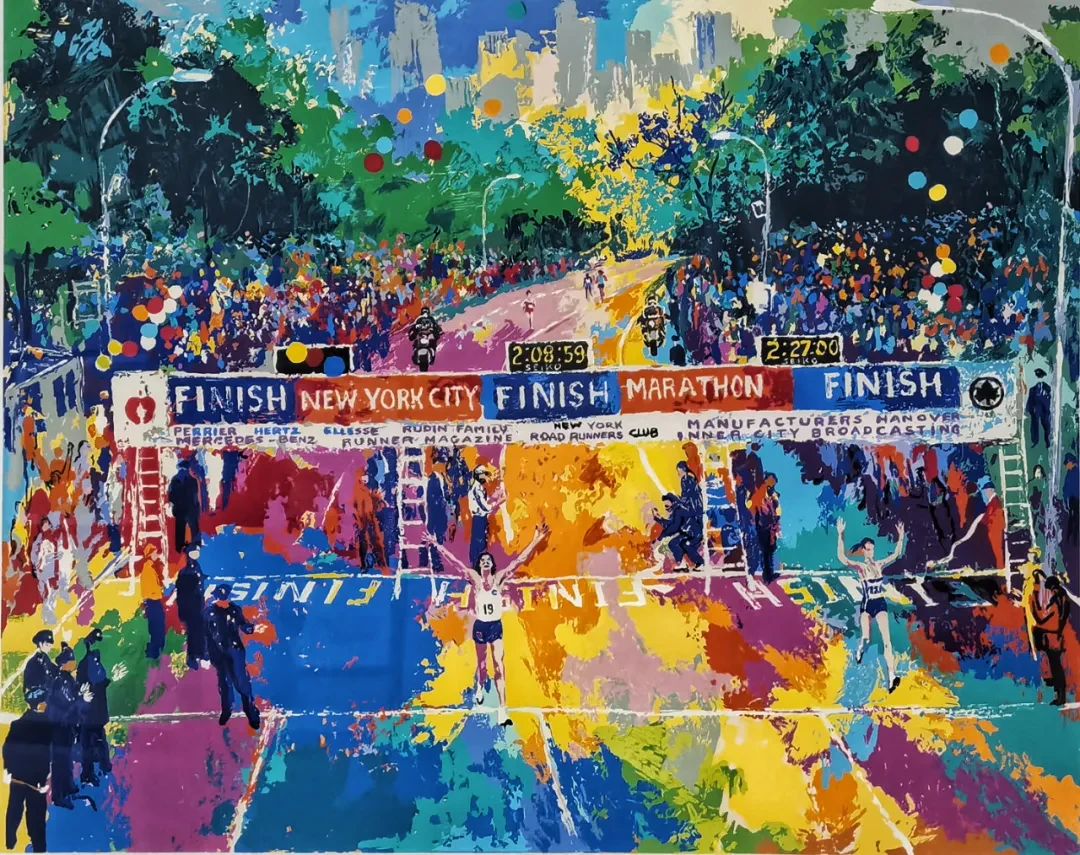
As one of the six World Marathon Majors, no race draws runners from all over the world quite like New York.
New York was the hardest-hit city in America at the start of the pandemic, so seeing the marathon return after two pandemic years carried a special meaning.
And I was lucky enough to be there in person, which made it even more exciting.
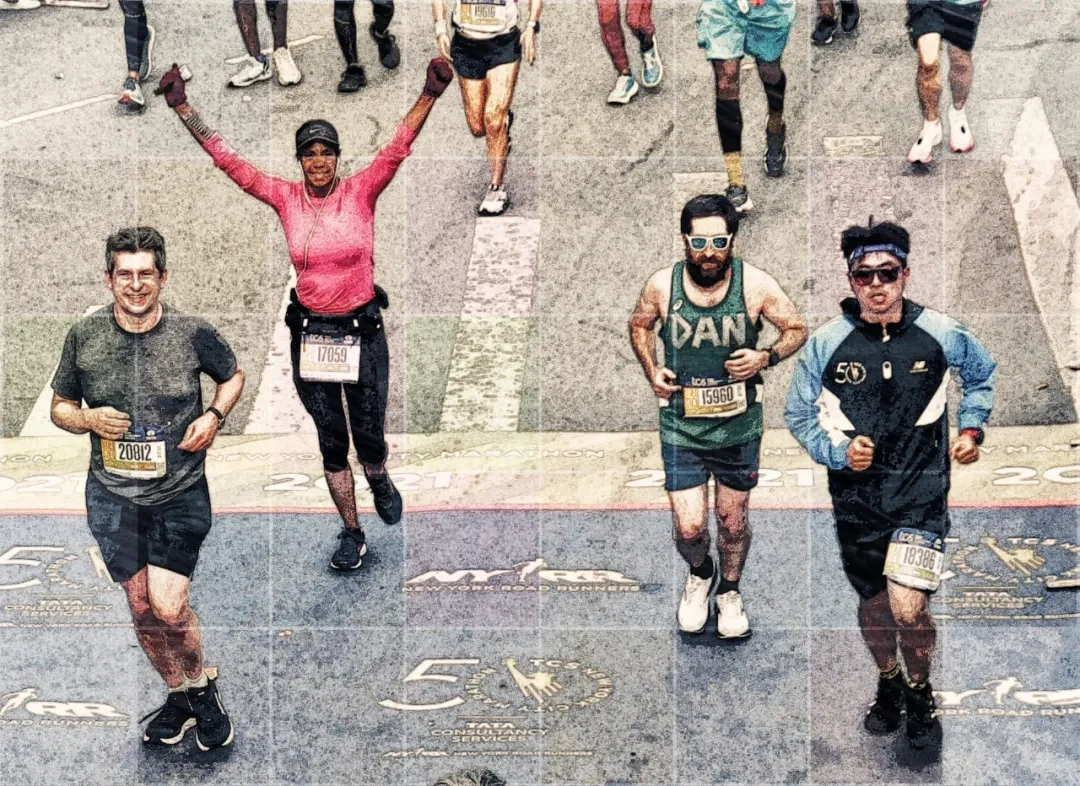
Packet pickup
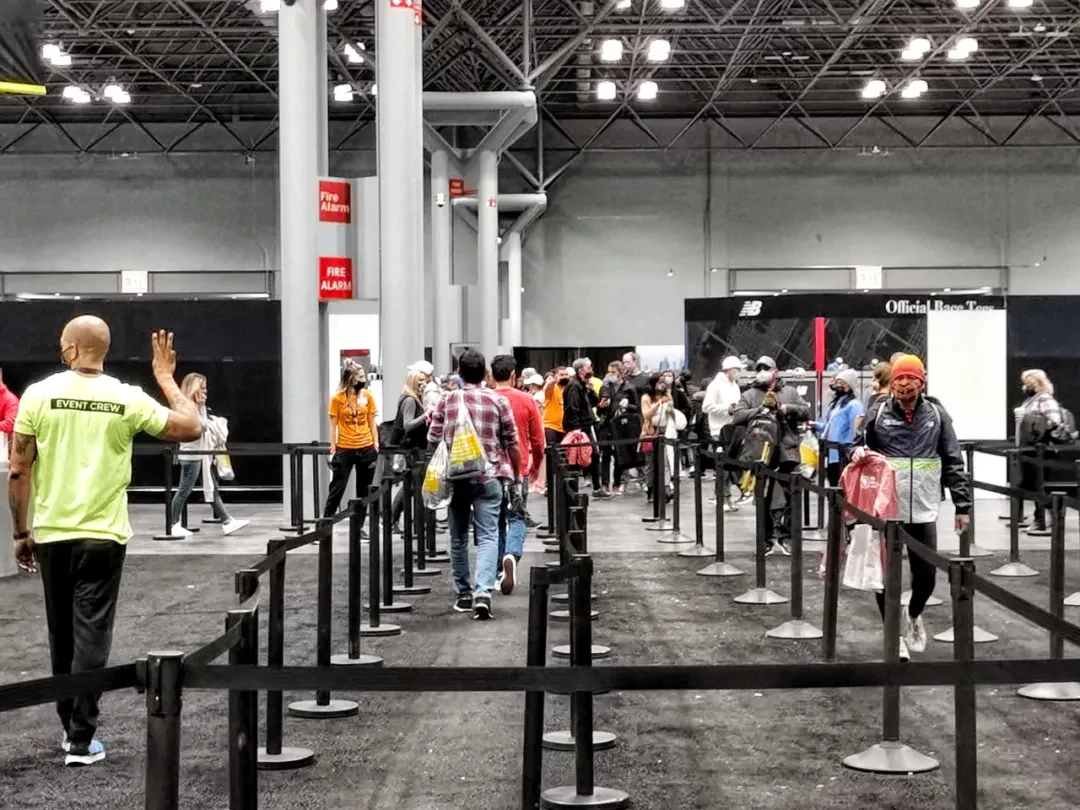
The day before the marathon, we first went to the Jacob K. Javits Convention Center on 35th Street to pick up the race gear. New York's COVID rules were strict, and volunteers at the entrance checked whether everyone had been vaccinated.
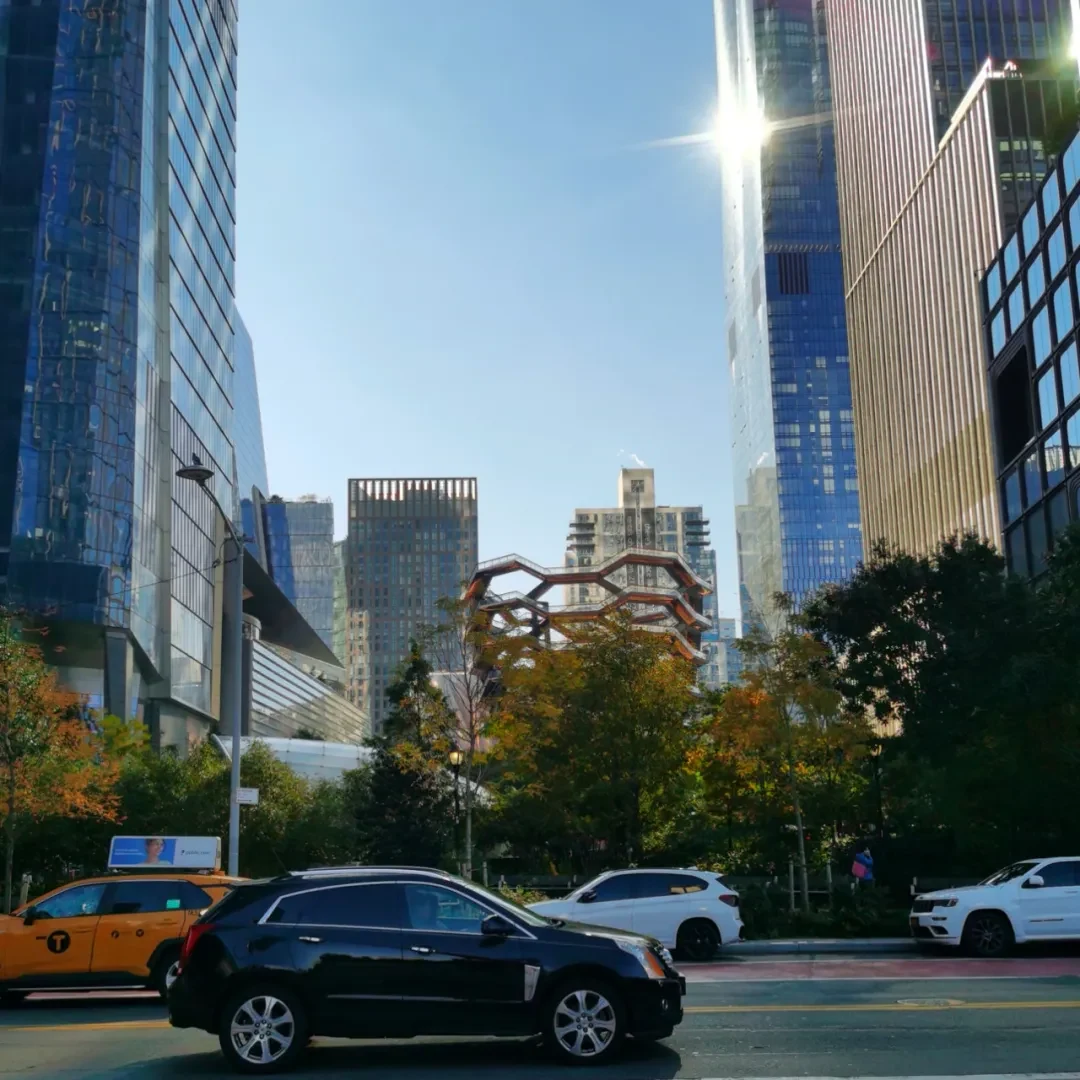
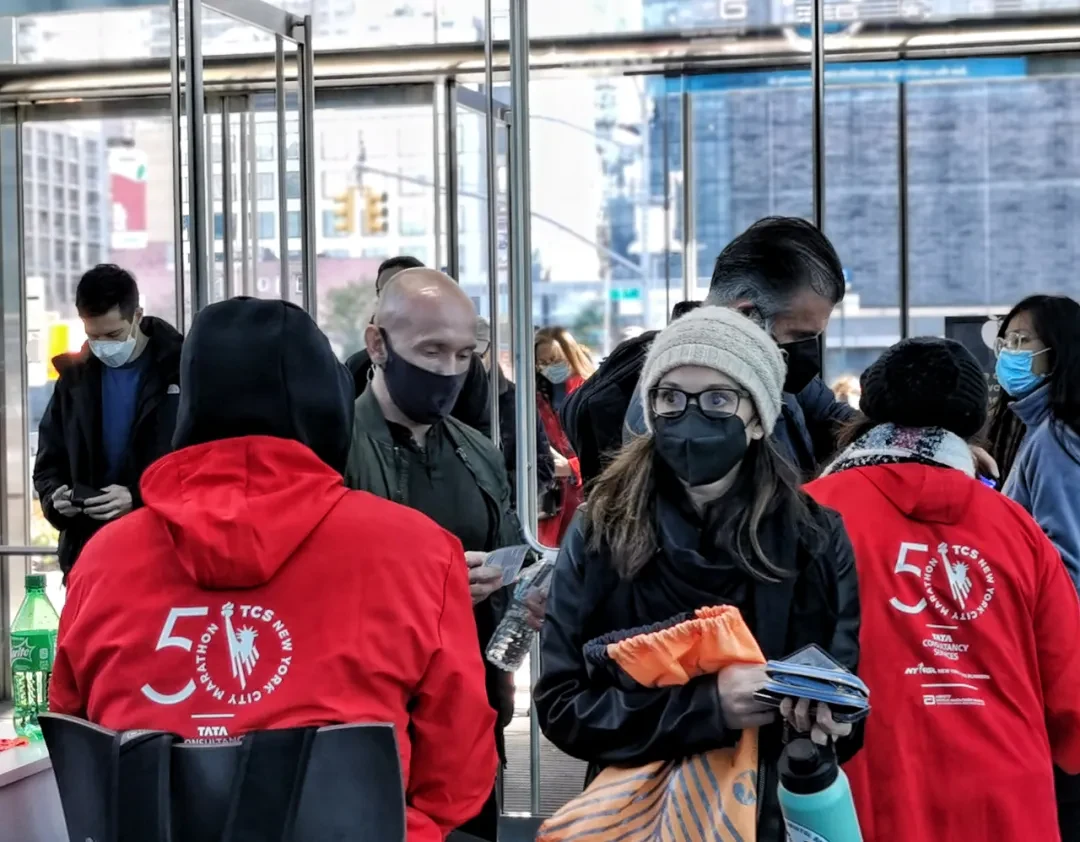
Once inside the convention center, it was easy to find bib pickup. The volunteers explained the bag-check details and race-day schedule very carefully.
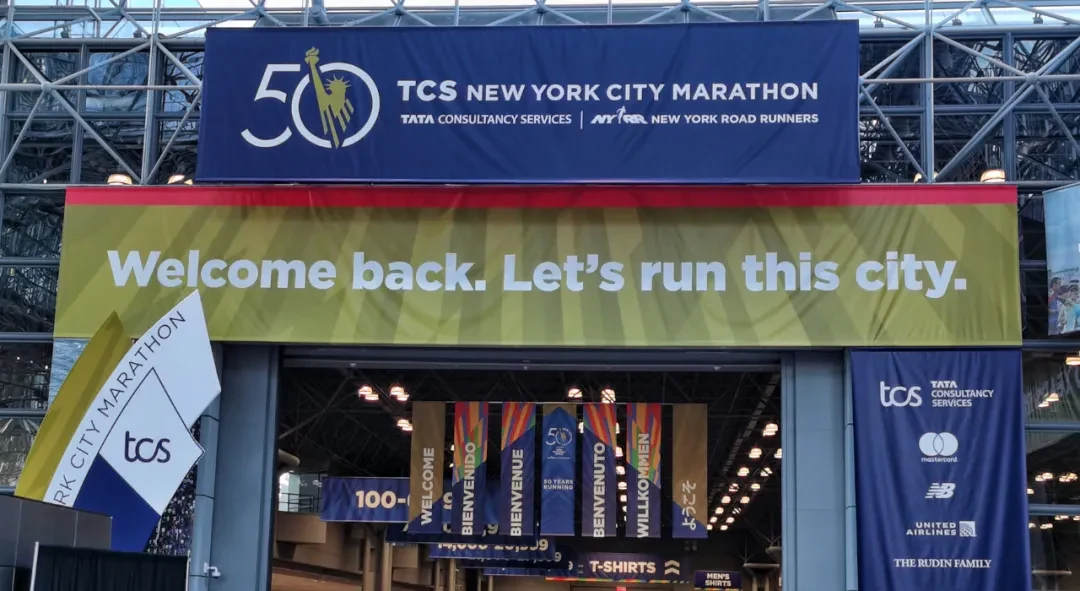
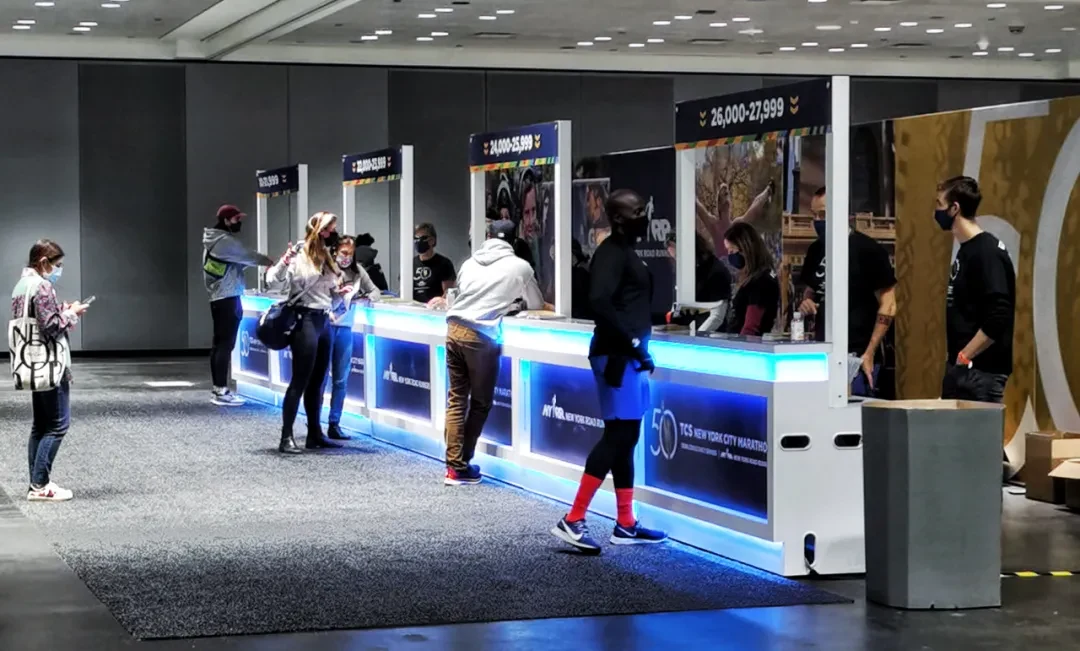
After picking up the bib, we kept moving and reached the T-shirt area. The NYC Marathon organizers were thoughtful enough to set aside a fitting area, so runners could try things on and pick the size that worked best.
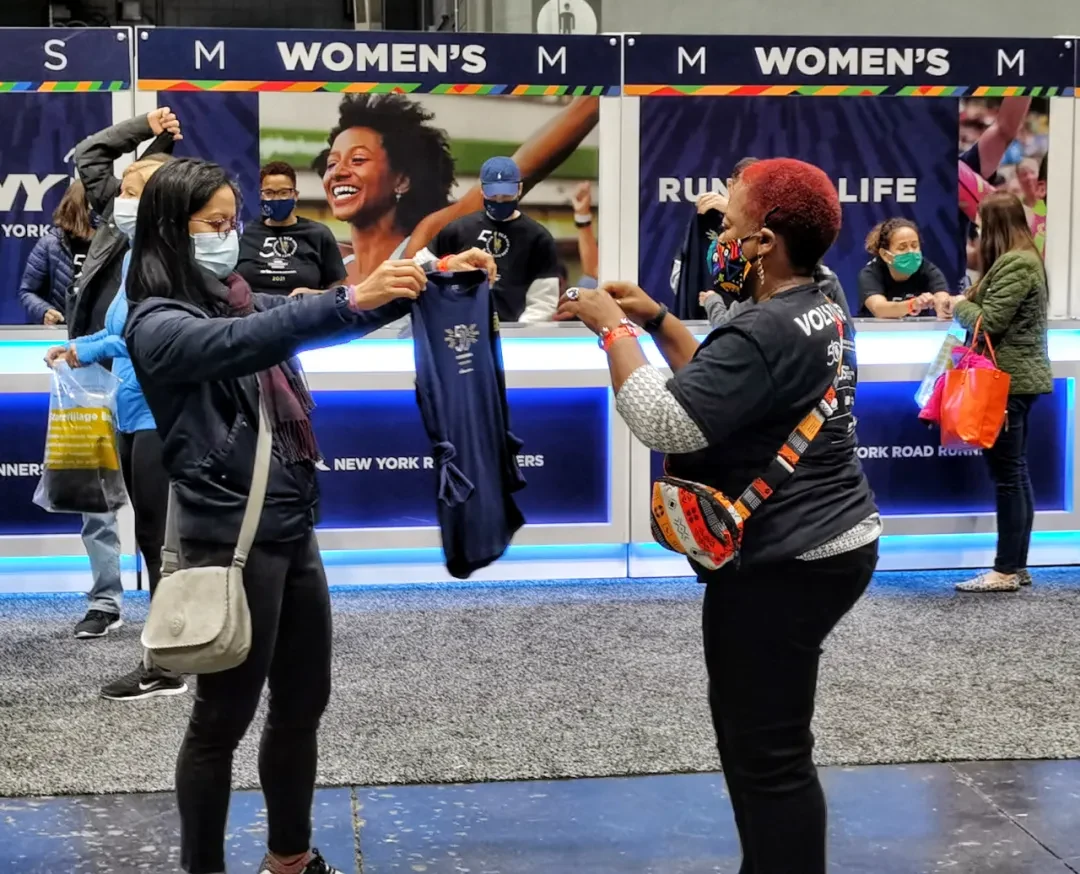
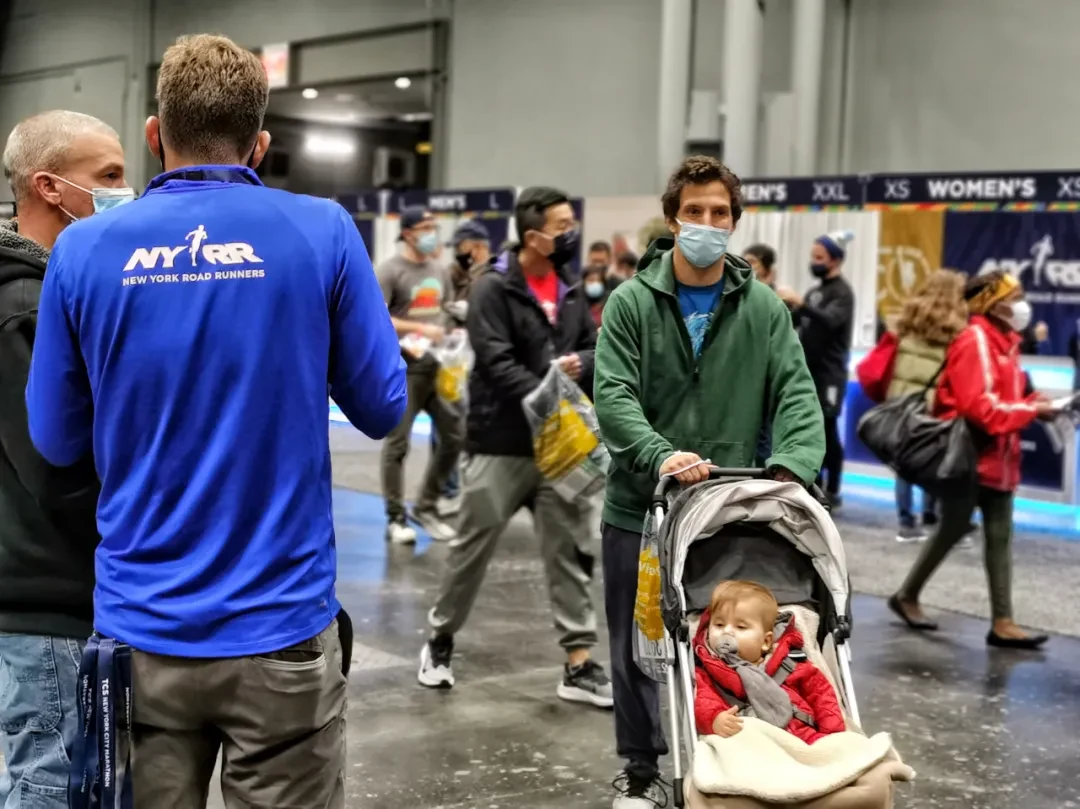
The whole packet-pickup process was very efficient, and there were fewer people than I expected. It basically took ten minutes.
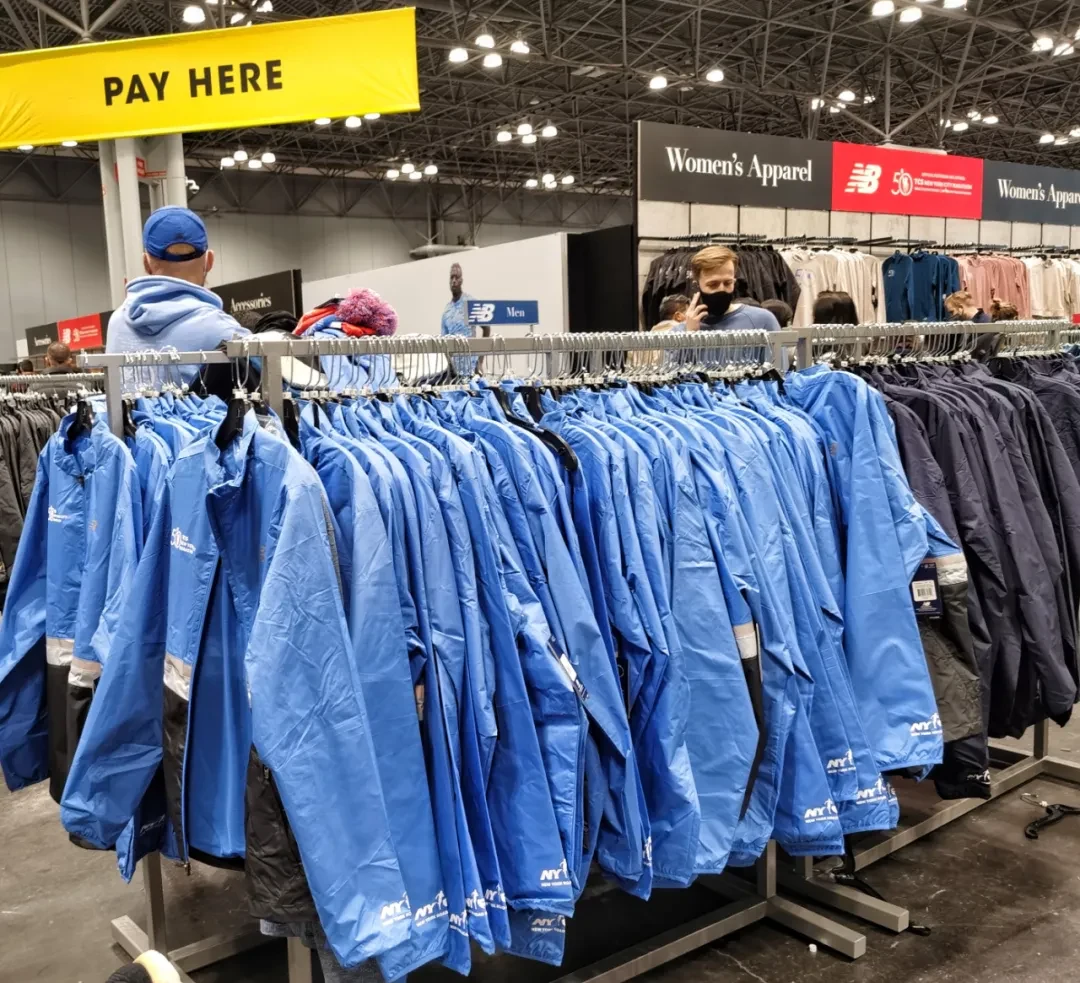
After that came the 50th-anniversary NYC Marathon logo shop, full of souvenirs and running gear. A lot of the clothes were genuinely tempting, and I could not resist buying a jacket and two hats.
Originally I thought I would show them off later when running with American friends, but I did not expect that jacket and visor to become my main NYC Marathon outfit.
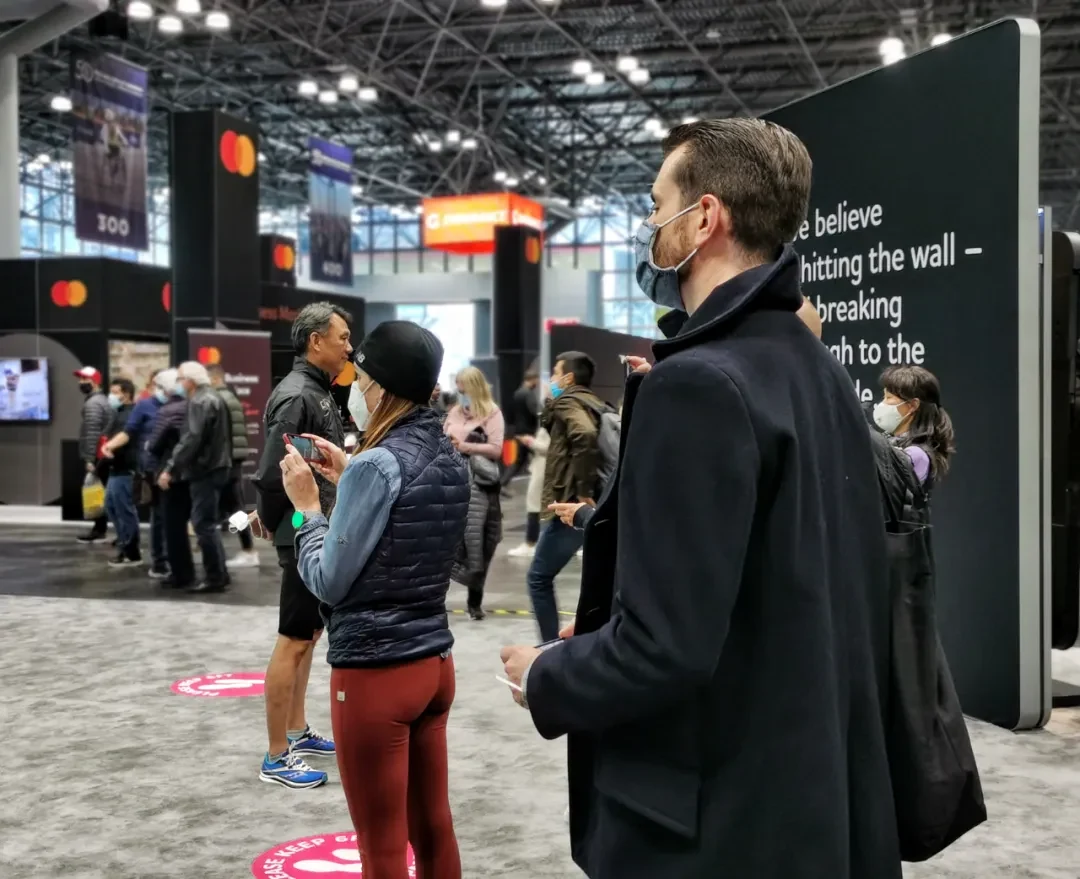
Checkout was especially fun. Volunteers would ask whether it was your first marathon. If it was, they would proudly announce, "We have a first-time marathon runner here!" Then the whole place would cheer and clap. Those cheers kept rising around the room, and everyone inside could not help smiling.
I said it was my first time running New York, and I somehow got the same treatment. I felt a little spoiled.
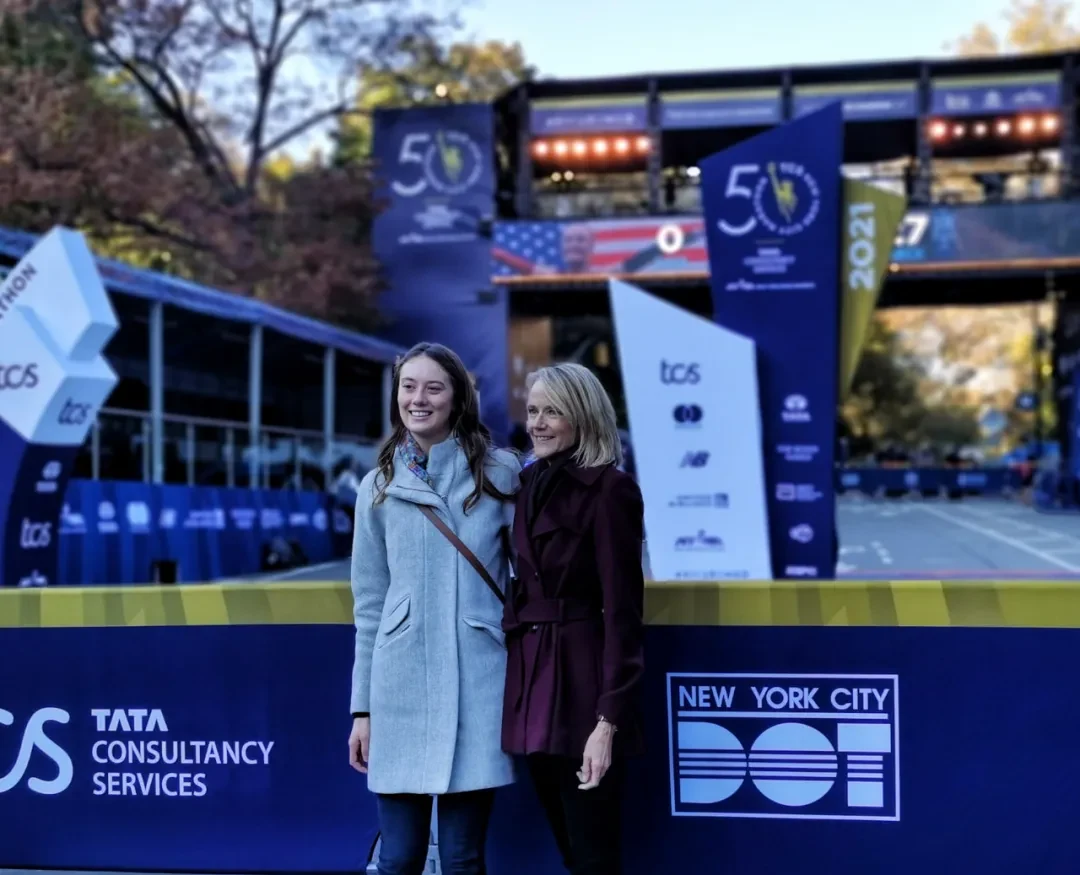
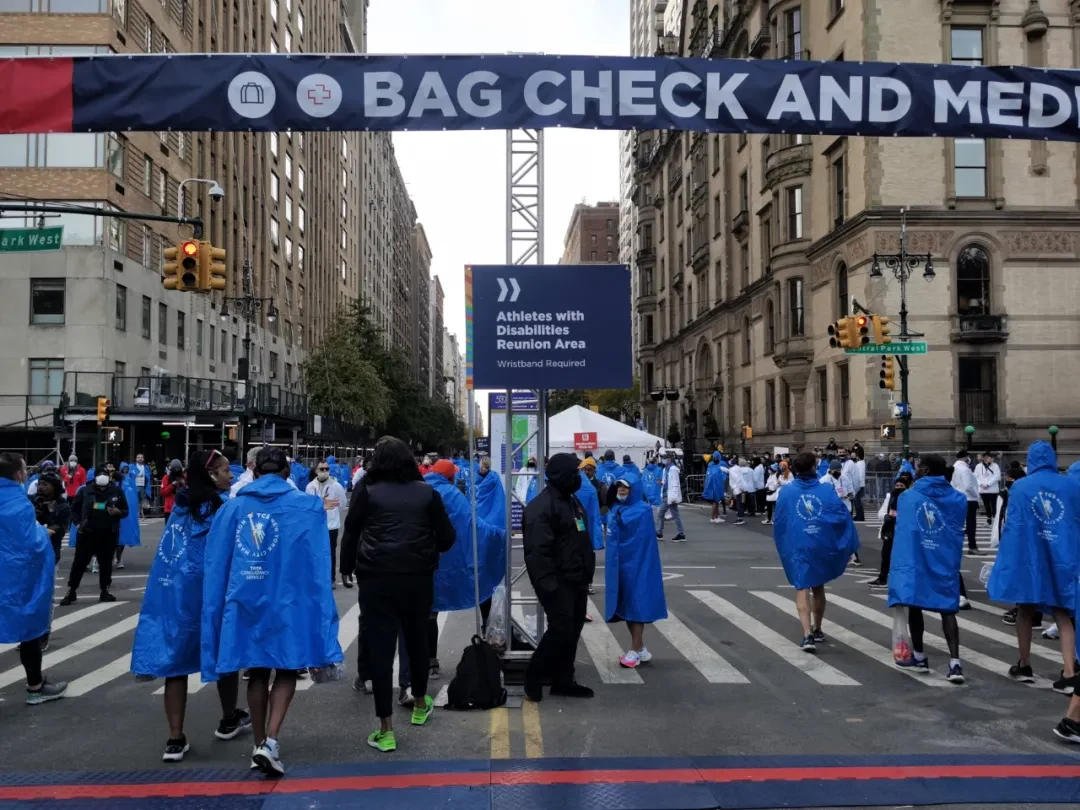
Runners who wanted to check a bag needed to go to Central Park that afternoon. You could drop off your bag in advance and apparently get a warm poncho too.
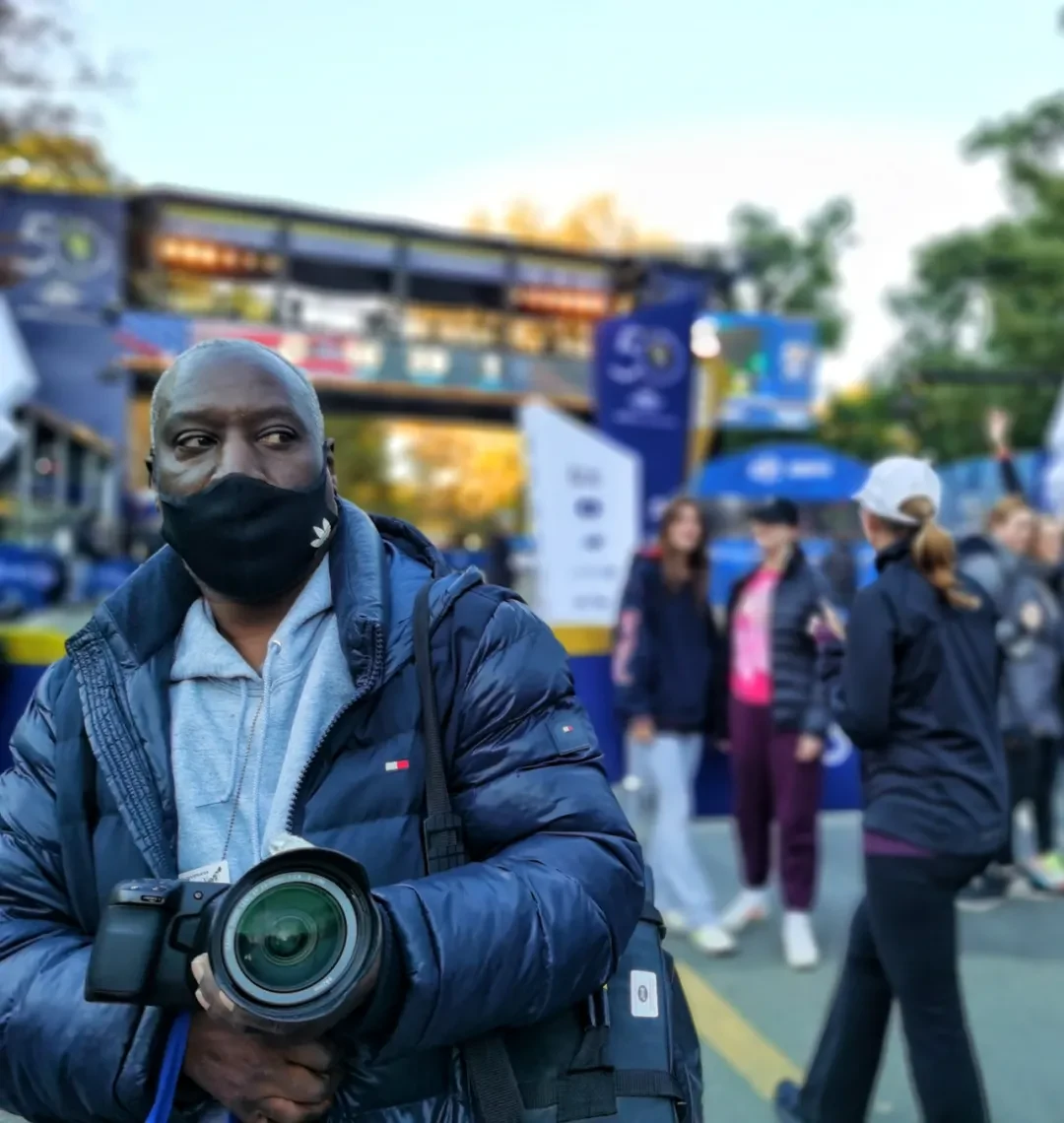
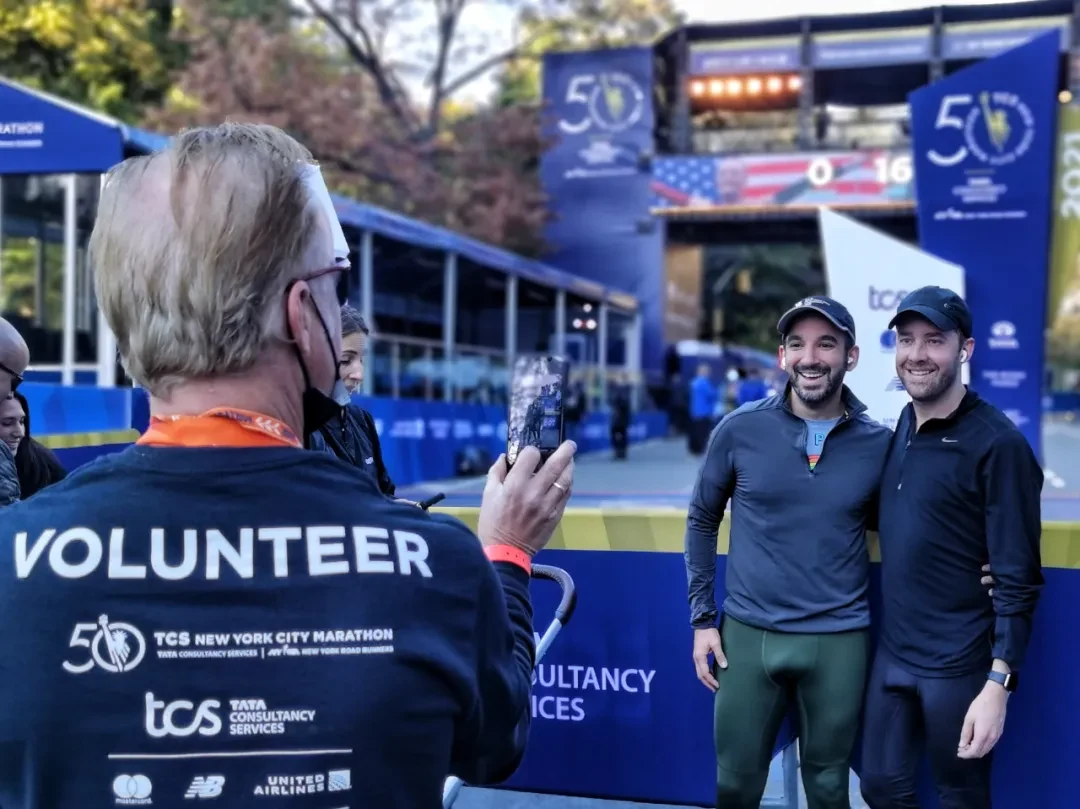
I did not need bag check, but I still wanted to walk around. Central Park was dressed up for this huge party, full of NYC Marathon logos everywhere, and it made me even more excited for the next day's run.
The long wait
On race morning, more than 33,000 runners from around the world would head toward the Verrazzano Bridge by New York Bay and begin a wonderful 42.195-kilometer journey.
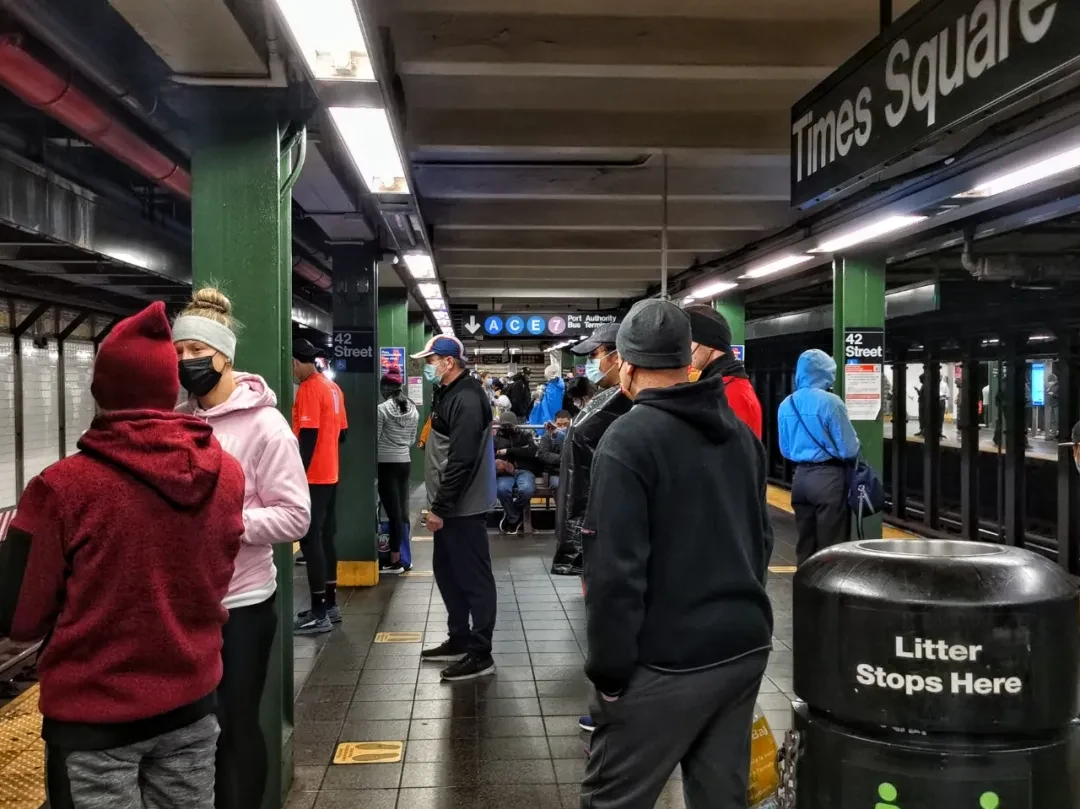
But getting from our hotel near Times Square to the start on Staten Island was a whole process: subway first, then ferry, then bus. It was absolutely worth it, though, because the scenery was really good.
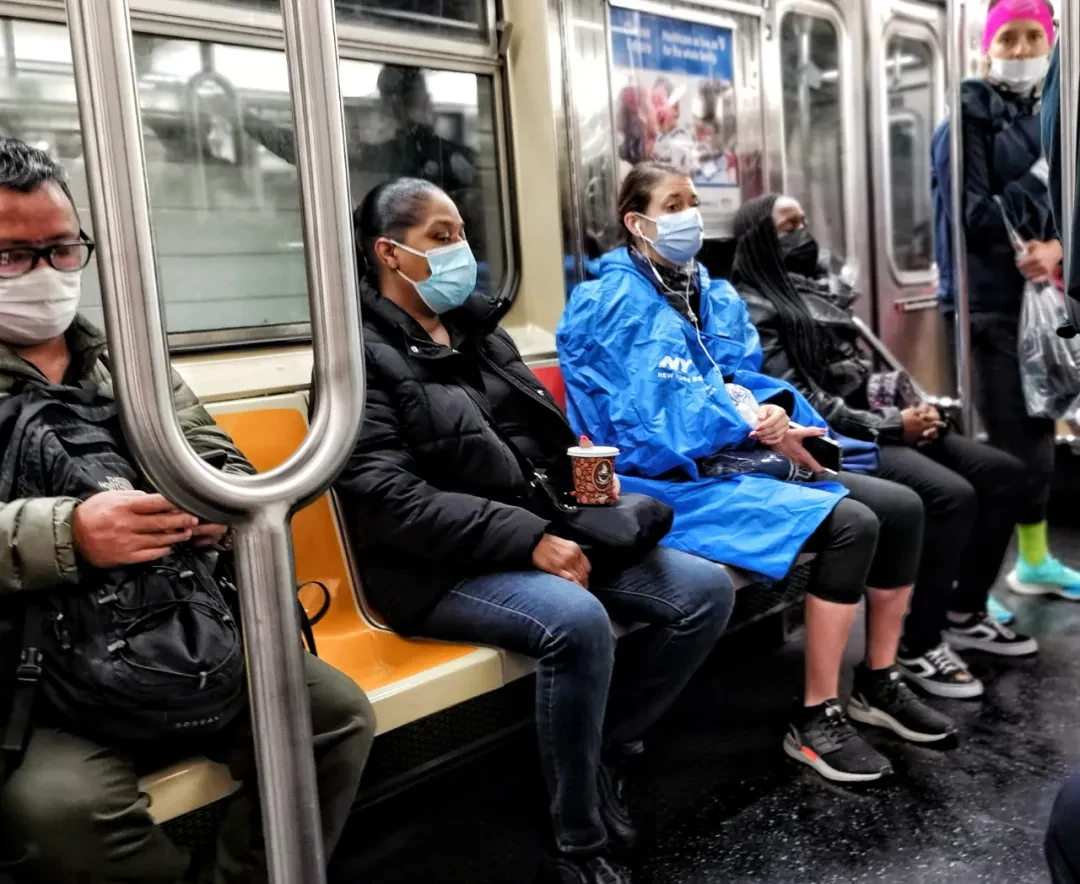
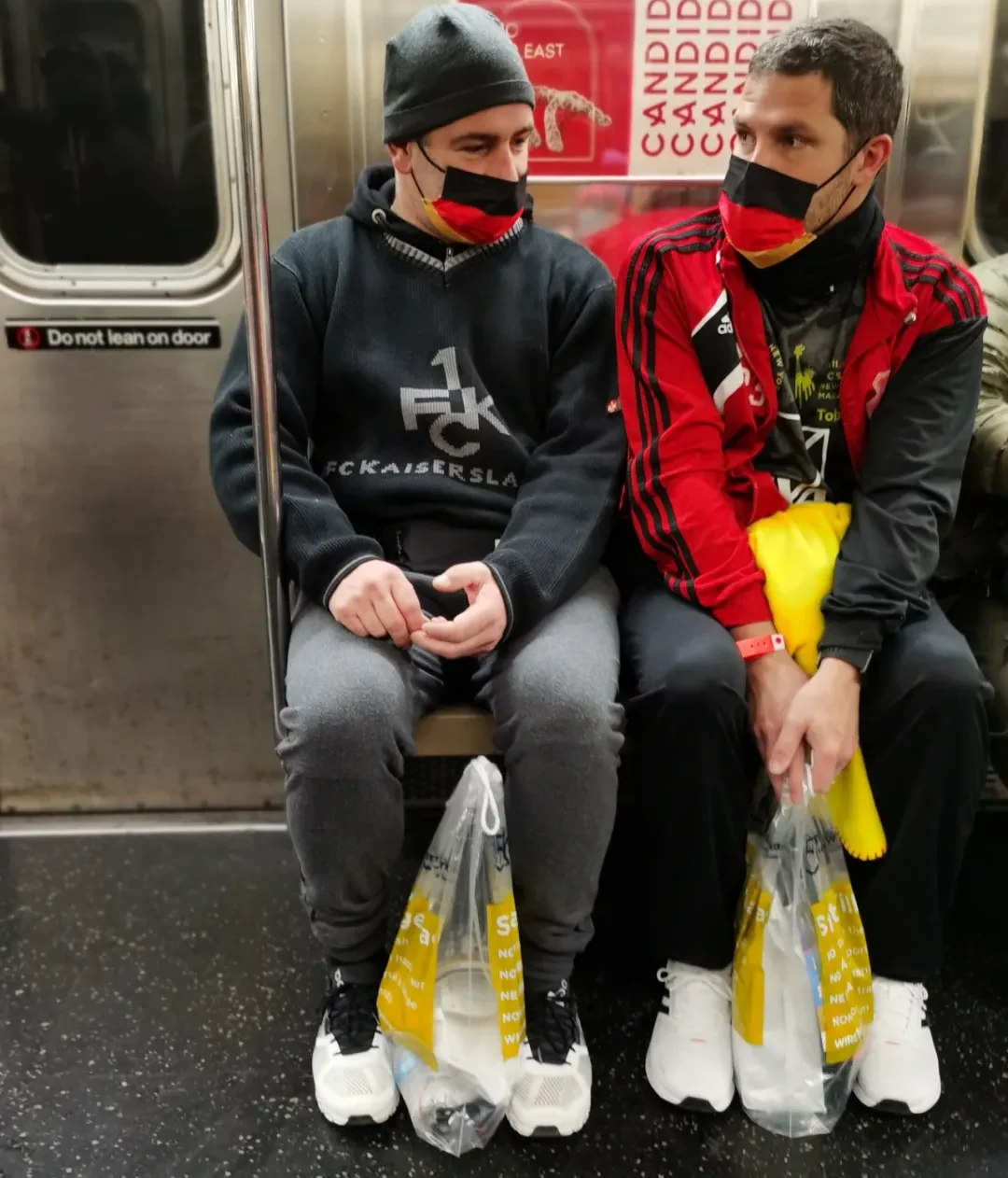
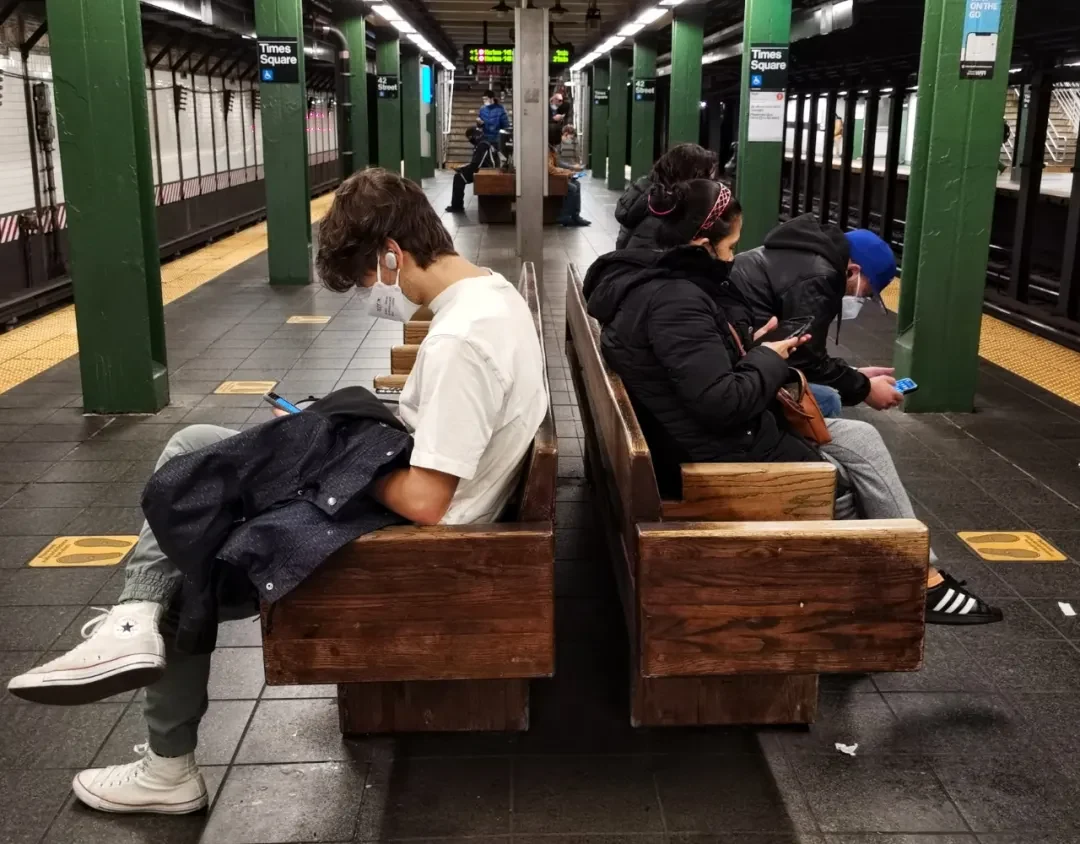
The early-morning subway station was already full of passengers. No need to ask: one look at the gear and you knew they were marathon runners. Even though everyone came from different countries and had different beliefs, seeing each other instantly felt familiar.
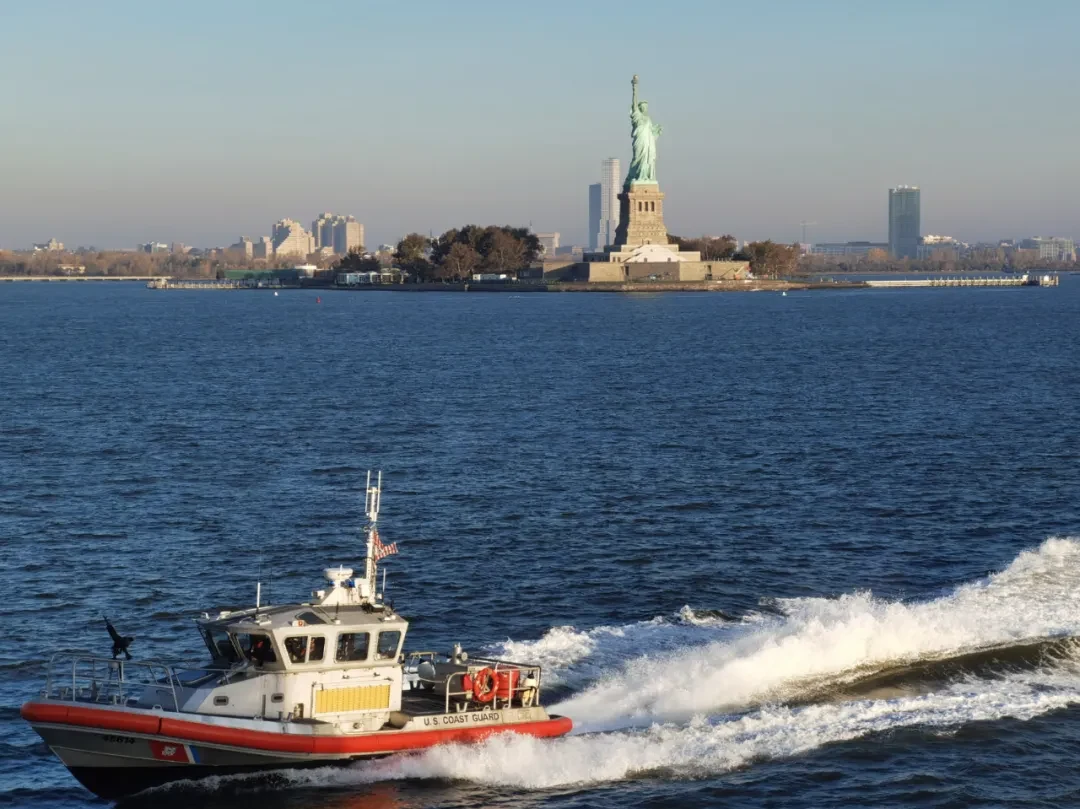
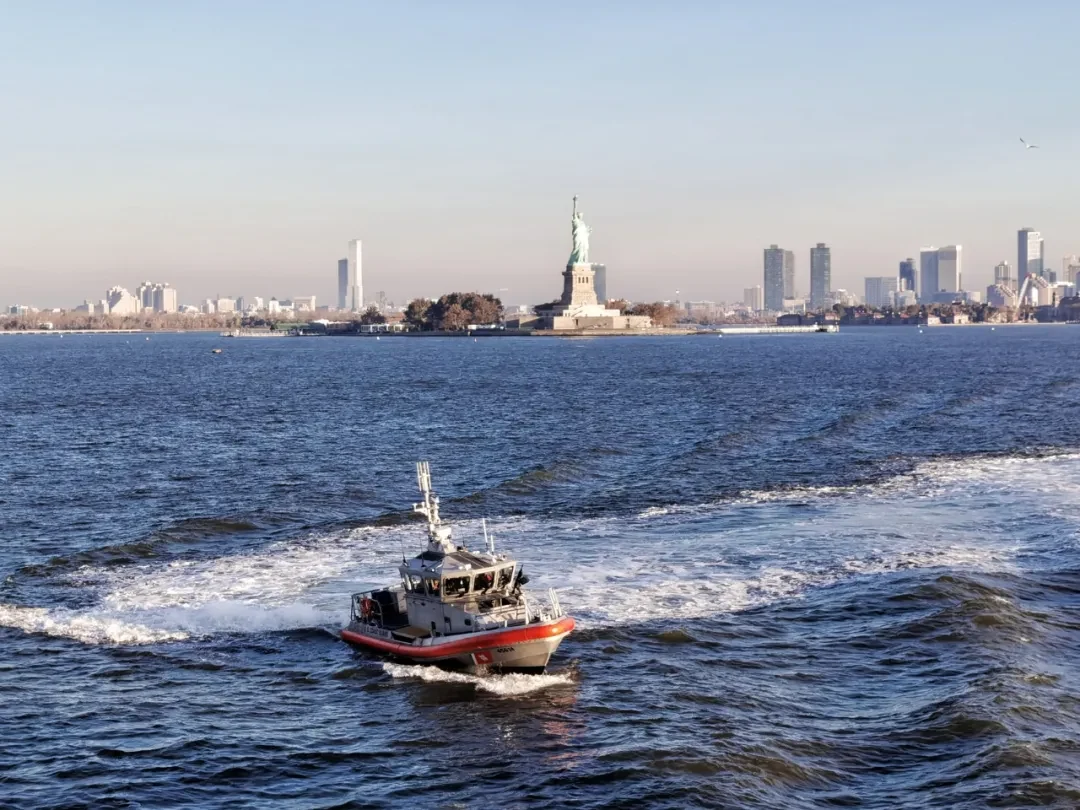
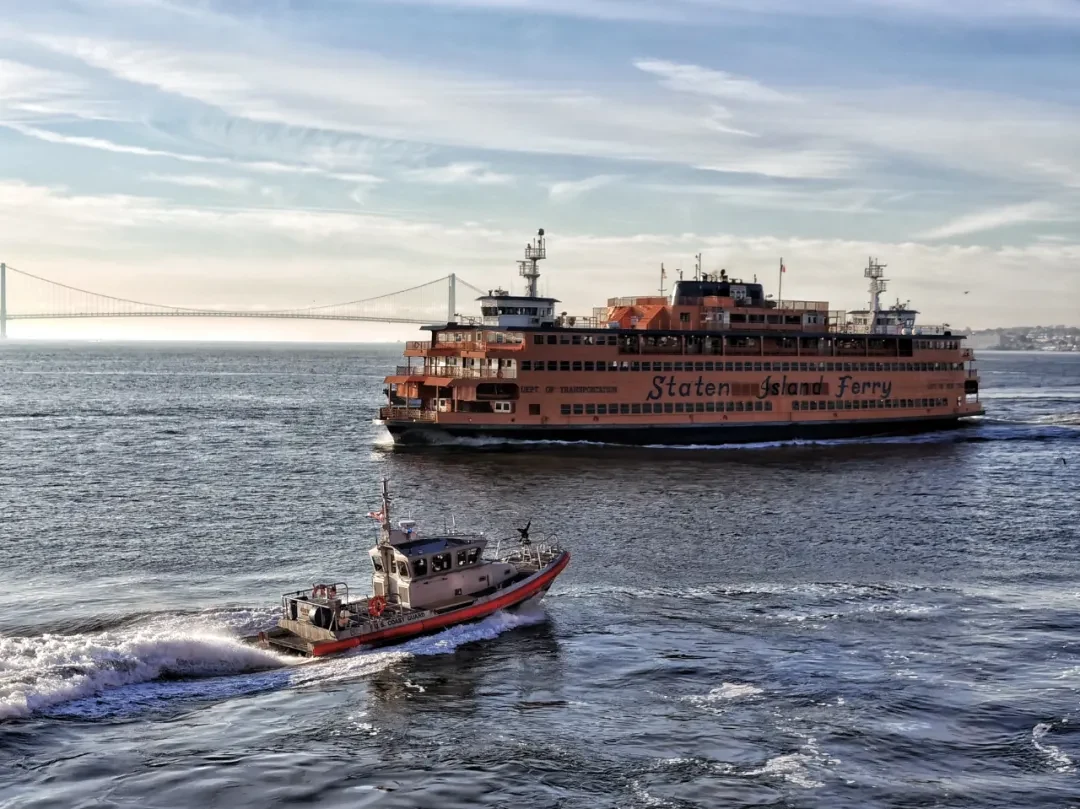
Next came the ferry to Staten Island. We set off with the morning sun, the ferry rippling across the water as Manhattan slowly drifted away. Before long, the Statue of Liberty appeared not far off, and everyone came out of the cabin to take photos.
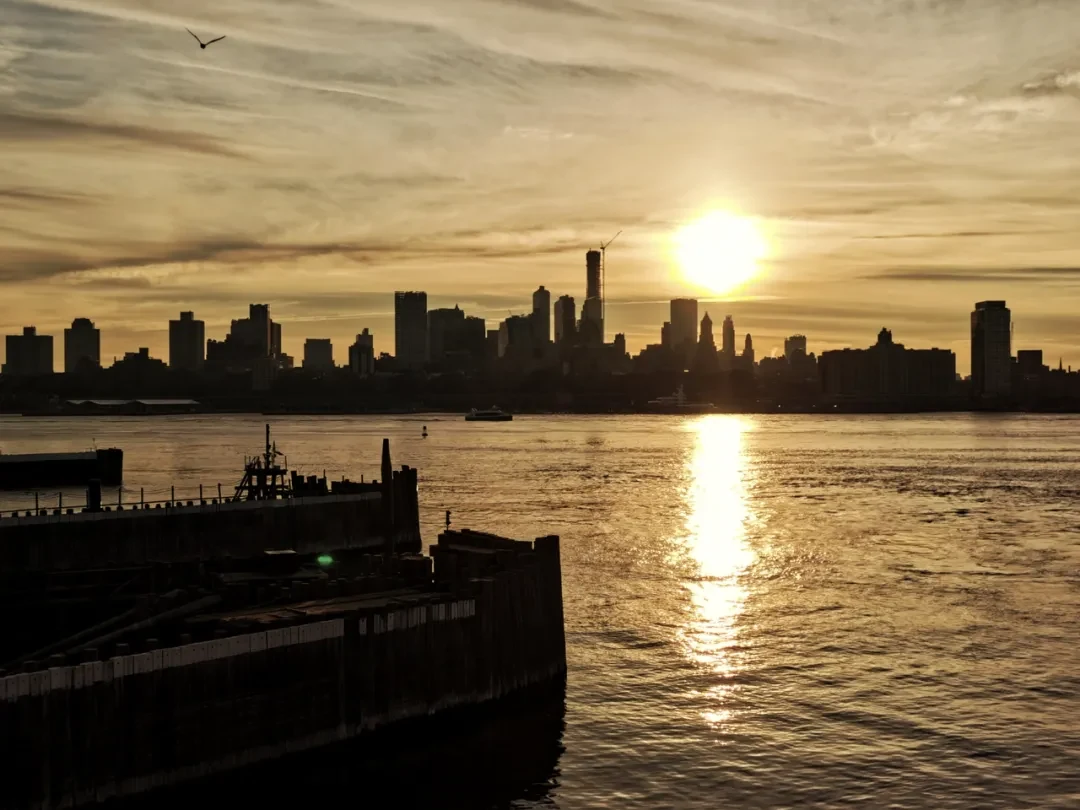
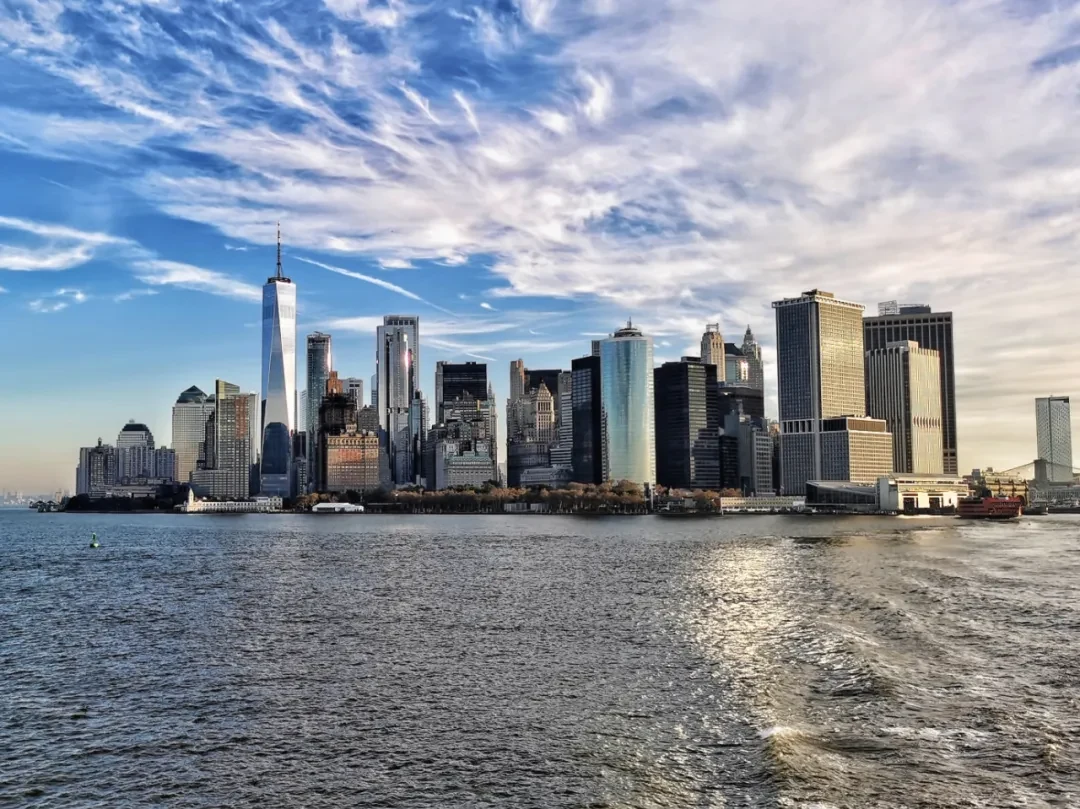
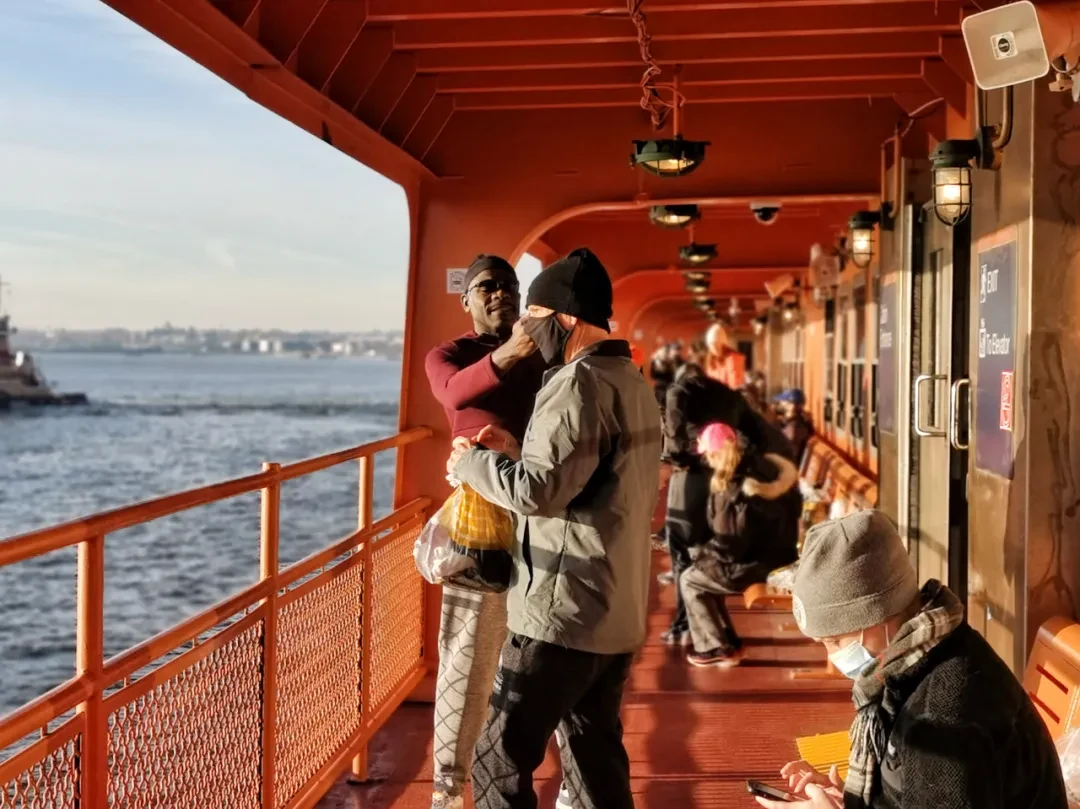
Compared with the Statue of Liberty at night, the morning version felt much quieter. For those hurried runners, this might be their only chance to see her, and the satisfaction from that brief encounter was probably stronger than expected.
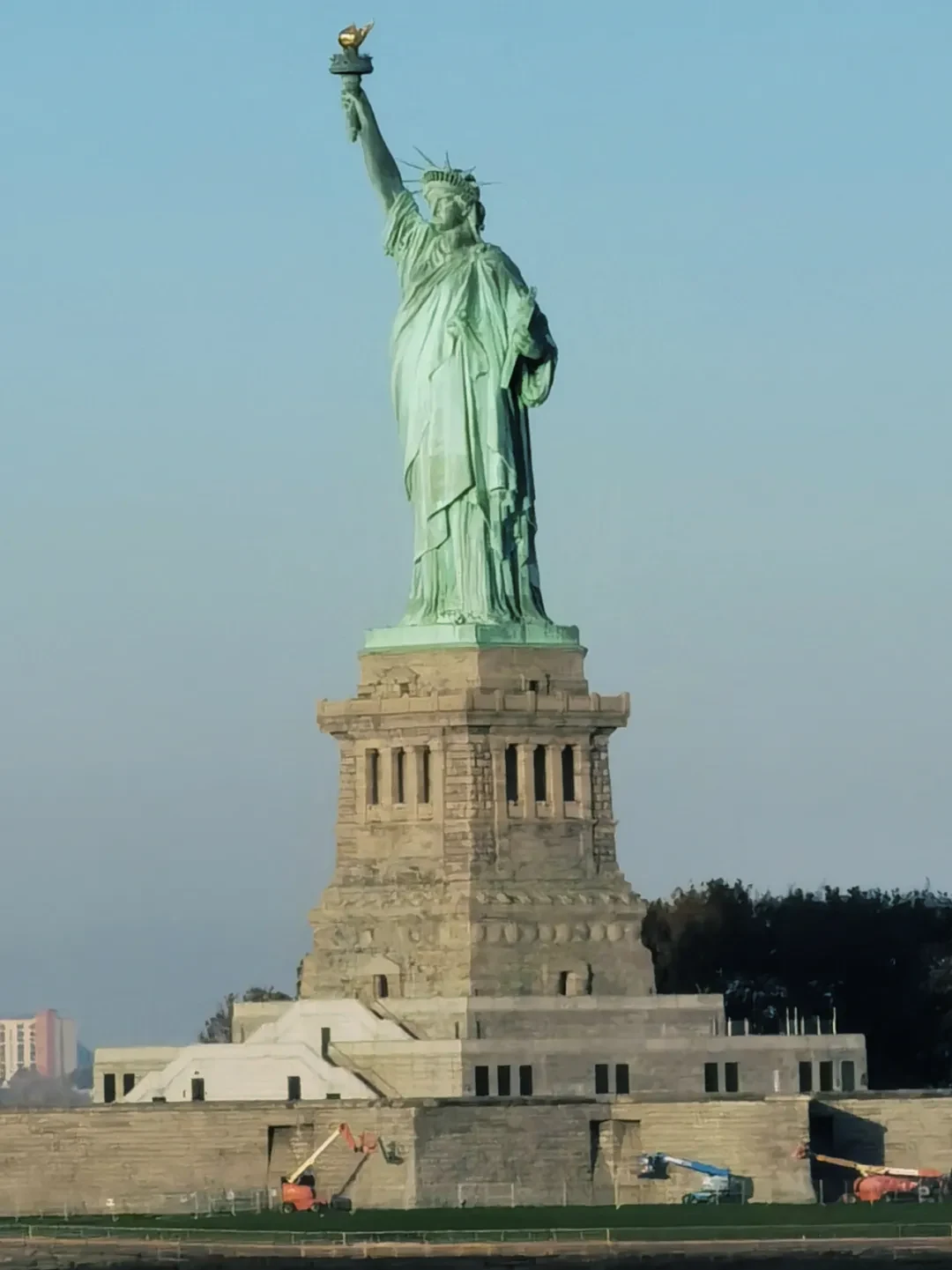
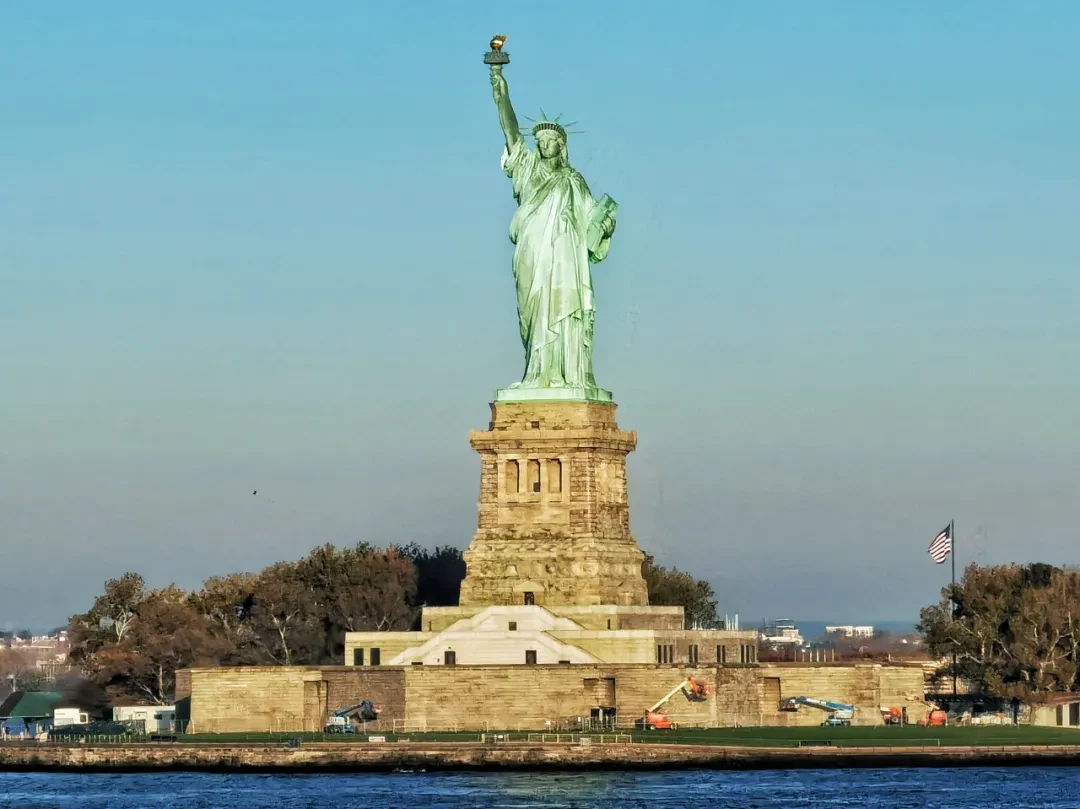
A speedboat escorted our ferry, and everyone waved warmly to the crew. That little courtesy warmed up the New York morning.
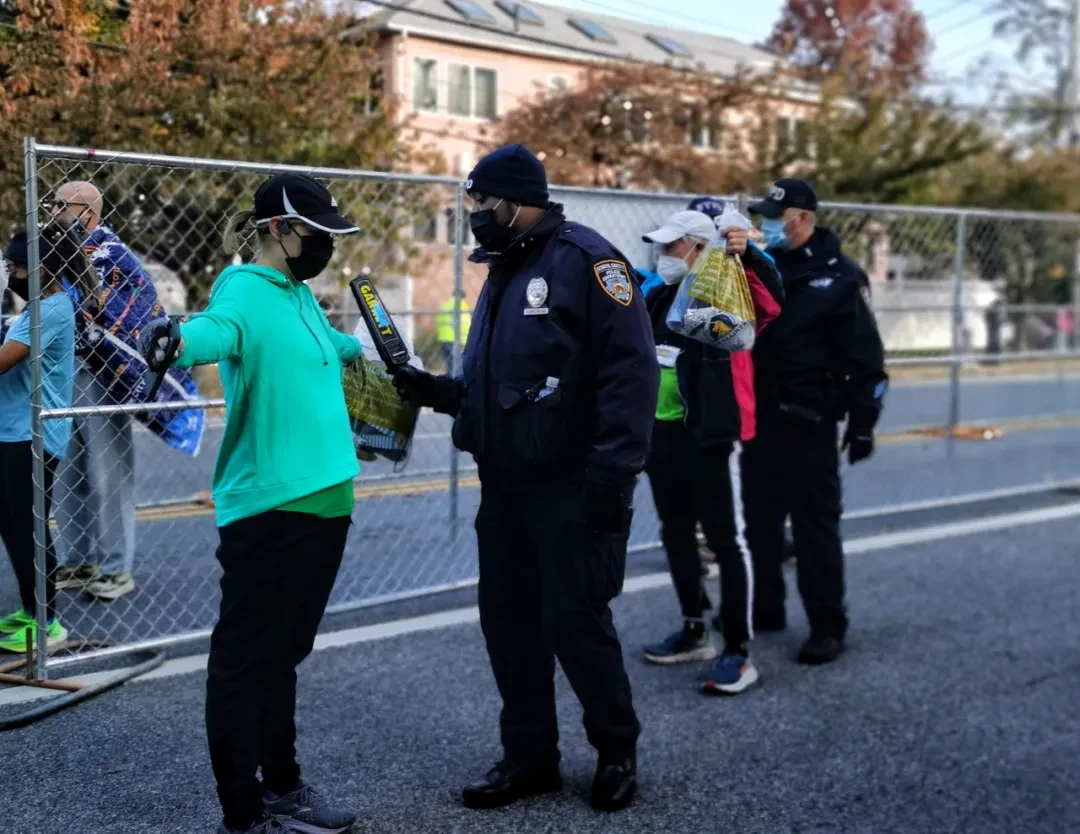
After landing, we still had to take a bus to the start, near the Verrazzano-Narrows Bridge. There was fairly strict security there before runners could enter the village.
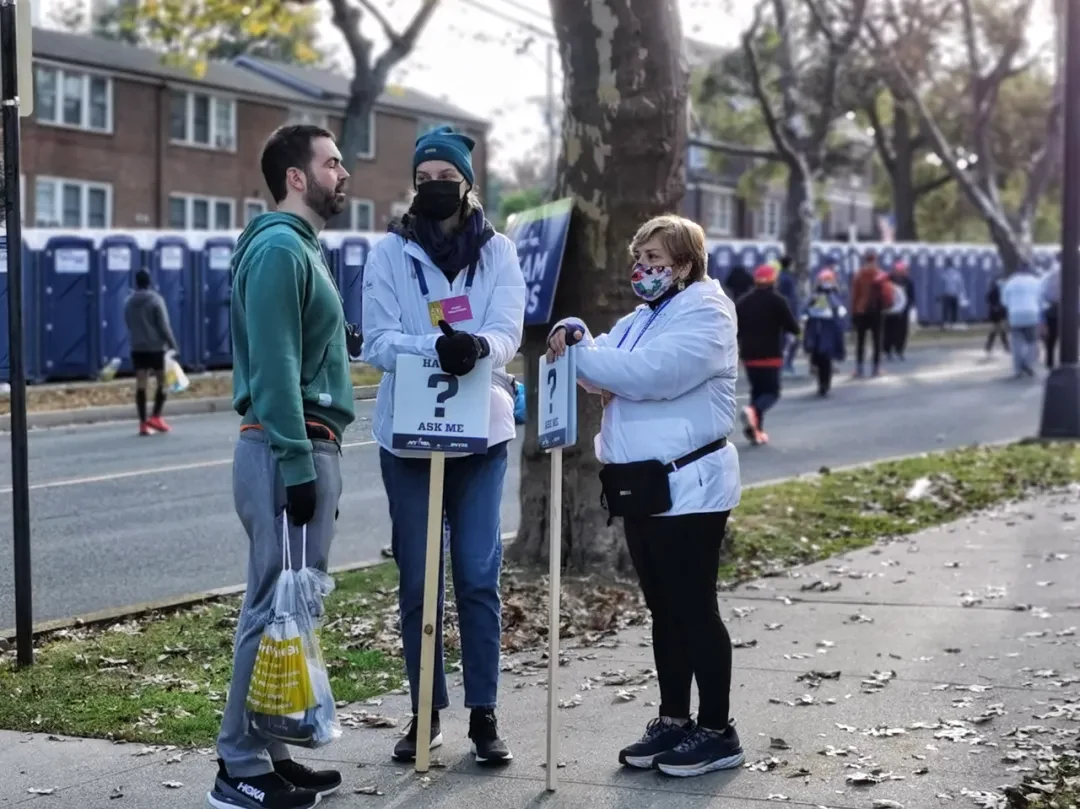
The village was divided into color zones based on start times. I had not studied the rules carefully at first, so I wandered all the way to the blue start area and even managed to get a cup of hot morning coffee.
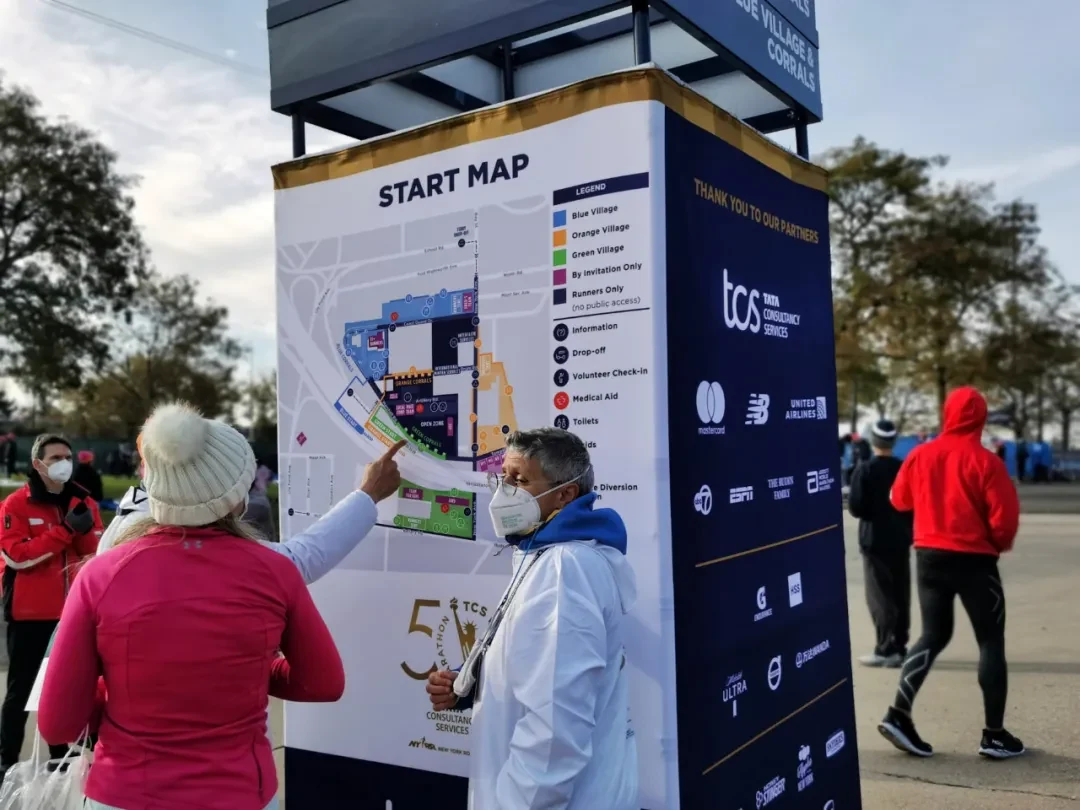
Later I realized I was in the wrong place. After asking a volunteer, I made my way back to the orange area. Unfortunately, there was no hot coffee there, and we still had more than an hour before the start.
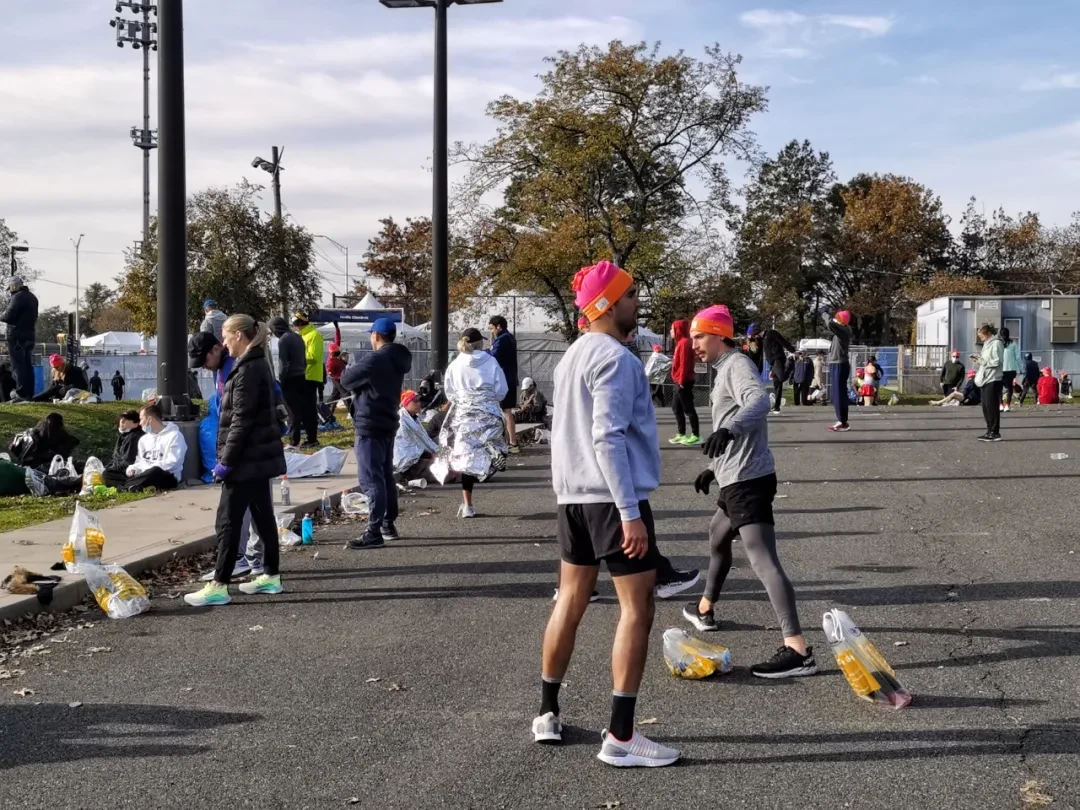
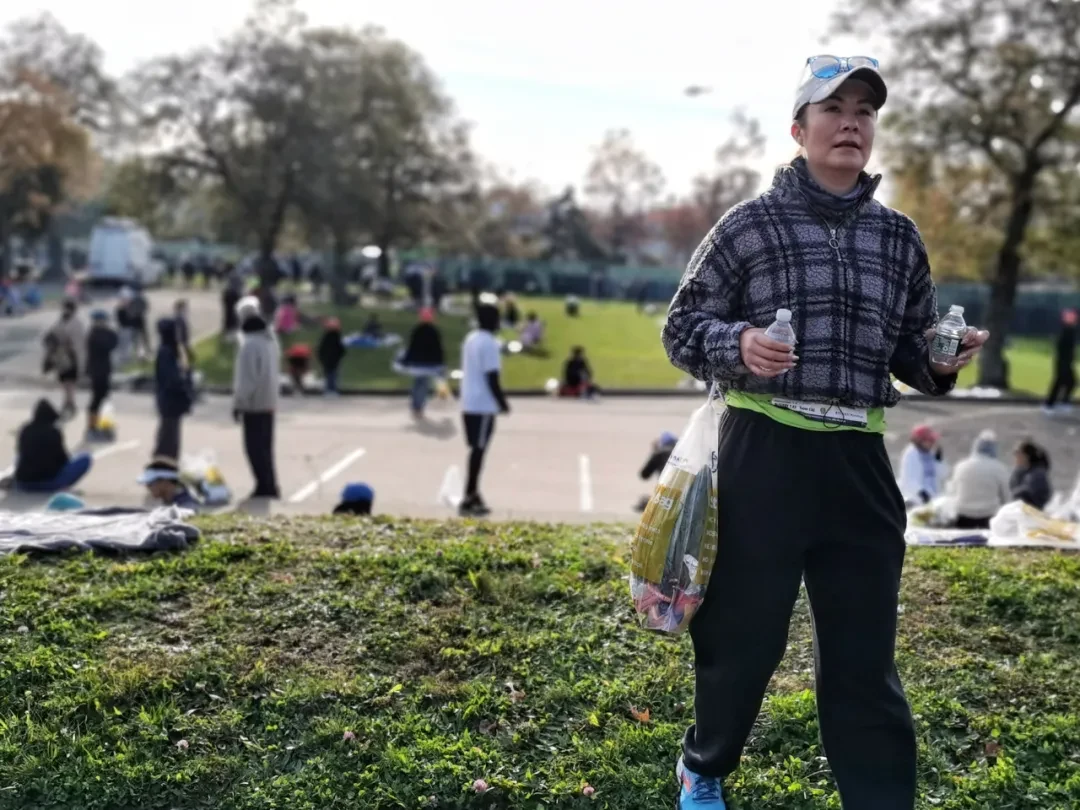
For most amateur runners, waiting at the start is long, and it was genuinely cold.
Haruki Murakami once described the New York City Marathon in November like this: "There was never any sign of warmth. Every time, it was surely a Sunday as cold as a witch's heart."
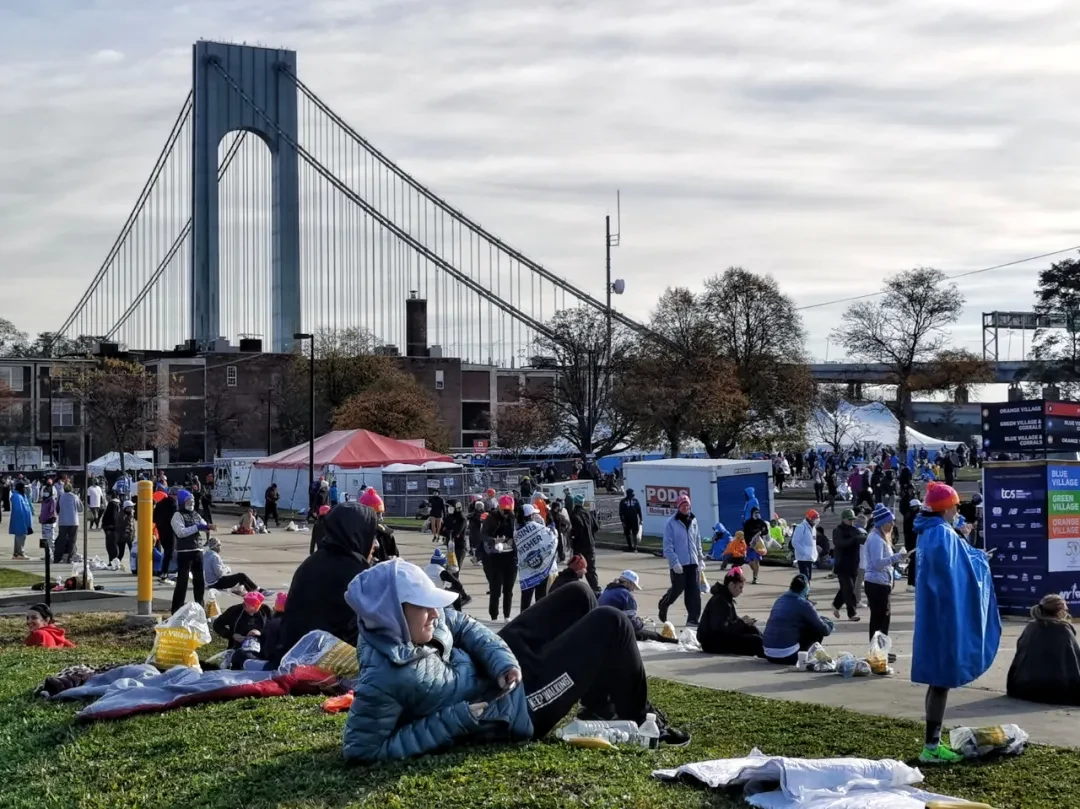
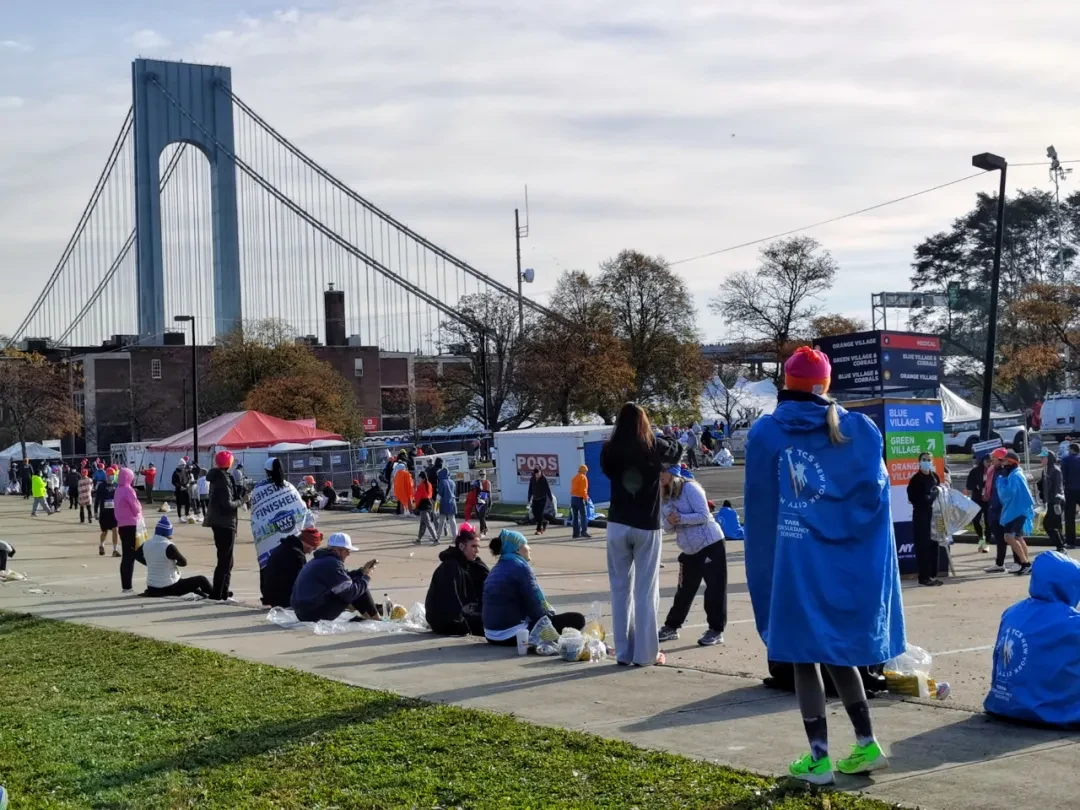
The wait was long, but not necessarily boring. For runners used to long-distance running, there was always a way to enjoy it.
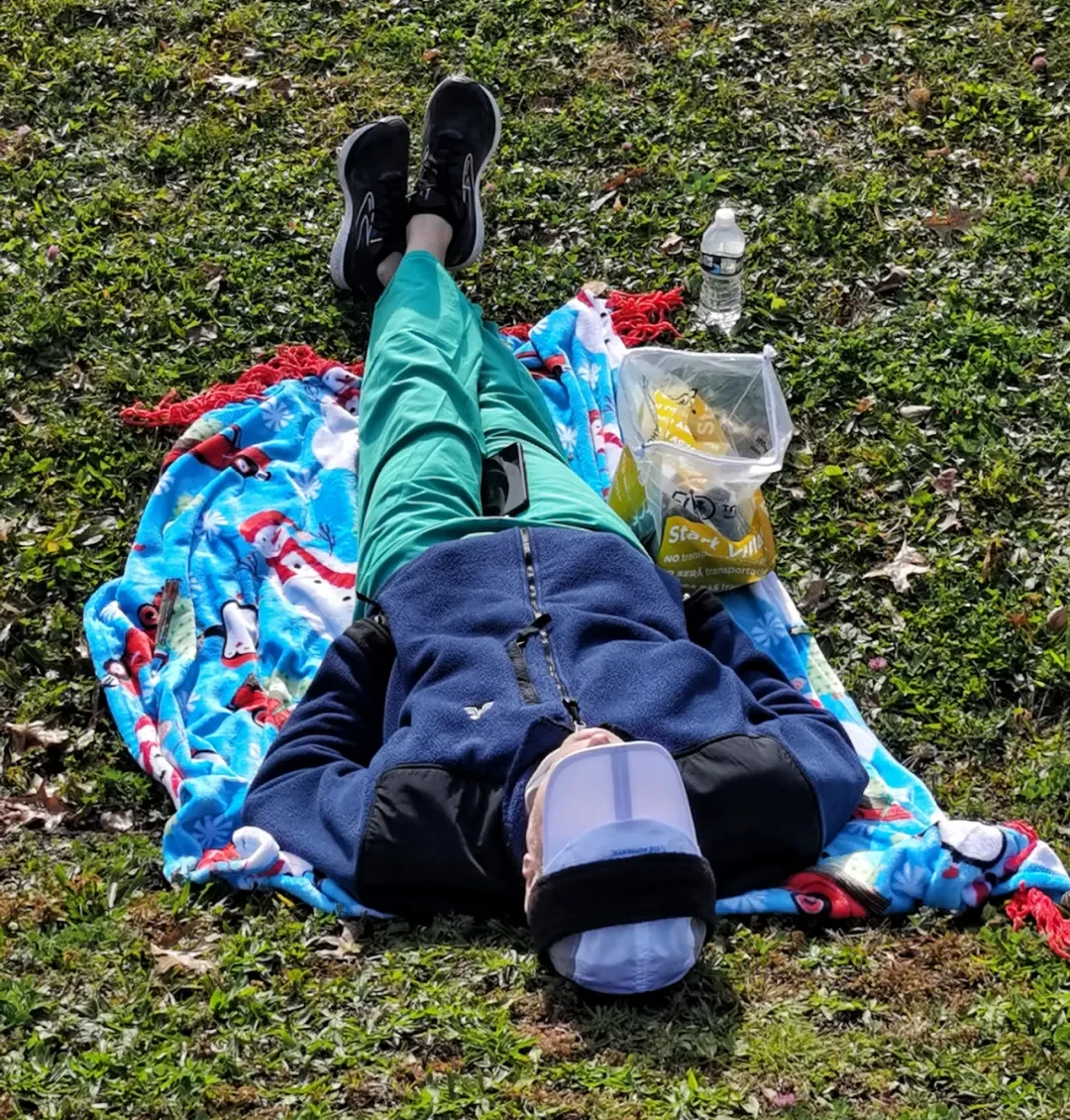
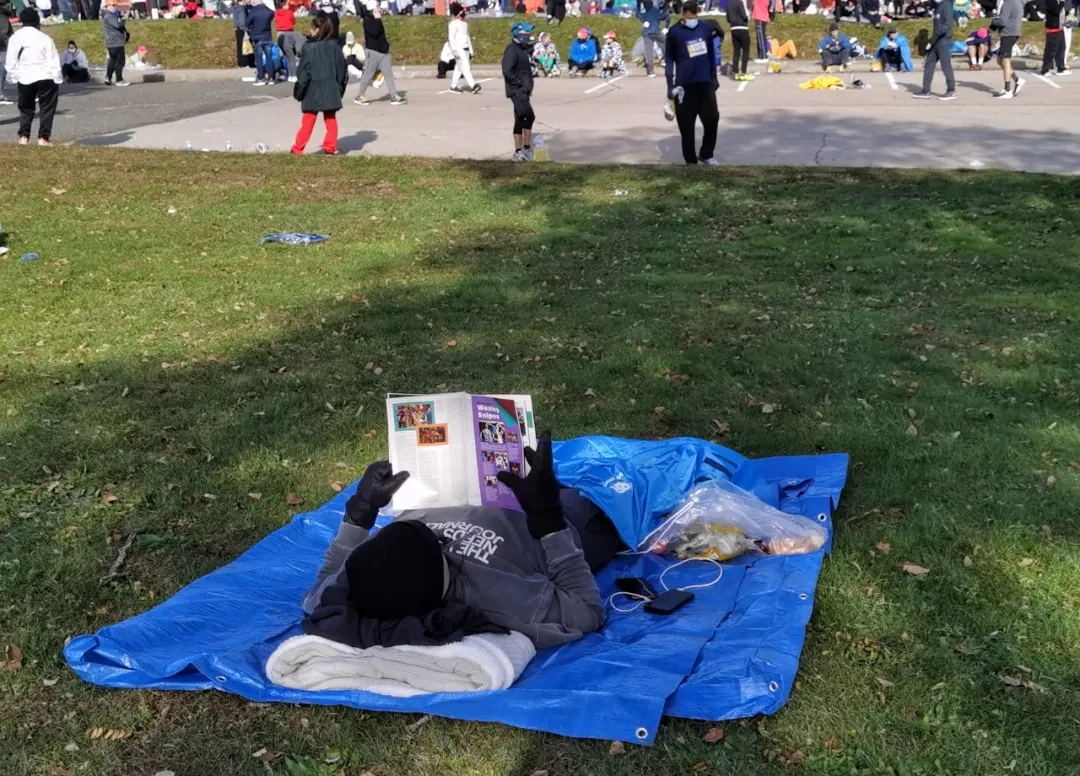
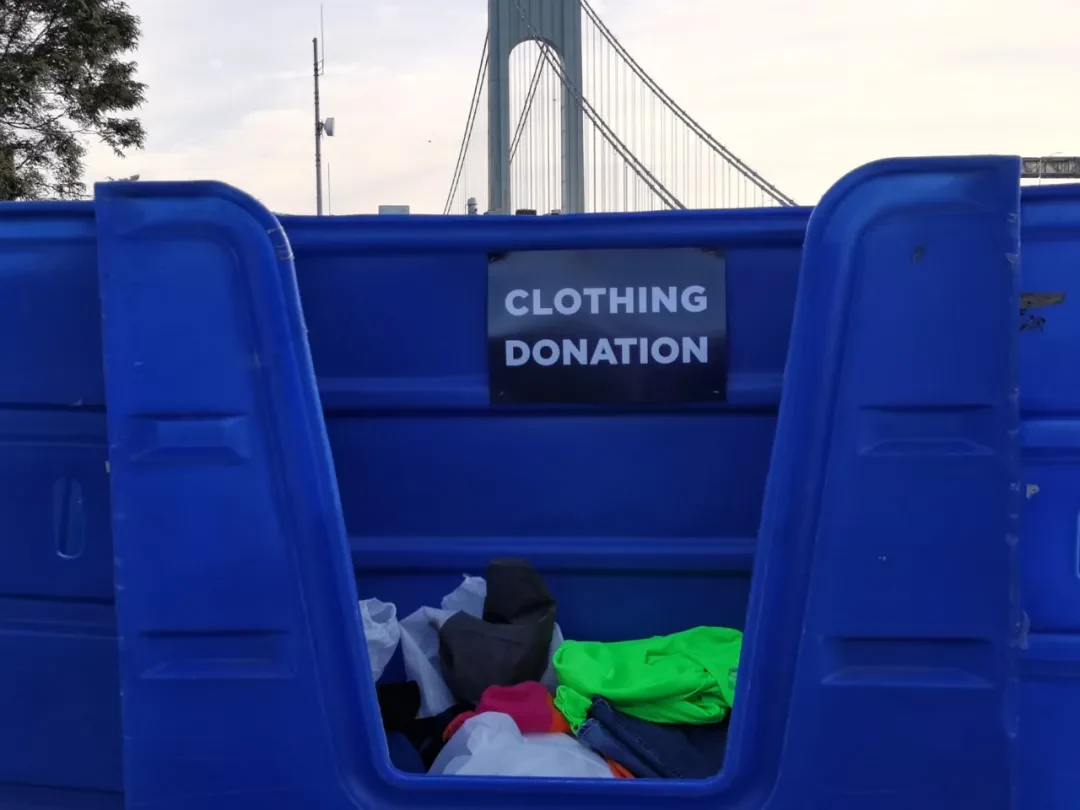
Because the start area is so cold, many runners wear heavy clothes there. Before the gun, they leave those layers behind. The NYC Marathon later arranges volunteers to collect the clothing and donate it to people in need locally. In 2013 alone, the race donated 26 tons of clothing.
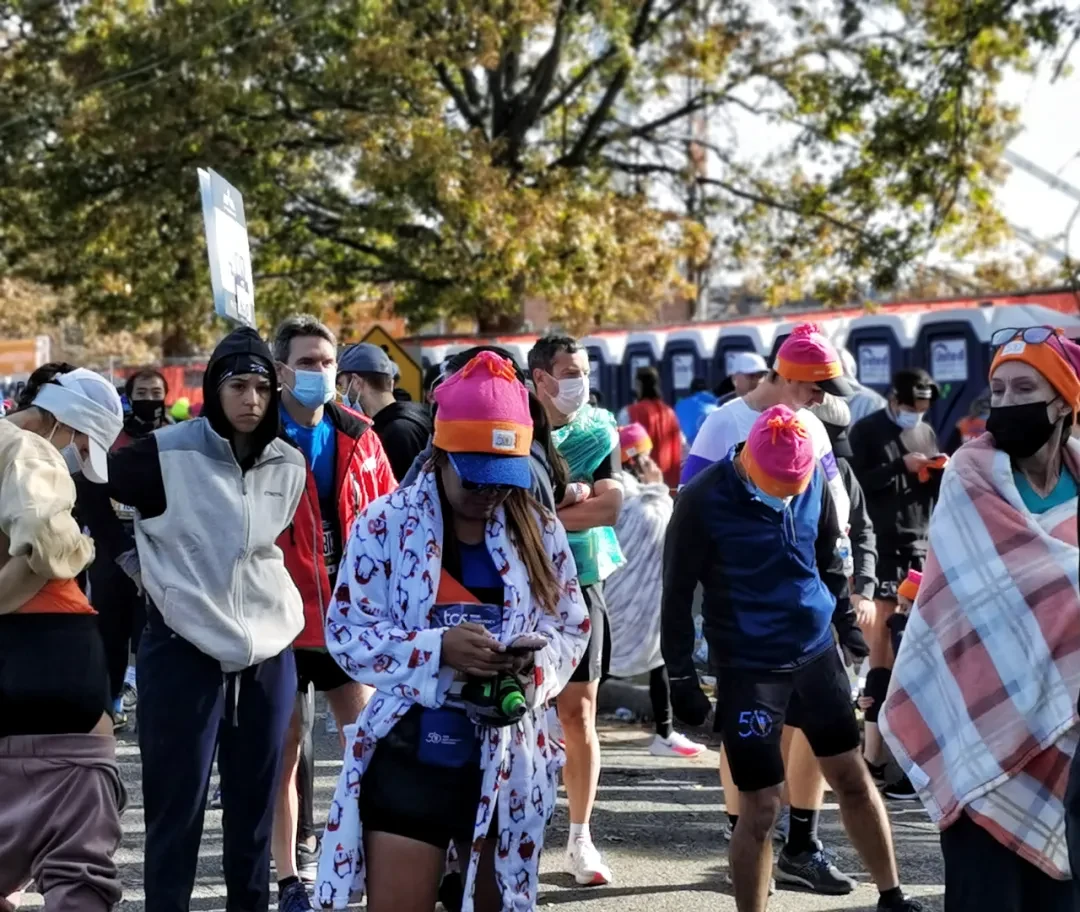
At last our start time was getting close. Each small corral in the orange area opened to runners, and I slowly moved with the crowd toward the bridge. After two years of waiting, the New York City Marathon was finally about to begin.
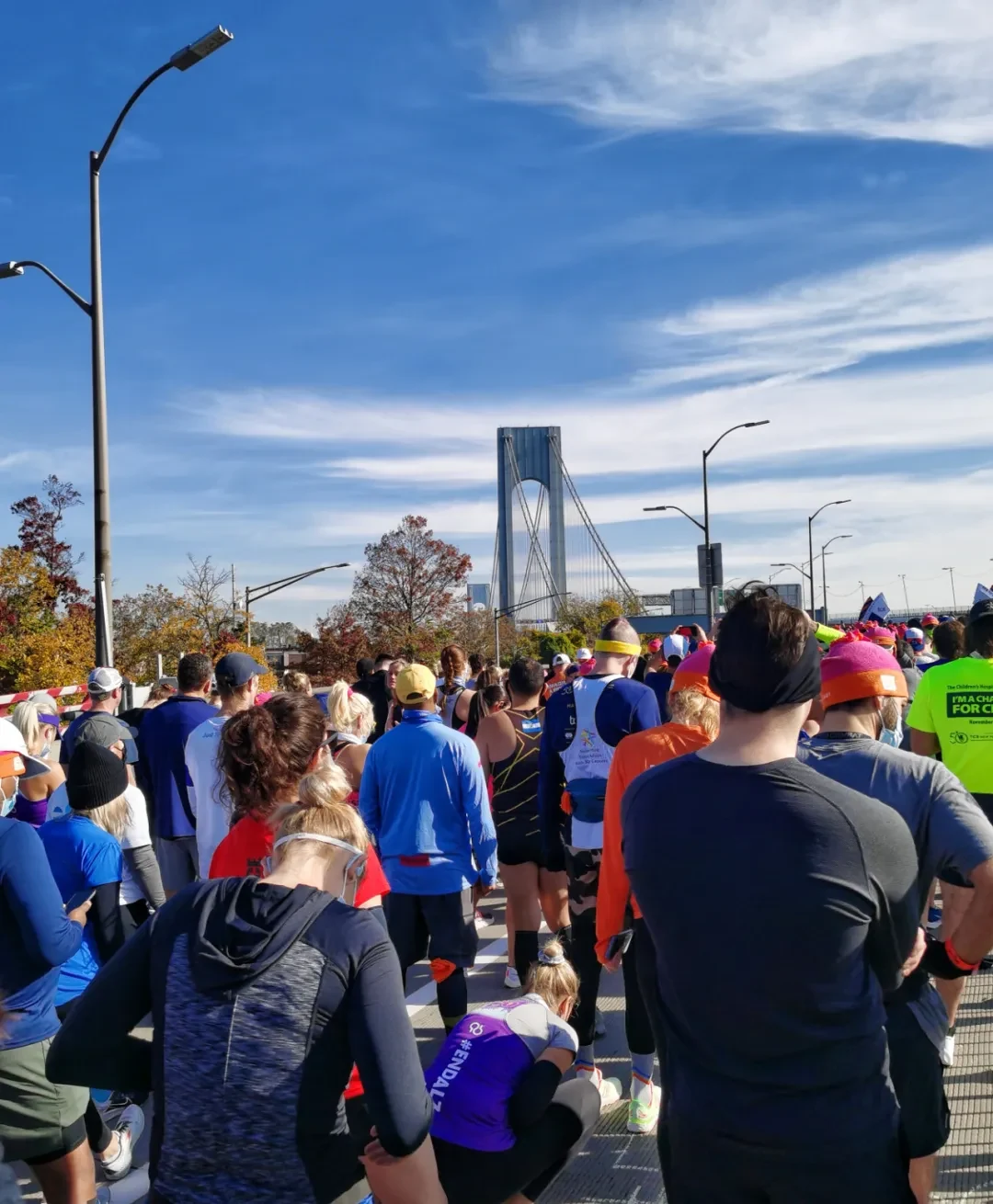
I love the NYC Marathon
A marathon is a feast, and designing the course is a major question for every city. New York is no exception. Today's NYC Marathon is no longer the "boring race" that looped four times around Central Park decades ago. To celebrate the 200th anniversary of the Declaration of Independence, the route changed in 1976 to run through New York's boroughs.
Central Park from Friends, Fifth Avenue from Sex and the City, all those cinematic memories of New York: the NYC Marathon puts the city's best parts right in front of you. Starting from the long, steep Verrazzano Bridge by New York Bay, runners immediately face a climb and the bridge shaking underfoot, then head north through Brooklyn and Long Island, run into Manhattan, and spend the final eight kilometers heading toward every runner's temple: Central Park.
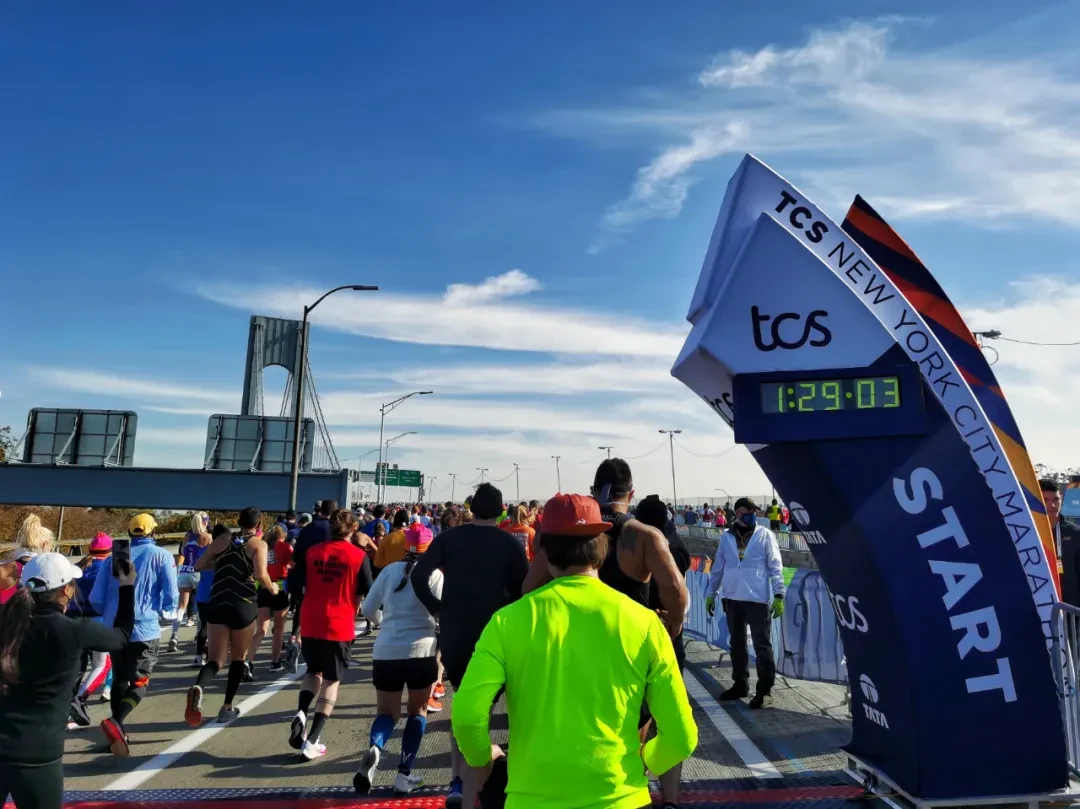
The NYC Marathon course crosses five bridges. Add the long, rolling climbs, and it is one of the tougher courses among the World Marathon Majors.
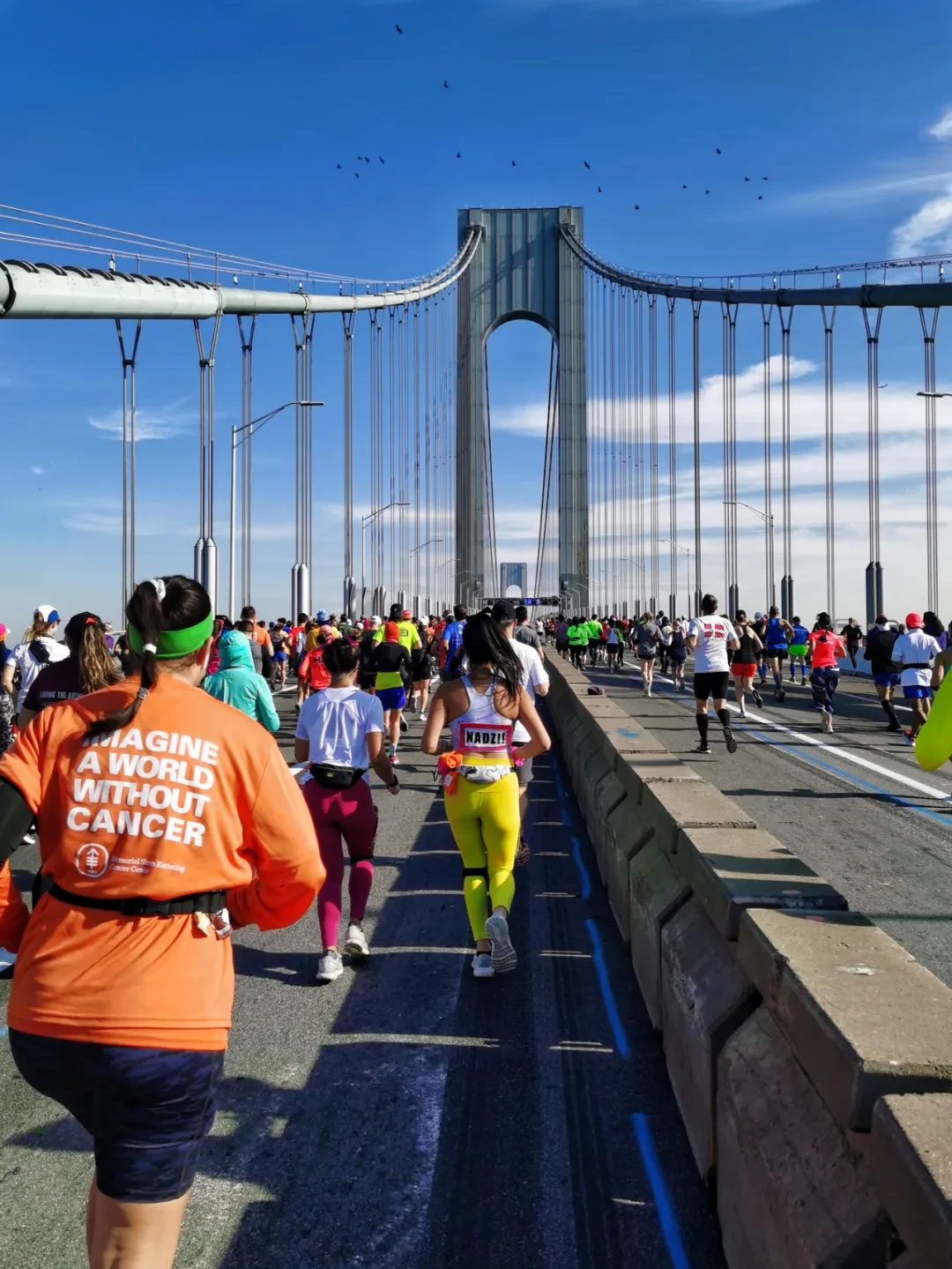
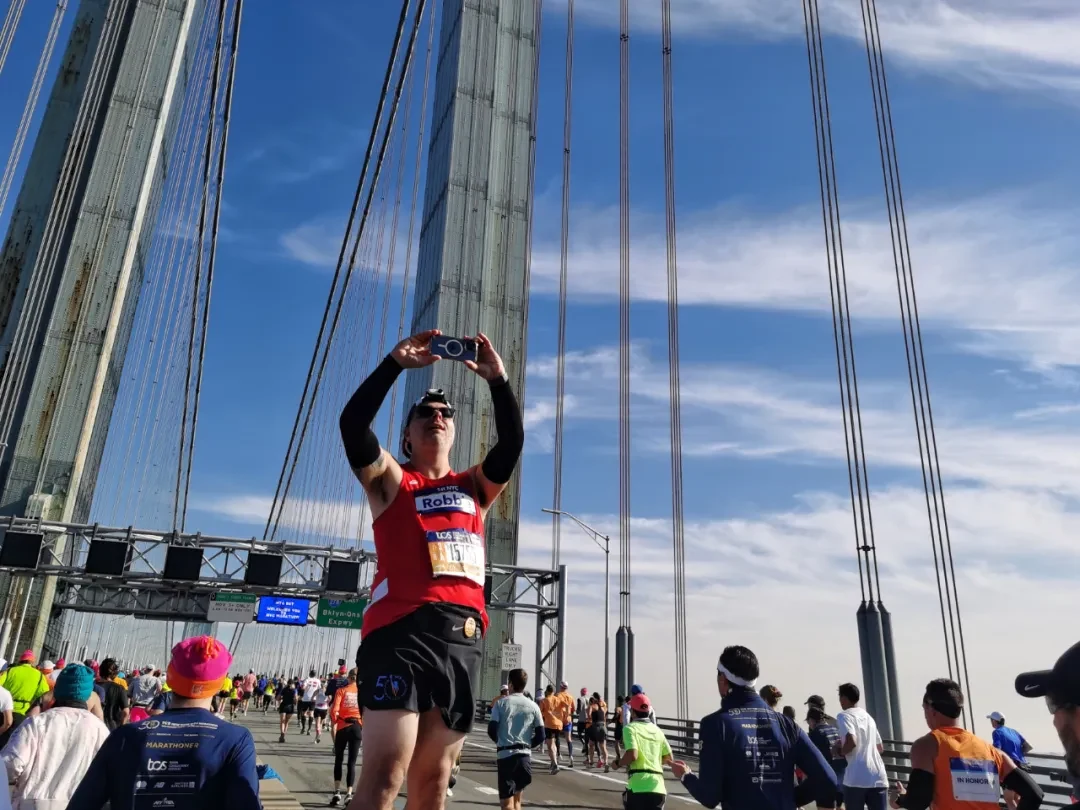
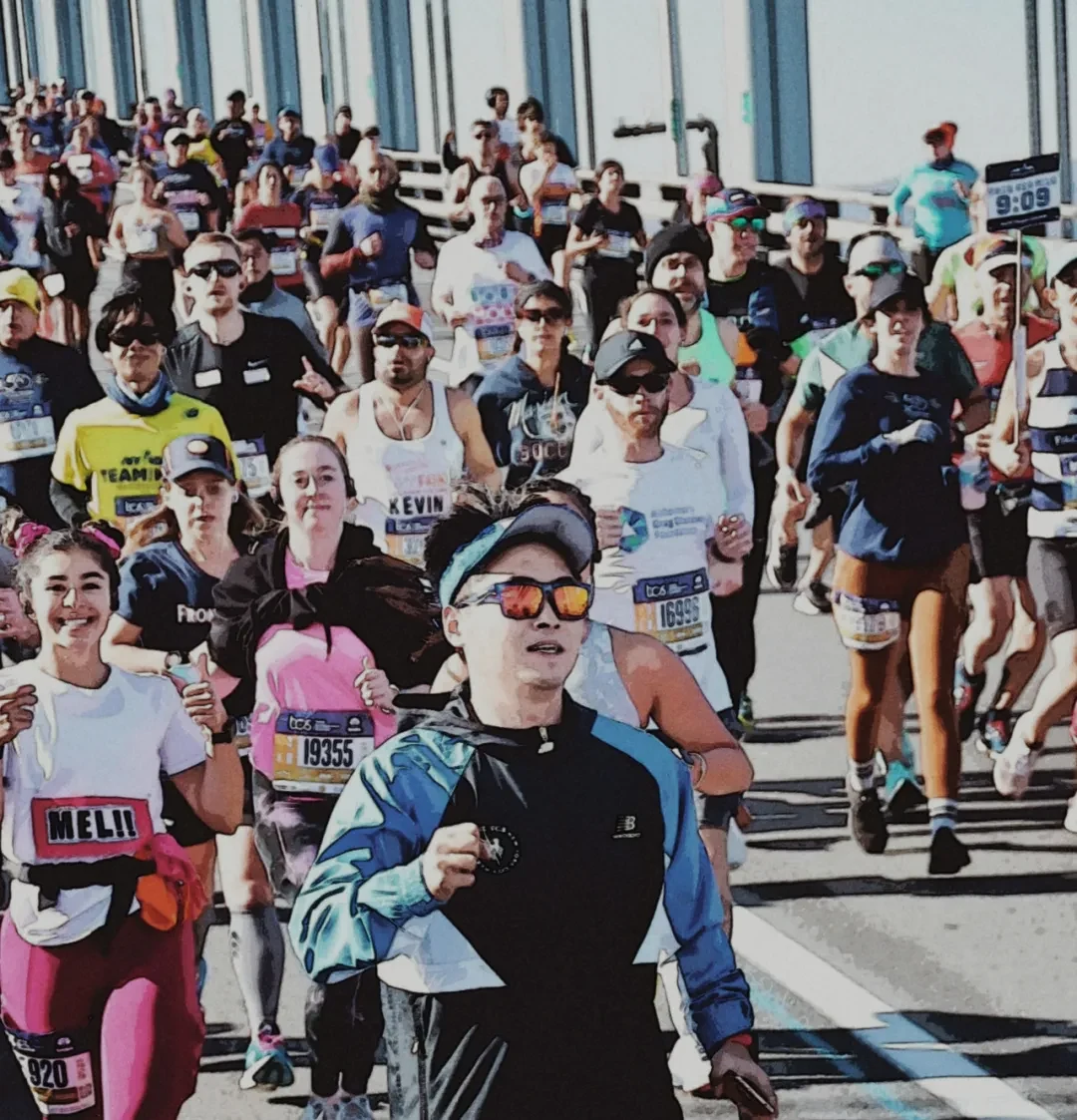
After running across the 1.8-kilometer Verrazzano Bridge, we arrived in Brooklyn, where basketball legend Michael Jordan was born.
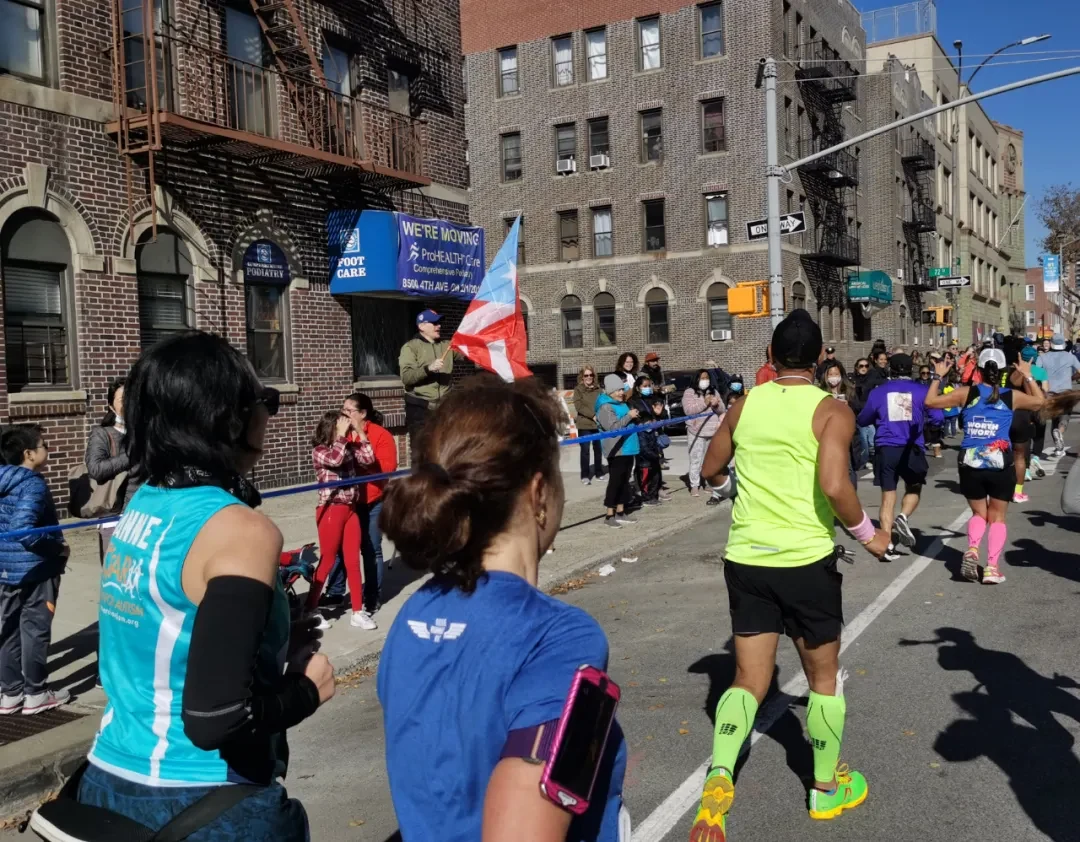
New York's streets are usually packed with traffic, but on this day, runners owned the road.
Brooklyn, a borough known for being a mixed bag, became especially enthusiastic. Maybe I was carried by the crowd's energy, but Brooklyn became the borough where I ran the fastest.
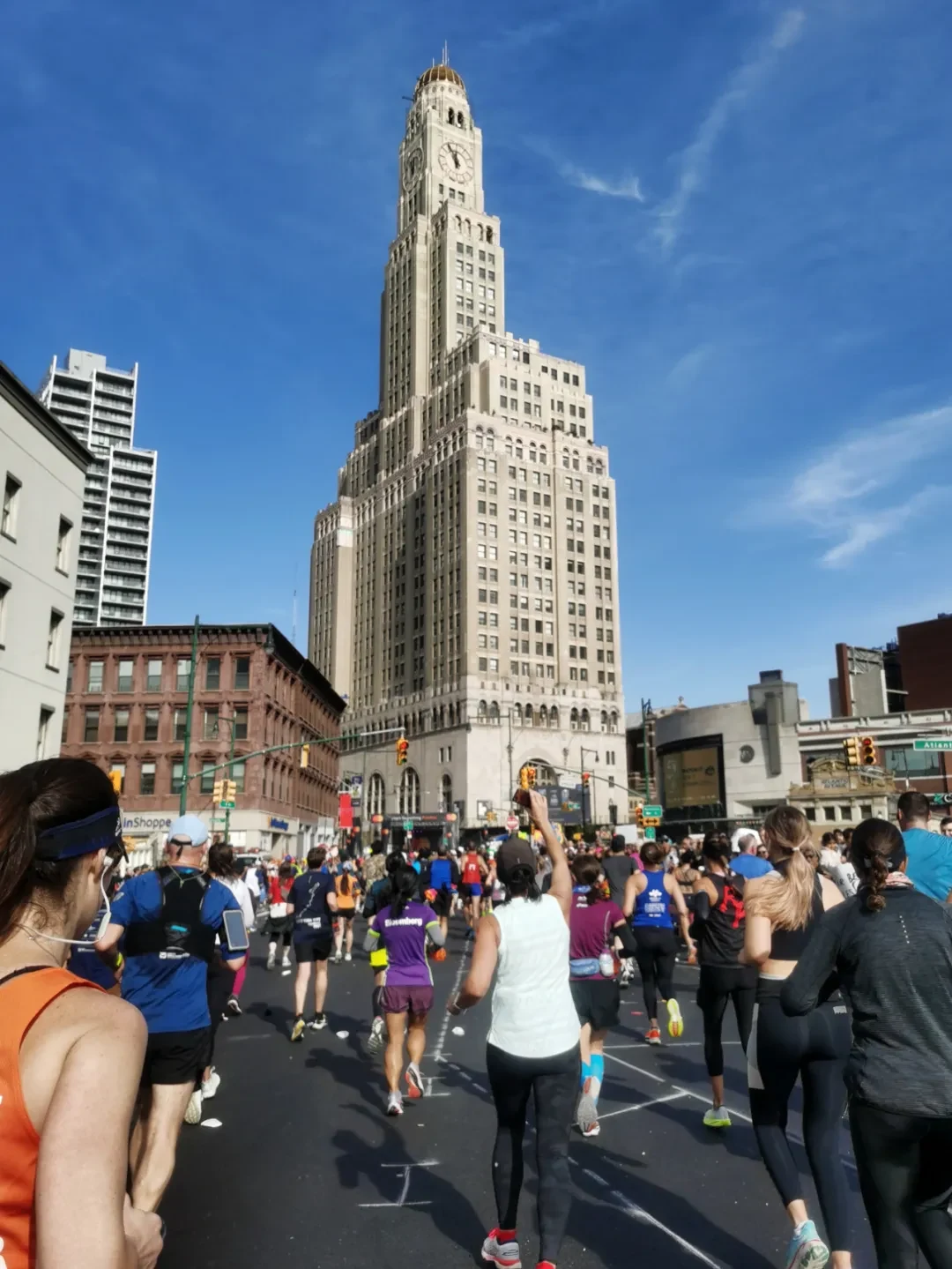
But the value of running New York is not speed. It is participation. In NYC, everyone becomes a New Yorker. A city that advertises tolerance and freedom can still carry a deeply snobbish, narrow pride in its bones, but when that meets the marathon, it all softens like rain in spring.
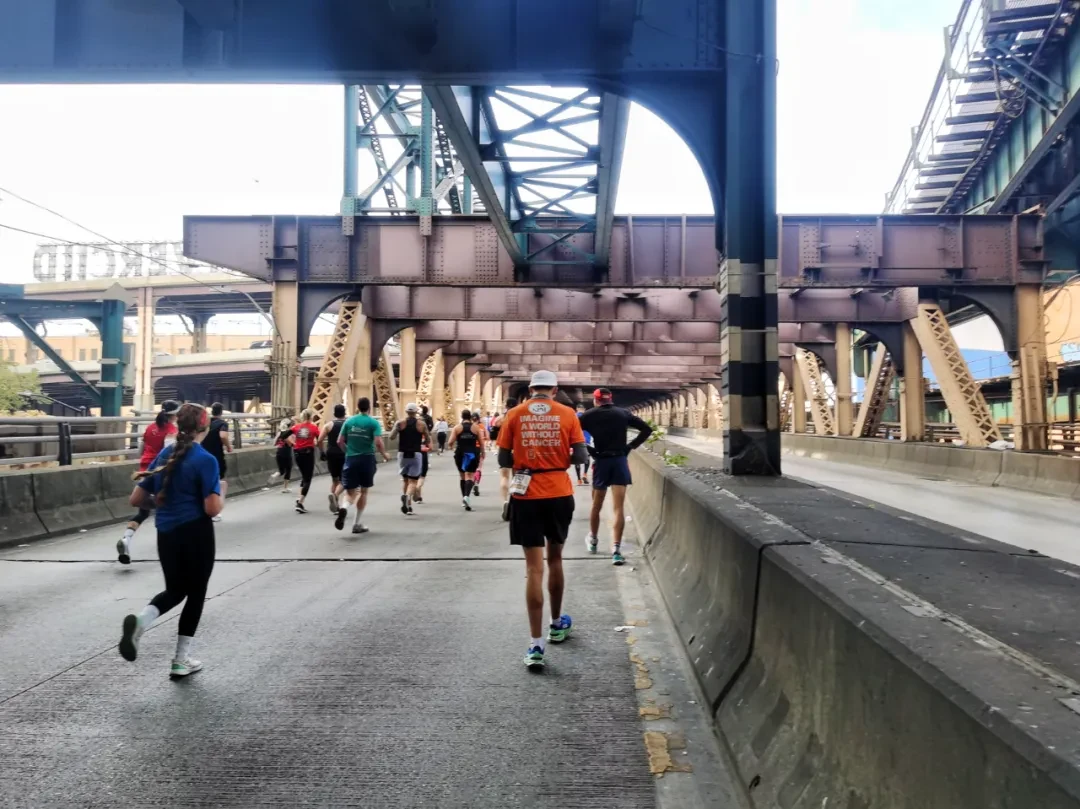
On a marathon course, people give the same thunderous applause to a veteran dragging disabled legs through a ten-hour walk-run as they give to the champions.
Compared with Brooklyn, Queens felt much quieter. That actually made it easier to enjoy the course itself.
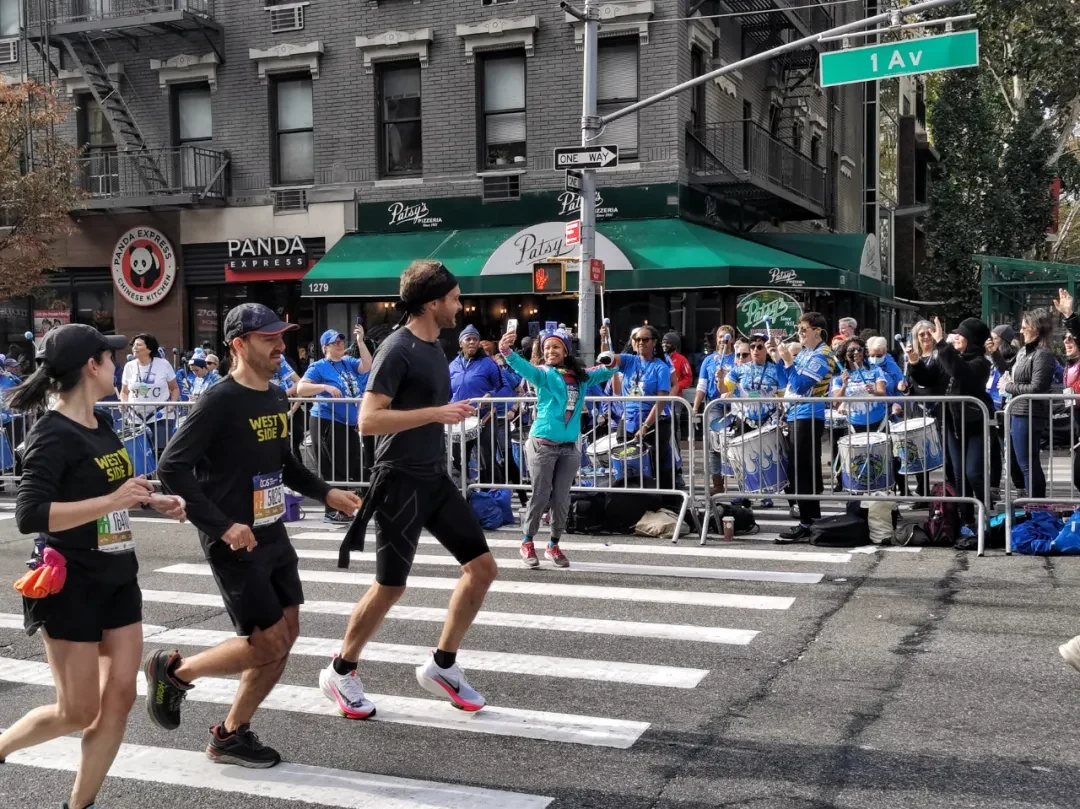
Time passed quickly, and before I knew it I had run back into Manhattan, the center of the world. Along the way I saw flags from many countries. I had actually been waiting to see the five-star red flag, but never found one by the end.
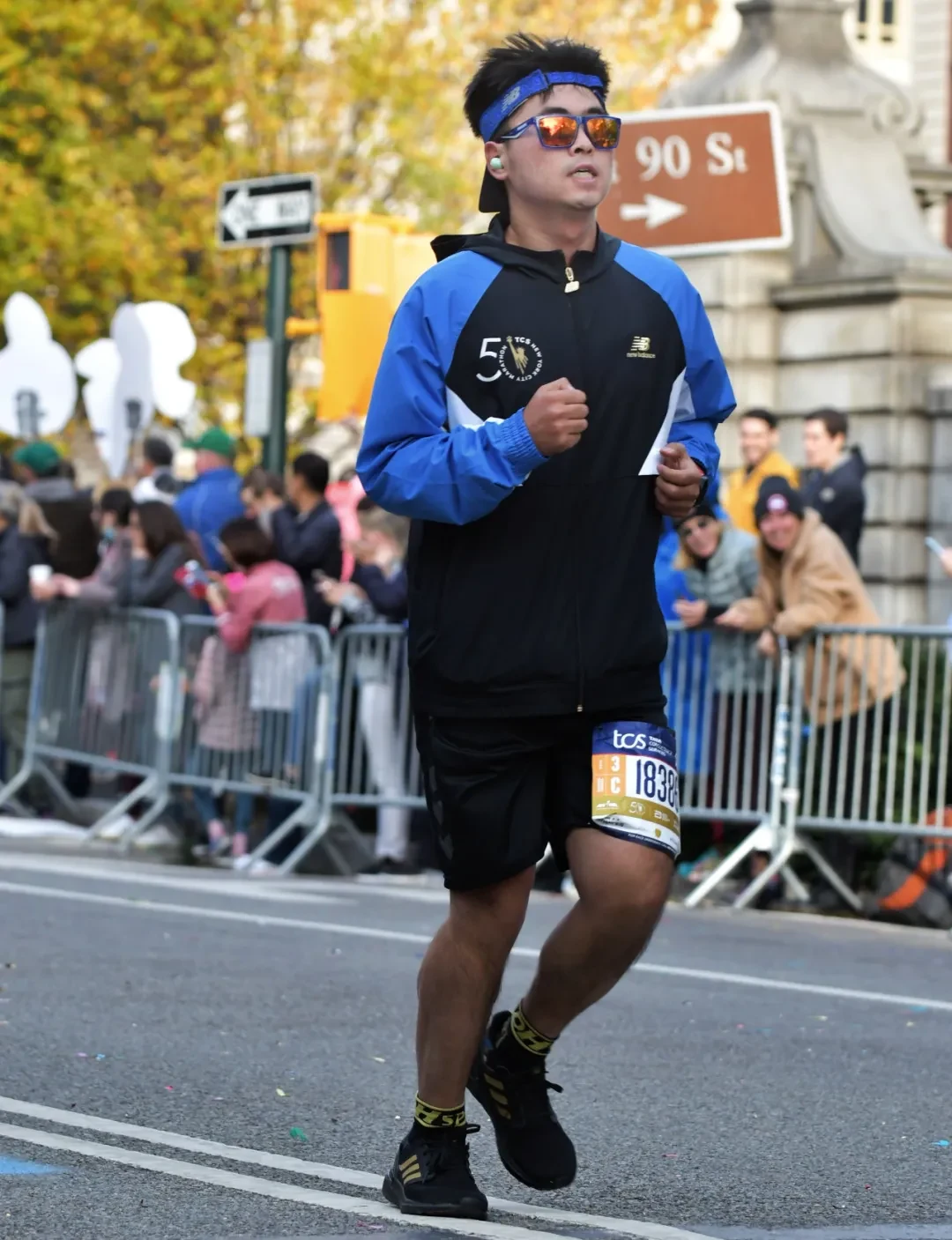
But there was no need for regret, because on this day New York had only two kinds of people: those cheering and those being cheered. In this most diverse city, race and class disappeared for a day. Whether ordinary people from Harlem or elites from the Upper East Side, everyone was a key part of the celebration.
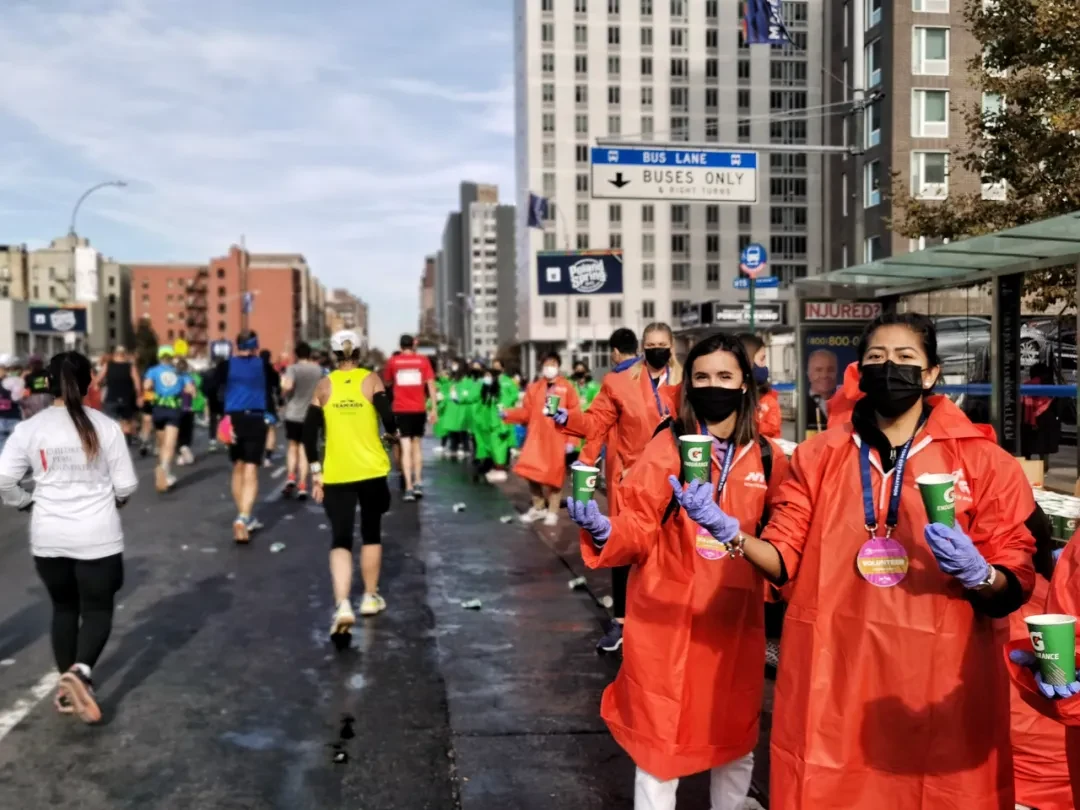
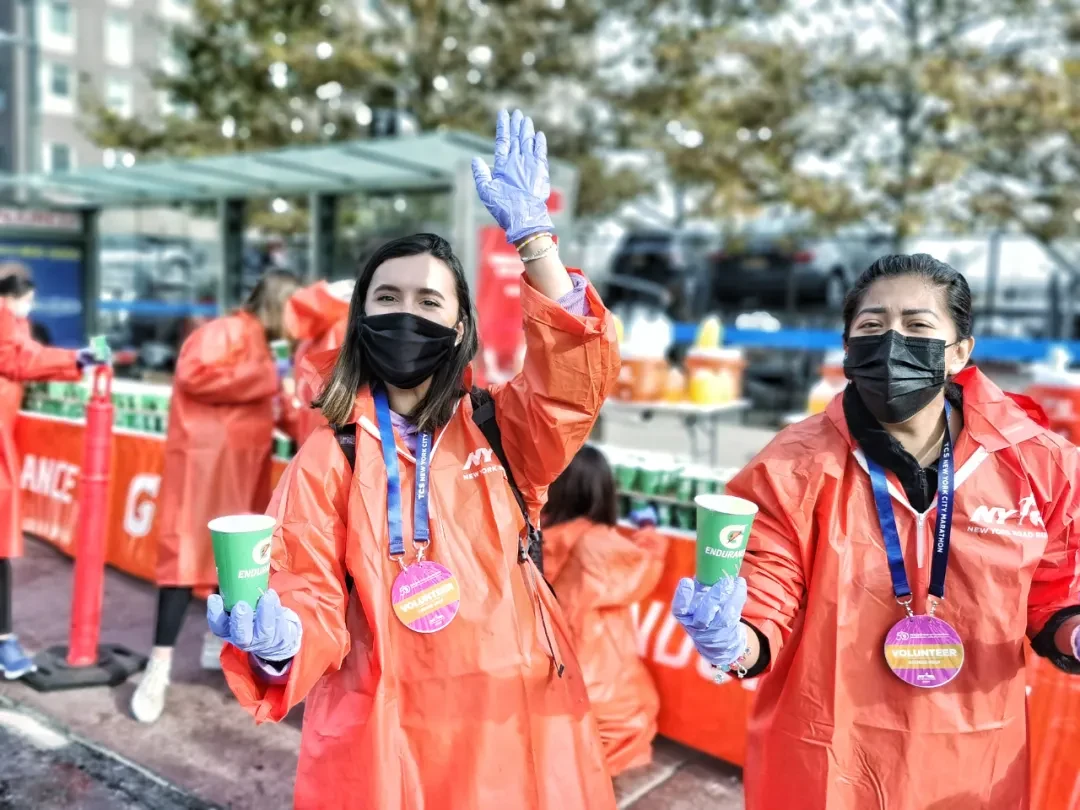
As a center of modern art, the New York City Marathon is like a Broadway stage: never flat, never dull. Volunteers in ponchos of every color were among the brightest scenery along the way.
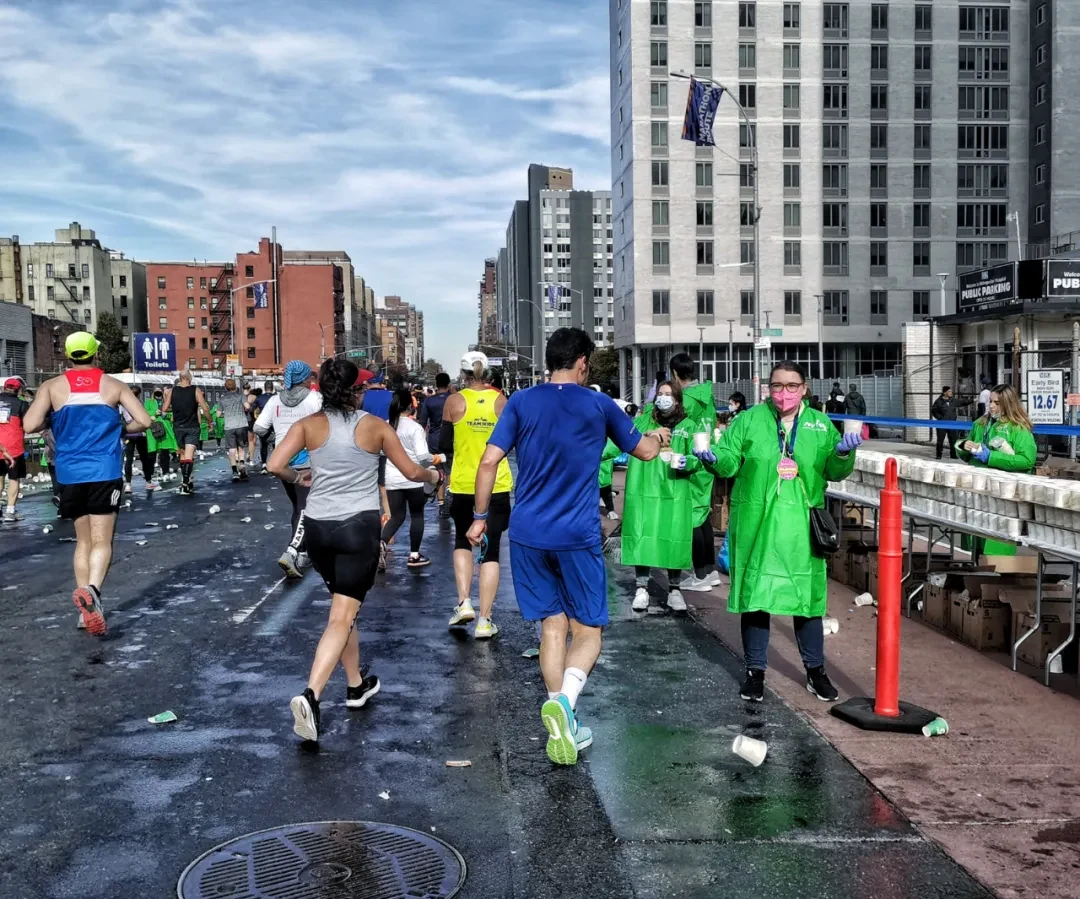
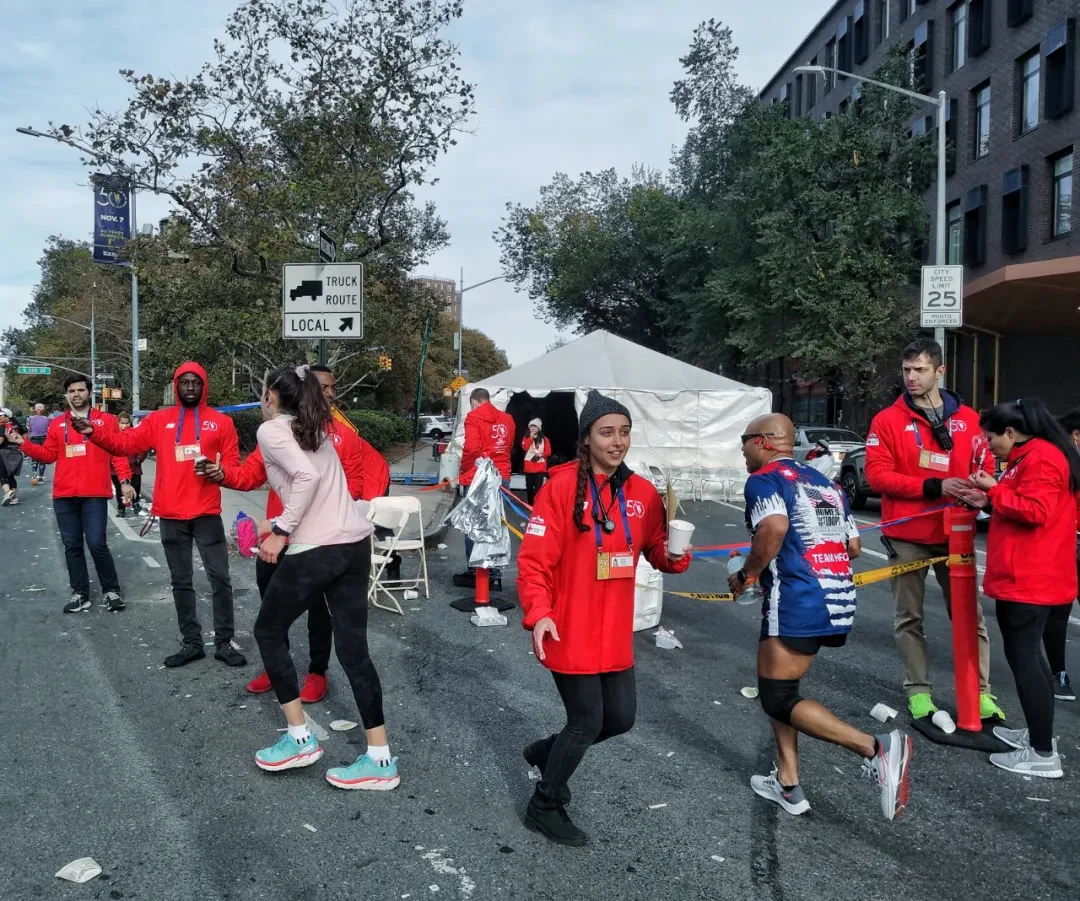
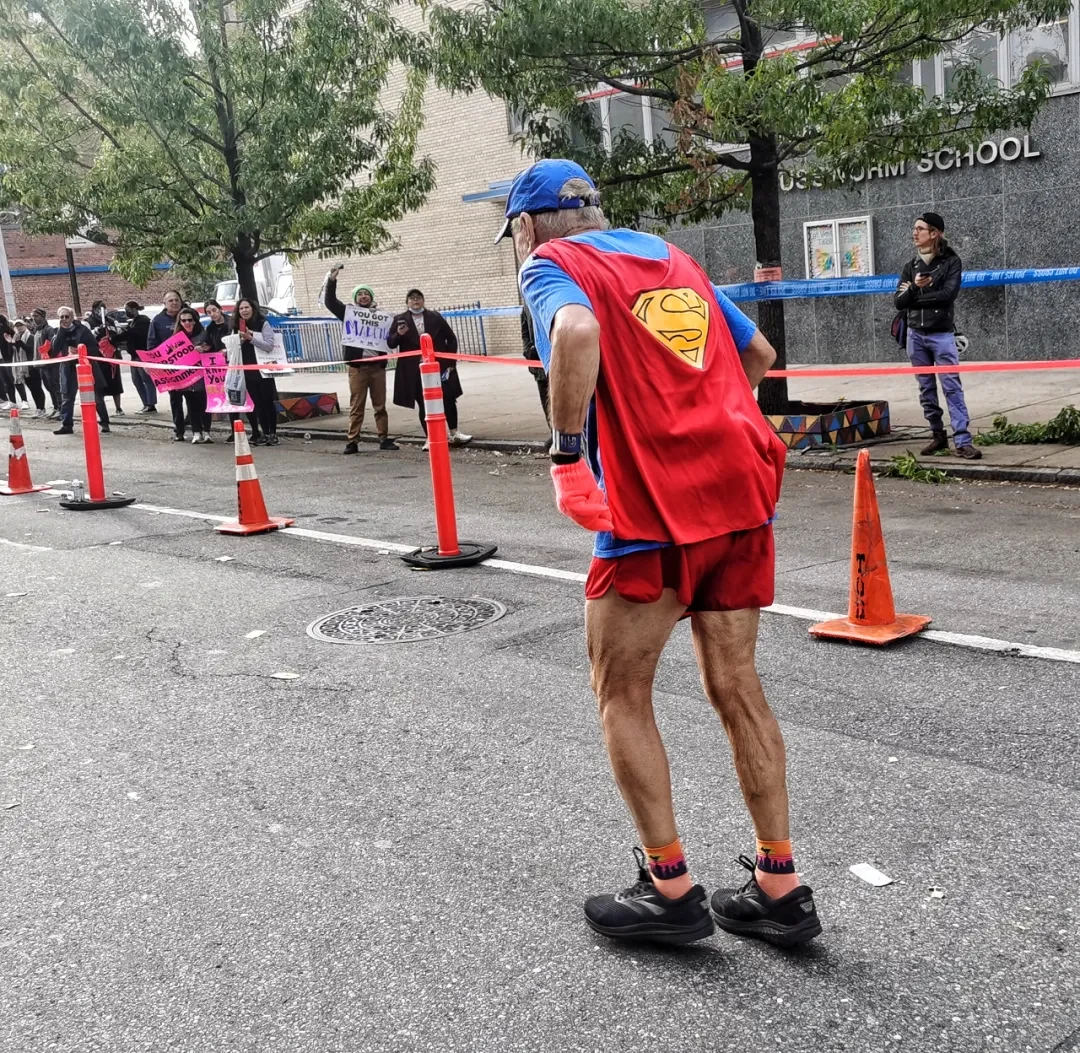
There was also the old Superman. I do not know how old he was, or how many NYC Marathons he had run, but I am sure that in that moment he was Superman in all our hearts.
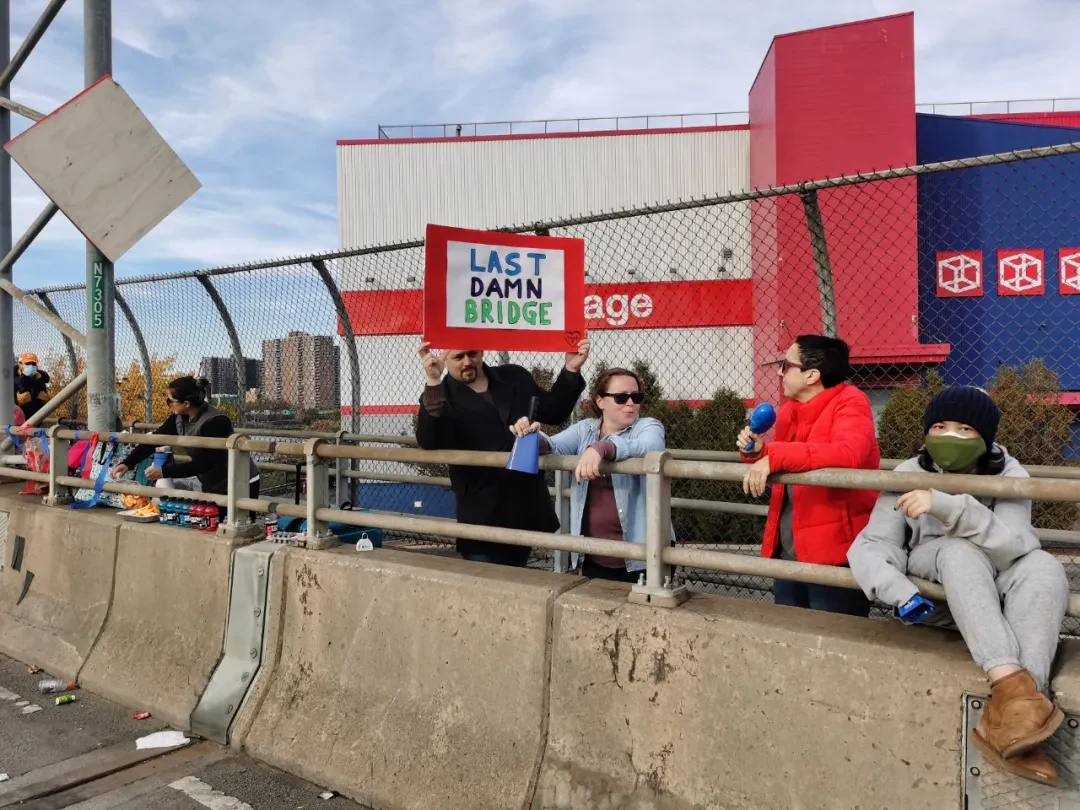
There were all kinds of signs too. "Last damn bridge!" really did capture my state of mind at that moment.
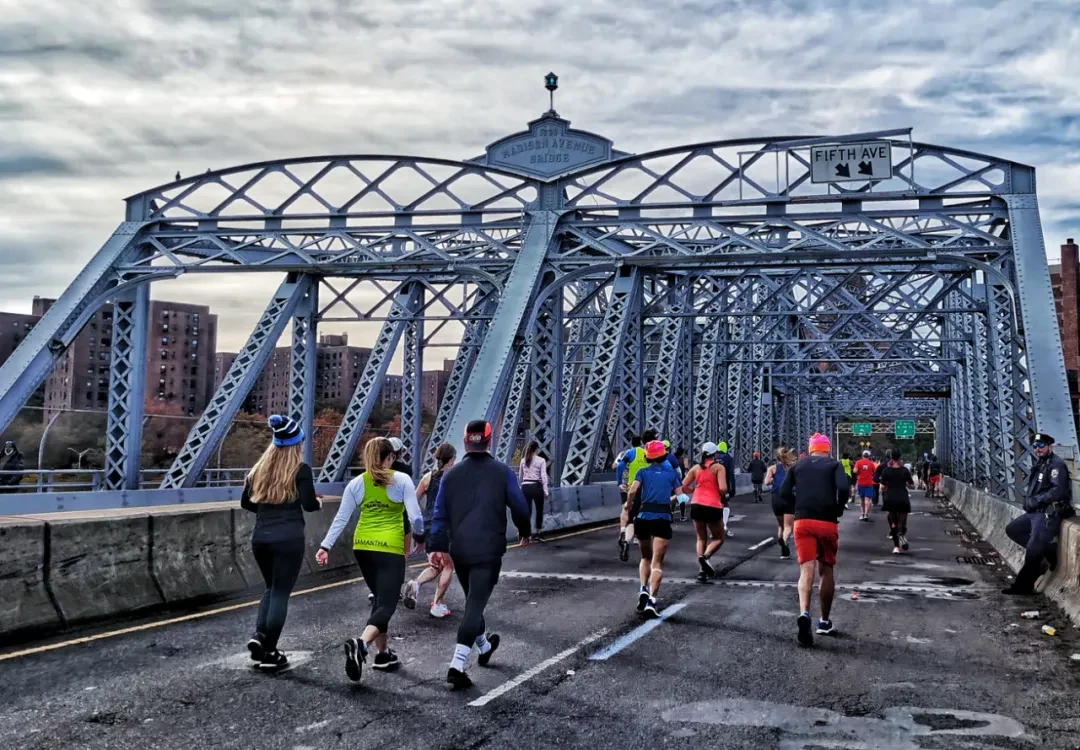
As we got close to Central Park, the crowds along the course grew again. Cheers and shouts came in waves.
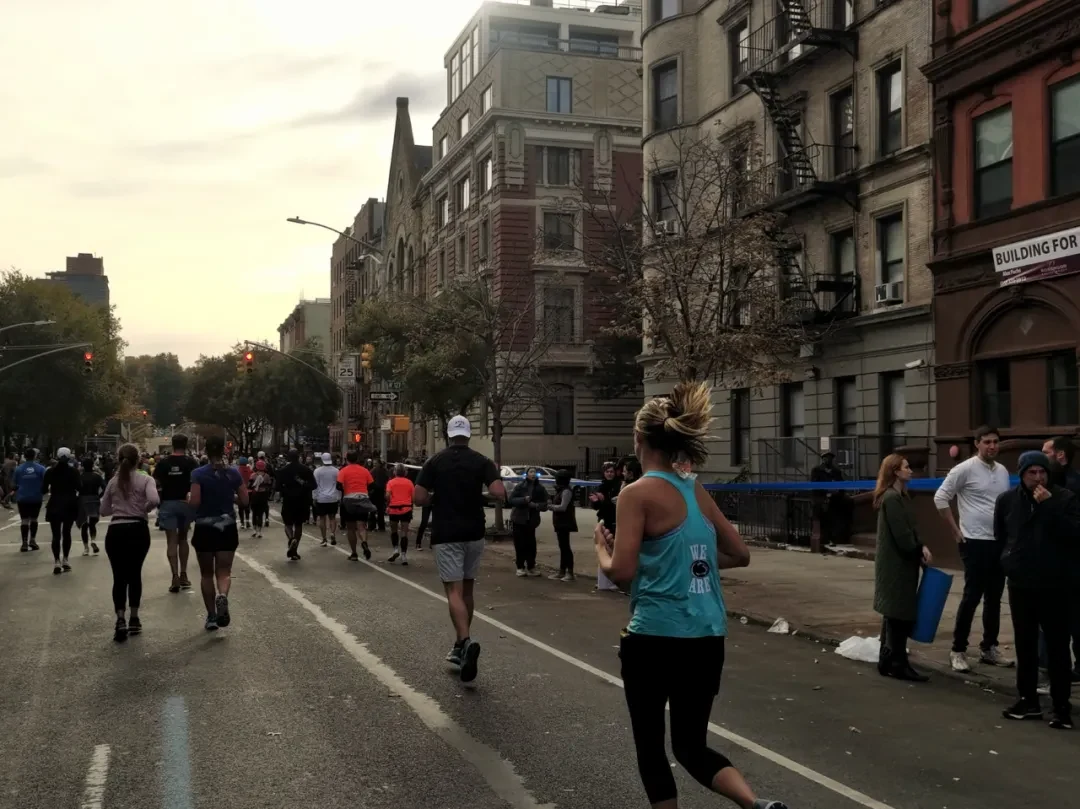
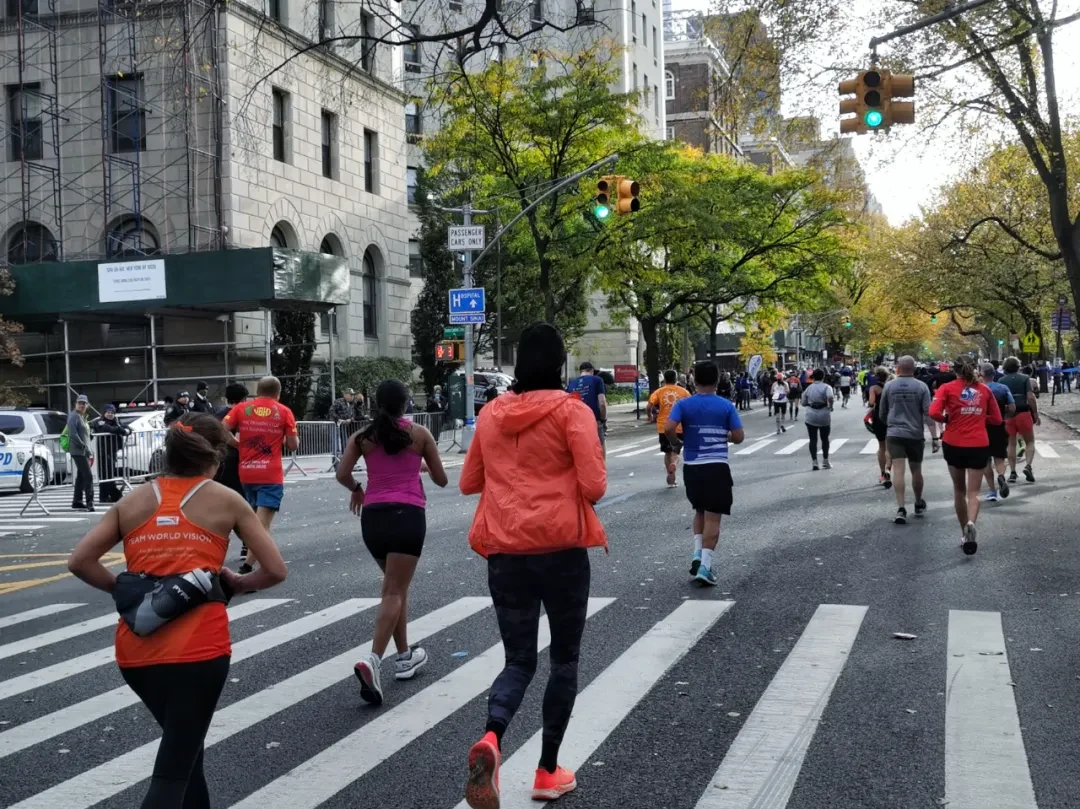
I was almost out of fuel too, so when there were fewer people around I would sneak in a short walk. But when I saw spectators, I forced myself to run again. Especially when I saw photographers, I had to pretend I was full of energy and at least look the part.
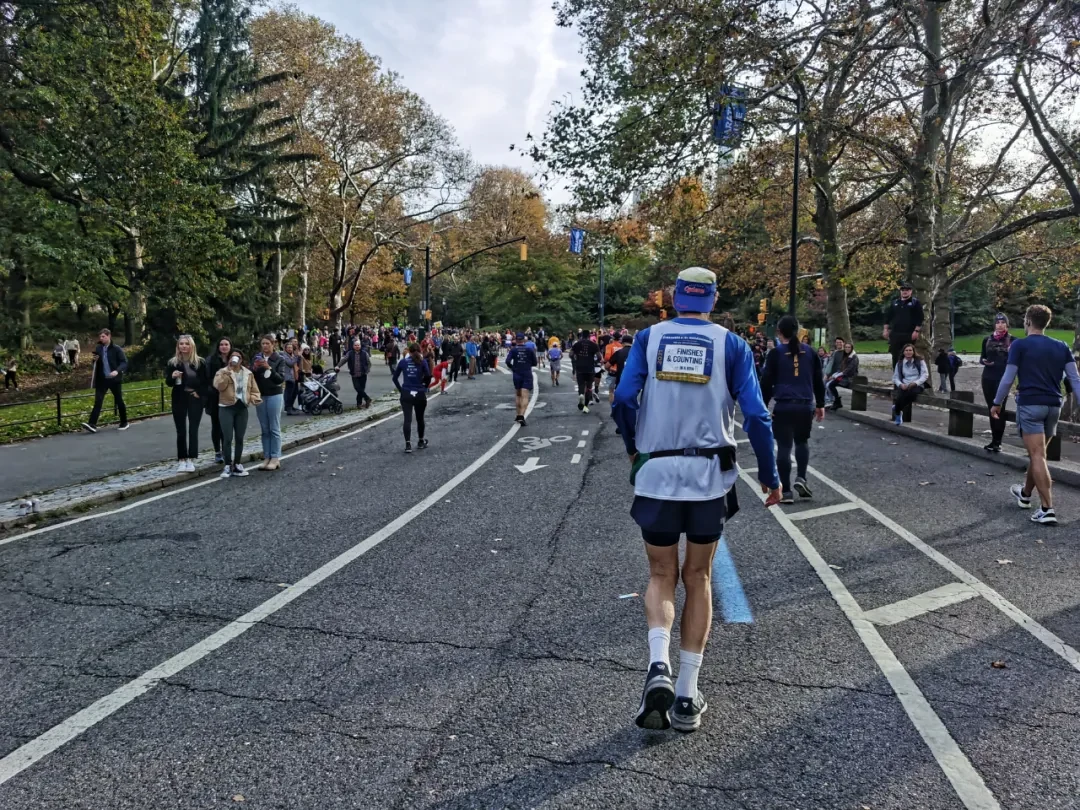
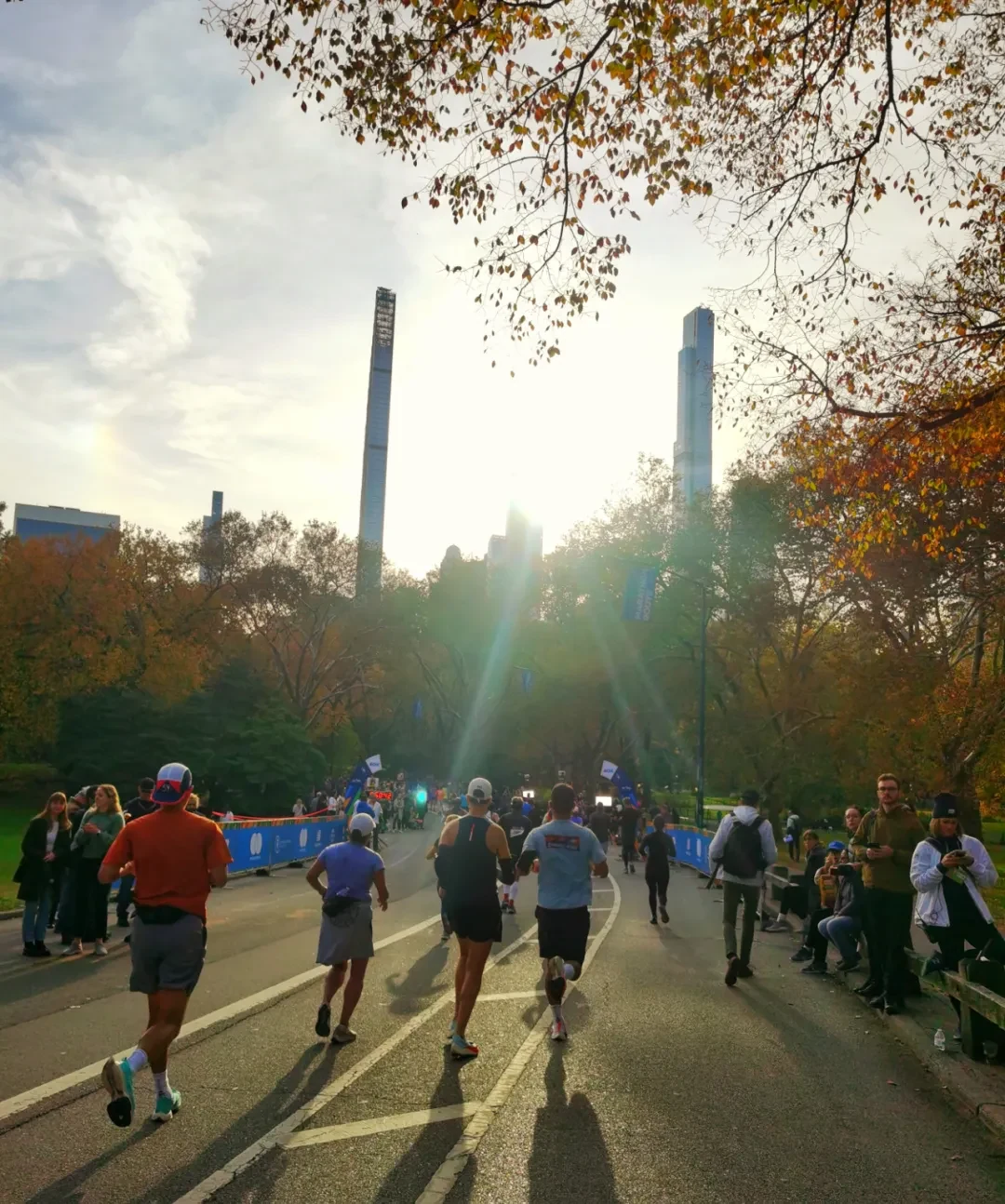
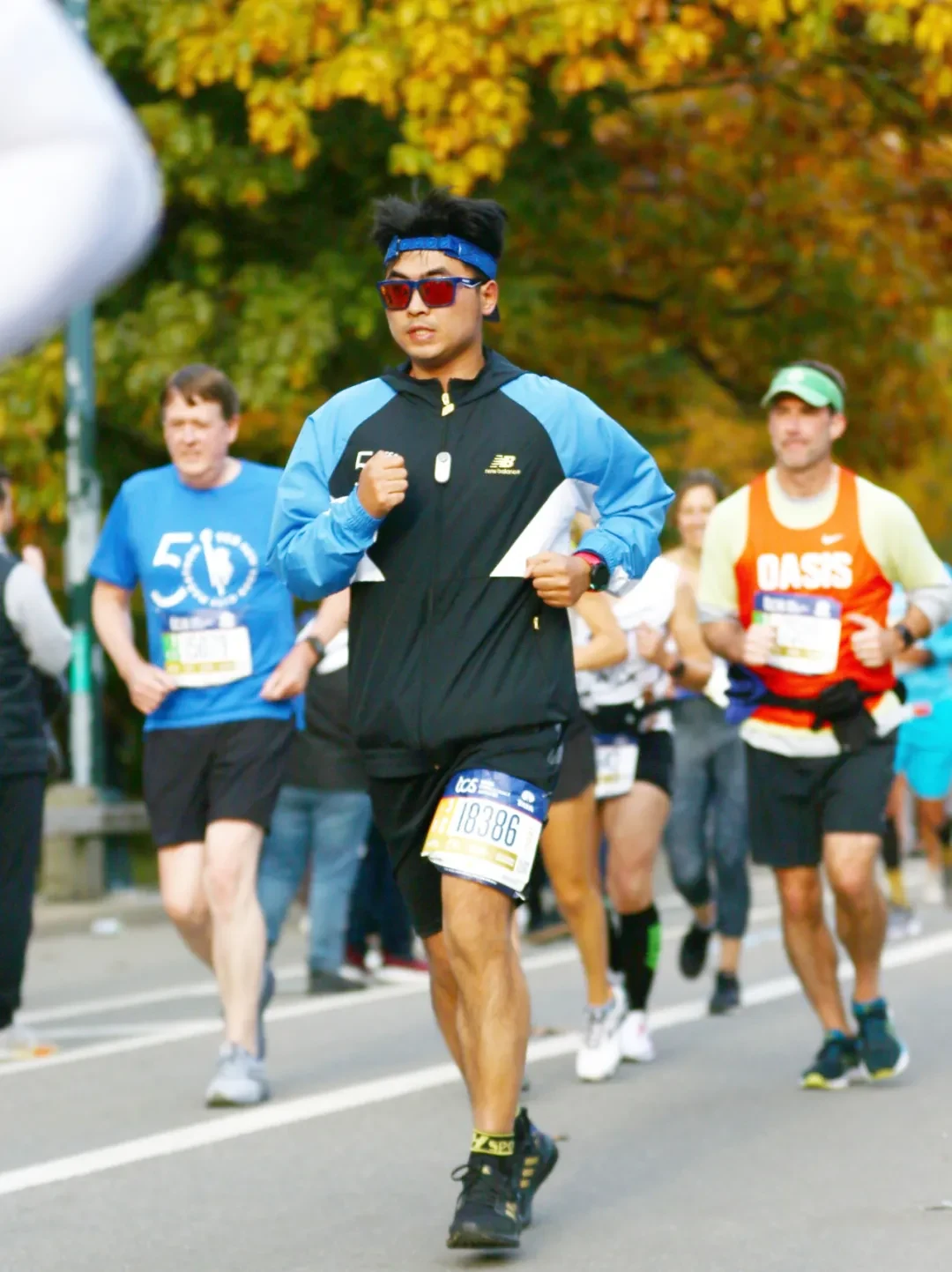
Once we ran into Central Park, photographers were everywhere. The course narrowed, bringing runners closer to the spectators. The finish was almost there. At that point, all the fatigue seemed to break apart, leaving more of a feeling that I still wanted more.
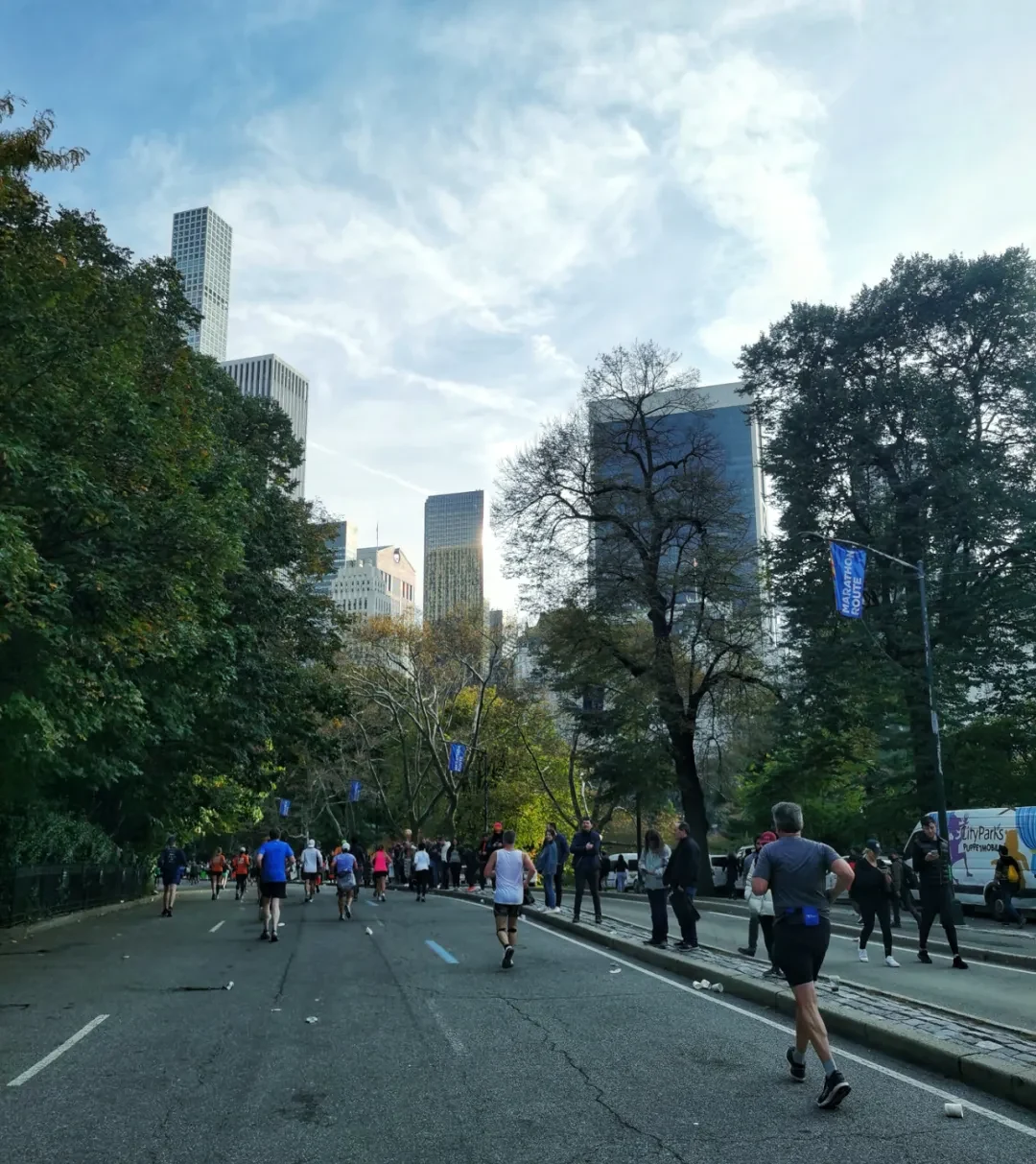
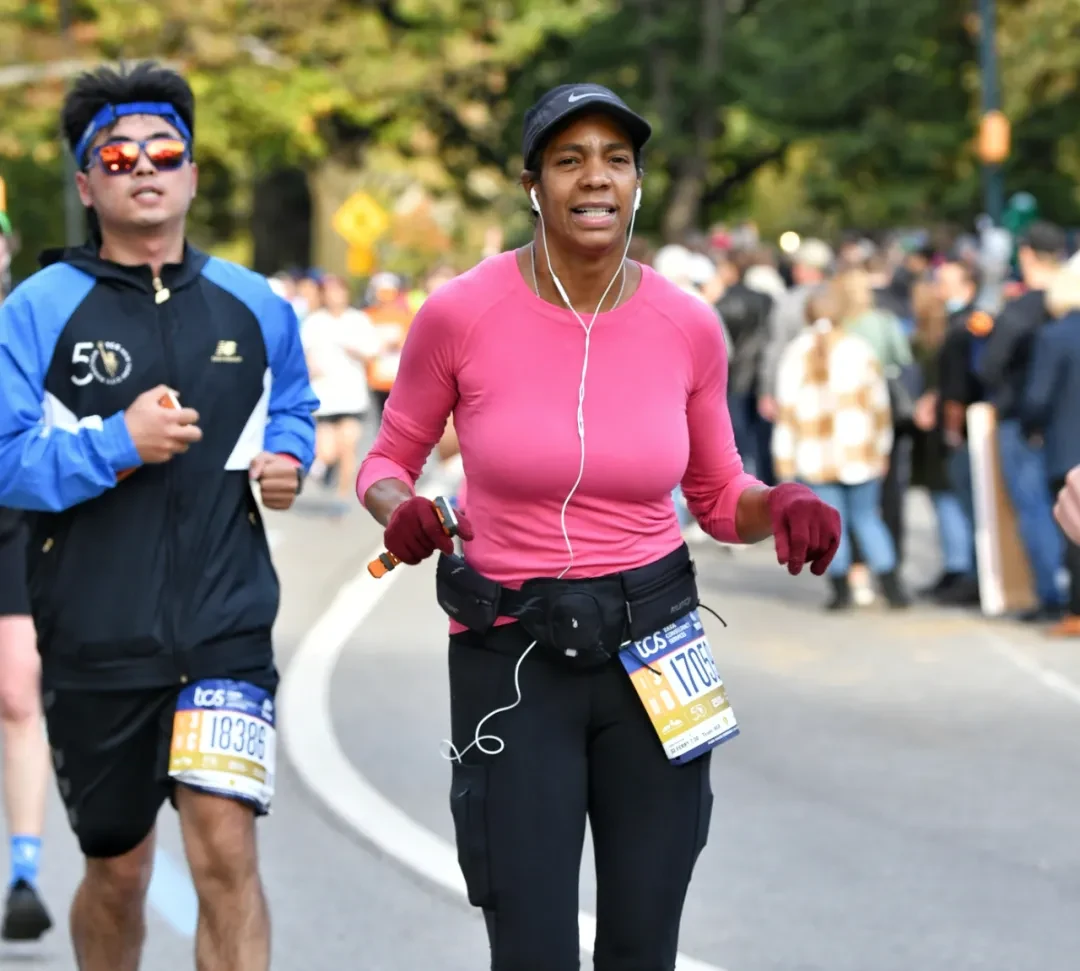
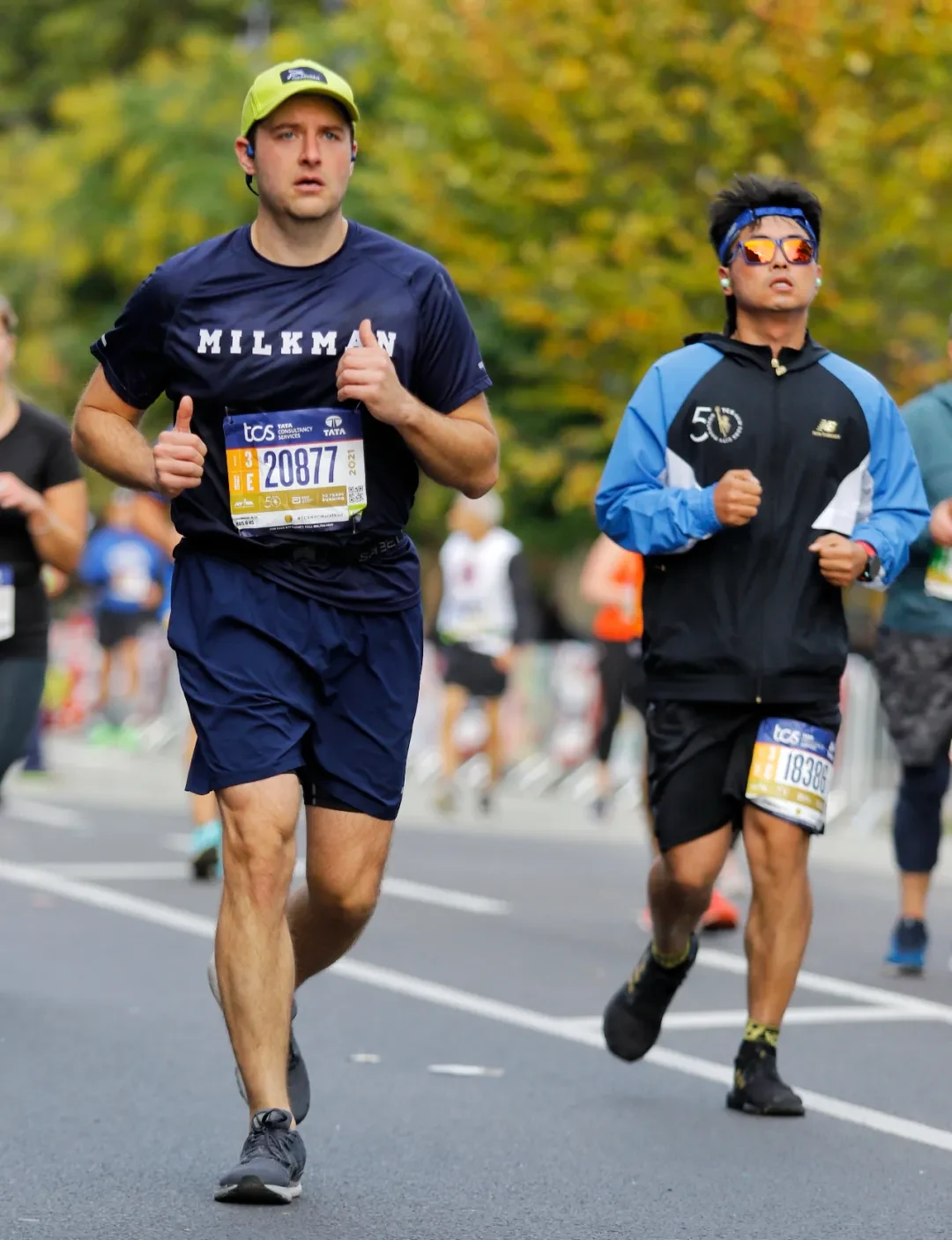
It felt like 42.195 kilometers was too short, not enough time to tell the whole New York experience. More than 30,000 runners and millions of spectators along the route formed one long, colorful river, all becoming part of the New York story together.
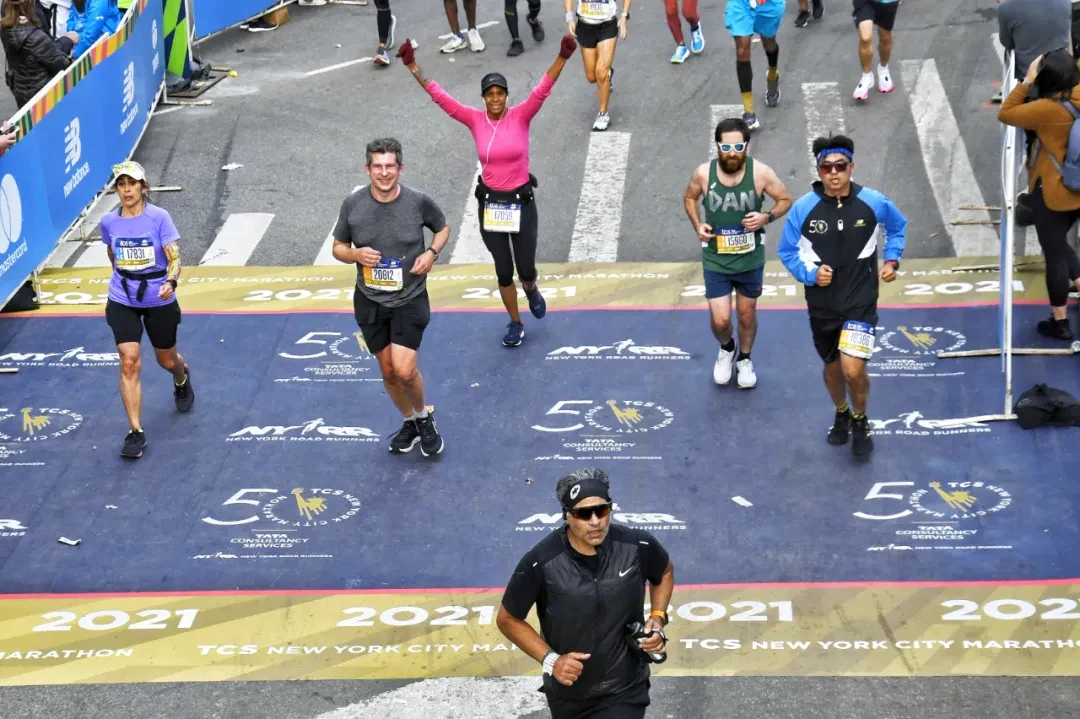
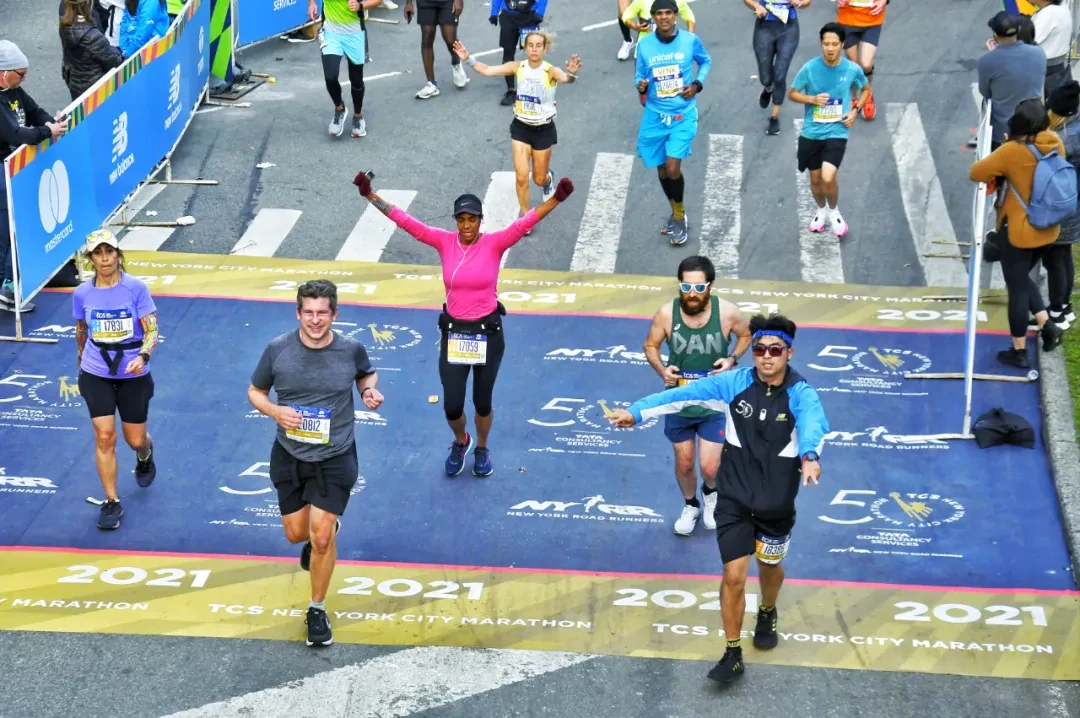
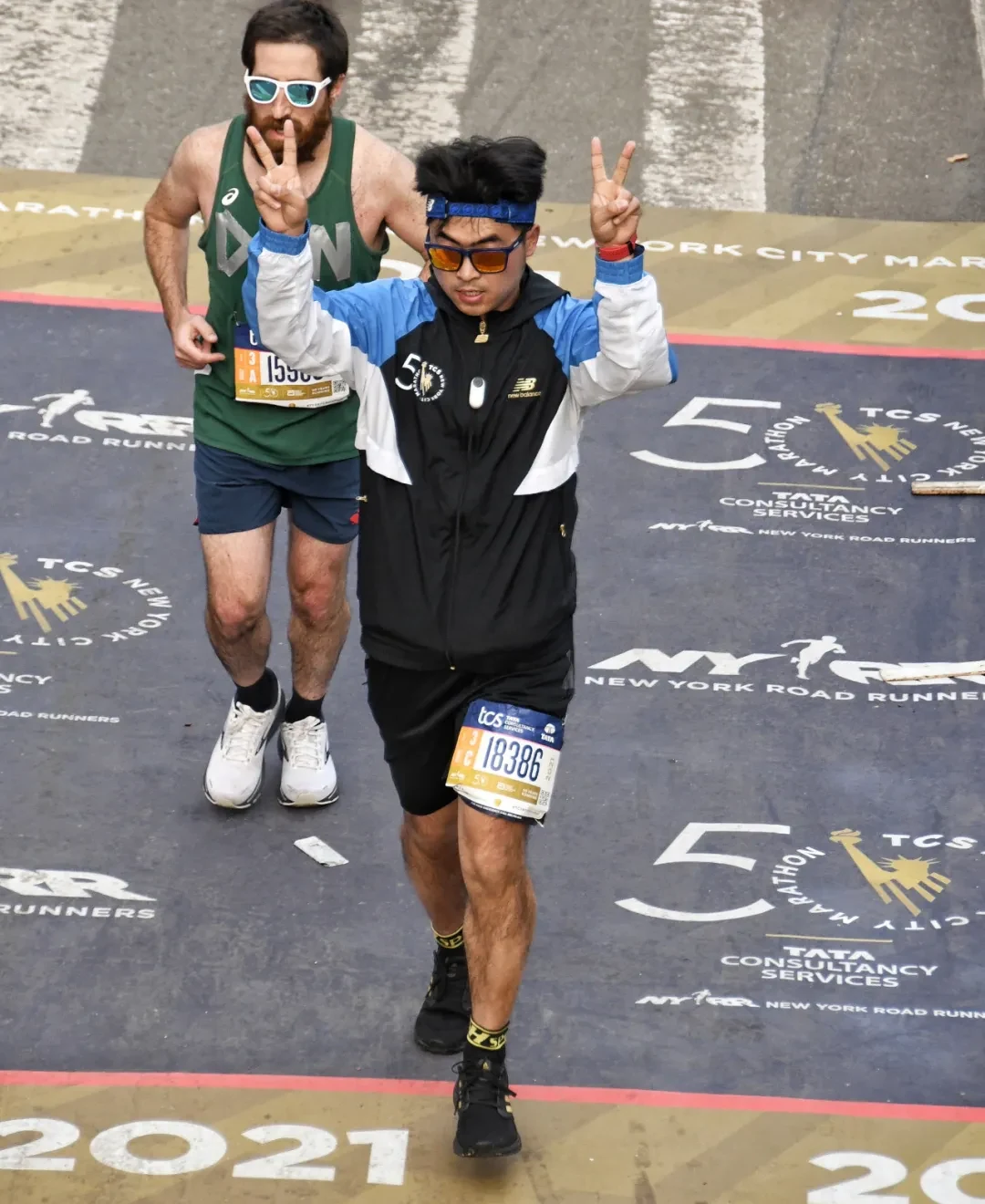
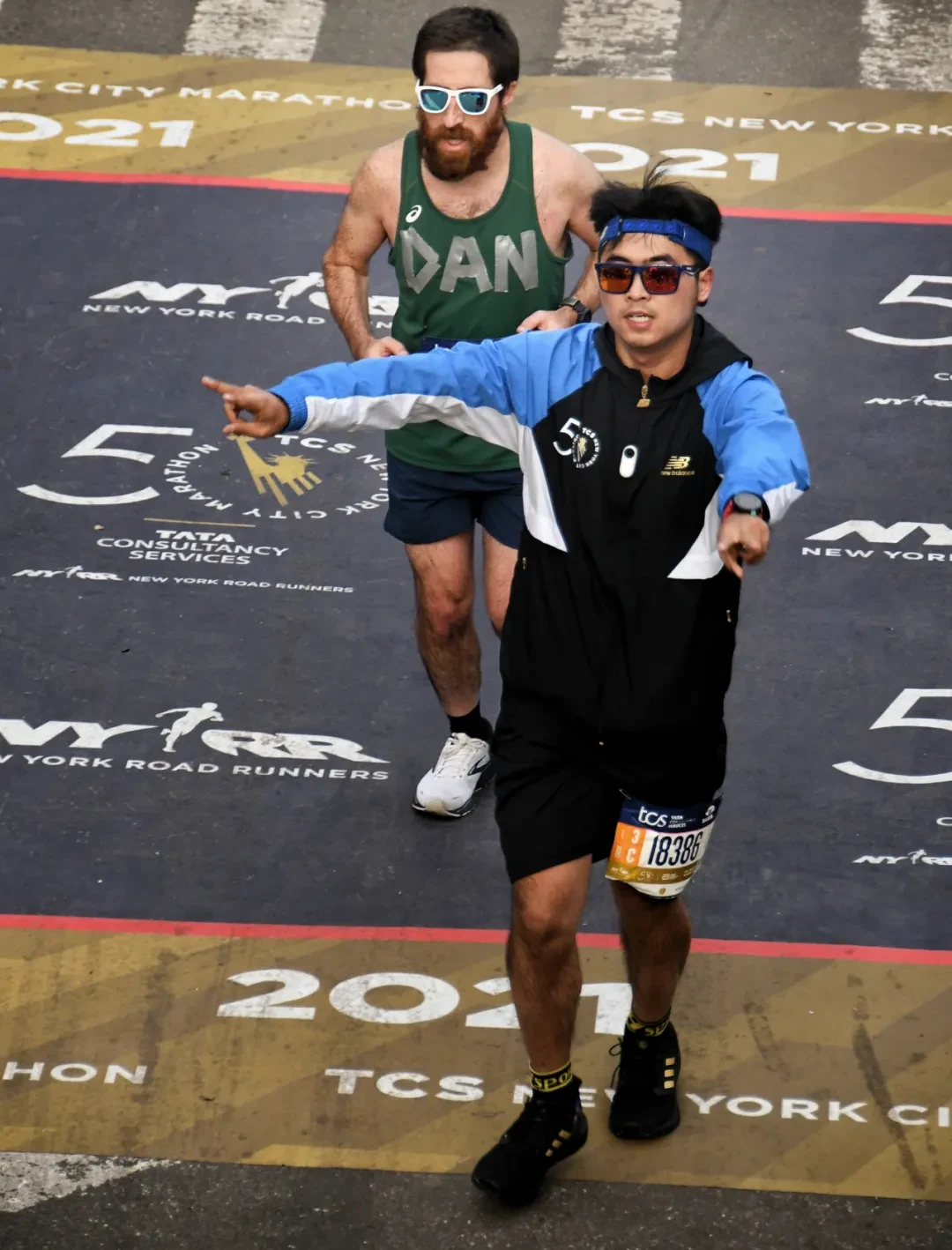
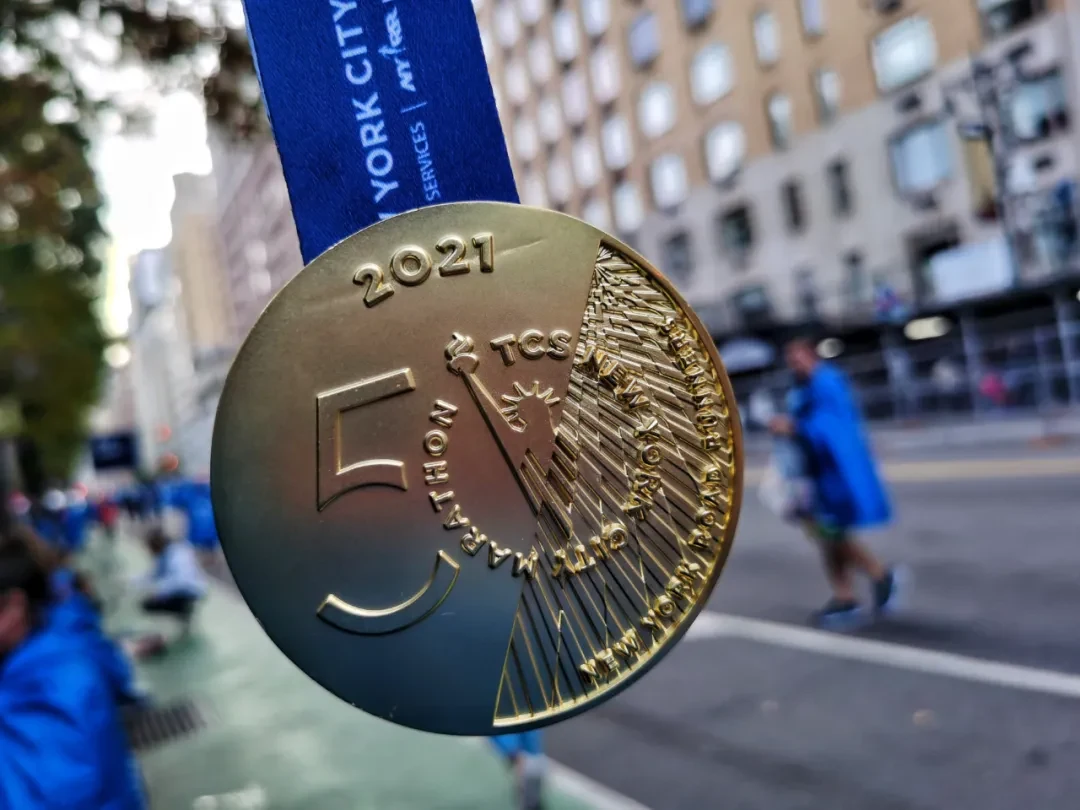
I crossed the finish, received the medal, and put on the warm poncho. My New York City Marathon was over, but somehow not completely over, as if I were still inside a dream.
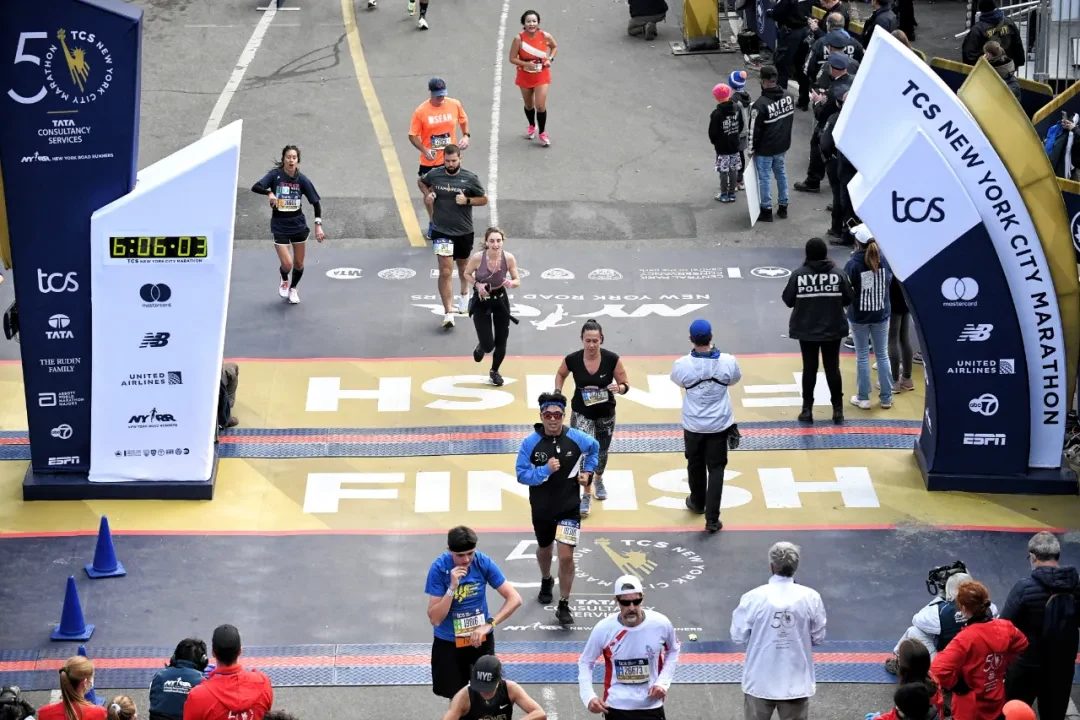
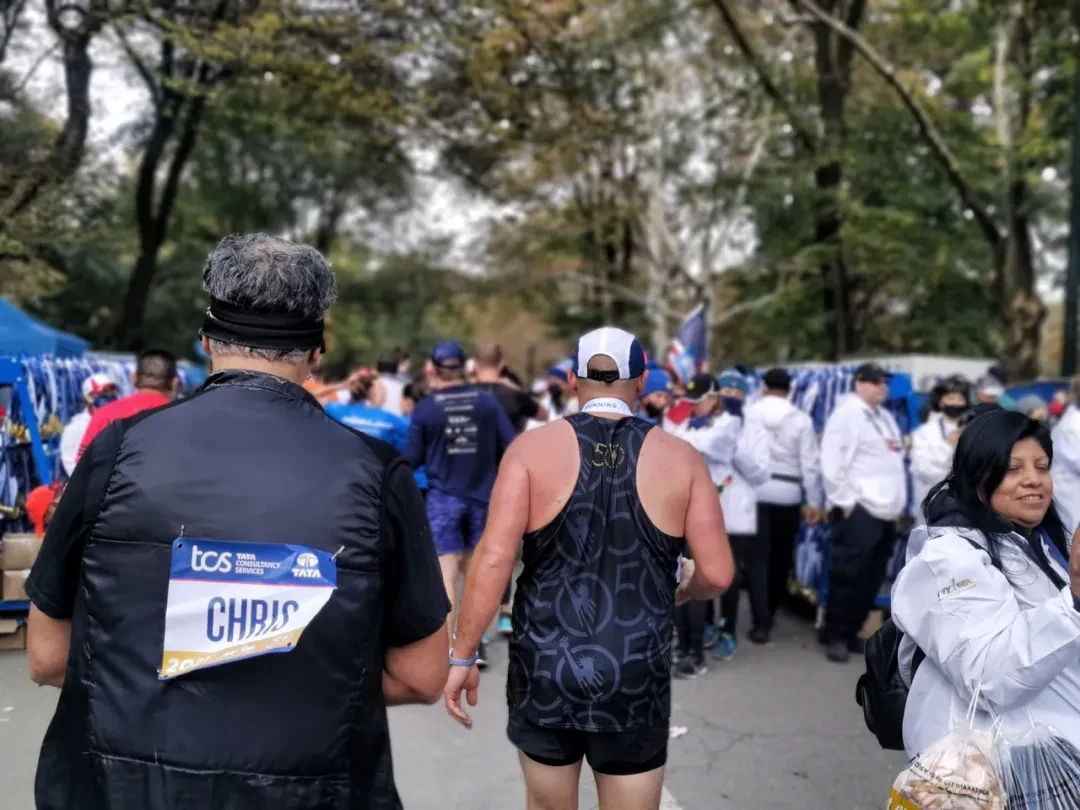
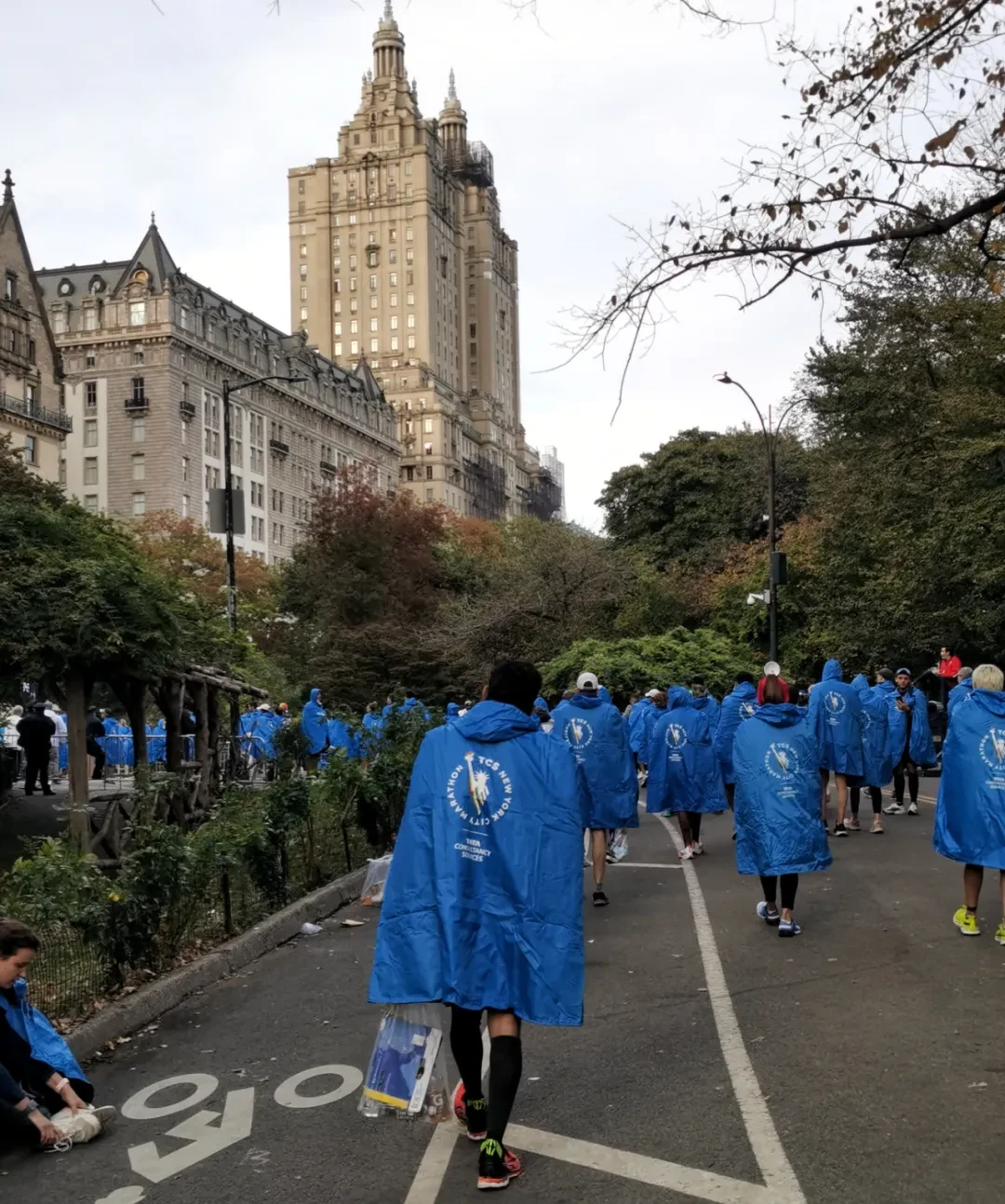
After stretching, I walked out of Central Park with everyone else. You could see that the blue finisher poncho had become the most common outfit in New York that day. In subway stations, hotels, and restaurants, we all shared one identity: Finisher.
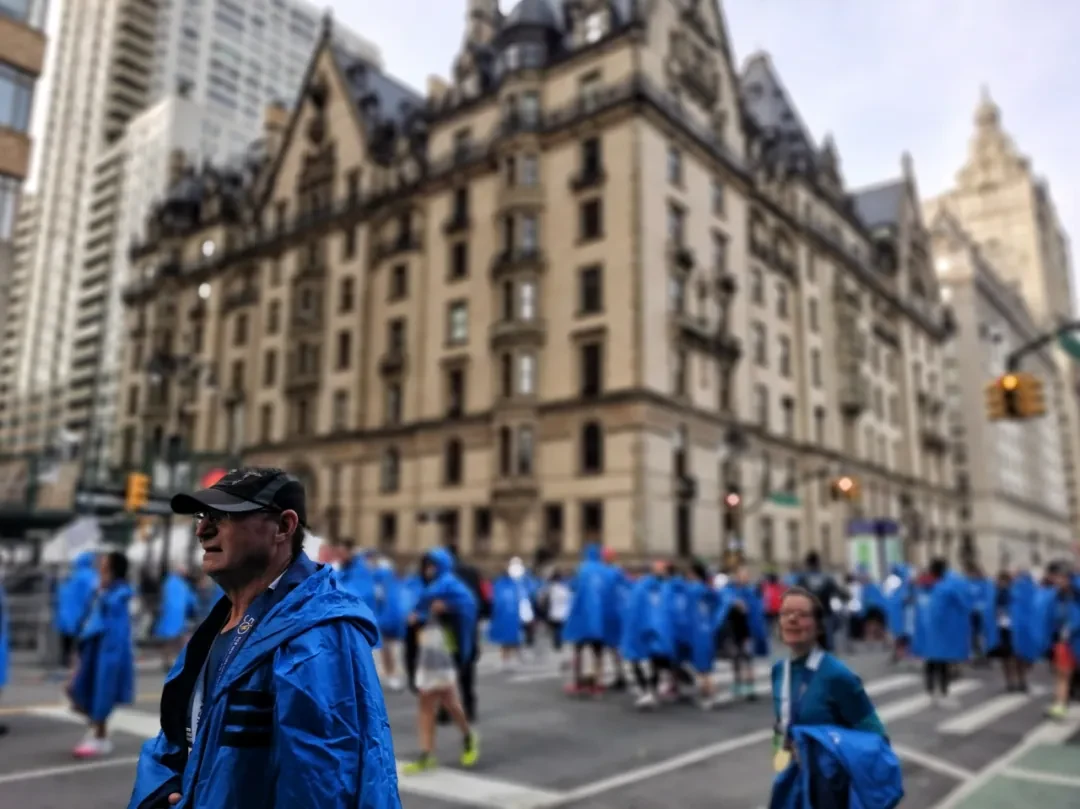
The medal was not as stunning as I had imagined, but its collectible value mattered more than its looks.
The New York City Marathon was my first World Marathon Major, but it definitely will not be my last.
Postscript
The New York story was far from over. The day after the race, at Rockefeller Center and at the airport, people wearing finisher medals kept appearing around you.
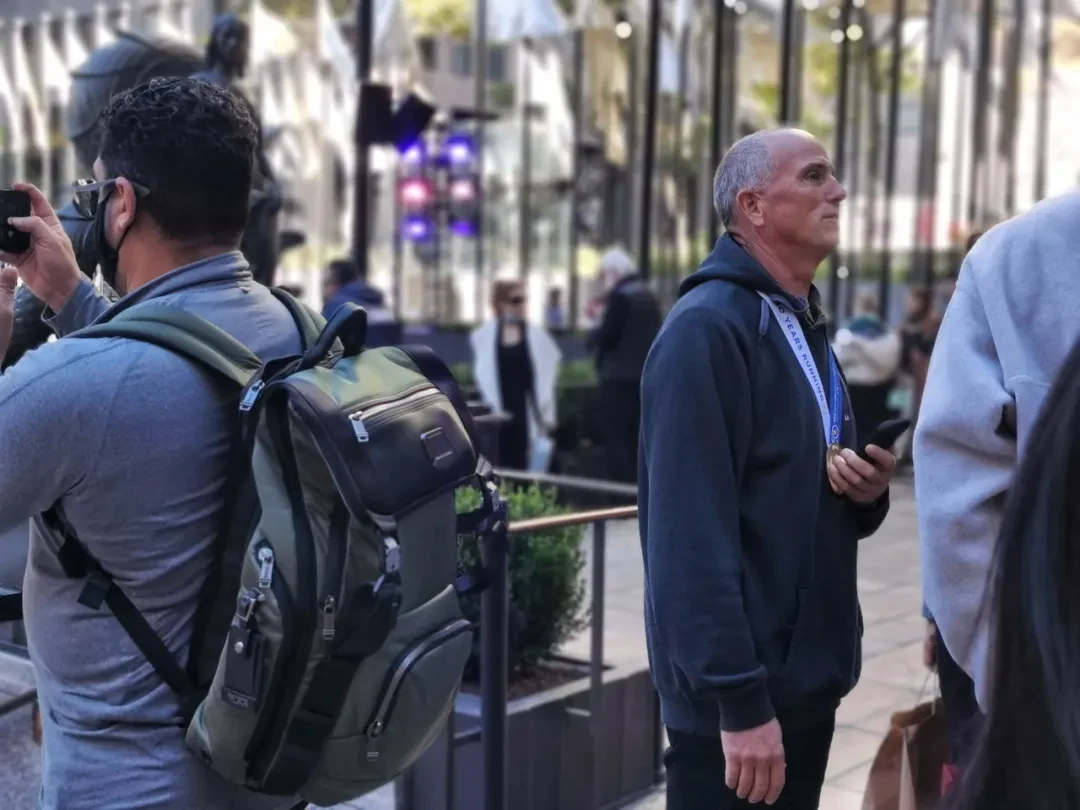
They showed off that pride without hiding it, and no one really judged them for it. Instead, many people looked at them with admiration. This was the runners' spotlight moment.
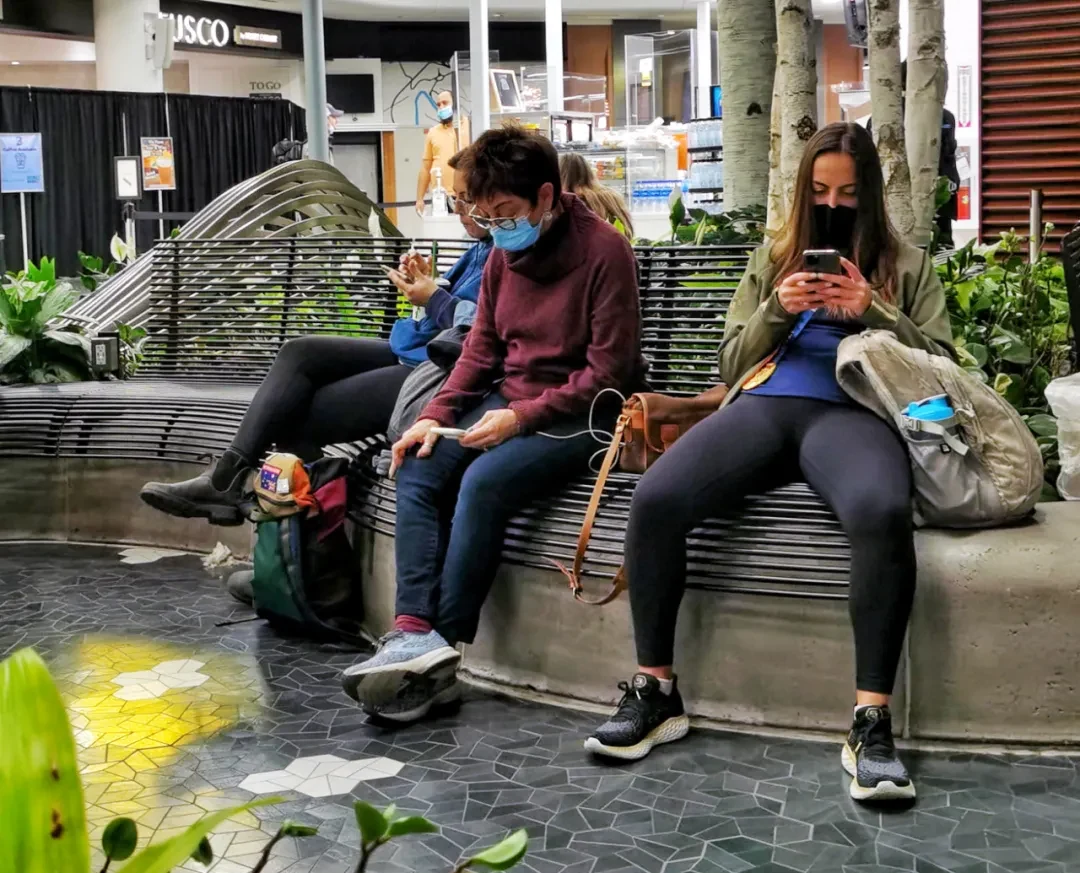
"If you love someone, send them to New York, because there is heaven there. If you hate someone, send them to New York, because there is hell there."
I think that on November 7, 2021, New York belonged to all runners as their heaven...
The marathon made the city feel like one long moving river. But the weekend around it had already shown me New York's other faces: cyberpunk lights, subway grime, Flushing, Times Square, Central Park, the Hudson River, and a night view that felt unreal.
The city around the race
New York, Cyberpunk
Preface
I really like a lyric written by Chow Yiu Fai: "The setting sun shines on New York, crossing Fourth Street, dirty air vents, a pair of lovers meeting on Fifth Street, walking past Eighth Street where expensive shops drift cheap perfume. In another corner of the earth, wandering through a chaotic city, beautiful and lonely..."
New York is a city with immense charm. It holds filth, tempts desire, stirs up sin, and pushes both cutting-edge technology and bottom-level life to their extremes.
Everything that has happened, is happening, and is about to happen in this city feels, to me, so cyberpunk.
Heading to New York
People say New York is a place you have to visit at least once in your life. No other city in the world seems to gather such extreme love-and-hate opinions at the same time.
New York City's charm lies in its inclusiveness. New York is New York. It is not America, because it is completely different from the rest of America.
With a lot of anticipation and curiosity, we took a morning flight and reached New York in two hours.
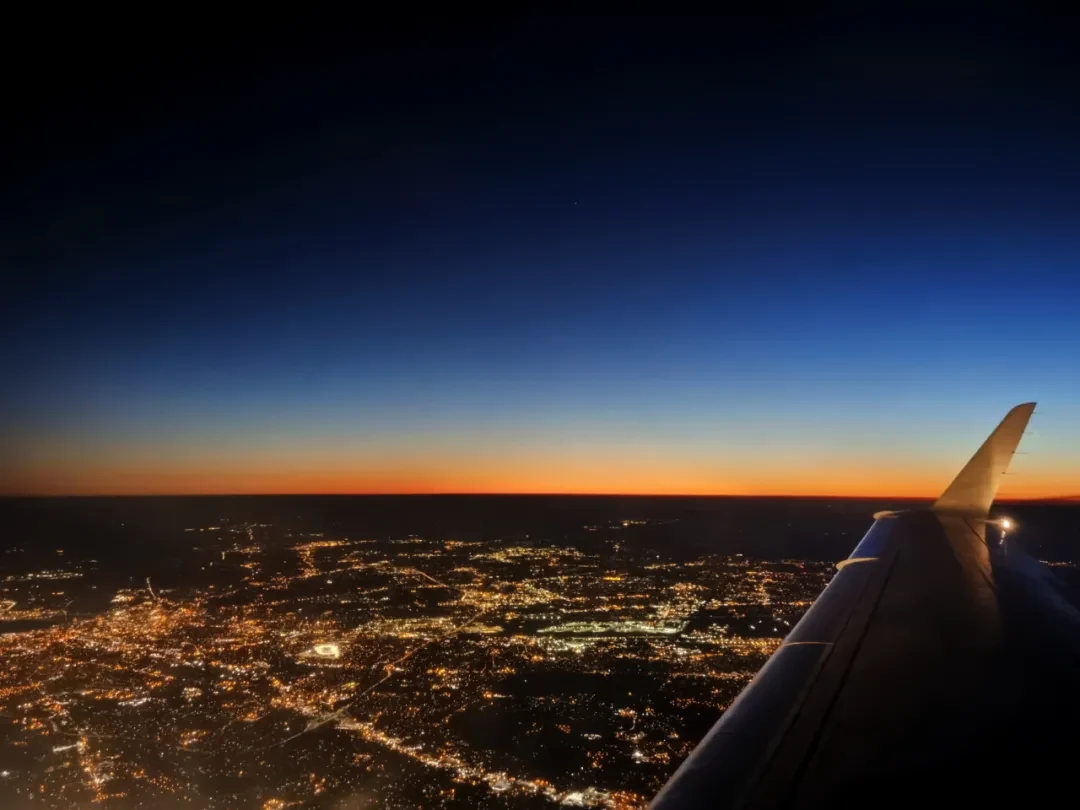
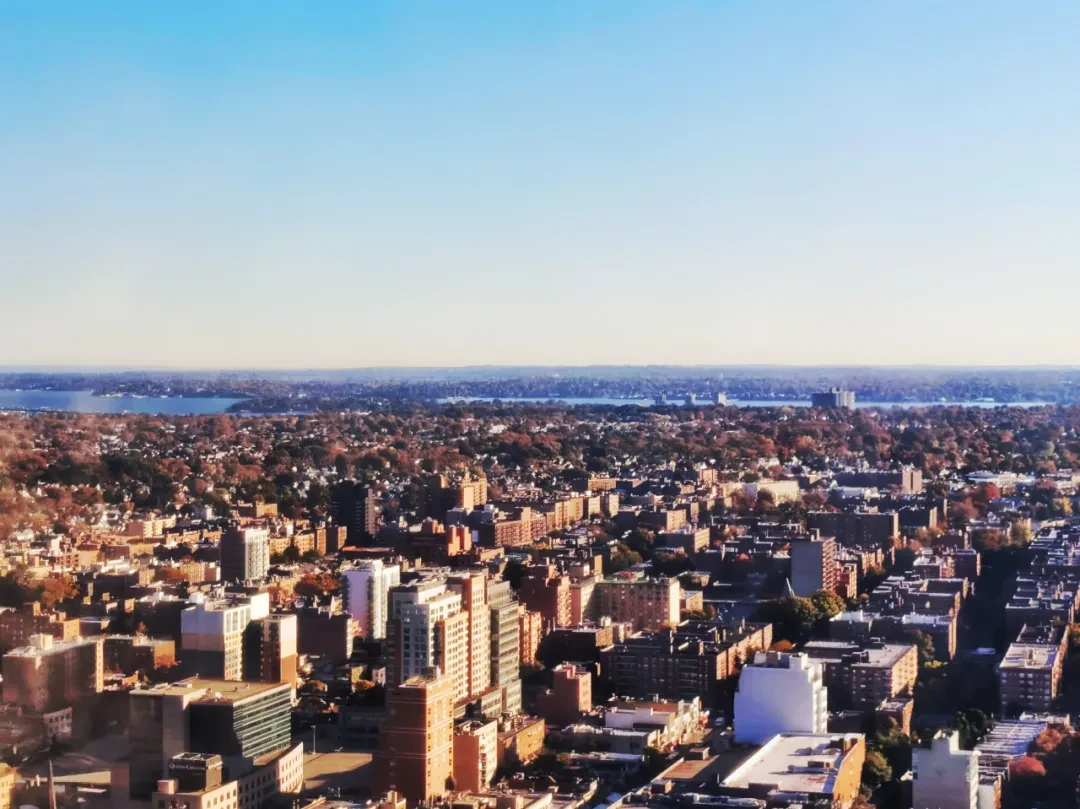
New York's public transit is convenient. Watching the street scenes along the way, it really felt like a major city: dense high-rises, moving crowds, and a kind of prosperity that is hard to put into words.
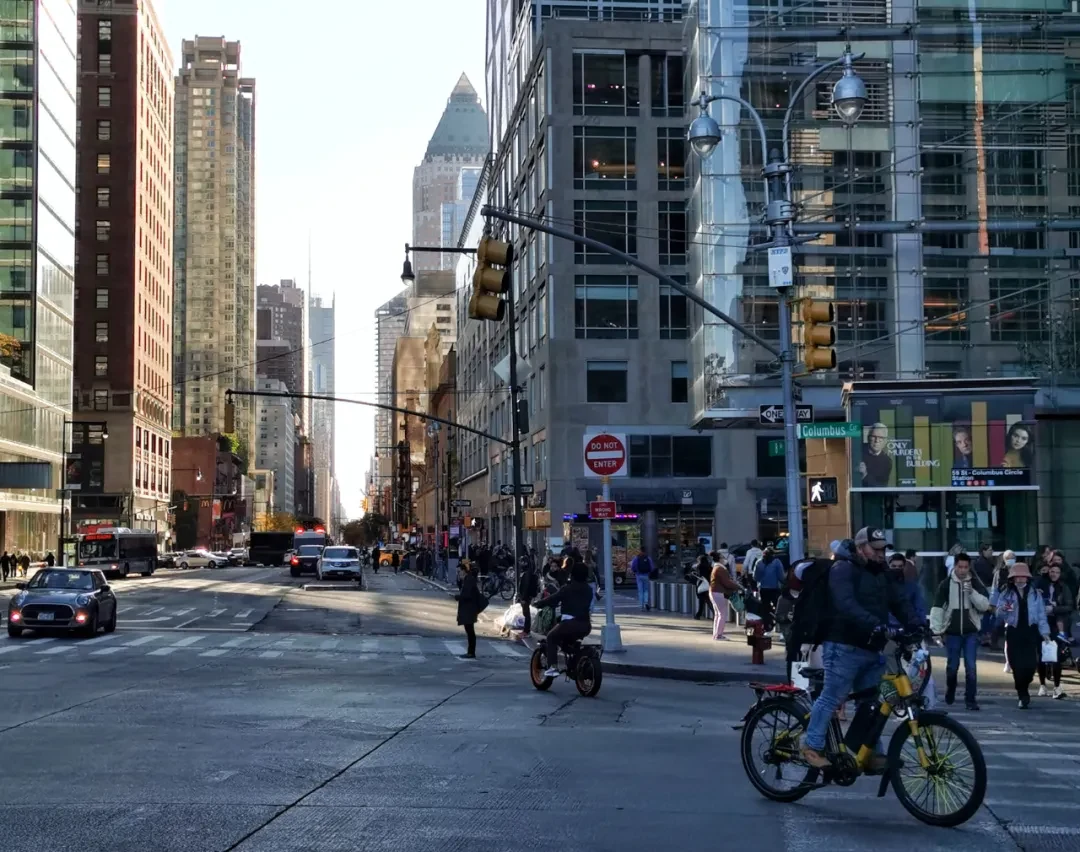
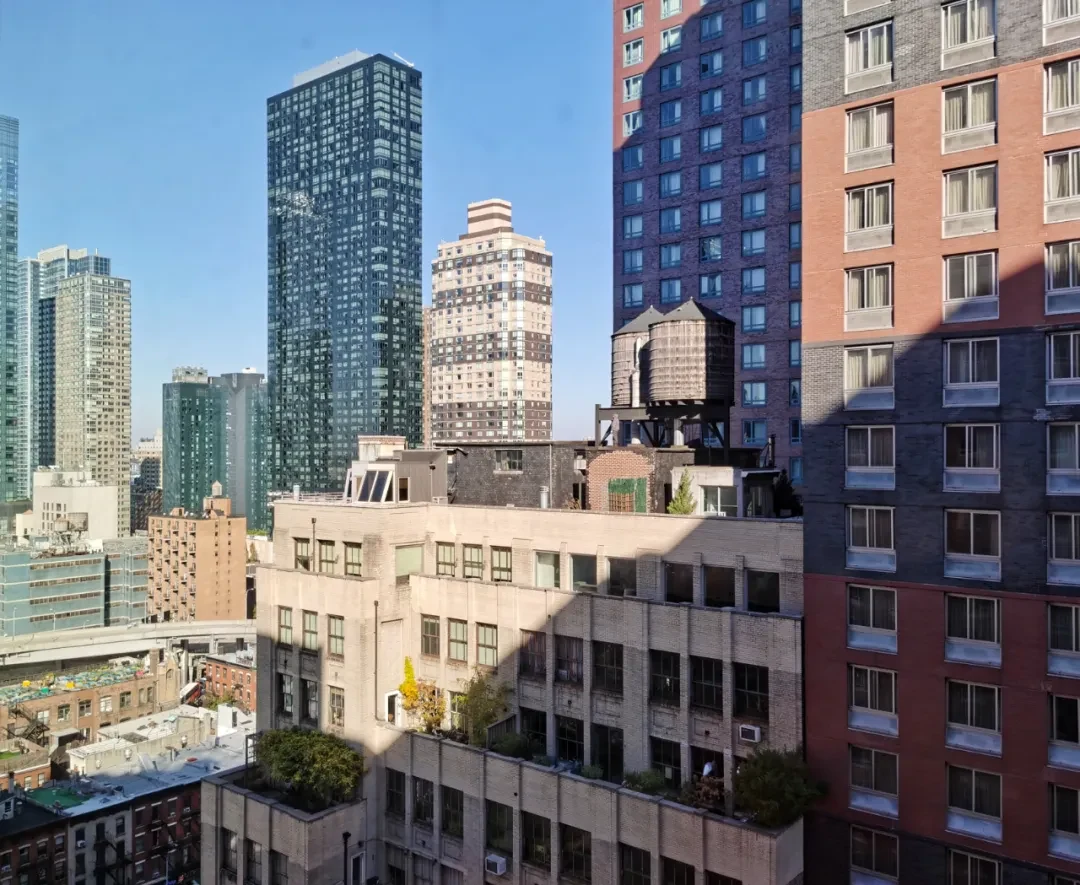
Bus plus subway, and in half an hour we smoothly reached the CR7 hotel near Times Square. I heard this was Cristiano Ronaldo's first chain hotel in the U.S. The room was not large, hidden inside the steel jungle, with no distant view. I guessed that downstairs was probably a busy street district.
Flushing
We picked a Korean buffet and followed navigation into the Times Square subway station.
My first impression of the New York subway was a gap between expectation and reality: rusty, with a smell of urine and worse hanging in the air. There were no platform doors between trains and pedestrians, and watching trains rush by always made me tense up.
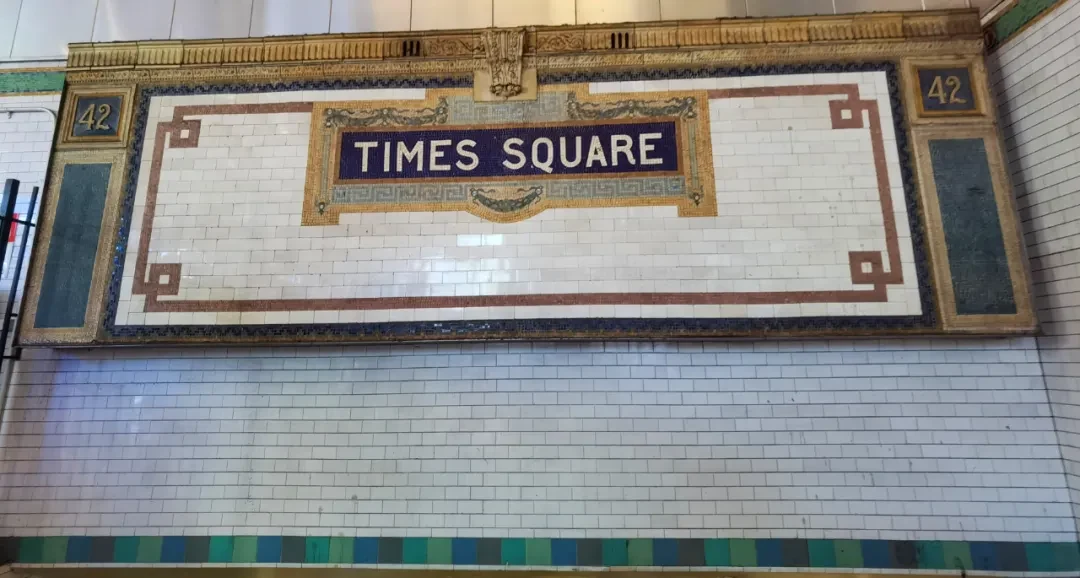
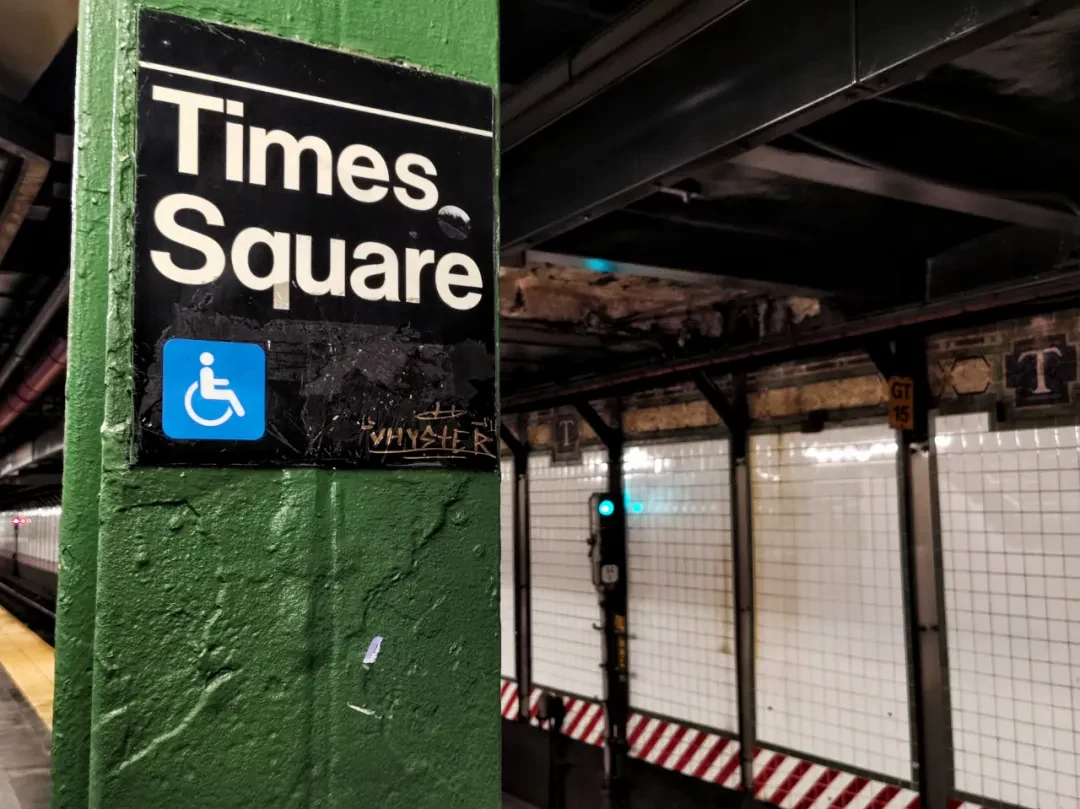
In that moment, the glamorous street life aboveground and the underground transit world felt split apart. New York's magical realism was easy to see.
After we got on the subway, the train soon surged out from underground. Professional panhandlers passed by now and then, while reflections of tall buildings outside flashed across their faces, bright and dim by turns.
Following the directions, we got off at a subway station whose name I forgot. After exiting, it felt as if we had returned to China. Chinese characters and Asian faces were everywhere. The busy, crowded blocks mixed with vendors calling out from all directions. Steaming buns had just come out, white vapor drifting around, and for a moment it felt like a third- or fourth-tier city in China.
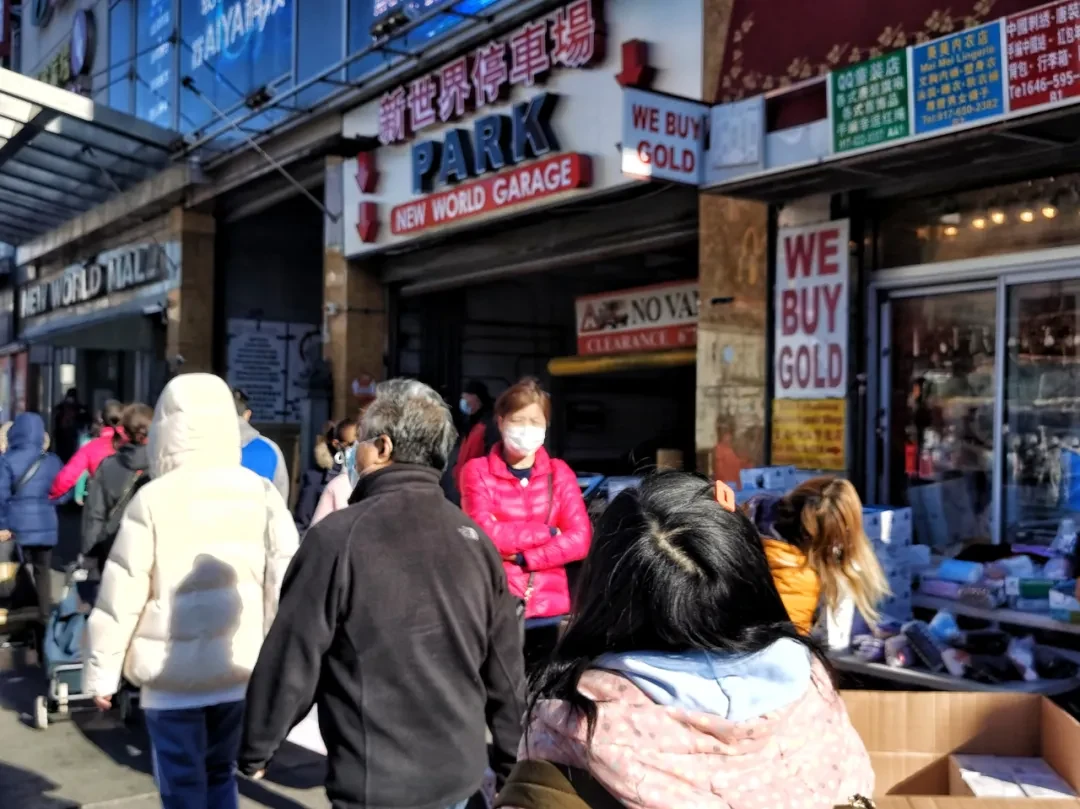
Only after checking the map did I realize we had wandered into Flushing. Flushing is one of the most famous Chinatowns in New York, even in all of America. But it did not look fancy at all. It looked like China in the 1980s and 1990s.
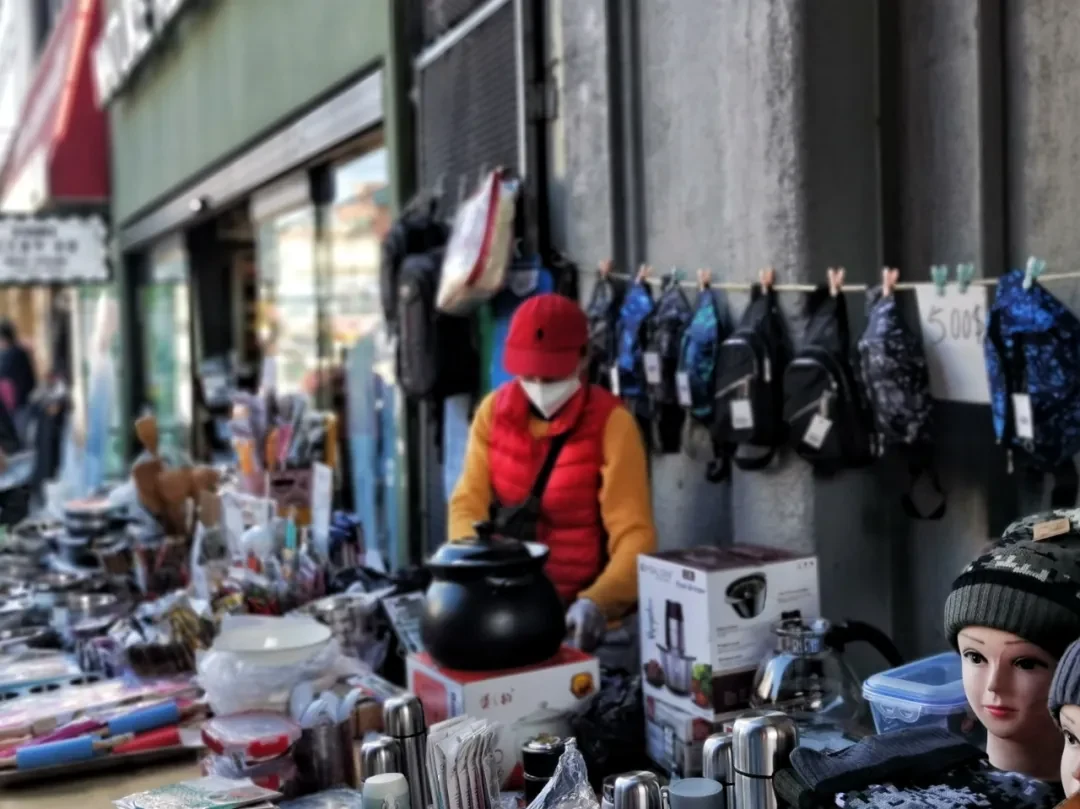
Later, when I chatted with a friend, he told me, "Calling Flushing a third- or fourth-tier Chinese city is already generous. Maybe it only counts as seventh or eighth tier."
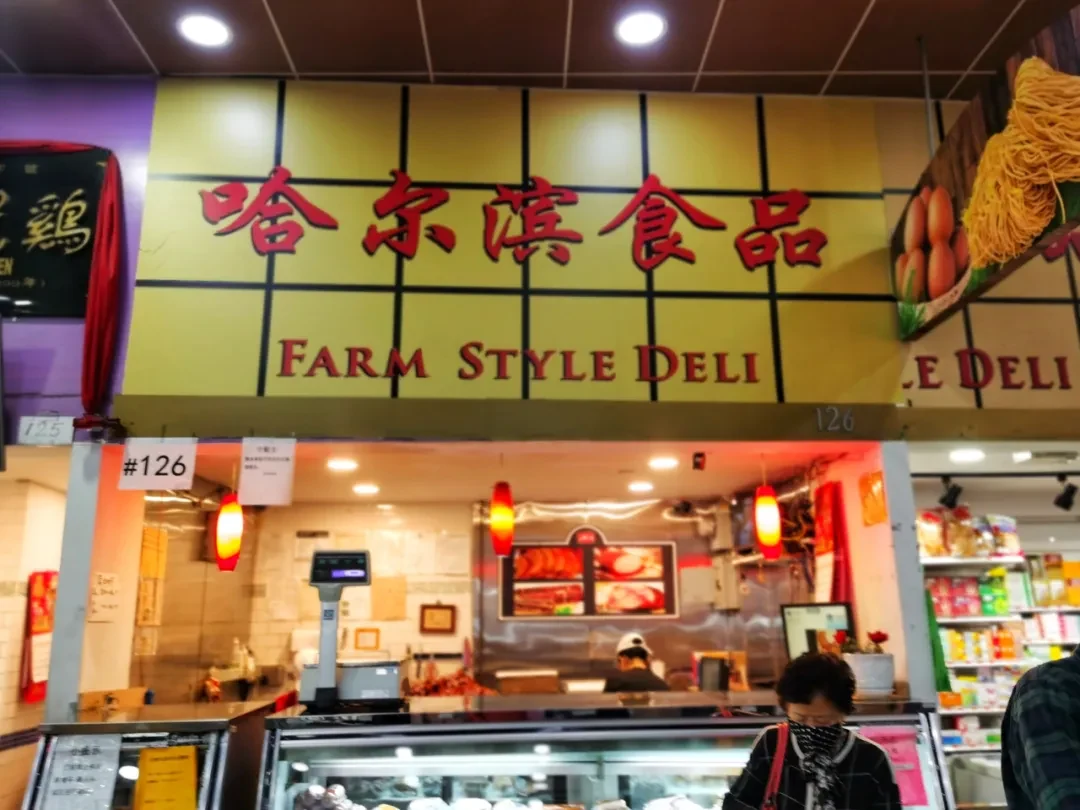
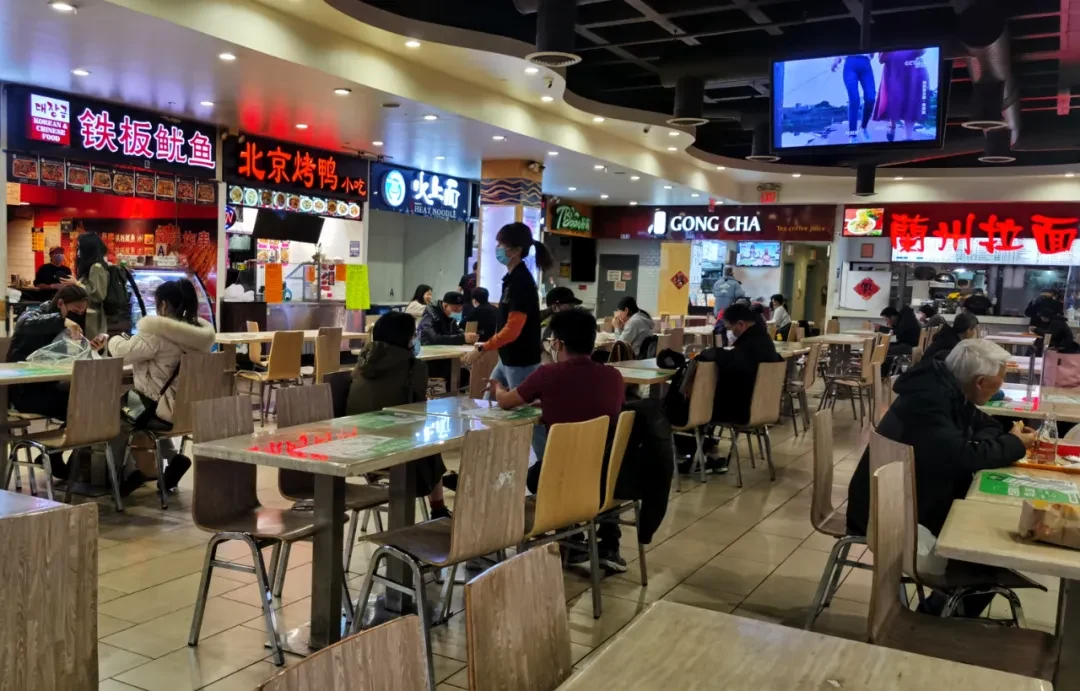
We took a bus from Flushing to Koreatown. Traffic there was chaotic, and along the way we saw a taxi driver stick his head out and loudly complain about it. It was funny and helpless at the same time.
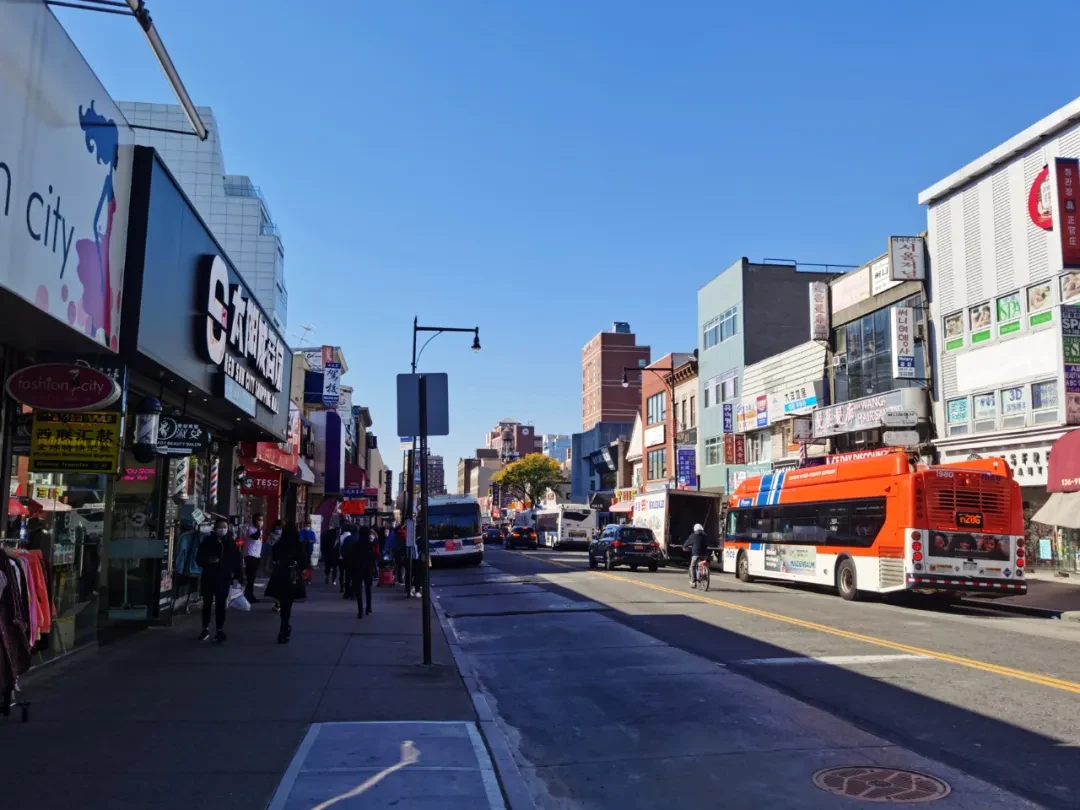
New York's COVID rules were strict. Restaurants required vaccine cards, and you had to wear a mask when getting food. The Korean BBQ buffet was genuinely excellent, probably the best meal I had eaten since coming to America. Because there was a time limit, I grabbed a lot at the end and ate very hard.
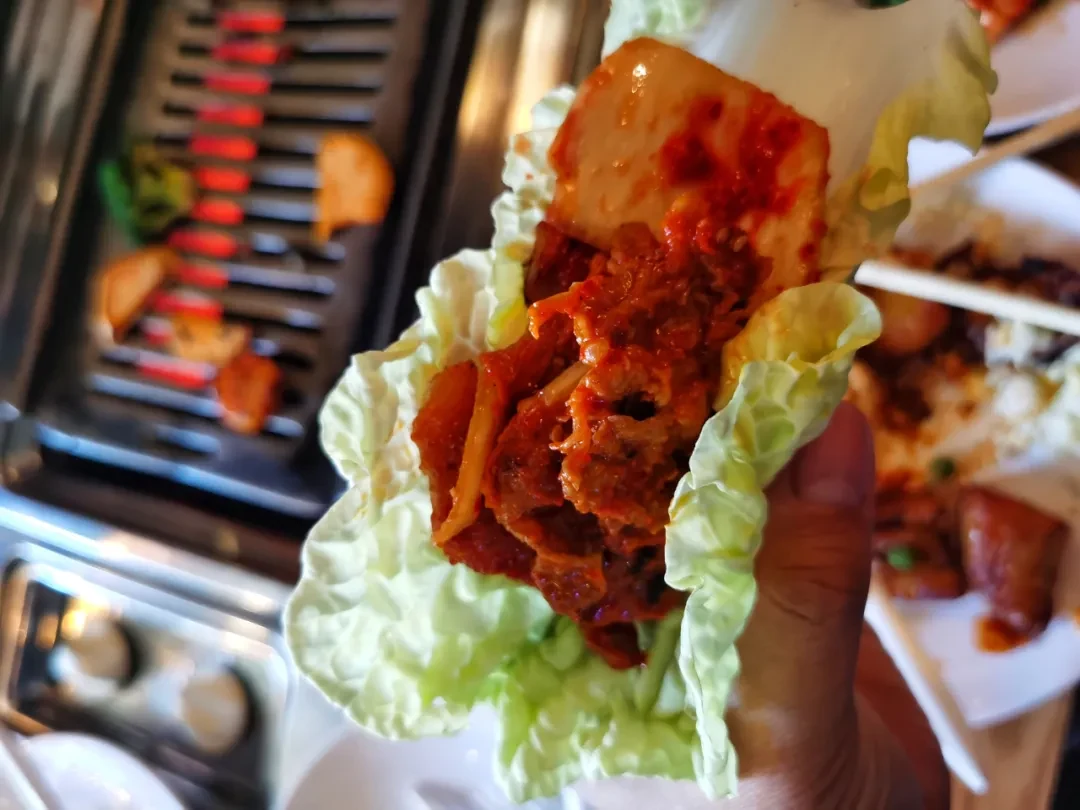
Because we had eaten a bit too much, we decided to walk from Koreatown back to Flushing, then take the subway to the CR7 hotel. New York in November had just the right sunlight. Walking along the street and occasionally brushing past pedestrians felt both familiar and strange, as if I had returned to my hometown.
Times Square
That evening we went downstairs to explore Times Square, probably the New York landmark closest to us.
Some people say that if you have not been to New York, you have not really been to America, and if you have not been to Times Square, you have not really been to New York. Originally called Longacre Square, it was renamed Times Square after The New York Times built its headquarters there.
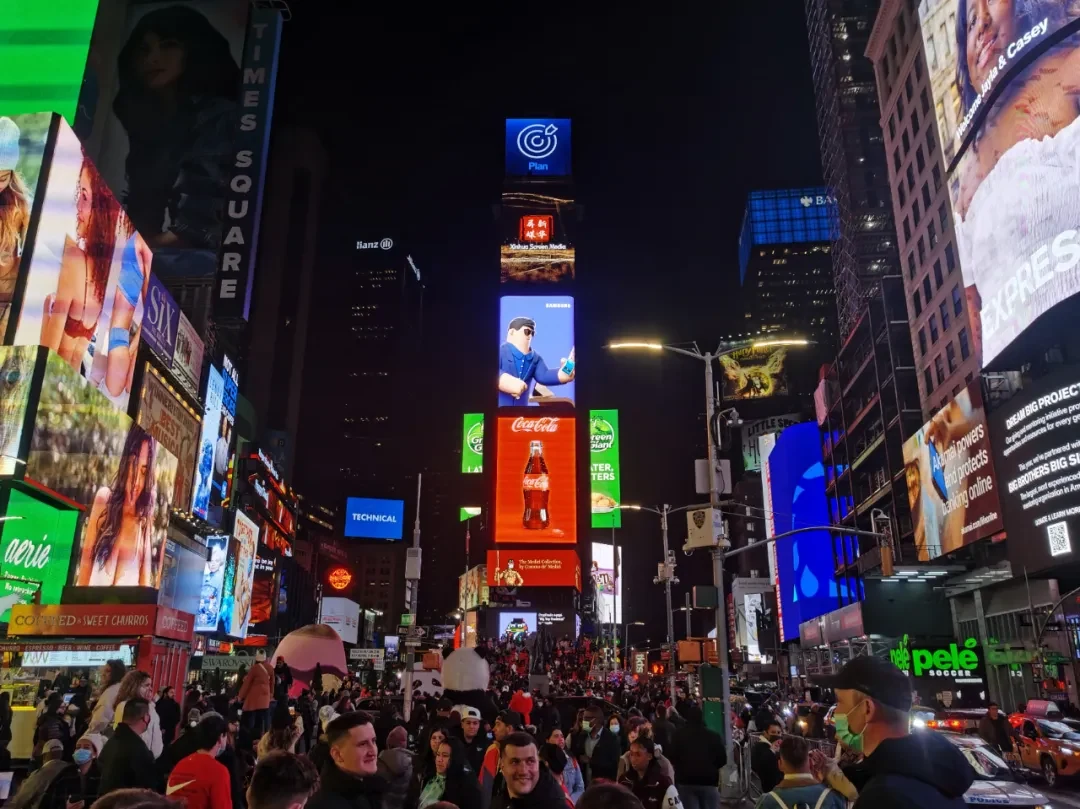
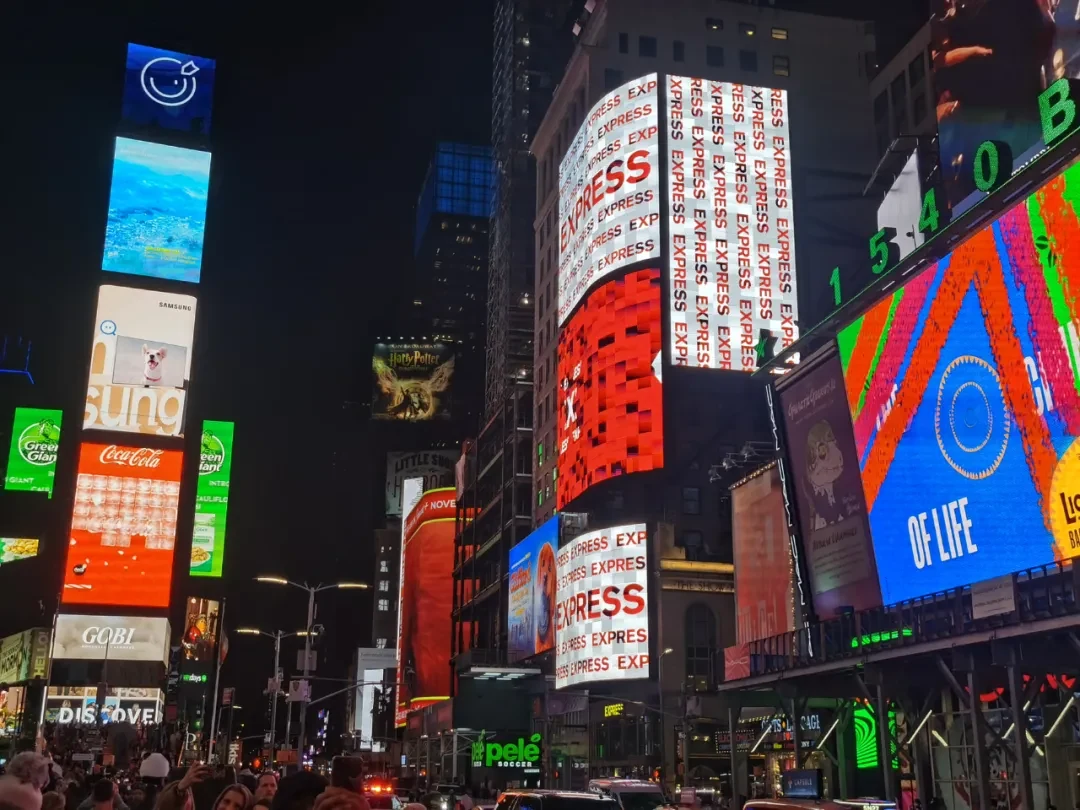
What Times Square gave me, beyond the dazzling lights, was its crowd of characters and its strong everyday human energy.
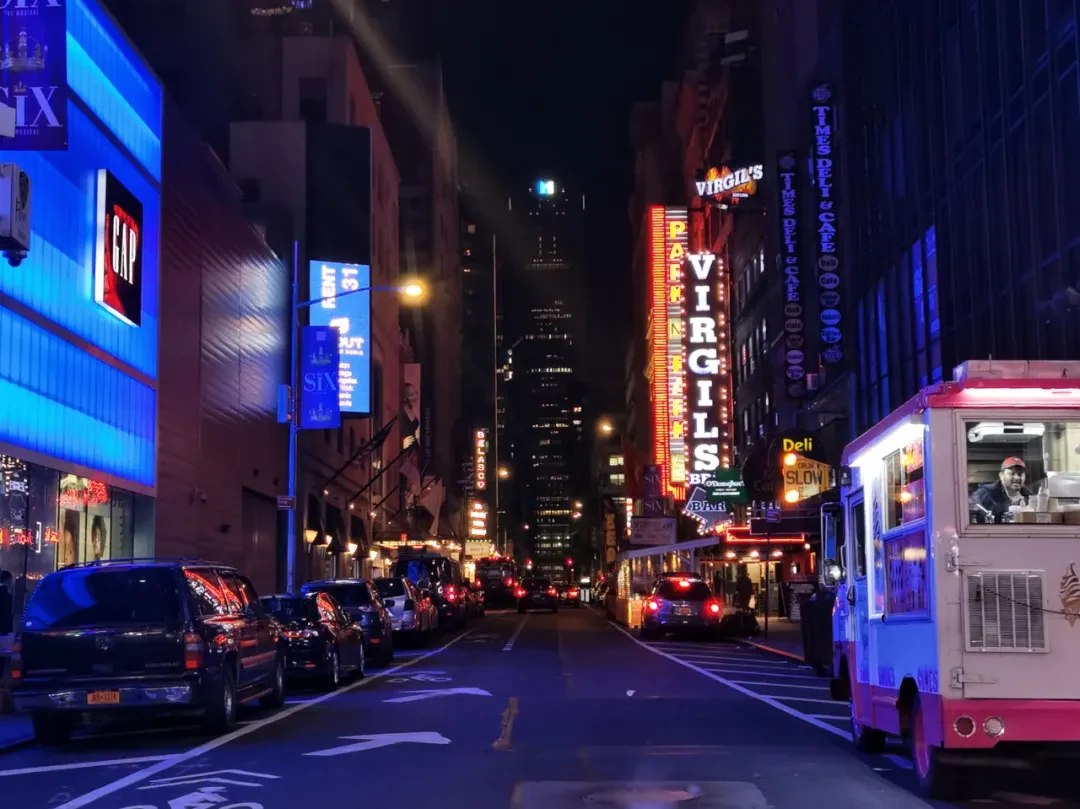
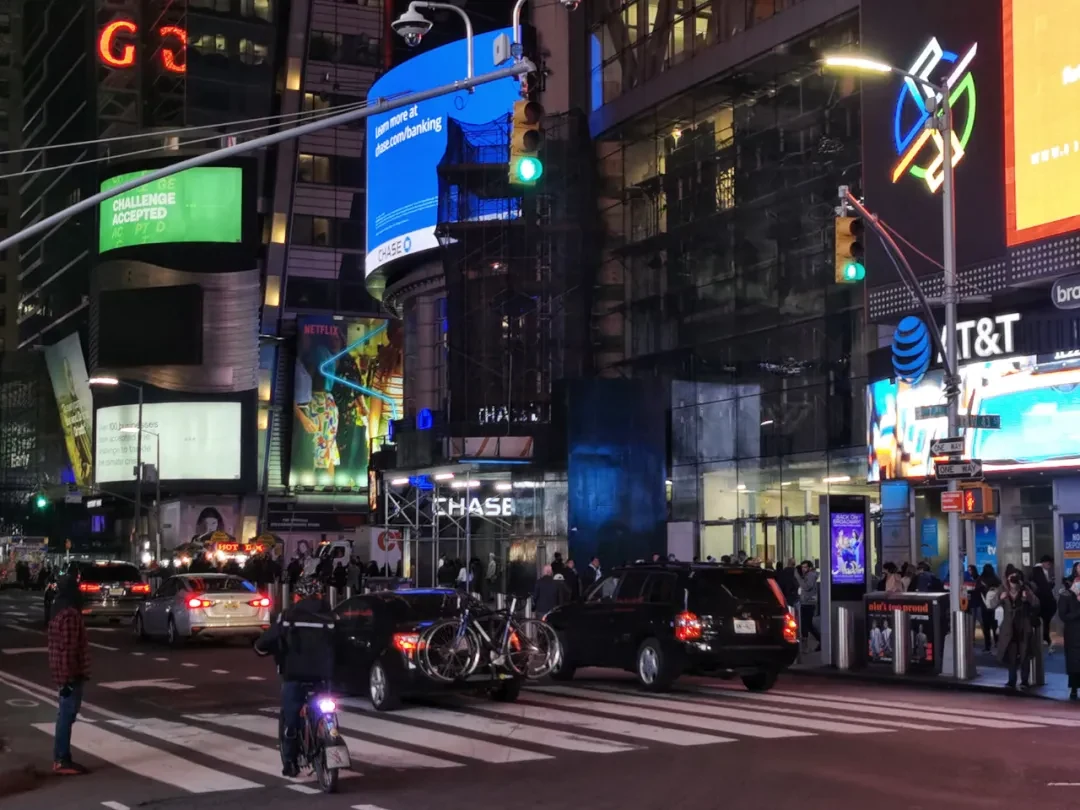
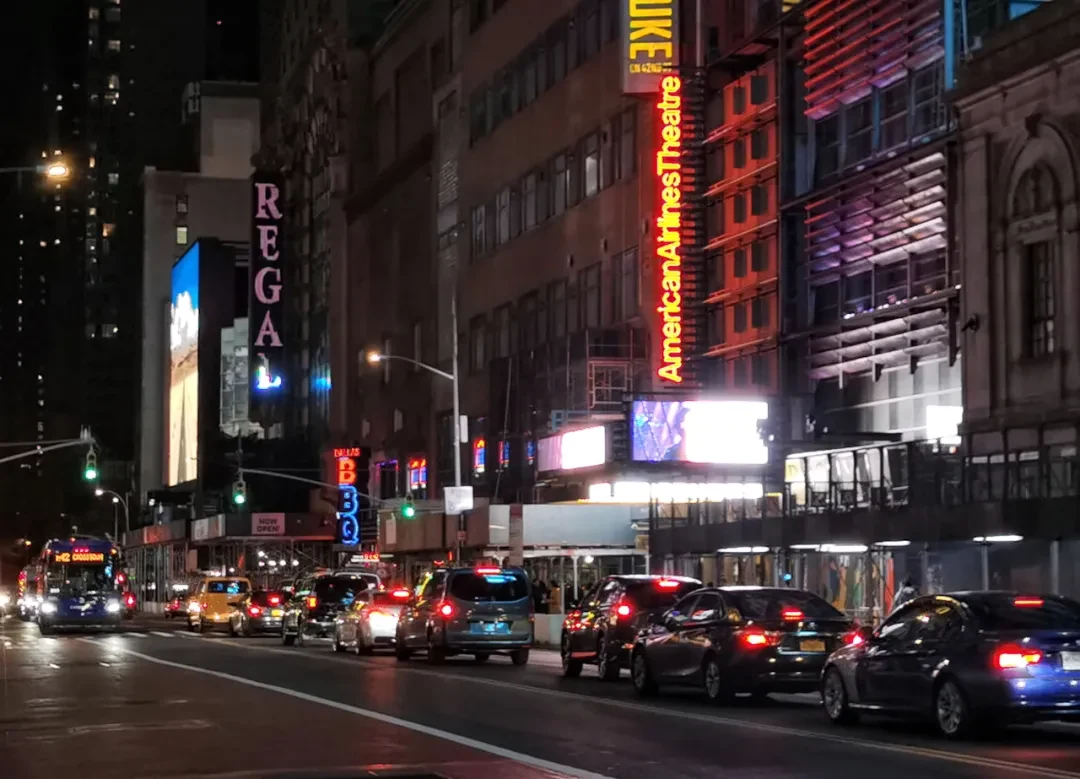
Times Square is the crossroads of the world. People of every skin color gather here, speaking different languages while admiring the same view. It is like a mirror reflecting the faces of an era, and also like a melting pot holding different beliefs.
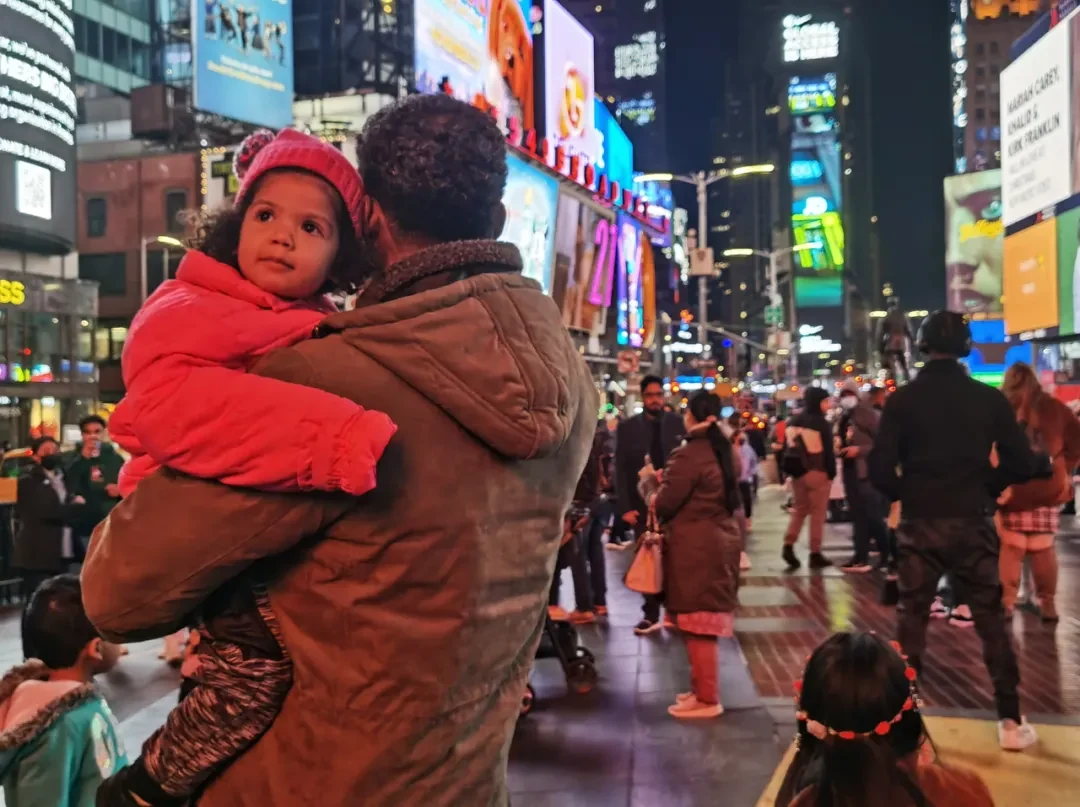
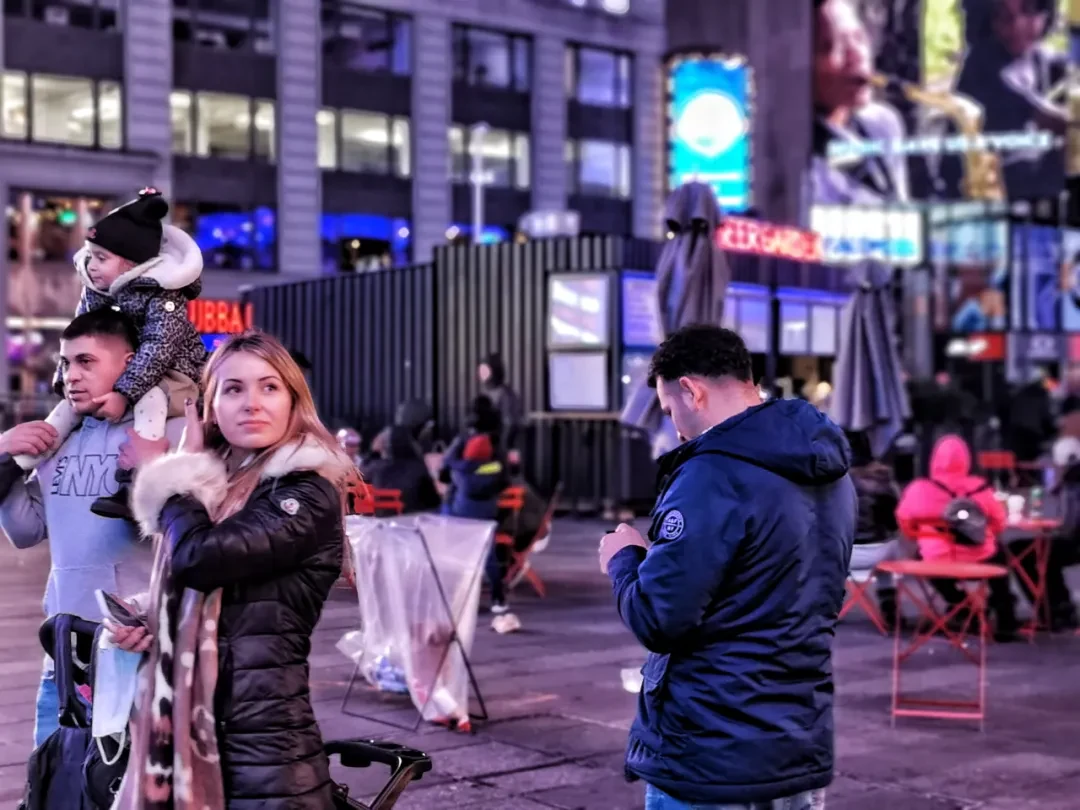
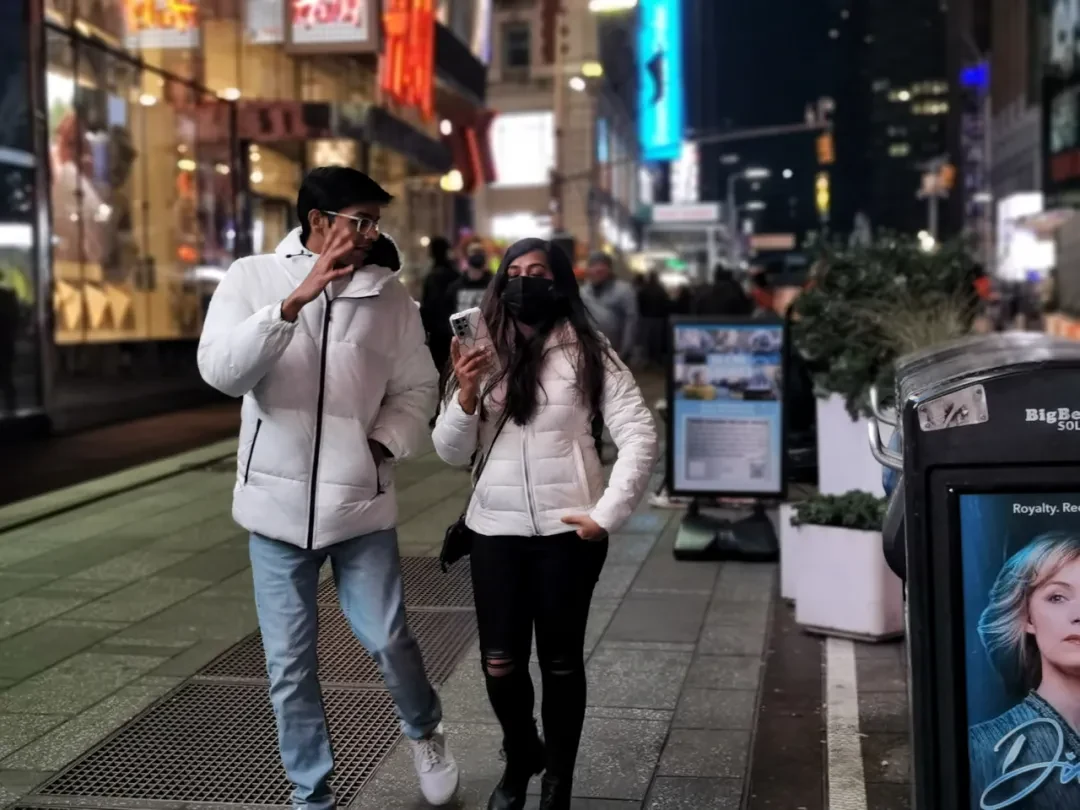
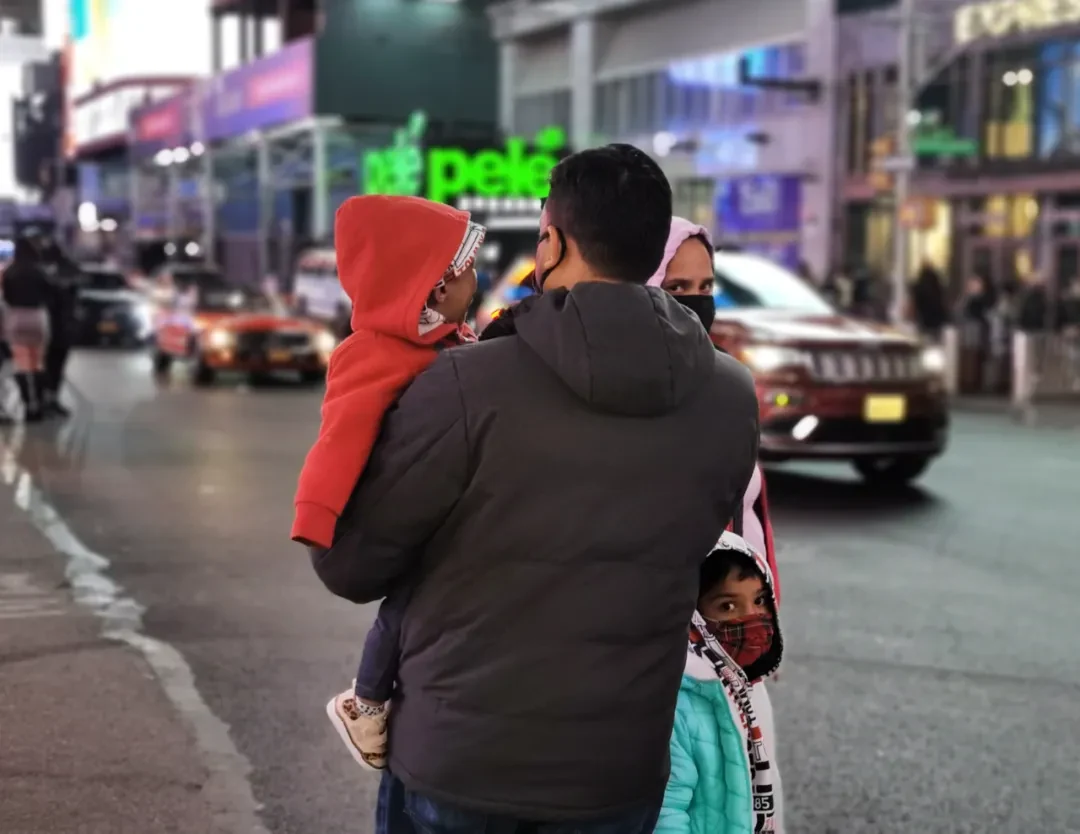
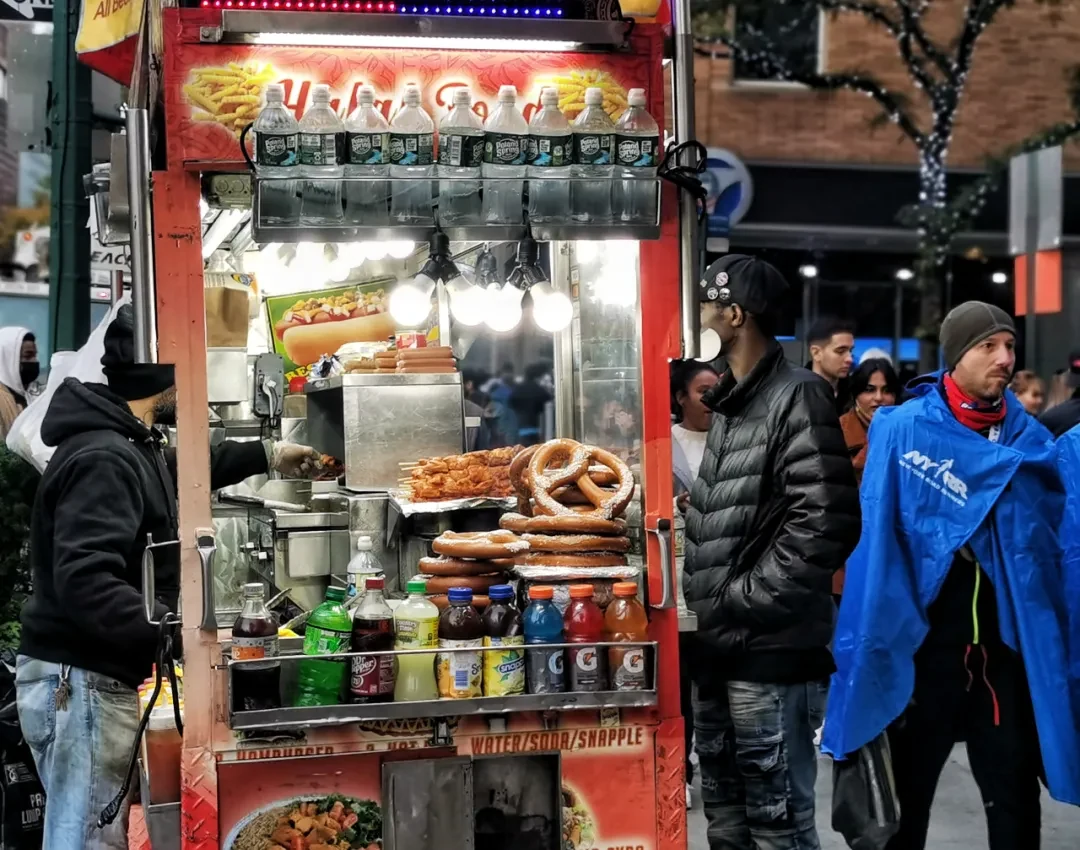
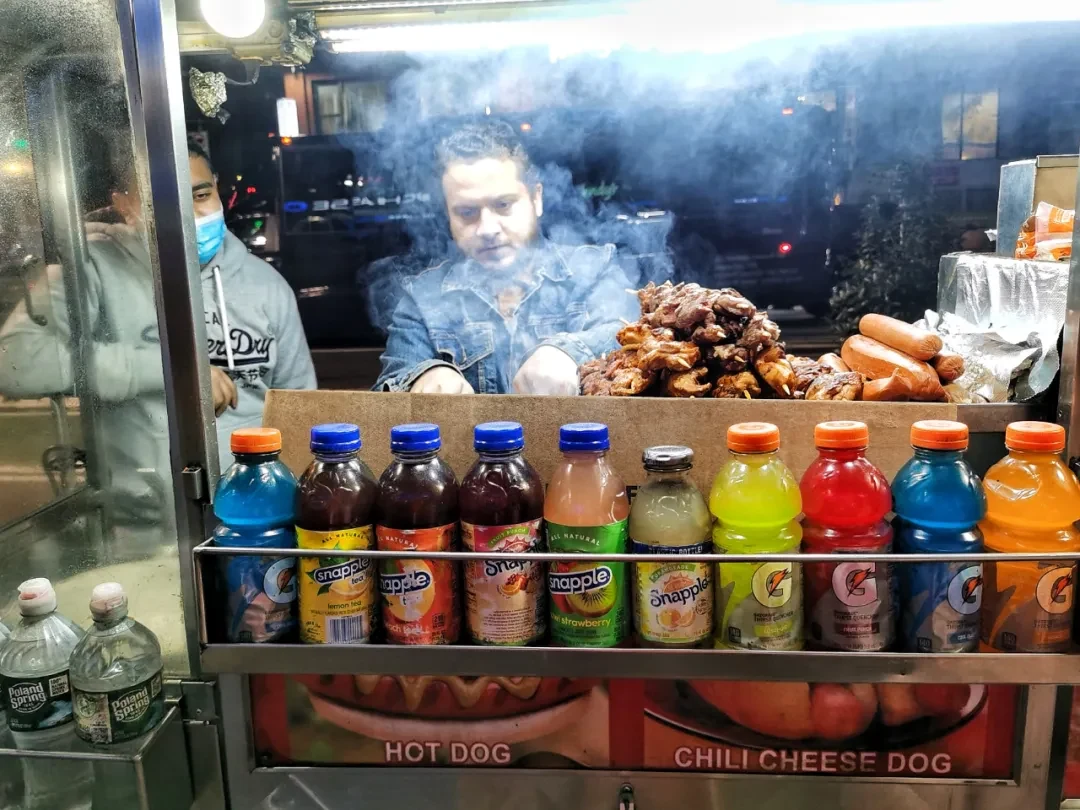
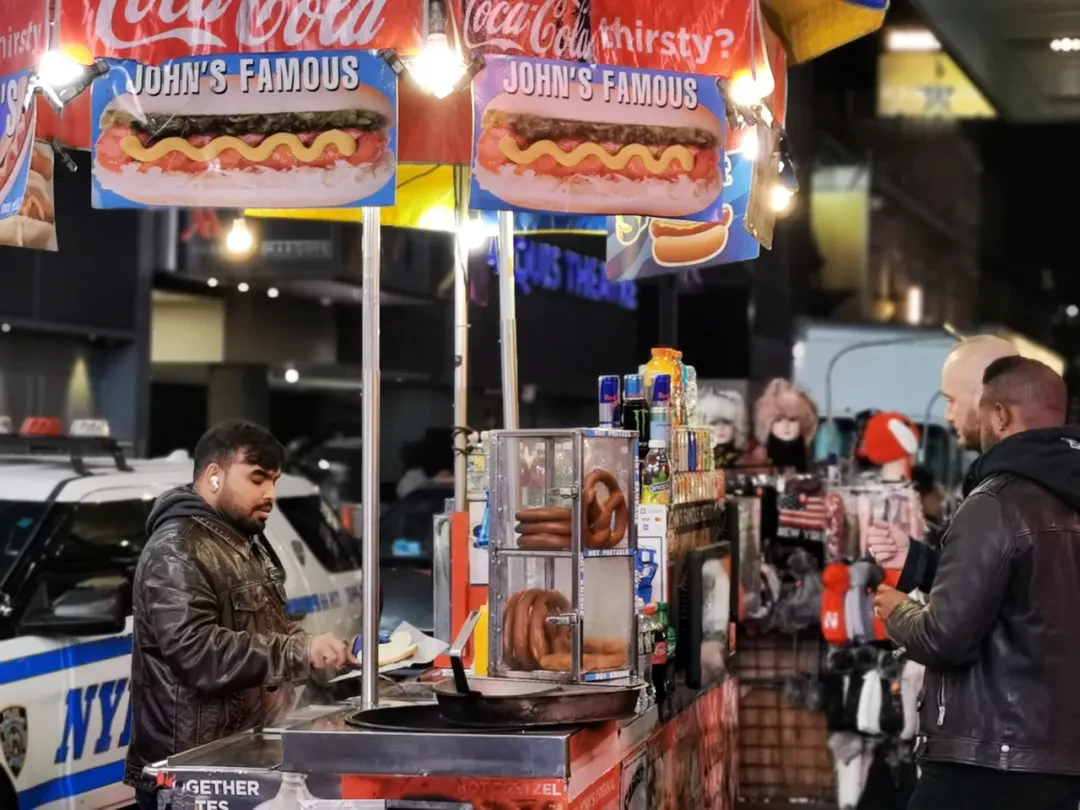
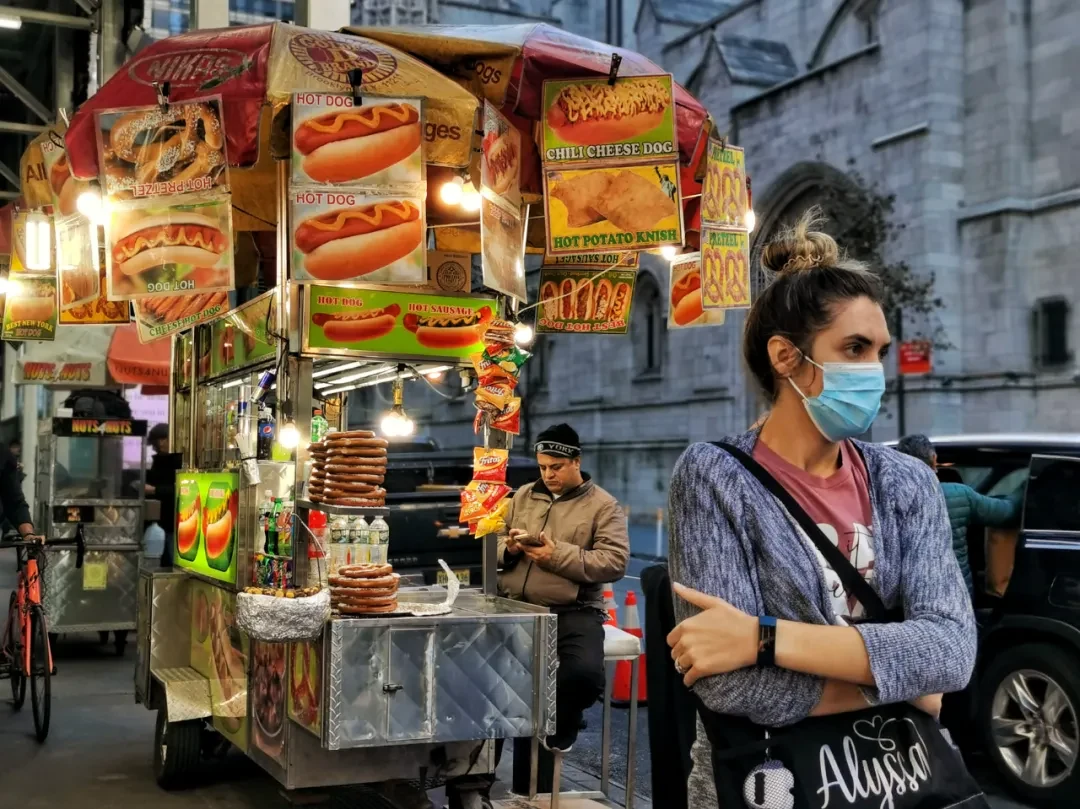
There are many food trucks here, and they are quite affordable. Every so often, the smell of hot food rises and drifts around, extremely tempting.
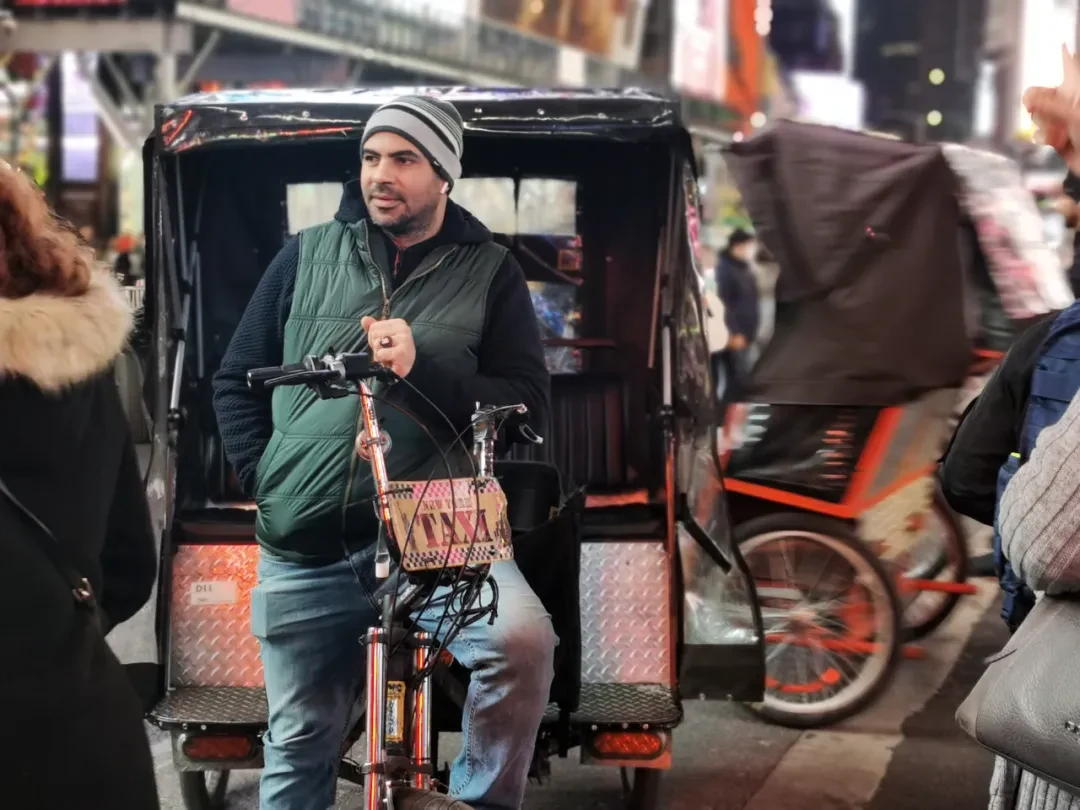
There were also many pedicabs on the road, weaving among yellow taxis to look for business. The scene felt lively and surreal.
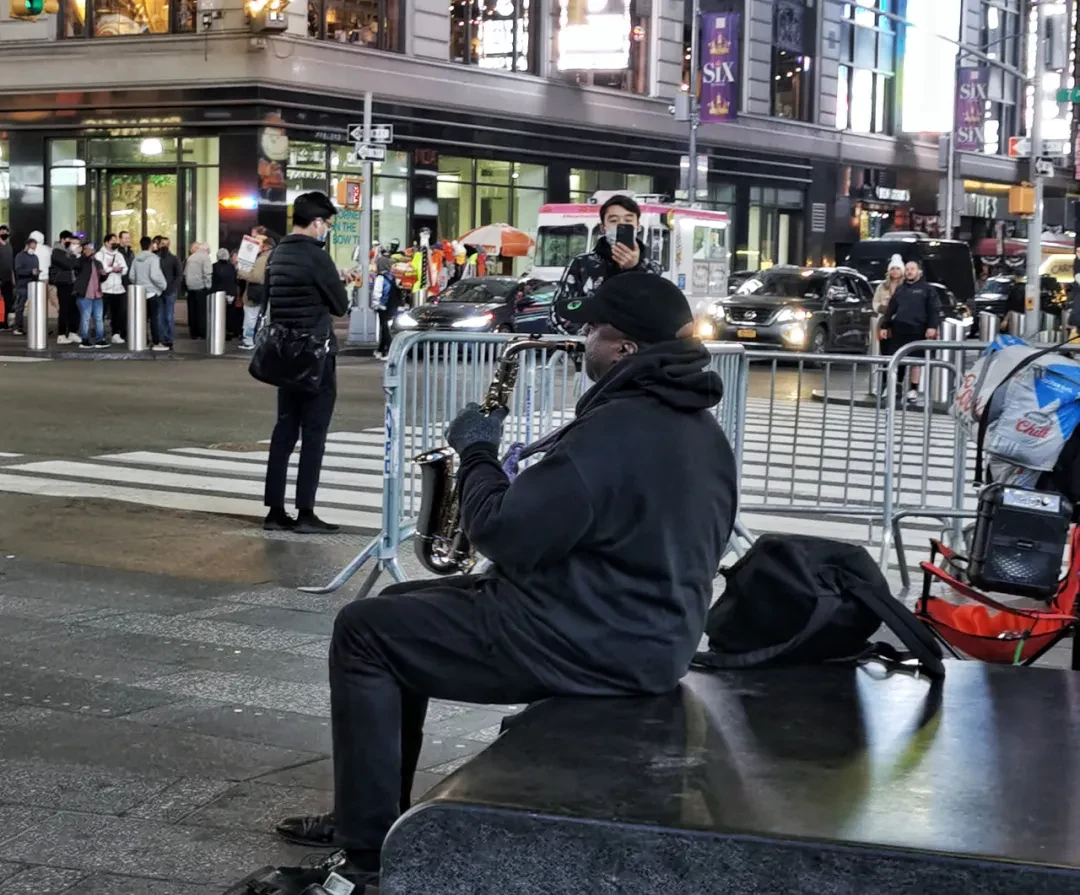
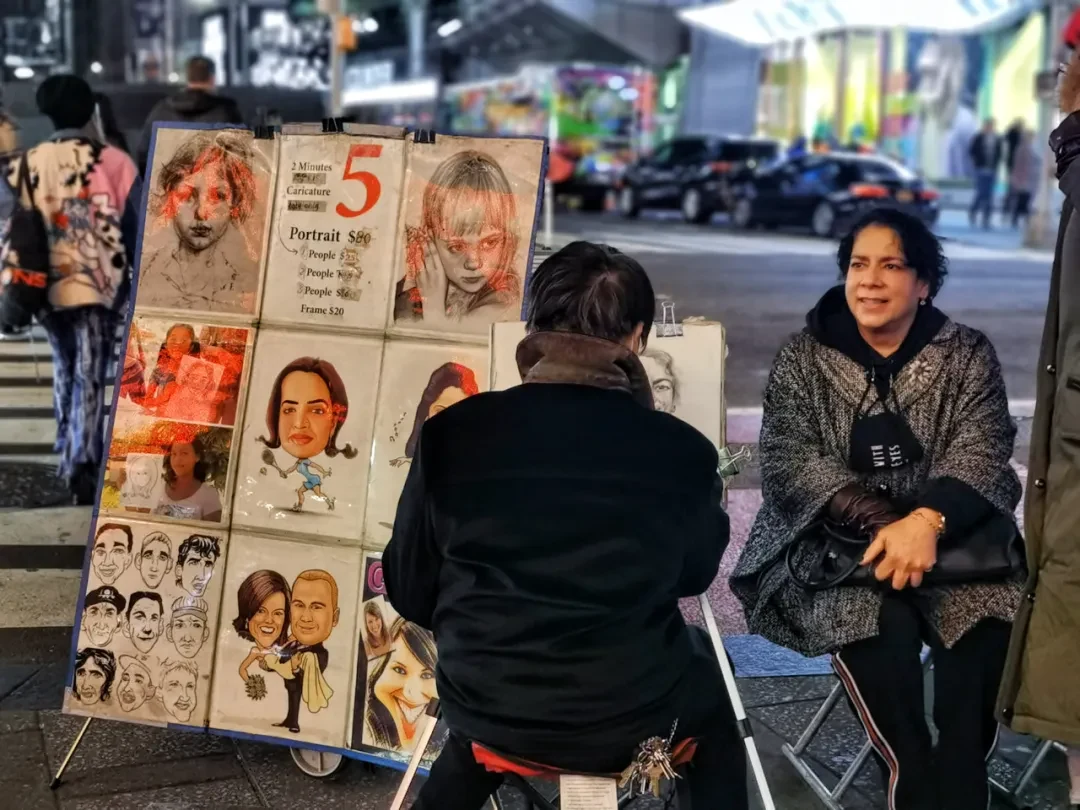
There were also many street performers: saxophone players, painters, people dressed as superheroes... Together, they sketched out an incredibly rich Times Square night.
Noisy and intoxicating, chaotic and moving.
Central Park
The next morning, after eating a big Tianjin-style bun and picking up my race gear, I planned to visit Central Park in the afternoon.
We all know New York's skyscrapers and blocks are laid out neatly, with very square urban planning. That is the city's kind of grandeur.
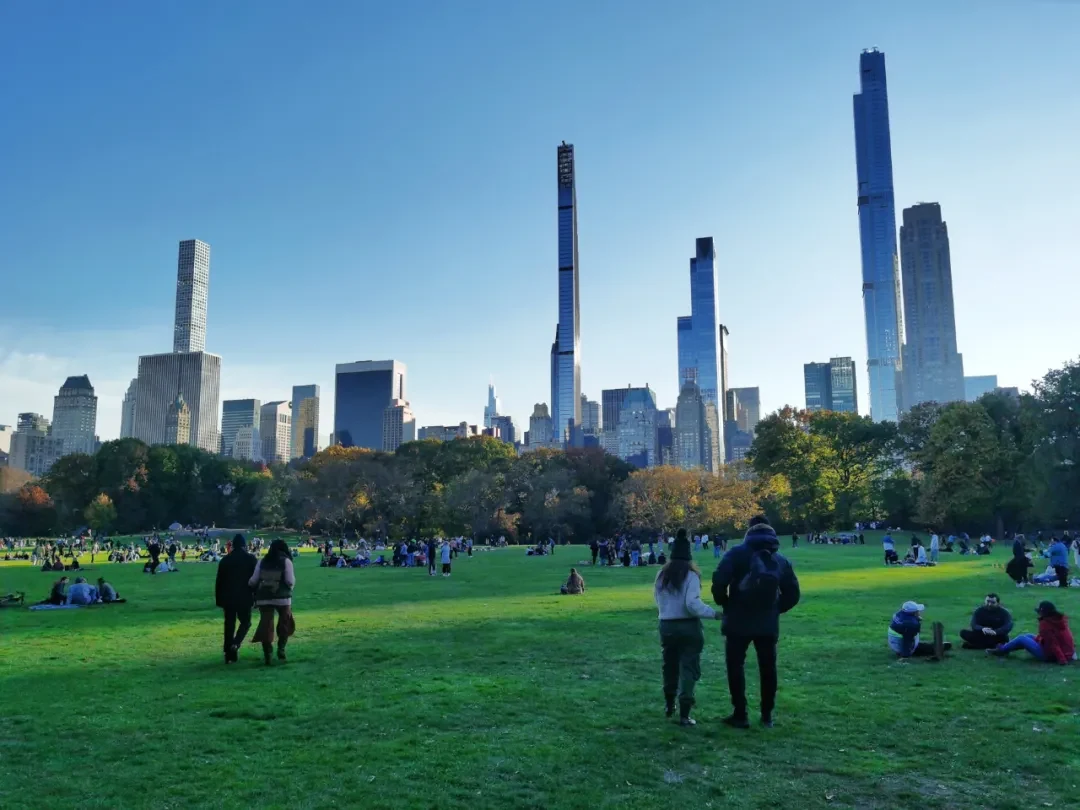
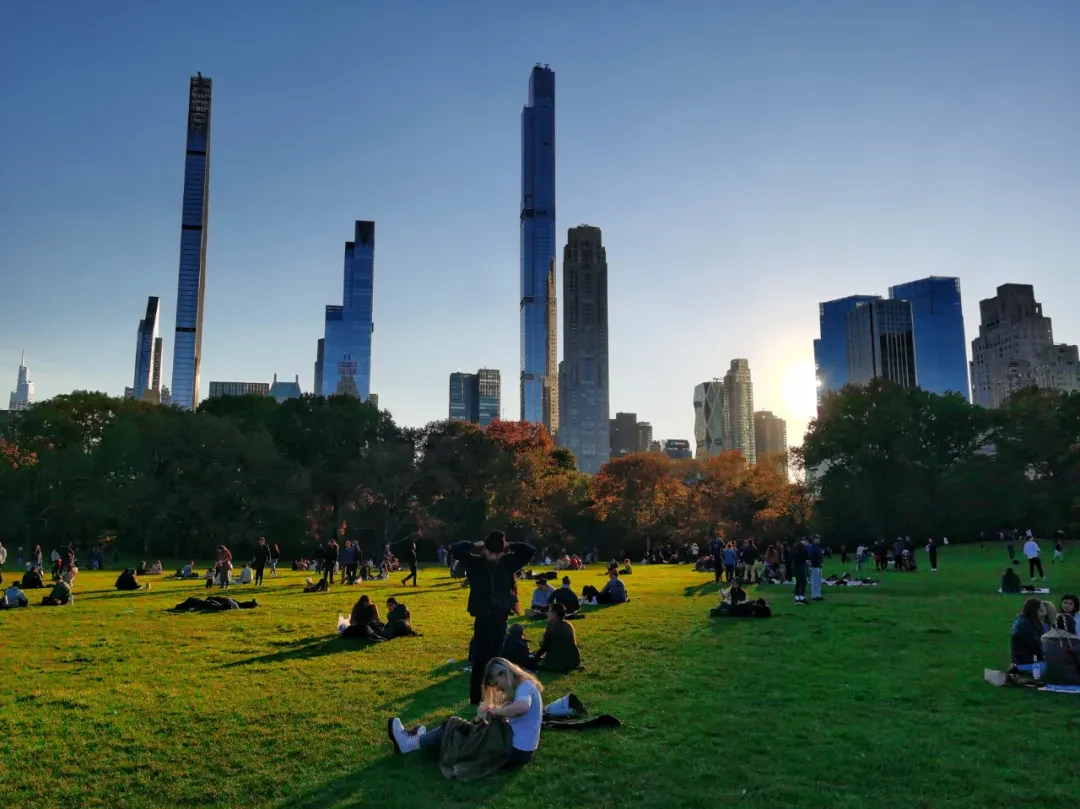
Central Park is like a billiard table laid flat in the middle of Manhattan, creating a style completely different from the city around it.
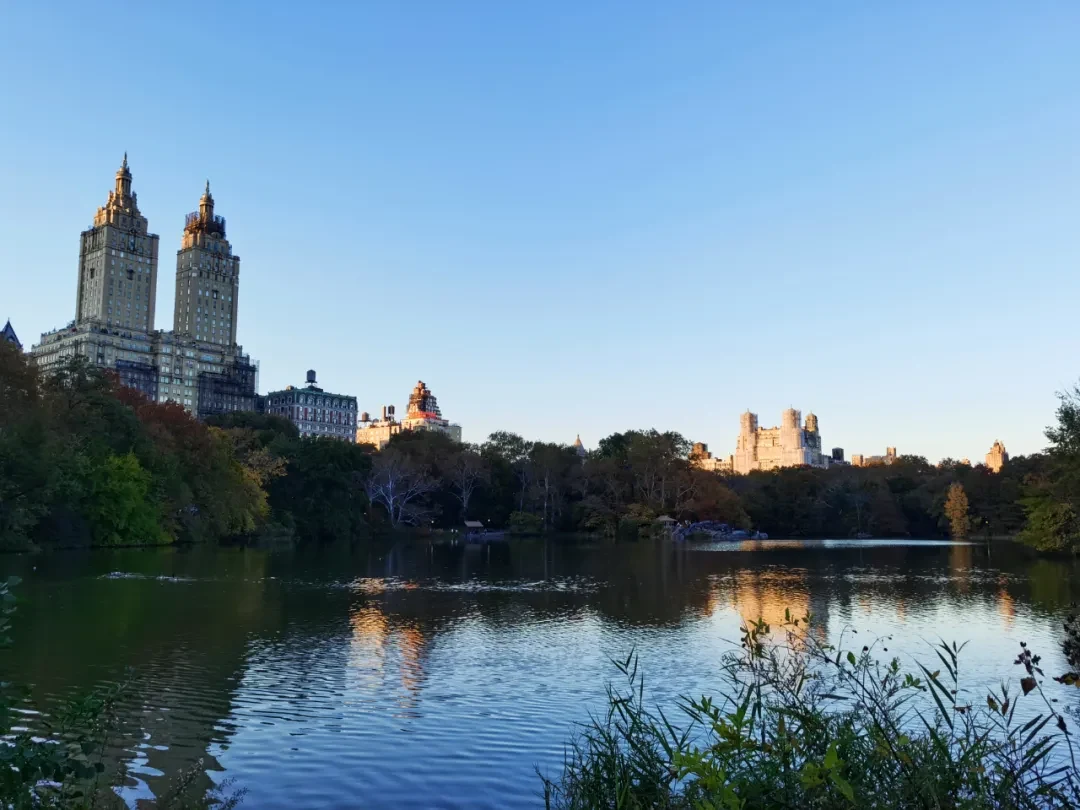
To emphasize that contrast, the roads, streams, lakes, and lawns inside Central Park were designed to curve and vary in shape.
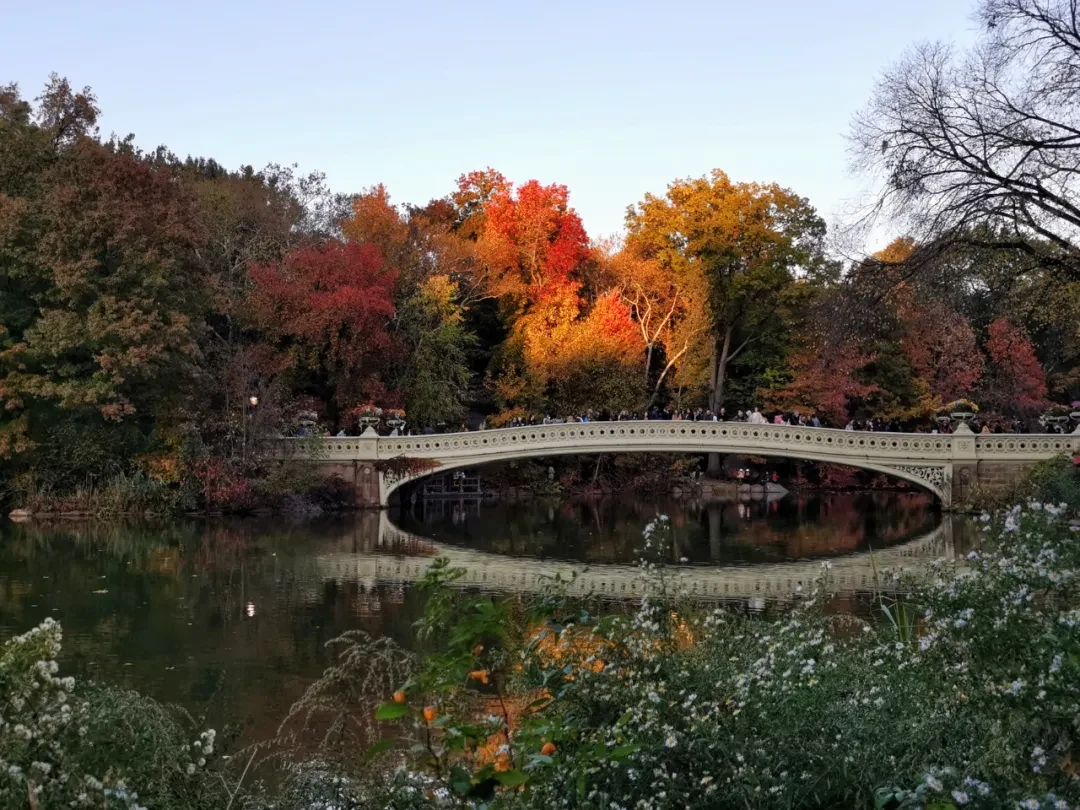
Central Park is huge and beautiful, and the surrounding buildings are distinctive too. Especially those thin, tall towers, standing straight in the distance as if they had grown out of the ground. It was striking.
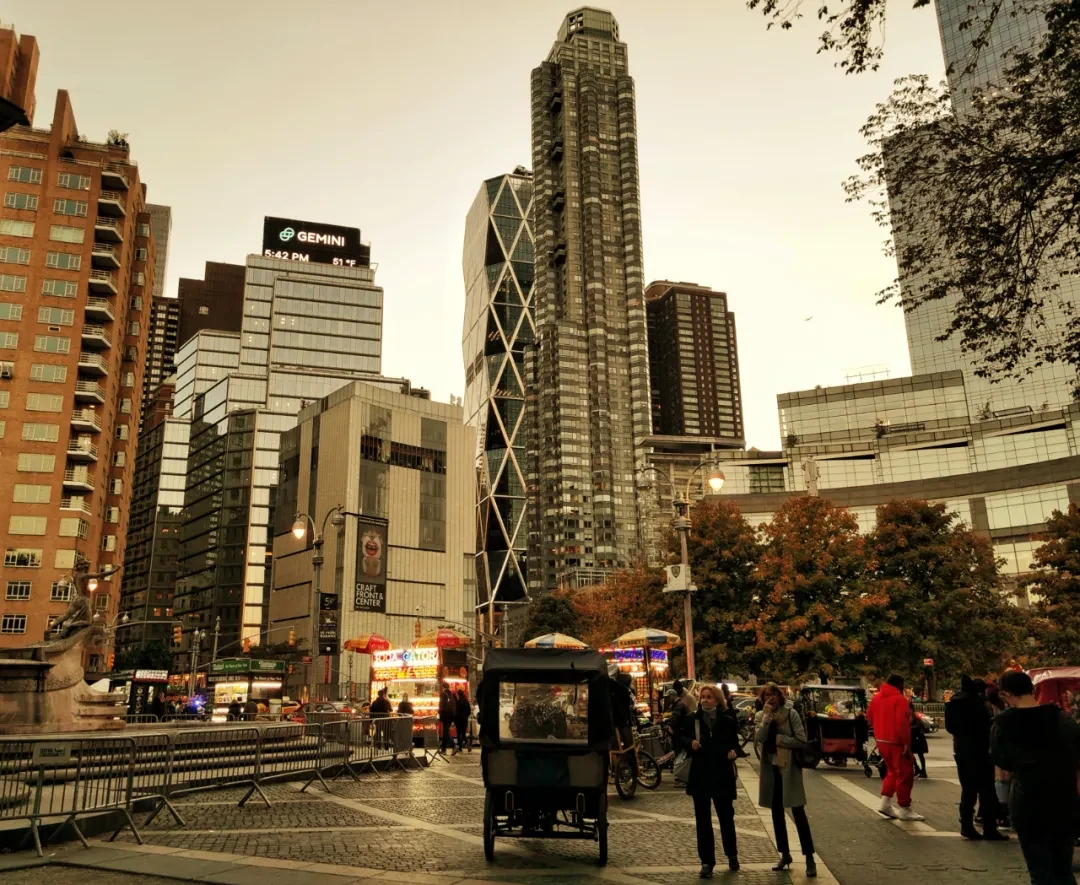
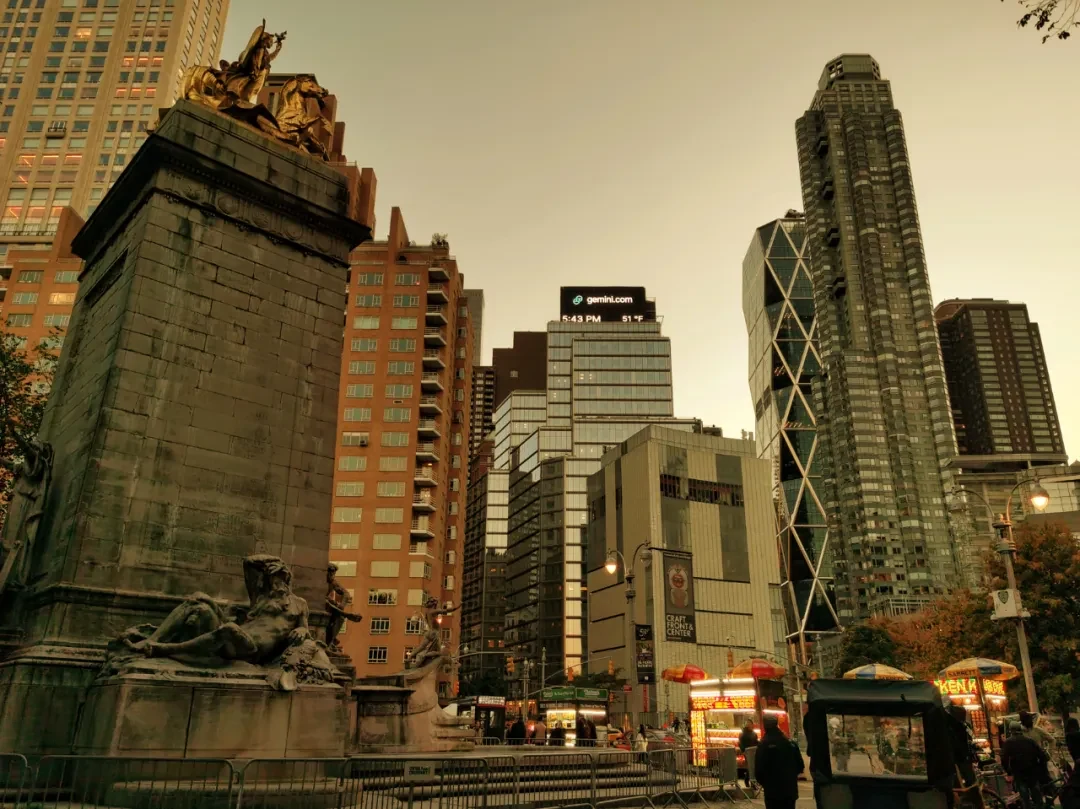
After leaving Central Park, the city was gradually entering night, which was a perfect time to see Manhattan's night view.
Hudson River cruise
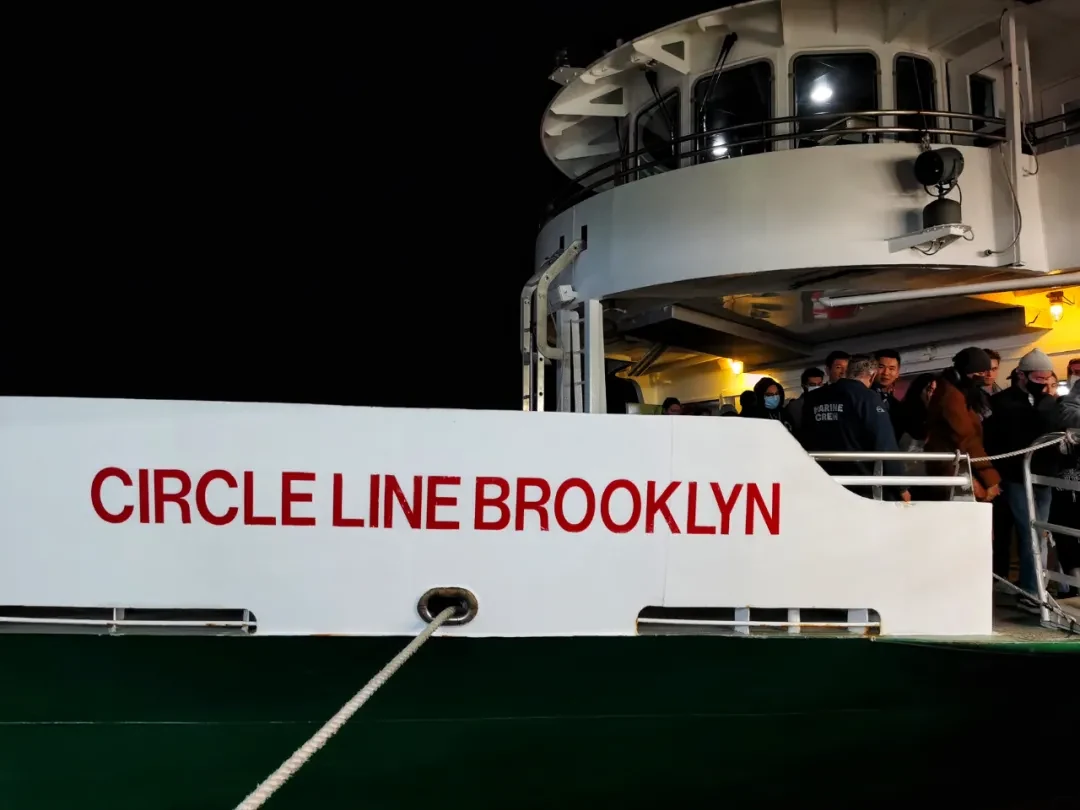
We set off from a pier on the Hudson River. The wind was strong that night. I had planned to watch the view from the open deck on top, but because it was cold, I occasionally hid back inside the cabin to listen to the commentary.
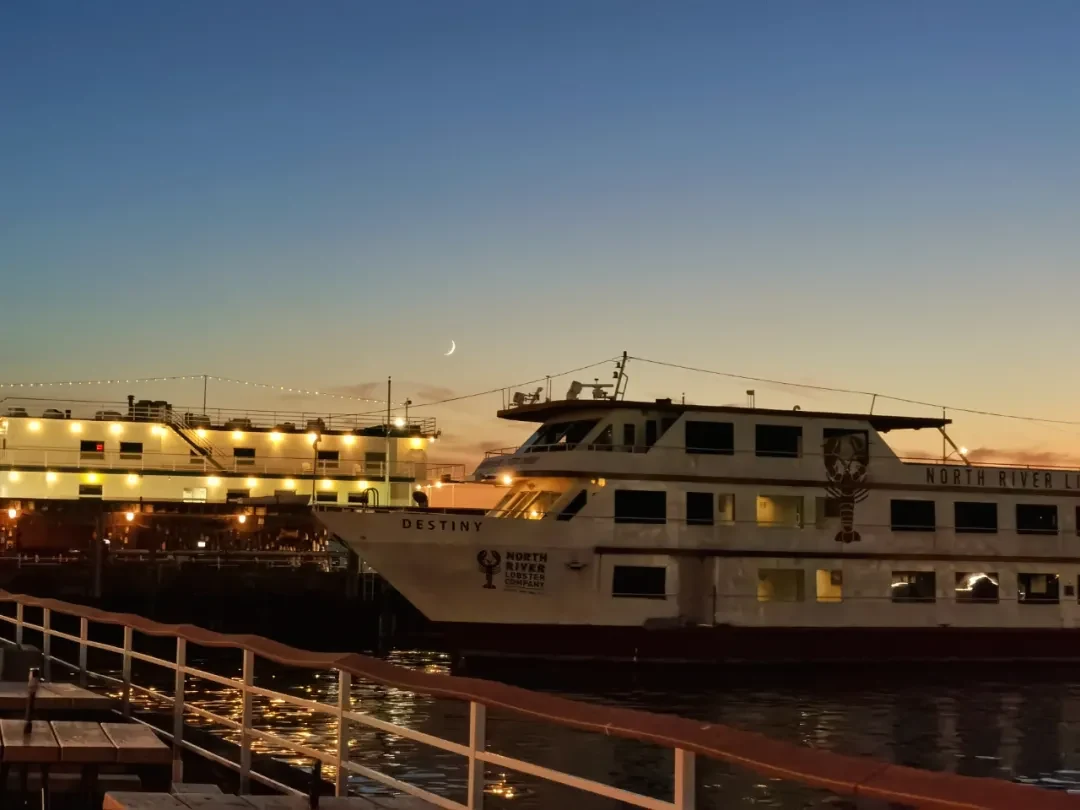
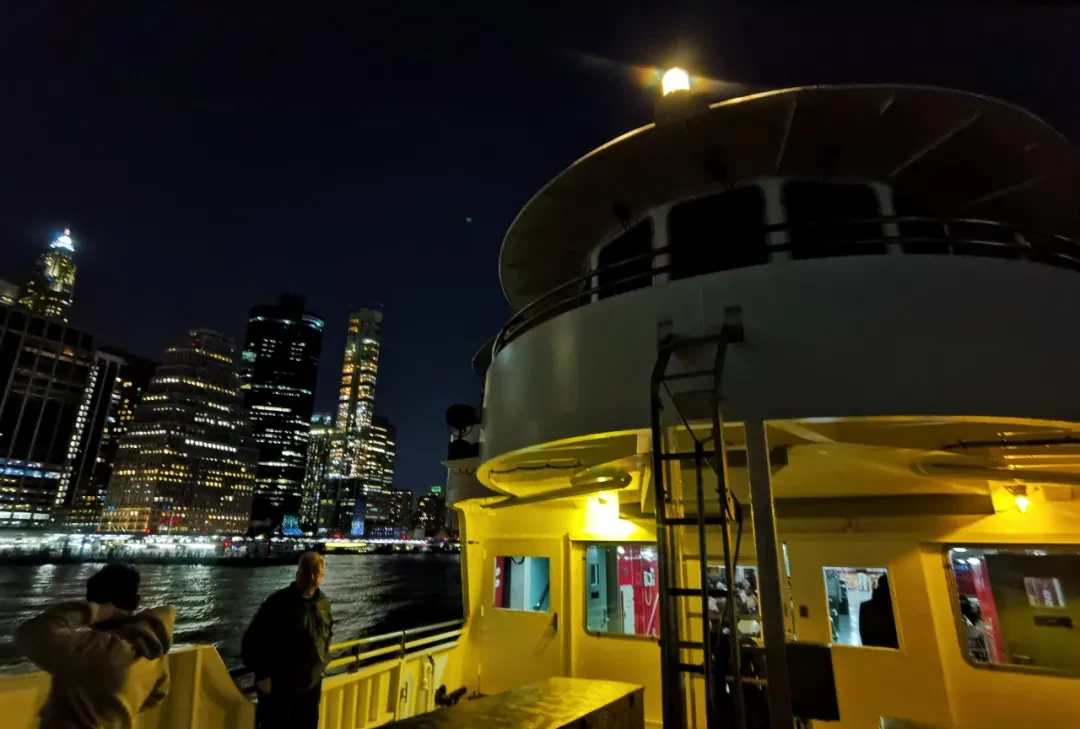
As the boat left the pier, the city in the distance was lit up. I thought maybe this was Night City from Cyberpunk 2077.
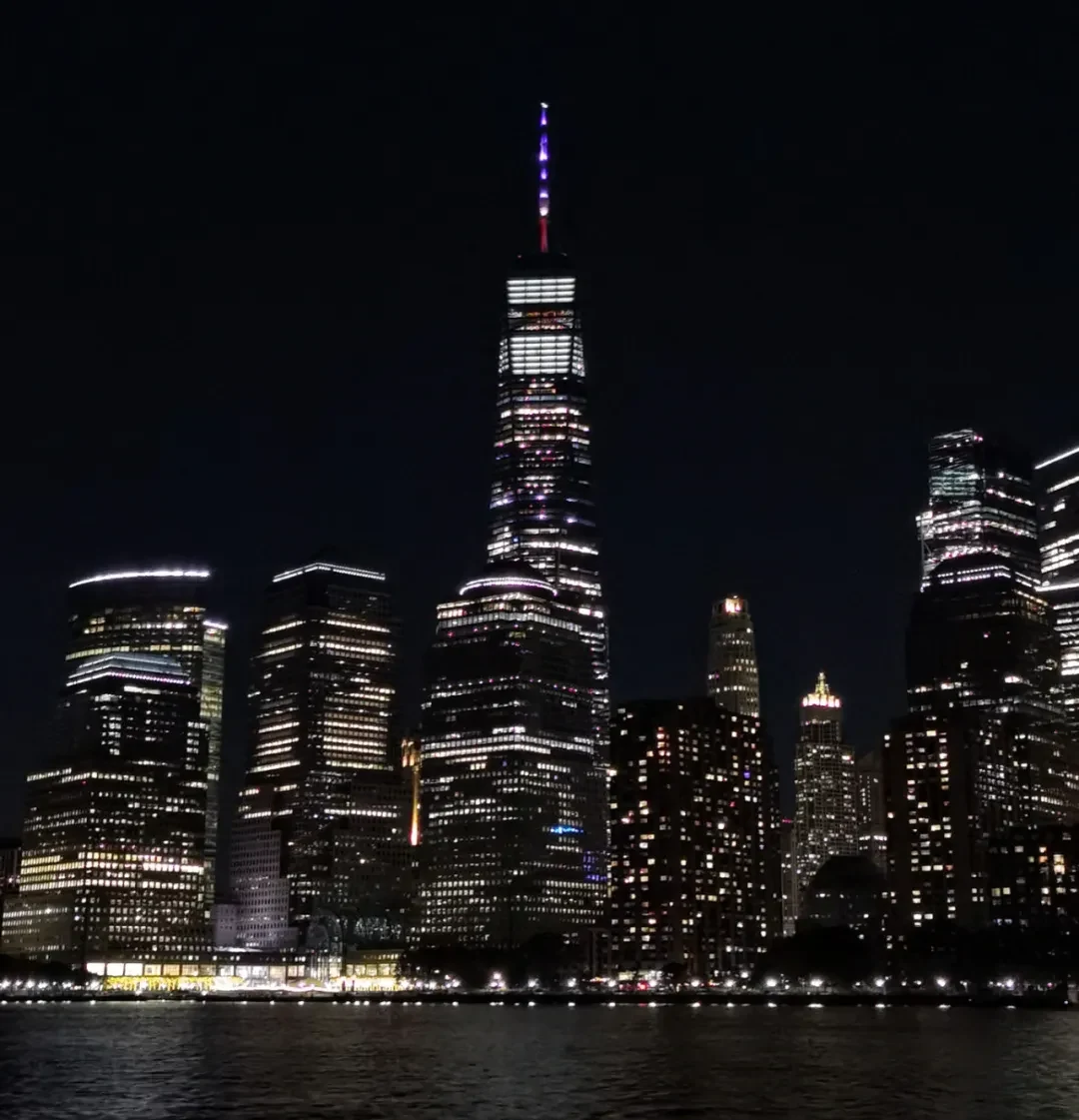
I did not know whether An Autumn's Tale had happened on the pier across the water, and I did not know what answer followed the line "table for two."
I also did not know whether those busy Manhattan office buildings were the heaven or the hell from A Beijinger in New York.
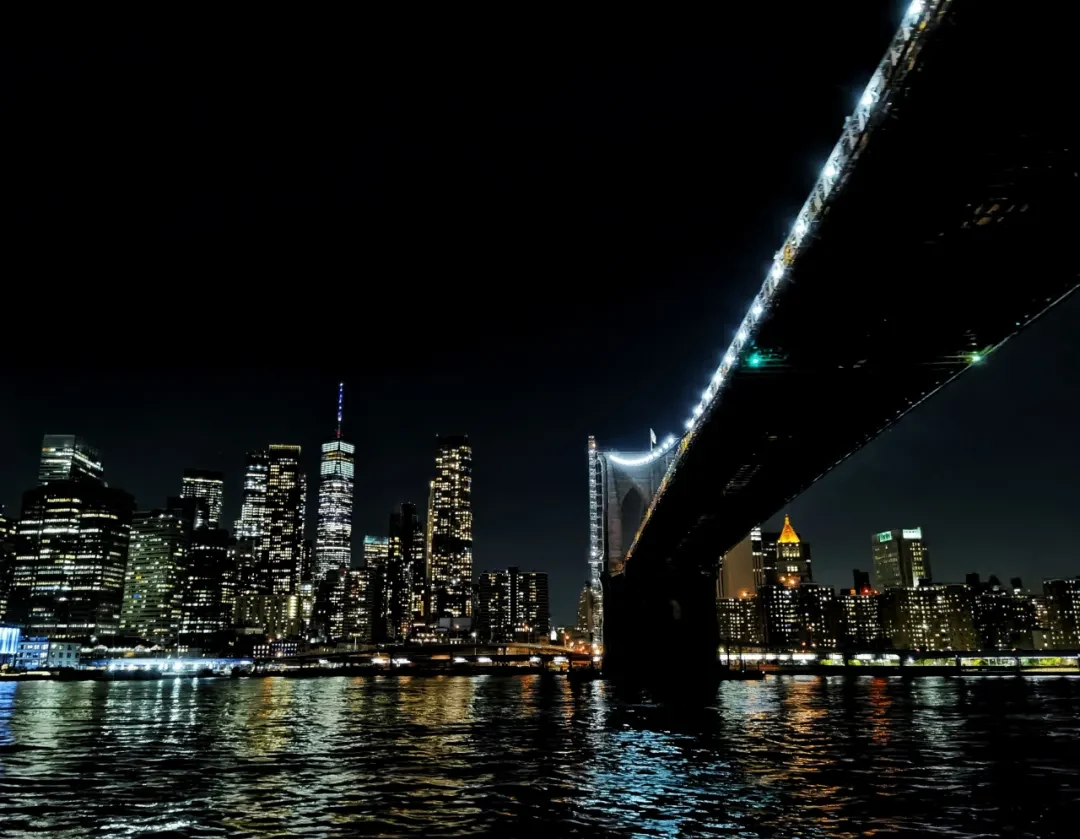
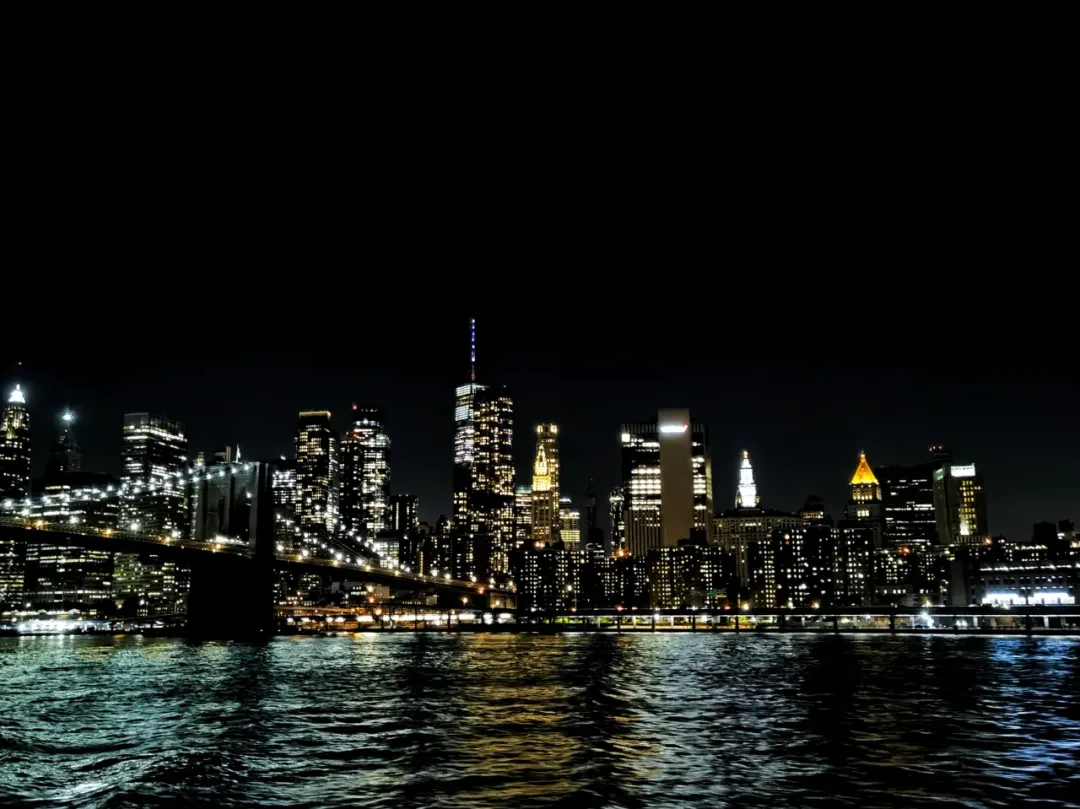
One generation's American fever has faded, and a new generation of young people keeps arriving here. This is a cyberpunk place that gives people endless room to imagine, and also a brutal jungle where surviving takes enormous effort.
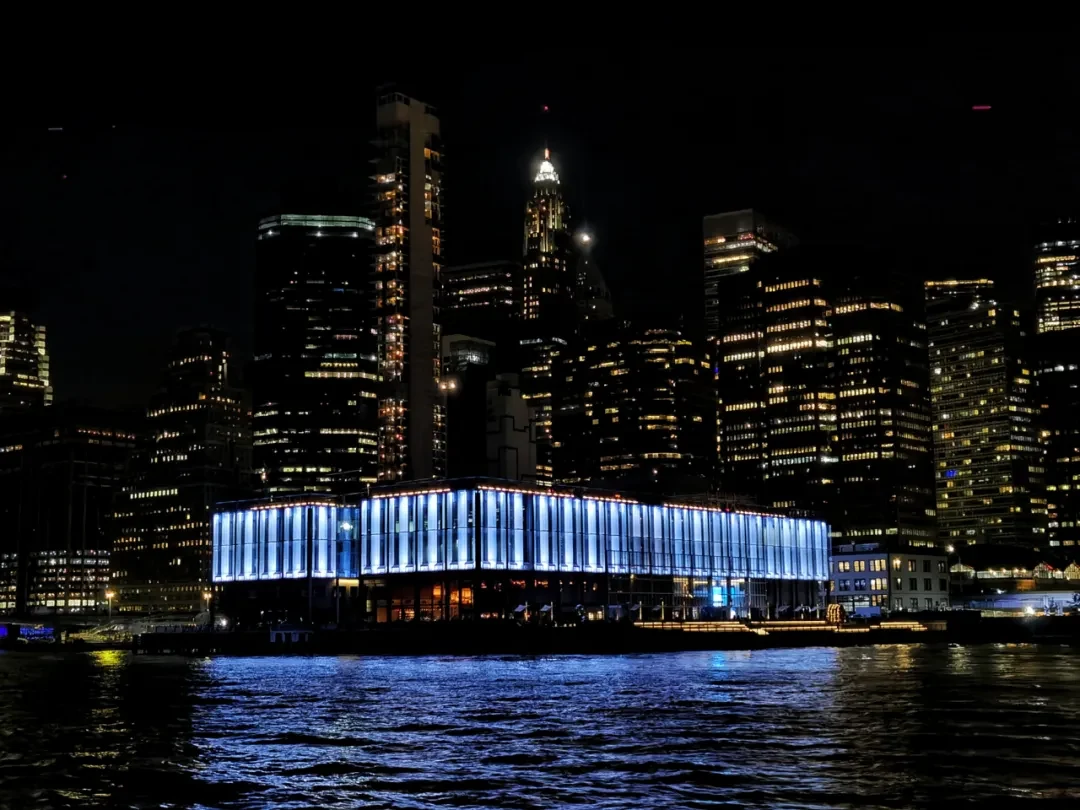
Standing in New York's cold wind, my eyes blurred. I imagined that none of this had anything to do with me. In that moment, I just wanted to be a passerby, drunk on the New York night.
The cruise-night view was beautiful. We also passed under several bridges, though I was not sure whether one of them was the Brooklyn Bridge.
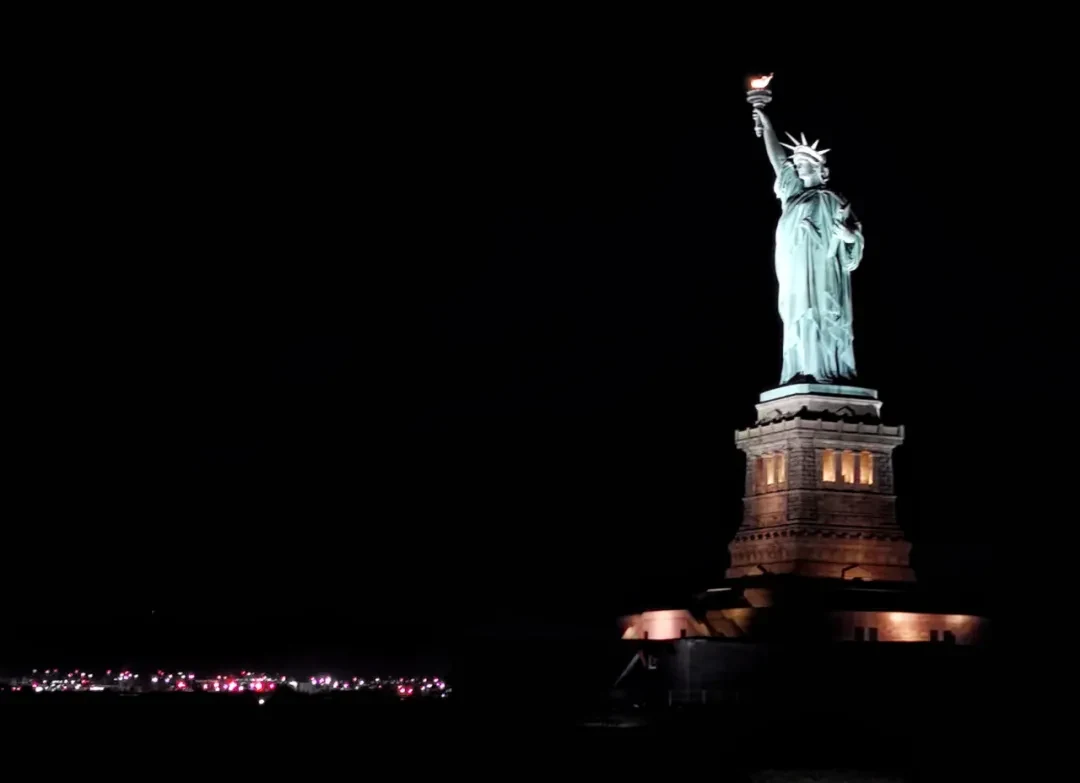
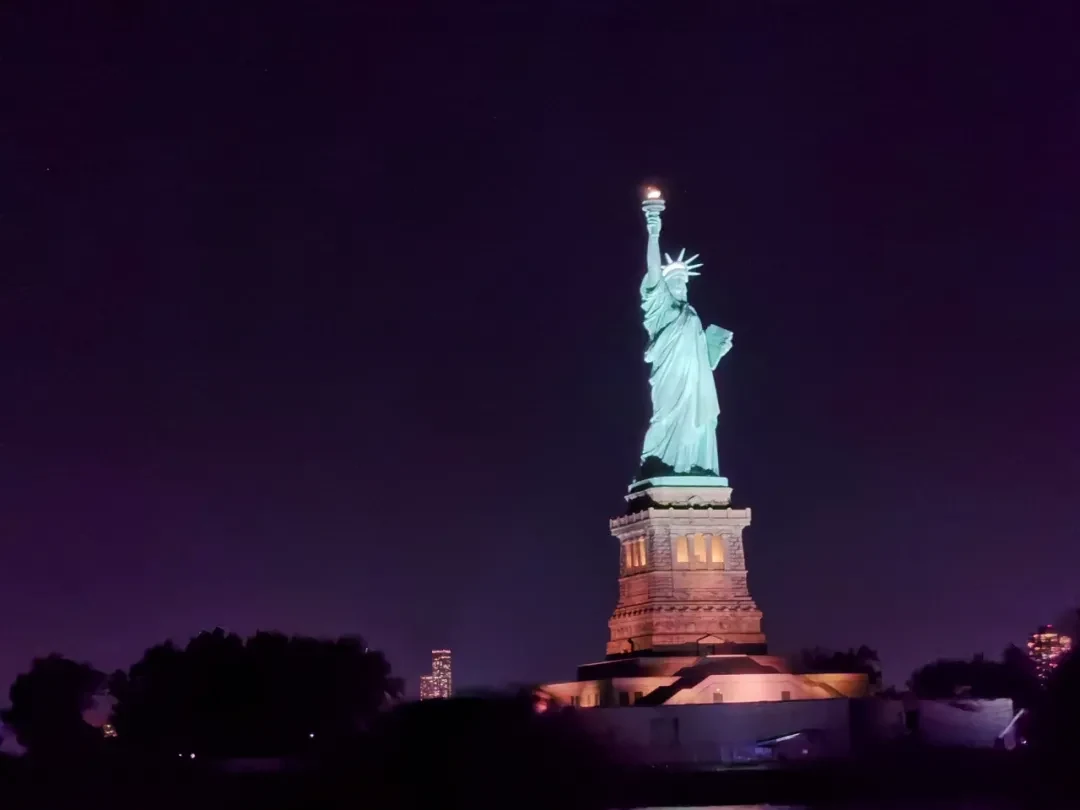
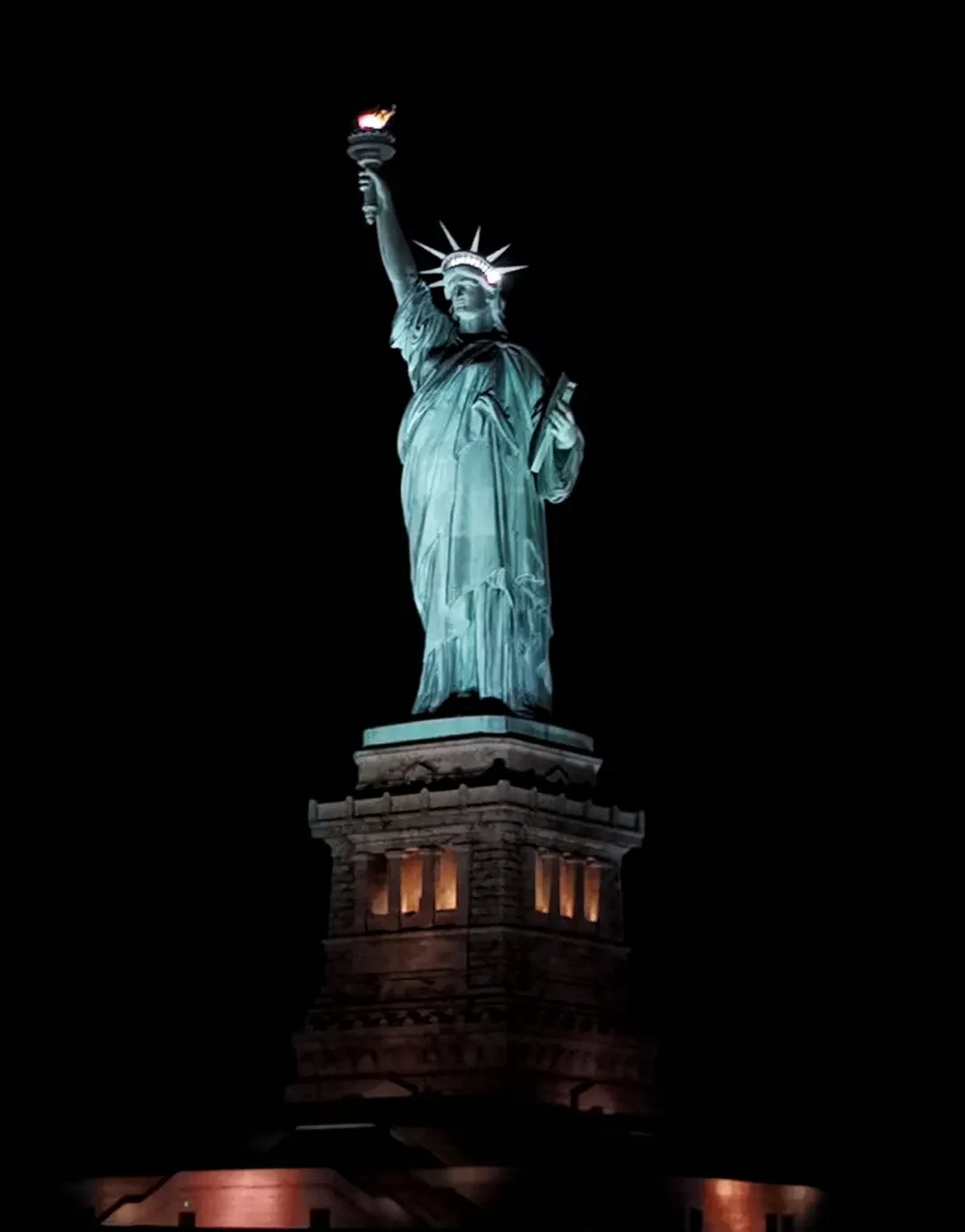
At last we were getting close to the Statue of Liberty. Everyone came out to take photos, and the captain thoughtfully circled around her and slowed the boat down.
This was my first time seeing the real Statue of Liberty. I thought, all right, this trip now feels complete.
Rockefeller Center
The day after the race, we went to a Mexican neighborhood and ate at a Chinese buffet. In the U.S., these Chinese buffets are basically run by Fujianese owners and taste fairly similar, though the New York storefront was much smaller.
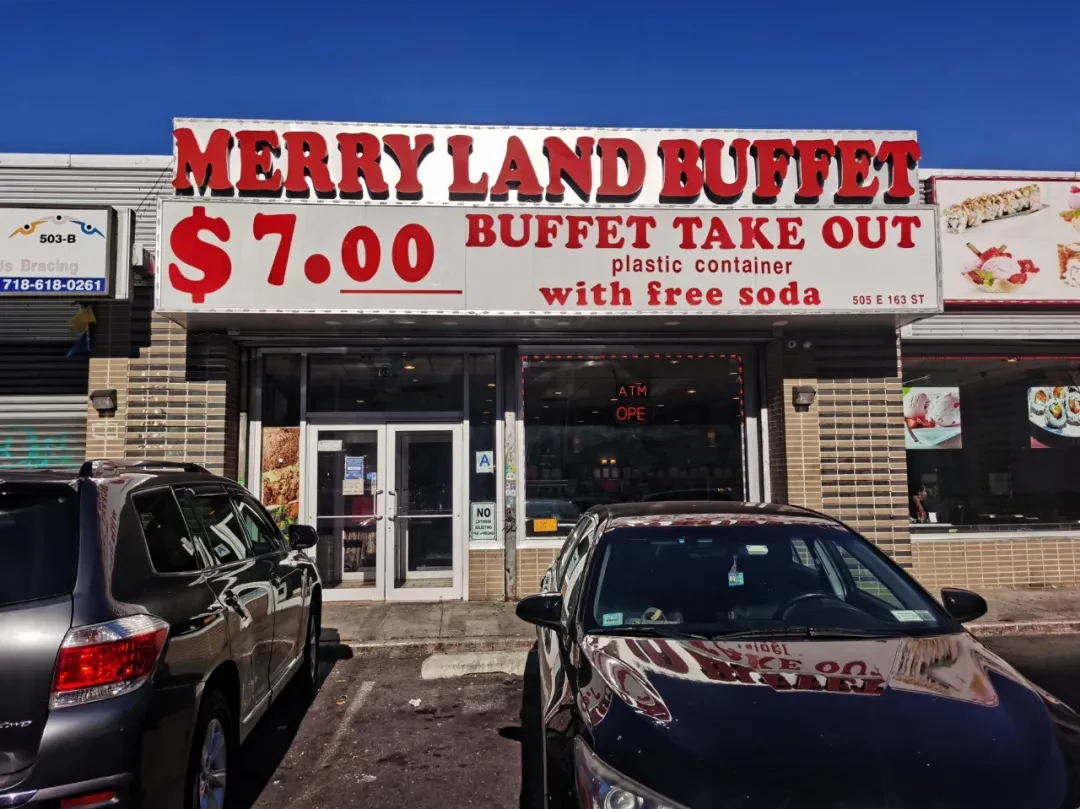
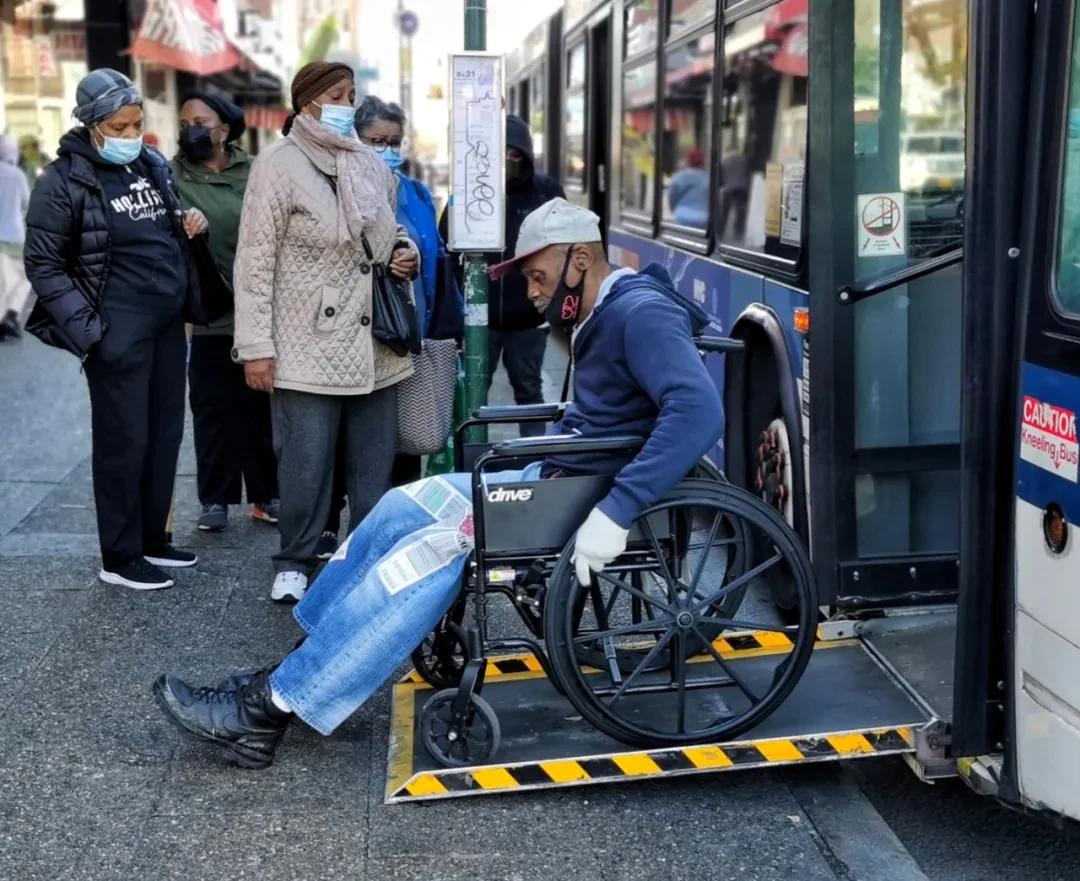
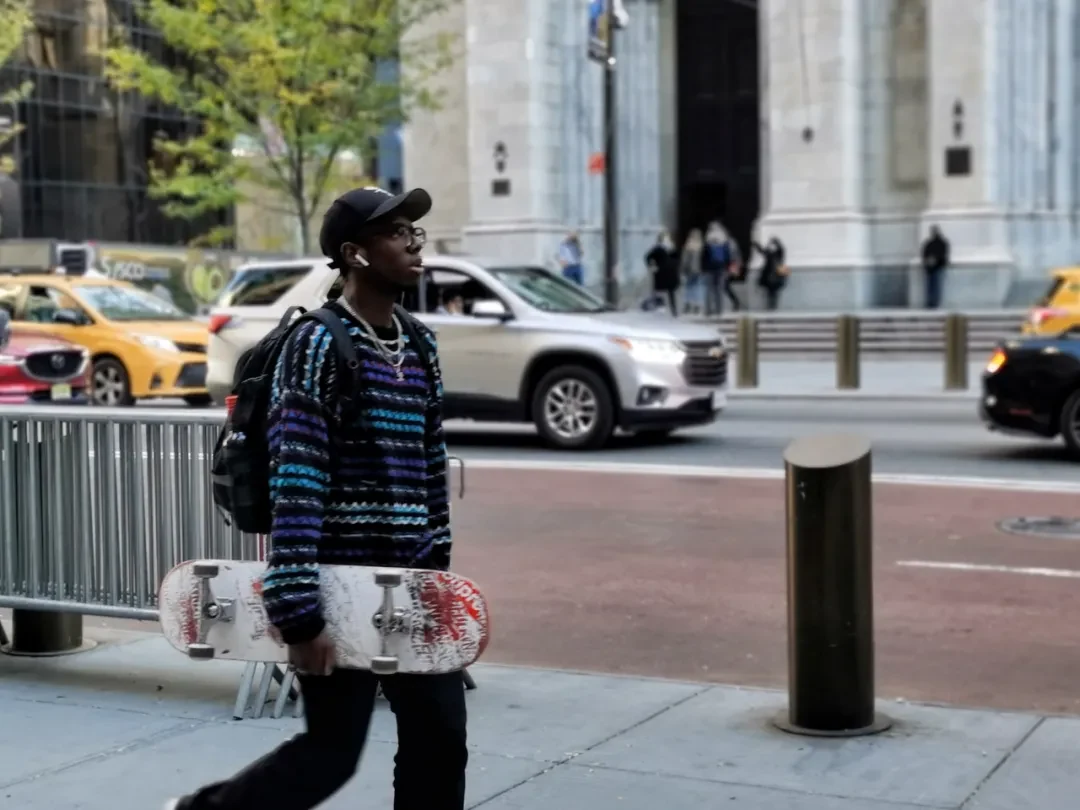
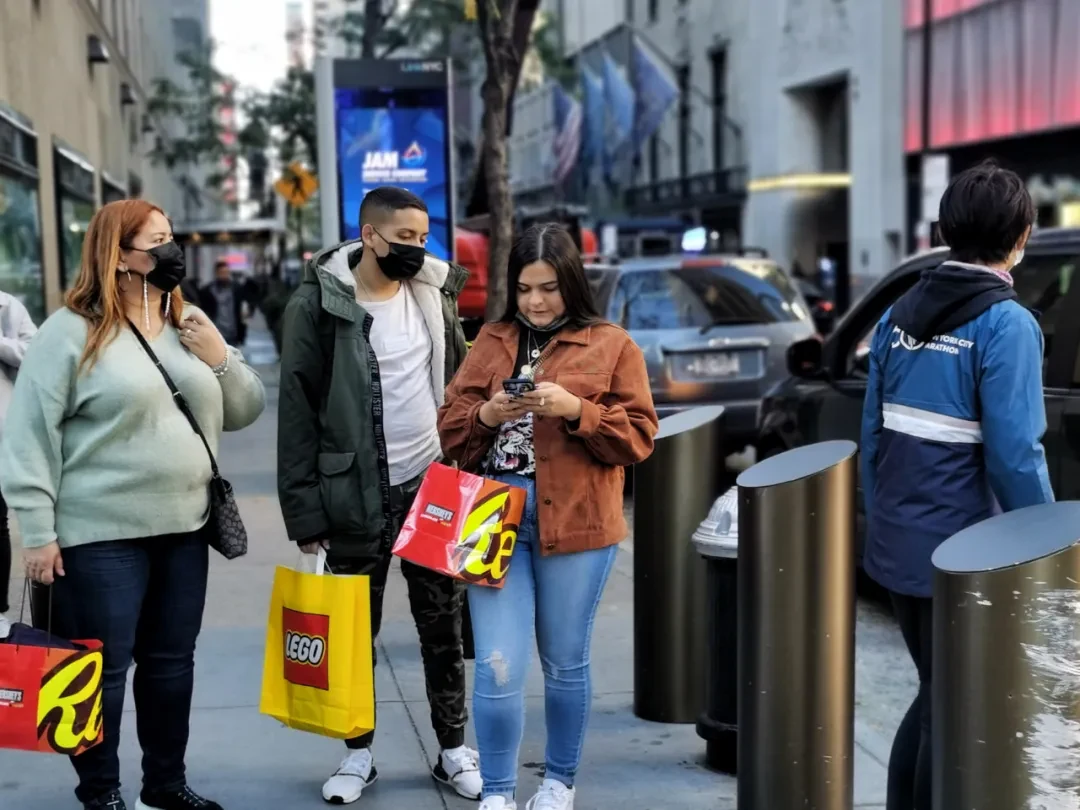
On the streets and buses, most people were Spanish-speaking amigos. Occasionally they would argue over who got off first.
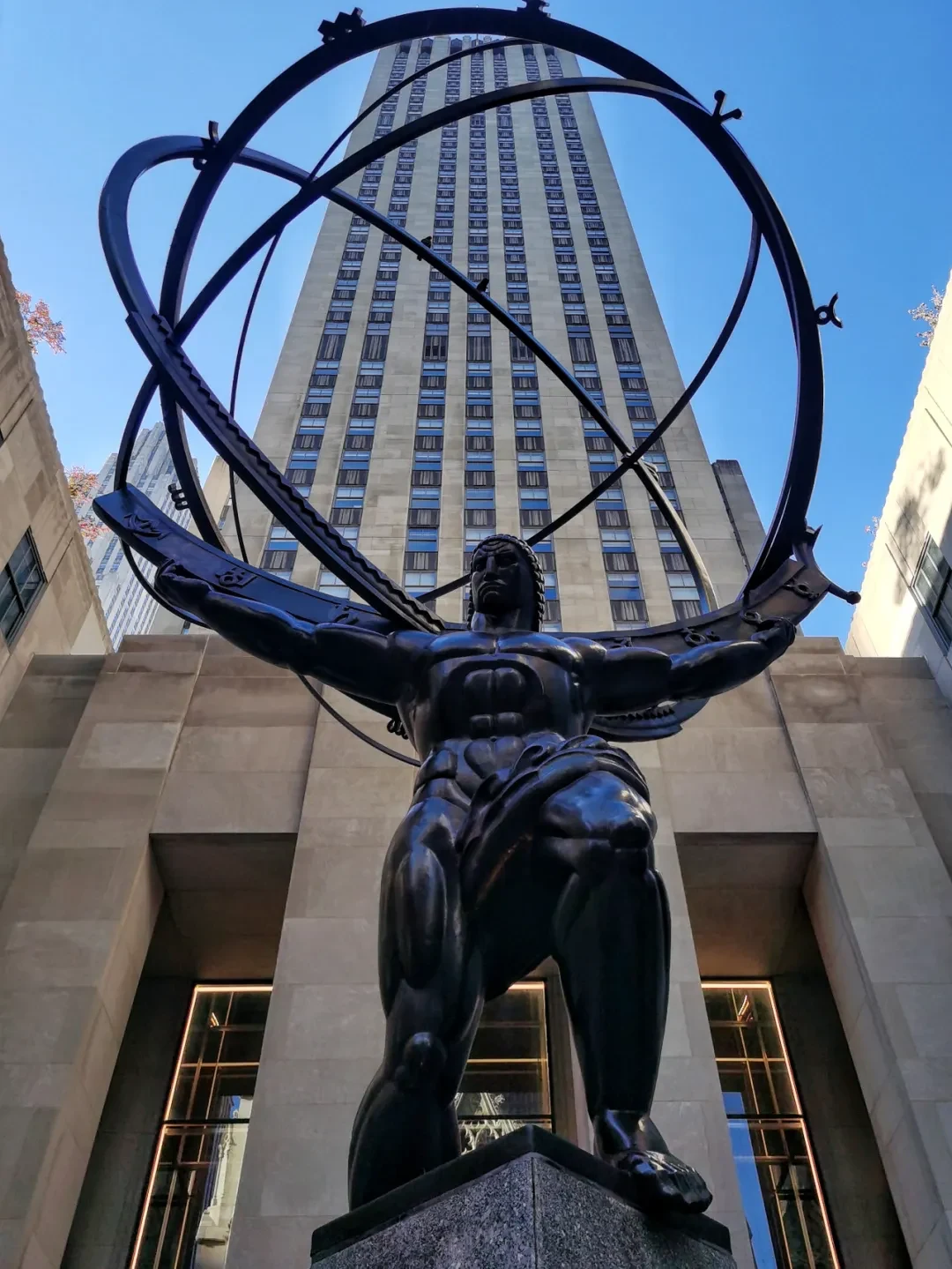
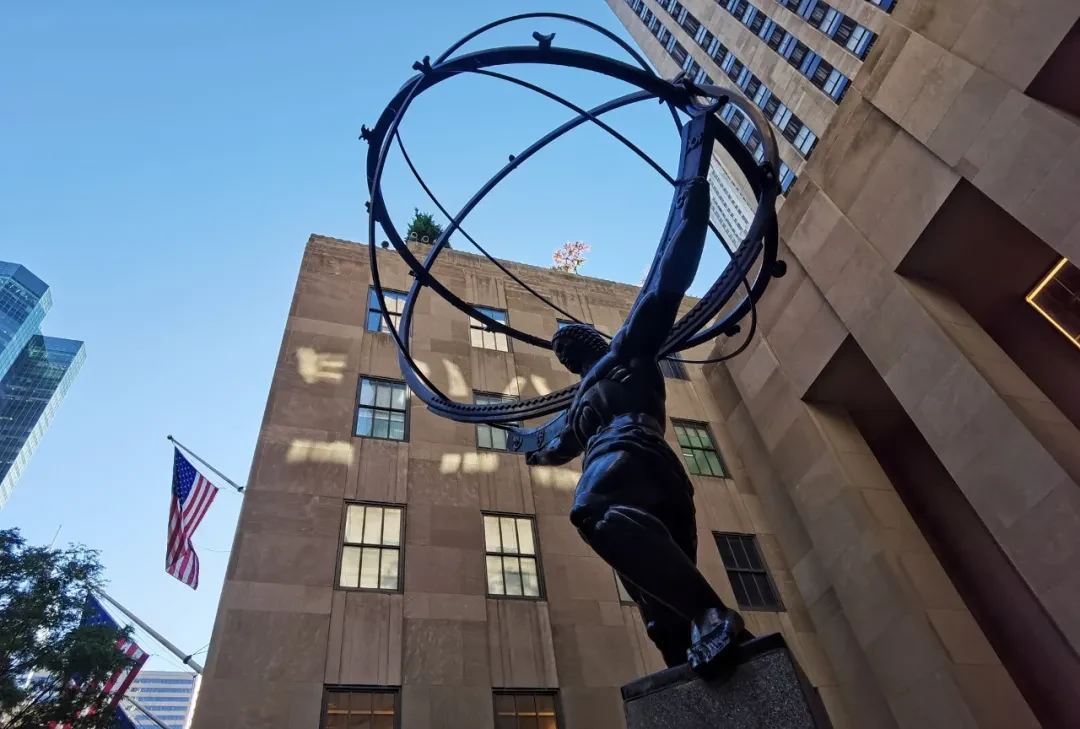
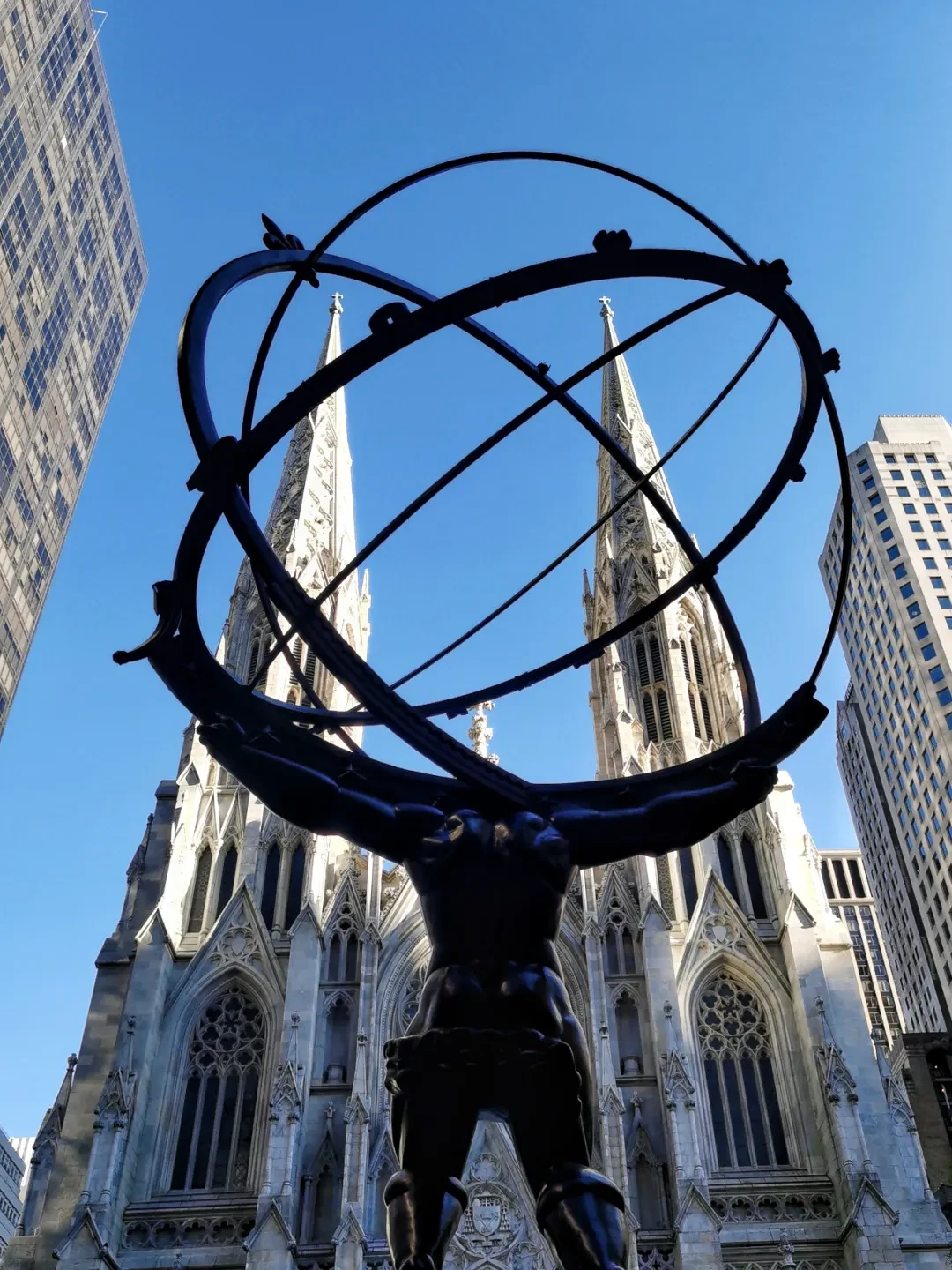
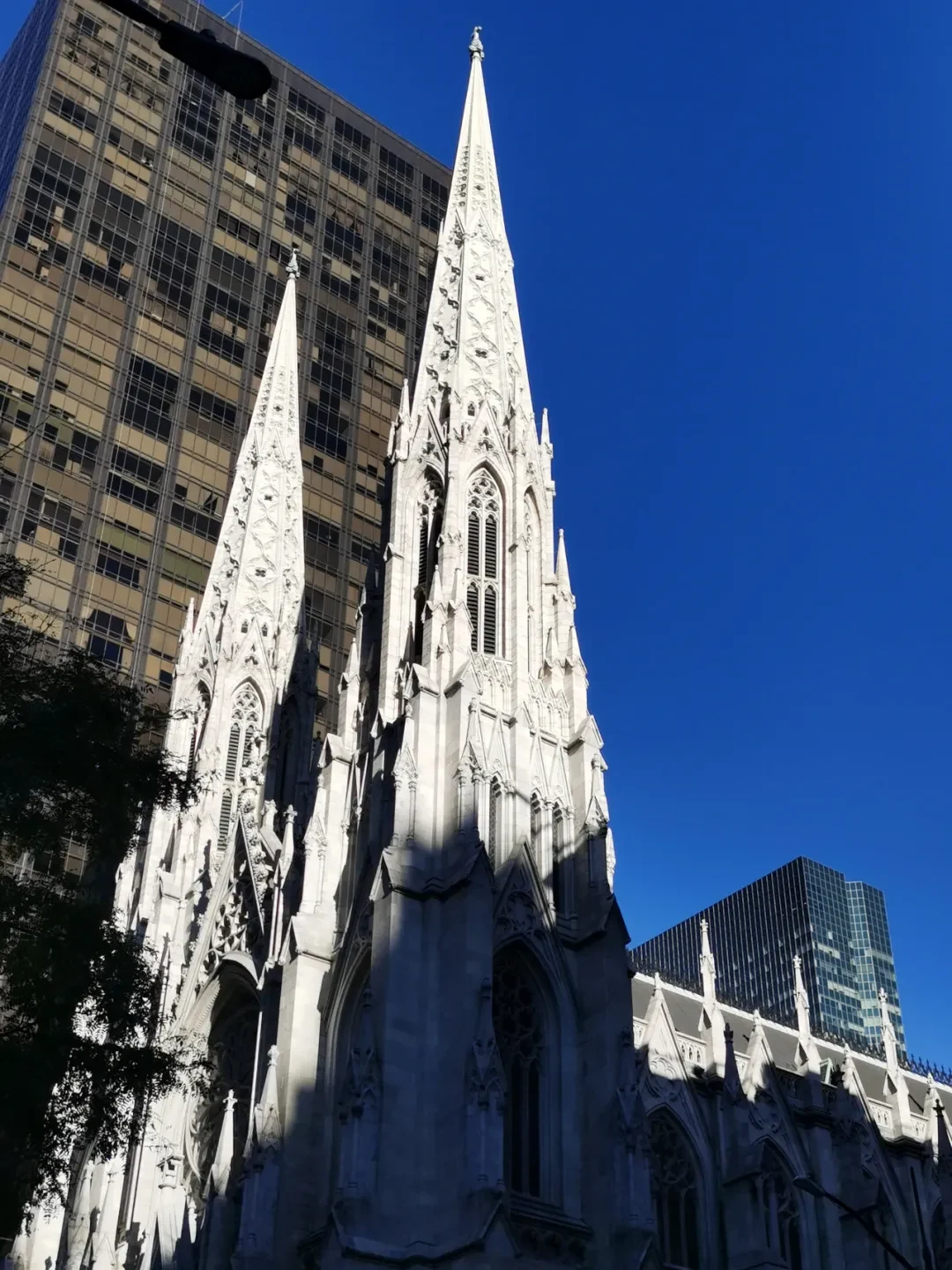
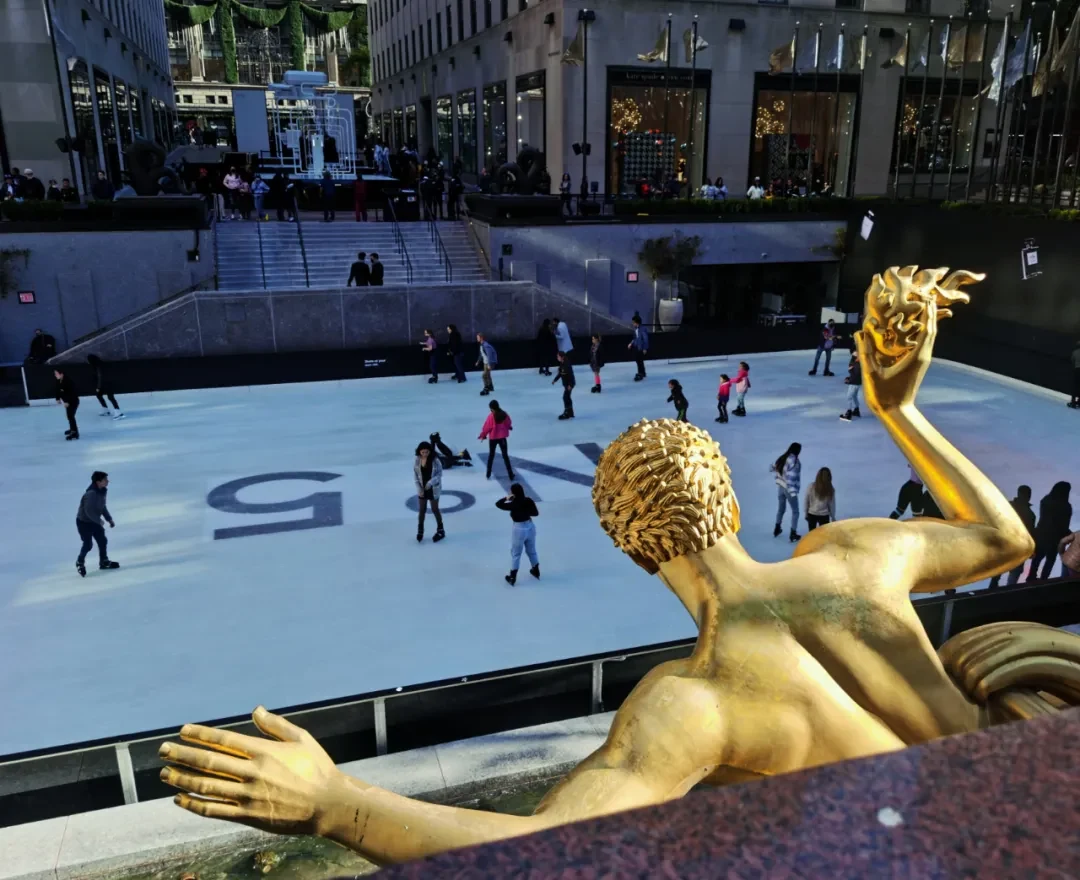
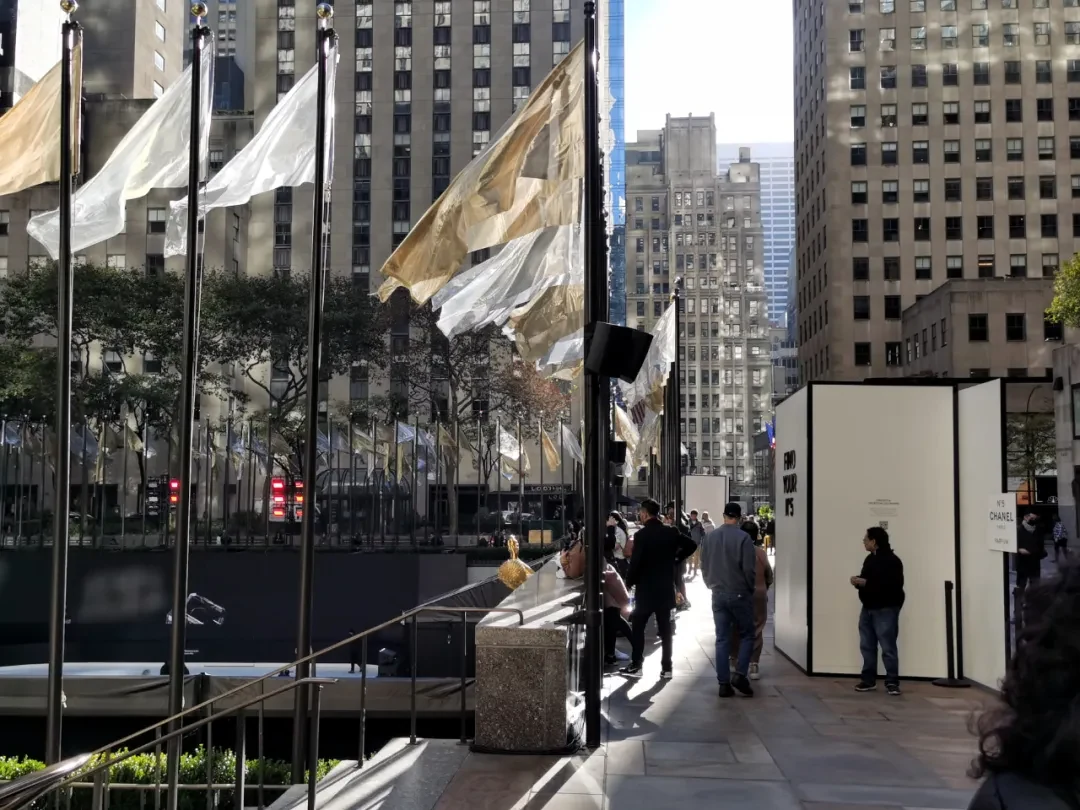
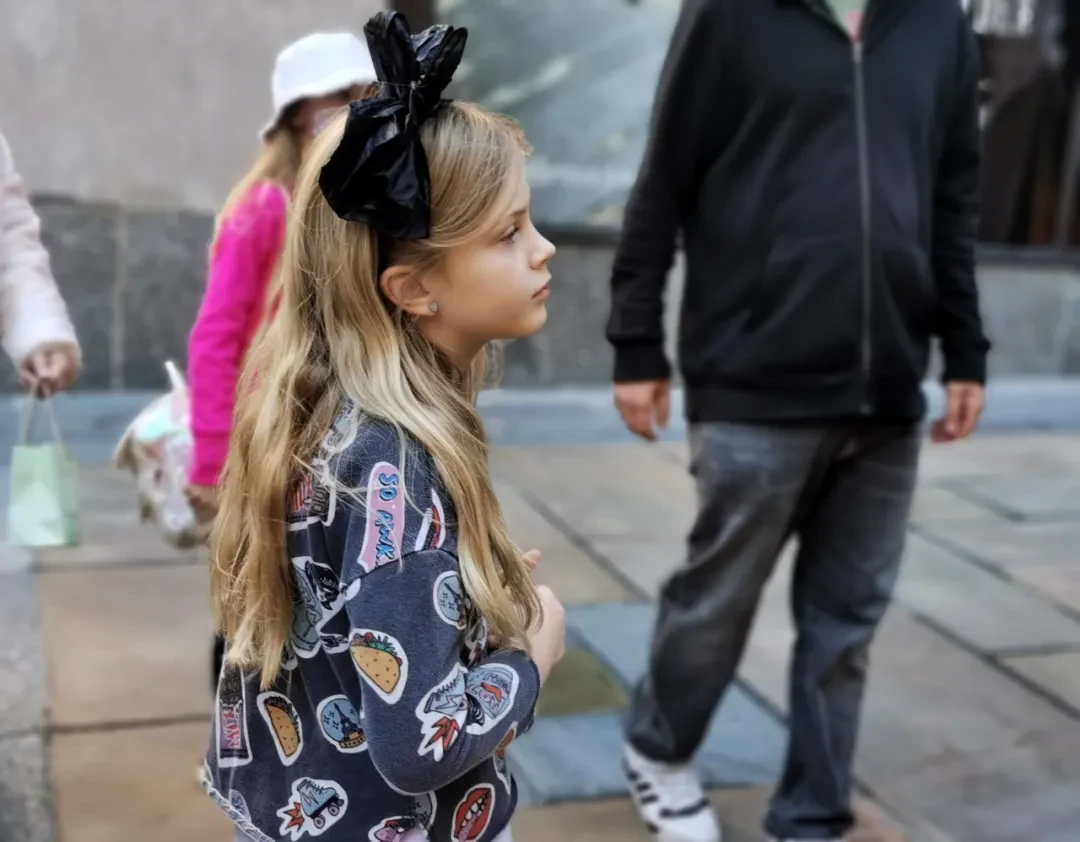
After packing our luggage, we took one last look at Rockefeller Center and passed the famous St. Patrick's Cathedral. Compared with Times Square and Flushing, this place felt much more American.
Postscript
In my eyes, this is New York: contradictory, yet harmonious.
Everyone here has their own story. At least in my memory, New York in November was like this:
When we were already used to going out wrapped in thick clothes, you could still see plenty of people on New York streets running in T-shirts or carrying yoga mats to go work out;
Walking on the street, your pace speeds up without realizing it, afraid that if you are not careful you will crash into someone coming the other way, or rear-end someone after a sudden stop;
The city's night views are dazzling and charming, the skyscrapers reach into the clouds, and the subway is flooded with smells, filth, disorder, and grime;
Coffee shops here are as common as barbecue stalls in Northeast China. Almost everyone carries a cup of coffee, and the city is filled with its aroma;
At that point you realize the words "New York" represent a way of life. Whether you like it or hate it, New York is simply that unique.
I cannot say I love New York that much, but I still hope we meet again before too long.
- End -
Words | Arsenan
Photos | Arsenan
Design | Arsenan