Ningbo turned a lakeside marathon into a warm farewell
Race date: Dec 8, 2019. A full marathon around Dongqian Lake, plus a cycling warm-up, an old friendship in Ningbo, and a walk through Fenghua history.
Dongqian Lake was more than a race course. On this 2019 trip, it became a goodbye before heading north, an excuse to ride around the lake, and a chance to see an old friend without all the awkwardness of youth.
Ningbo · Dongqian Lake
- Message from Ningbo -
Who went to Ningbo for a marathon, only to be caught by curry, lakes, and love?
Preface
By the last month of 2019, northern nights were already buried in snow, while the south was still bright, sunny, and stubbornly springlike.
I love the South the way I love the first light of morning. But December, for me, always carries the mood of goodbye.
Before heading back to the Northeast, the Dongqian Lake Marathon arrived at exactly the right time. I could draw a 42.195-kilometer line around the lake, see the girl I liked, and say goodbye in the most runner-ish way possible.
01
Cycling was just right
The Dongqian Lake Marathon is held in Ningbo, a southeastern coastal city and one of China's oldest port cities. In one of his poems, Tang poet Bai Juyi once contrasted dusty Chang'an in the west with the freer, more romantic world of the East China Sea.
But I did not come for the sea. I came for the lake: Dongqian Lake, the largest natural lake in Zhejiang.
I once heard a poem praising an "East Lake" as quieter than West Lake, with boats passing and dozens of springs flowing in. For a long time I assumed it meant Wuhan's East Lake. Later I learned Yuan Shiyuan was writing about Dongqian Lake.
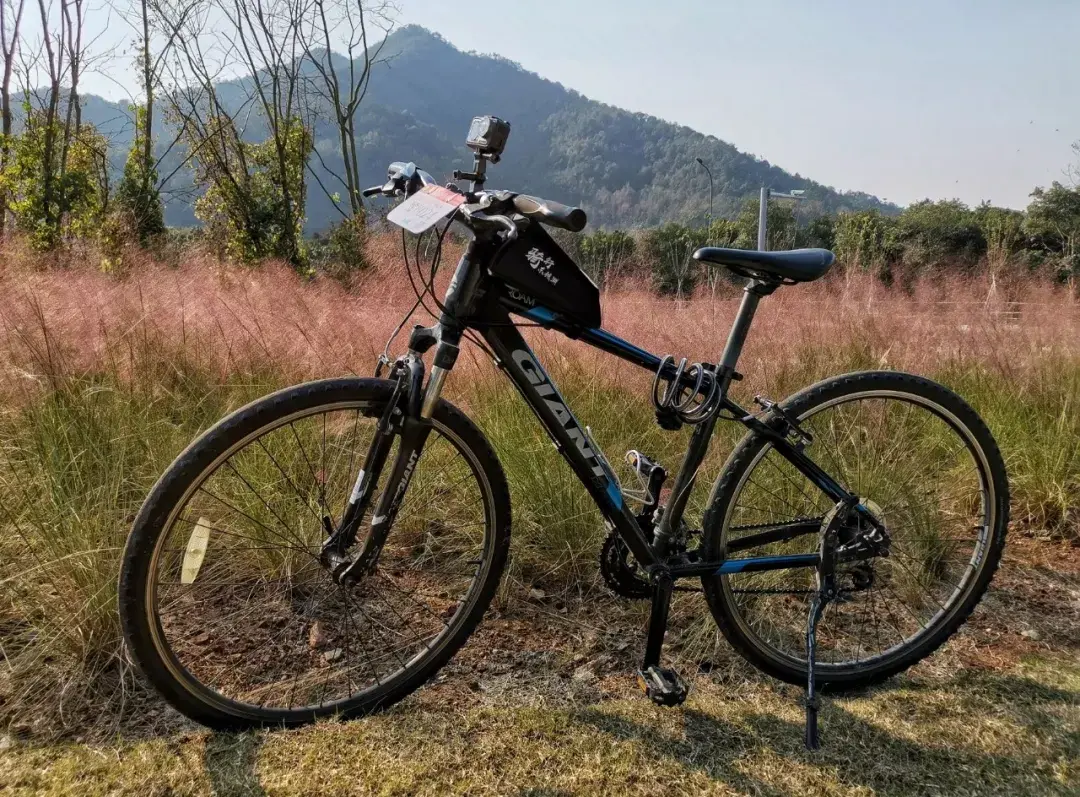
After arriving in Ningbo, we first went to pick up my race packet. We accidentally rode one bus stop too far and ended up at the Dongqian Lake Visitor Center, where we happened to see a bike-rental station. I had been debating whether to ride around the lake. That little mistake made the decision for me.
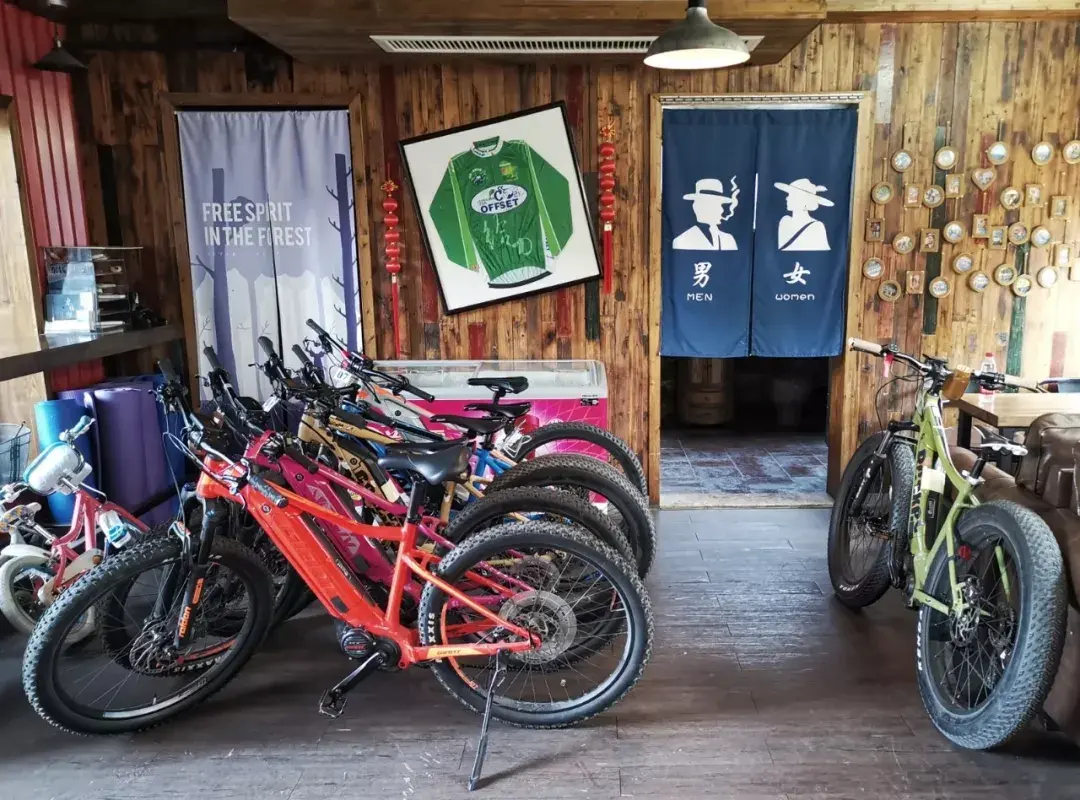
For Dongqian Lake, driving is too fast and walking is too slow. A bike felt just right.
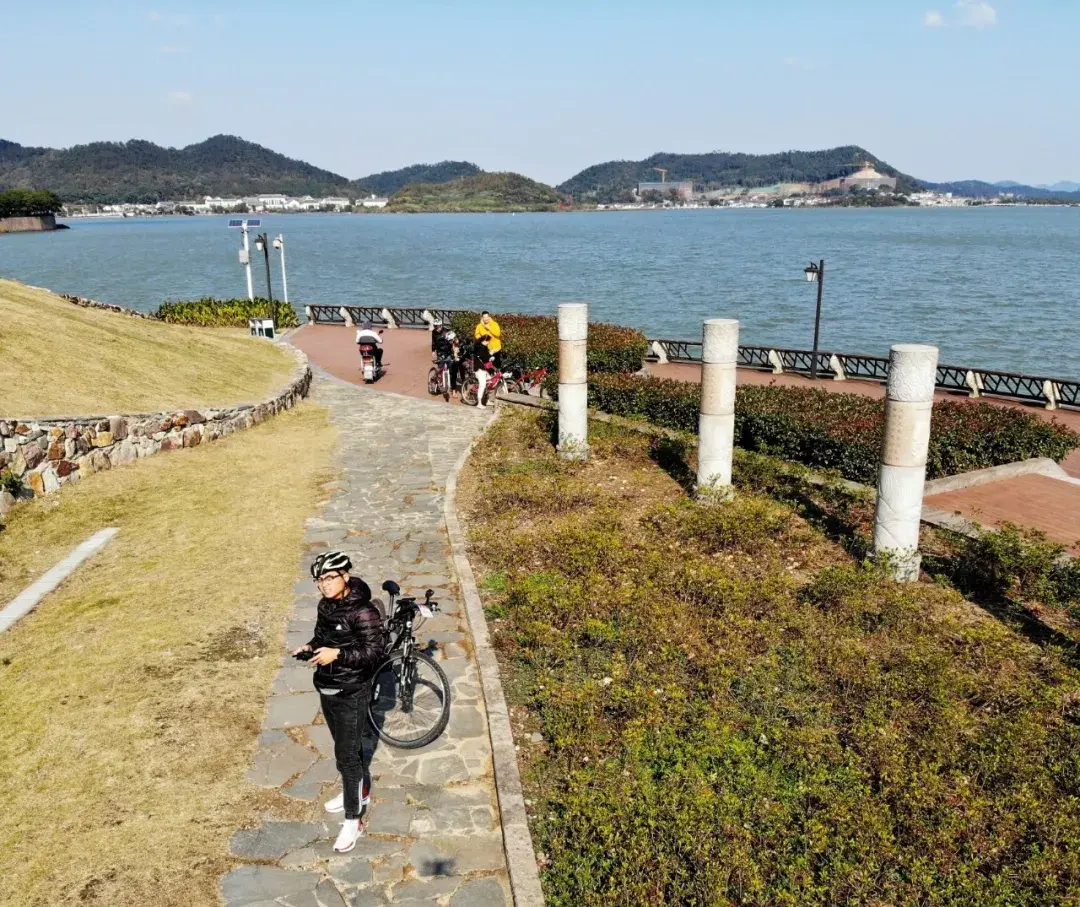
At 10 in the morning, I rented a bike and geared up like I was launching a small expedition: Feiyu gimbal, Mavic drone on my back, Osmo action camera mounted up front, helmet on, and off I went.
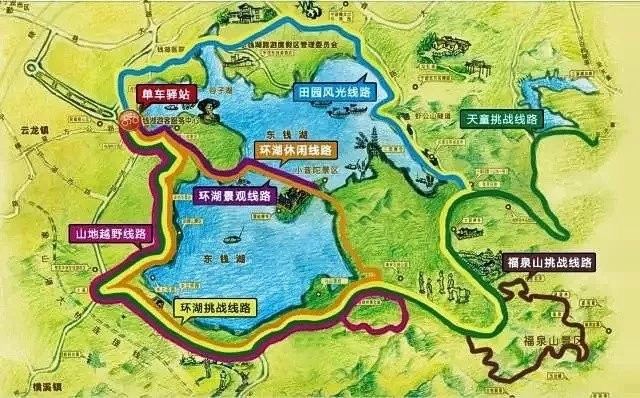
My loop followed the outer edge of Dongqian Lake, basically a mash-up of several routes on the map. Roughly speaking, it went like this:
Bicycle Station—Guojiazhi—Hanling—Shilisixiang—Shuanghongge—Ningbo Youngor Zoo—Dongqian Lake Town—Bicycle Station.
Not long after I started, I hit the marathon course on Fengqian Road. The race signs were already easy to spot.
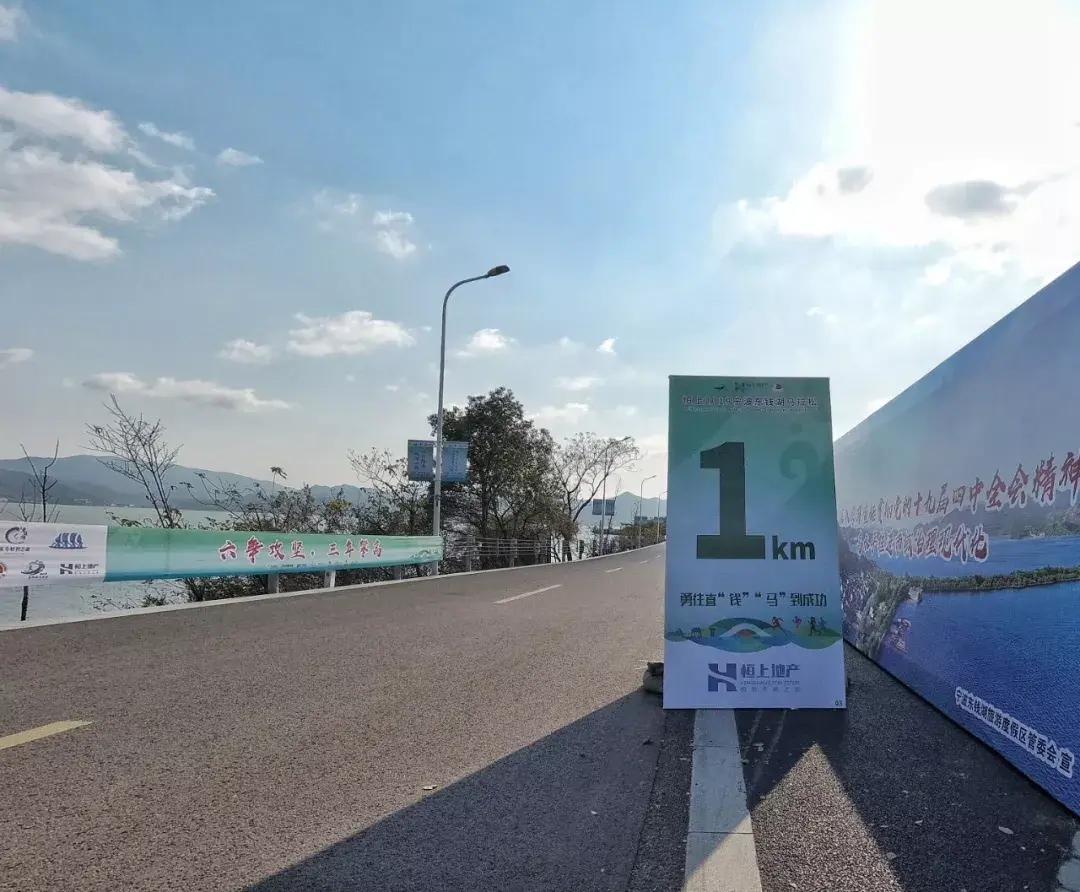
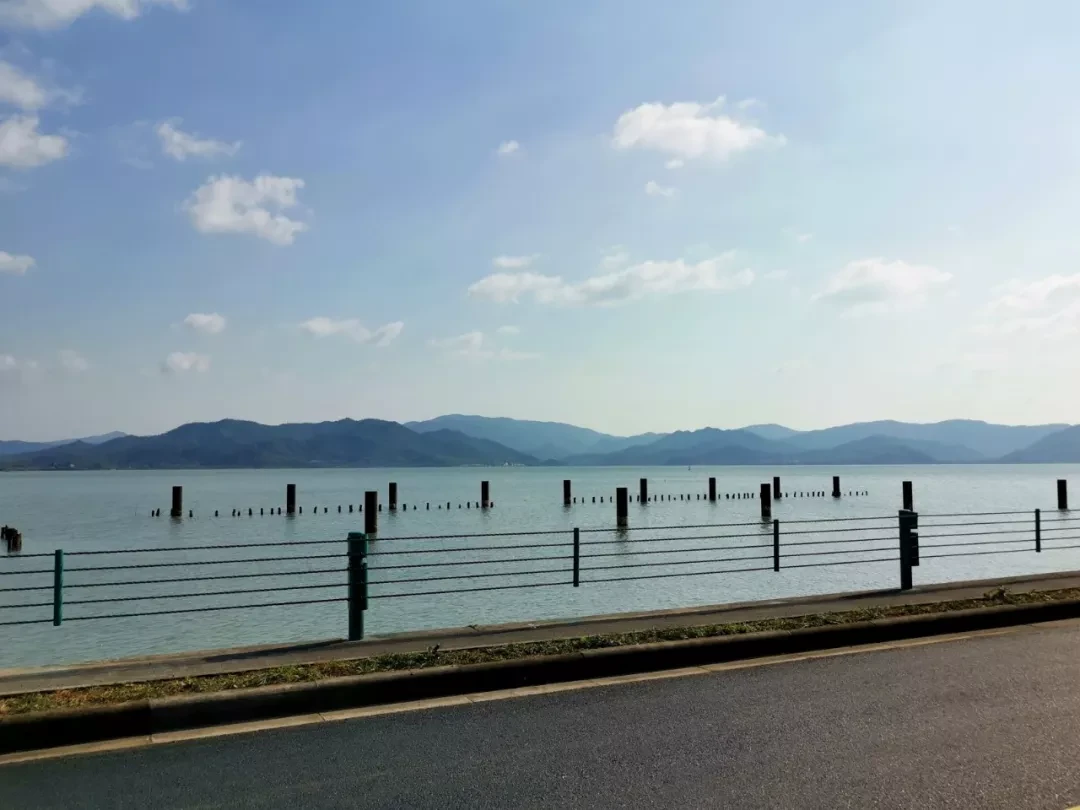
After passing the Dongqian Lake White House, I reached Tianluo Mountain, home to the legend of the Tianluo Girl and one of the classic "Eight Beauties of Qianhu" scenes.
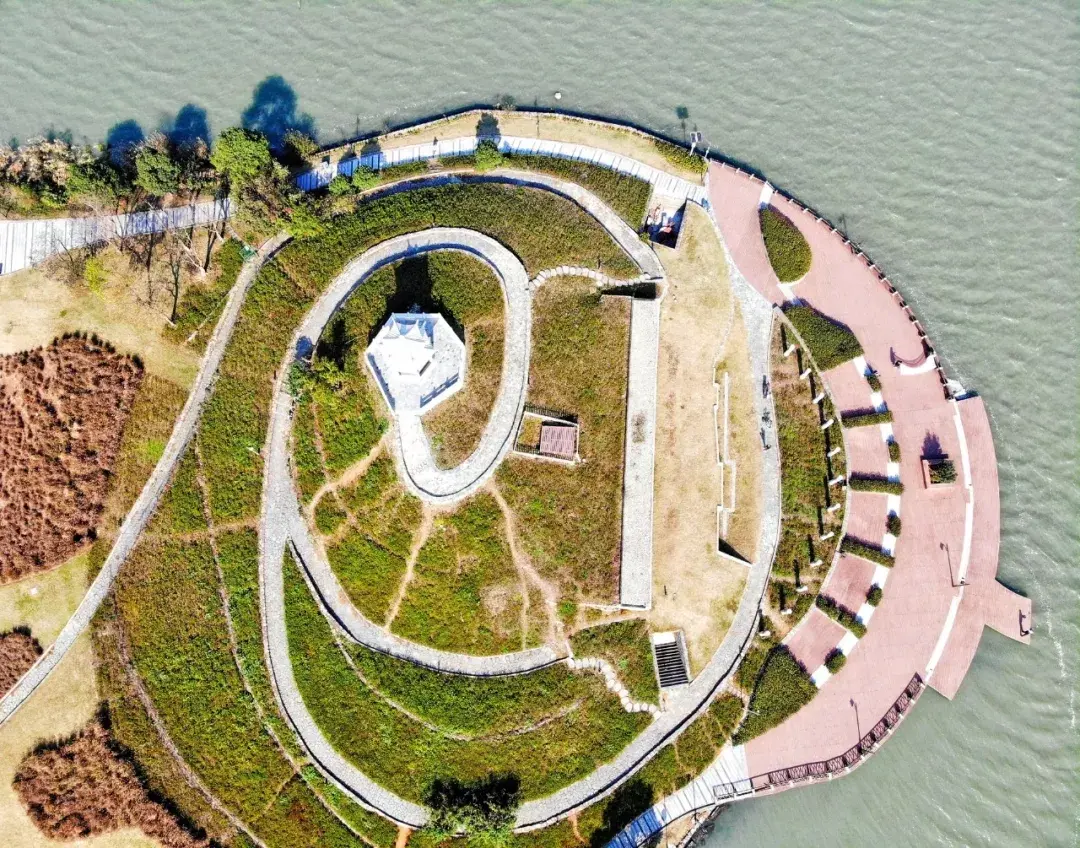
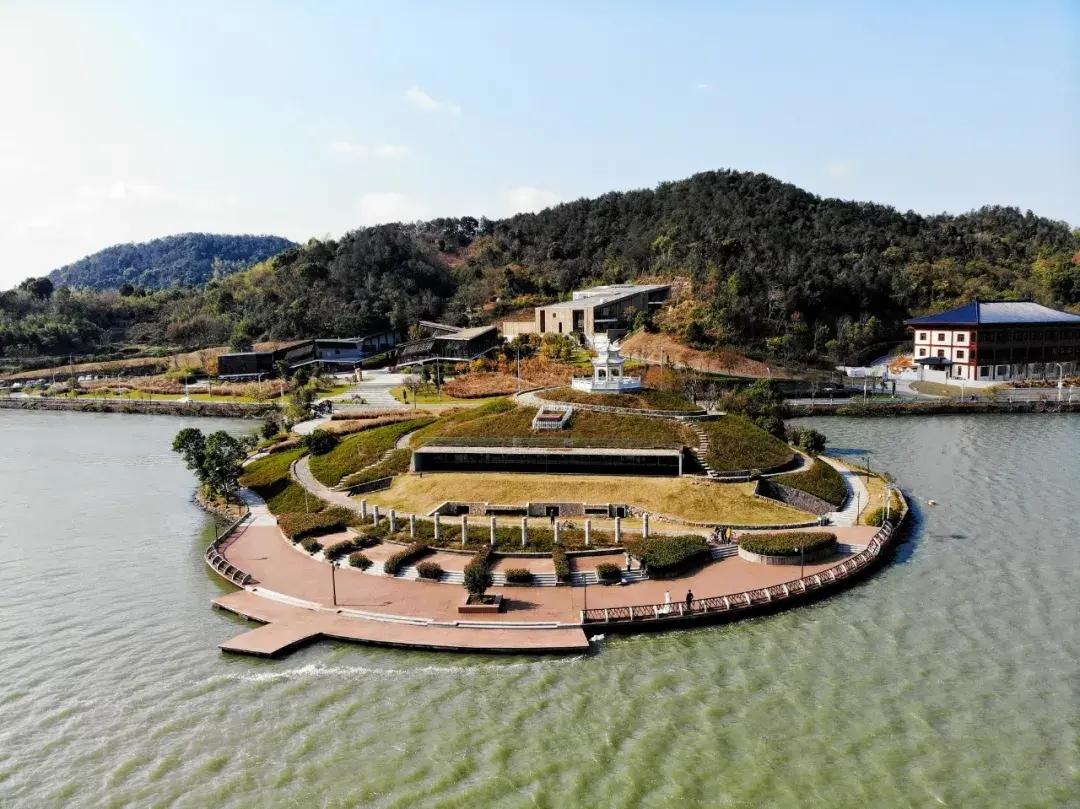
I picked up the pace a little and reached Hanling, the lake area's photogenic old-street favorite, at around 16 kilometers. Mountains wrap around three sides, the lake opens on the fourth, and time has left a proper Jiangnan village here.
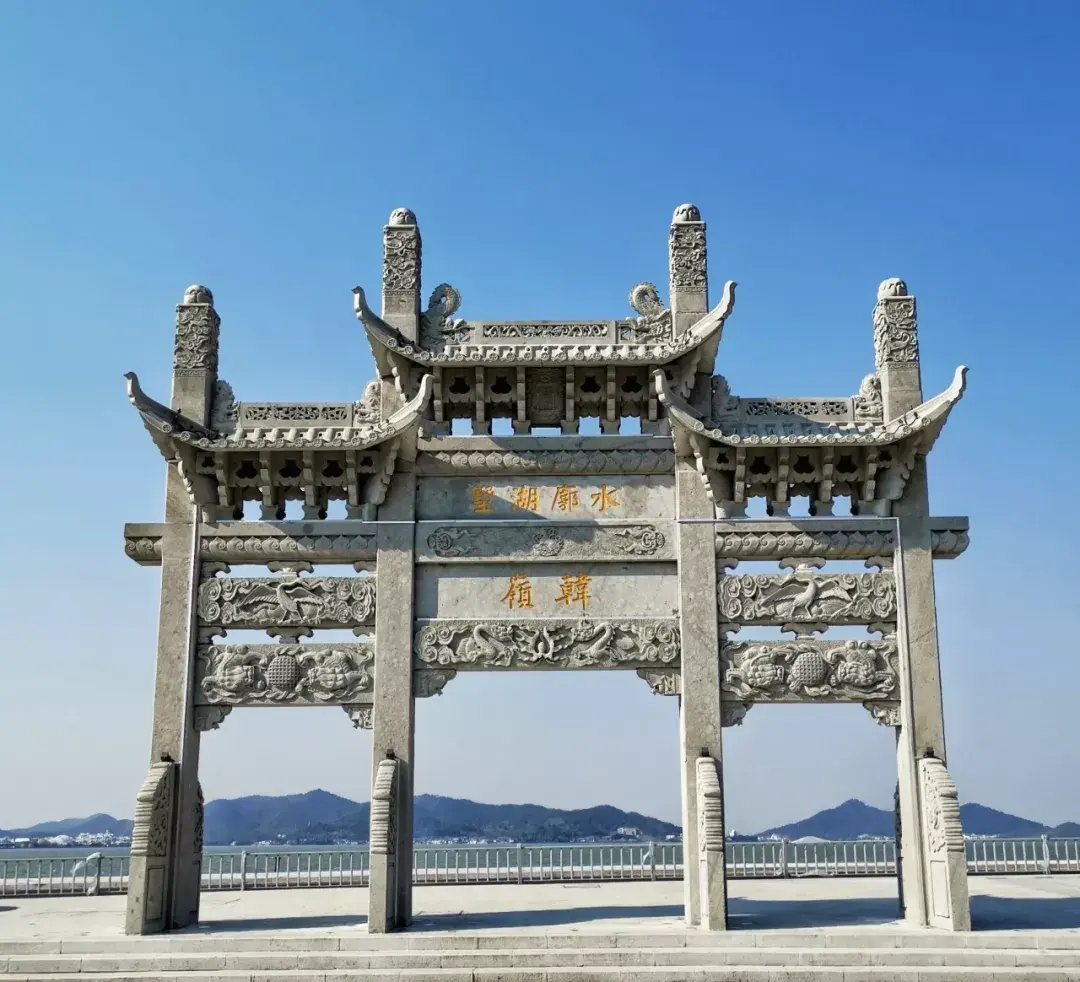
Many of the old homes are still preserved, giving you a glimpse of what traditional Ningbo houses used to look like.
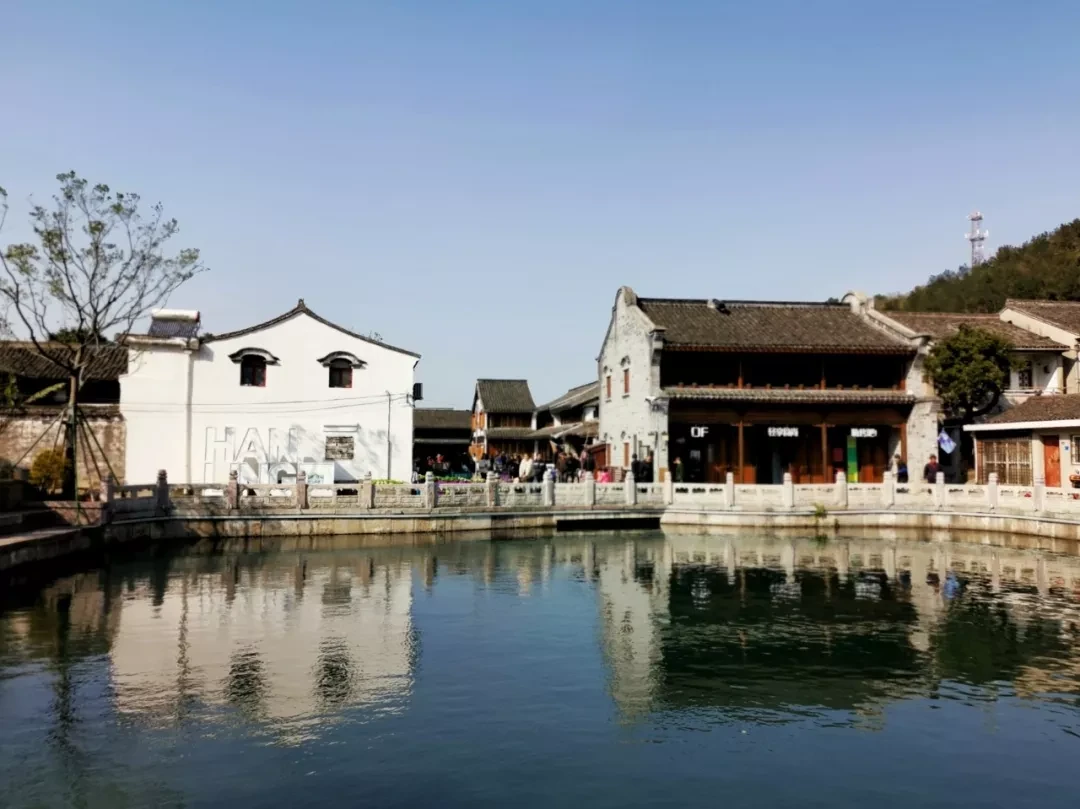
Every corner of the old street felt clean, quiet, and alive, with that everyday warmth the Chinese phrase "human fireworks" describes so well.
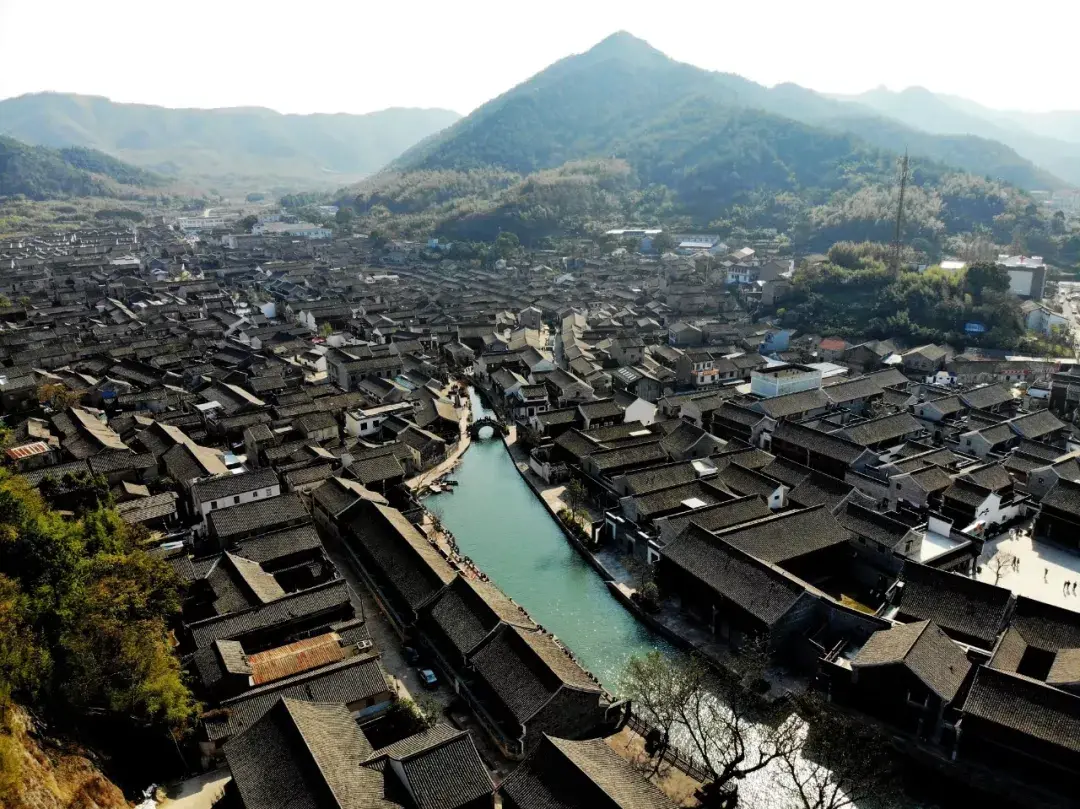
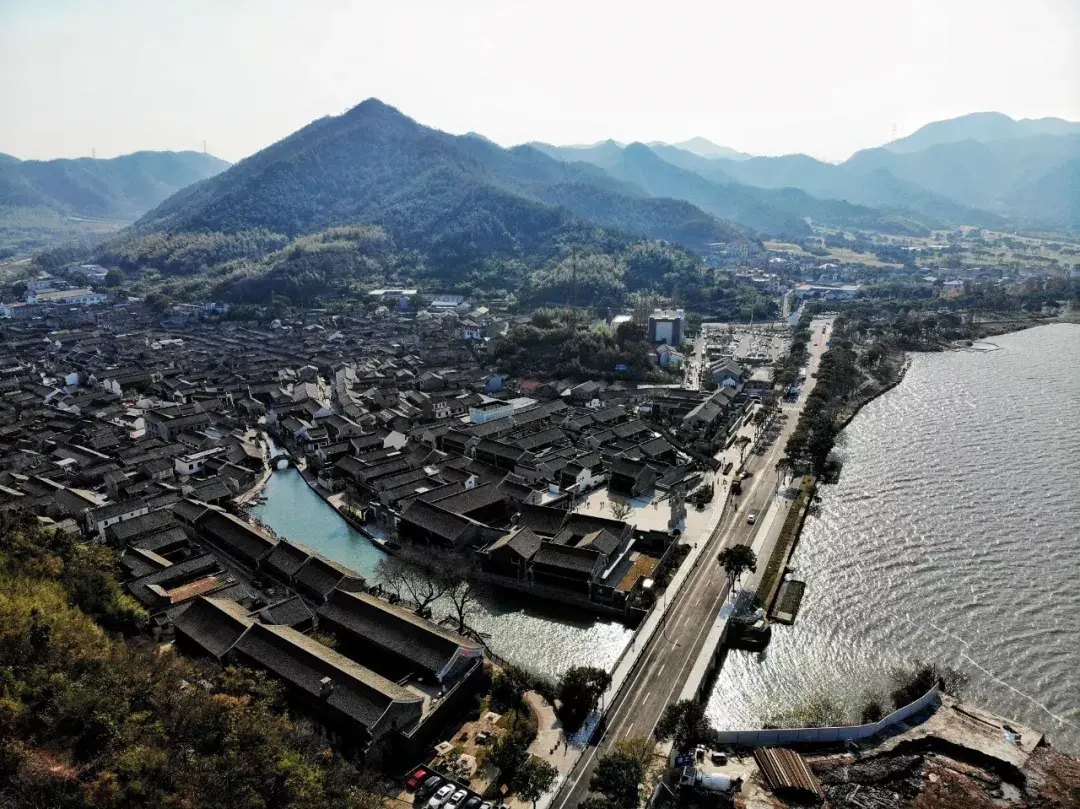
After leaving Hanling, I wanted to cut through Xiaoputuo, but bikes were not allowed in, so I stayed on the lake loop and reached Qianyantou Village in the afternoon.
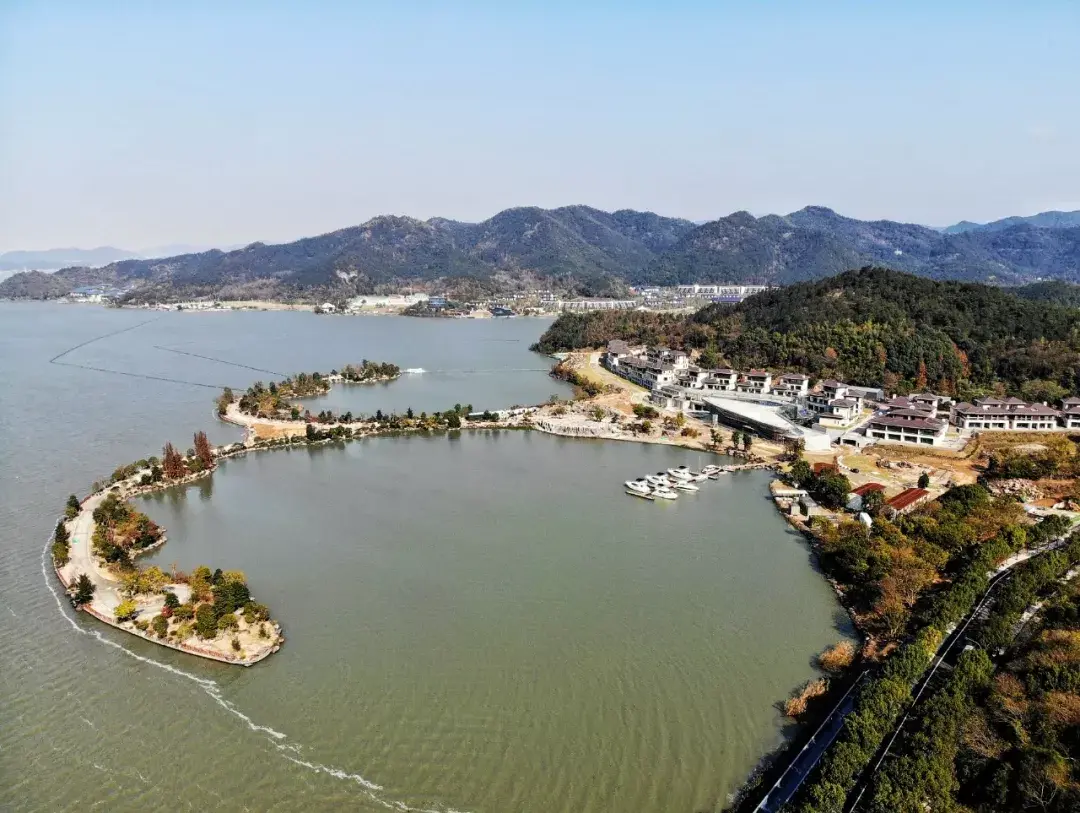
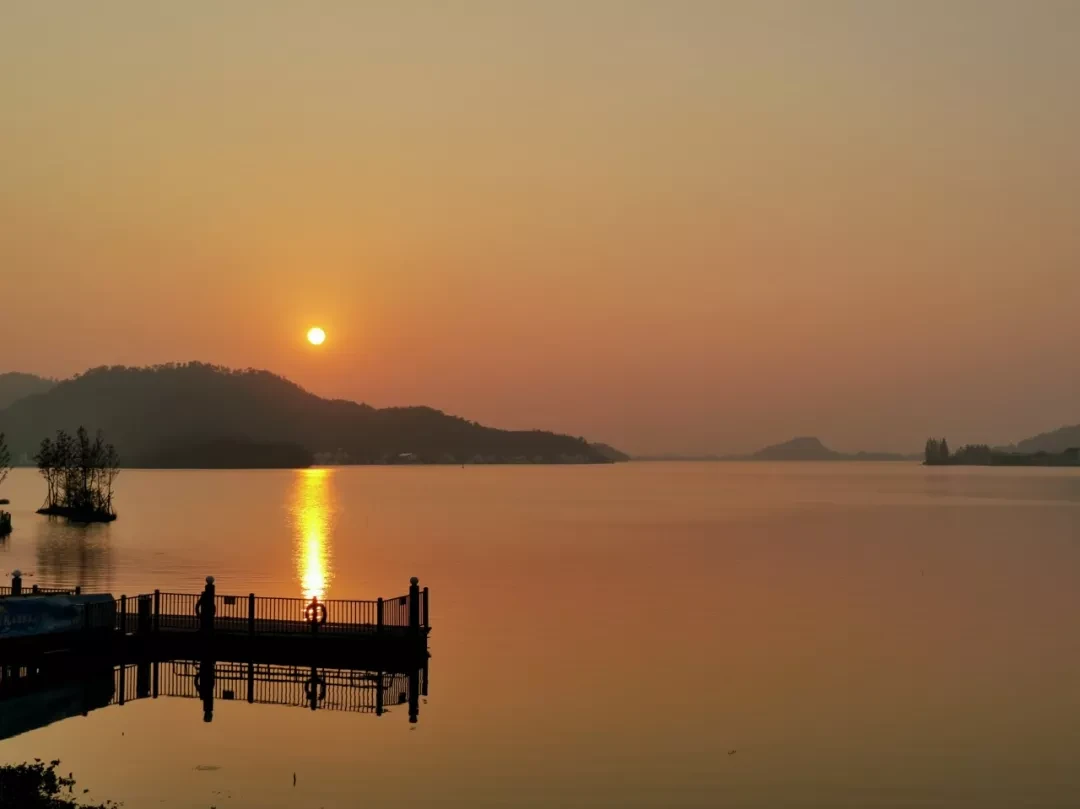
The sun was just right. On the lane outside the village, couples and runners passed by one after another. I simply stopped, sent the drone up, and enjoyed an afternoon in a Jiangnan water town.
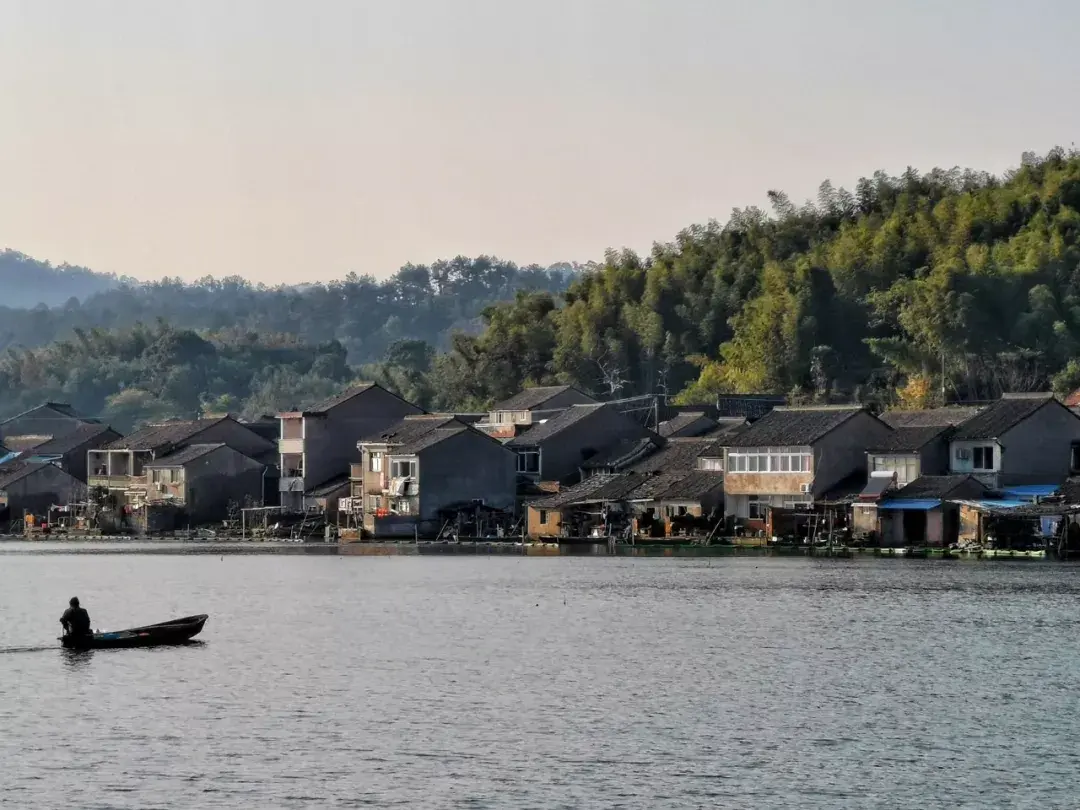
The rest of the ride rolled past more villages and scenic spots. Back at the station, I checked the distance: only 43 kilometers. Compared with the 120-kilometer loop around Erhai, this was practically easy mode, and a pretty good marathon warm-up.
02
Running, with love that does not run out
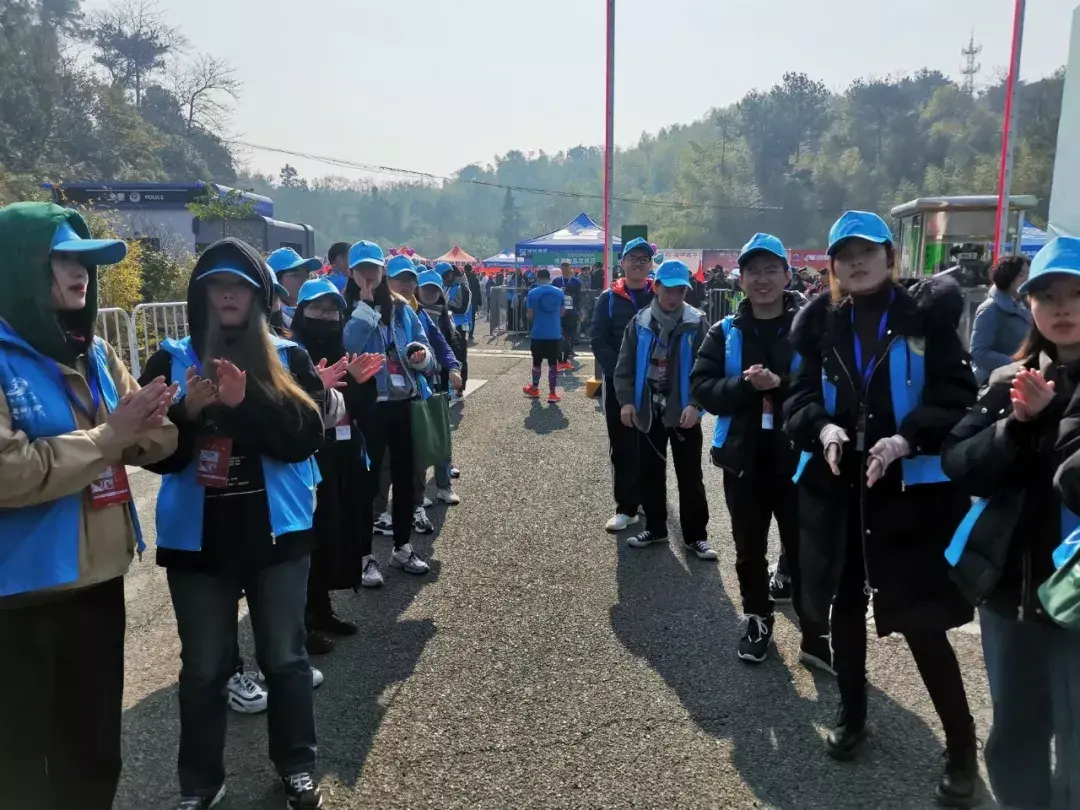
Back to the actual race. Packet pickup was at Dongqian Lake Water Park. The volunteers were thoughtful: knowing there probably were not many print shops nearby, they had blank confirmation forms ready for runners to fill out on site. It was not a huge expo, but it ran smoothly and efficiently.
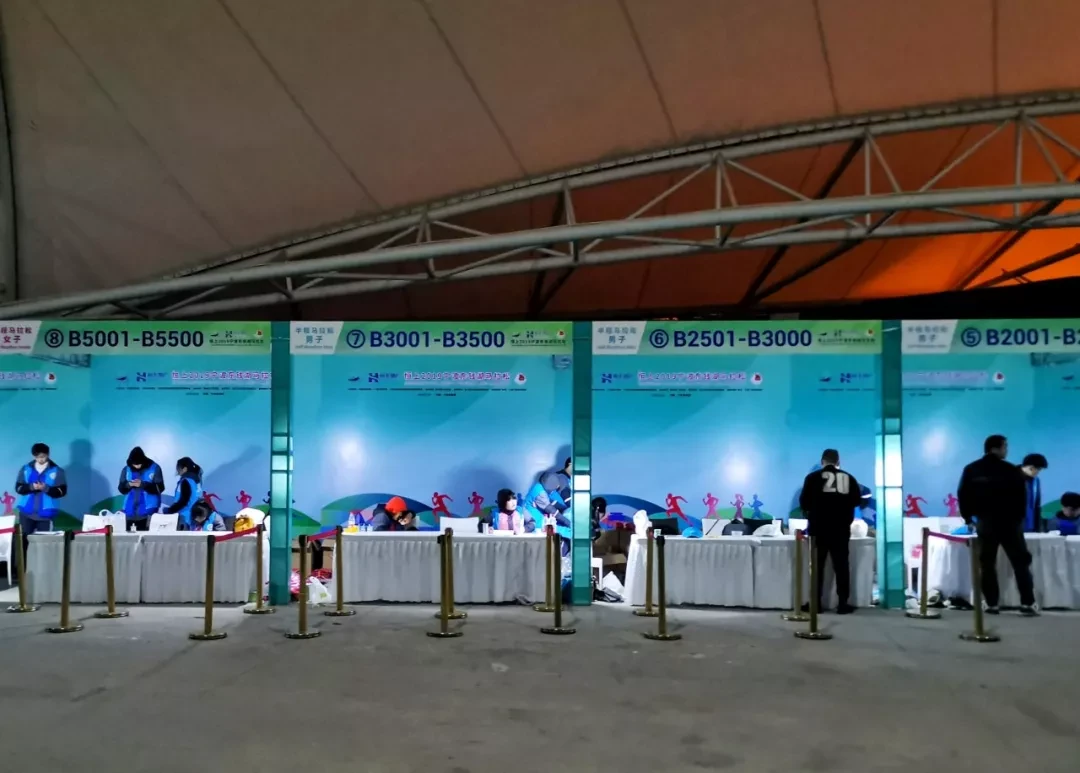
Ningbo has one of the best running scenes in China. The city hosts five marathons a year, and Dongqian Lake is the finale.
Because it is the year-end race, the morning was cold even in Jiangnan, only a few degrees Celsius. Runners arrived bundled in down jackets and then took them off with obvious reluctance.
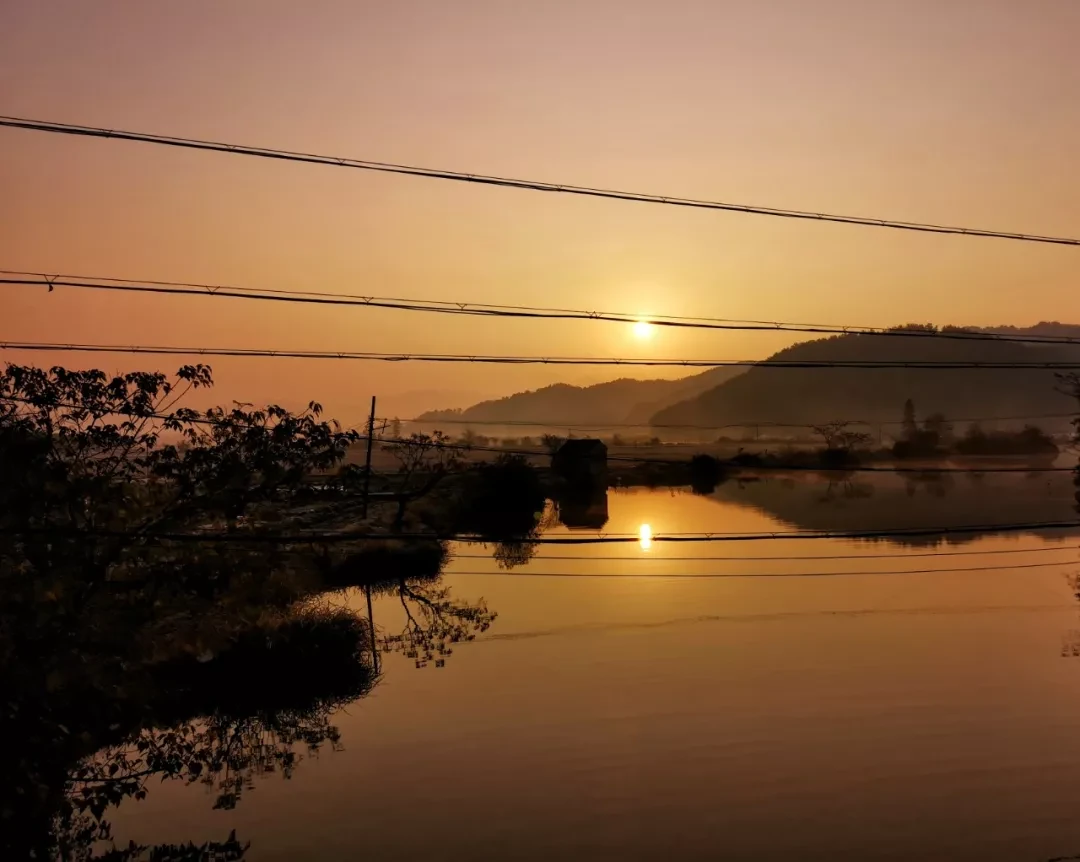
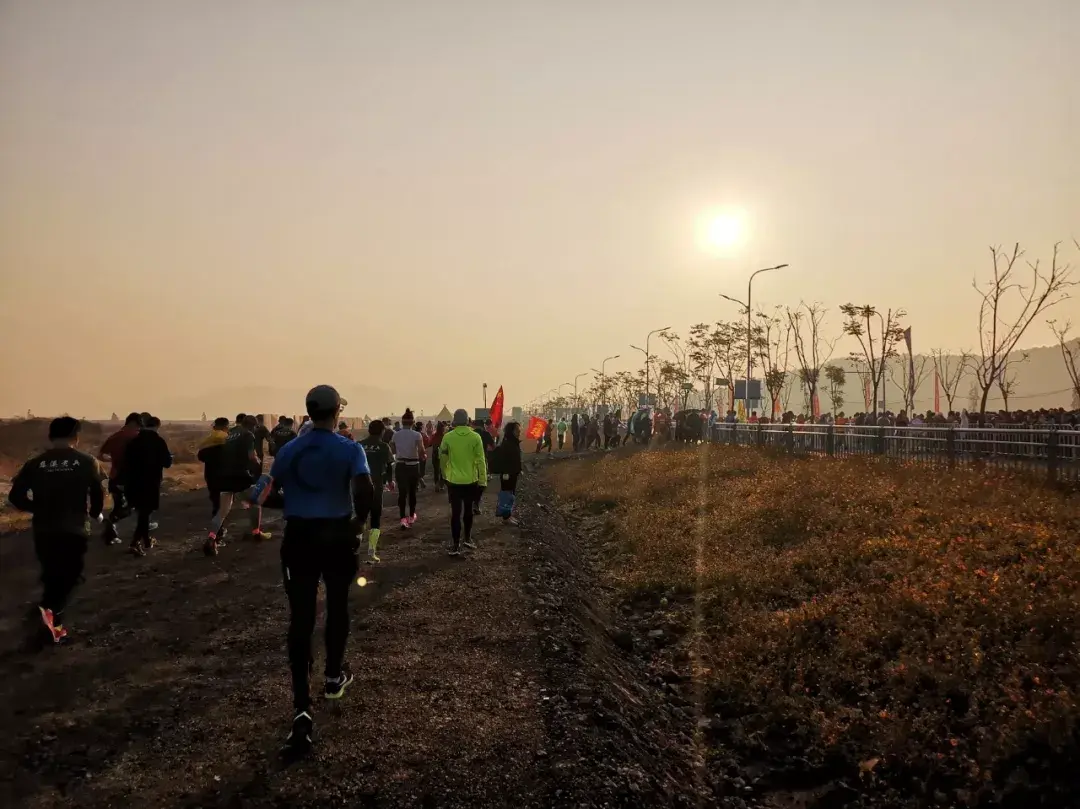
There was a warm-up at the start. Everyone huddled together for body heat, then sang the national anthem. The morning light had a warm color to it, and little by little I forgot about the cold.
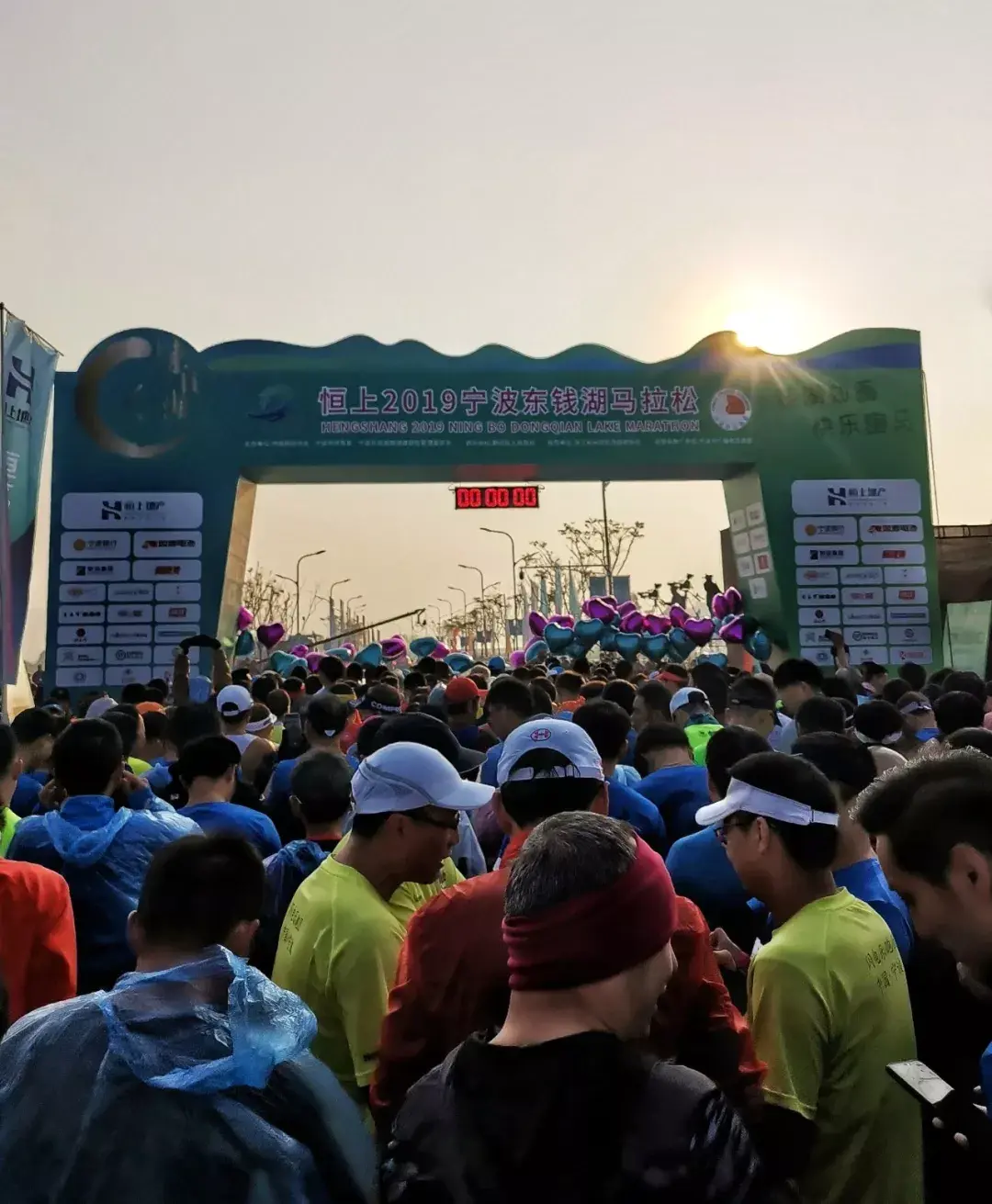
The host was Han Qiaosheng. I had met him once in Northeast China, so hearing Mr. Han's voice again felt strangely familiar and friendly.
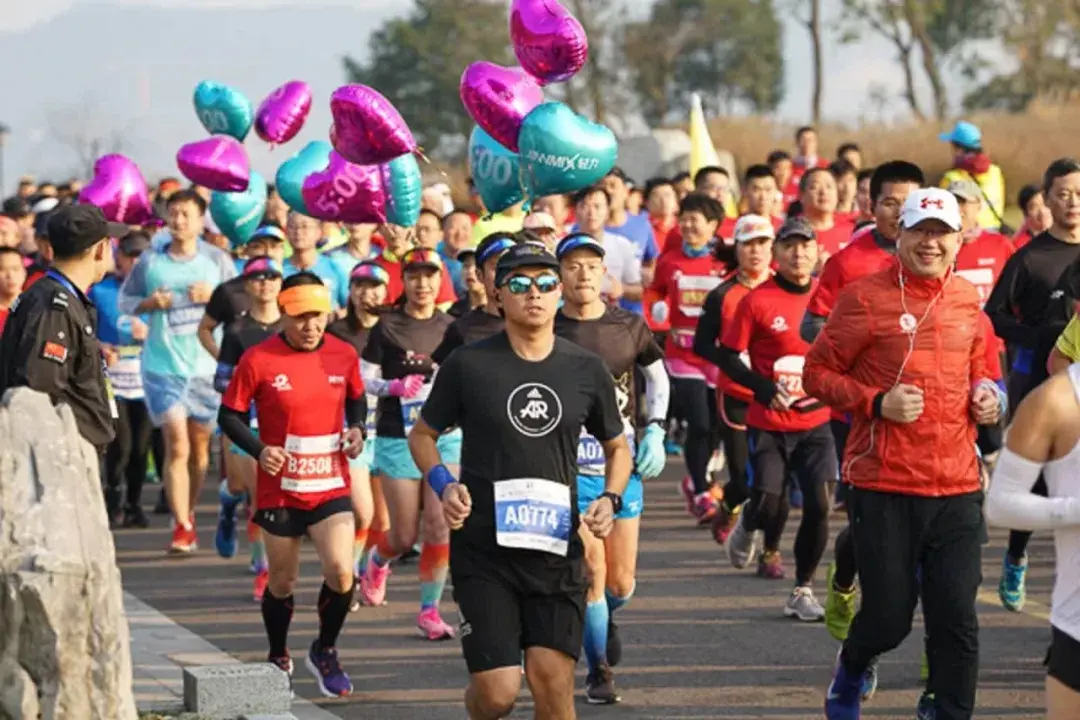
I ran straight into the sun at the start, and it was beautiful. The scene suddenly reminded me of Haikou. This time, I told myself, I was not dropping out.
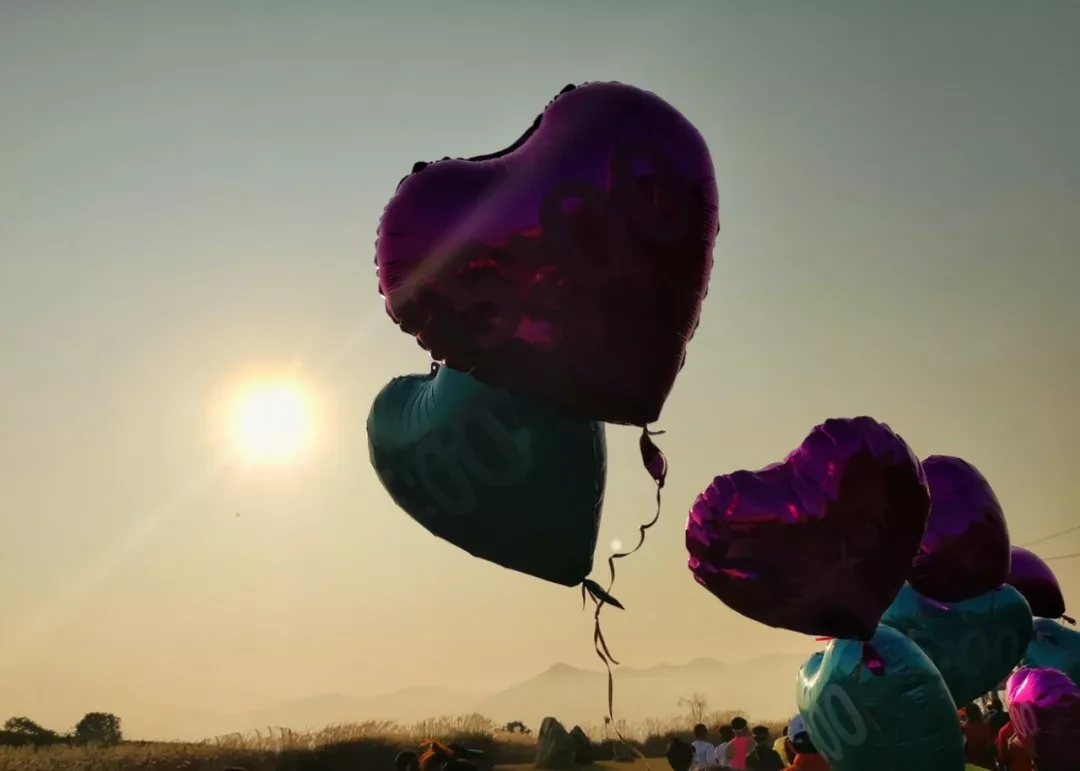
After one kilometer, we reached Tianluo Mountain. Sunlight spilled across Dongqian Lake, and the whole view looked like a postcard.
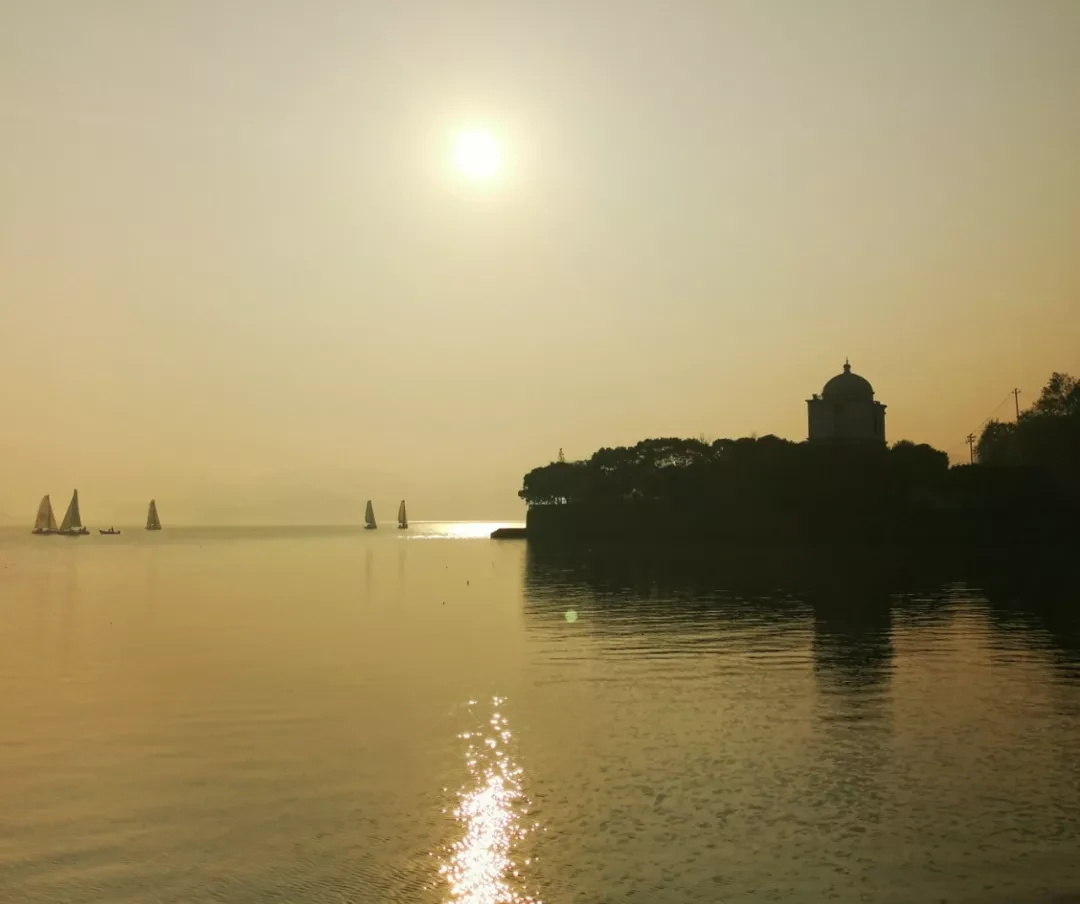
Then the course temporarily left the lake, taking us along Yincheng Avenue toward nearby villages and towns.
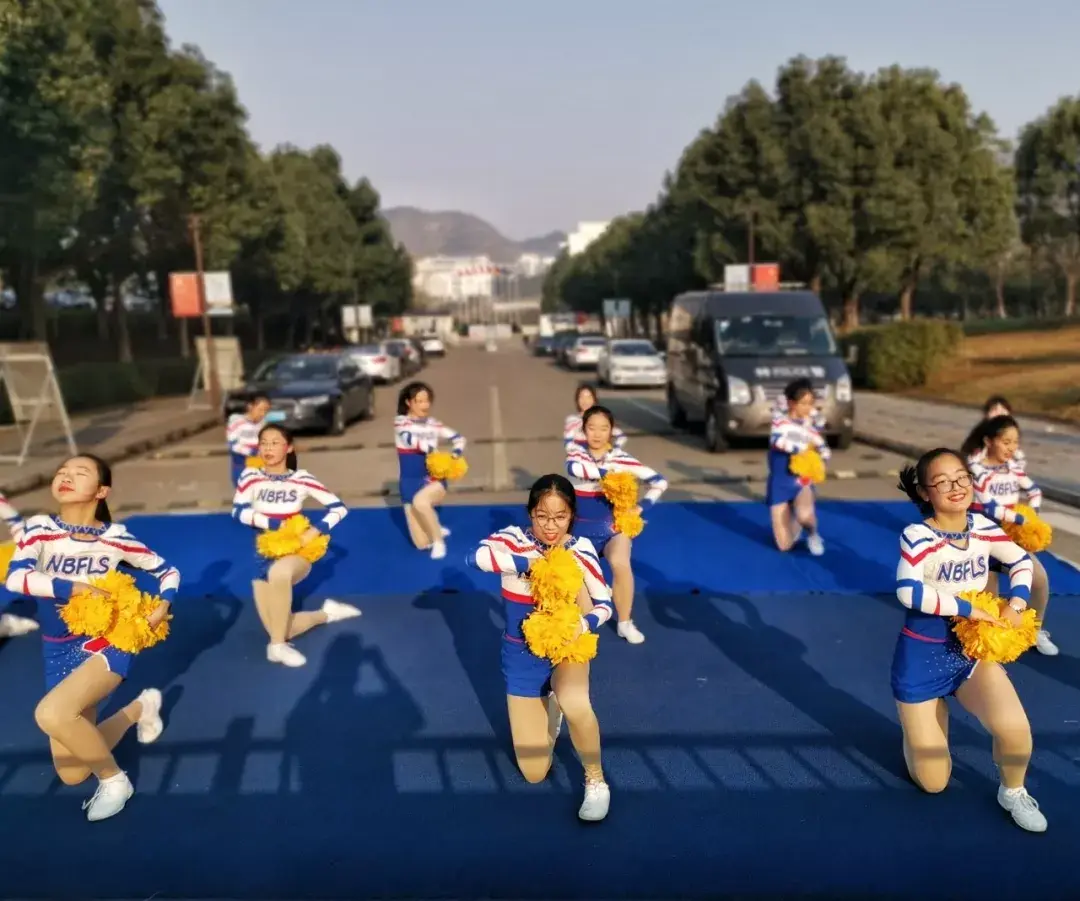
I originally planned to follow the 4:30 pacers, but I was feeling good and ended up running behind the 4:00 group. The early aid stations only had water and sports drinks, which I did not need much of. After 10K, I started taking gels and water in a more deliberate way.
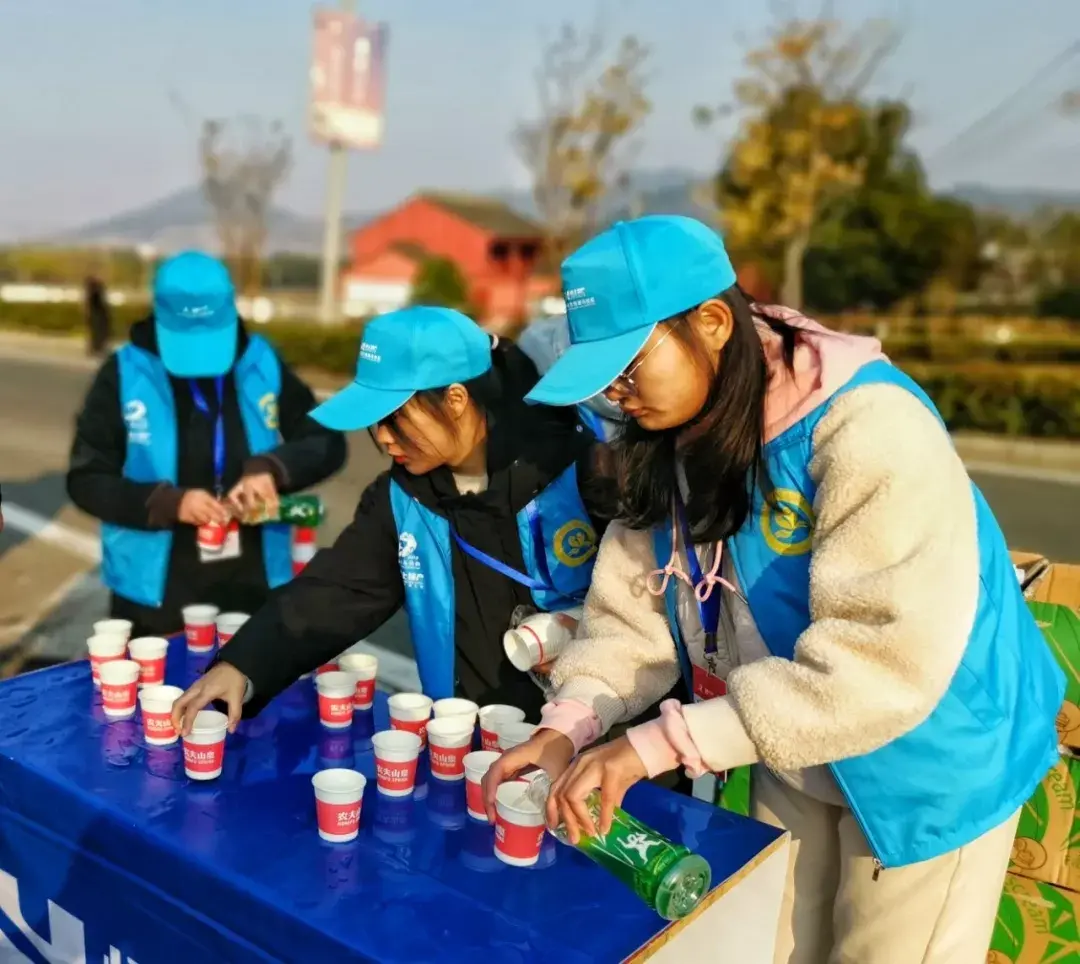
We did not meet Dongqian Lake again until around 20K. The half-marathoners were peeling off toward the finish, and suddenly the course felt empty.
The second half was the real test for the roughly 2,000 full-marathon runners. The temperature rose, but my body had warmed up too, and running actually felt comfortable. I passed Hanling Old Street again, with faint cheers drifting from the roadside. I stayed with my own rhythm, not chasing anyone, not forcing anything, just moving forward.
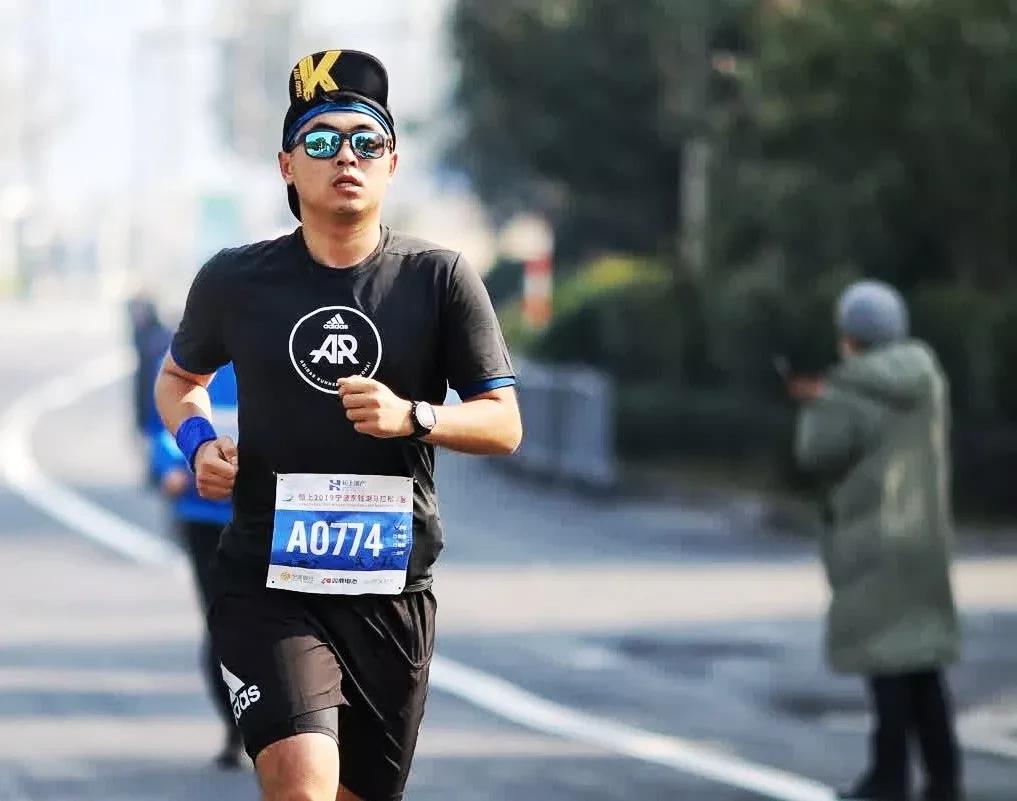
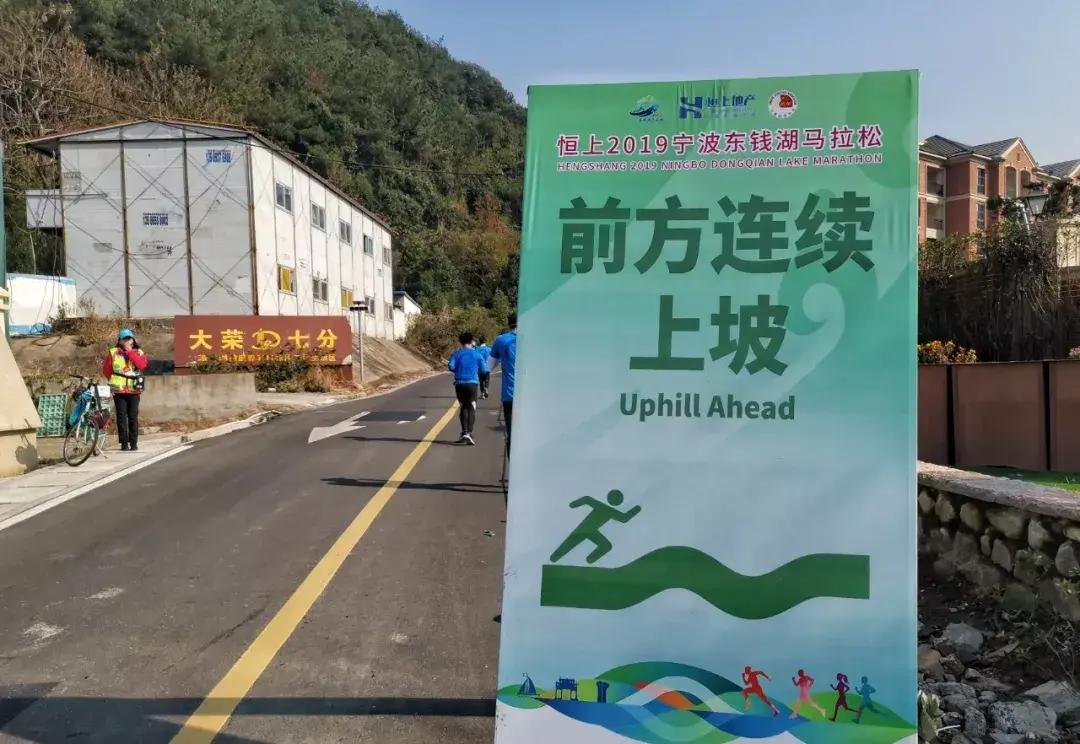
The out-and-back around 30K was a little dull. The big climb at 33K was honestly brutal, but the downhill at 35K was pure joy. I clawed my way through that two-kilometer uphill, and after that things opened up.
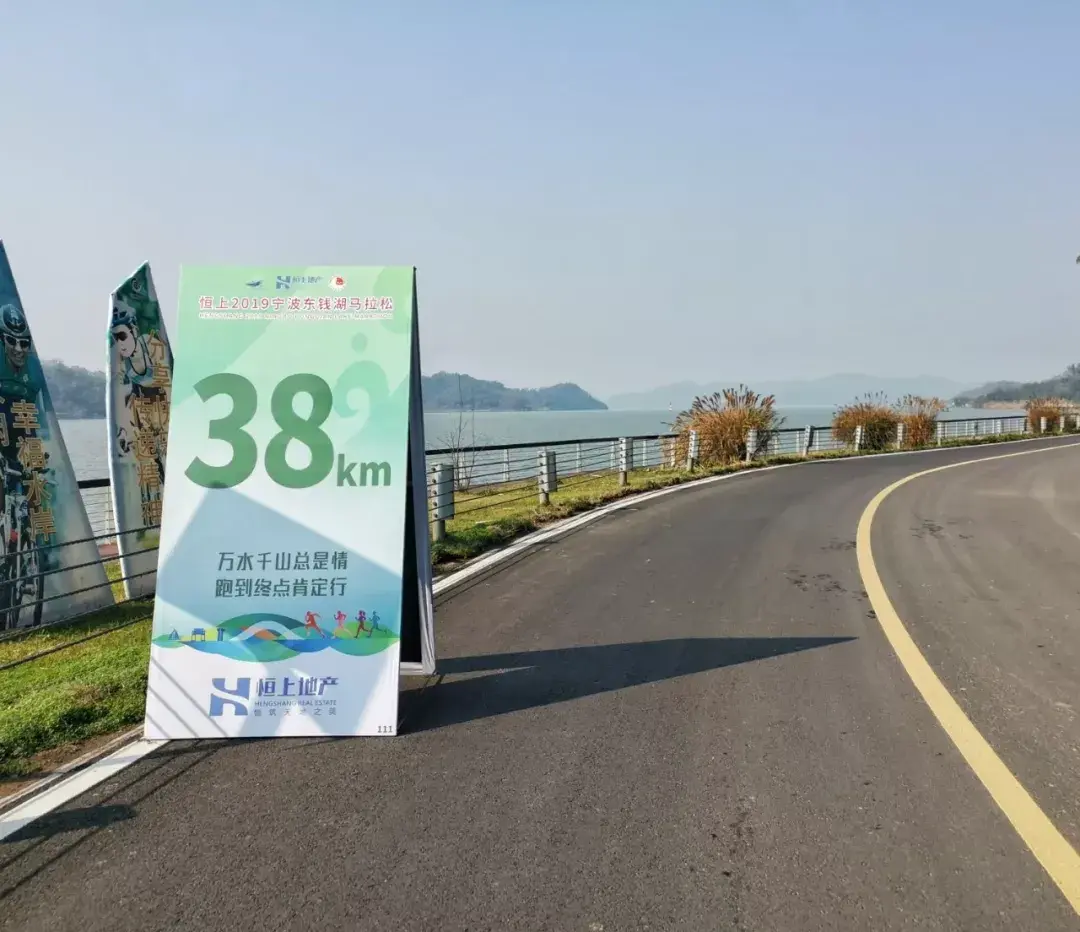
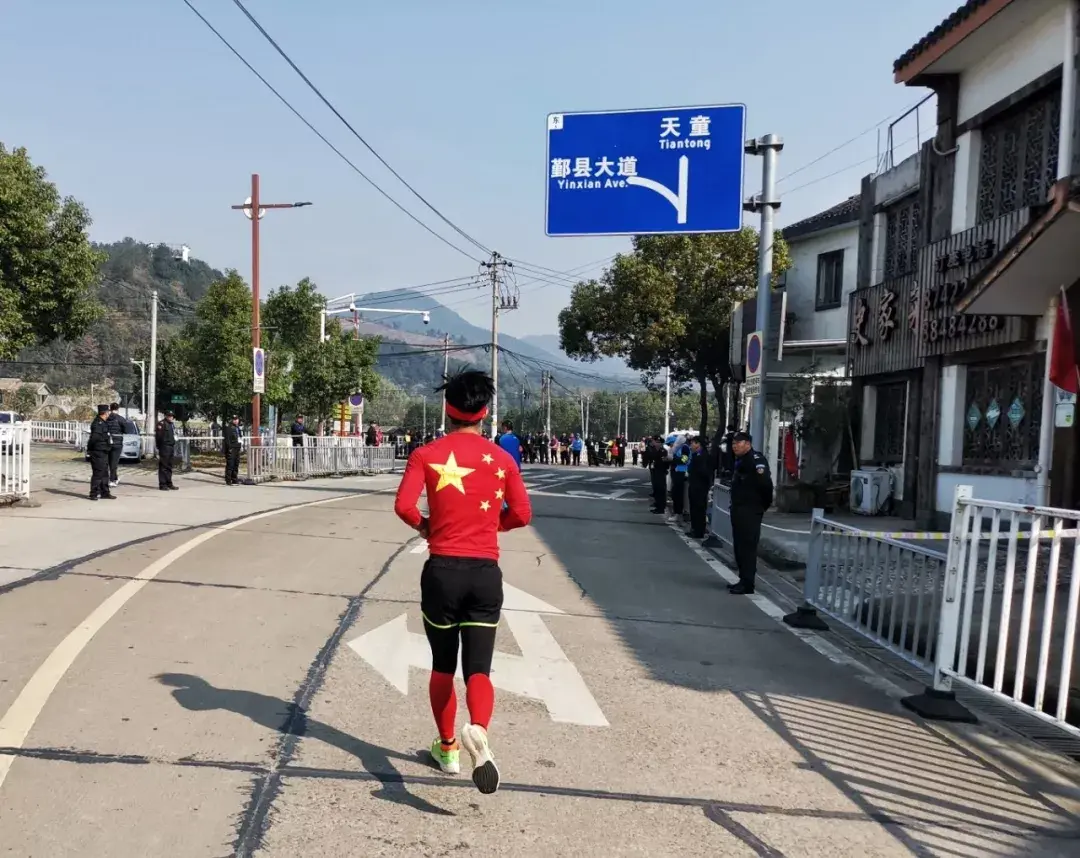
In the final stretch, the tea-garden girl was cheering, the course kept turning between mountains and water, and I ran into a flag runner in Dongqian Lake Town. Basically, at the point where I was supposed to hit the wall, the course was still more fun than tiring, and it never gave me a good excuse to stop.
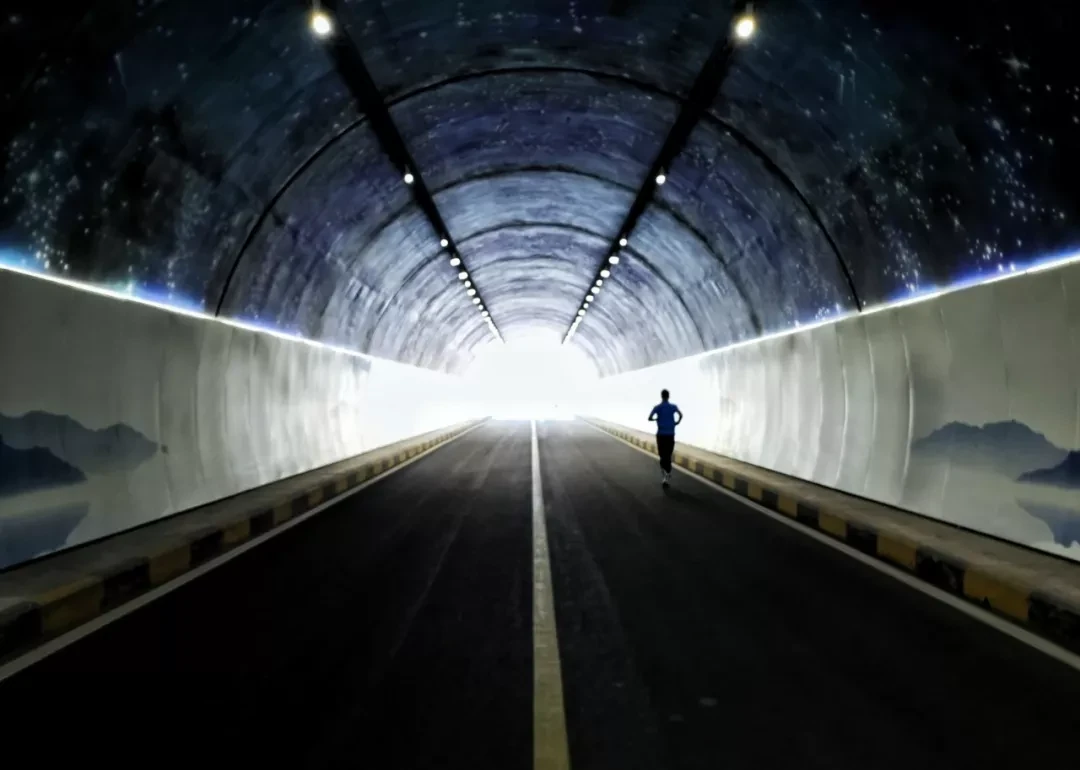
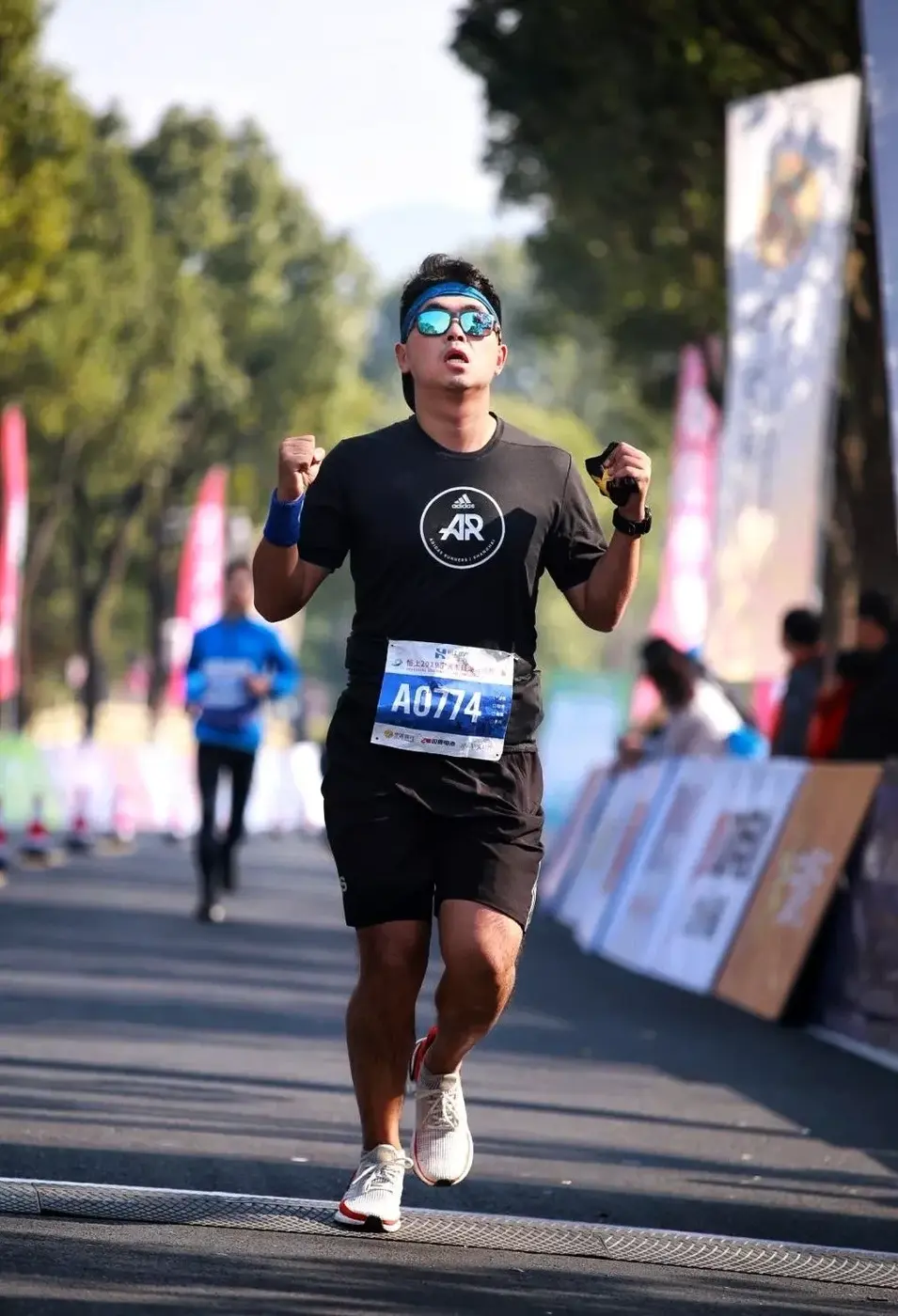
I finally crossed the line in 4:08. No sub-4, but I was happy with it.
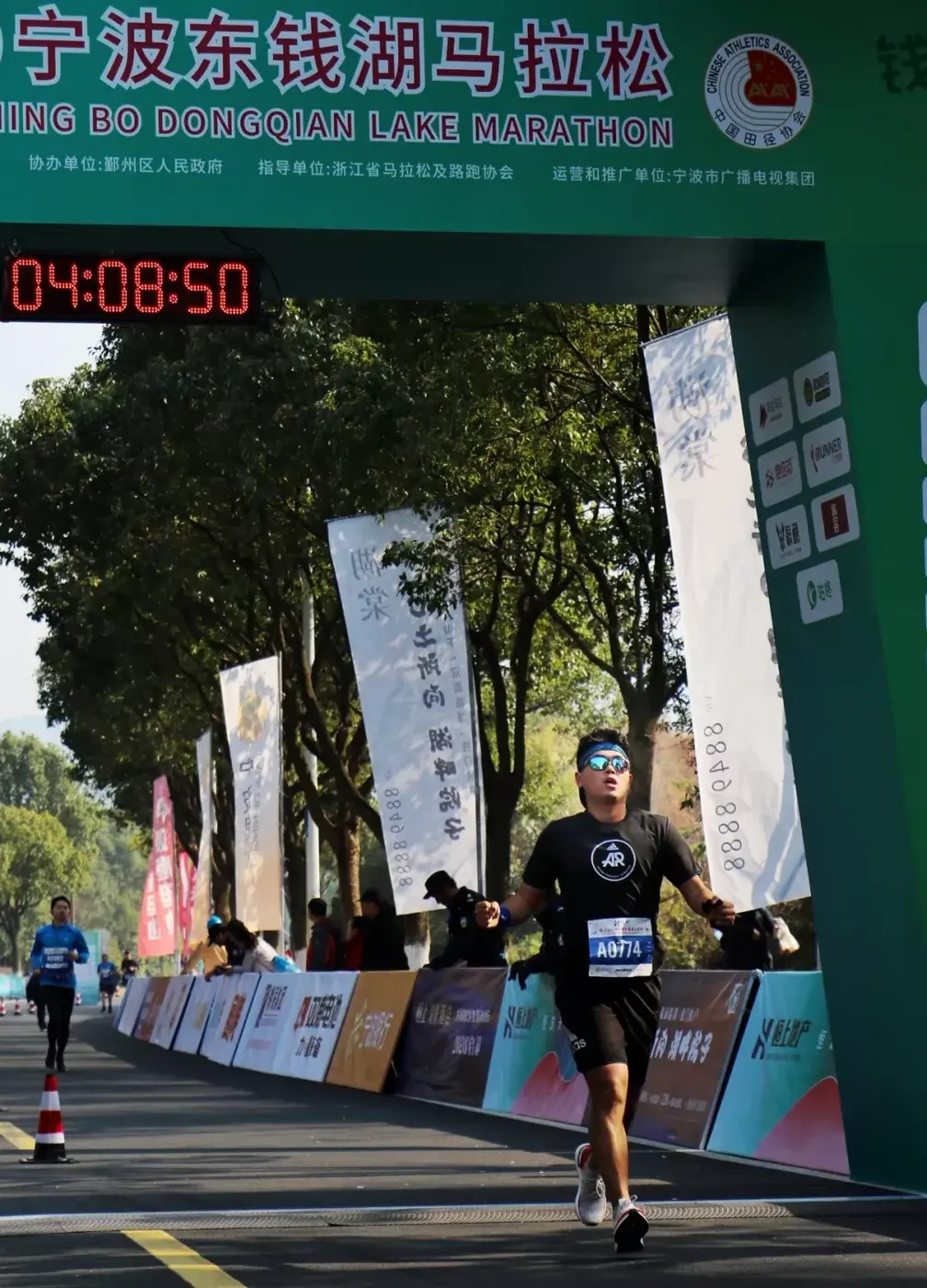
I was not too wrecked afterward. After stretching, I could still walk with some purpose. The medal looked pretty good too. There were plenty of post-race shuttles, though the walk to them was a bit far and not ideal for some finishers.
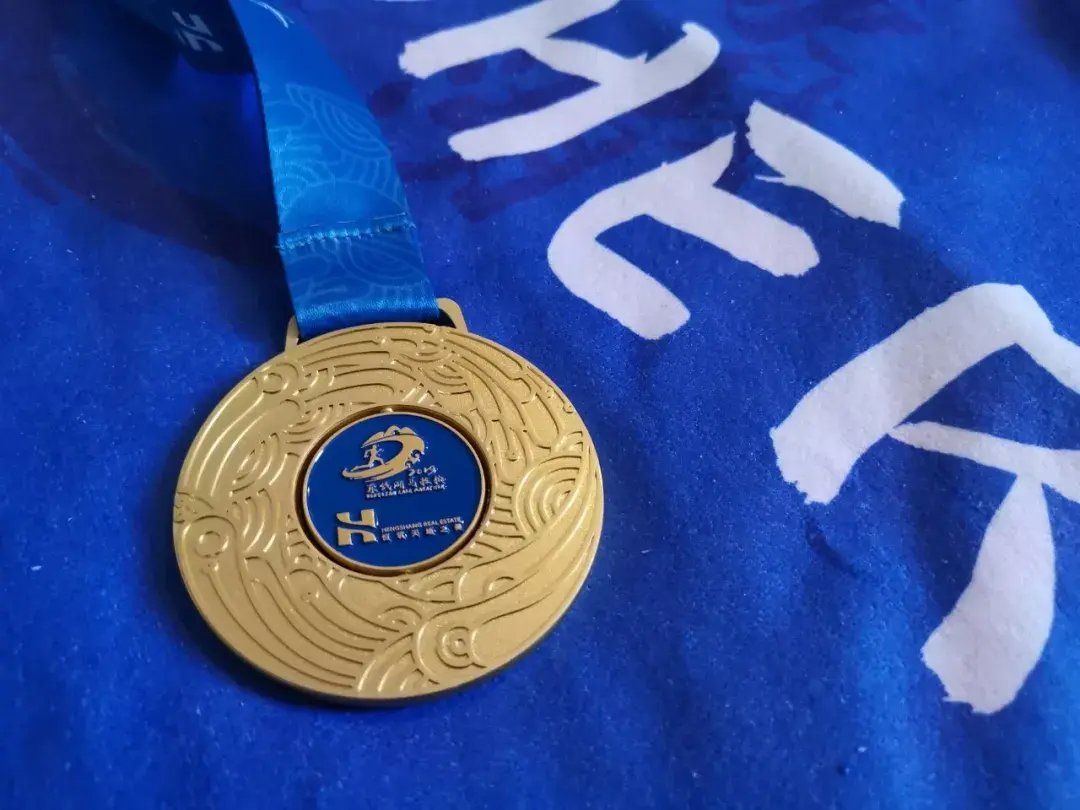
Overall, Dongqian Lake was a good experience. My body was not fully tuned, and I knew I would not be racing again for a while, but my love for running was not going anywhere. I would keep running.
03
This Time, Seeing Her Was Not Awkward
I defined this trip as a "gathering by Dongqian Lake." The marathon was only one reason to come to Ningbo. Another reason was that I wanted to see Miao'er, someone I had known since school and an old friend by now.

I have never hidden my affection for Miao'er. We were classmates in both high school and college. She was once the girl I could not catch, and now she is an old friend.
I think we all pass through those young, awkward years. When time lets the embarrassment fade and leaves a friendship behind, that is something worth keeping.
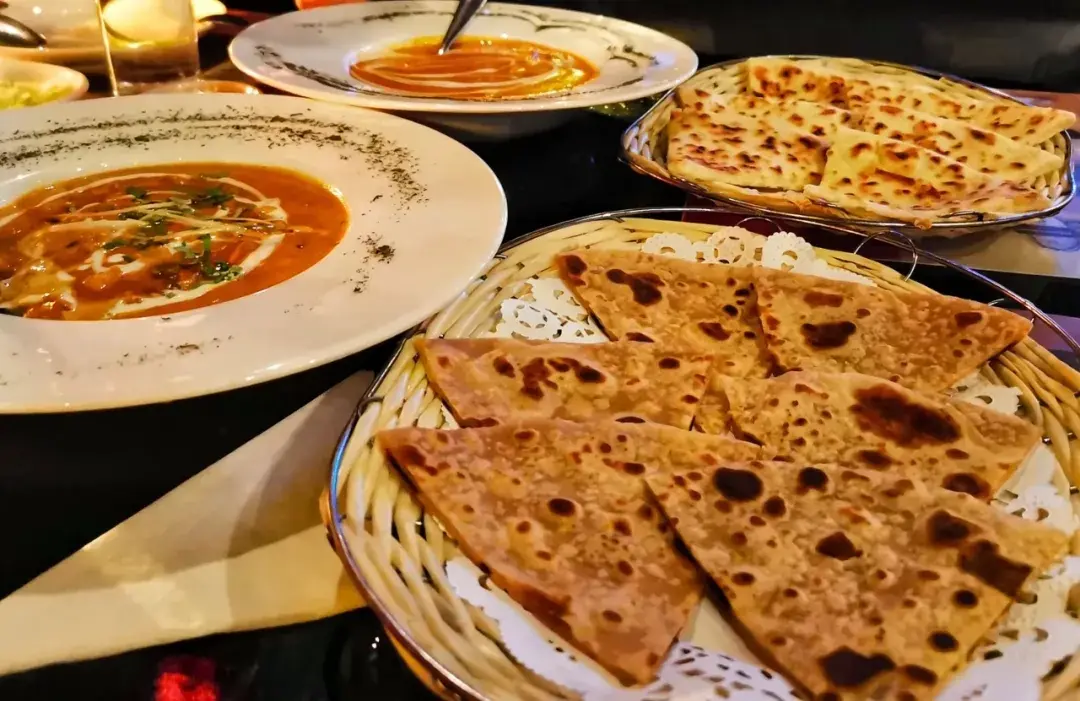
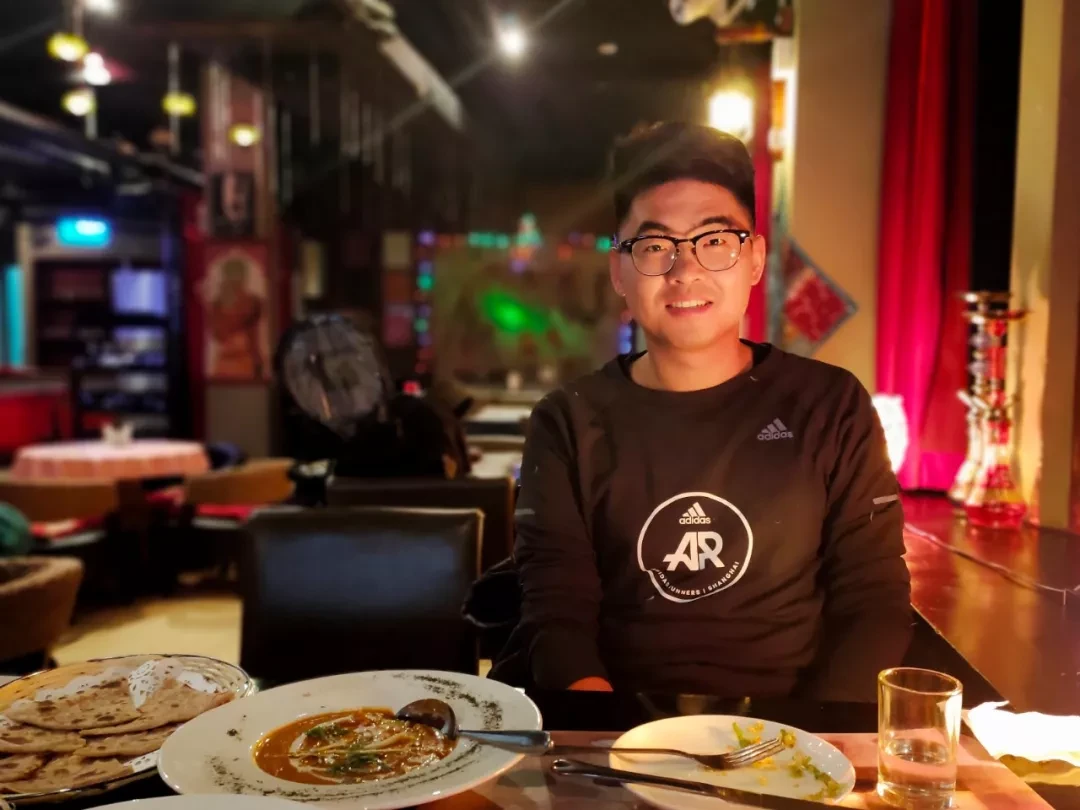
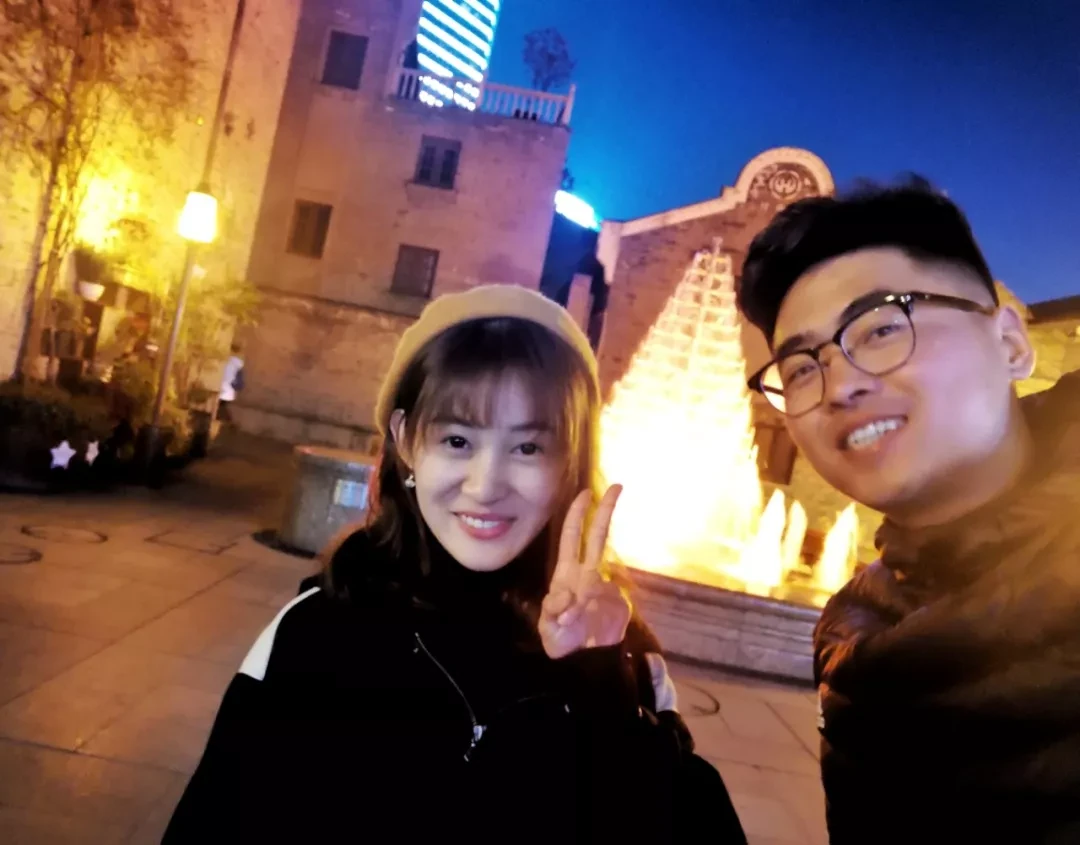
After the ride, Miao'er treated me to Indian curry, and we walked around Ningbo's Old Bund to take in the vibe.
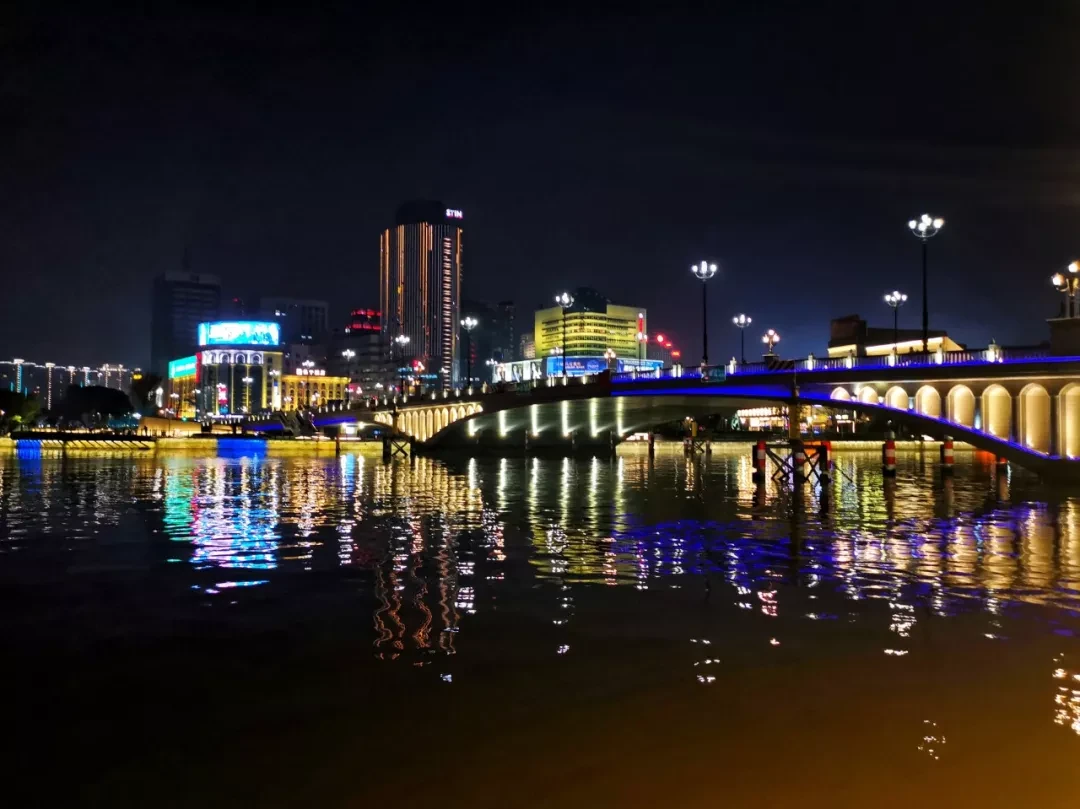
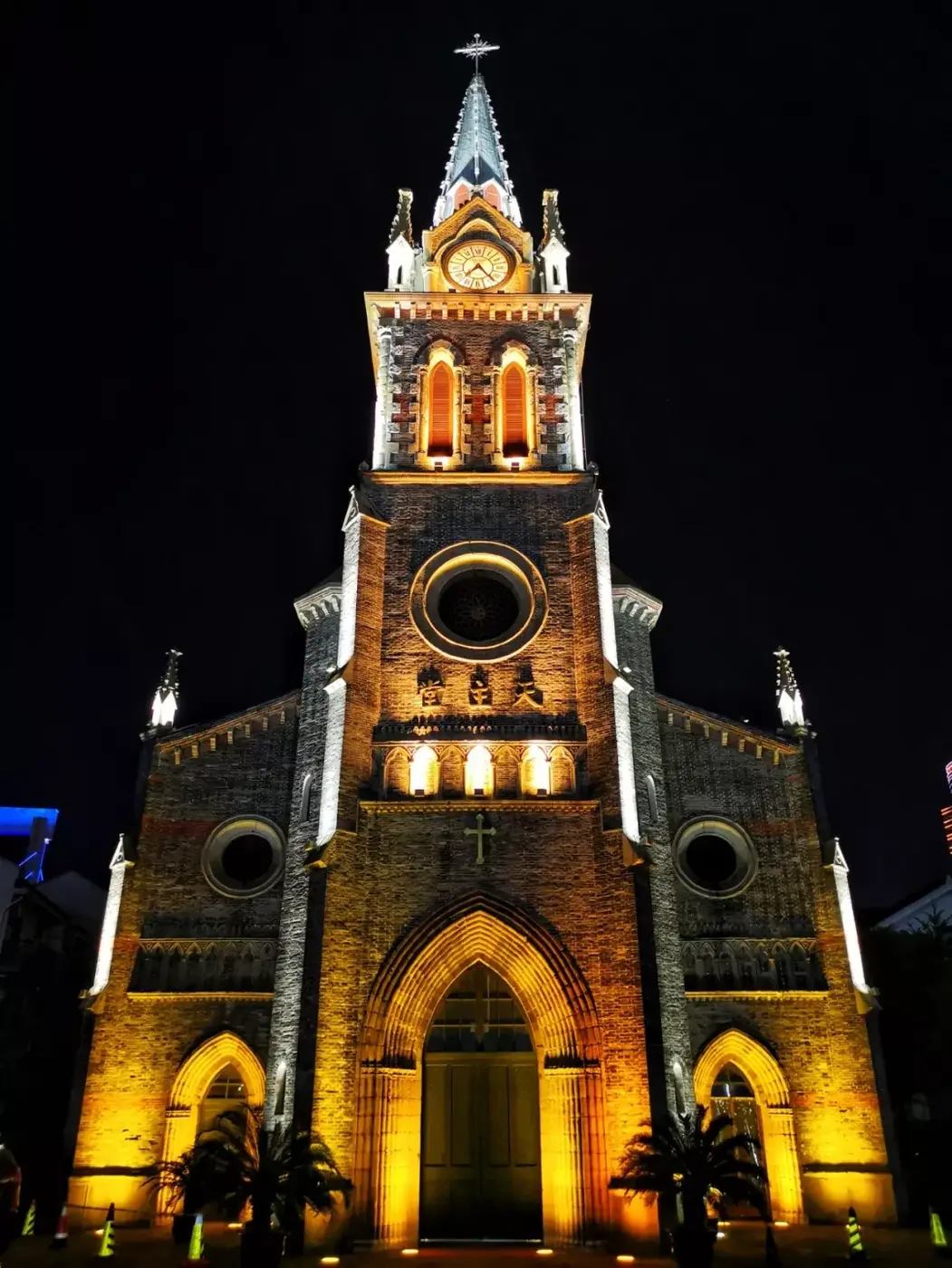
After the marathon, we had Ningbo food together. Her warmth moved me, and seeing an old friend like that felt even more intimate than the old saying about meeting someone from home in a faraway place.
This year we also went to the wedding of our high-school friend Tie Baoxin. The older we get, the more time feels like a tide washing sand away. Some people who once talked about everything slowly become close friends; some eventually disappear from even the smallest likes and comments.
Whenever I travel, if time allows, I try to see old friends. Love may have an expiration date. Friendship, if cared for, can last much longer.
04
Two Sides: Getting Closer to Chiang Kai-shek
Not long before this, I had visited Tengchong and was deeply struck by the resilience of the Chinese Expeditionary Force. Out of that curiosity, I went this time to Fenghua, Ningbo, Chiang Kai-shek's hometown.
In China's turbulent modern history, Chiang Kai-shek is undoubtedly one of the most complicated figures. In Taiwan, his image has gone from myth to controversy. On the mainland, he is slowly being pulled out of the old caricature. The evaluation is becoming more neutral.
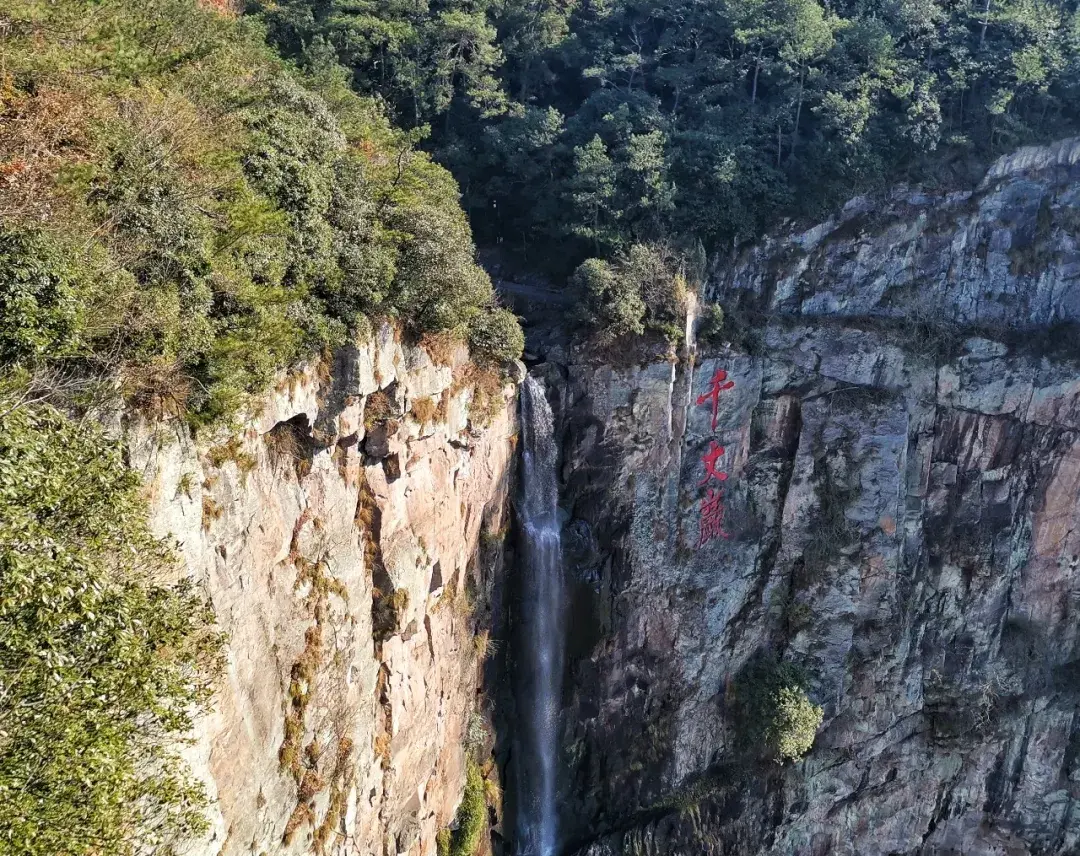
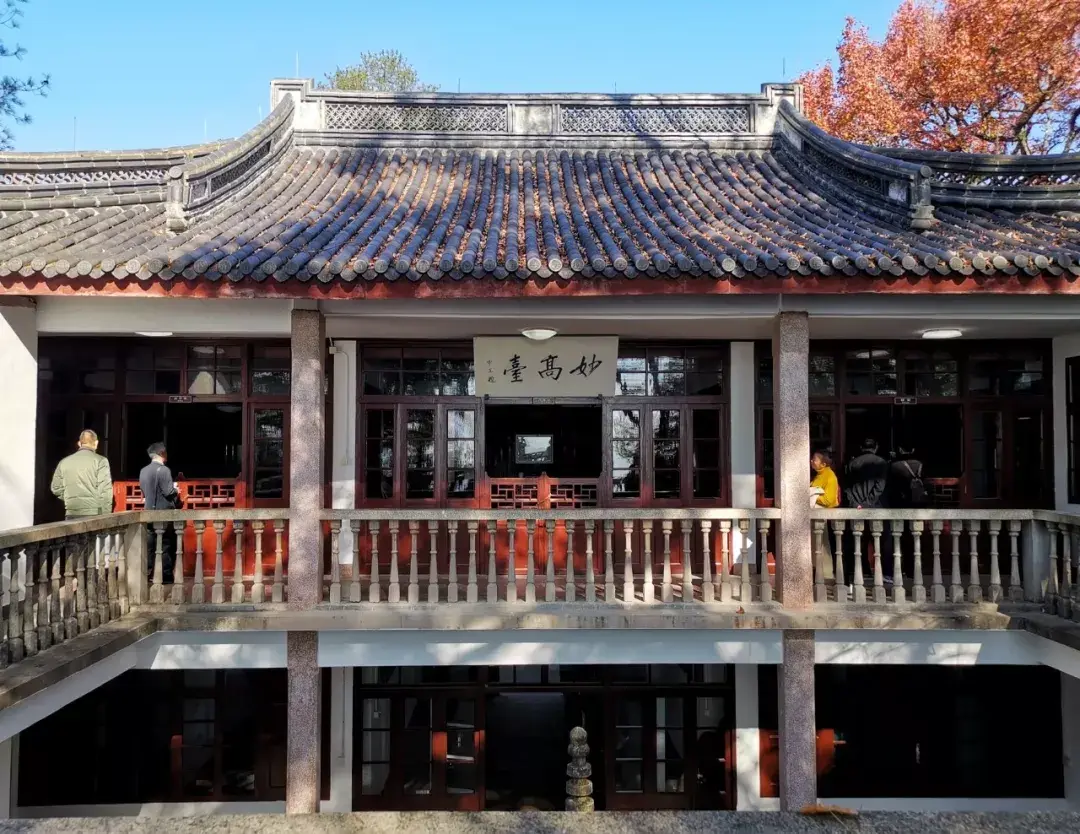
The day after the marathon, I first visited Miaogao Terrace on Xuedou Mountain in Xikou. Built by Chiang Kai-shek in 1927 as a private villa, it later served as one of his behind-the-scenes headquarters and witnessed many major decisions.
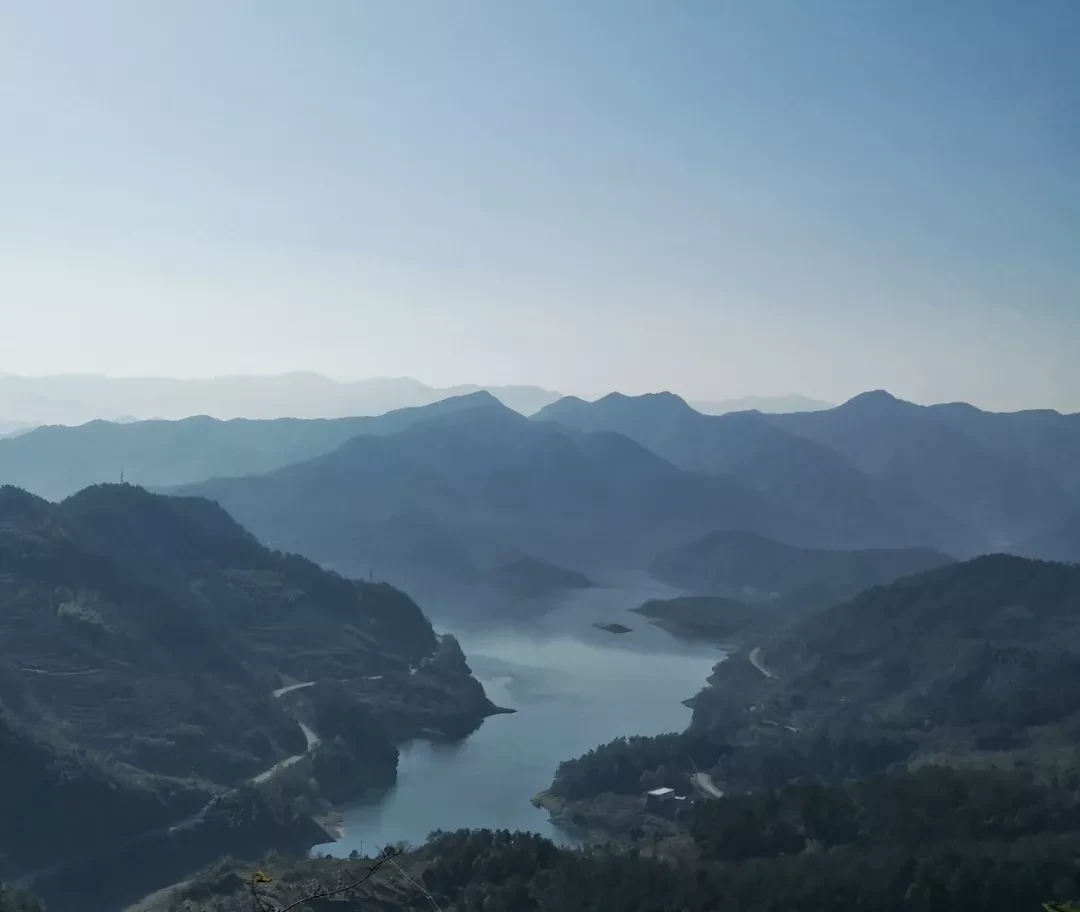
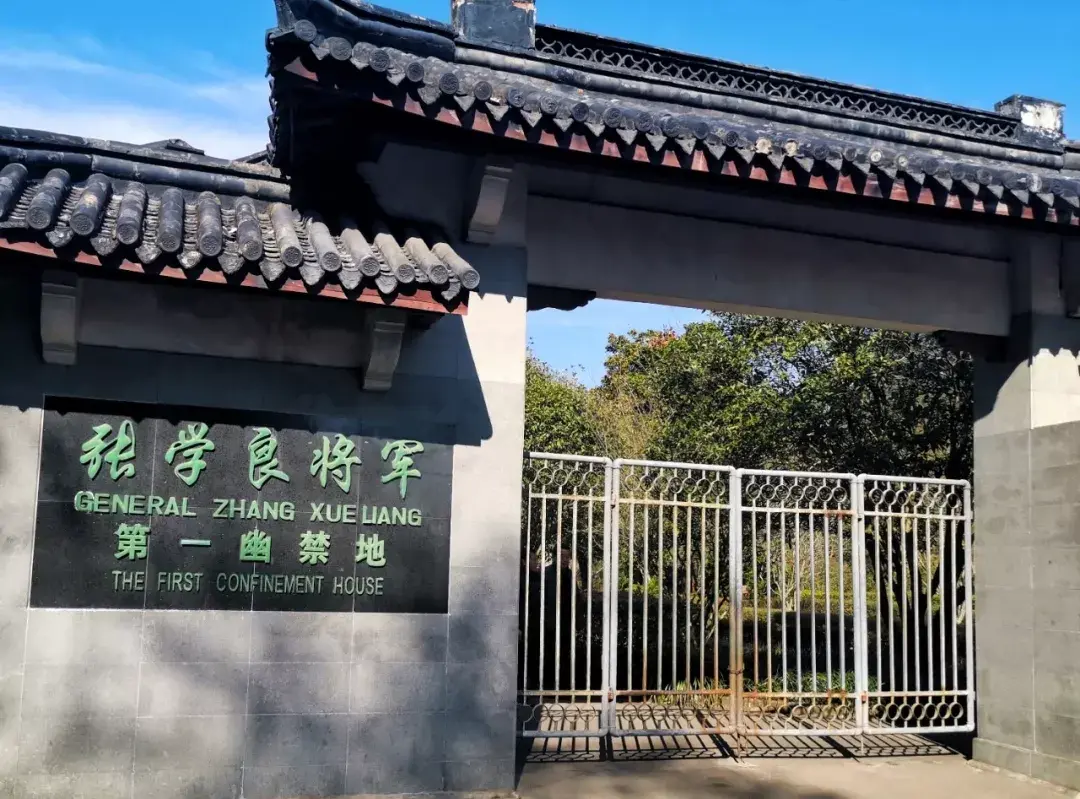
Not far from Miaogao Terrace is the Xuedou Mountain Guest House, where Zhang Xueliang was once held under house arrest. After the Xi'an Incident, Dai Li escorted him to Xikou and confined him here. Publicly, it was called "Mr. Zhang Xueliang's Guest House."
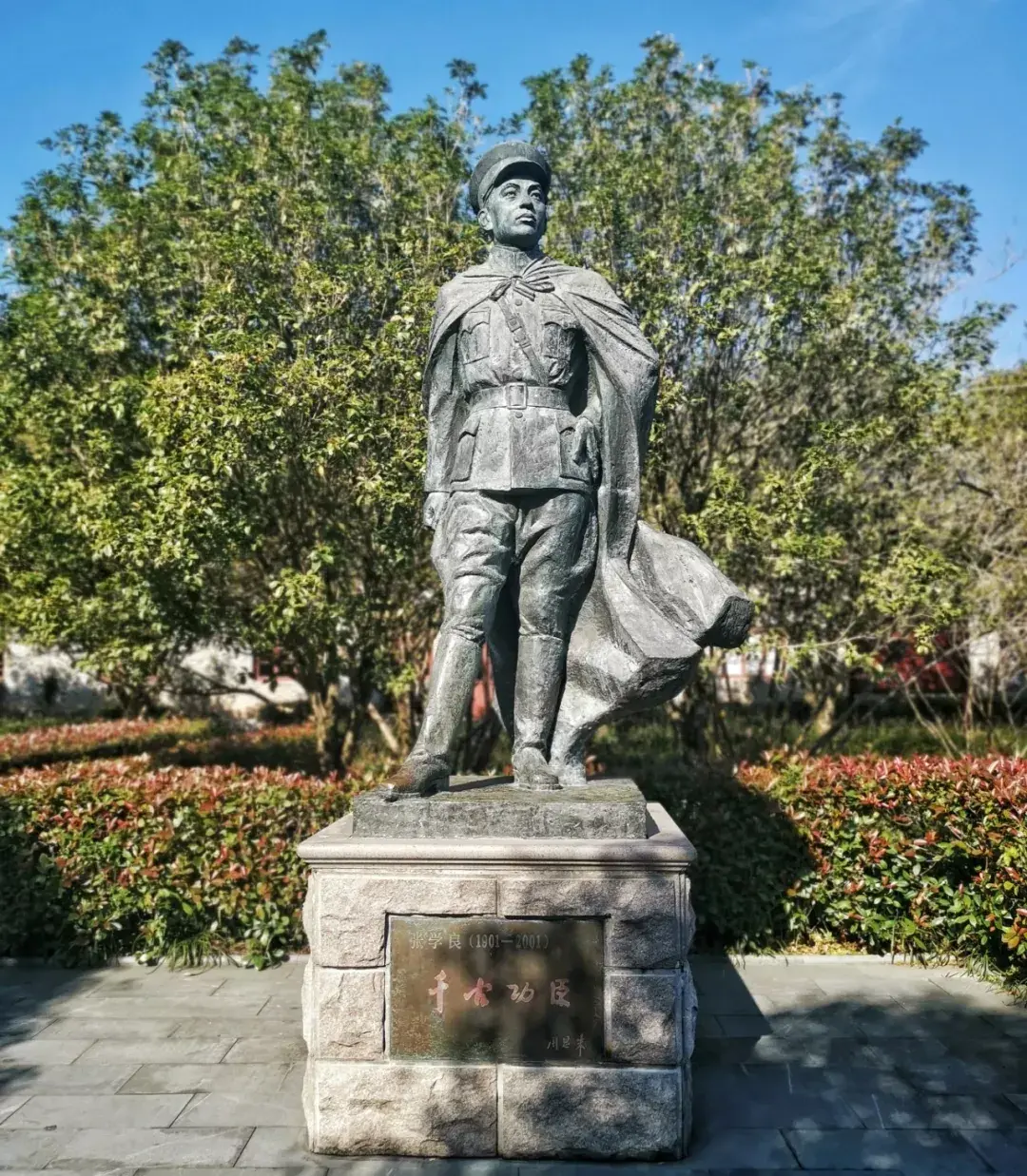
Zhang Xueliang was 37 when he was brought to Xikou. He remained under house arrest until he was over 90. This was the first stop in that long confinement.
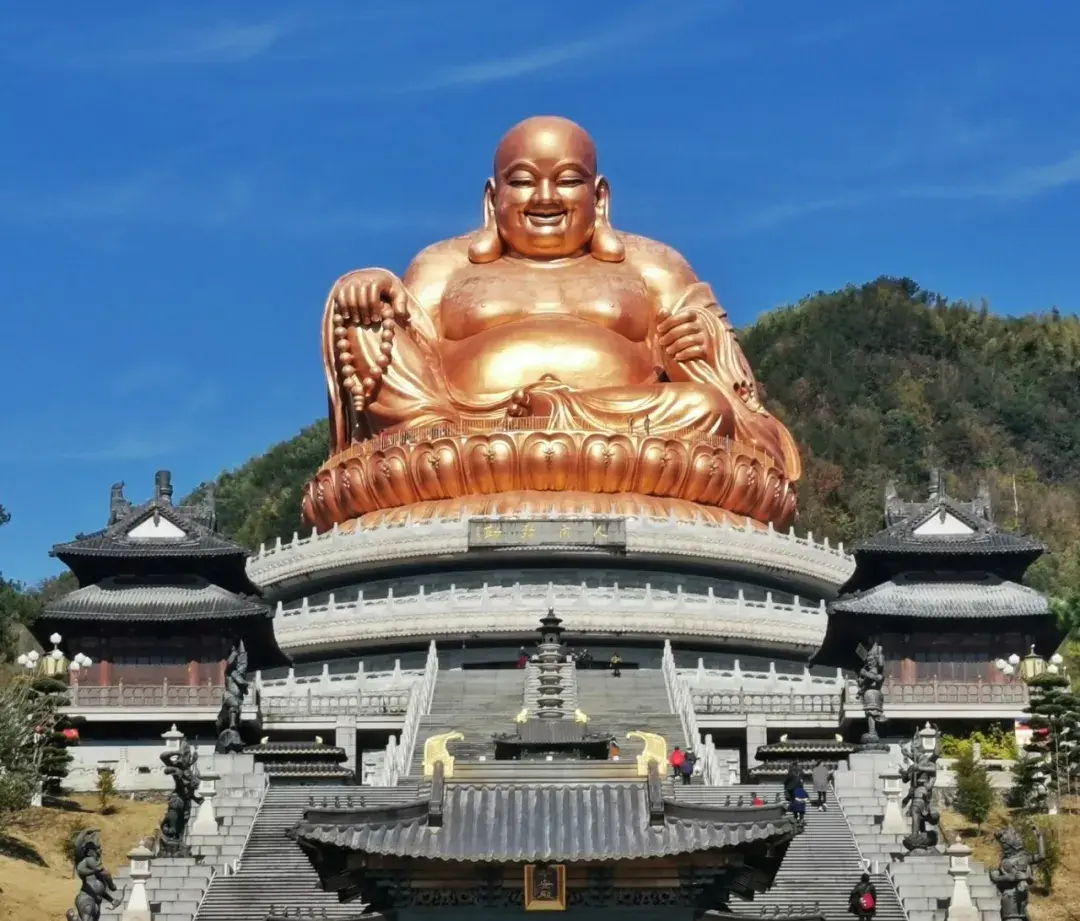
On the way back, we passed the Maitreya Buddha at Xuedou Temple. It is said to be the tallest seated bronze Maitreya in the world, and it really is impressive.
In the afternoon, we visited Fenghua proper, Chiang Kai-shek's hometown, and followed the traces of how he grew into a figure of such influence.
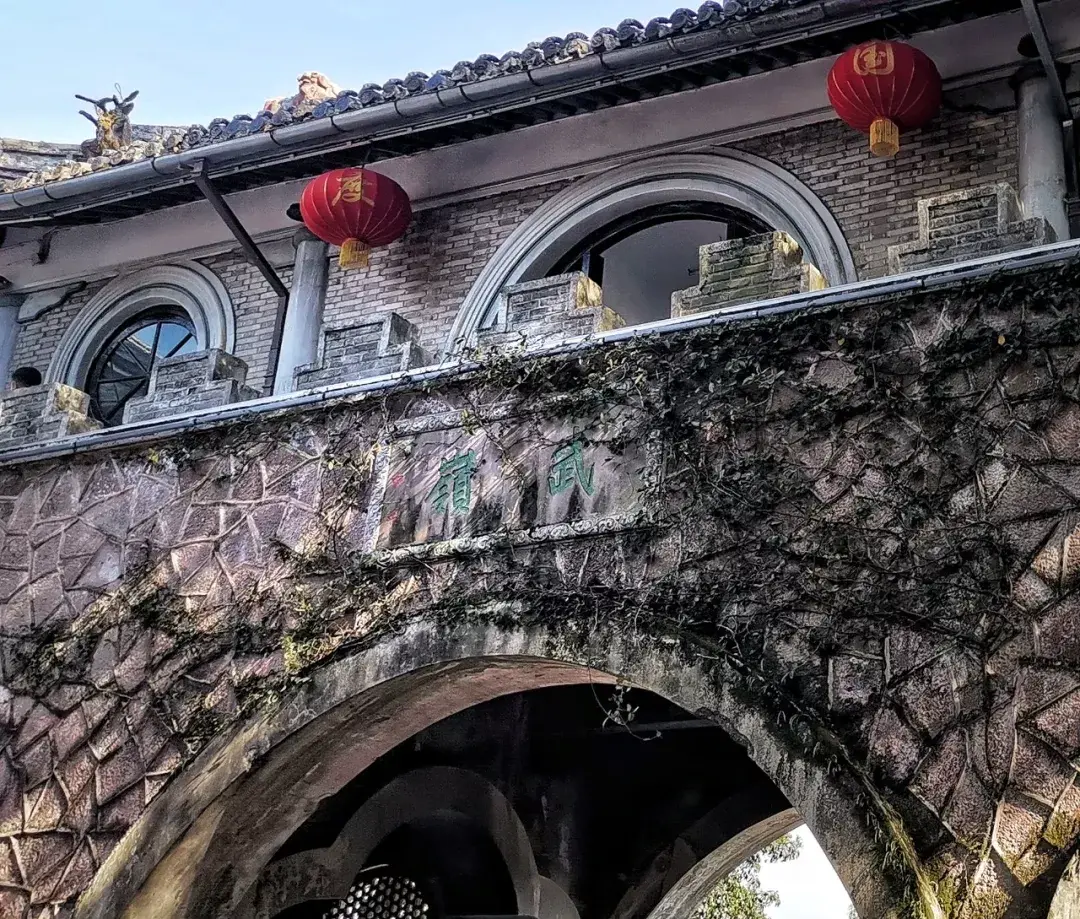
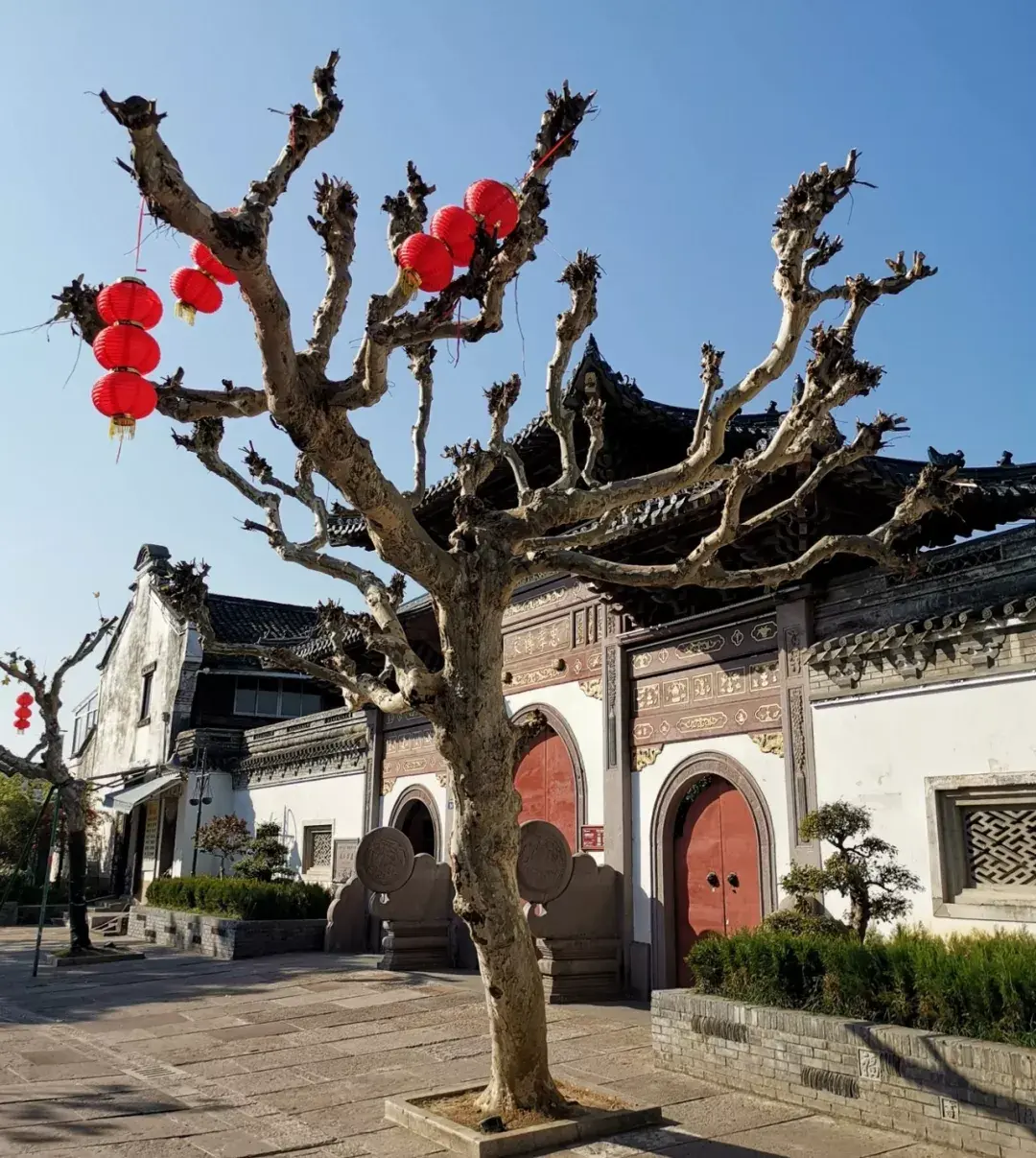
Wenchang Pavilion above the town was once a private villa for Chiang Kai-shek and Soong Mei-ling. The stories attached to it are still told today.
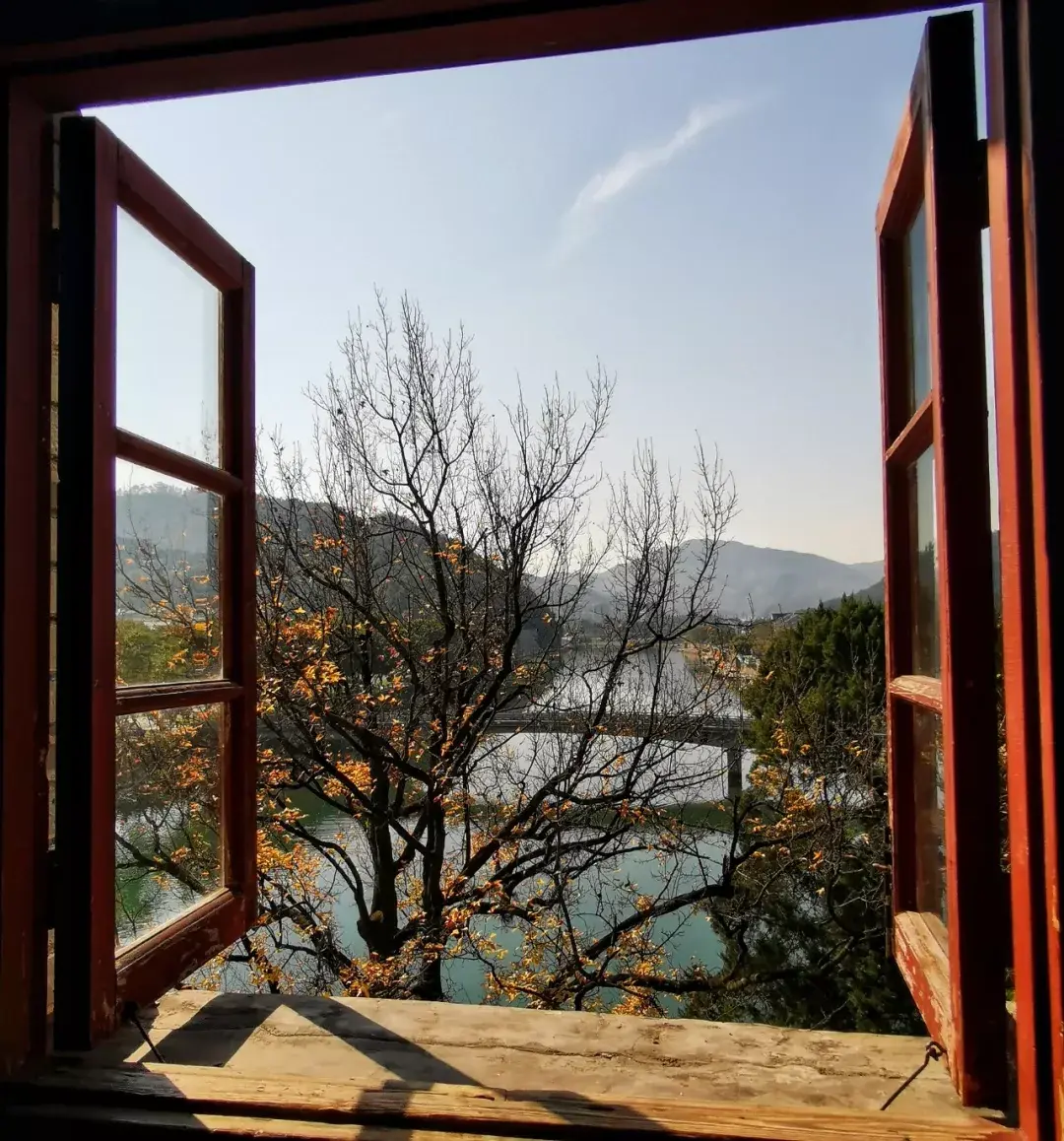
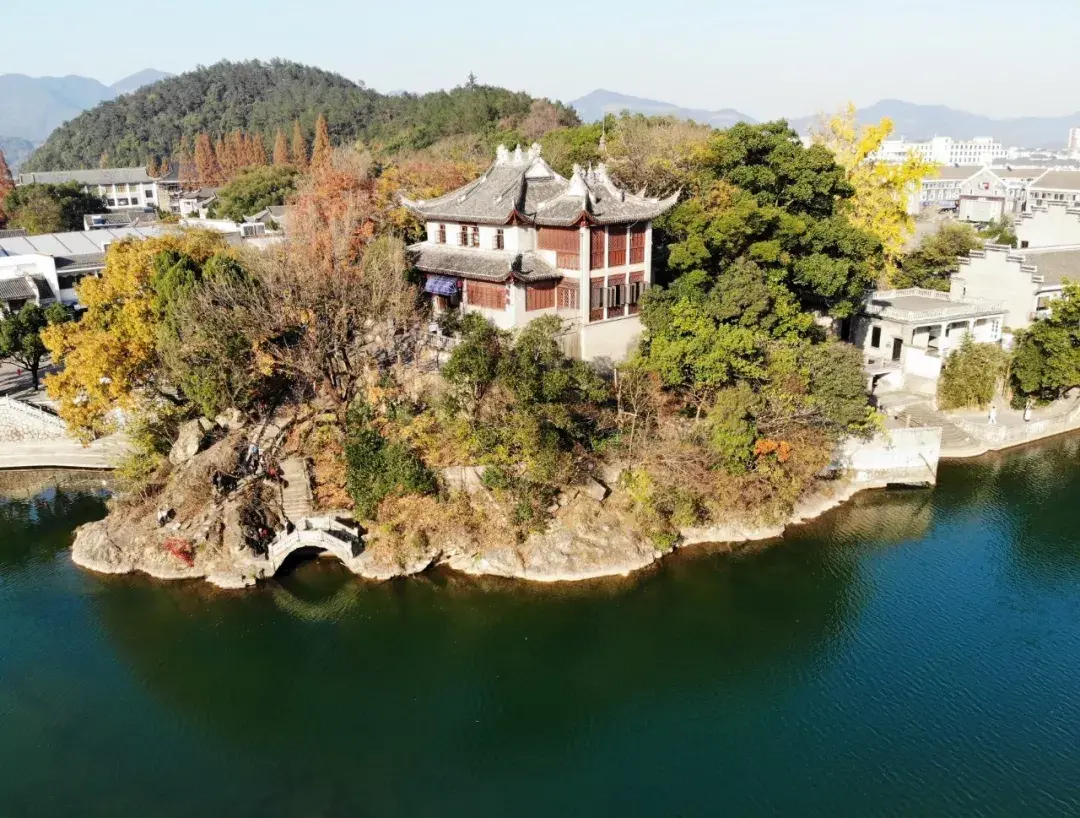
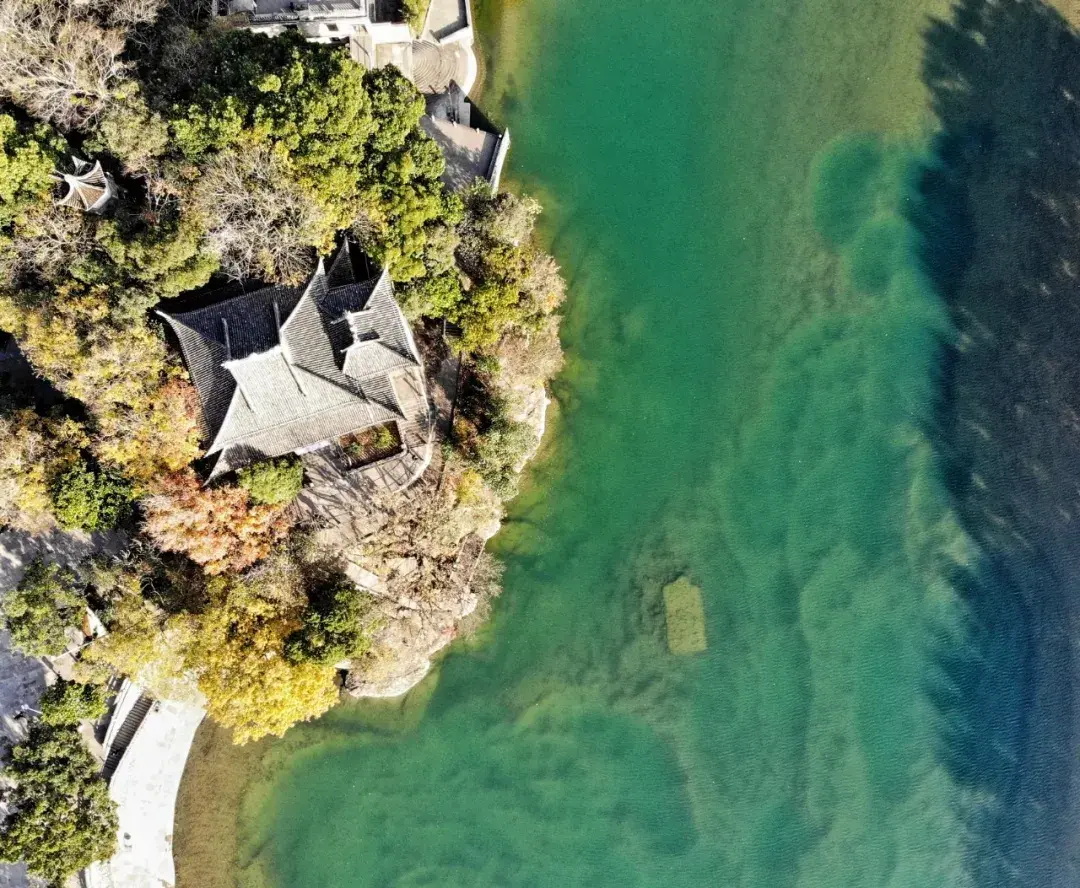
Today Fenghua is a tourist destination. A local saying goes: "When you are liberated, do not forget the Communist Party; when you get rich, do not forget Chiang Kai-shek."
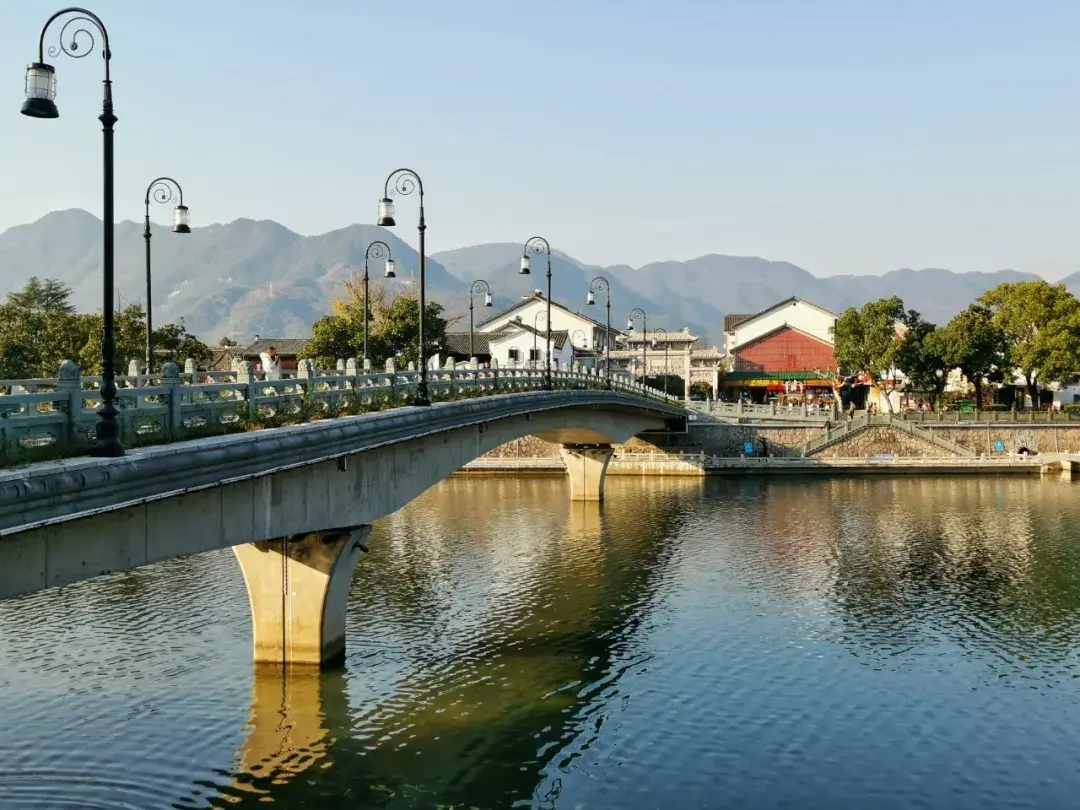
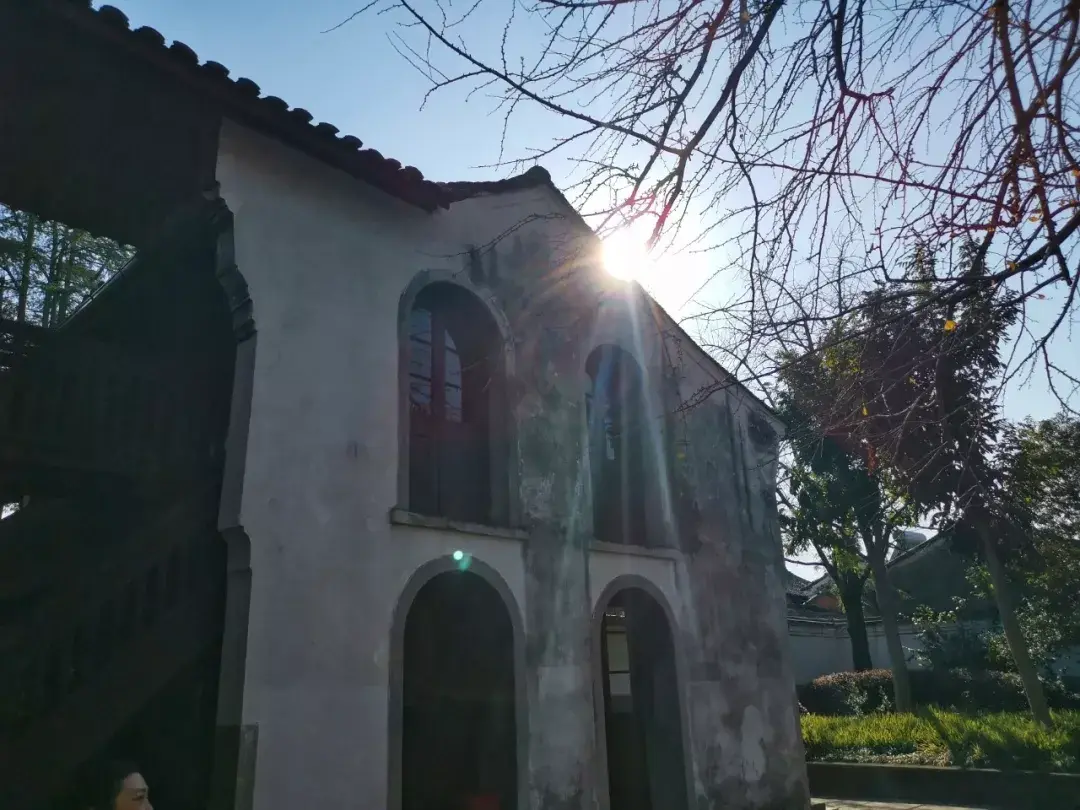
These days happened to overlap with China's National Memorial Day for the Nanjing Massacre. The education many of us received often framed Nanjing as a collapse, even a rout, and implied that Chiang Kai-shek did not resist Japan.
In fact, before the defense of Nanjing, Chiang Kai-shek once asked his subordinates, "Who will be responsible for defending Nanjing?" The room fell silent. Chiang said, "If no one else will defend it, I will defend it myself."
Once Nanjing's fall became unavoidable, Chiang wrote in his diary under the heading "Avenge": "Ten years to gather, ten years to train. Three years to organize, three years to prepare." Only then did he decide to leave Nanjing.
Purple Mountain, where the Sun Yat-sen Mausoleum stands, had lost its former beauty and was covered with barbed wire, chevaux-de-frise, and other fortifications. Chiang's aide-de-camp Jiang Hengde later recalled that when Chiang saw it, he looked lost, his face full of sadness.
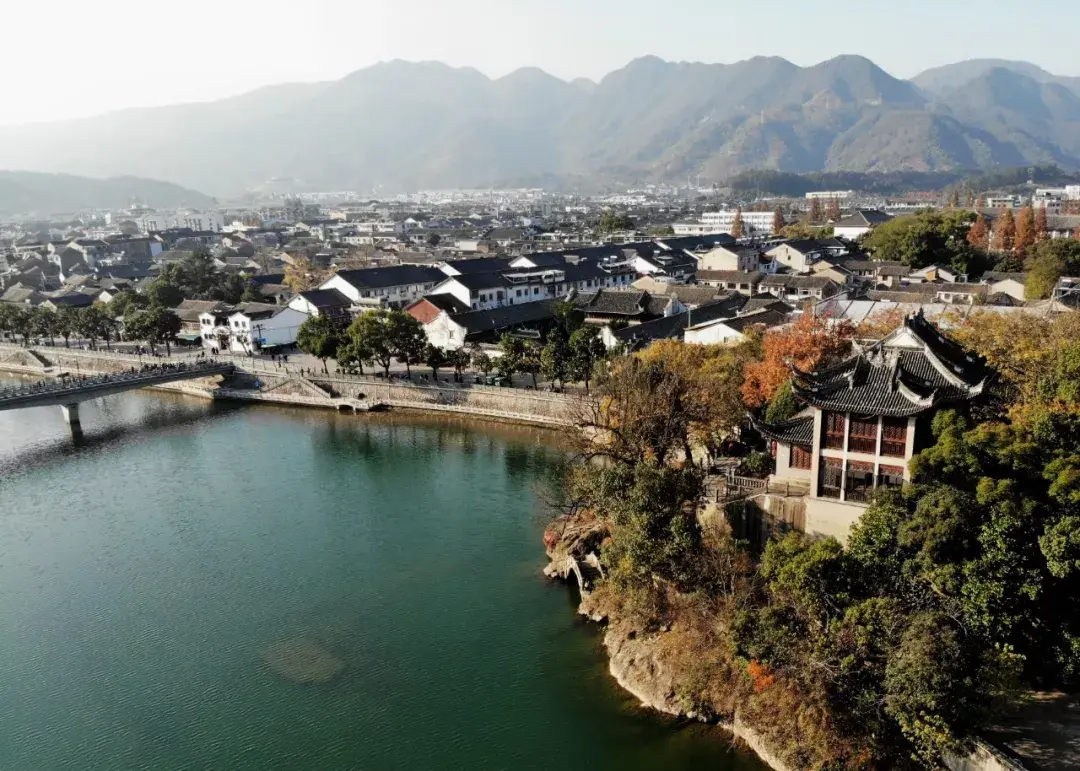
This trip to Fenghua let me see a less caricatured Chiang Kai-shek, someone made of flesh and blood. History may never stop arguing about him, but the story here is already compelling enough.
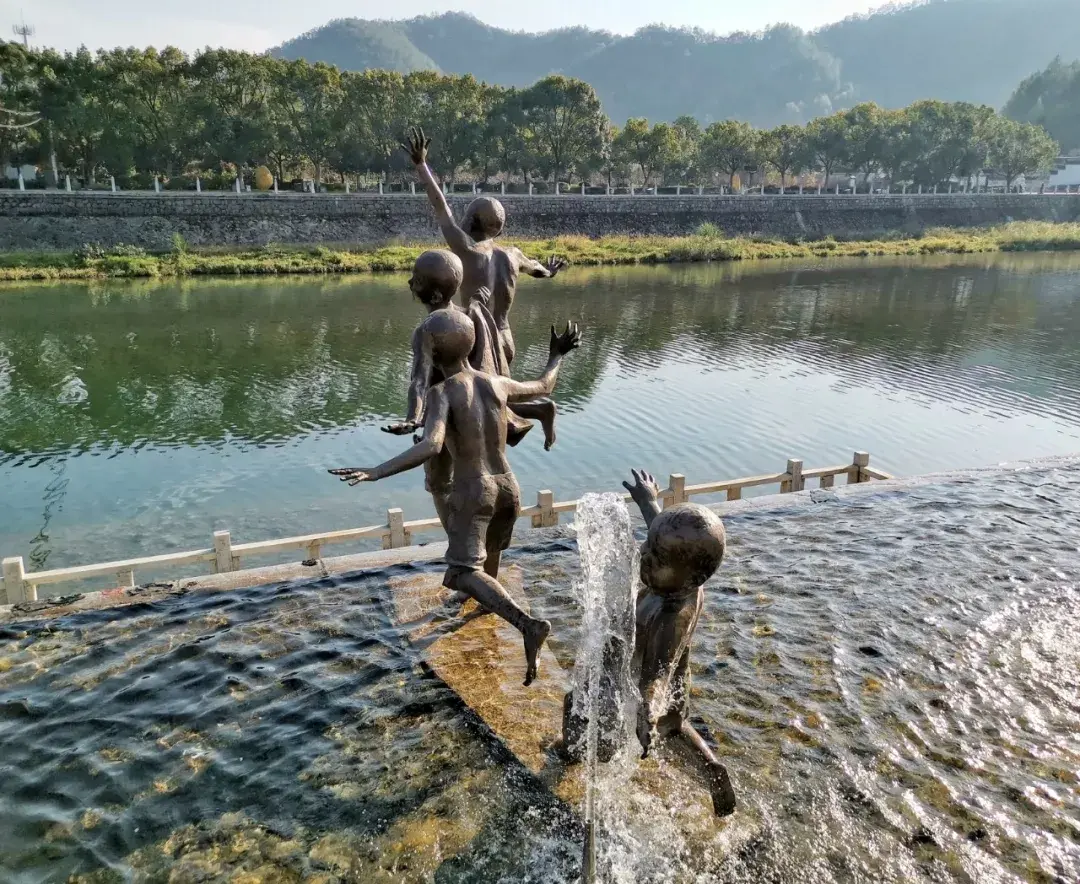
Postscript
I would define this Ningbo trip as warm and deep. I have never been only a marathon person. The world is huge, and who does not want to see more of it? Marathons are simply my way of doing that.
In his later years, Chiang Kai-shek wished to return to his hometown in Fenghua. He never did, but even across the Taiwan Strait, his attachment to this land remained deep.
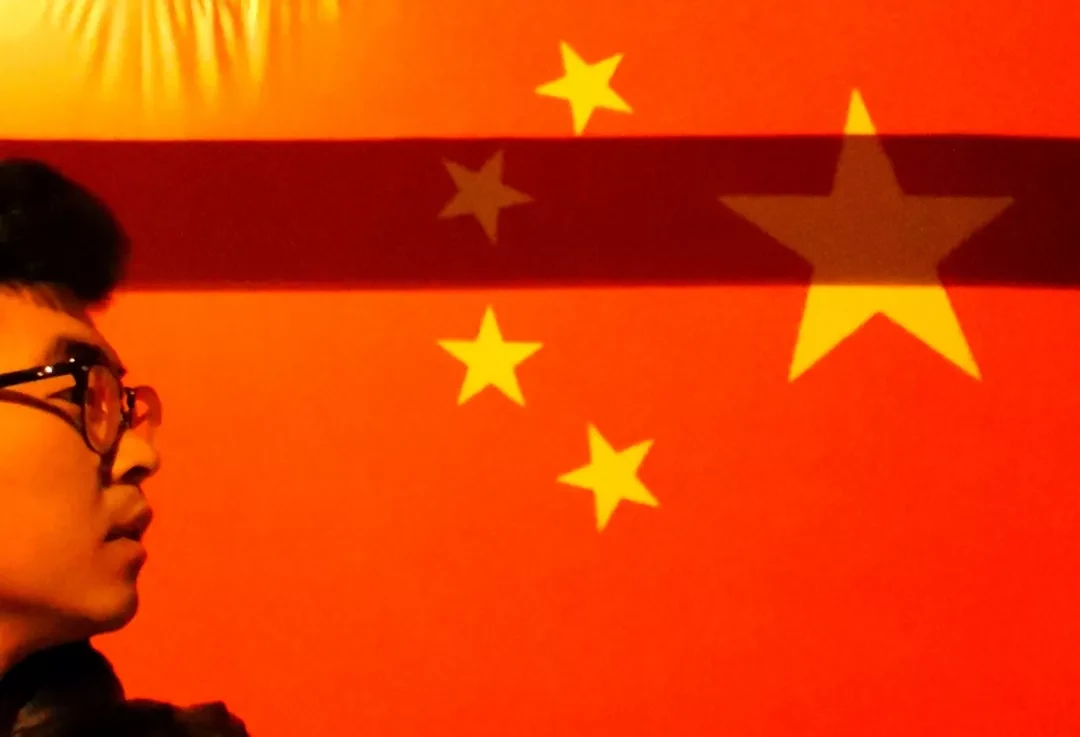
The world is big and we can travel far. But as descendants of China, I think our love for this land never really disappears.
- End -
Words | Arsenan
Photos | Arsenan
Design | Arsenan