Wuhan, Hubei. Can someone about to leave Wuhan feel homesick already? Han Marathon, Wuhan University, and three years of city fragments became a private memory.
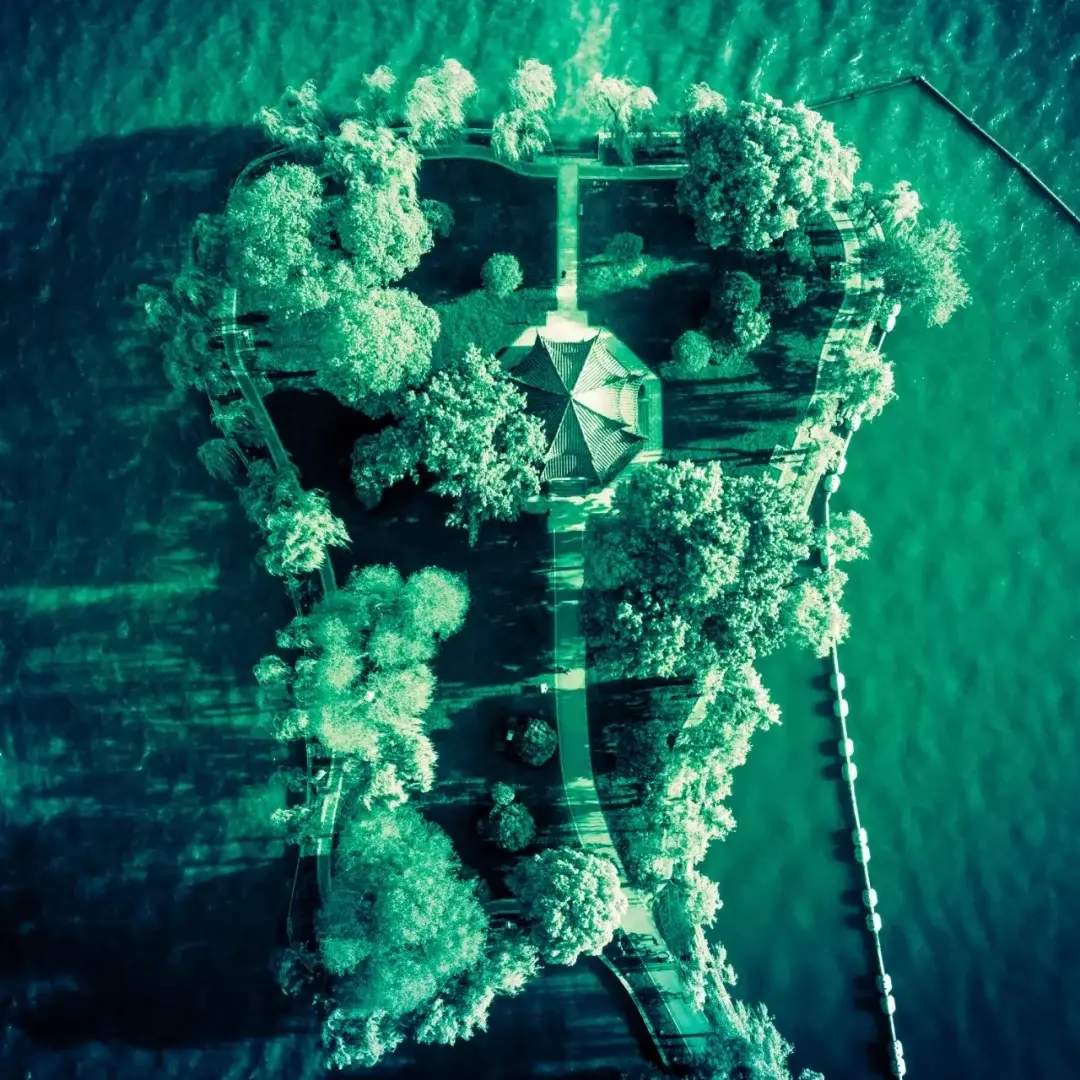
If you have never loved Wuhan, how can you live a happy life?
How could life be complete without running a Han horse?
Exclusive memory · Wuhan
Three years ago, a young man from Northeast China weighing more than 170 pounds came to Wuhan dragging a suitcase that was too small to be smaller. It was raining outside the window, but it was so hot that he felt nervous.
Three years later, Wuhan became his second hometown.
Do people who are about to leave Wuhan also feel homesick? I think there must be it, maybe not geographically, but mentally. Three years have passed so quickly, frame by frame, I have uncovered the stories that happened here, and spliced together the fragments that resonated. This is nostalgia.
As a foreigner who came to Wuhan to study, although I have long regarded this place as my hometown, as I approach graduation, I can’t help but ask myself, how much do I know about this city?
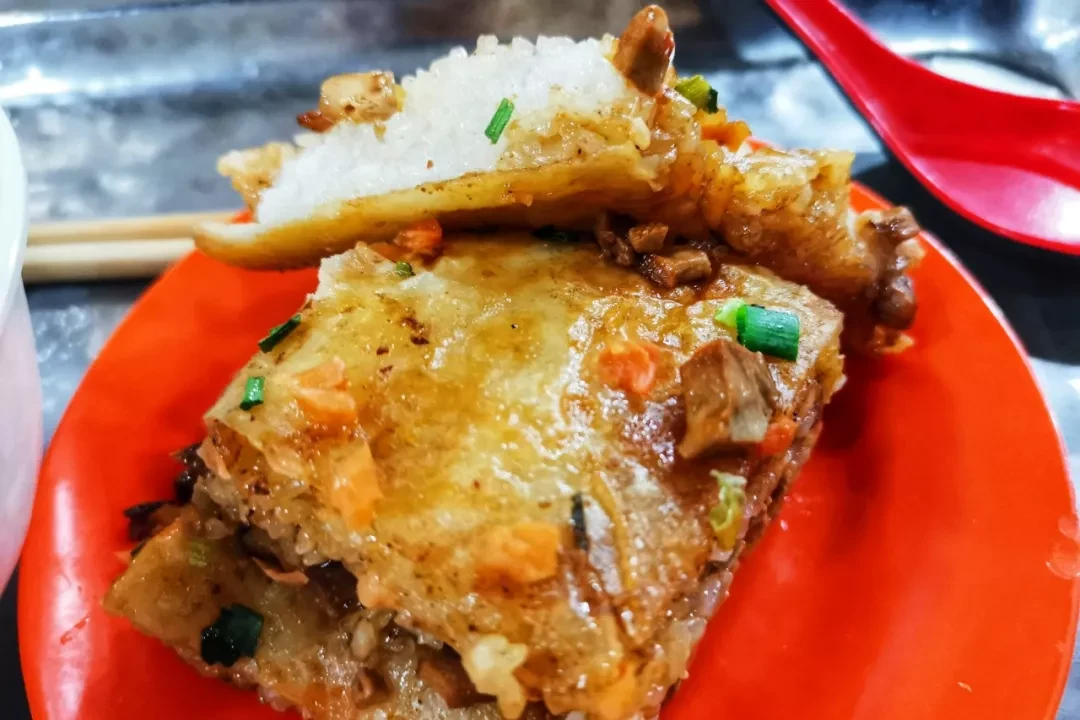
The image of Wuhan in my mind may just be the bean curd and peanut sauce in the Shuiyuan Restaurant, the shaomai dumplings on Liangdao Street, the fried dumplings with shredded chicken noodles in the vegetable market; the old house in Luojia Mountain, the Ying Terrace on Donghu South Road, the Crab Cape in Hongshan Square, and the Lingbo Gate of Wuhan University; maybe it is also the Wuhan people who are tough and bold, shrewd and aggressive, and extremely angry.
But the story of Jiangcheng is far more exciting than what I knew. So, a week before the Han Marathon, I jumped out of my one-third of an acre of land, made an appointment with my roommate Tong Ge, and walked around to explore the unique memories of this city.
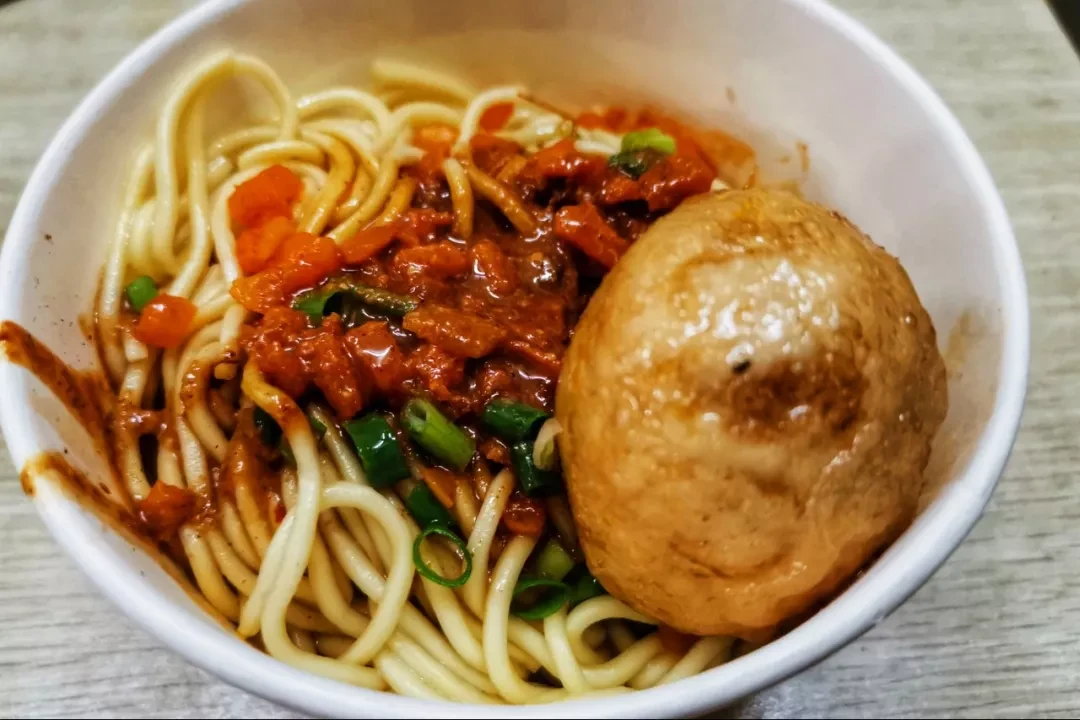
Speaking of Wuhan, we have to mention the steaming bowl of hot dry noodles. People in Wuhan really wake up after a while. The iron pots for cooking soup are uncovered, and white mist is steaming. Neighbors line up to greet each other. The morning breeze blows through the old city alleys, and the smell of sesame sauce is a memory in the bones. In fact, I wasn’t interested in hot dry noodles at first, but I didn’t expect that I would learn from the locals and explore roadside shops everywhere in search of the most authentic Wuhan taste. Cai Linji, Zeng Mazi, Zhang Ji, Yan Jitang, and the canteens of Wuhan University, wherever there are Wuhan people, there are hot dry noodles.
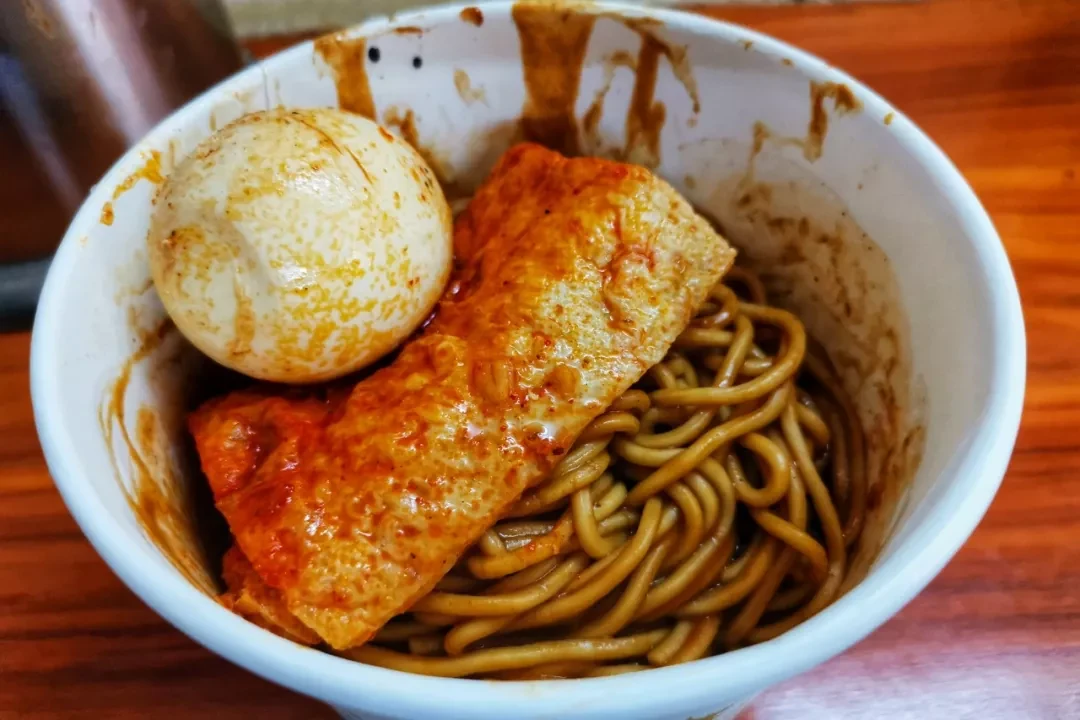
In addition to hot dry noodles, how could the breakfast of old Wuhan be without Laotongcheng's bean curd, Xiaotaoyuan's crock pot chicken soup, Sijimei's soup dumplings, Tanyanji's dumplings, Tian Hengqi's glutinous rice noodles, Houshengli's assorted tofu brains, Laoqianji's beef stir-fried with shredded beans, small glutinous rice balls from Minsheng Canteen, Tongxingli's oily fragrance, Tezhi wine for people's sweets...
Perhaps, there is no place where people love a river so nakedly as the people of Wuhan. They directly call the city "River City". The Yangtze River is the softest texture here, and thus it meanders out of the broad mind of a city. It can be said that the most indispensable thing in Wuhan is water. The ancestors who lived by the water naturally developed the courage to "fear neither the heaven nor the earth" in order to compete with the water for land and deal with floods. The Chu State, which believed in the god of fire and respected the phoenix, created the Jingchu civilization with strong vitality here.
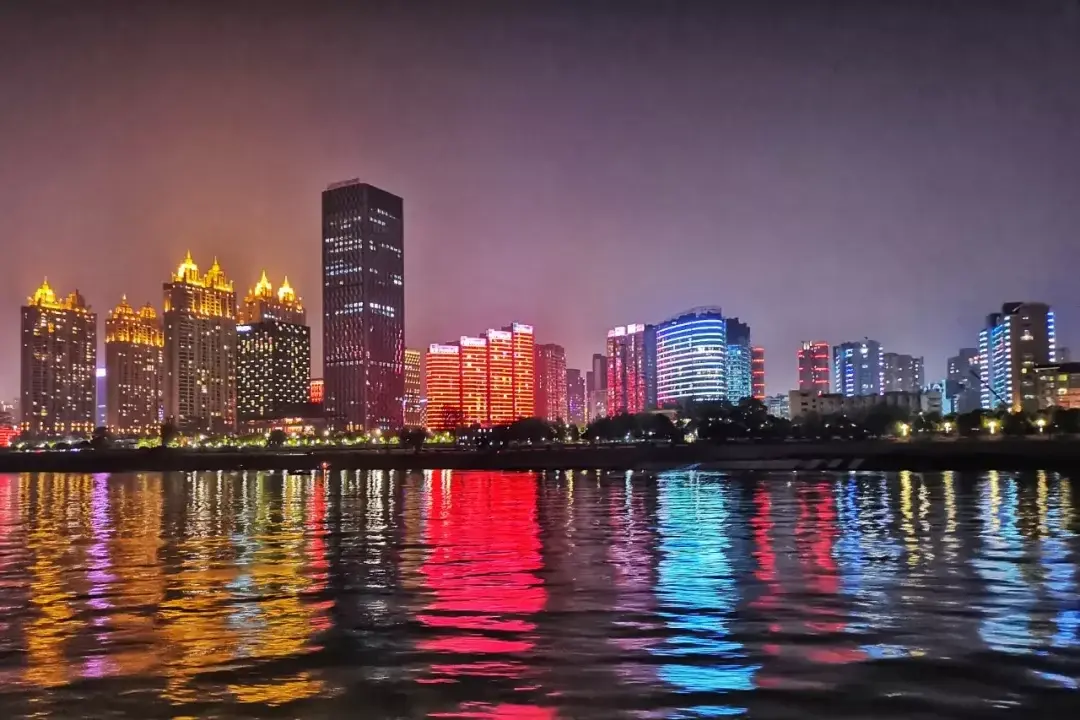
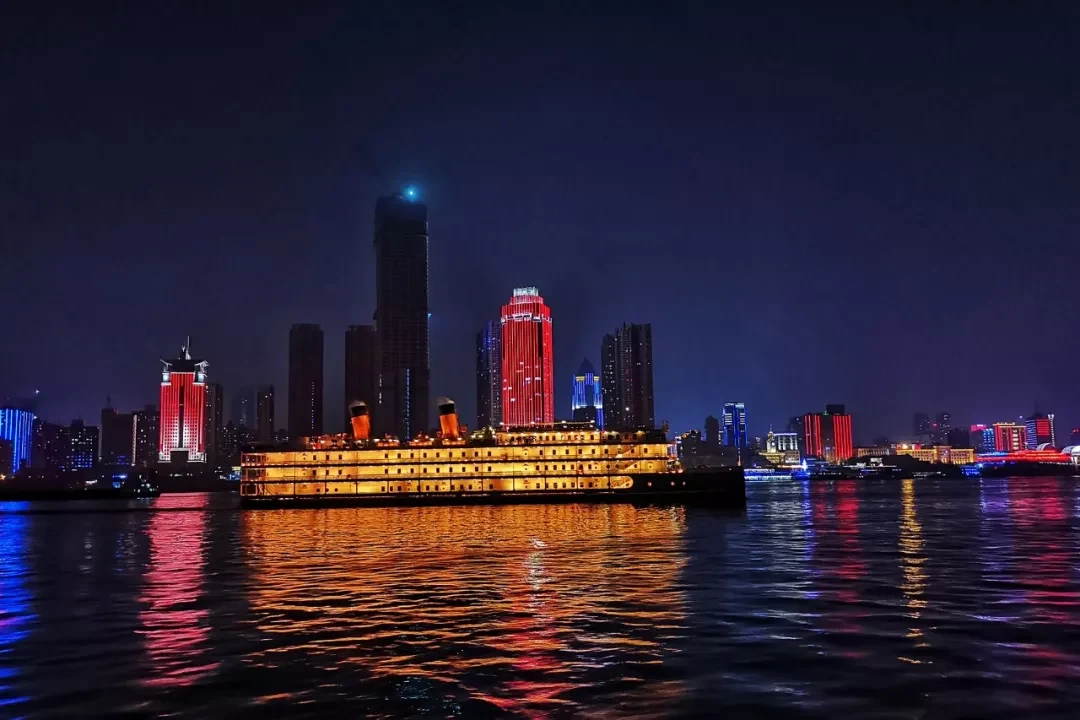
Prosperous by water and charmed by rivers, Wuhan people share weal and woe with the Yangtze River. On the riverside of old Wuhan, the dock is the scenery. Crossing the river lightly, visiting the wharf as a hero, chatting with friends in a romantic way... Where there is water, there is a wharf, and where there is a wharf, there are rivers and lakes. Generations of people on the pier follow the current, free and unfettered. They are both greedy for "floating" and also love to travel in the world. The dock culture with strong Jianghu atmosphere has created Wuhan people's angry, abusive and arrogant personality. But hotness is still hotness. Also nourished by the wharf culture, Wuhan people are also straightforward, sincere and full of loyalty. As a Northeastern person, I find it very appetizing.
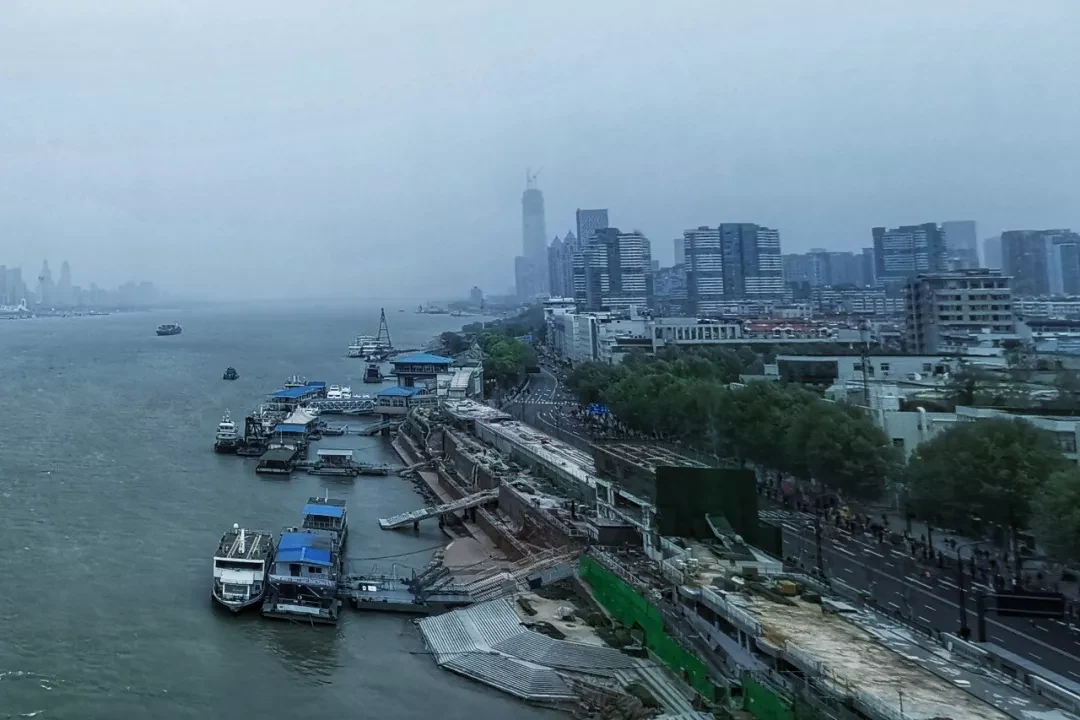
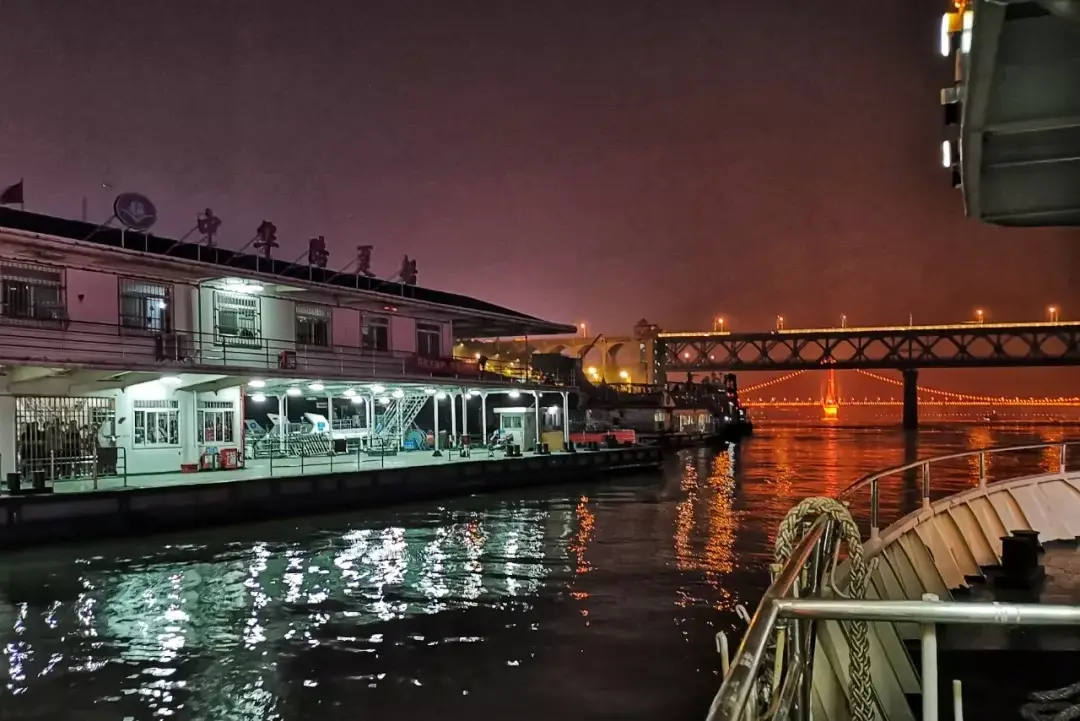
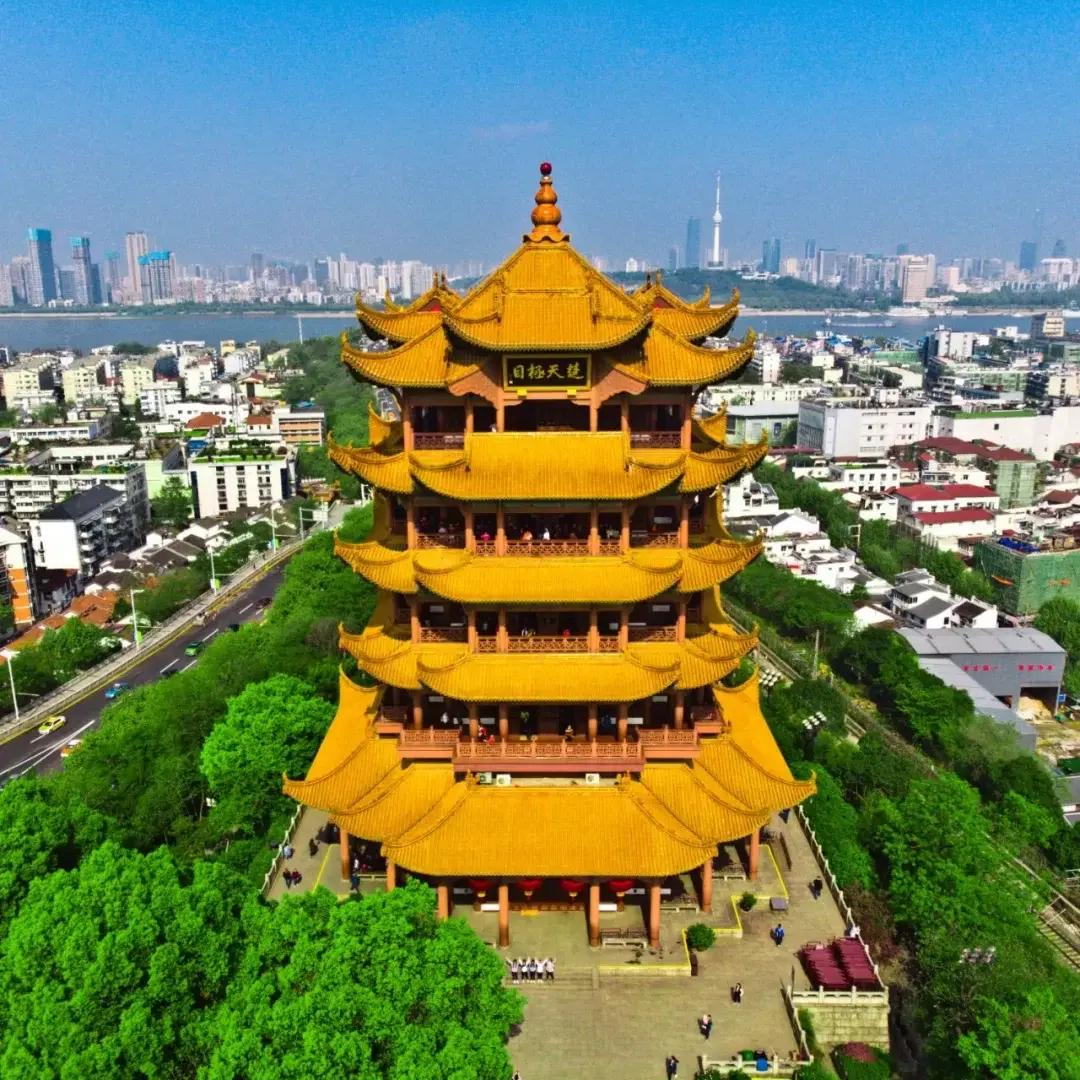
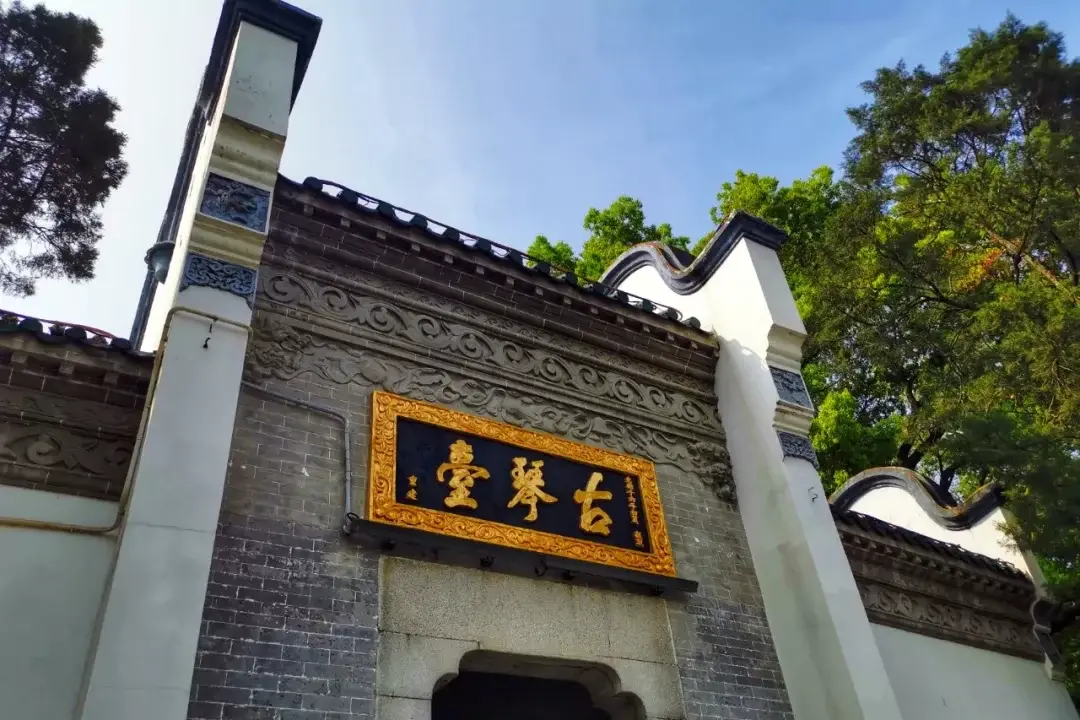
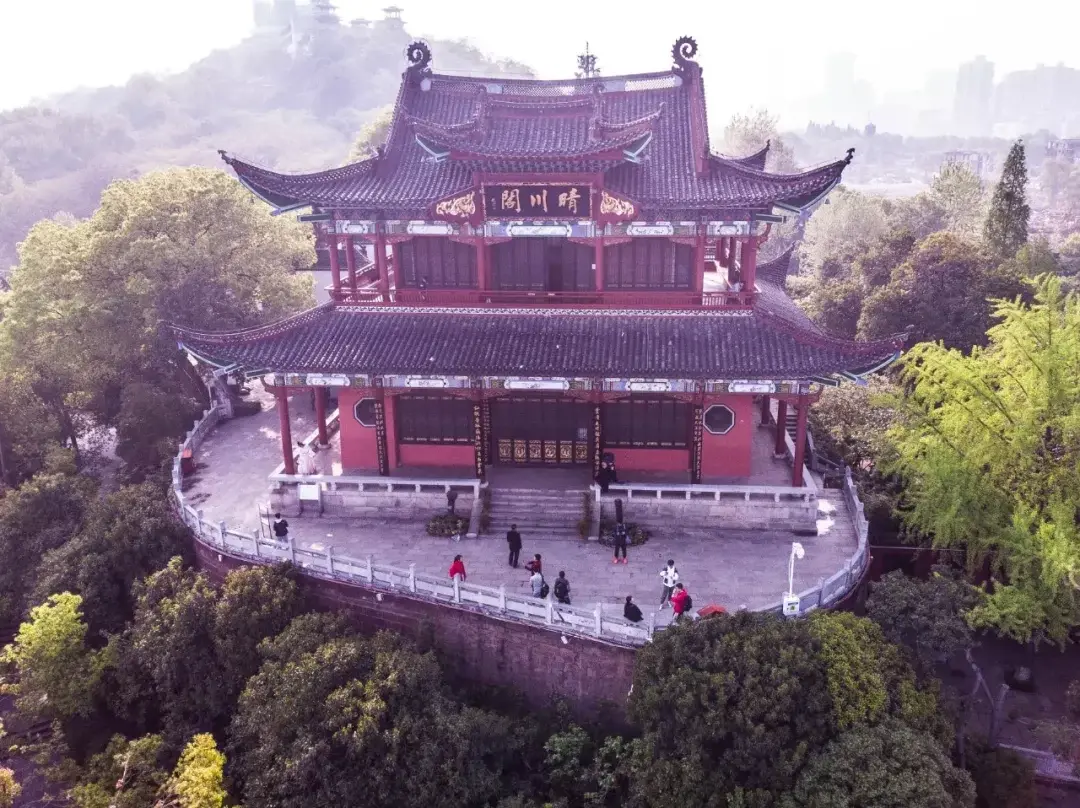
Looking back on the wheel of history, Queyue City (today's Hanyang) at that time was not only the first city in Wuhan's history to function as a military castle, but also a large port city that "guided wealth and goods, and moved what was needed", with infinite scenery. Before the two heroes in Wuchang and Hankou competed for hegemony, this was the most fashionable place in Wuhan. The Guqin Terrace, where you can meet close friends in the mountains and flowing water, and the Qingchuan Pavilion, where the Hanyang trees in Qingchuan are known, are located here. Together with the Yellow Crane Tower across the river, they are known as the three most famous places in Wuhan. For thousands of years, Guqintai and Qingchuan Pavilion have been deeply rooted in the land of Hanyang, and have also provided a fulcrum for those who explore Jiangcheng.
At the end of the Qing Dynasty, the largest steel factory in Asia was born in Hanyang. The steel rails produced here were still used on railway tracks in Sichuan and Shaanxi for more than a hundred years until 2015. Unfortunately, the fate of Hanyang City was not as strong as steel. The 1,800-year-old Hanyang City was razed to the ground during the warlord melee in 1927 and has long since disappeared. Going forward in the story, Wuhan is developing rapidly, while Hanyang is still a quiet town. In the past ten years, there have been many urban legends about Wuhan, but 99% of them have nothing to do with Hanyang. Perhaps only in the prosperous incense of Guiyuan Temple and the post-industrial temperament of Wuhan built in Hanyang can we vaguely see the grand scene of the past.
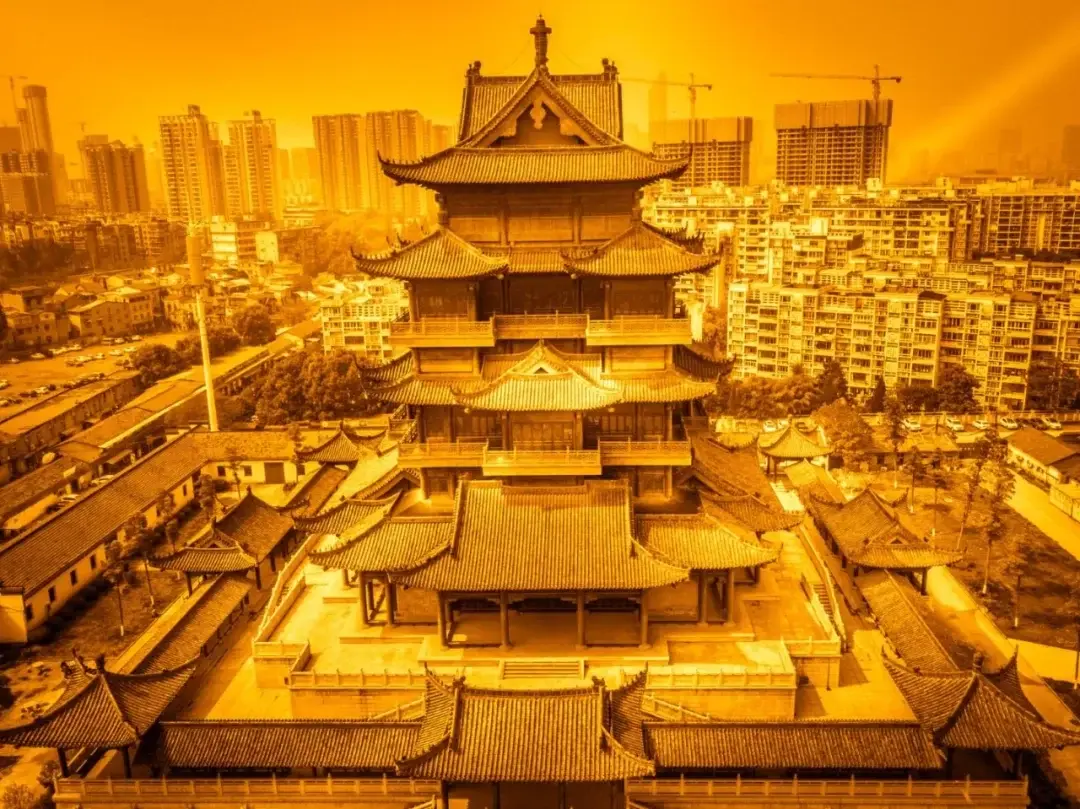
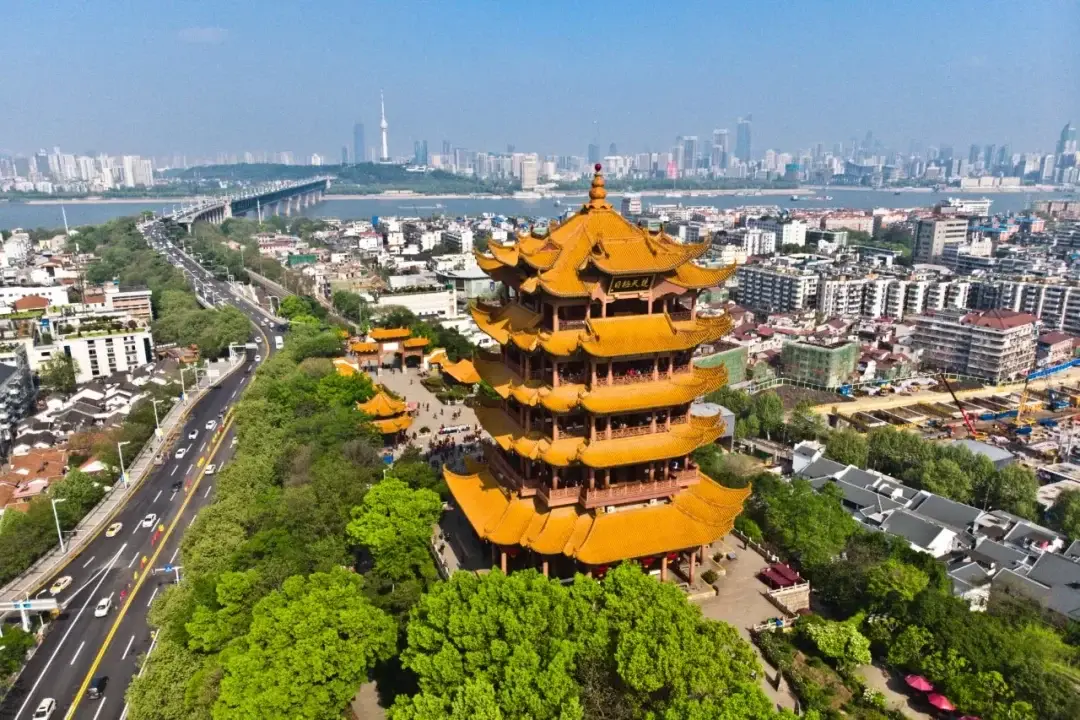
The wheel of history never stops. In Wuchang, across the river from Hanyang, a middle-aged man named Sun Quan led his troops to build Xiakou on Snake Mountain, and built a watchtower on Huanghuji in the city, named Yellow Crane Tower. Since then, the twin-city pattern has begun to take shape. The Yellow Crane Tower, which stands on the Snake Mountain, is not often visited by Wuhan people. Locals often joke that if you gather ten Wuhan locals who have been to the Yellow Crane Tower, you can summon the dragon.
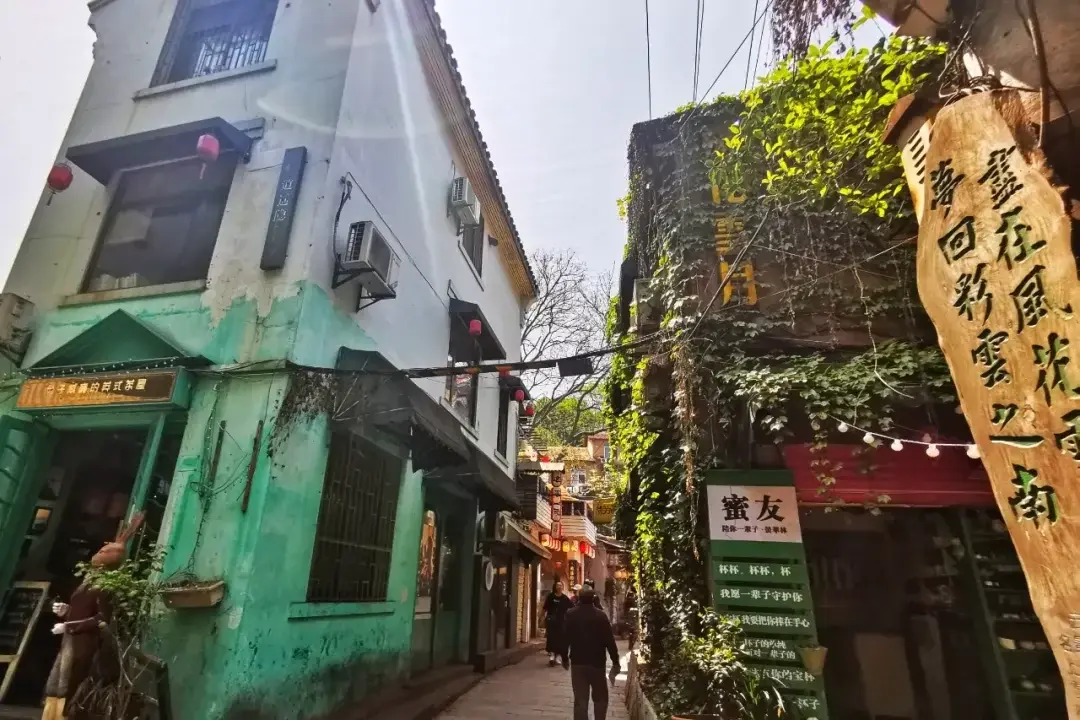
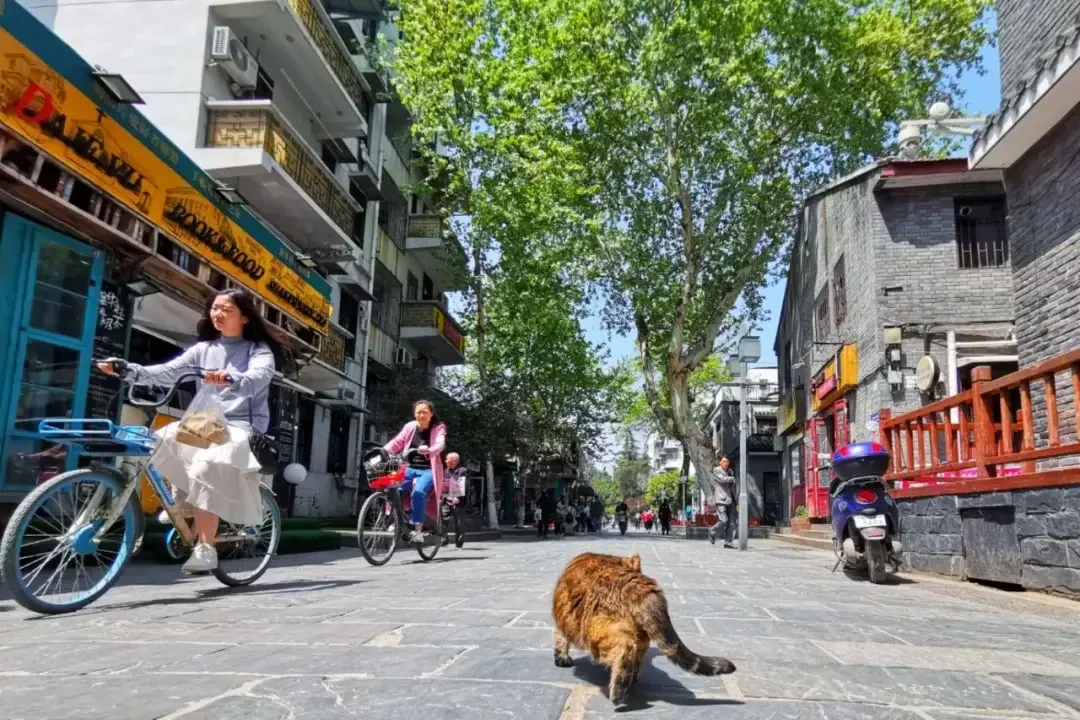
People in Wuhan don't like Hubu Lane next to the Yellow Crane Tower. Everyone says that Hubu Lane has become expensive and unpalatable, and is not as good as the food stalls downstairs in their own homes. "Specializes in deceiving outsiders", a joke may reflect everyone's hatred of iron. Tanhualin is suitable for both locals and outsiders. In Tanhualin, the urban atmosphere and the literary atmosphere are fully blended. At one end are emerging literary and artistic shops, and at the other end is the corner of the old Wuhan.
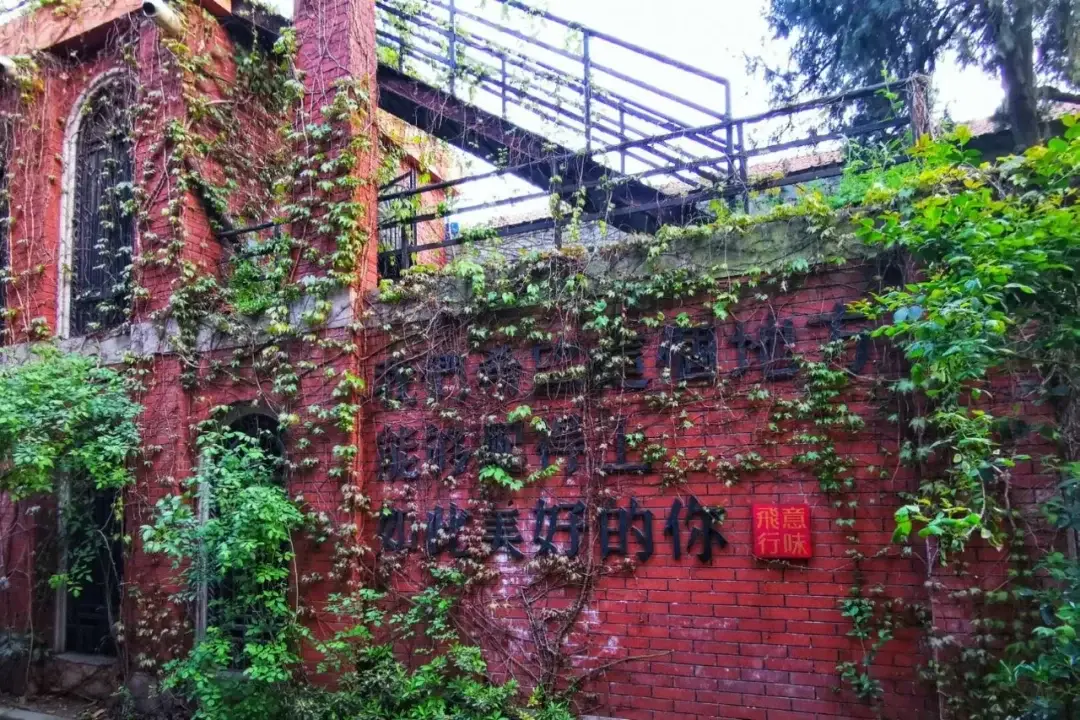
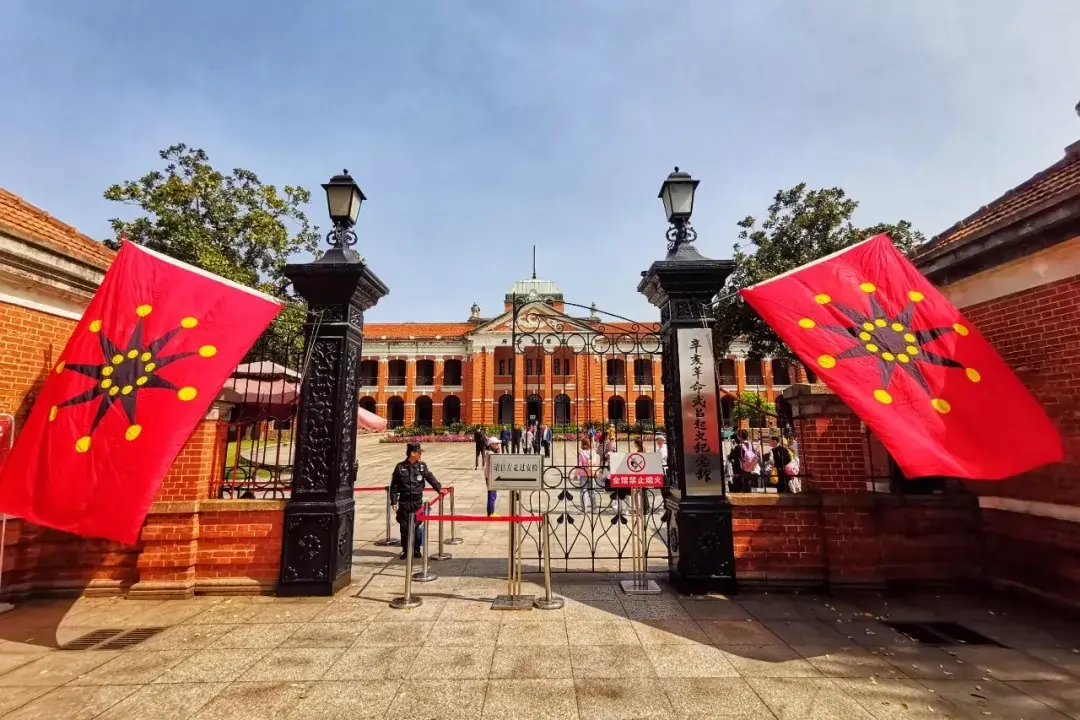
Wuchang, which occupies half of Wuhan, has undoubtedly red blood. Outside the uprising, the first shot of the Revolution of 1911 was fired, and the National Government was born.
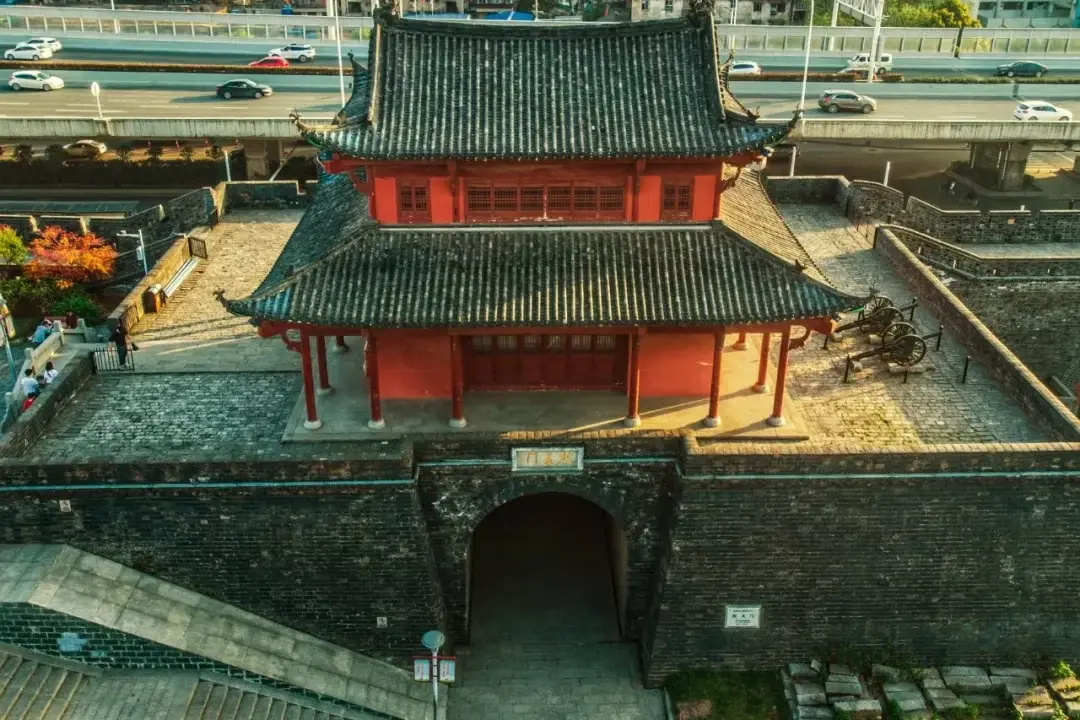
And at the Red Mansion at the southern foot of Snake Mountain, I personally sounded the death knell for the feudal monarchy. Through the Red Building, we seemed to be walking through the long river of history. The flags on the other side were waving and the uprising soldiers cheered loudly. In today's peaceful years, Peng Liu Yang Road has slowly faded away from the mark left by the revolution. Except for the sculpture at Yuemachang, it has become more like an ordinary path with people coming and going.
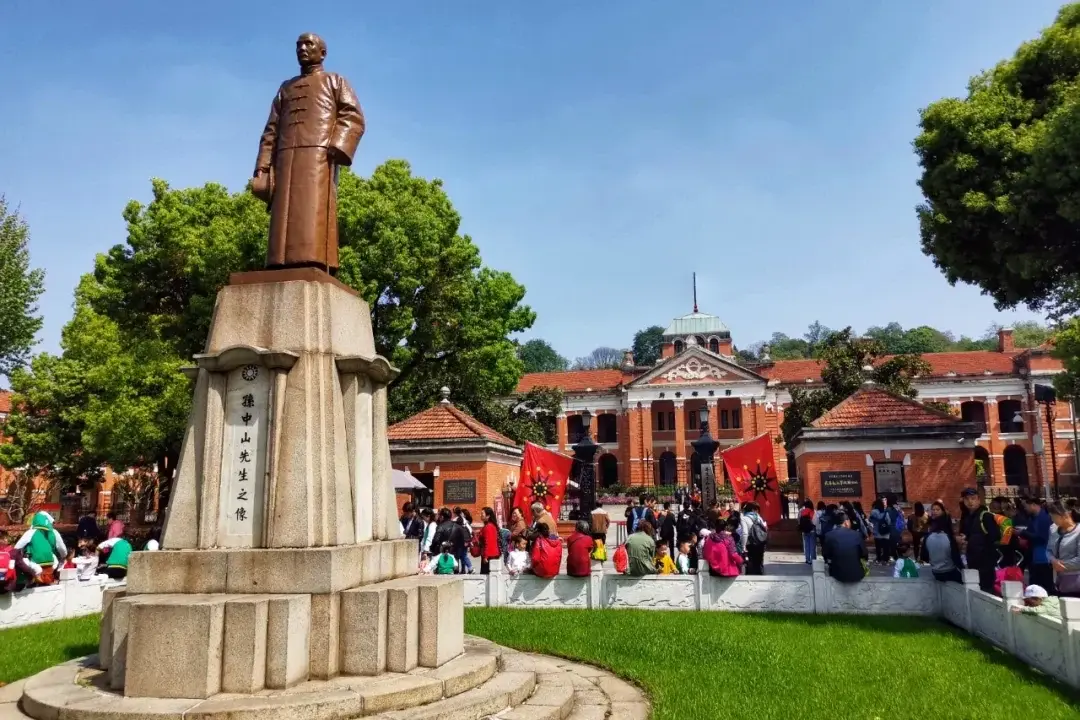
Today, Wuchang has transformed into a Chinese think tank with a strong cultural atmosphere and numerous universities. The vitality of 500,000 young people has stained this land. The original name of Wuchang originated from when Sun Quan made E city his capital, so he changed its name to Wuchang, which means "prosperity due to martial arts". Today's Wuchang is prosperous because of martial arts and prosperous because of culture.
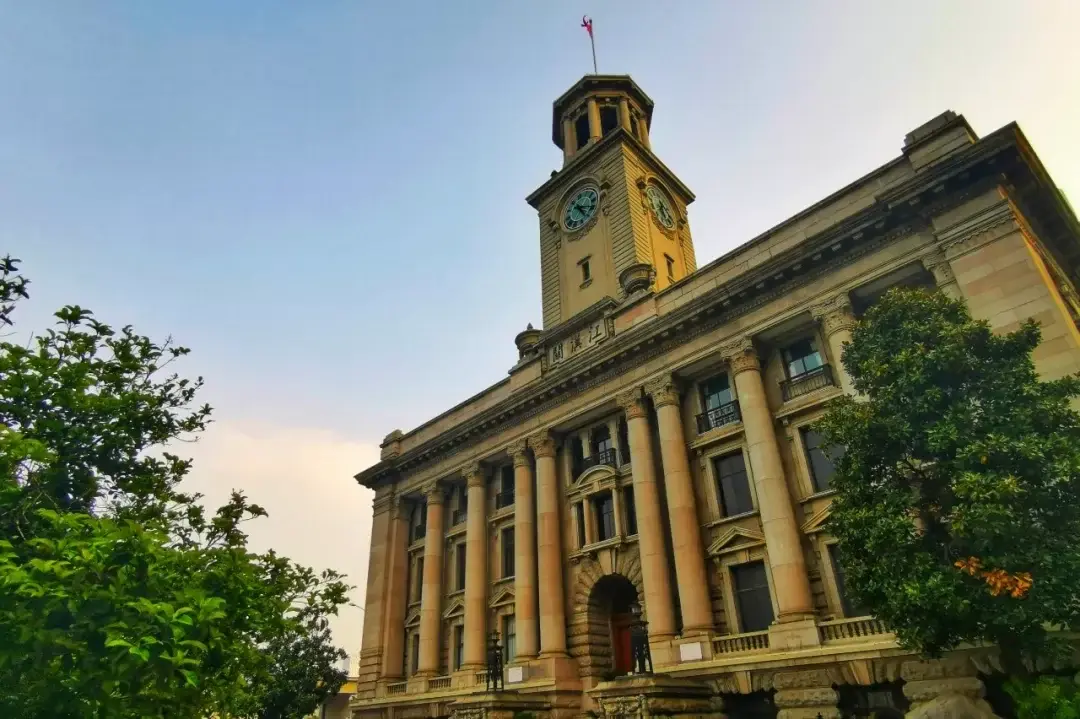
Flash forward to 500 years ago during the Chenghua period of the Ming Dynasty. A huge flood caused the Han River to change its course. Old Hanyang was split into two, forming today's Hanyang and Hankou. Later, Hankou became one of the "Four Gatherings in the World" along with Beijing, Suzhou, and Foshan during the Ming and Qing Dynasties. By the Republic of China, Hankou had become the world-famous "Chicago of the East", reaching unprecedented political and economic heights. Standing in the south of the Han River, Hanyang looked at Hankou on the other bank, where he had lived with him for thousands of years, and was relatively speechless. At the same time, the Lost Tower in the Wuhan Meat Factory in Dijiao, Hankou, also looked at Hanyang from a distance, with its walls broken down.
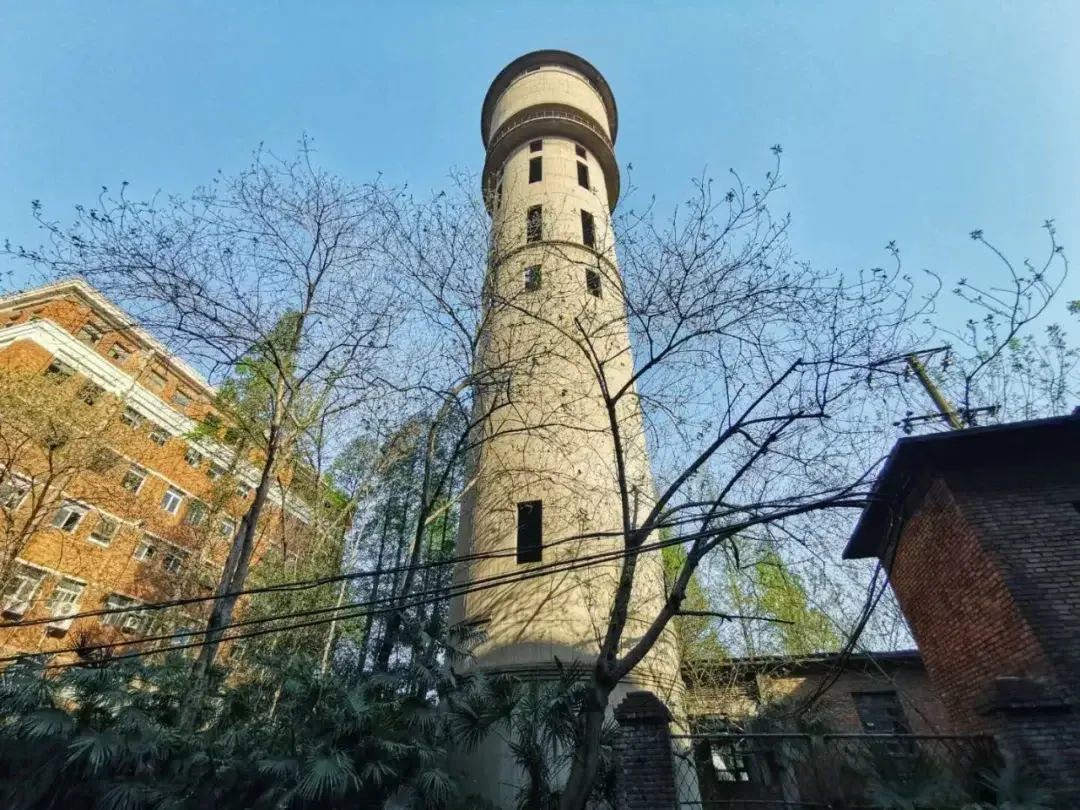
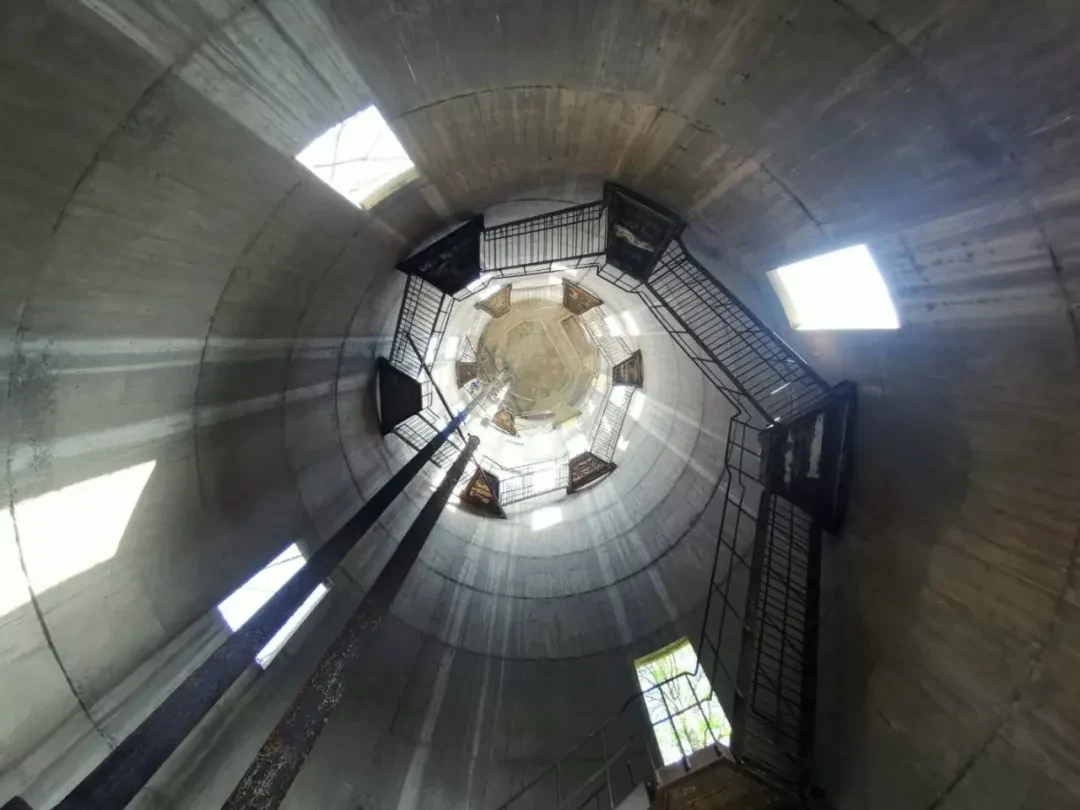
What best represents the history of Hankou is undoubtedly the concession. Walking along the Hankou River Beach, rows of Western-style buildings are particularly eye-catching. A hundred years ago, Hankou was bustling with Westerners. The Chinese outside the concession looked inside with surprise, curiosity, anger, and mixed emotions. For a long time, the concession was a wound and a "lawless place" for Westerners. But the concession also opened a window for China at that time. In this small piece of land, the Chinese intuitively understood Western culture. People of insight began to speak out vigorously, and their voices came from the concession and resounded throughout the land of China. In Hankou today, the bustling rental area in the past has become a leisure place for Wuhan people. There are no longer Western faces in the old house, but the smiles of the younger generation.
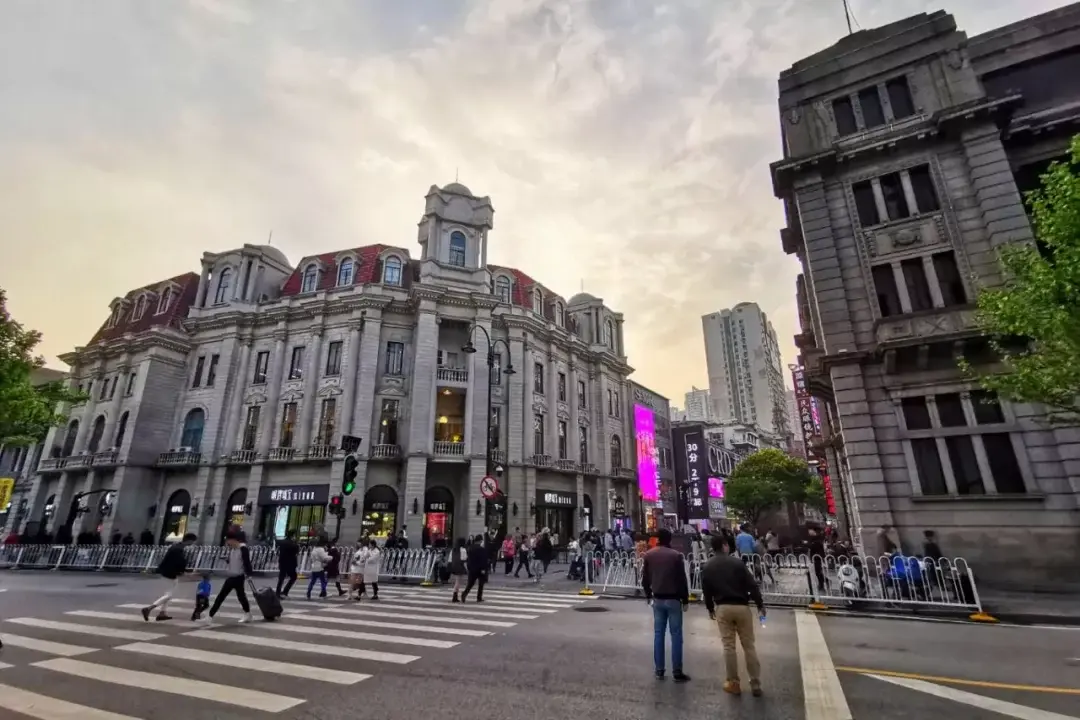
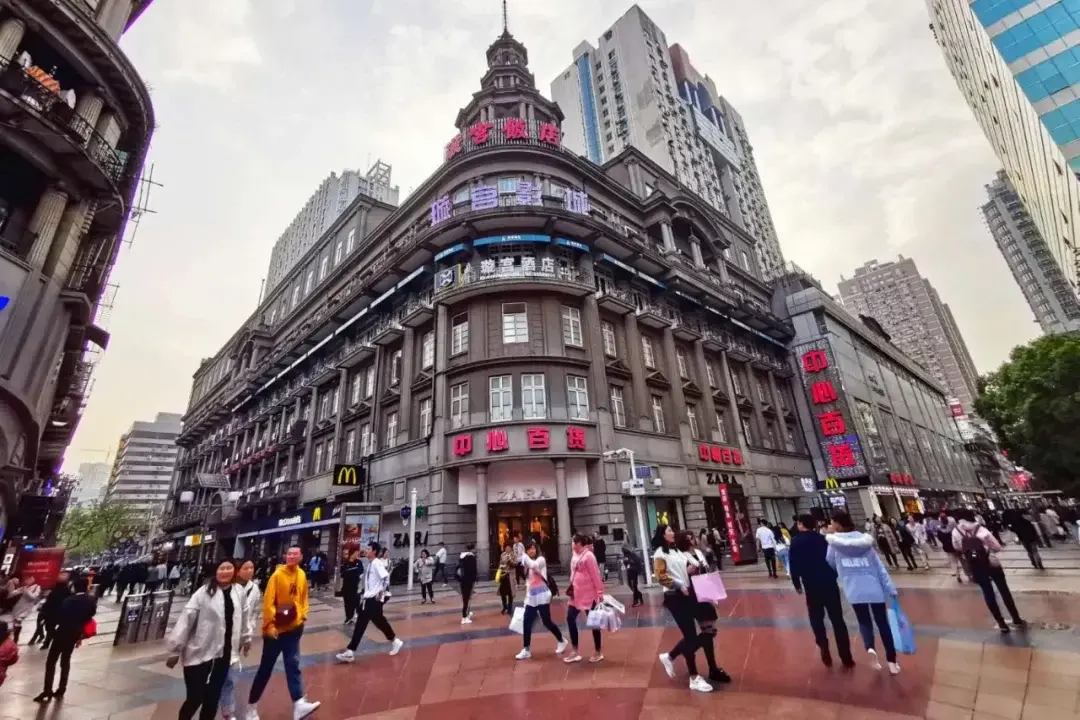
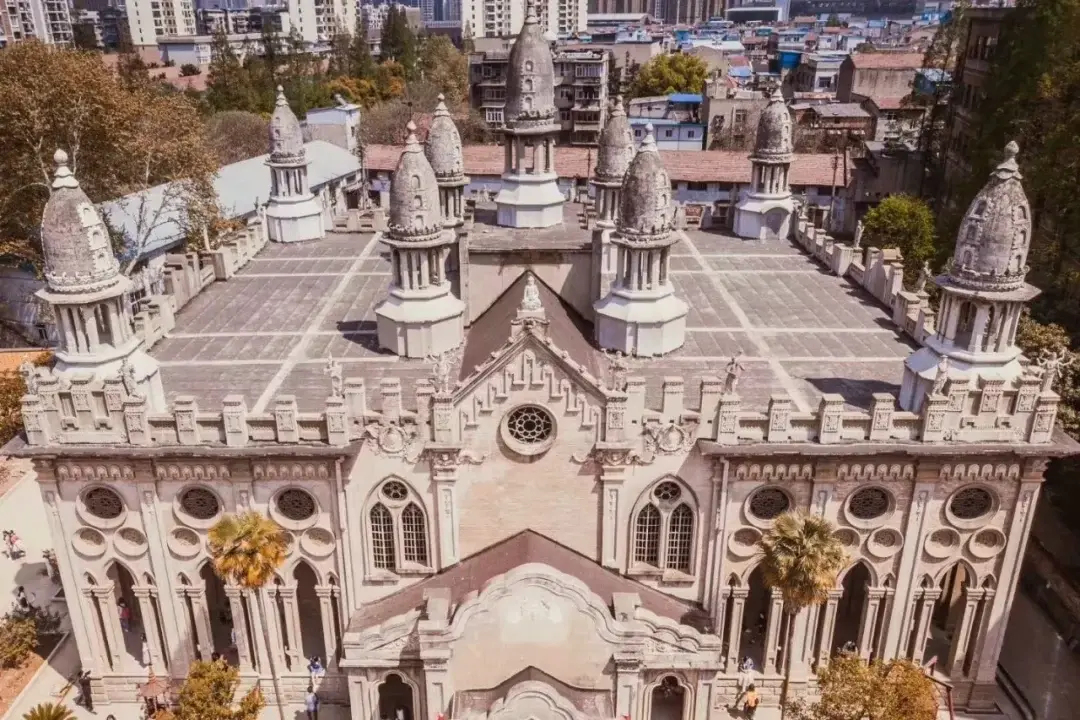
On Jianghan Road, there are countless snacks and endless shops. On Zhongshan Avenue, the neon lights at night are as bright as stars. This place not only retains the memories of old Wuhan people, but also creates prosperity in the eyes of new Wuhan people. While accepting Western civilization without being overly flattering, the openness and frankness of Wuhan people are on full display in Hankou. Even the traditional Buddhist temple Gude Temple is full of Gothic style, which complements the Western architecture of old Hankou.
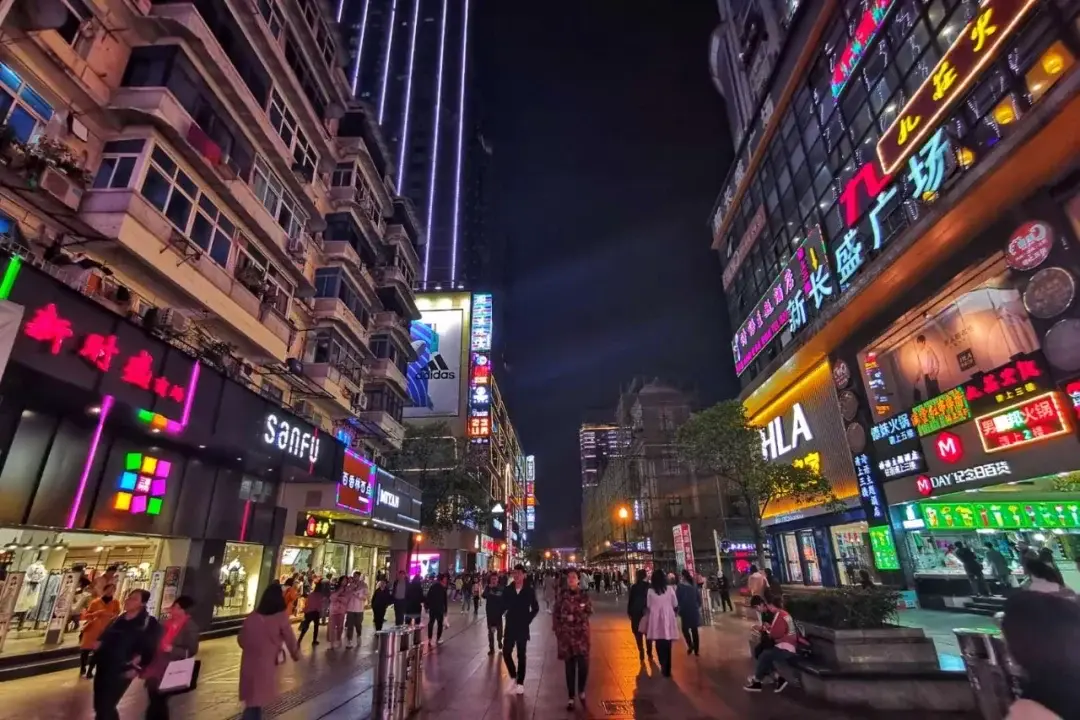
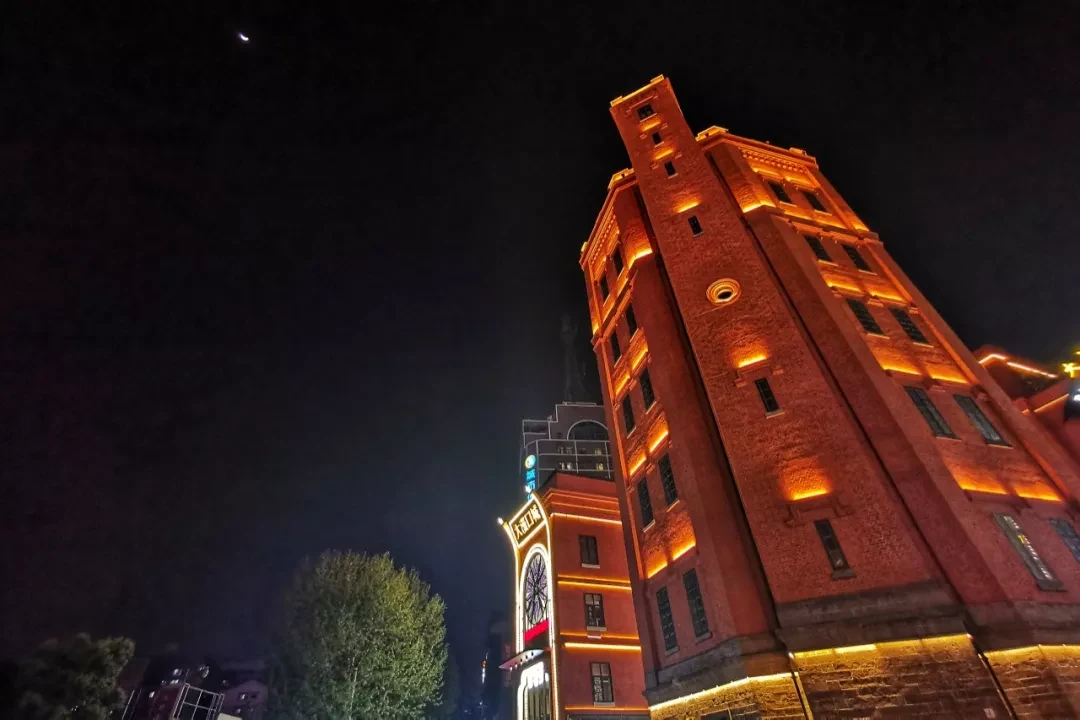
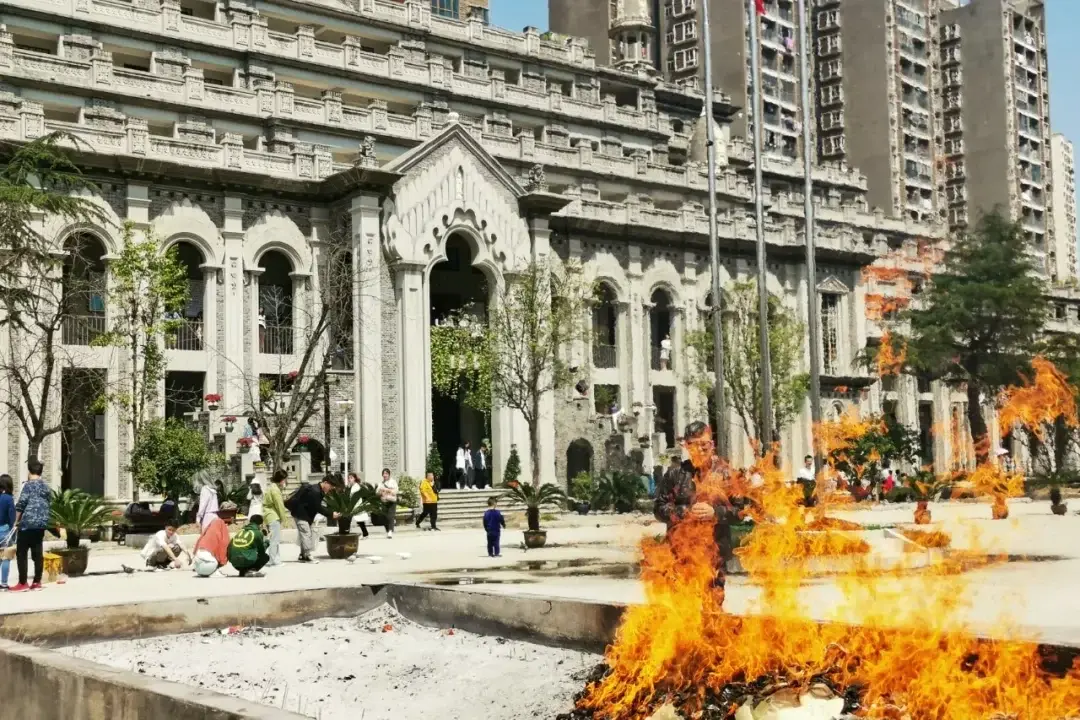
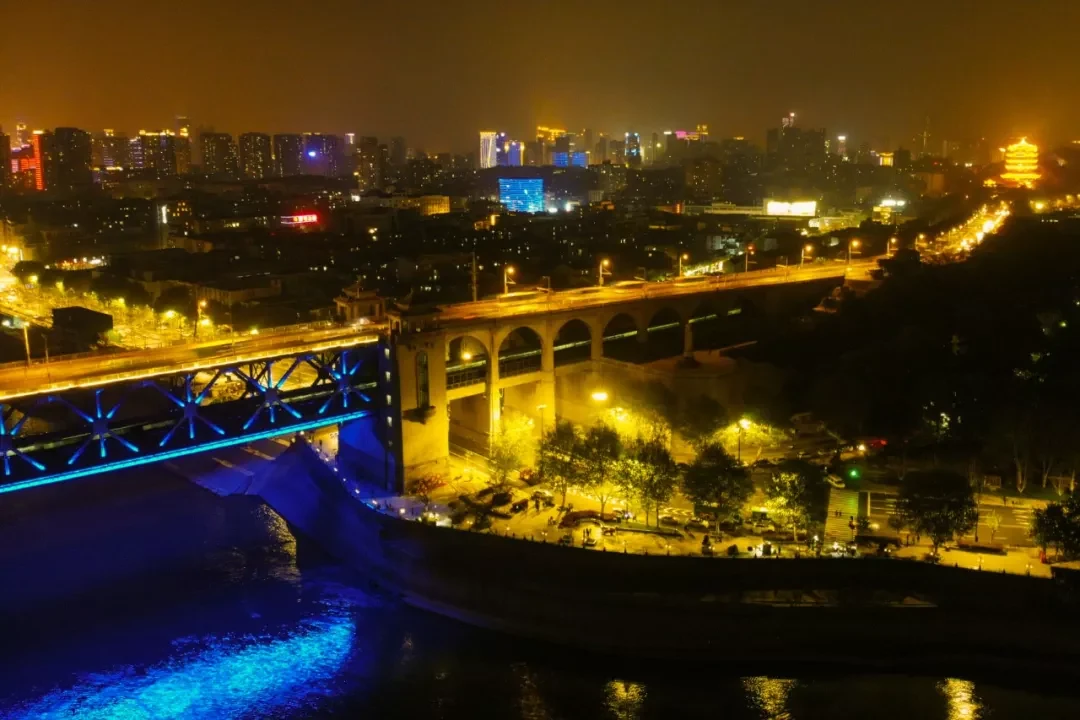
There are two famous poems that describe the depression of a young man in 1927, "The mist and rain are vast, and turtles and snakes are locking the river." 29 years later, he returned to his hometown, but he happily wrote, "A bridge bridges the north and south, and the natural chasm becomes the road." Today, more than a dozen bridges across the two rivers have become the skeleton of the city, supporting the traffic going home and the people rushing home among them. What young people are most concerned about is whether the couple who walked across the Yangtze River Bridge together will break up? This remains a mystery to this day. But under the lights of the sidewalk on the bridge, there will still be young people hugging each other. There is a lot of traffic on the bridge, but the river is calm under the bridge.
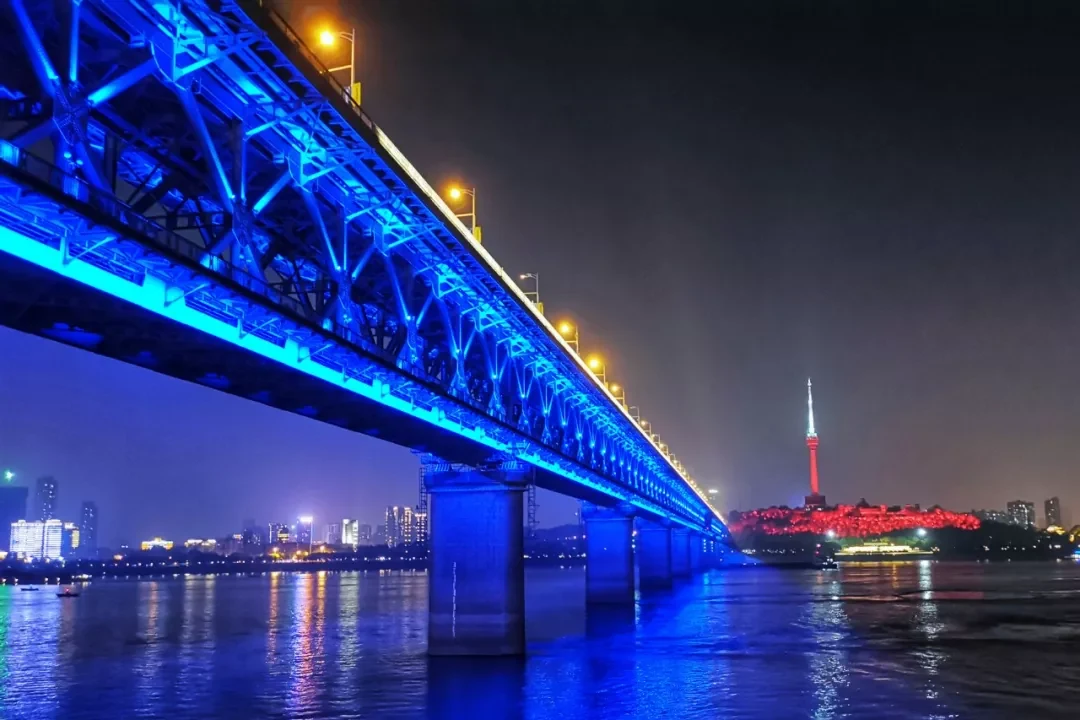
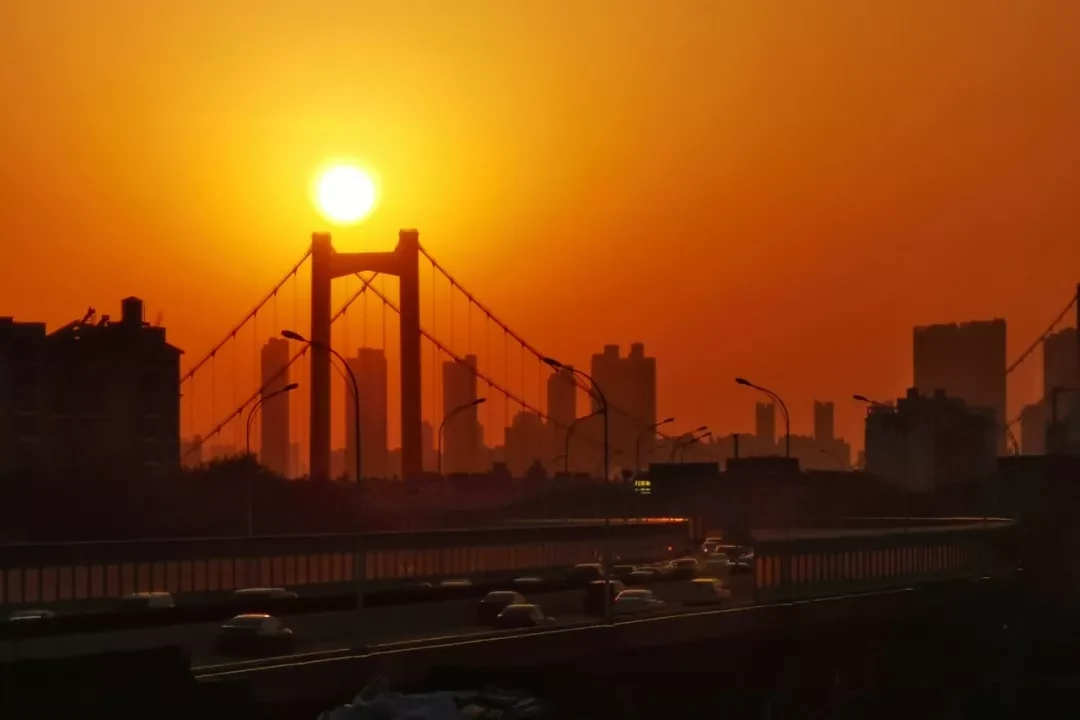
A line connects, two rivers meet, three towns stand tall, four seas echo each other, five directions are mixed, six roads are visible, seven stars shine high, eight sides are exquisite, nine provinces are thoroughfares, and ten fingers connect to the heart. The story of time being carried away by flowing water, unintentionally profound, winding along the river, slowly meandering, makes Wuhan a legend.
Exclusive memory · Han Marathon
Yi Zhongtian's "Reading the City" - "The city is an open book, and different people have different ways of reading it." For the runners who set out on the 2019 Wuhan Marathon, running is their way of reading the book of Wuhan - as they move forward, the essence of Wuhan's city slowly unfolds like a scroll: condensing Wuhan's urban commercial cultural genes and humanistic history The birthmark of Zhongshan Avenue, the Yangtze River Bridge, the first dual-use railway and highway bridge on the thousands-mile Yangtze River, and the East Lake Greenway that best embodies the grace and elegance of the Province of Thousands of Lakes and the City of Hundreds of Lakes... A trip to Han Marathon is like completing a journey through time and space. While witnessing the historical changes of the river city over the past century, you can truly touch the soul of Wuhan.
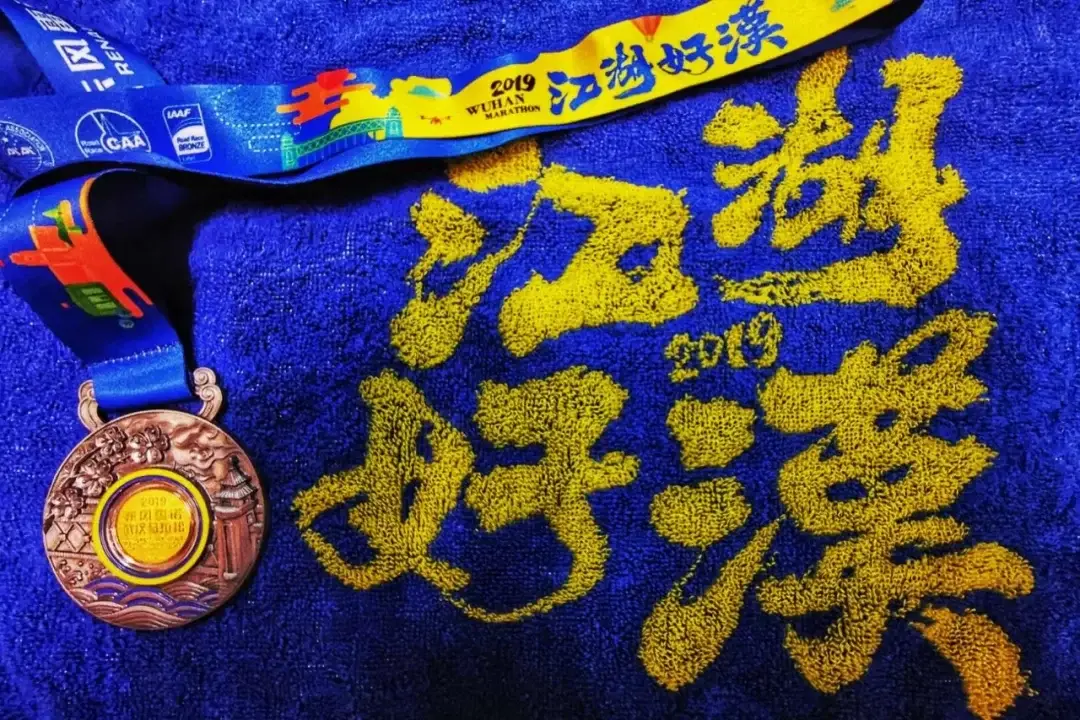
The Han Marathon is known as the martial arts competition in the marathon world and is well-known. This year's theme is "Heroes" with Wuhan characteristics. Therefore, the winning rate of the Han Marathon has reached a new low, which is basically the same as winning the lottery. But it is such a ritualistic lottery winning competition that I have participated in for three consecutive years and I am extremely lucky.
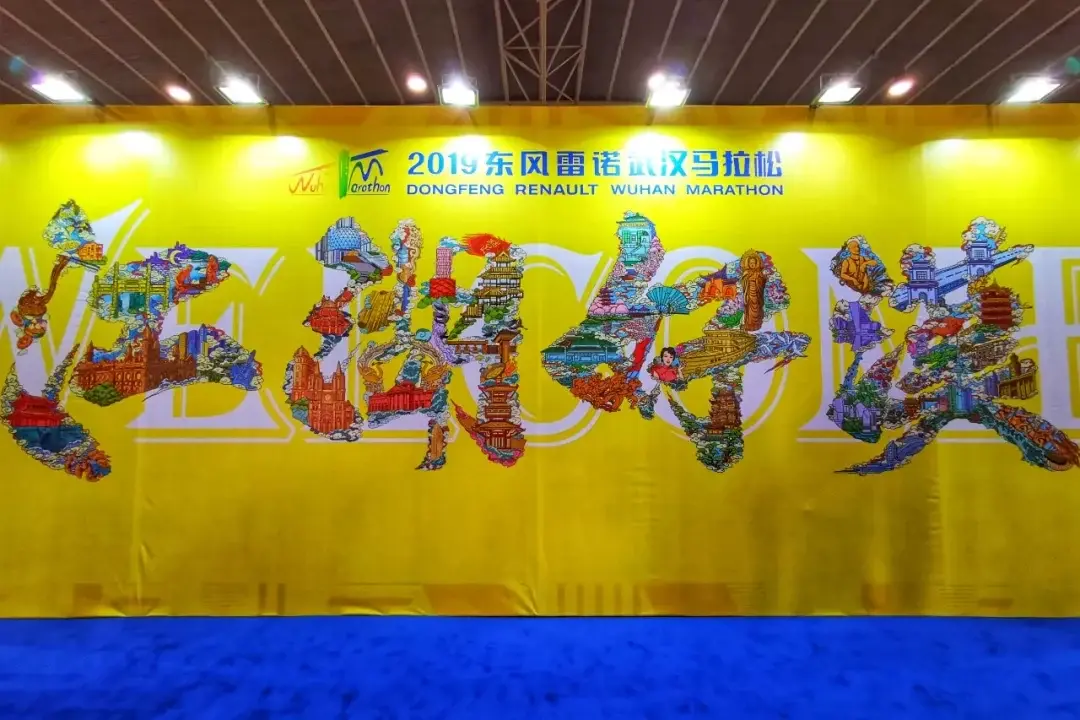
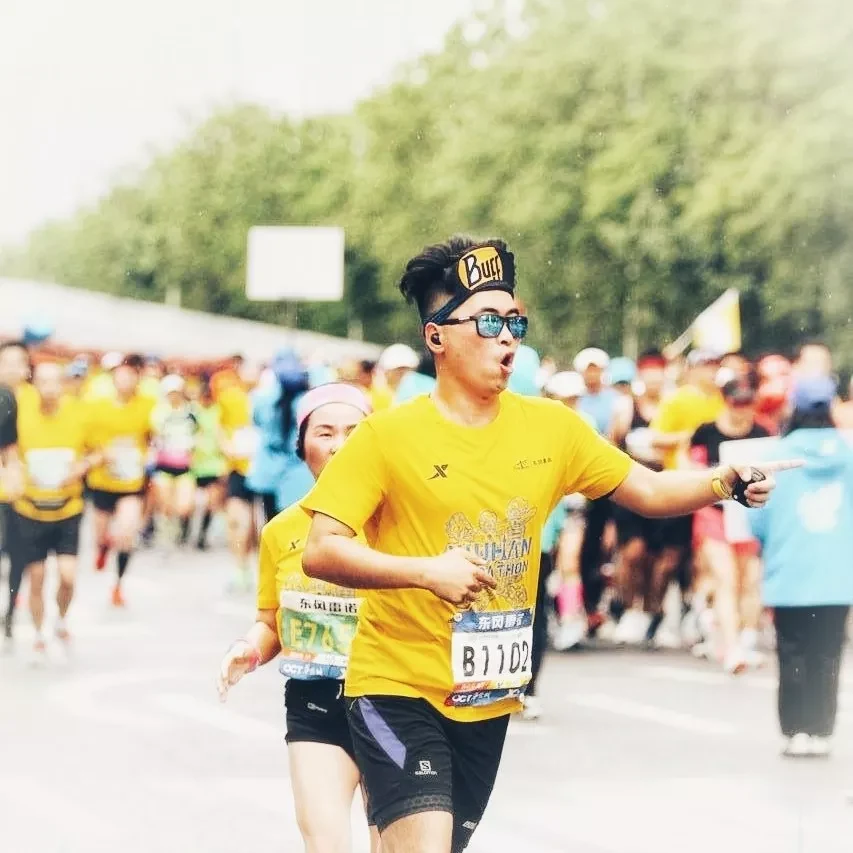
Han Marathon means more to me than an ordinary marathon. Three years of living in Wuhan and three years of Han Marathon memory. This explosive run has already become an indelible mark in my life. Han Marathon is my first running teacher, because Han Marathon in 2016 gave me a reason to start running, and I couldn’t stop running. East Lake and Luojia Mountain have become my favorites. In the end, it even took Wuhan as the center of the circle and radiated to most of China. In the name of running, I took a look at the world.
The Red Queen Hypothesis has a famous saying: In this country, you must keep running to keep you in place. One rule of thumb in marathon running is not to stop. Once you stop, the fatigue and pain you endured before will sweep away. The same is true in the marathon of life. If you stay in the comfort zone for too long, it will be difficult to start again. For me, who has not been running systematically for more than half a year, I was really beating my drum before the race. Coupled with the experience of withdrawing from the competition in Haikou and the physical condition that I have just recovered from playing football, this year's Han Marathon is indeed a big challenge for me.
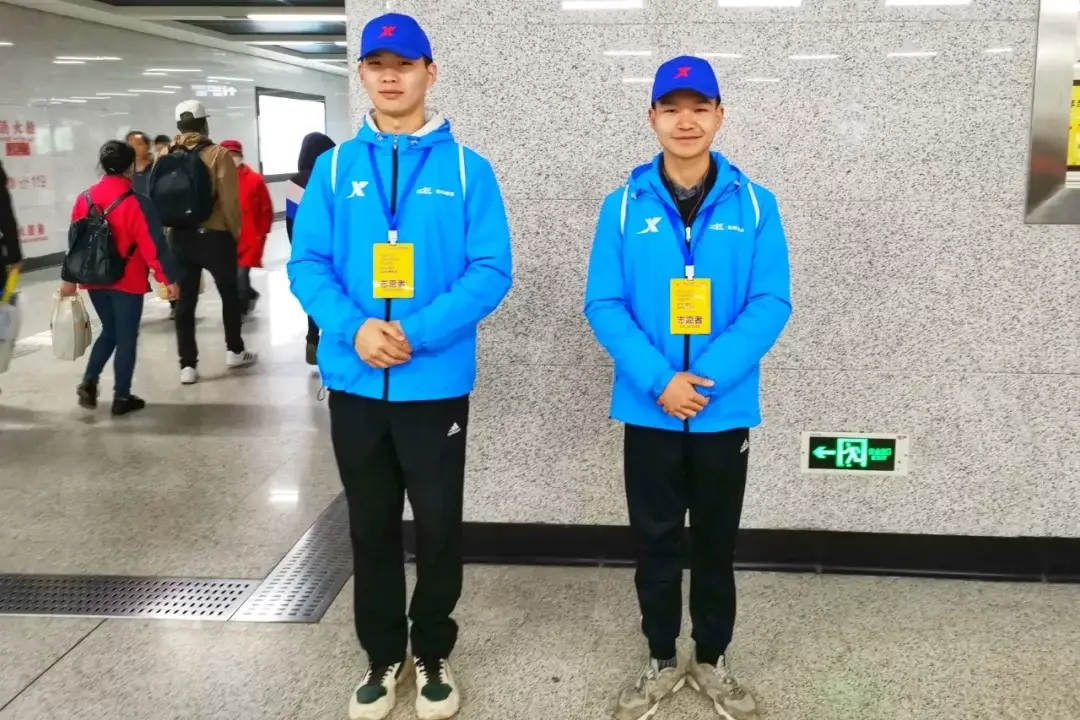
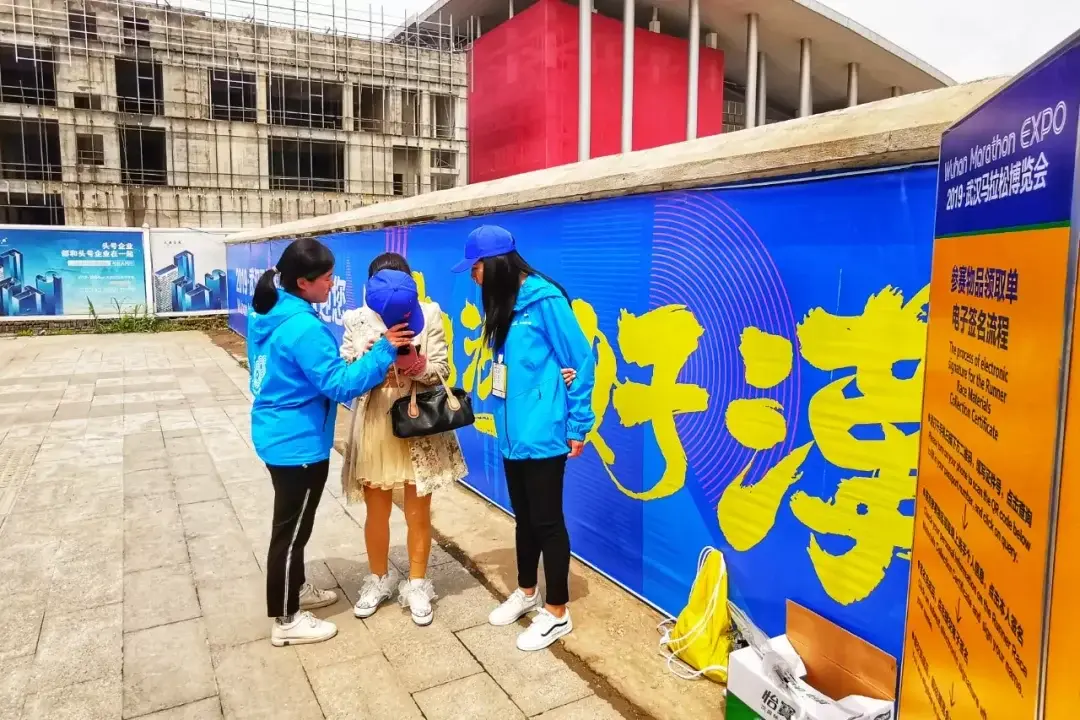
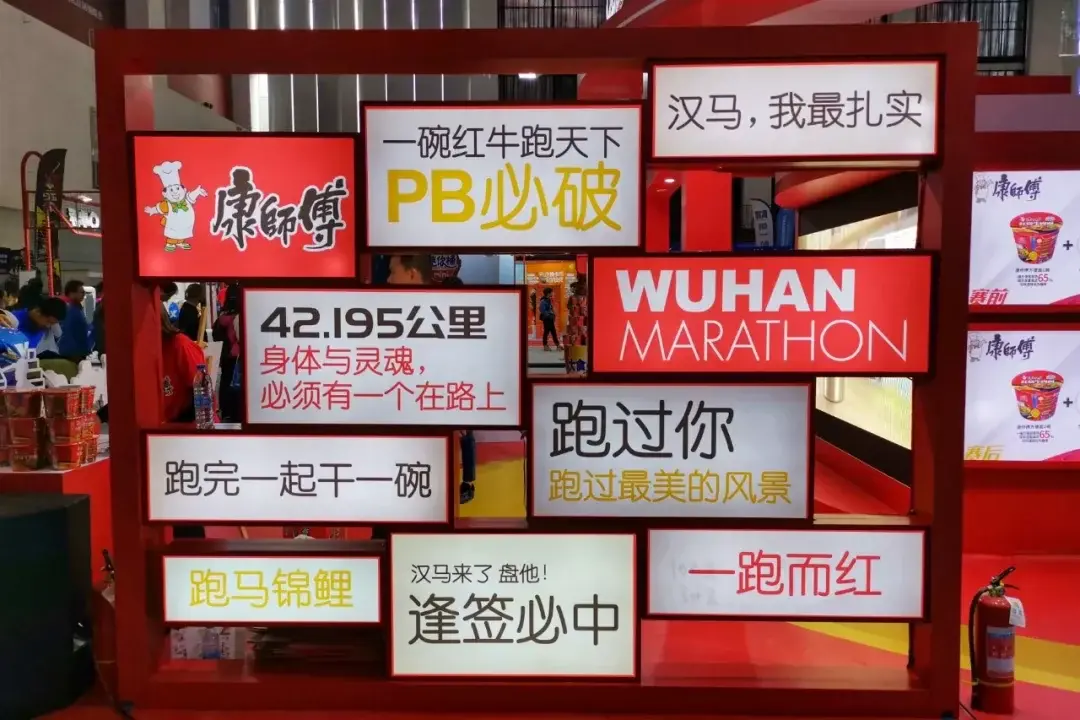
Feeling panicked, I came to the Horse Expo before the race. My first impression of this year’s Han Marathon was still that it was majestic. The yellow and blue colors of the horse and the majestic slogans of the heroes made me feel that I was really sorry for such a good marathon if I didn’t finish the race. The collection of items before the race is in order. Volunteers will guide you all the way from the subway station. Volunteers will even take off their hats to block the sun for players who ask for directions. Volunteers in the exhibition will also enthusiastically tell you where to collect items. They will answer all your questions with enthusiasm and provide all-round care.
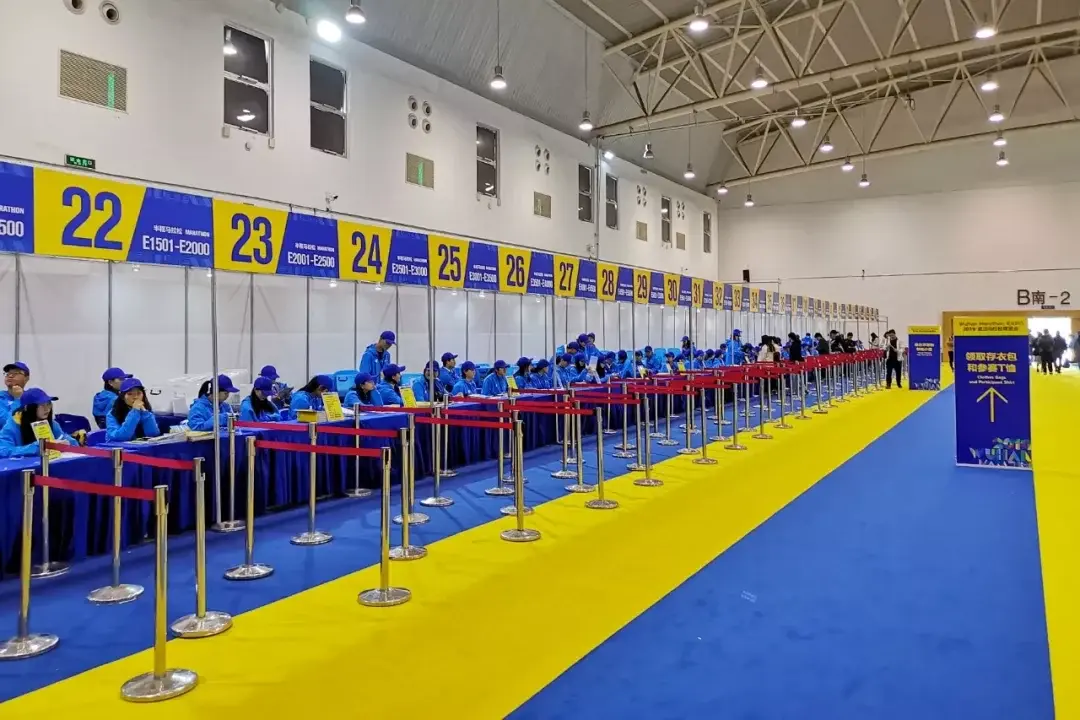

The horse expo after receiving the gift was also very rich in content. I was lucky enough to receive an ice cream from a pretty girl when I entered. There were quite a few places to woolen wool, both the venue and the people walking around were very good-looking. In addition, the booth of the China Marathon Grand Slam was glittering with gold. It was my first experience with Han Horse. It was high-end, grand and classy.

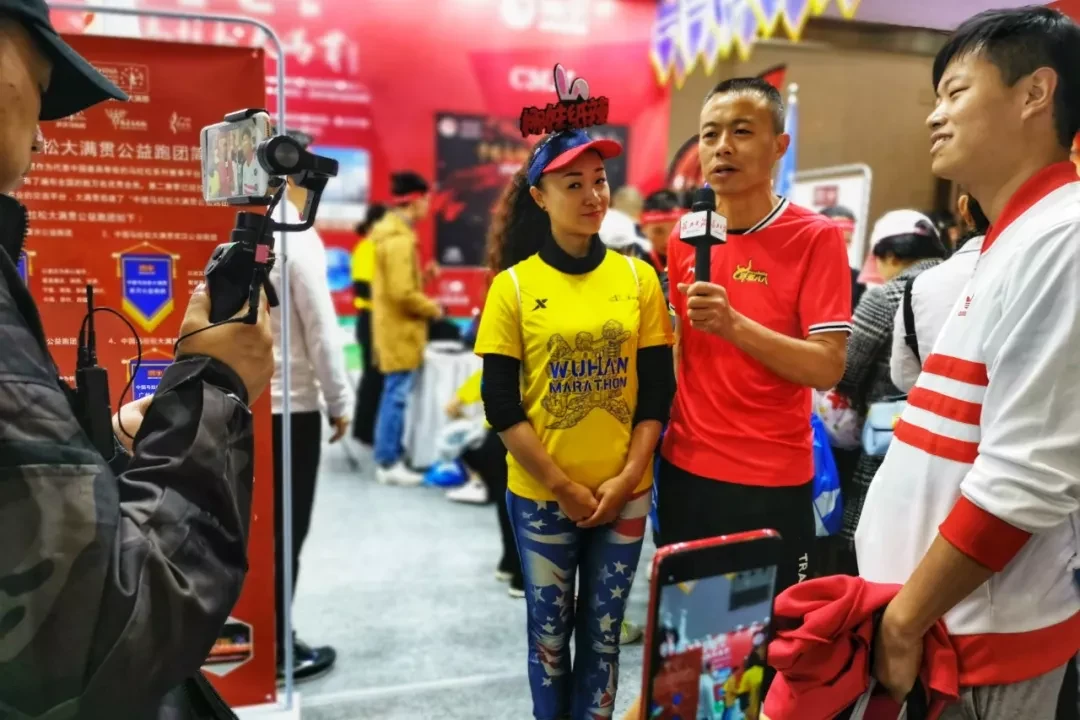
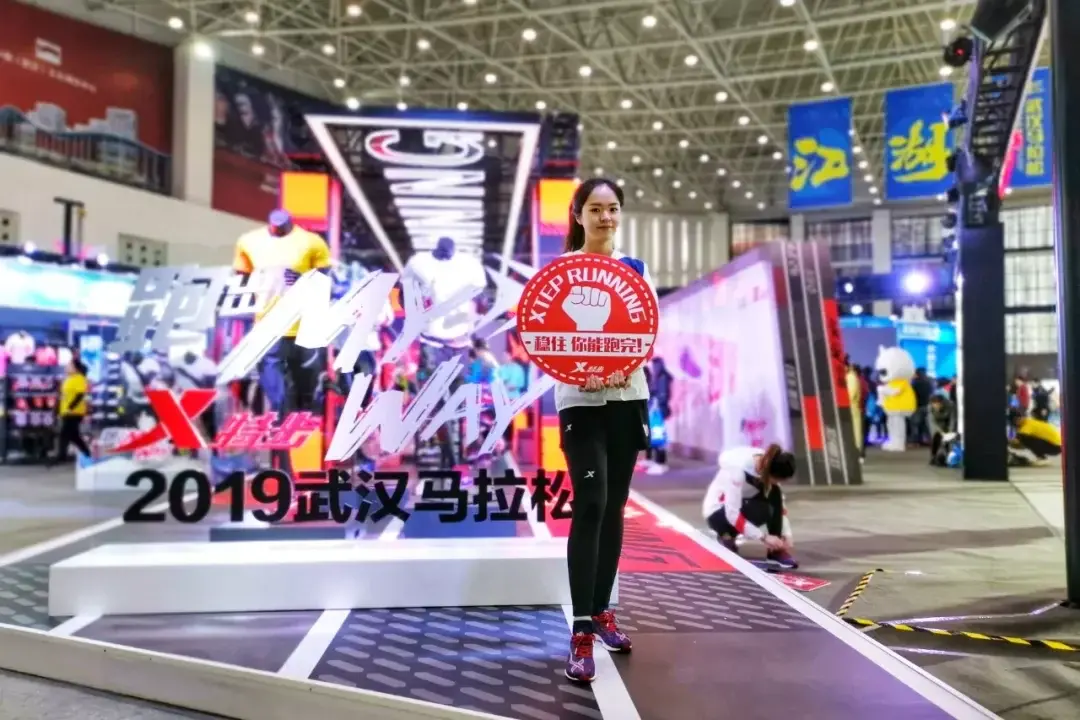
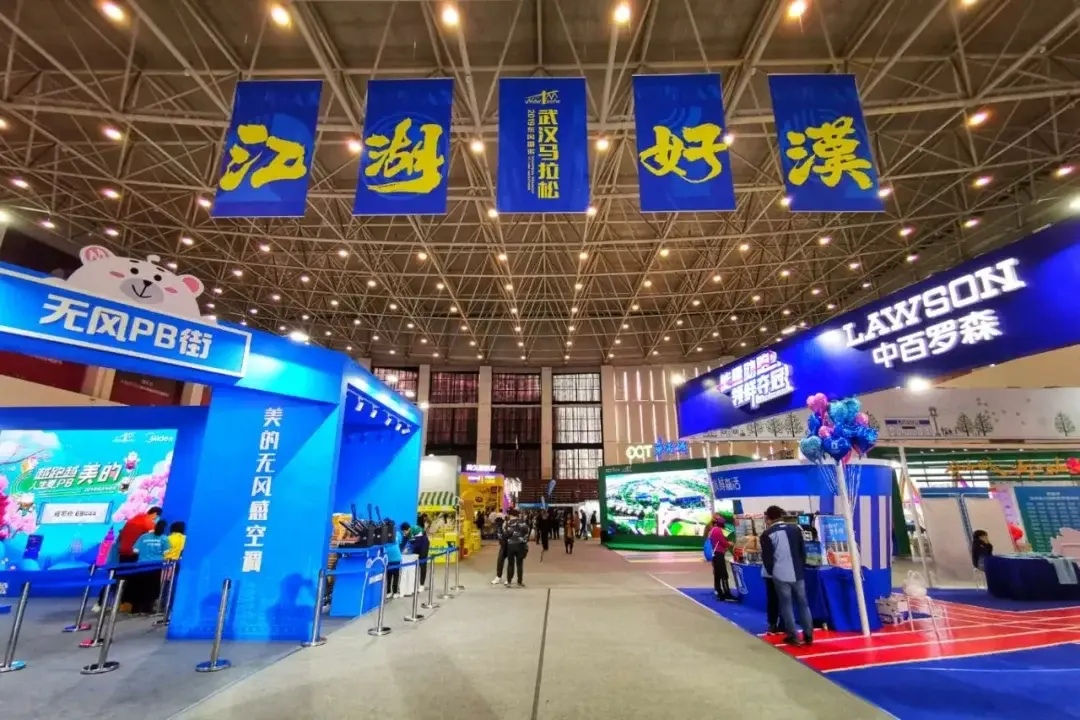
Before the race, as a tour guide, I took my friend Leleqian to Wuhan University to check in. Unknowingly, since running, half of the friends in my circle of friends love running, and their enthusiasm for life is also infecting me all the time. When a sport is separated from the competition itself, life gives it more meaning. Running, which is extremely social, has fully expanded my life circle and made me understand what kind of person I should be.
The starting point of the Han Marathon this time was changed from the Hankou River Beach to the Sanyang intersection of Zhongshan Avenue. Out-of-town runners may not know the huge risks and responsibilities that such changes entail. Sanyang Road is surrounded by a super-dense area of old Hankou residents, which shows the full courage of the Han Marathon Organizing Committee. The 13-kilometer end point is at the Wuchang Xinhai Revolution Museum Square, the half-way end point is in front of the Provincial Library on Gongzheng Road, Wuchang, and the full end point is in front of Happy Valley on Happy Avenue. The Wuhan subway is free for players before the race and will be opened one hour earlier in the morning.
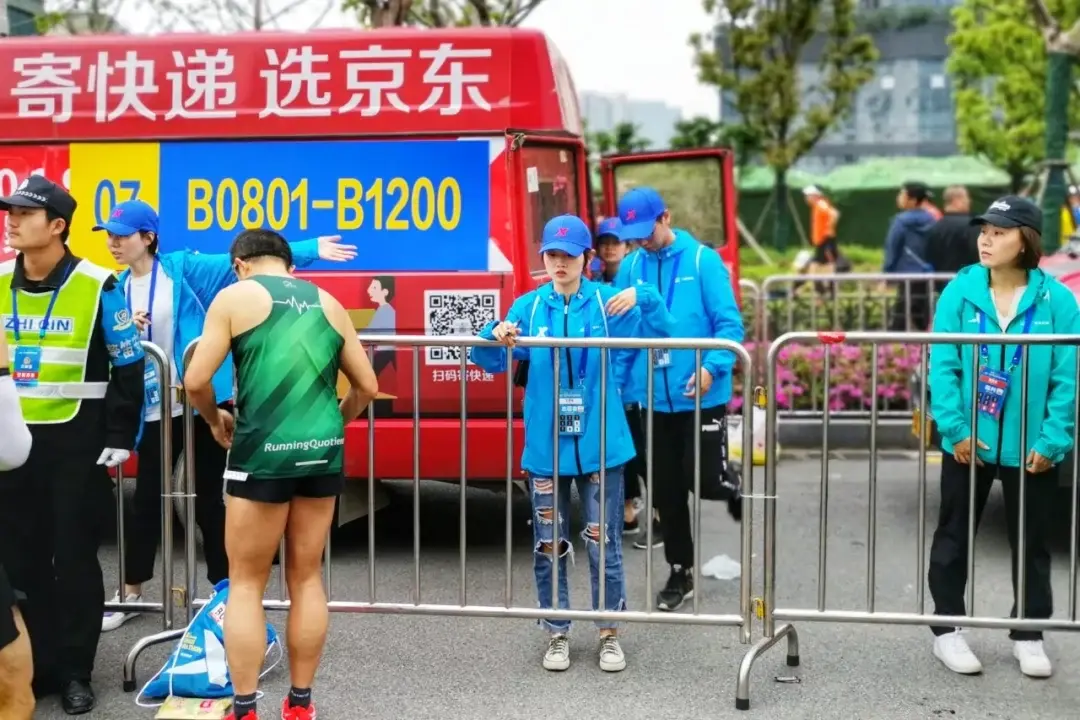
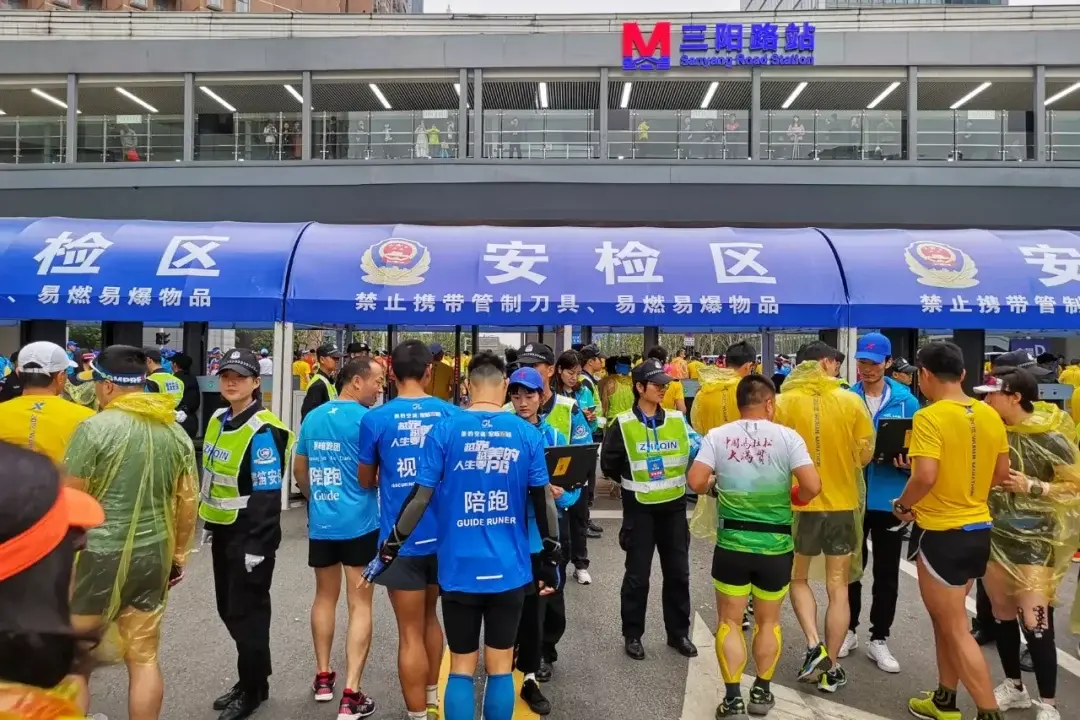
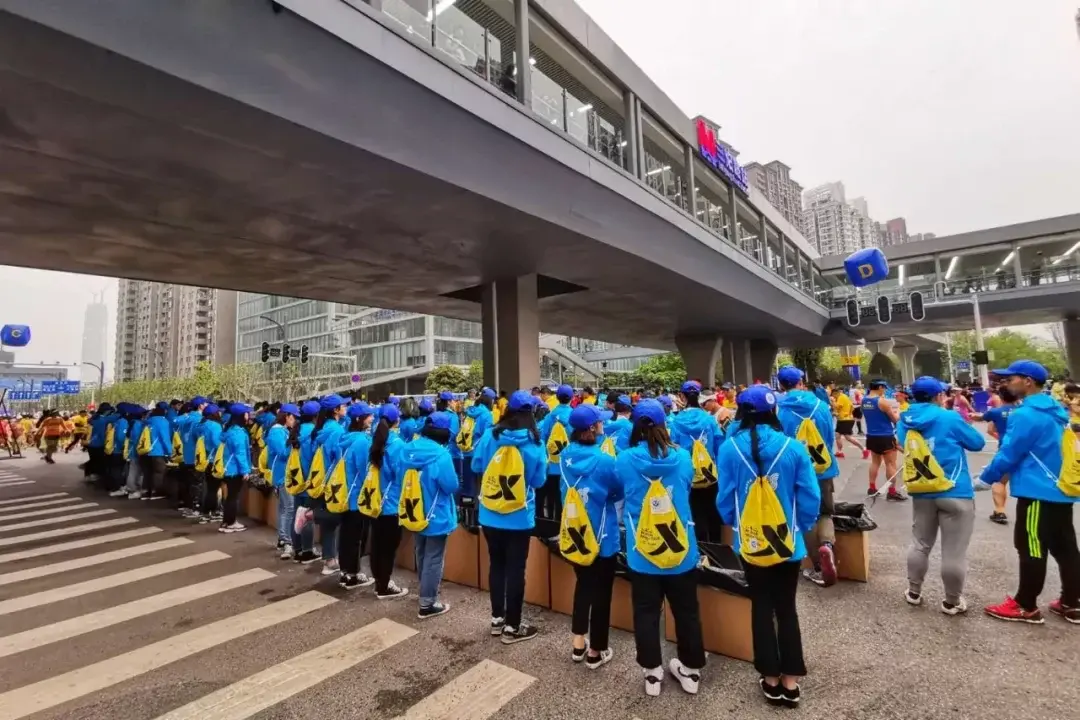
On the race day, the weather in Wuhan was slightly overcast and accompanied by light winds, which was especially suitable for running. After leaving the subway station, I was still looking for a chartered car. Unexpectedly, the volunteer next to me said to me very enthusiastically: "No need to look for it, it's right here!" It was very warm. Starting in zones, each zone has its own toilet area, which is very convenient.
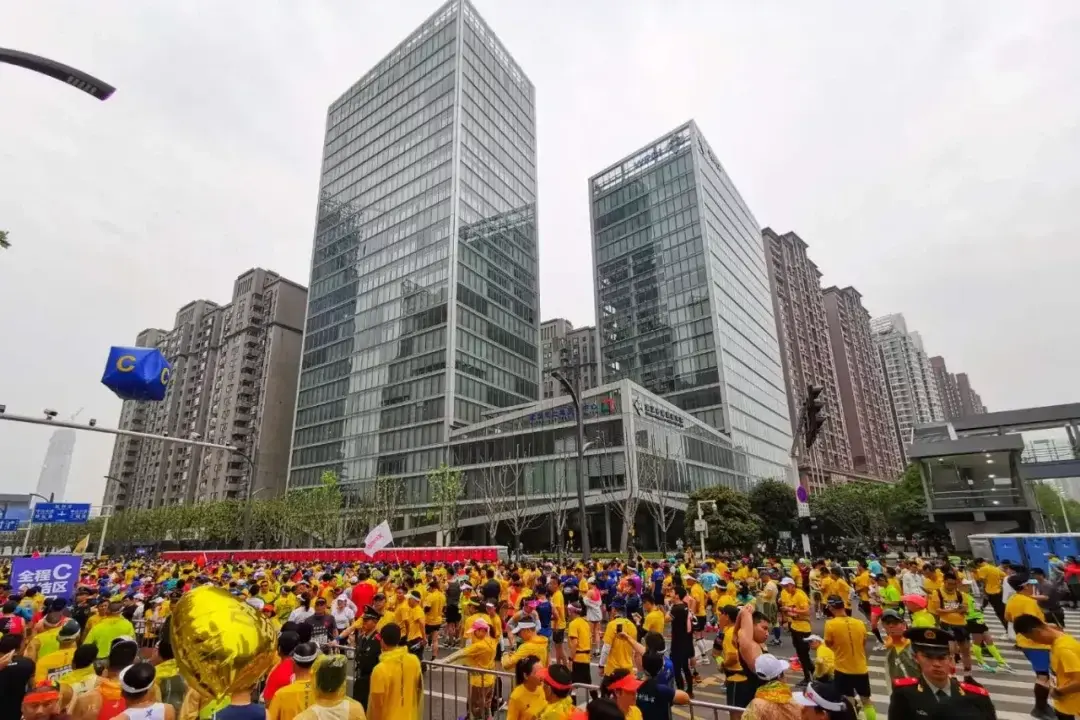
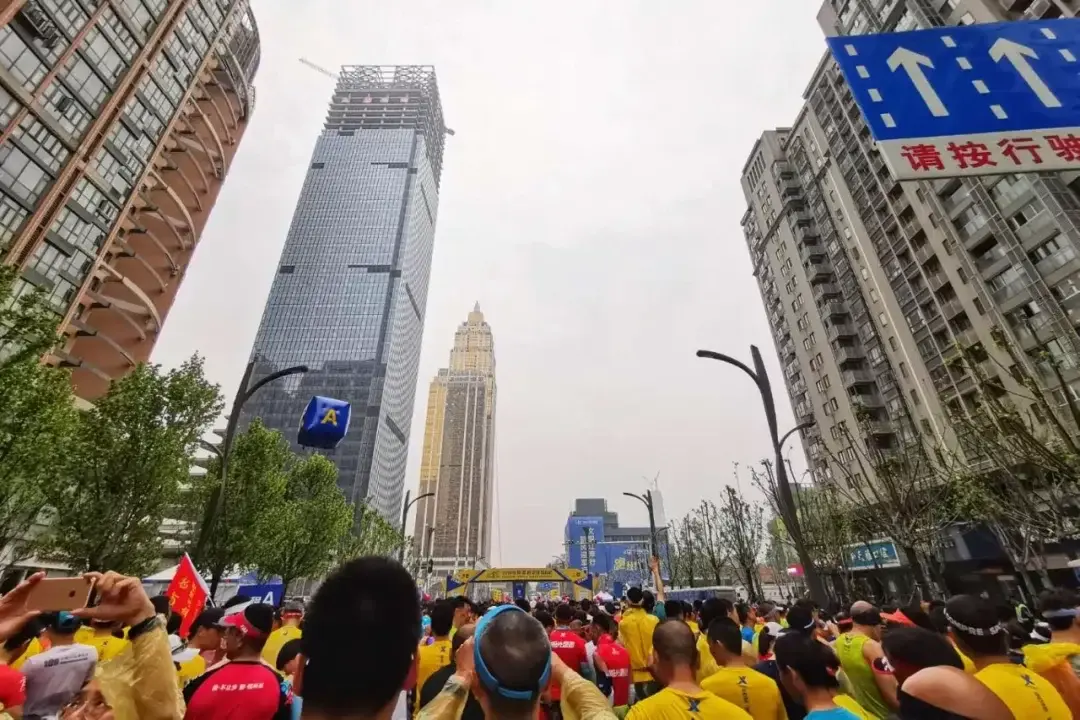
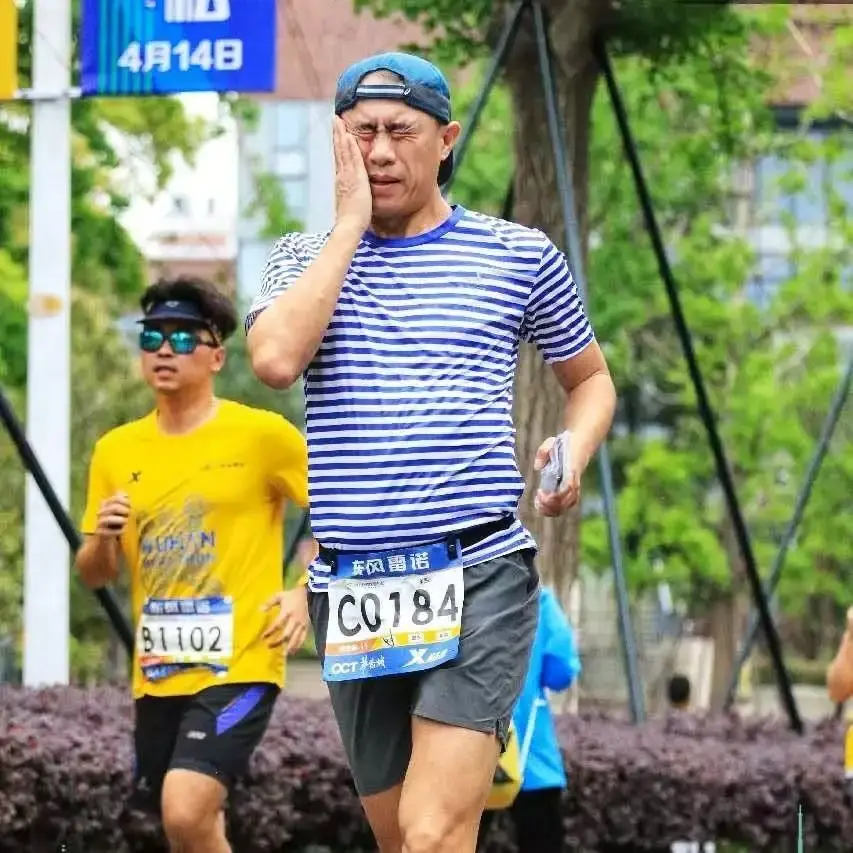
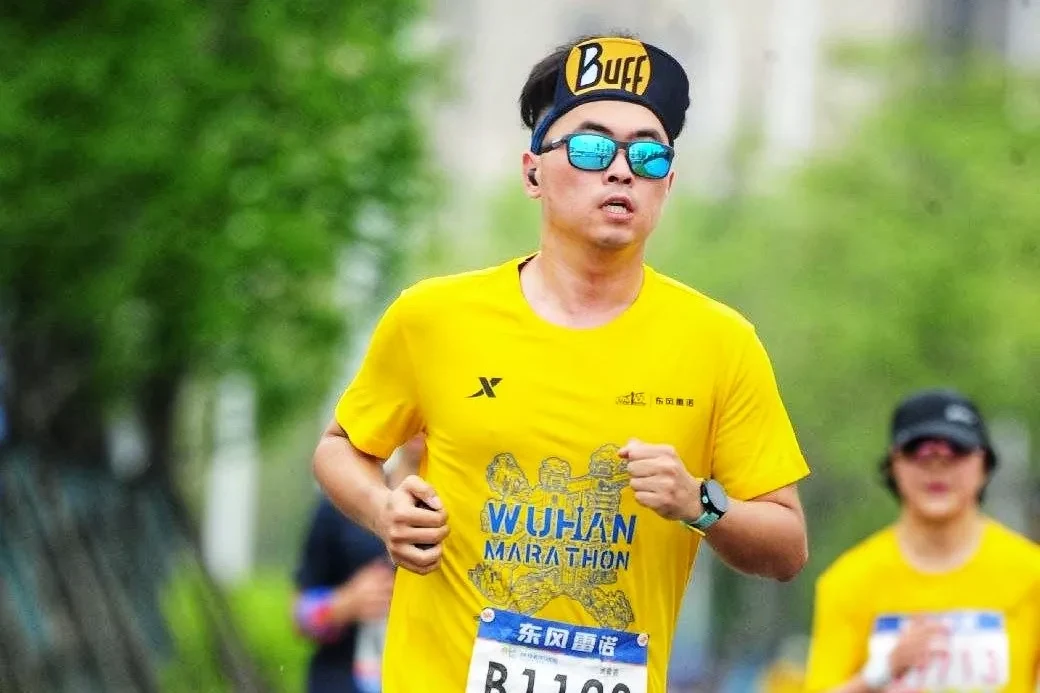
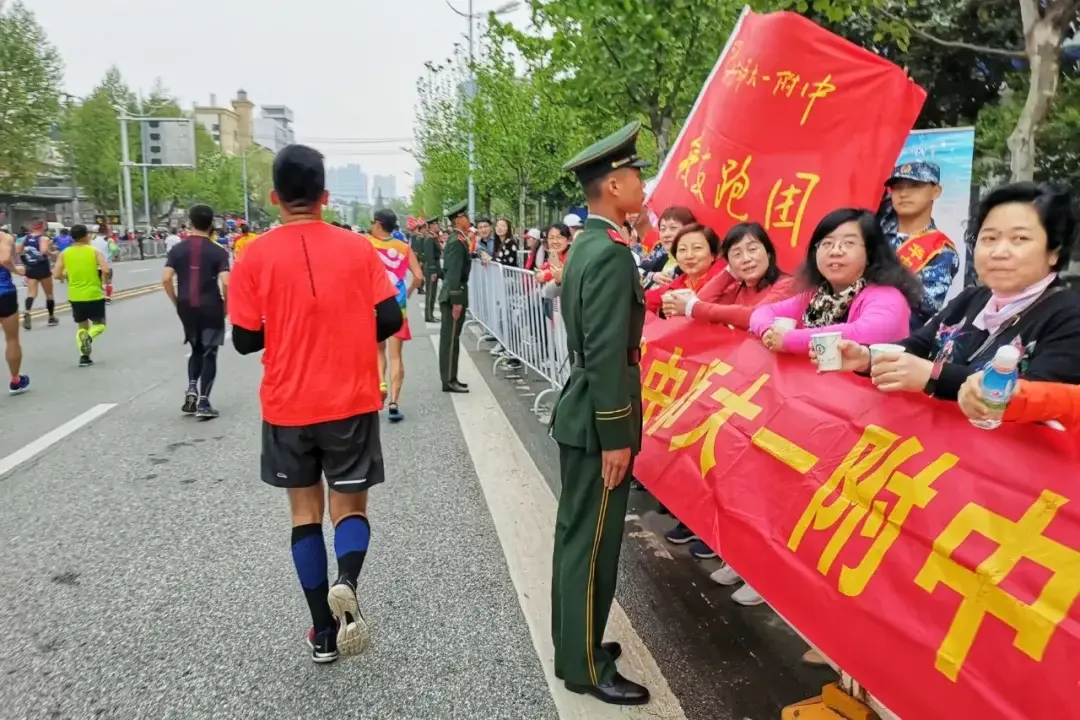
Finally at 7:30 in the morning, a gun was fired at the starting point, and 24,000 heroes rushed out, and the carnival began. The audience in Hankou is particularly enthusiastic. Walking through Zhongshan Avenue, which is full of vicissitudes of history, you can feel the Hankou style of old Wuhan. Every balcony or porch here, even every brick and tile, may contain a story or a memory. I took pictures with my phone while running, and I didn’t care about the pace. I was totally free to do whatever I wanted.
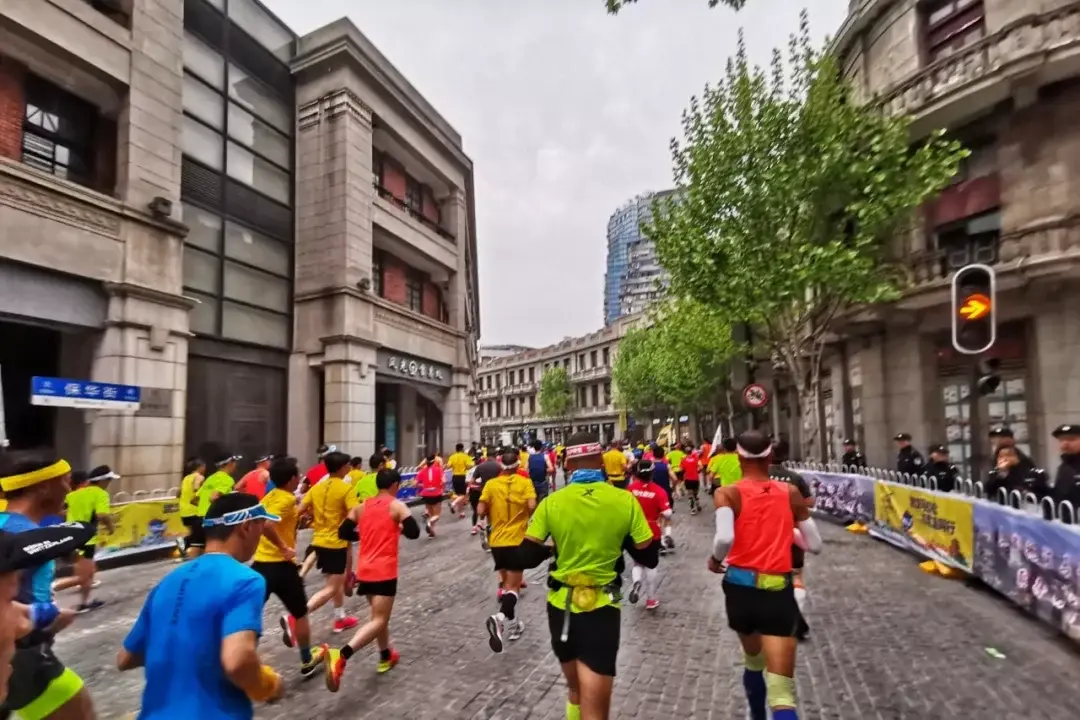
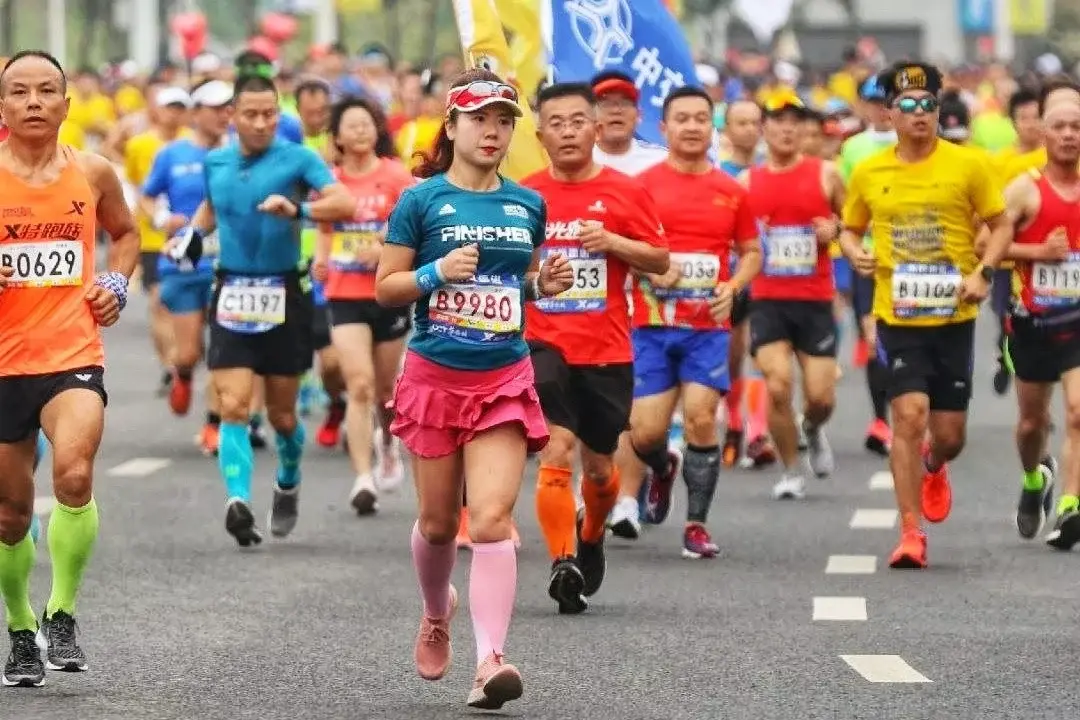
After running through Zhongshan Avenue, we approached Jianghan Bridge. The track starts here, condensing the most representative elements of Wuhan as a river city and a famous historical and cultural city. Rivers, bridges, buildings, and platforms are gathered here, making people fully appreciate the boldness and grandeur surging in the blood and character of Wuhan people.
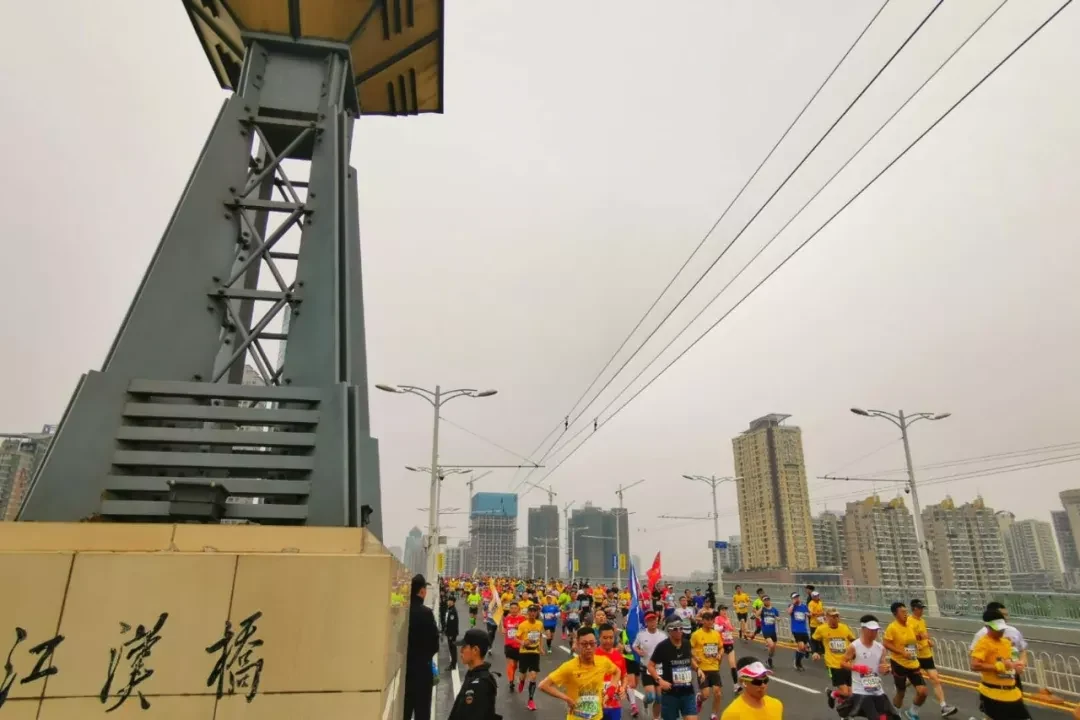
Crossing the Yangtze River Bridge, you will see the Yellow Crane Tower, one of the three most famous buildings in China. The people of the past have gone, but the tall buildings still exist, inspiring people to remember the past and the present. The contestants slowed down and took photos with the Yellow Crane Tower.
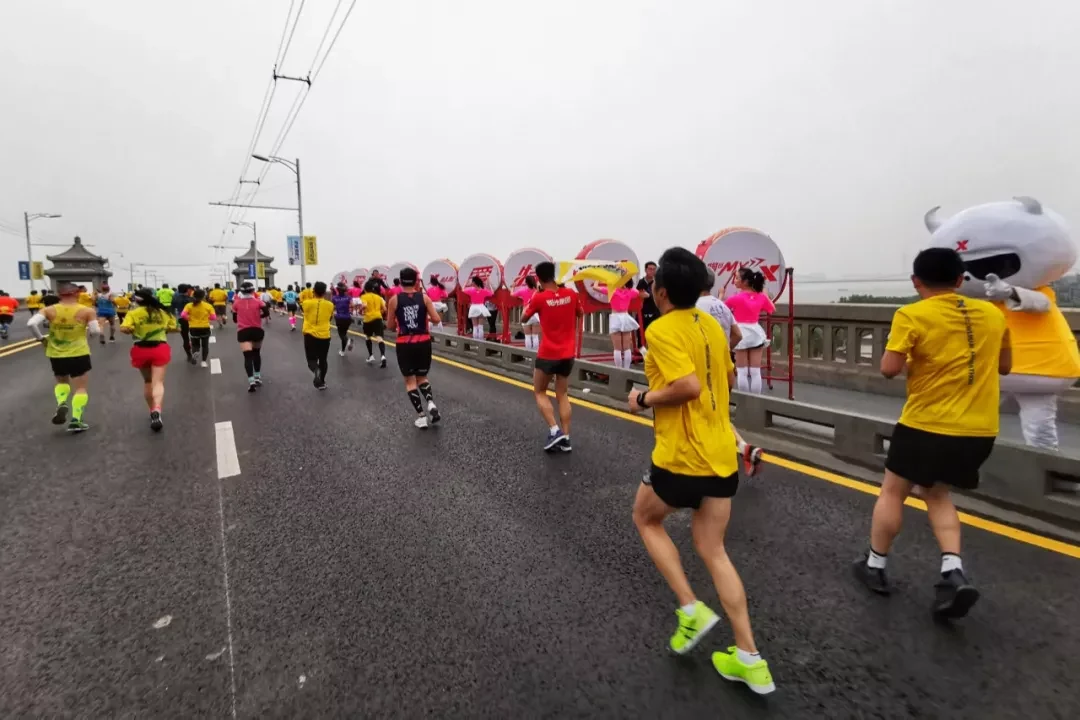
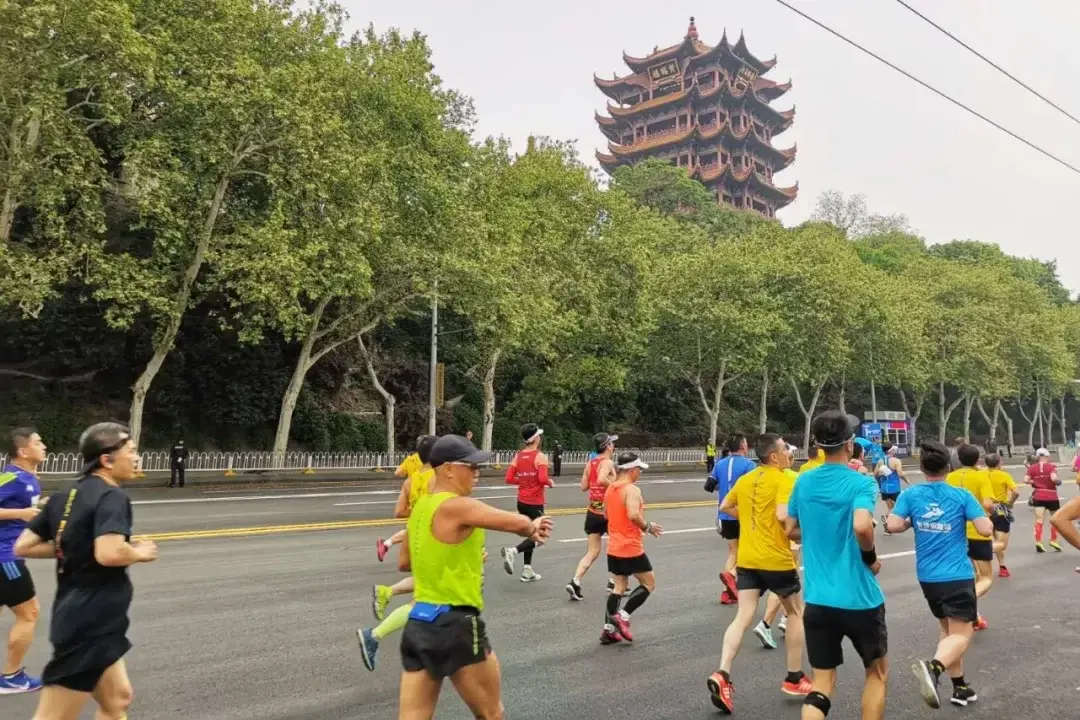
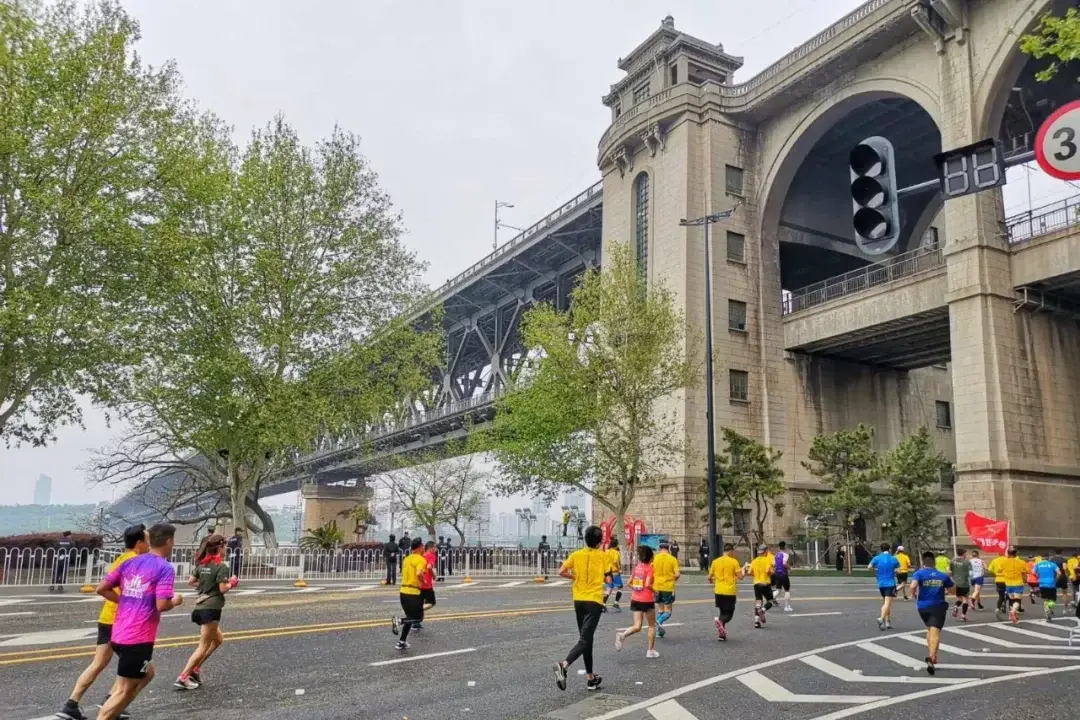
After getting off the bridge, it started to rain gradually, but it was very comfortable. After a while, the end point of the 13-kilometer run was the Xinhai Revolution Memorial Hall. In 1911, the revolutionaries fired the first shot here to overthrow the feudal monarchy. Wuhan’s urban spirit of “dare to be the first” is derived from this.
Keep running forward and you will come to the second big uphill slope of the Han-Ma Circuit: Shahu Bridge. It spans the Shahu Lake and is praised by Wuhan citizens as "the most beautiful bridge across the lake in Jiangcheng". While running on the Shahu Bridge, you can see the Movie Park, Wanda Plaza, Han Show Theater and other emerging landmarks in the distance. There is the famous Chu River and Han Street in Wuhan. I didn’t expect that I actually passed 400 rabbits on the Shahu Bridge, which was a bit surprising.
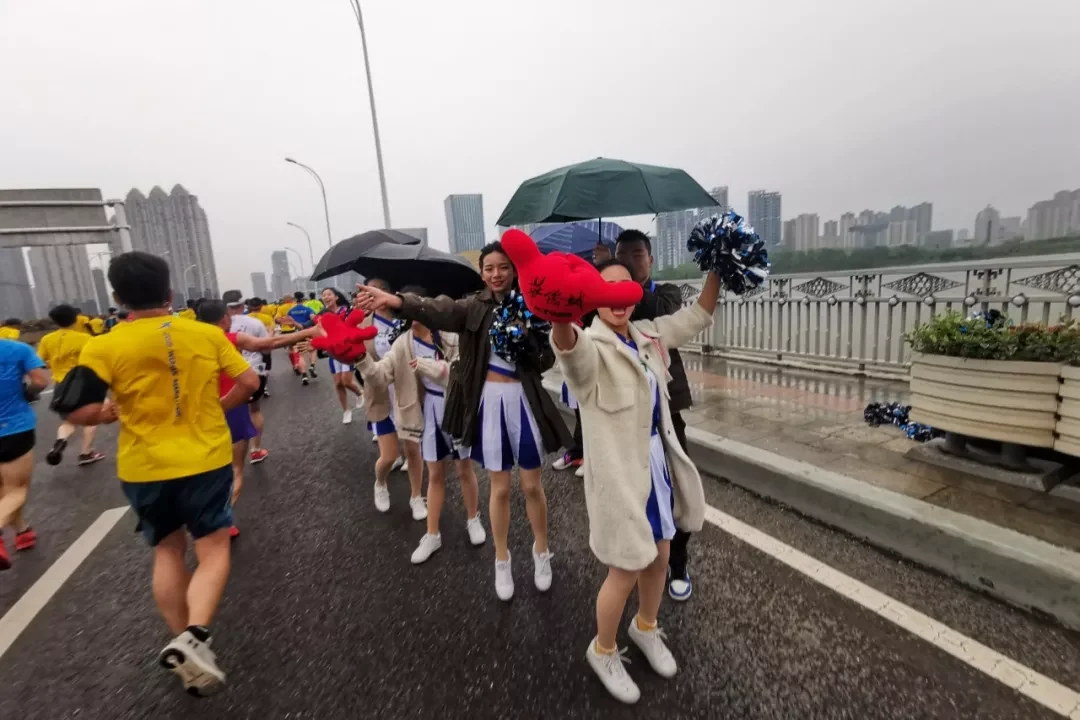
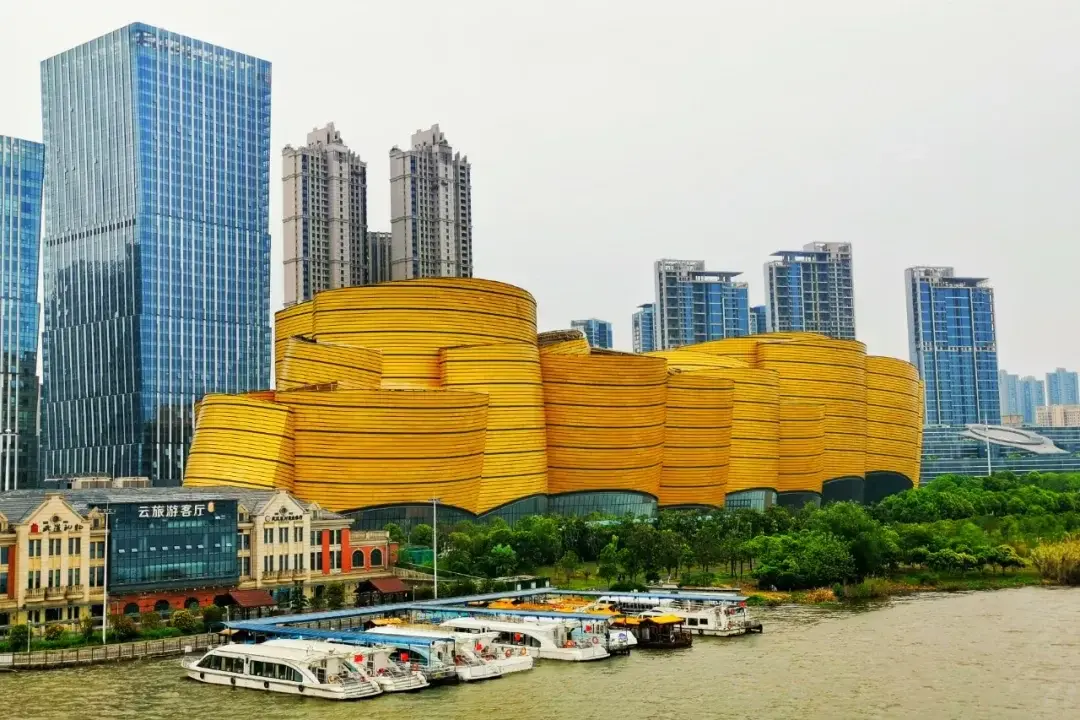
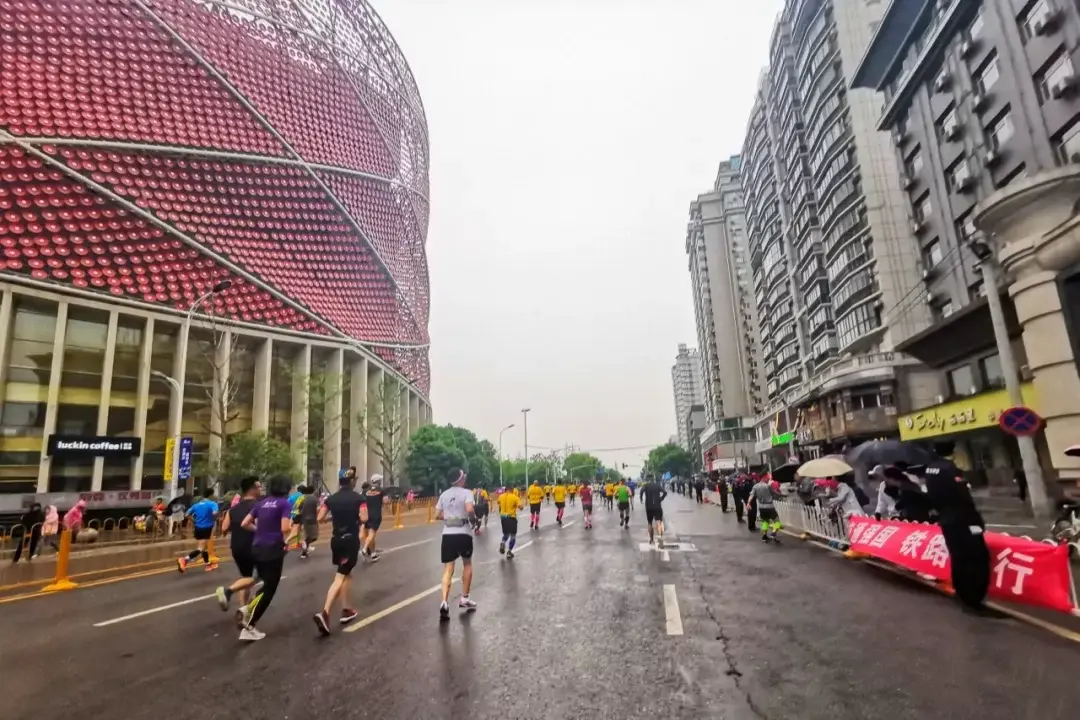
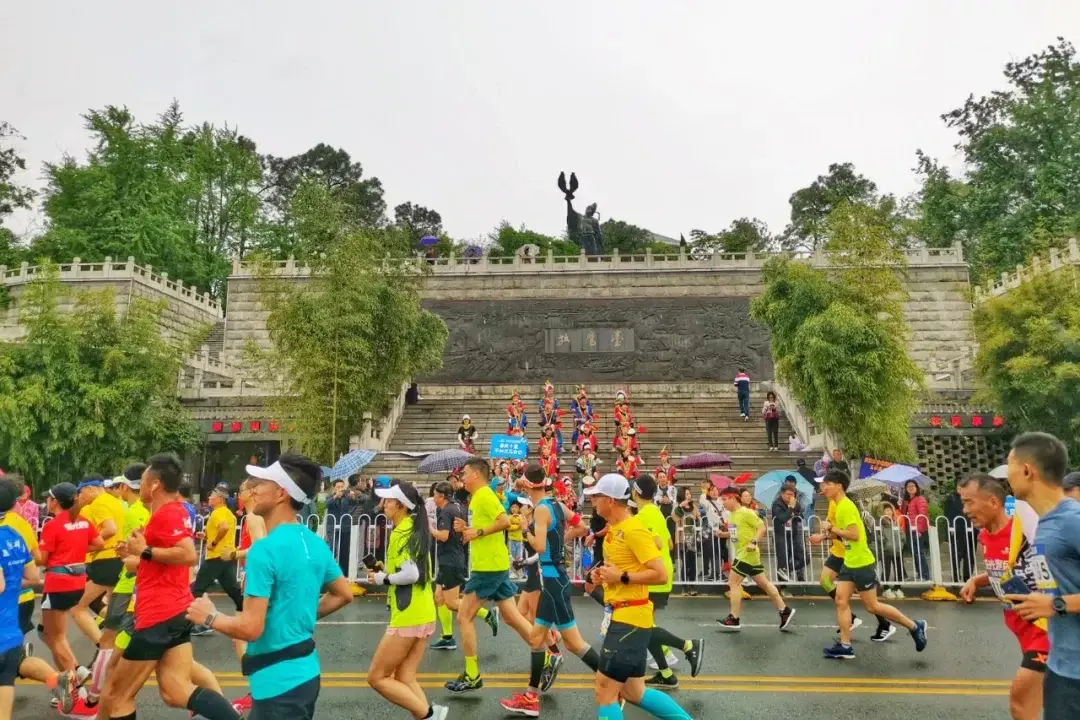
After appreciating the fashion of Chuhehan Street, the half-marathon runners turned right and headed towards the finish line, Hubei Provincial Library. As for us marathon runners, we continue to move forward. The scenery of lakes and mountains ahead is another surprise that Han Marathon has prepared for the marathon runners. It’s just that East Hunan Road, which used to be the screaming track of Wuhan University, no longer screams, and the gates by the lake are controlled. Without the students of Wuhan University, East Hunan Road is gentle and quiet, and the feeling is very different.
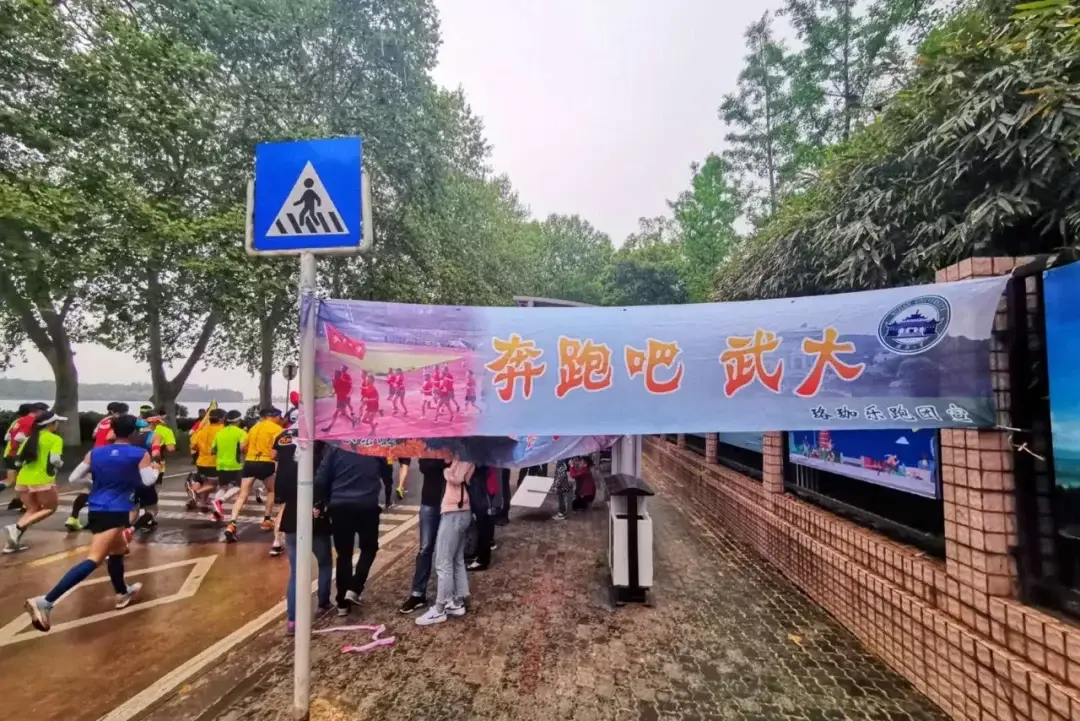
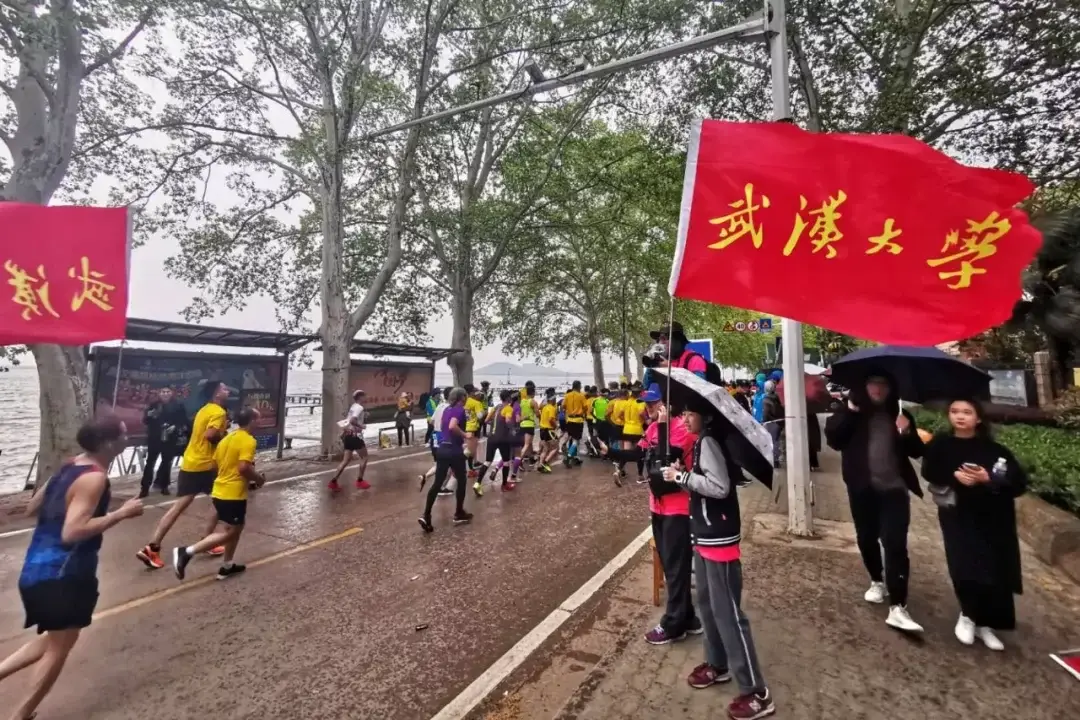
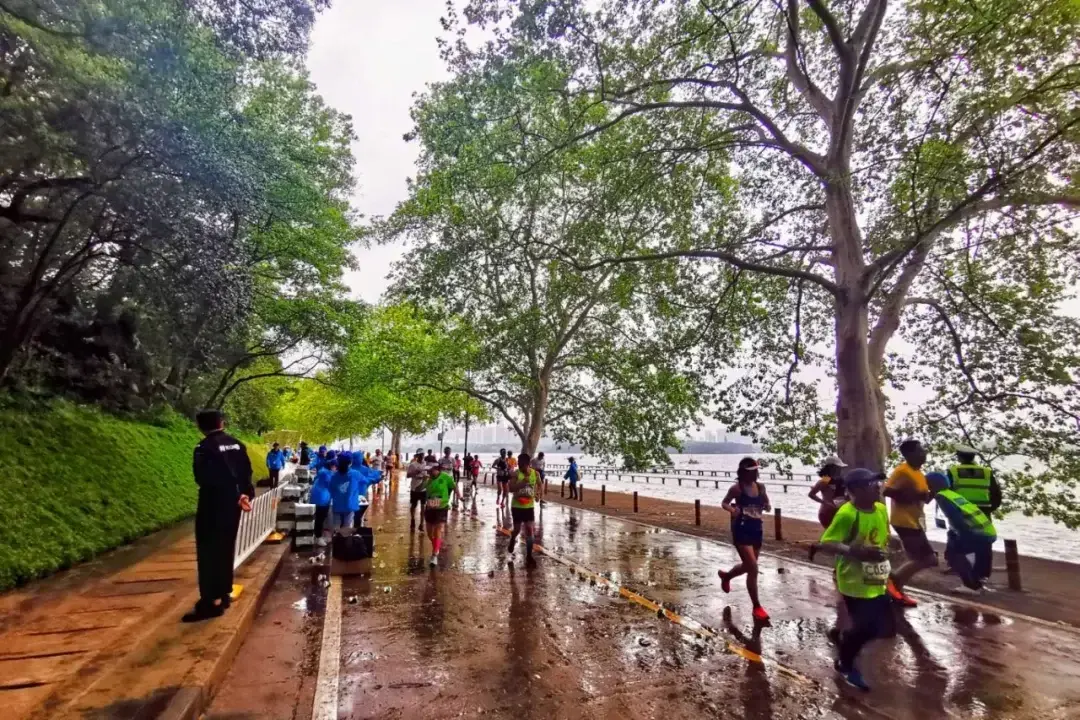
After running through Scenery Village, you can truly enter the East Lake track. The beauty of East Lake is world-famous. Today's East Lake has become the "green heart" of the city because of the hundreds of kilometers of greenways in the first and second phases. Here the city and lake blend together, the mountains and rivers depend on each other, and the hundreds of kilometers of green galleries show the graceful beauty of Wuhan to the contestants.
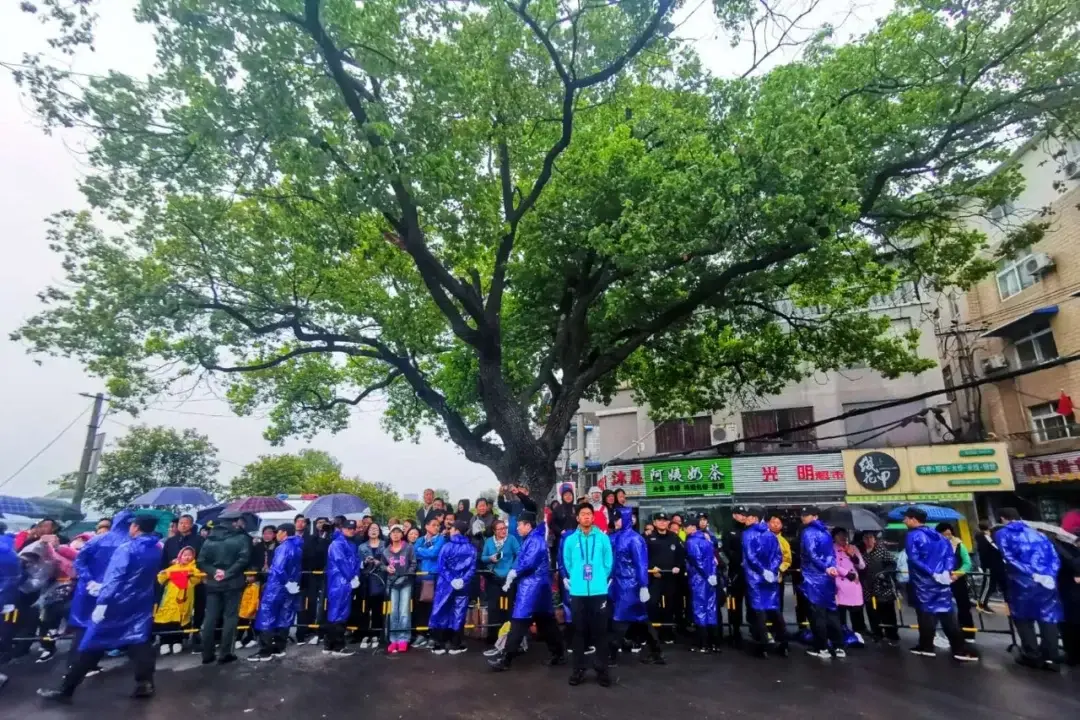
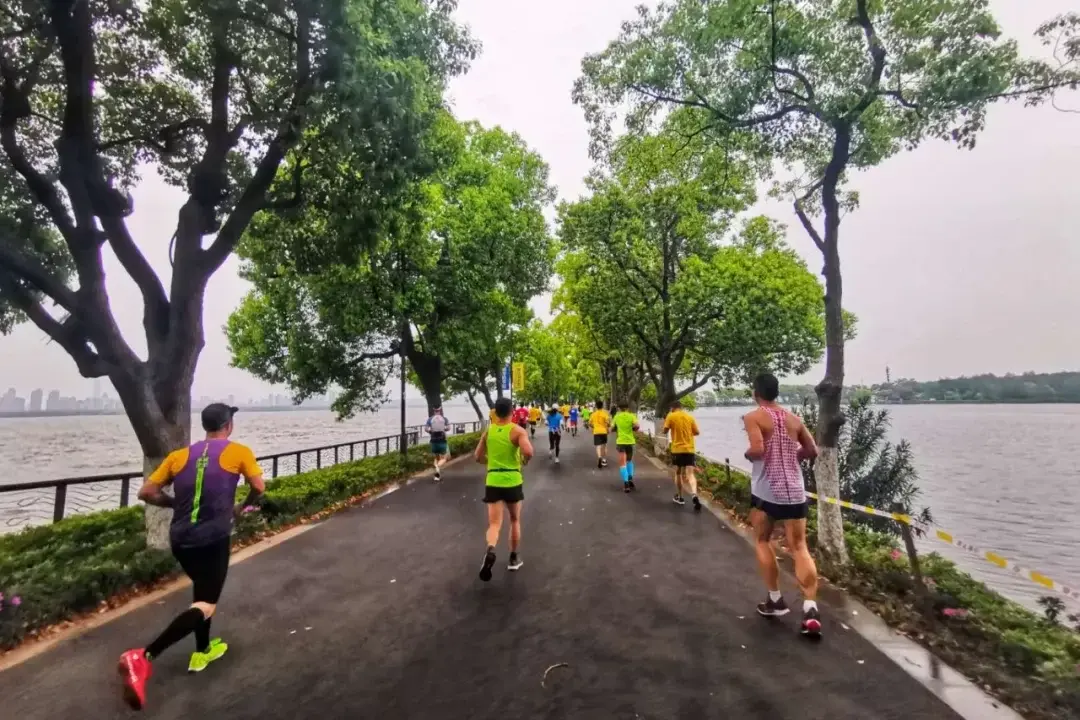
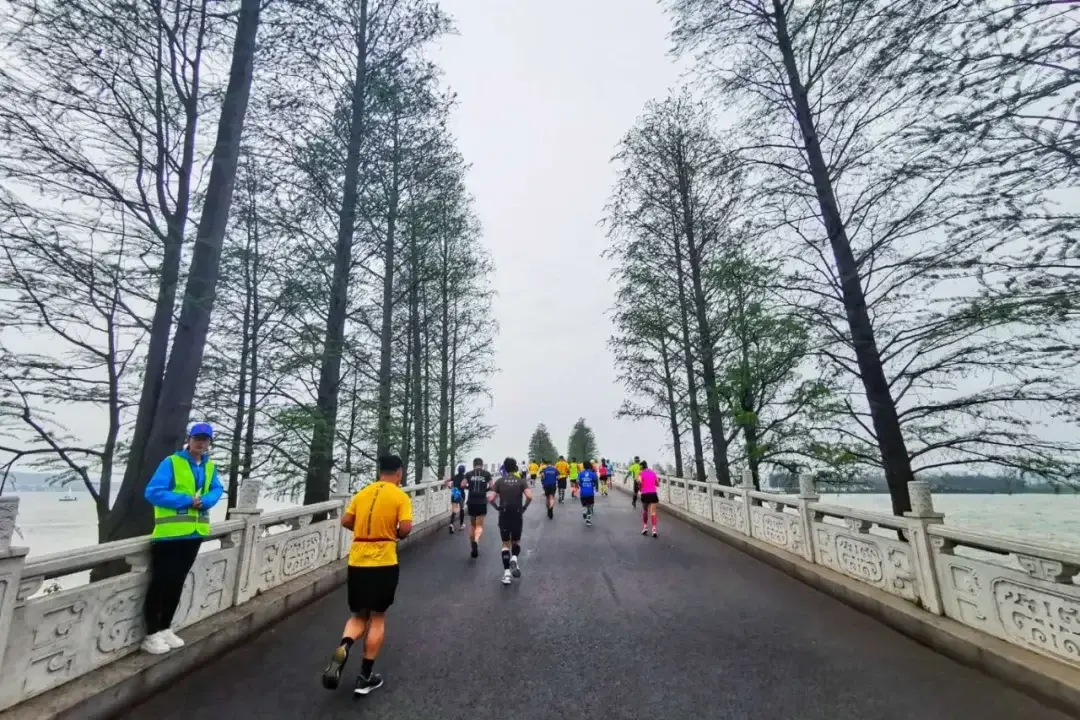
Just last year, a handshake between President Xi Jinping and Indian Prime Minister Narendra Modi at the East Lake attracted world attention. In fact, everyone has been confused about why the Wuhan Marathon is so popular and why there are only 8,000 places in the whole marathon. This is mainly due to the carrying capacity of the East Lake Greenway. In the era of marathons with tens of thousands of marathon runners, the Han Marathon with its excellent reputation can be said to be a breath of fresh air.
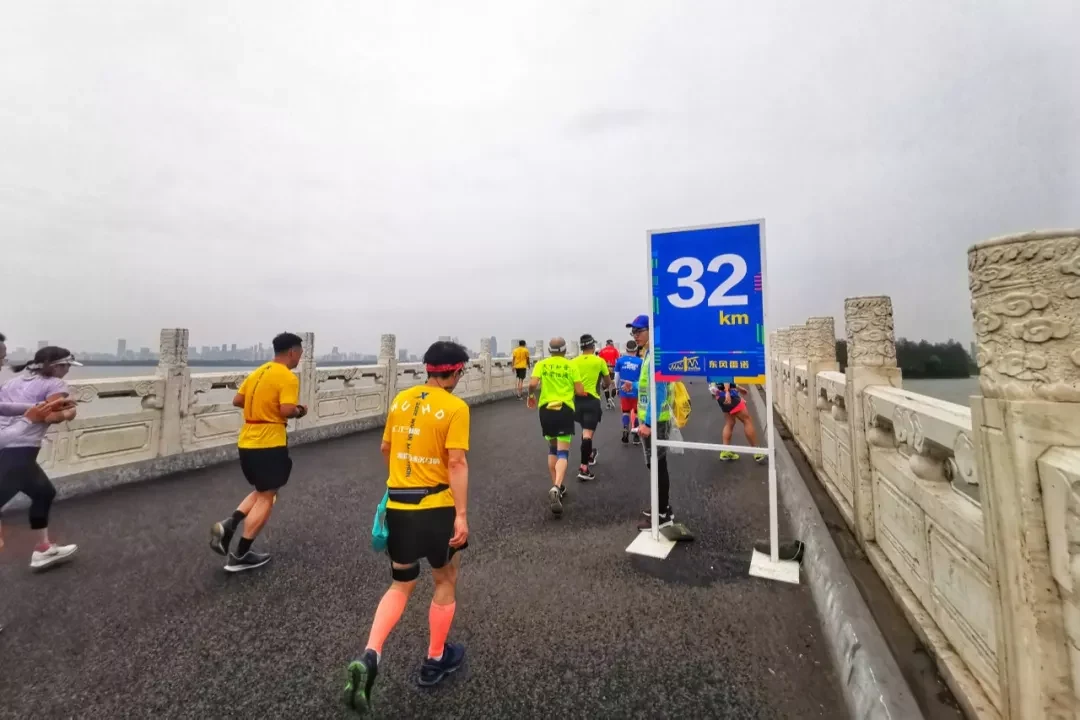
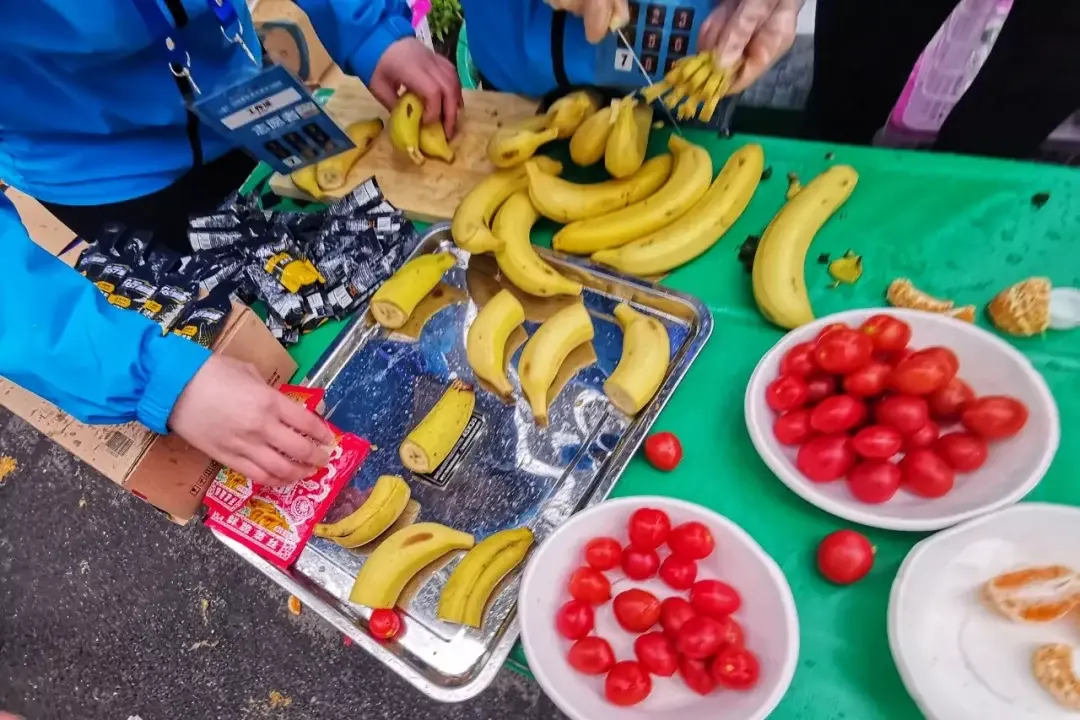
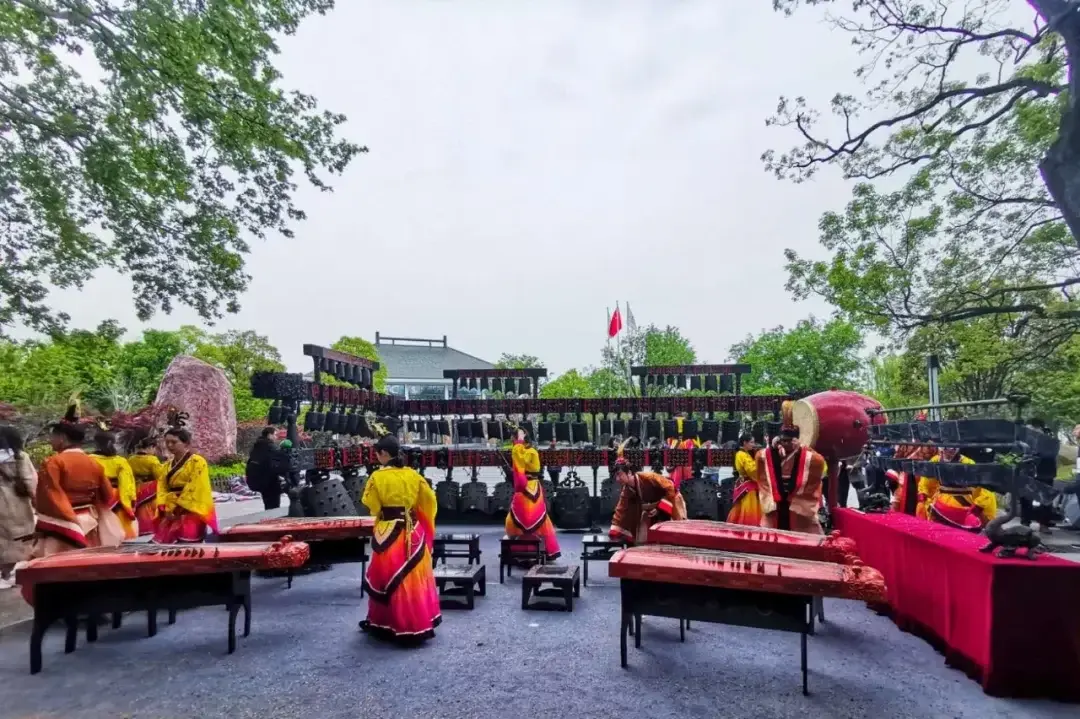
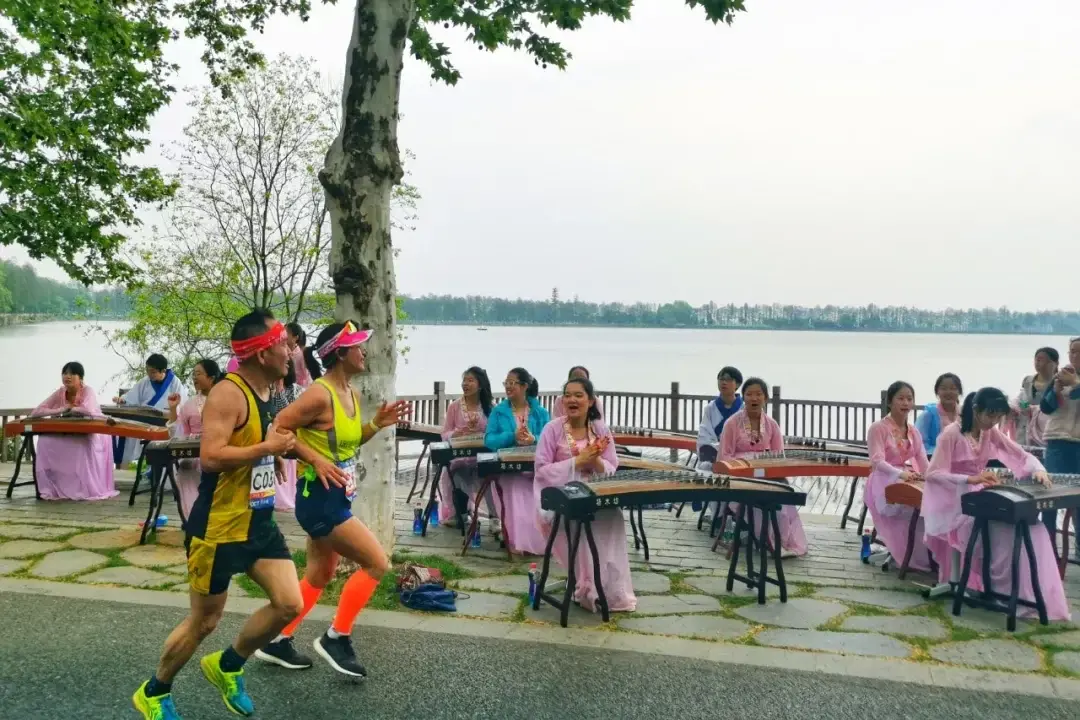
At 35 kilometers along the East Lake section, I gradually reached the bottleneck. I ate two energy gels at the supply point and came back to life. In the last section of East Lake, a replica of Zeng Hou Yi’s chimes, chimes, chimes, shengs and zithers were played in the Huguang Overture of the Han-Marathon track, and professionals played for the contestants. I thought that ancient instrumental music would be playing in my ears, but maybe I ran too slowly. The musicians only left me with a back view, which was a bit regretful.
I ran out of East Lake and passed OCT. Surrounded by photographers, I rushed to the finish line of Happy Valley without slowing down.
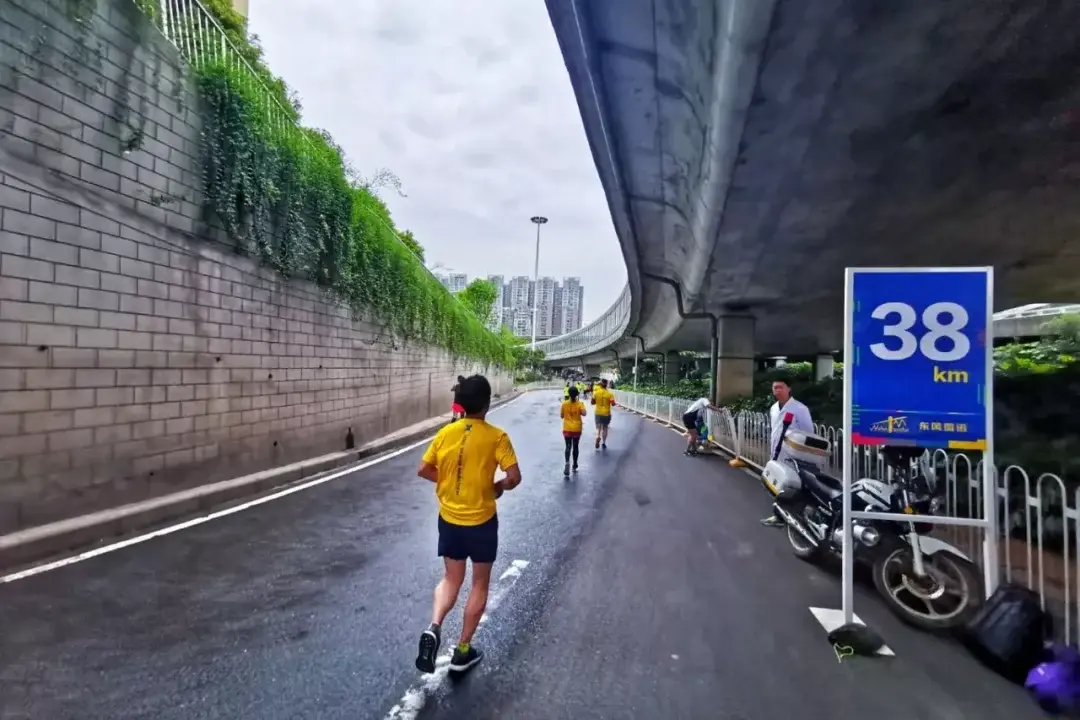
Although the score of 406 is far from my peak, I am still very happy to complete the full marathon again after half a year.
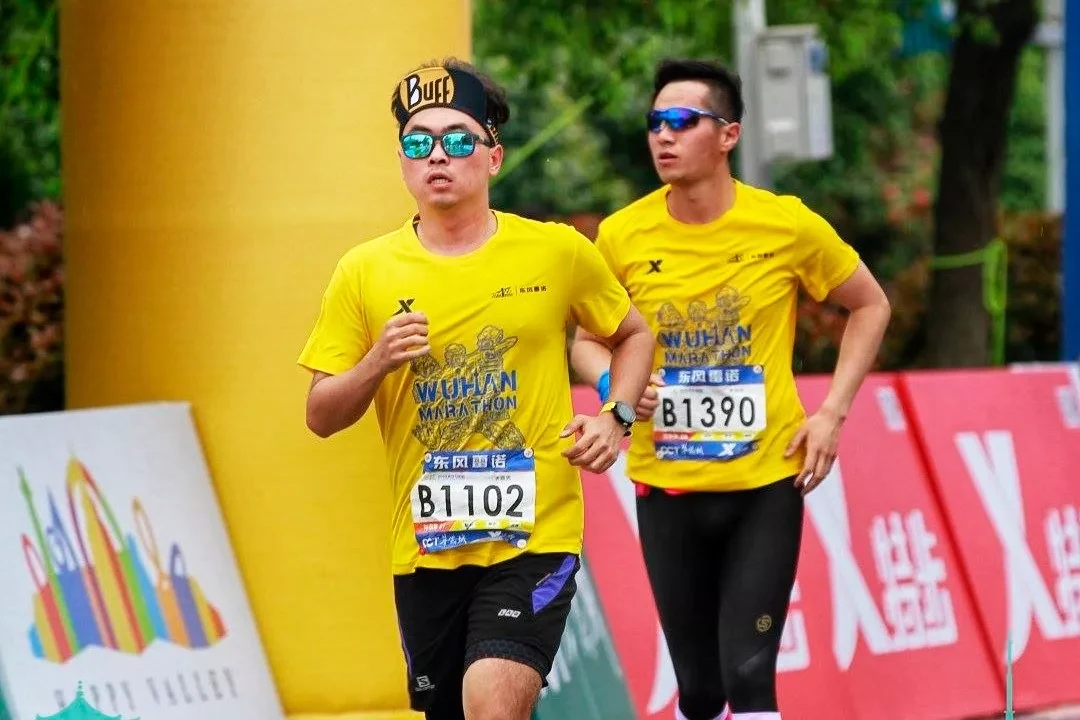
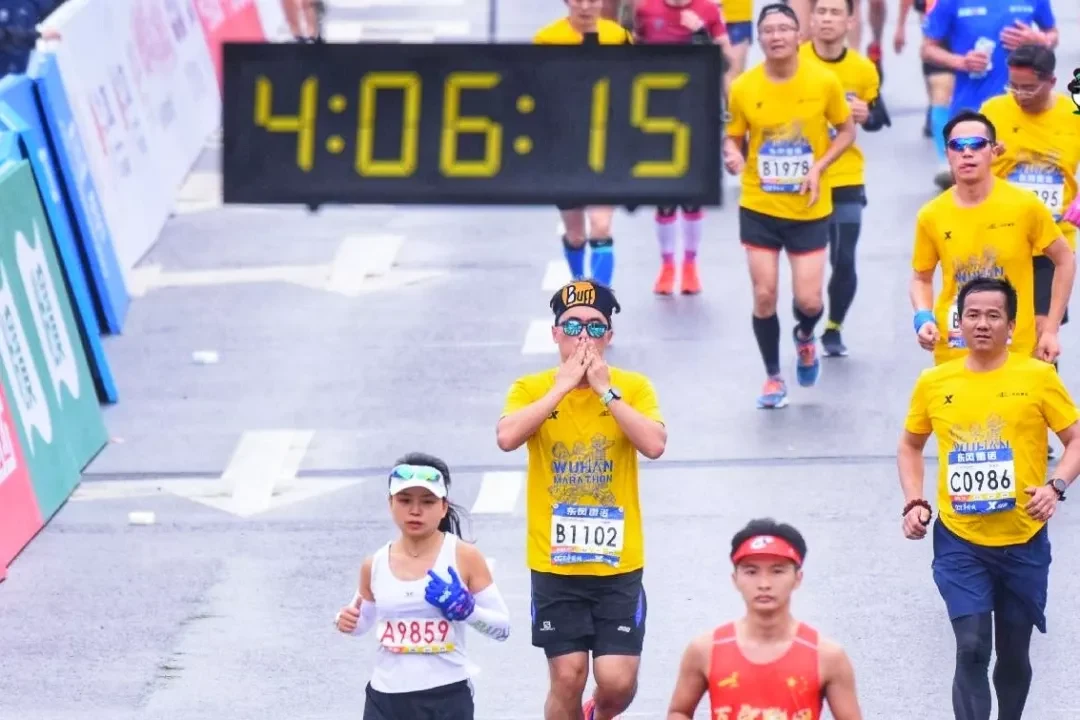
At the finish line, I met my brother Haobin, who had run the Changsha Marathon and Xiamen Marathon together. We ate the free hot dry noodles at the finish line together. In the afternoon, we climbed Laozhaishe and circled Luojia Mountain together.
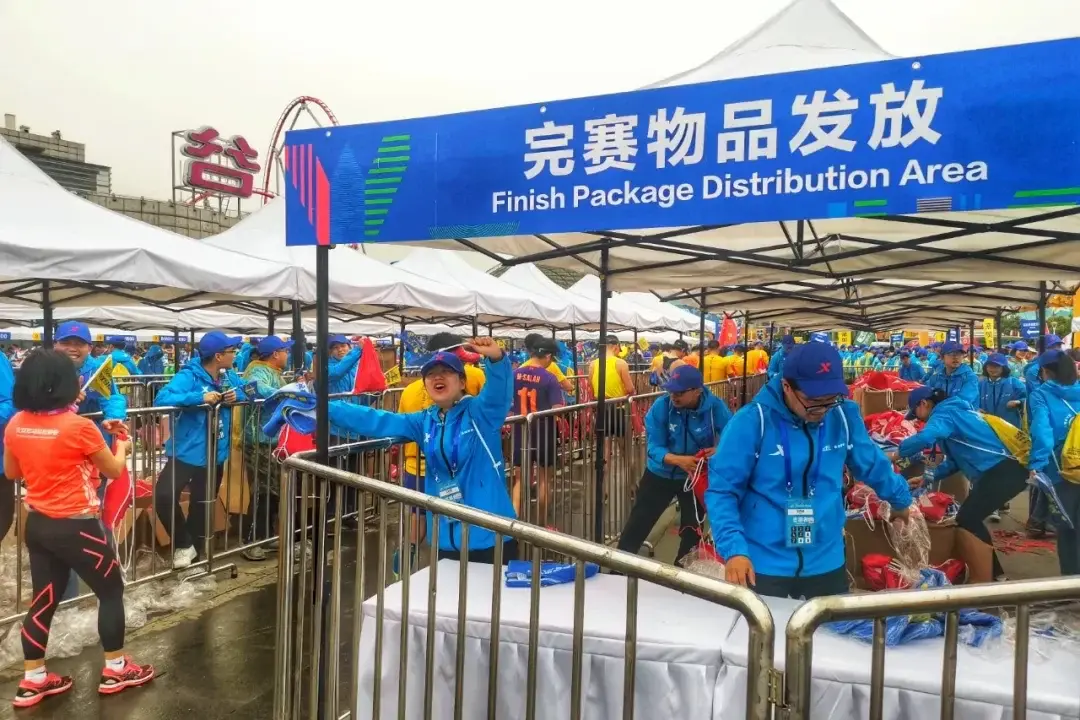
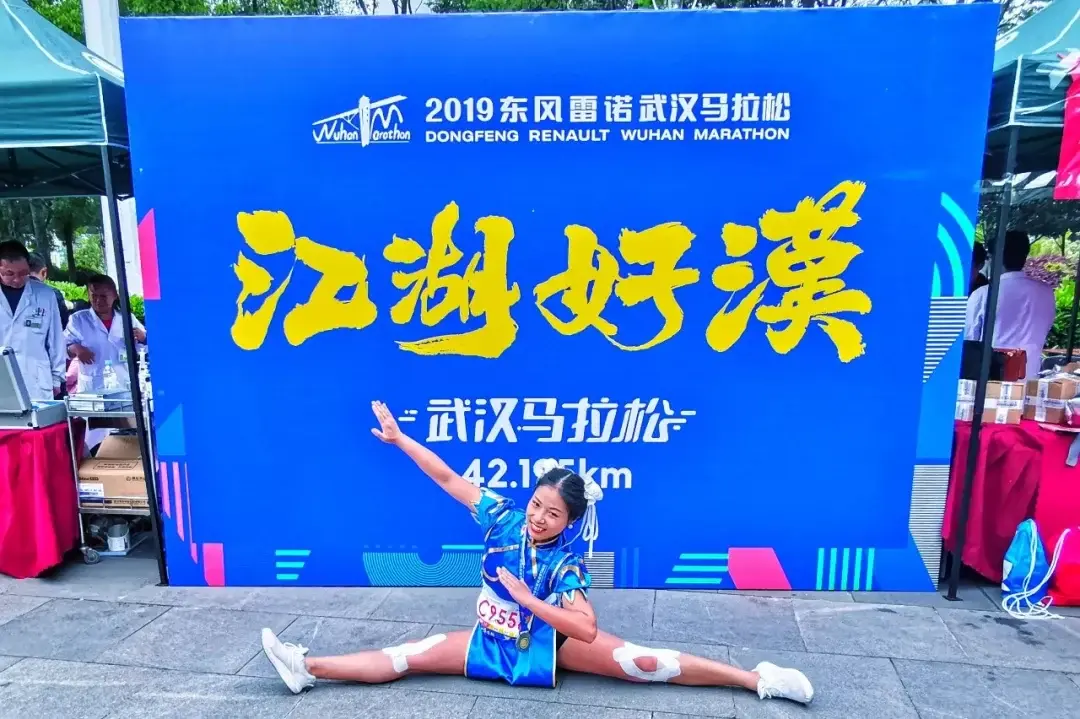
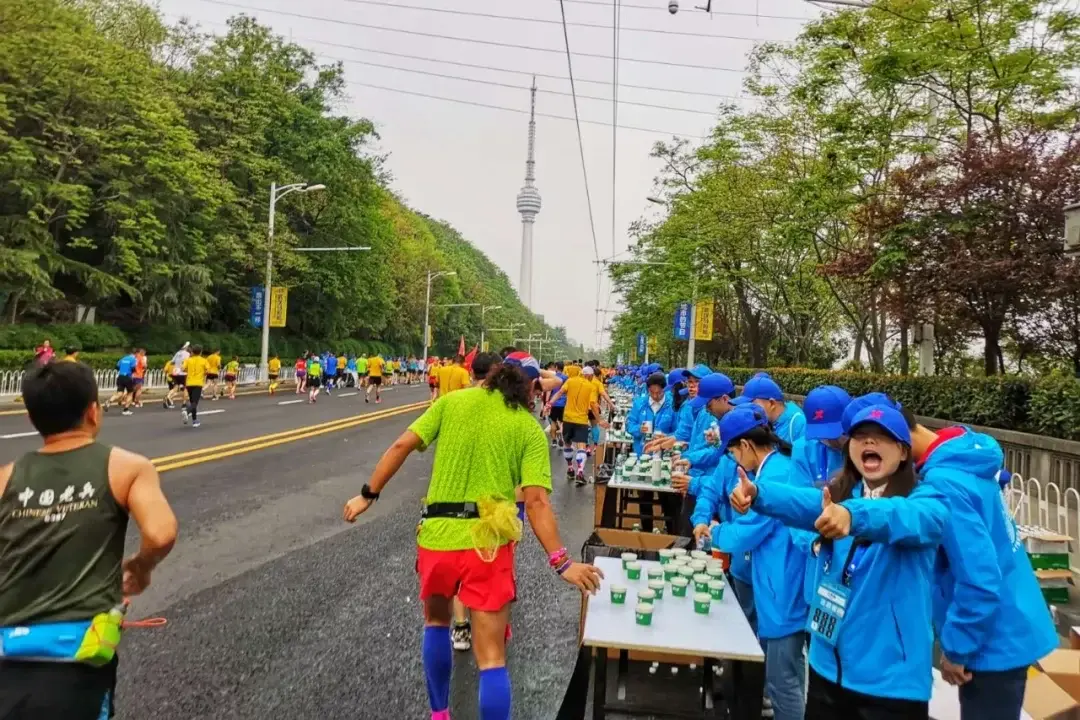
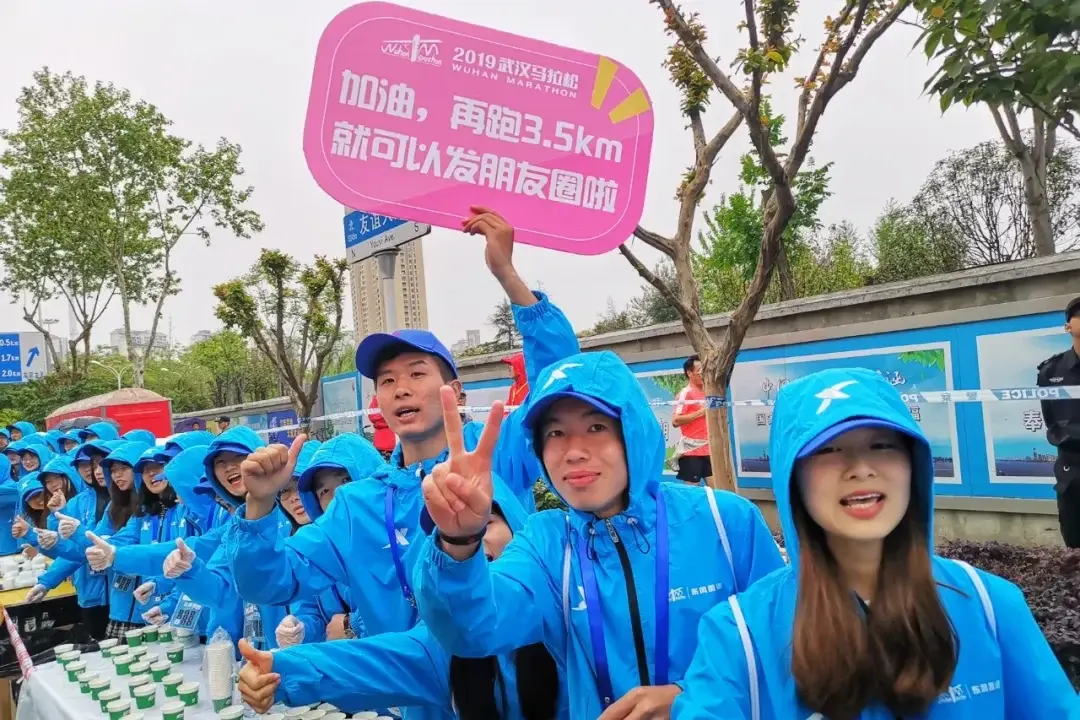
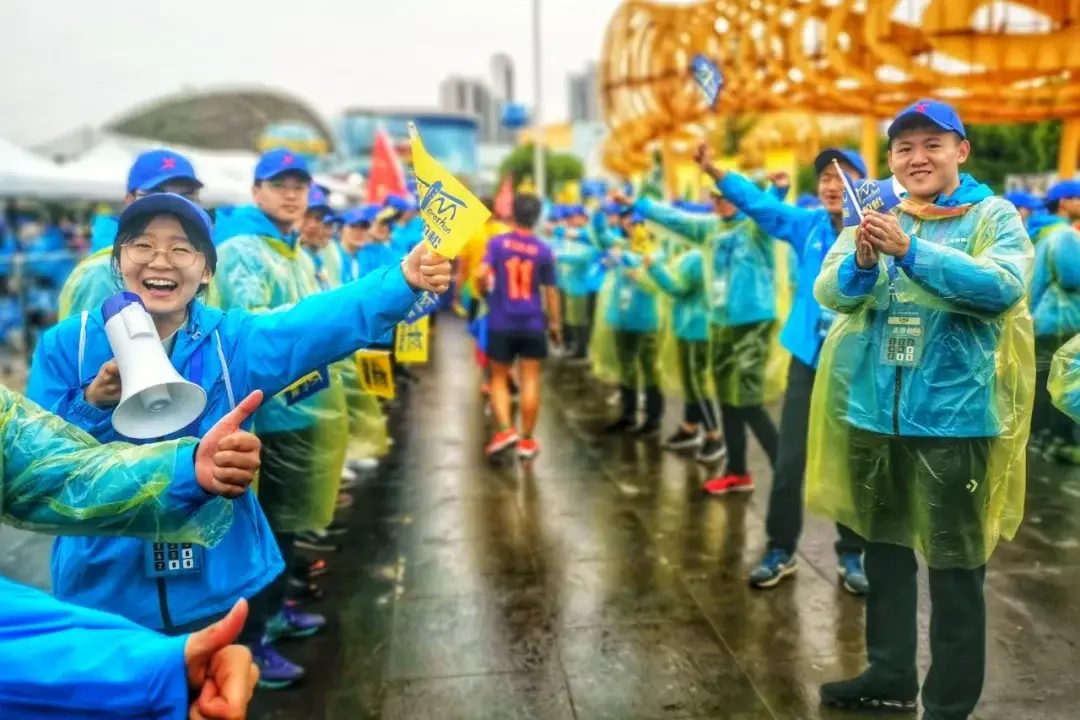
Looking back at Han Marathon in 2019, there are too many moments worth remembering. As someone who has given me the nickname "Professional Photographer", I always want to do my best to take pictures of the volunteers on the side of the track. They set out from school at three or four in the morning and arrived at their posts... They were located in the subway, at intersections, at the starting point, during the marathon, and at the end of the marathon. They provided guidance to the runners, stored items, delivered water, supplies, rescued the runners, cheered for the runners, and worked hard to do all the voluntary services they could.
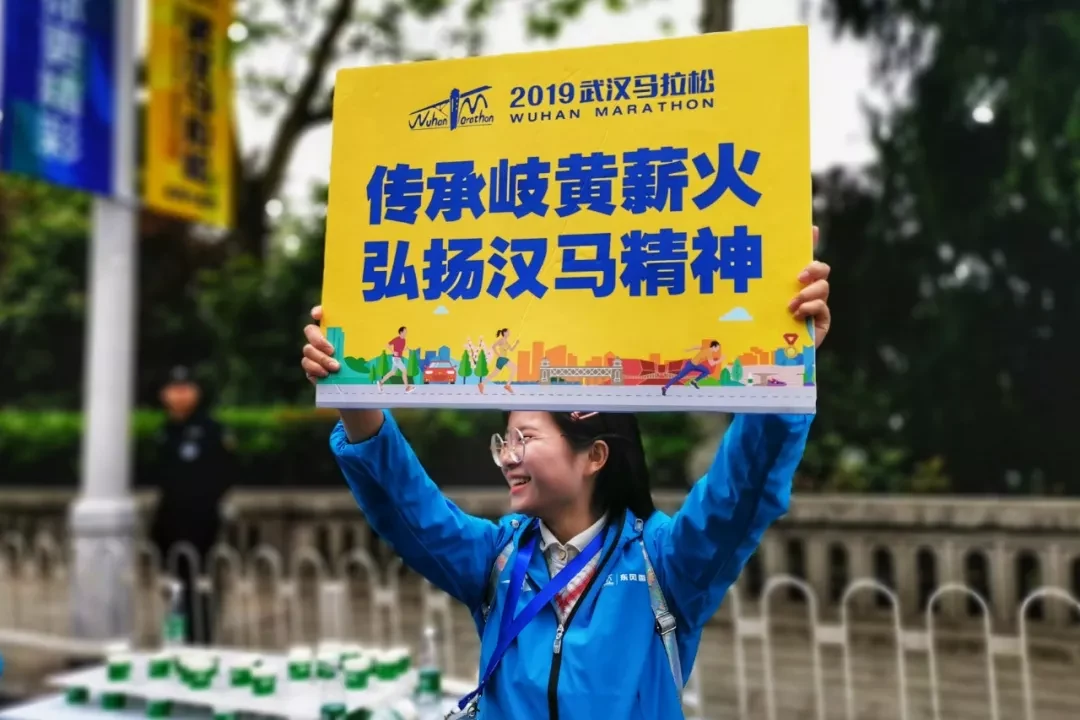
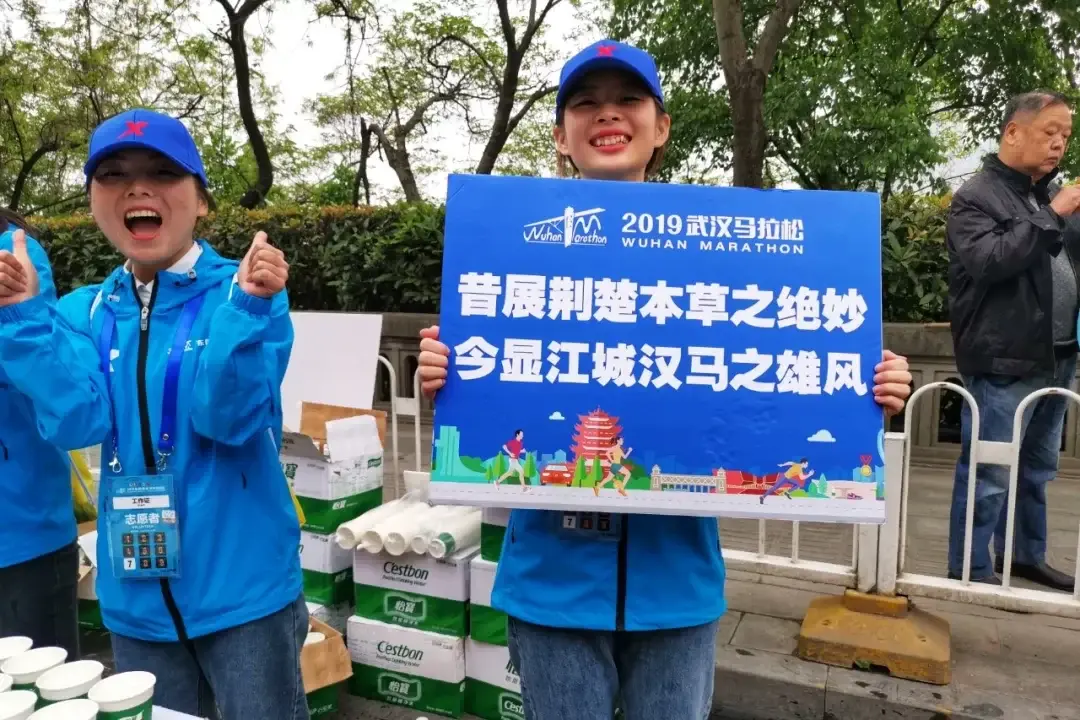
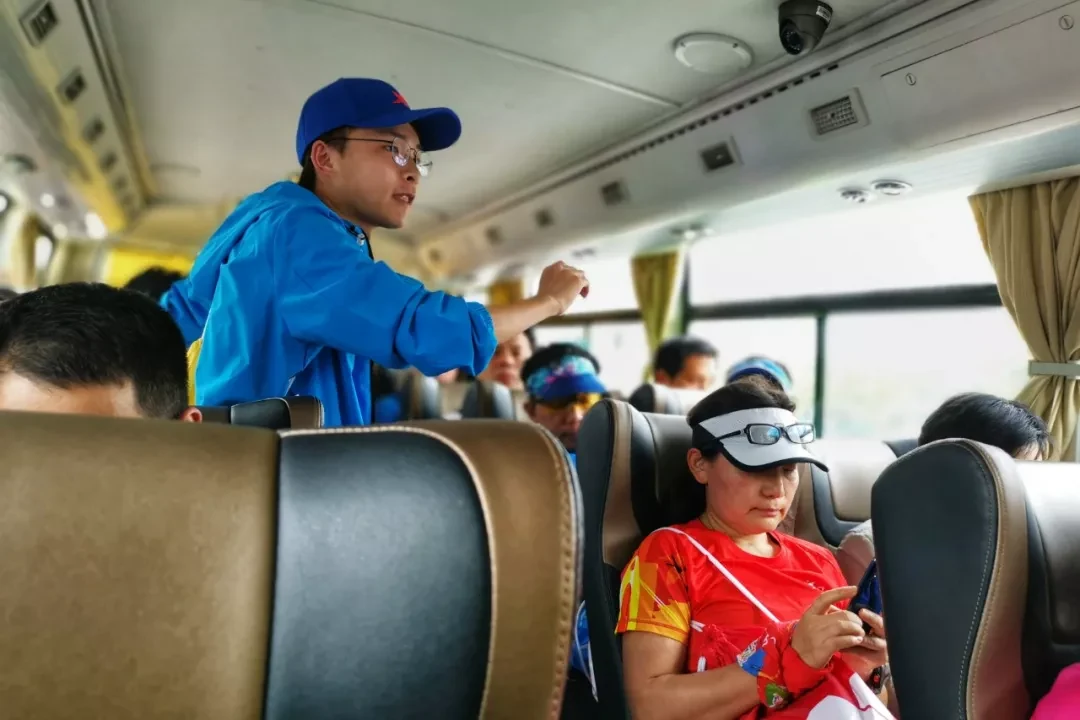
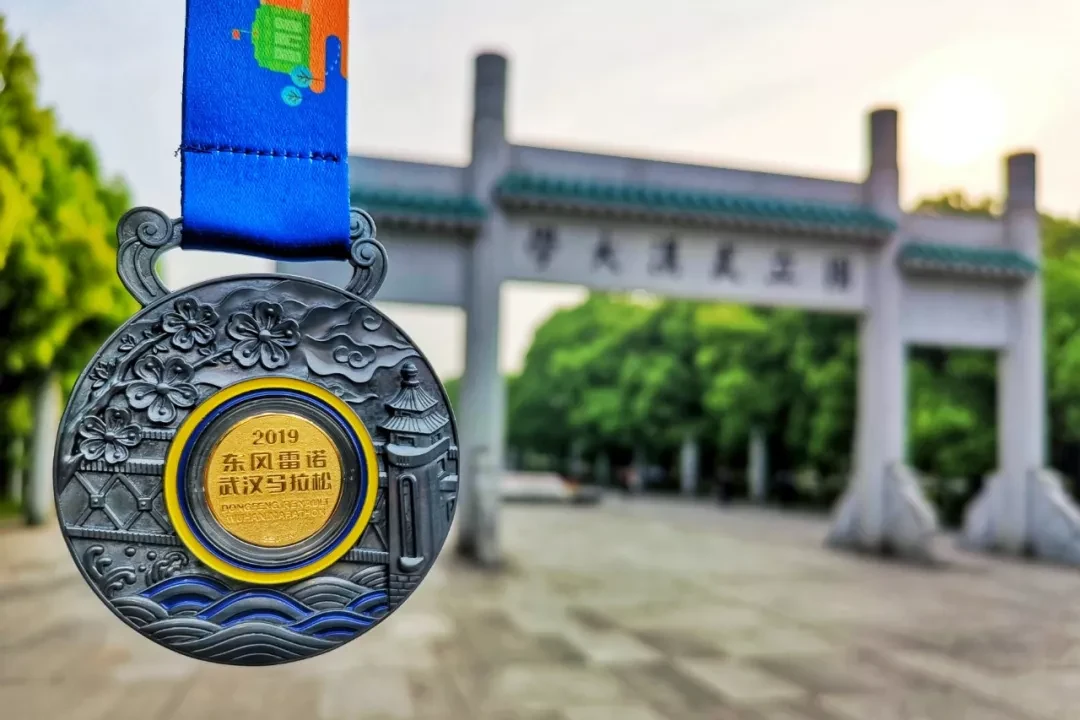
From the first minute to the final closing time, the volunteers cheered for the runners at the top of their lungs. After the race, a friend said: "I think what's very difficult about the volunteers is that they have always been so enthusiastic from the 300-meter runners to the 600-meter runners. We may have run past for a few seconds, but they may have been there cheering for hours." In addition to their enthusiasm, the volunteers are really They were very professional. I remember a Han Marathon volunteer once said: "We hope to show everyone the enthusiasm and professionalism of Wuhan. Even though we are handing out water, we have to practice many times, hoping to make them feel comfortable." At the finish line, I was surrounded by two rows of volunteers and received the medal, but it was still hard to calm down.
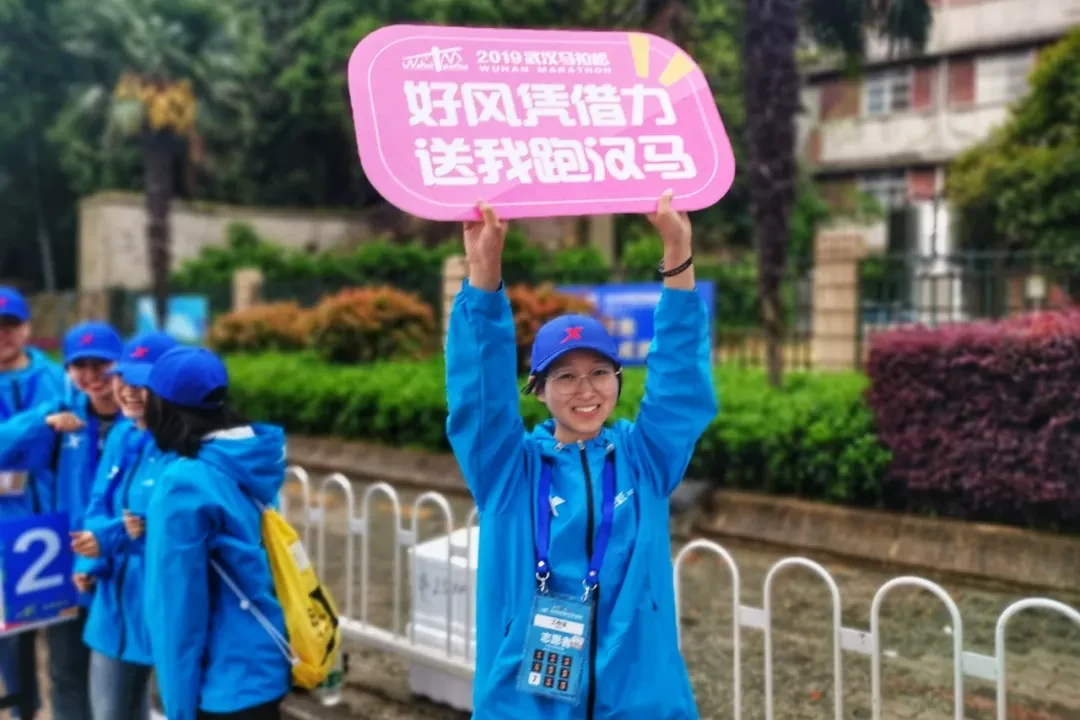
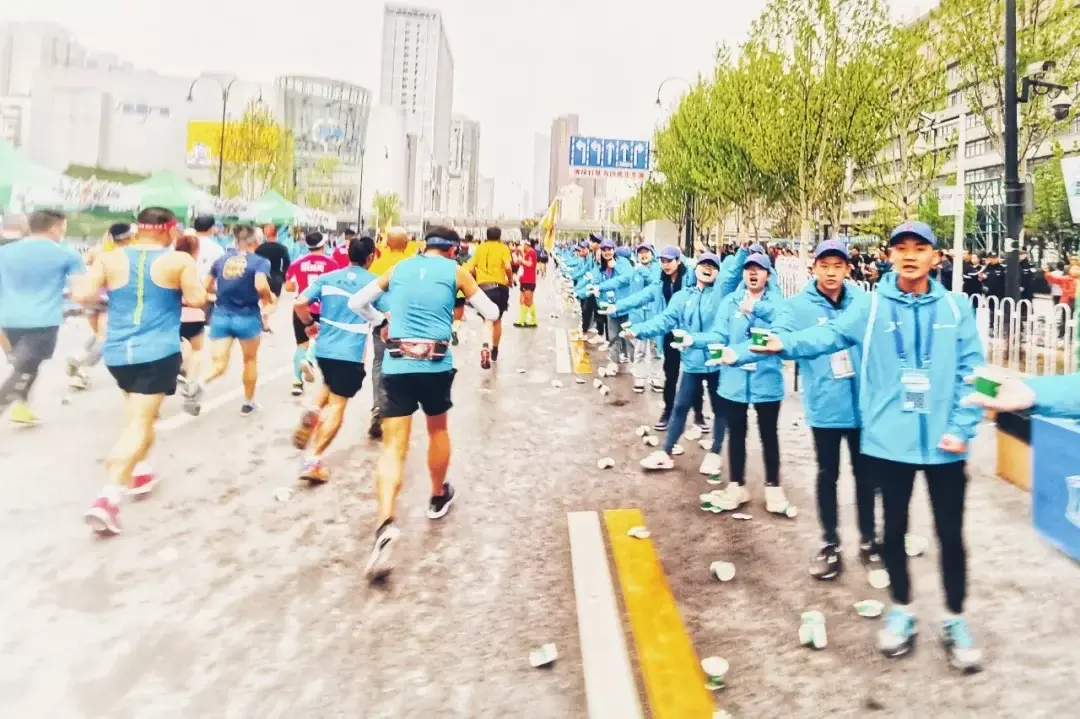
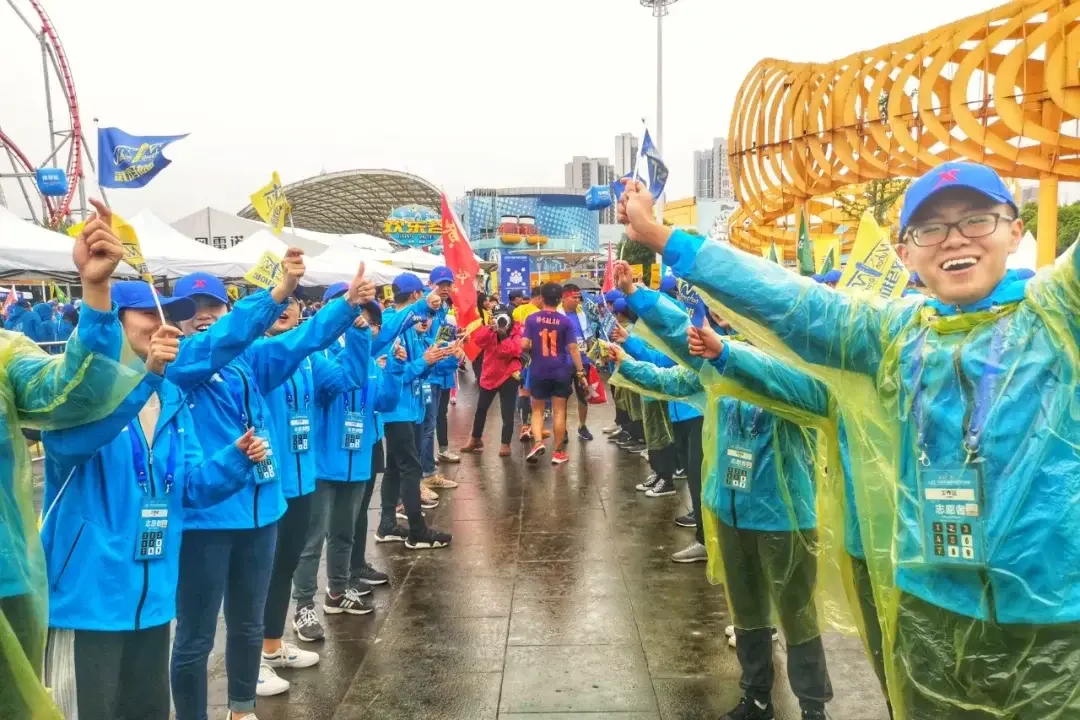
Every time I go to a city to run a horse race, I look for the traces that the marathon has left on the city. I am deeply impressed by the strength of the Han Horse to bring the whole city together. Slogans can be seen everywhere, and the citizens are extremely enthusiastic. Everyone will be talking about this event before and after the race.
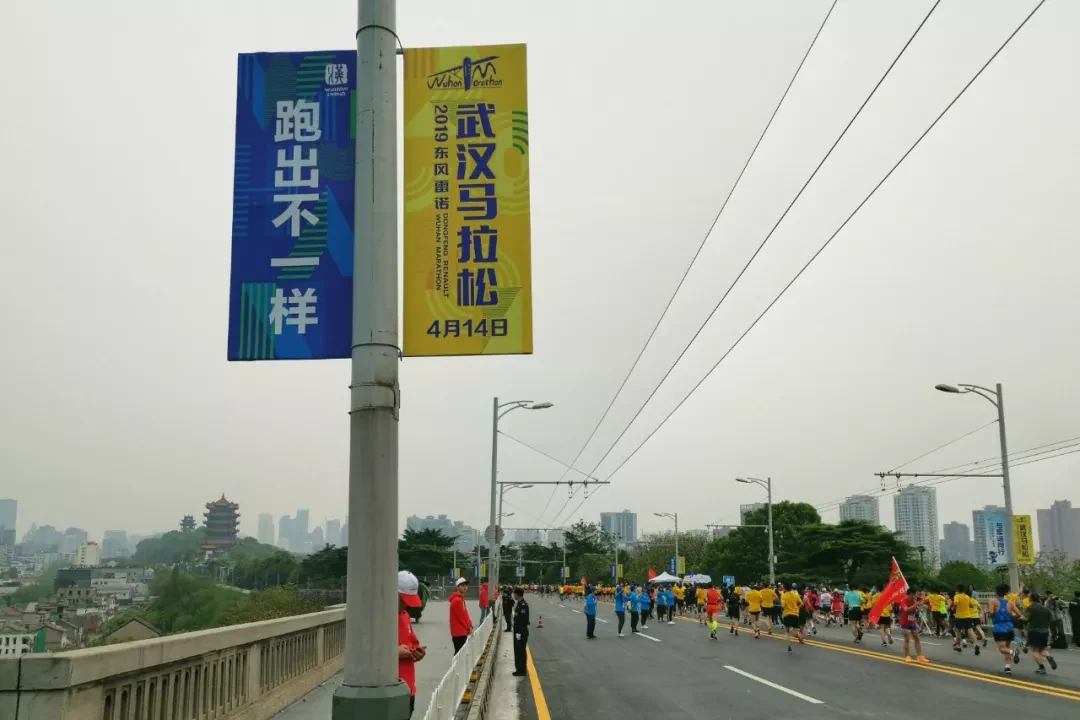
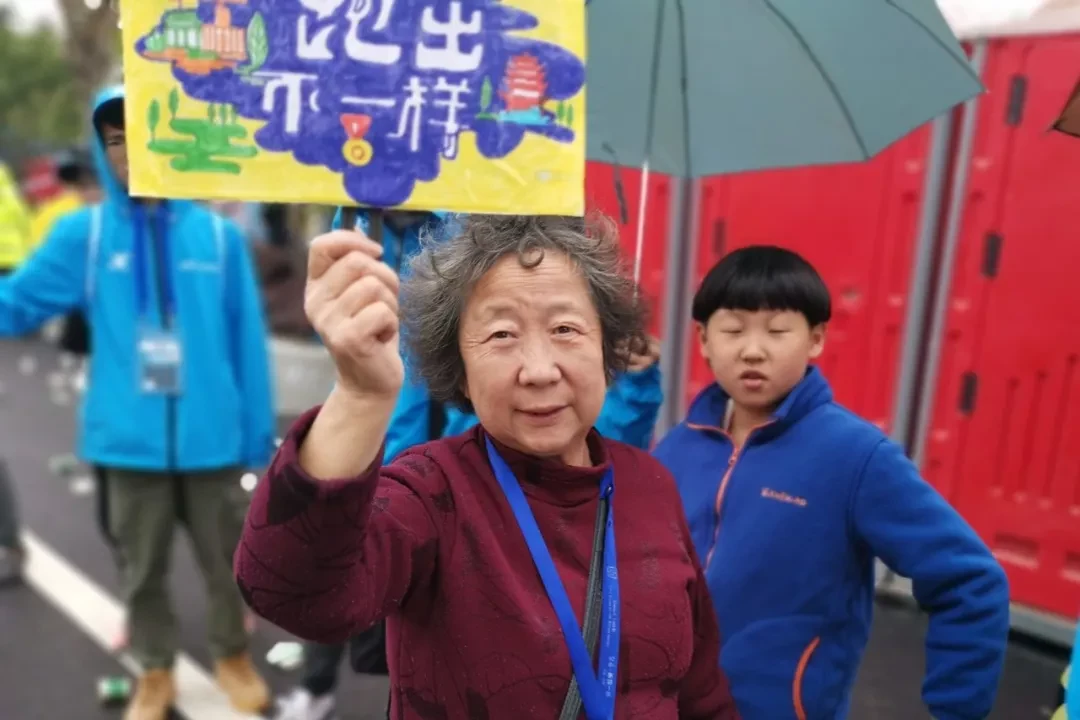
When Haobin and I were on the playground of Wuhan University in the afternoon, a middle-aged mother came over and greeted her enthusiastically: "Are you here to run the Han Horse? How was your run?" "It's a pity that I didn't win the lottery, but many of my friends ran." The Han Horse has become a part of Jiangcheng's character.
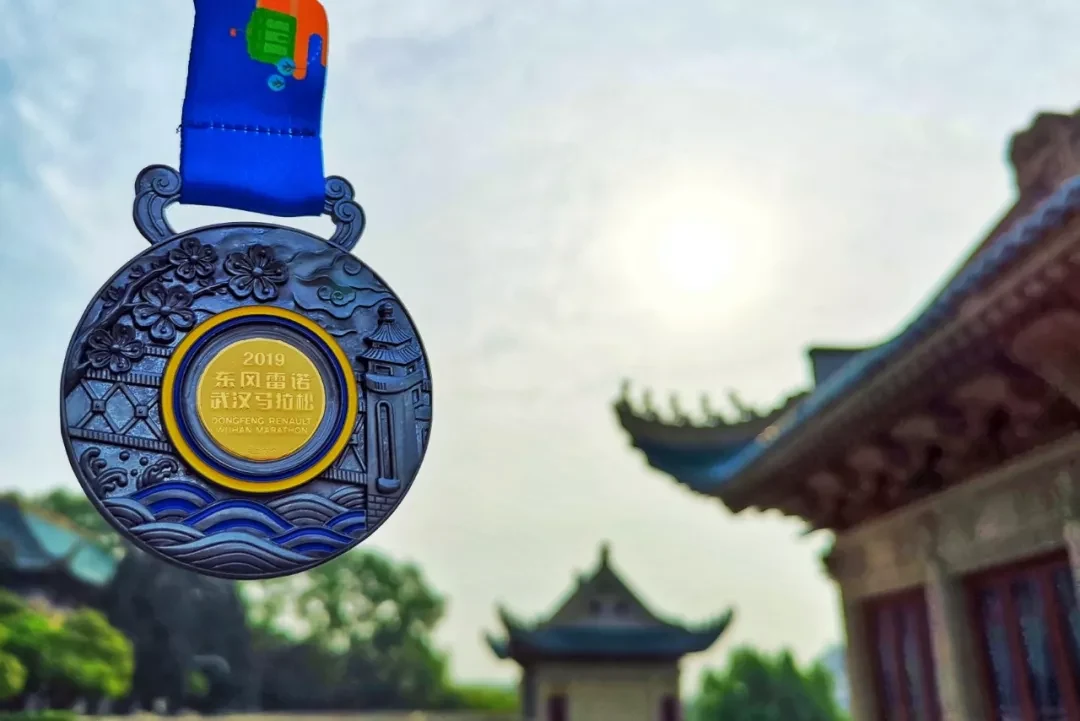
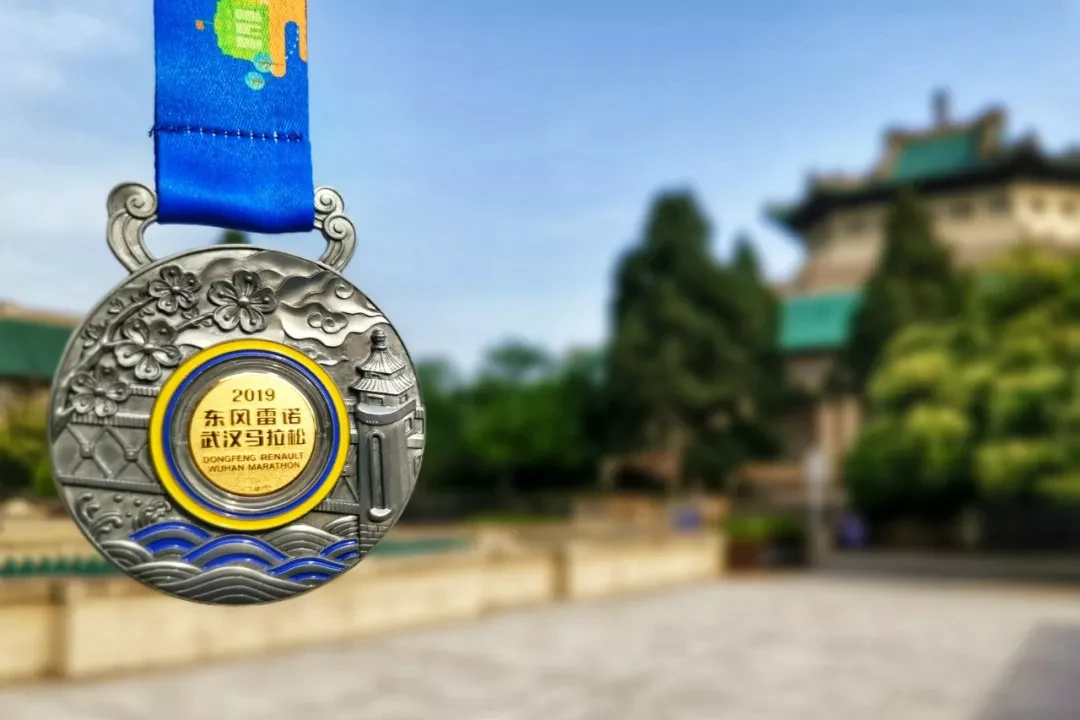
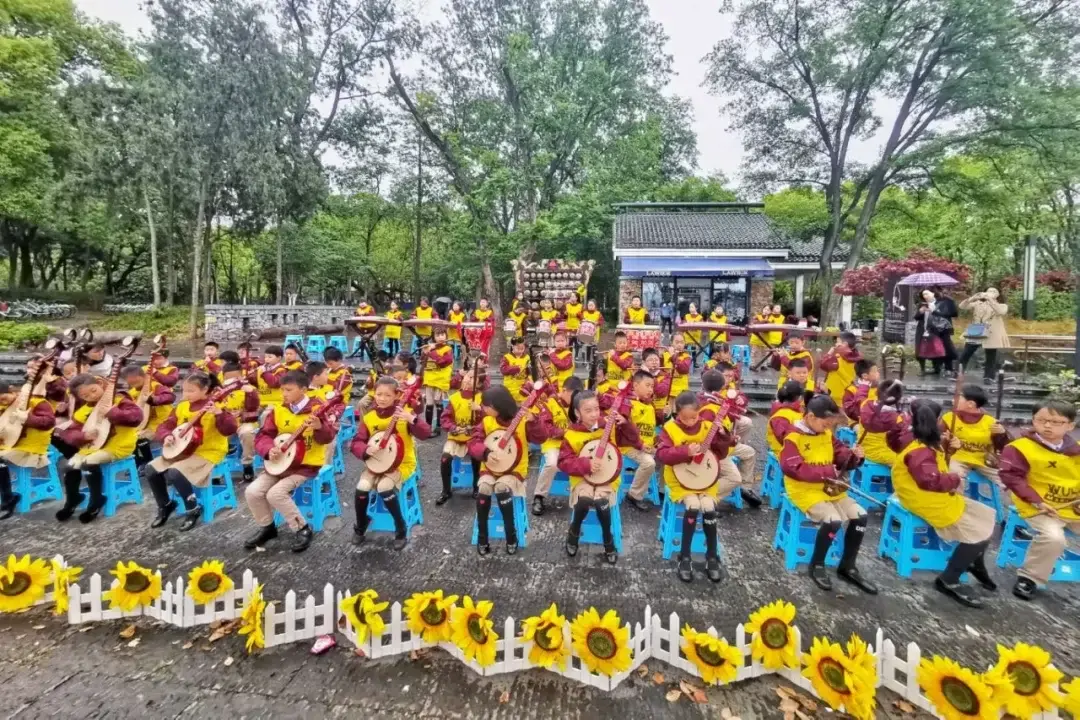
In addition to the musicians from the Hubei Provincial Museum, they sounded the bells to cheer for the players. Han Marathon also has more than 40 music gas stations with more than 1,000 people. It can be said that when running on the Han Marathon track, every step is not lonely. There are also many children's bands playing for everyone. Children who have close contact with Han Marathon culture may be like us in the future, measuring their love for a city with their footsteps.
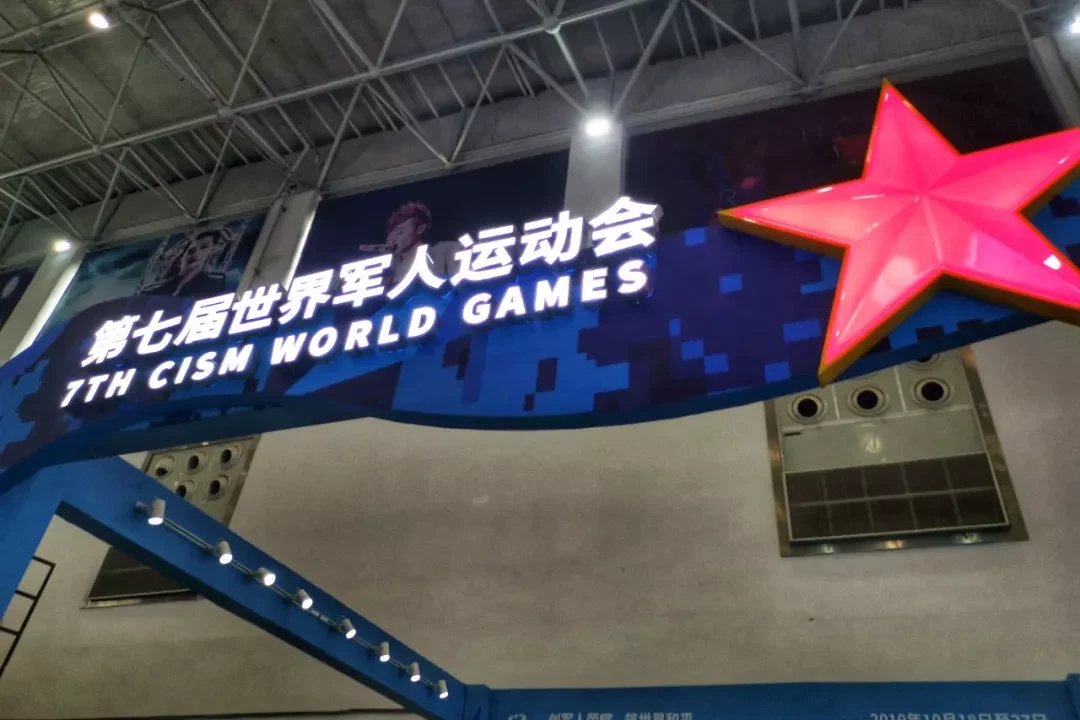
The great leader Chairman Mao taught us: develop sports, enhance people's physical fitness, be vigilant, and defend the motherland... Wuhan, a red-blooded city, is also a city with sports genes. This year marks the 70th anniversary of the founding of the People's Republic of China. Hosting the Military Games successfully is also the best gift to the motherland's 70th birthday. "Walking with the Military Movement" is one of Han Marathon's themes and features this year. You can see many soldiers on duty on the track, stationed at their posts in wind or rain. In addition to the Military Games, the Men's Basketball World Cup and the Wuhan Tennis Open in the second half of the year are also worth looking forward to. Friends who like football can also watch Zall's Chinese Super League races and experience the fierce passion of the Han Army up close.
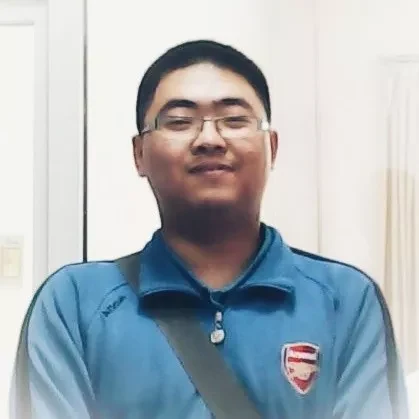
Speaking of which, the story of this year’s Han Horse is coming to an end. After the race, I posted the results of the Han Horse in a circle of friends. A friend asked me, who is this Jiaming’s avatar? I smiled and said to them, "It's me. That's what I looked like before I ran the Han Horse."
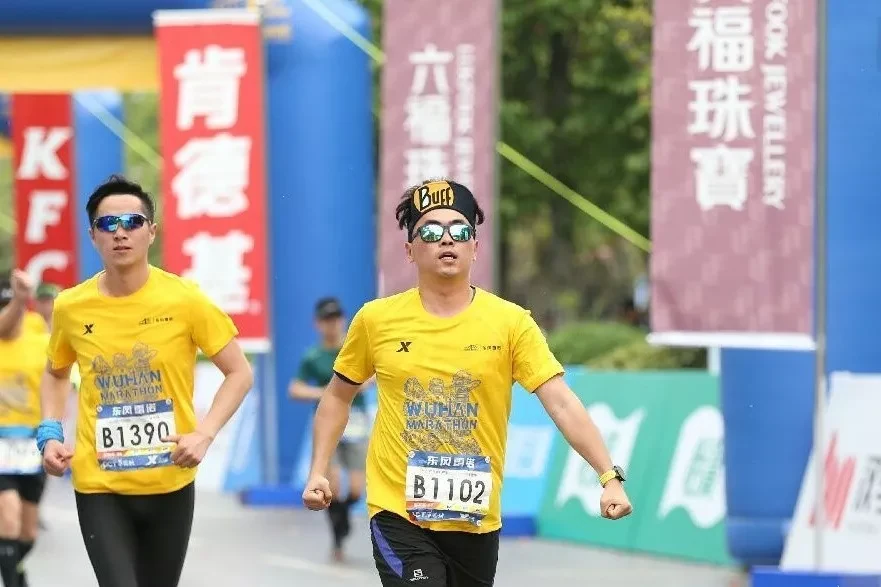
Maybe this is the case with Han Marathon. It is not only a run where hundreds of millions of people look at the development of the city, but also a run where every runner constantly discovers himself and breaks through his limits. Such a Han Marathon is quite good.
Next stop, street entrance
Metro Line 2, the next stop is at the street entrance. Passengers going to Wuhan University, please get off at this station... When I chose to come to Wuhan University for graduate school three years ago, what I heard most was not the blessings, but the big discussion about whether it was appropriate to study engineering at Wuhan University and whether Northeasterners could adapt to the Wuhan climate. Three years later, I am proud to be a Wuhan University student.
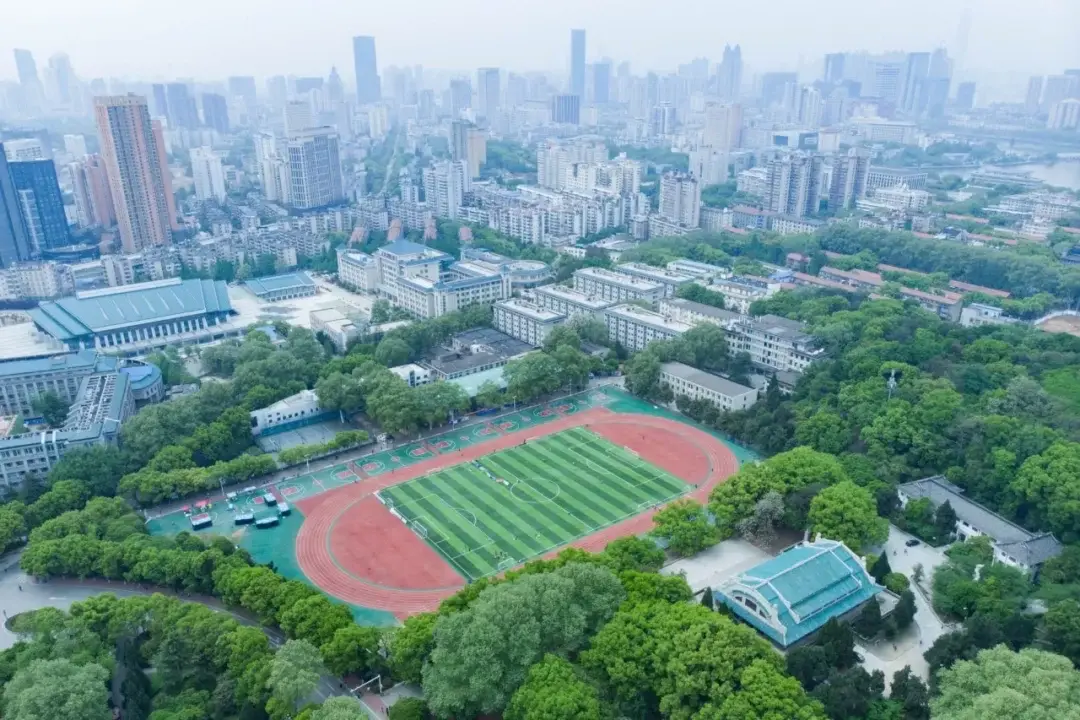
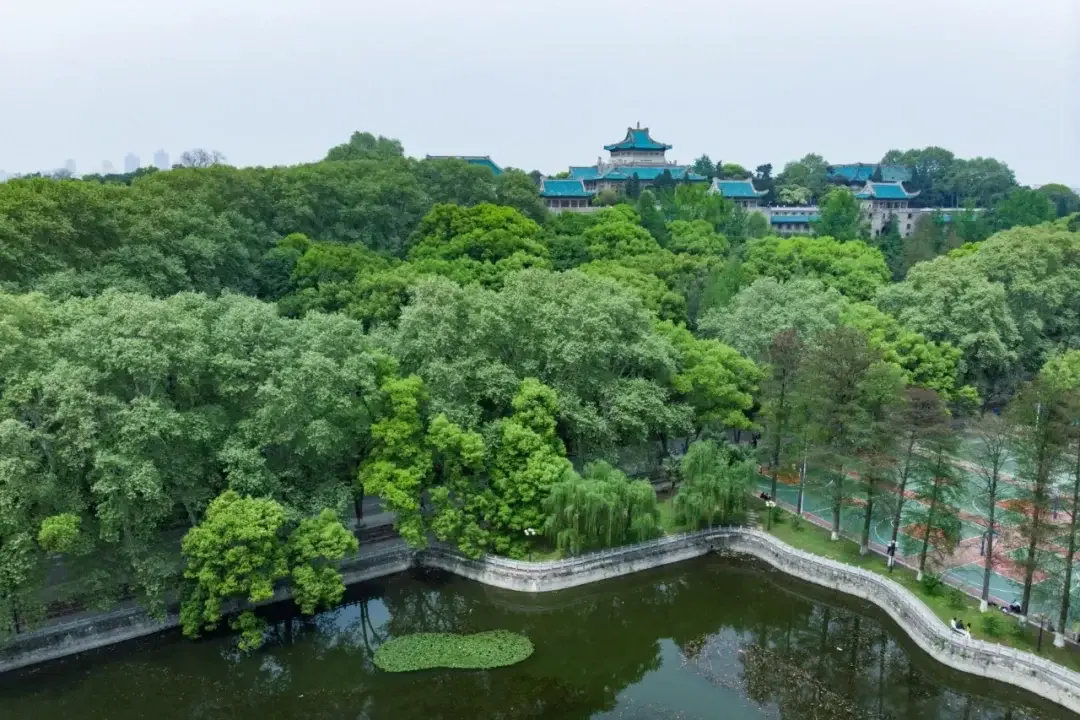
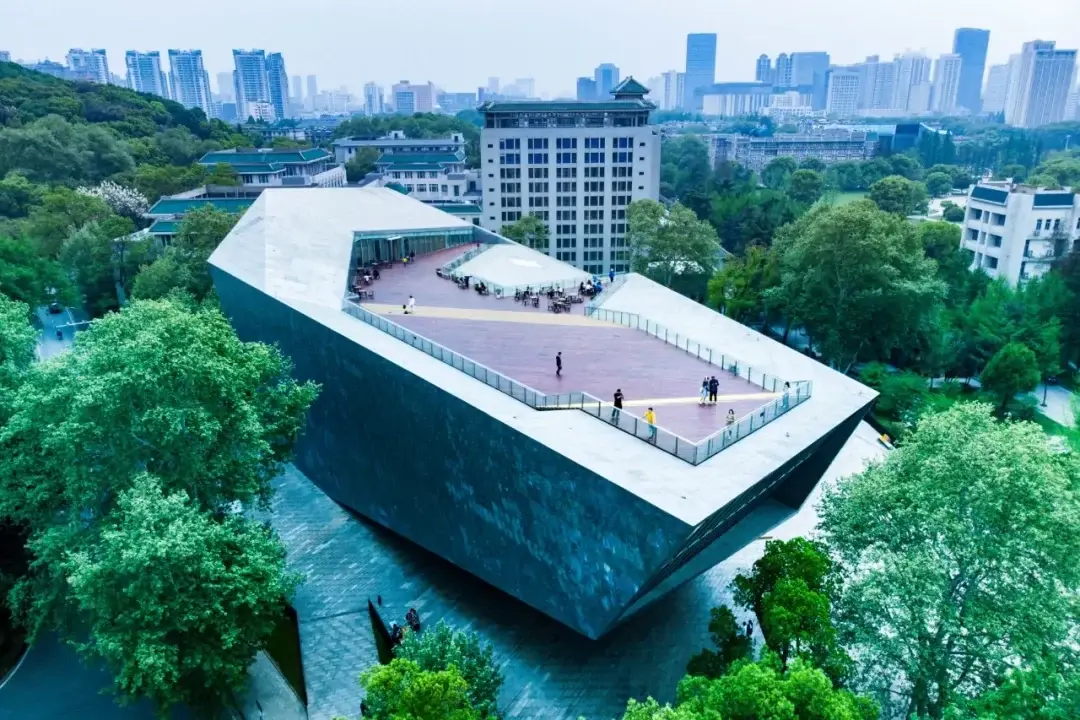
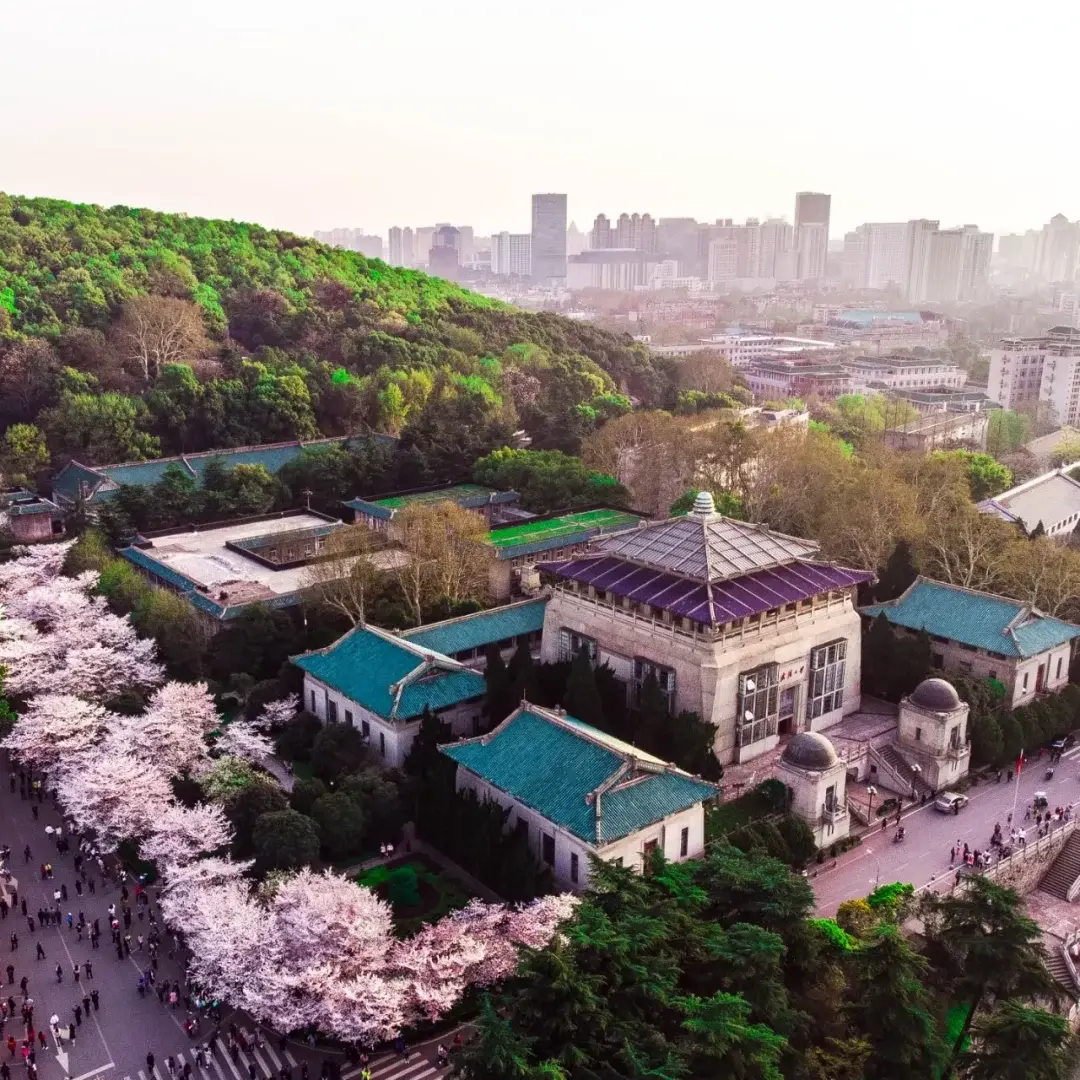
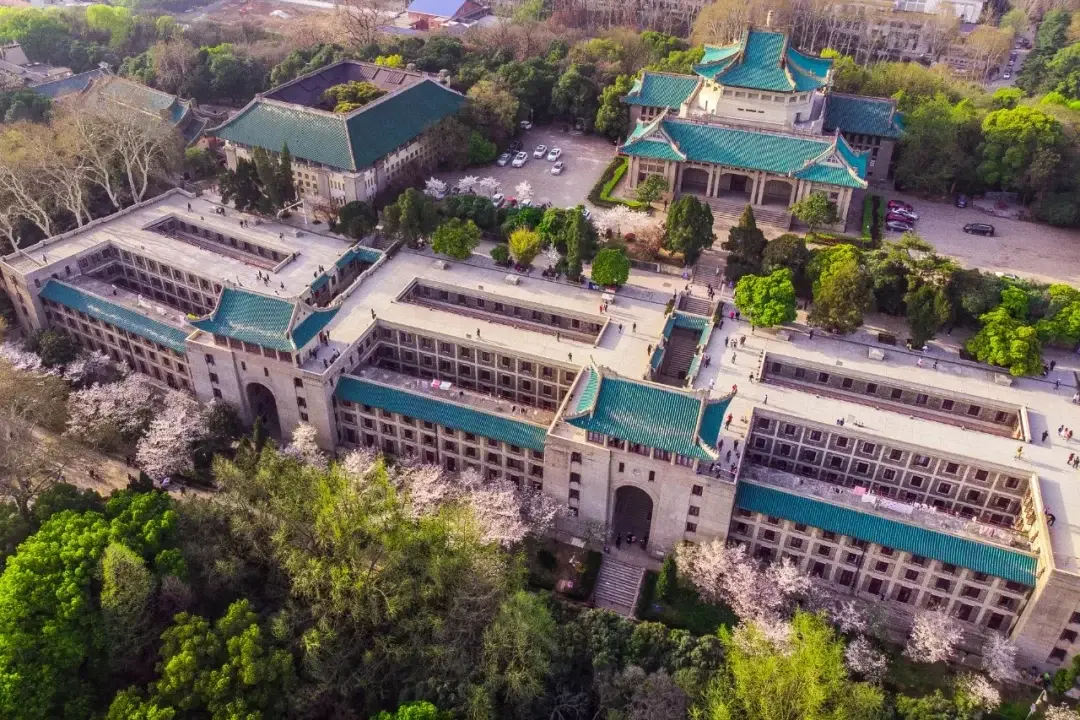
This is the most beautiful university in China, bar none, and no refutation will be accepted. From the sunrise at Yingding to the sunset at the trestle, from Luojia Mountain in the early morning to the East Lake in the evening, from the terrace of Wanlin in the afternoon to the wet playground after the rain, there are scenery everywhere.
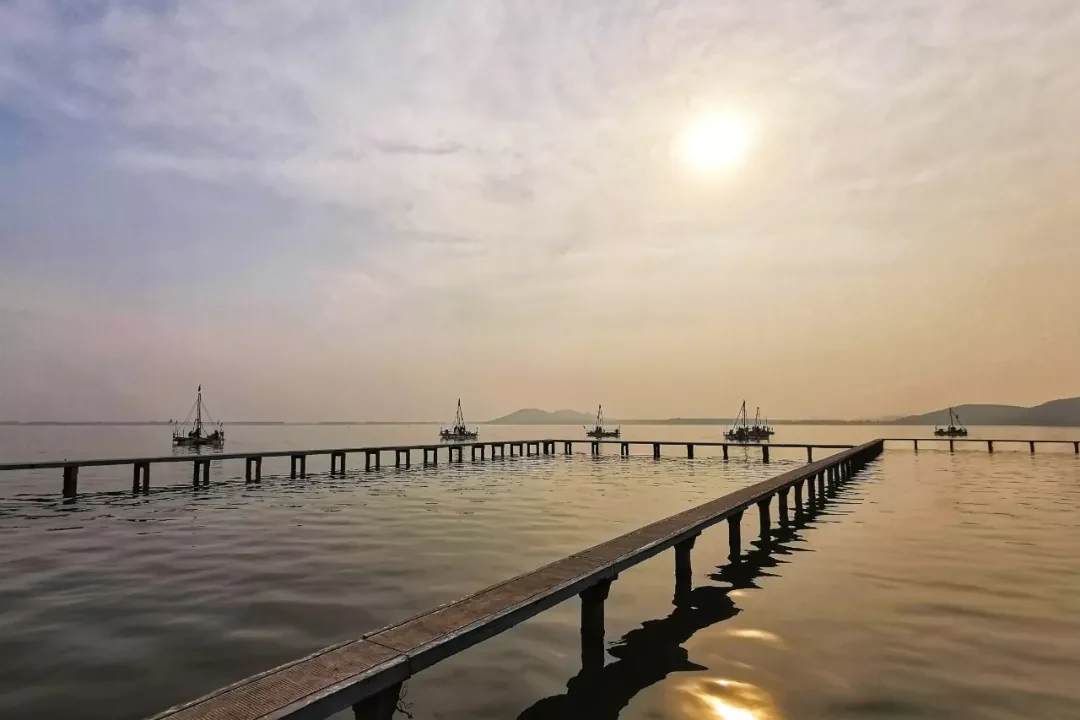
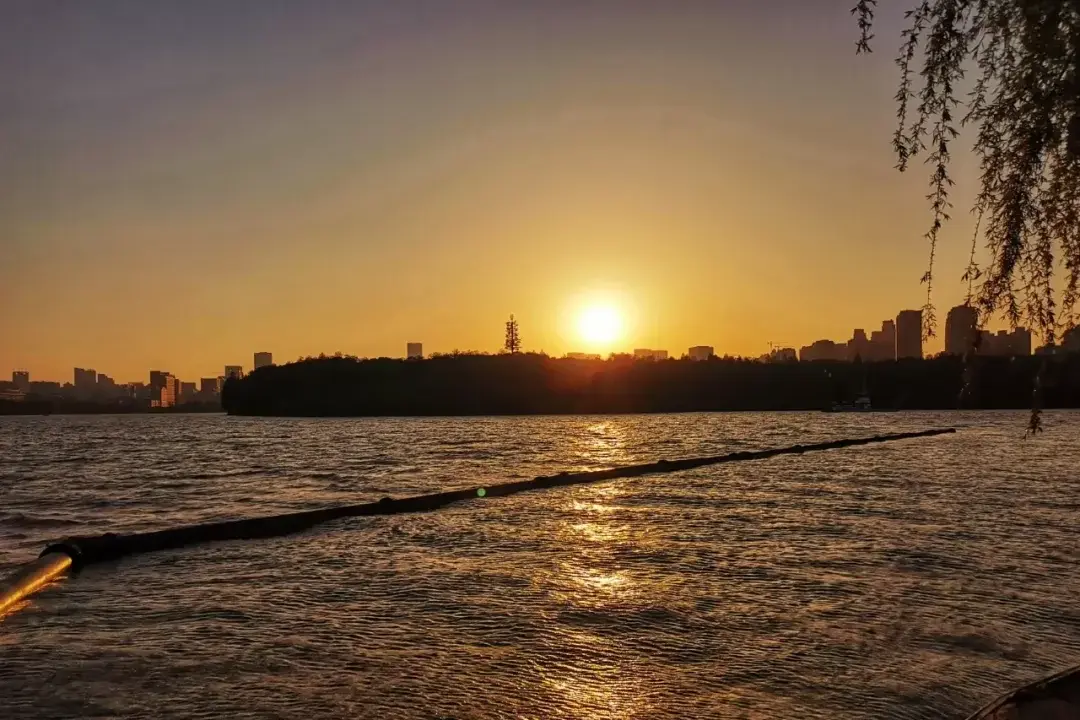
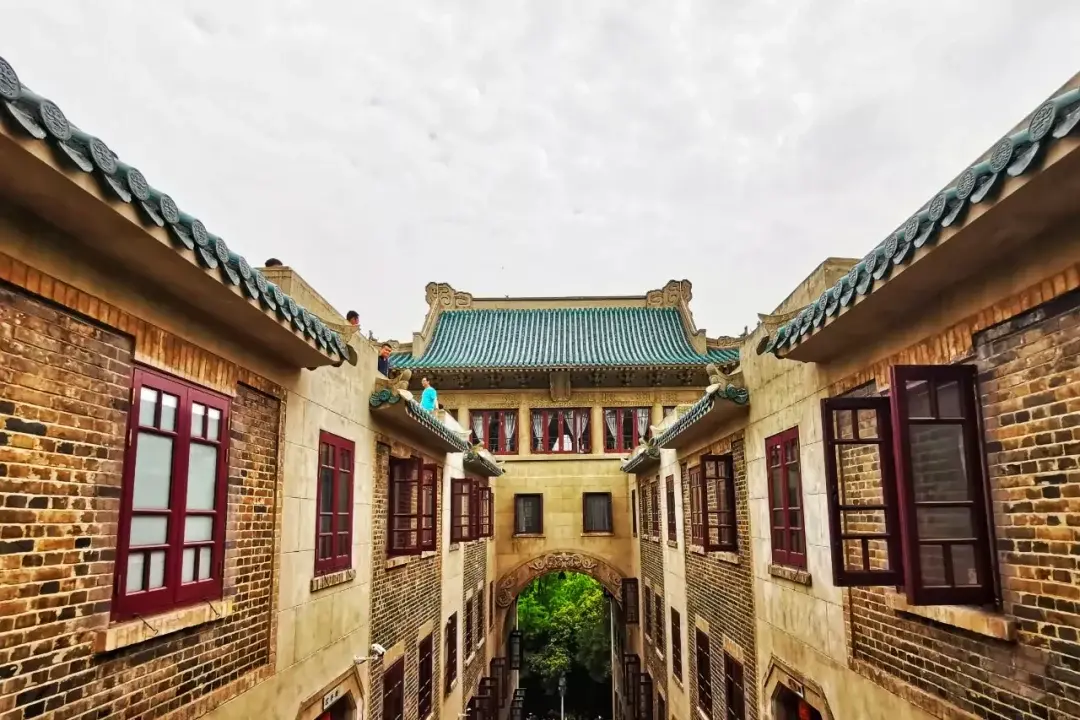
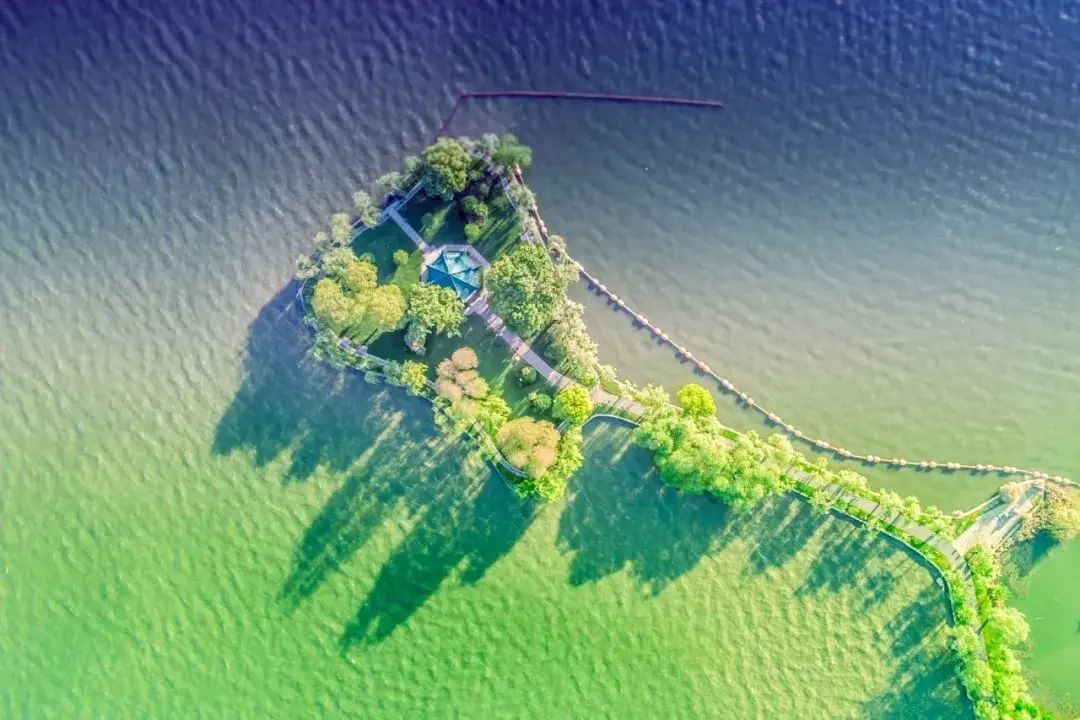
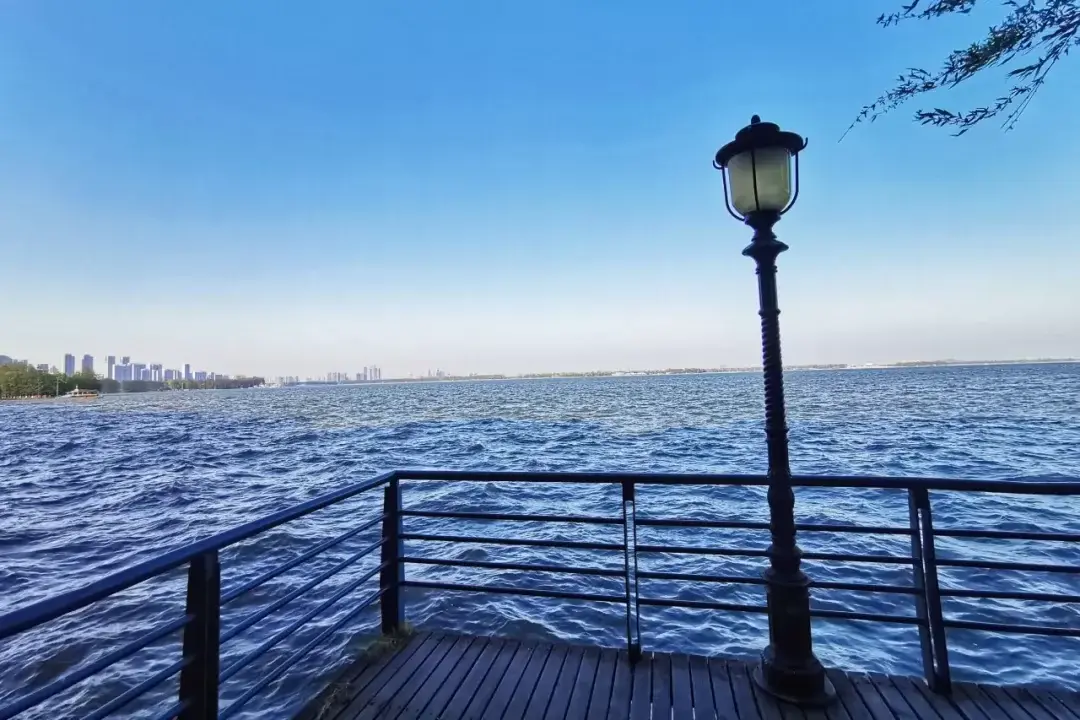
Luojia Mountain is the totem of Wuhan University, and East Lake, which was born alongside Wuhan University, embraces Wuhan University with her broad arms. Wuhan University enjoys the aura of mountains and rivers, and the mountains and rivers inherit the cultural heritage of Wuhan University. The beauty of nature and the spirit of humanity are integrated into one, creating the most beautiful Wuhan University.
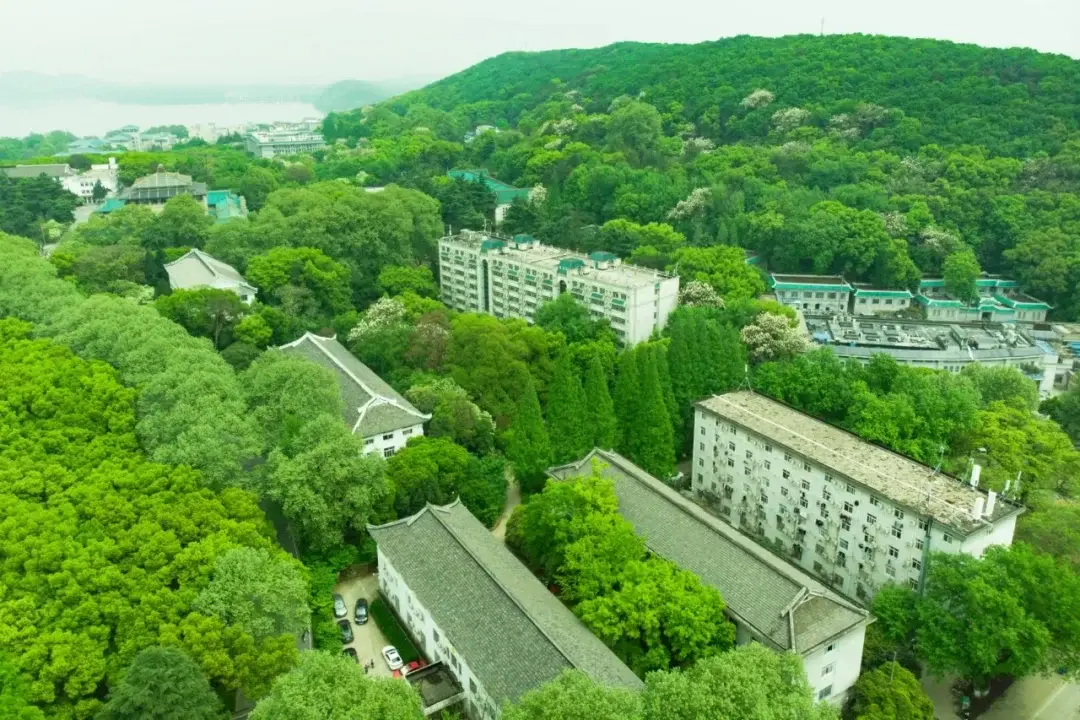
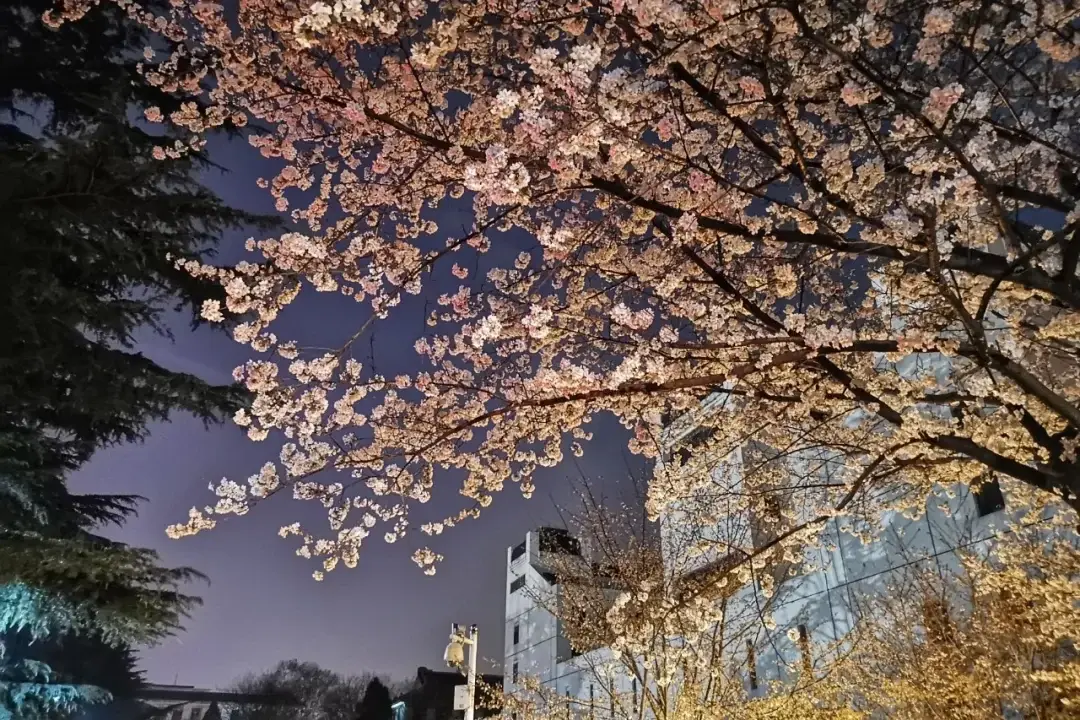
Every spring, seeing hundreds of thousands of tourists from all over the country is the obsession of every Wuhan University cherry blossom. Under the old house, the cherry blossom trees grow quietly. People often say that when the cherry blossoms bloom in Wuhan University, spring comes in Wuhan.
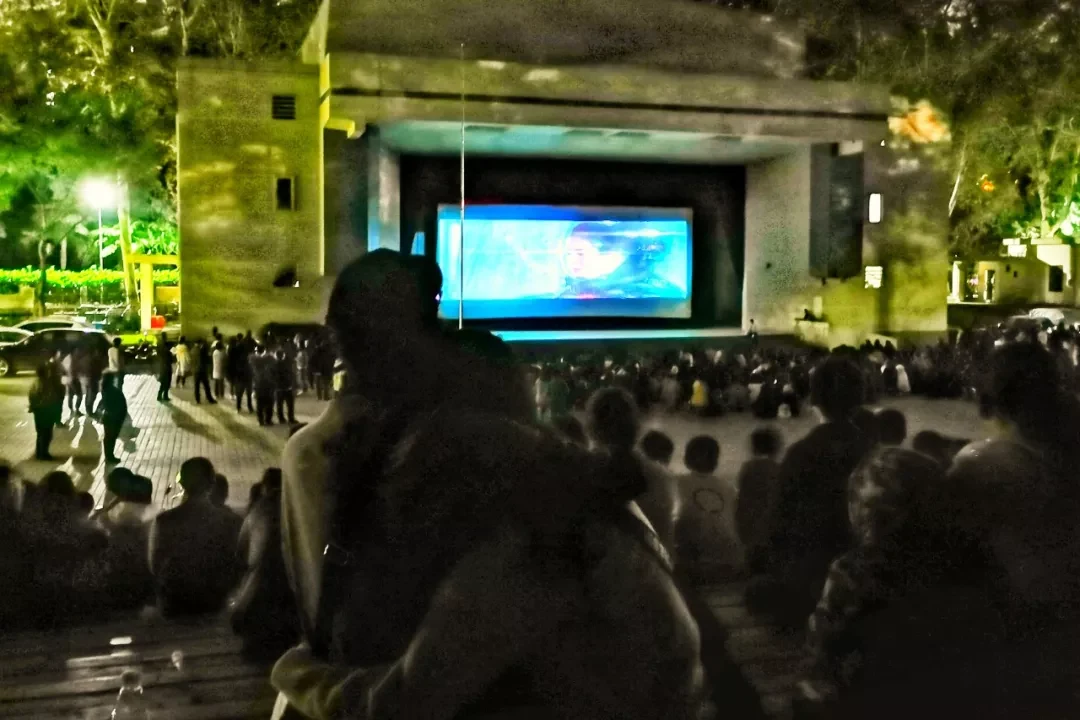
My favorite is the Mei Cao movie on Friday night. I buy drinks and snacks, bring a small bench, and follow the bustling crowd to the place where the faint fragrance of grass and trees lingers, looking forward to the beginning of a story. Mei Cao, who has witnessed countless screen stories, is itself a stage where campus stories are interpreted. Moviegoers laugh, cry, and meditate here, and ultimately it becomes the most touching trace of Wuhan University.
The free academic style of Wuhan University has made it a utopia in the minds of many young people. Here, I reshaped my world view, and I was fortunate enough to meet two close mentors. They led me through mountains and rivers in the forefront of scientific research, and also taught me the principles of life. How lucky we are today when conflicts between teachers and students occur frequently.
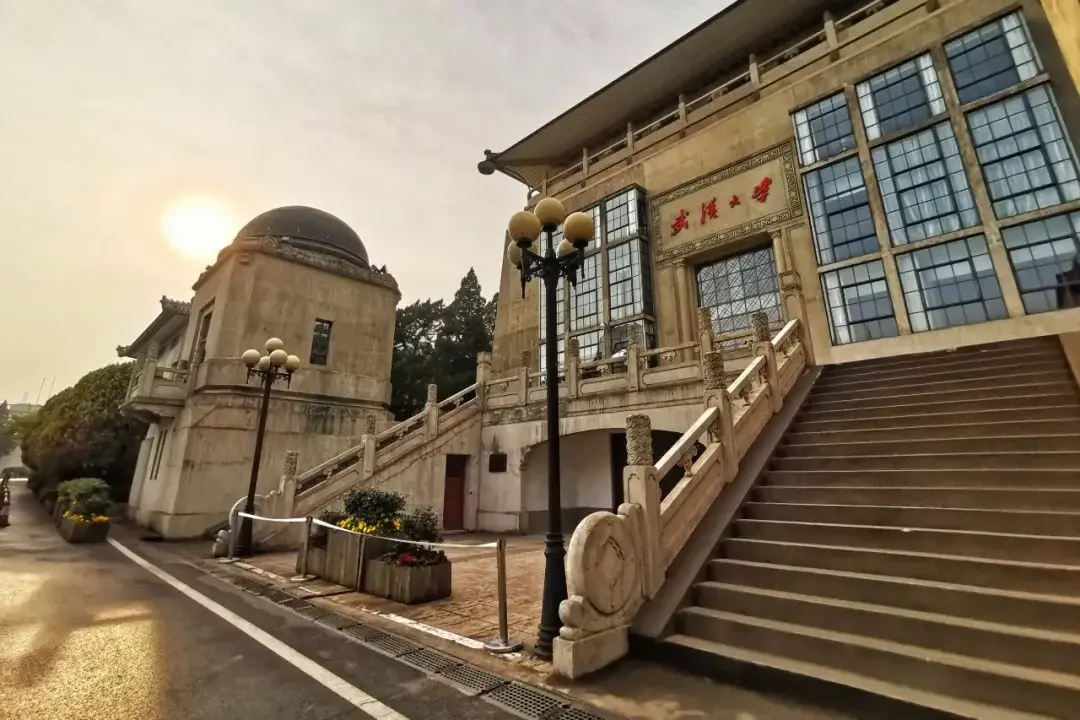
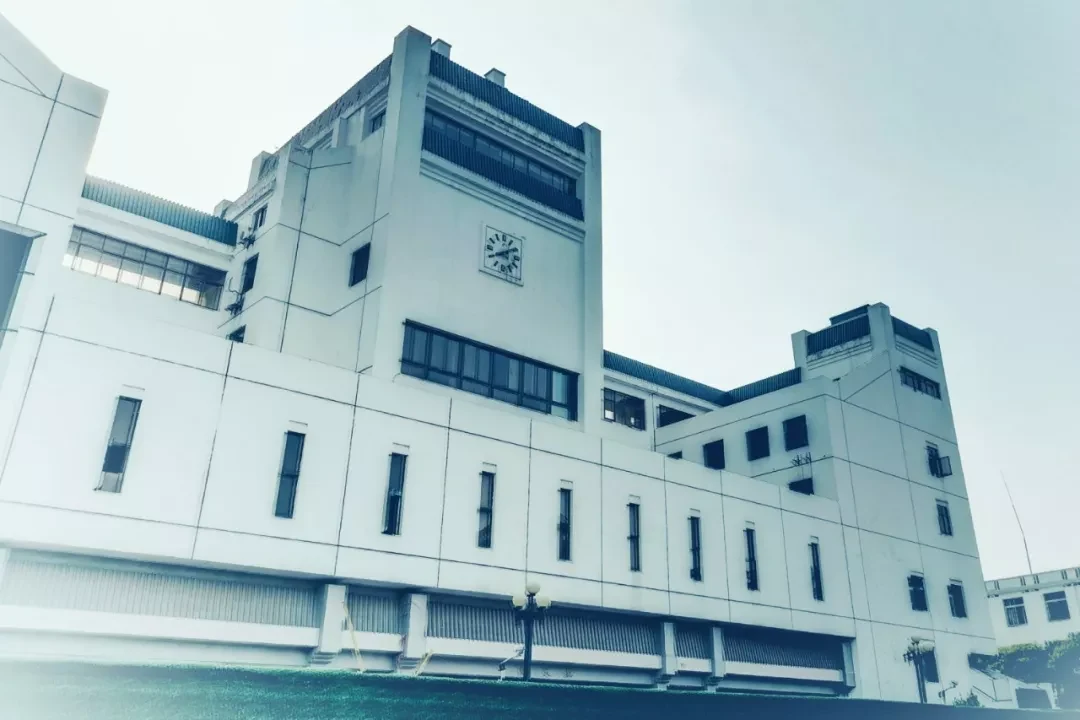
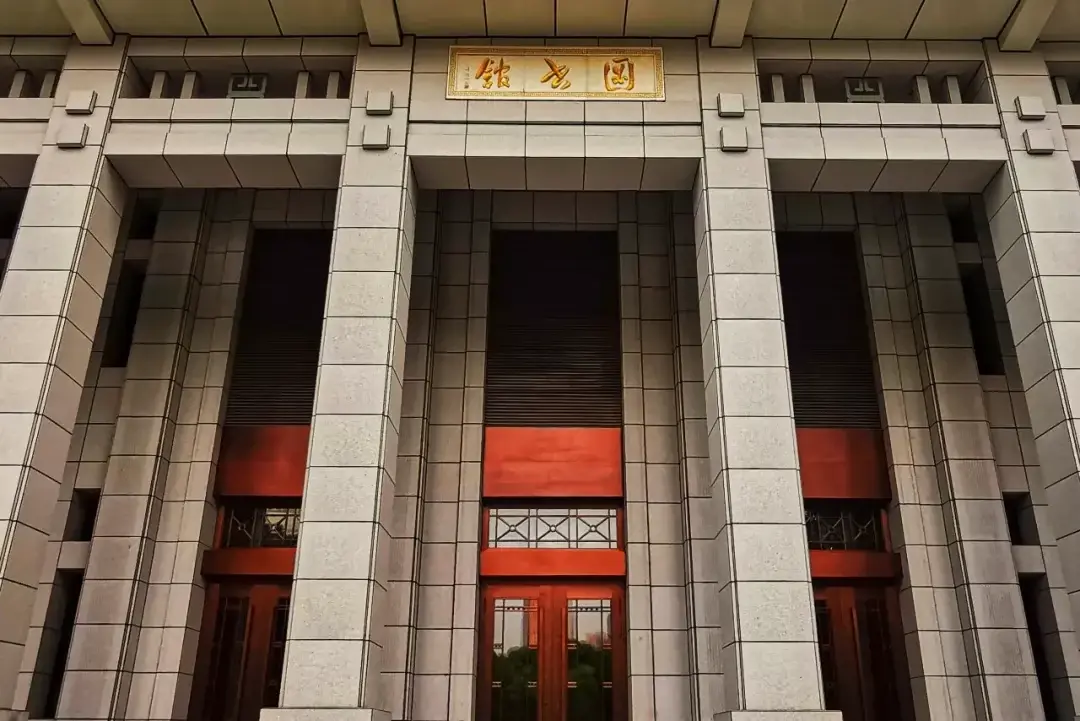
The bell is about to ring for the end of get out of class, and it’s time to return the books in the library. Please forgive me for not being as free and easy as I imagined. There is the scenery I love here, and there is also the girl I miss the most. As a straight man, I really hate pretentious words, but please allow me to record my emotions at this time so that I can put them in my pocket. May I go to the stars and the sea and return to Luojia.
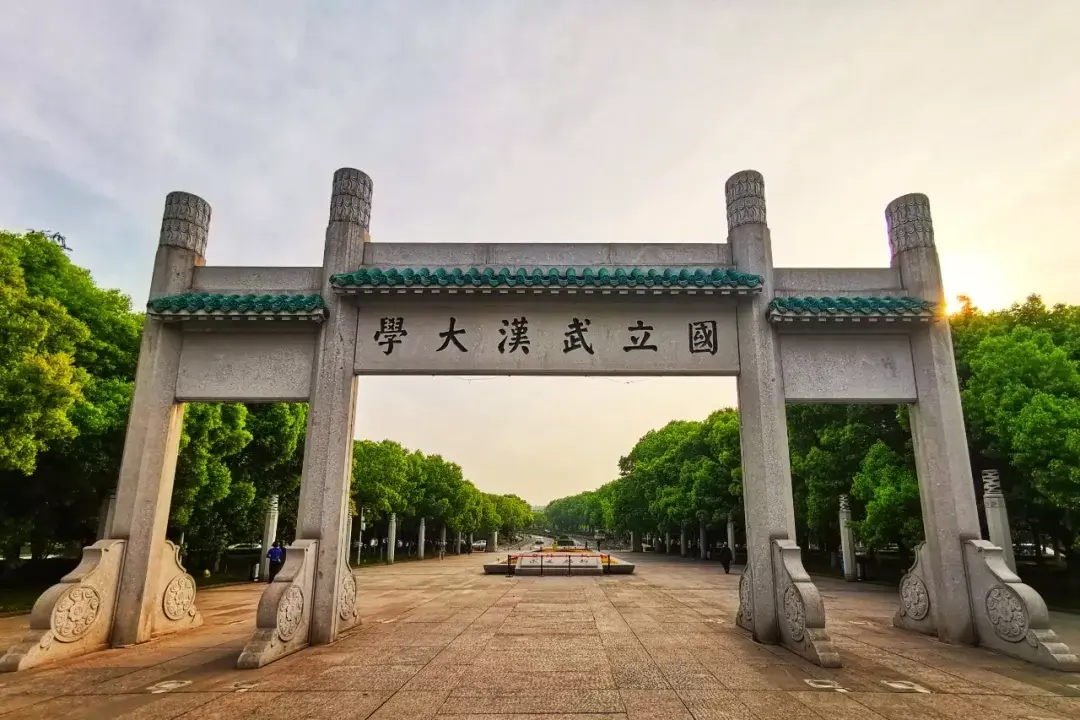
Recently I fell in love with a group from Zhongnan University of Finance and Economics, Landlady's Cat, especially the song "Next Stop Tea Mountain Liu". At the end of the story, let’s borrow the lyrics to say goodbye to the past three years in Wuhan.
If the world is really that big
I'll start from here
The hurried steps can no longer stop
If you haven't finished speaking yet, forget it.
There are always some regrets that you have to learn to let go of
Make peace with the past
I will be like time that never changes
as always
Even if I leave my hometown from now on
- End -
Words | Arsenan
Photos | Arsenan
Design | Arsenan