
FIELD NOTE 01
Foreword|Traveling the route·New year and new status
At the beginning of 2025, my weight also reached the peak since I came to the United States due to my mother's "feeding me day after day". My parents have returned to China, and it’s time for me to start exercising to get back into shape.
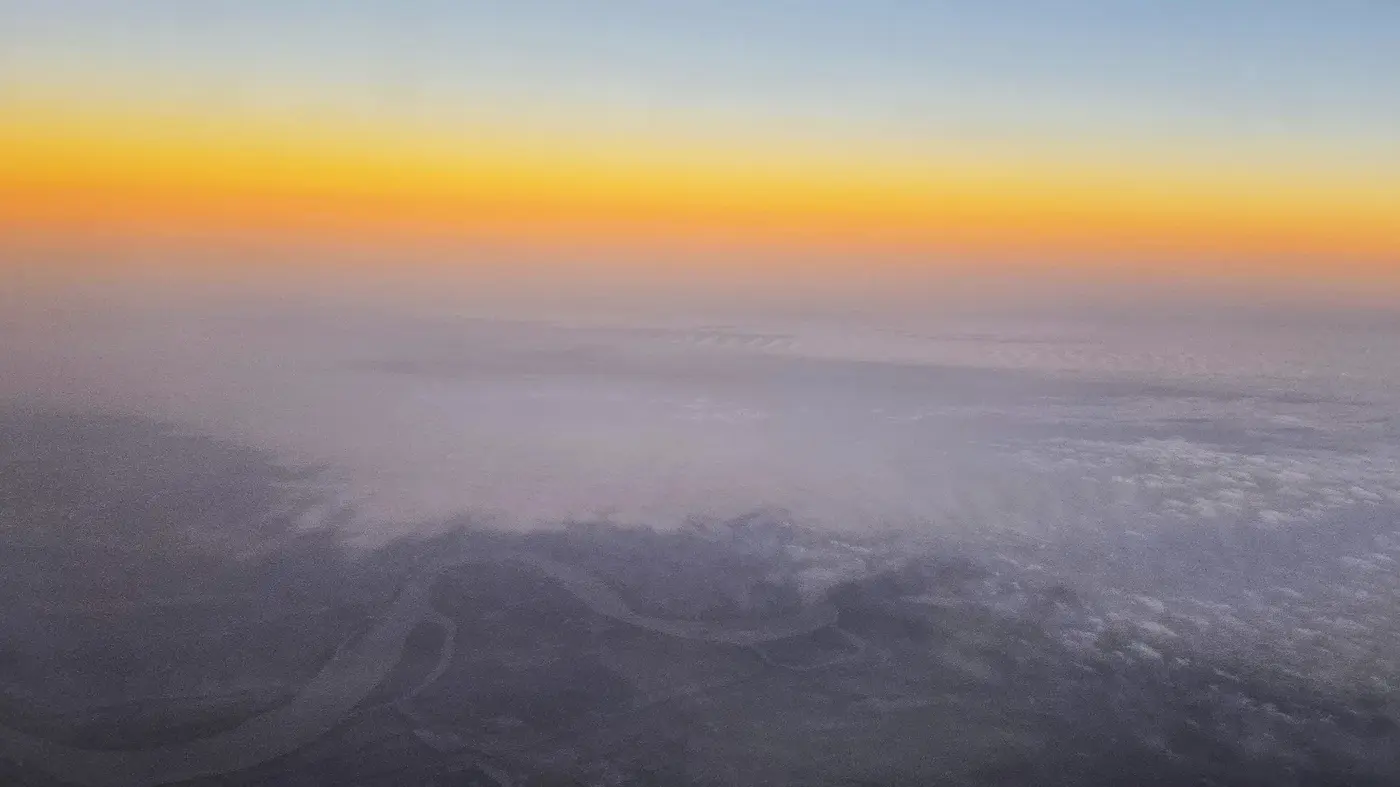
It’s cold and windy in the United States in January. Looking through the map, I find that there are still a few states in the south that I haven’t checked in yet. There happens to be a marathon in Baton Rouge, the capital of Louisiana. It’s called “Louisiana Marathon” and it’s quite impressive. That's it.
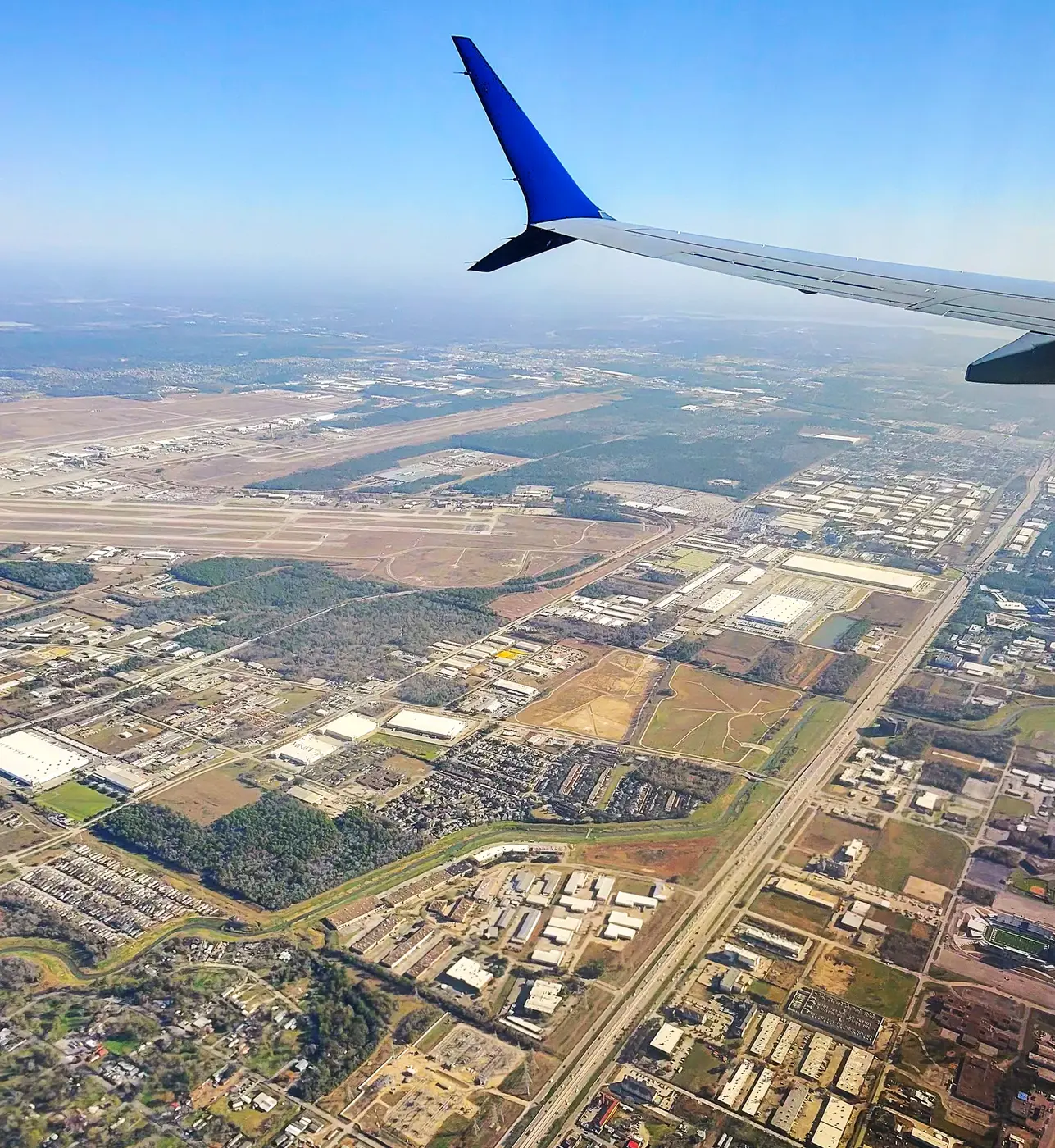
I was originally planning to drive a Tesla for a long distance, but I had never driven a tram such a long distance before, so I felt a little unsure, so I decided to fly instead.
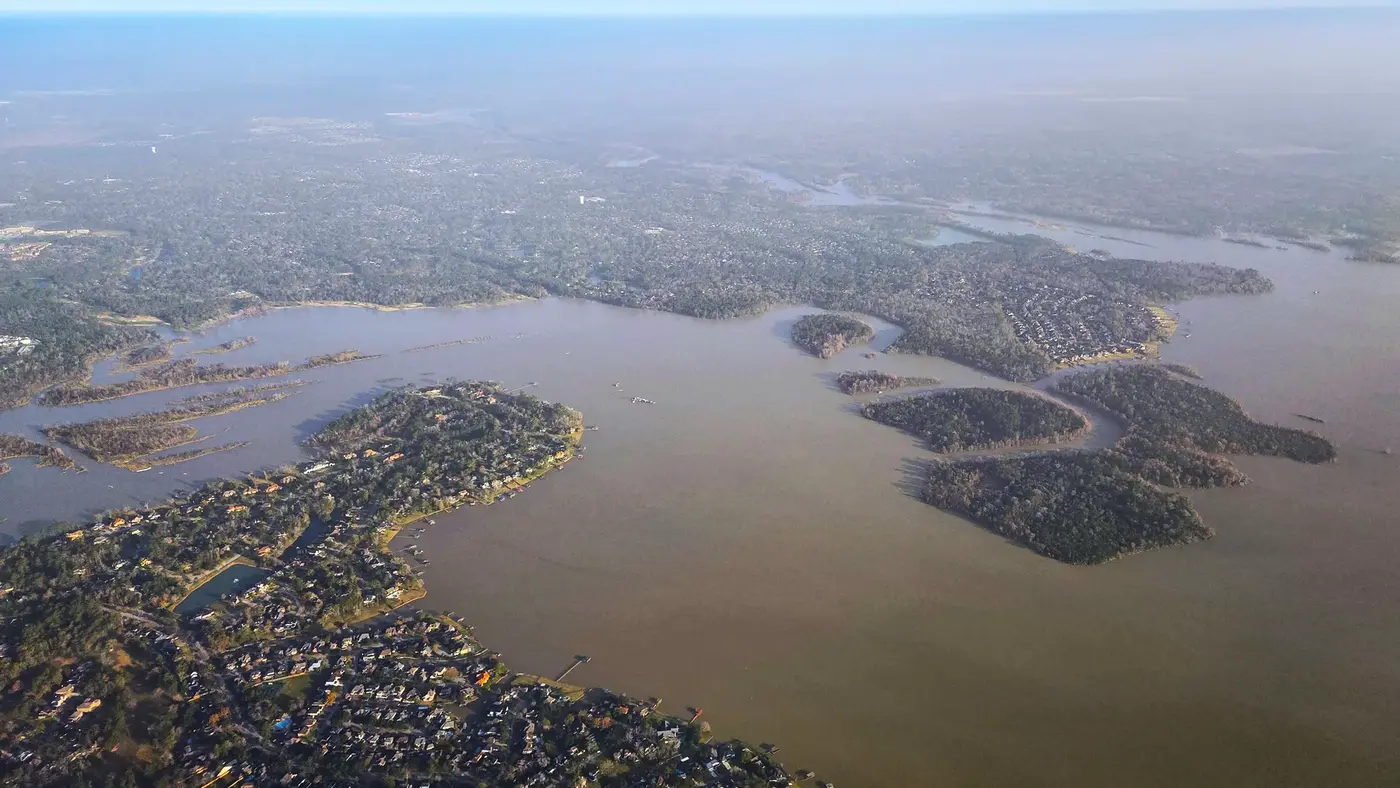
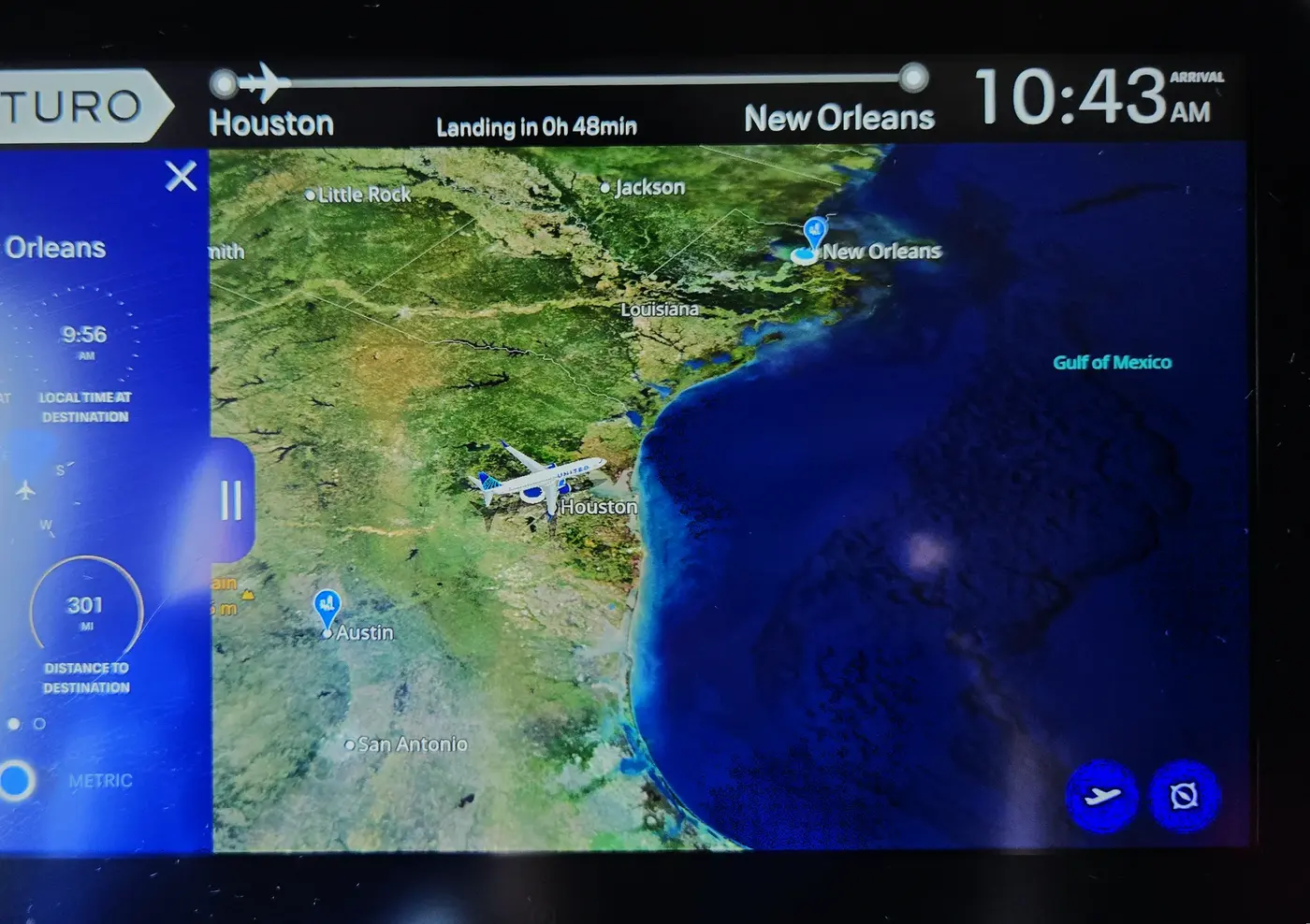
The trip is not short: first fly to Dallas, then transfer to New Orleans, and finally rent a car and drive all the way to Baton Rouge. It's a bit of a struggle, but the first run of the year has to be done.
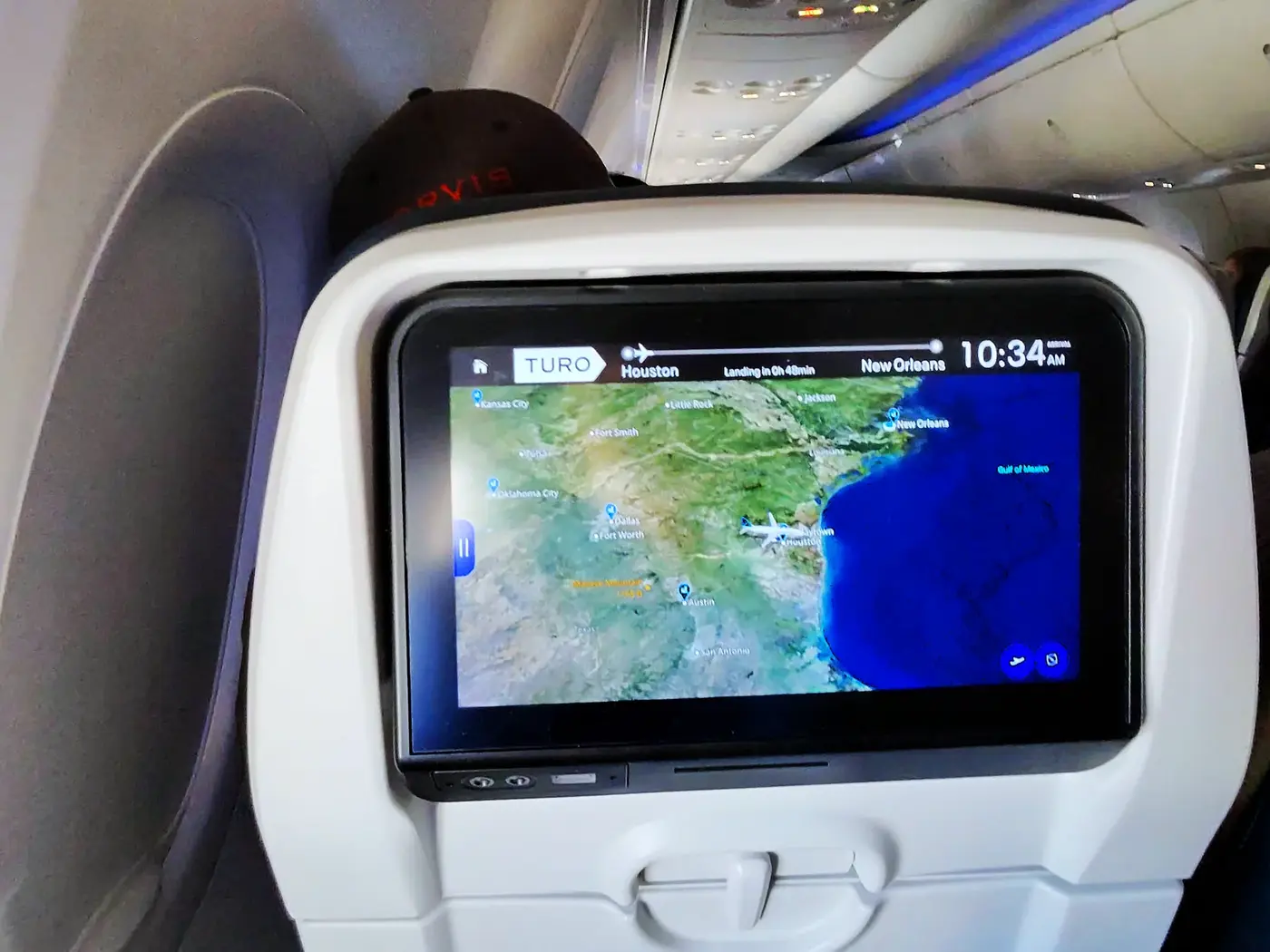
So, with the curiosity of "weight loss plan" and "Southern French sentiment", I set foot on Louisiana.
FIELD NOTE 02
Chapter 1|Sketches of Louisiana · A southern state with a French background
Louisiana, or LA for short, is not to be confused with Los Angeles, California.
In history classes, it is linked to Napoleon: the Louisiana Purchase in 1803. The United States spent $15 million to buy this land from the French that was larger than France itself, doubling the territory of the United States.
The impression of this place is: French colonial influences, Creole and Cajun culture, jazz, swamps, carnival and food.
I first learned about this place because the NBA's Hornets later changed their name to the "Pelicans" and played their home games in New Orleans. The name "Louisiana" is quite similar to "Louisville" where I live: one is the state and the other is the city. They both sound like a French accent, as if they are relatives from a distance.
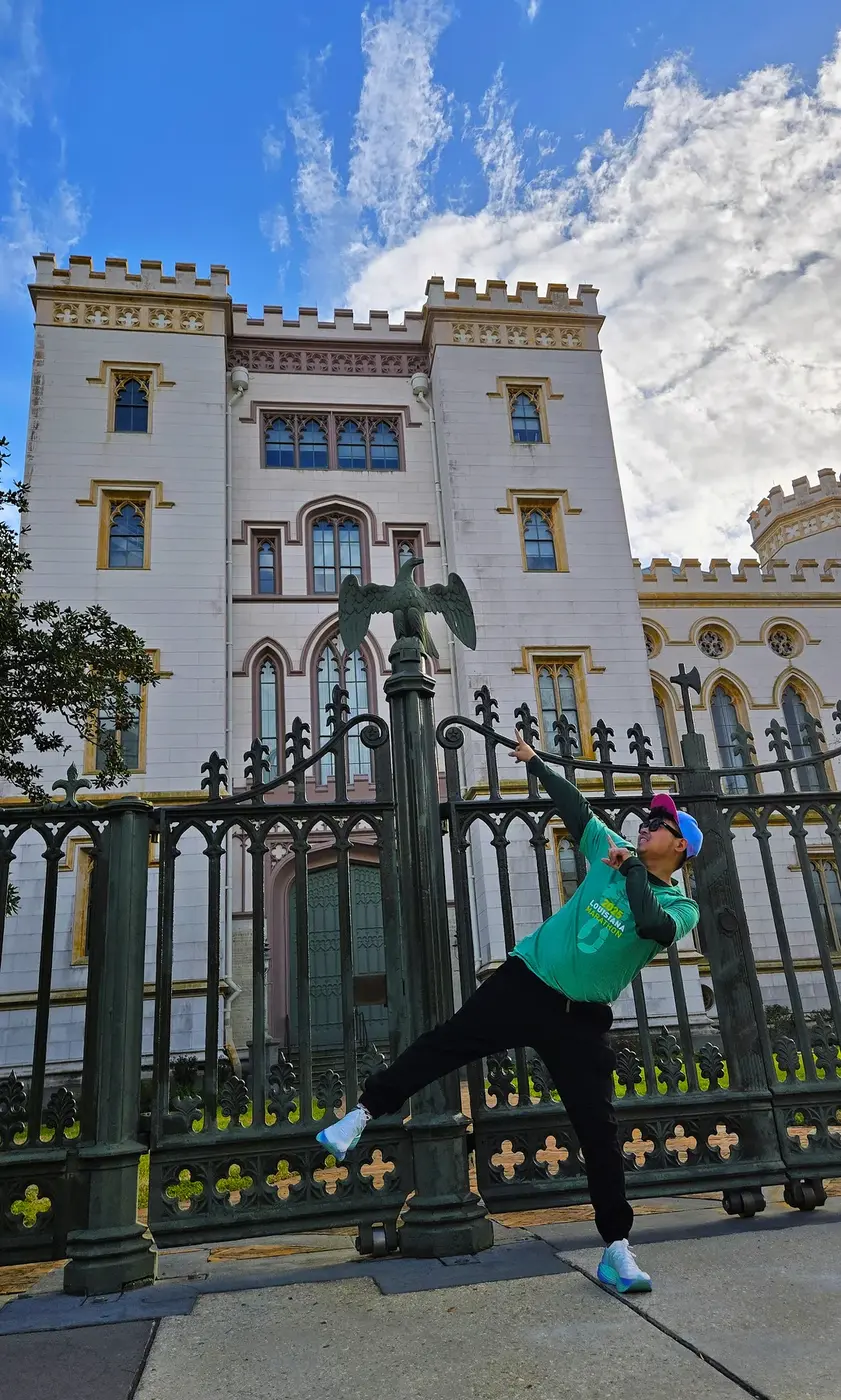
When many people mention Louisiana, their first thought is New Orleans: the birthplace of jazz, the stage of Carnival, and the face of Louisiana in the eyes of outsiders.
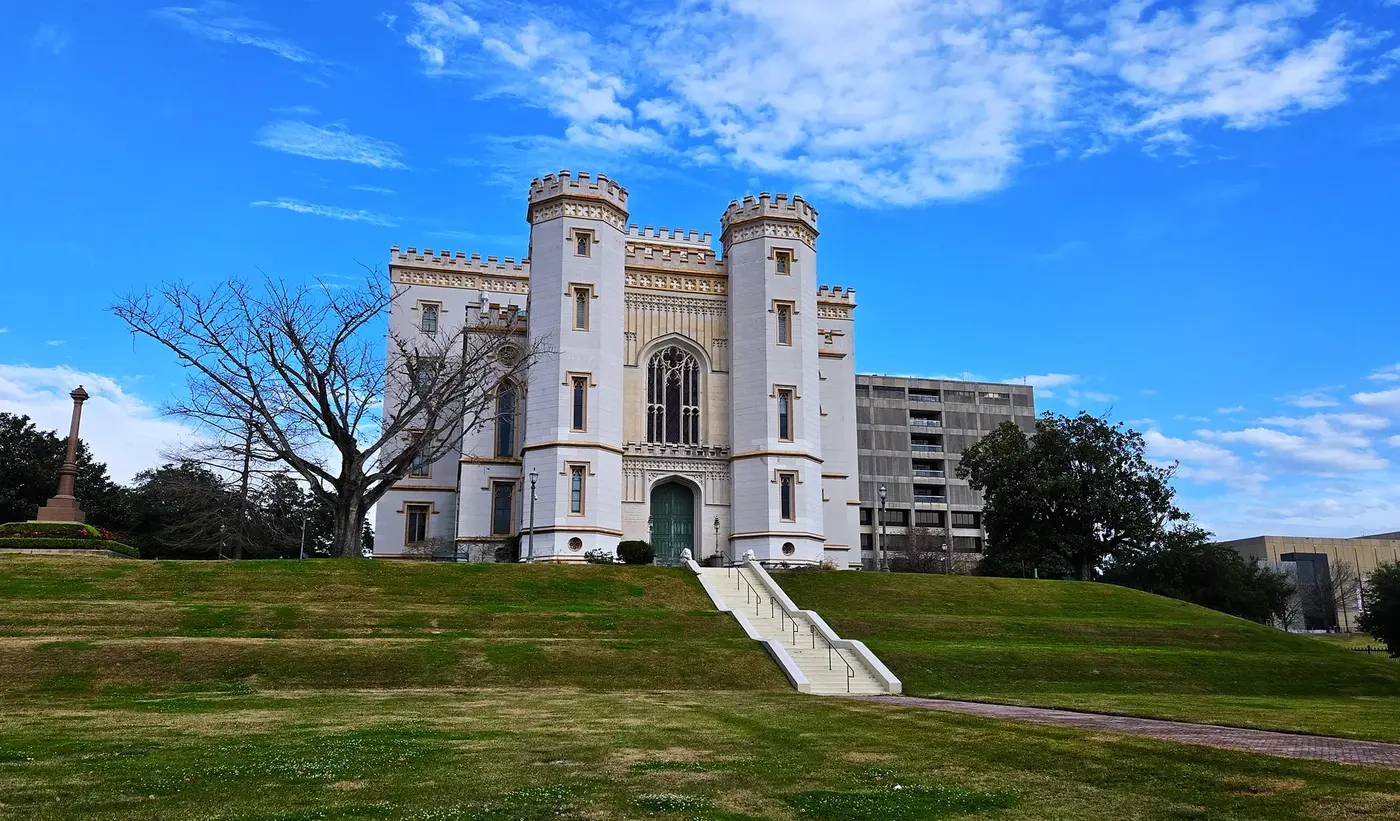
But the real capital is actually in Baton Rouge. The literal translation of the name in French is "red wooden pole". The city is not big, but it is impressive because of the LSU Tigers' football and the French southern flavor. It is also the end of our journey.
FIELD NOTE 03
Chapter 2|From Wetland to Baton Rouge · Pre-race preparation
Arriving at the New Orleans Airport, we first went to pick up the car. After parking a row of cars, I finally chose a white Hyundai Sonata, which has a simple appearance and is very stable to drive.
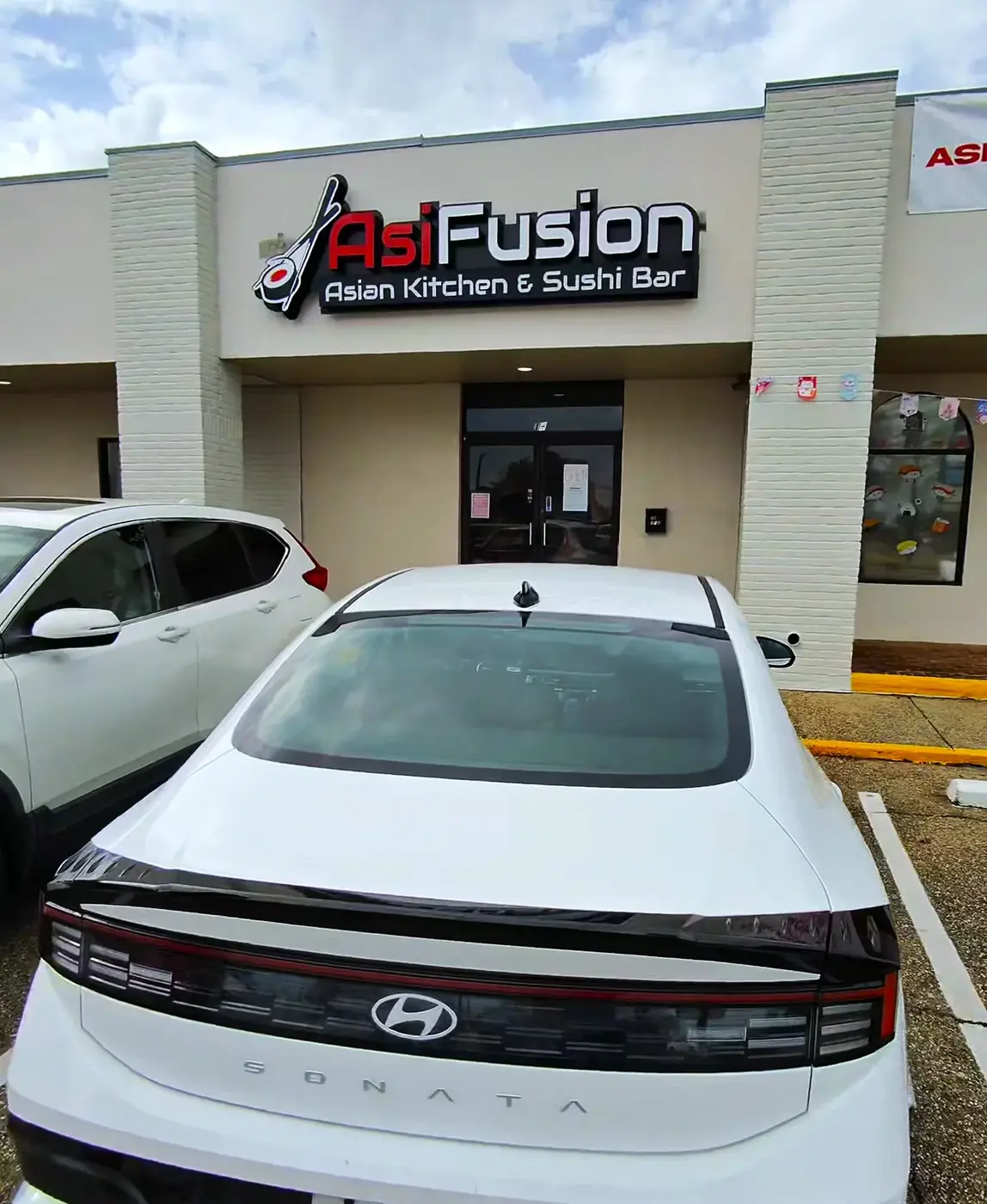
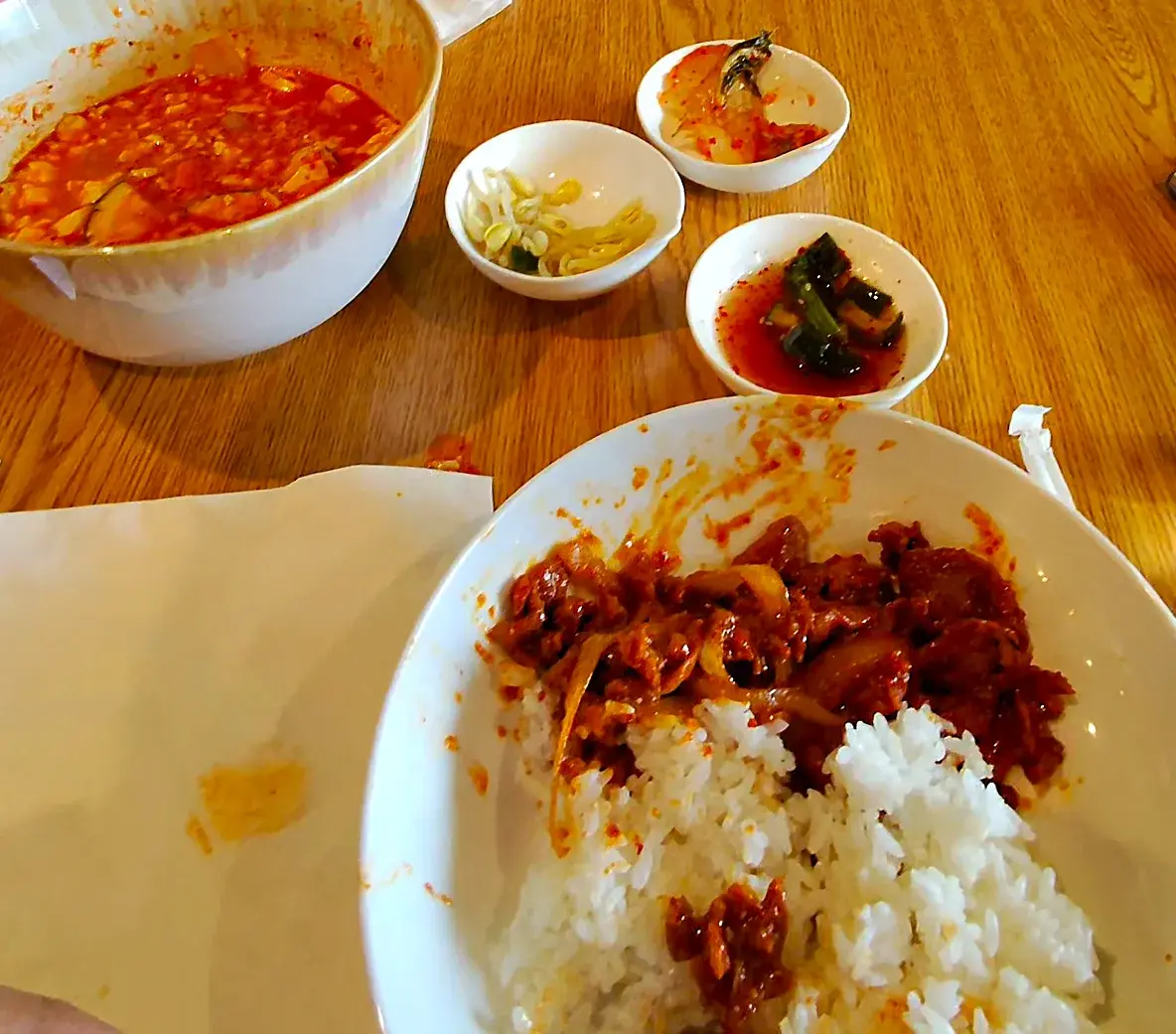
I was very hungry, so I found AsiFusion, a Korean fast food restaurant near the airport. I ordered a Korean pork rice with white rice mixed with spicy sauce, which had a solid taste. It’s just that the Korean lady boss doesn’t have a smile, which makes her a bit reserved, but the taste is completely worthy of being an “appetizer” for this trip to the south.
After eating, we continued on the road to Baton Rouge. The most special thing is passing by the Pontchartrain Wetlands. The highway seems to be directly on the water, with swamps and reeds on both sides, and occasionally small boats can be seen. The car felt like it was floating on water, and the wetland scenery was very impressive.
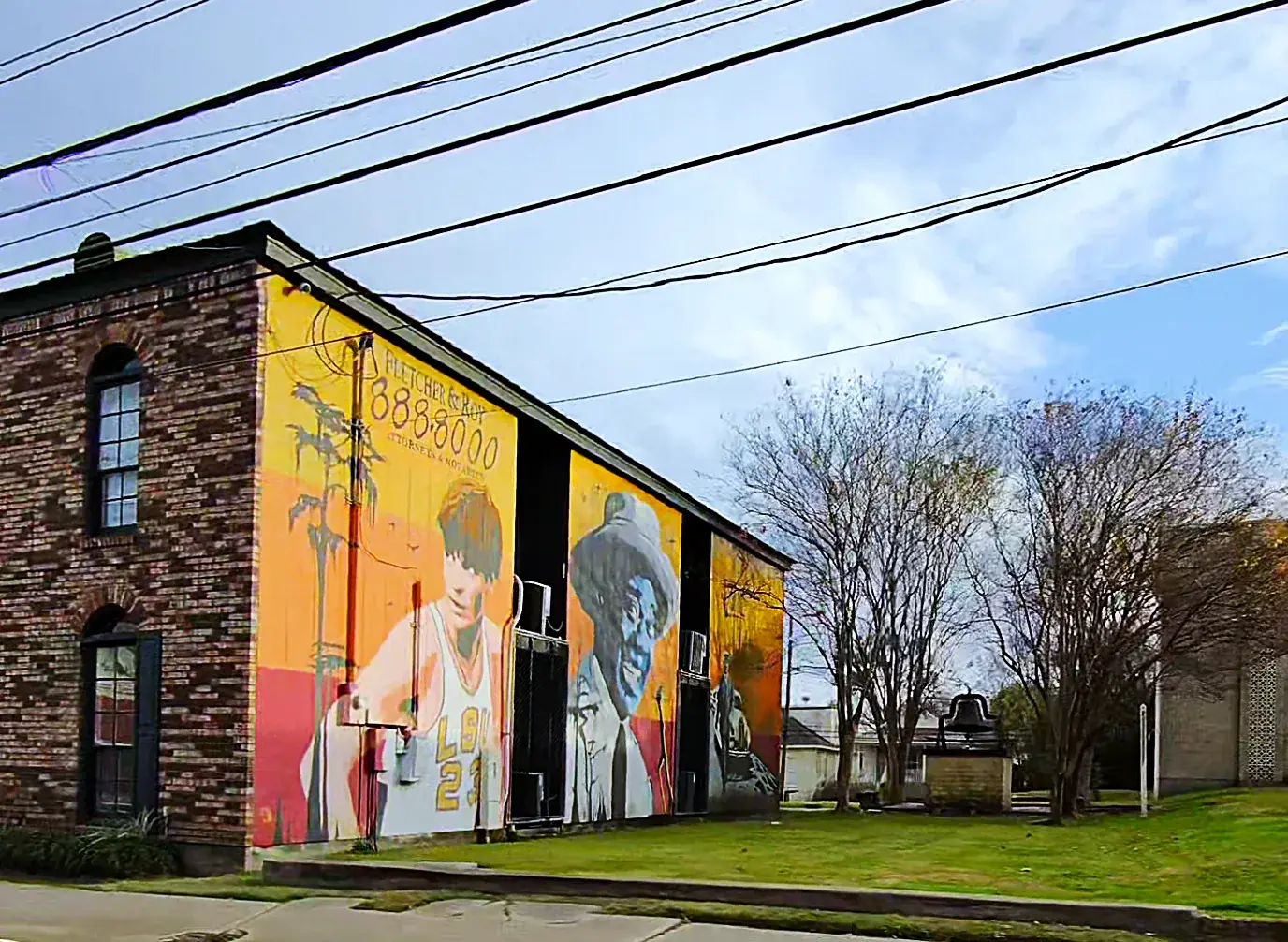
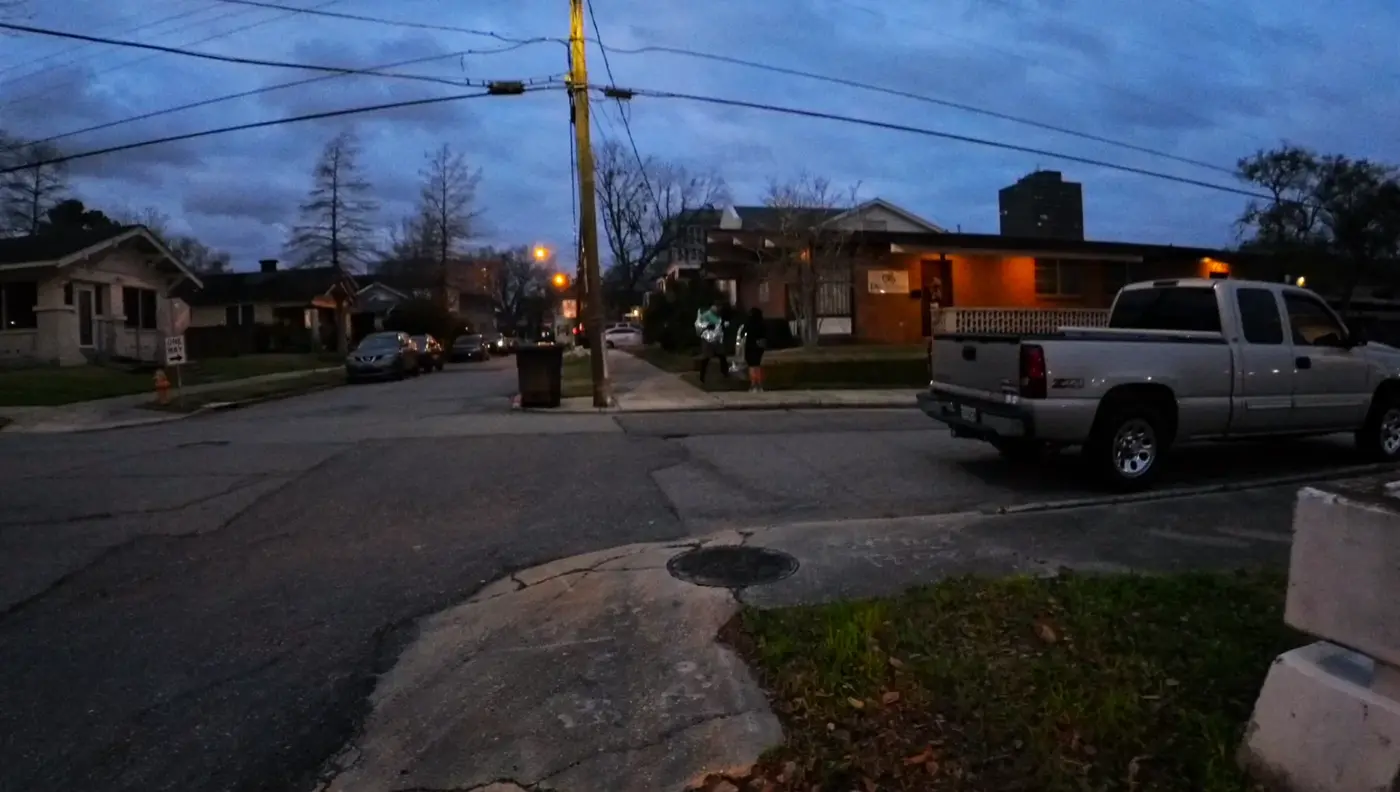
By the time we got to Baton Rouge, the weather had cleared up. A red brick house on the street has murals of LSU players and jazz musicians, and the city's temperament is immediately apparent: it has the youth of the campus and the background of music.
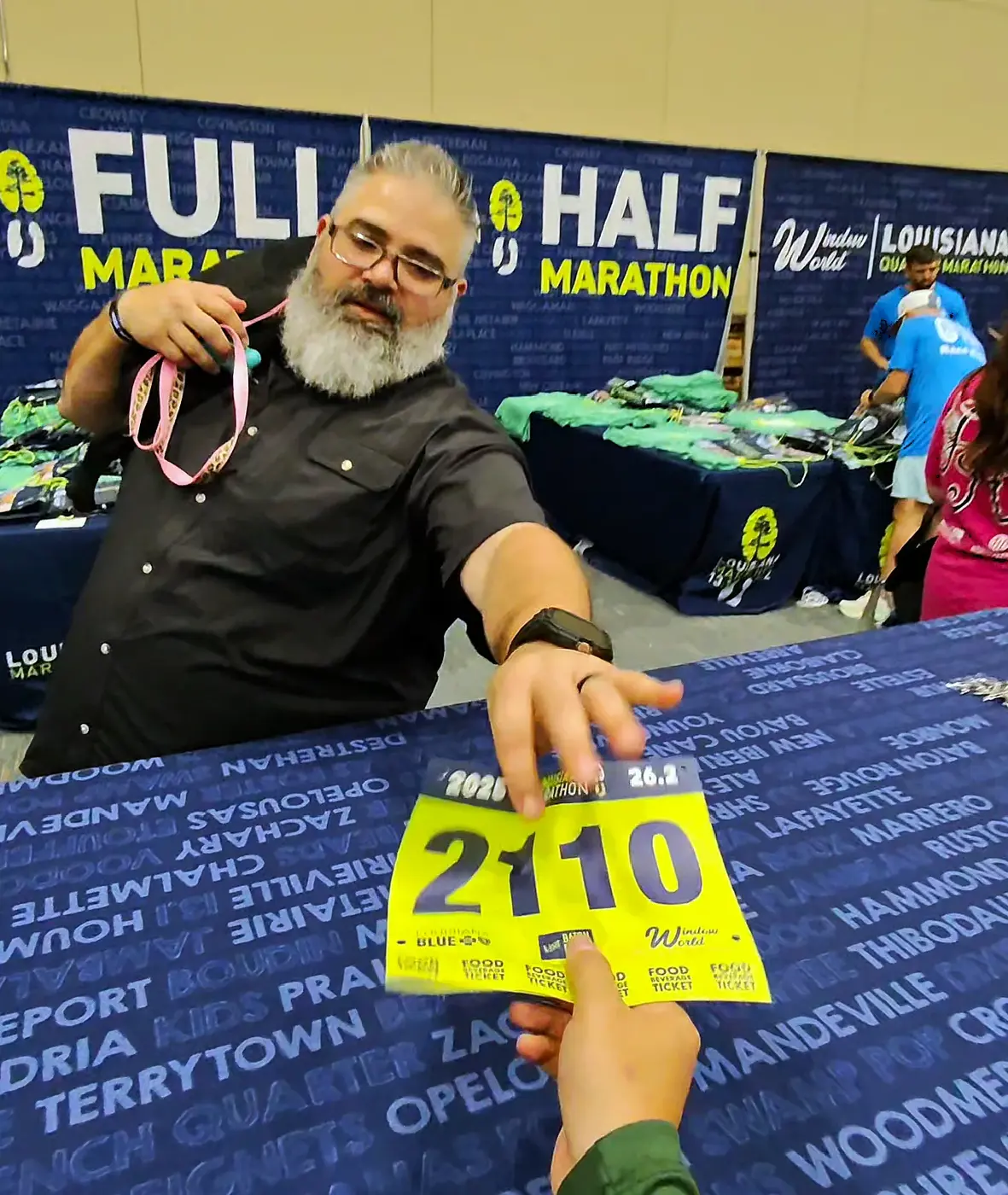
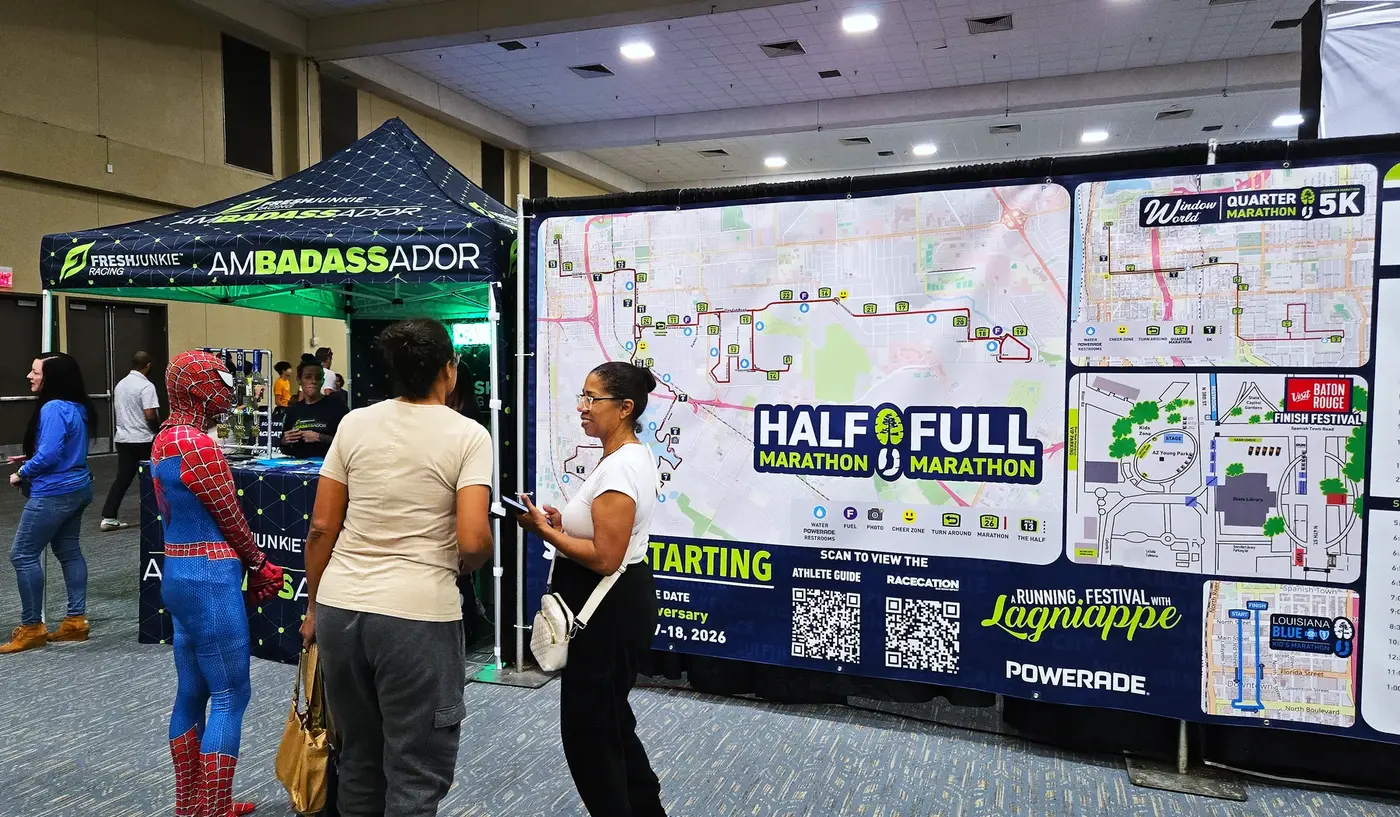
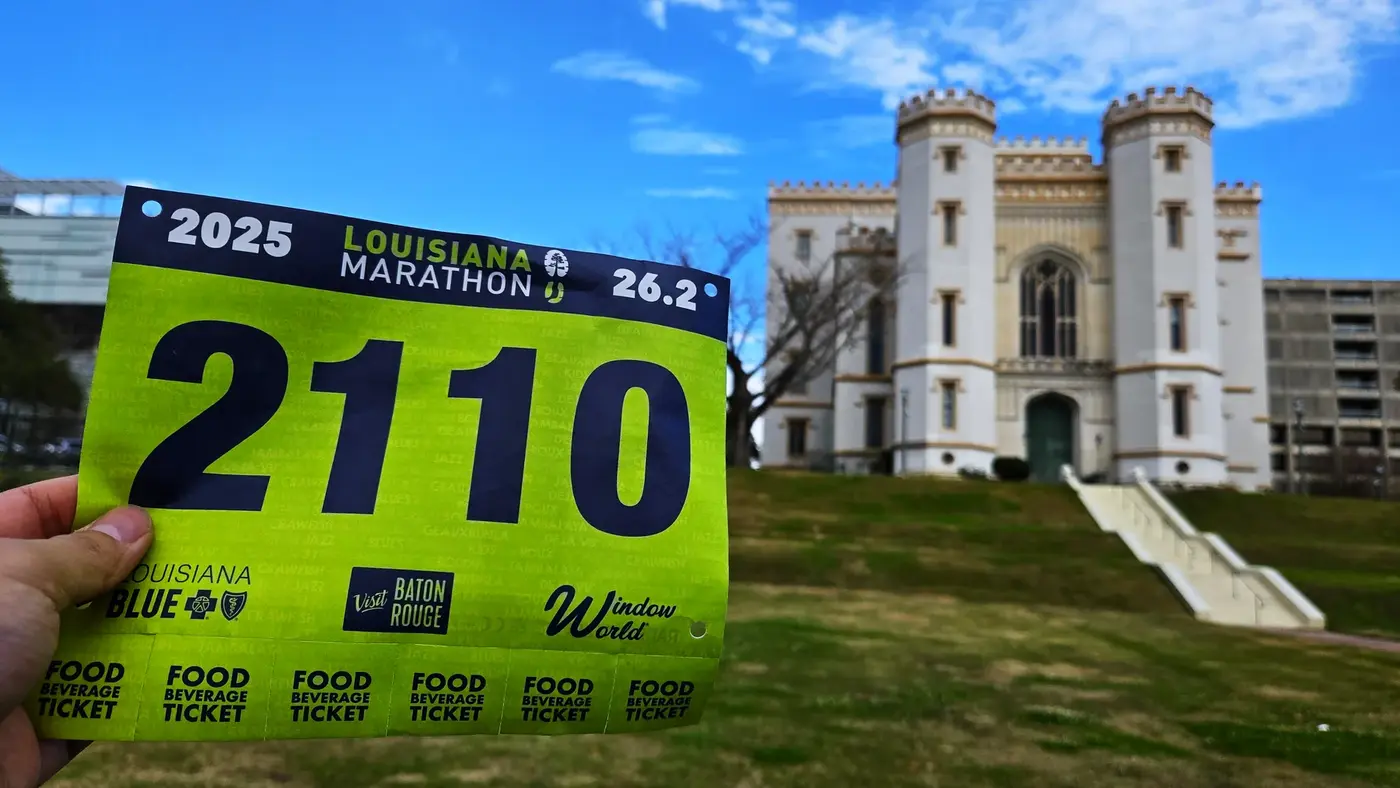
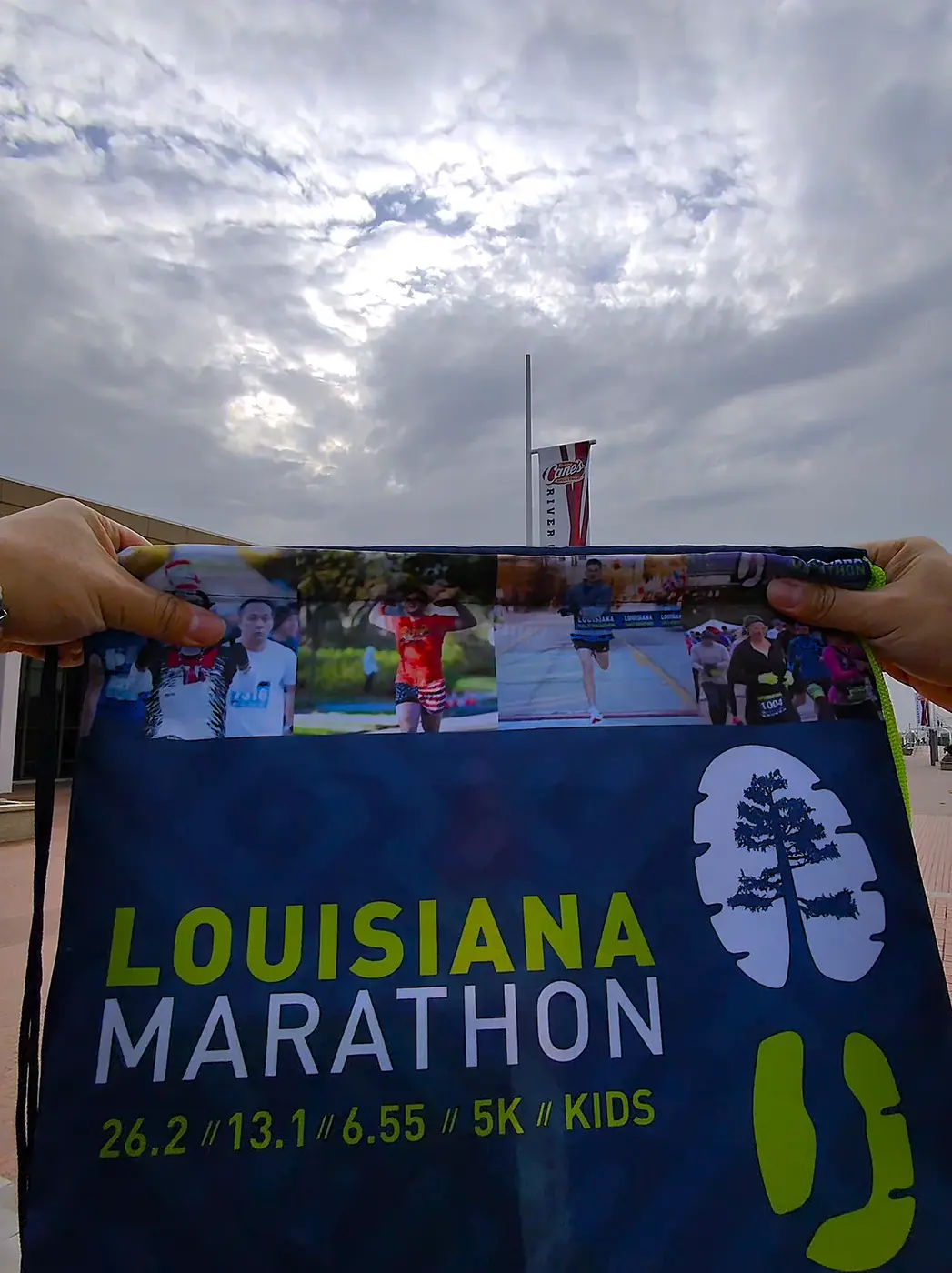
We drove directly to the Expo location downtown, off N. 4th St., not far from the Old State Capitol. The entrance was lively, volunteers handed out bib numbers, mine was 2110, and there was a track route map on the display board. The ceremony was in place.
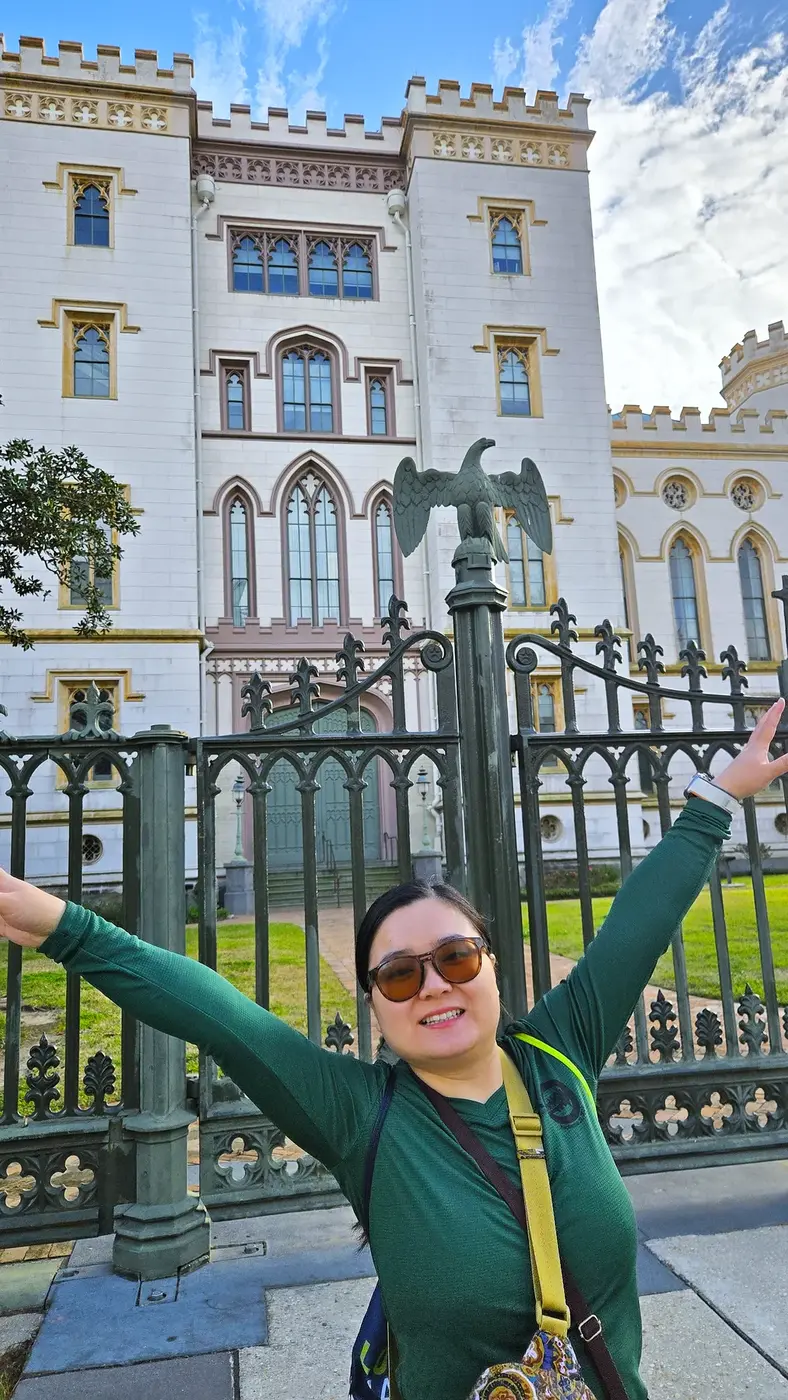
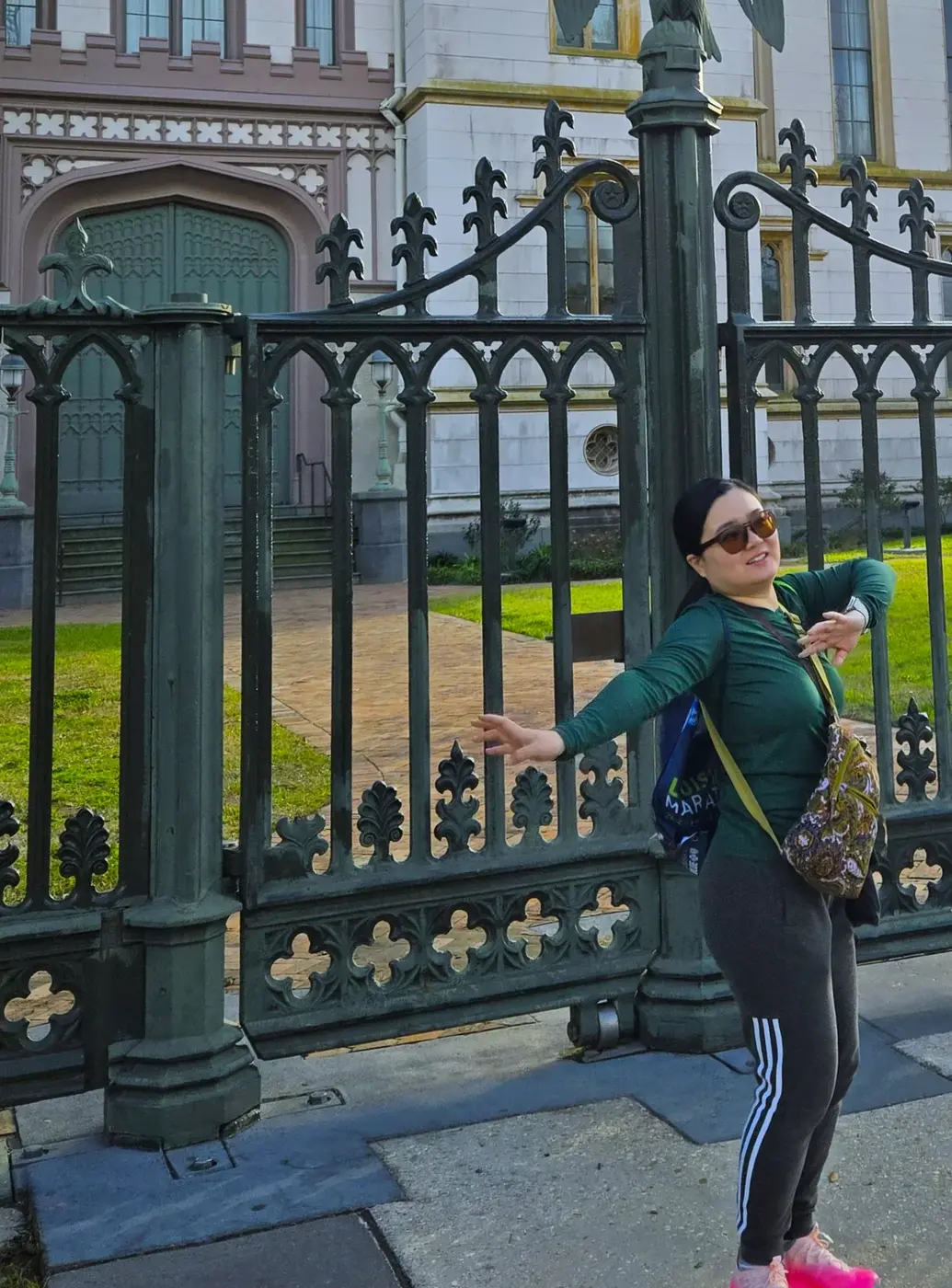
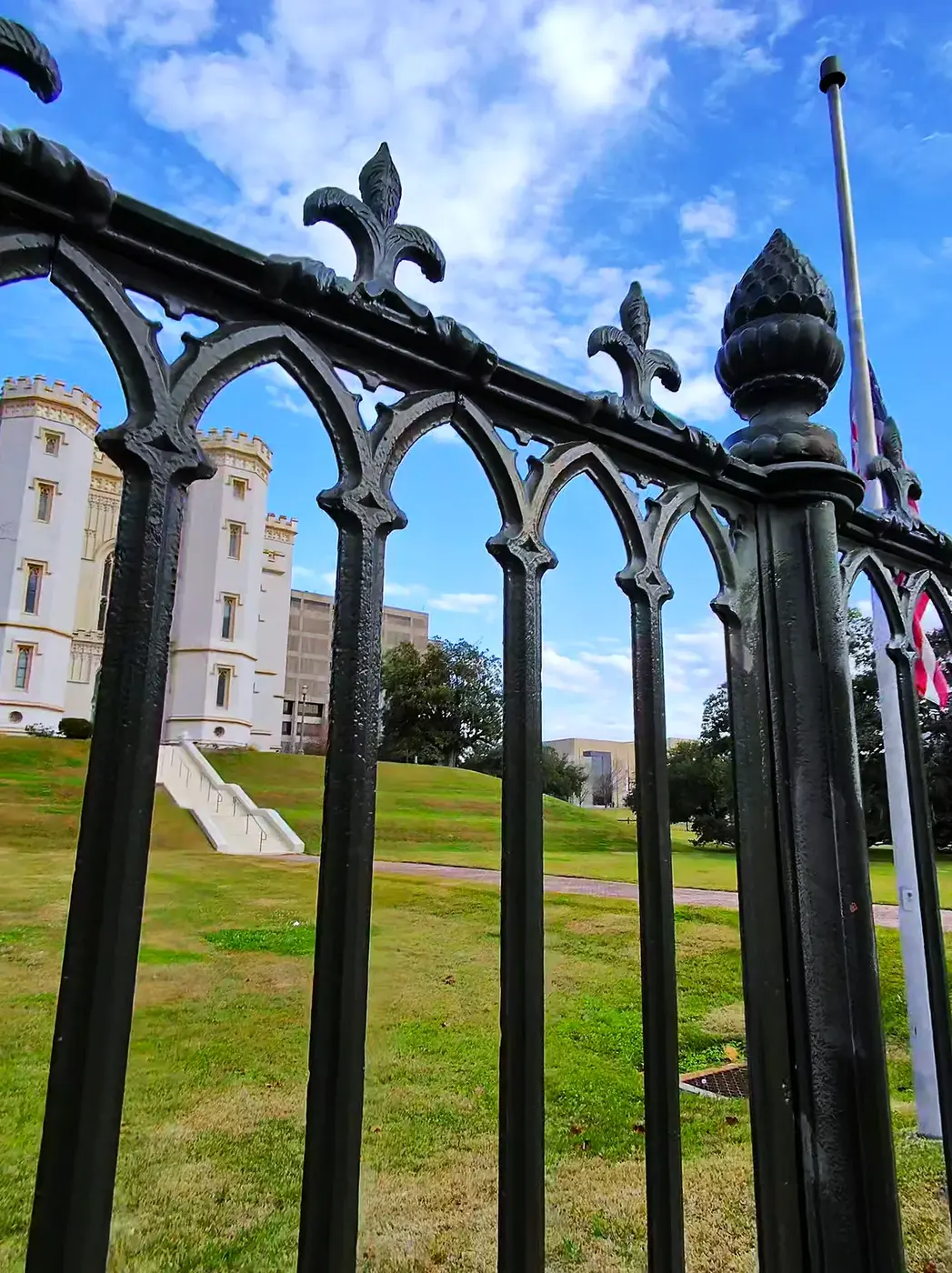
Outside the exhibition hall is a white castle-like building, the Old State House. The Gothic-style building built in the 19th century is called the "Castle of the South" because of its unique shape. It witnessed the Civil War and was a political center. It is now a museum. Under the sun, the contrast between the white wall and the blue sky is sharp and powerful.
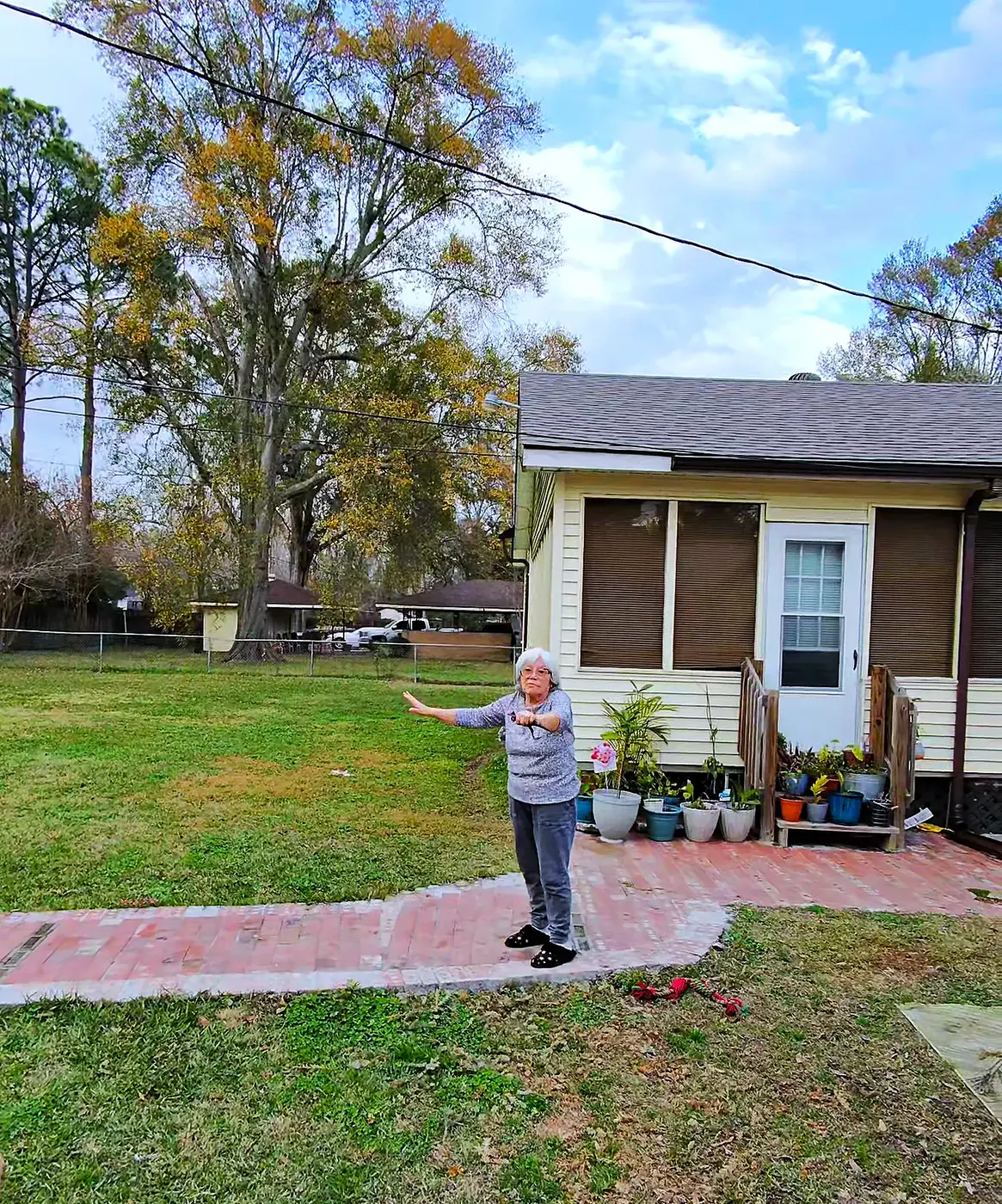
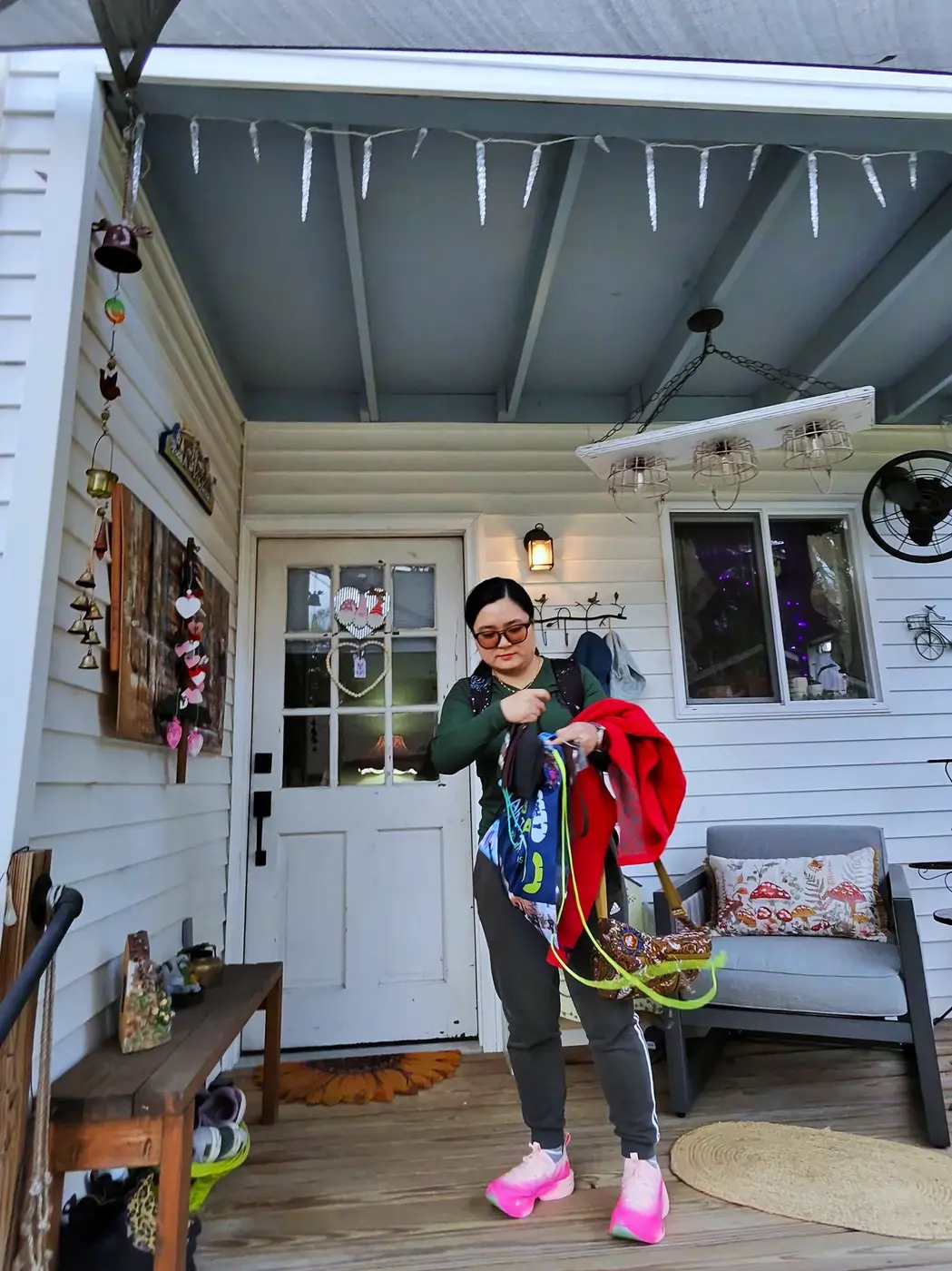
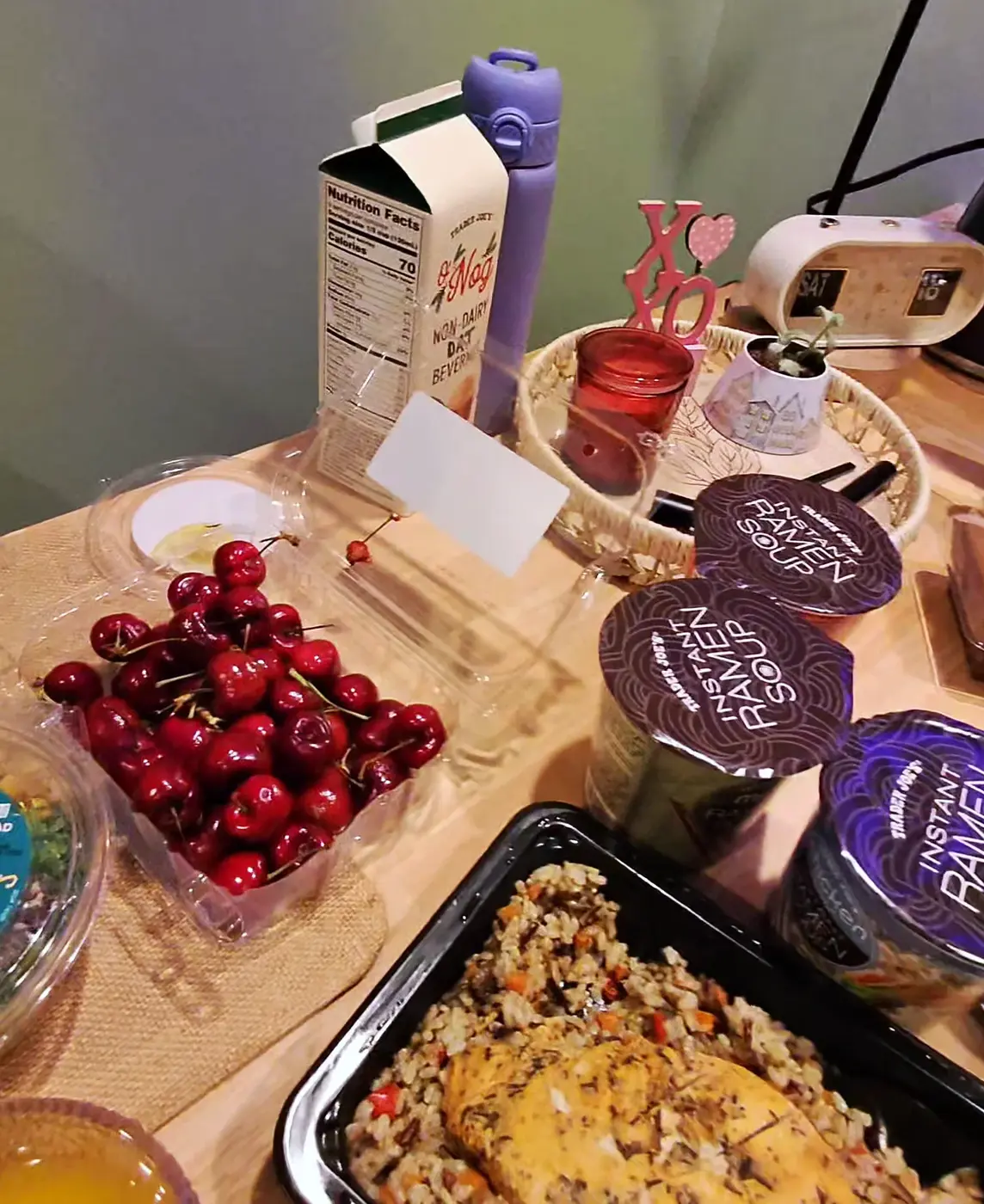
In the evening we went to the supermarket and bought cherries, salad, instant noodles, and a box of dairy-free egg milk drinks. Carrying the things back to the Airbnb, the wooden house in the small courtyard was quiet and cozy. There is a small balcony and rocking chair at the door, with some decorations hanging. After packing his gear, Siqi laid out his running shoes and race bag. The preparations for the race are complete and we are waiting to start tomorrow on the banks of the Mississippi River.
FIELD NOTE 04
Chapter 3|Baton Rouge Morning · LSU’s Purple and Gold Track
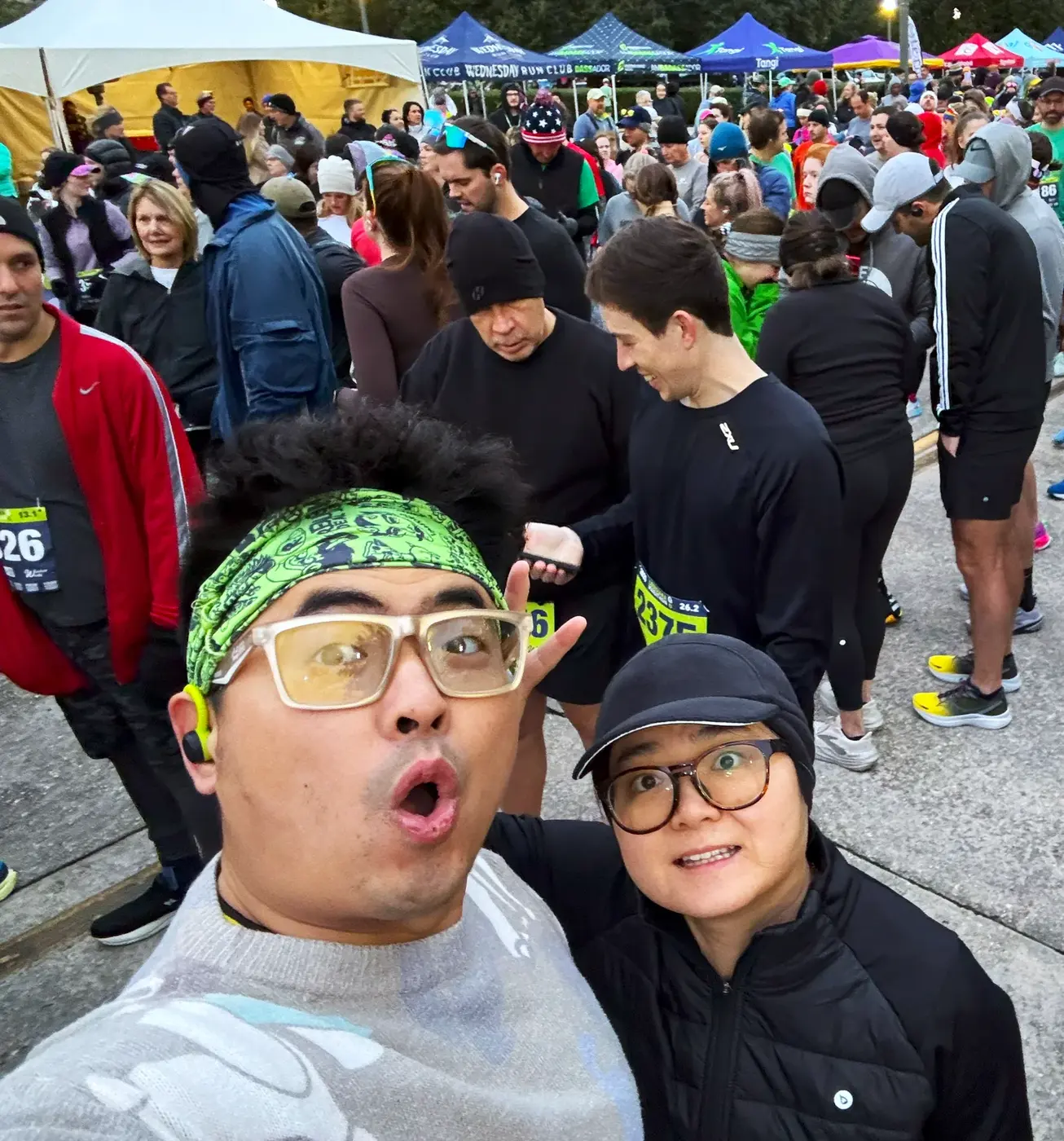
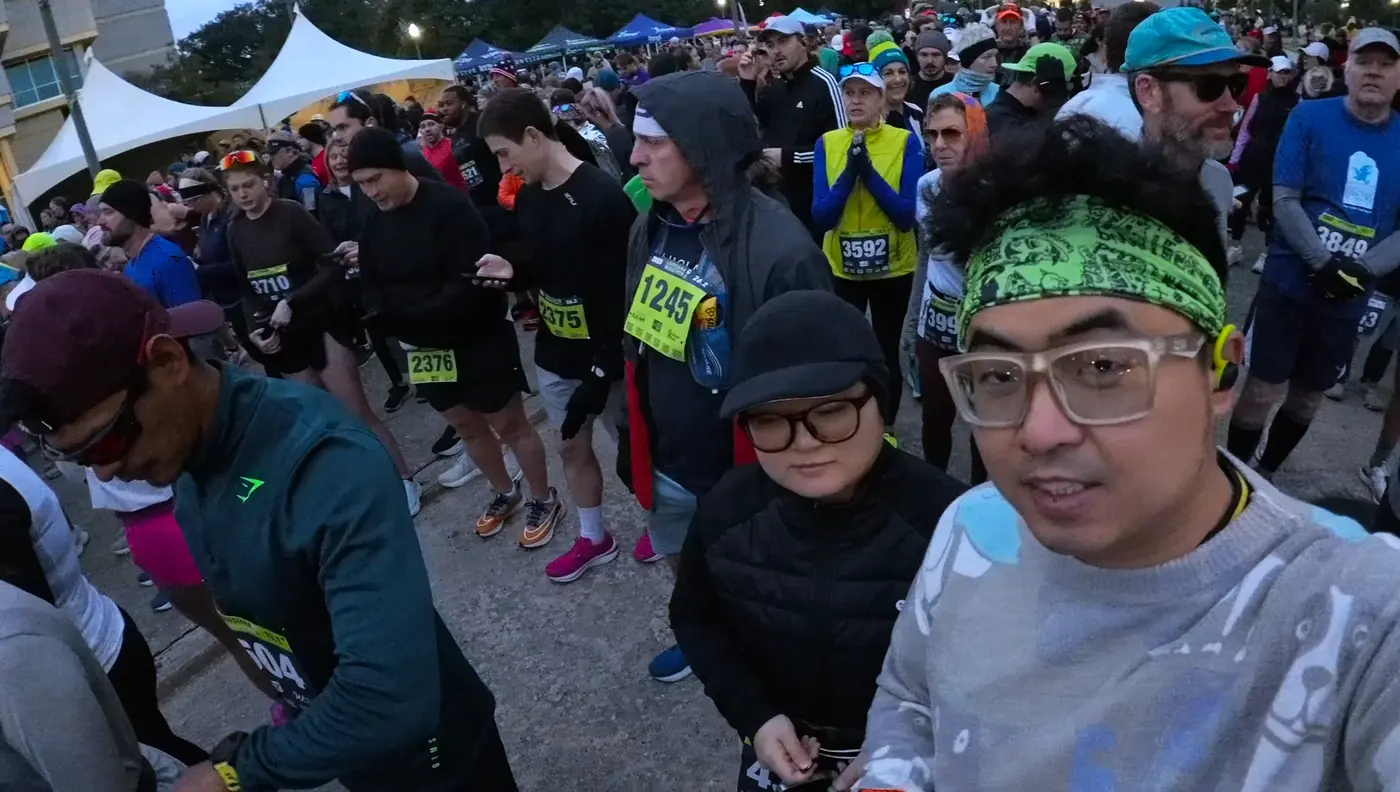
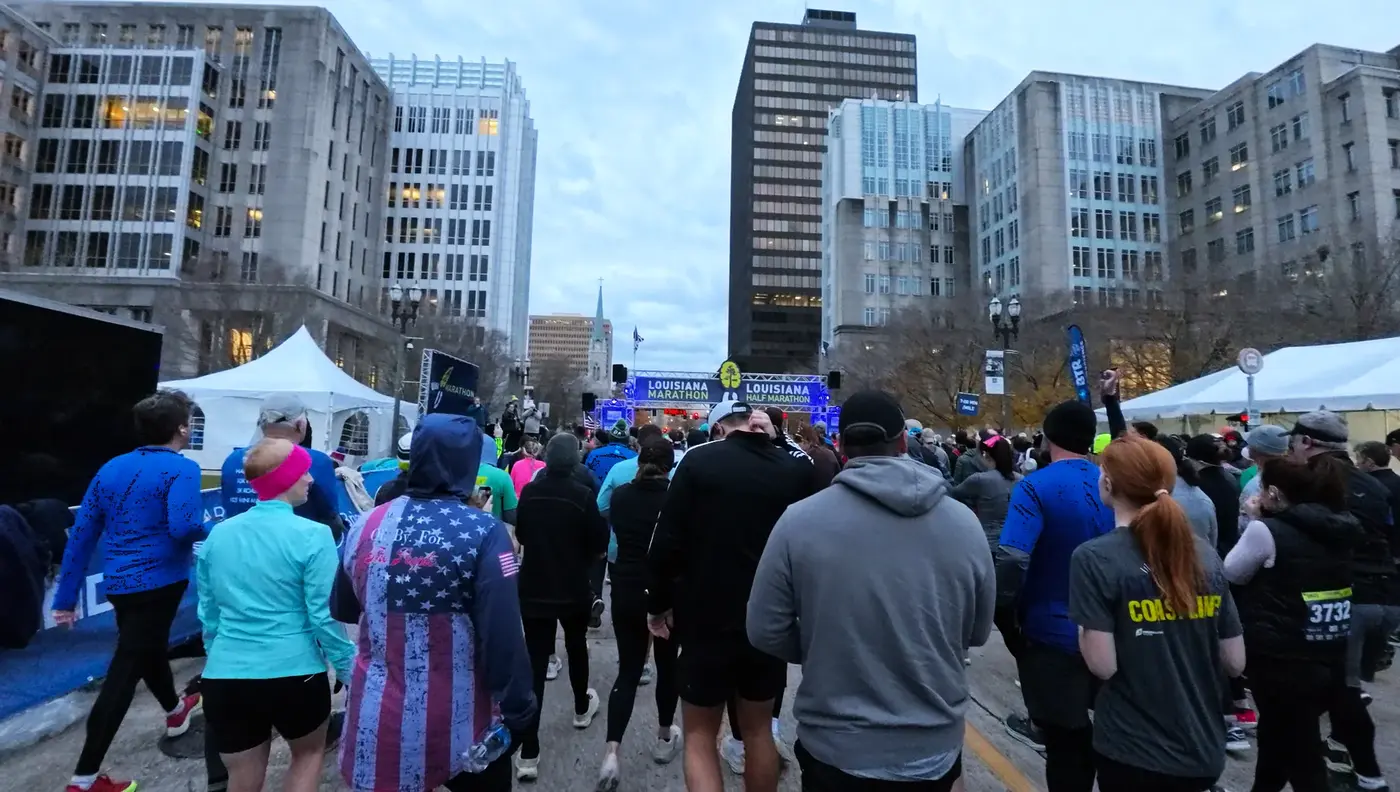
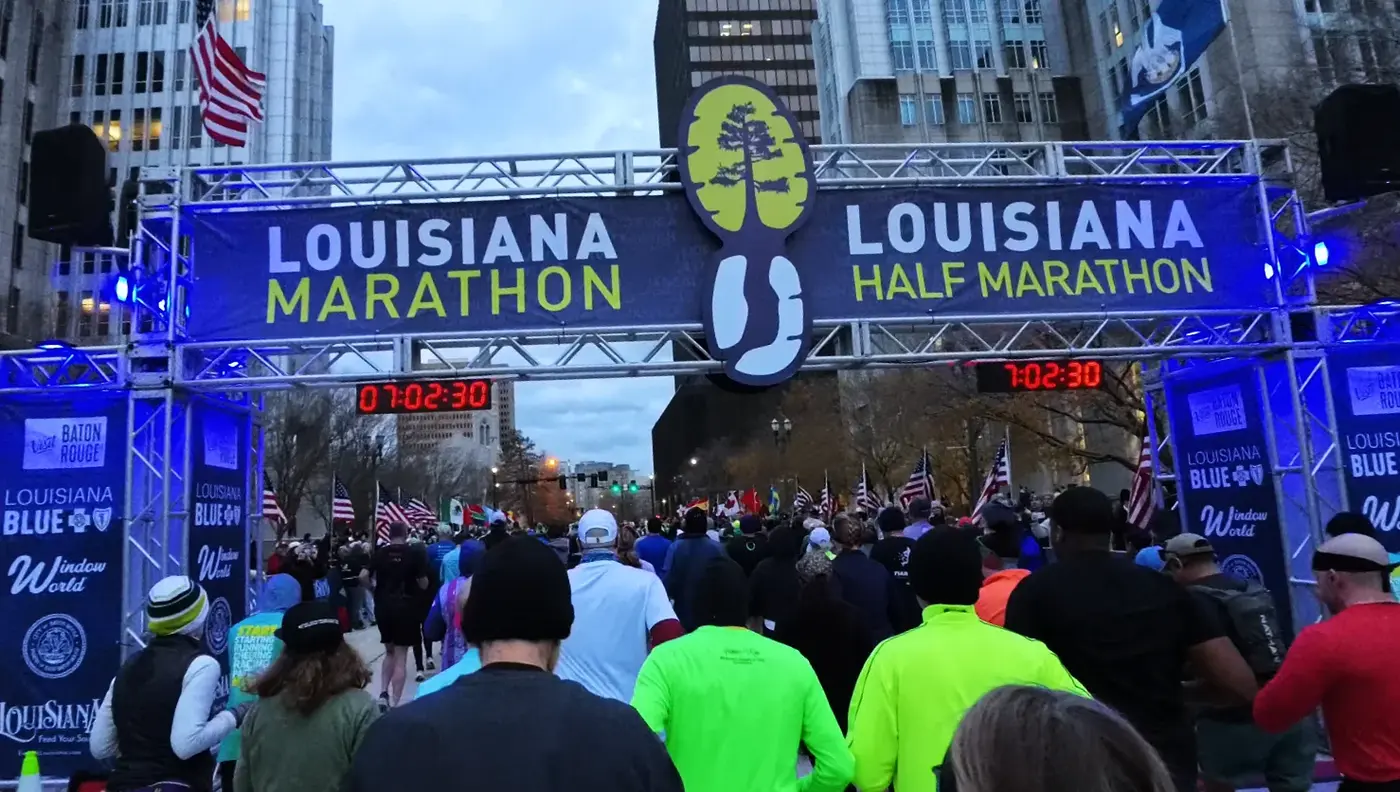
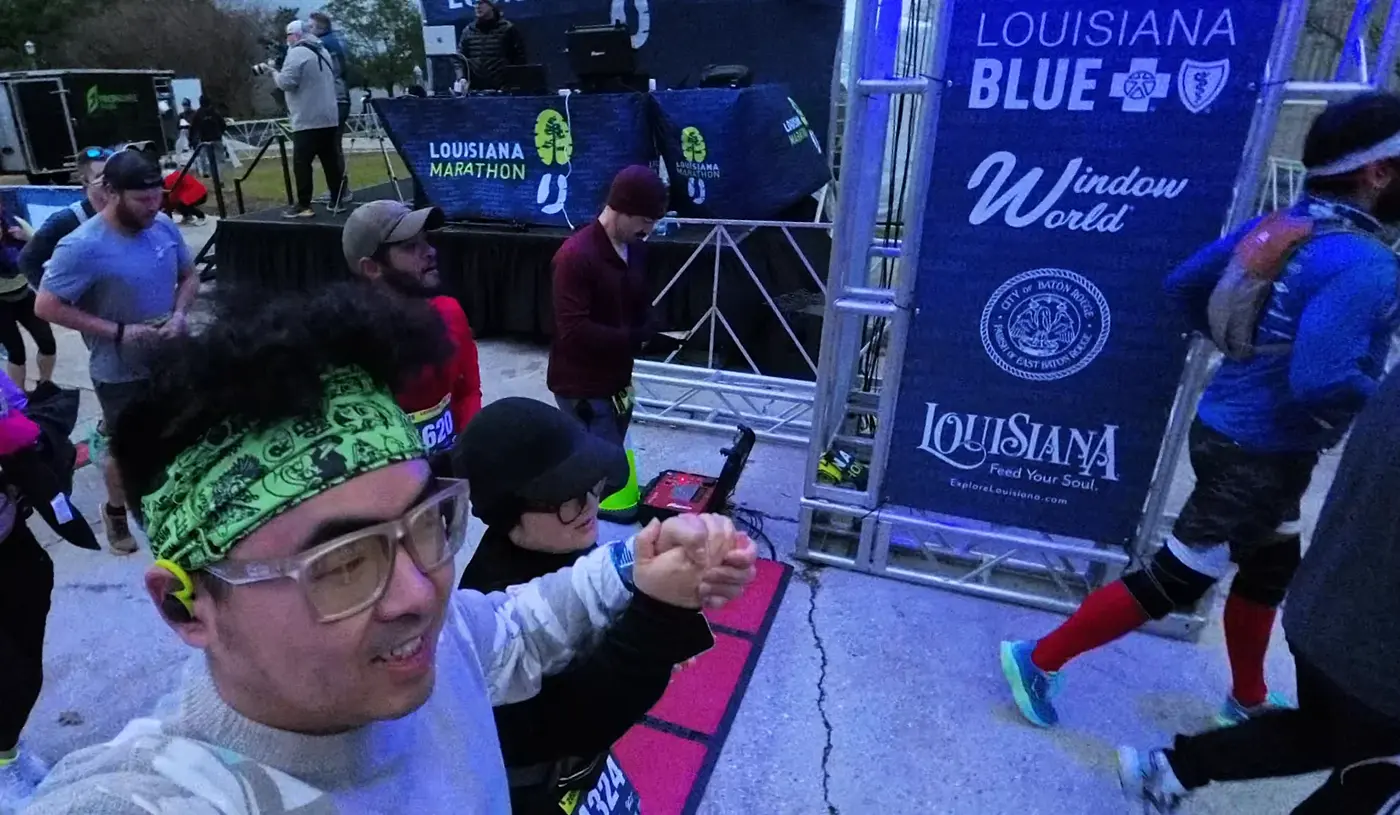
Early the next morning, before it was fully light, we headed to the starting point of the marathon. The Louisiana Marathon starts and ends at the North Boulevard Town Square in downtown Baton Rouge. It is flanked by high-rise government offices on both sides. Arches have been erected in the square and crowds have gathered.
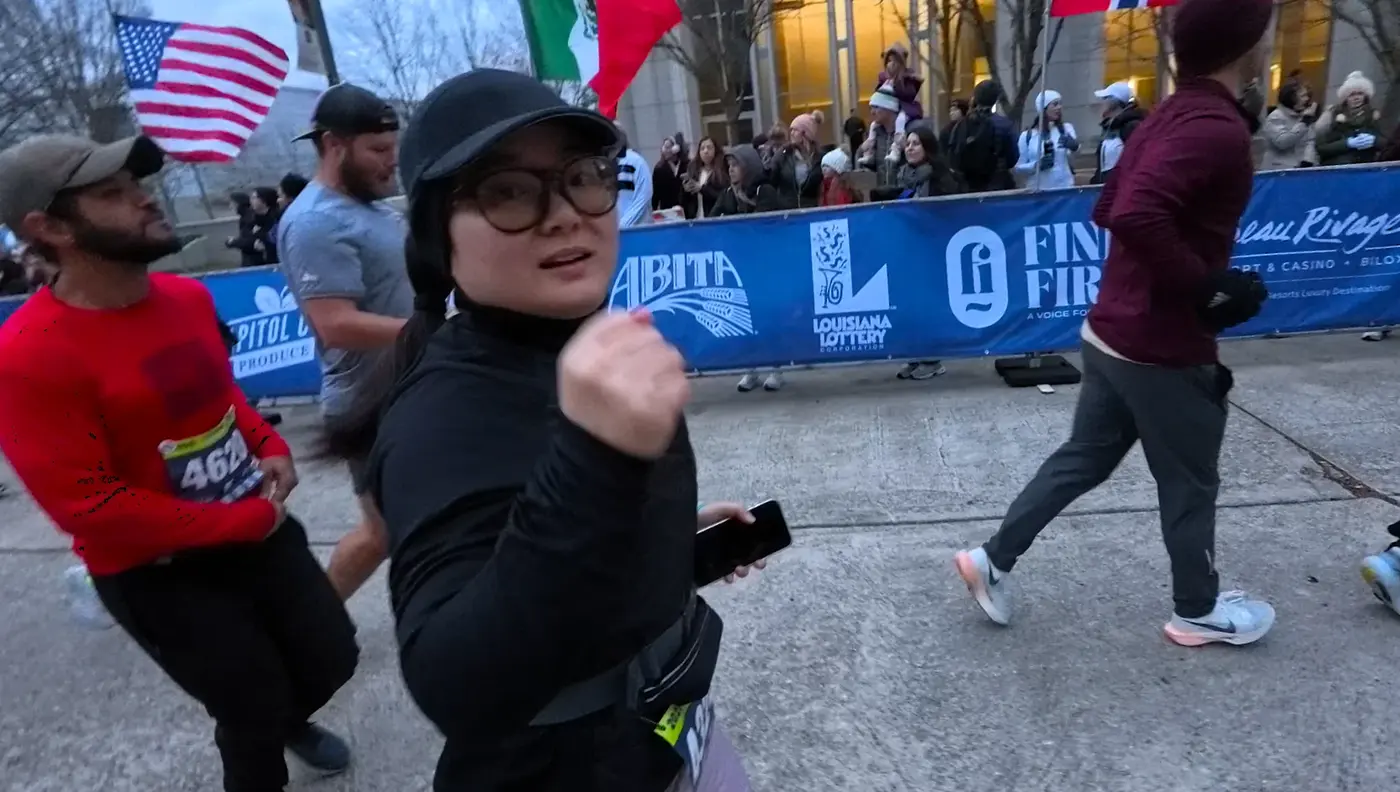
Dubbed “one of the most scenic courses in the South,” the marathon’s route passes through downtown, neighborhoods, the riverfront and the LSU campus. The event was founded in 2012. Although it is young, it has become famous in the American running circle due to its scenery and atmosphere.
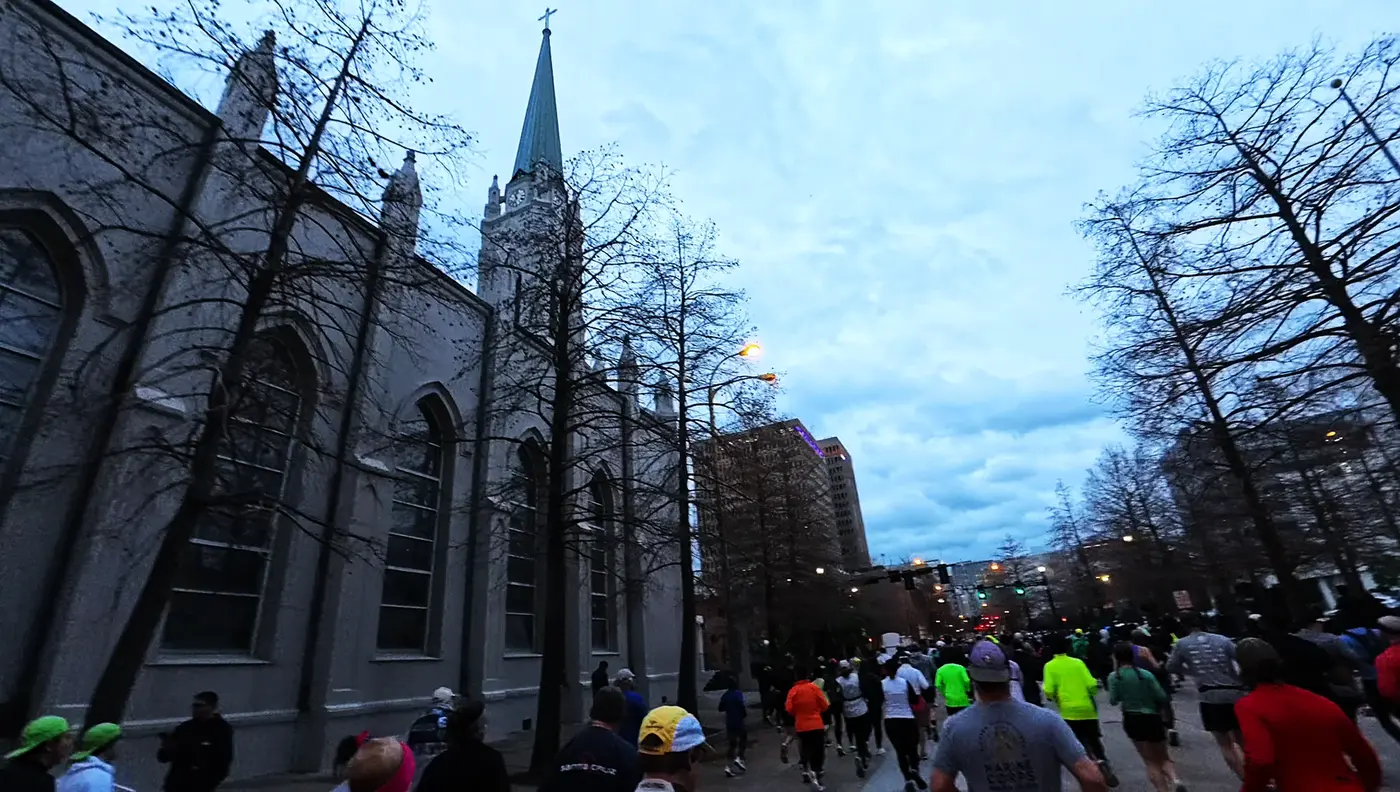
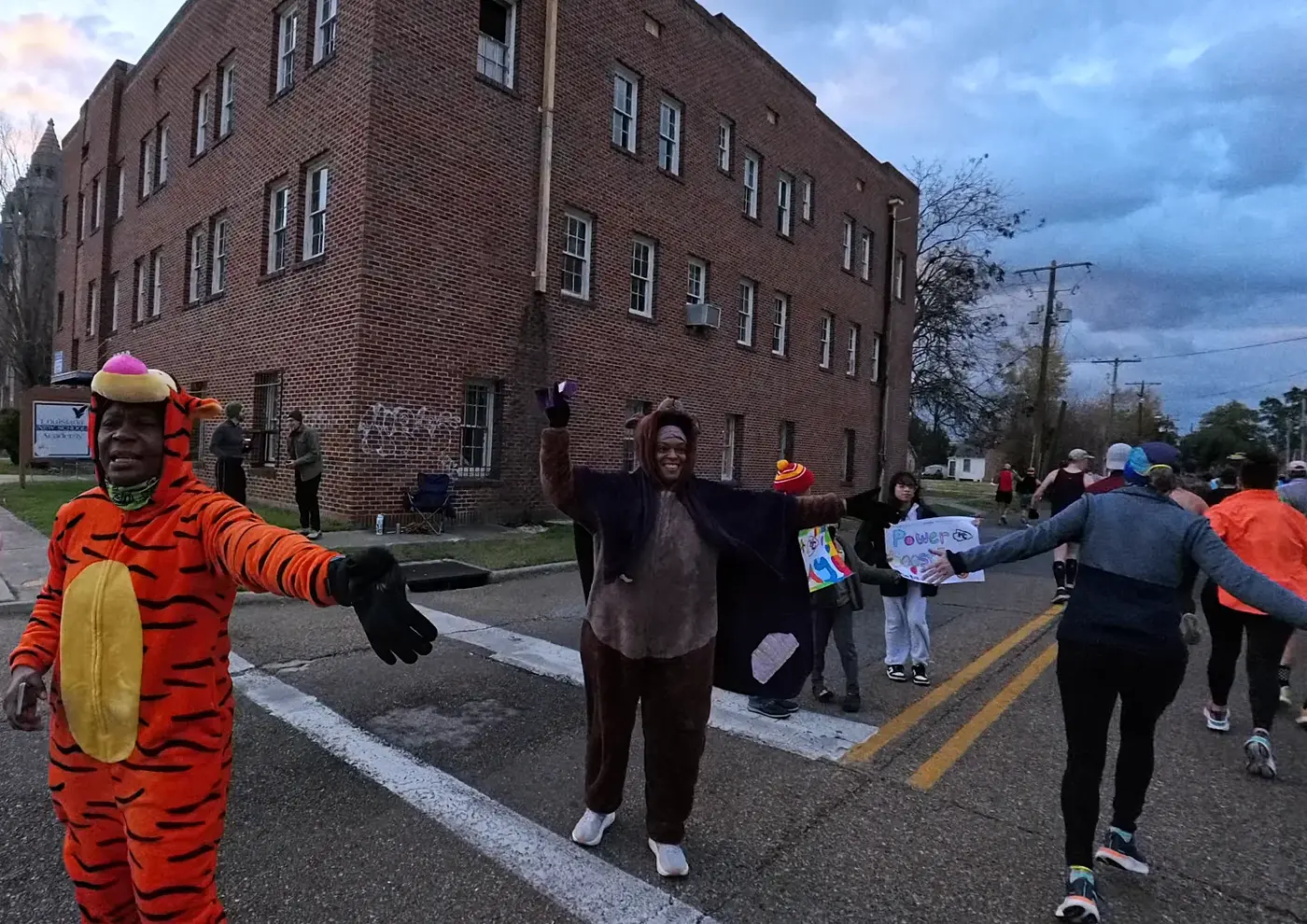
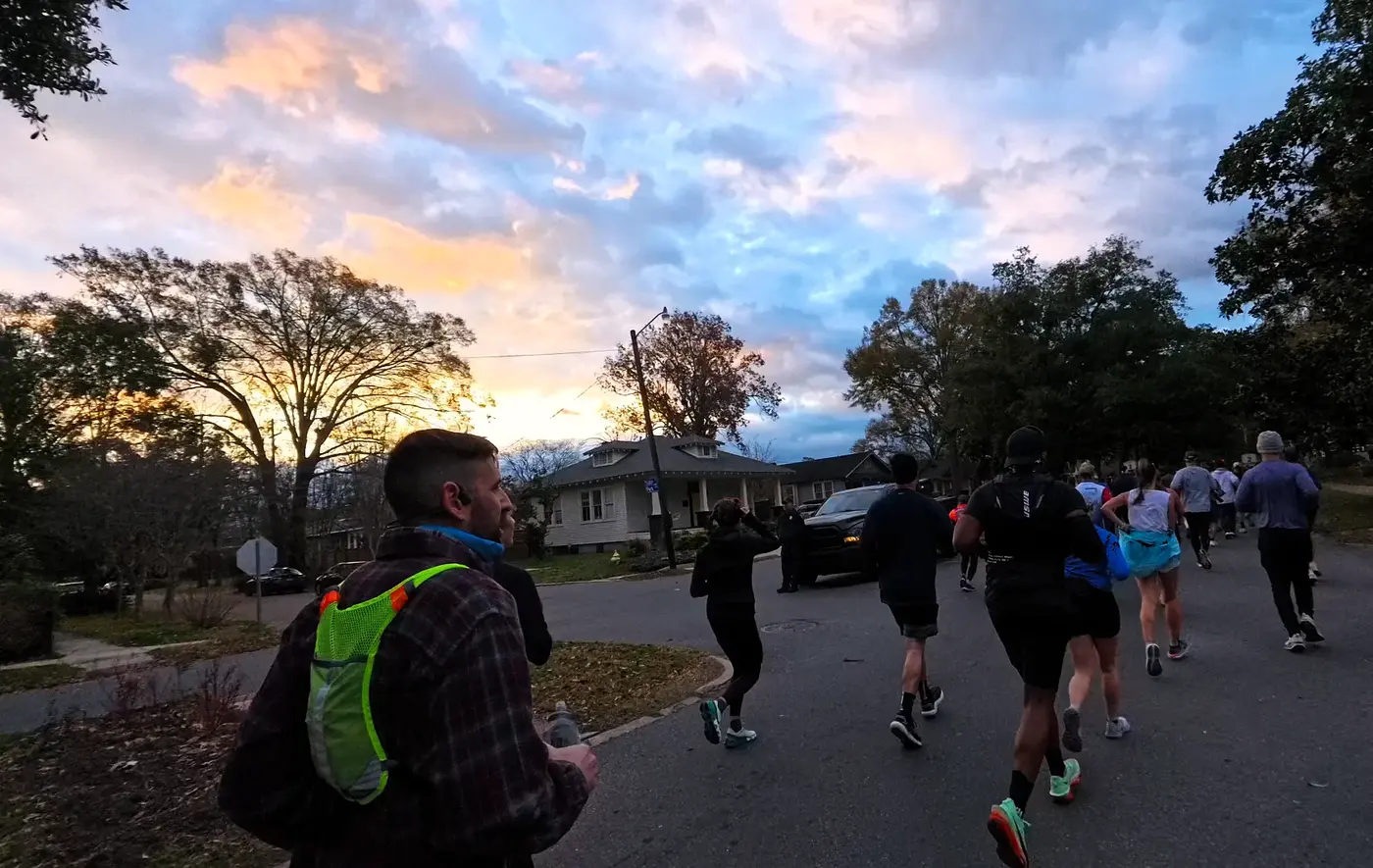
The morning air is still a bit cool, the church bell tower on the street stands quietly, and the clouds in the distance press the sky, which is very imposing. Along the way, volunteers dressed up as various cosplayers: some were tiger dolls, some were angels, and they enthusiastically reached out and gave runners high-fives.
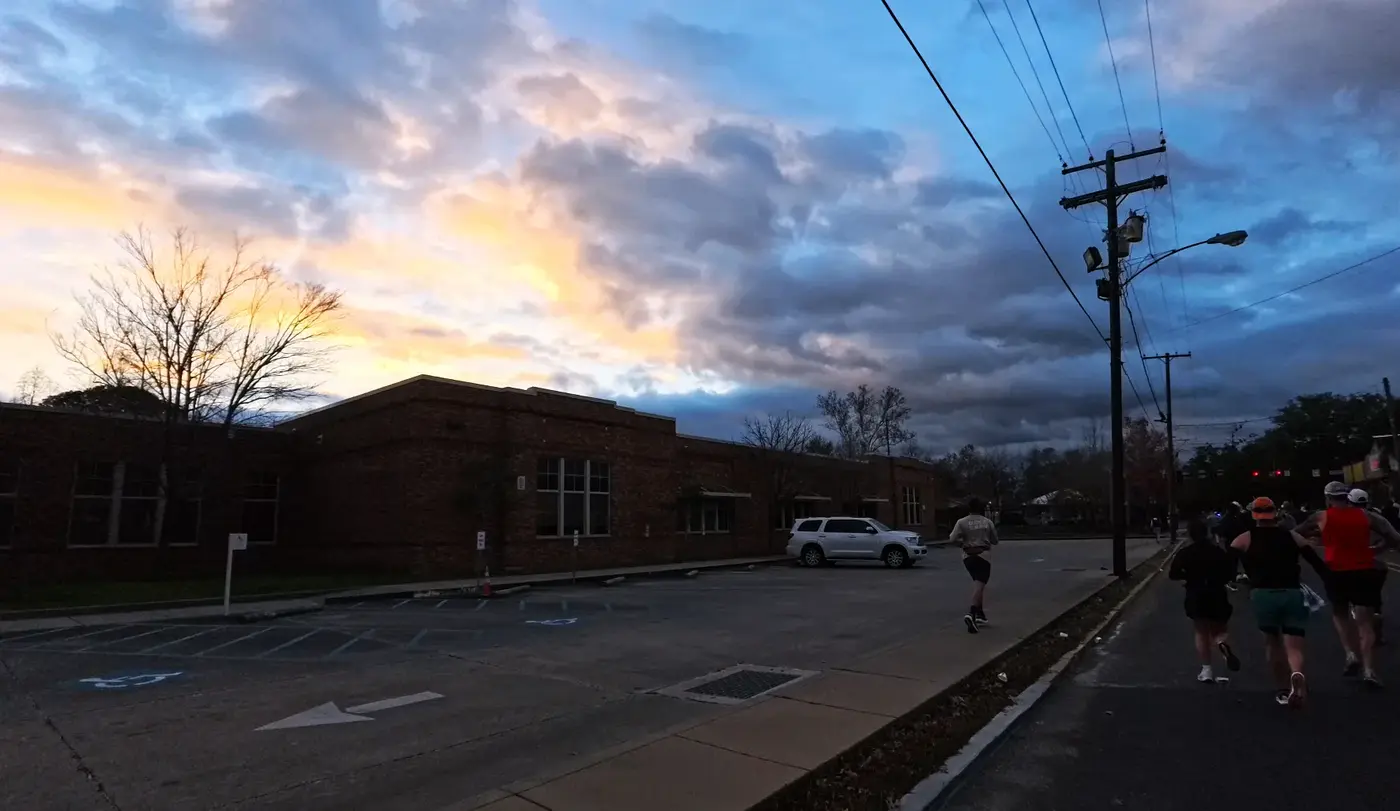
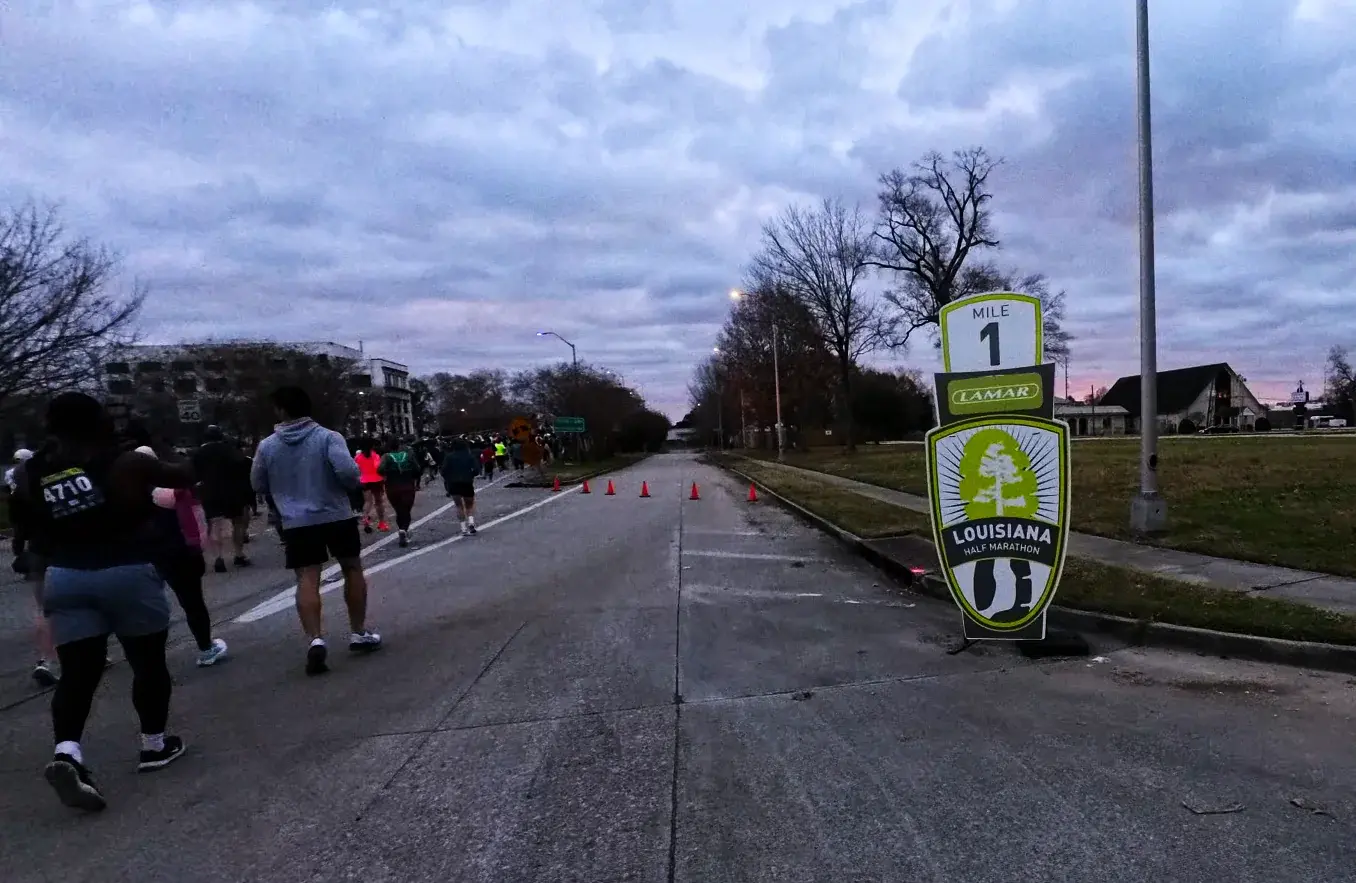
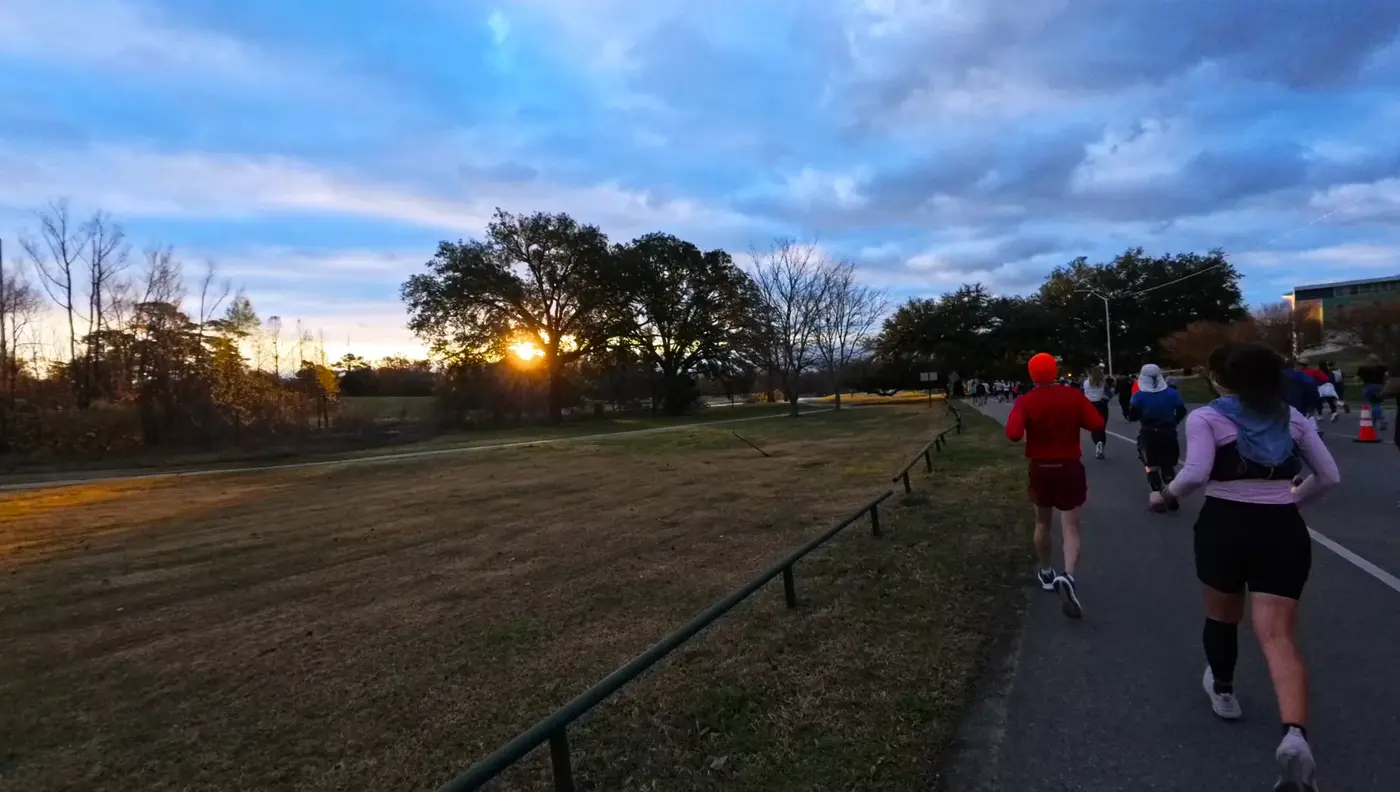
The sun slowly rises, the sky is dyed golden orange, and the clouds are rolling in more layers. The mile 1 sign appeared and the track gradually opened up.
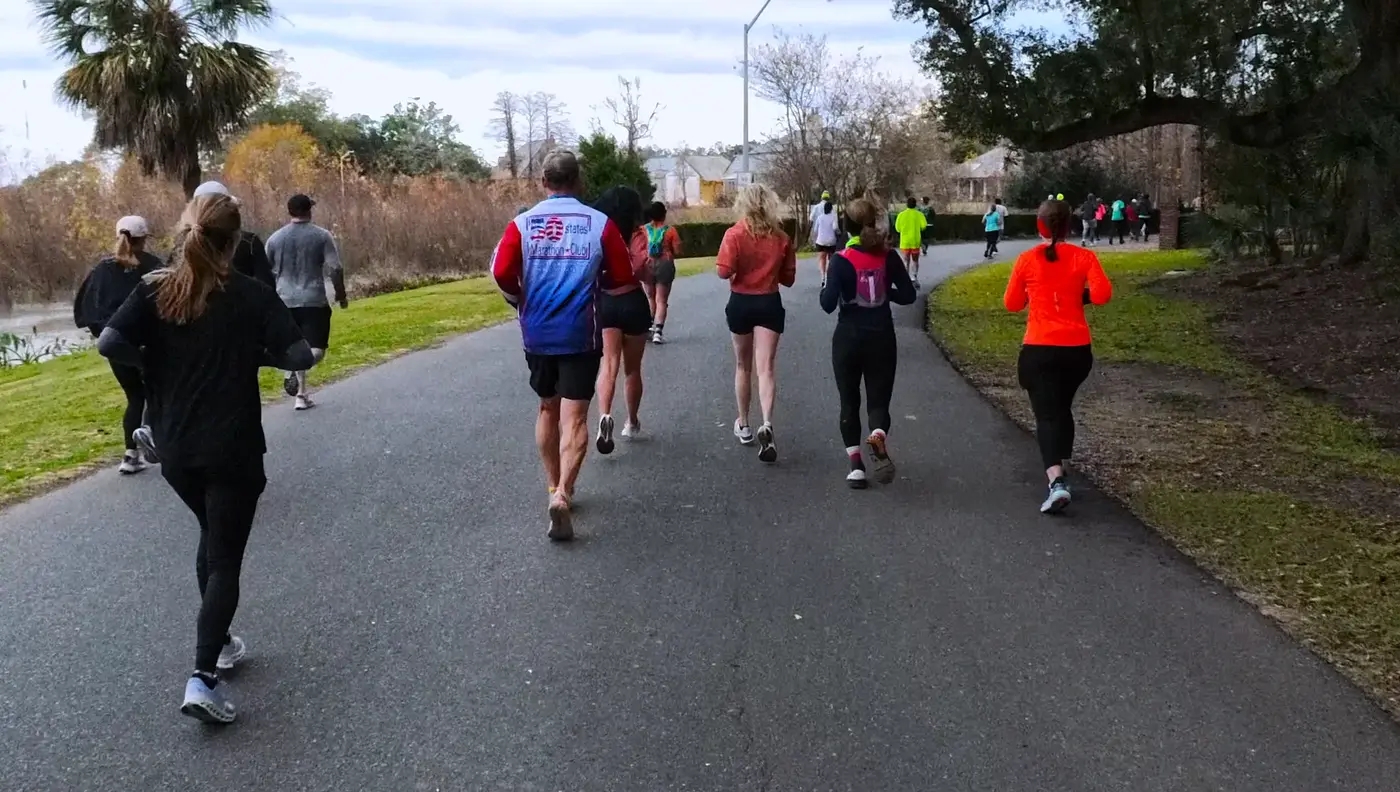
Around mile 2, I saw a runner wearing a “50 States Marathon Club” vest. At every race, there are always these legends who have completed all 50 states.
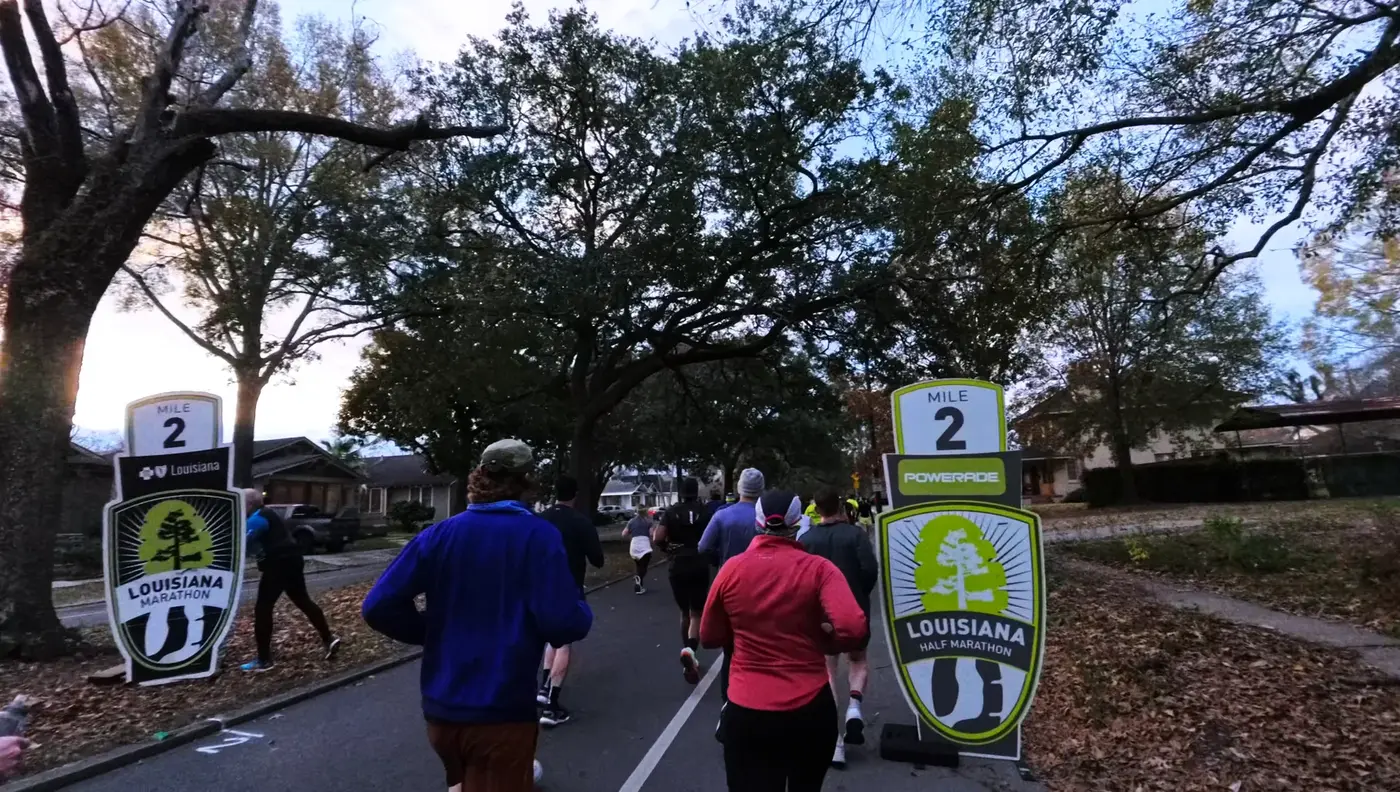
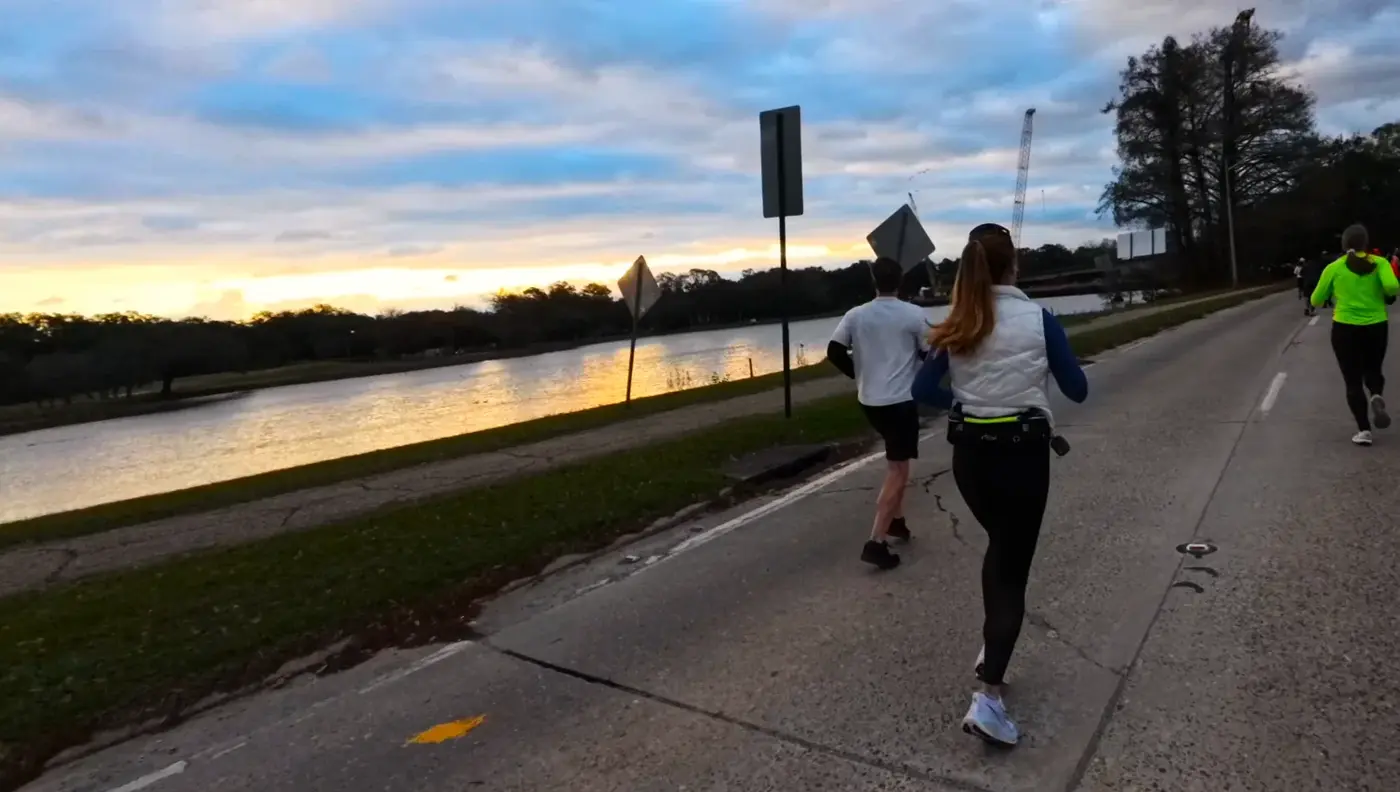
At 3 miles, the track reaches the lake next to City Park (City Park Lake/University Lake). The morning light shines on the water, and the golden light sparkles.
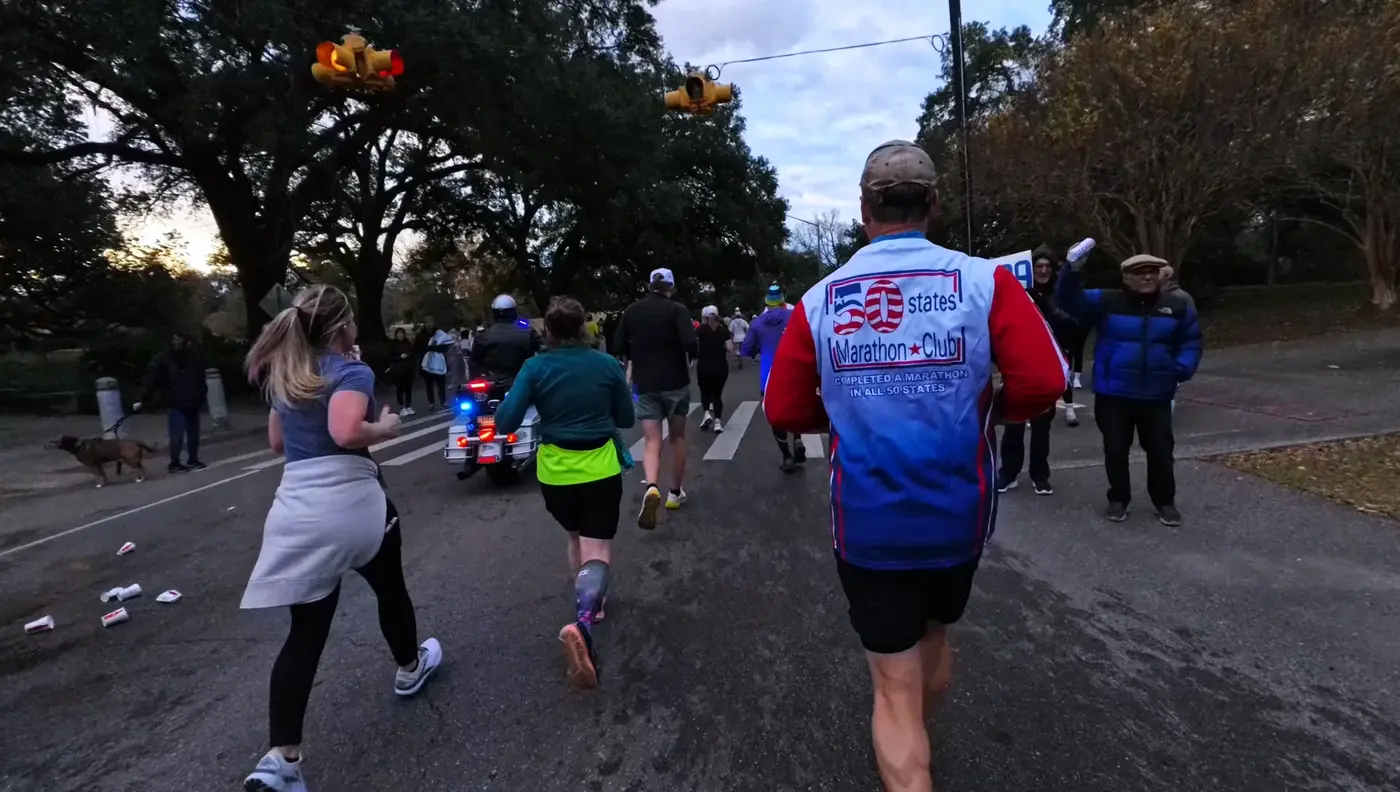
Further ahead is the track entering the Louisiana State University (LSU) campus. When I think of LSU, my first thought is women’s basketball. The year before last, our University of Louisville star Hailey Van Lith transferred to LSU, but unfortunately she was unable to lead the team to defend the title. This year she has joined the WNBA’s Chicago Sky.
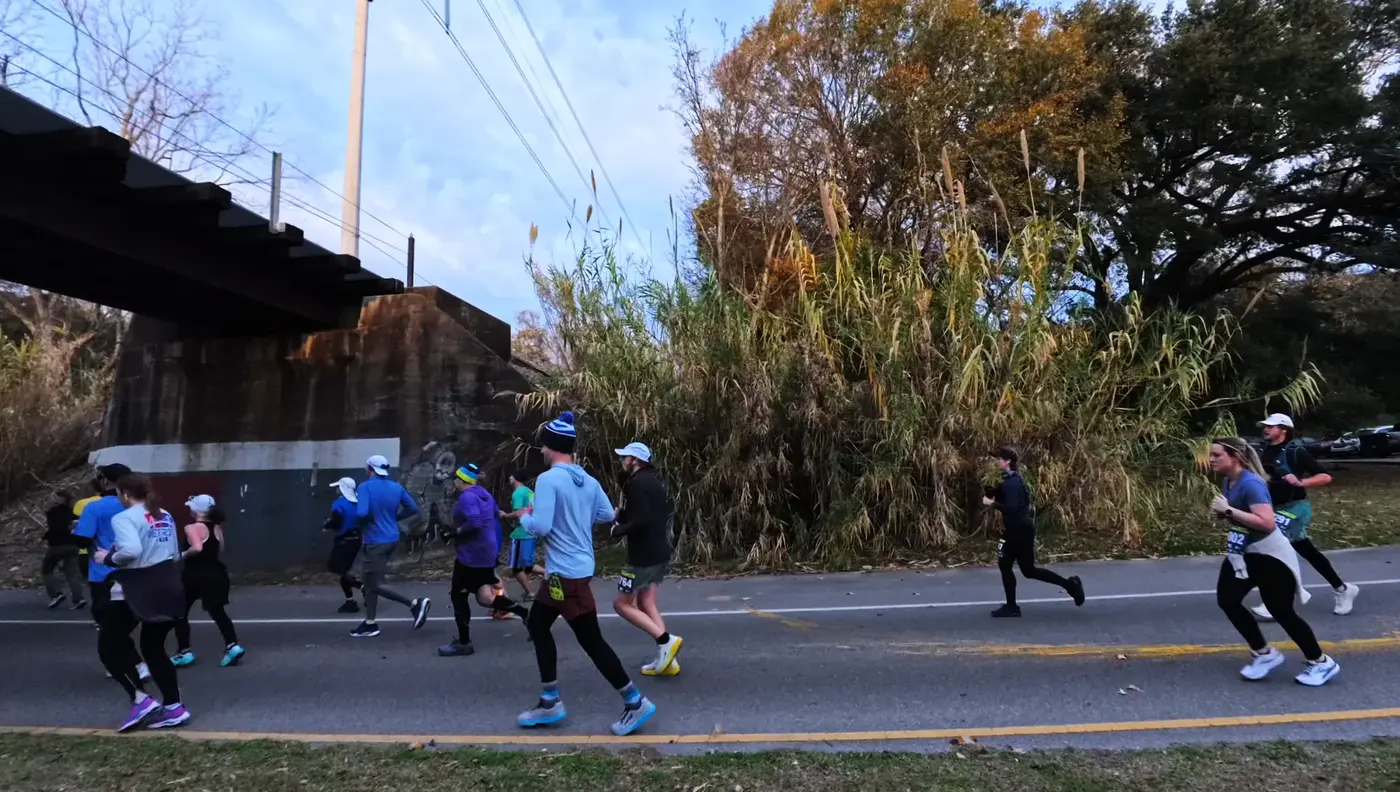
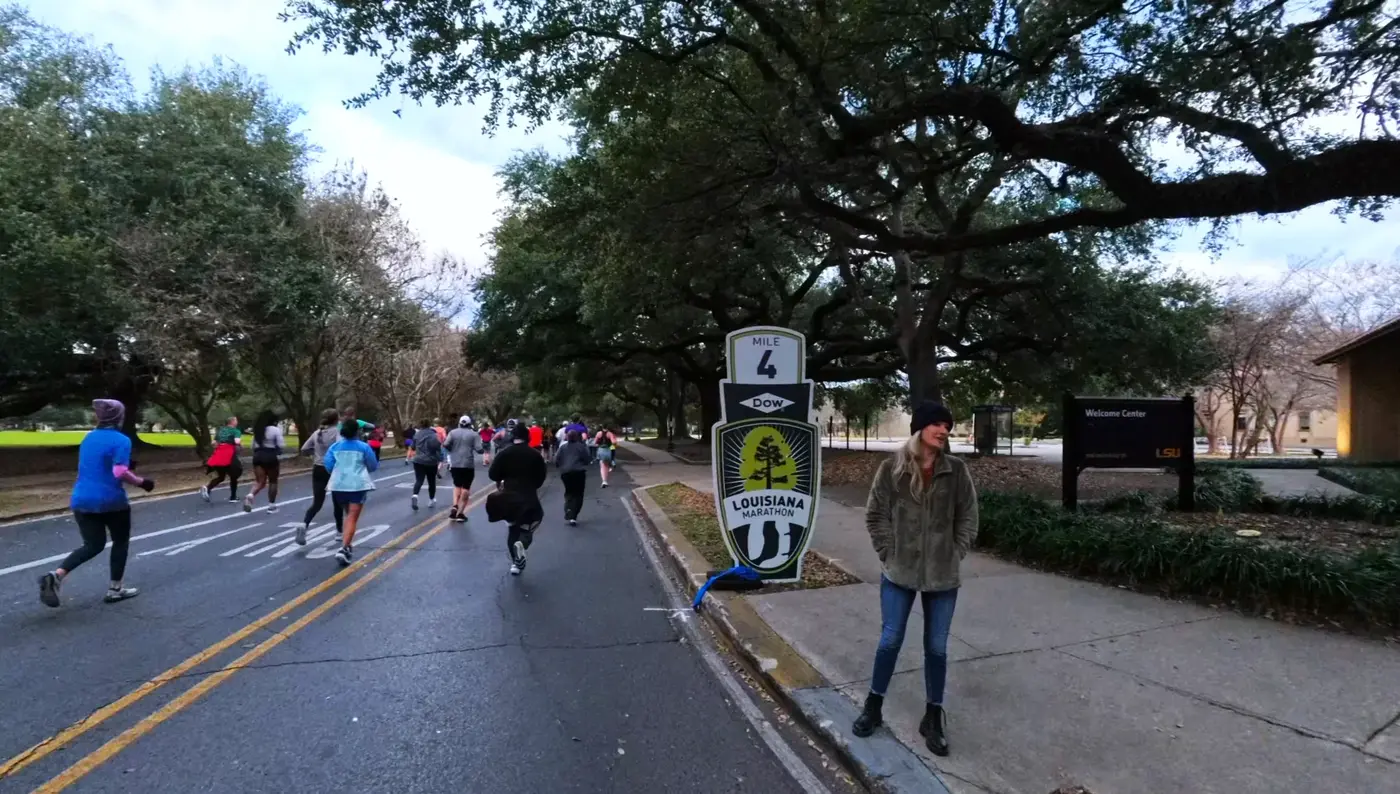
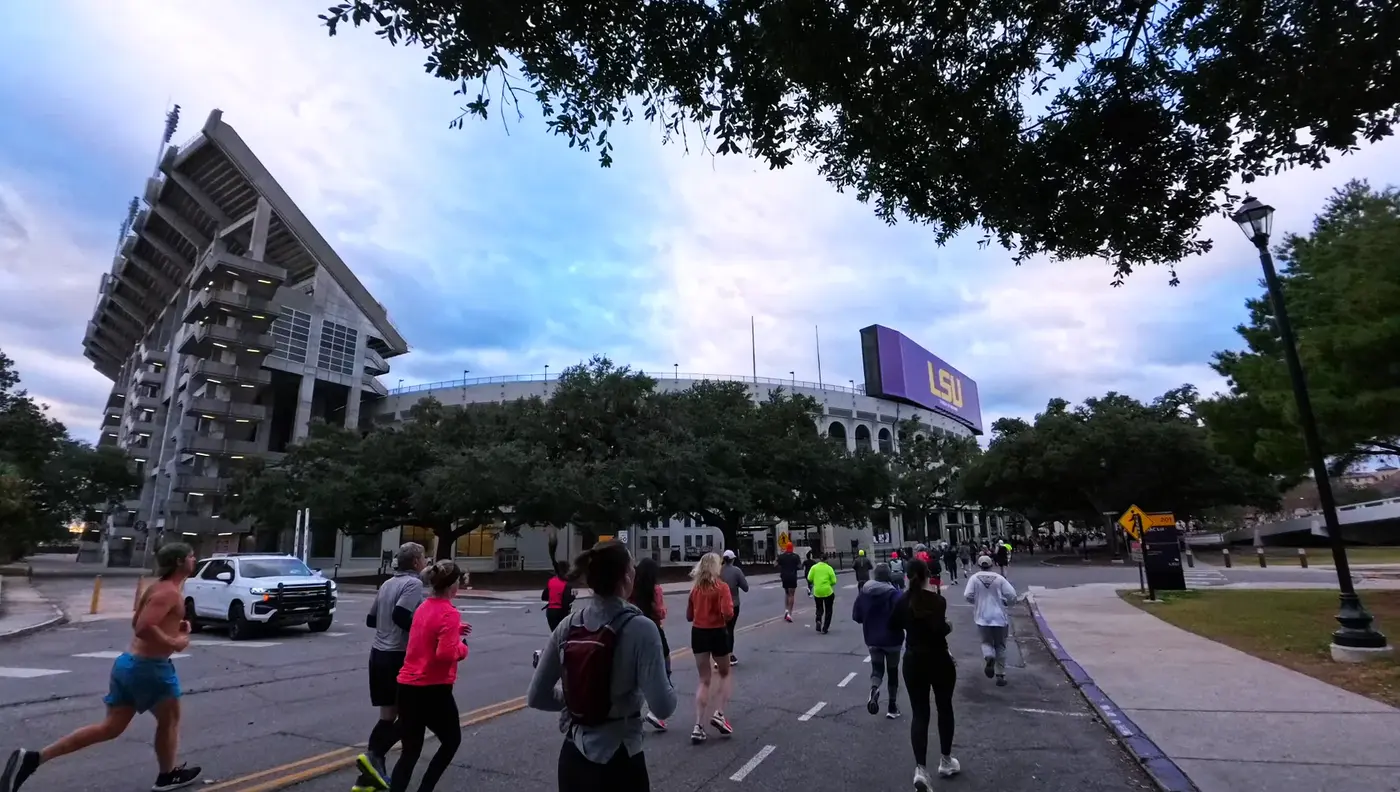
Running into the LSU campus, the atmosphere was completely charged. Four miles away is the huge Tiger Stadium, which can accommodate more than 100,000 people and is known as the "Valley of Death." Normally when an LSU football game kicks off, the whole city gets excited. Today, it serves as the backdrop for the marathon course, with spectators waving cheer signs and purple-and-gold enthusiasm surrounding the runners.
FIELD NOTE 05
Chapter 4|Jogging by the Lake·Beer and TikTok
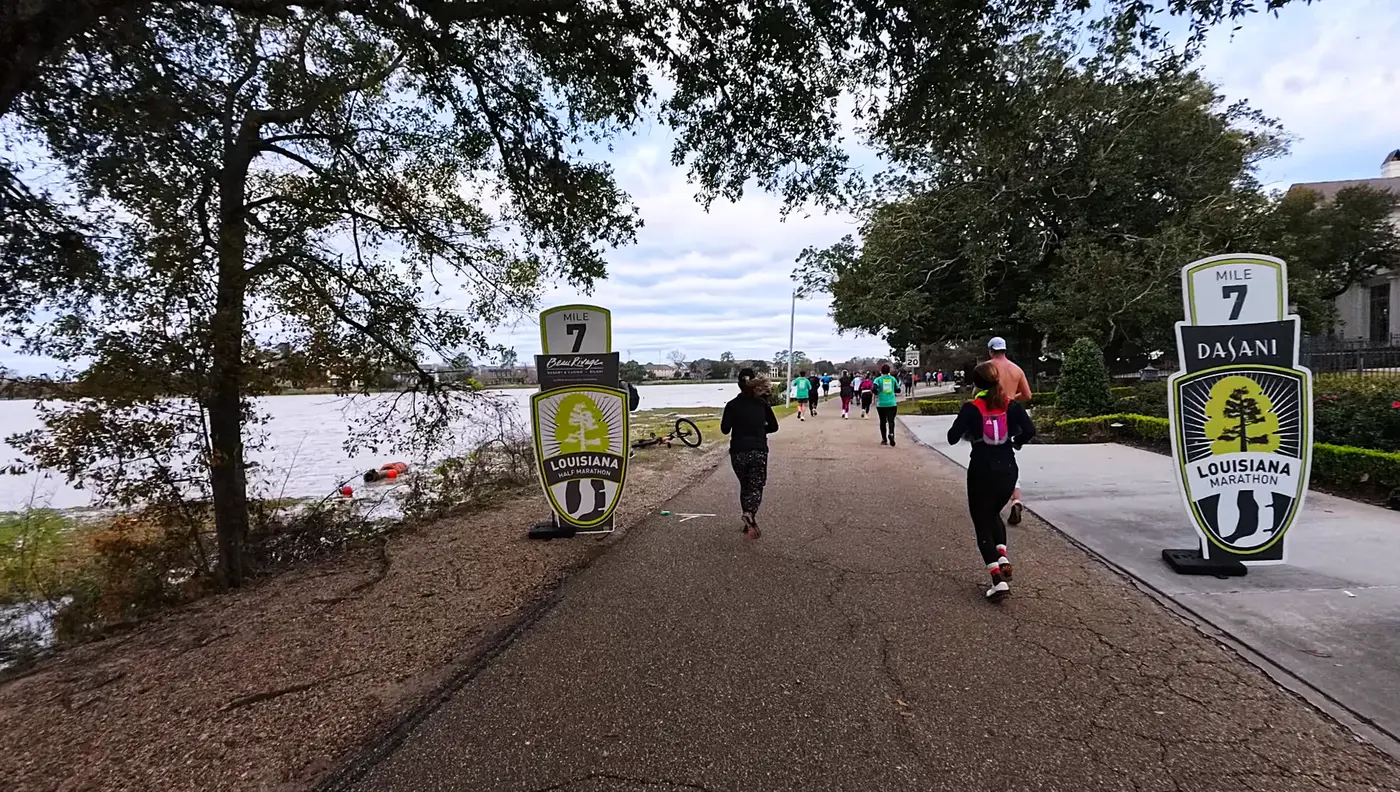
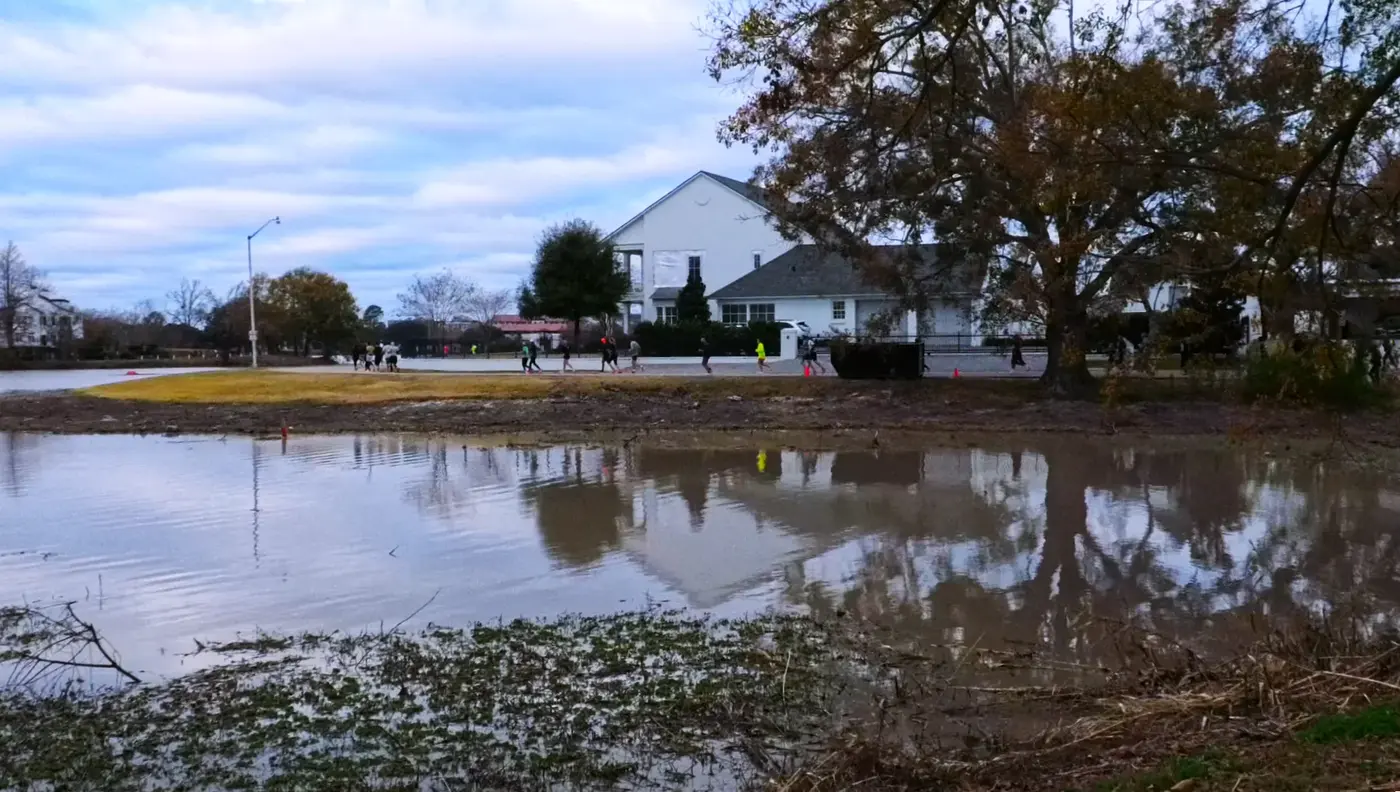
After 7 miles the track hugged the lake and ran away. It is also University Lake, close to the LSU campus. The water is wide, the wind blows over, and it is just cool. Photographers squatted by the lake early to capture the heroic figures of the runners.
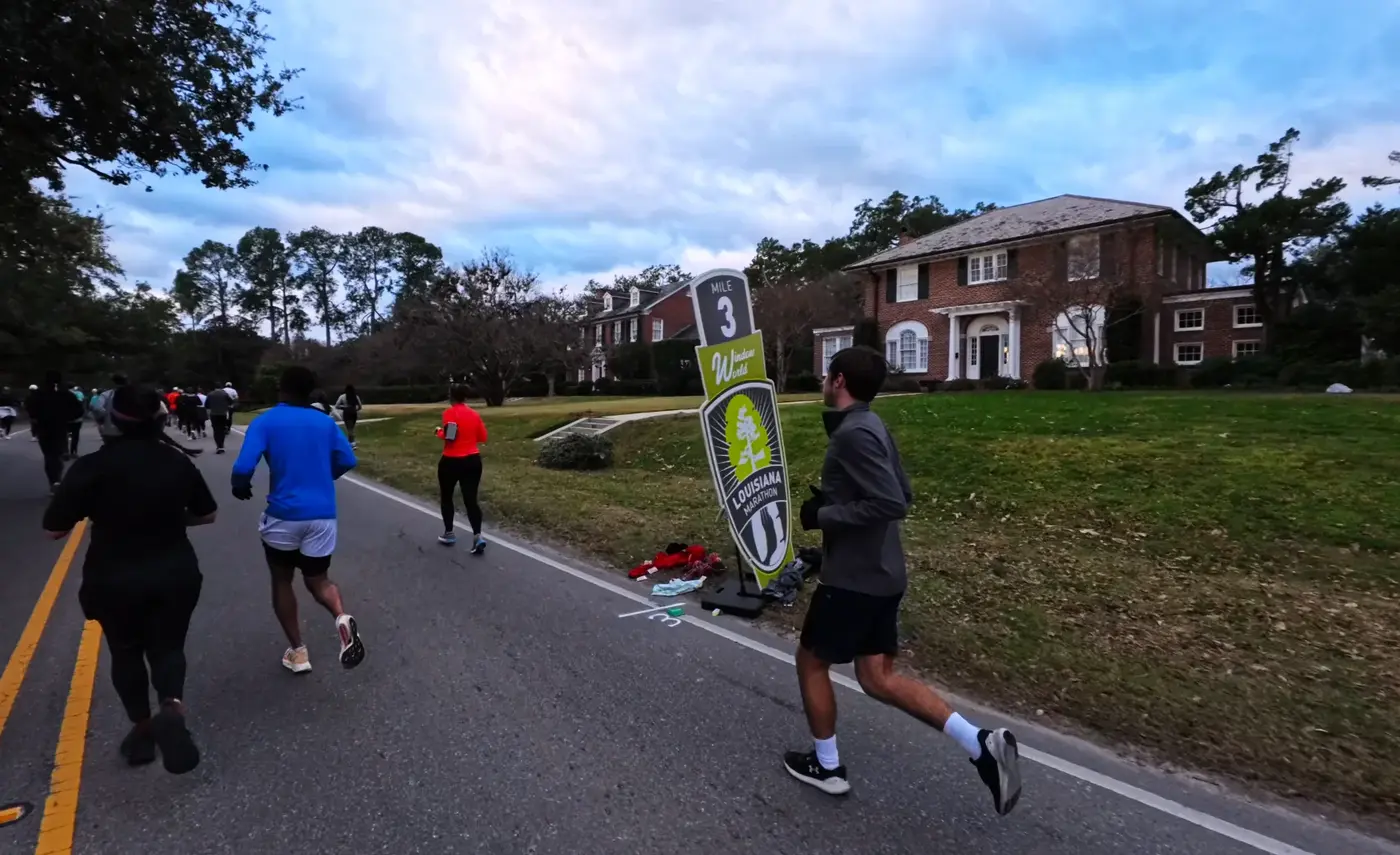
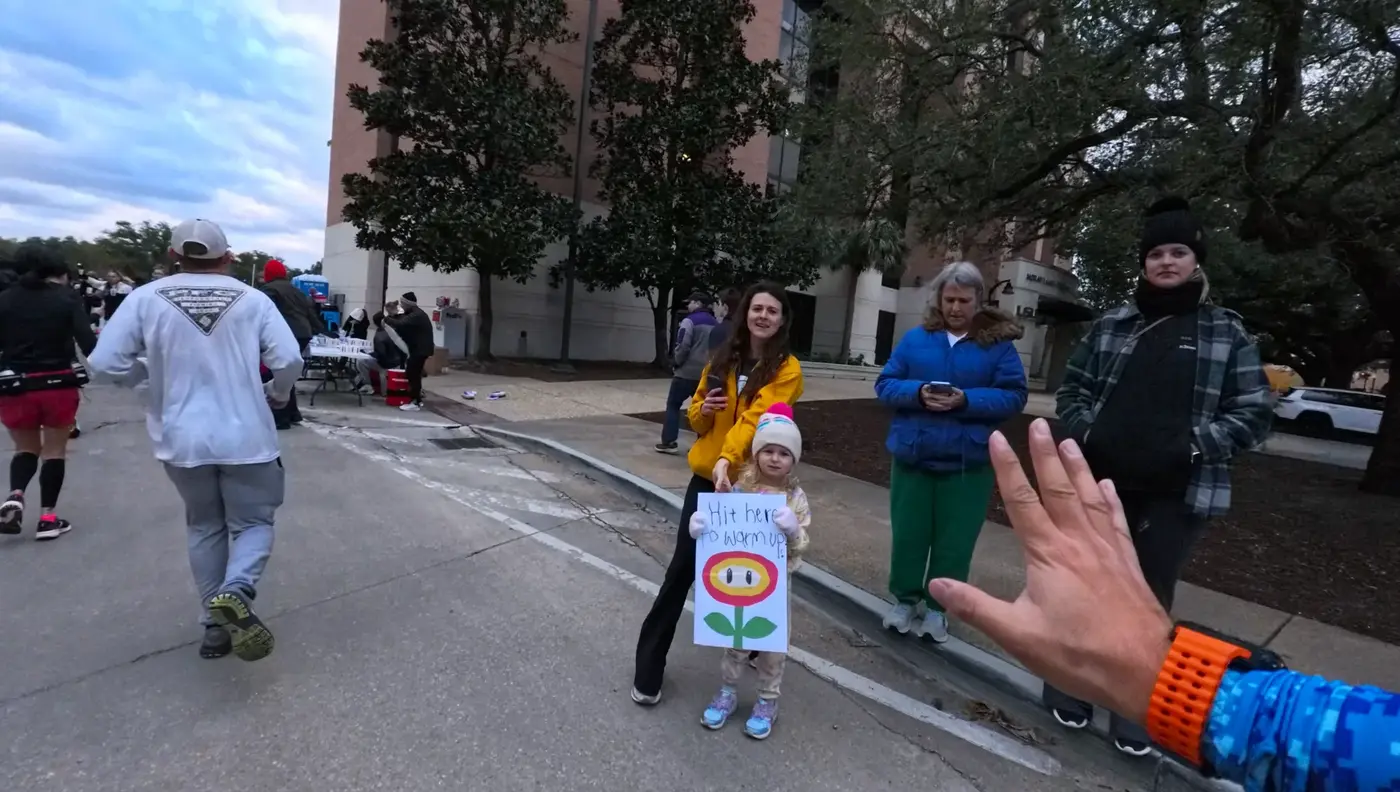
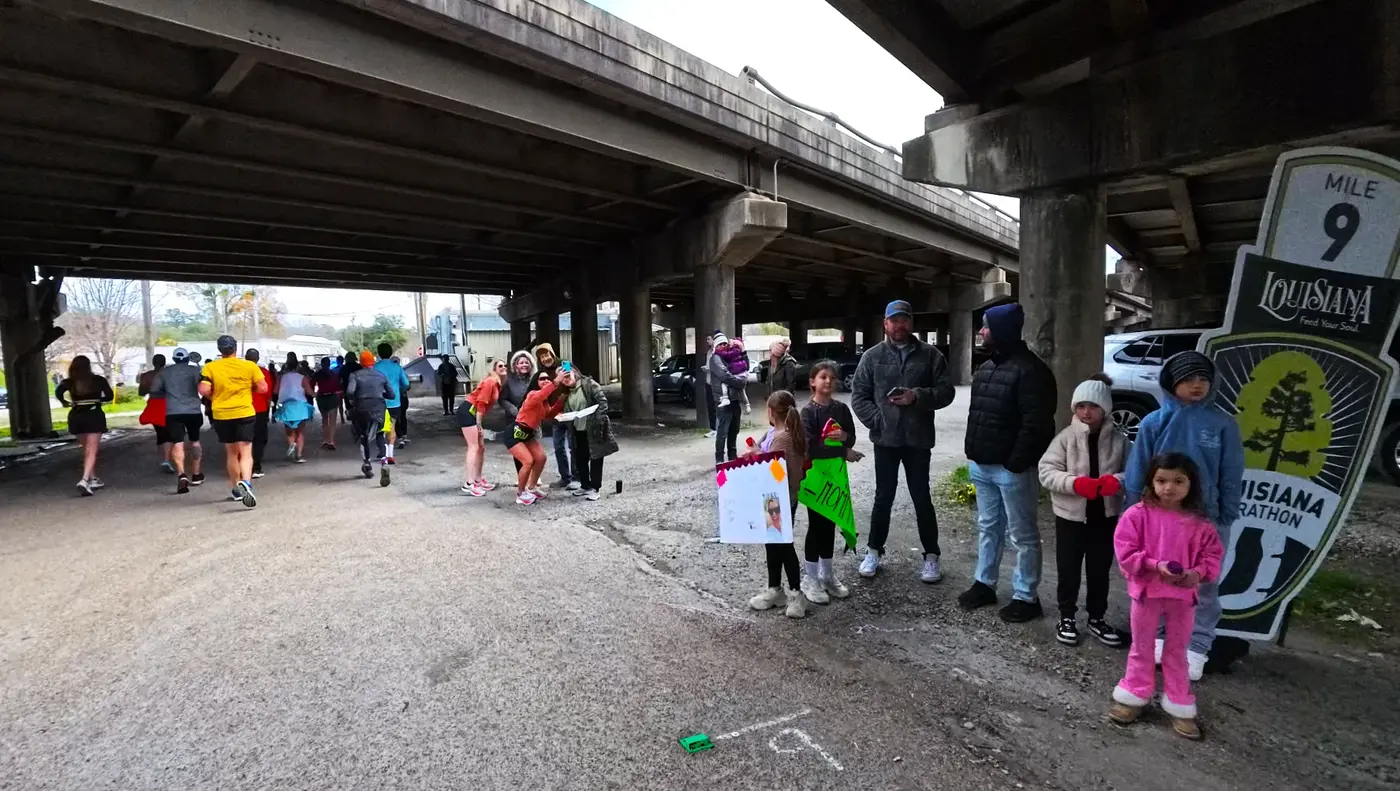
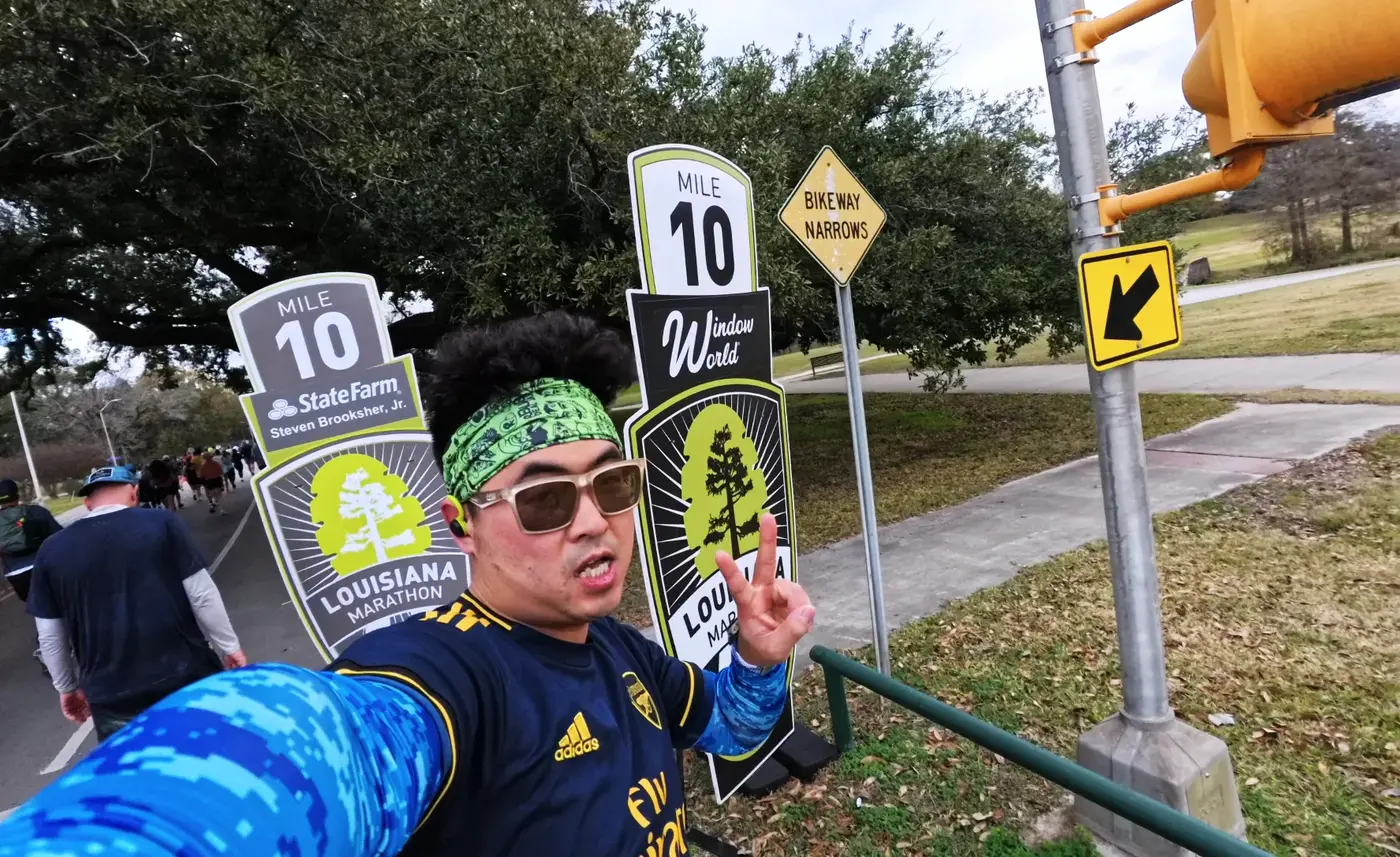
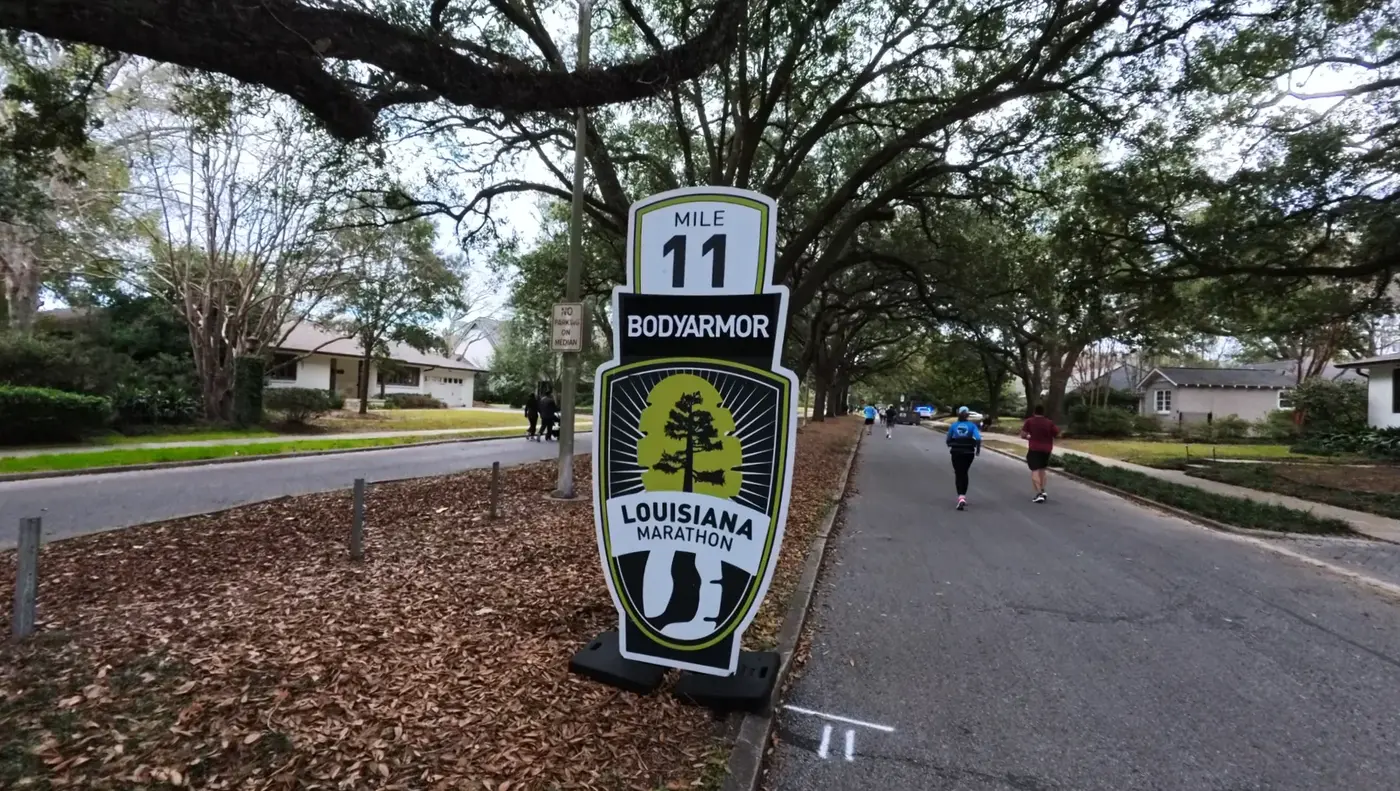
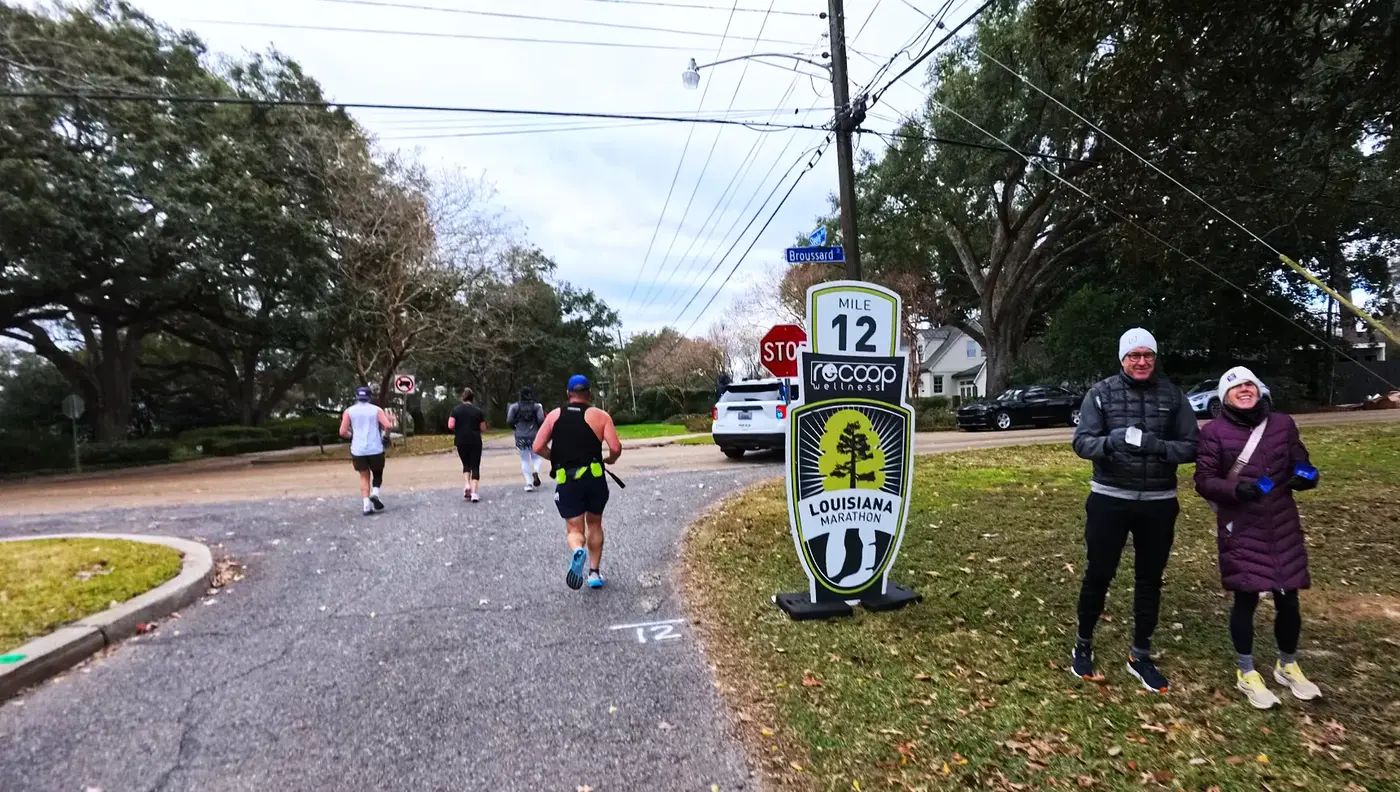
From mile 8 to mile 9, I could see children holding cheer signs and cheering me on under the bridge. The sun began to break through, and by mile 11, the light hit my face and the temperature began to climb.
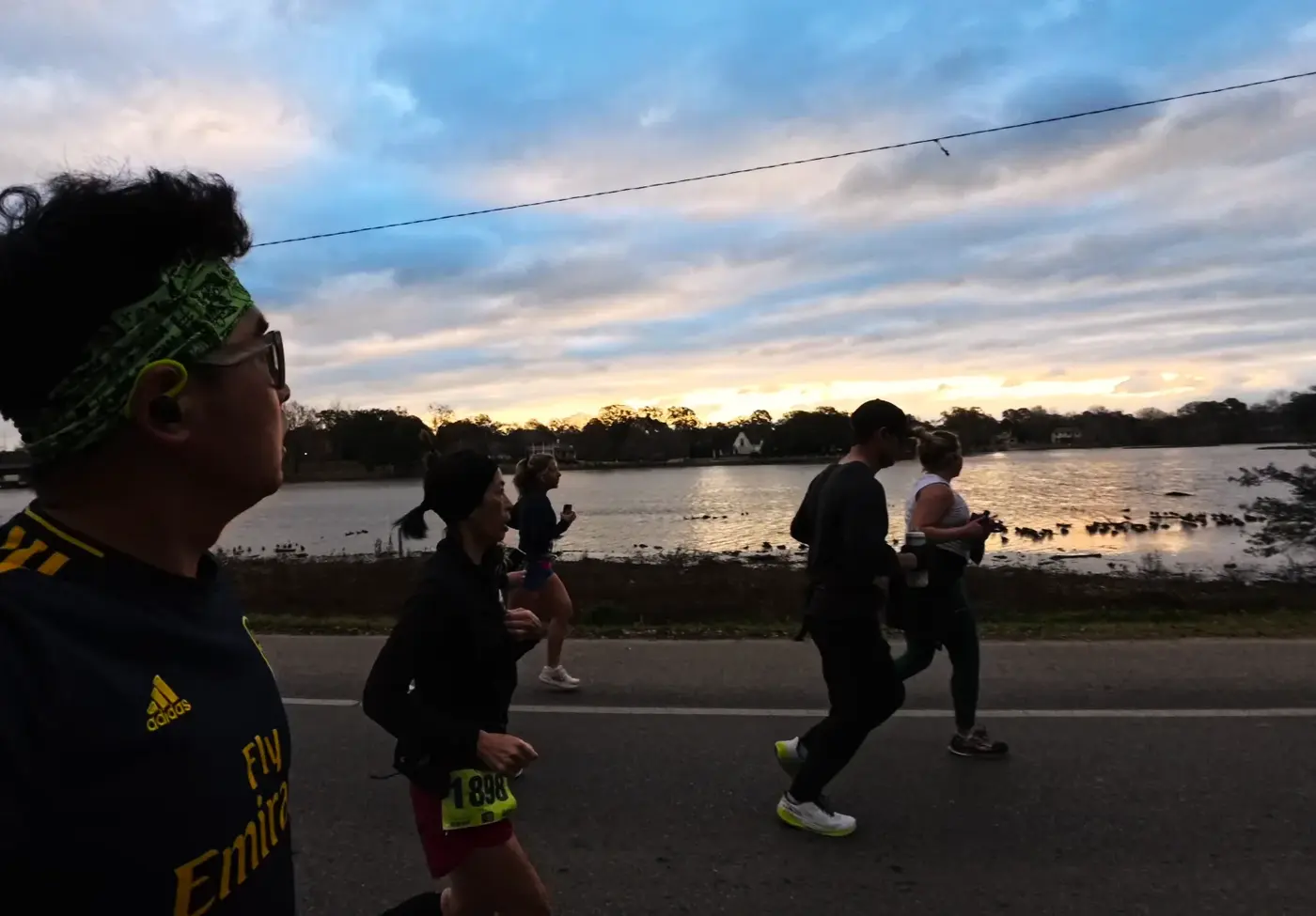
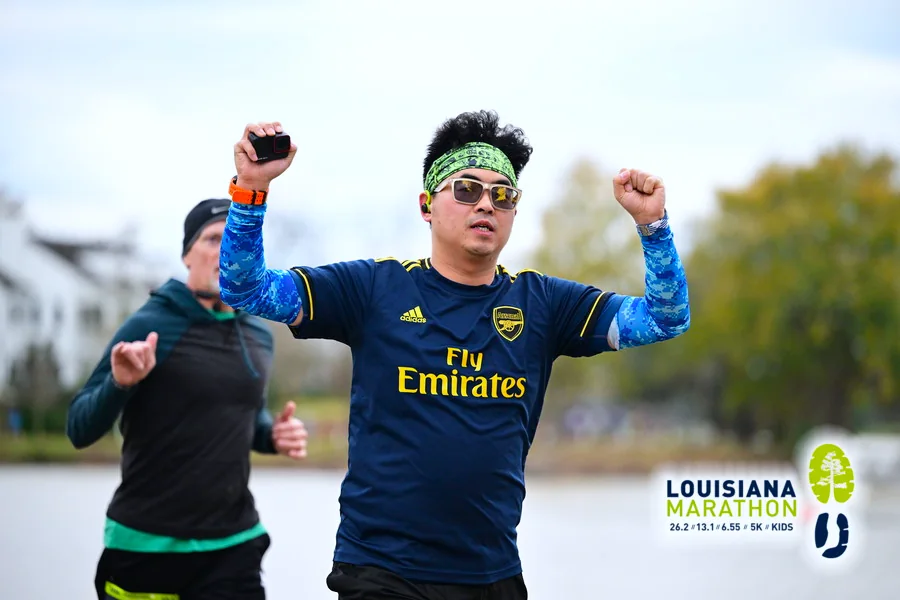
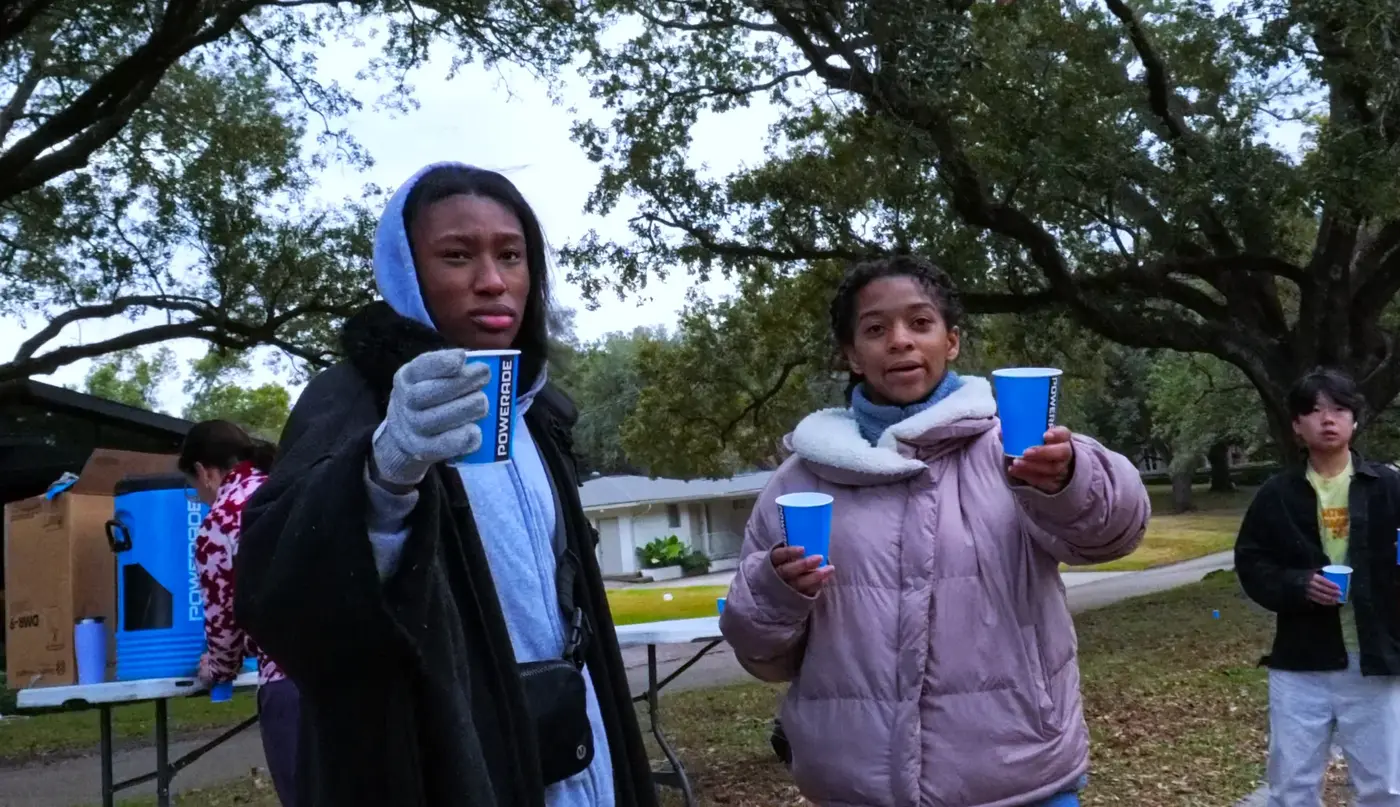
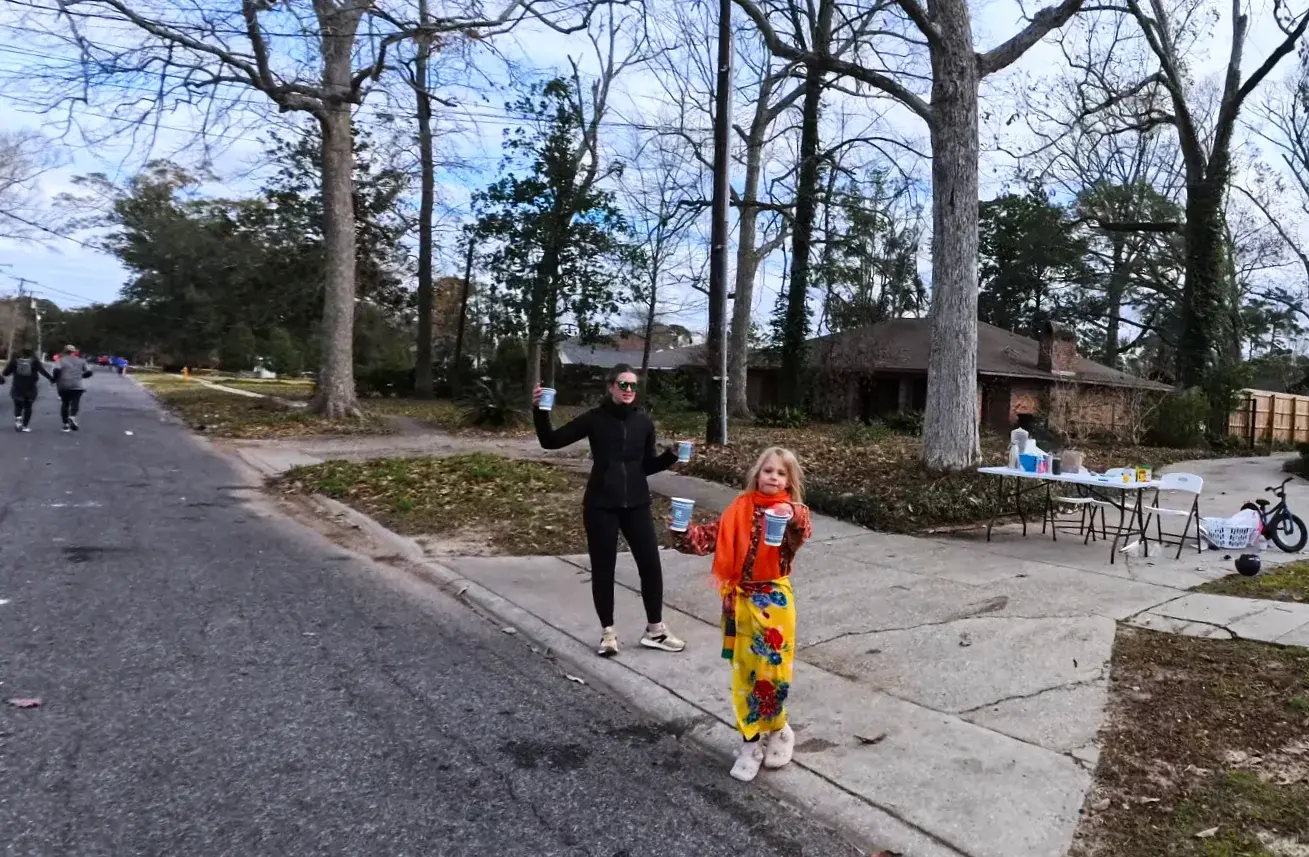
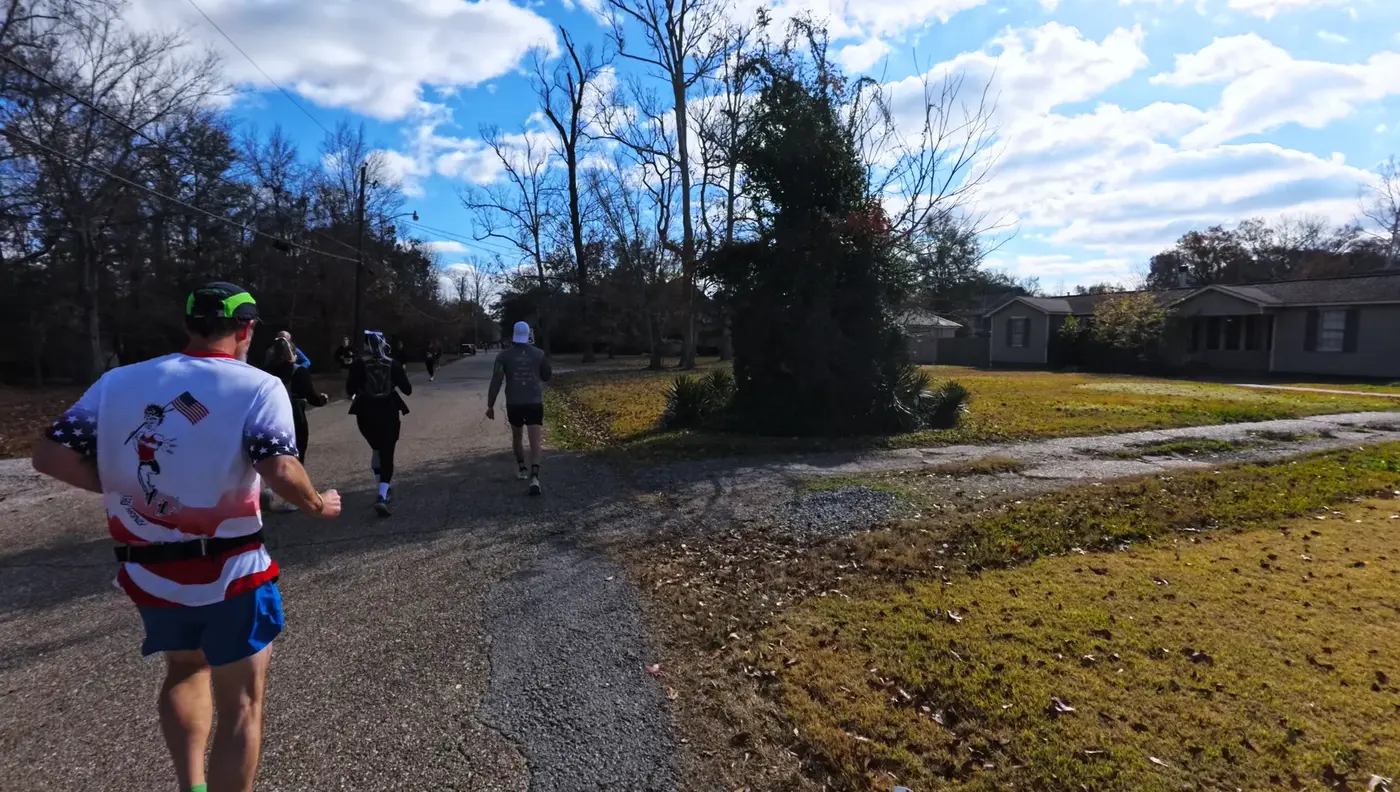
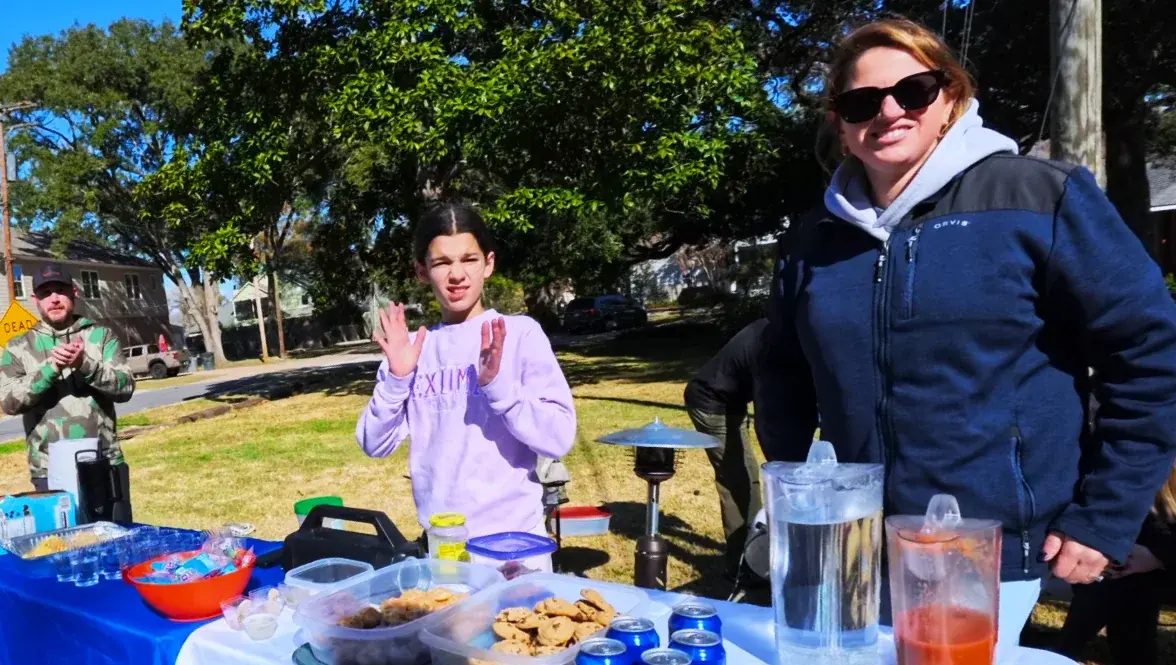
The track turned into the residential area of Baton Rouge, with wooden houses, lawns, and big trees, a typical southern community atmosphere. Supply points are also plentiful, with volunteers carrying blue Powerade paper cups.
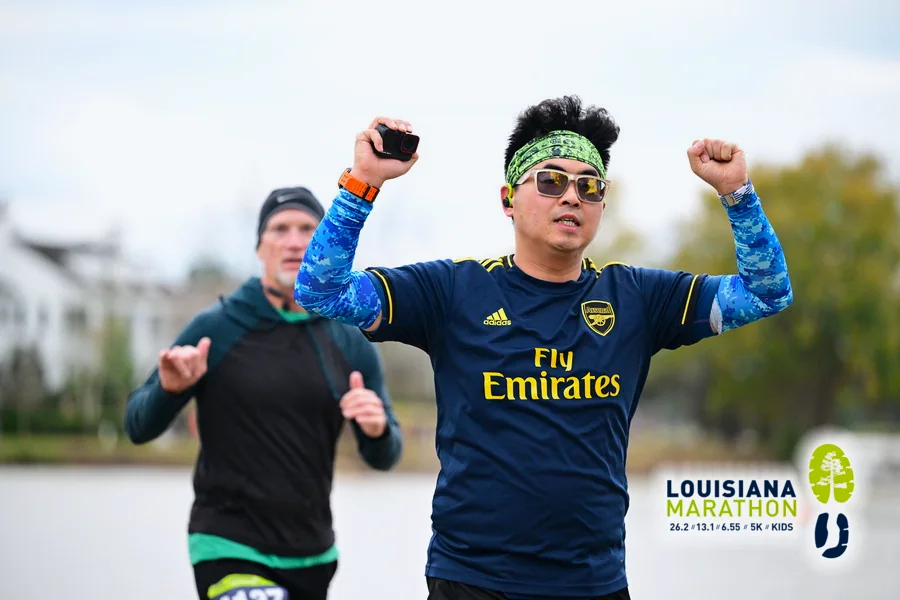
Although my condition is not that fast this time, my weight has increased, and my pace has become slower, I feel relaxed: it doesn’t matter if I run slower, I can still run this year anyway, and it will always be better than today.
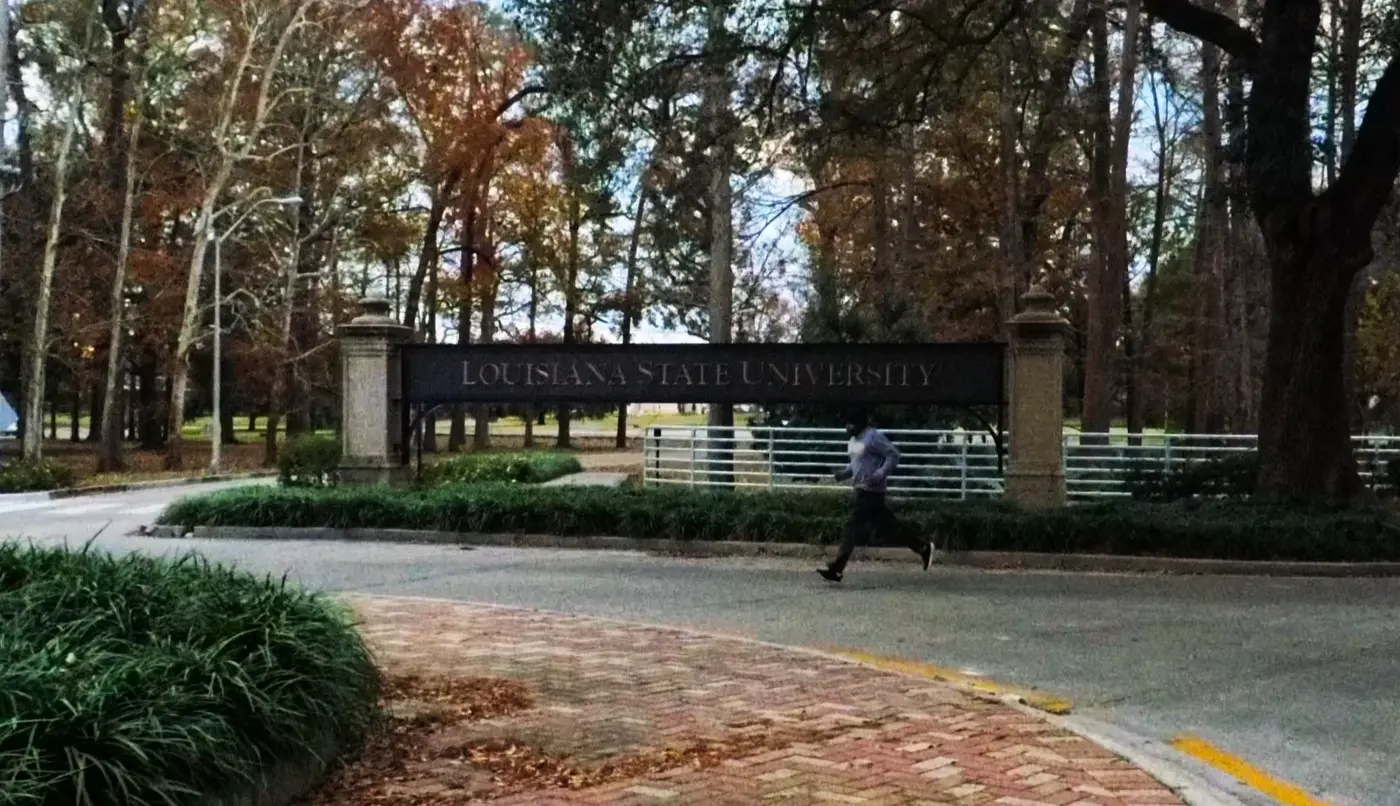
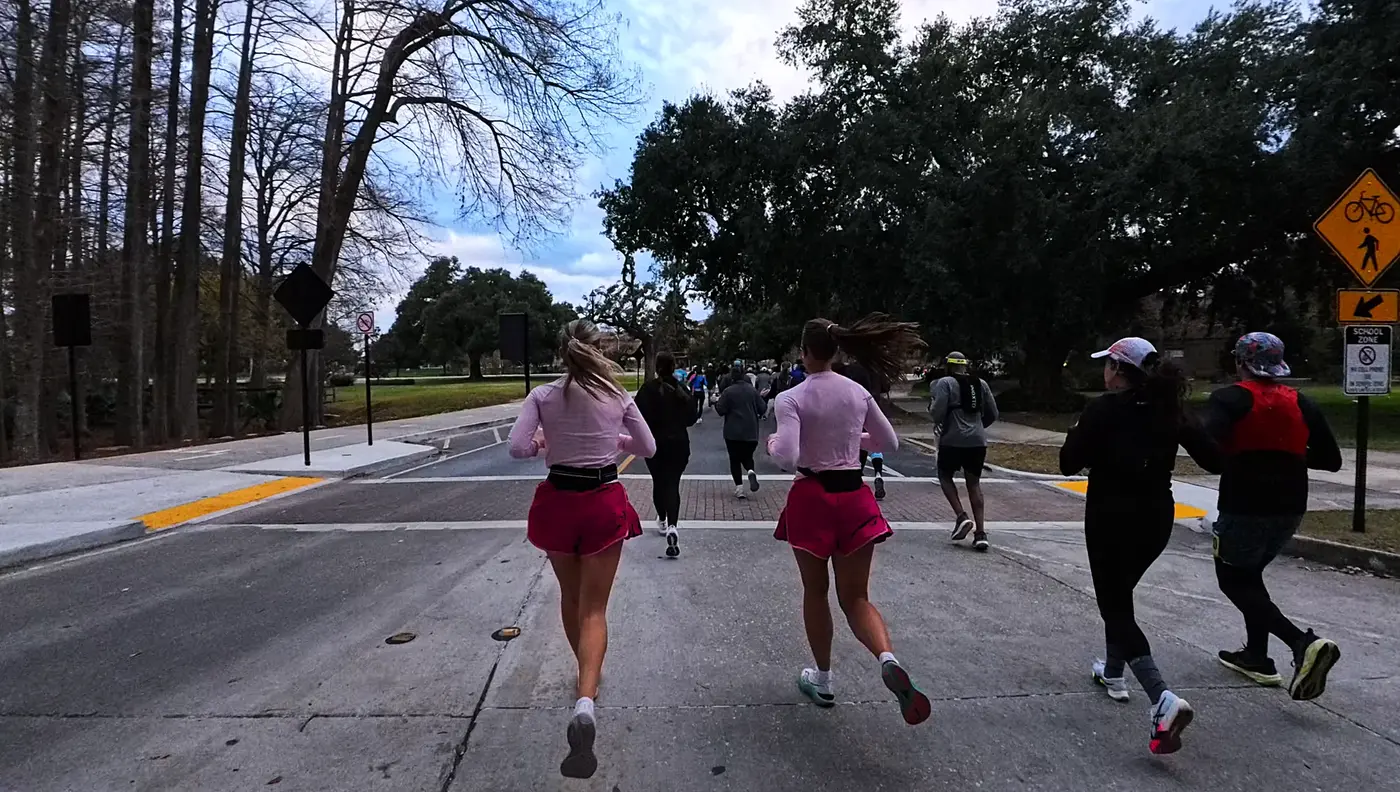
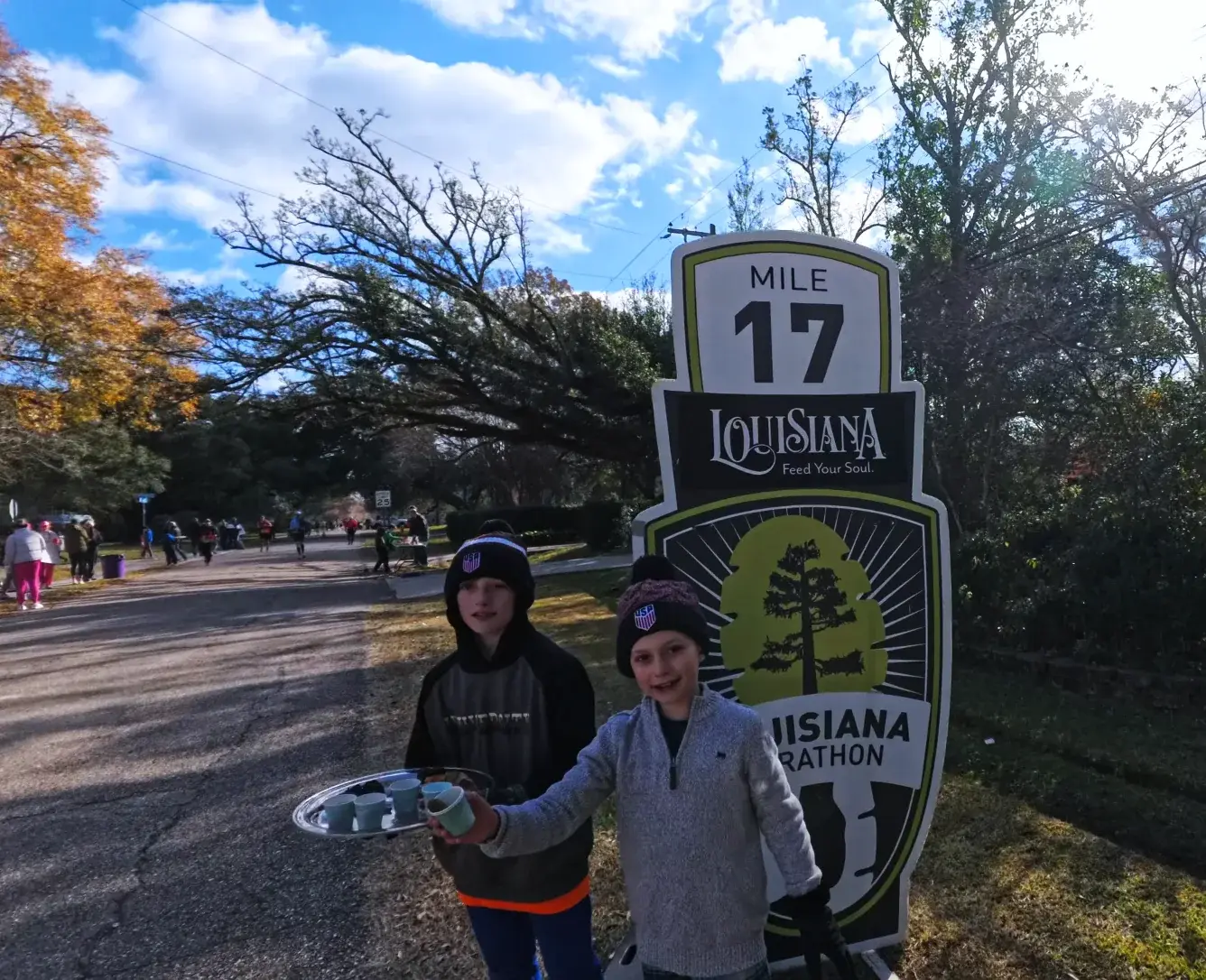
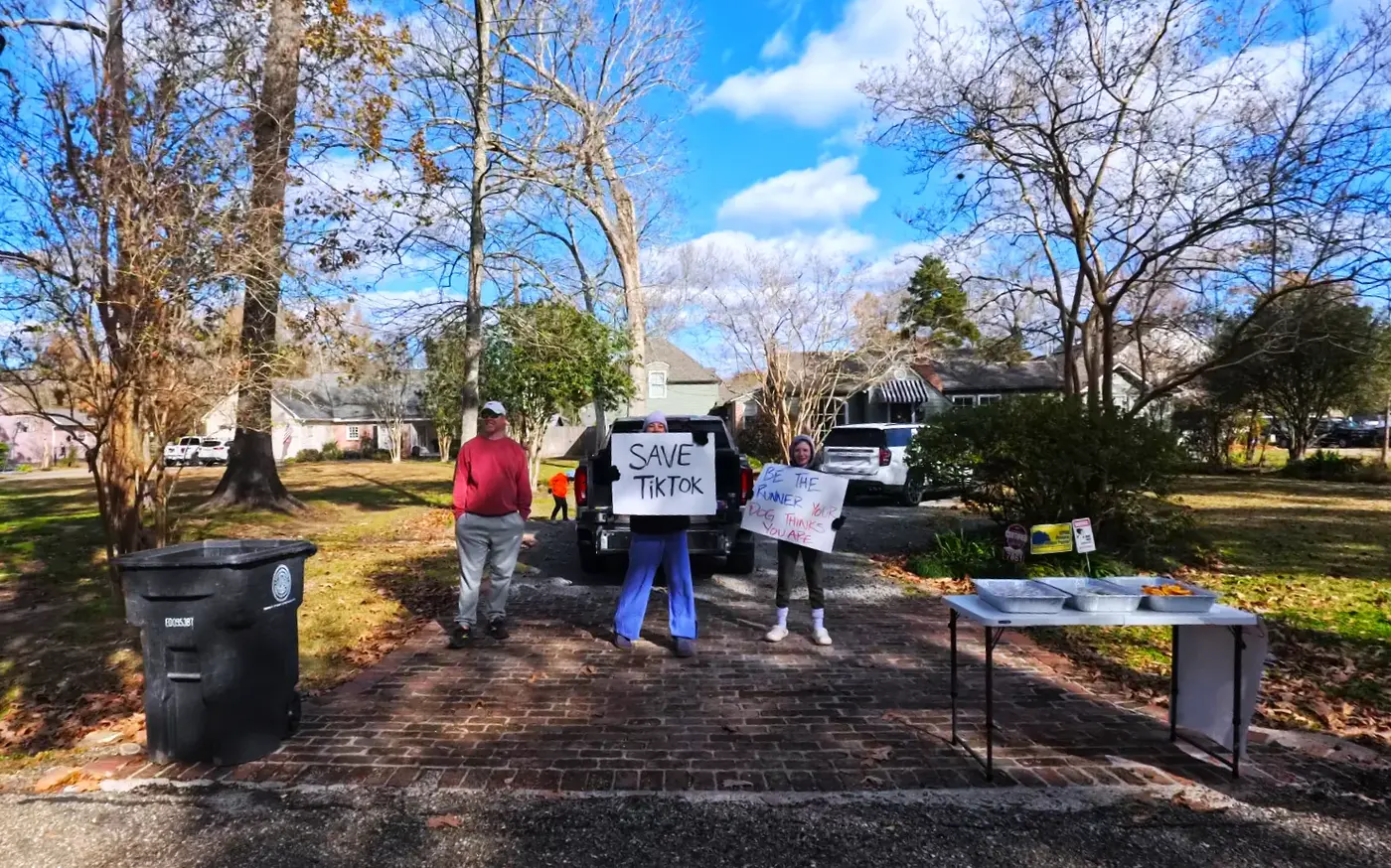
Before I knew it, I reached mile 17, and the sign that made me most happy appeared on the side of the road: "Save TikTok". In those days, TikTok was briefly delisted in the United States, and people held up signs to make fun of it. Some people also said that "Little Sweet Potato became popular", but TikTok came back within a few days, which was regarded as the American people's "protest was successful." Interestingly, when I talked with my colleagues later, they actually thought TikTok was an American company...
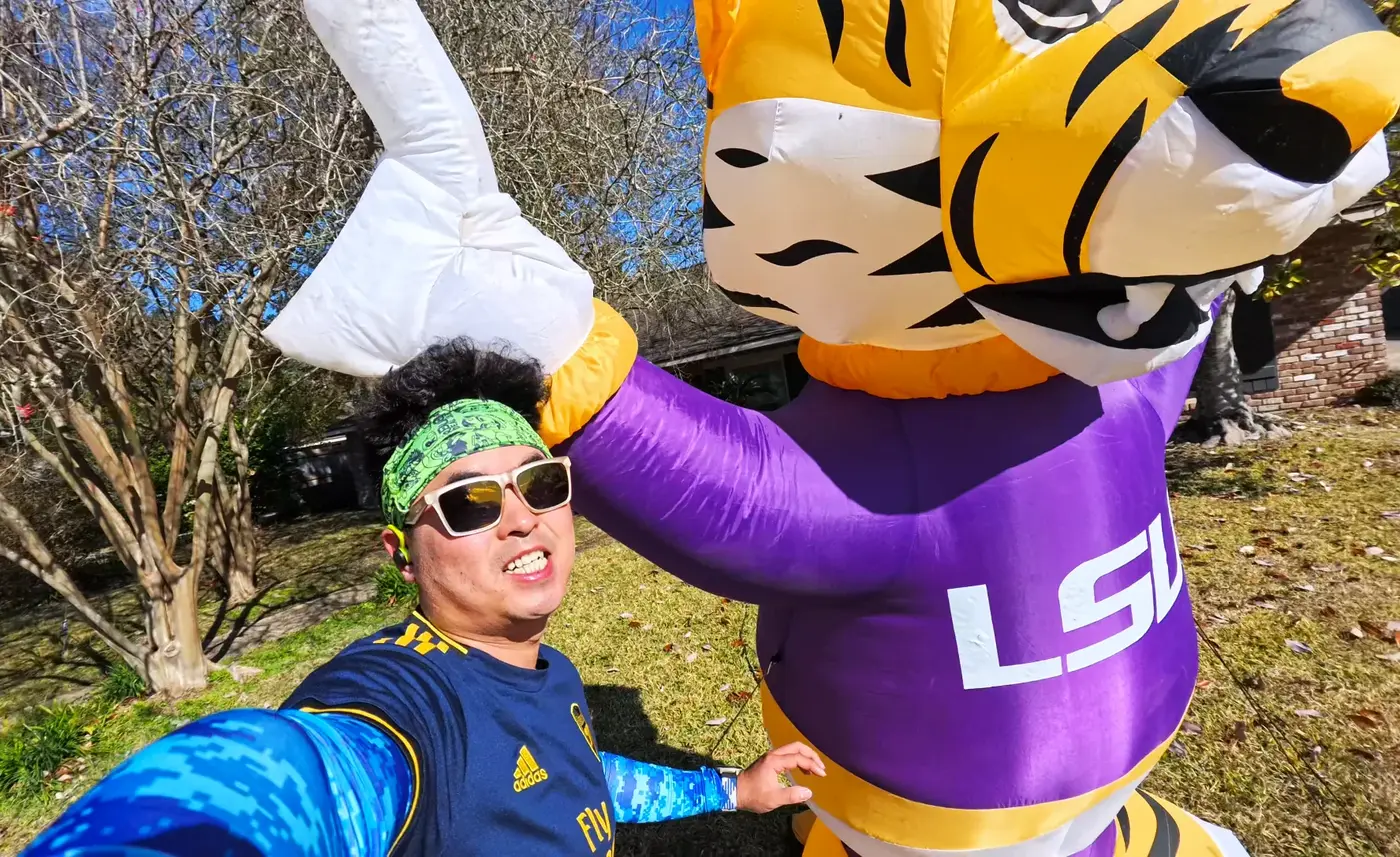
The rest of the track continues to be filled with LSU aura. There was a huge LSU Tiger mascot on the edge of the lawn, so of course I had to stop to take a photo and do a "big tiger check-in."
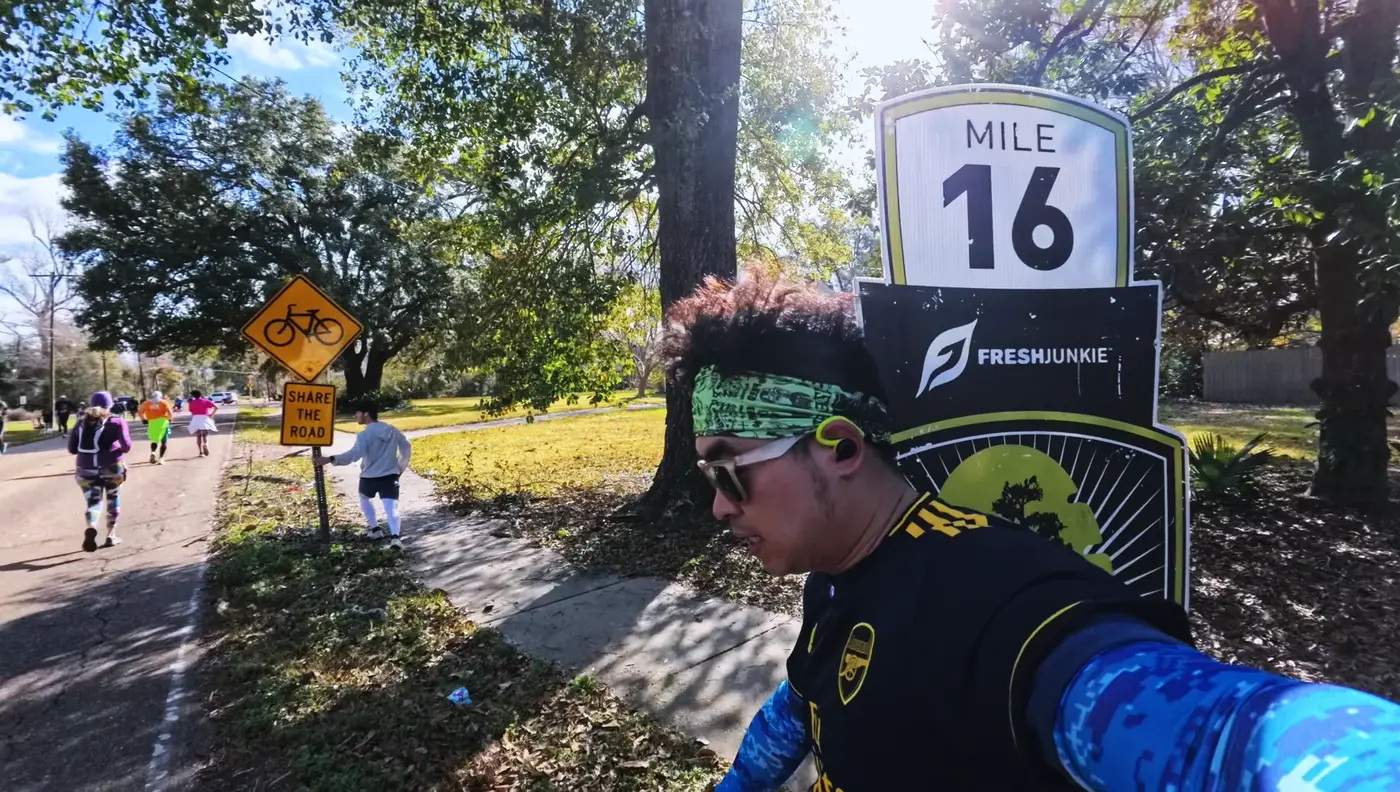
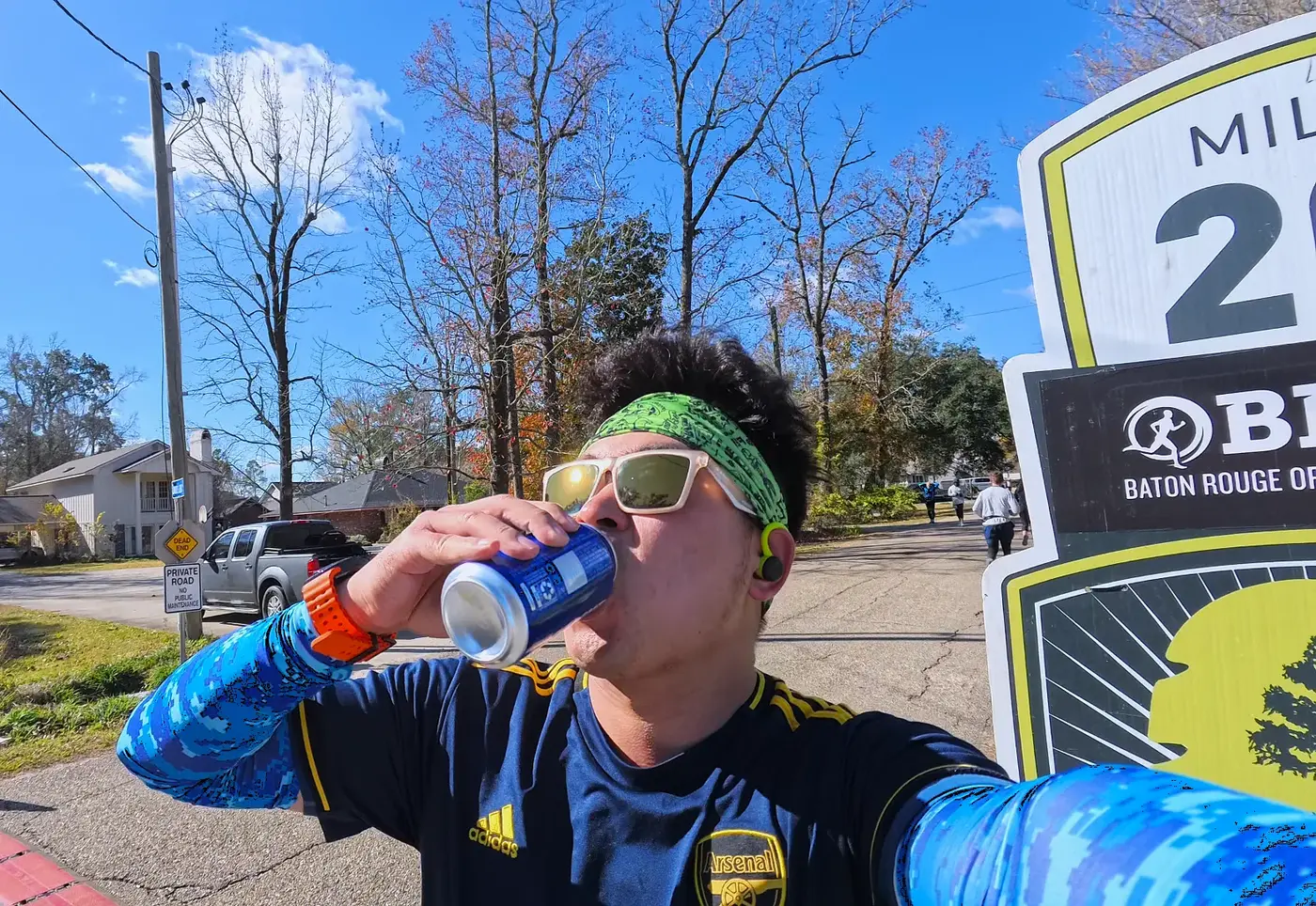
By mile 20, I grabbed the beer handed to me at the aid station and carried it all the way to the number plate. Standing next to the big "Mile 20" sign and drinking from a can is a special photo for yourself.
The sun is shining and the atmosphere is warm. At this time, there is no pressure to achieve results. Running and drinking has become a way to celebrate.
FIELD NOTE 06
Chapter 5|The Final Sprint·Church, State House and a tree medal
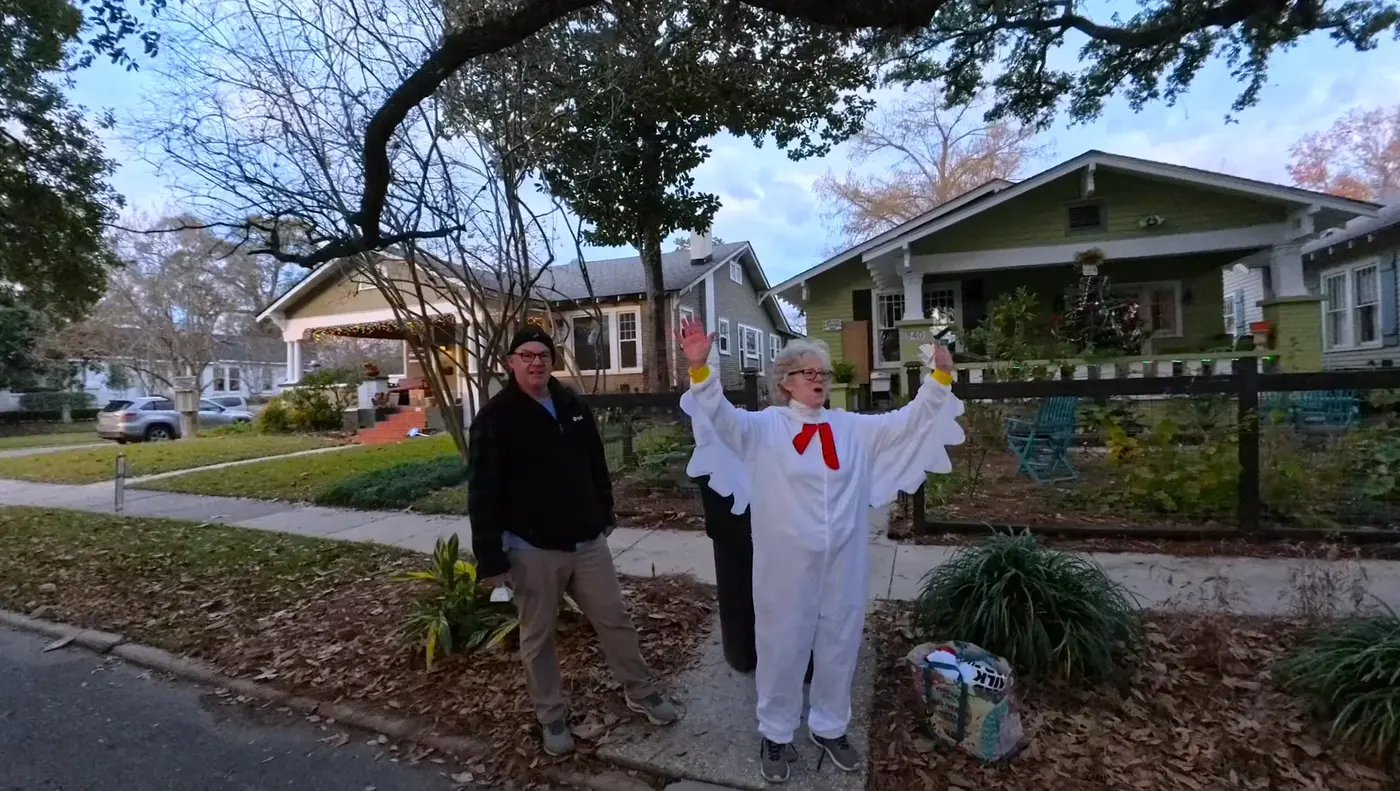
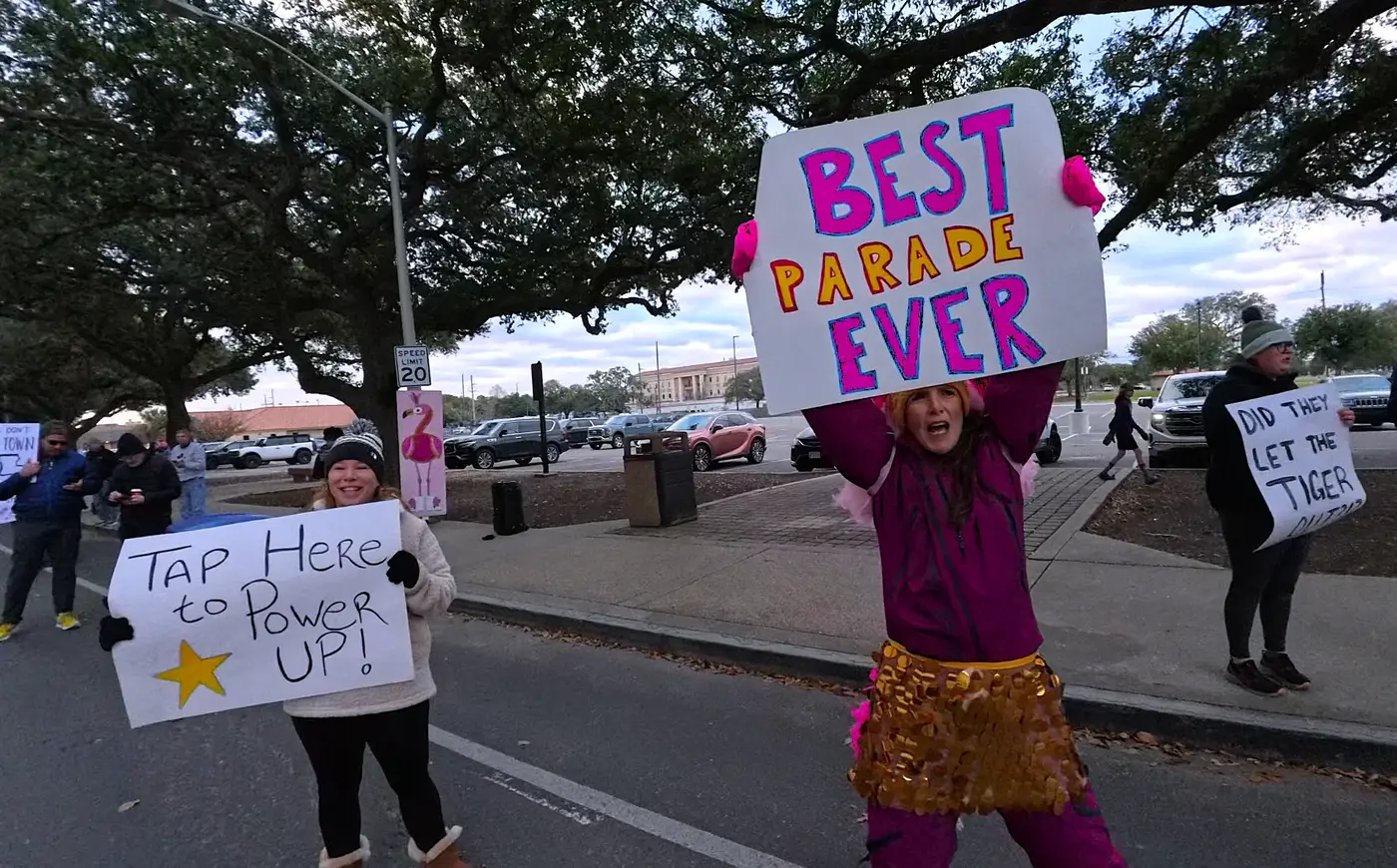
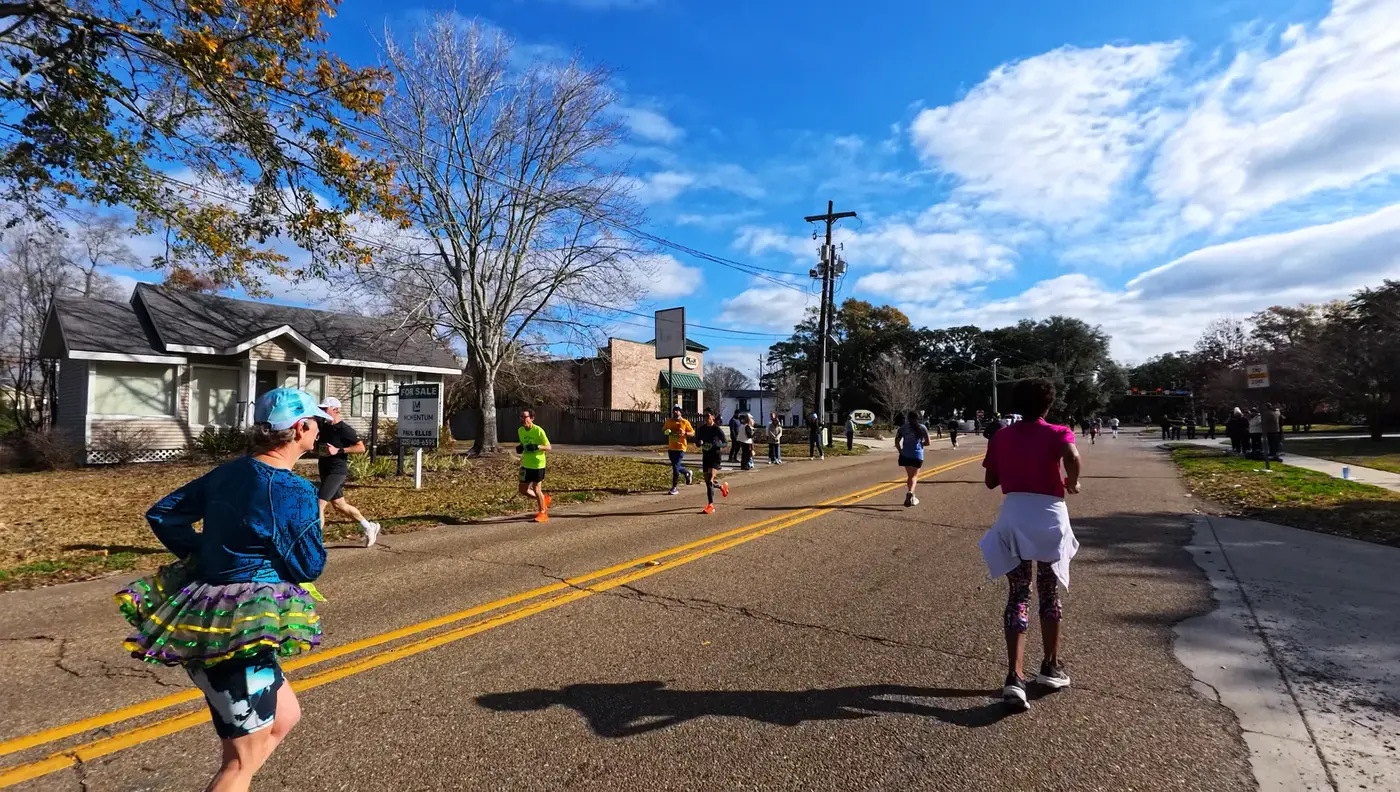
After 20 miles, the track continues through the neighborhood. But it’s not boring at all: there are photographers on the street, and neighbors come out in all kinds of fancy clothes. Some grandmothers wear inflatable milkshake cup suits; there are uncles who directly wear cow costumes; children hold handmade cheer signs.
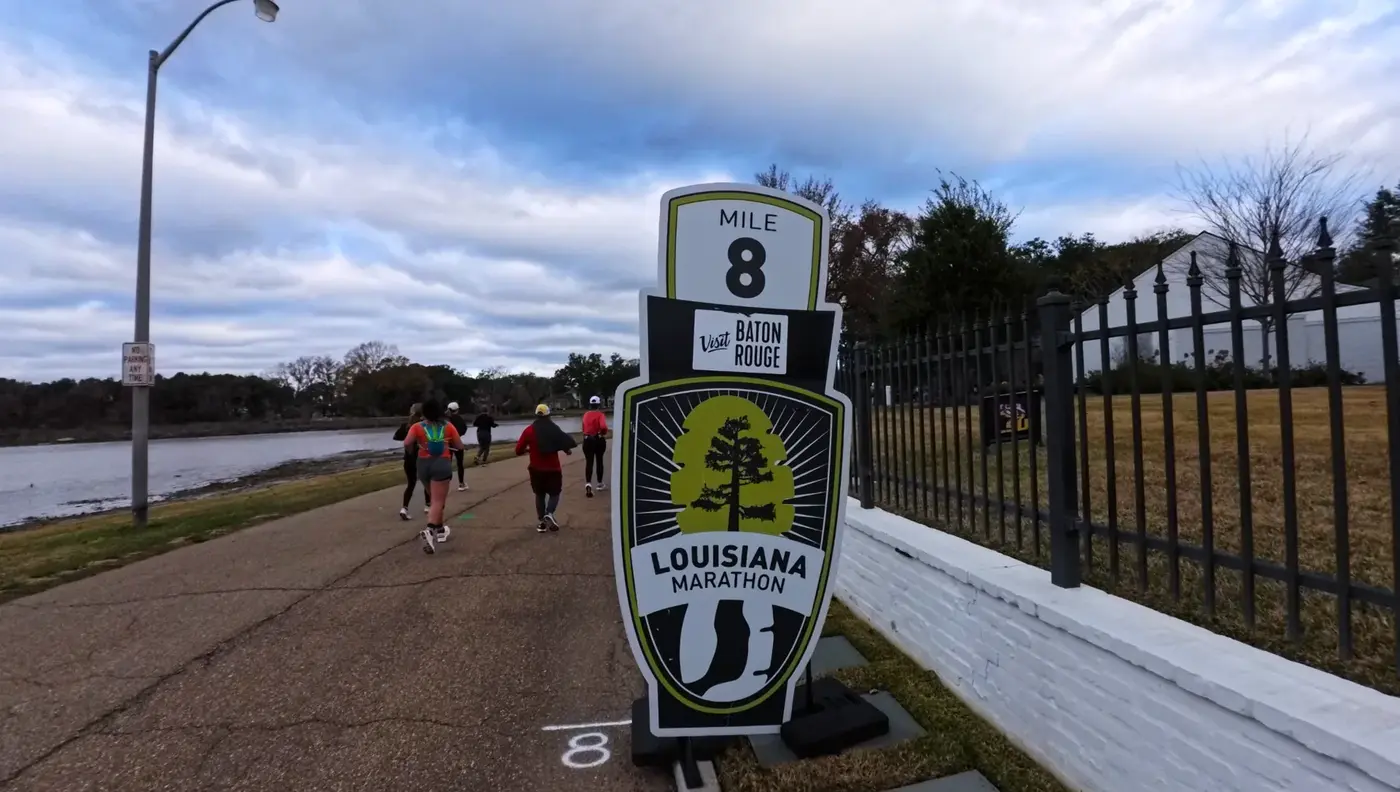
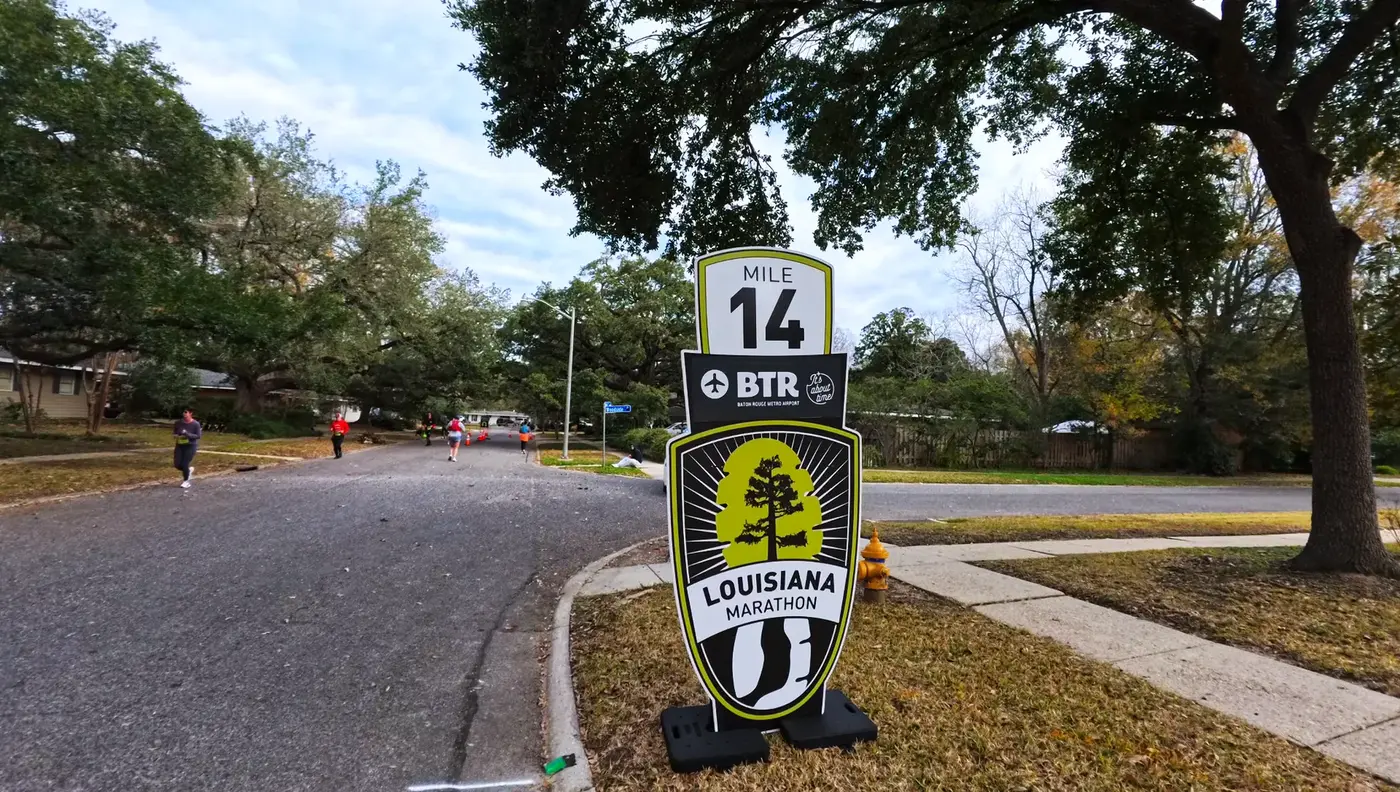
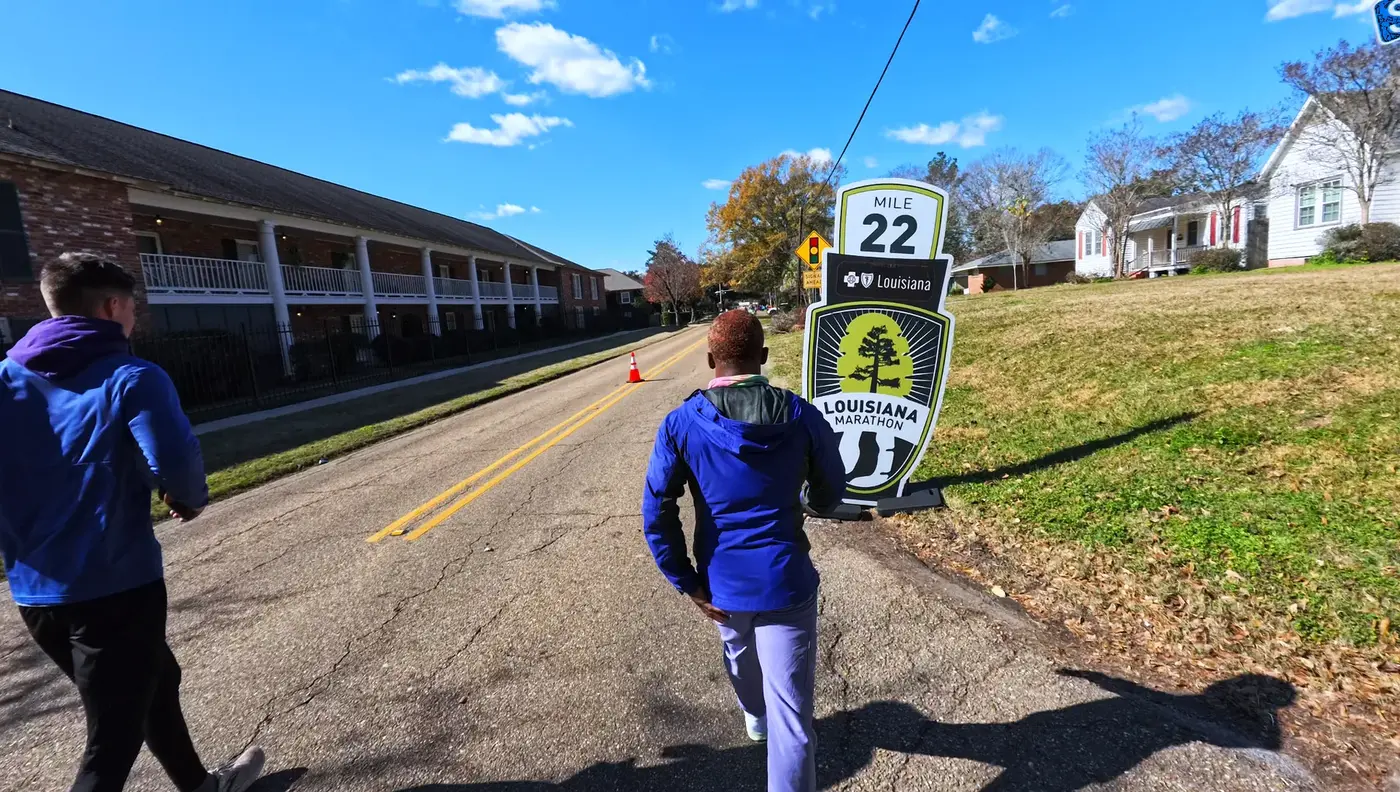
At this time, I no longer forced myself to hold on, and I just ran and walked. The blue sky, oak trees on the roadside, and the unique leisurely feeling of a southern town. At mile 25, I saw the number plate lying on the ground, so I simply took a picture from the “upside down” angle.
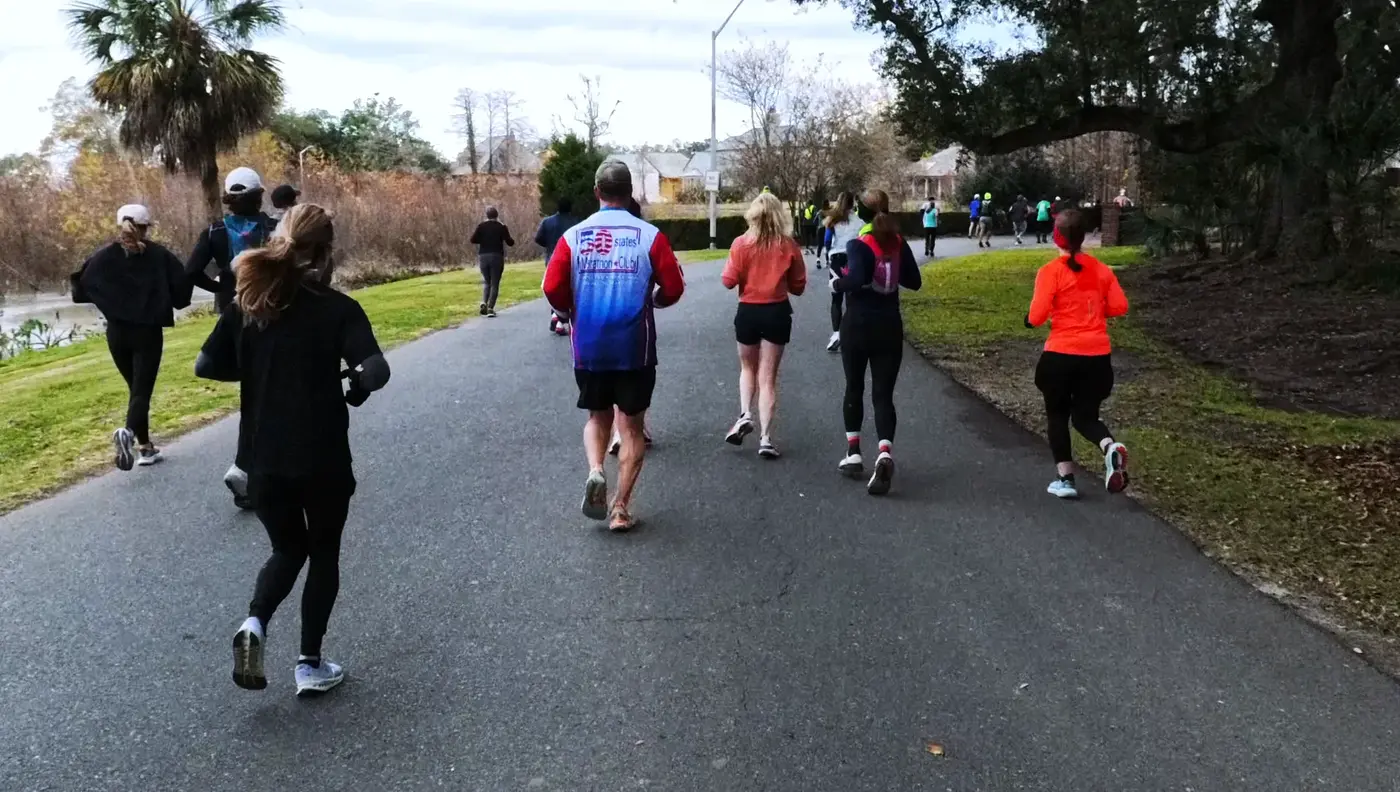
Soon the mile 26 sign appeared. The skyline in the distance suddenly lights up, and a white Gothic church appears in front of you. This is St. Joseph Cathedral. Built at the end of the 19th century, it is one of the oldest Catholic churches in Baton Rouge.
The church spire points directly to the sky, and there are coconut trees at the door, which suddenly brings out a mix of tropical and European styles.
If you run further, you can see a tall gray building rising from the ground. The closer you get, the more shocking it becomes. That is the Louisiana State Capitol.
Built in 1932, it is the tallest state capitol building in the United States at 137 meters high. It was personally promoted by Governor Huey Long and became even more legendary because he himself was assassinated here.
The volunteers at the finish line were a group of ROTC cadets (Reserve Officers’ Training Corps, U.S. Reserve Officers’ Training Corps). Wearing neat uniforms, they stood up straight and handed the medals to the runners one by one, with serious eyes as if they were performing a military salute.
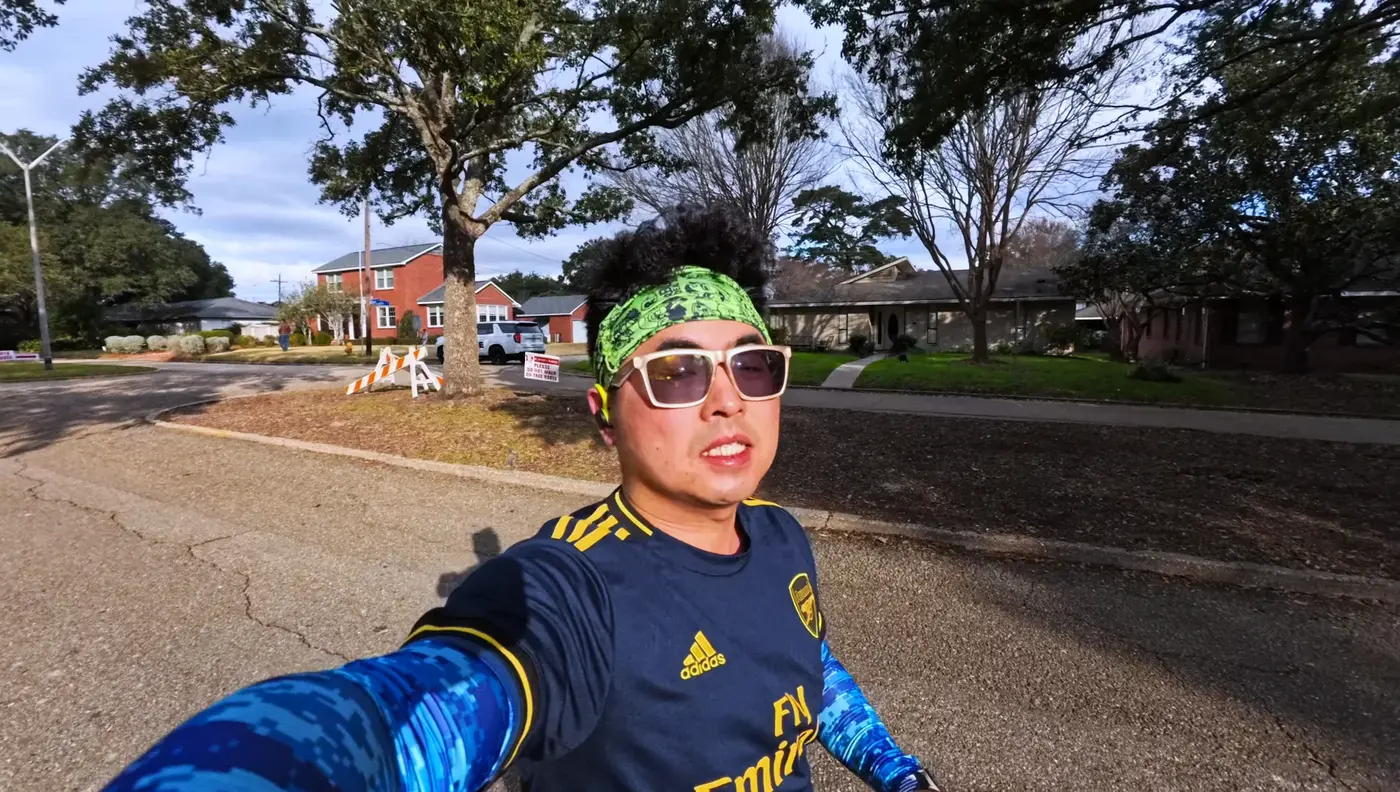
Siqi has finished the race and is waiting for me. I crossed the finish line against the wind and received the medal. The sun was shining on my body and the wind was still a little chilly.
This medal has a special shape. It is a map of Louisiana with a large tree embedded on it. That's the bald cypress, Louisiana's state tree and a symbol of the marshy wetlands. It represents tenacity and vitality.
The result was just over 5 hours, which is not fast, but for me, this is the first run of 2025, a strong start.
FIELD NOTE 07
Postscript · The wind on the bay coast and the unknown four years
We stayed one more night in an Airbnb after the game and headed back the next day. I thought Monday was Martin Luther King Day and the company would have a holiday, but it didn’t happen and I had to take the day off. This sense of dislocation that "school is on holiday but the company is closed" made me really feel the change in my identity.
On the way back, we stopped at the Gulf of Mexico (now officially called the Gulf of America). The name change is quite interesting. It reminds me of the story of the change of the highest peak in Alaska from Denali back to McKinley. There is always a cultural and political tug-of-war behind the name.
At this time, Trump has returned to the White House, and the next four years are destined to cause turmoil. It’s hard to say whether it’s good or bad, there must be a lot of changes. From an individual perspective, I often feel insignificant, just like the feeling of powerlessness I felt when my visa was blocked five years ago. Fortunately, I finally made it through.
So I told myself: don’t think too far ahead, do more what you can do in front of you. The same is true for marathon running, where your feet are on the ground and you move forward step by step. Do good deeds, believe in good luck, and leave the rest to time.
Words, photos, and layout by Arsenan
- End -
Words · Arsenan
Photos · Arsenan
Design · Arsenan