
Three weekends ago, I ran another marathon in Minnesota and checked off State 31. We left before sunrise on Saturday, drove all day, reached Rochester in the afternoon, raced on Sunday, and were back on the road that night. The course was calm, green, and distinctly northern—just the kind of small-city marathon that stays with you.
A full day north
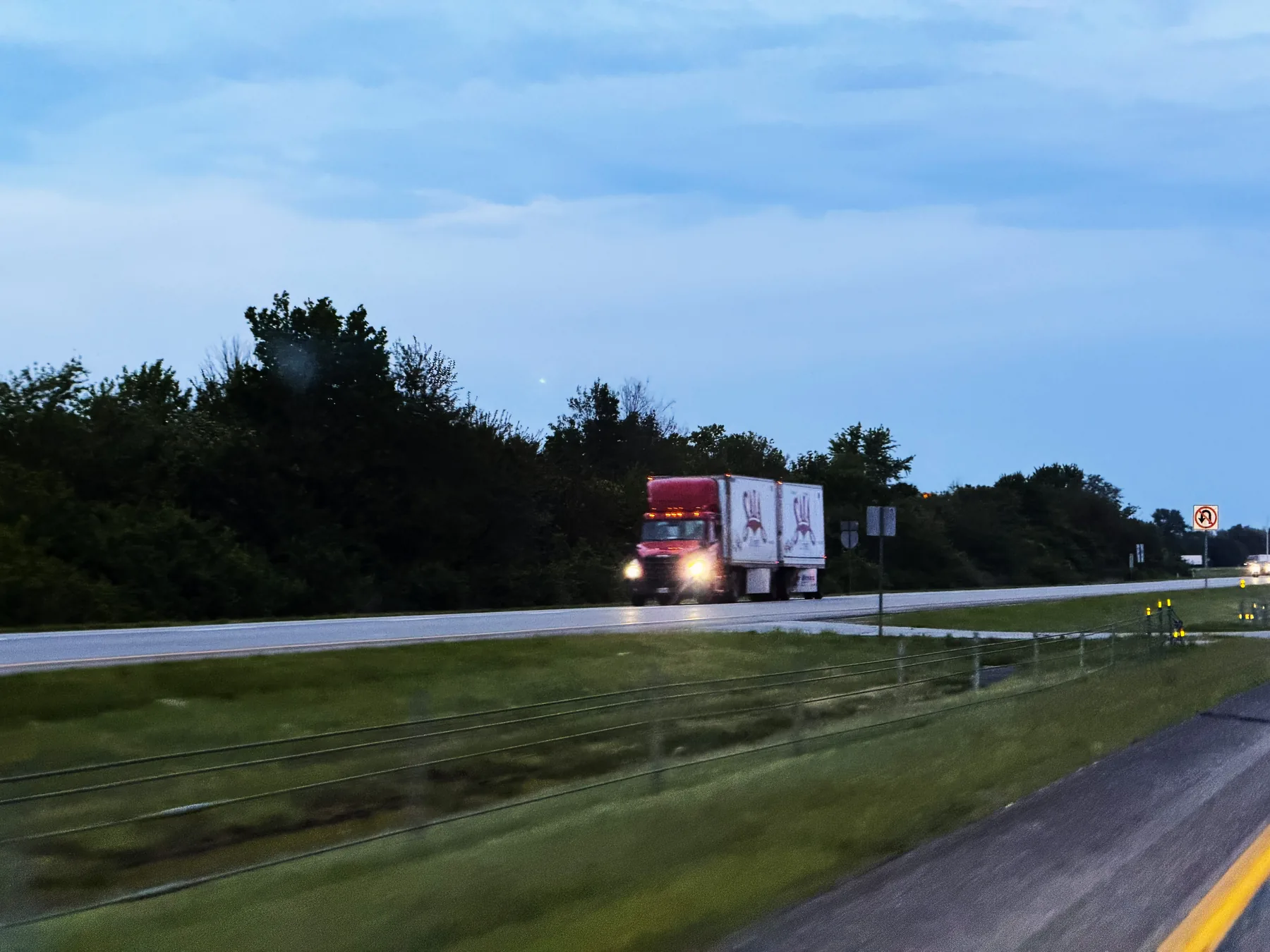
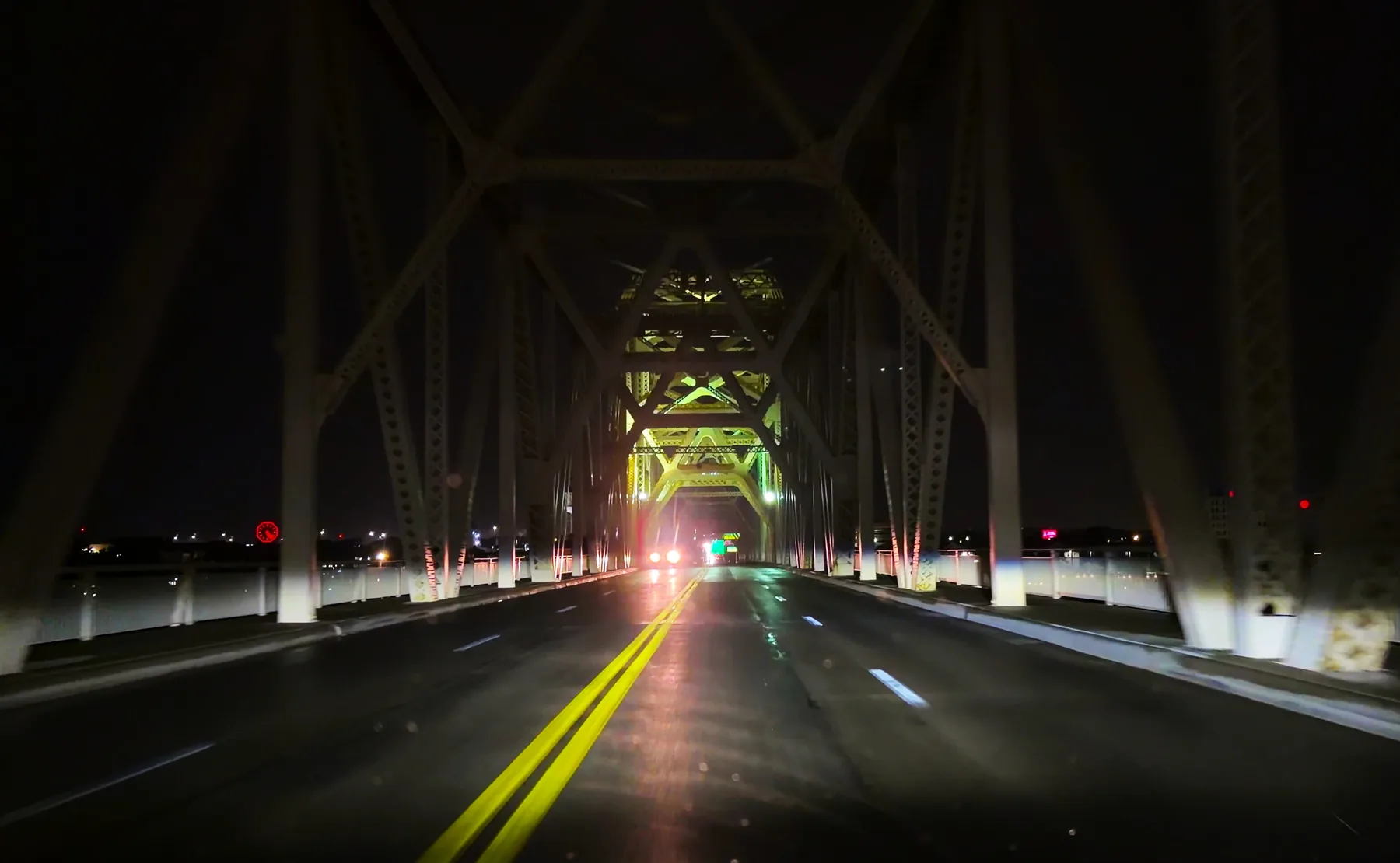
Before dawn, Siqi and I were already in the car. We drove and drove, arriving in Rochester a little after three in the afternoon. Minnesota had always meant the Timberwolves to me: brutal cold, the old Kevin Garnett years, and now Anthony Edwards bringing the team back to life.
More than one basketball team
Minnesota is the Land of 10,000 Lakes—actually more than 11,000 by many counts. The Mississippi River starts here too, first as a stream so narrow you can step across it. It is a large, quiet northern state pressed against Canada, where winter temperatures can make “cold” feel like an understatement.
A city built around care
Rochester was the real surprise. It is a small, exceptionally clean city anchored by Mayo Clinic, one of the best-known medical institutions in the world. Dr. William Worrall Mayo moved here in 1864; after tornadoes devastated the area in 1883, he and his two sons organized emergency care when the nearest proper hospital was 80 miles away. That work grew into a clinic that now draws patients from around the globe.
It makes sense, then, that this race is called the Med City Marathon. The route does not borrow the name as branding—it runs straight through the city that made it meaningful.

Thirty years and a new dinner
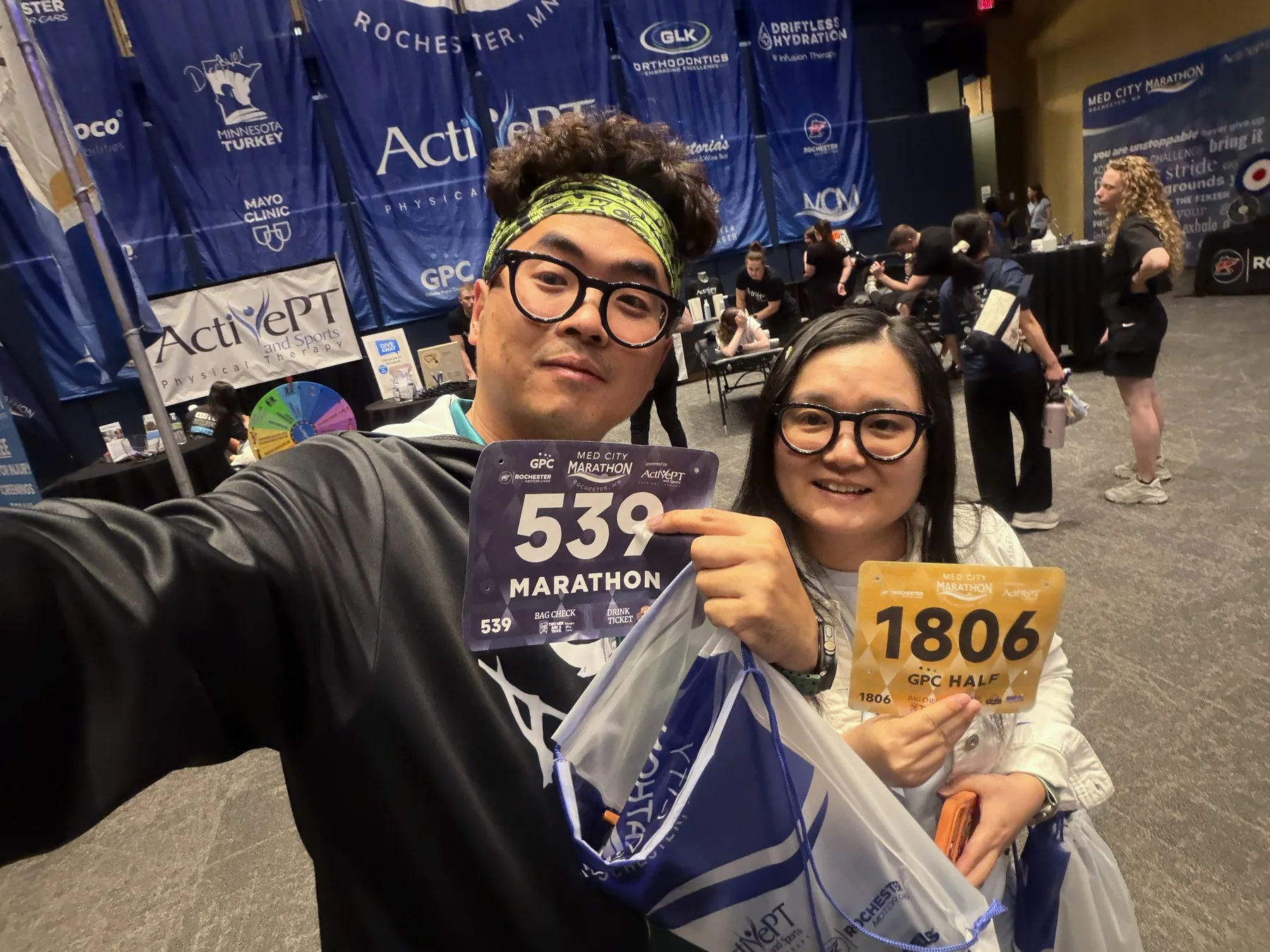
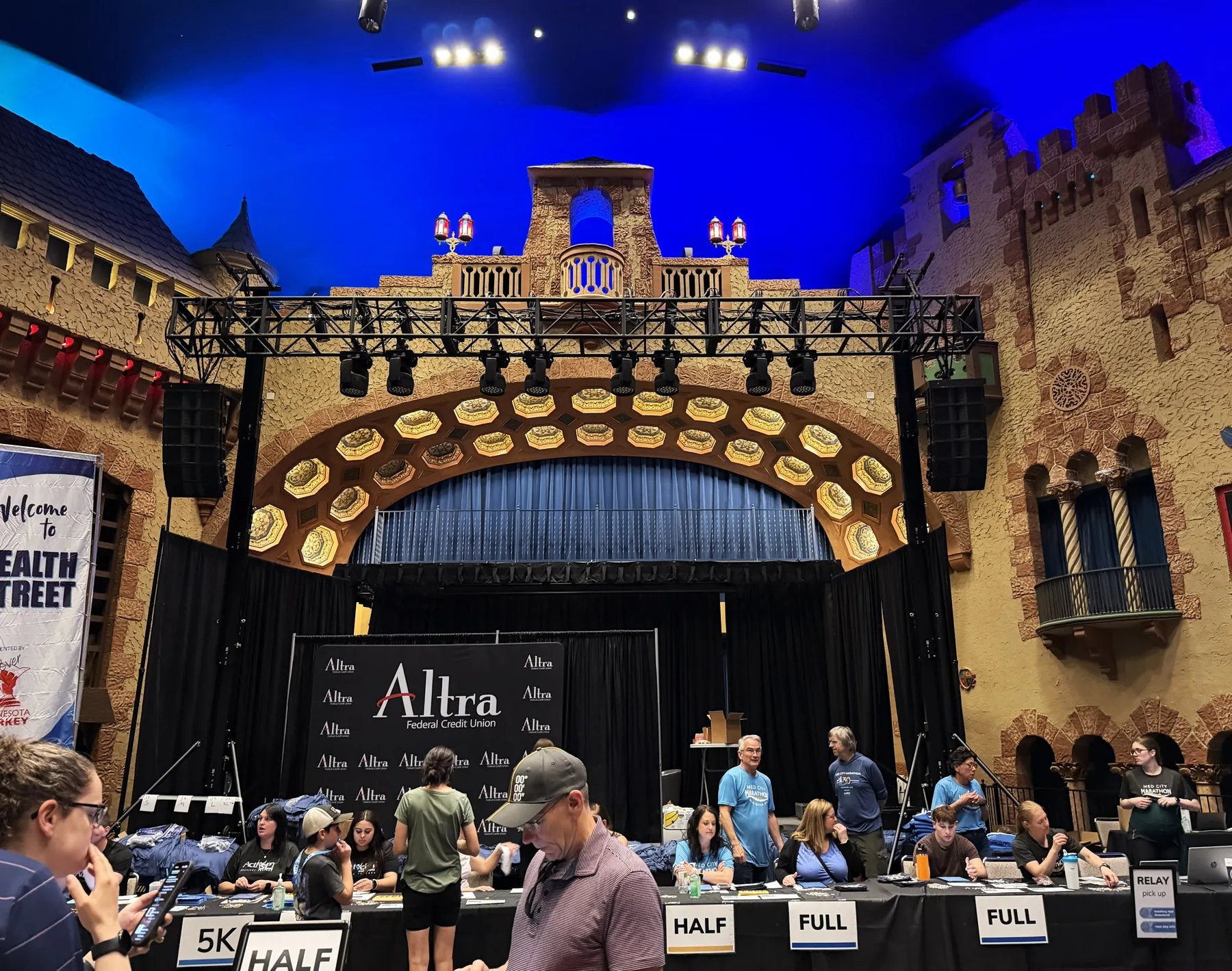
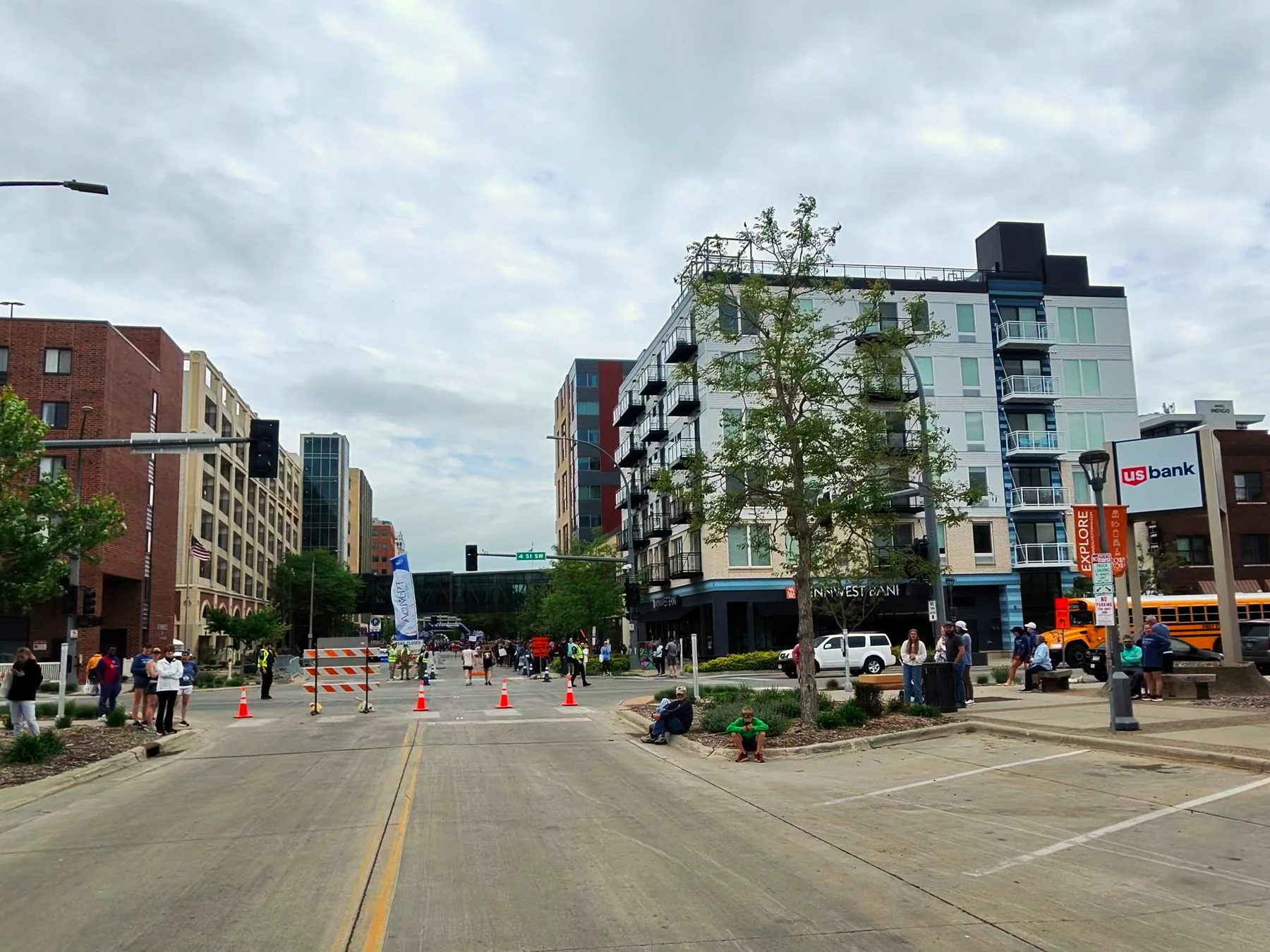
2026 was the event's 30th anniversary. The race began in 1996, so I got to arrive on a nice round number. At packet pickup, the small city felt freshly tidied: fountains, live music, and a crowd that was lively without being loud.
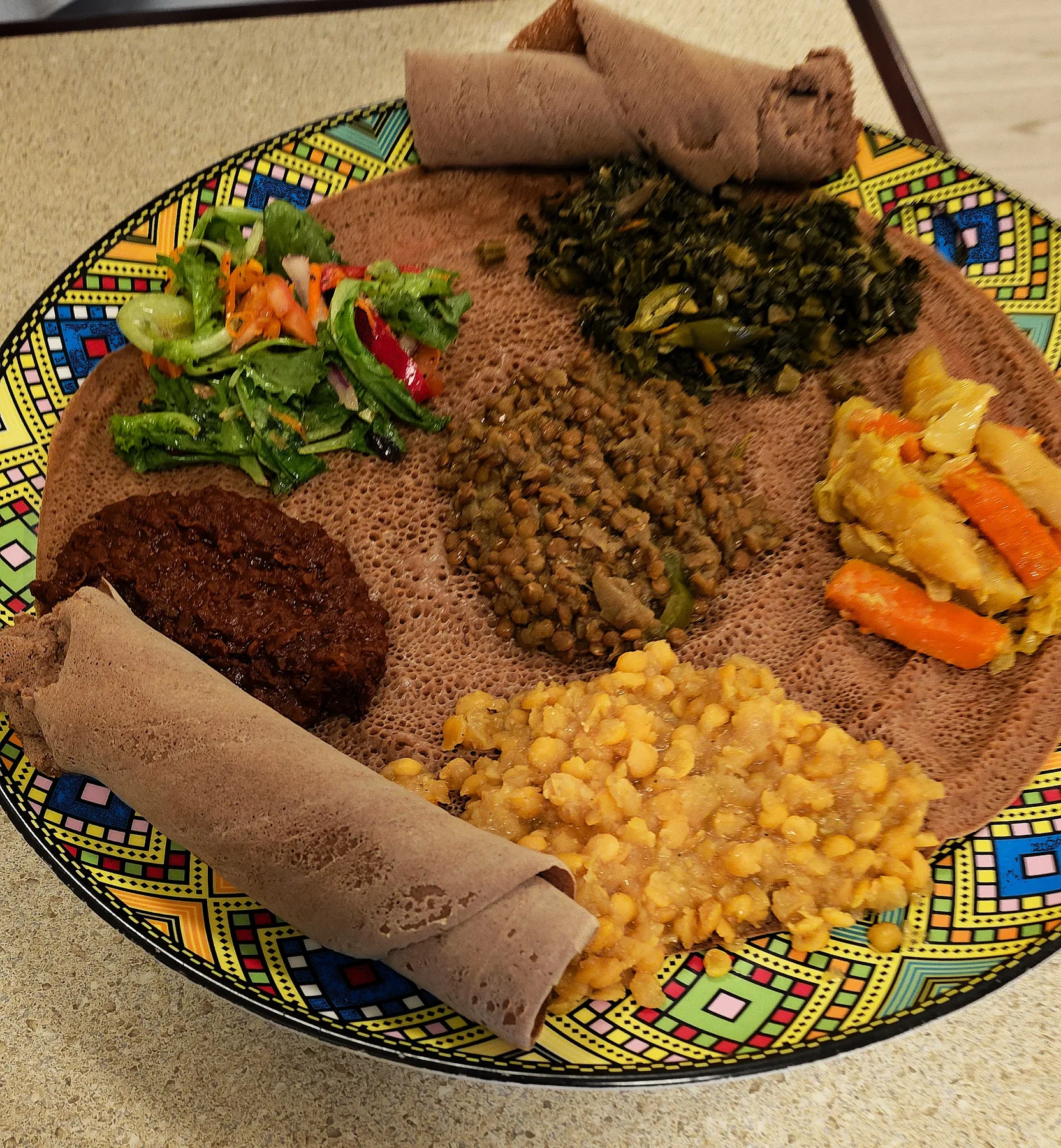
That night we had Ethiopian food for the first time. Injera is a soft, sour flatbread that works almost like an edible tablecloth: tear off a piece, wrap stews, beans, and meat, and eat with your hands. It has big spice and its own bright sour note. For pre-race carbs, any cuisine that lets you wrap food in bread is welcome.
Farm roads, forest shade, and the city ahead
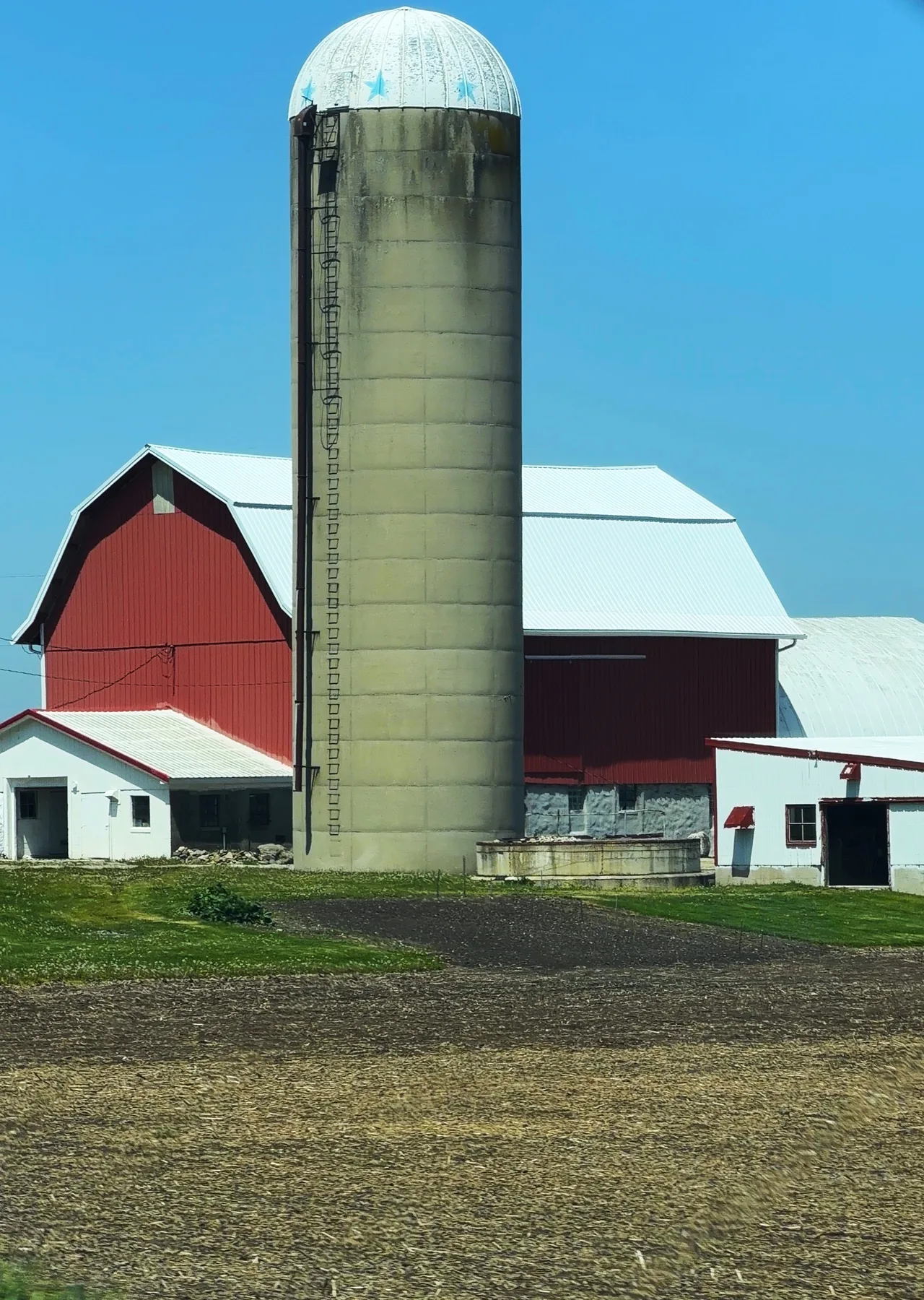
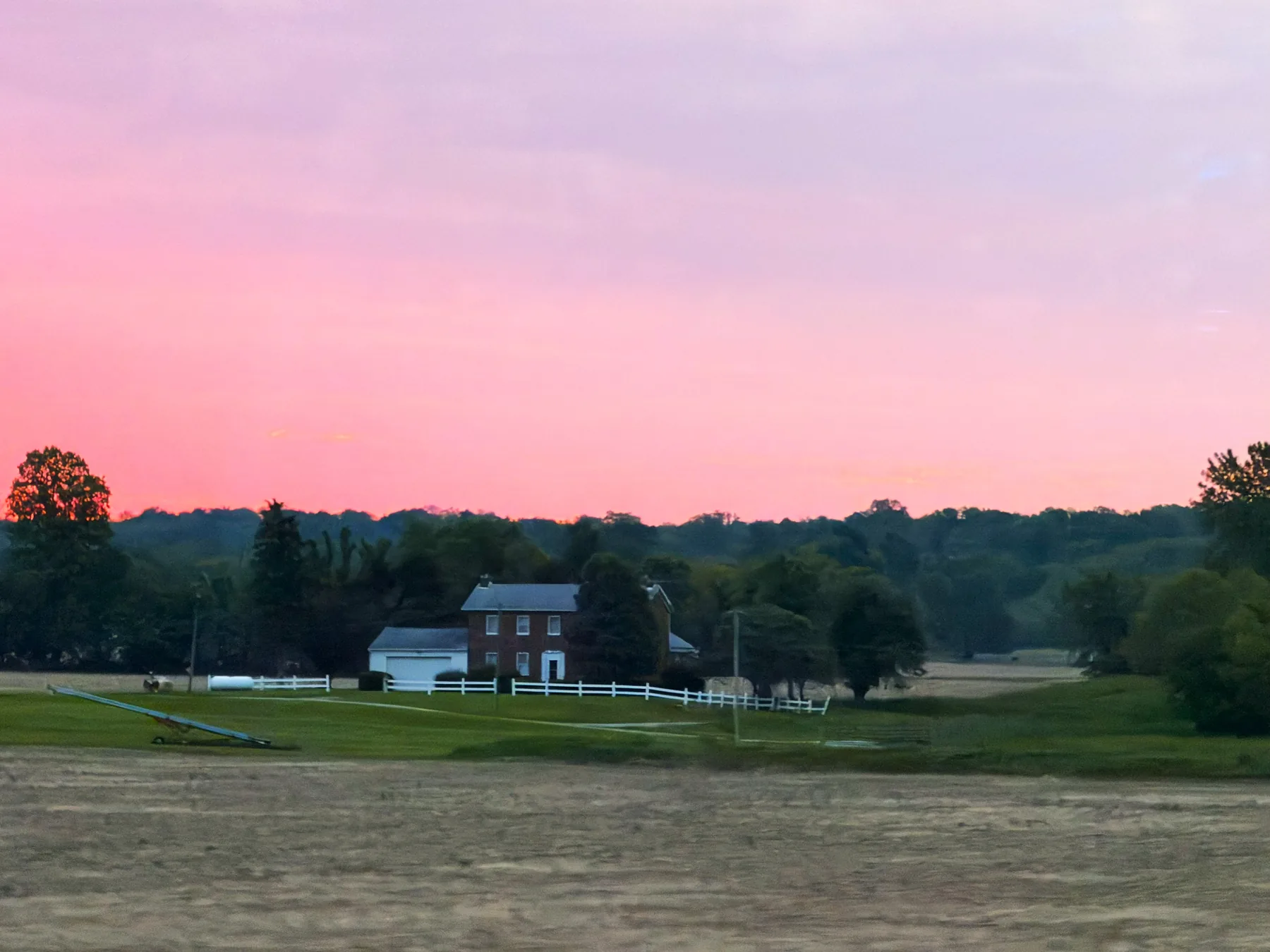
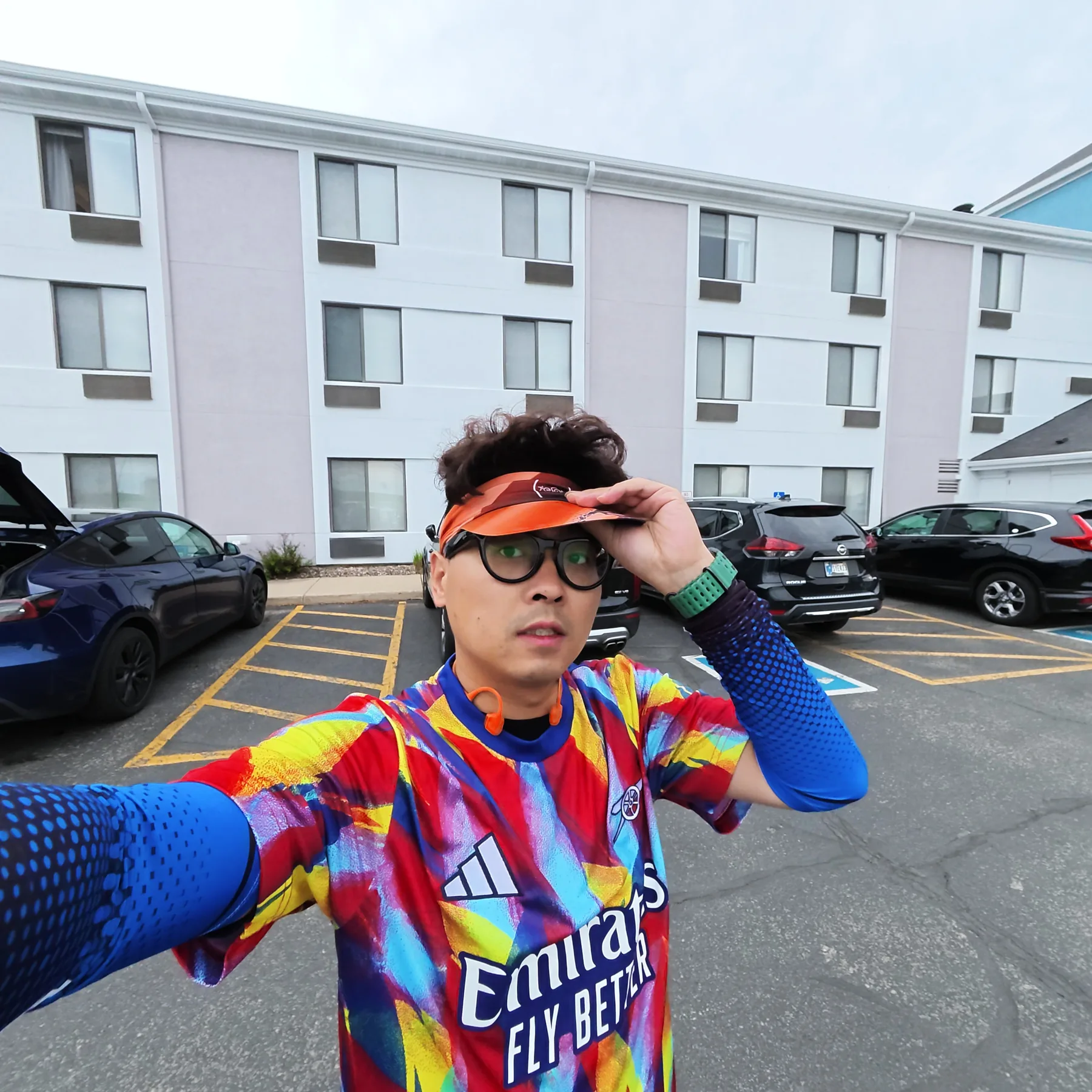
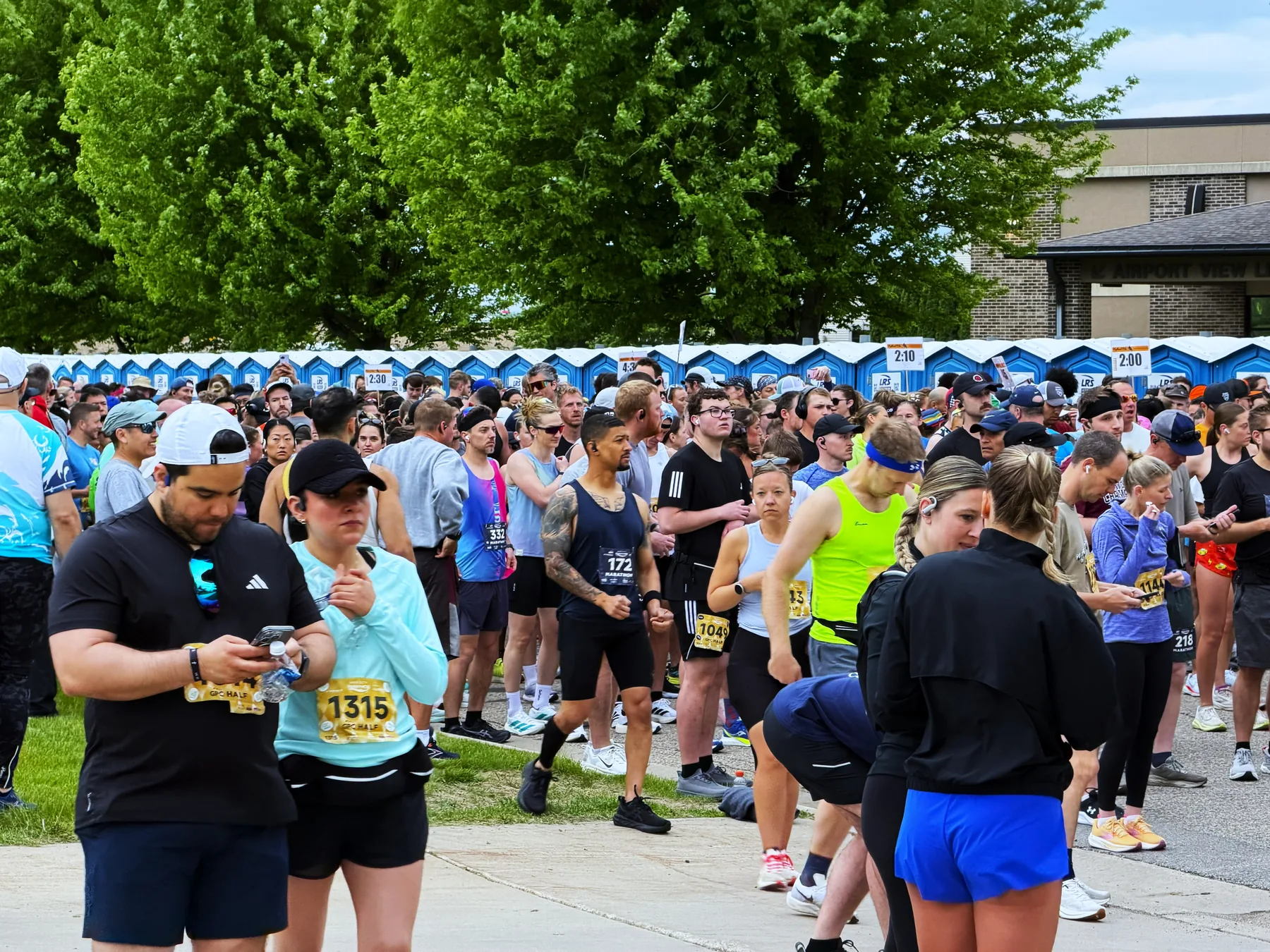
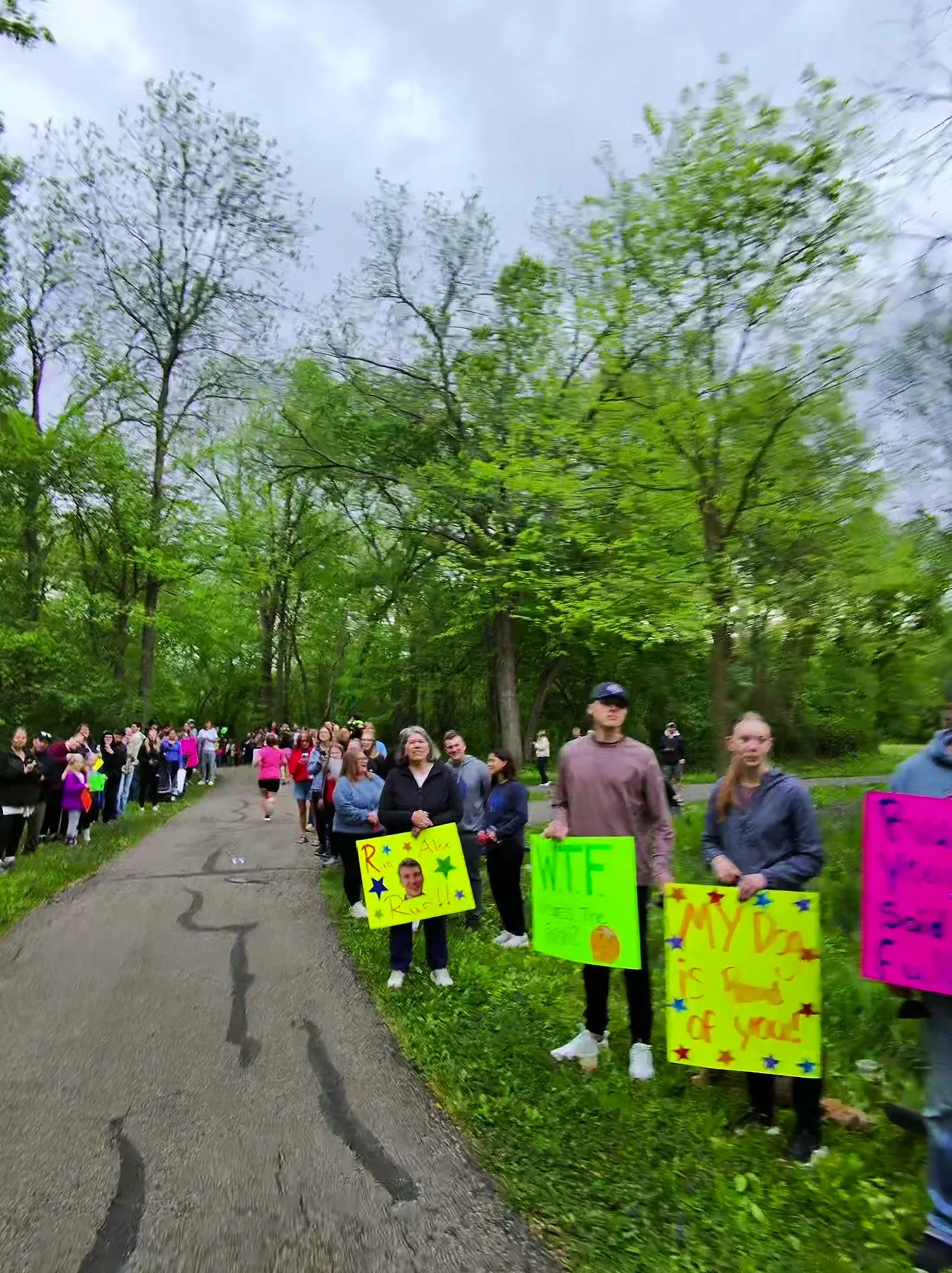
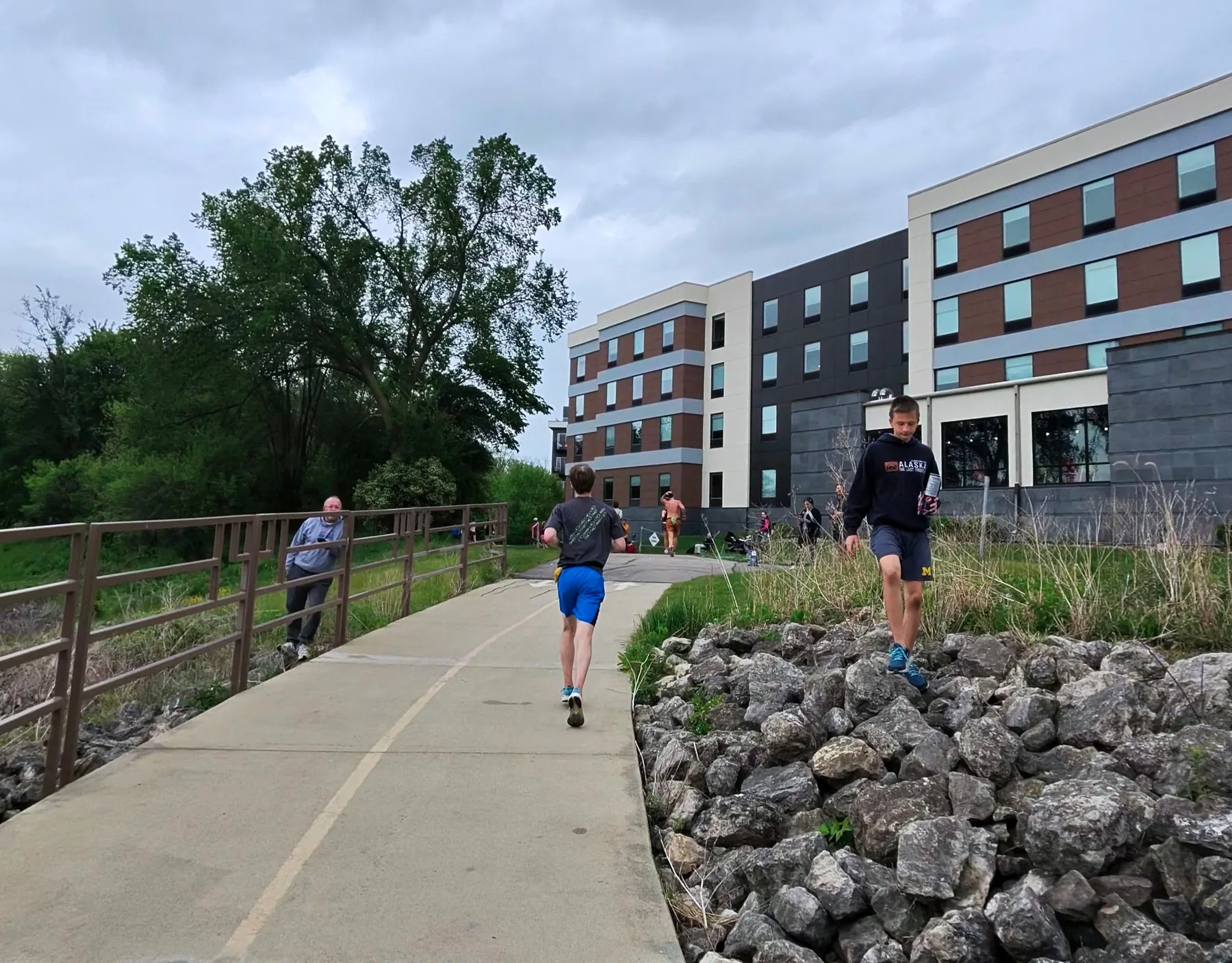
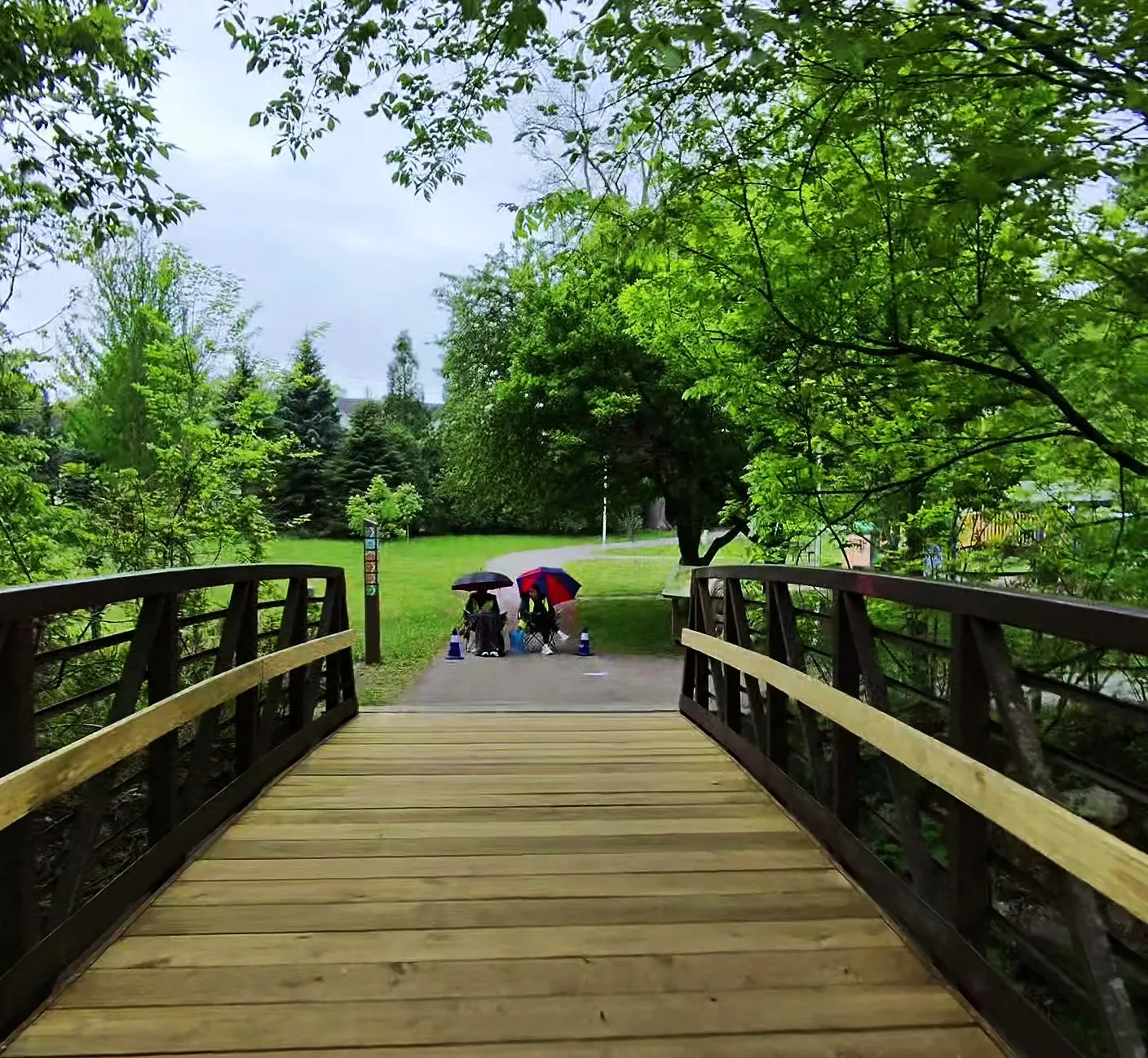
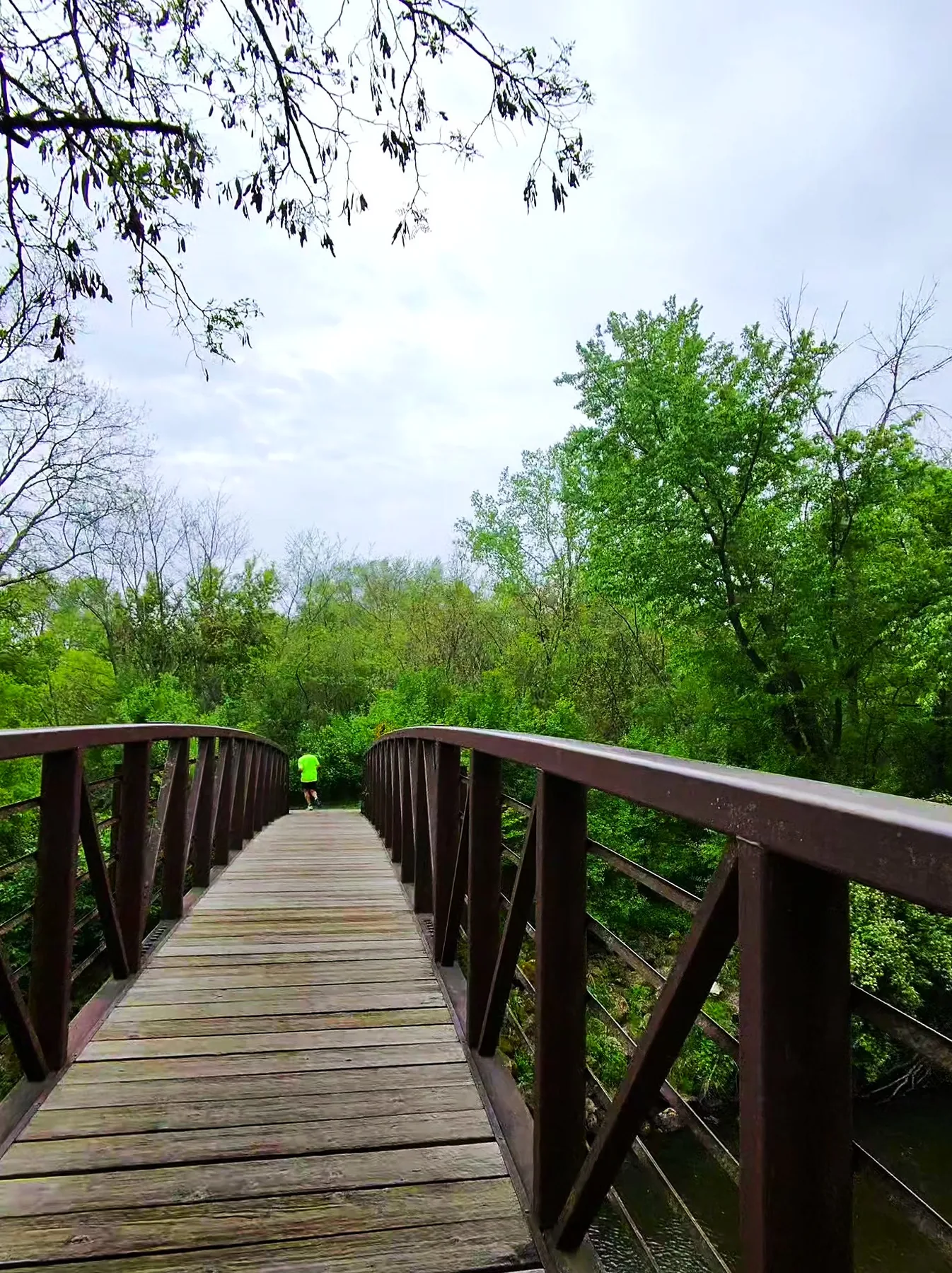
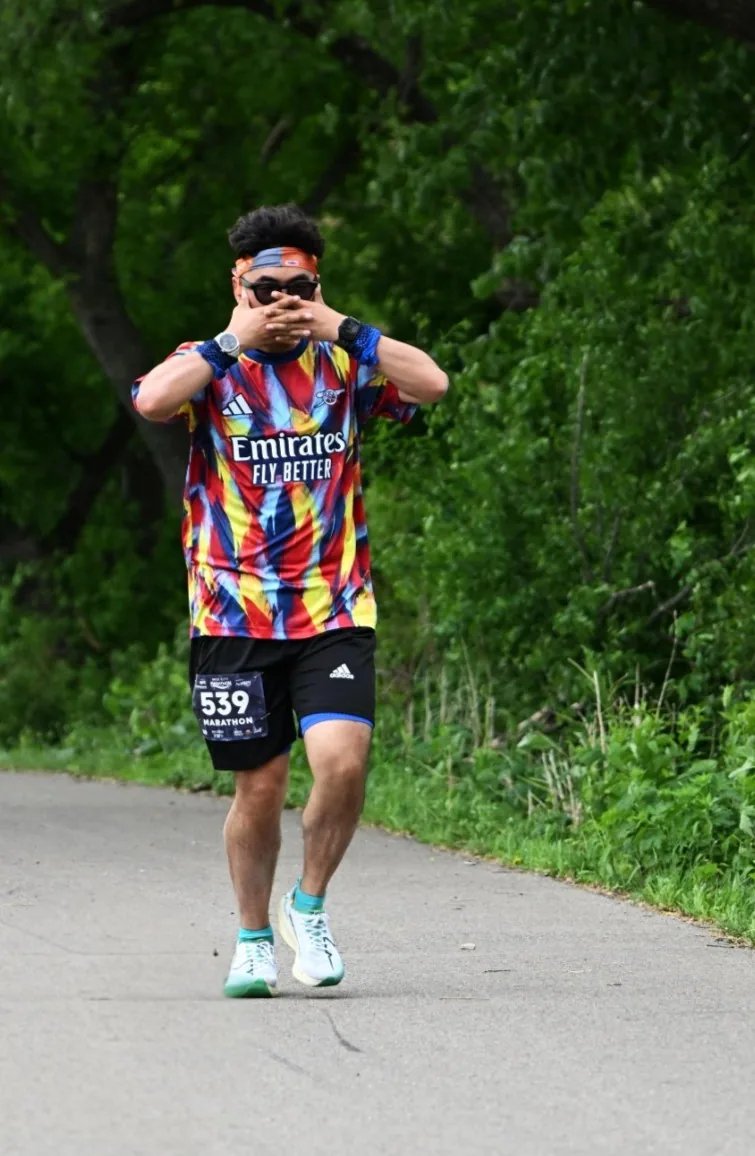
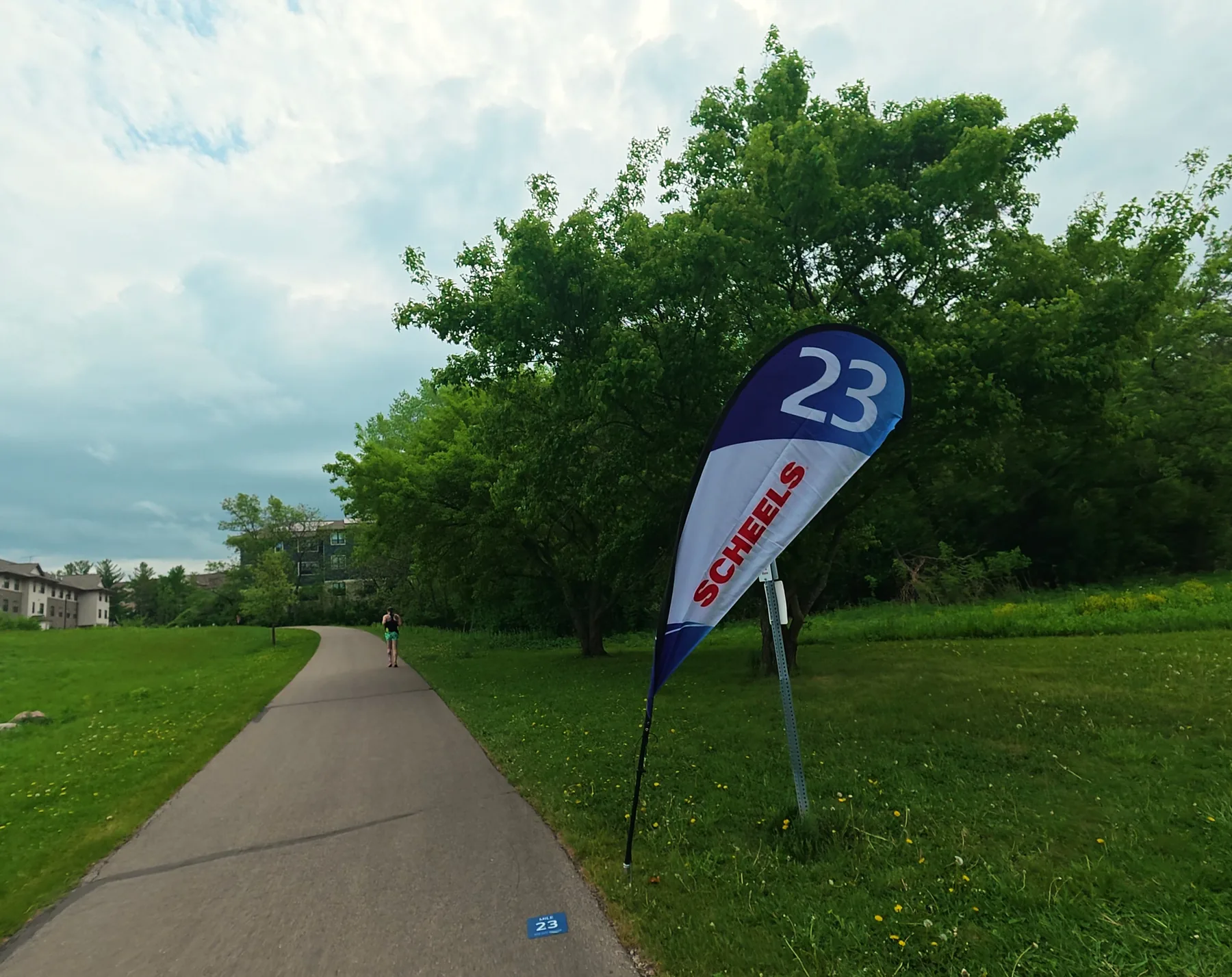
The race started near Rochester International Airport, in open land rather than towers and traffic. The weather was kind: high sky, broad clouds, cool air, and no hard wind. The early miles ran through quiet farm country, then slipped into parks and woods with shade, grass, small climbs, wooden bridges, and volunteers who made a modest crowd feel genuinely warm.
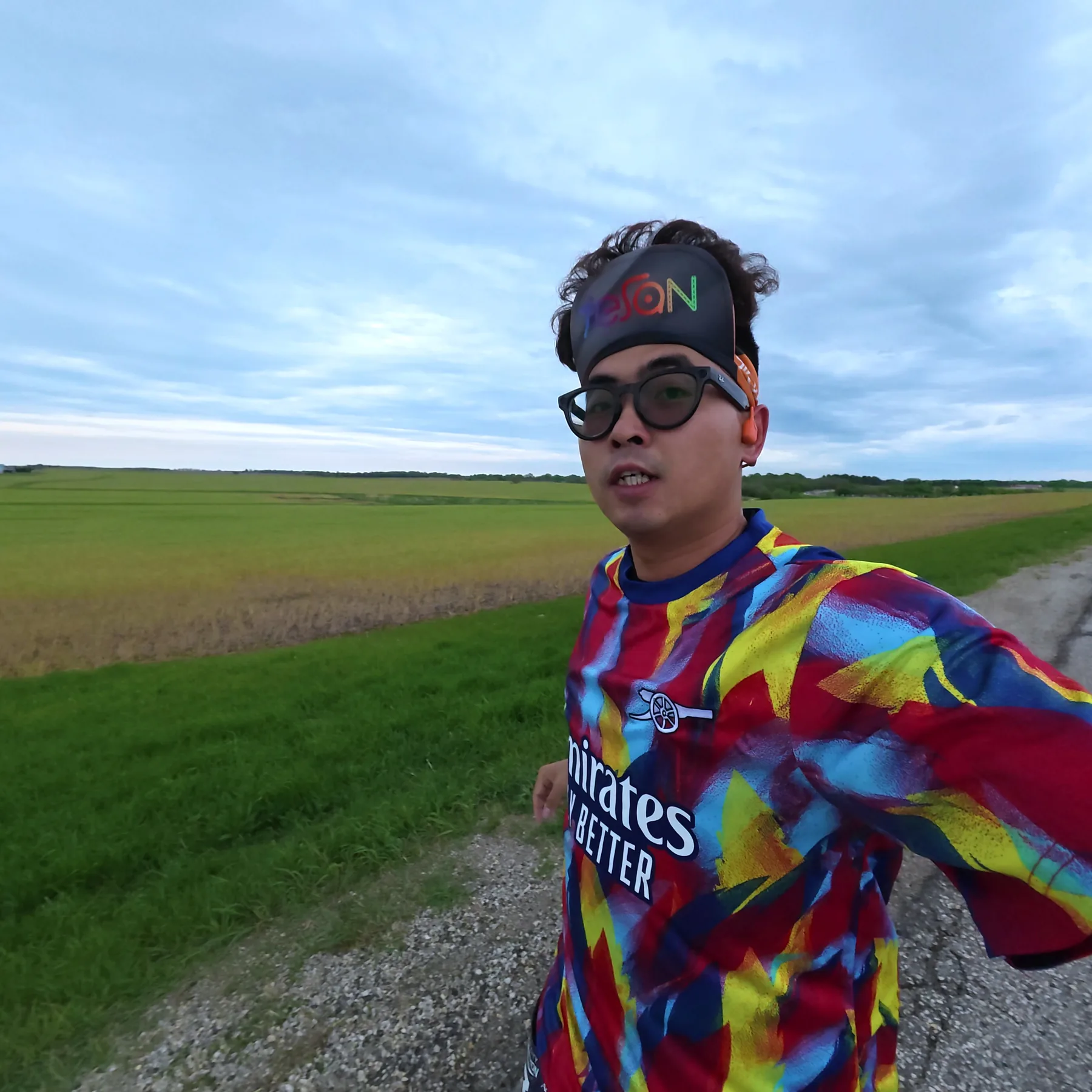
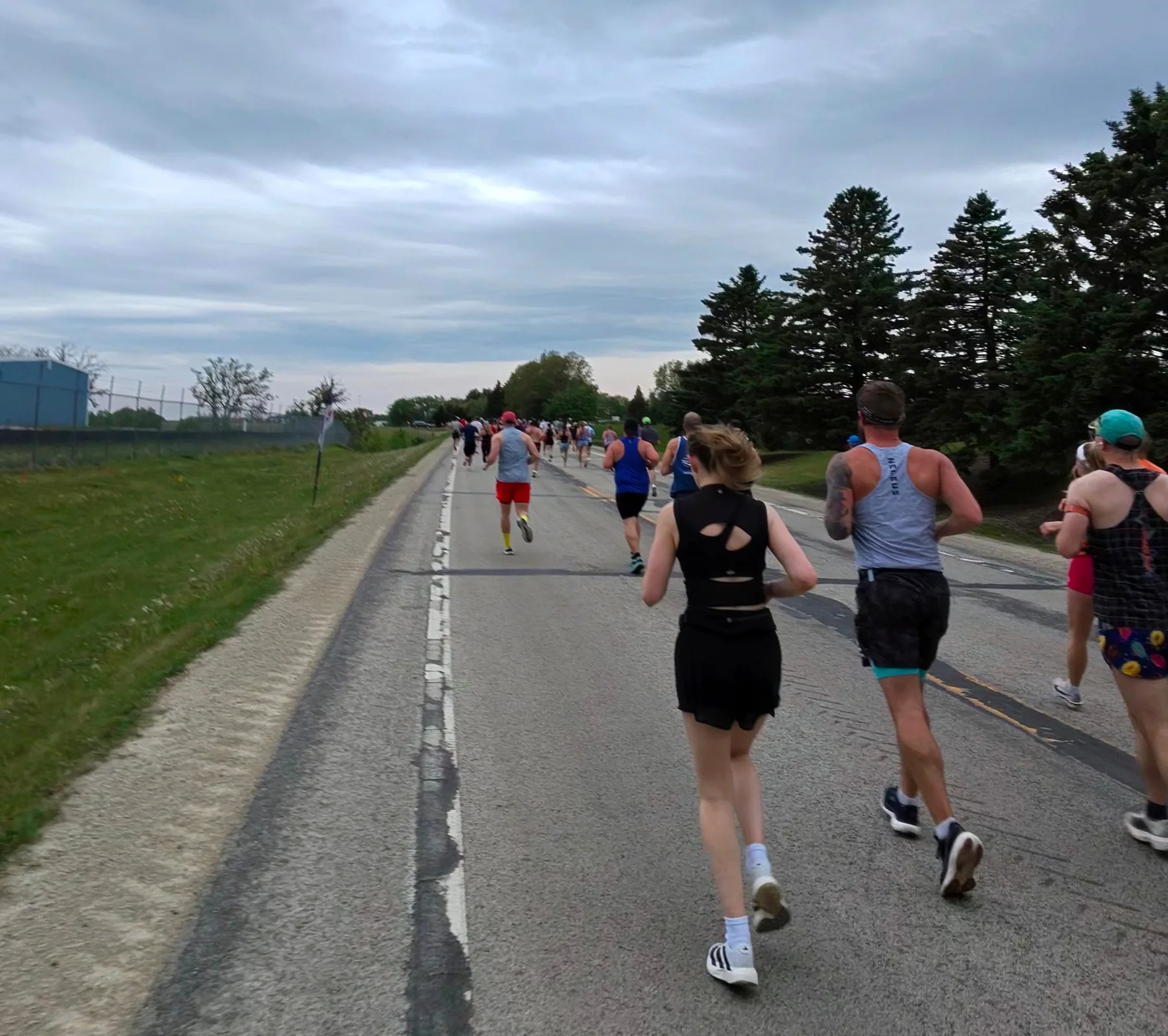
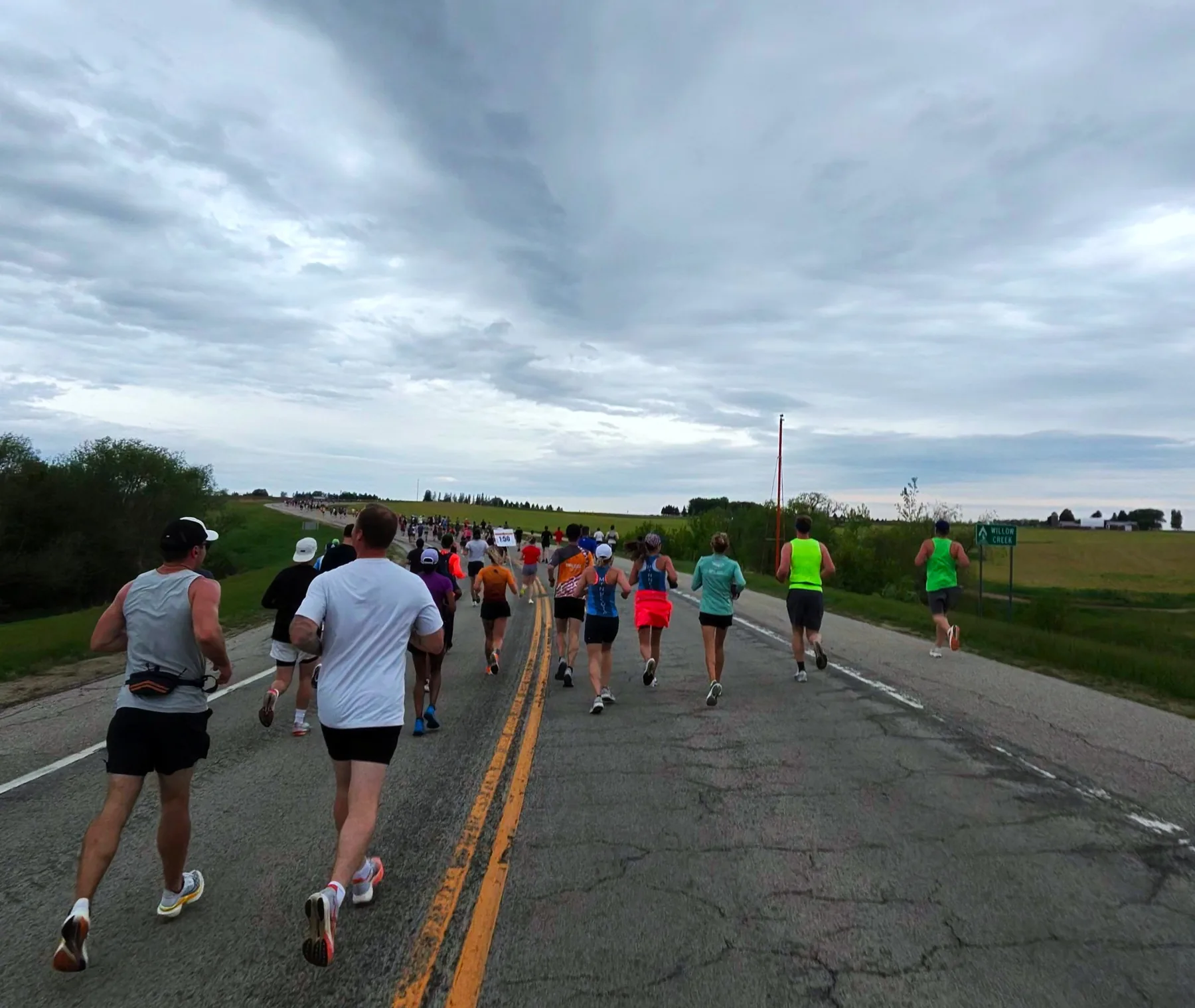
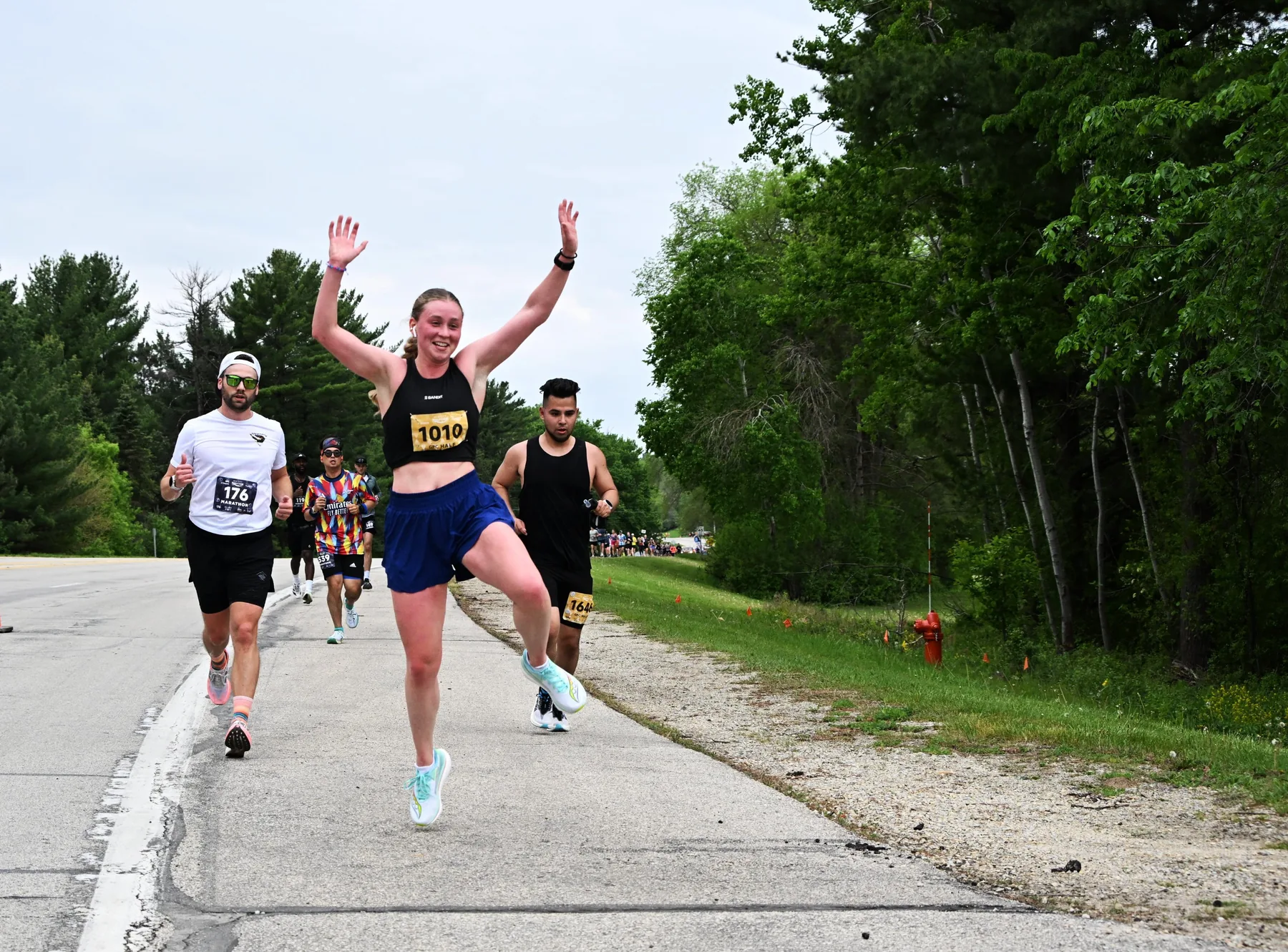
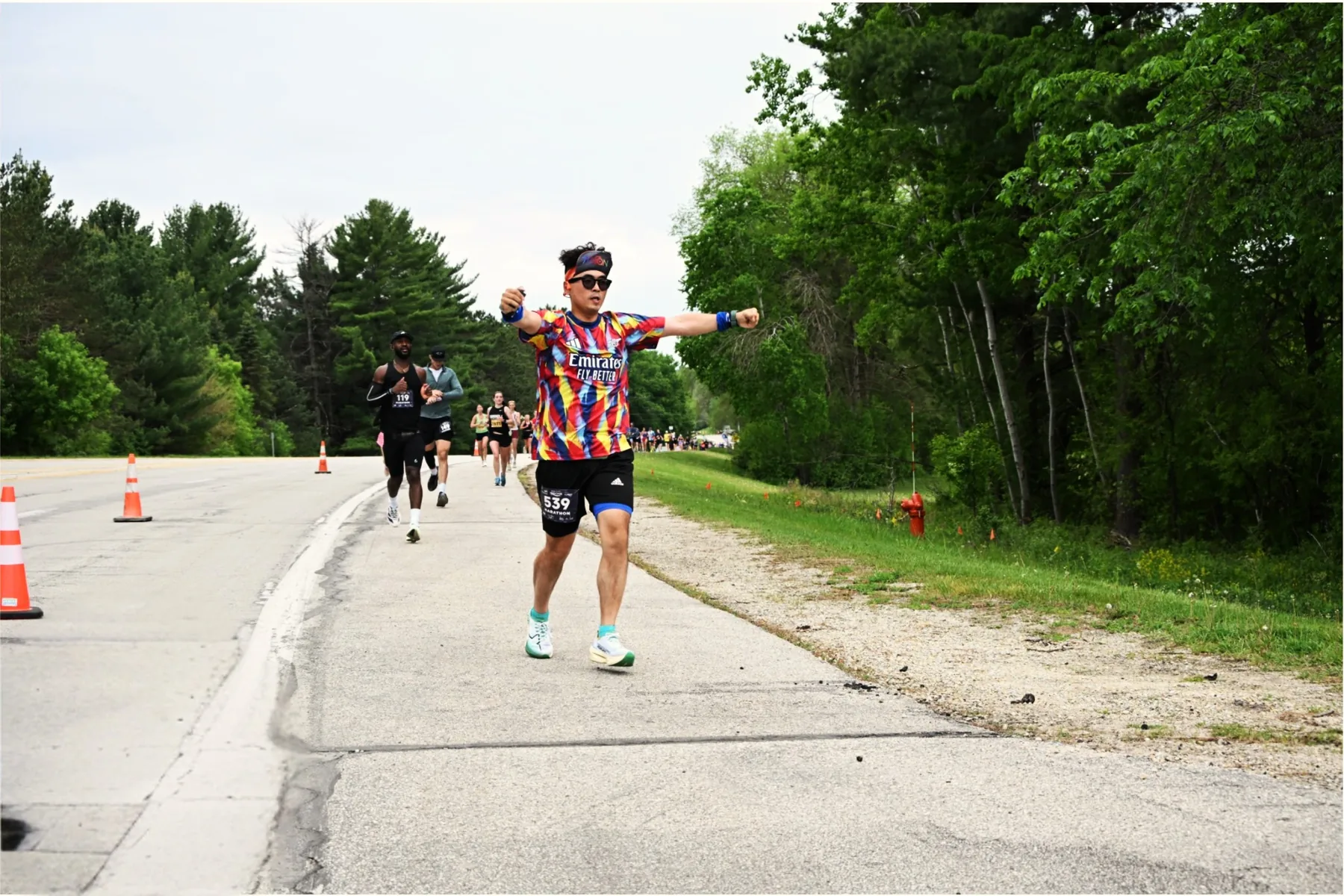
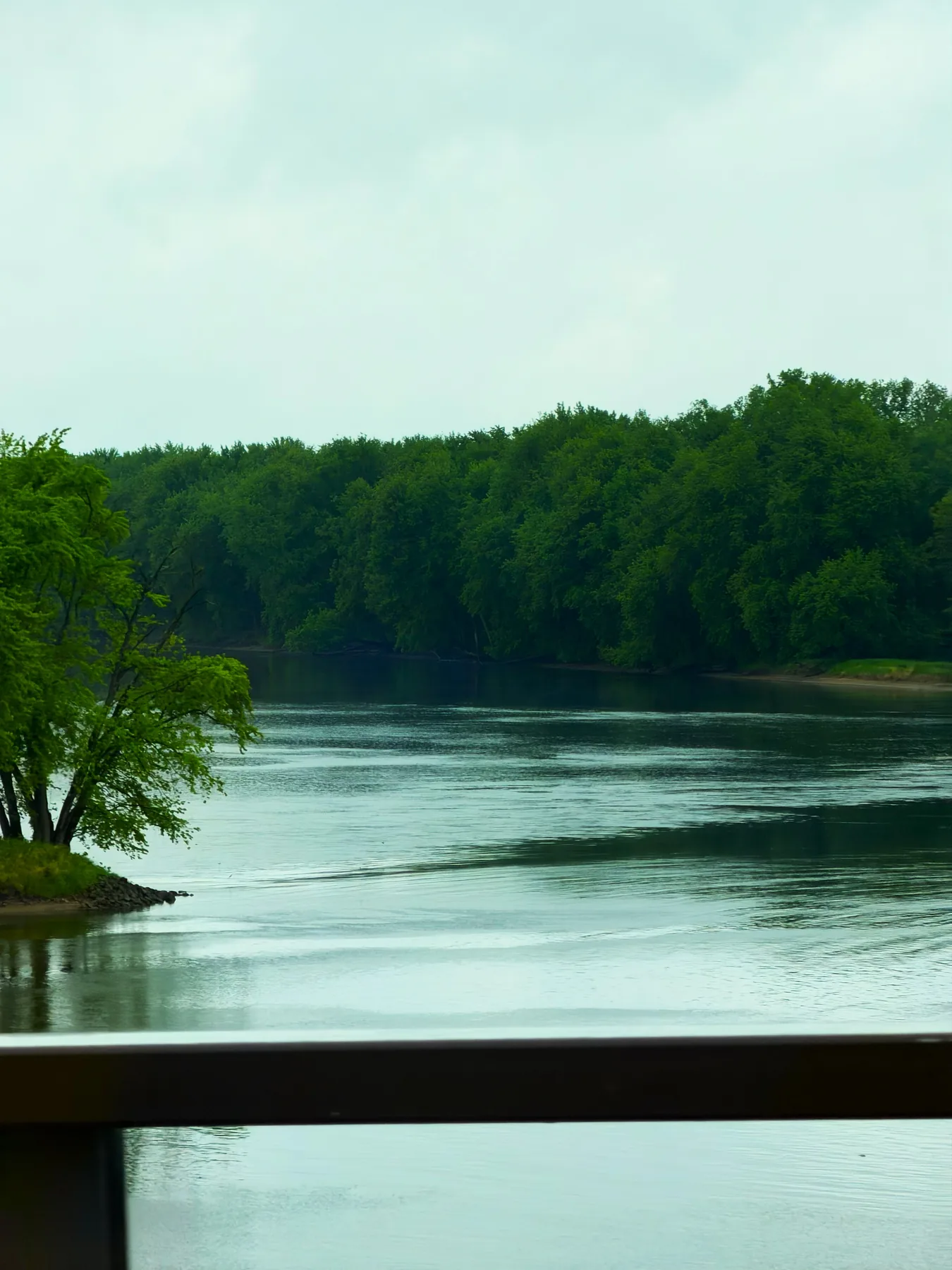
Later the route reached the river and aimed toward downtown. Mayo Clinic's buildings appeared in the distance. That was the moment when the name “Med City” stopped being a label and became something I could literally run toward.
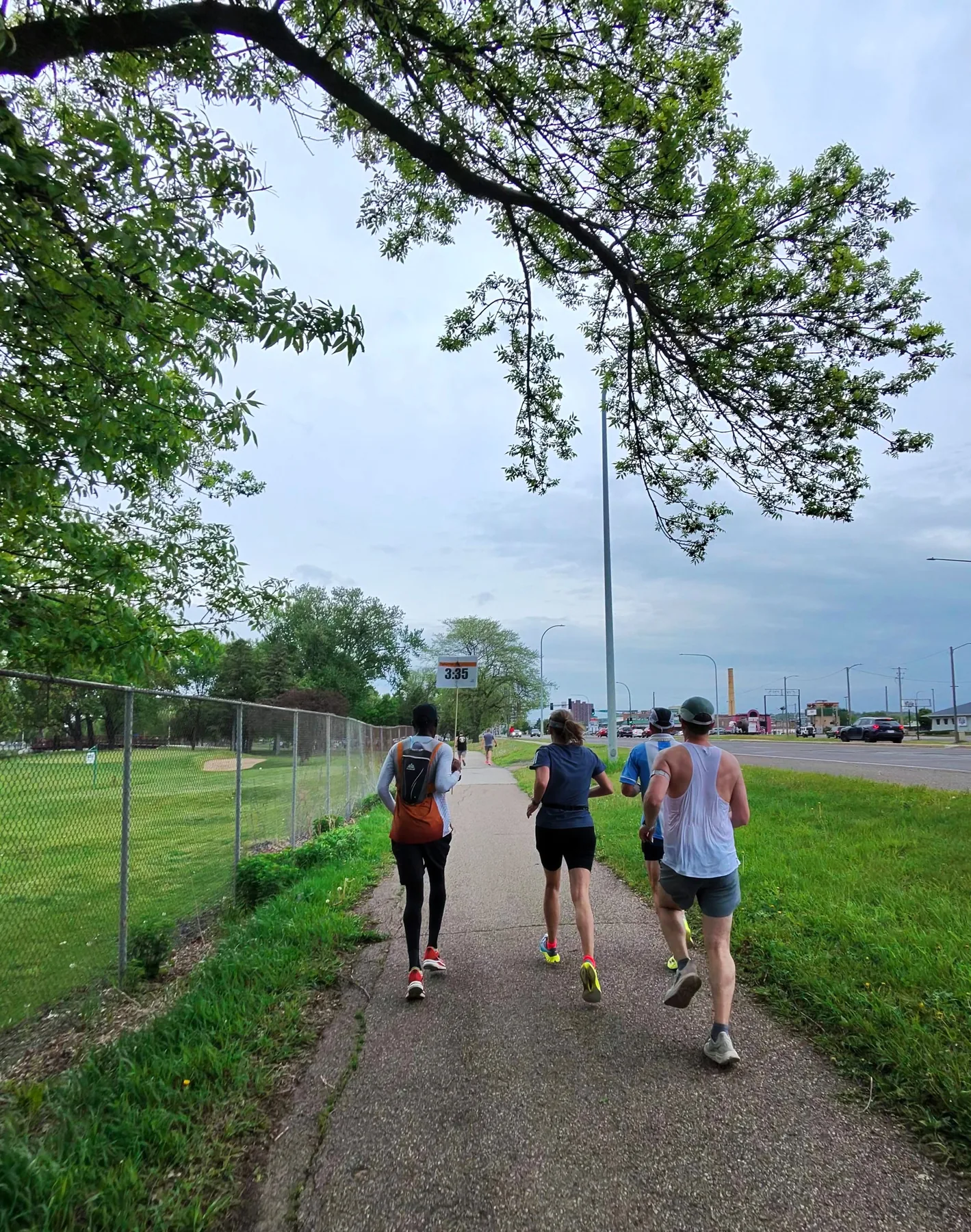
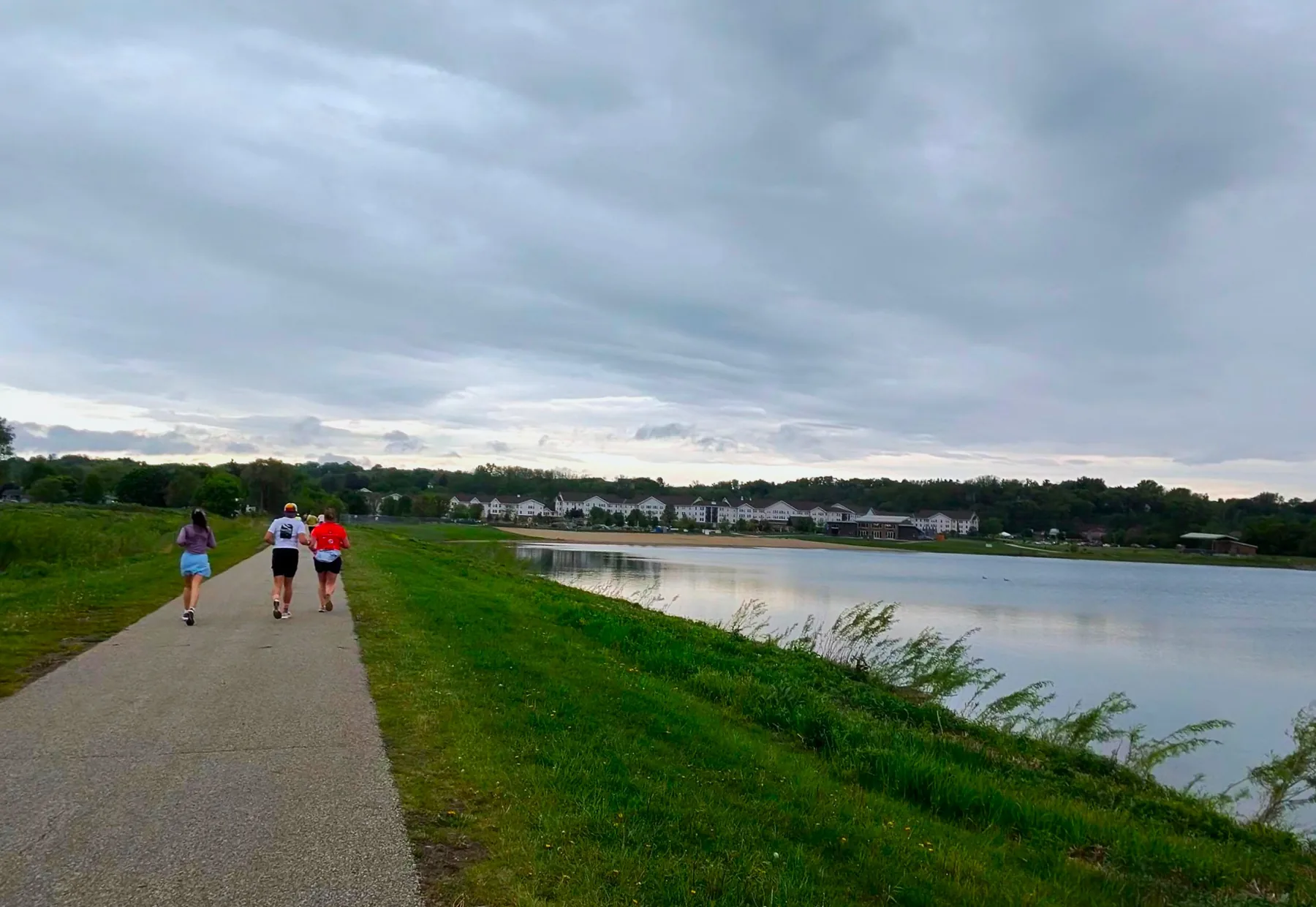
I was moving well in the first half and feeling pleased with the pace. Then I made a small mistake: no energy gels. I ate solid chocolate instead, and my stomach did not love it. The second half became run-walk: run when I could, walk when I had to. In a marathon, sometimes the stomach writes the strategy.
Across the bridge, under four hours
At the end, I crossed a wooden bridge, went through the trees, and wandered into the finish. The clock was still under four hours—another sub-four. Good enough to hand in.
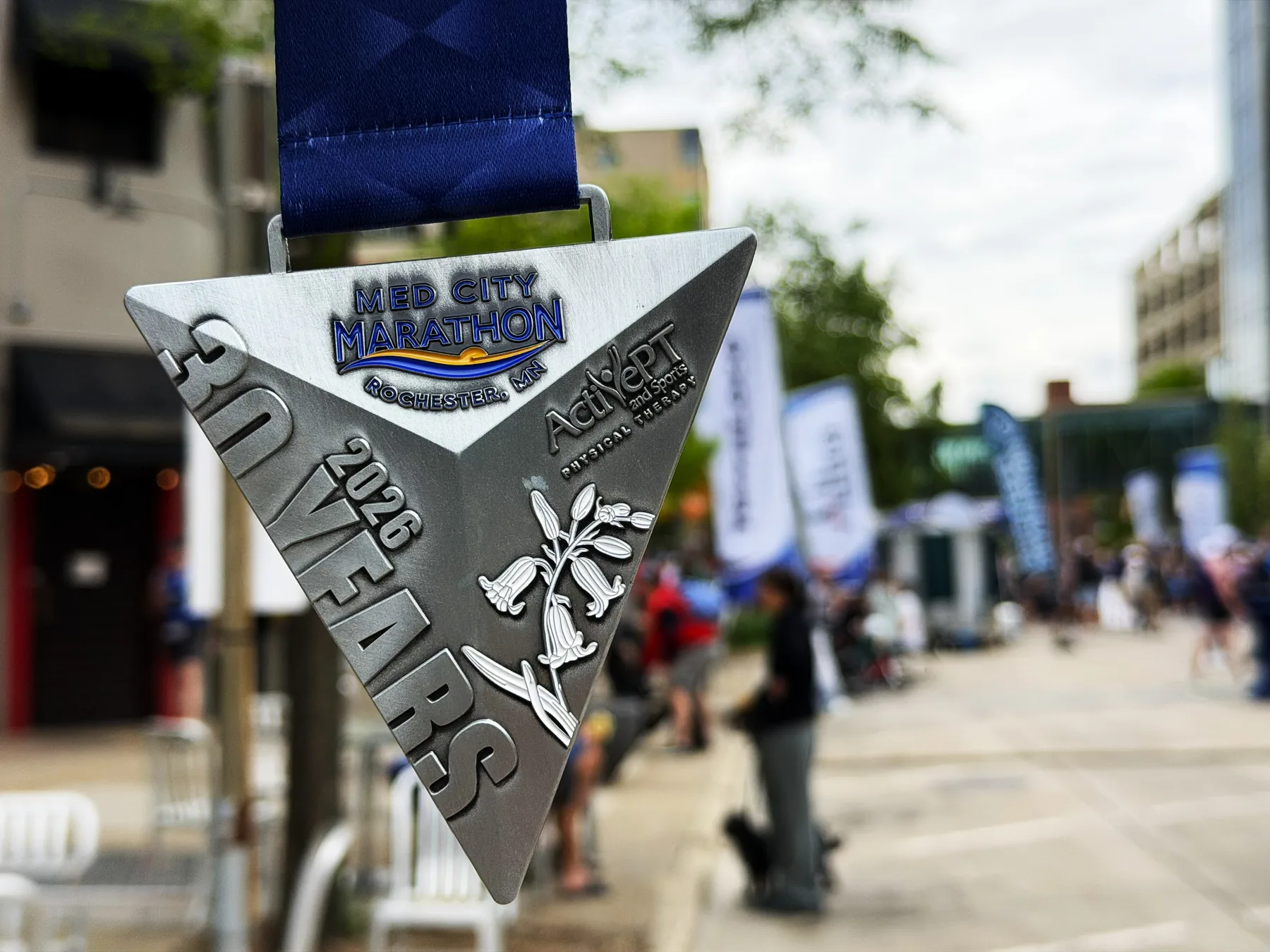
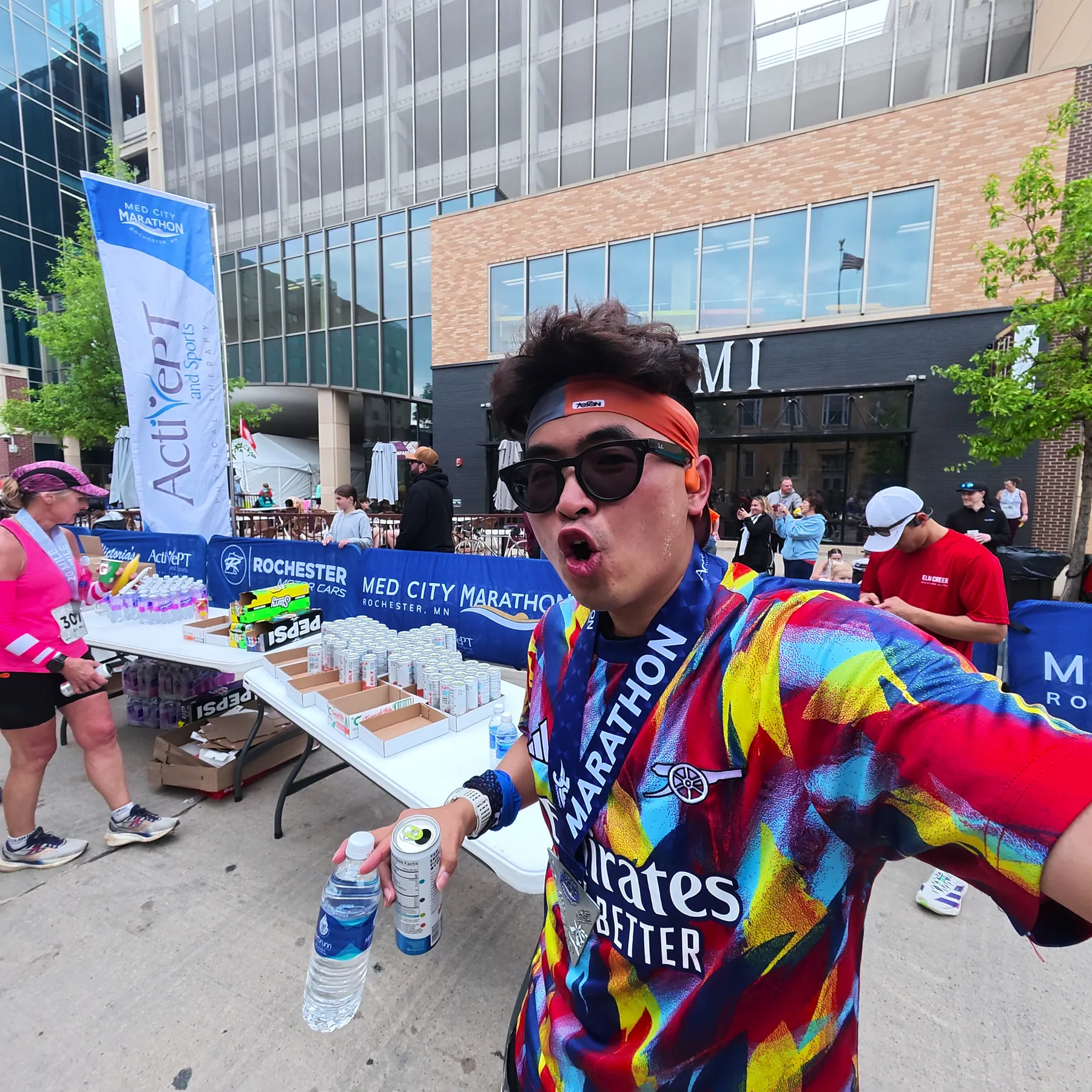
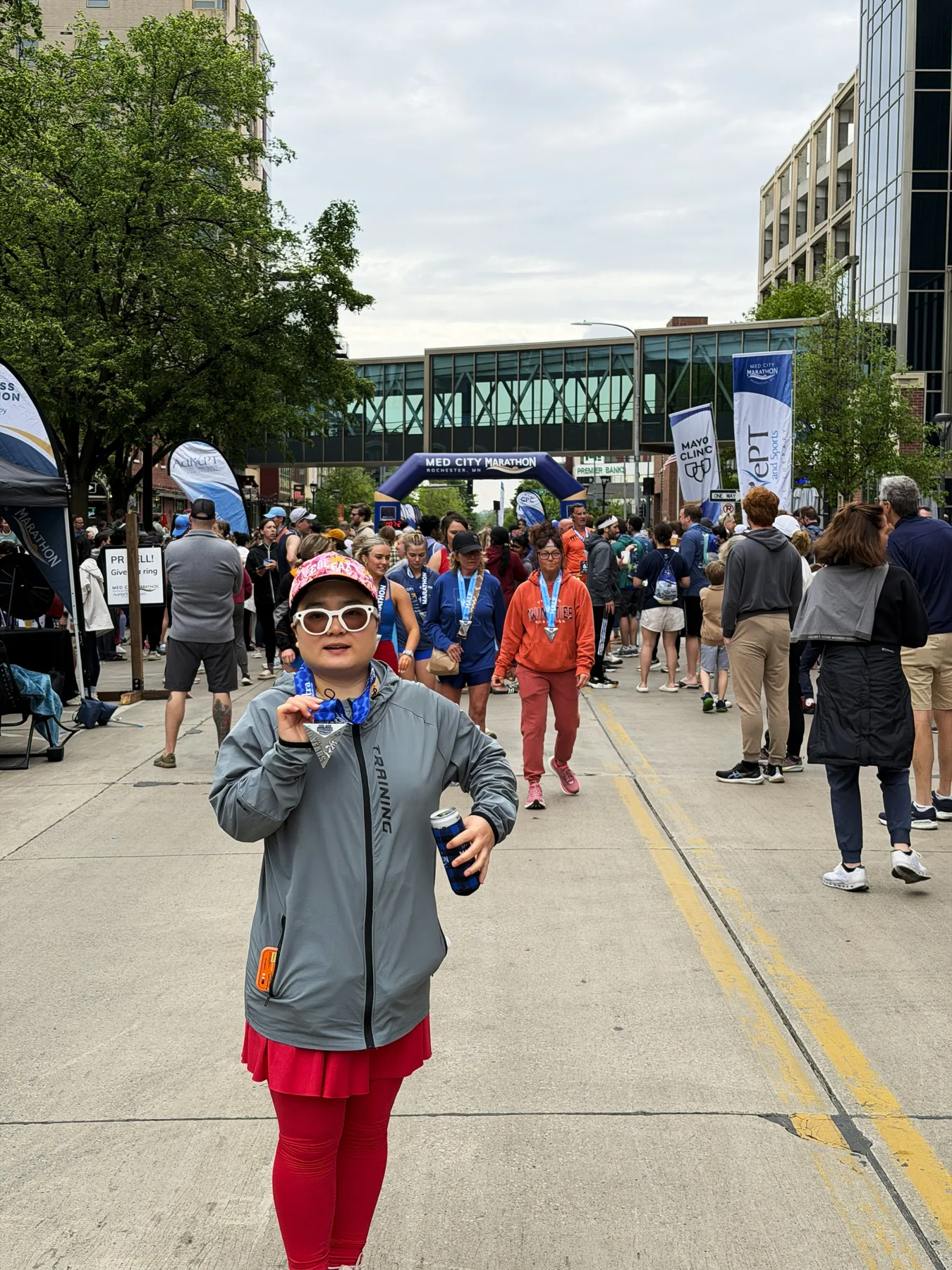
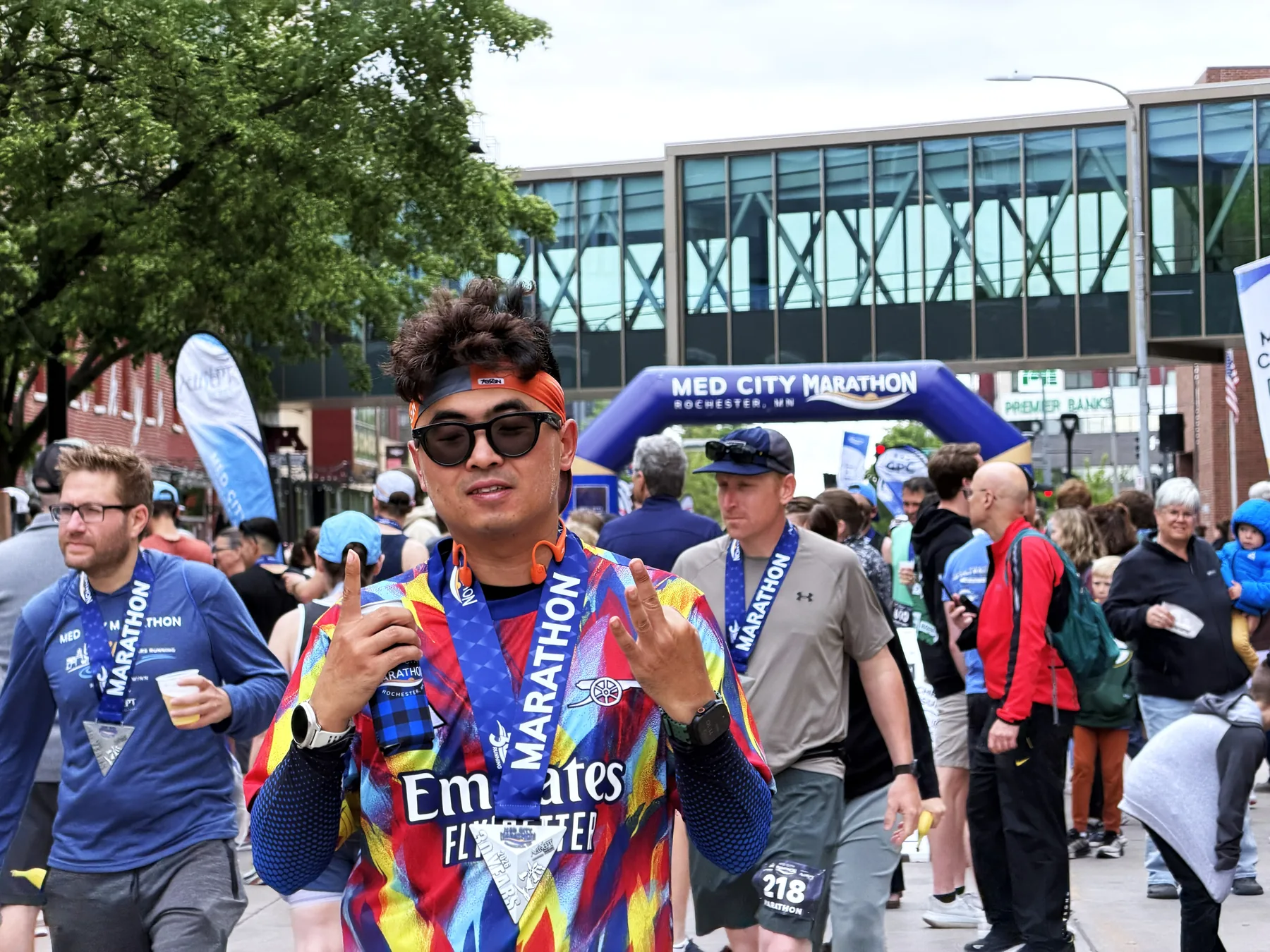
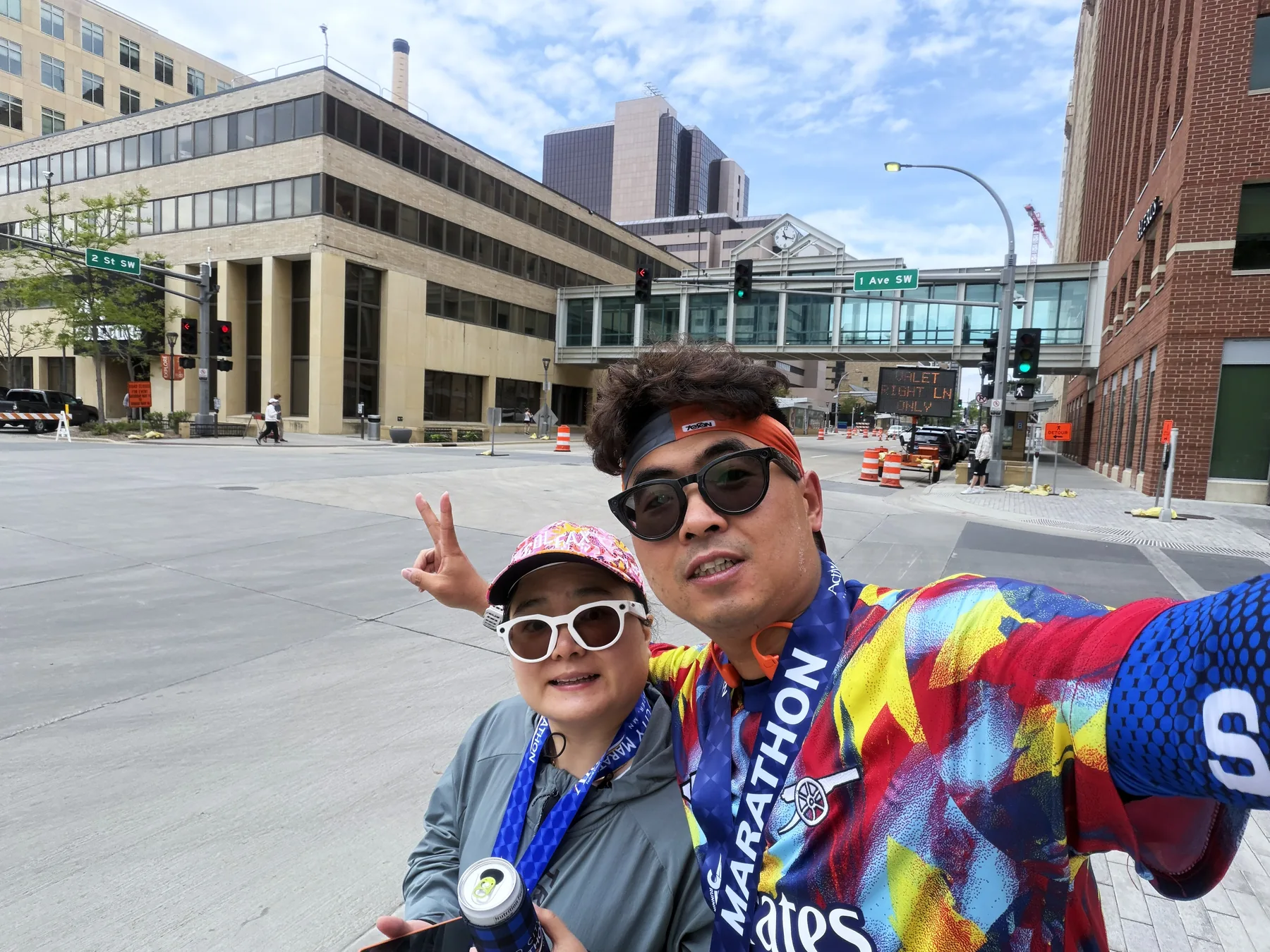
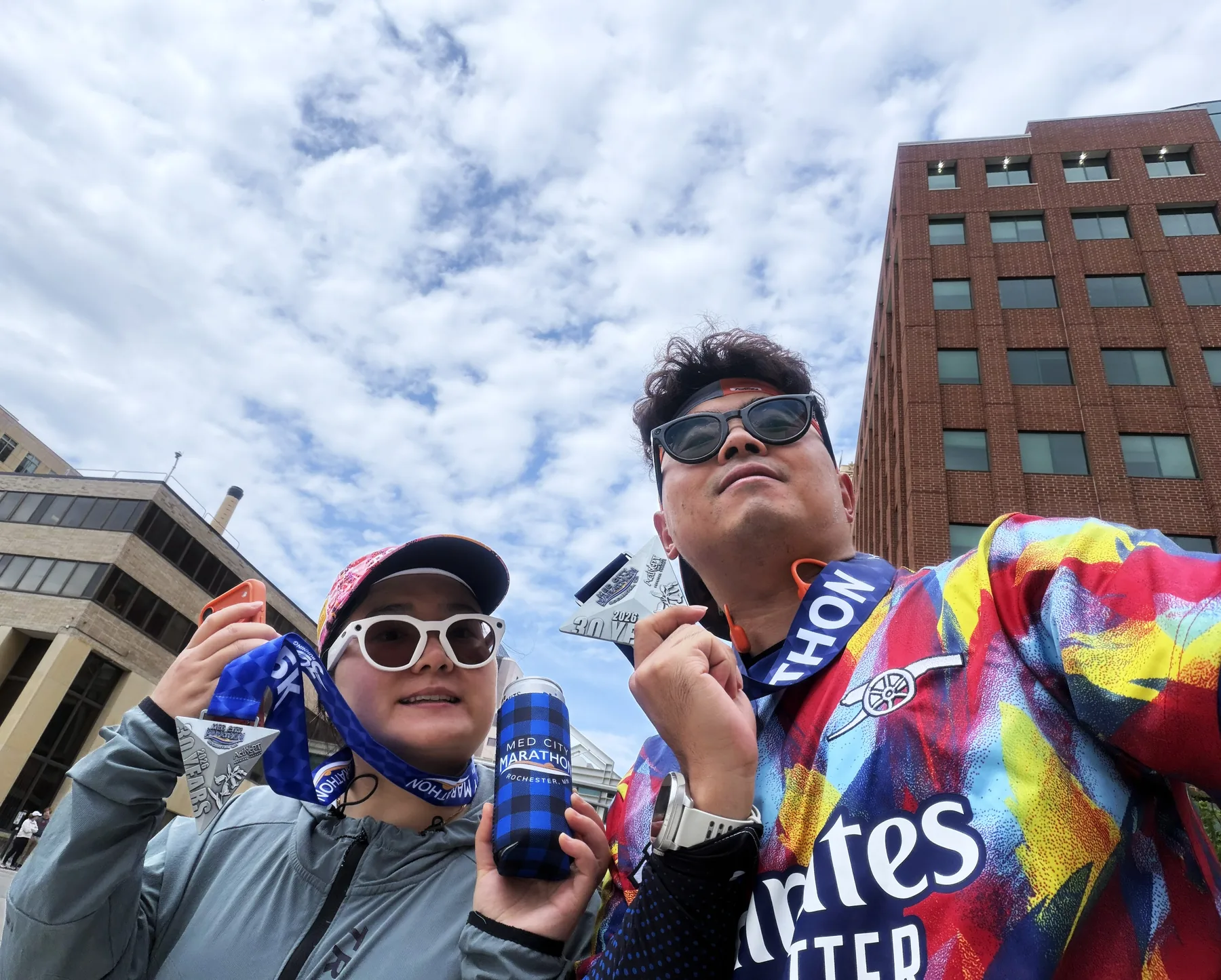
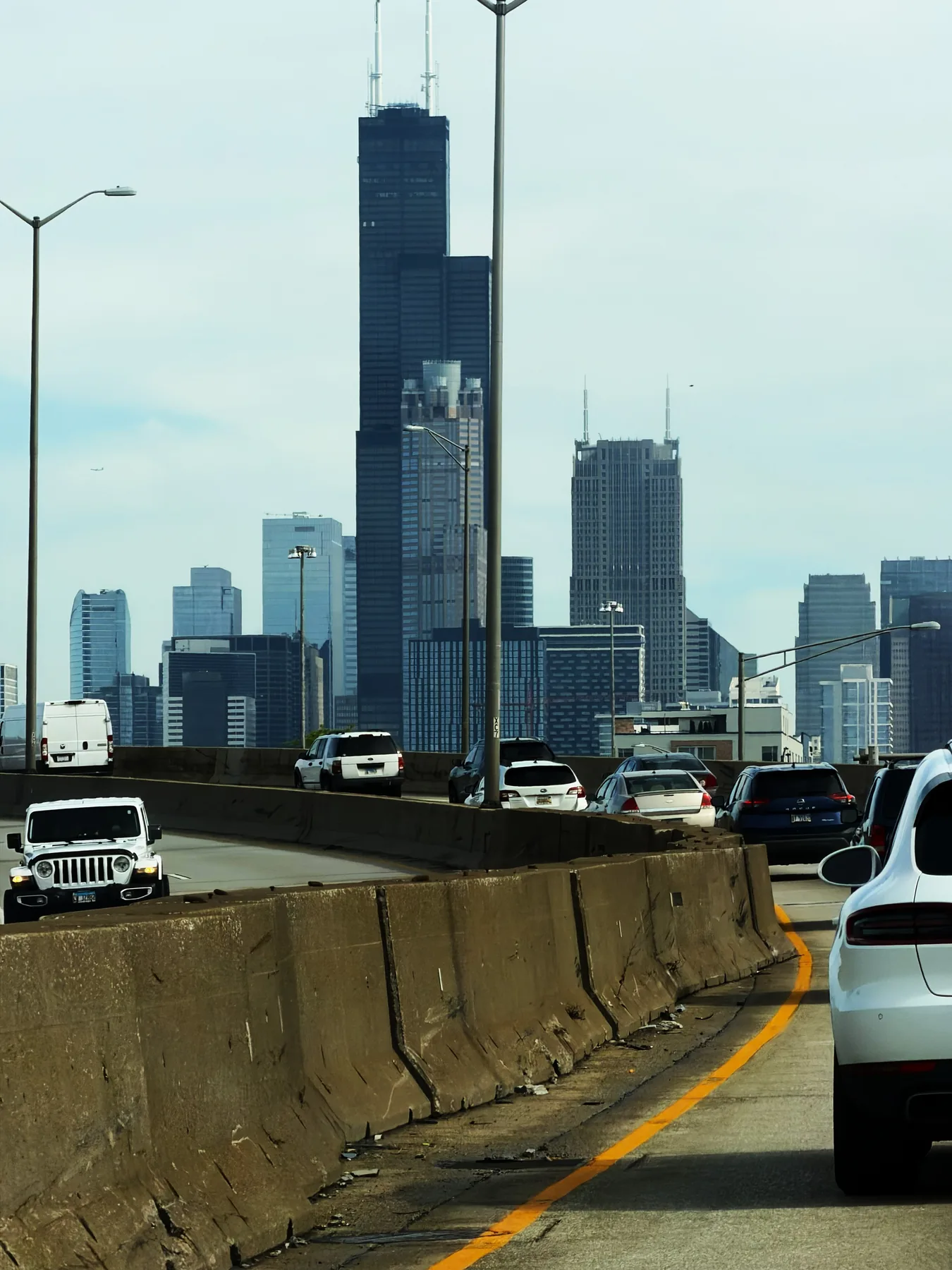
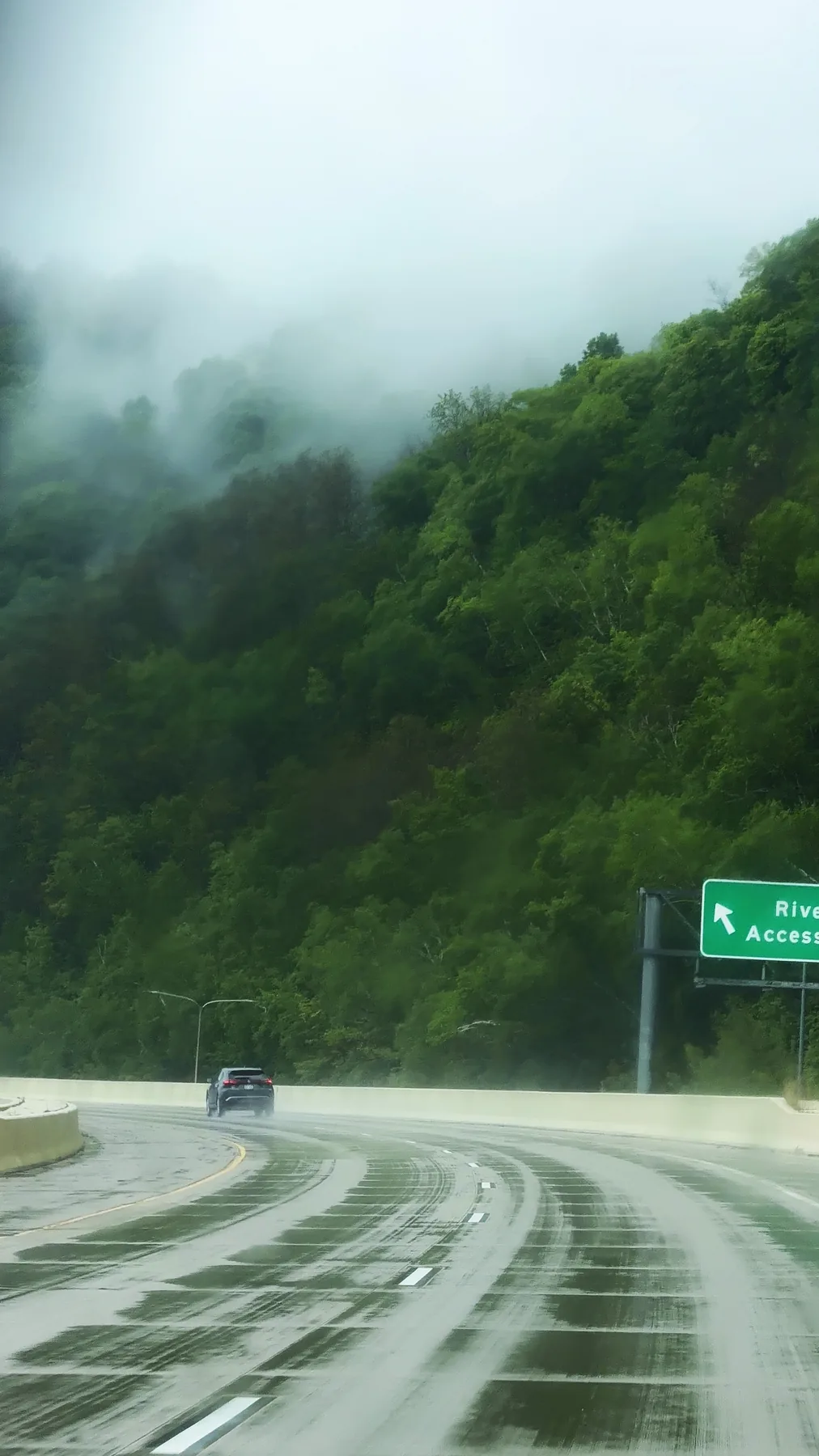
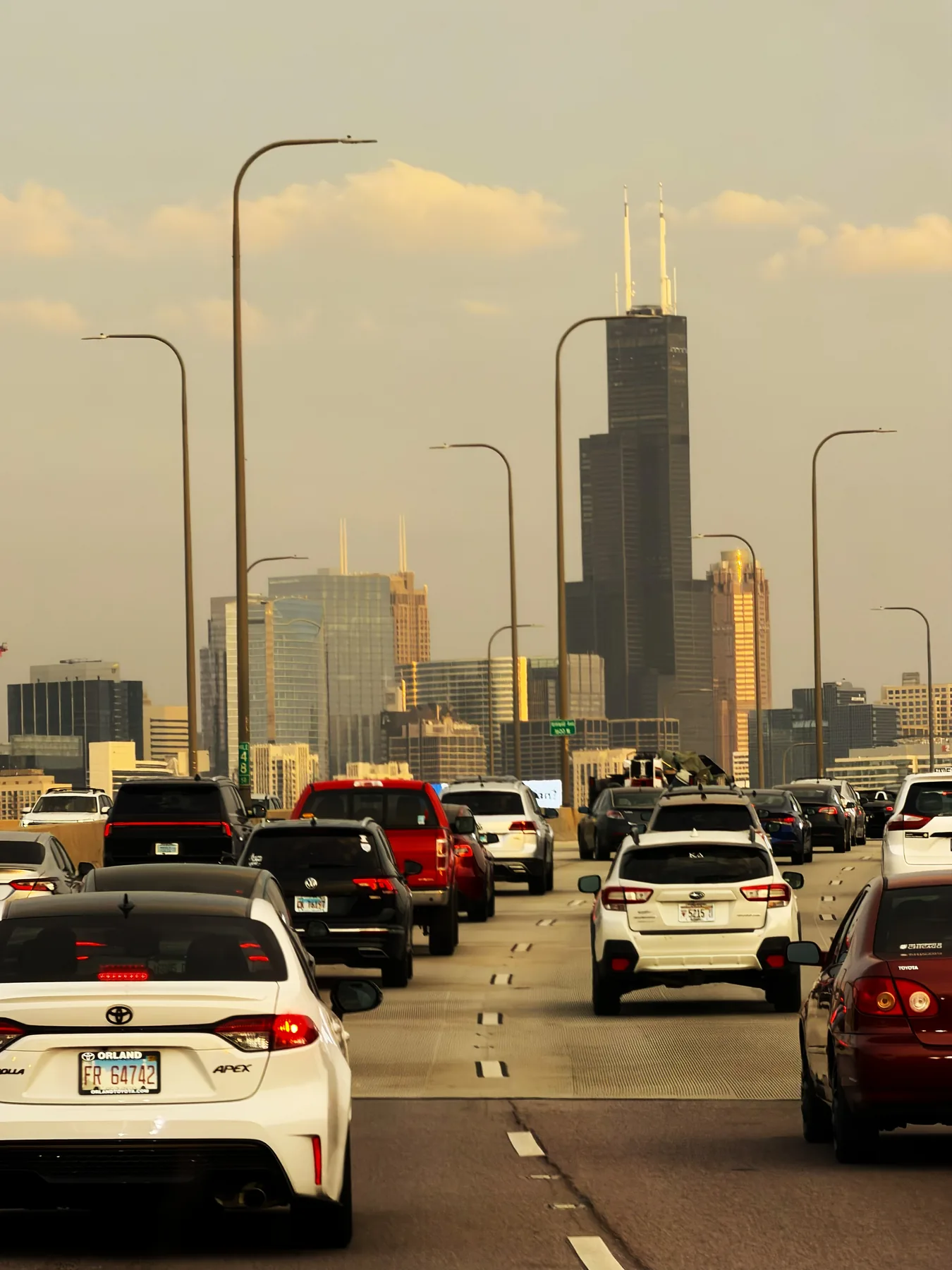
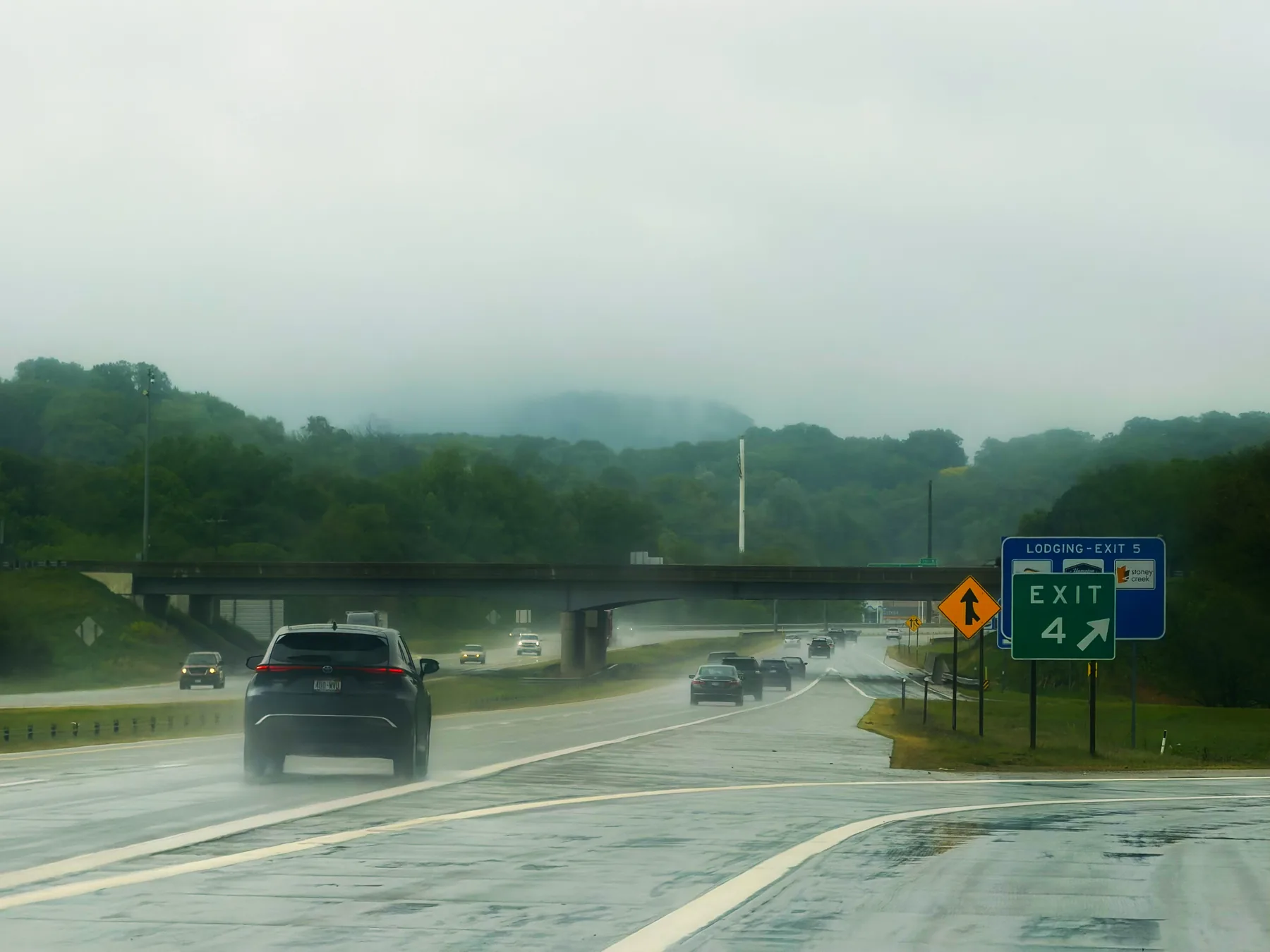
We did not linger. Shower, out the door, rain on the way home. Through Wisconsin, across Illinois, and back to Kentucky well after midnight. State 31, secured. Clean up, get back to work, and see you in the next state.
RUN50 FINISH LINE
State 31, secured.
Clean up, get back to work, and see you in the next state.
Back to the Run50 story map →