
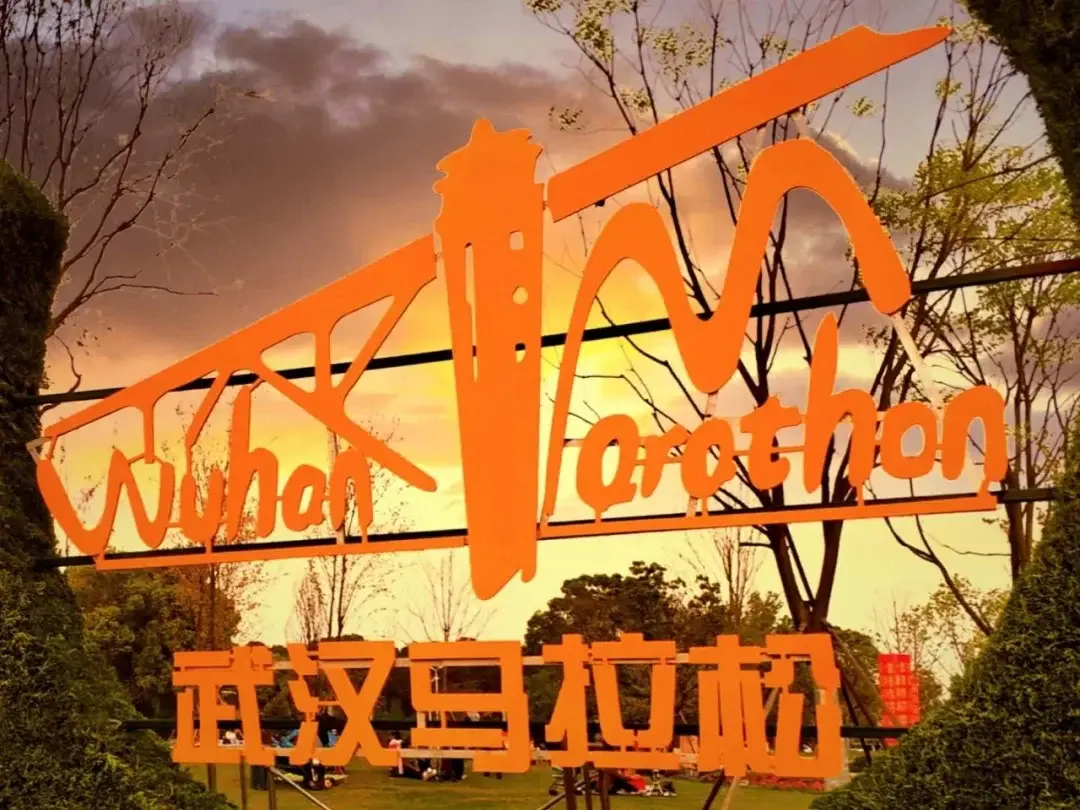
I really like this passage from Little Sun: "As a drinker, the happiest thing is not to drink a thousand cups without getting drunk, but to drink to the fullest; as a singer, the happiest thing is not to sing to the end of the song, but to sing to the heart; as a runner, the happiest thing is not to win the championship, but to run until the end is not finished...". For Wuhan Marathon, this description is appropriate.
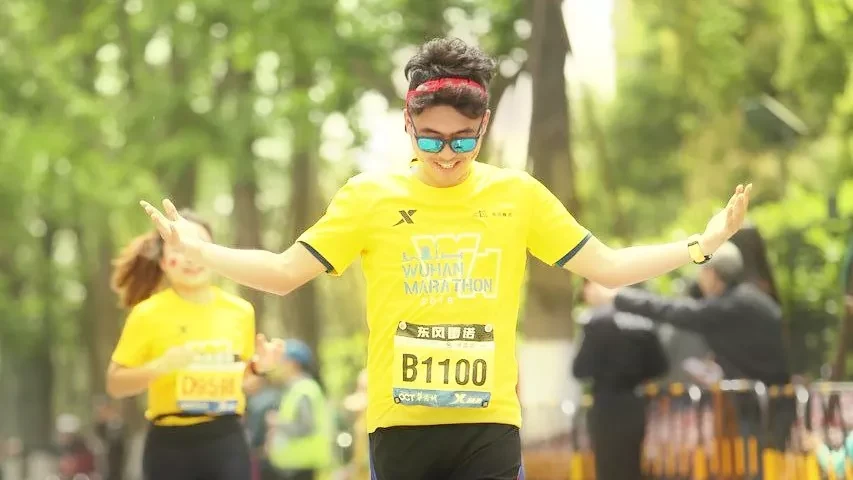
Looking back on the Wuhan Marathon in 2018, it made me think deeply. There is no moment like today when I am so eager to understand a city, even though I have lived here for nearly two years. What kind of city and what kind of group of people created such a passionate Wuhan Marathon? Only those who have experienced it will understand that the Wuhan Marathon carries real weight. This weight is the accumulation of history and the essence of the character of Wuhan.
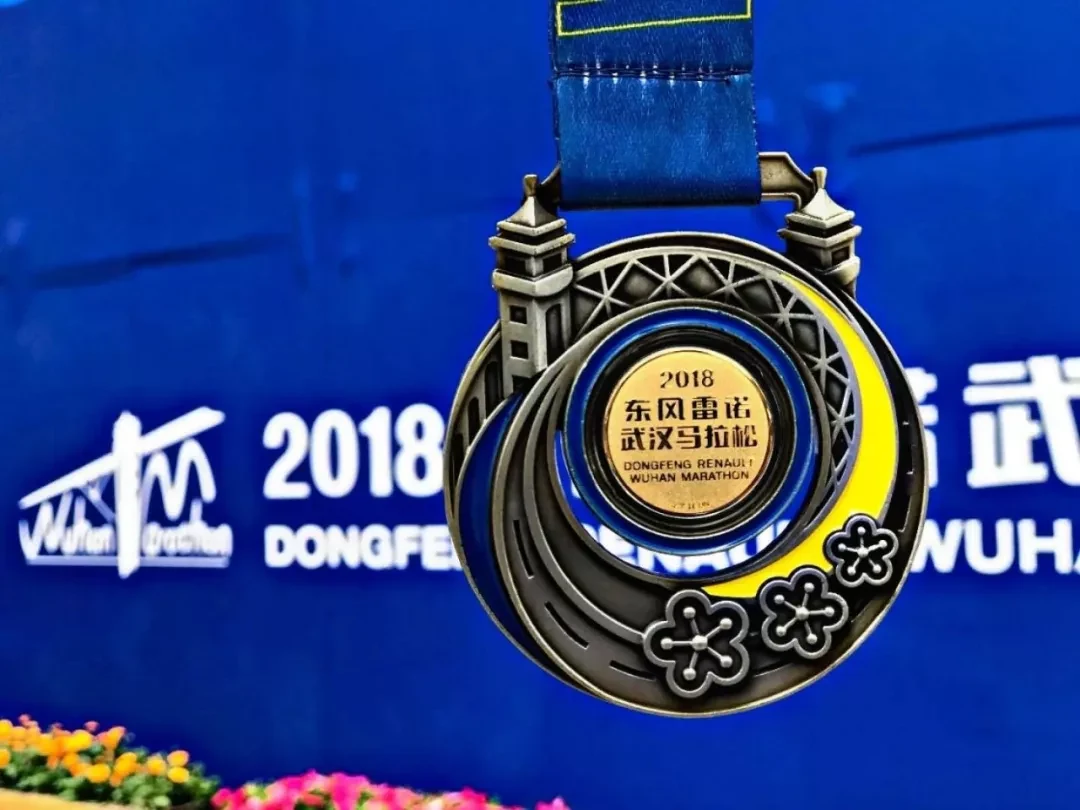
If you want to understand Wuhan Marathon, please first understand Wuhan
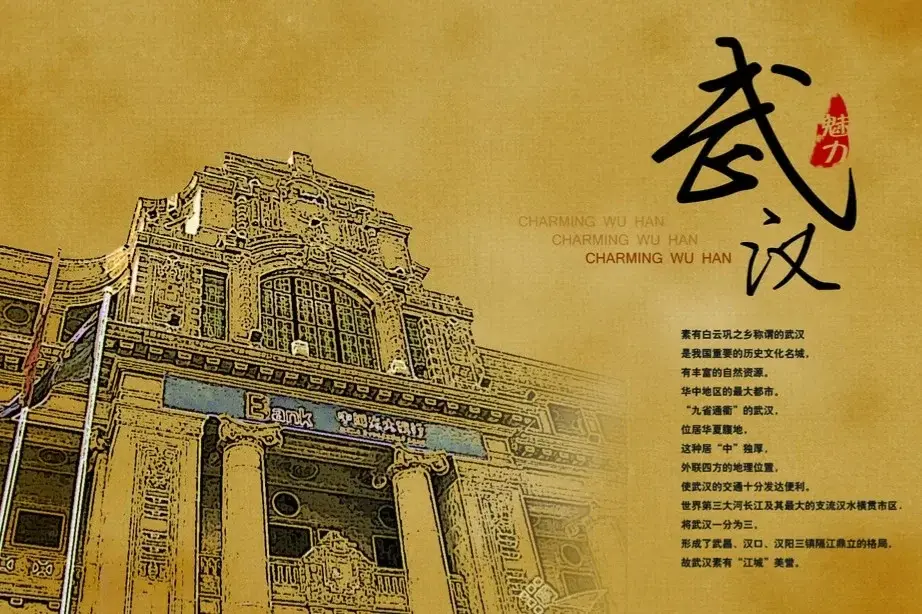
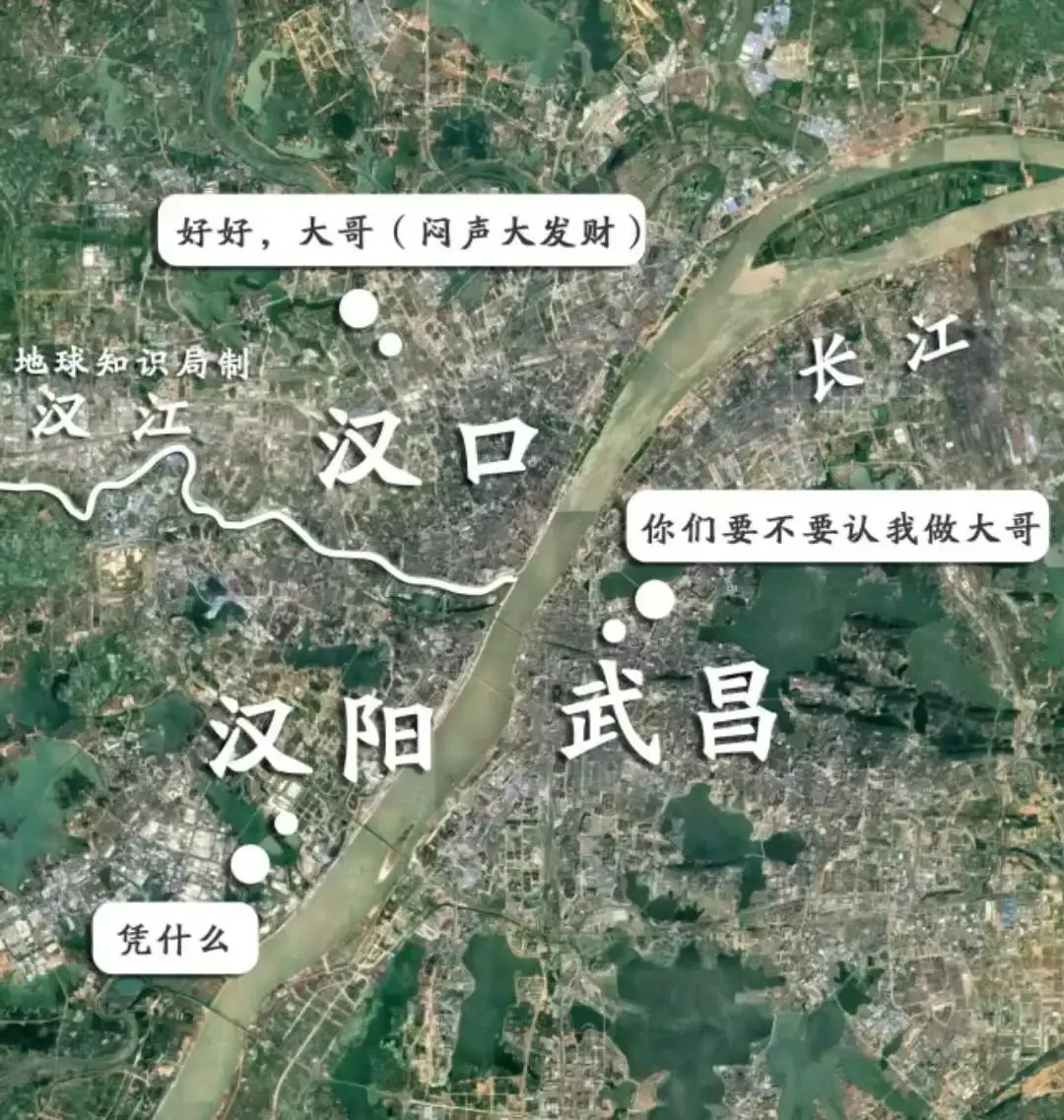
The soul of Wuhan city is as far back as Jingchu for thousands of years, and as close as one hundred years after Xinhai. Hubei is not only the birthplace of Jingchu civilization, but also the birthplace of Asia's first democratic republic. Both Yue Pao Quan and Little Sun have made similar comparisons, comparing the Wuhan Marathon with the Wuchang Uprising that began with the Revolution of 1911 in 1917. The reflections that span a century do have something in common and the significance of the times.
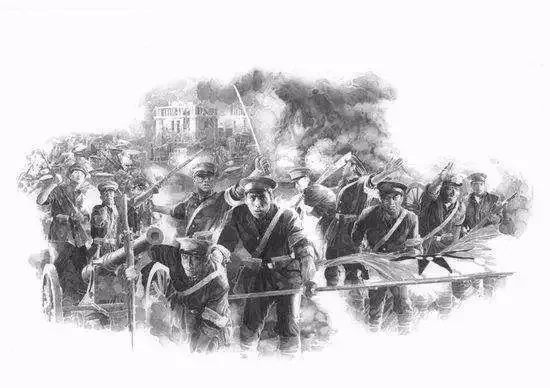
On the evening of October 10, 1911, a thousand new troops fired guns and set off, running mightily inside and outside the city. The entire Wuchang city rose up, and the "Wuhan Marathon" a century ago began. The route probably started from the engineering camp outside Wuchang City, ran into the city, and then ran to the Governor's Mansion... In the end, the event was a complete success, marking the beginning of the Revolution of 1911. Within two days, Hankou and Hanyang also successfully revolted, and the Wuhan Military Government was proclaimed. This revolution, which swept away the old and opened the new, quickly ignited the city like a marathon; the revolutionary fire spread across the country like sparks. Today, running through this heroic city, you can still faintly feel the drama those revolutionaries experienced 107 years ago. The difference is that while the weight of history remains, the times have given Wuhan more vitality and passion. The Wuhan Marathon is a city festival blessed by its residents. Perhaps this is the temperament deep in Wuhan people's bones.
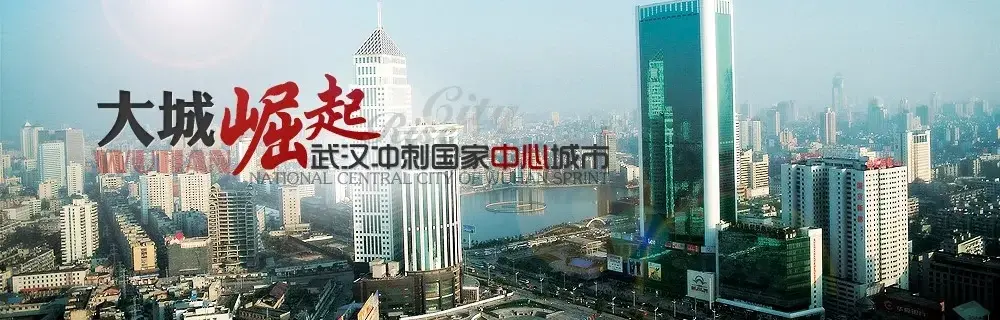
As Mr. Yi Zhongtian said in "City Reading": "Wuhan people like spicy food like Sichuan and Hunan, sweet like Jiangsu and Zhejiang, light like Fujian and Guangdong, and thick like Huilu. Wuhan people also have the advantages of east, west, north and south in terms of physique and character. They are taller than southerners, smaller than northerners, tougher than Chengdu people, and simpler than Shanghai people. He is better at being an official than people from Guangdong, better at doing business than people from Shandong, better at writing than people from Hebei, and better at fighting than people from Jiangsu and Zhejiang. In short, he is better at literature and military skills, and is better at business than people from Jiangsu and Zhejiang." Therefore, "although there are three households in Chu, Qin must be destroyed by Chu".
The connotation of the Wuhan spirit is "dare to be the first and pursue excellence." The Wuchang Uprising dared to be the first in the world, and the outstanding quality of Wuhan Marathon is indeed the best endorsement of the second half of this sentence. When it comes to the story behind the Wuhan Marathon, it can be completely attributed to the rise and fall of the city of Wuhan and the history of struggle in recent years. It only takes one day for the Wuhan Marathon to bloom. For this day, Wuhan may have been waiting for thirty years.
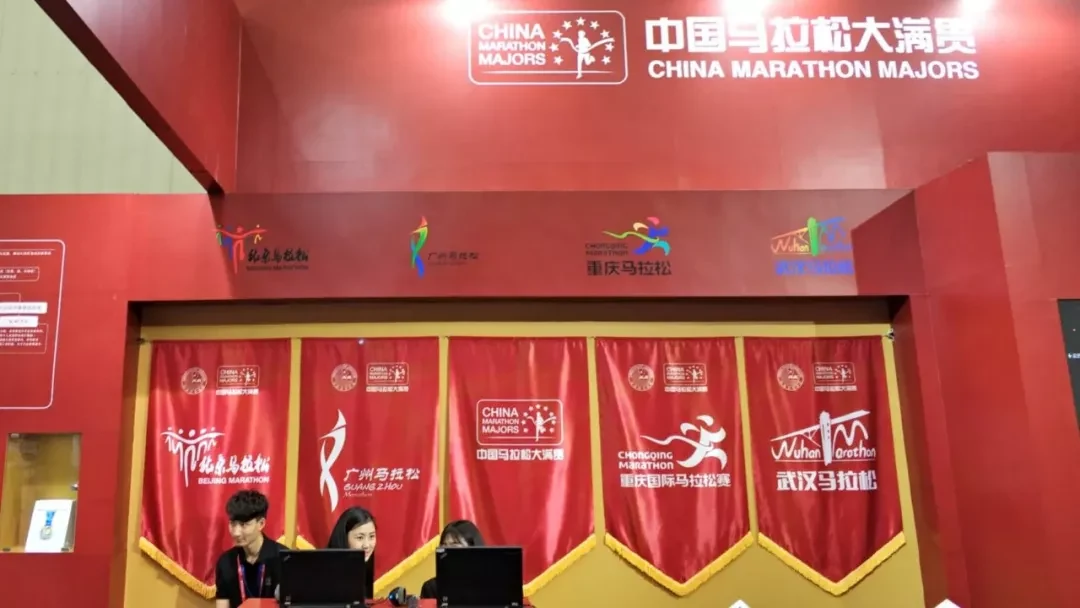
Looking at the historical trend, the change curve of Wuhan's overall economic strength has drawn a complete "W" shape. From the "Fourth City in China" in the 1980s, to the "faded Wuhan" at the turn of the century, to the "comprehensive rejuvenation of Wuhan" in 2013, Wuhan has never been content with mediocrity, and the "Wuhan Marathon" that devotes the entire city's efforts is a product of this era. It has only been held for three years and has already joined the ranks of the "China Marathon Grand Slam". Every Wuhan Marathon season, "Wuhan Marathon bibs are precious and hard to get", which shows its popularity. All this is also due to the good reputation of Wuhan Marathon. I also tried my best to get a sponsor spot. I specially marked Sister Mouse here. It is the first time this year to experience the whole marathon, especially being able to pass through the screaming track of Donghu South Road. I am full of expectations.
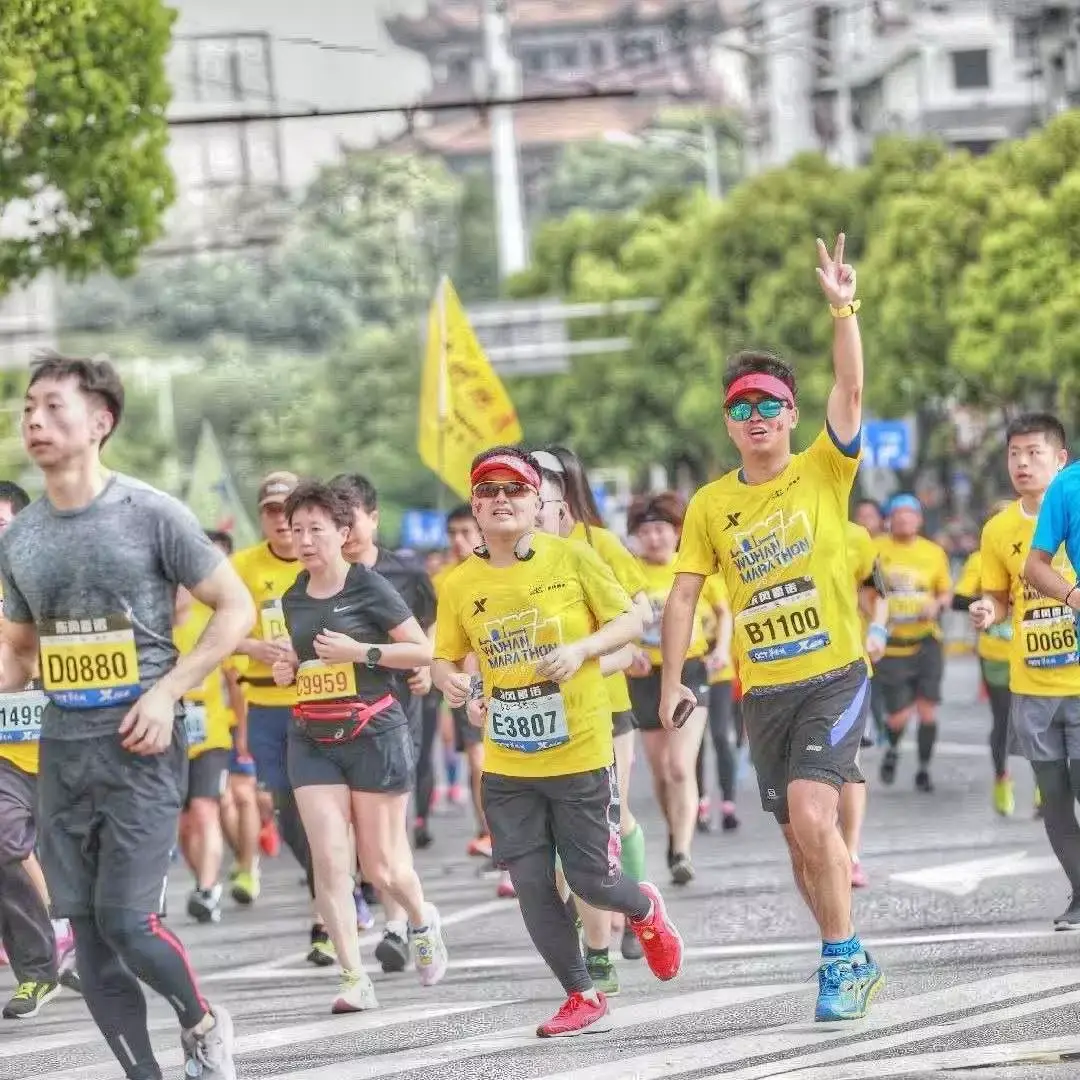
The weekend before Wuhan Marathon, at the end of the Tomb-Sweeping Festival, I went to experience the newly renovated East Lake alone. Wuhan Marathon's signs could be seen everywhere. Compared with the placards in Wuxi, the signs here were obviously much rougher and grander. The whole city was dressed up like a festival, quietly waiting for guests from every direction.
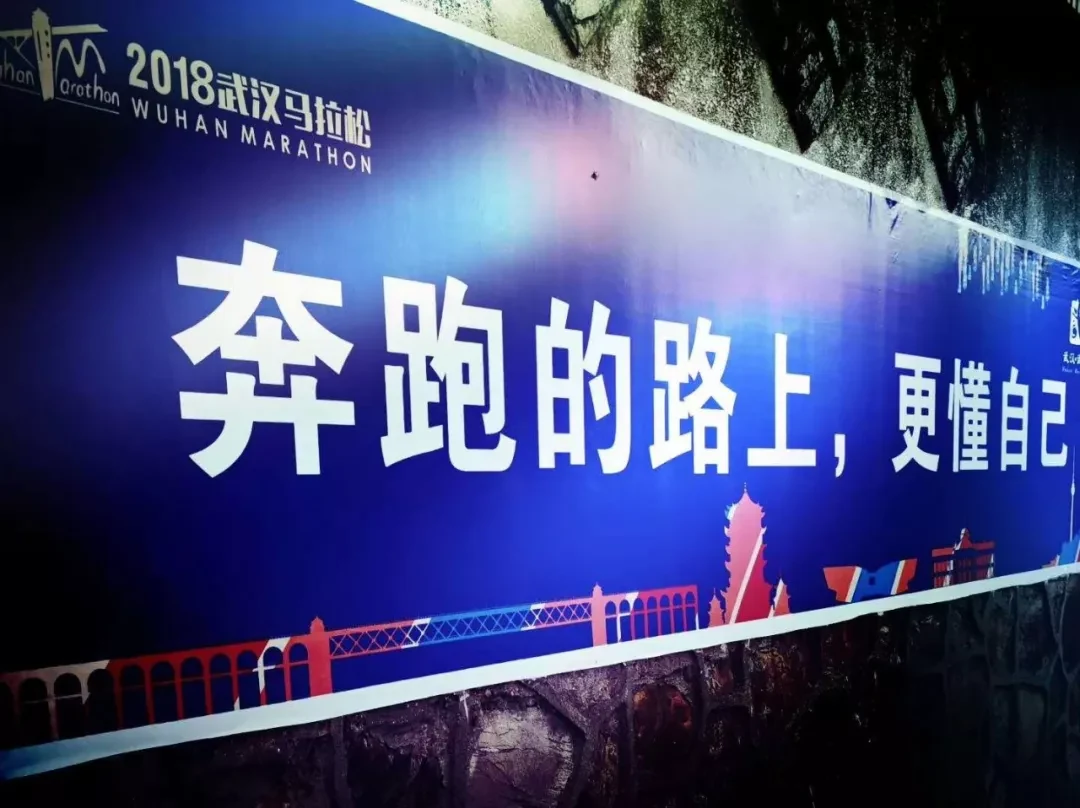
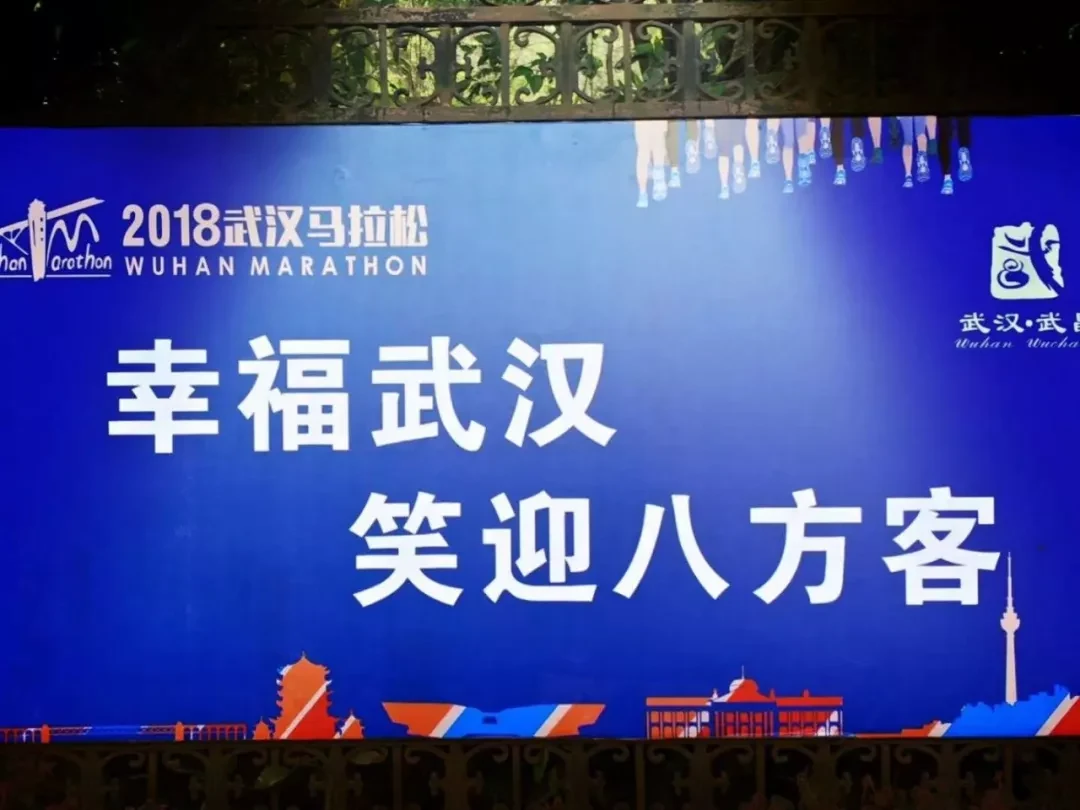
There were a lot of tourists in East Lake on weekends. I ran around, and from time to time workers would shuttle among the crowds to prepare for the East Lake stage. I thought that a week later there would be a group of people here wearing golden banquet costumes running and reveling, and I would be one of them.
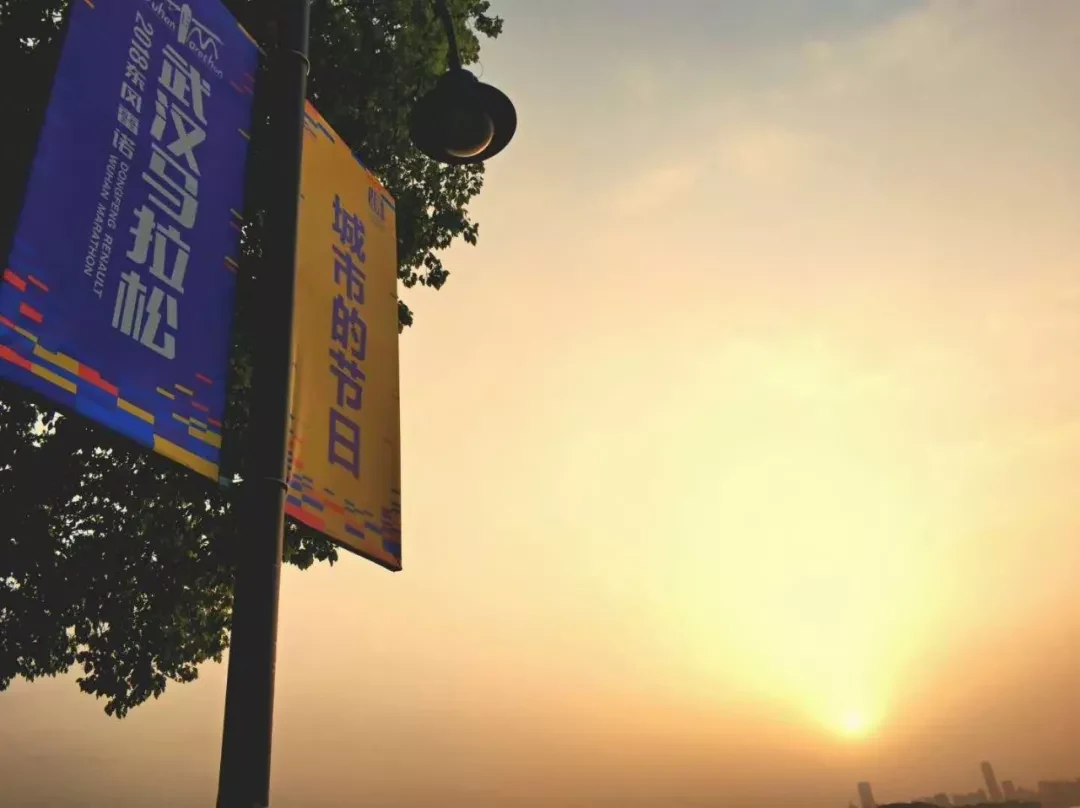
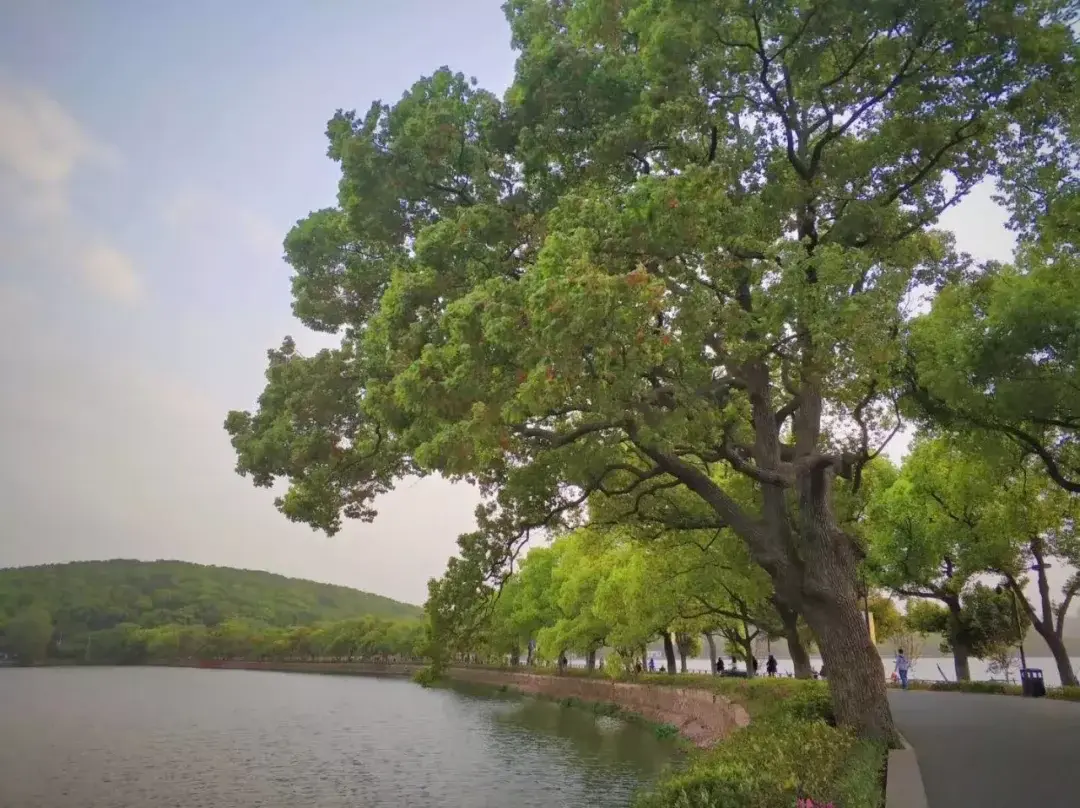
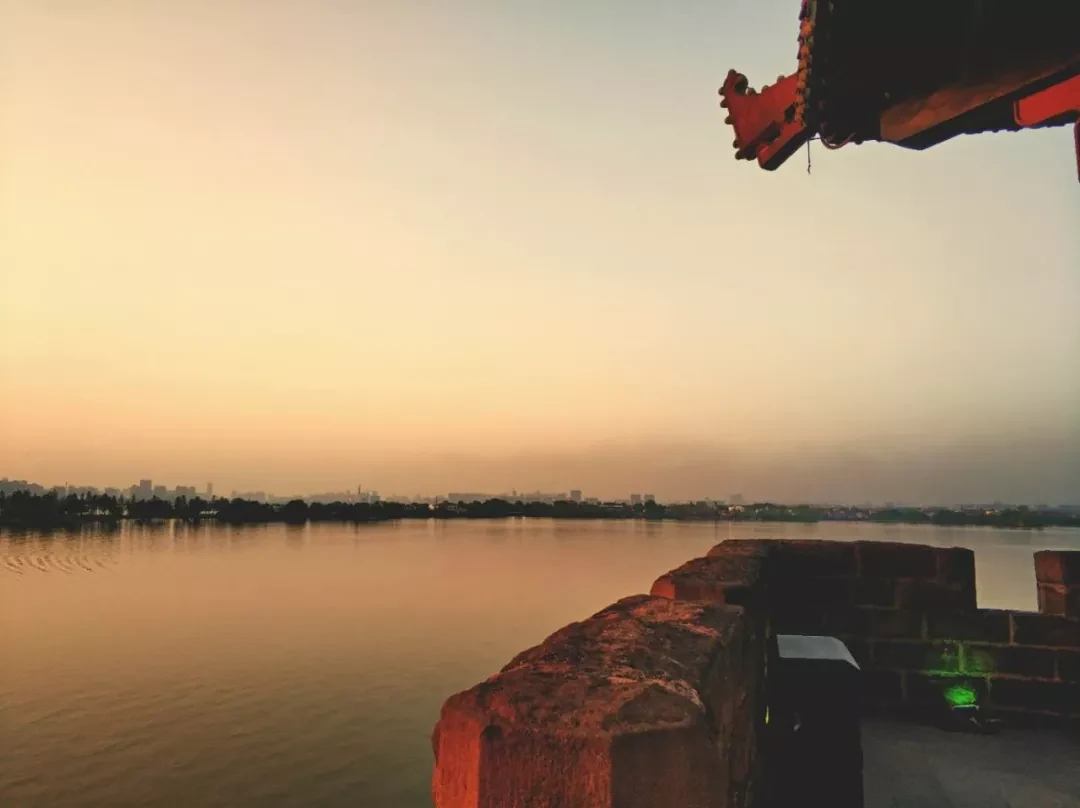
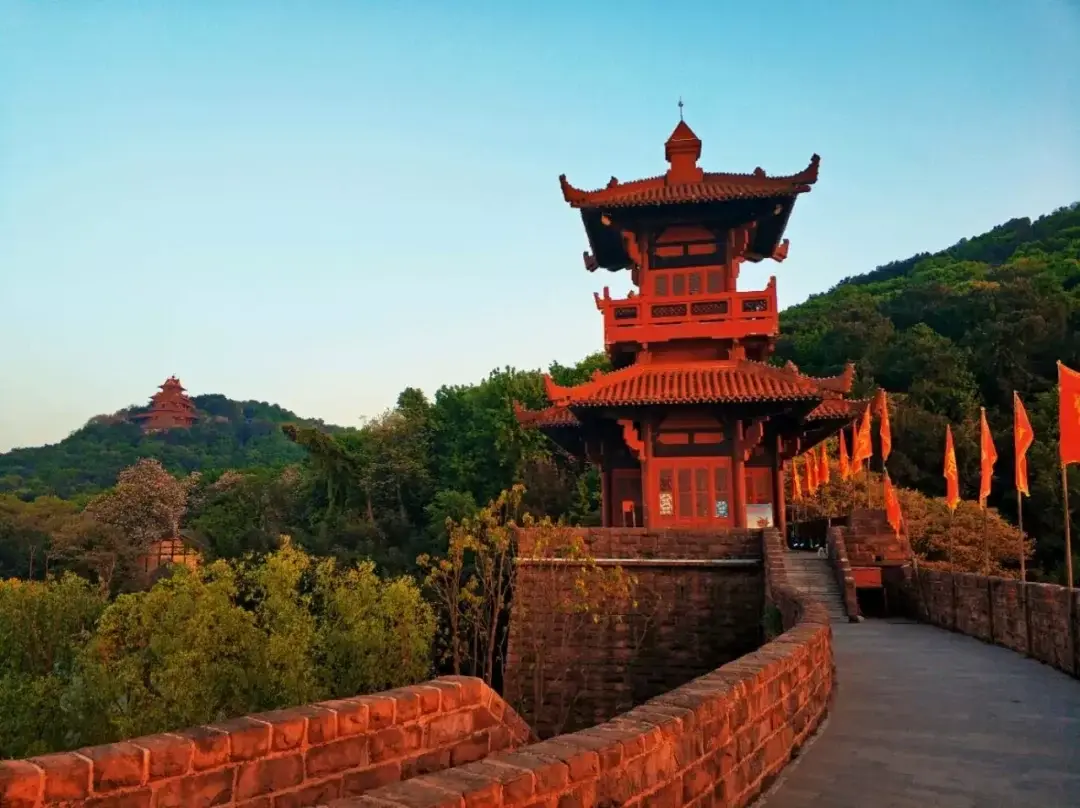
In the mid-week evening, without the hustle and bustle of tourists, I could enjoy the first half of the East Lake stage to myself. I ran from the dormitory to Chucheng and back again for exactly ten kilometers. It was considered as a warm-up before the race. I climbed up to Chucheng, which the Wuhan Marathon had missed, just in time to catch the sunset by the lake. Looking out at the greenway in the golden dusk, I felt a little lucky in my heart. East Lake is so beautiful, and Wuhan Marathon runners may only be able to experience one-tenth of it.
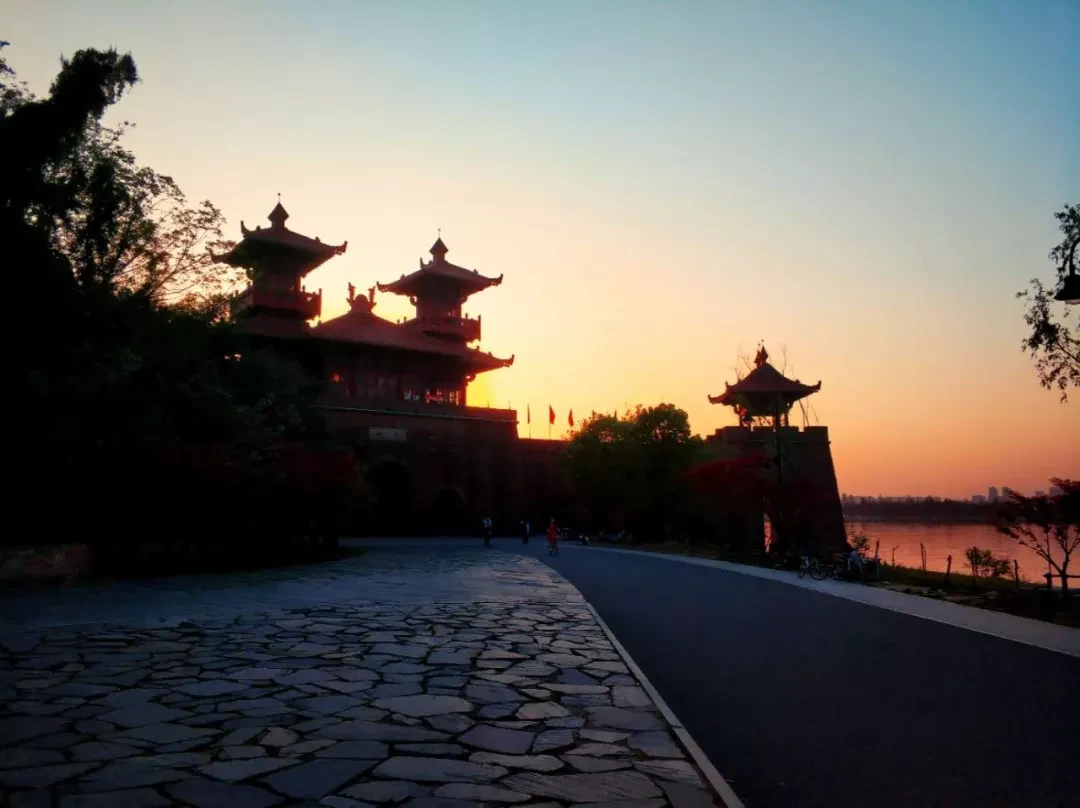
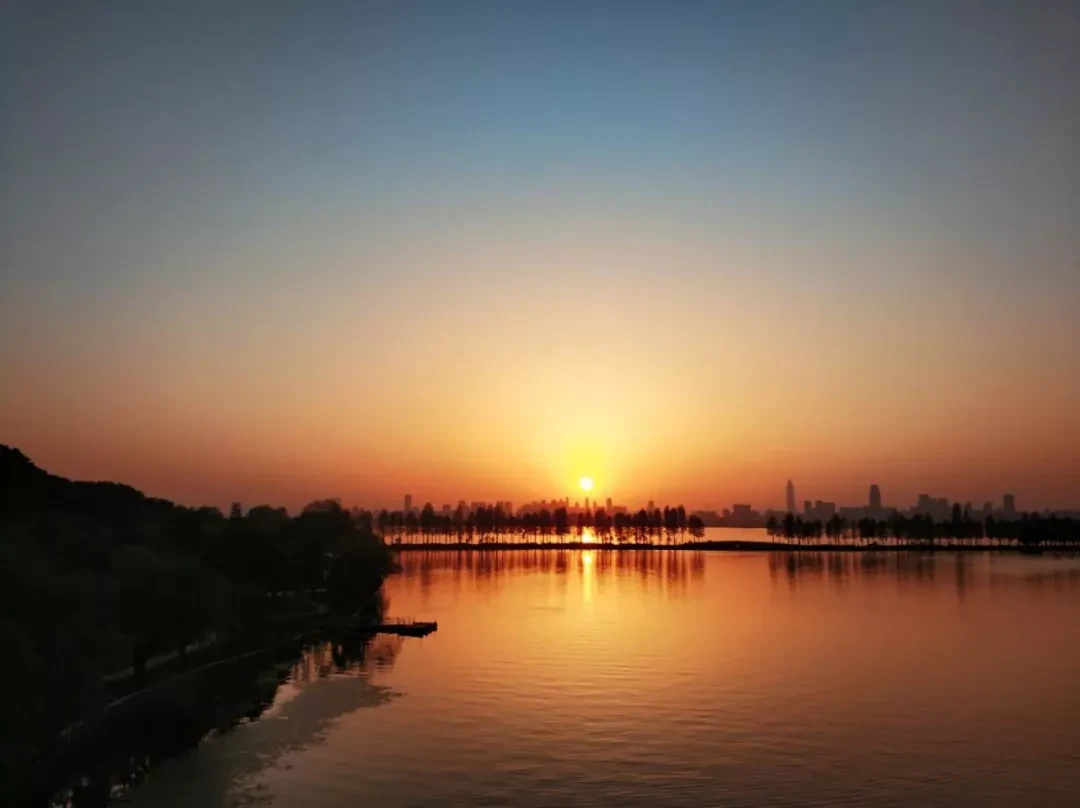
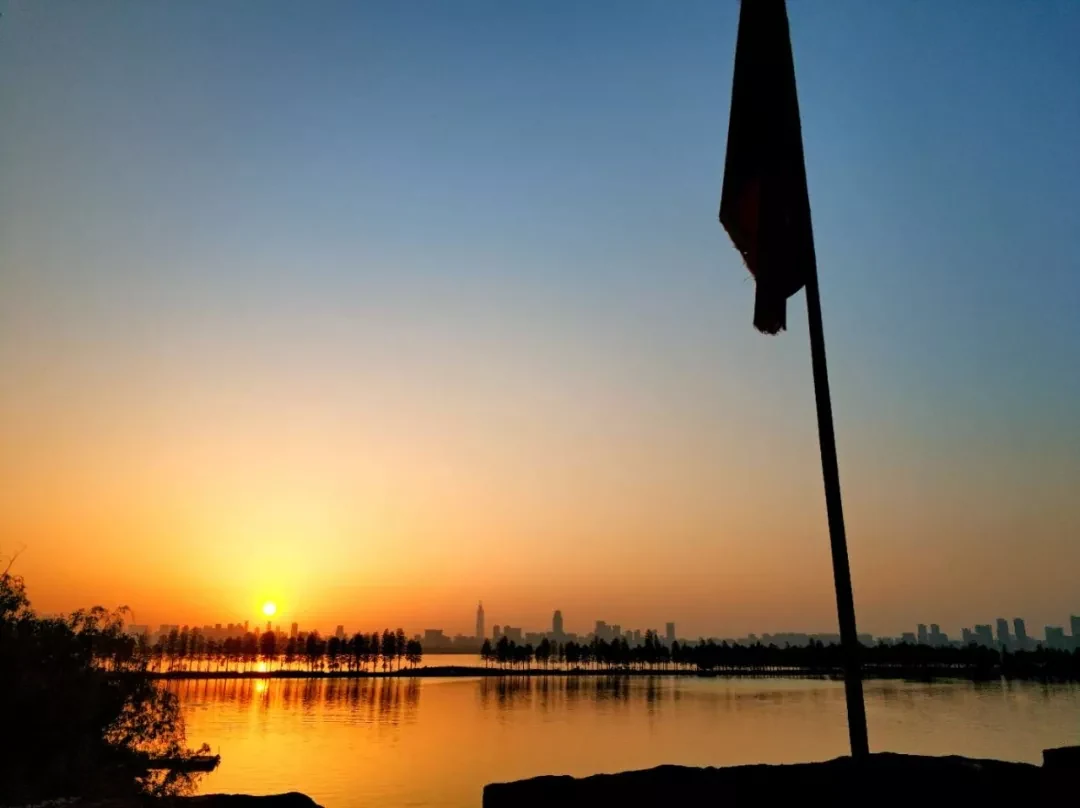
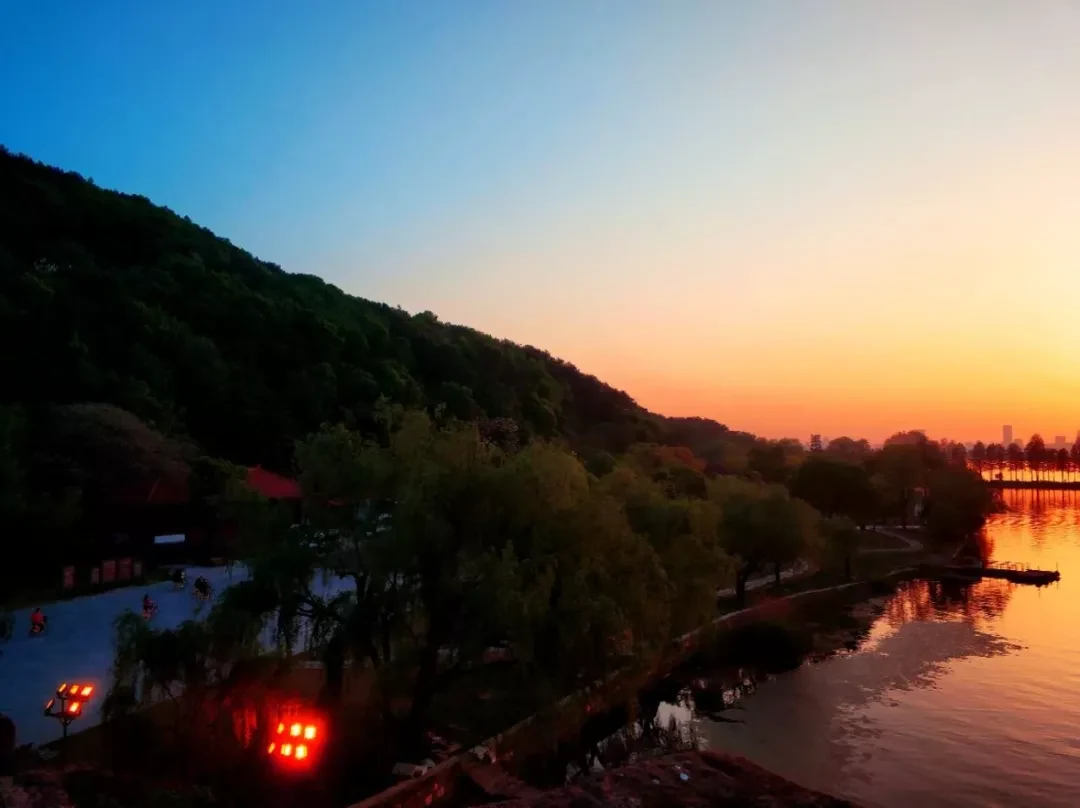
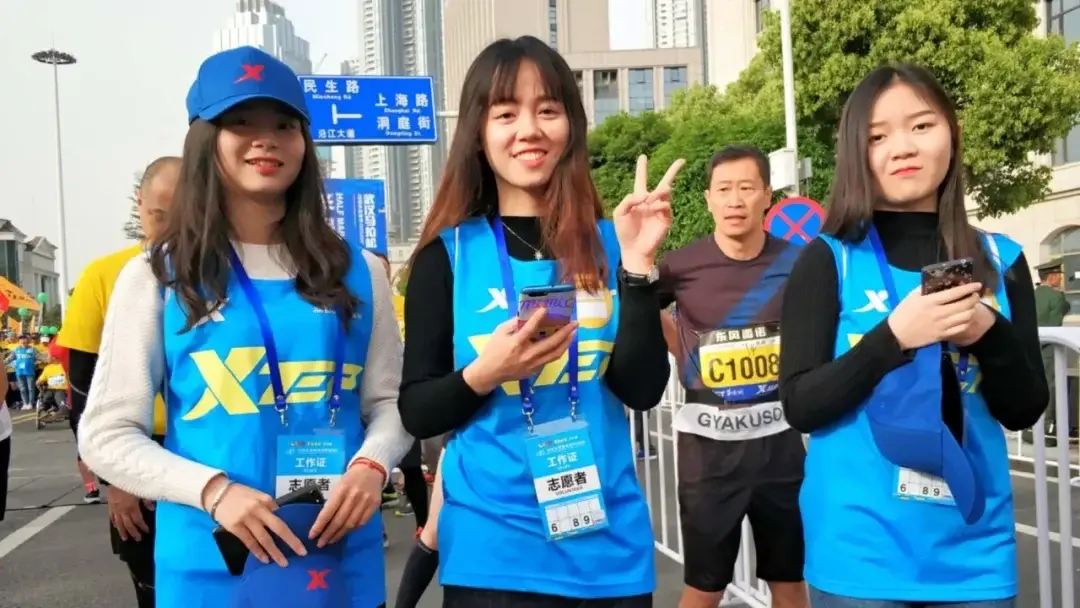
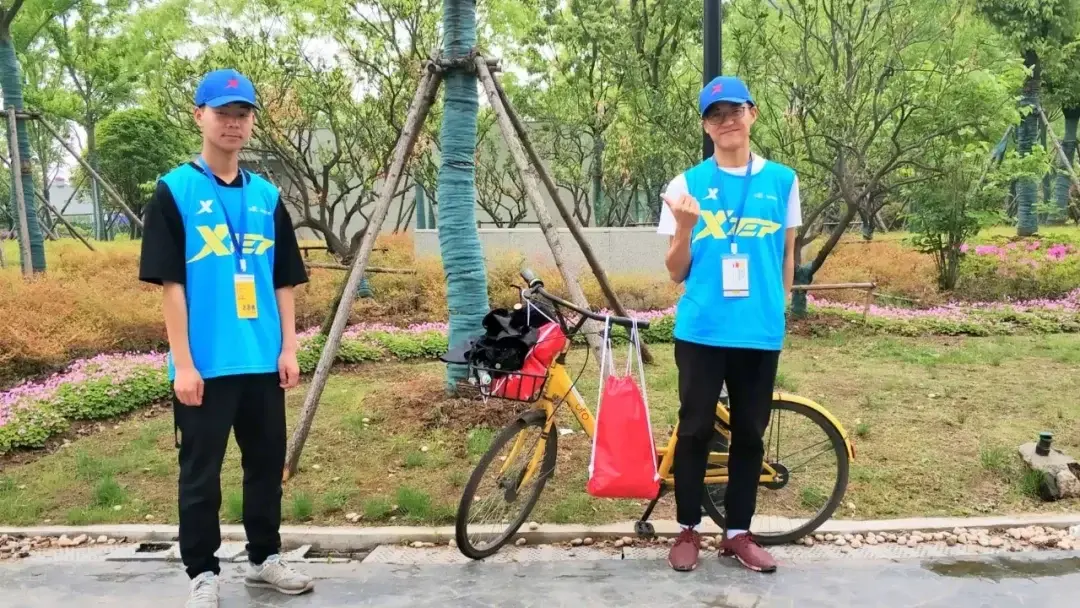
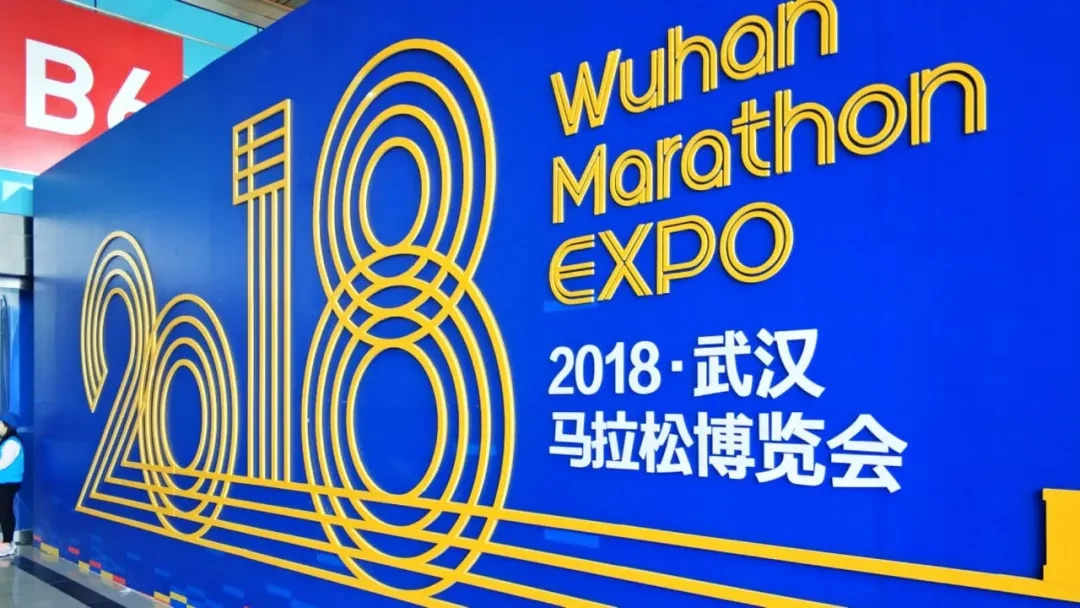
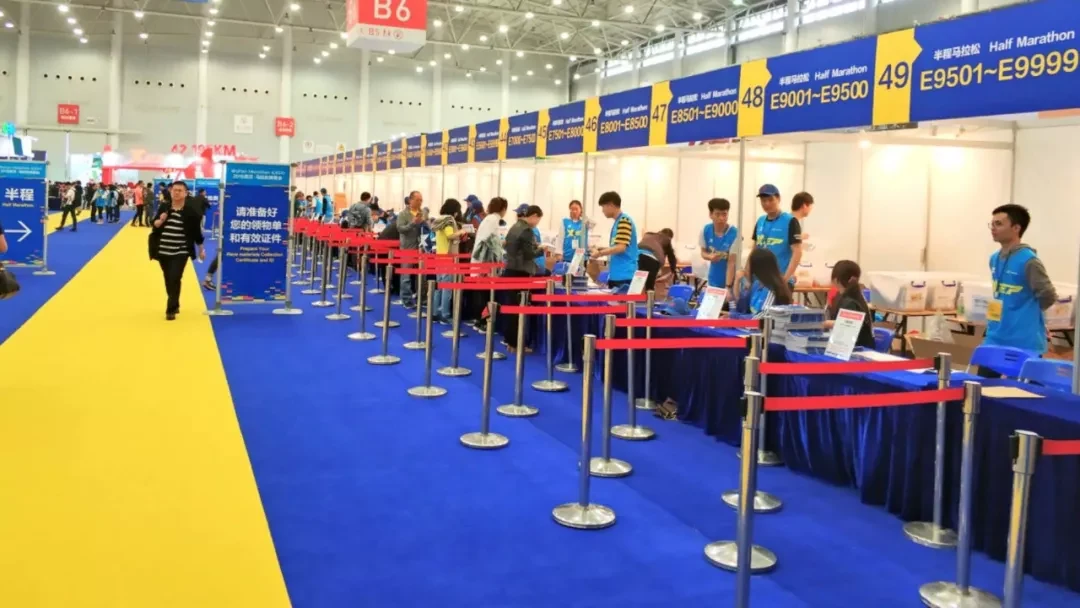
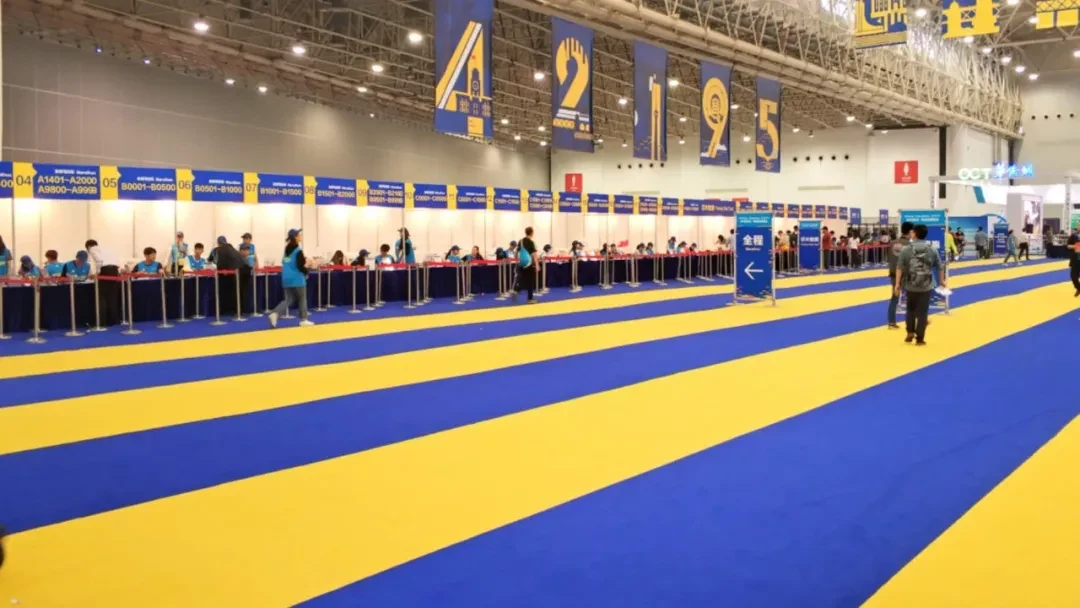
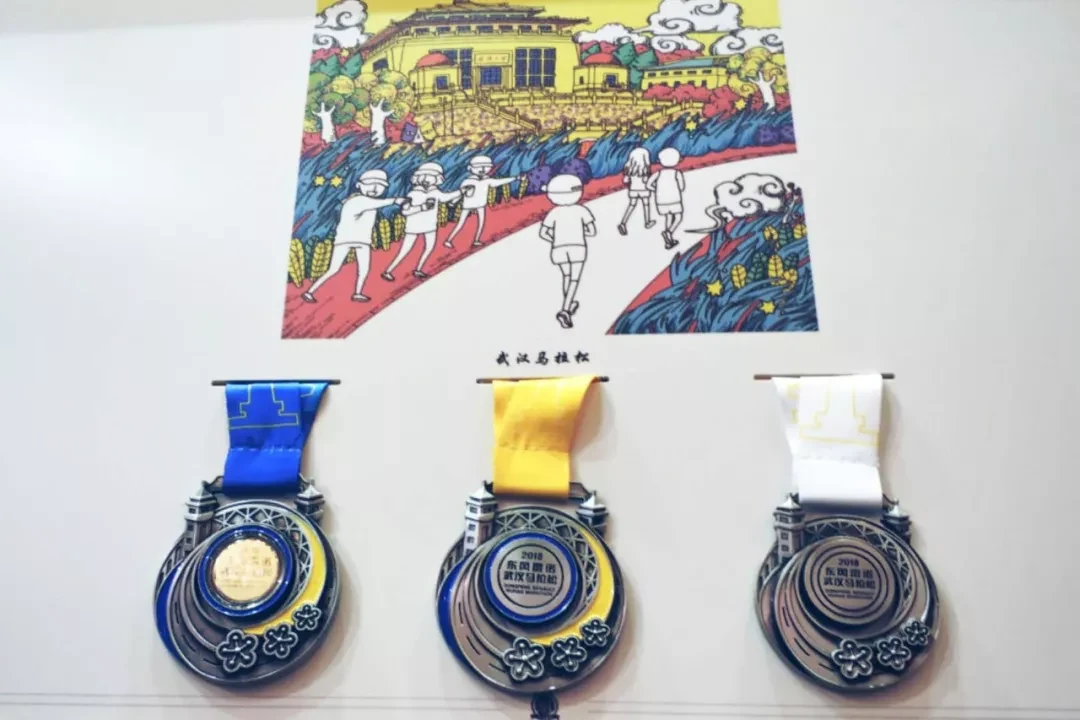
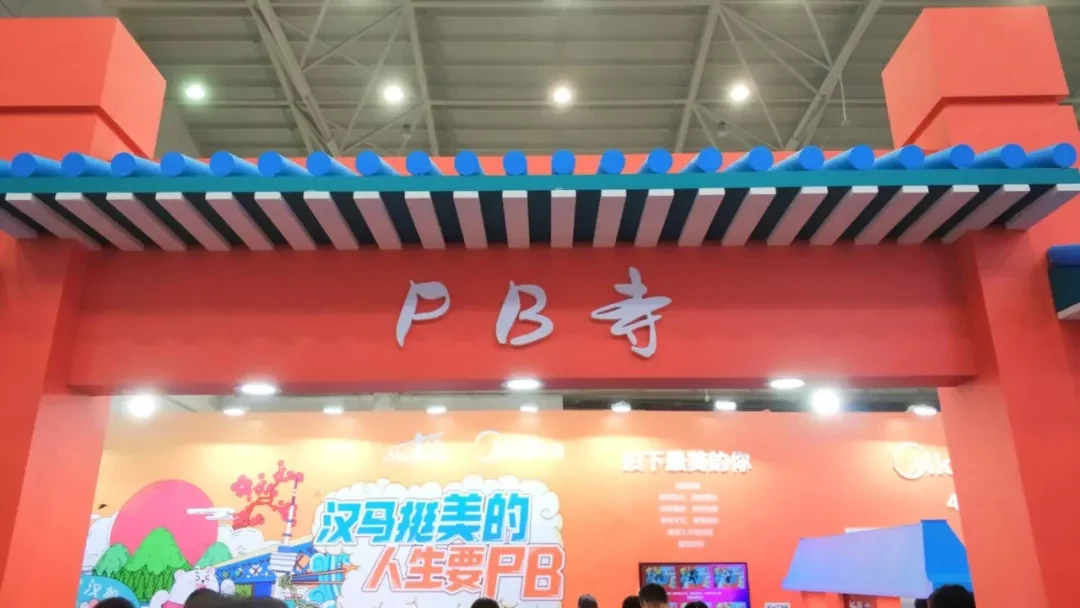
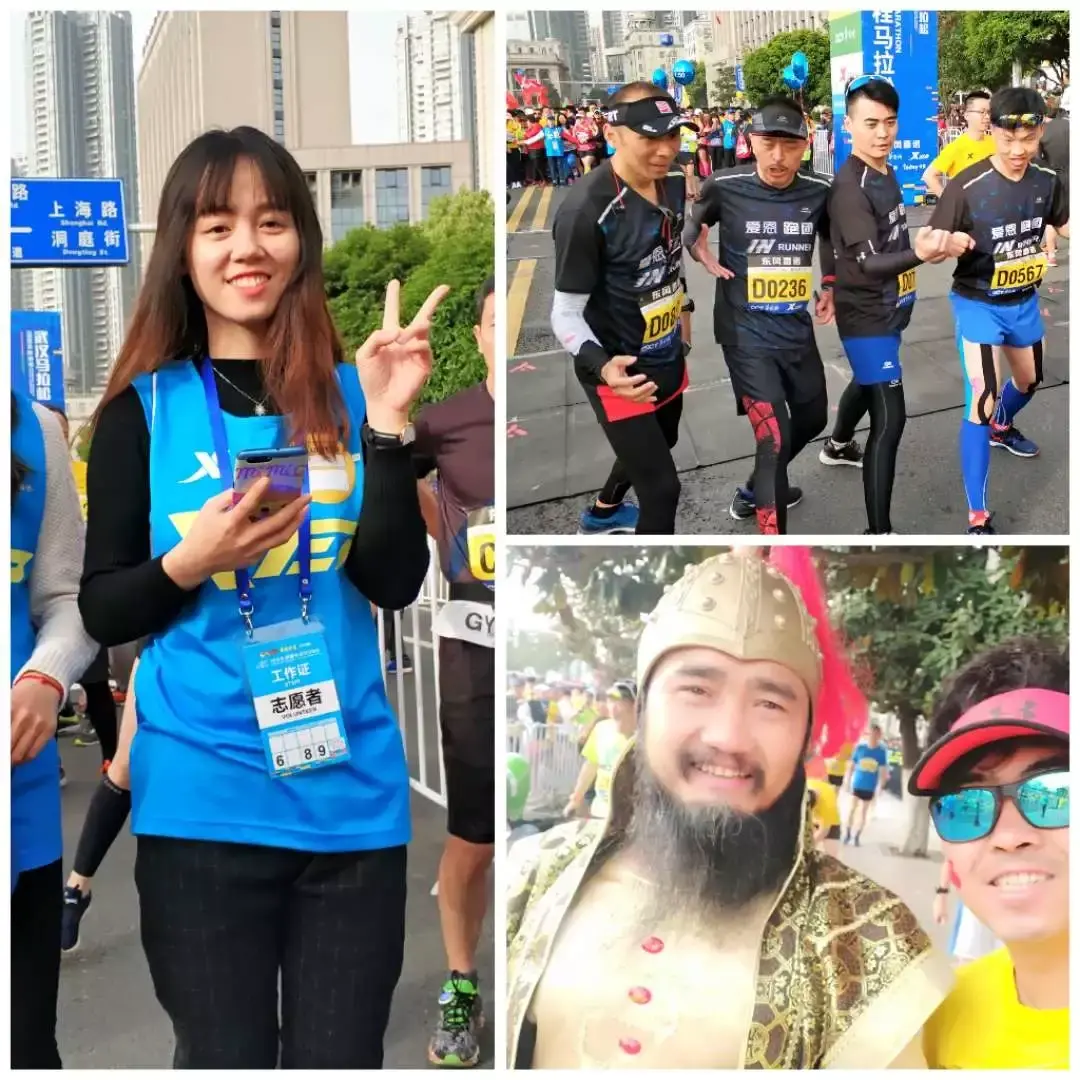
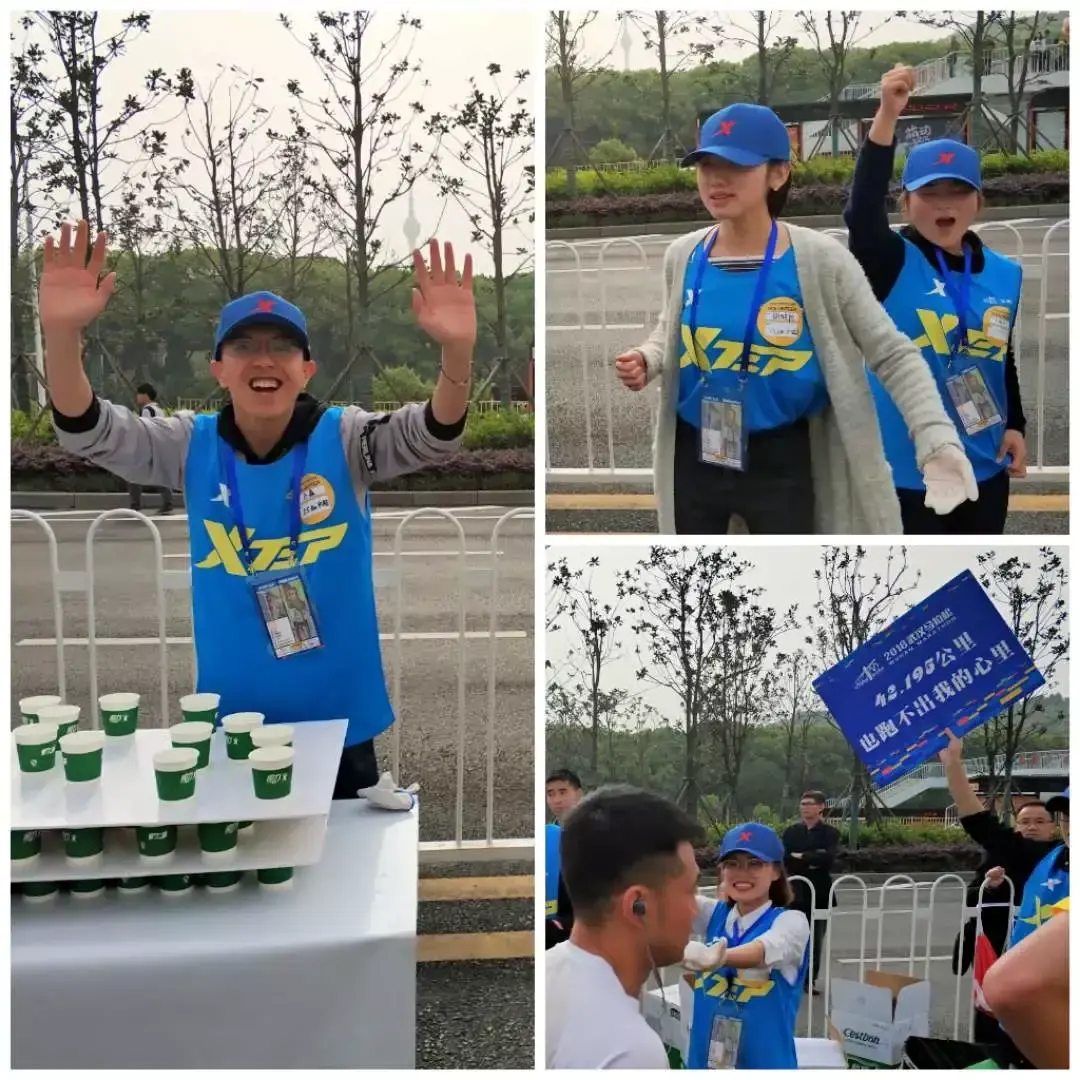
On Thursday, Xiaopang and I went to the race expo to hunt for freebies. I thought the line to pick up items would be very crowded, but I was very impressed by the reasonable preparations of the event organizers and the efficiency and meticulousness of the volunteers. After the race, runners commented that the orderliness of Wuhan Marathon was like the gold-label Tokyo Marathon, and the yellow and blue colors were very similar to the just-concluded Boston Marathon. It can be seen that Wuhan Marathon’s pre-race positioning is "double first-class", first-class service, and first-class experience. The volunteers will patiently ask each contestant based on their body shape: "Well, I think you might not be able to fit into the L size. Do you want to try the 4XL size? (Why are there still 4XL sizes?)"
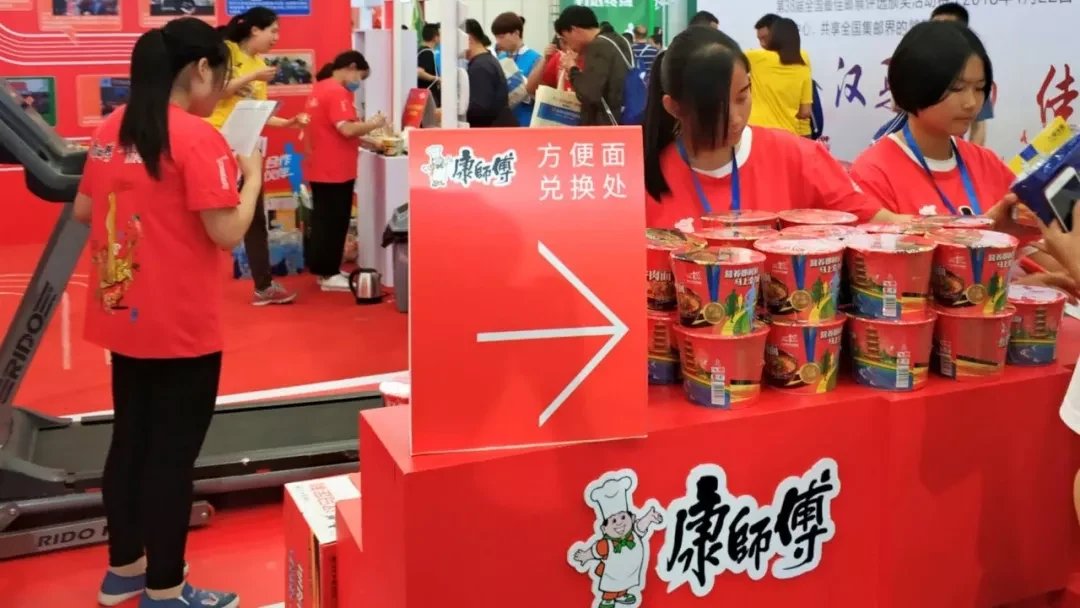
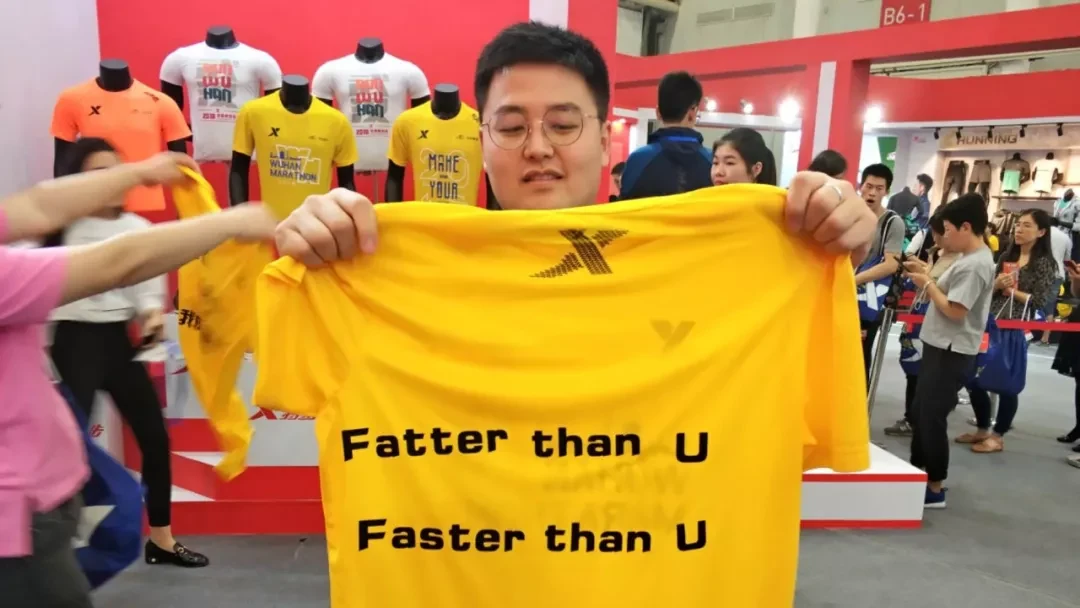
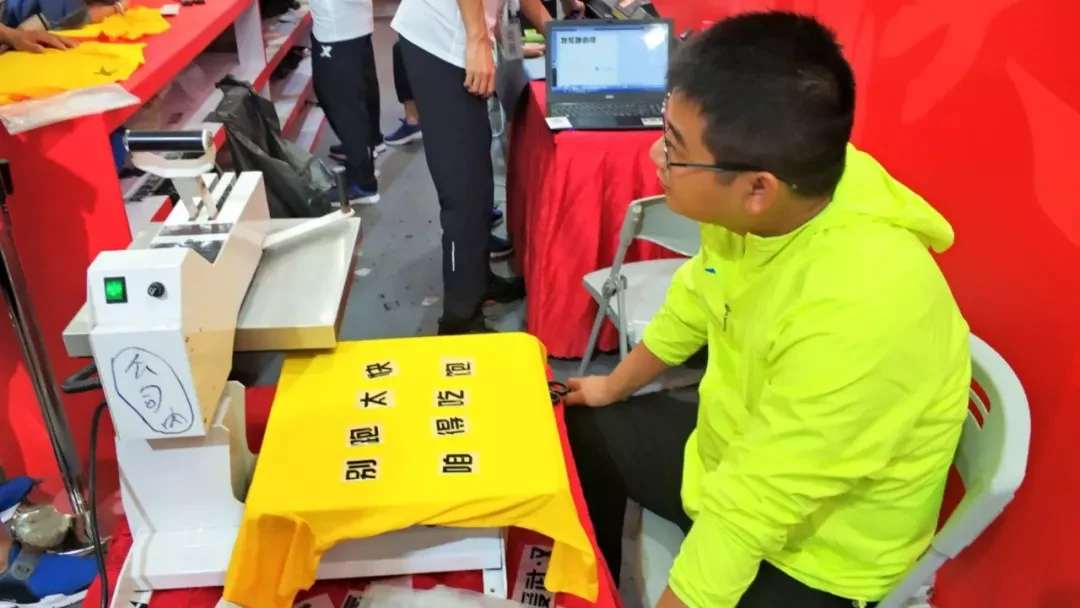
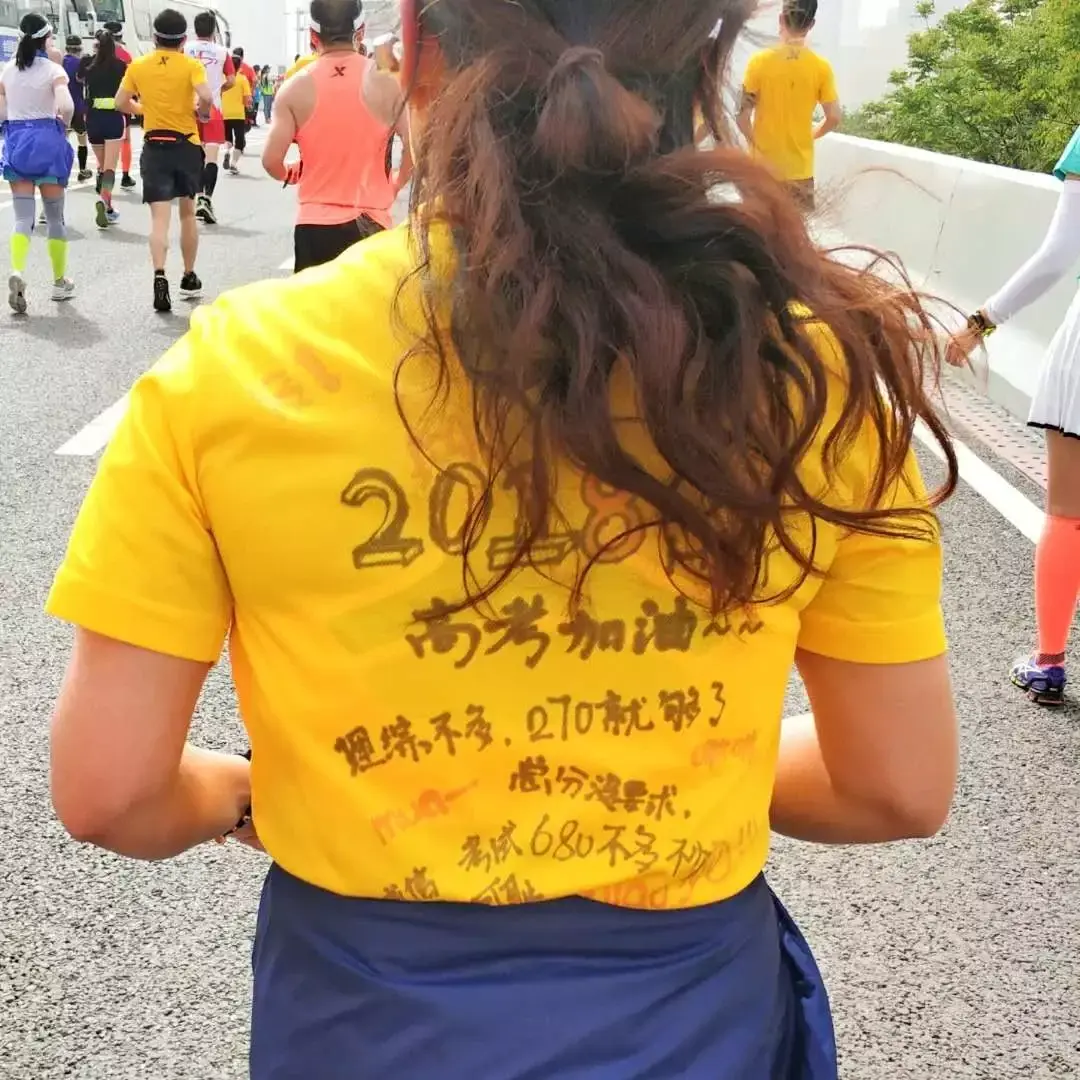
After getting the equipment, Xiaopang and I each received a large instant noodle roll from Master Kong. On the way to make noodles, the volunteer brother insisted on giving us an instant noodle roll each and said with a smile: "Eat more, and then run well." Naturally, I happily accepted it, but Xiaopang, maybe because of his body shape, was too embarrassed to ask for it. The Wuhan Marathon had a lot of free swag, and there is also a booth specially designed for printing on the jersey. To be honest, I have never regarded the Wuhan Marathon as a running event. It is obviously a big party. Running so fast is such a luxury. It should be "Don't run too fast, we have to eat enough." Ironing these eight characters on the jersey can also hide the fact that I can't run fast.
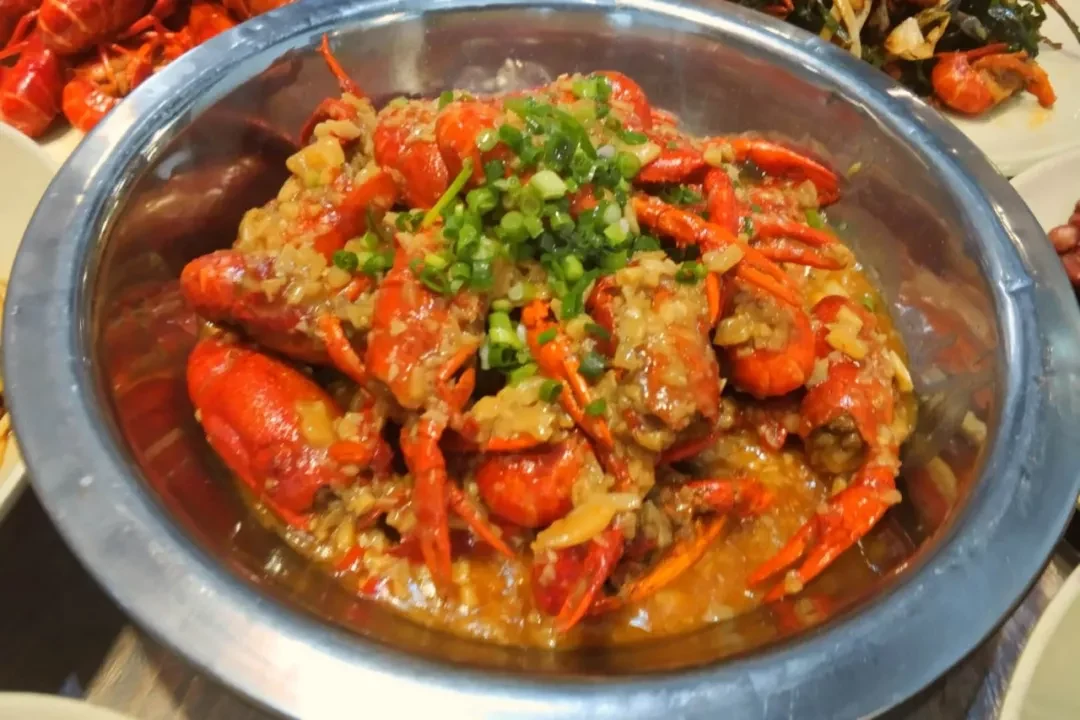
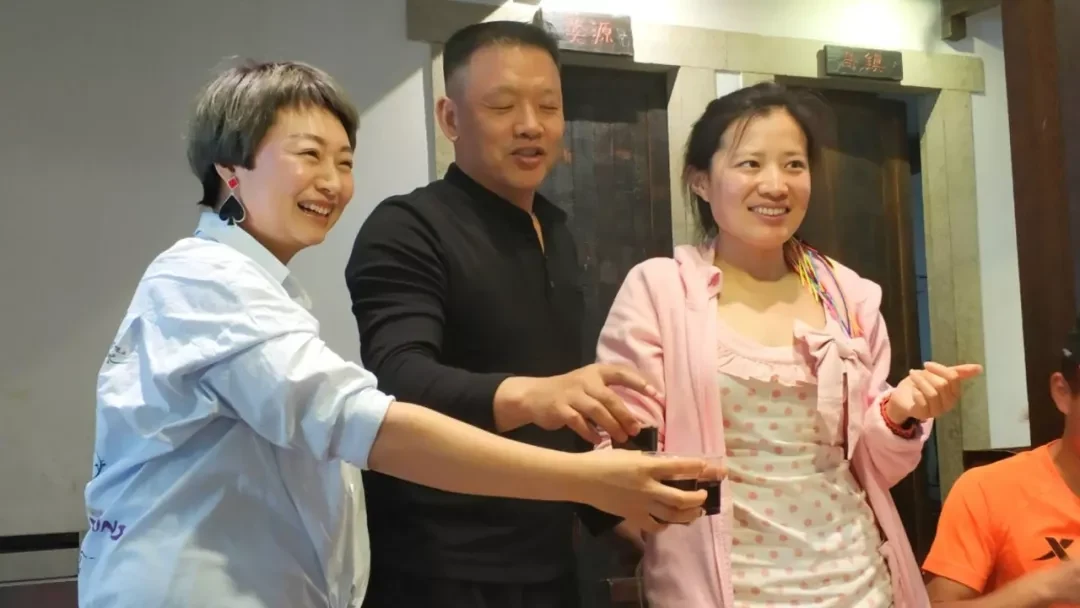
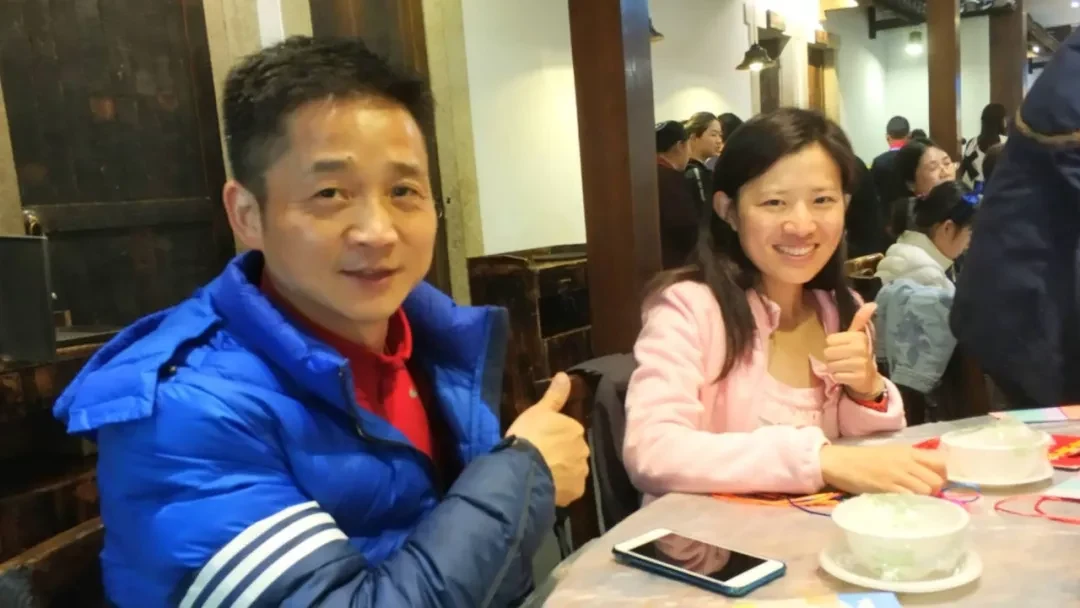
The day before the race, Sister Ning took me to experience a full crayfish dinner. I made a lot of friends at the table. There were many friends from out of town at the table. I also met a fellow who flew here from Harbin. We all got connected because of Wuhan Marathon. The conversation was full of positive energy. It was a very cute group of people.
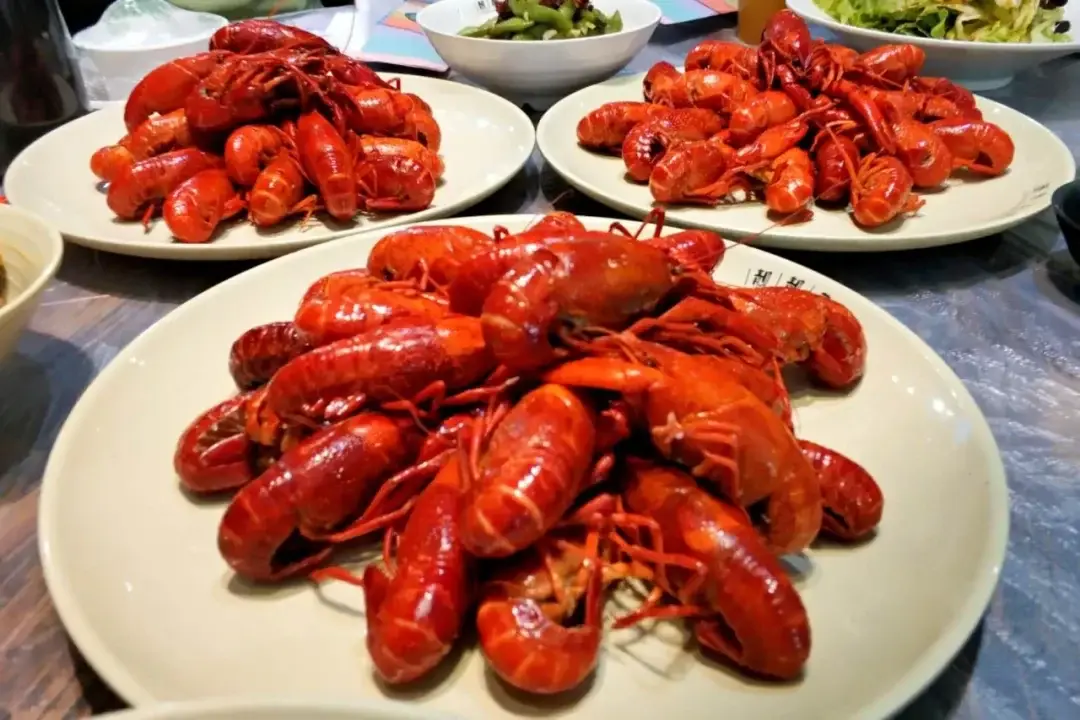
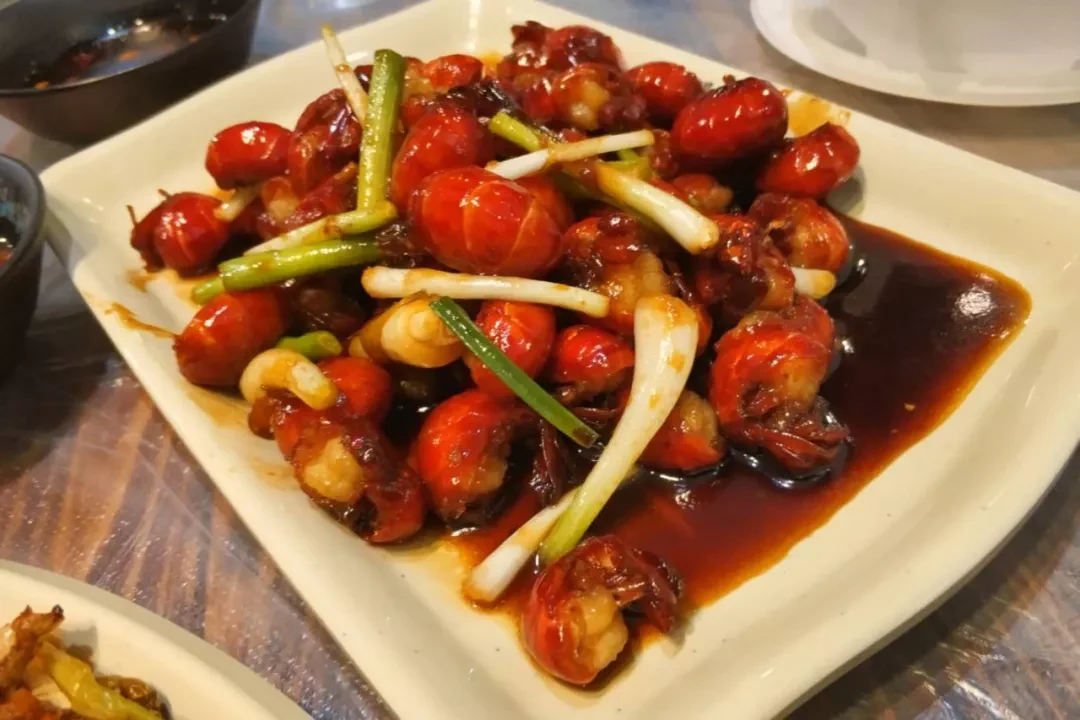
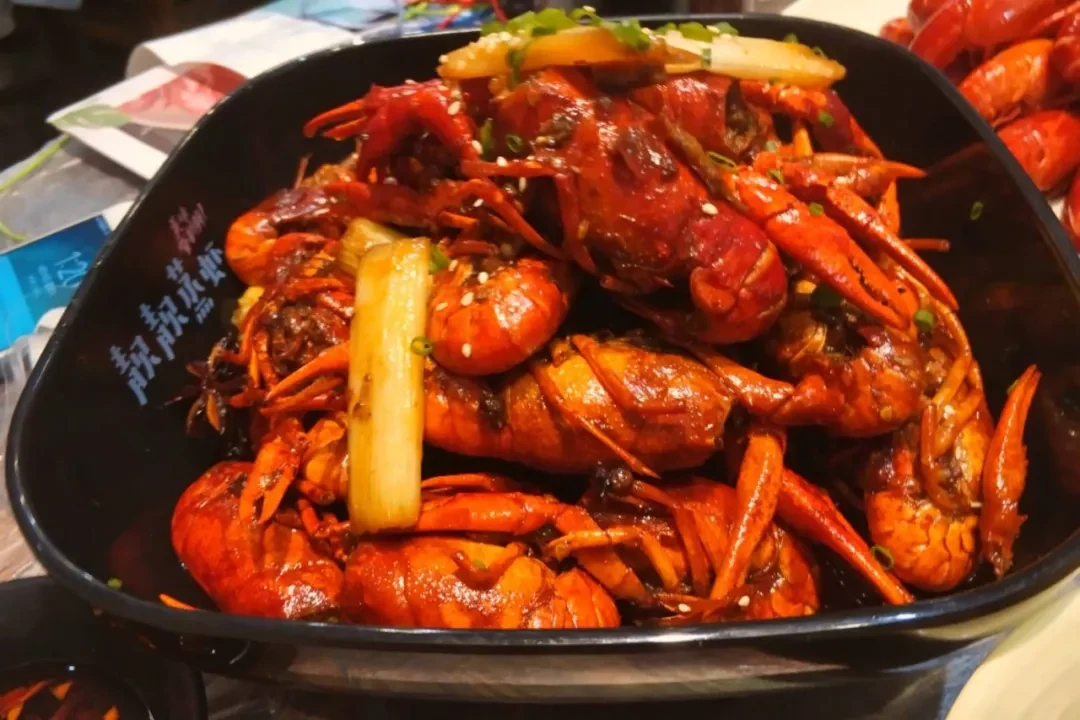
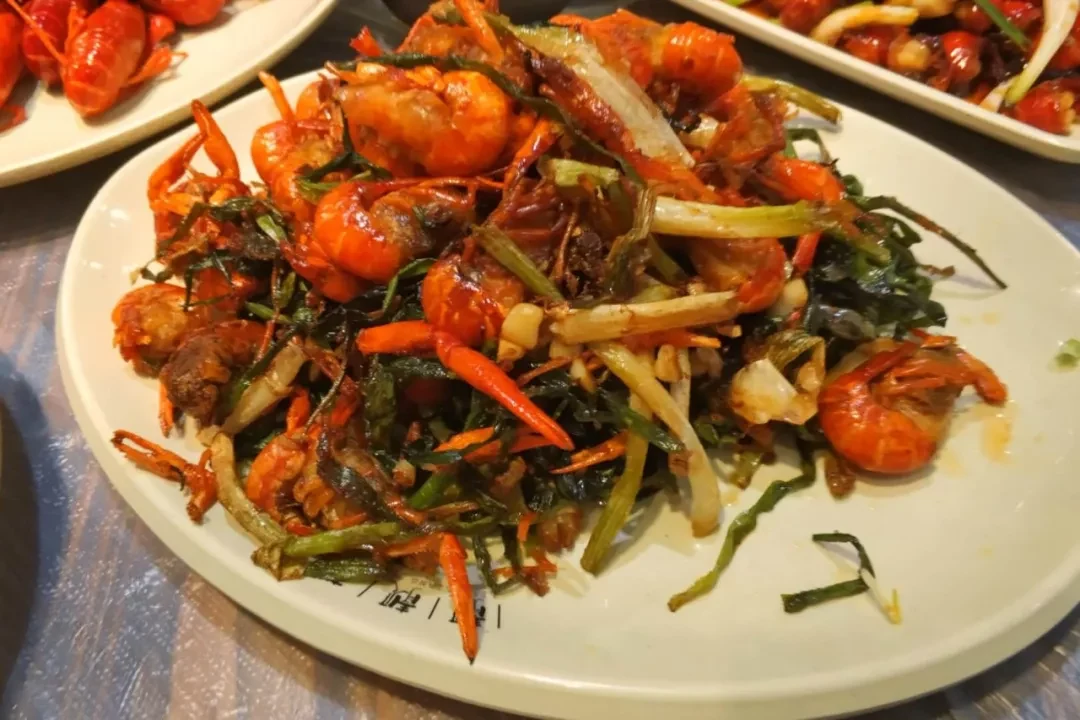
On the race day, Xiao Pang and Xiao Bie planned to set off as a group, with a score of 215 for the half marathon and 430 for the full marathon. Xiao Bie is a girl full of energy. She came all the way from Hong Kong before the Wuhan Marathon. She heard that the train was delayed and had to change her station ticket. It was really hard, but Xiao Bie, who has the aura of sunshine, is still as bright as ever: "I am very happy hahaha." Her exact words were, "I don't want sunlight."
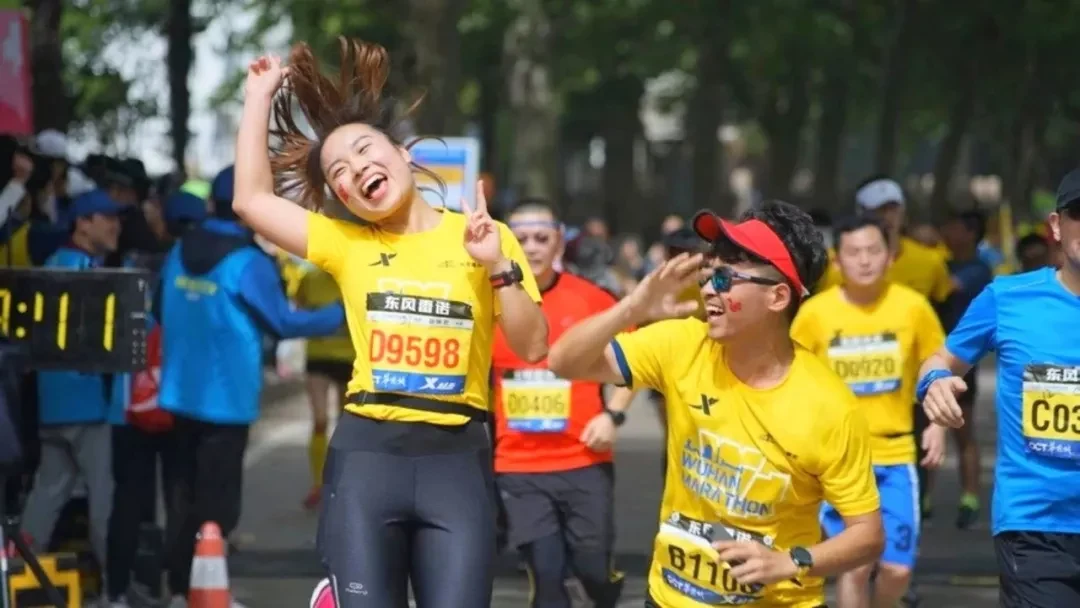
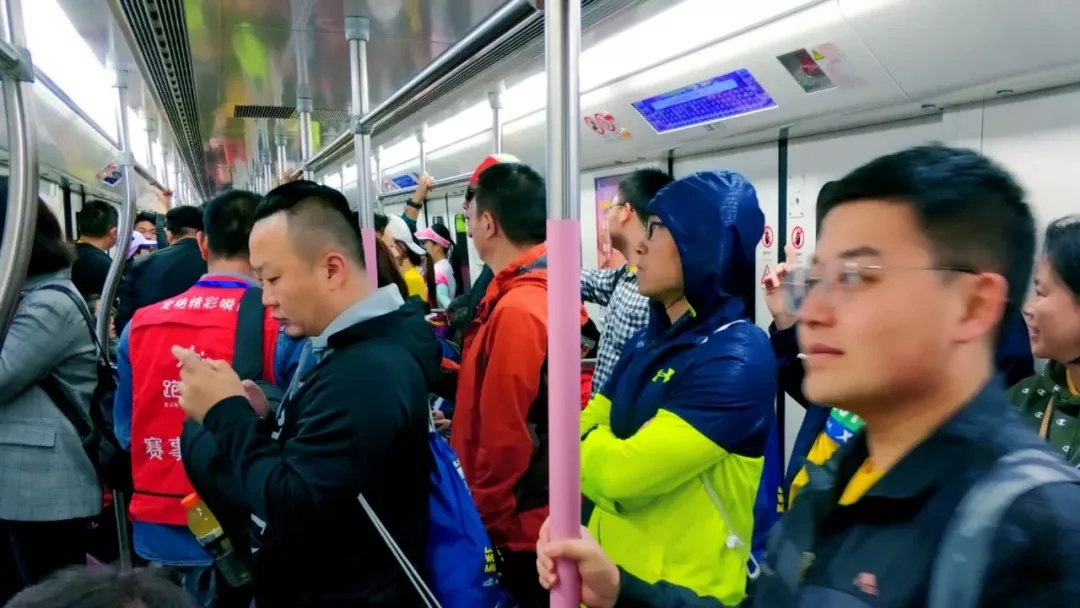
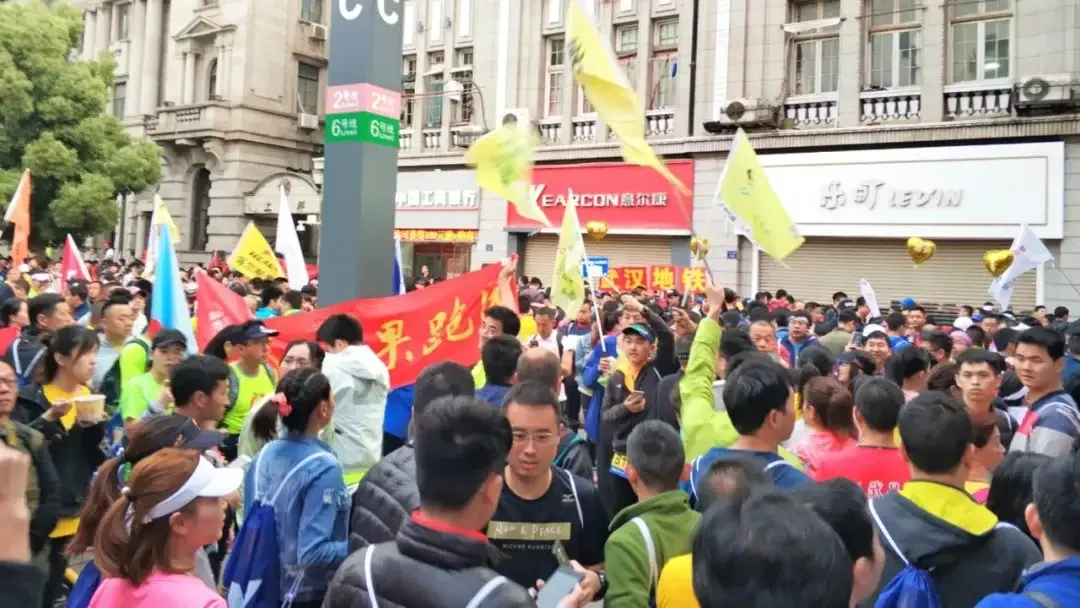
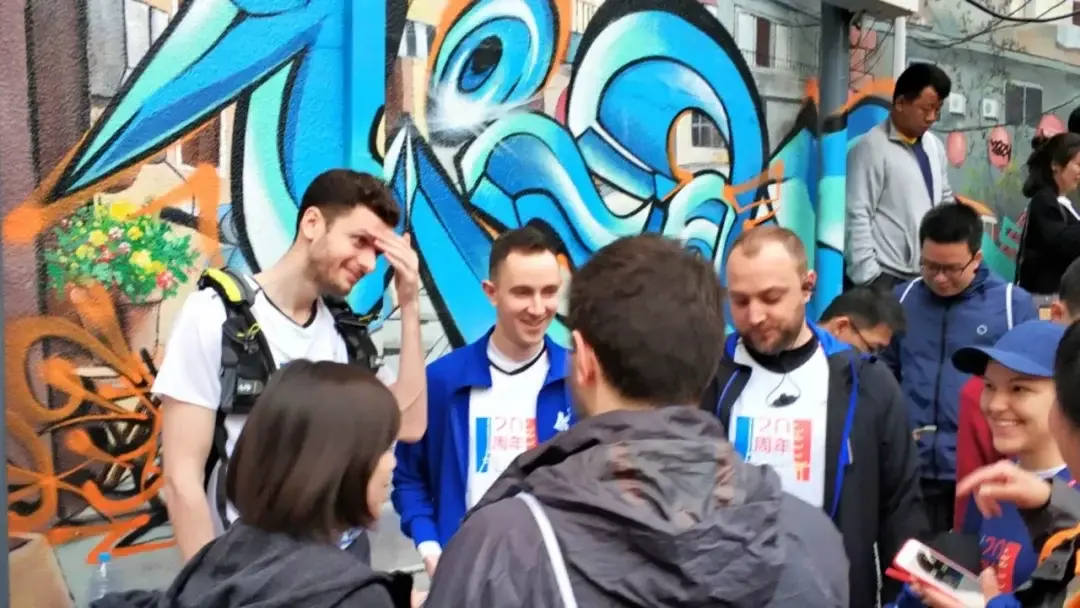
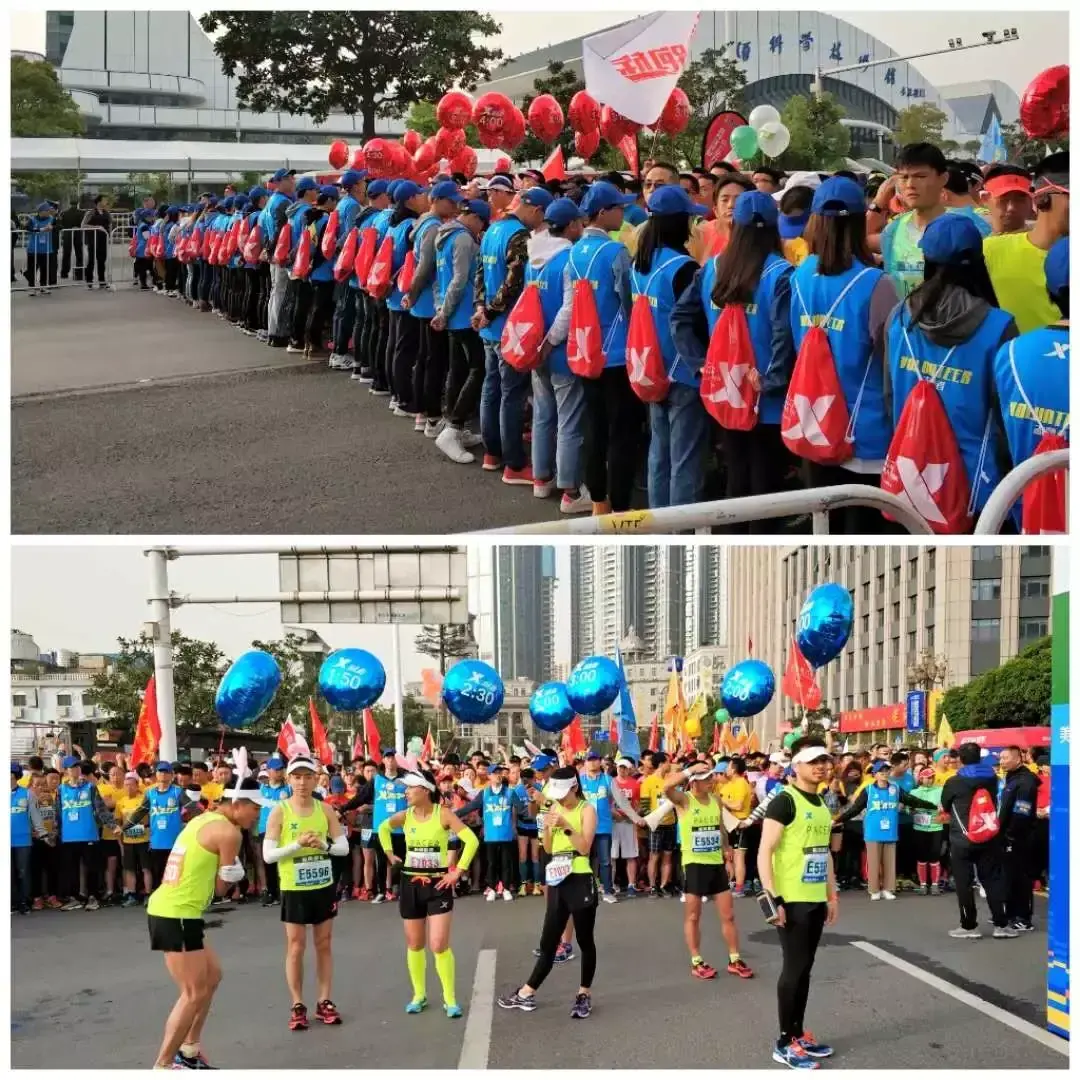
On Wuhan Marathon Day, the subway is free and opens an hour in advance. Outside Jianghan Road, we pass through the crowd and enter the inspection area. There are many foreign volunteers outside the inspection gate in Area B. The number book chip detection is two-pronged. Everyone enters the track to wait for the gun. I join Xiaobie in Area D and set off together, and I made an appointment with my half-marathon fat classmate to meet at the 2:00 half-marathon pacer.
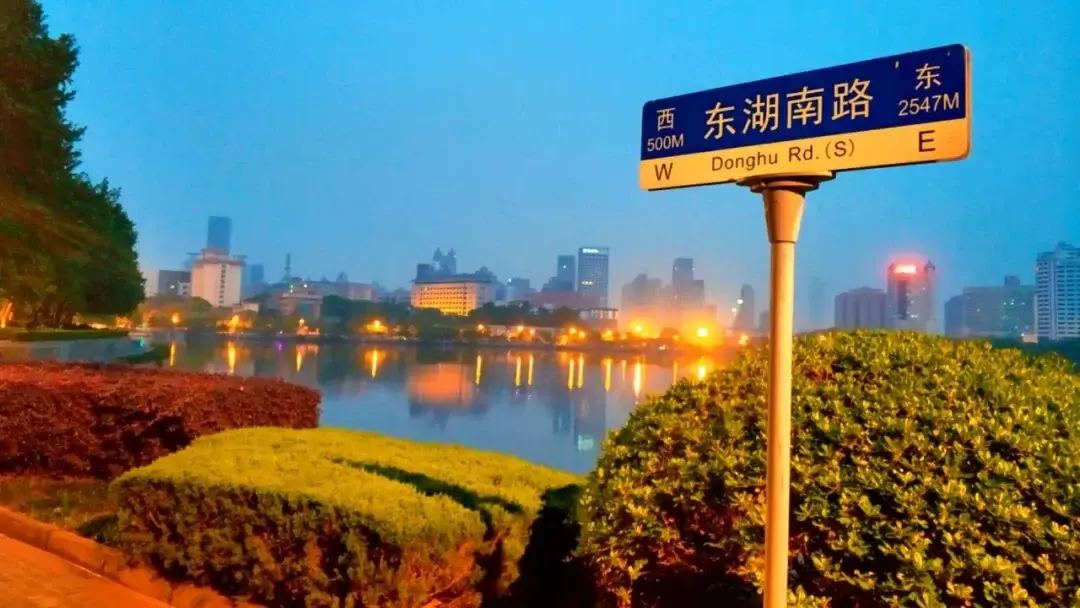
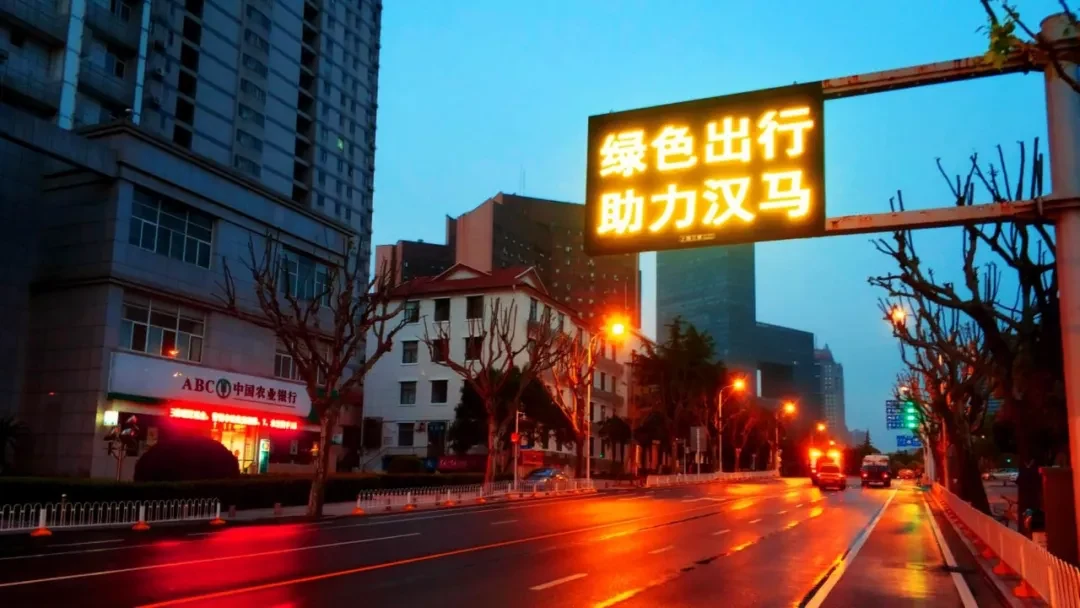
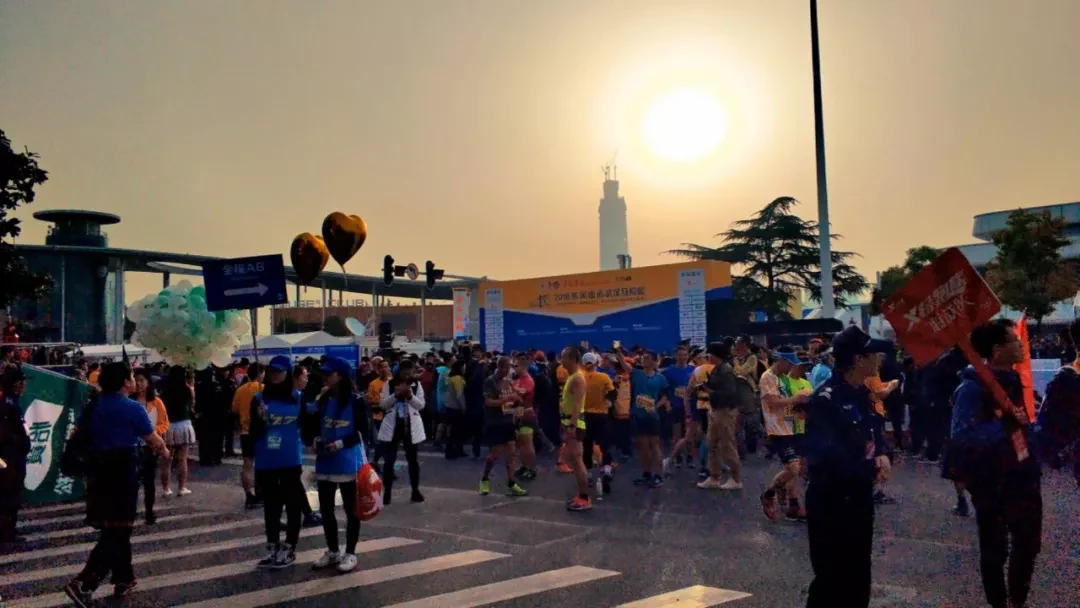
This year's Wuhan Marathon inherits the classic track route of 2017. The runners start from the intersection of Qingdao Road and Yanjiang Avenue in Hankou Jiangtan, and pass through many famous historical and cultural attractions and classic Wuhan landmarks such as the century-old Zhongshan Avenue, Wuhan Yangtze River Bridge, East Lake Greenway, etc., fully demonstrating the core landscape of Wuhan city and full sincerity.
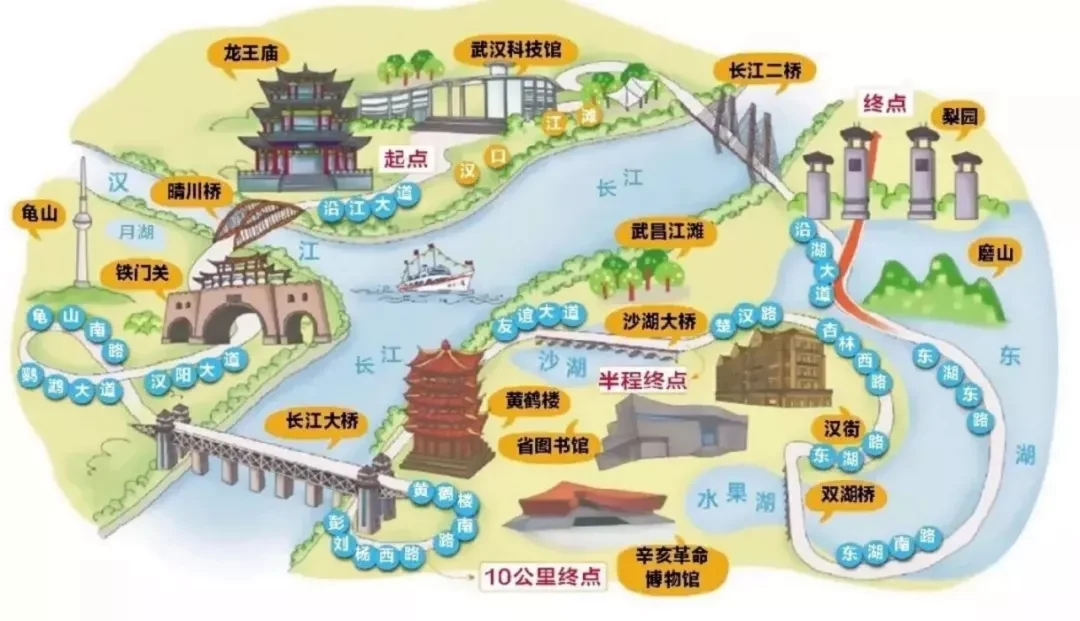
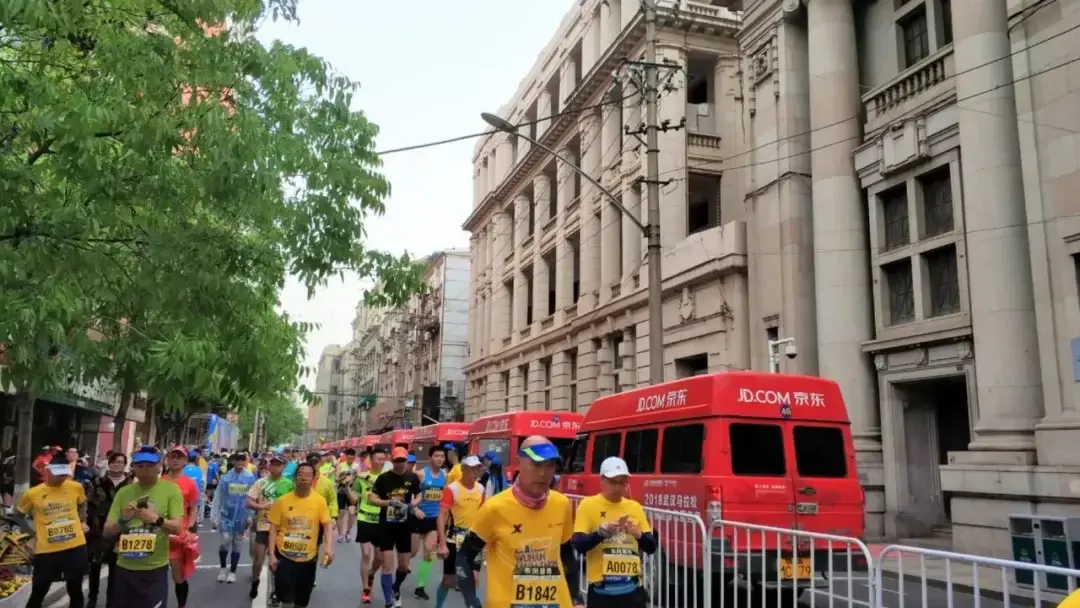
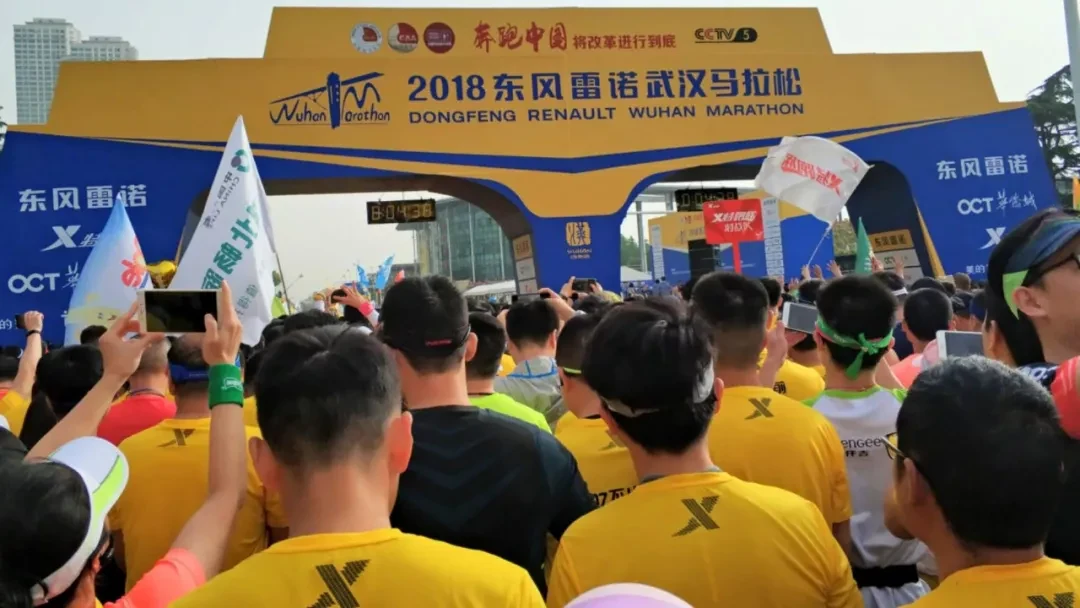
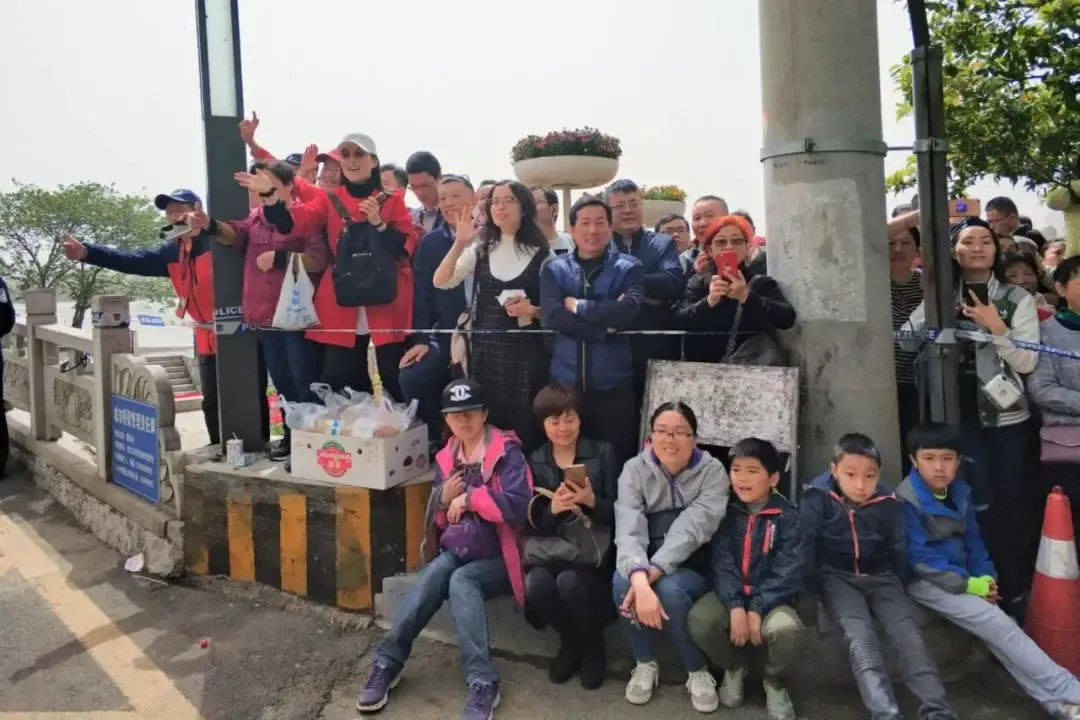
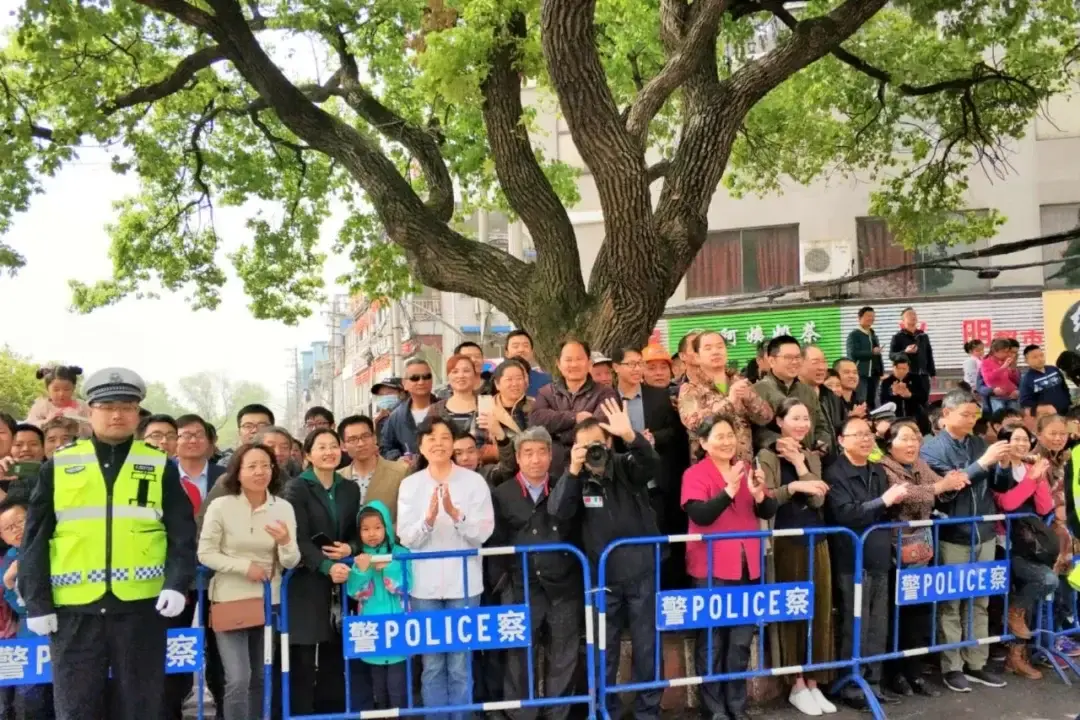
After the gun was fired, we filed out with the golden flow of people. Enthusiastic spectators surrounded both sides of the track. It was simply a collective carnival in the city. It didn’t take long for us to pour into Zhongshan Avenue in Old Hankou. The century-old street has witnessed the rise and fall of Wuhan. Hankou was known as the “Chicago of the East” in modern times, as bright as the Pearl of the Orient. During the Ming and Qing dynasties, Hankou, which had a low political status in the gap between Wuchang and Hanyang, gradually became a trading town where merchants gathered, and was even more favored by foreigners. All kinds of goods produced in Wuchang and Hanyang often need to be shipped out through Hankou, so this port, which was originally ignored, later grew into a large inland port that "reaches Tianjin and catches up with Shanghai". When runners pass by Zhongshan Avenue, they can still feel the pulse of history, watch people coming and going, hear the hustle and bustle of merchants, and the unique European-style buildings in the old concession have become the scenery on the track.
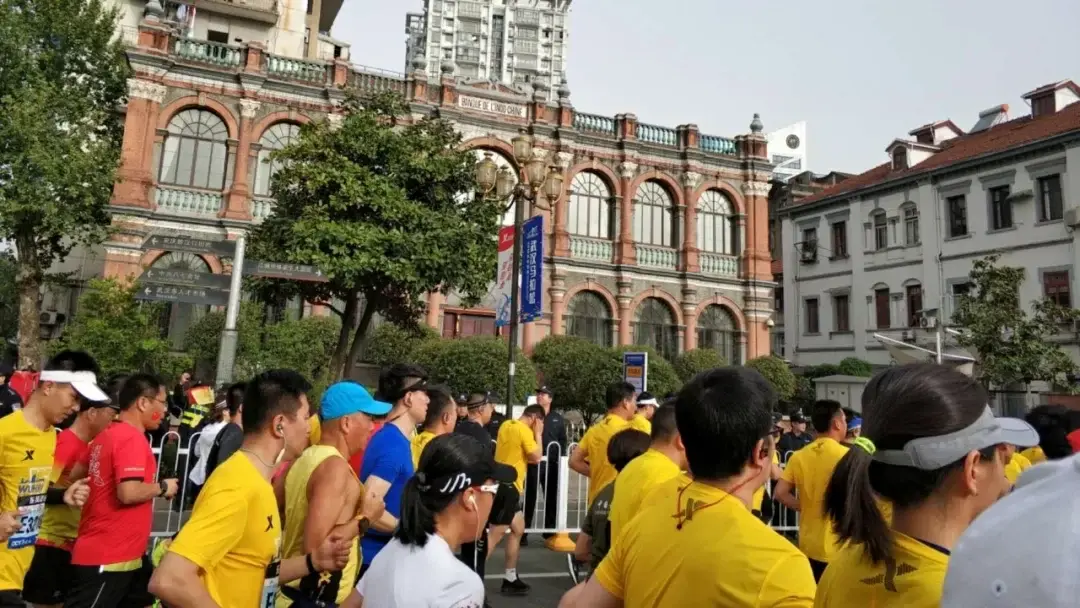
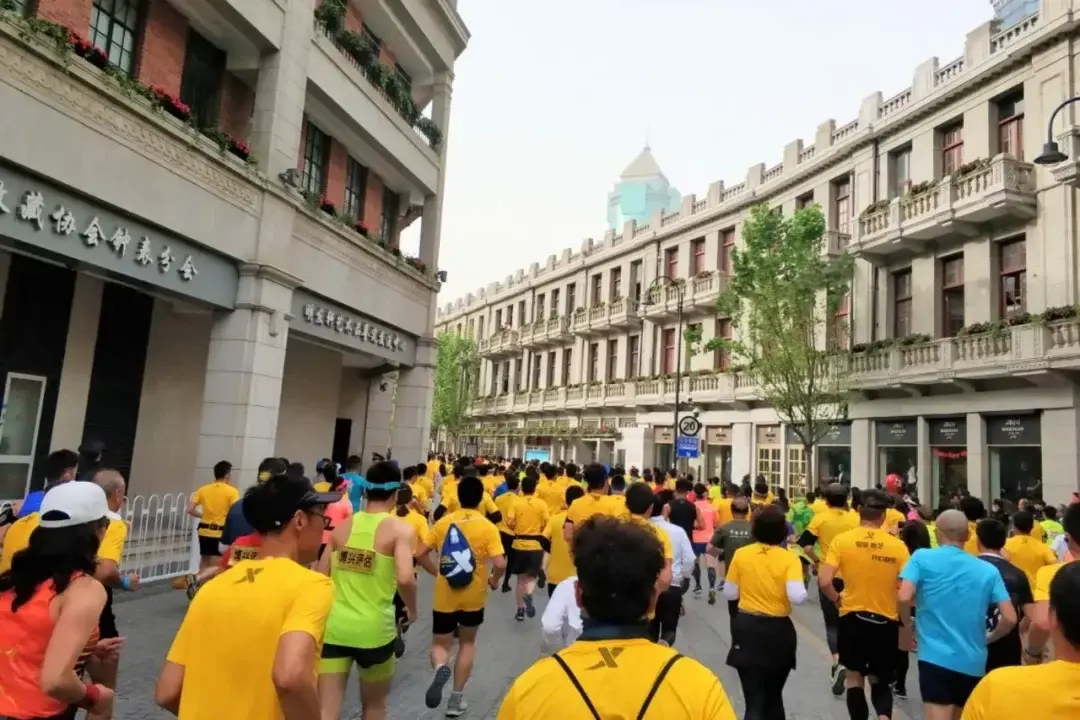
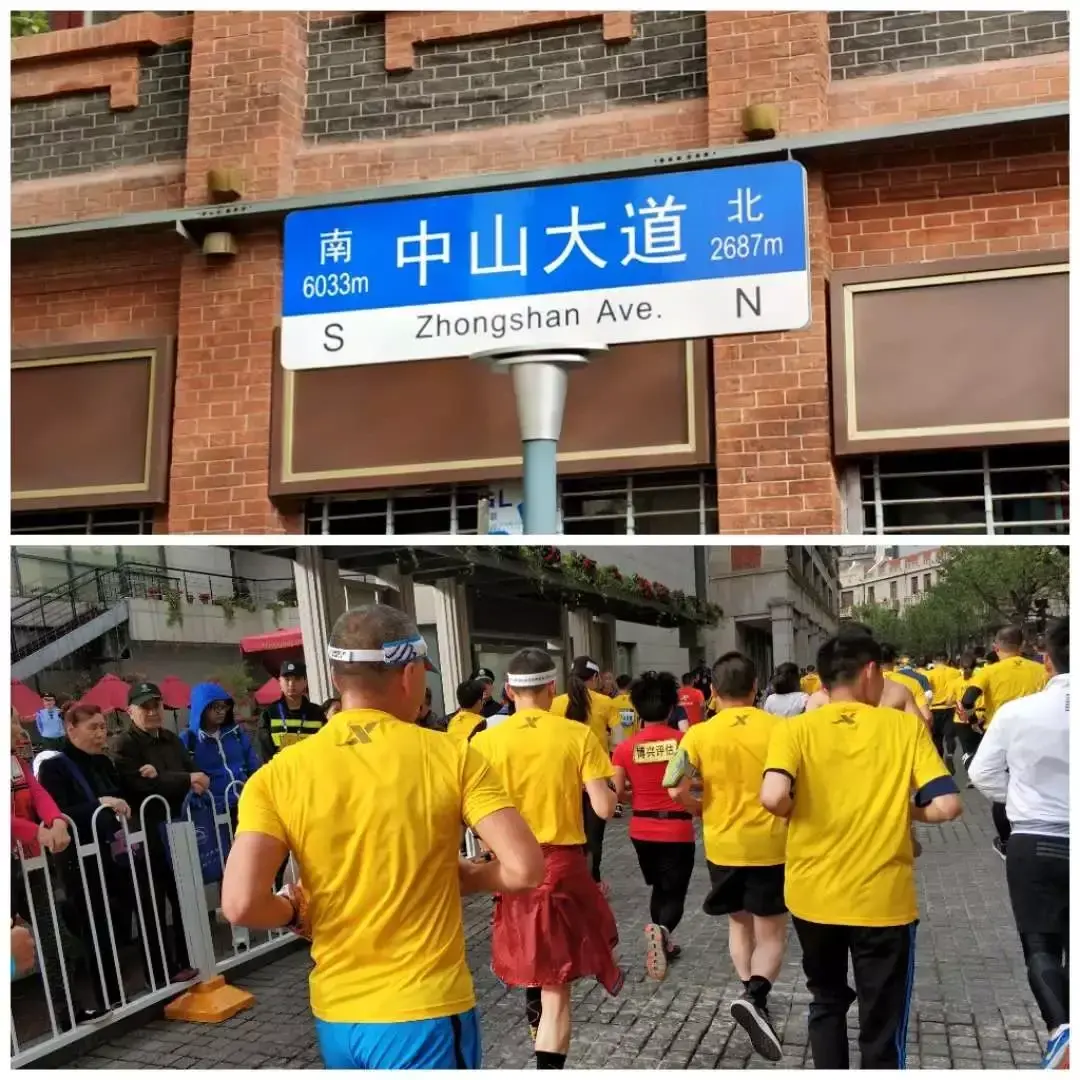
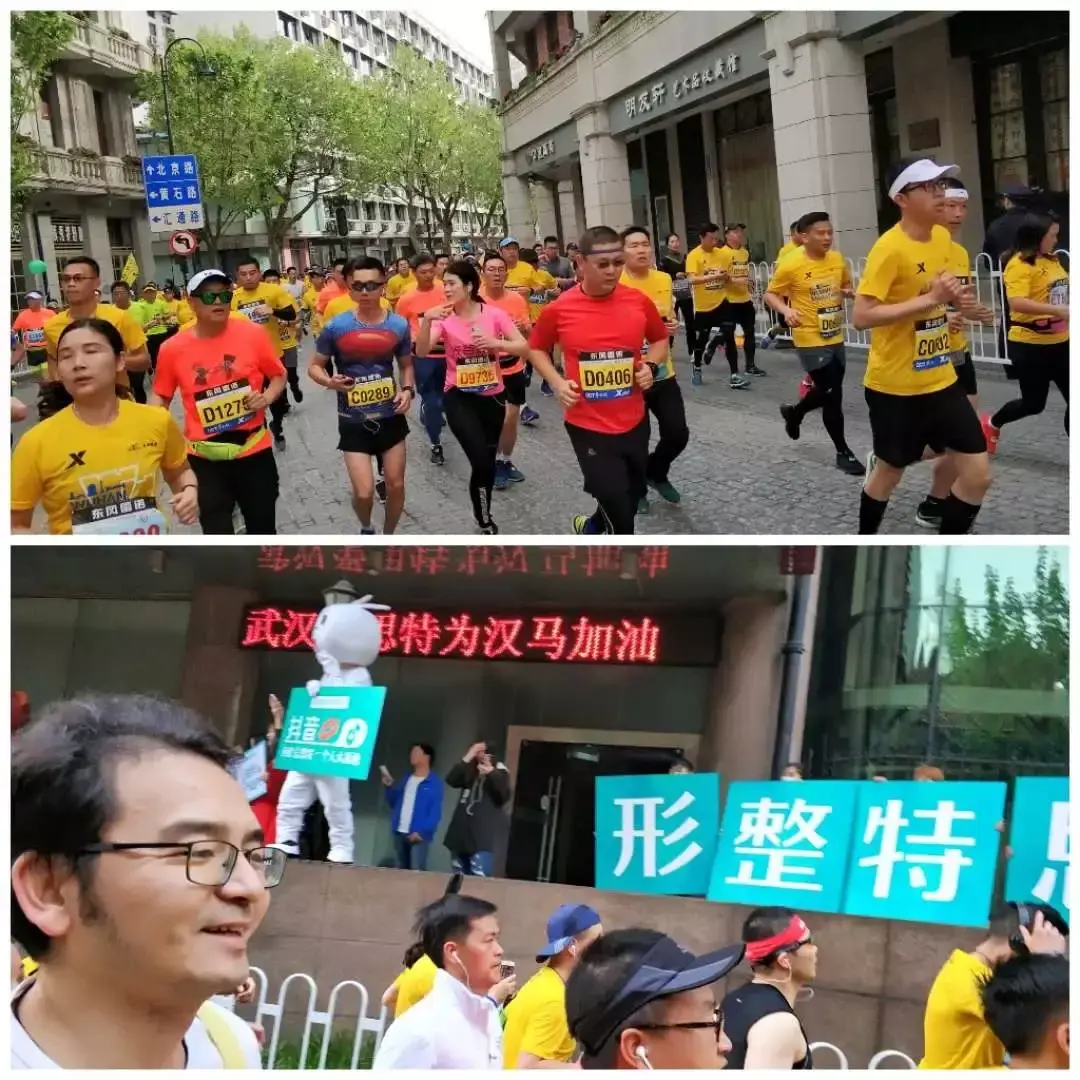
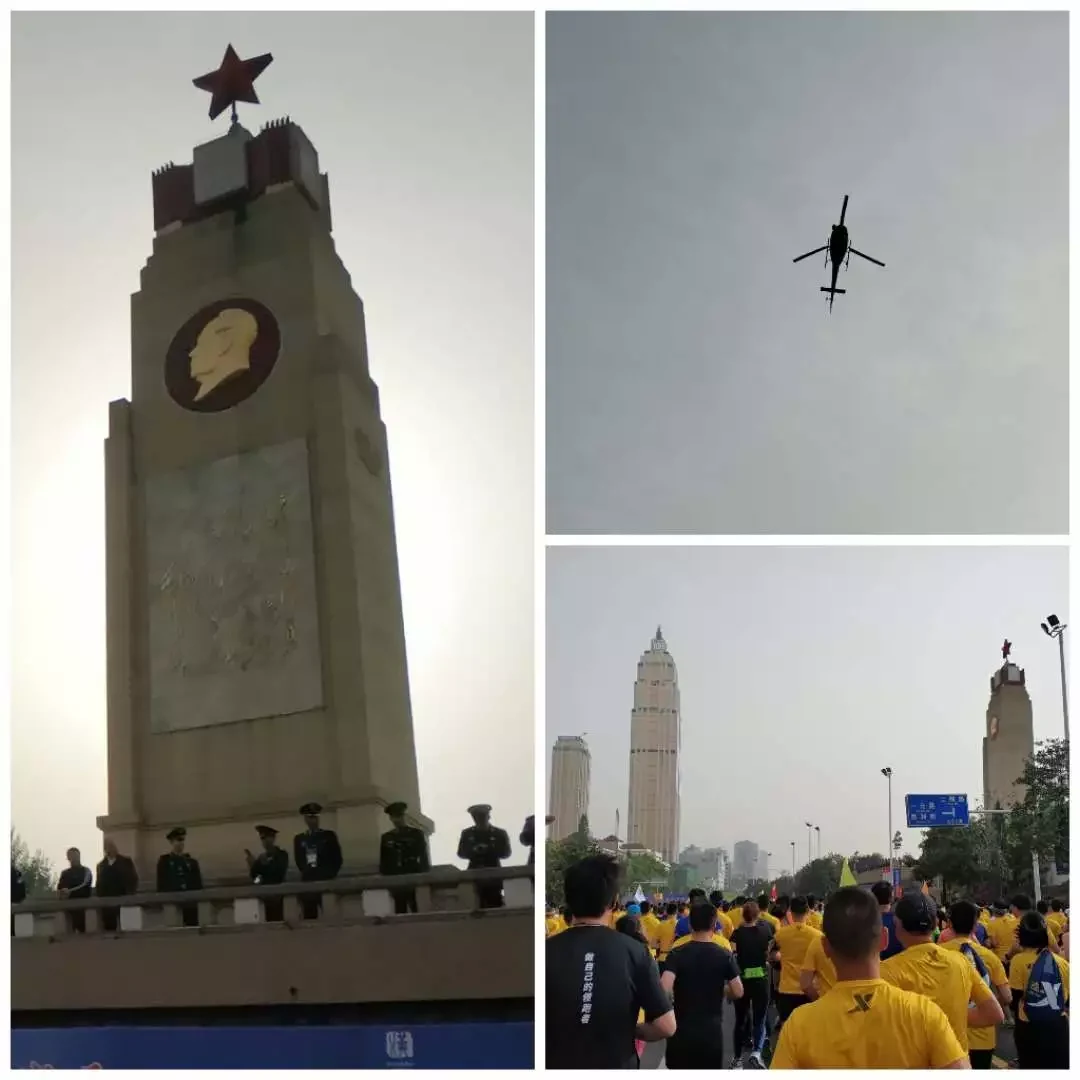
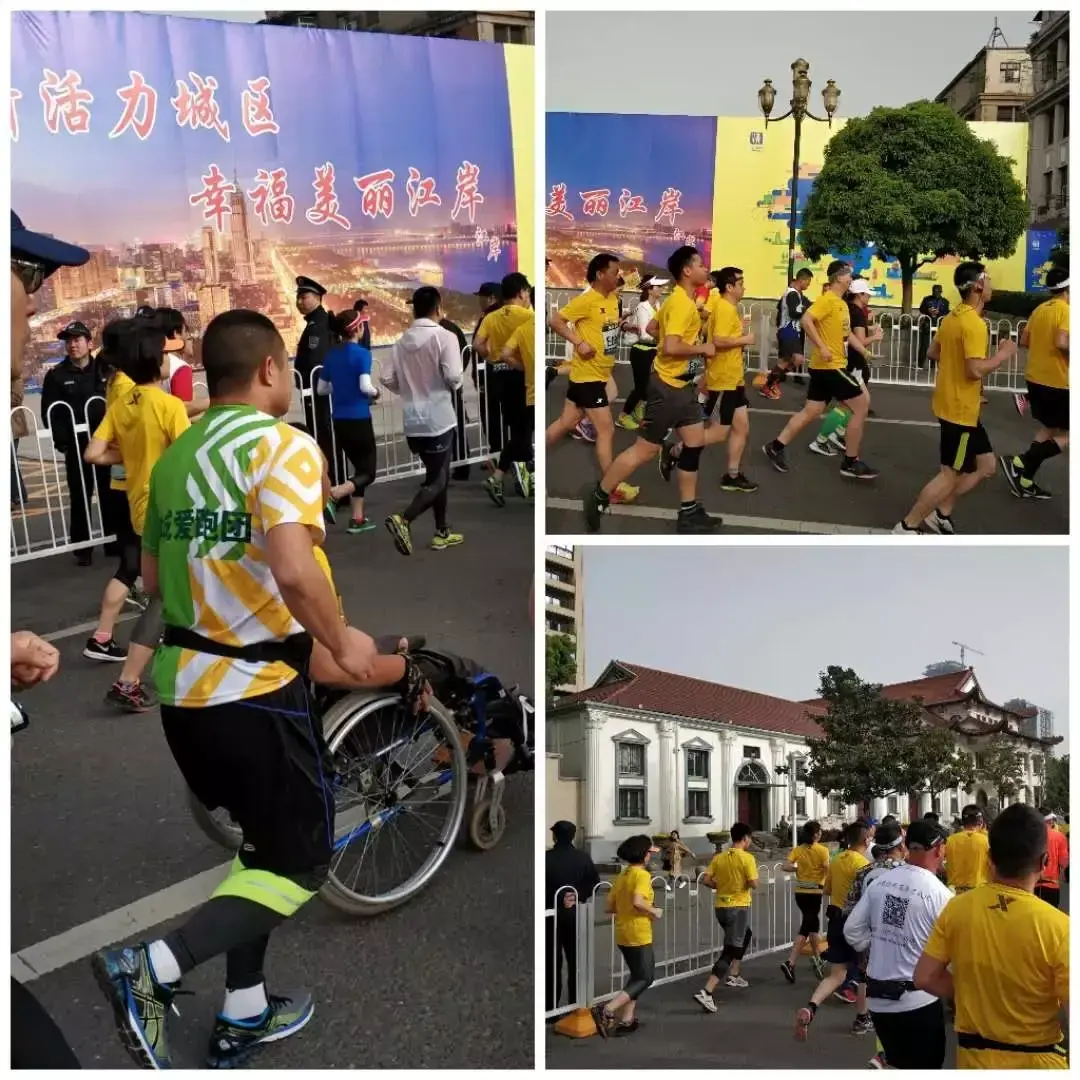
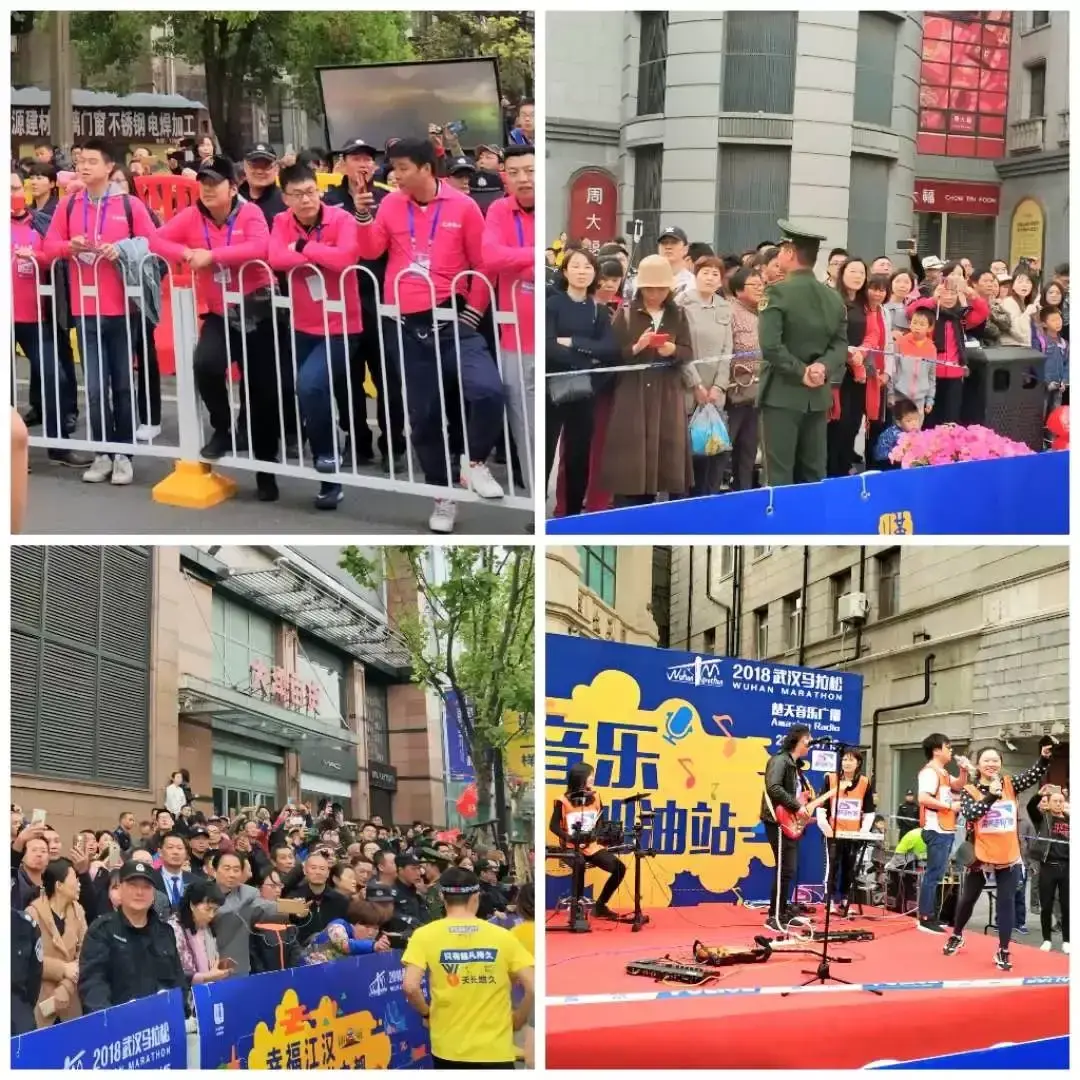
There were constant spectators along the way, and the volunteers were also very enthusiastic. We were having so much fun with everyone that we forgot to chase the 2:00 pacer. Fortunately, Xiaopang was slow enough and came from behind to catch up with us, and the three marathon running trio met up smoothly.
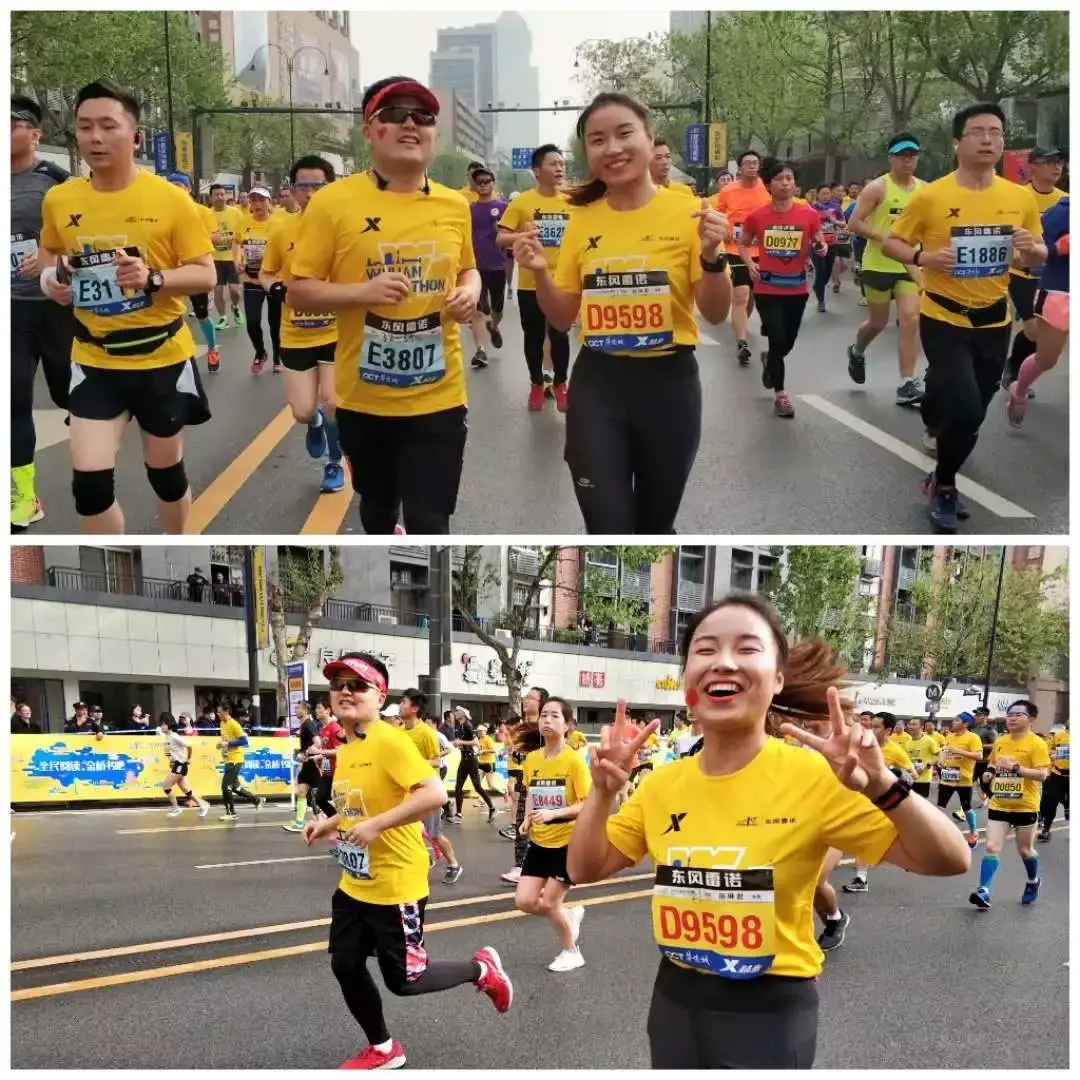
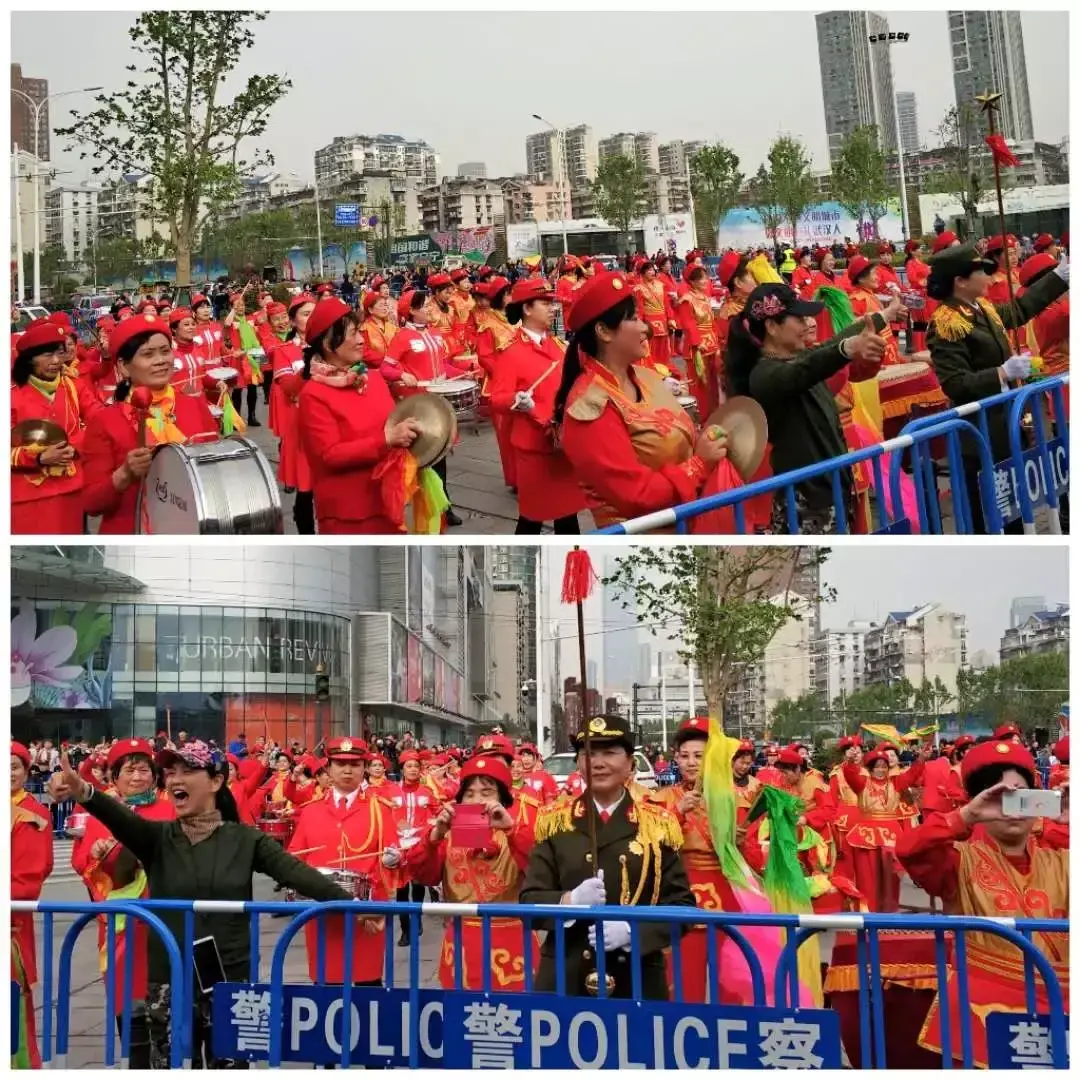
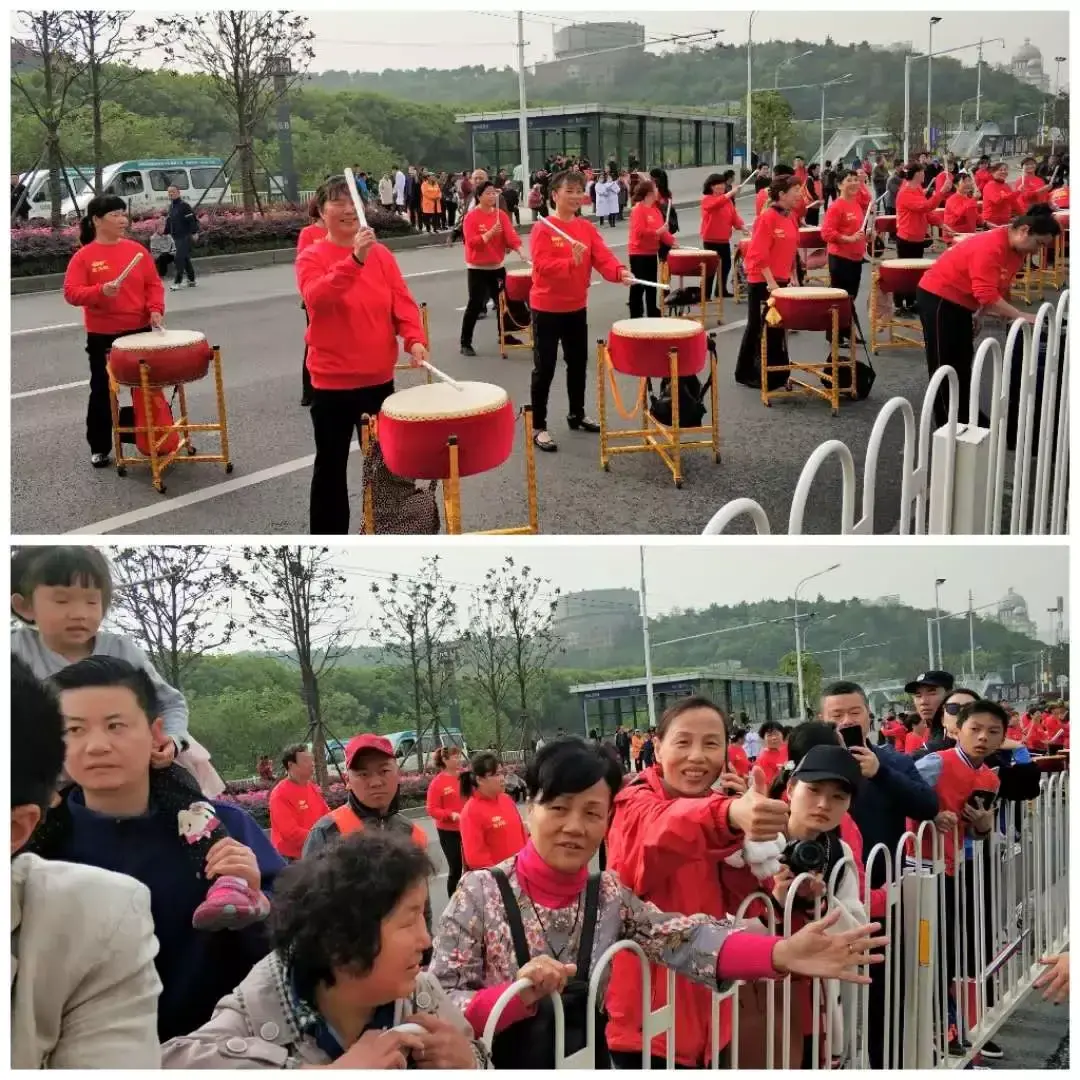
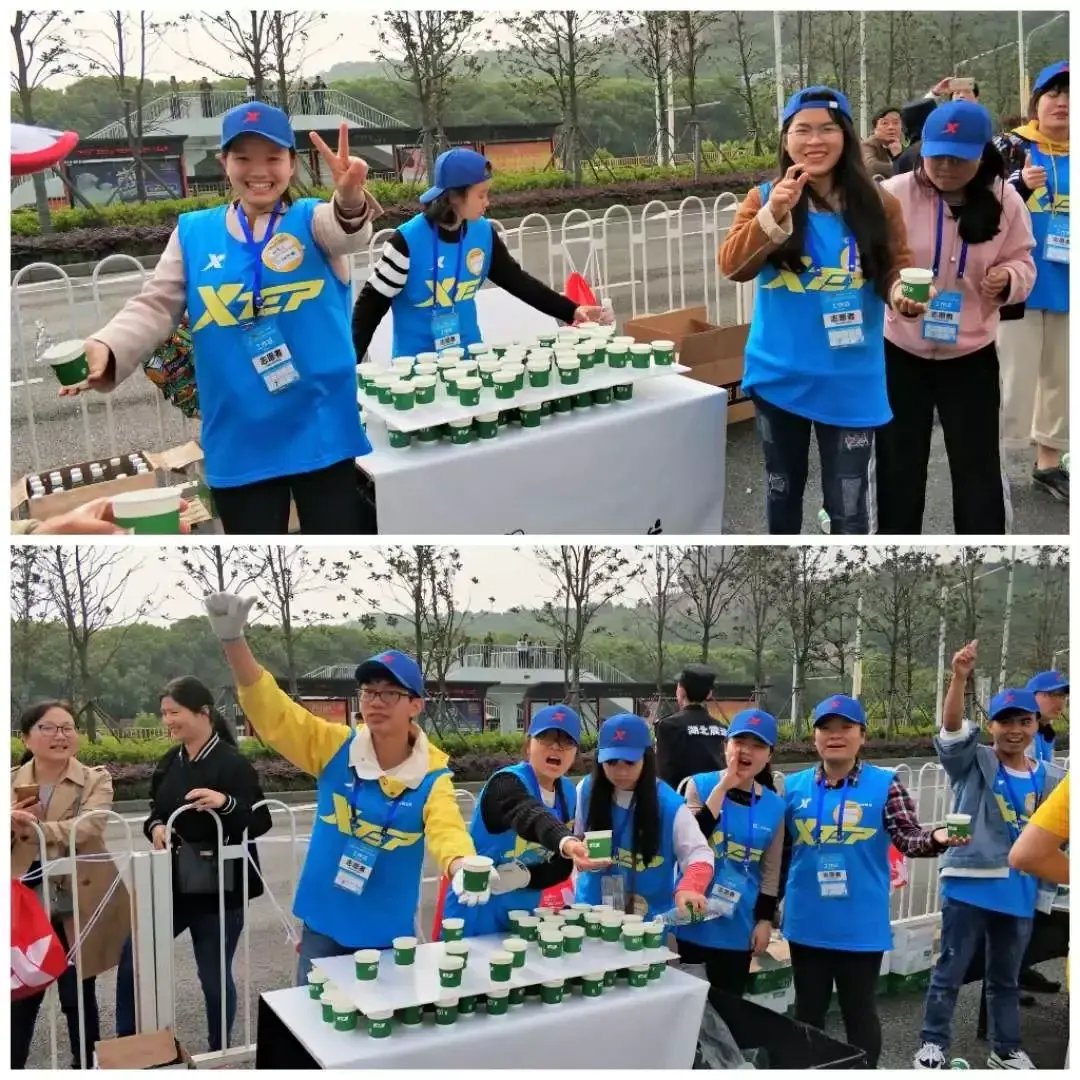
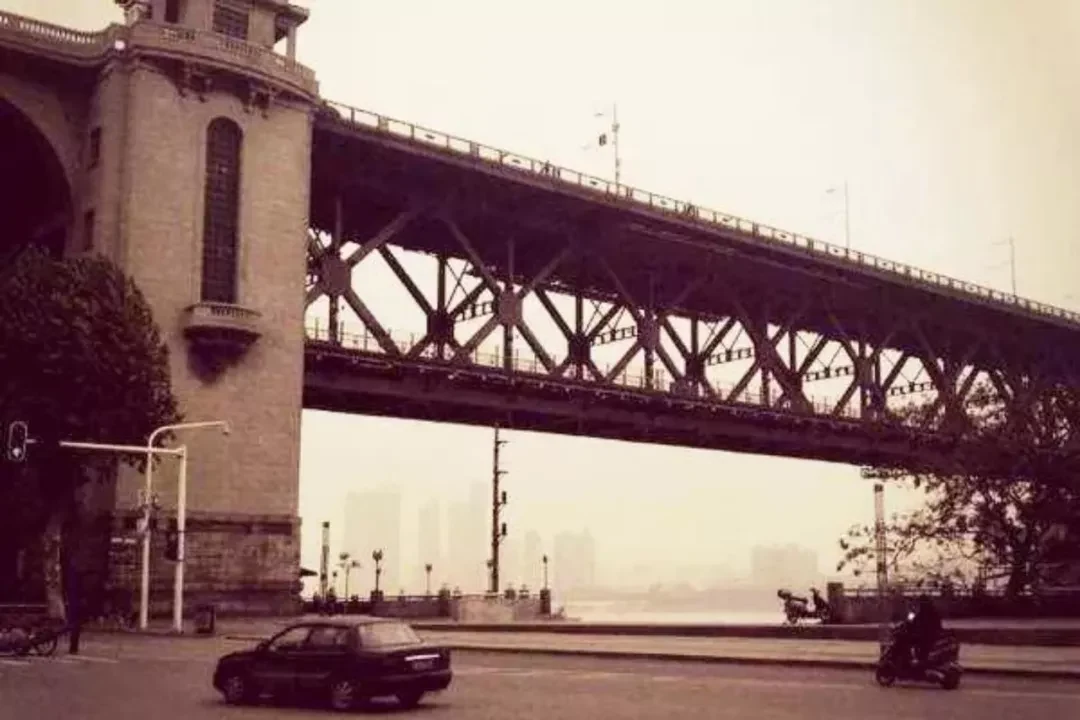
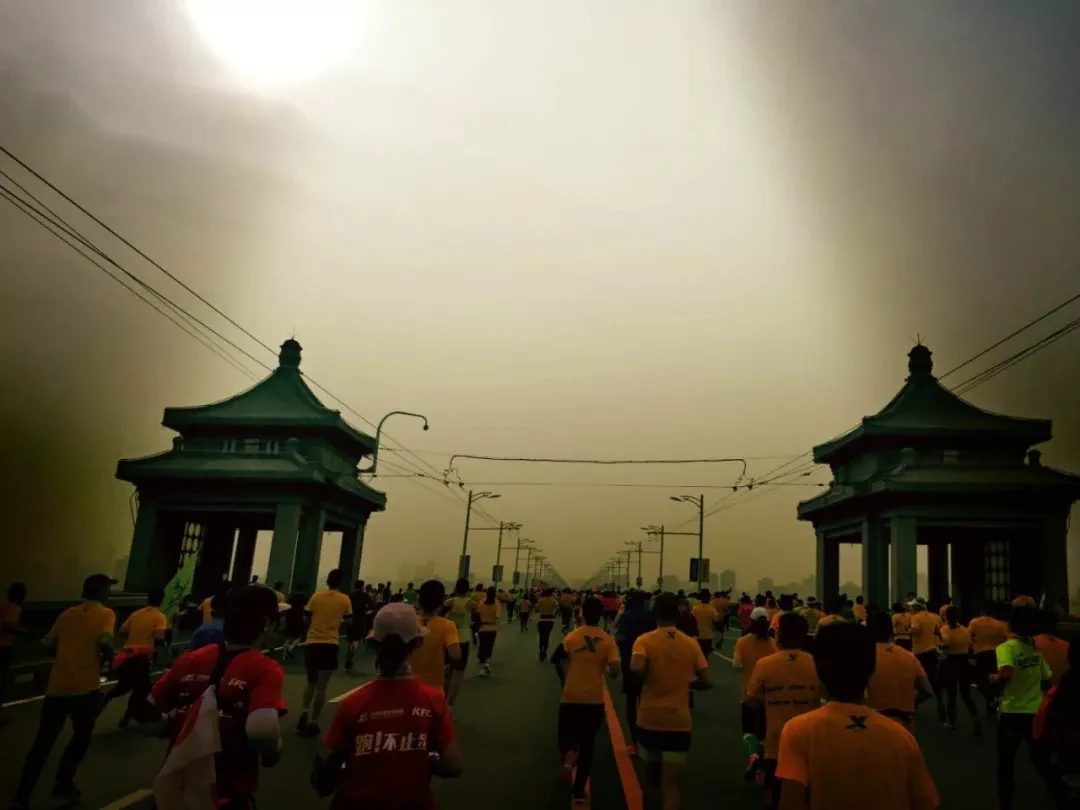
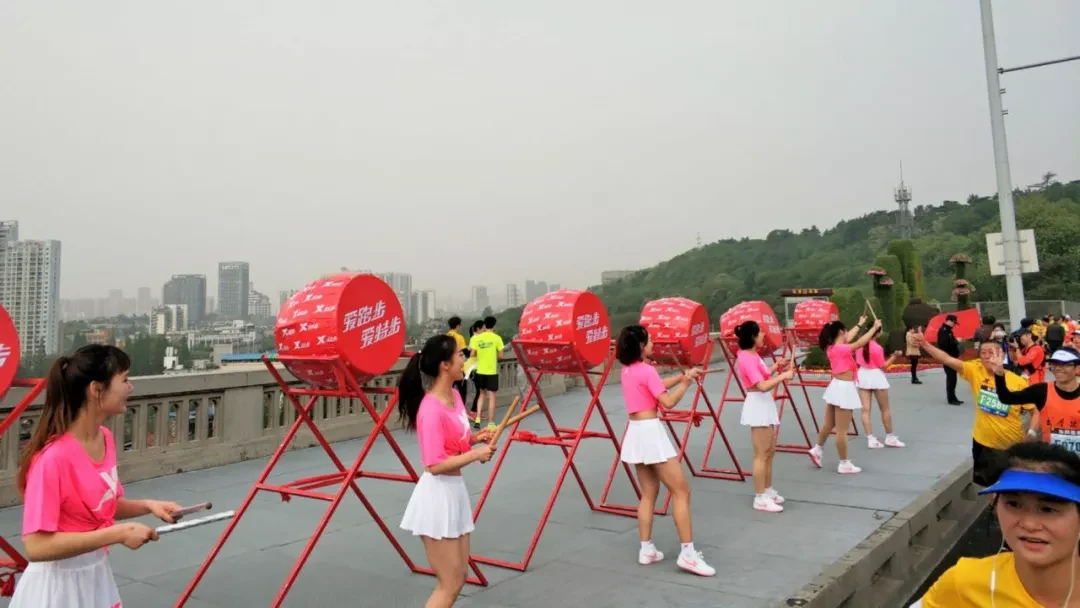
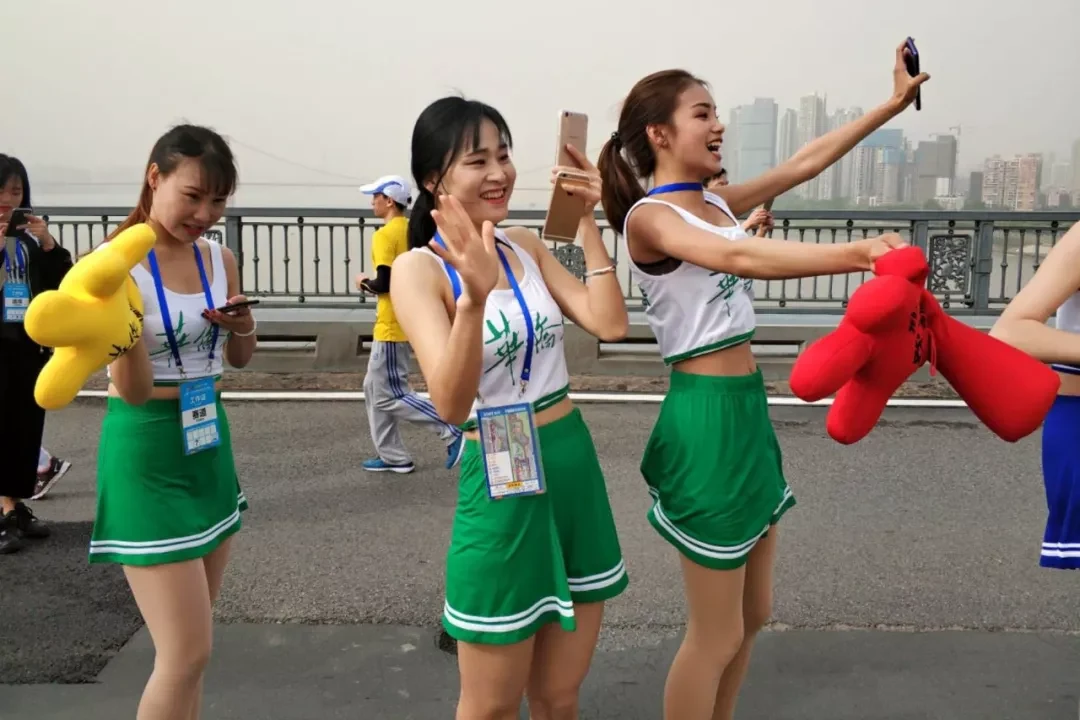
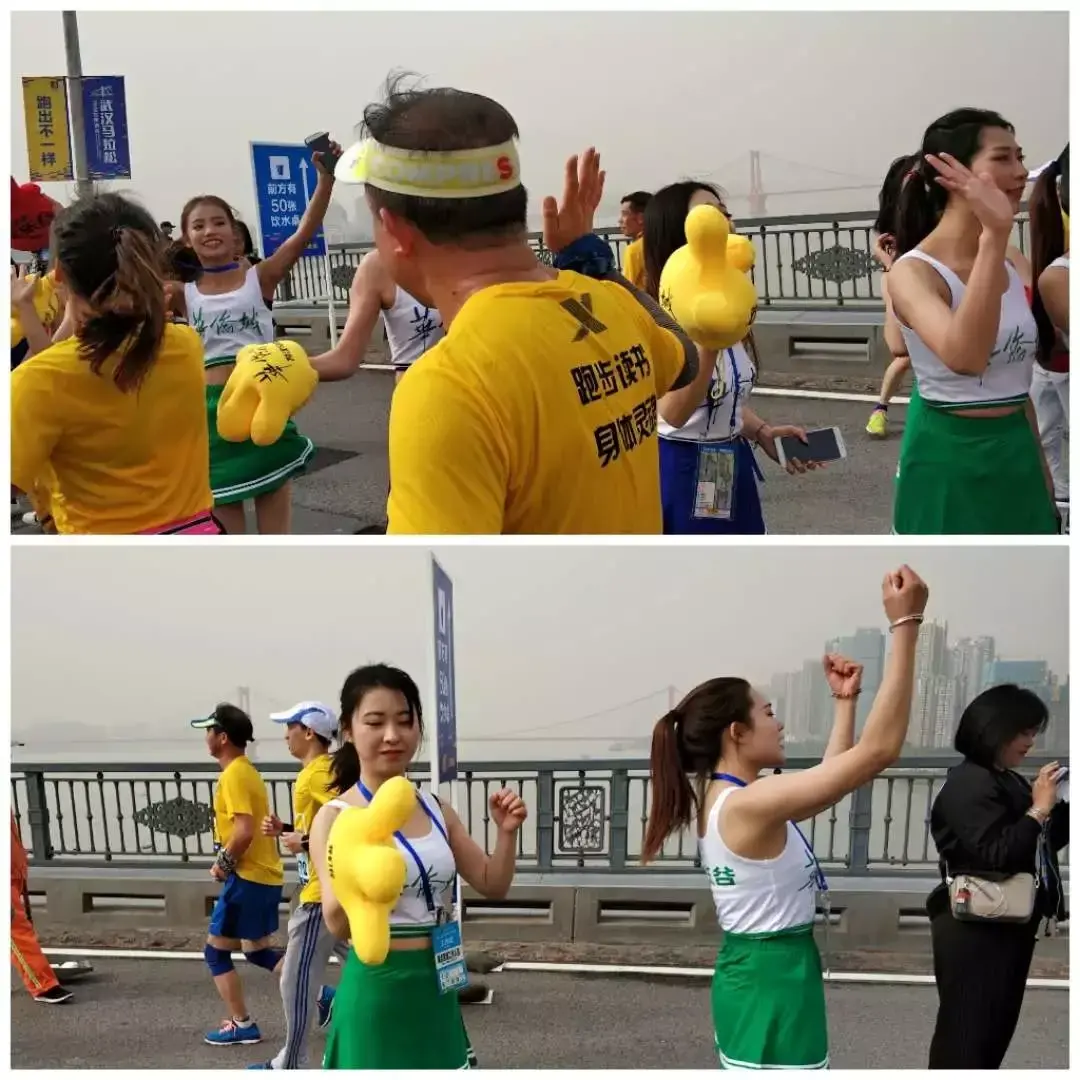
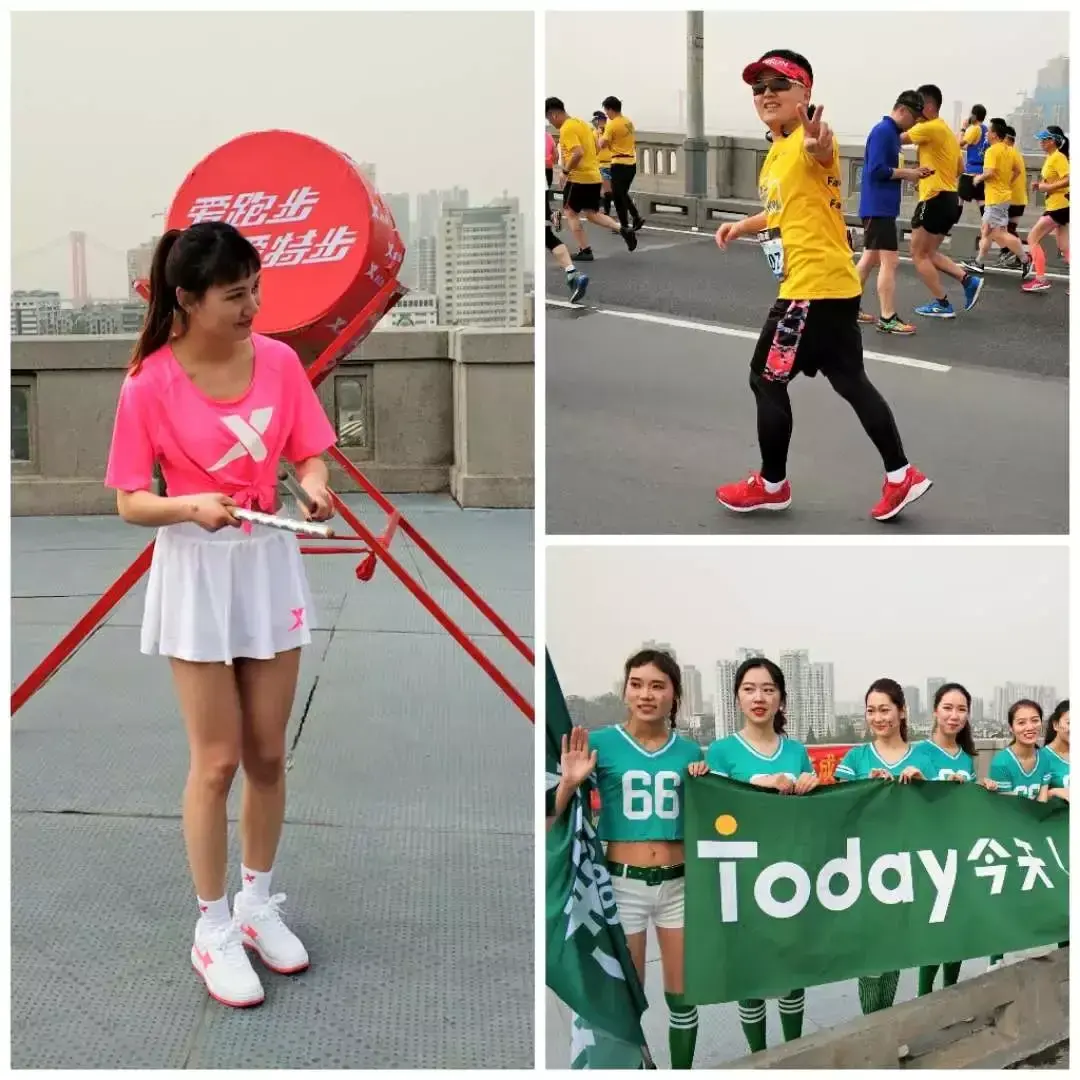
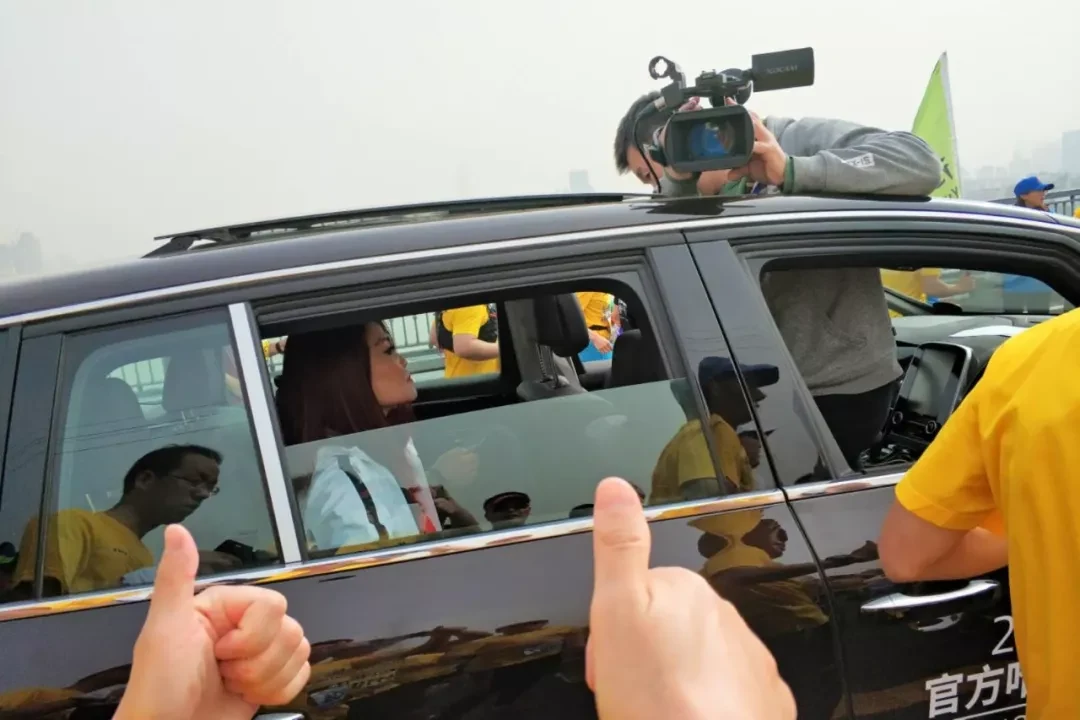
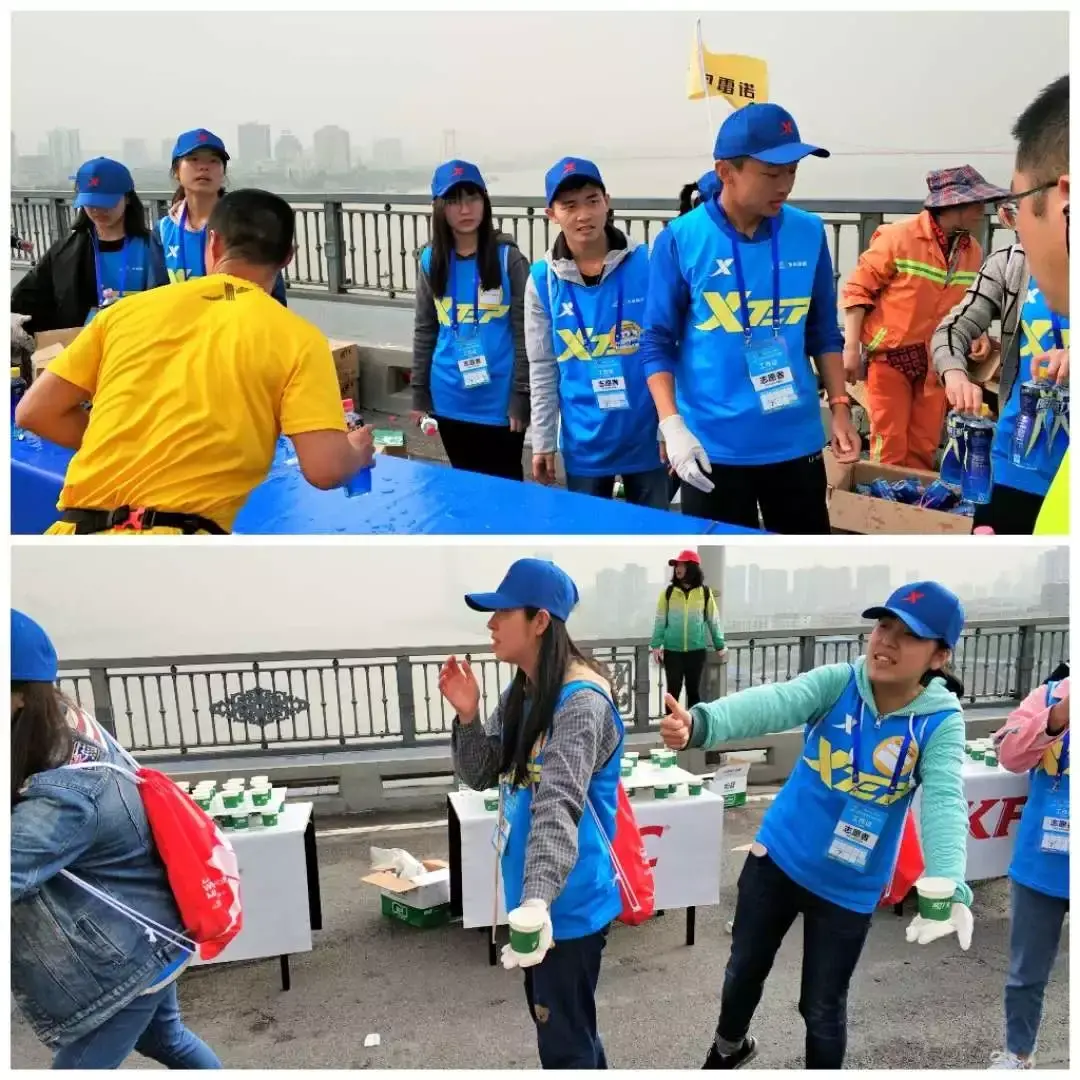
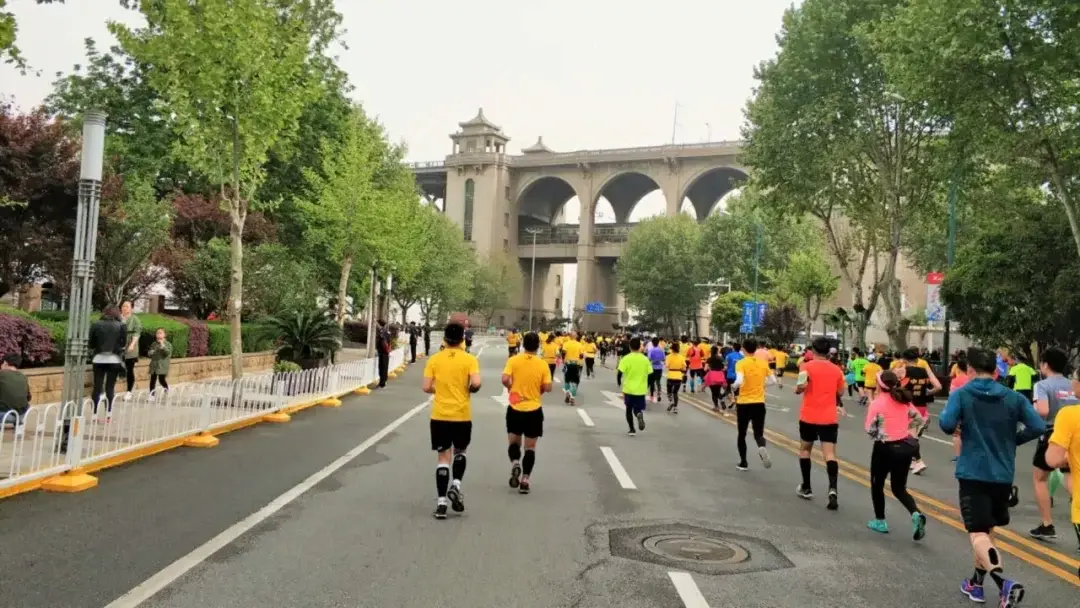
Passing the Jianghan Bridge, we headed straight for Wuhan's landmark Yangtze River Bridge. The 1,670-meter Wuhan Yangtze River Bridge 10 kilometers away was officially opened to traffic in 1957, connecting the three towns in Wuhan separated by the Yangtze River for the first time. Before that, the Yangtze River was a natural chasm dividing the north and the south, and the Han River also blocked Hankou and Hanyang in the north of the Yangtze River. The three towns of Wuhan are divided by these two rivers and have always been difficult to integrate. This sense of fragmentation still exists in the hearts of Wuhan citizens even today, many years after Wuhan was merged. So for every old Wuhanite, the significance of the Yangtze River Bridge goes without saying. Perhaps it is more than just a bridge. It has already become a spiritual link connecting the entire city. Today, the bridge drove away the traffic and left a place for the runners to hold a party. There were abundant supplies, super enthusiastic volunteers, various beautiful cheerleaders, and the occasional rumble of the train passing under the bridge became a footnote to this feast. Everyone was having a great time. Xiaopang and I also successfully lost our classmate Xiaobie. It was difficult to find Xiaobie among tens of thousands of runners wearing yellow clothes. The team became a duo of Xiaopang and I. We met reporter Dongzina on the bridge, and the carnival escalated...
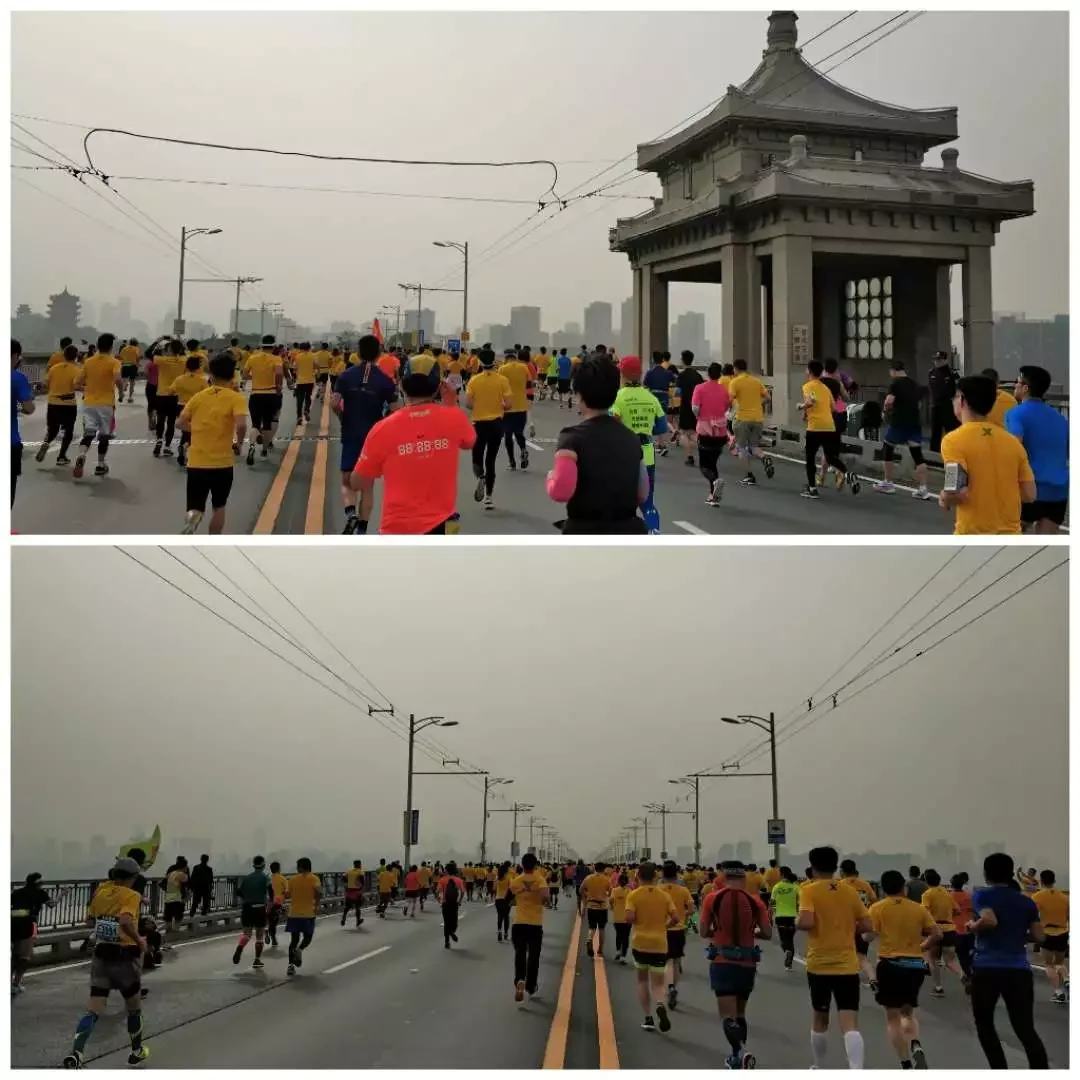
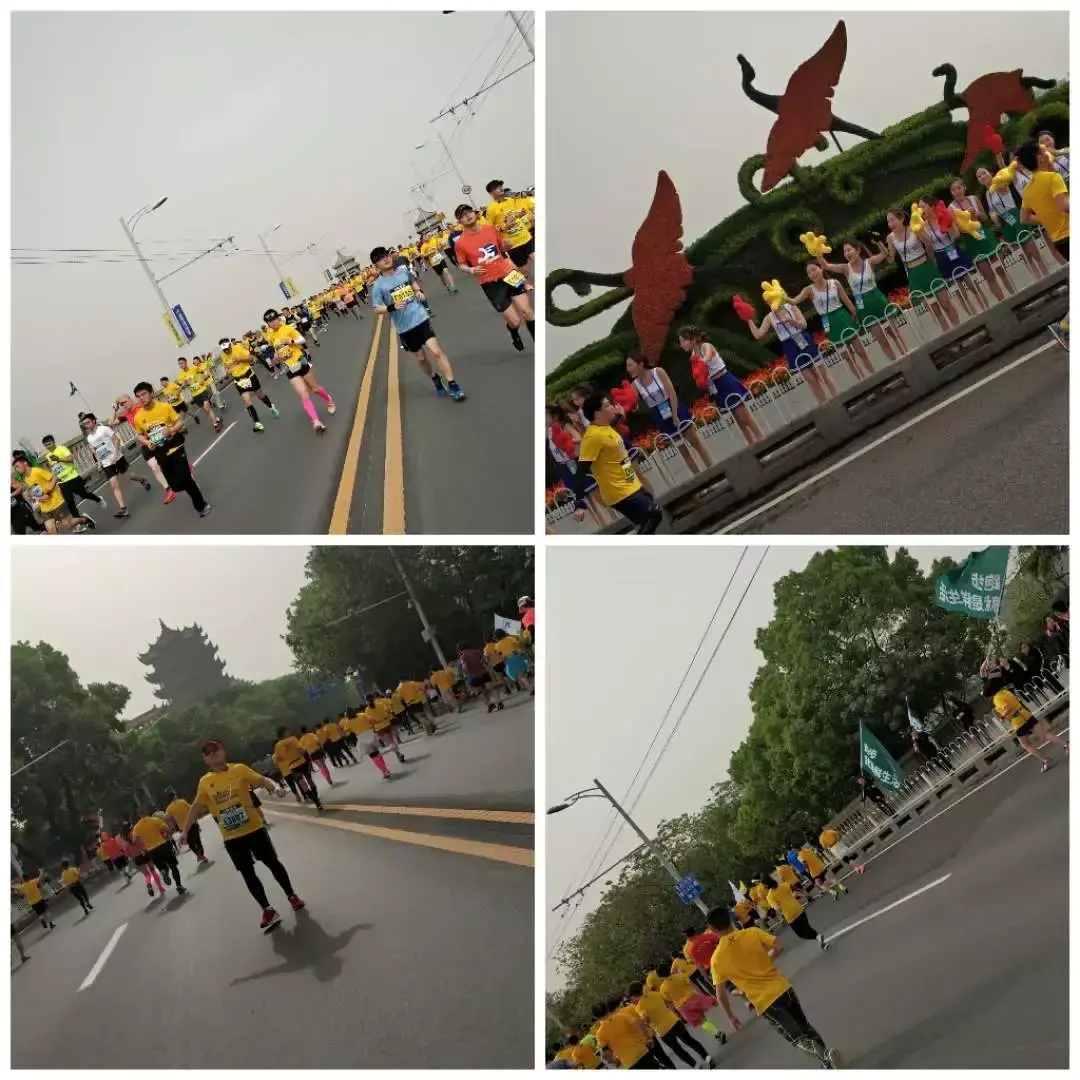
The Yellow Crane Tower and the Yangtze River Bridge face each other across the river. The ancient "looking at the overturned boats from the Yellow Crane Tower" has been replaced by today's "looking at the runners from the Yellow Crane Tower." The great poet Li Bai had a special liking for the Yellow Crane Tower. He once wrote a poem: "I moved to Changsha to move to Changsha, and looked west to Chang'an without seeing my home. The jade flute was playing in the Yellow Crane Tower, and the plum blossoms fell in May in the river city." The poem was about the Yellow Crane Tower, but it inadvertently made Wuhan famous as the "River City" for thousands of years. The eternally famous building has a clear view of the sky. If you are not racing, you can climb the tower and look far away, and you will have a panoramic view of the scenery of the three towns. Runners also use the Yellow Crane Tower as the background to record marathon moments.
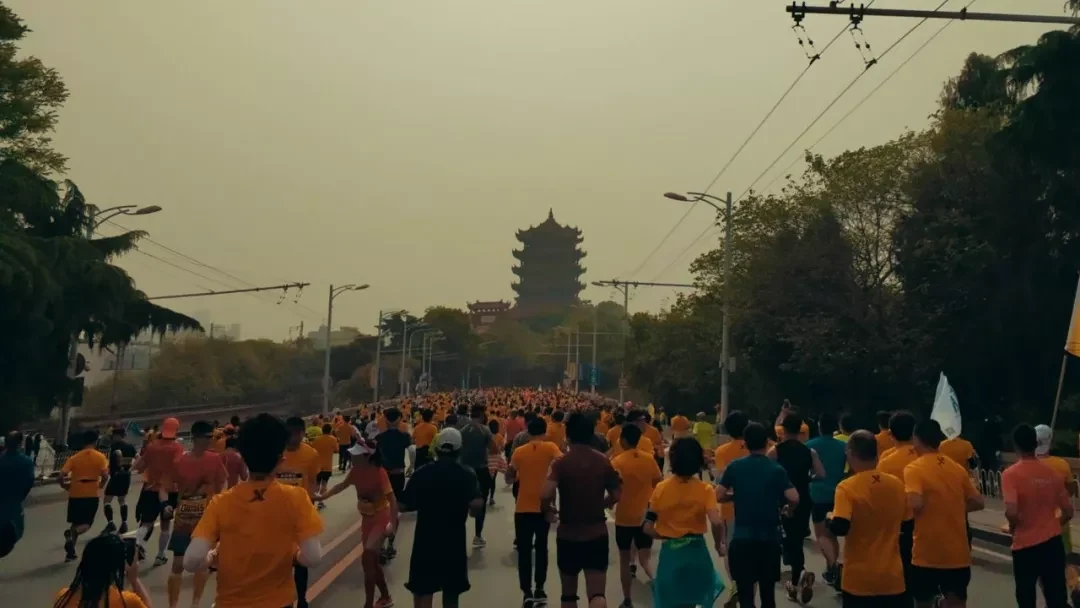
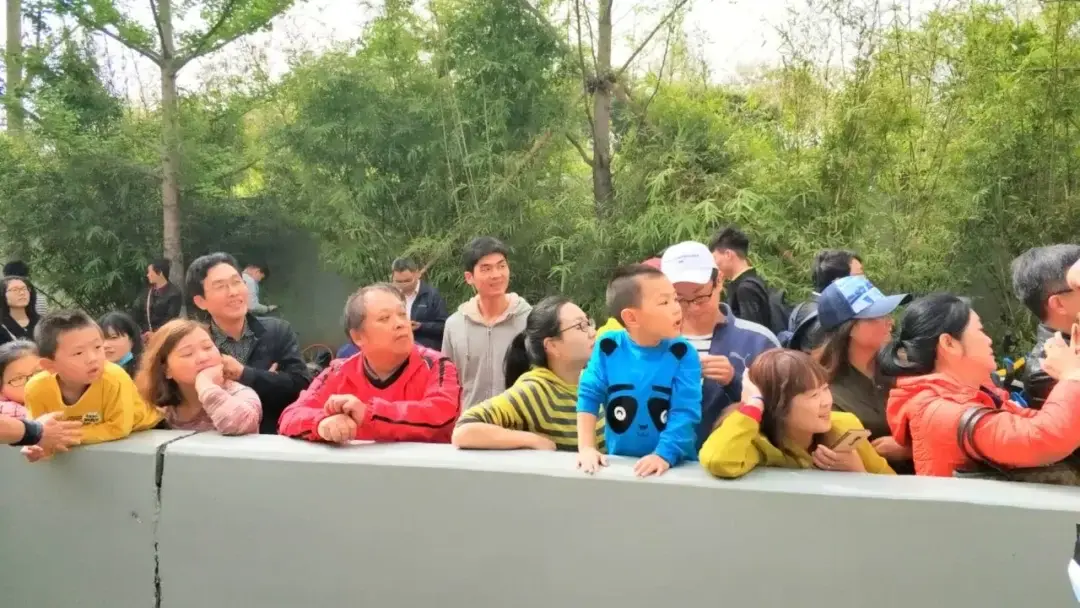
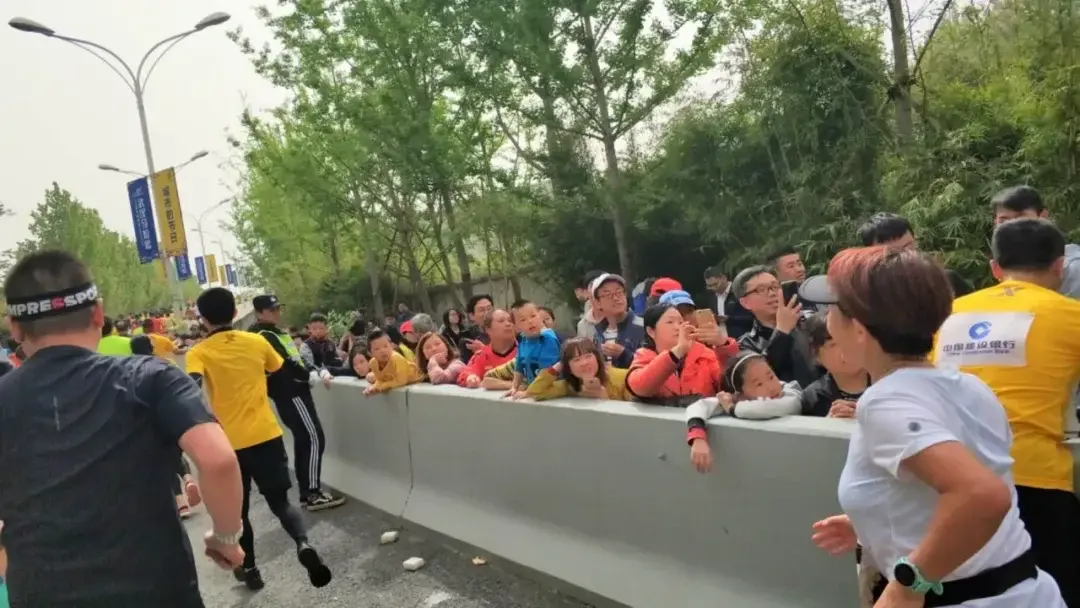
The next stage came to Wuchang District. My first impression was that the audience here did not seem to be as enthusiastic as in Hankou District. Looking at the historical reasons, maybe Wuchang is a thousand-year-old town, the old foundation of Wuhan. The stories about Wuhan in history basically happened in Wuchang, and the entire culture of Wuhan City The heritage comes from here, and the culture comes from folk customs and humanistic education. Compared with the old Hankou that was forced to open a port by imperialism, the citizens here appear relatively calm and restrained. Although it has been nearly a hundred years and Wuhan has also experienced great integration, some of the things in the bones will still remain to some extent.
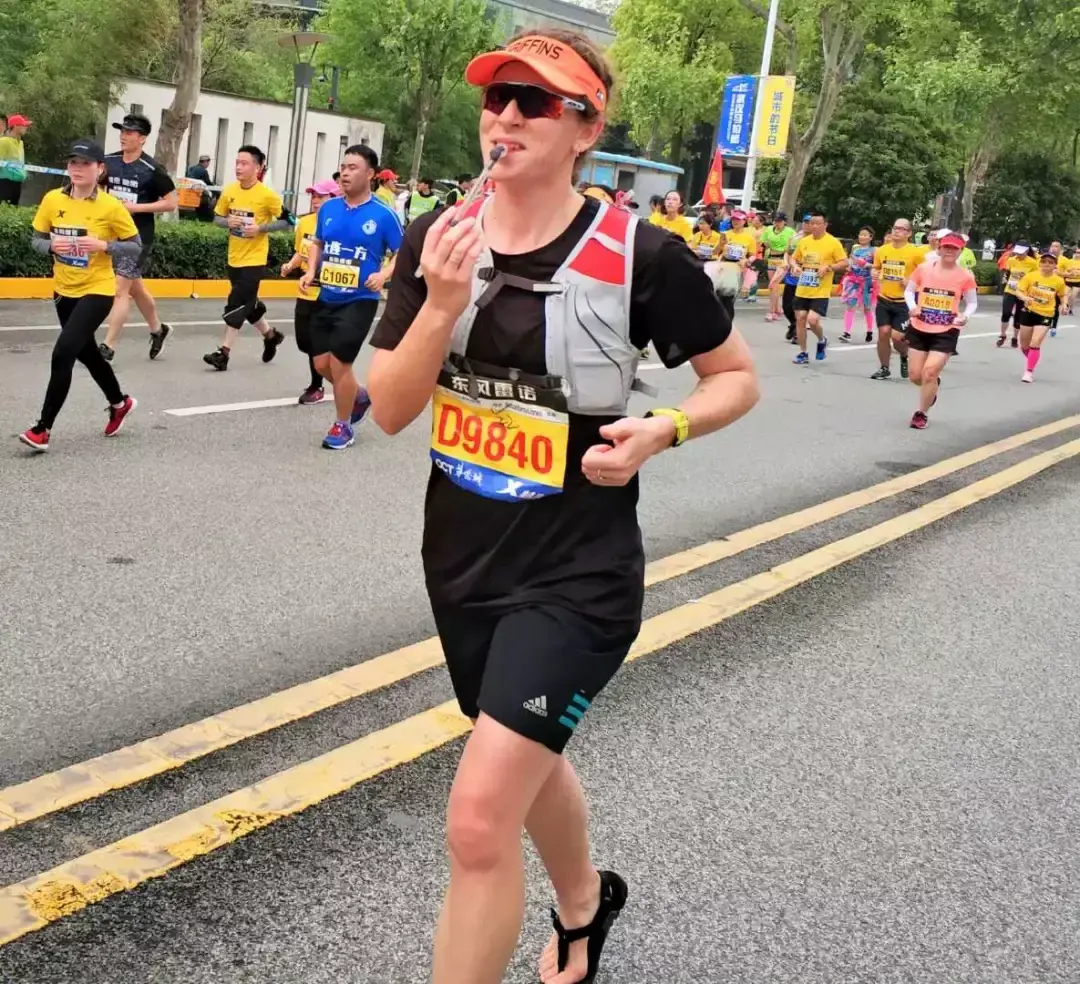
The most important thing for marathon runners is "self-pleasure". I saw a foreign lady wearing slippers while running marathons. I couldn't help but admire her. I stepped forward and shouted: "You are so Liu!" She seemed to understand and replied: "You two". I thought to myself, I praised you for running away, but you actually said something bad about me, so I simply accelerated and kept moving forward.
Soon we arrived at the 13-kilometer terminus of the Xinhai Revolution Memorial Hall. In 2011, to commemorate the 100th anniversary of the Xinhai Revolution, Wuhan City built the Xinhai Revolution Museum in Shouyi Square. A cannon was fired at the top of Wuchang City, marking the success of the Revolution of 1911, which shocked the world and rewrote Chinese history.
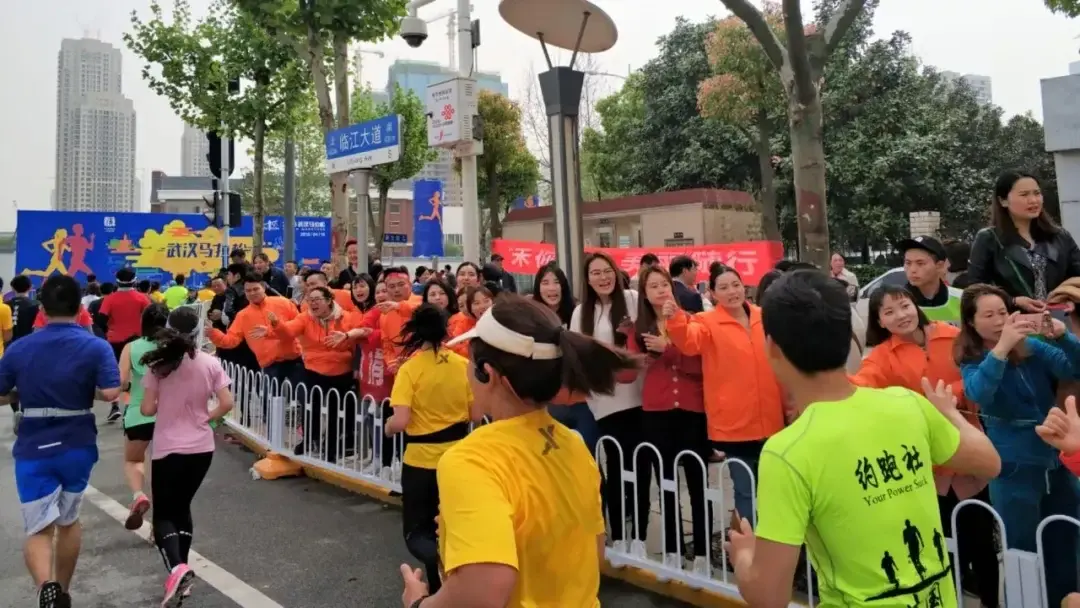
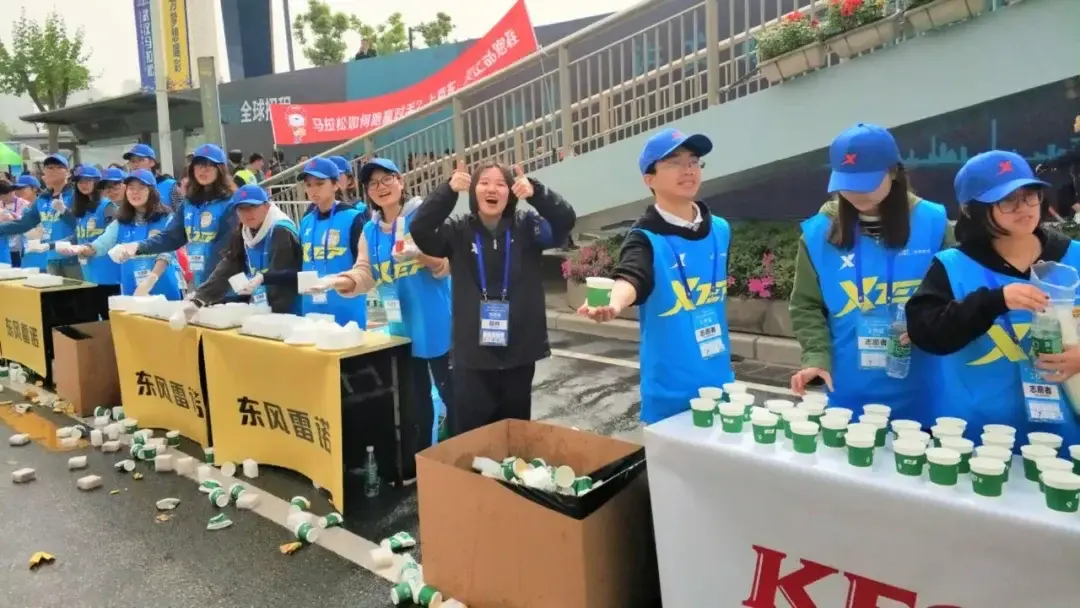
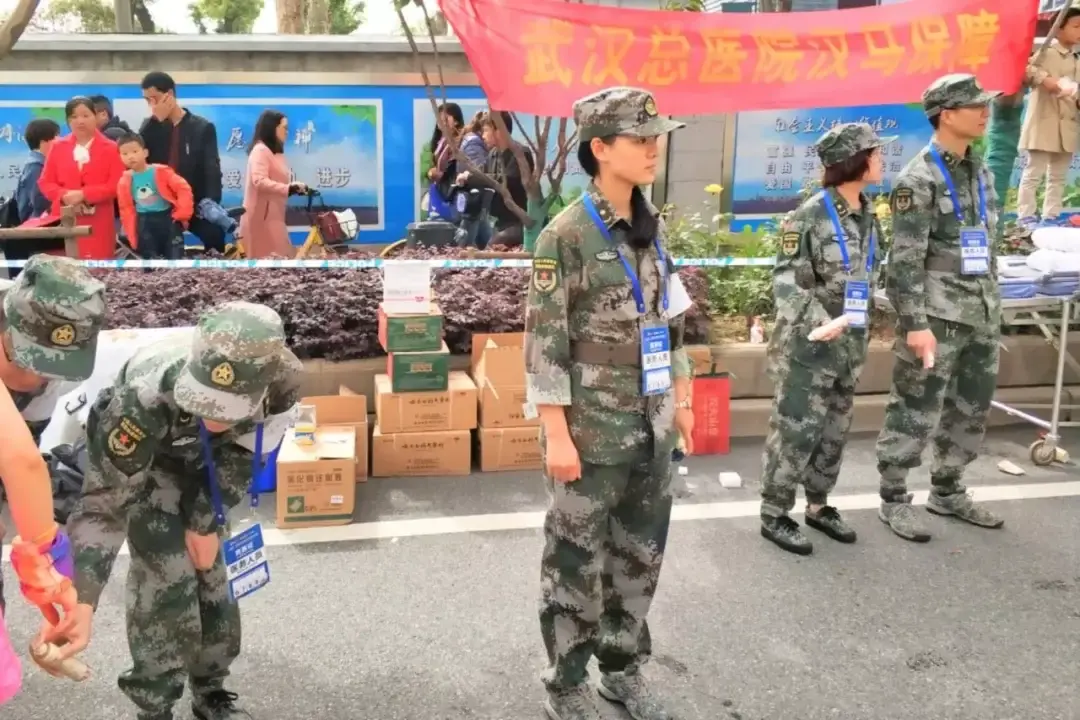
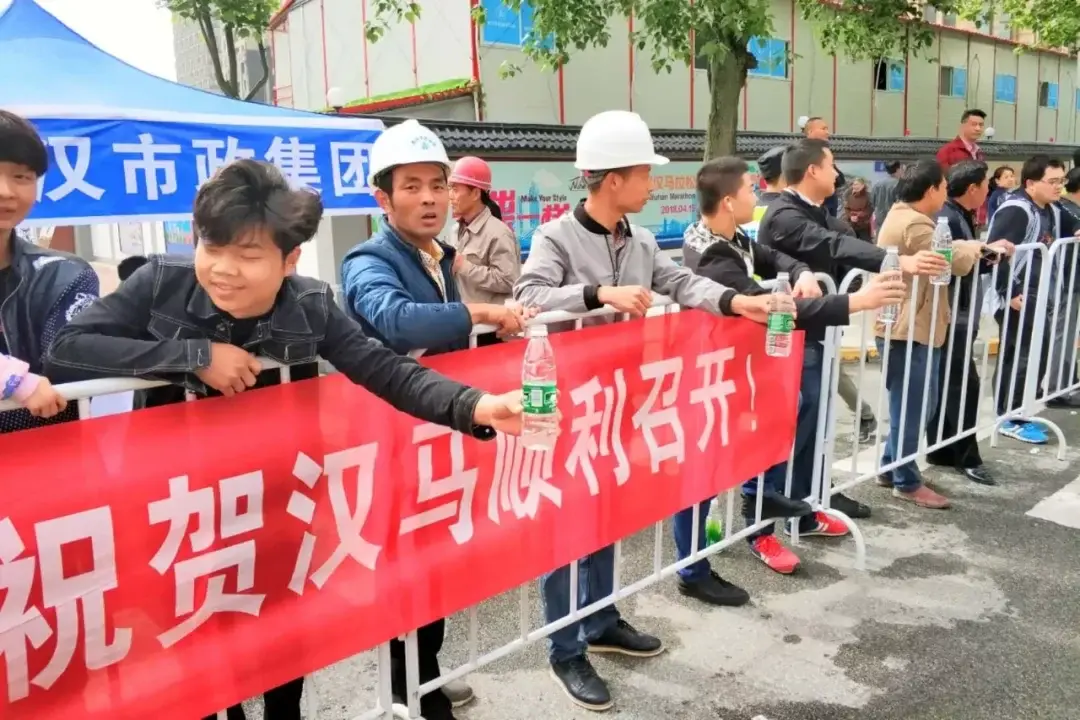
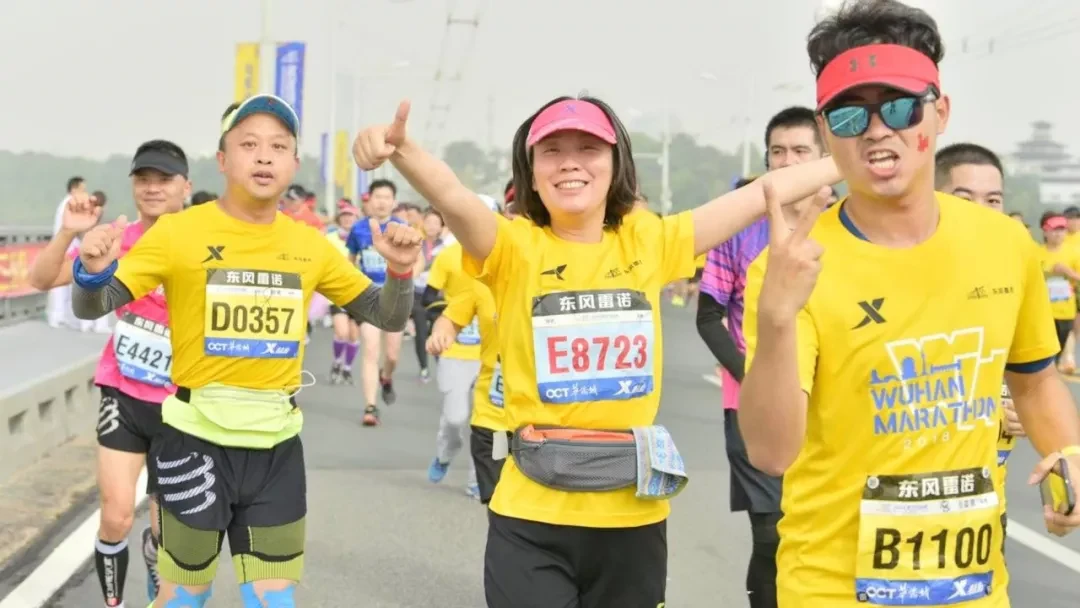
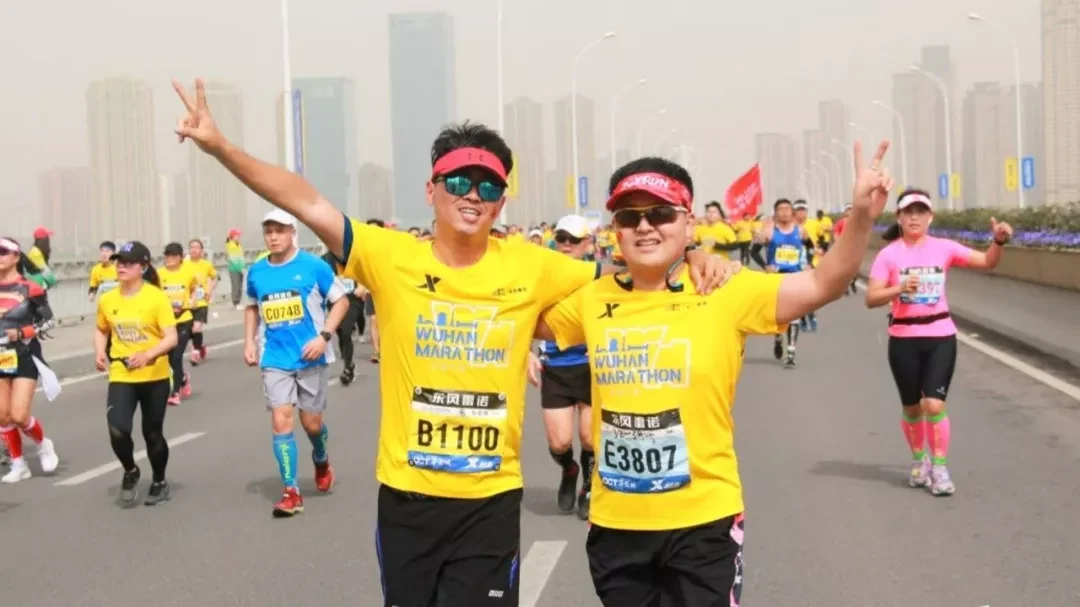
After crossing 13 kilometers, there were more and more spectators in Wuchang District. In addition to volunteers, there were even construction workers on the roadside delivering supplies to everyone, cheering and high-fiving everyone. It was really exciting. There were a lot of spectators on this section of the road, and there were cheers one after another. Before we knew it, Xiaopang and I had reached the end of the half-marathon in the Shahu section. Xiaopang turned around and ran for the last mile to the Hubei Provincial Library, and the brothers separated.
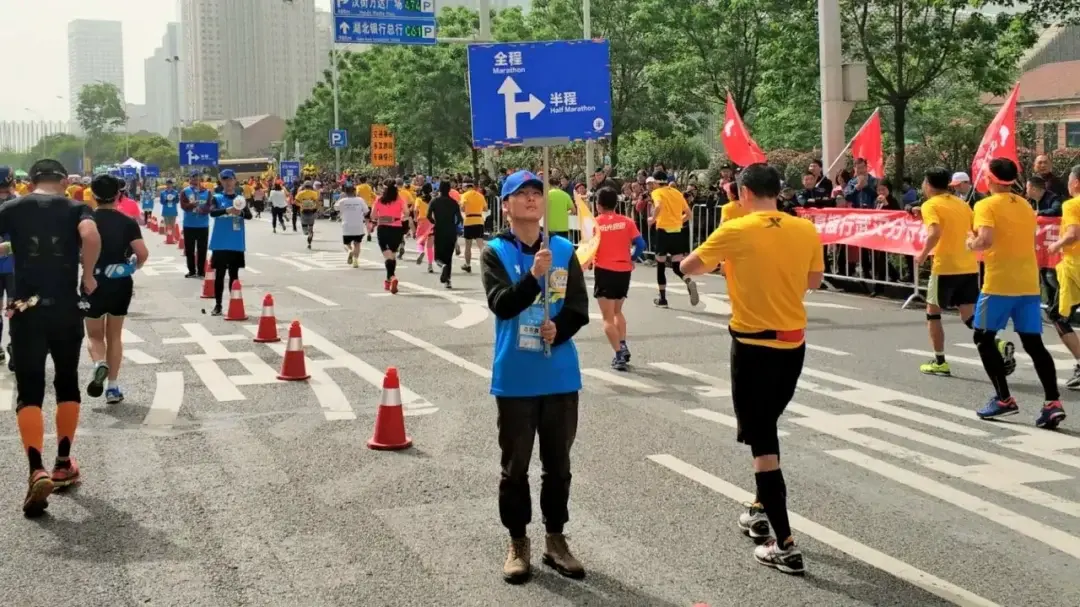
As for the marathon runners, the long-awaited Wuhan University Screaming Course on East Lake South Road was right in front of me. The climax of this party was about to come, so I quickened my pace and ran towards East Lake.
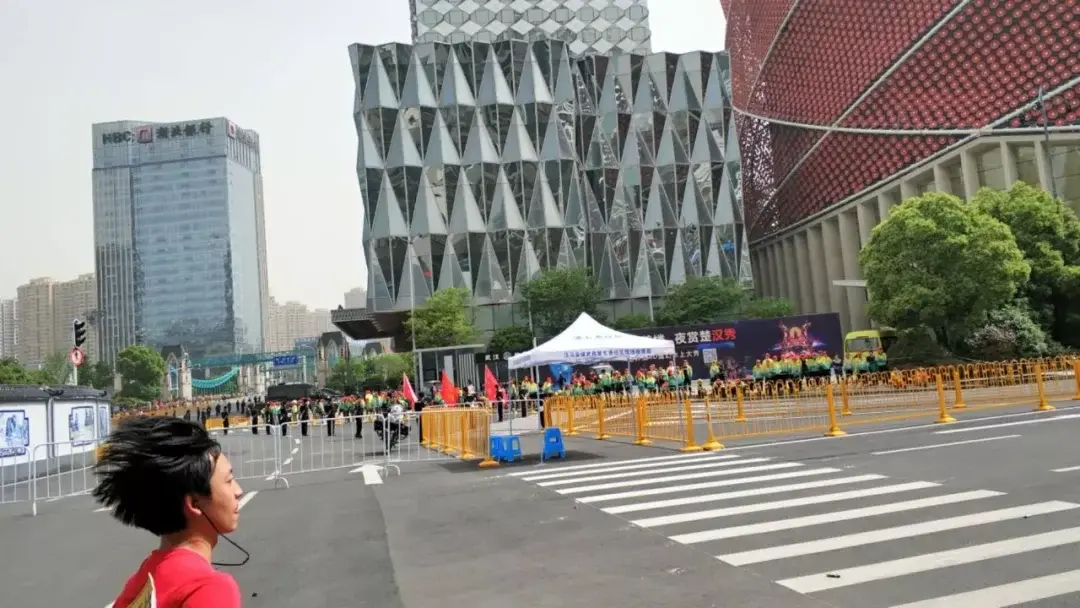
I finally caught Xiaobie on the switchback track in the Chuhehan Street section, just in time for the two of us to experience the remaining beautiful East Lake together.
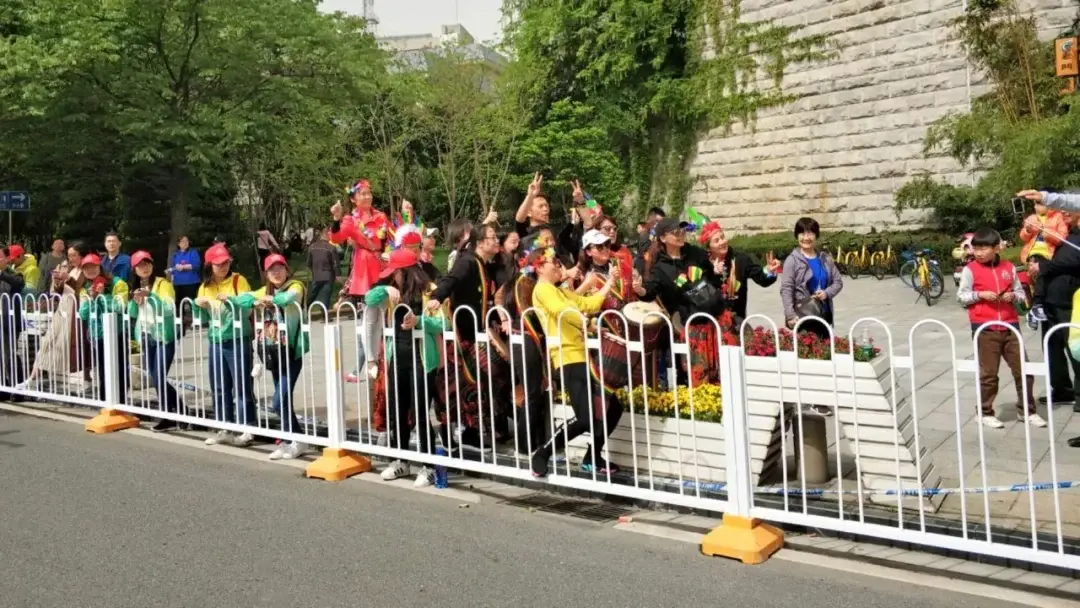
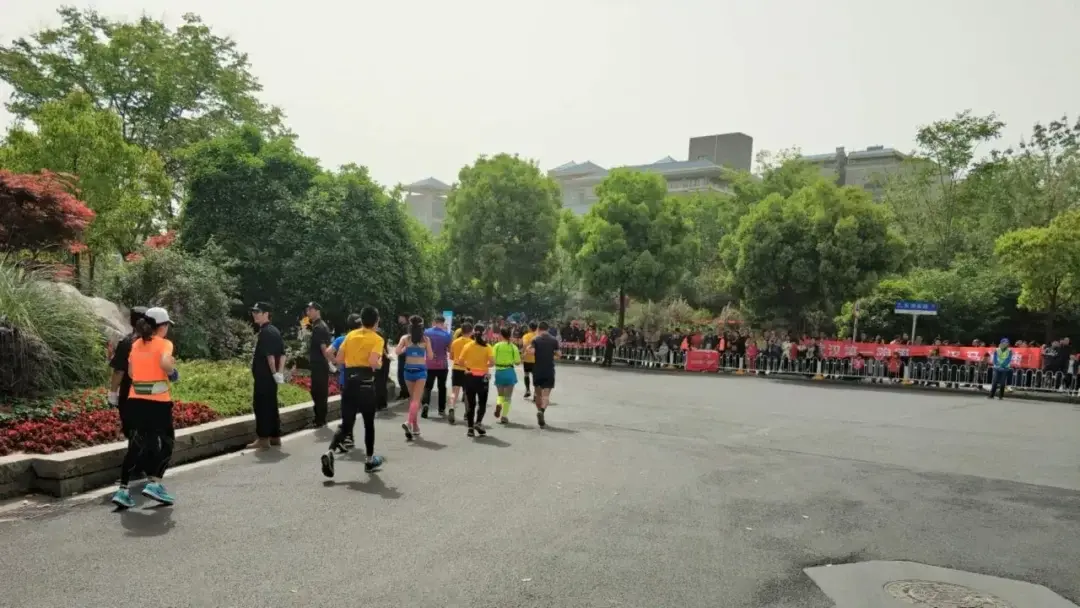
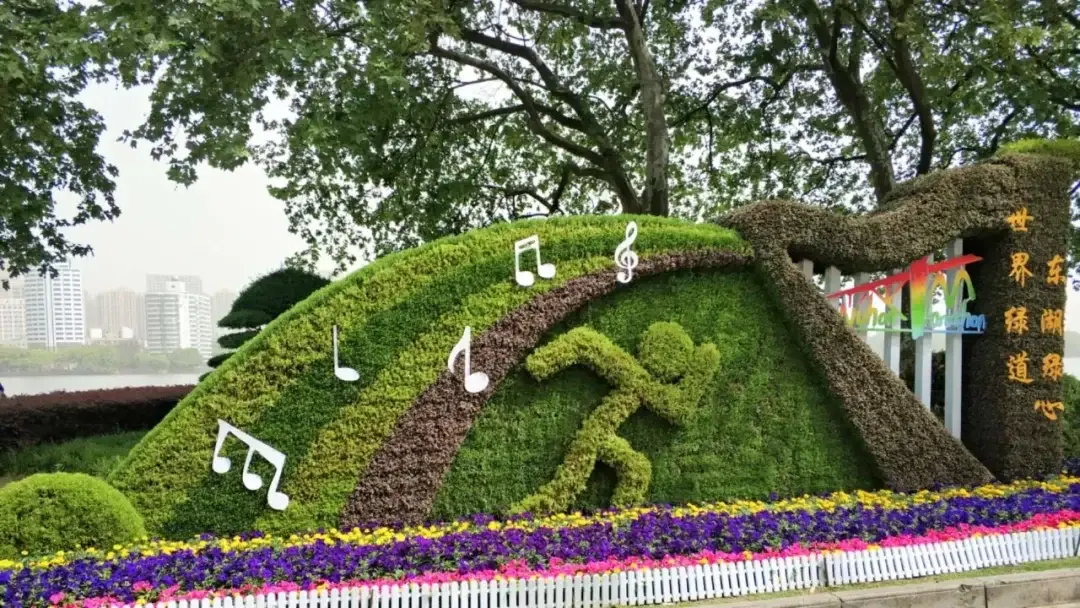
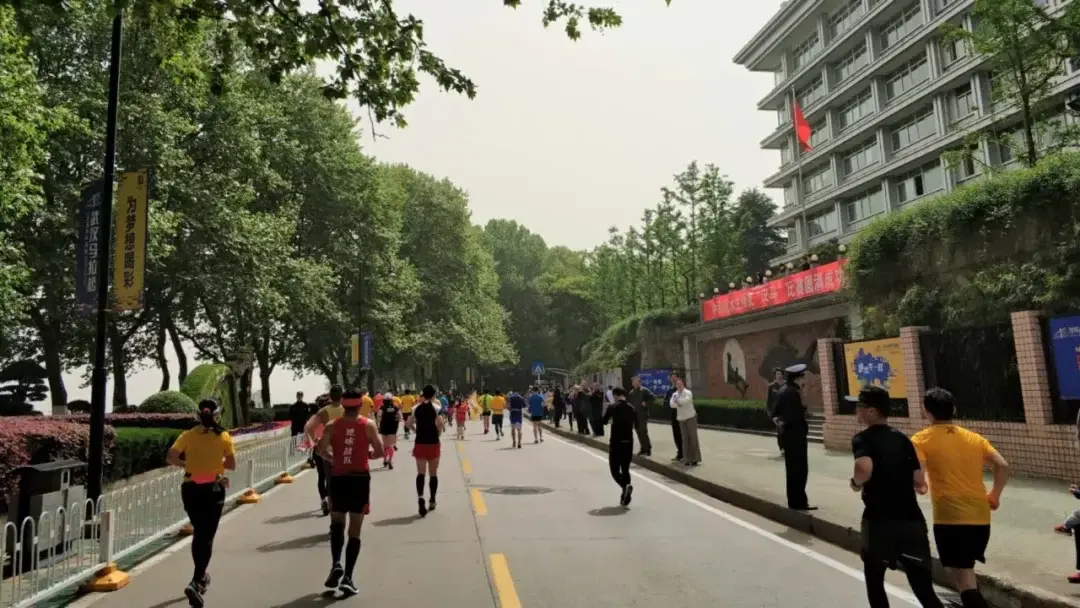
I finally entered East Hunan Road, my home court. The Wuhan University friends on the right were really hot and their shouts were very powerful. In order to pretend to be a good kid, I didn’t paint the graffiti of “Wuhan University, Luojia” this time. It lost too much sense of belonging, which is a big regret. I heard that the president of the first Wuhan Marathon Wuhan University will bring teachers and students of the school to cheer for the Wuhan Marathon players. This time the big boss is not here, but the girls from Wuhan University are also very awesome. There are many small boats floating on the East Lake on the left, and there are even spectators on the water cheering everyone on, which is very layered.
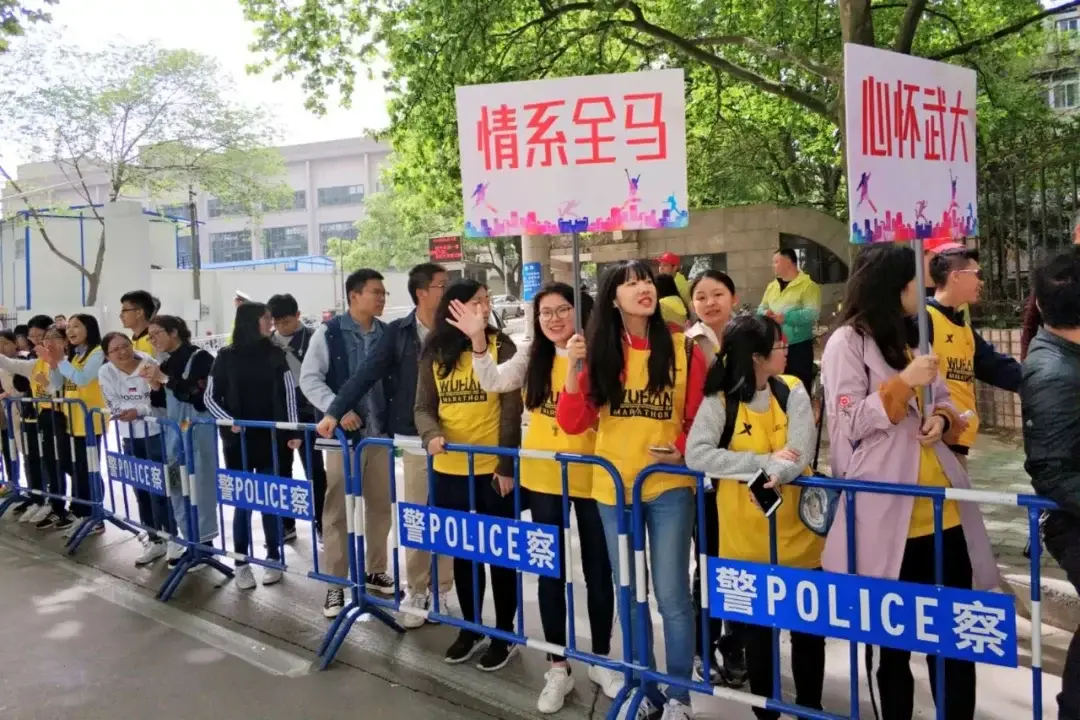
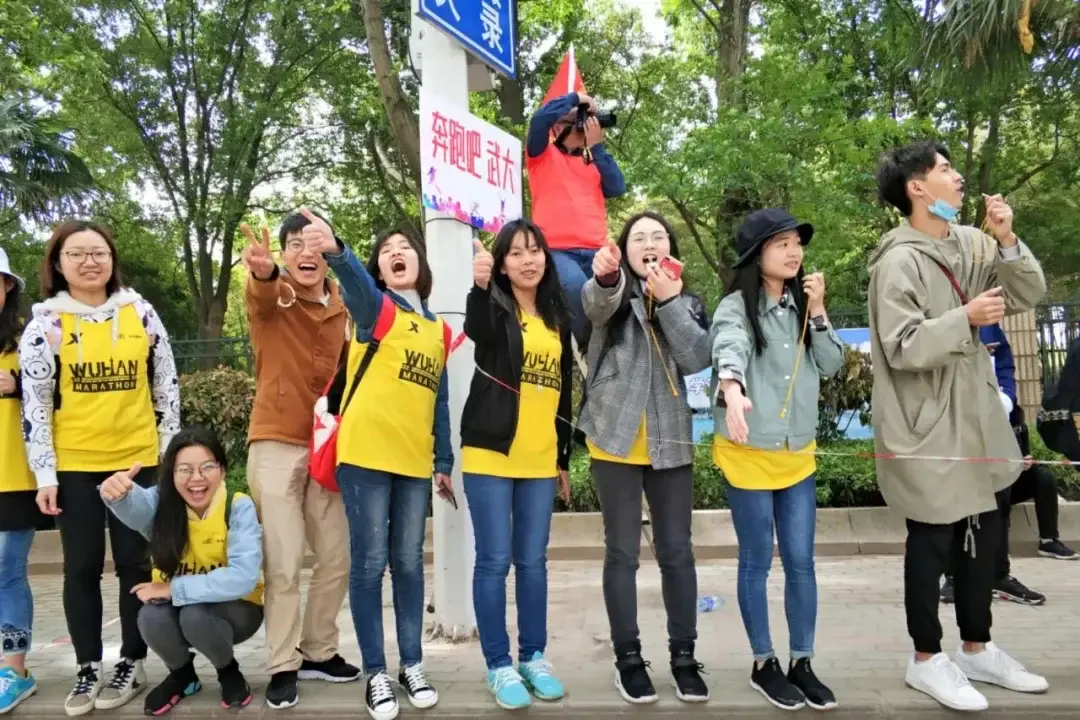
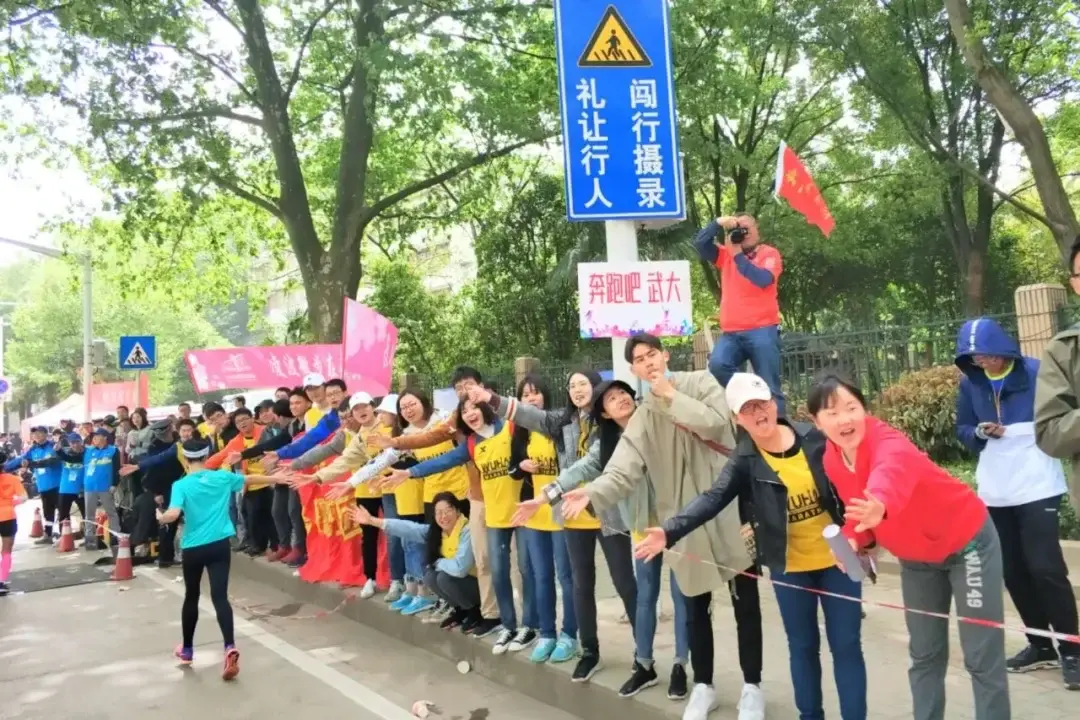
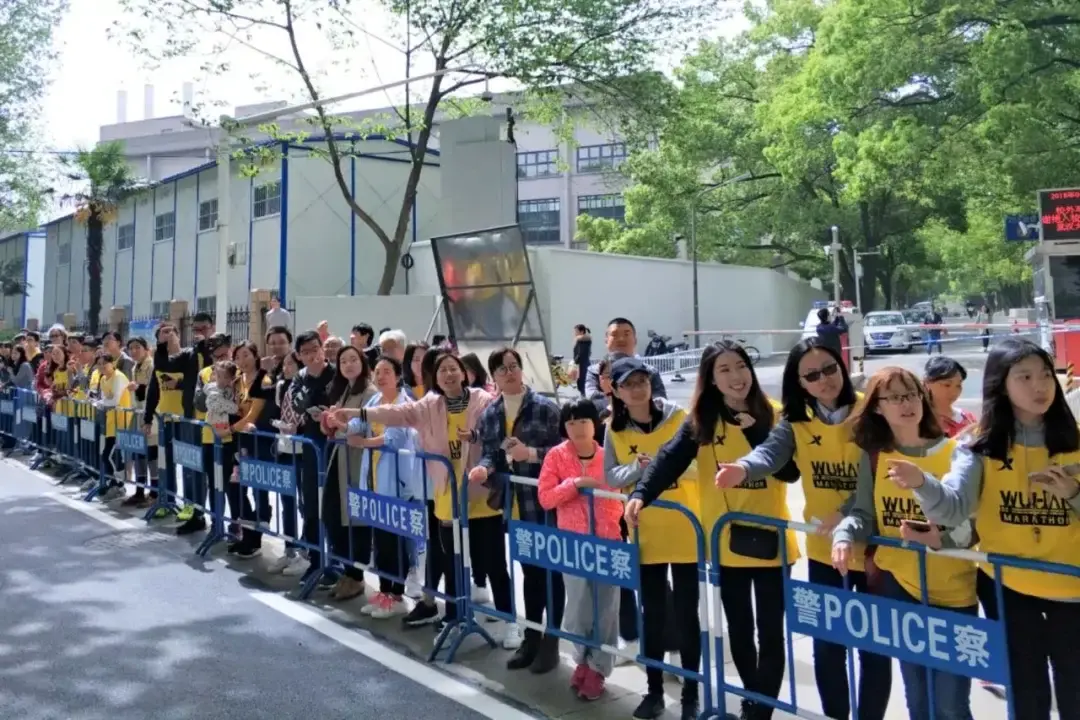
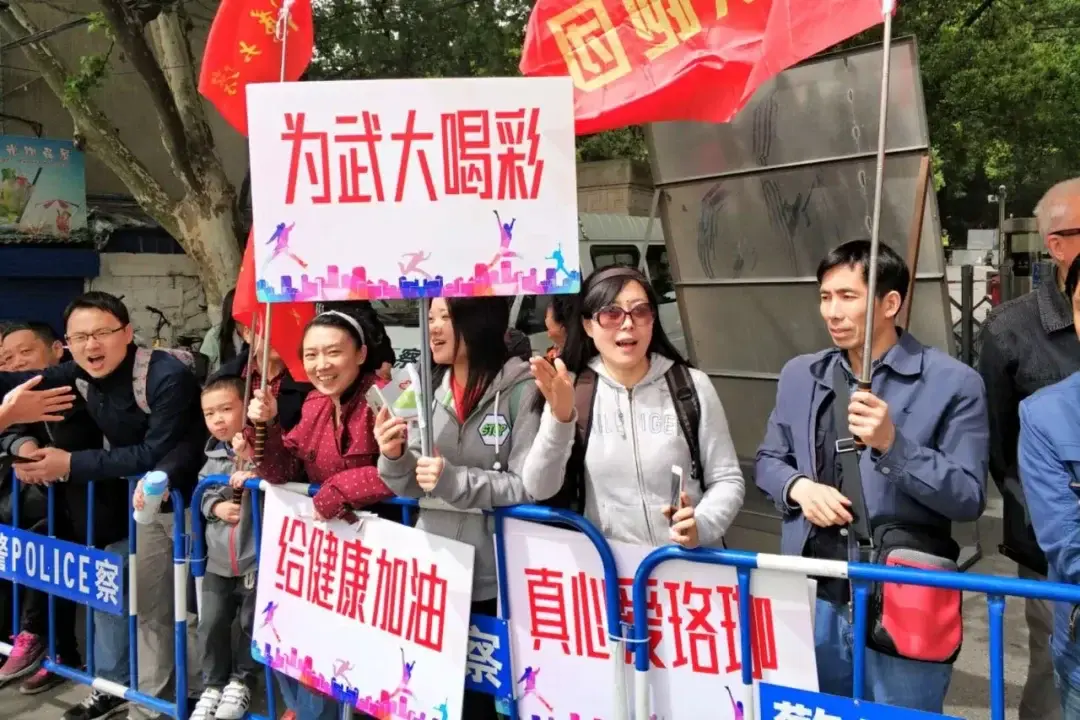
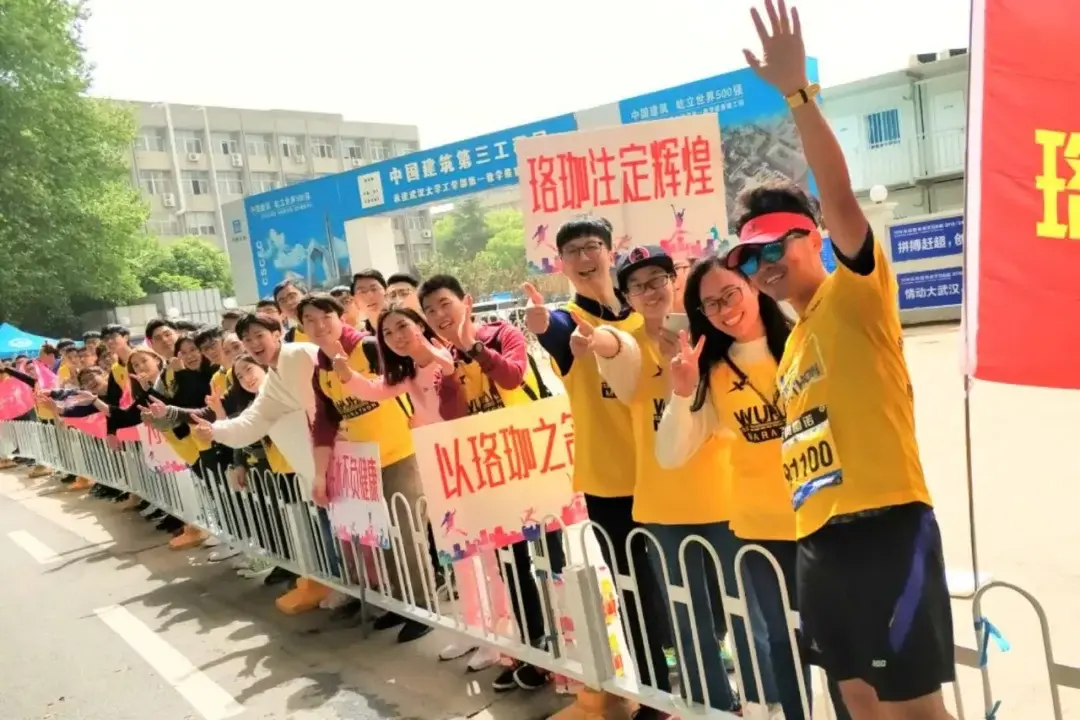
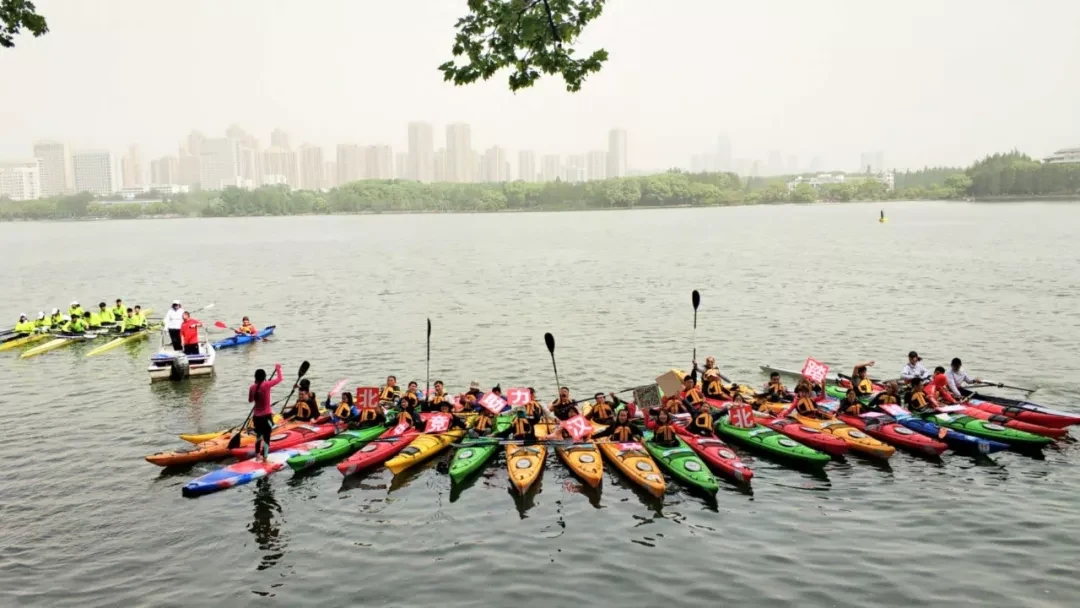
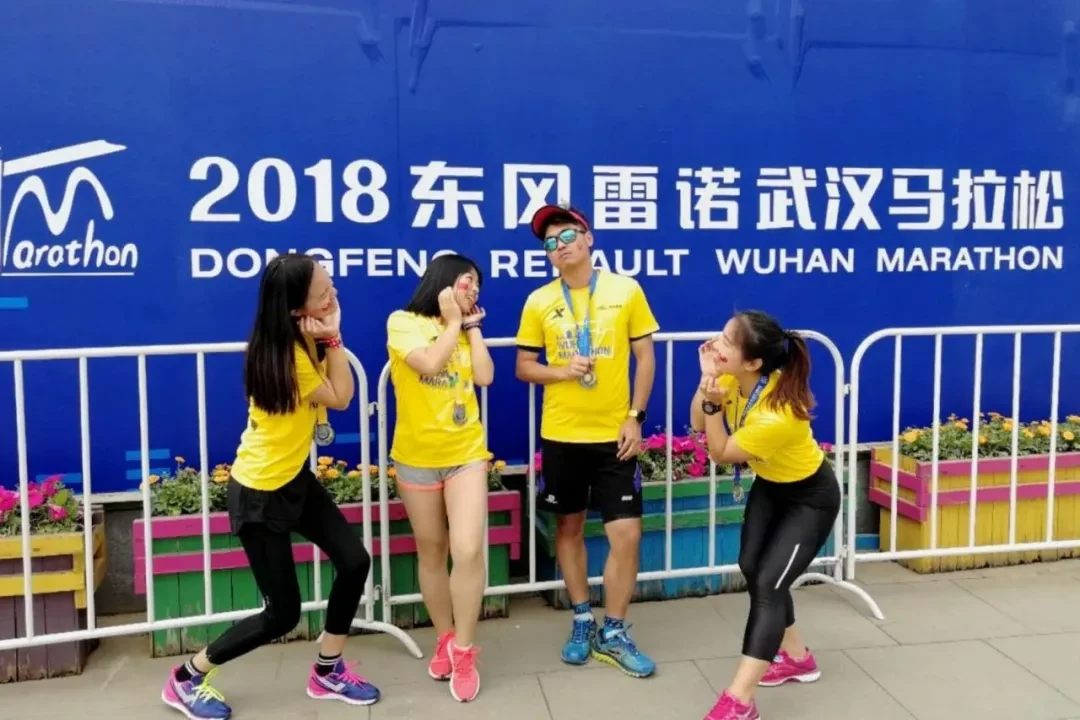
After passing Wenlan Gate and the North Gate of Wuhan University, we finally arrived at the North Gate of the Engineering Department at the entrance of the dormitory. My boyfriend and my "relatives and friends" had been waiting for a long time. When my roommate and junior fellow students saw me, they shouted, "I've been waiting for you!" I was so happy that I quickly took some funny photos as a souvenir.
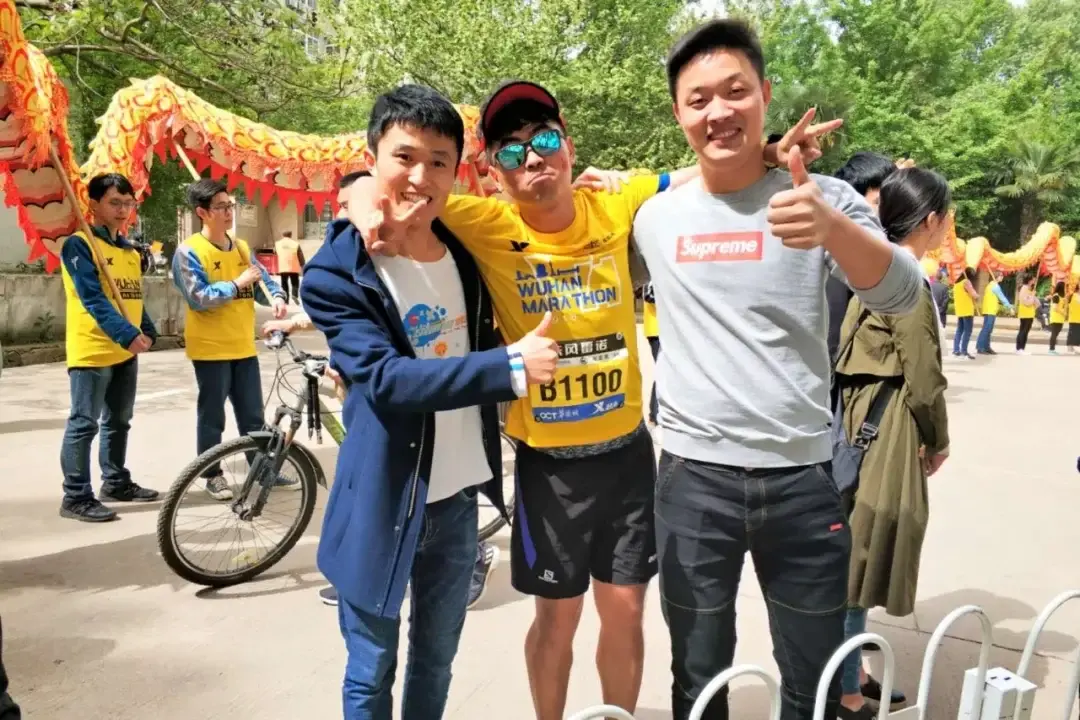
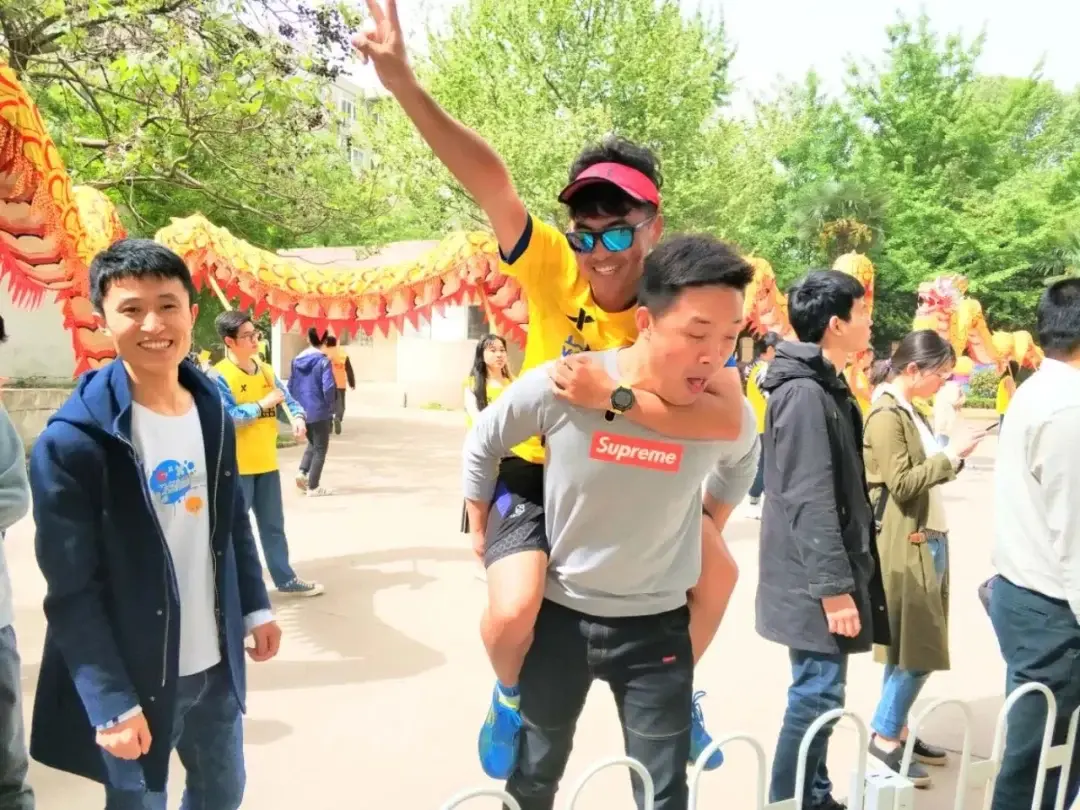
After passing by the supply point of the Wuhan University Le Running Group and saying hello to the half-marathon master Jinghuang, I went straight to Donghu Fengguang Village. The audience here formed a hill. I was so excited that I rushed over to give everyone high fives. As a veteran driver, I seemed to be very restrained.
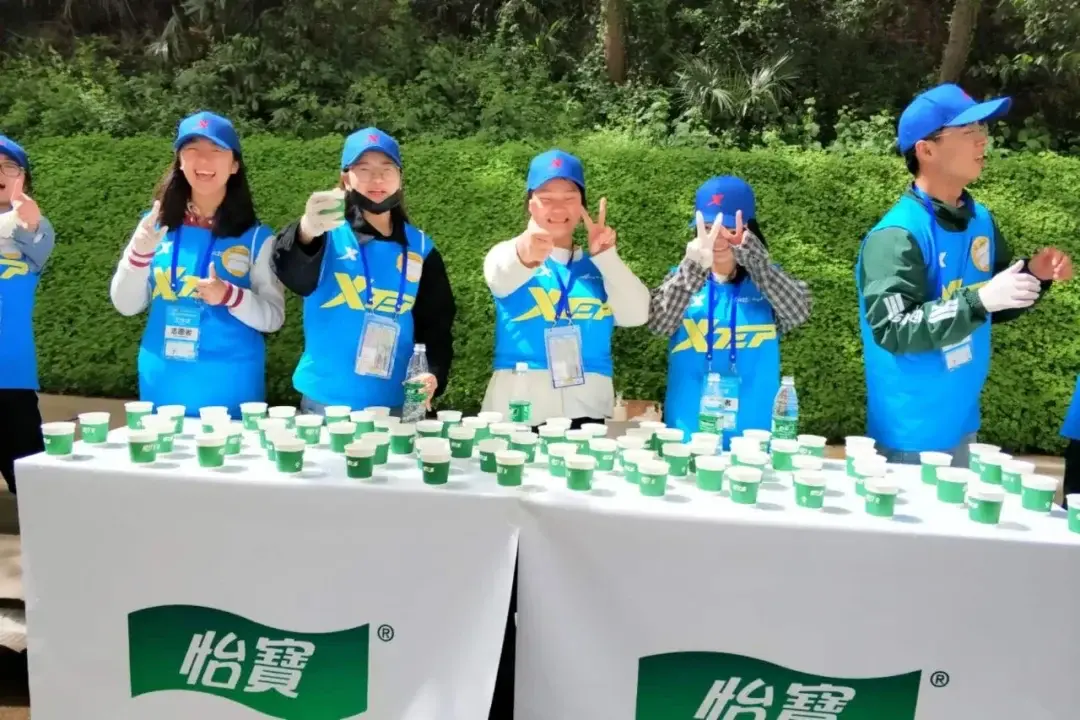
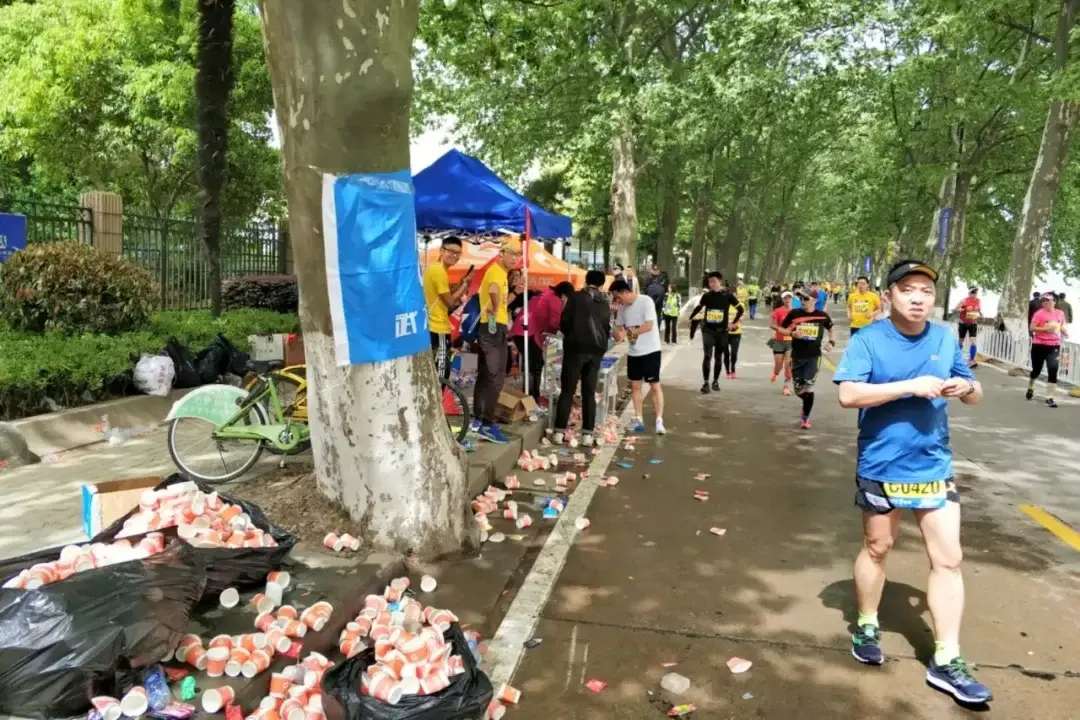
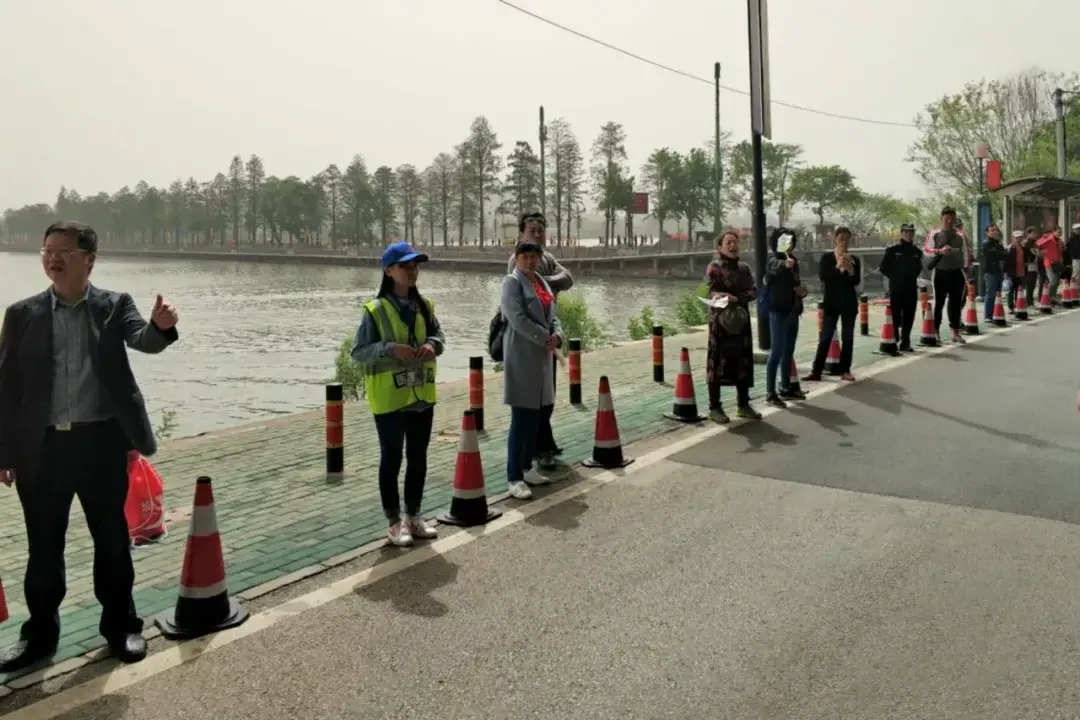
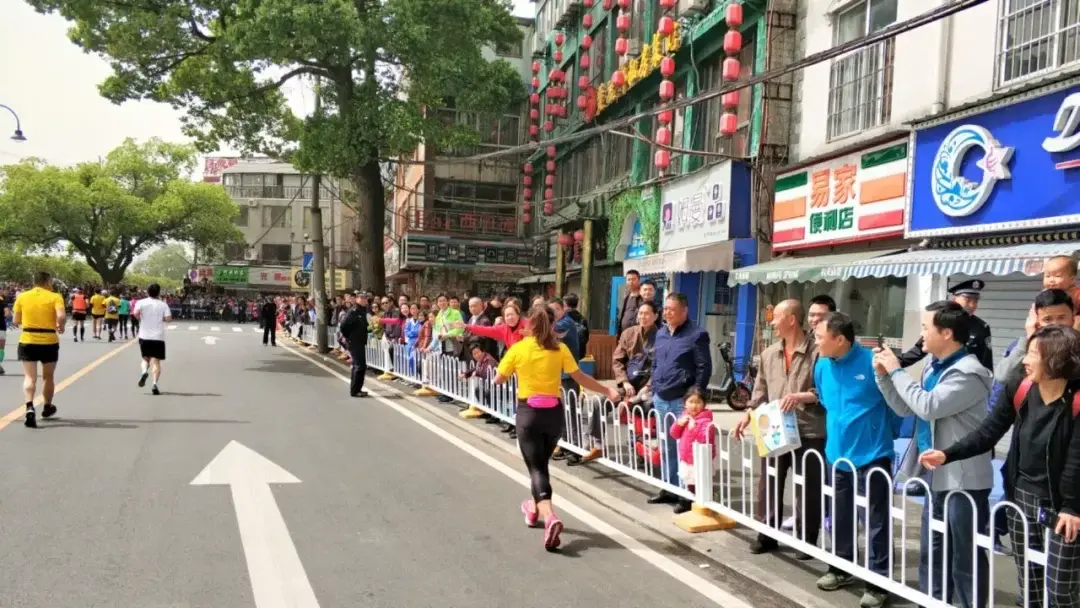
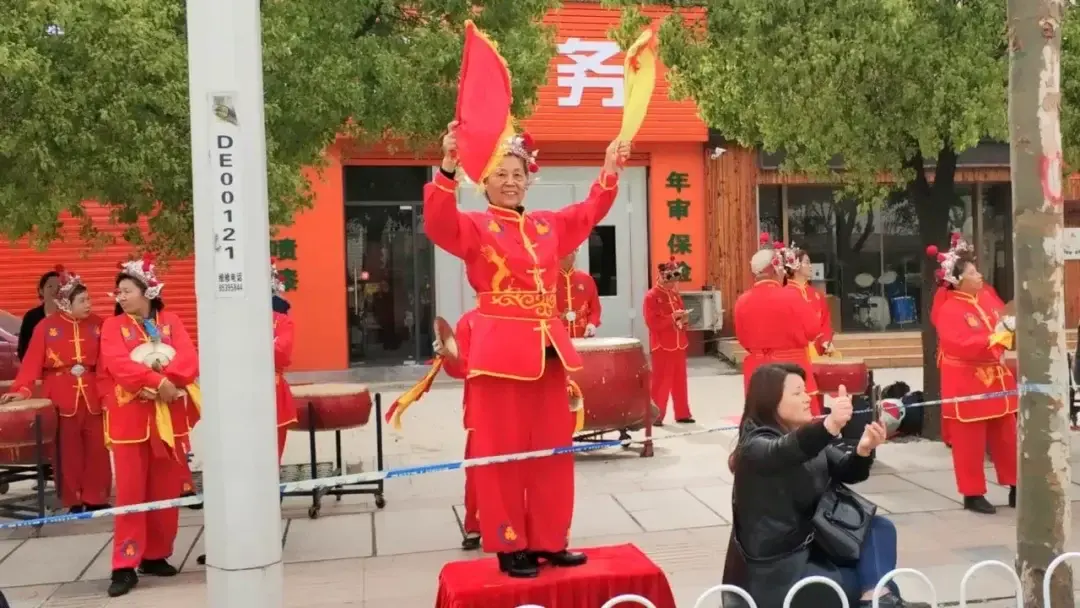
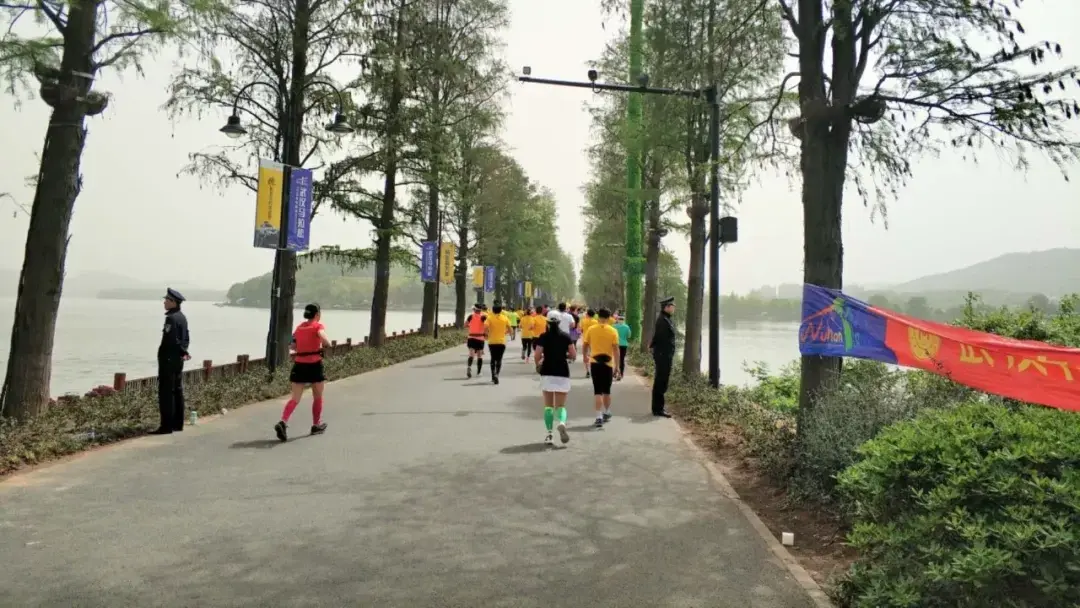
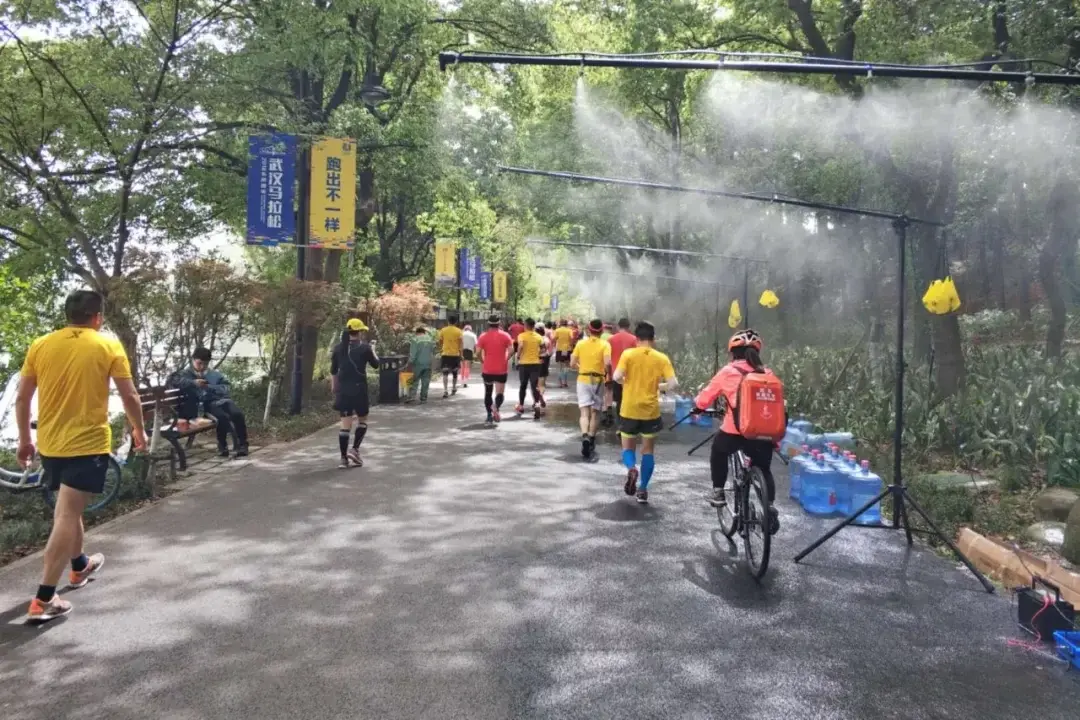
Entering the East Lake Greenway, spectators are not allowed here, and it also gives runners space to appreciate the beauty of East Lake. The East Lake is handsome and majestic under the sunshine. If it is said that "If you want to compare West Lake to West Lake, it is always better to wear light makeup and heavy makeup." West Lake is a slim girl, then the atmosphere of East Lake is like a handsome boy. The size of East Lake It is equivalent to 6 times the size of West Lake in Hangzhou and is the largest urban lake in China. The second half of the ten-kilometer race schedule is really well arranged here. Traveling through the vicissitudes of Wuhan's century-old history, everyone is greeted by Wuhan's unique natural scenery. It can be seen that the organizing committee has arranged the track with great ingenuity and can be said to be very attentive. The highlight of the East Lake stage is not only the natural scenery, but also many details worthy of praise. The elegant and beautiful violin band, the two-dimensional cosplay characters, the wild African drum band, and the phalanx of elderly square dancing aunts are elegant and festive, coupled with the extremely enthusiastic volunteers, this journey can be given full marks. Admiring the scenery, blowing the soft lake breeze, and then eating an eel bacon roll at 32.5 kilometers, can you think of a better running experience than this? It's a pity that my mobile phone was out of battery at this time, and I didn't have time to record those charming details. After replenishing some sports drinks at the Lai Pao Bar supply station in front of the Liyuan at the end of East Lake, we headed towards the last section of the road, OCT and Happy Valley.
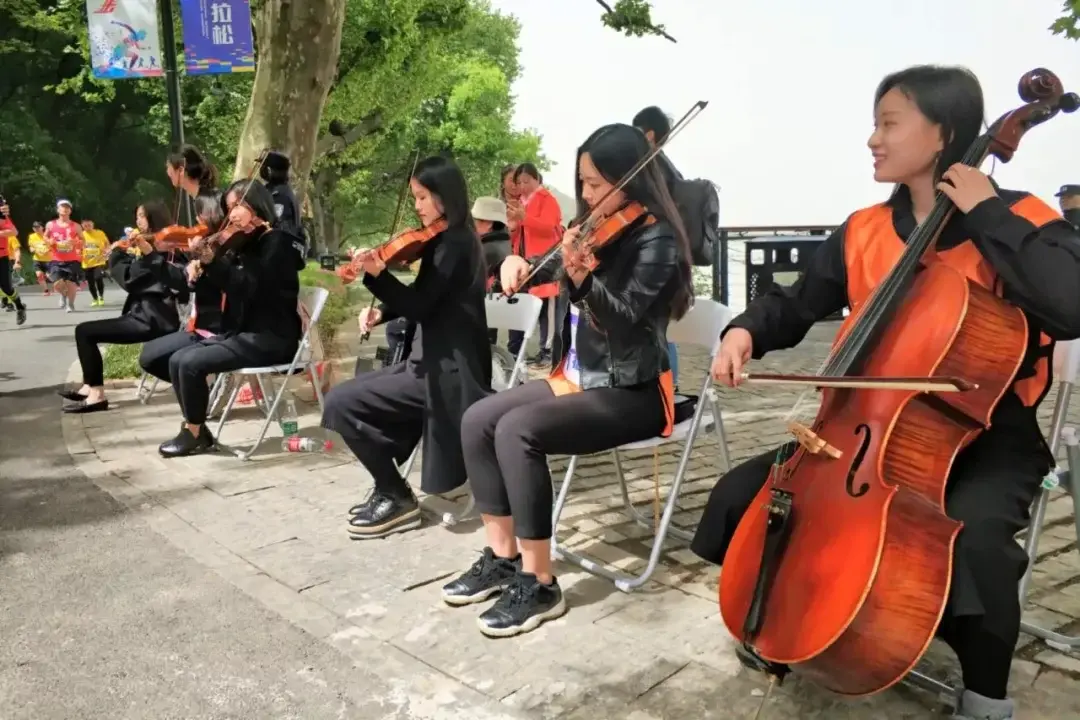
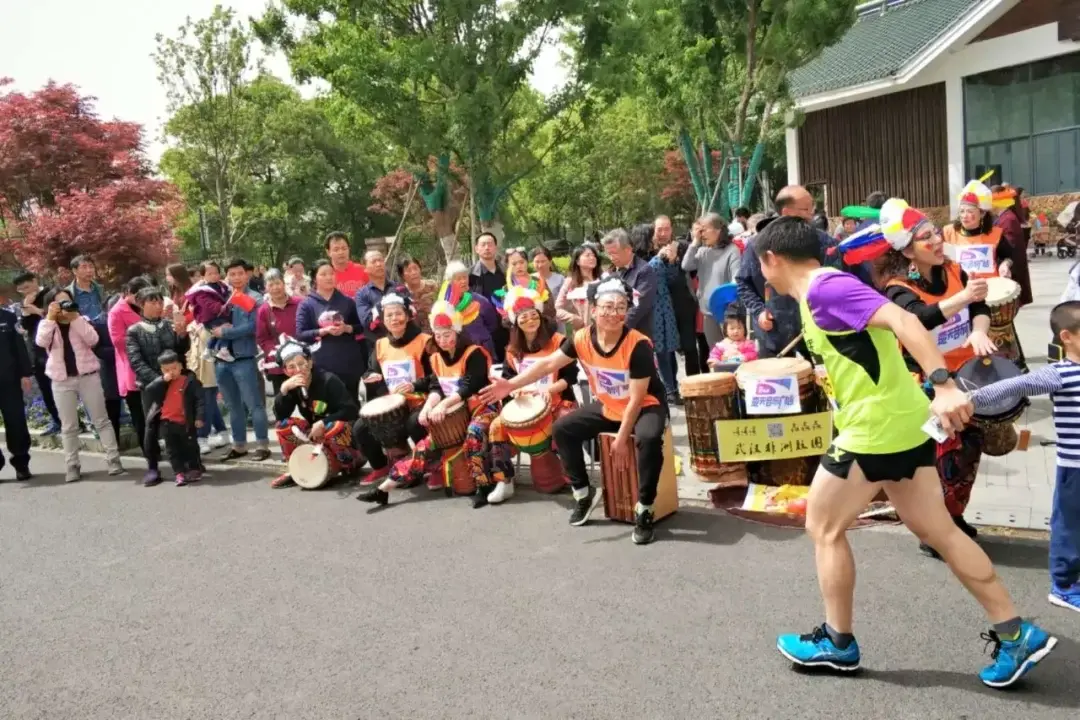
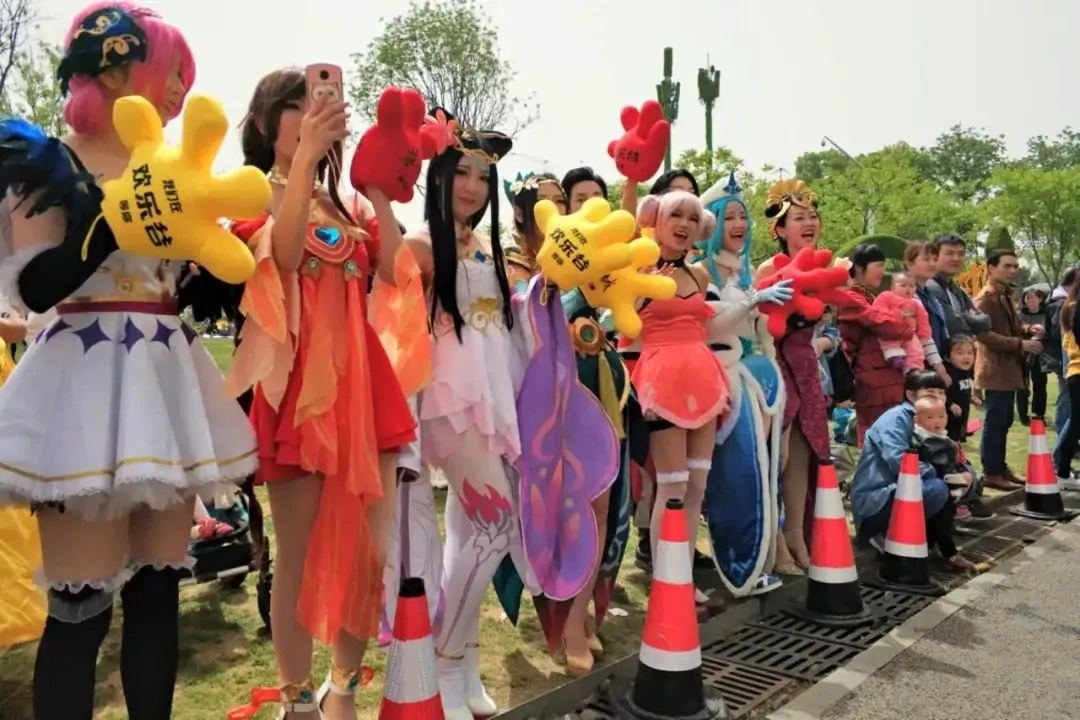
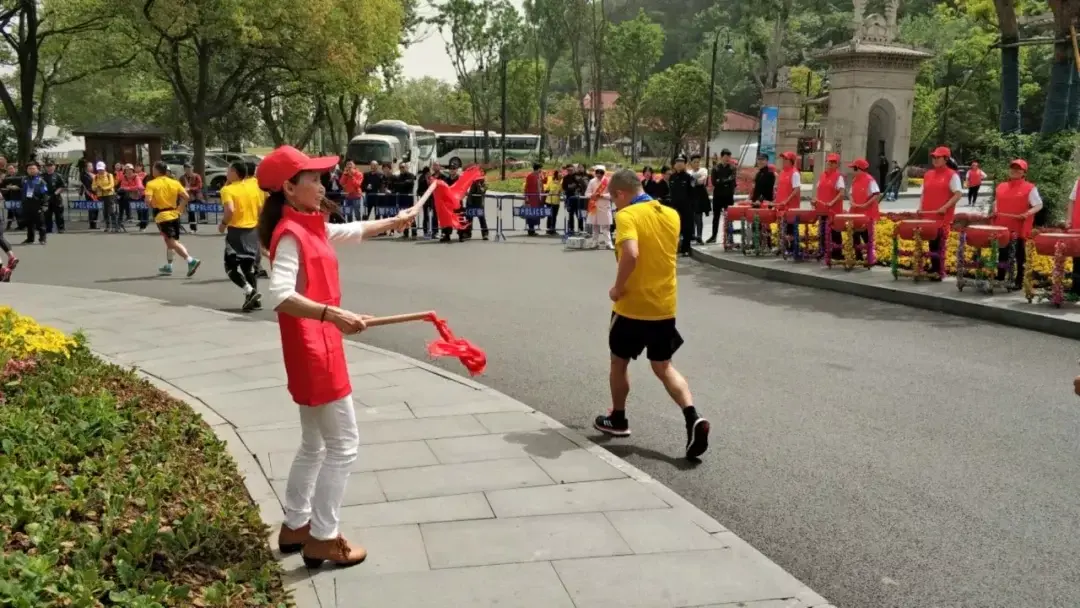
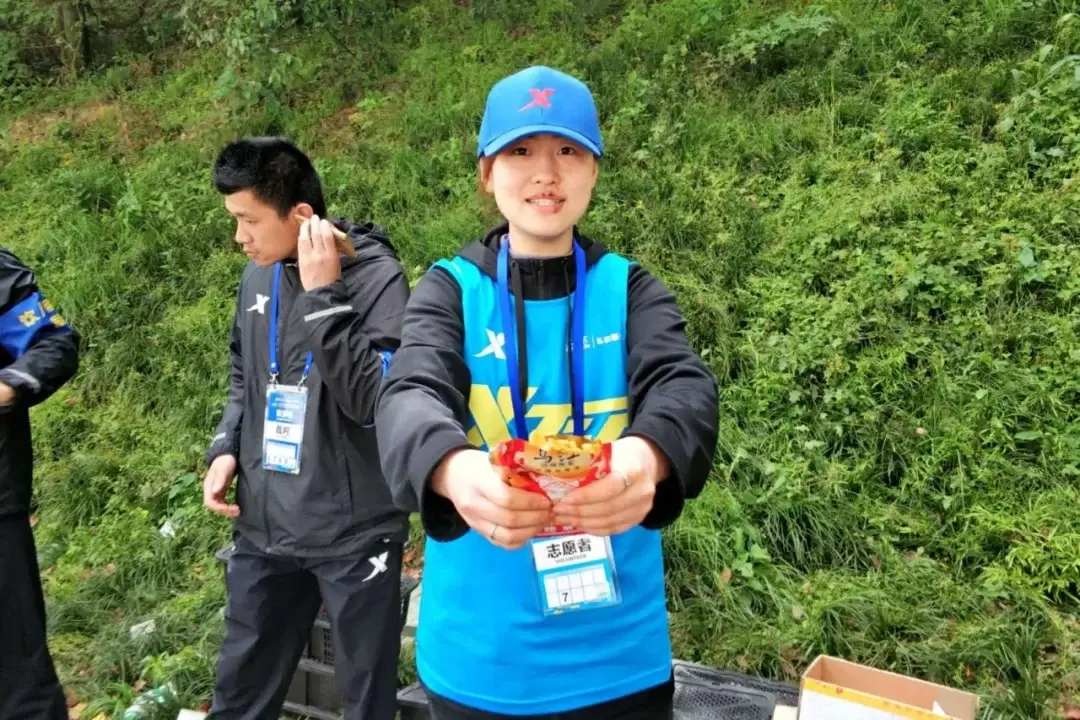
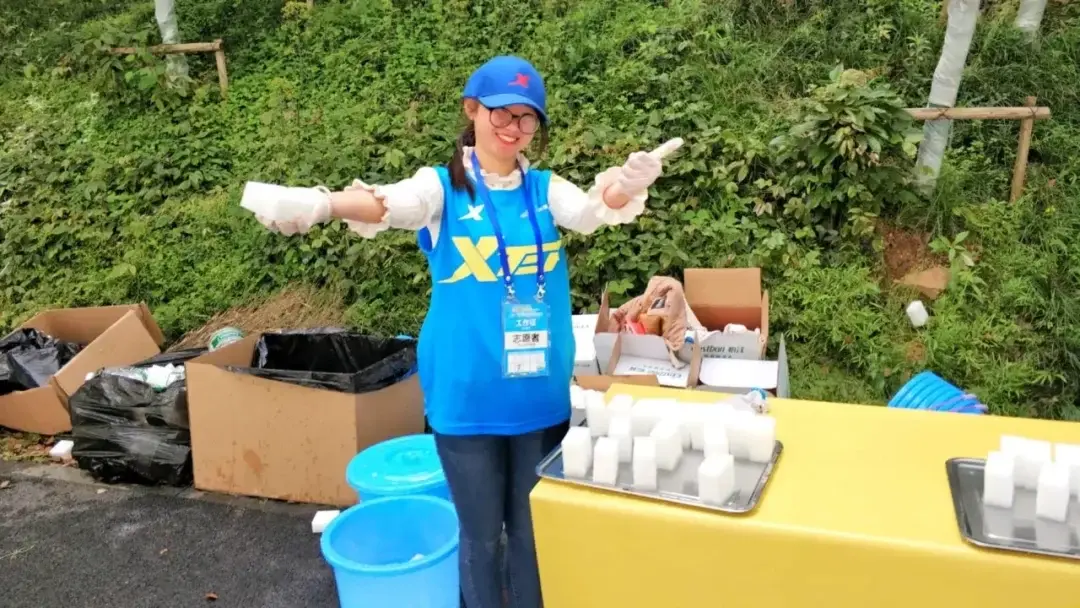
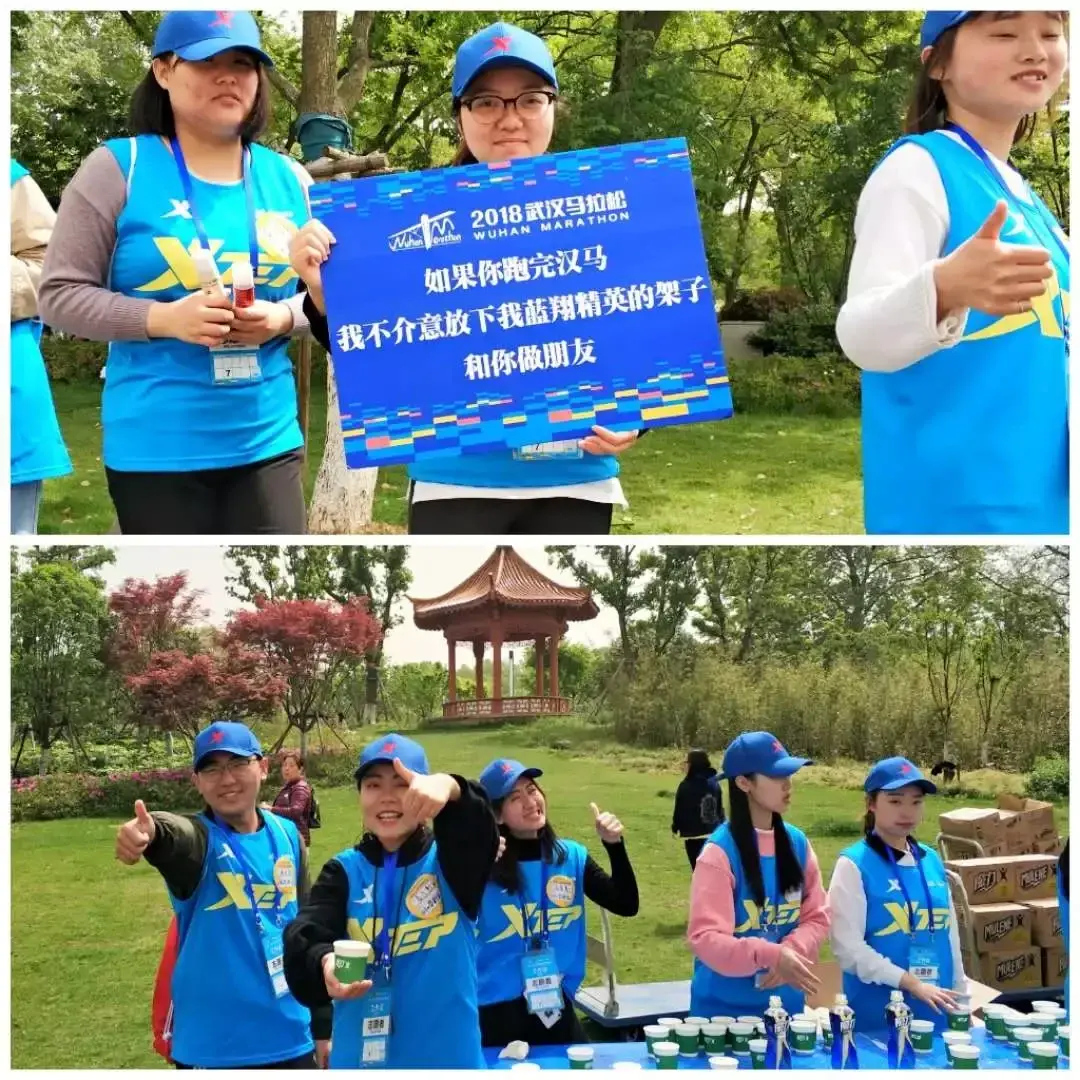
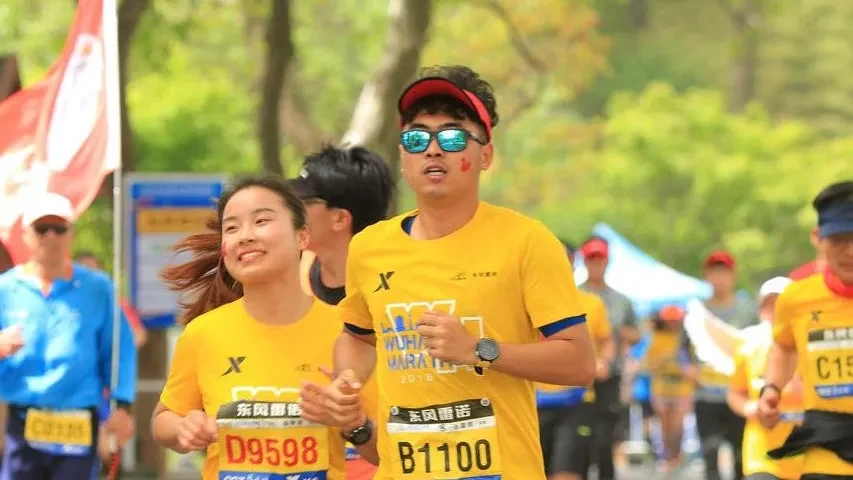
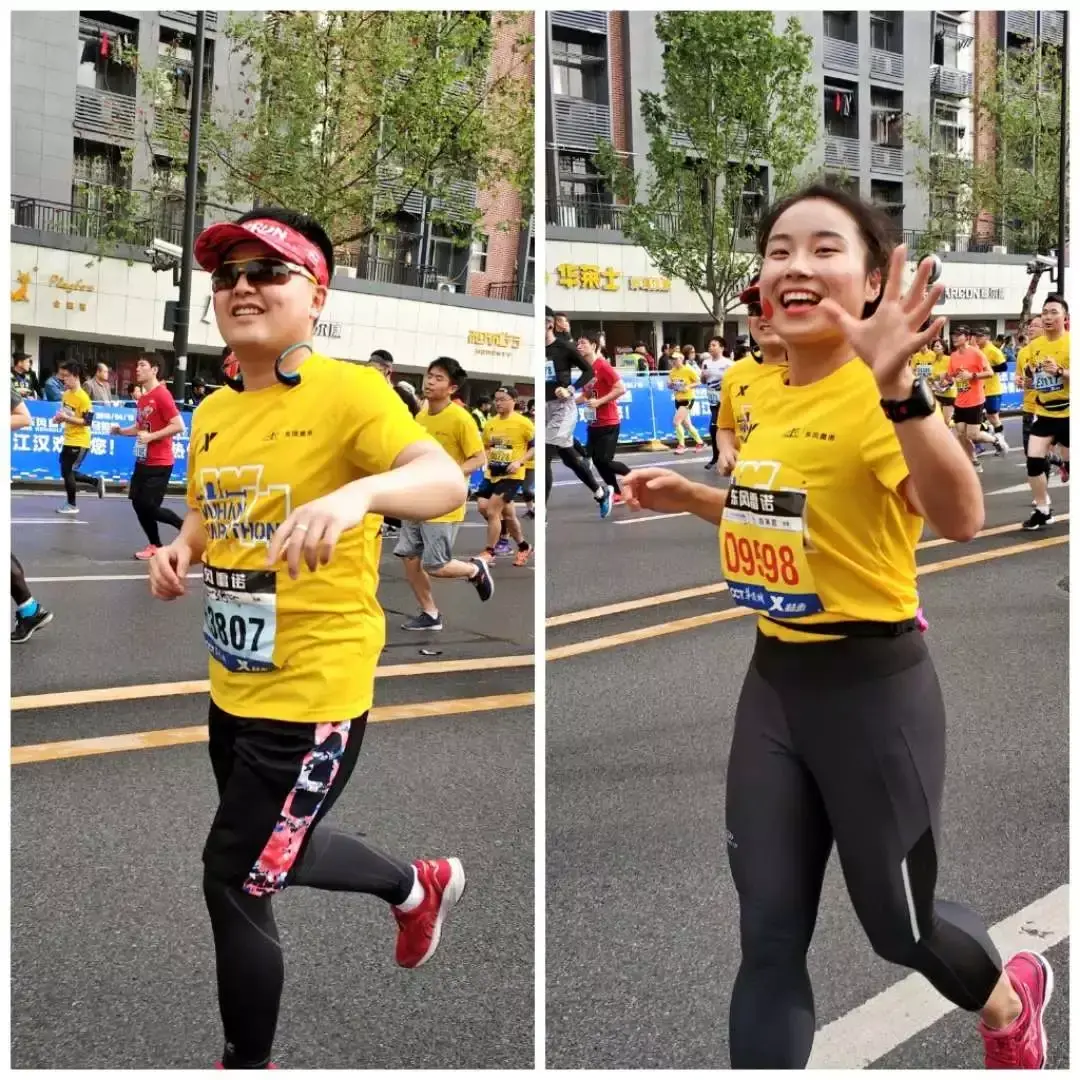
As soon as I came out of East Lake, I was really shocked. The roadside was densely packed with photographers. The density of taking photos could be said to be the highest since I had run a marathon. After adjusting my mood, Xiaobie and I arrived at the finish line very smoothly in the last five kilometers. Volunteers lined the road to greet us, which was very ceremonial. To be honest, I was a little embarrassed at the moment when we reached the finish line. I felt that the runners had been pampered all the way, and there were so many people who worked hard behind the scenes and worked silently.
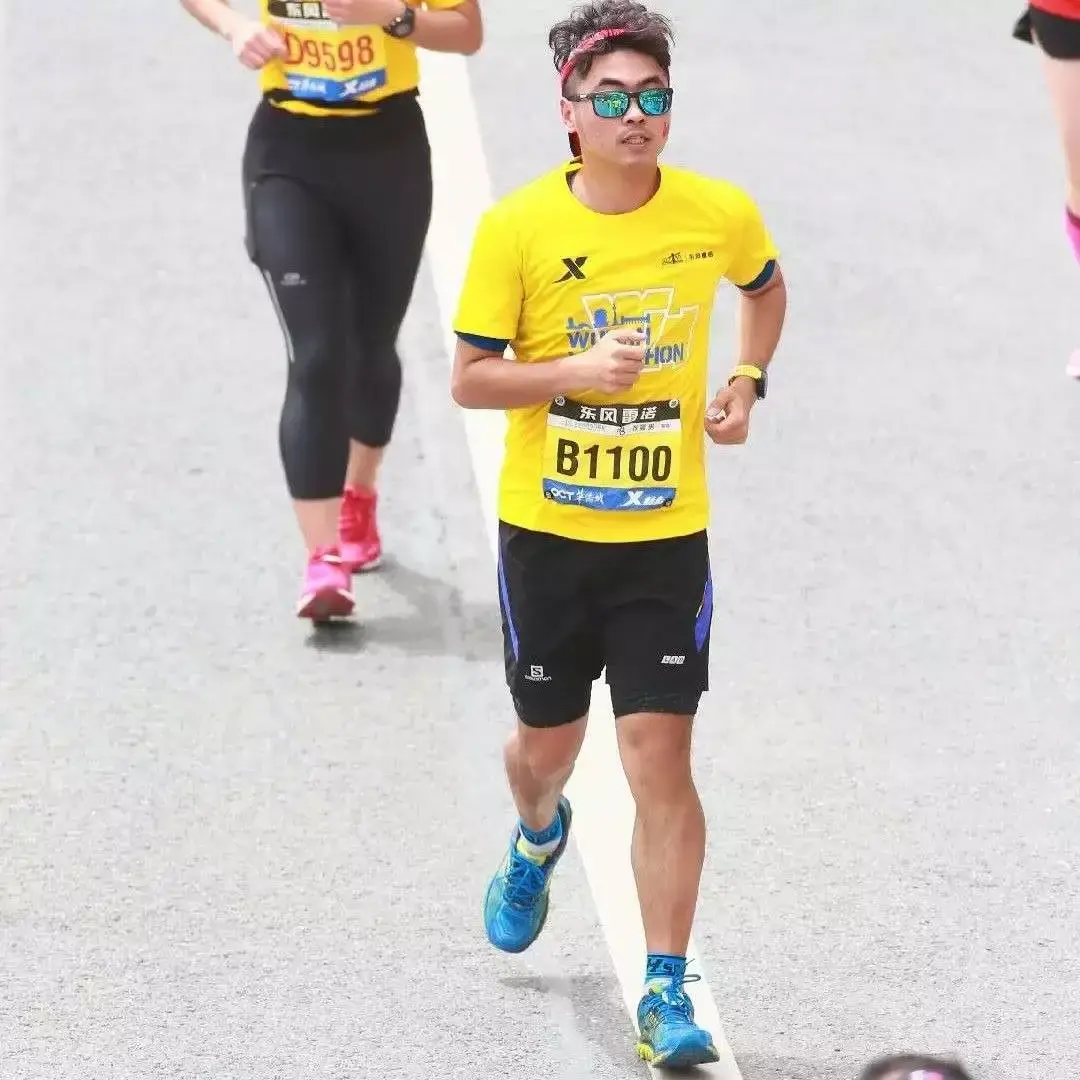
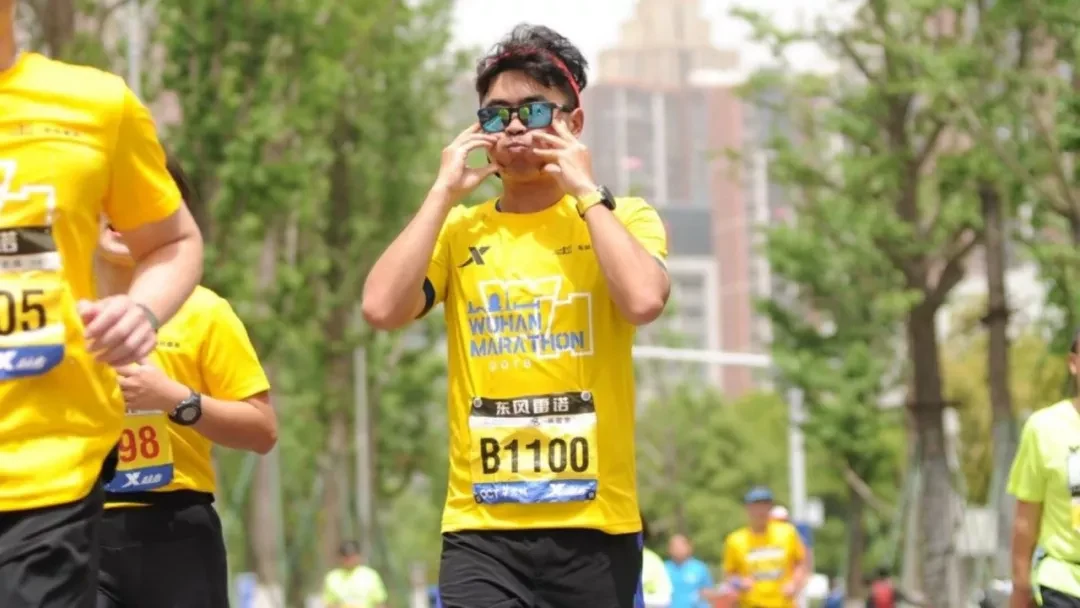
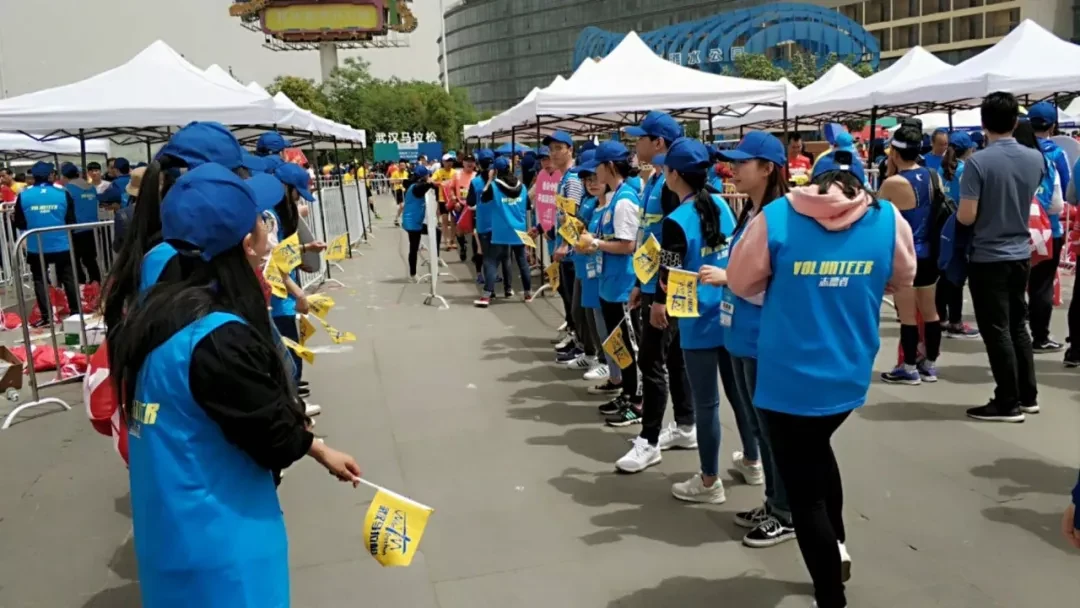
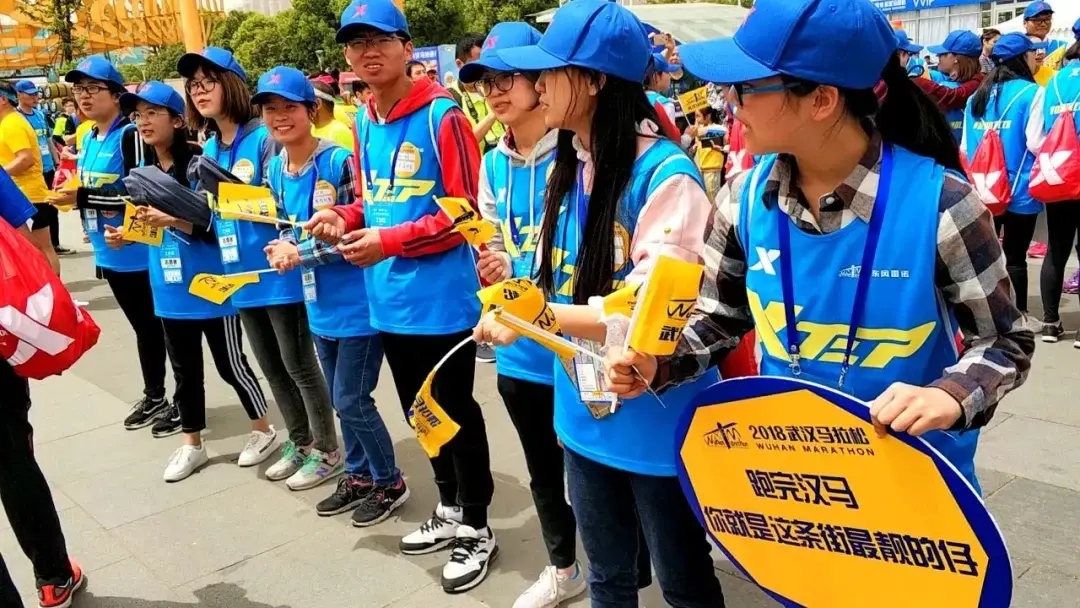
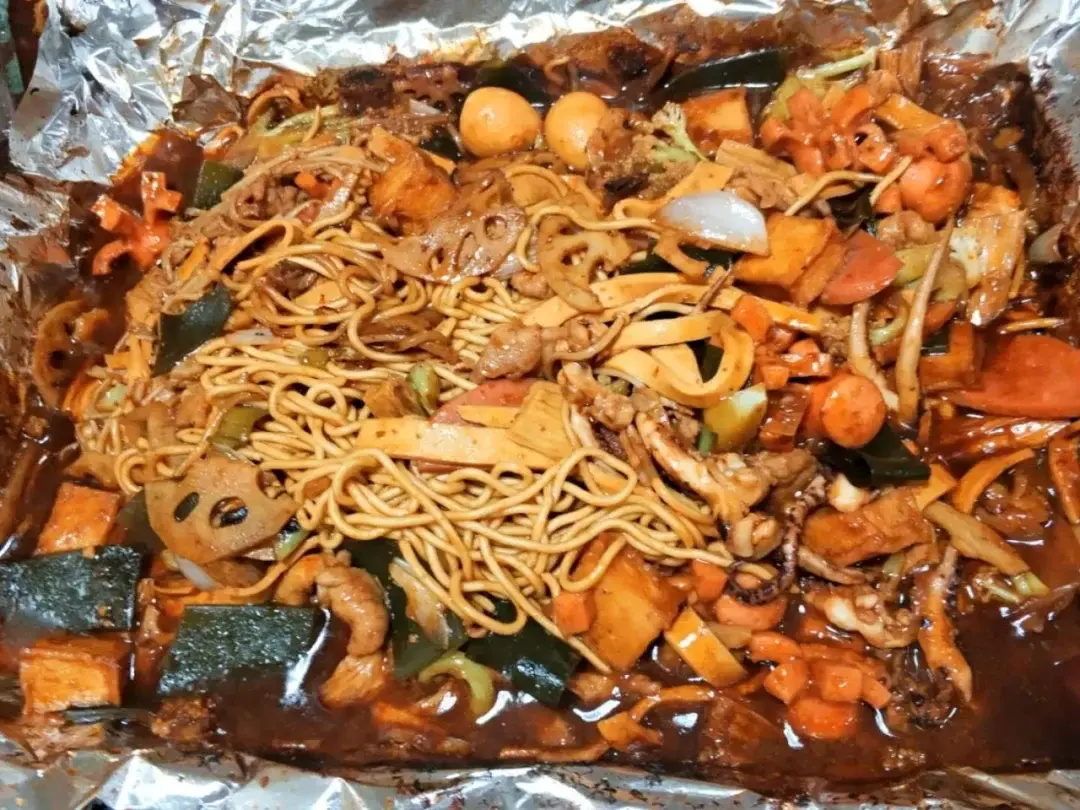
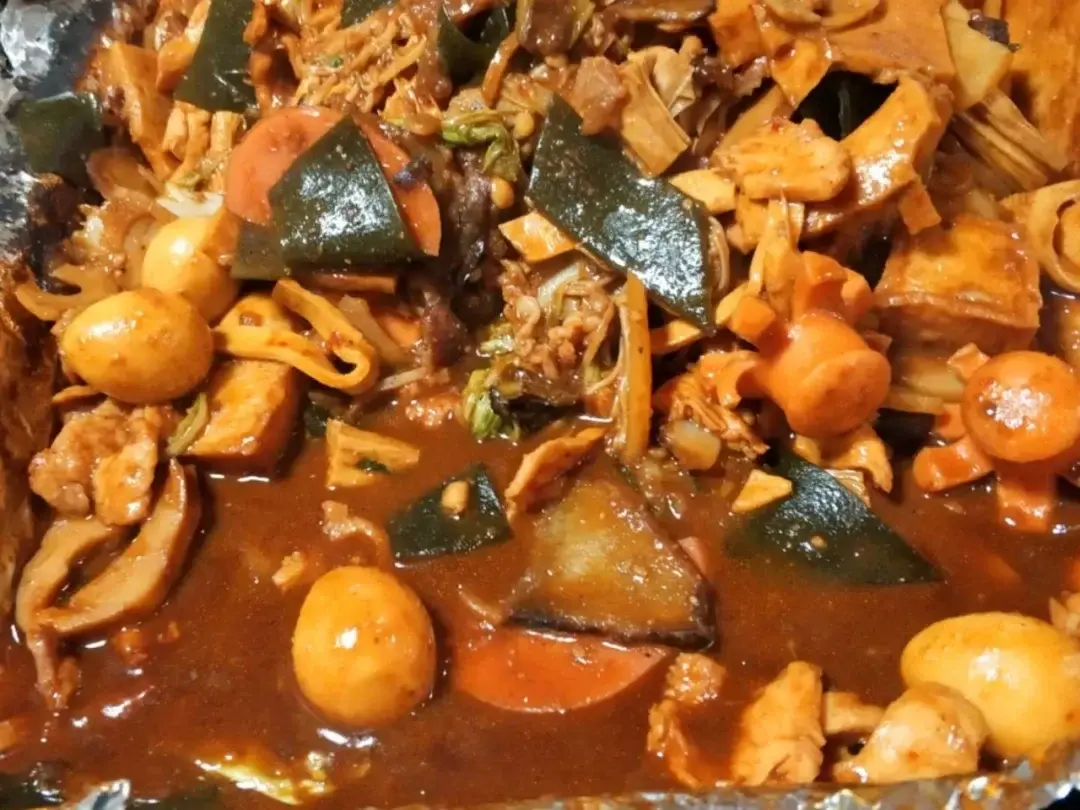
Looking back on this journey, the details of Wuhan Marathon can be said to be perfect. The track of Wuhan Marathon is the cleanest I have ever seen. It is rare to see littered paper cups. Regardless of the quality of runners, everything is also due to the organizing committee’s setting up of enough trash cans and the hard work of volunteers. The volunteers in Wuxi already make me feel that they are No. 1 in the marathon world. I didn’t expect the volunteers in Wuhan Marathon to be even better. The number of volunteers at each supply station surprised me. What’s even more rare is that everyone is full of energy and enthusiasm. Although the number of college students in Wuhan is The best in the country, but it is not easy to train so many high-quality volunteers in a short period of time. The Wuhan Marathon organizing committee is really great. After the race, I met my friends, Lao Gao and Xiao Kou. I took photos of the drama stars, ate instant noodles after the race, and sealed the bib numbers. The meticulousness and meticulousness of Wuhan Marathon really moved the runners, so the feeling of unfinished things is by no means exclusive to everyone, it should be the norm. In the evening, I took Xiaopang with me and had a meal of Wu Dabian's famous Teppanyaki. The perfect Wuhan Marathon, let's end it with a perfect dinner!
A large part of the reason why the Boston Marathon has become the brightest pearl in the marathon world is due to the sports genes of the city of Boston. Why Chinese football has been burning money but still has dismal results is because we have lost the necessary football culture a long time ago. As far as marathons are concerned, no matter which country you are in, the United States or Europe, when it comes to marathon runners, they will give a thumbs up. In China, when people talk about the marathon, they will first ask: "Where did you finish?" and then: "Are you getting paid?" "Is it free?" "Did you get a bonus?" When they get a negative answer, they will show a puzzled expression. The implication is: "There is something wrong" or "I ran stupidly." This misunderstanding of the marathon among Chinese people is not unrelated to the lagging development of our mass sports.
As for Wuhan, I think this city has a sports gene. In the words of my old fan, it is: "knows football very well". Of course, it also really understands running. From the elderly to the young and children, they will appear on the side of the track and shout for you hoarse. That is a blessing from the bottom of the heart.
At 11:30 in the evening the day before the competition, my civil engineering tutor saw me in the laboratory and said, "Zhennan, help me revise my paper tomorrow, just give it to me tomorrow night." To be honest, I was quite embarrassed, so I could only tell the truth: "Teacher, I will run the Wuhan Marathon tomorrow morning, and will I help you change my profession in the afternoon?" I thought the teacher would think I was not doing my job properly, but unexpectedly, a light flashed in the teacher's eyes at that moment, and he said excitedly: "It's okay, we are not in a hurry, you can just start it on Monday, run well tomorrow and rest early." I was a little confused. Is this still a marathon that is not doing my job properly in the eyes of the public?
After running on the screaming track, my roommate from the opposite lab, Jiji, directly sent the photo of me running to the mechanical lab group. My first thought was: "No, something is going to happen!" I replied with a big "No" to Jiji. I thought the teacher would be angry, but later I found out that the mechanical teacher mobilized everyone to buy me some delicious food to make up for it. Marathon, shouldn't it be equated with "not doing scientific research, just wandering around?"
I was riding a bus with my classmates in front of Wuhan Marathon. I heard the bus driver said that the road was closed because of Wuhan Marathon. I asked the driver: "Wuhan Marathon has closed the road. Don't you find it very inconvenient? You have to take a detour." The master answered boldly in Wuhan dialect, and I could barely understand: "What are you afraid of? I just happened to watch the excitement." Is the marathon still the event that I remember jokingly calling "the square dance of the middle class"?
When we were eating noodles after the race, we happened to meet a photographer who was running a race. Lao Gao had a very lively chat with him. I noticed a detail. The photographer had been playing with a transmitter-like thing. Later I found out that it was used to send photos. The master said: "I have to upload the photos to the platform quickly. Everyone should post them on WeChat Moments to share the first-hand joy." You are so tired from running marathons, but you still post them on WeChat Moments?
After the race, I saw a tweet from a Chinese Normal University volunteer, describing her experience as a marathon volunteer, accompanied by this poem:
“The city’s night sinks into the rising sun,
At the starting point, thousands of loving hearts are burning.
"Though it's thousands of miles away, I'm still going"
Here they come! Here they come!
The blue figure is waiting eagerly.
Smile, excitement, sweat,
Joyful, touching, boiling,
Because of Wuhan Marathon, we are together,
Because of Wuhan Marathon, we are looking forward to the future together. "
I can imagine the joy of being a volunteer for her, and I am very happy. In your eyes, being a Wuhan Marathon volunteer is not a meaningless waste of time. Wuhan’s sports genes are dazzling because of you.
Recently, I was helping a teacher write an educational reform material on "cultivating new engineering talents under the guidance of humanities", and I deeply realized that humanistic or practical education such as hiking abroad does have its own significance. I ran the Wuhan Marathon and felt the urban DNA of Wuhan. It is really rare for an event to receive blessings from so many people. I hope that more and more cities can write sports into the city's marrow like Wuhan. For Wuhan, I believe that in the days to come, in addition to Li Na, Wuhan Marathon will also be important enough to support a shining city business card.
Note: More than 80% of the pictures in the full text are taken by myself, and the rest are from the Internet such as (Running Vitamins, Love Sports, Earth Knowledge Bureau, etc.)
- End -
Words · Arsenan
Photos · Arsenan
Design · Arsenan