
"It is not enough for a person to only have this life, he should also have a poetic world. For me, this world is in Chang'an City."
——Wang Xiaobo
travel
I remember learning in junior high school history class: "Go to Shanghai to see a century-old China, and go to Xi'an to see a thousand-year China." I have already been to Shanghai, so I am particularly eager for Xi'an, but I haven't found a reason yet, and the trip has been put on hold.
I was very lucky. In the Love Burning Flash Sale event in March, I actually got a spot for the Xi'an City Wall Marathon, which has a lower winning rate than the Wuhan Marathon, and it was free. It’s a God-given opportunity that I don’t want to miss, especially the fact that I can analyze Xi’an through Chengma’s east wind, which is attractive enough to me.
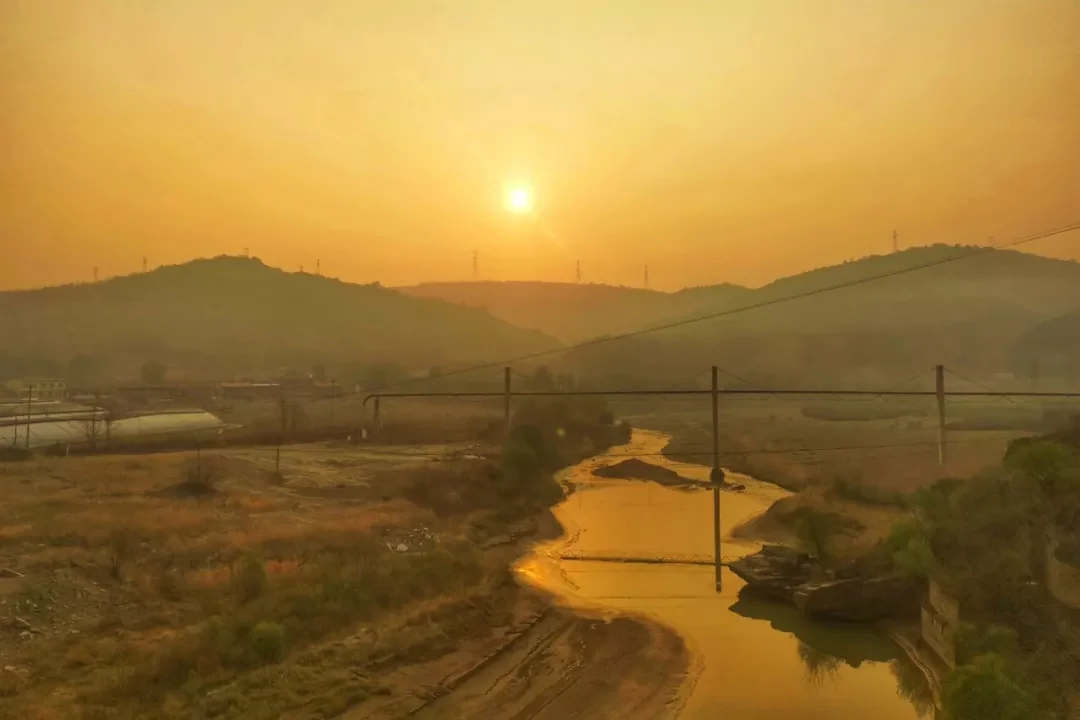
In the middle of the week, I transferred to Beijing and rushed to Xi'an with the gradually turning yellow land and the heavy heart of being checked. I just didn't expect that when I was about to leave this city, my heart became even heavier. Just because Xi'an was so heavy, I didn't know how to write. Xi'an is like a history book, recording thousands of years of Chinese civilization. The existing ruins are silently telling the rise and fall of the past dynasties. This thousand-year-old ancient capital embodies the essence of Chinese civilization, which is both tempting and thought-provoking to trace its origins.
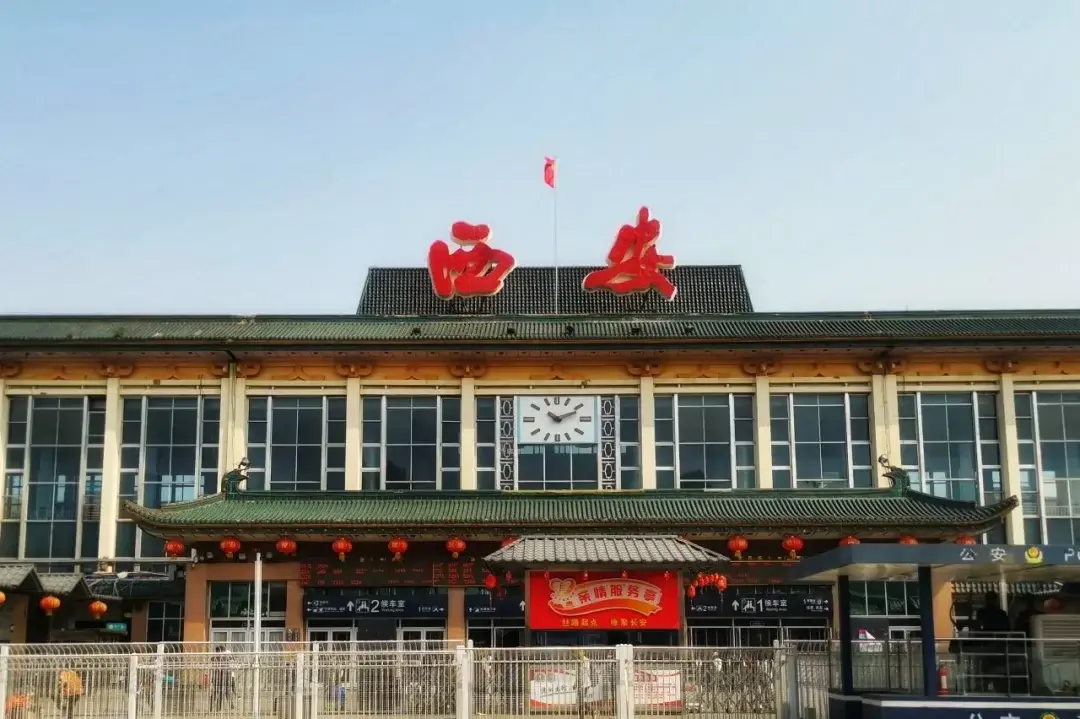
I really hesitated for a long time because I was afraid of writing about Xi'an badly. My stay was too short to appreciate the weight of history. Finally, I will venture to talk about this based on my understanding. Please forgive me if it is not written well.
Eight hundred miles of Qinchuan, three thousand years of legend
This city is very old.
Eight Hundred Miles Qinchuan is another name for Guanzhong. The Zhou, Qin, Han, Sui, and Tang dynasties made our civilization gradually mature and filled the Chinese timeline with stories. If we personify our civilization, then he changed from a toddler to a lively teenager in Guanzhong, and then grew into a strong man. Climb to the top and fall down again. Xi'an, as the core area of the 800-mile Qinchuan River, has history flowing slowly beneath the city walls. As a person who has experienced it, he has witnessed the most essential aspect of civilization. To describe Xi'an is almost to describe the ancient history of China. The city walls that were demolished and rebuilt are witnesses of the changes in the ancient capital during the 13 dynasties. Traveling inside and outside the city wall, you don't need to look for it. The aura of royal power accumulated in this land is lingering around it.
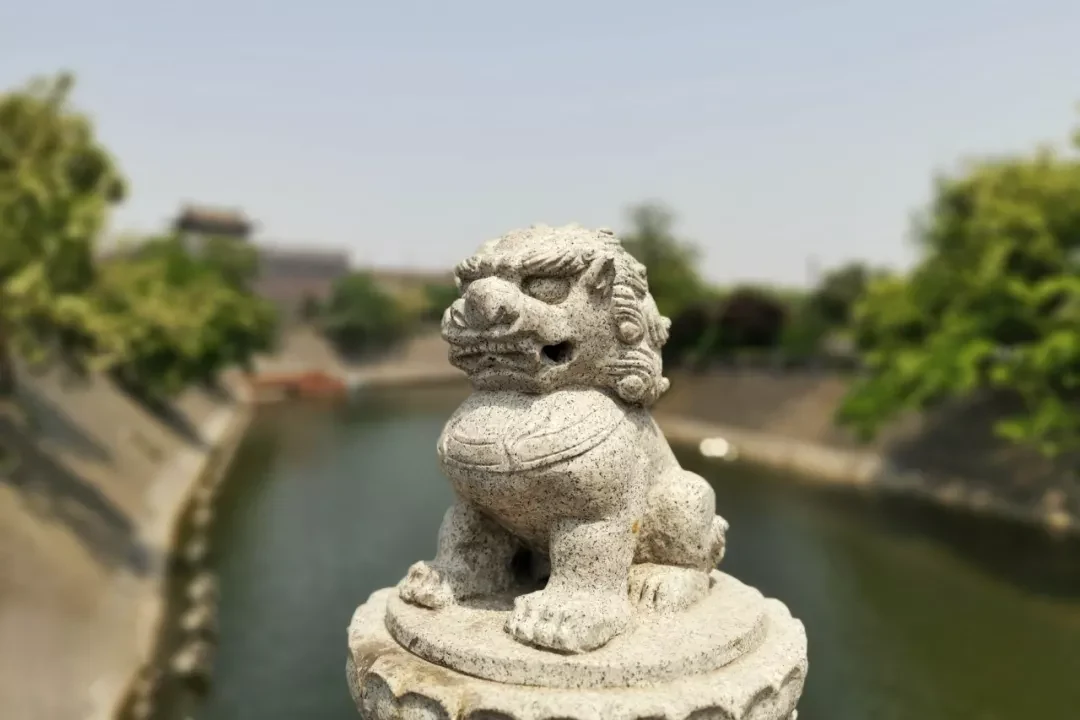
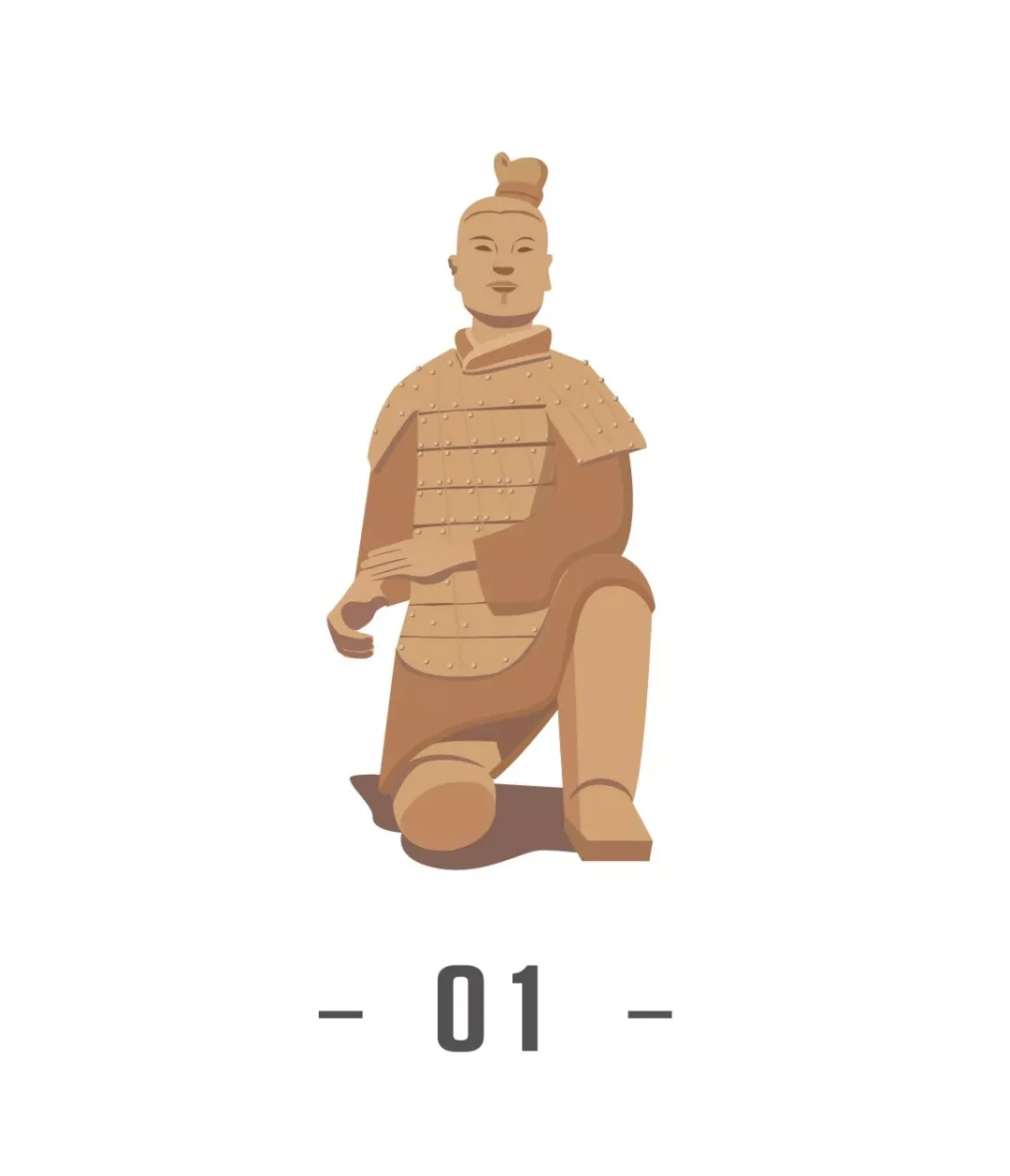
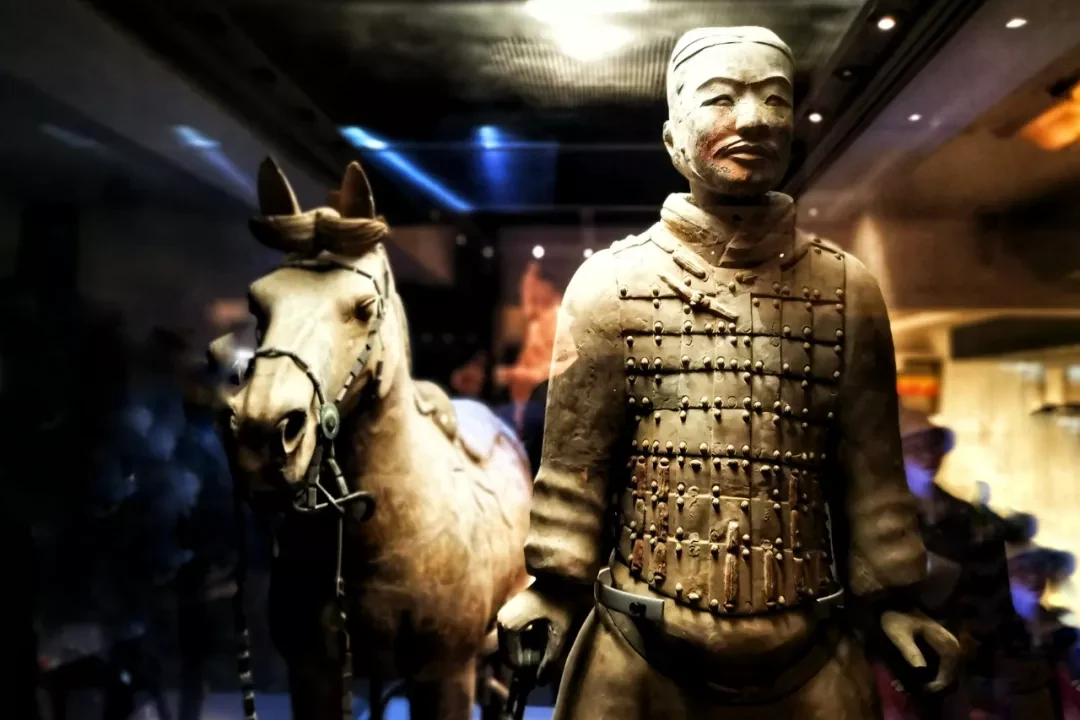
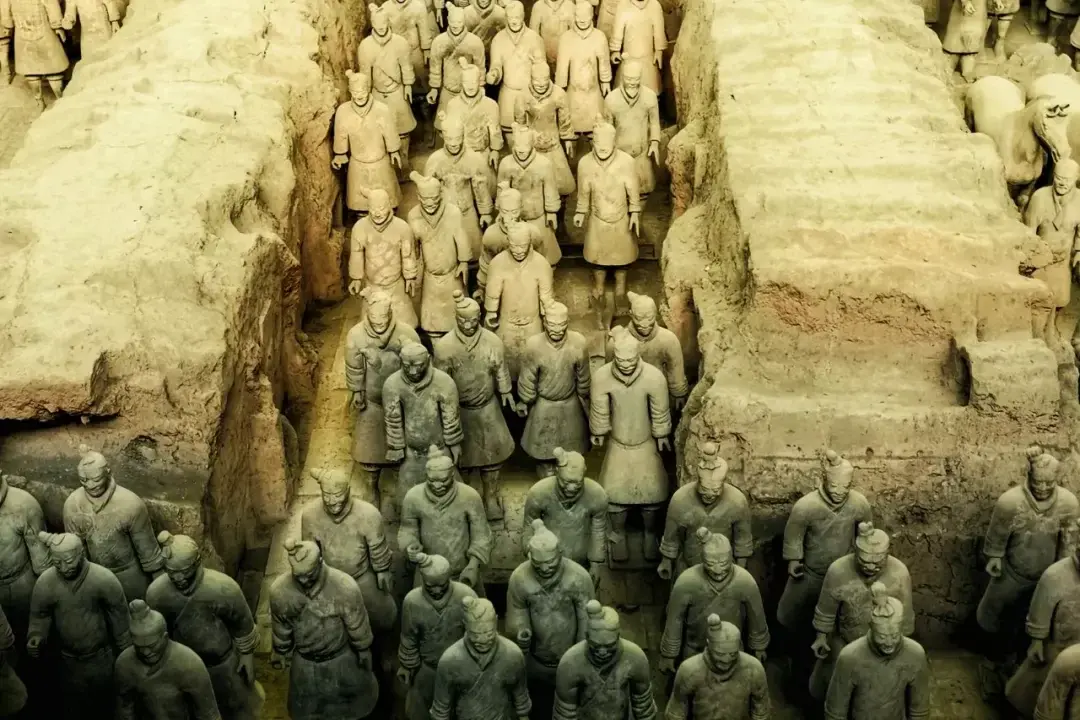
The Qin Empire's dream of lasting eternity is as beautiful and illusory as Afang Palace, and it attracts people's sighs in vain. The outstanding craftsmen gathered in Xi'an and its surrounding areas used the terracotta warriors and horses to perfectly reproduce the armed forces of the Qin people in another world for future generations.
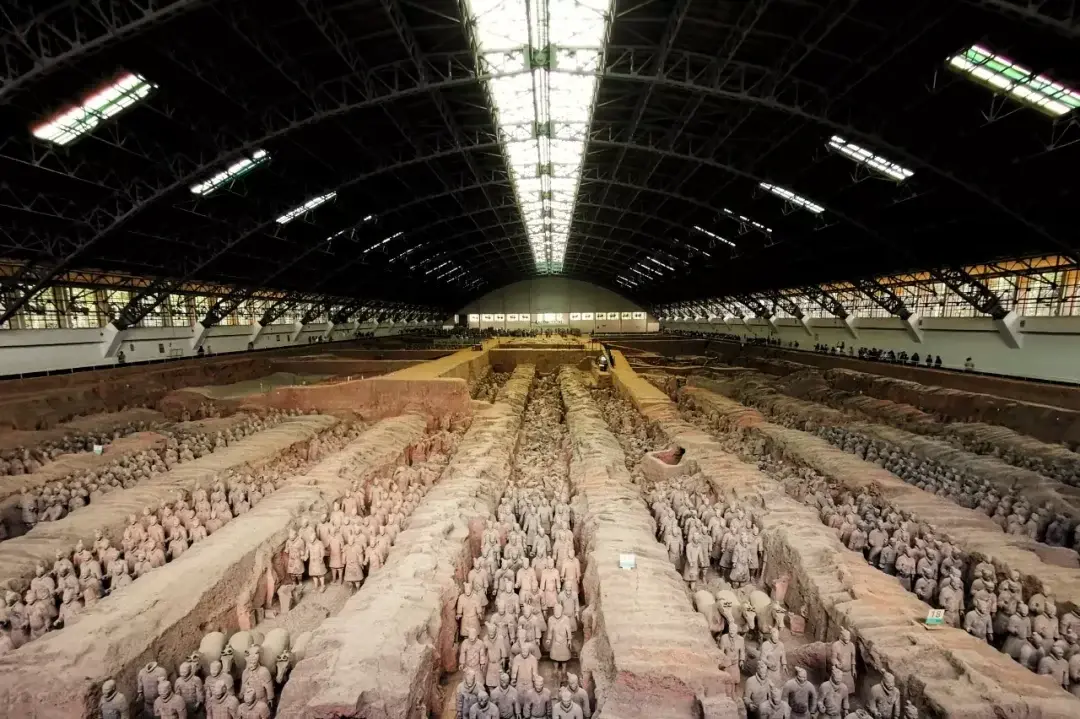
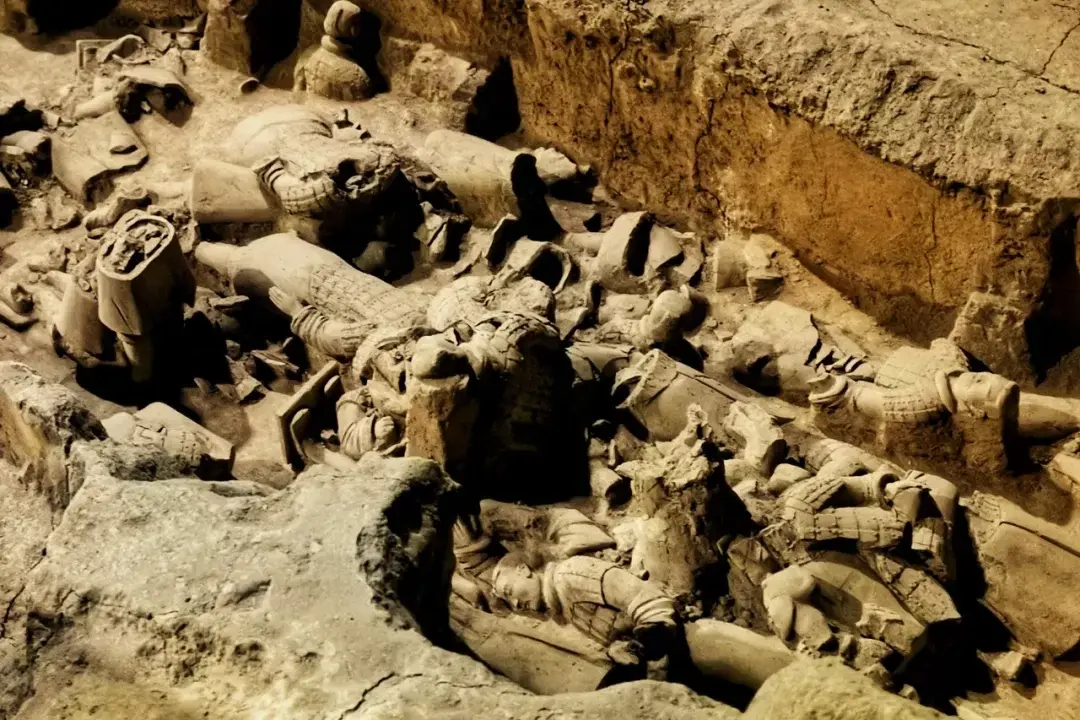
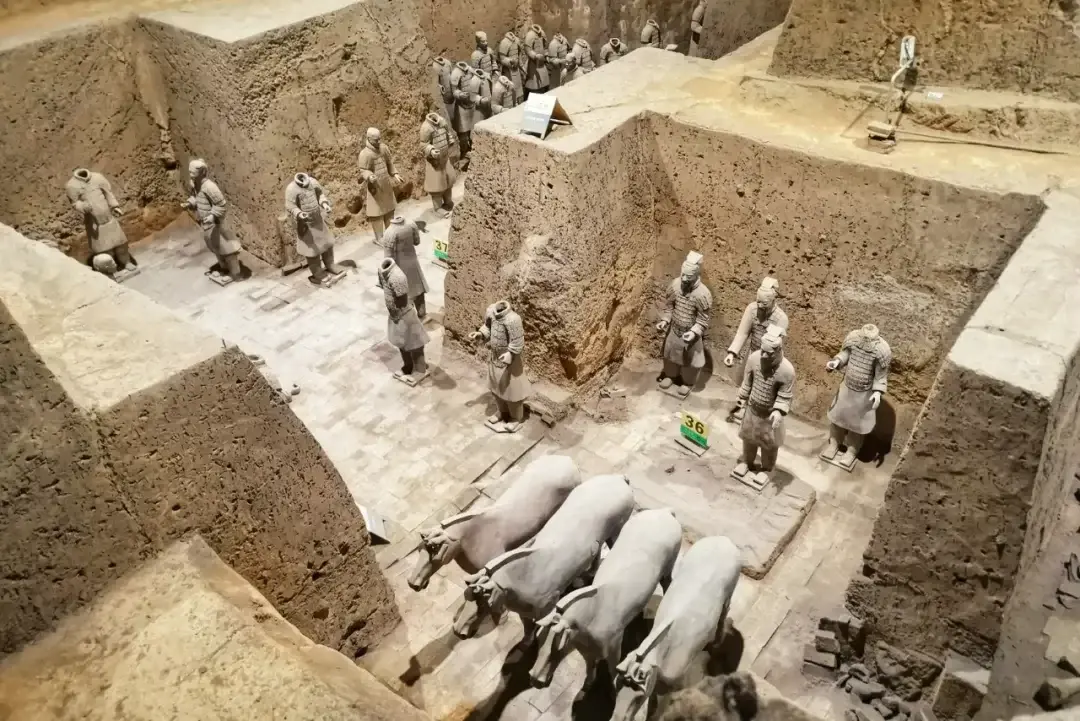
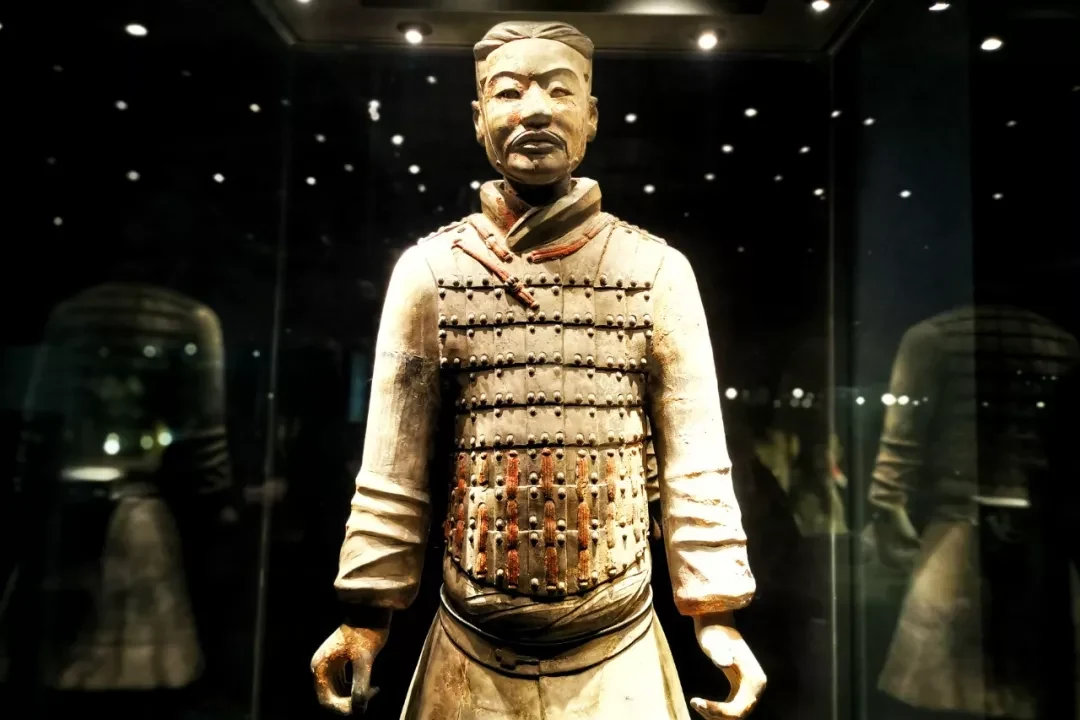
Craftsmen depict the terracotta warriors and horses one by one, refusing to be stereotyped. Each work is given a unique character and lifelike.

The 1-ton bronze carriage and horse are composed of more than 6,000 parts. The No. 1 bronze chariot and horses are equipped with offensive and defensive weapons such as snipers, swords, and shields, and are responsible for clearing the way for the No. 2 chariot. The No. 2 bronze chariot and horses carry a luxurious "carriage" in which the passengers can sit and lie freely.
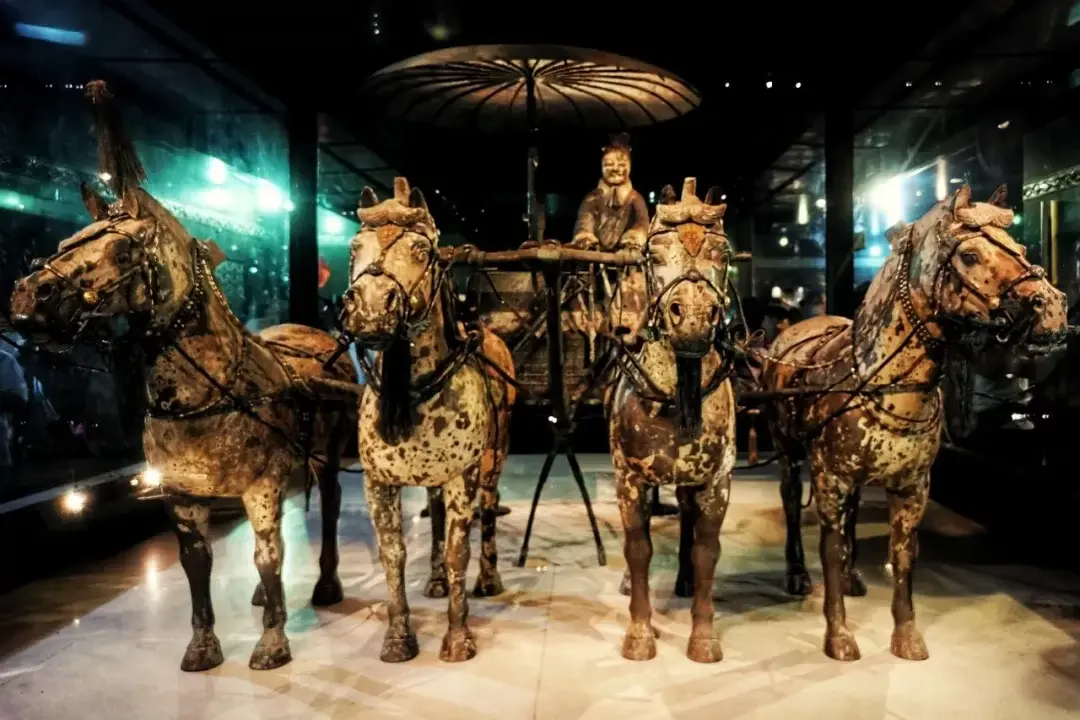
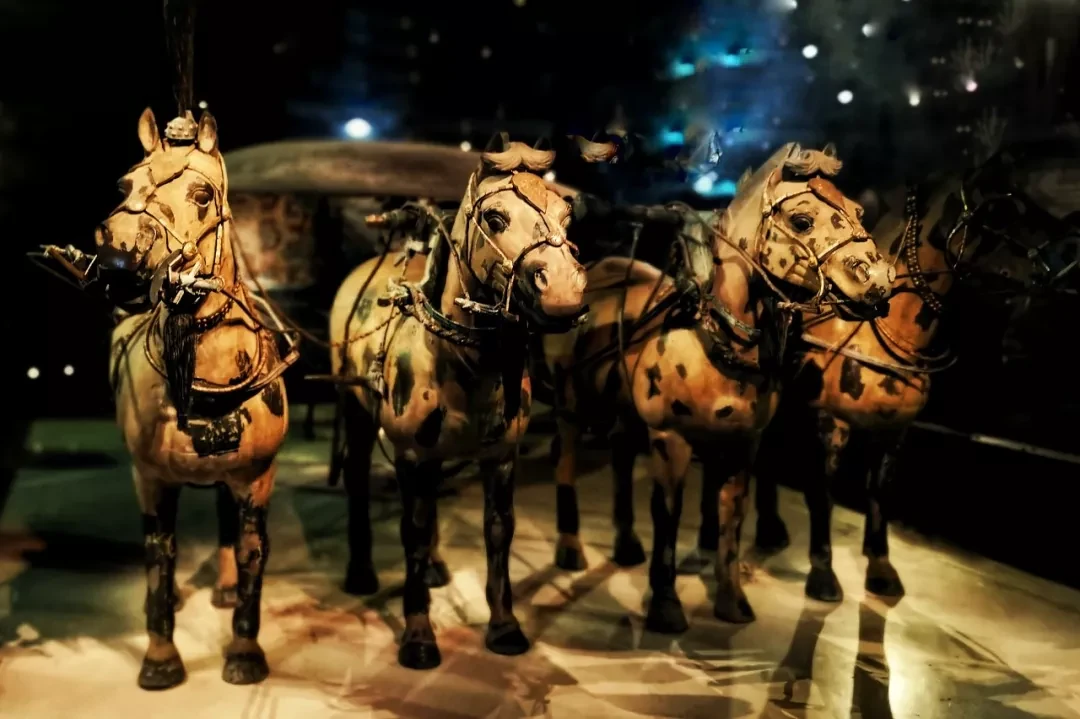
What is different from what we see today is that the people of Qin liked bright colors. The colors of people, horses, and vehicles at that time were very eye-catching. Armor decorated with blue, pink, black, and white decorated the empire's most dazzling warriors.
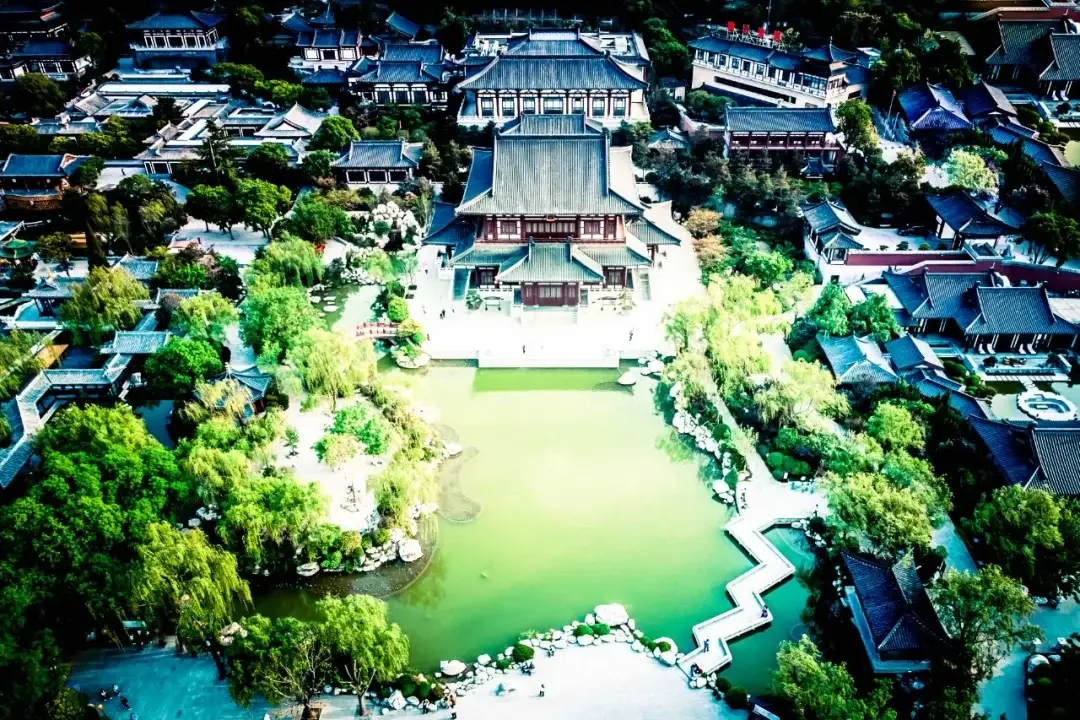
The splendor and glory of the Tang Empire can be clearly seen through the planning of Tang Chang'an City. The city planners built Chang'an into a square shape, so the whole city was orderly. Bai Juyi once said that this place is "like a chess race with hundreds of houses, and the twelve streets are like vegetable beds." The Tang Dynasty Furong Garden with Qujiang Pond as its center was different from a closed royal garden, but a public garden open to citizens, showing the broad mind of the Tang Empire and its people.
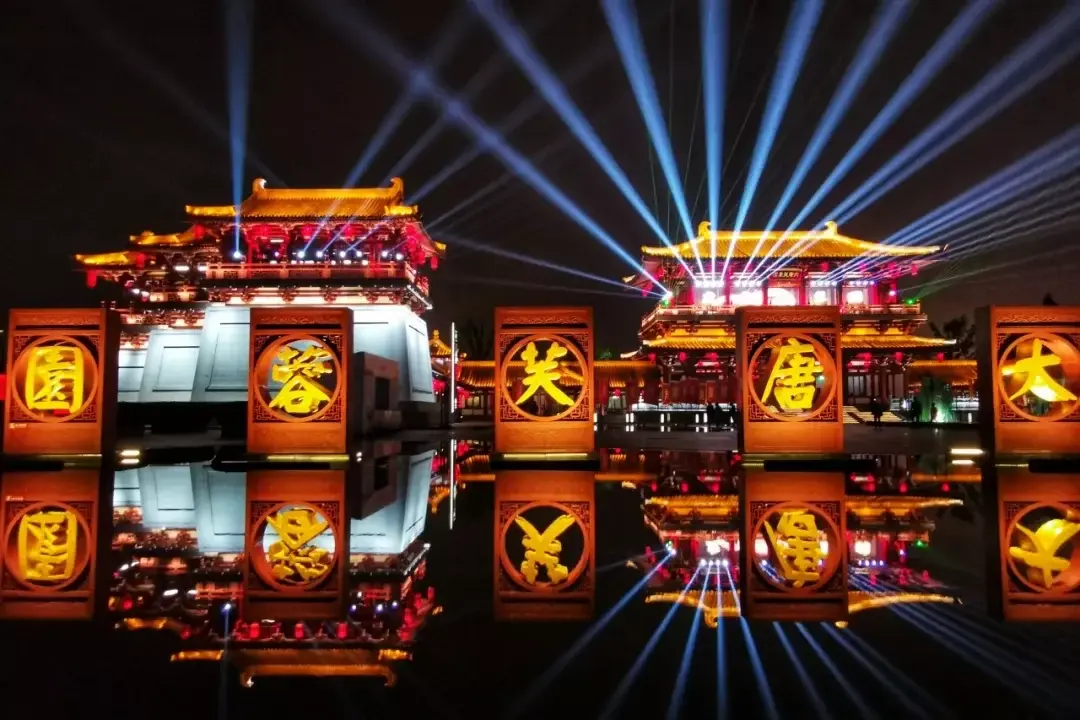
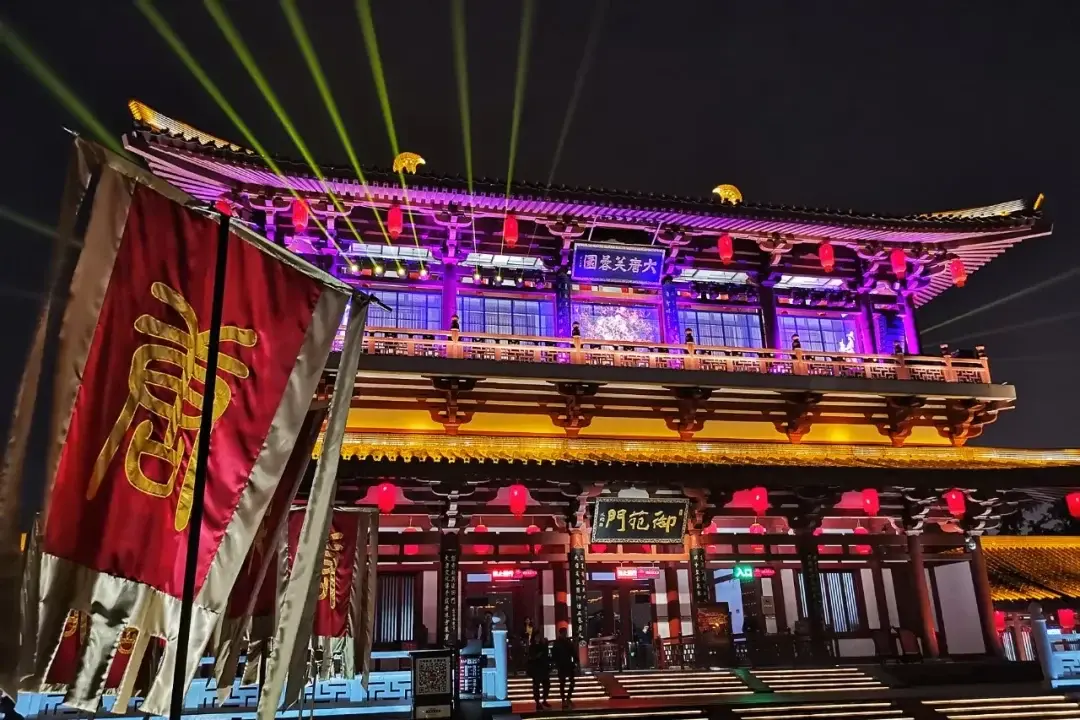
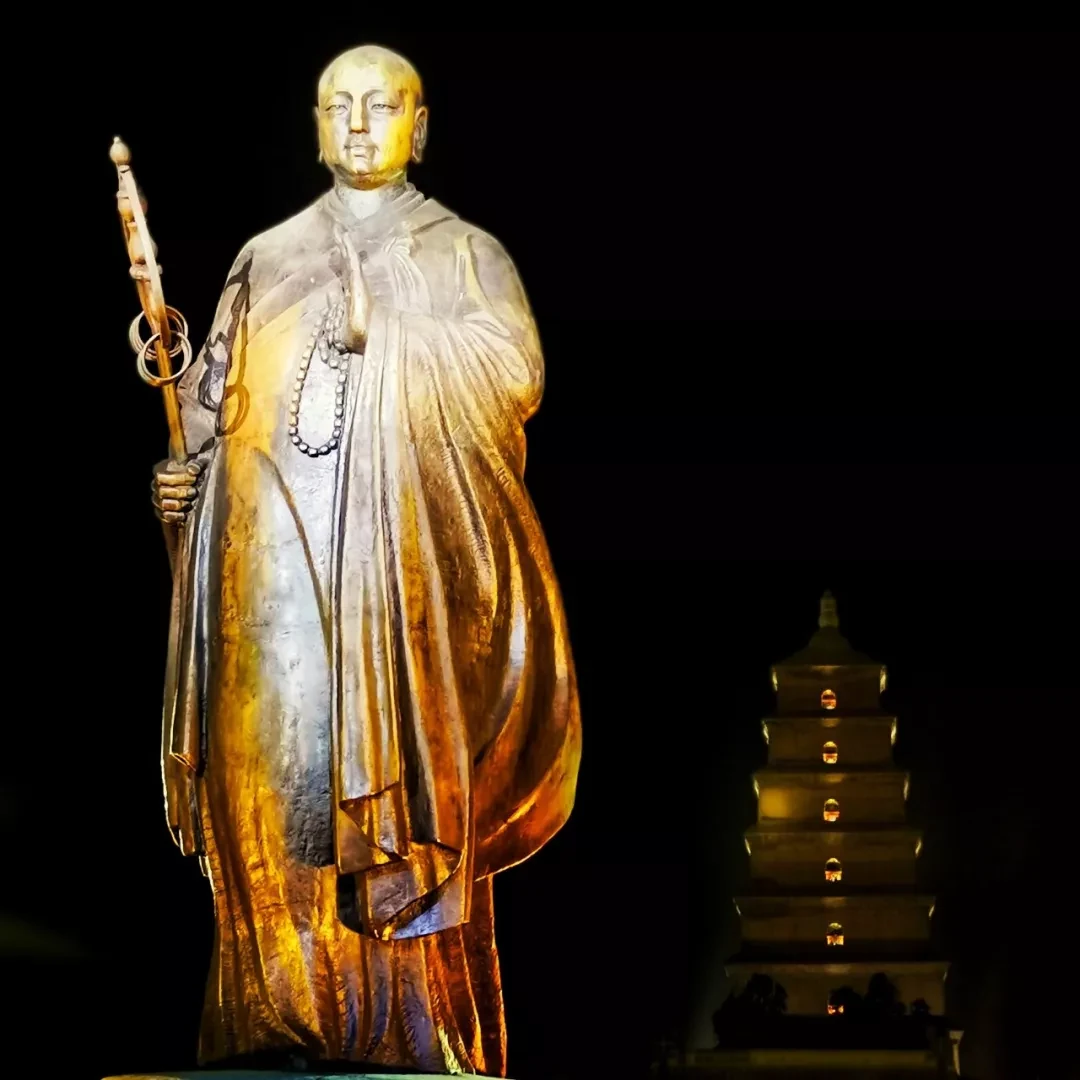
It coincided with the early founding period of Chang'an, the most creative period of Buddhism. Kumarajiva traveled east from the Western Regions to Chang'an to spread Buddhist teachings, Xuanzang traveled west from Chang'an to obtain scriptures and seek Dharma, and monks established a sect in Chang'an. When Xuanzang served as the first abbot of Daci'en Temple, he personally designed a Buddhist scripture pagoda, the Big Wild Goose Pagoda, in the temple based on Indian styles. It has been in existence for more than 1,300 years. The Big Wild Goose Pagoda has now become a landmark building in Xi'an.
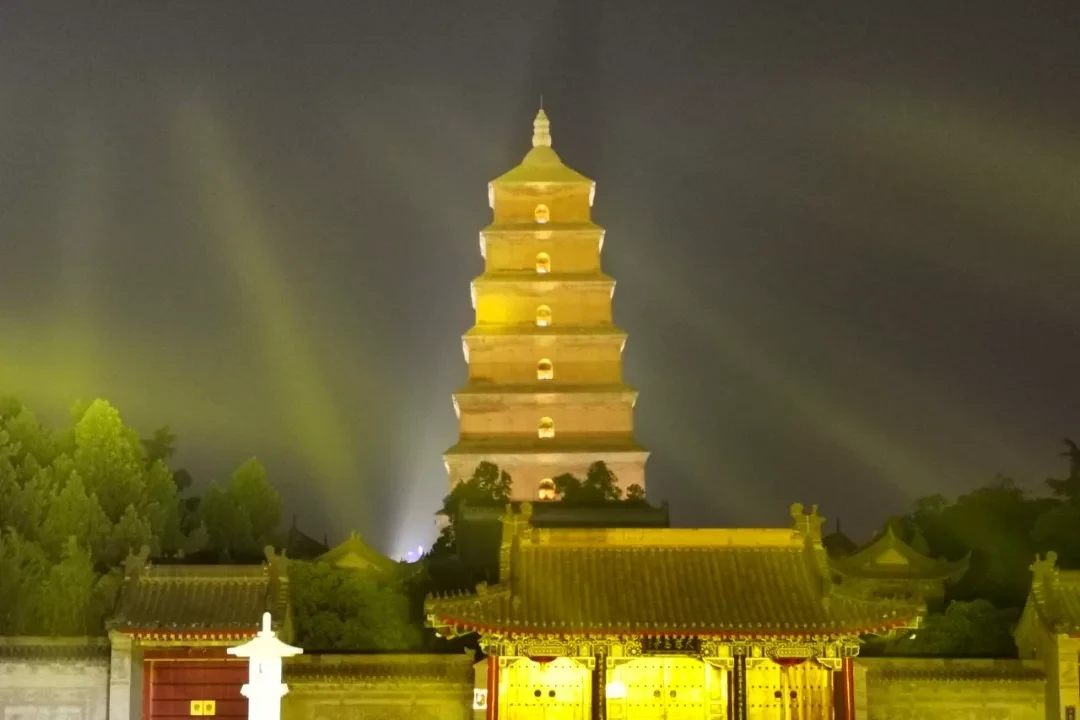
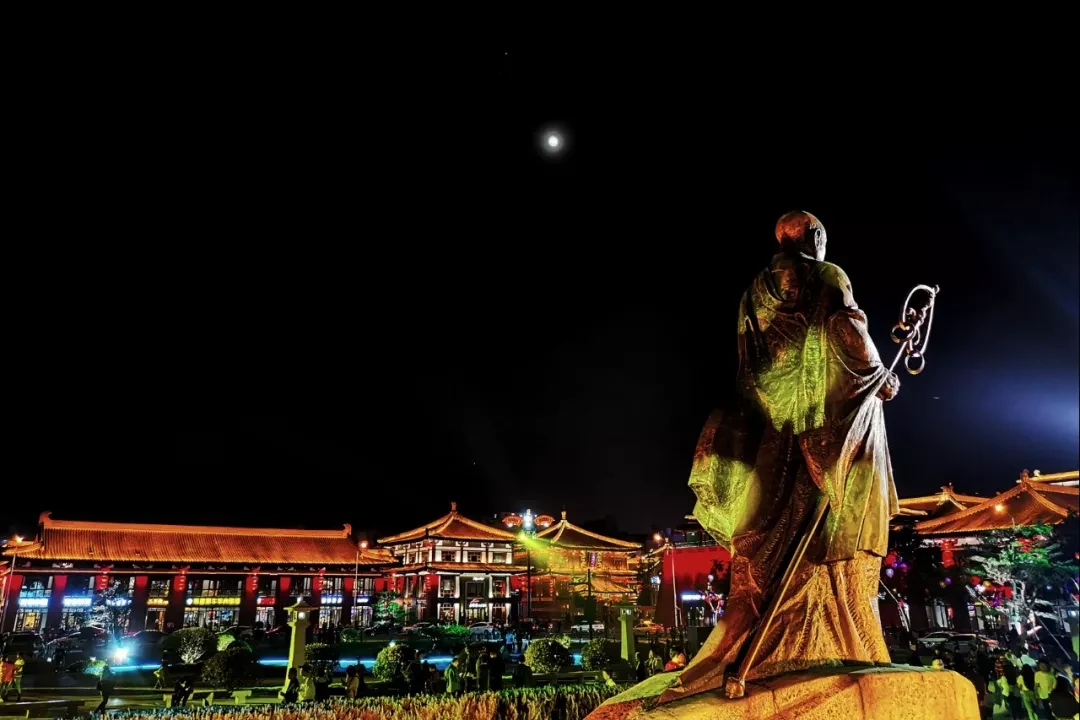
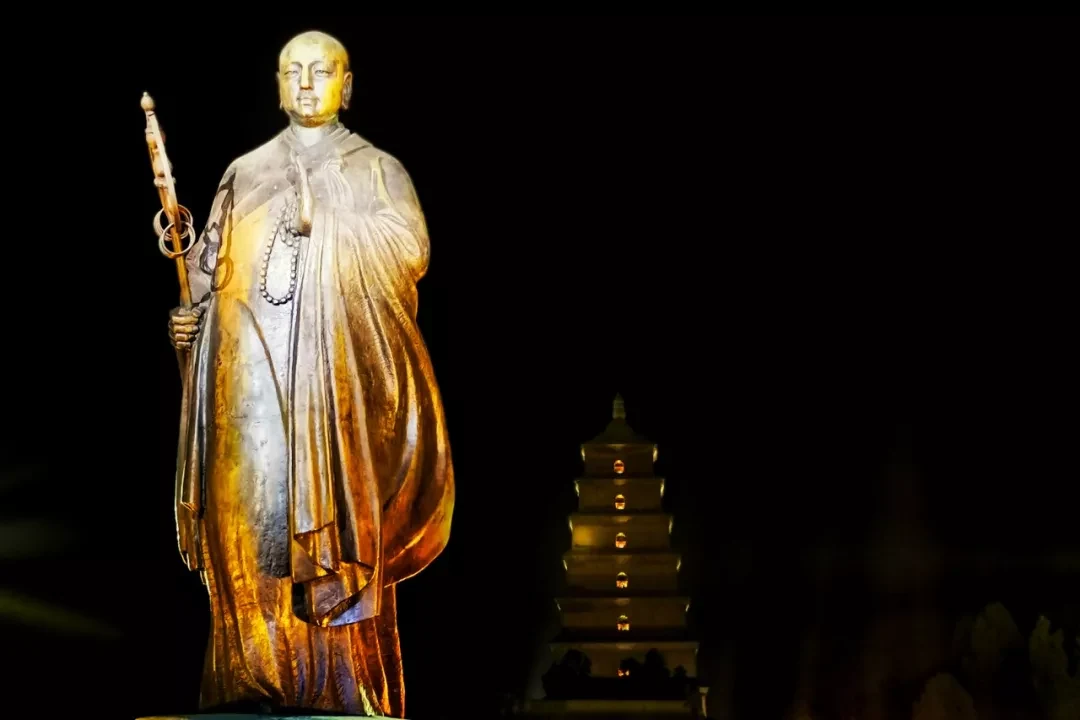
Starting from Xuanzang Square in the south and located at the foot of the Big Wild Goose Pagoda, the Tang Dynasty Evernight City is brightly lit all night, as if people are dreaming back to the prosperous Tang Dynasty.
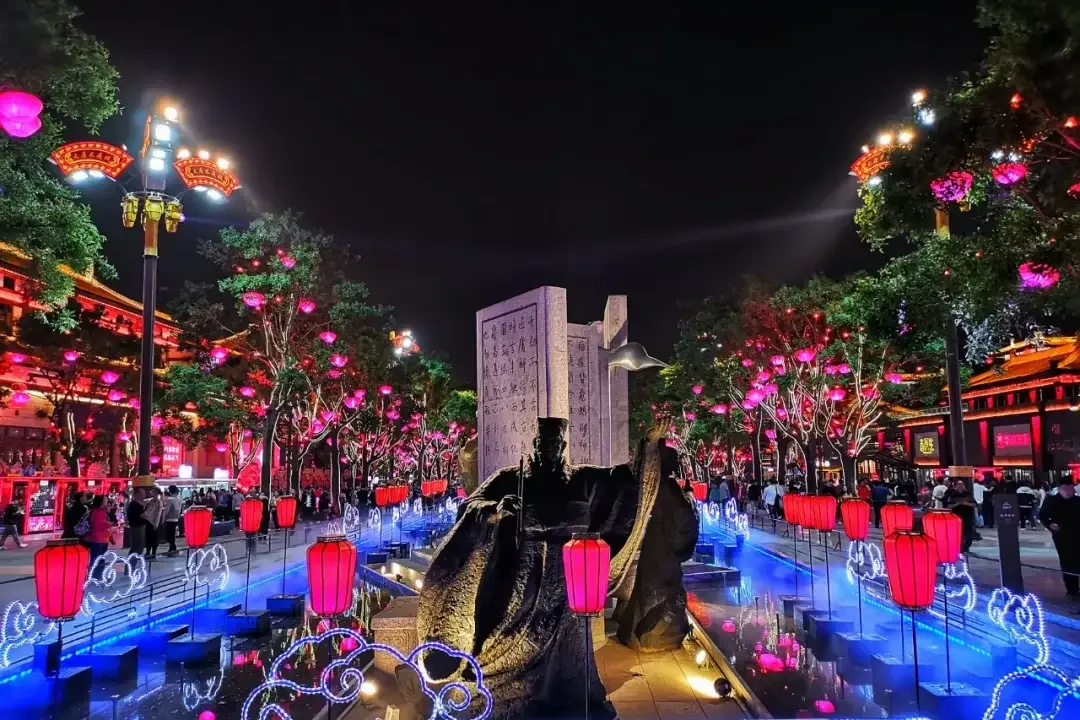
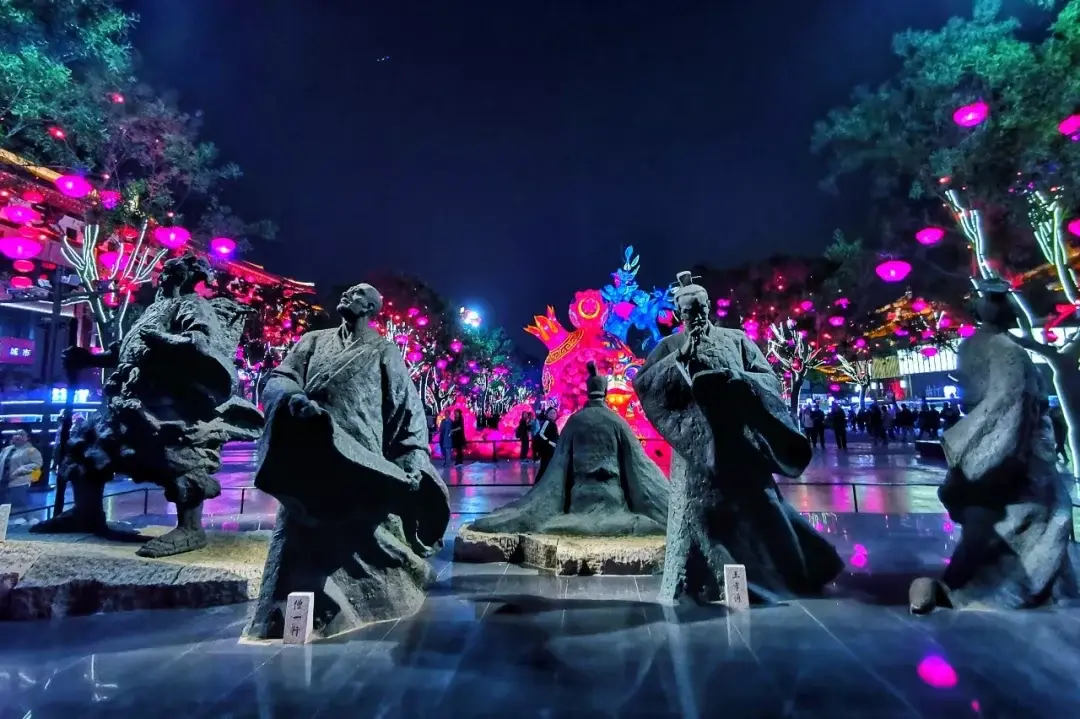
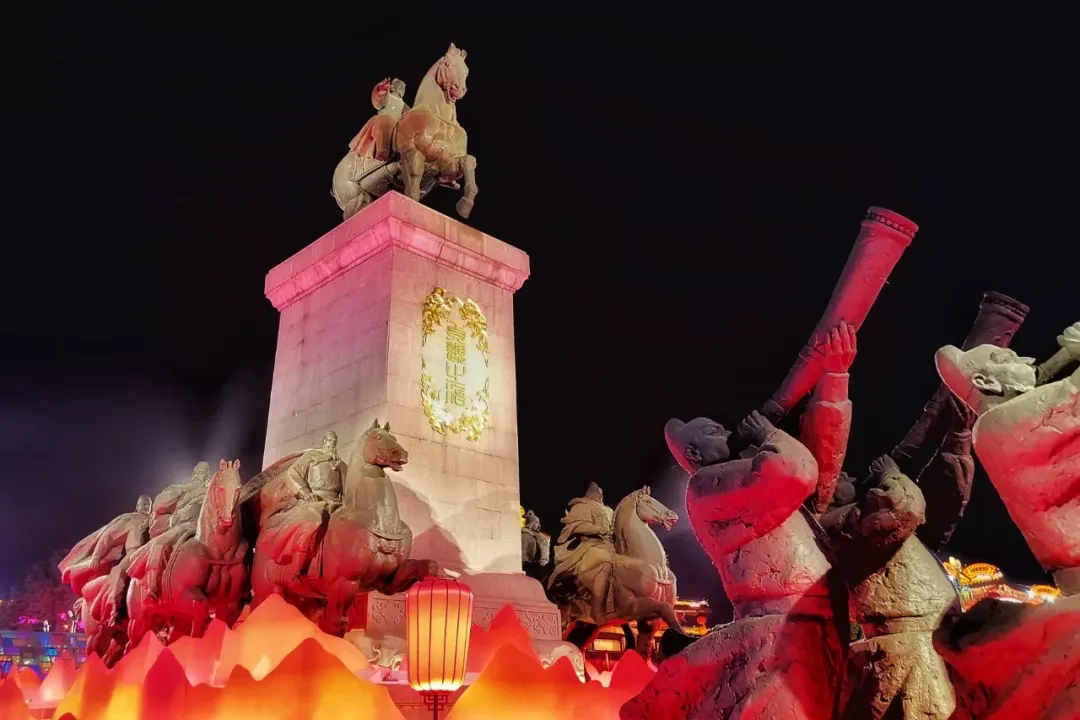
Here, you can see exquisite Chinese gardens that represent Tang culture, as well as architectural avenues of different styles. The thousand-year-old ancient city is covered in glow, with green tiles and cornices, making it full of glory.
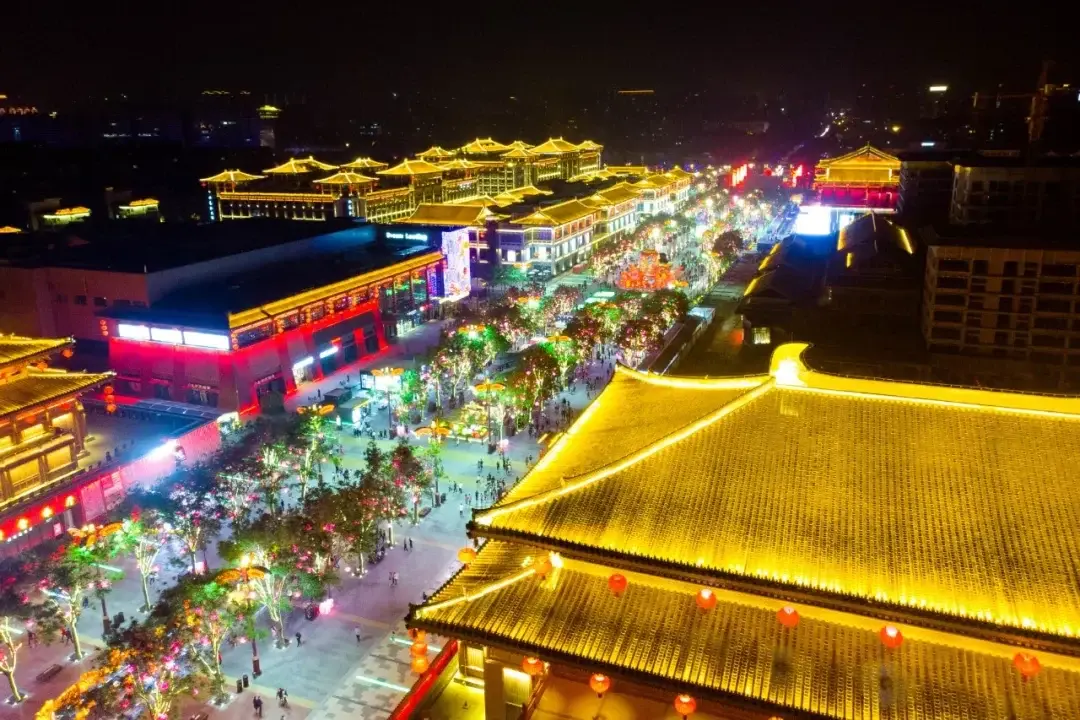
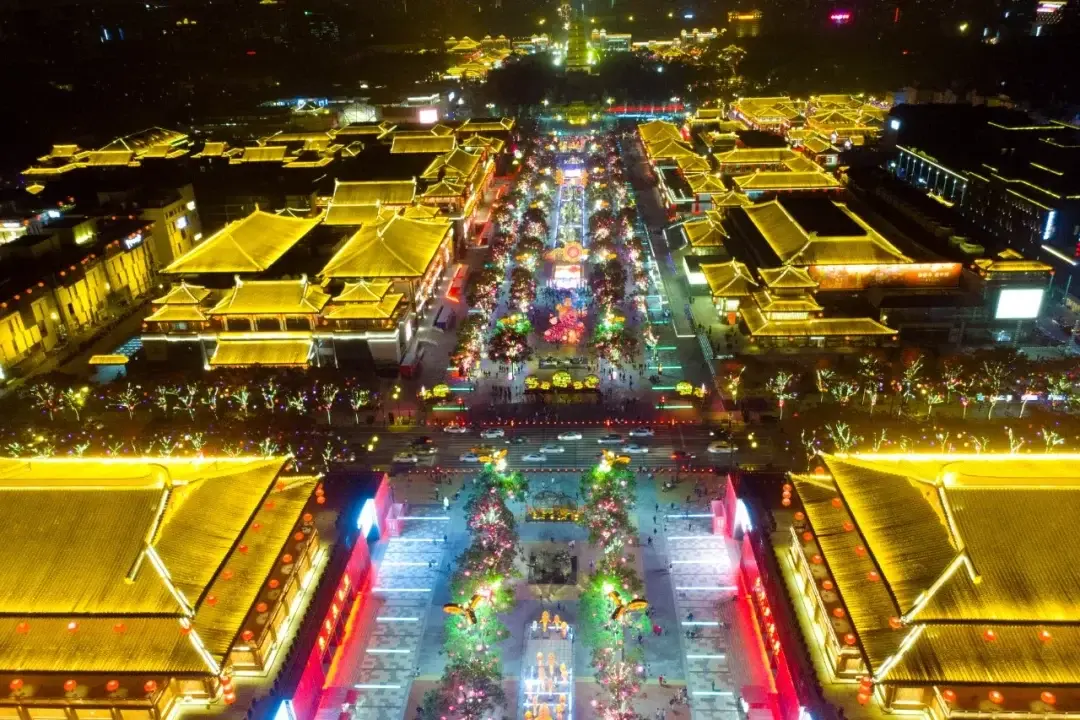
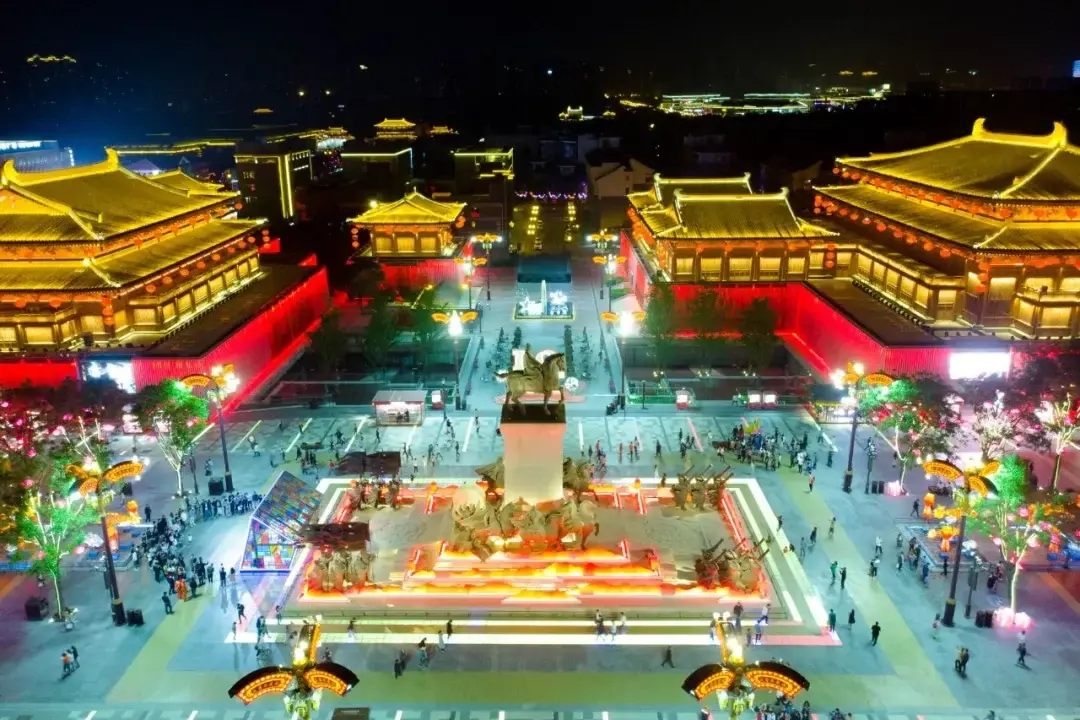
Datang Evernight City has become Xi'an's Internet celebrity check-in place, and many friends even said frankly: "I was poisoned by Douyin and went to Xi'an Datang Evernight City"... During the "Xi'an Year, the Most Chinese" period in 2019, Datang Evernight City had more than 500,000 people a day, and was known as "the most crowded in the world."
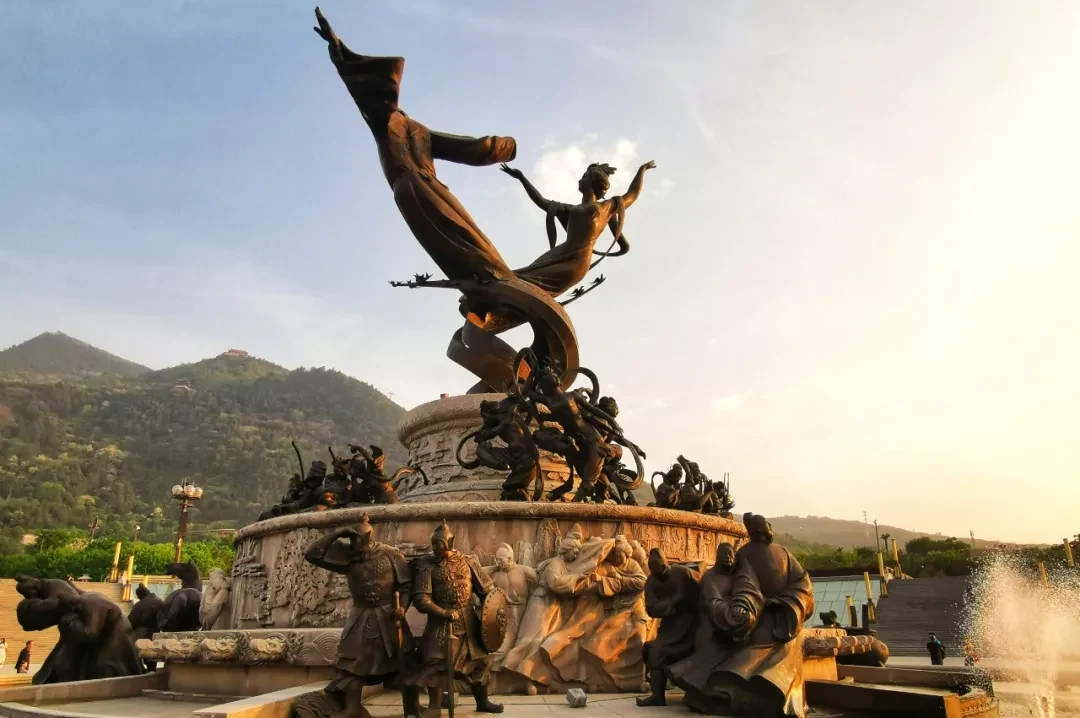
Huaqing Pool, built at the northern foot of Lishan Mountain, witnessed the love romance between Emperor Xuanzong of the Tang Dynasty and Concubine Yang more than a thousand years ago, pushing the myth of the prosperous Tang Dynasty to a climax. Thousands of years of warm water have flowed in the prosperity of Chang'an, witnessing the singing years here. The sad and beautiful ending of Tang Xuanzong and Yang Yuhuan has left the setting sun on Lishan Mountain deeply imprinted in the hearts of future generations. "Song of Everlasting Sorrow" still plays here every night, as if calling us to dream back to the golden years when "the cold spring bathed in Huaqing Pool, and the warm water of the hot spring washed away the fat."
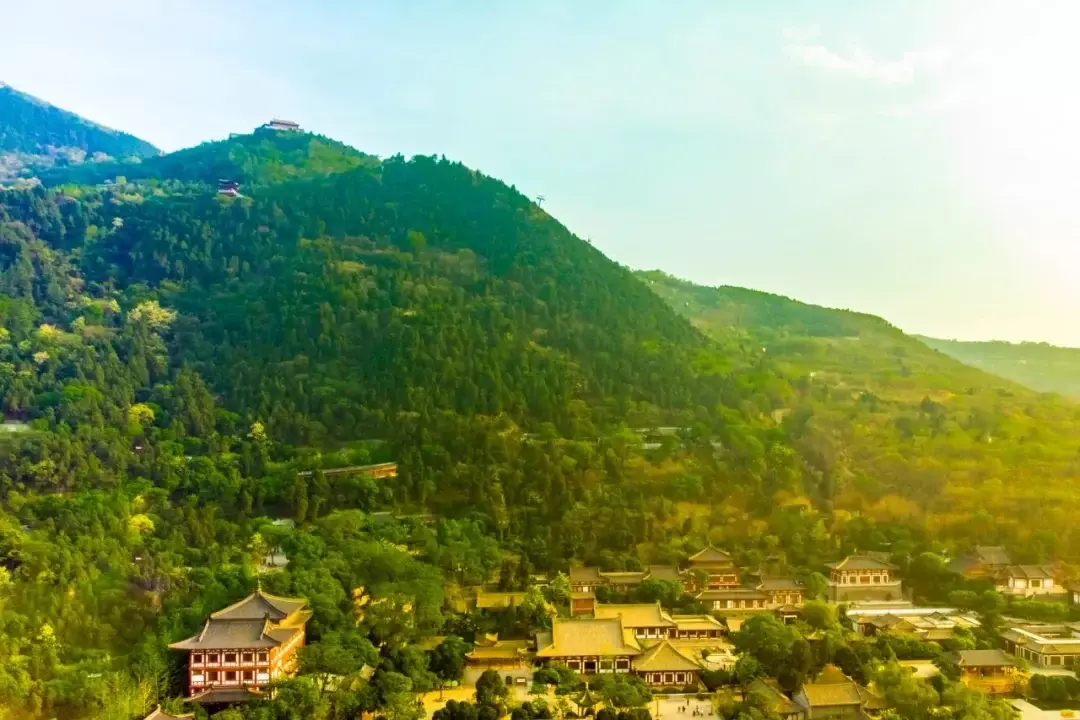
After the Tang Dynasty, the political center moved and Xi'an was transformed from a capital city into a prefecture. The city's size was greatly reduced, but its military status became more prominent. During the Song, Yuan, Ming and Qing dynasties, Xi'an was regarded as an important military town in the northwest. "Xi'an" means stability in the northwest.
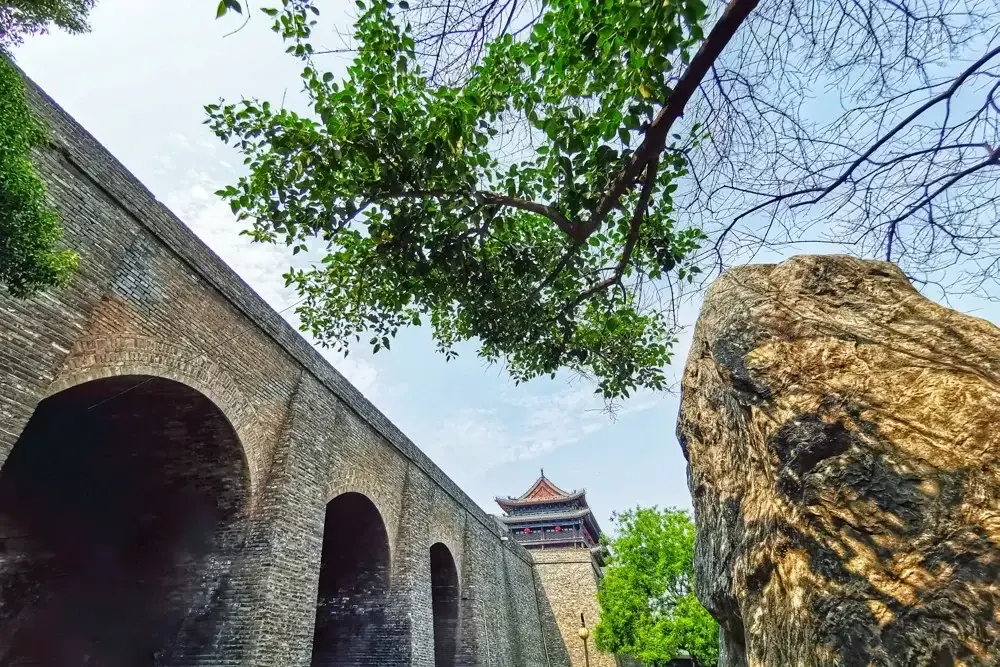
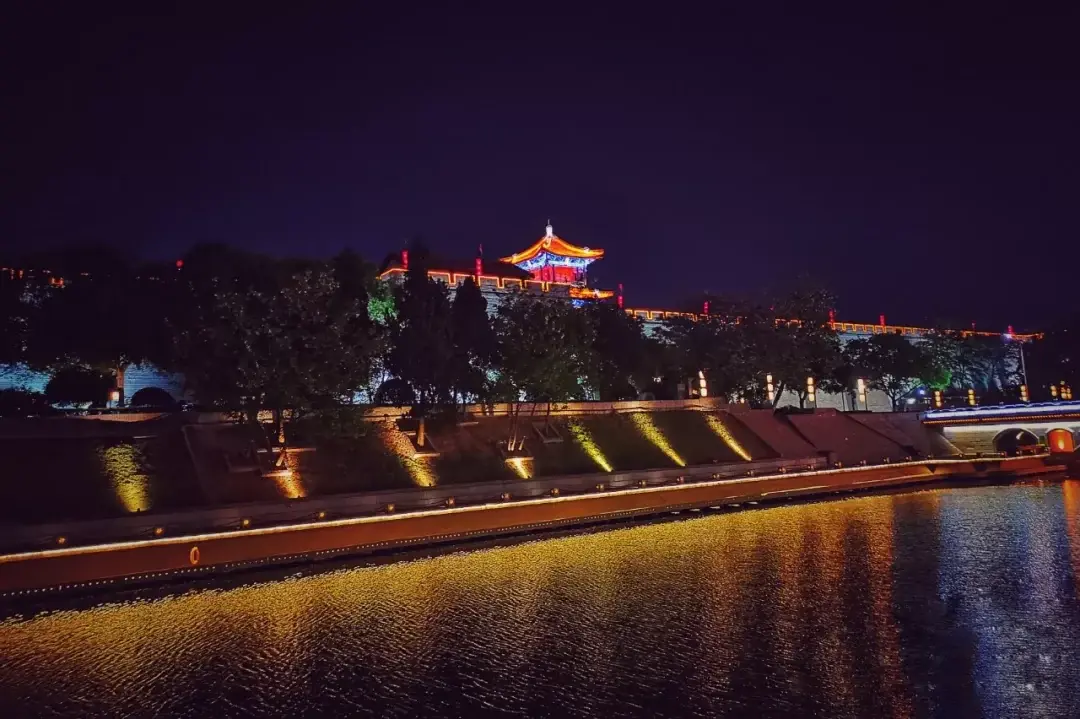
The city wall built during the Ming and Qing Dynasties is the best reflection. This is also the main venue of this marathon. With a circumference of 13.74 kilometers, it is the most complete city defense facility in China.
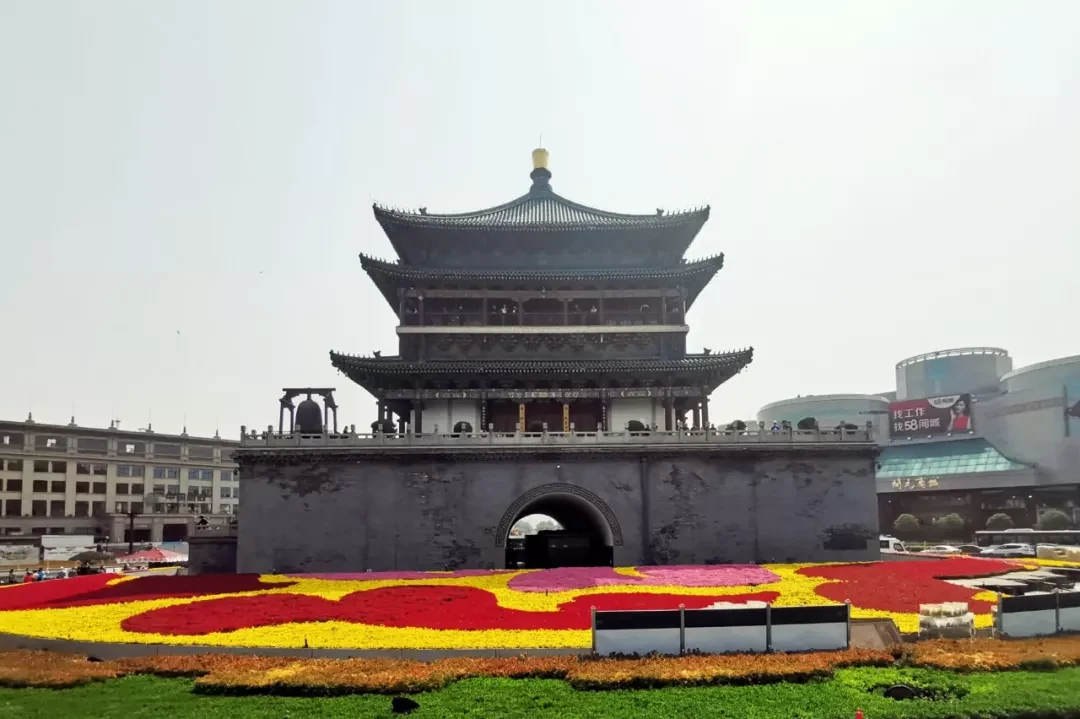
At the center of the city stands the towering Bell Tower, currently the largest and best-preserved bell tower of its kind in China.
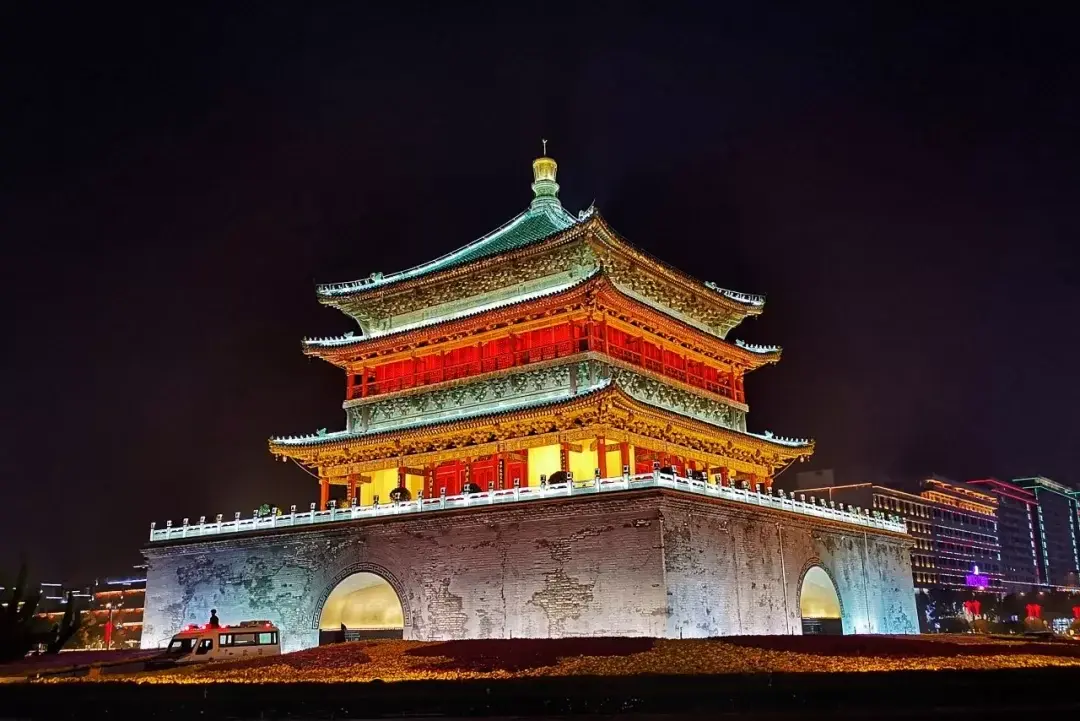
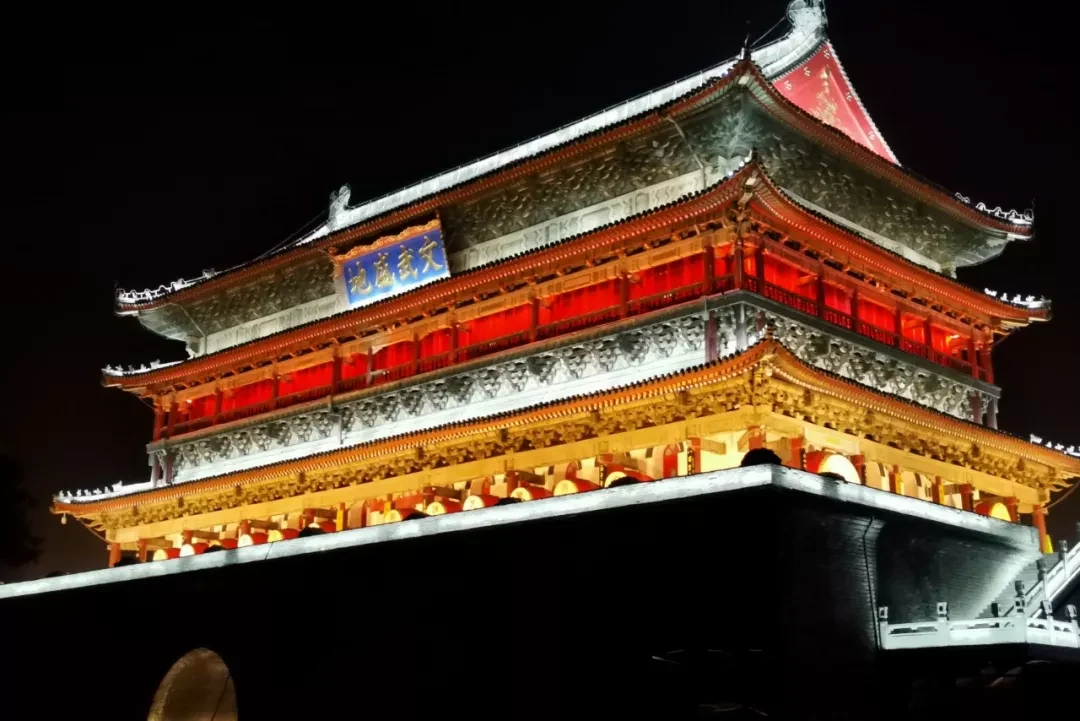
Across the street from the Bell Tower is the Drum Tower, first built during the reign of the Hongwu Emperor of the Ming dynasty and now more than 620 years old. There was once a huge drum upstairs, beaten every day to tell the time. After centuries of change, the drum is gone, but the tower still stands.
The story of Xi'an can last for days and nights. When we come to this city as passers-by, the walls we touch with our hands and the bricks and tiles that our eyes pass by all have their stories. The delicacies I have tasted on my tongue are also memorable, such as roujiamo, biangbiang noodles, water basin mutton, mutton soaked bun... These are all conquering my taste buds all the time.
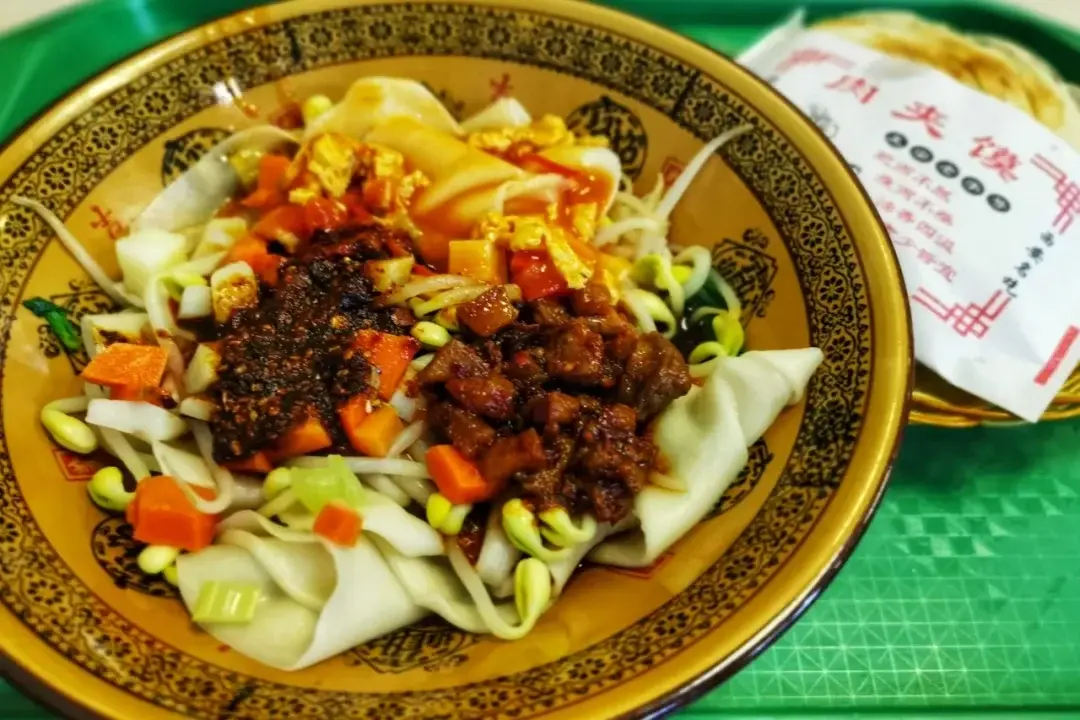
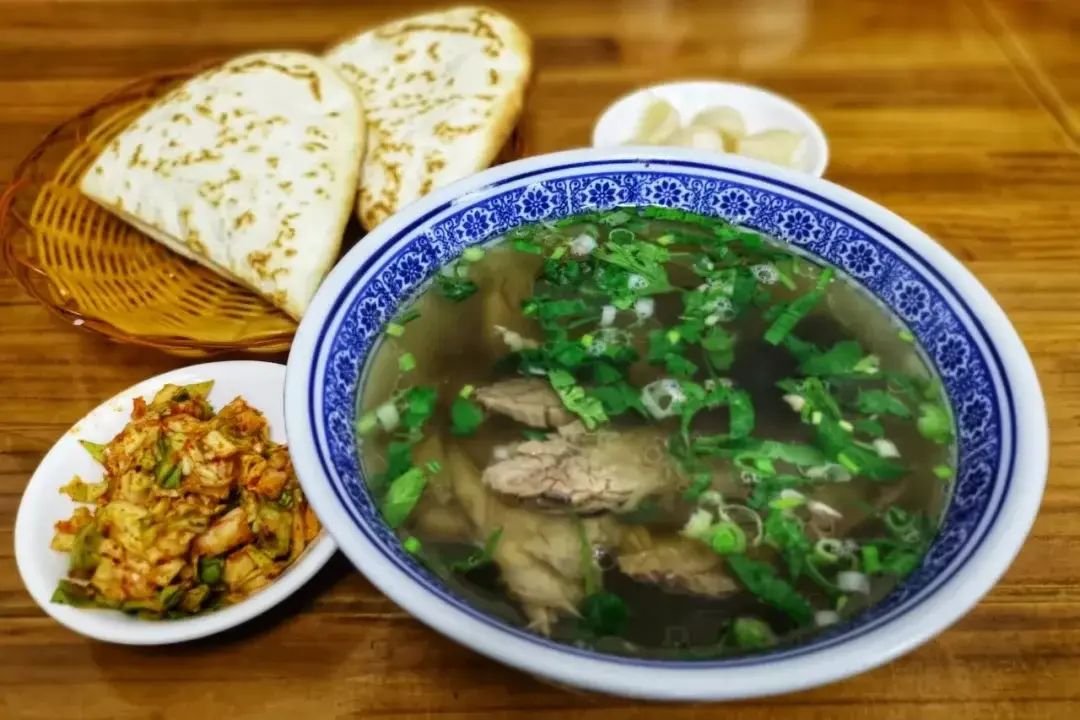
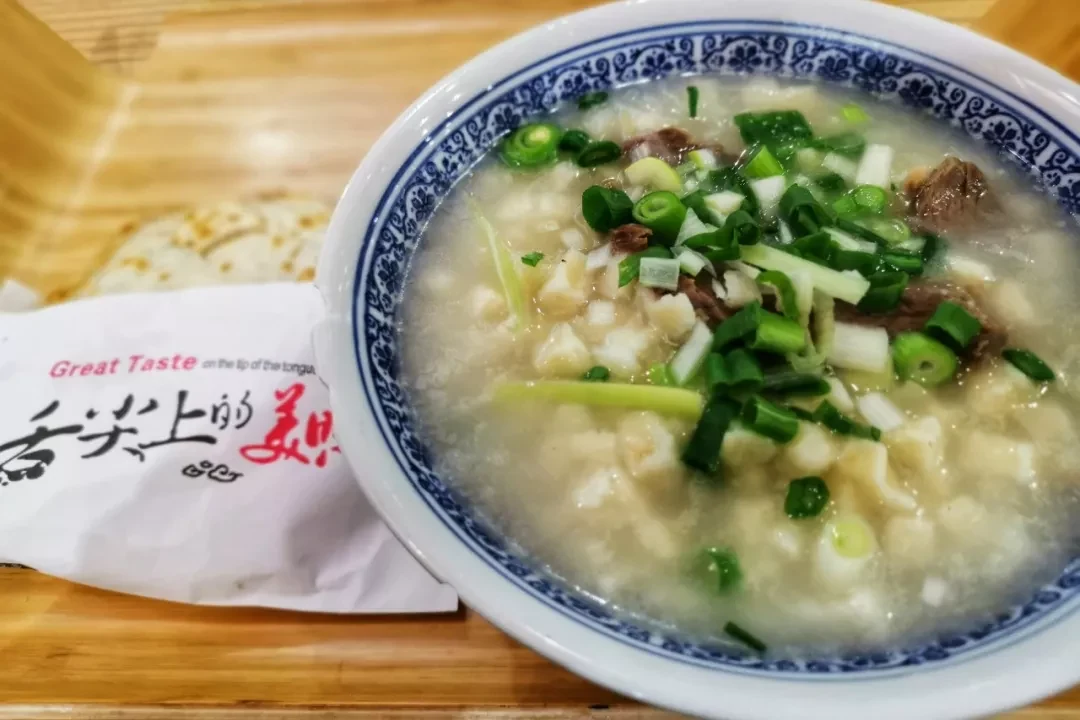
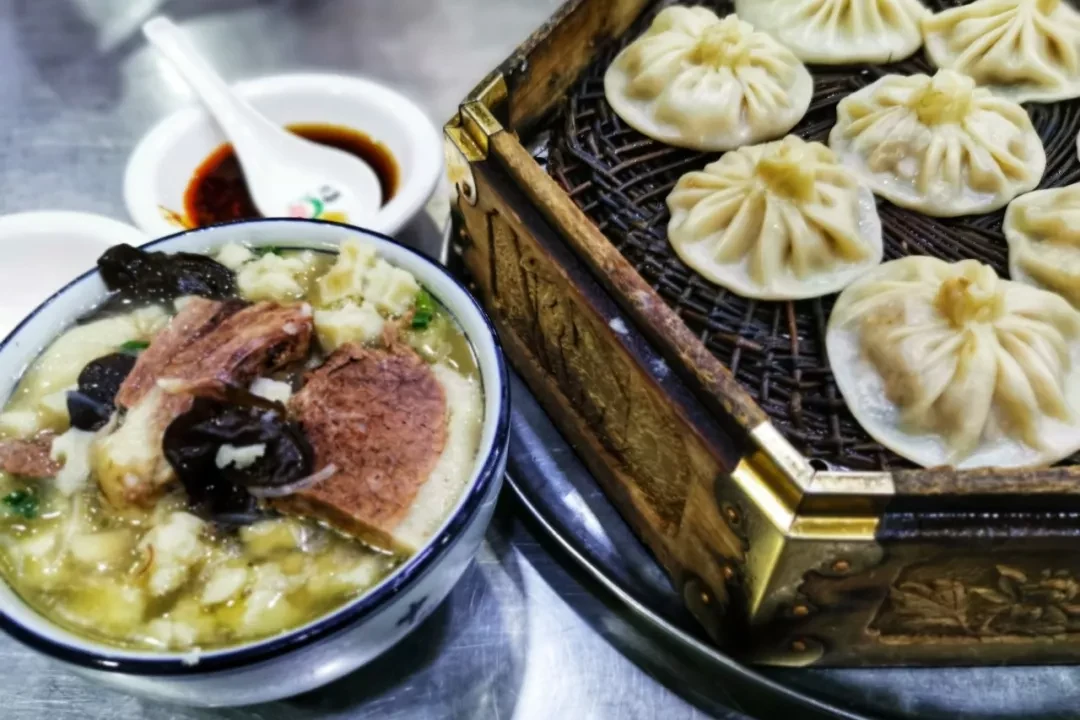
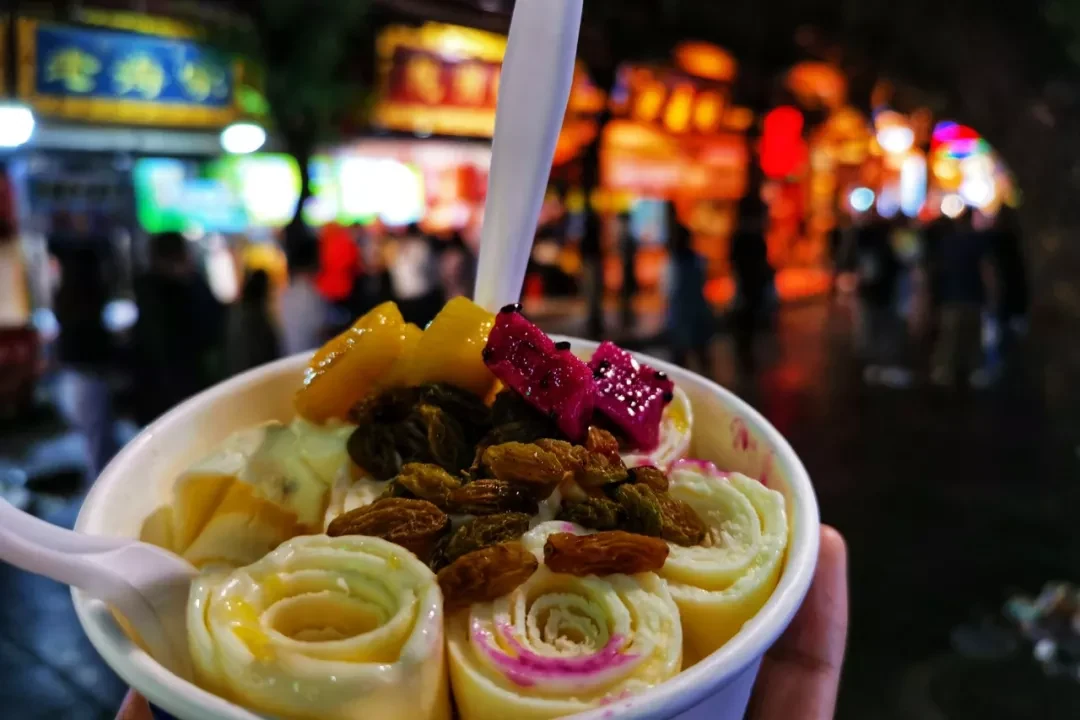
Xi'an's most famous food street, the Muslim Quarter, is a lot like Wuhan's Hubu Alley: locals may dismiss it, but for visitors it is an excellent place to check in and eat.
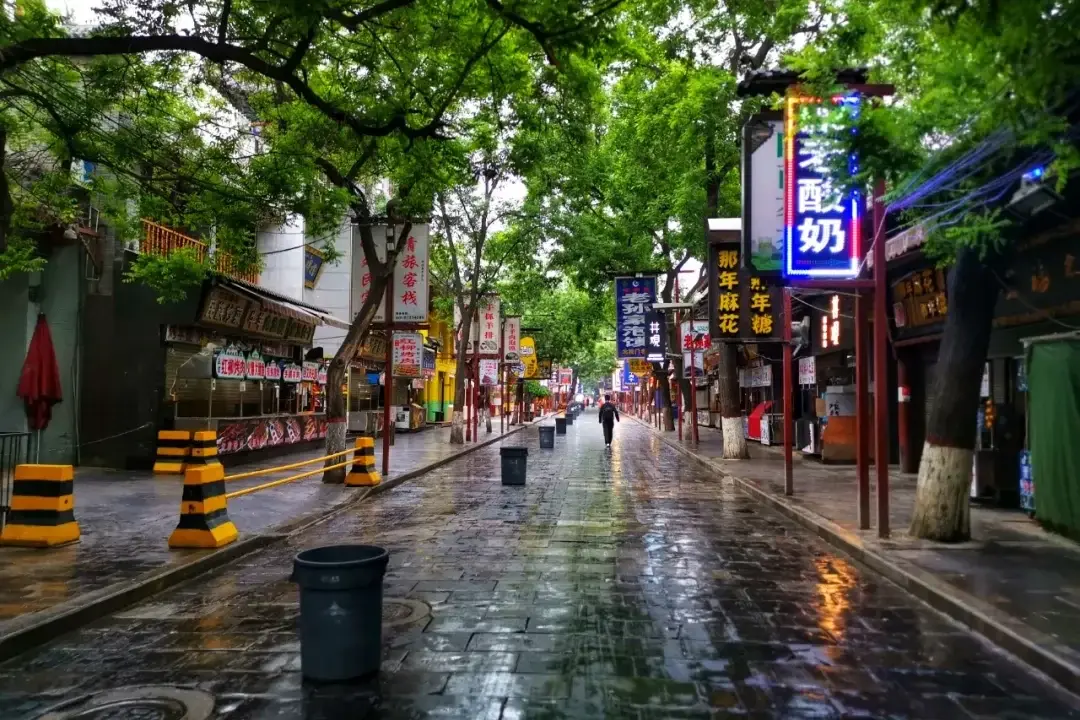
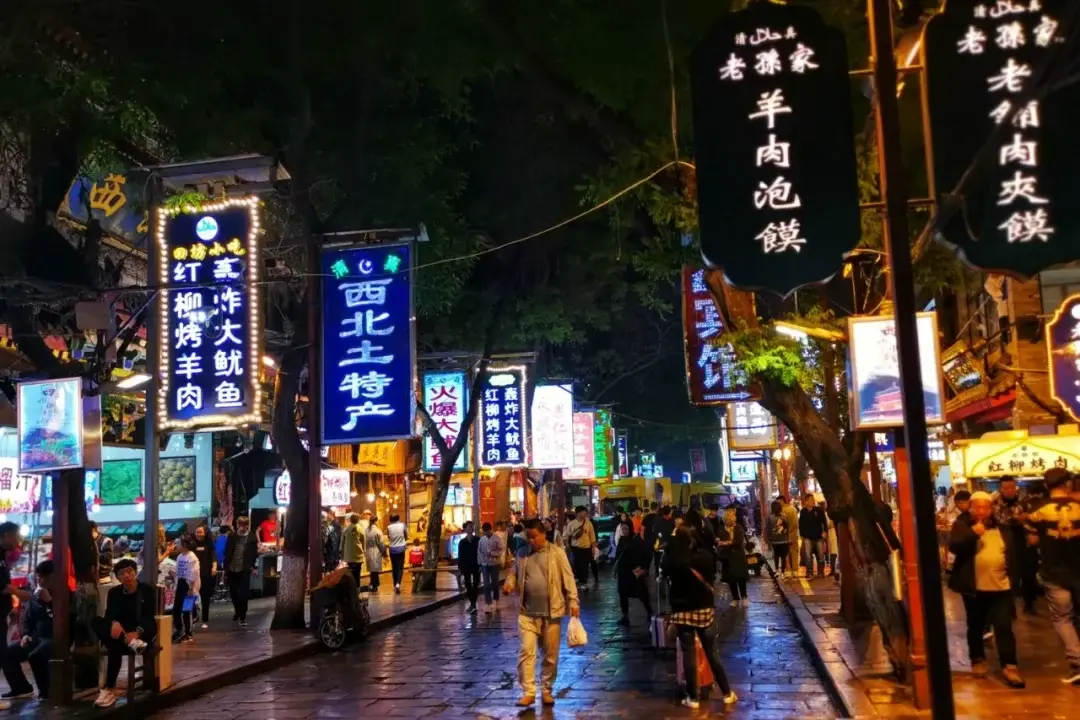
Therefore, young people say Xi'an is a place where ancient charm still exists; foodies say it is a steamed-bun city full of snacks; runners say it is an ancient capital full of historical stories; people born after 1995 call it an internet-famous city. Today's Xi'an has crossed three thousand years of history and stands again at the starting point of the ancient Silk Road, tempting countless travelers to dream back to Chang'an.
Strong wind blows in Chang'an City,
Forever young, always full of tears
This city is young
Today, the military functions of city walls and bell towers are no longer important, but Xi'an is revitalized in its own way. It is the central city of the country and the core hub of the northwest region. In the 2018 "Douyin City" list announced by Douyin, Xi'an ranked eighth with 1.21 billion likes. This is a snapshot of Xi'an's high activity on social platforms. "Internet-famous city" is the label many people now attach to Xi'an.
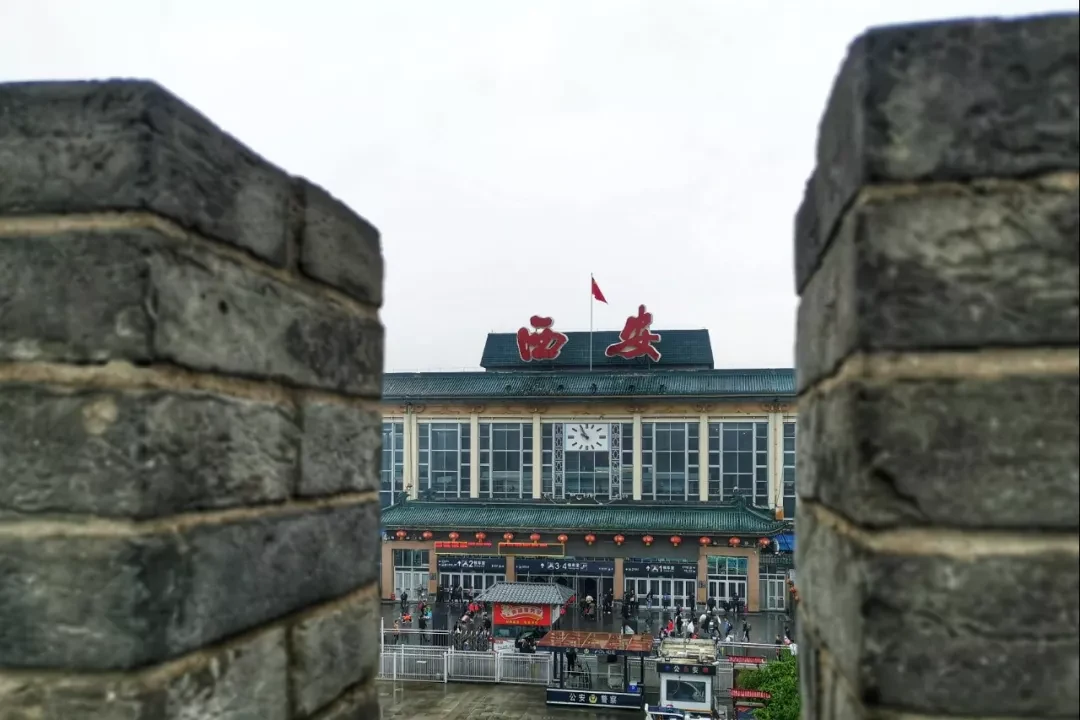
The Xi'an City Wall Marathon is such a marathon with great Internet celebrity. After 2018, the Xi'an City Wall Marathon once again displayed a huge red poster with the theme of the Arrow Tower in Times Square, New York, fully revealing the rich traditional history and culture, becoming the "most Chinese" touch of fame in Times Square. Therefore, this year’s City Wall Marathon attracted 5,000 runners from 28 countries including China, the United States, South Korea, Germany, the United Kingdom, France, and Canada to participate. The overall winning rate was only 10.6%.

The city wall is the best inheritor of Xi'an's history and its most distinctive cultural marker. Jia Pingwa once wrote in "The City of Xi'an": "Standing alone on the suspension bridge on the moat, looking up at the towers, turrets, and crenellations of the parapets, no matter how timid a person is, he will scream with pride." So I felt lucky to run a marathon like this. As soon as I arrived in Xi'an, I rushed to the race venue to pick up my packet.
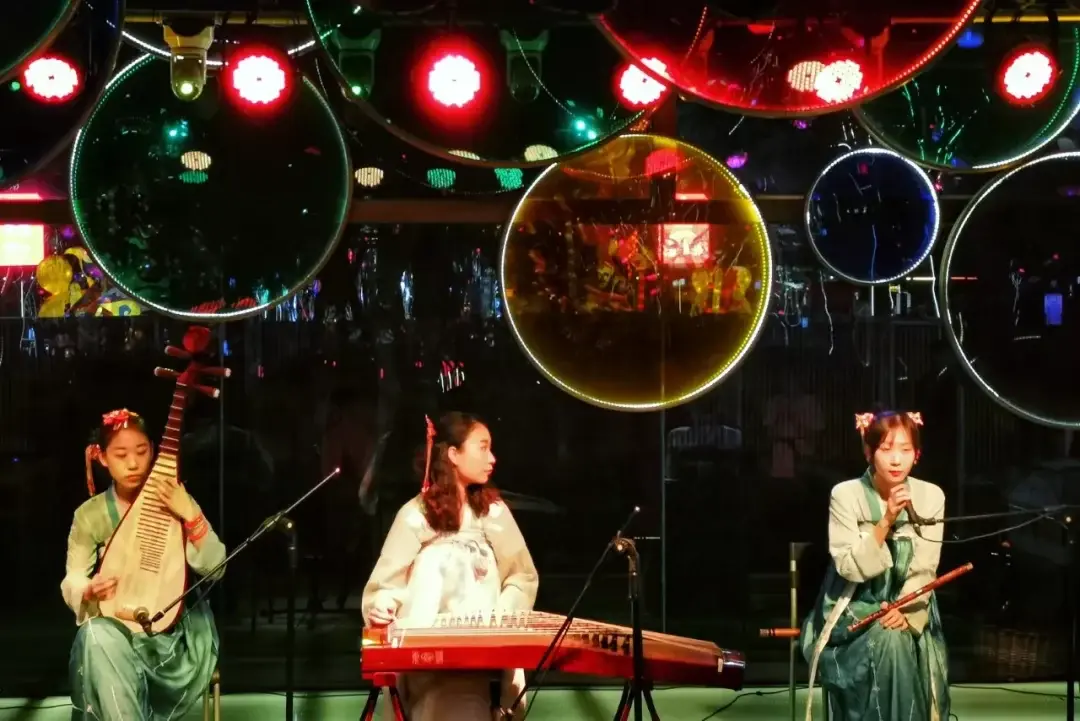
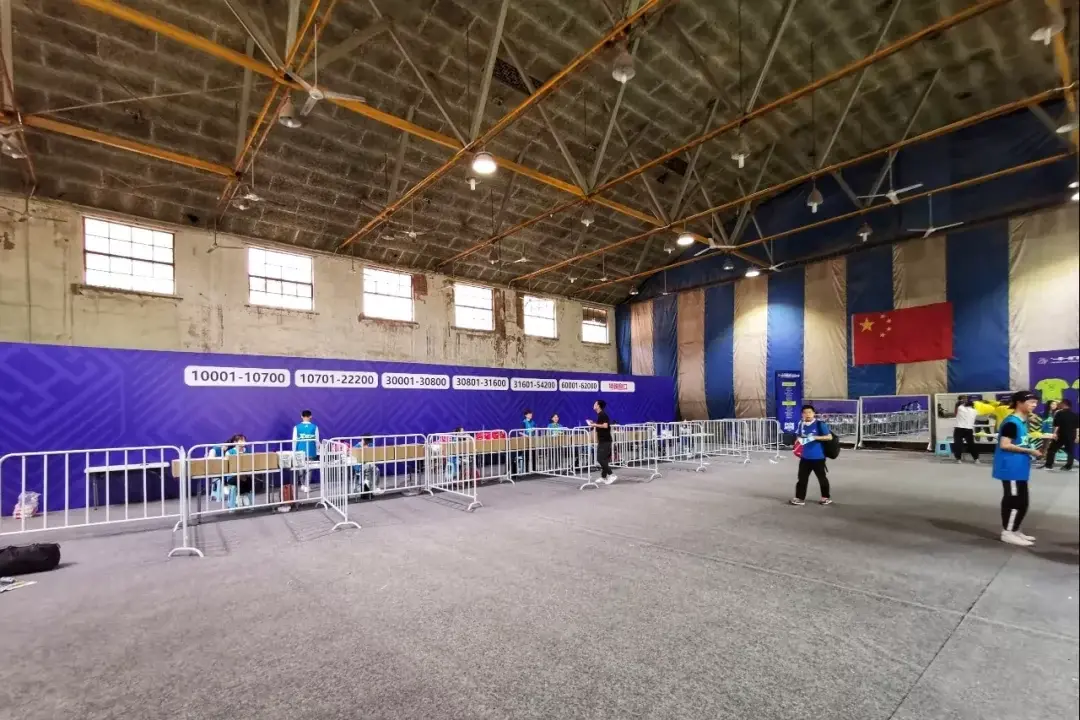
The collection area is in the city gymnasium, which is not large. You can enter by scanning your ID card and getting a paper collection form. You can also try on the clothes for size before choosing the clothes to collect. The efficiency is pretty good. Although it cannot compare with the magnificence of Wuhan Marathon packet pickup, the "Dream of Chang'an - Tang Dynasty Welcome Ceremony" organized by the organizing committee the day before the race was indeed full of heart.
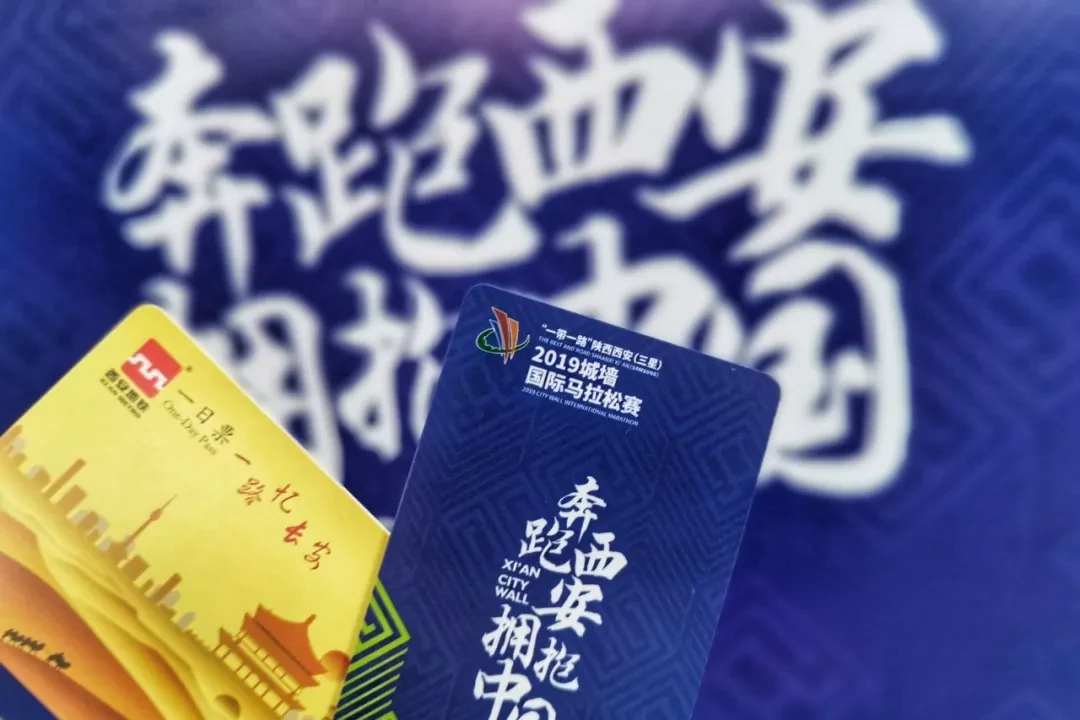
On the day of the match, it rained suddenly, and the whole ancient city was shrouded in the cold wind and rain. Originally, I was still regretting that I forgot to bring my sunglasses, so I could only run away silly. It was raining heavily now, so I felt calm and calm. I could finally show my true face to others, which was actually quite good.
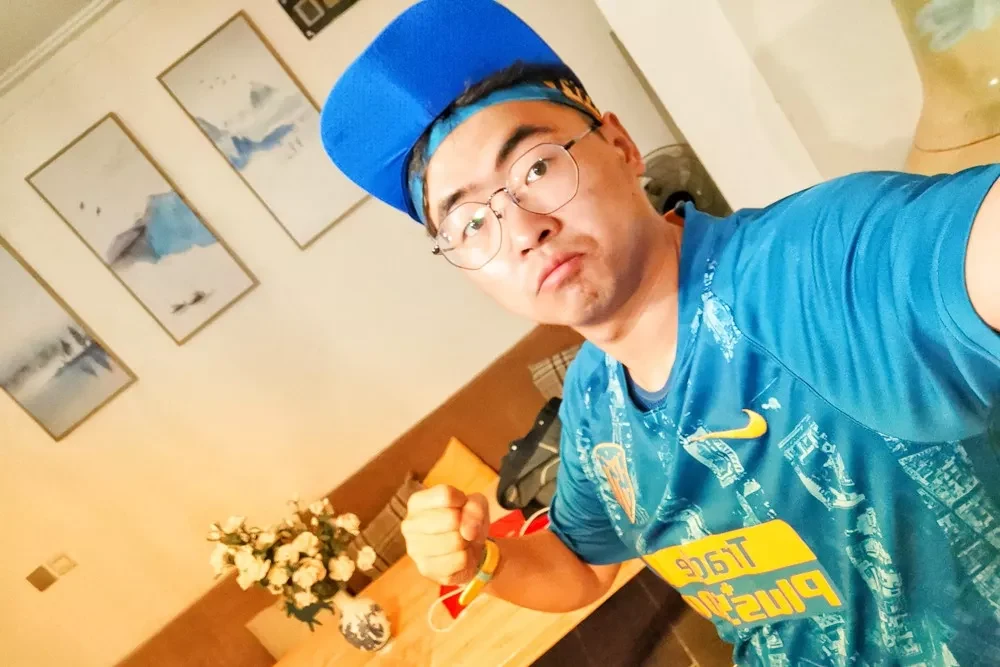
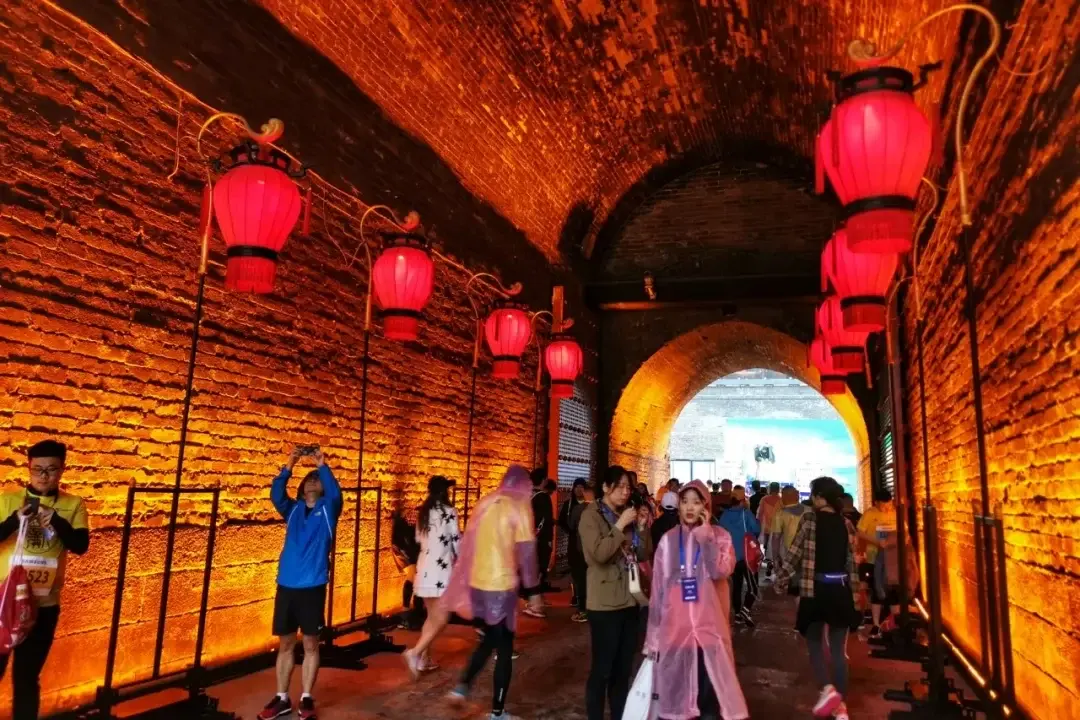
I was depositing my bags before the race. The rain was getting heavier and heavier. In order to maintain my body temperature, I hid under the city gate to take shelter from the rain. Although the weather was cold, everyone's enthusiasm remained undiminished. Everyone was gearing up and waiting for the race to start.

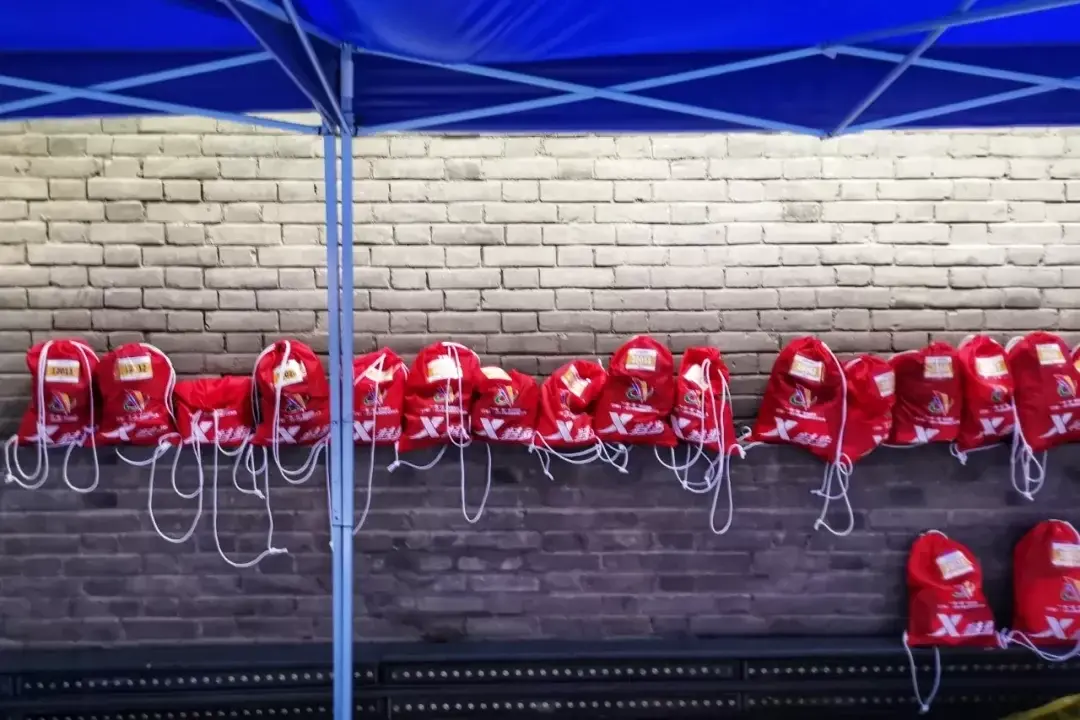
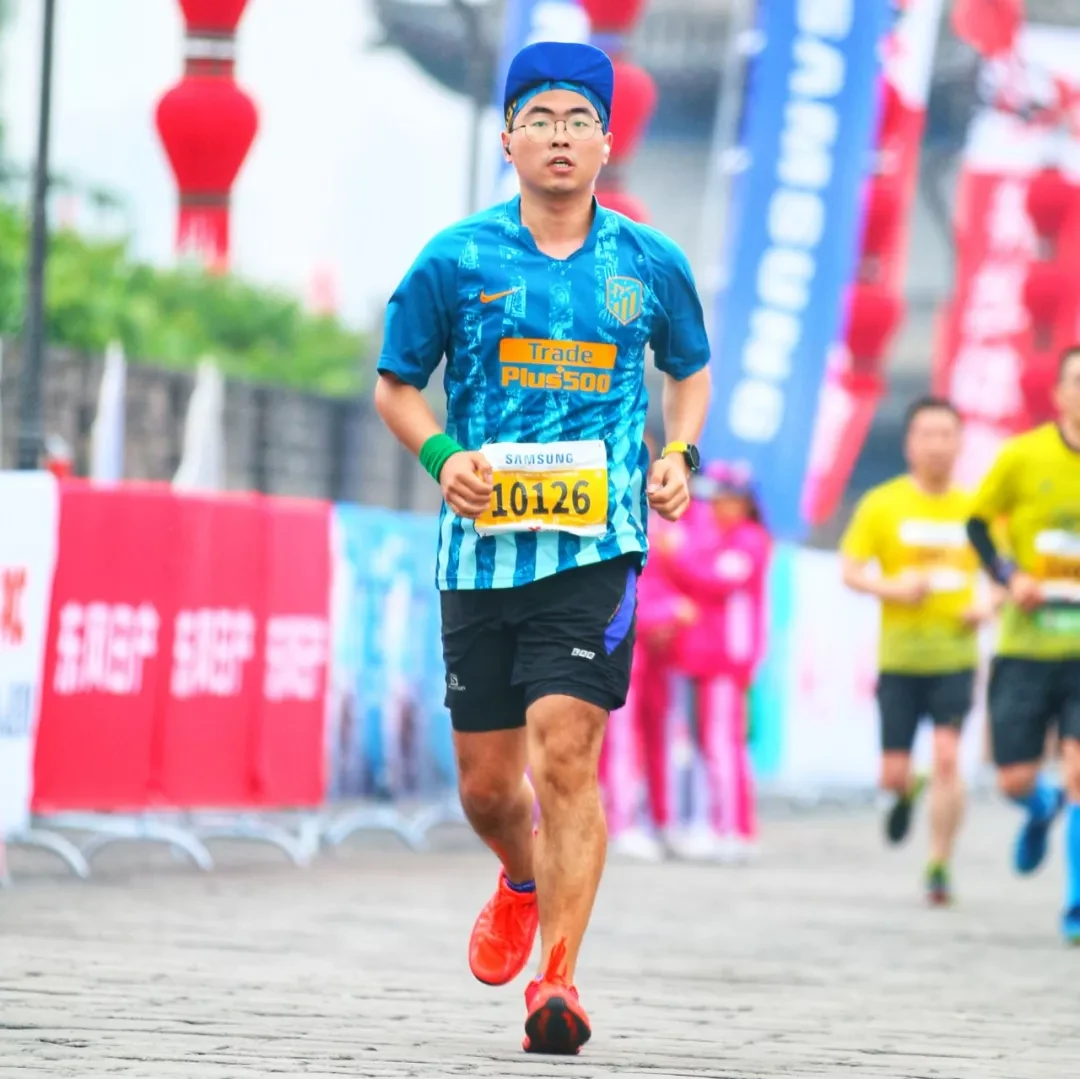
At 8:30, the only marathon in the world held on the city wall officially started. Even though the strong wind blows in the city of Xi'an, even though the cold icy rain slaps my face, the moment I step onto the ancient city wall, I am just excited.

Running on the ancient city wall, one step is the long history of ancient charm, and the other step is the youthful and energetic modernity. The wind blowing in my ears is the wind of the Western Han Dynasty, and the bricks of the Tang Dynasty are stepping on my feet. The city wall has witnessed the ceremonial footsteps of the city guards in the past and the dynamic pace of today's international city. I used my steps to maintain the most intimate relationship with the city and feel the city of Xi'an. At this moment, I suddenly felt that this 3,000-year-old city is so young.
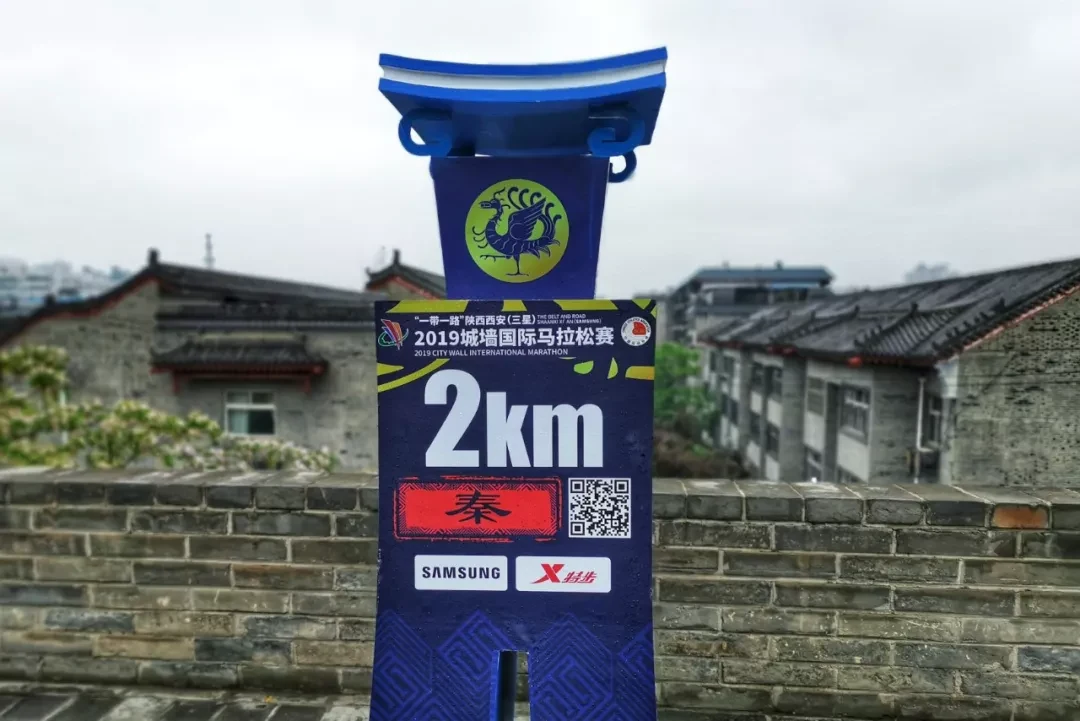
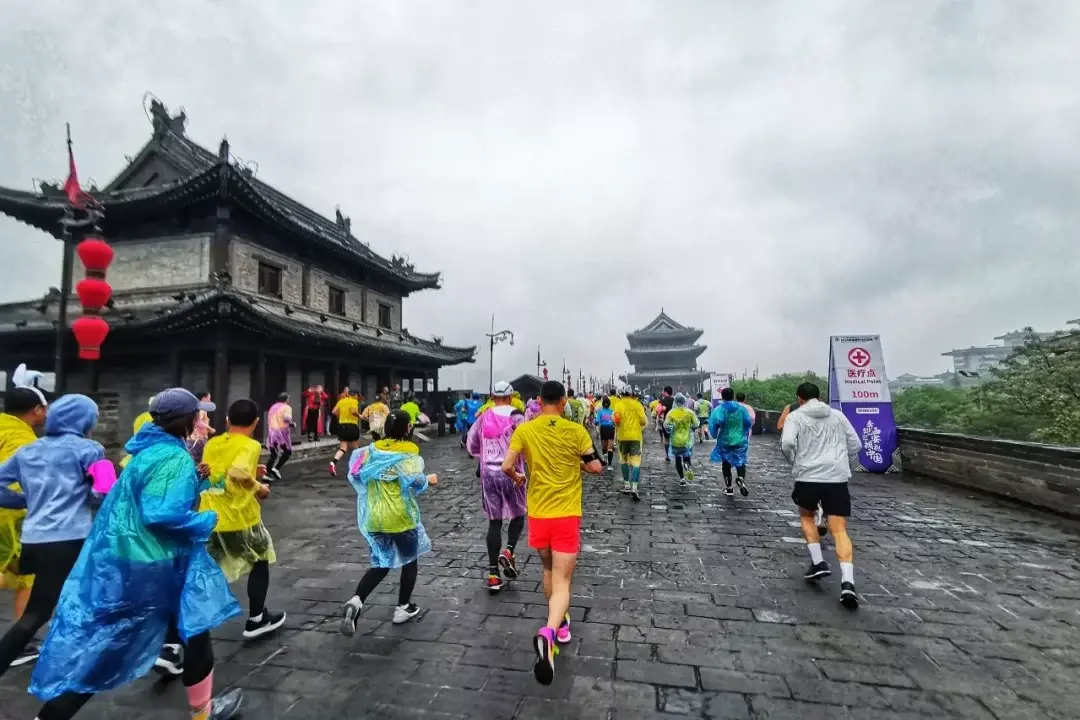
Although the stone bricks of the ancient city wall will be uneven and slippery due to rain, the unique scenery along the way is enough to offset the strenuous feeling of running, especially the historical road signs, which are designed with great care. Xi'an was the imperial capital of China's 13 dynasties starting from the Western Zhou Dynasty, passing through the Qin and Han Dynasties to the Sui and Tang Dynasties, and the perimeter of the Xi'an city wall is exactly 13.7 kilometers. Therefore, in the first half of the city wall track, there are kilometer pillars representing each dynasty, and the names of each dynasty are marked, as if you are passing through each step.
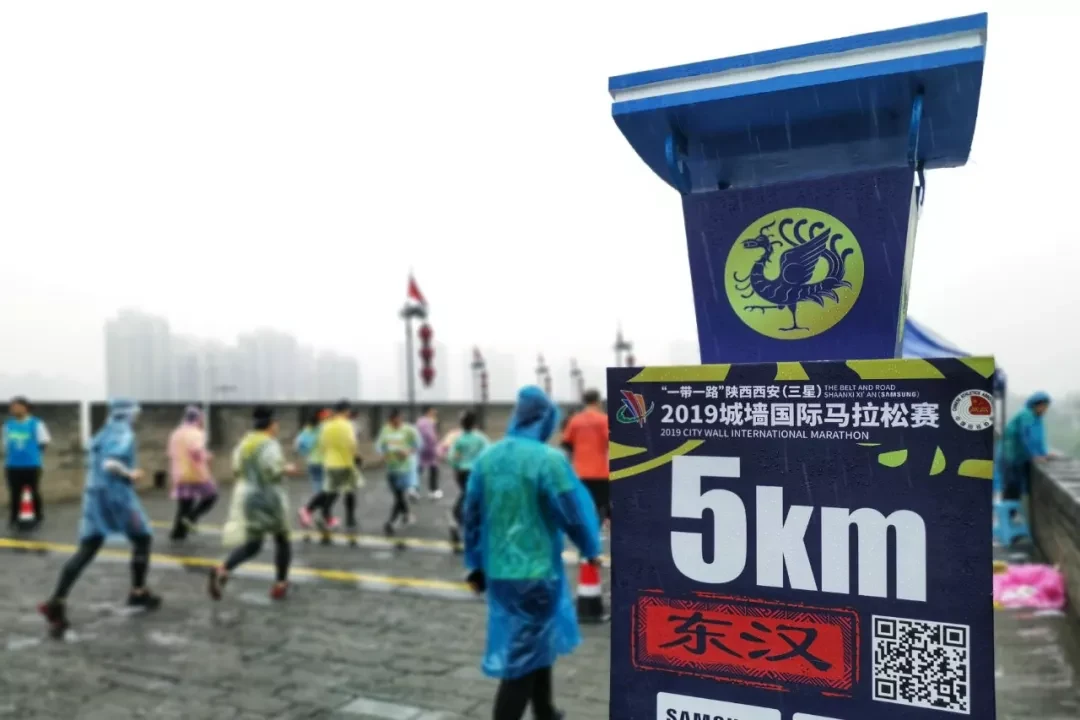
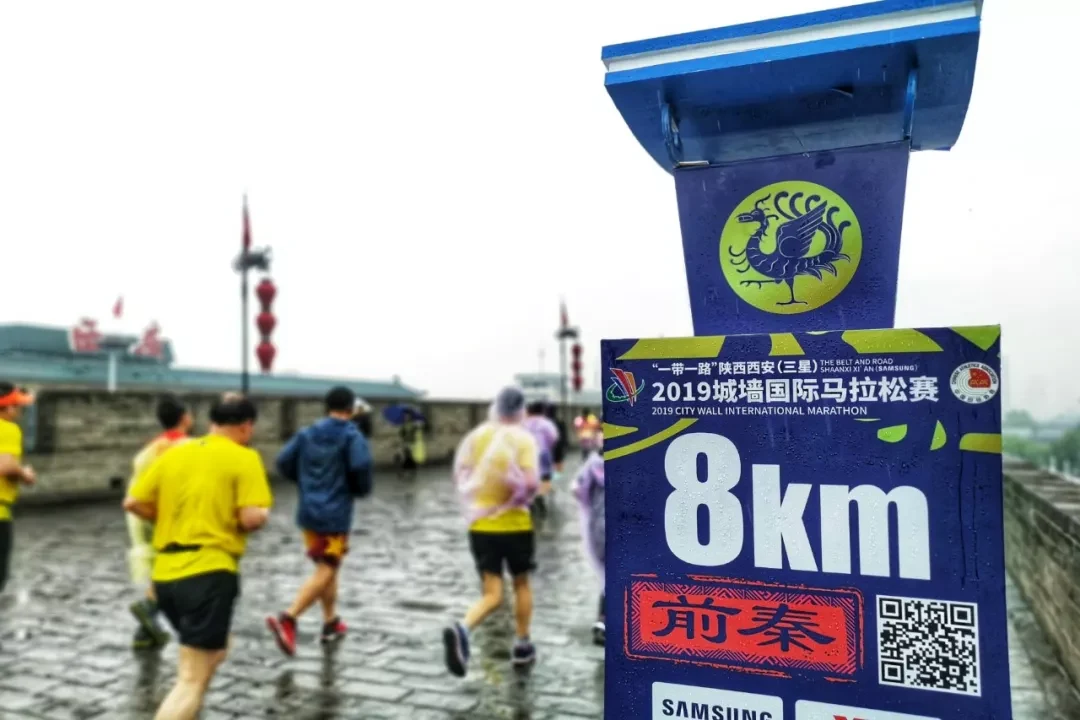
Coupled with Curry and foreign friends running by from time to time, the integration of history and culture is fully present in Chengma. Running in such an atmosphere, it has become a luxury to care too much about the pace. I just feel that 21.095 kilometers is too short.
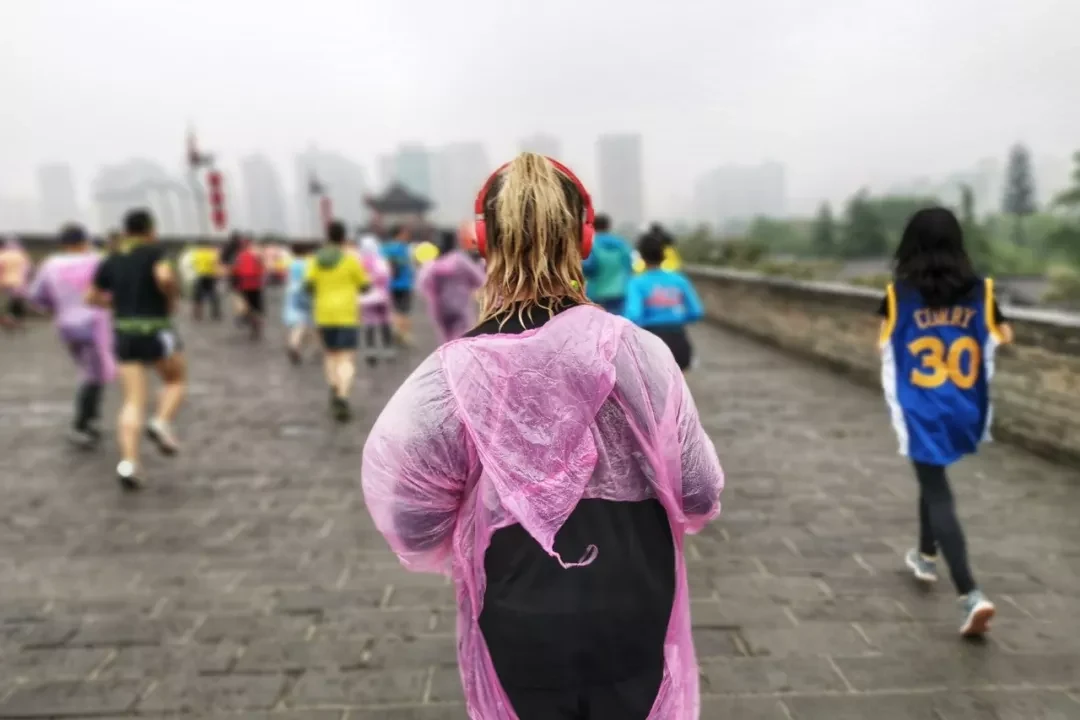
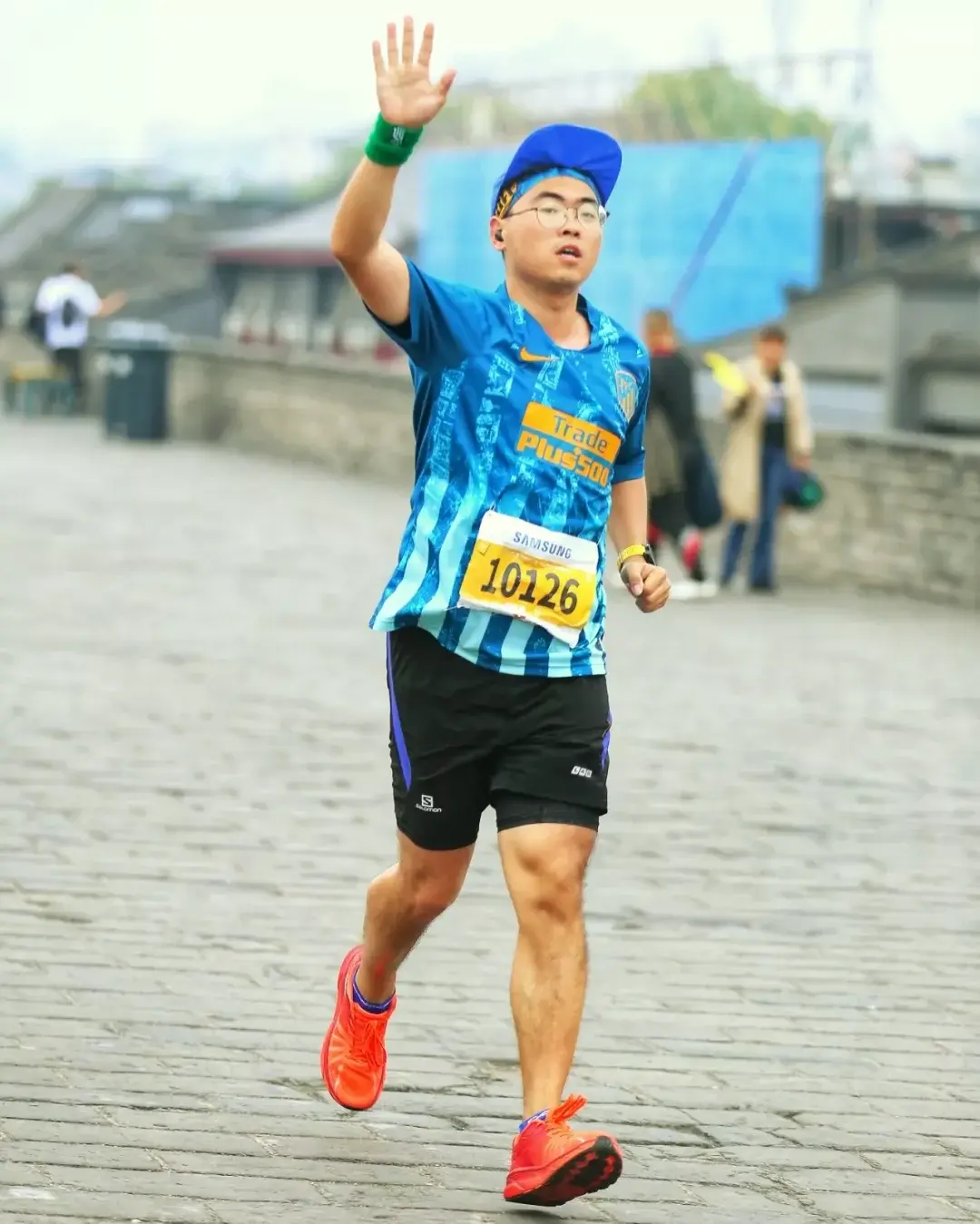
What moved me most along the way were the older spectators cheering from the roadside. Unlike Wuhan, Xi'an's crowd skewed older, but their energy in the wind and rain was every bit as loud as a group of twenty-somethings—maybe even louder. Those grandpas and aunties looked so young when they were cheering. It turned out the storm made not only the city feel young, but also the people here.
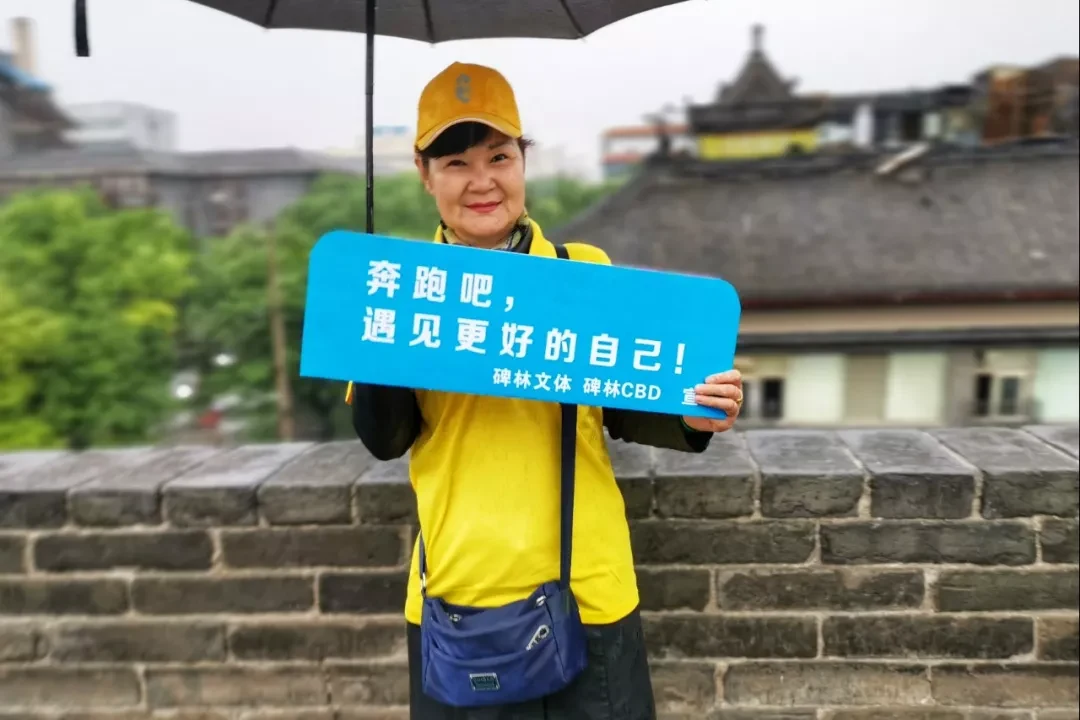
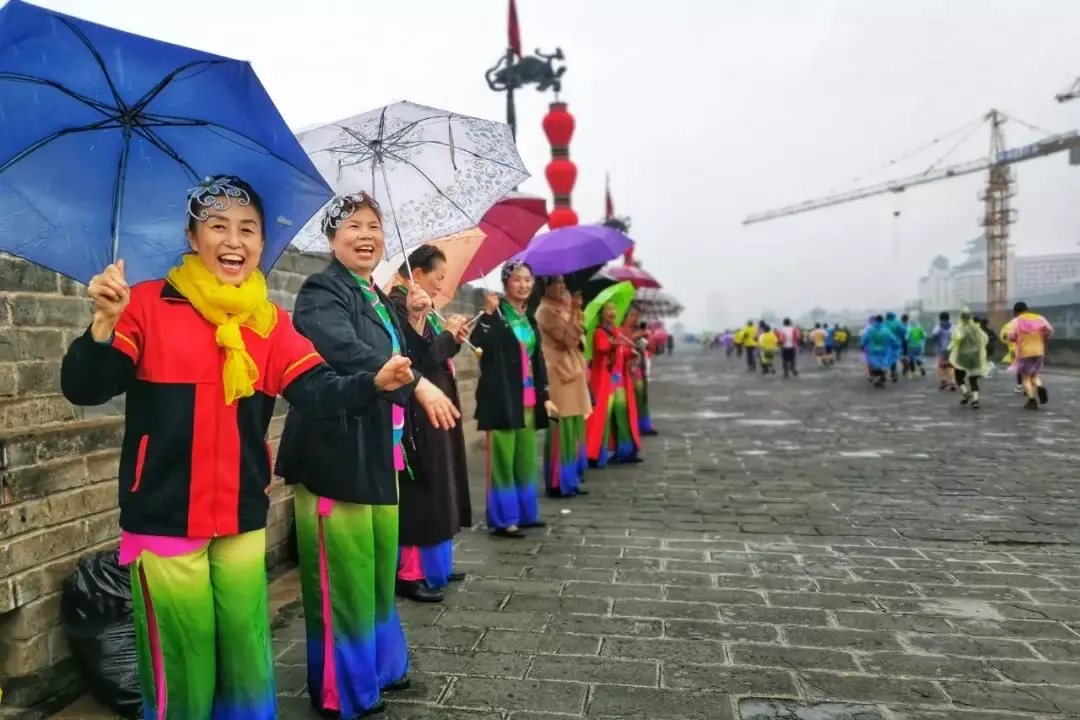
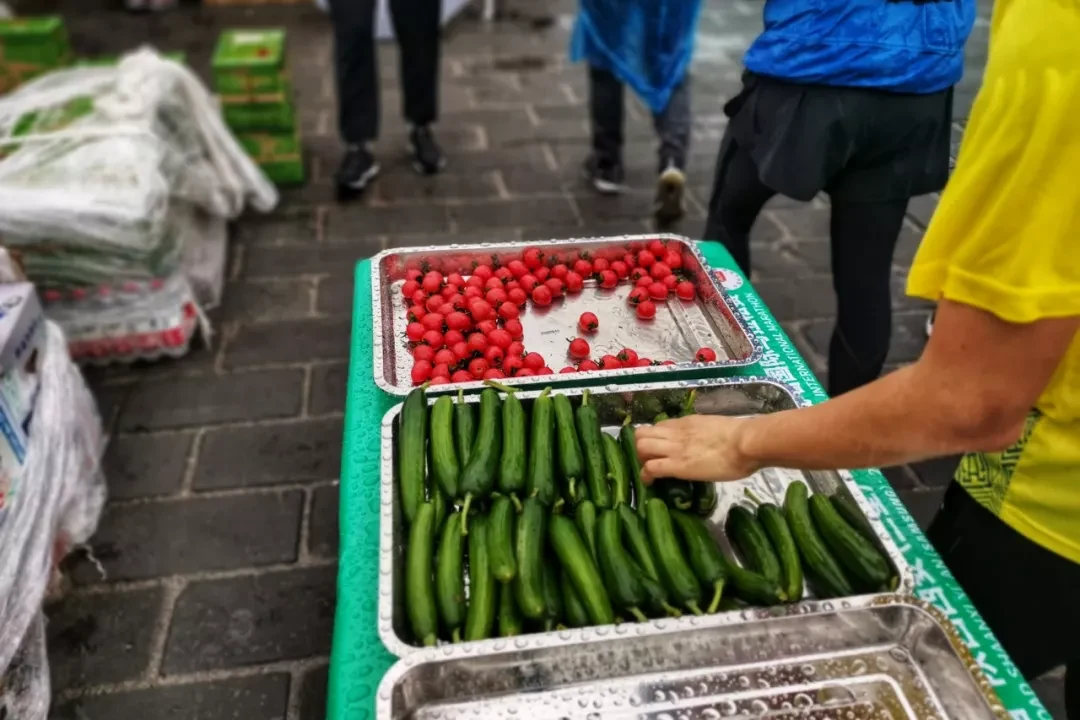
The volunteers were just as moving, holding their posts through the wind and rain. So what if the weather was rough? With generous aid stations and warm smiles all along the course, what more could I ask for?
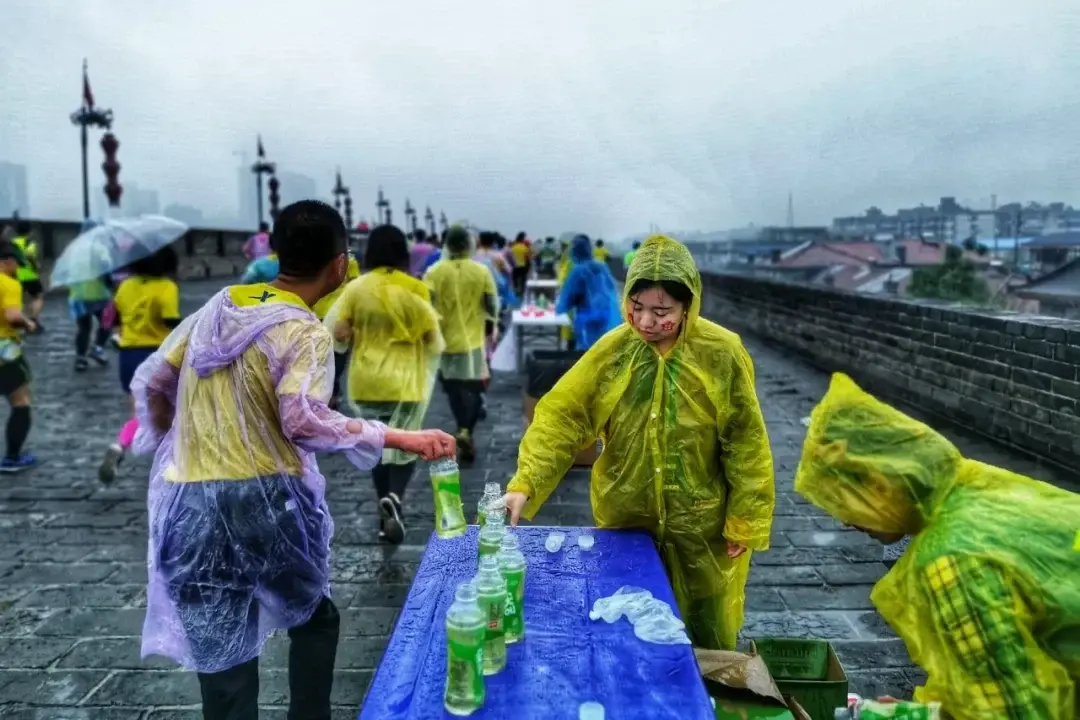
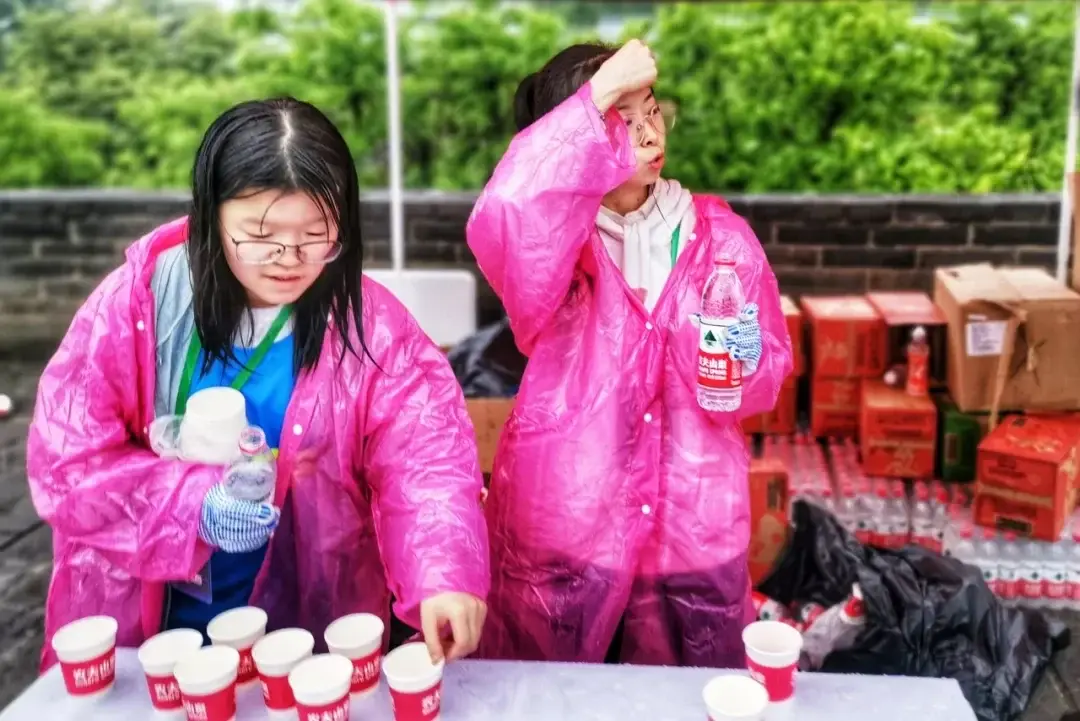
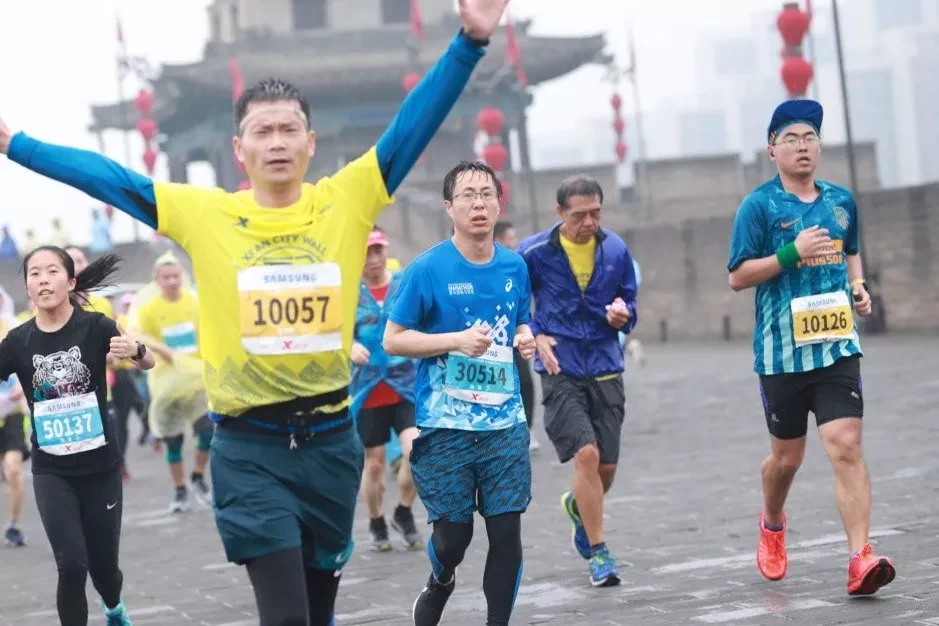
Carried by that long wind of history, we turned around at halfway to another wave of cheers from the aunties and uncles. The scenery on the way back was mostly the same, but the path felt much wider—probably because the 13.7K runners had already finished, leaving only about 1,600 half-marathoners on the wall. As someone used to full marathons, the return trip felt almost too quick. Before I knew it, I was at the finish. Honestly, I almost wished the race were longer.
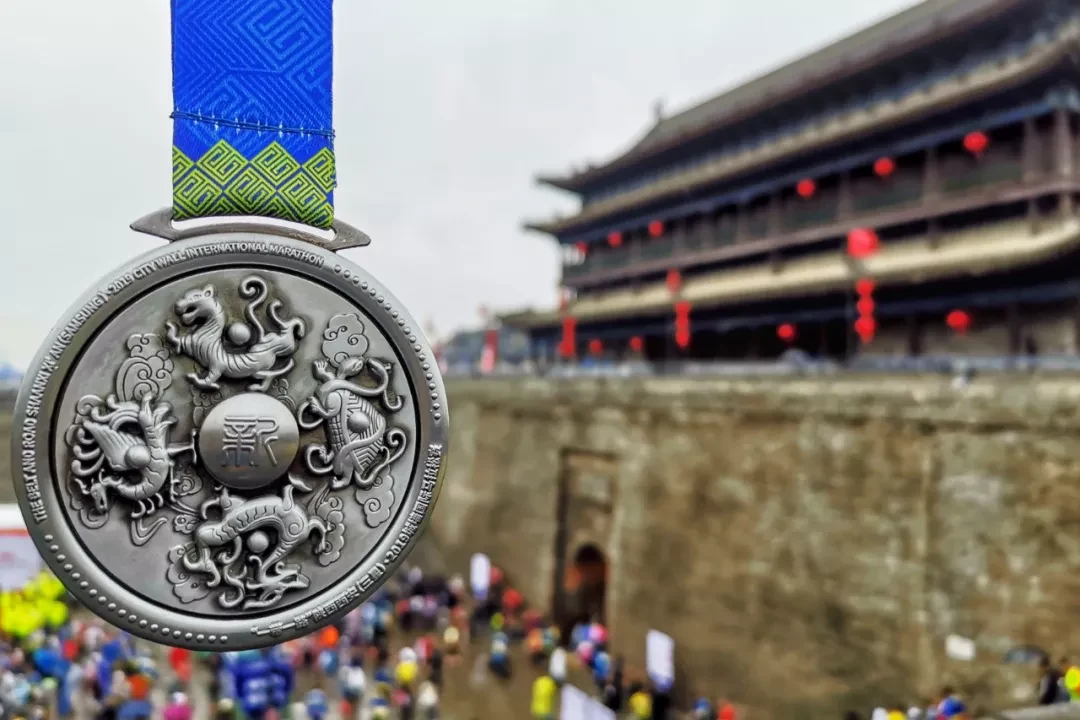
The medal I received at the finish was beautiful and full of history. That year's series was themed around the Thirteen Dynasties, with Han tile-inspired mythical guardians: the Azure Dragon of the east, White Tiger of the west, Vermilion Bird of the south, and Black Tortoise of the north. Together they represented the four directions, the order of the seasons, and the universe in motion. At the center was a seal-script character for renewal, tying the design back to the race's dynasty theme.
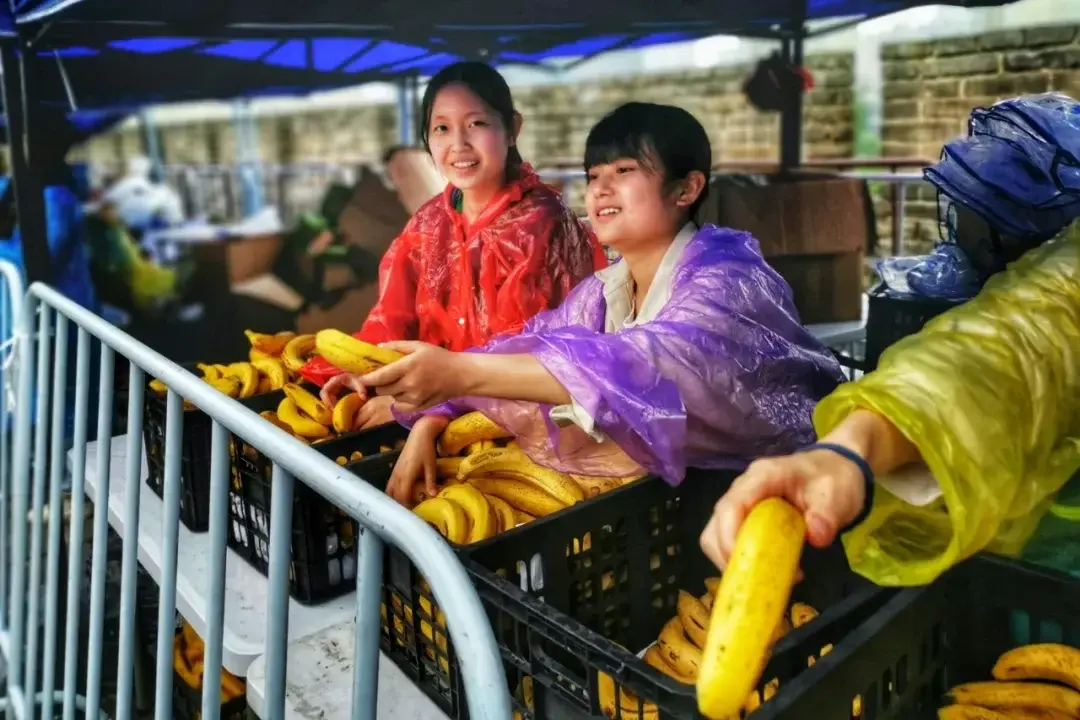

Although it was raining, when I left the city wall, I still saw many tourists queuing up to enter. After finishing the City Wall Marathon in the wind and rain, the weather was very cold, but my heart was very warm.
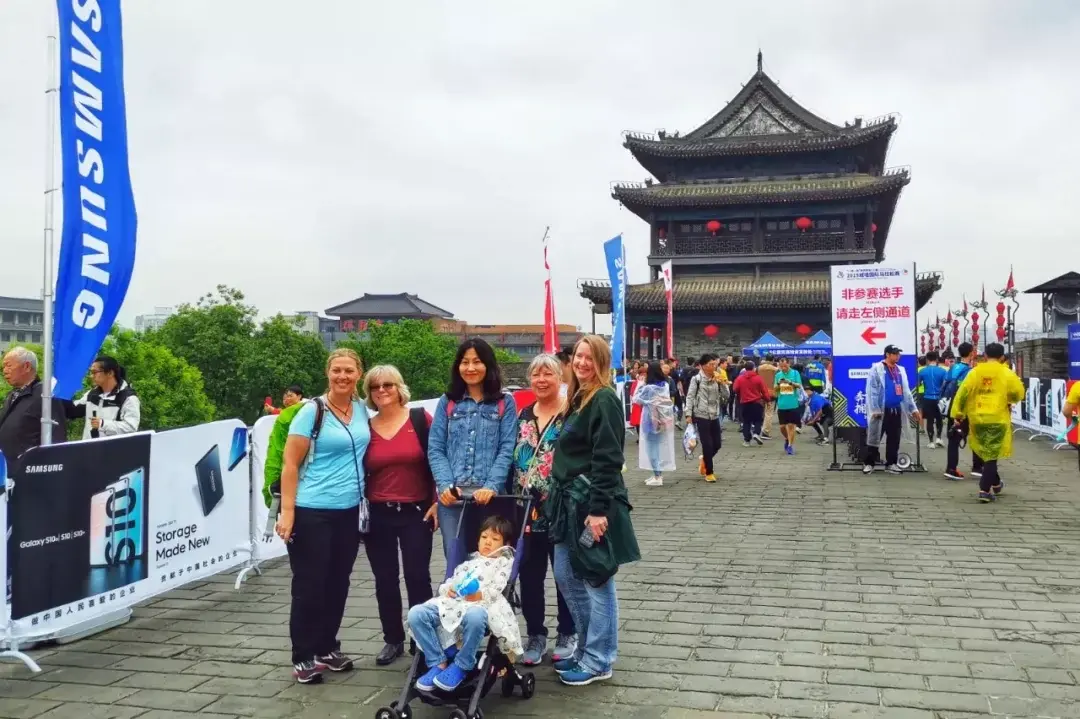
I like that this marathon gave me a reason to come to Xi'an. Friends sometimes ask: why not just write a proper travel diary? Why does there always have to be a race in it? Couldn't you simply visit the city without running? I thought about it, and maybe the race just gives the trip a frame. A plain travel diary can feel too soft for me, but once I put on a bib and run through a place, the whole city becomes easier to remember.
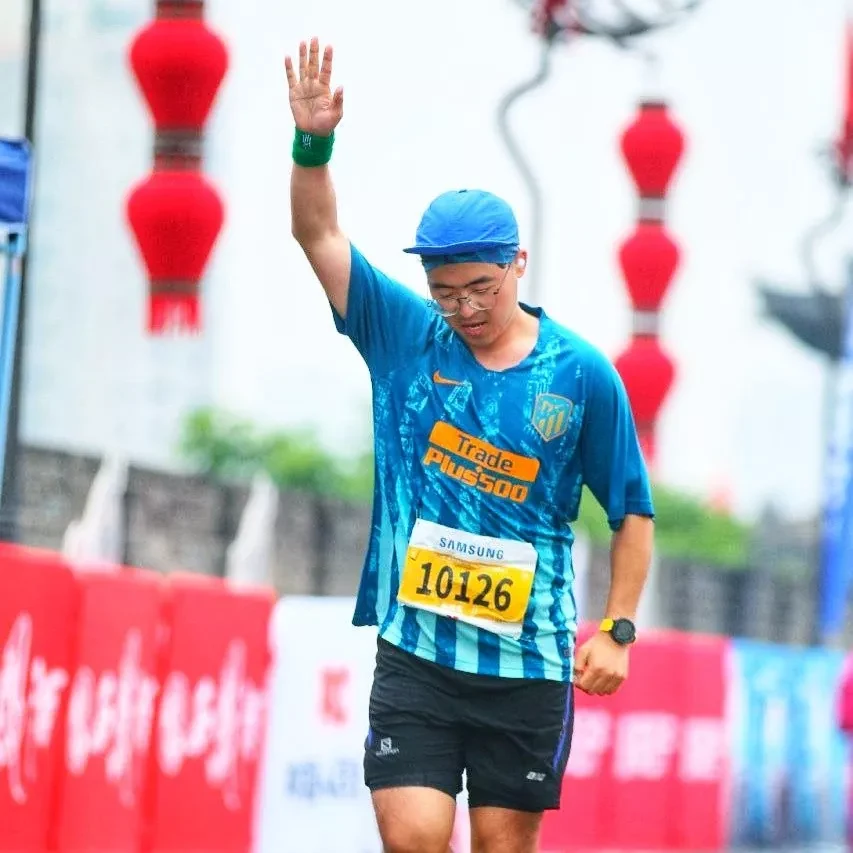
Probably because I still have a lingering interest in the city, I thought of "Never See Chang'an": "I have traveled thousands of miles alone and never felt lonely. It was only after arriving in Chang'an that I started to feel lonely. Everyone has a city of Chang'an in their hearts. It took me a lifetime to figure out that I have never been there."
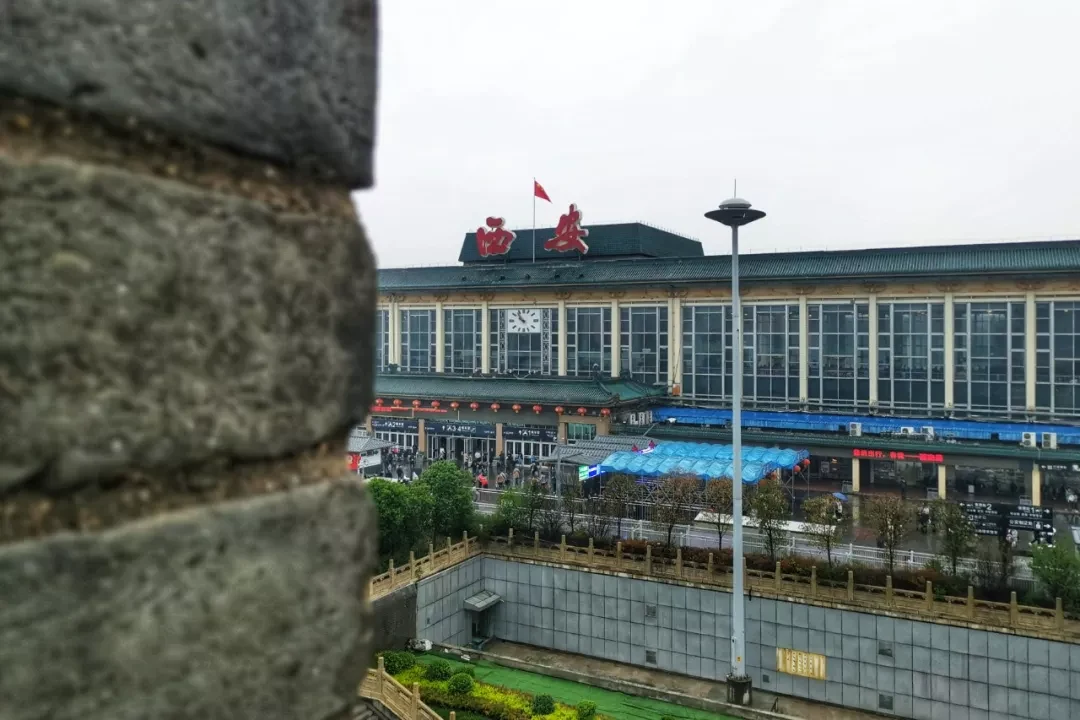
This place used to be called "Chang'an". I didn't have time to participate in its most prosperous dynasty, but in its most beautiful years, I did not miss its splendor. Running through the City Wall Marathon made me even more convinced that the golden age here will not end, just because Xi'an is really "very young" now.
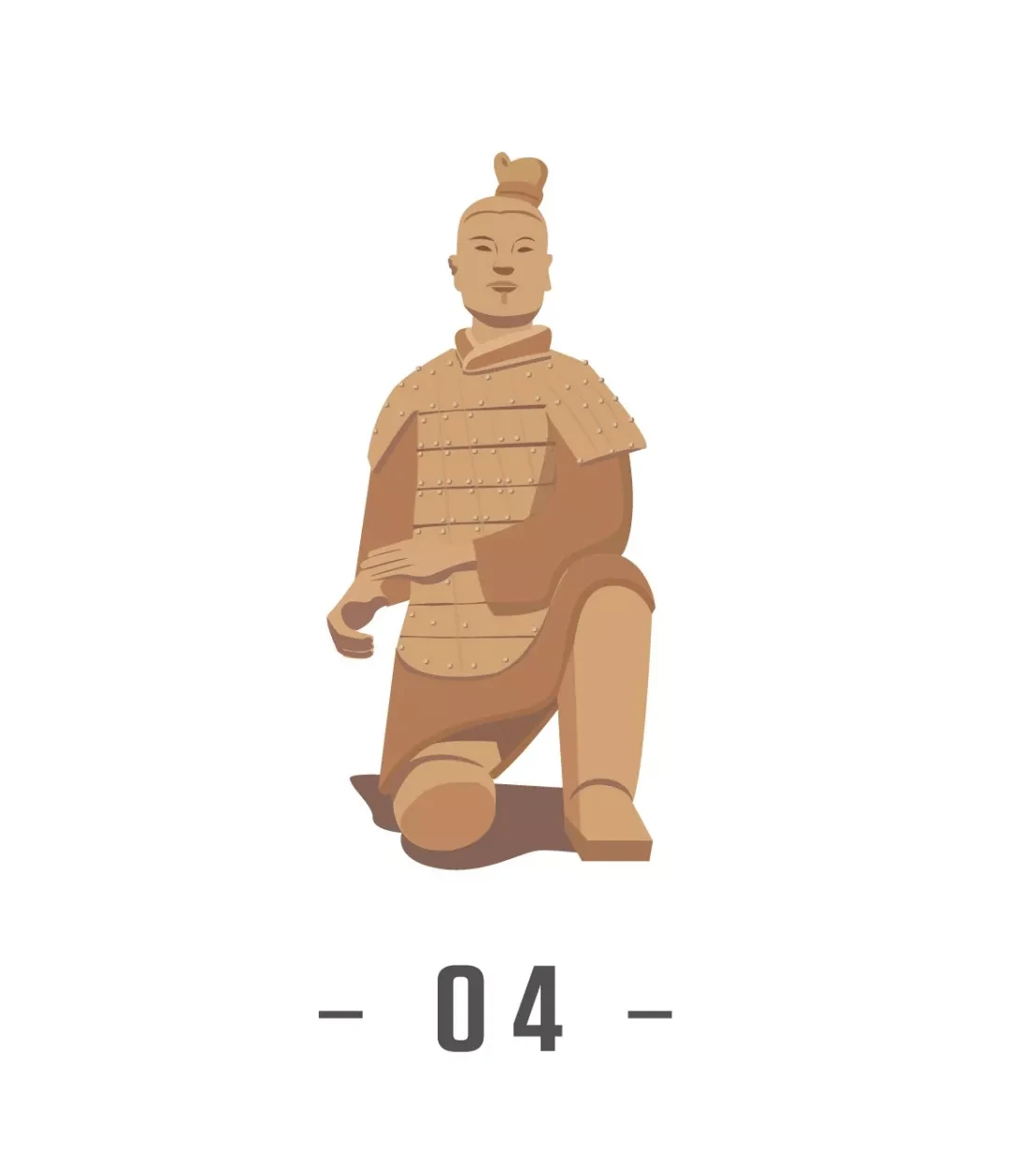
Those legends of mountains and rivers have never been forgotten.
To understand the land around Xi'an, Huashan and Hukou, both not far from the city, are two perfect anchors.
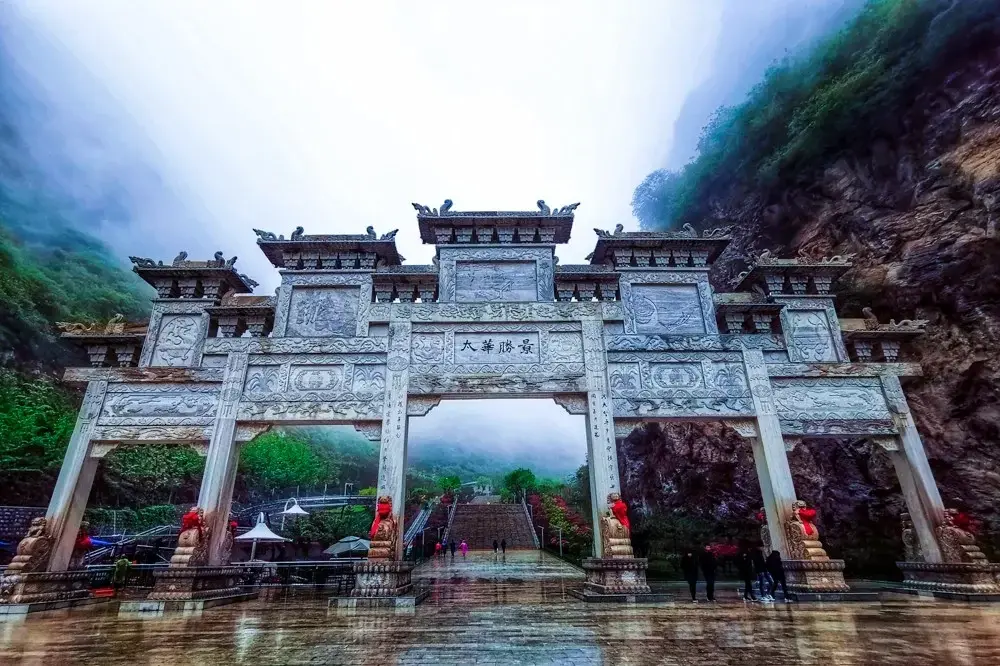
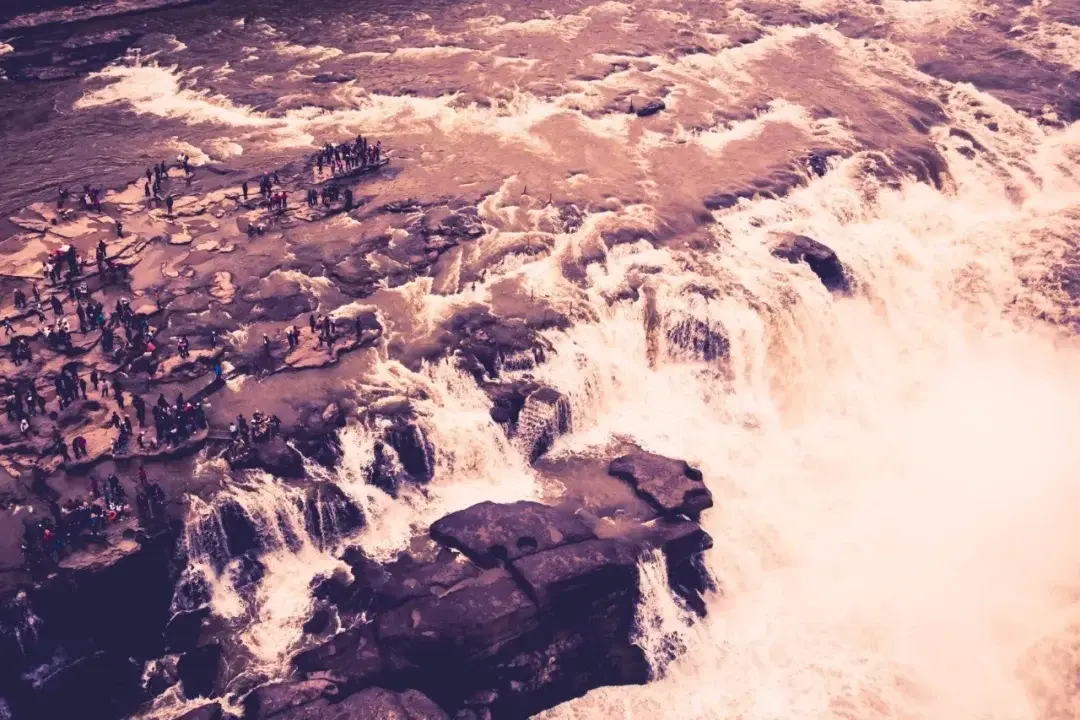
So after finishing the City Wall Marathon in the morning and resting briefly in the afternoon, I caught the last high-speed train to Huashan Station, ready to climb Huashan overnight.
I also asked myself why I was so stubborn about climbing Huashan right after a marathon, in the rain no less. Maybe in my definition, many things are now or never. If you miss this time, there may not be a next time. So don't wait; there is no need. Just climb.
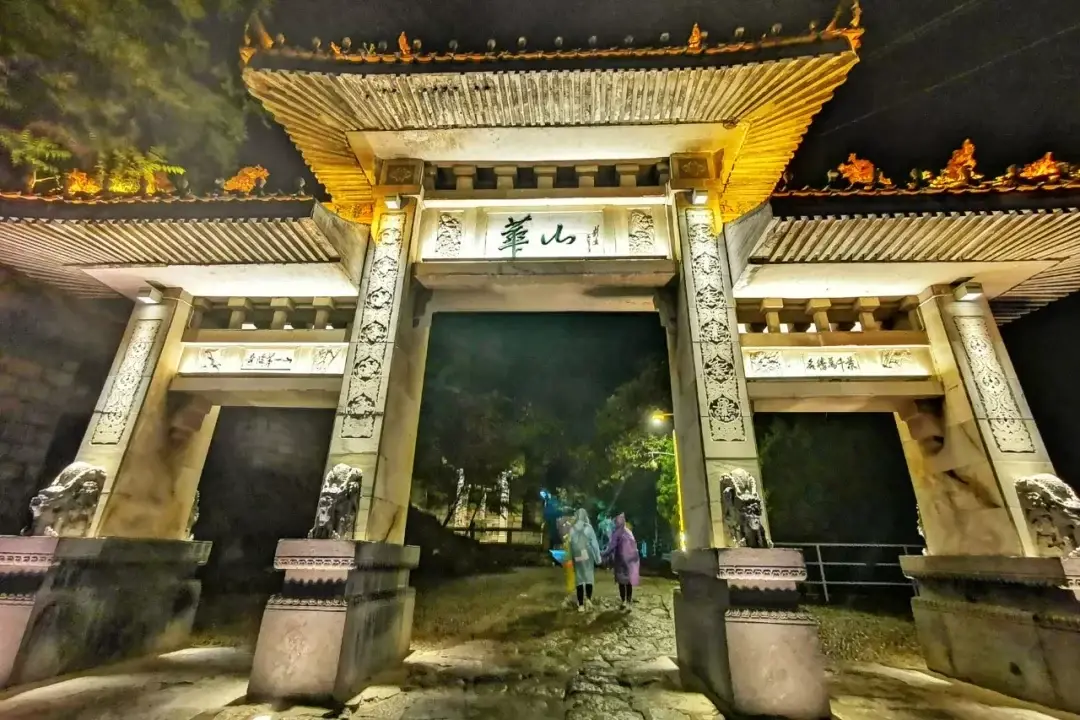
The main reason, of course, was Huashan's reputation. It is a sacred mountain of the Chinese nation. The "Hua" in China is said to originate from Huashan, so Huashan is known as the "root of China."
Huashan is one of China's nine classic sunrise-viewing spots. The best place to watch is Chaoyang Terrace on East Peak. When the sun rises bit by bit from the horizon, you see it at its most vibrant. The forecast said I might have a chance to see the sunrise, and for that sliver of hope alone, it was worth taking the gamble.
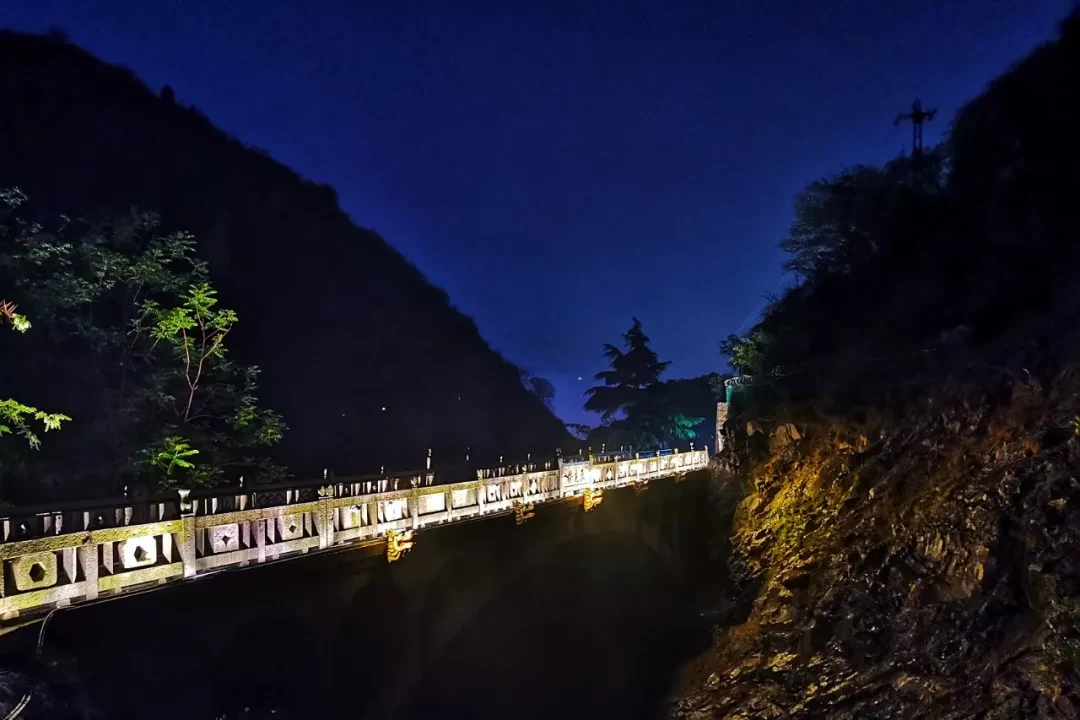
/ Wulong Bridge. Photography/Asen Nan
Because it was a half marathon, my physical strength was OK, and the weather forecast said that the rain would stop, so I waited until 11 o'clock in the evening to start. After passing the Huashan Archway and Wulong Bridge, you can reach the ticket gate. The stone road that climbs up all the way also starts from here. After checking in, entering fingerprints, and entering the Huashan Scenic Area, after a series of operations, it means that the night climbing trip to Huashan begins...
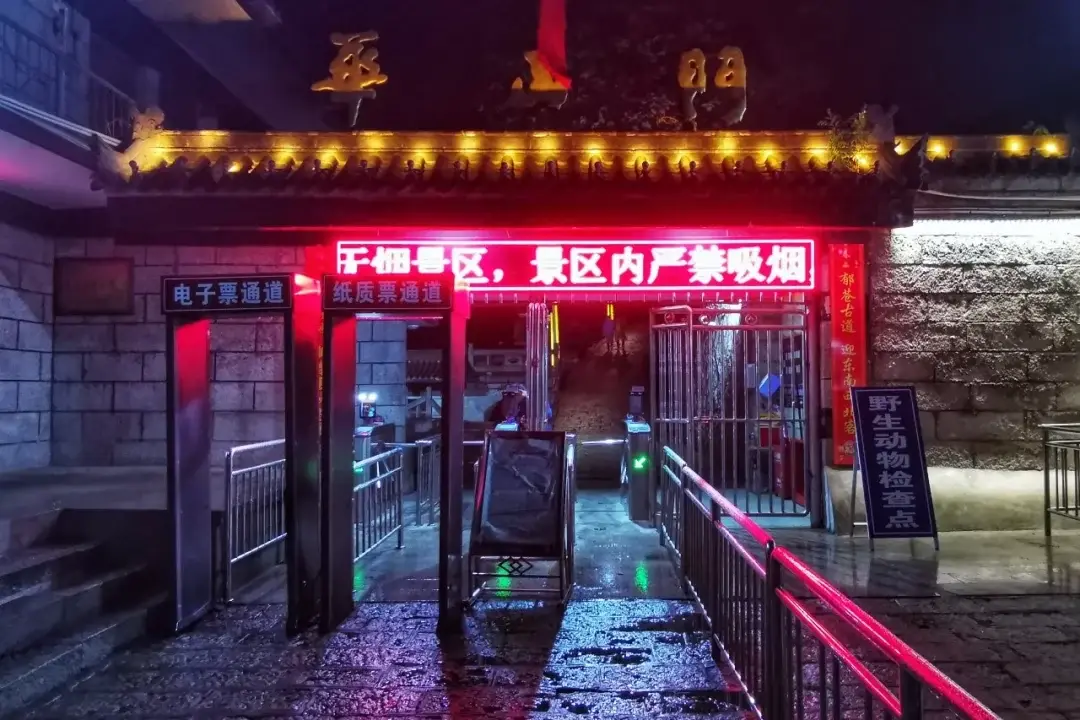
Walking up the ravine along the stone road, there is a valley on the left and a cliff on the right. Because it is night, except for the road illuminated by lights, it is difficult to see the valley and the cliff. The only thing that can be heard is the sound of running water in the valley.
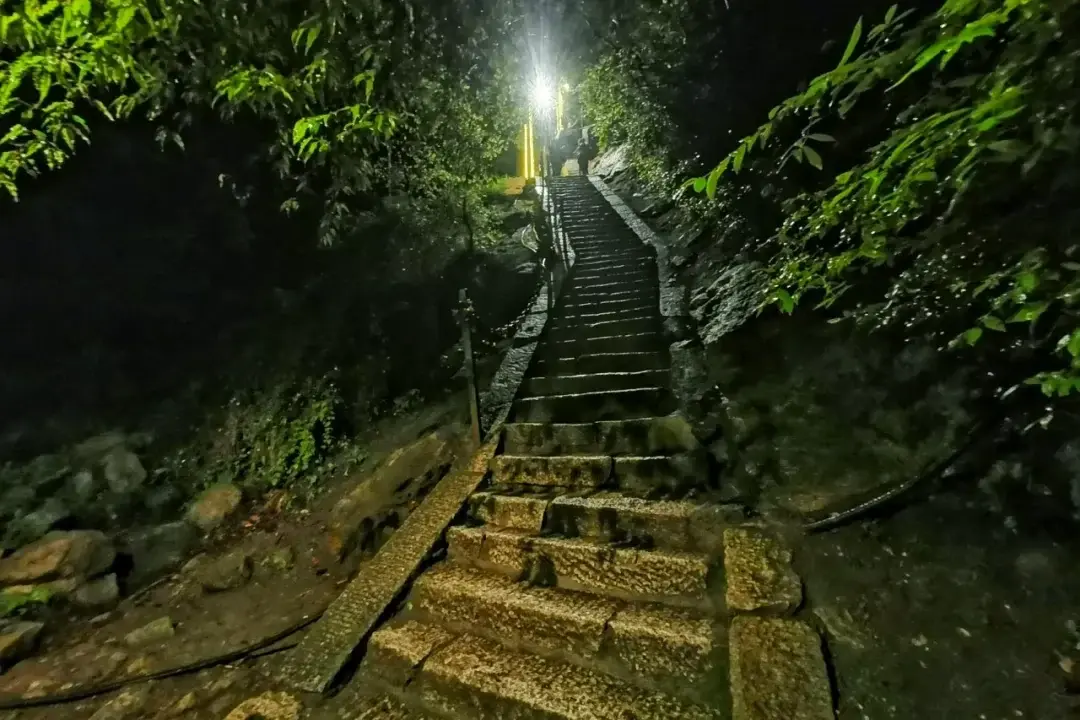
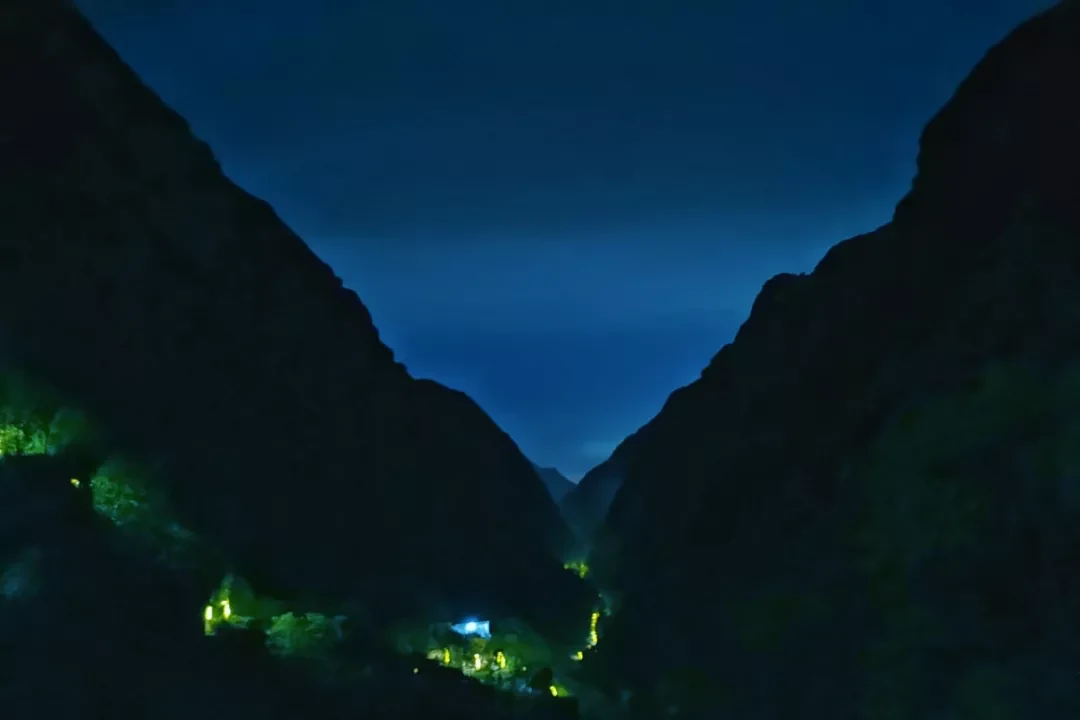
After passing Wuli Pass and Maonv Cave, we arrived at the "Thousand-foot Building", known as one of the three major dangers in Huashan Mountain. Thousand-foot Building is a large crack on the cliff, trapped between the boulders on both sides. There are more than 370 steps in total. The slope is extremely steep, and the width of each step is only one-third of the sole of a foot. Looking down at your feet from the thousand-foot building, you feel like you are facing an abyss. The top of the stone steps is like a wellhead. If the "wellhead" is covered with an iron cover, the road to Huashan will be blocked, so this place is called "Taihua Throat".
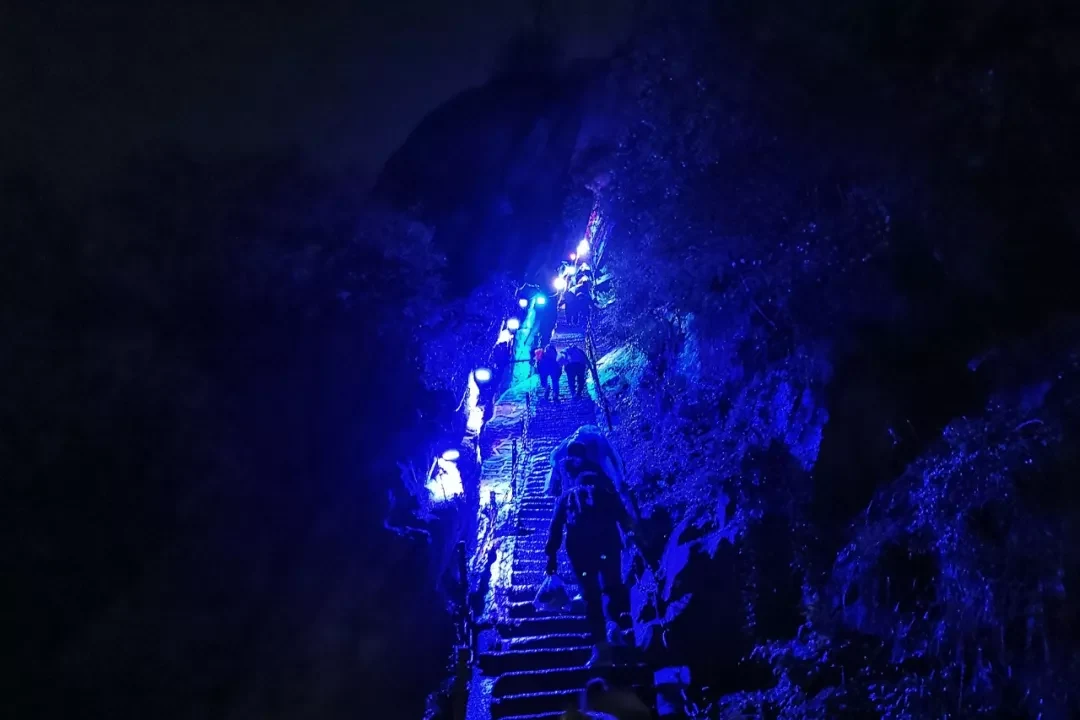
Pass through the Qianchi Building, go left from the "patio", walk through a cliff gap of a few meters and turn right, then you will arrive at the "Baichi Gorge". The Baichi Gorge is a dangerous path with stone steps on the Qianchi Building. There are two stone steps on the left and right. We took the stone steps on the left. The gorge is more than a hundred feet long and can only allow one person to pass through.
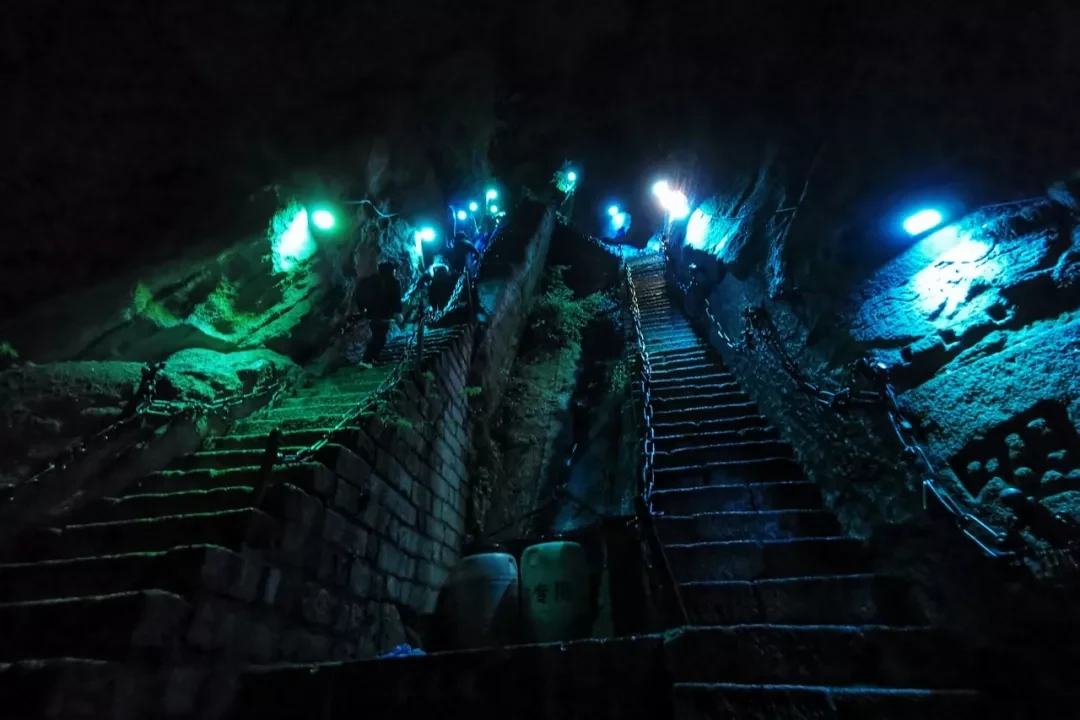
Walking further up you will reach "Laojun's Furrow". "The plow is more dangerous than the building, and the building is more dangerous than the plow." This describes a dangerous ditch-like path sandwiched between the steep stone walls of Huashan Mountain. It is unfathomable and has more than 750 stone steps. Legend has it that Taishang Laojun saw that there was no way to pass here, so he brought green oxen to plow the ravine overnight. At the end of it is "Hozen Sad". As the name suggests, even the monkeys are worried, which shows how steep the cliff is.
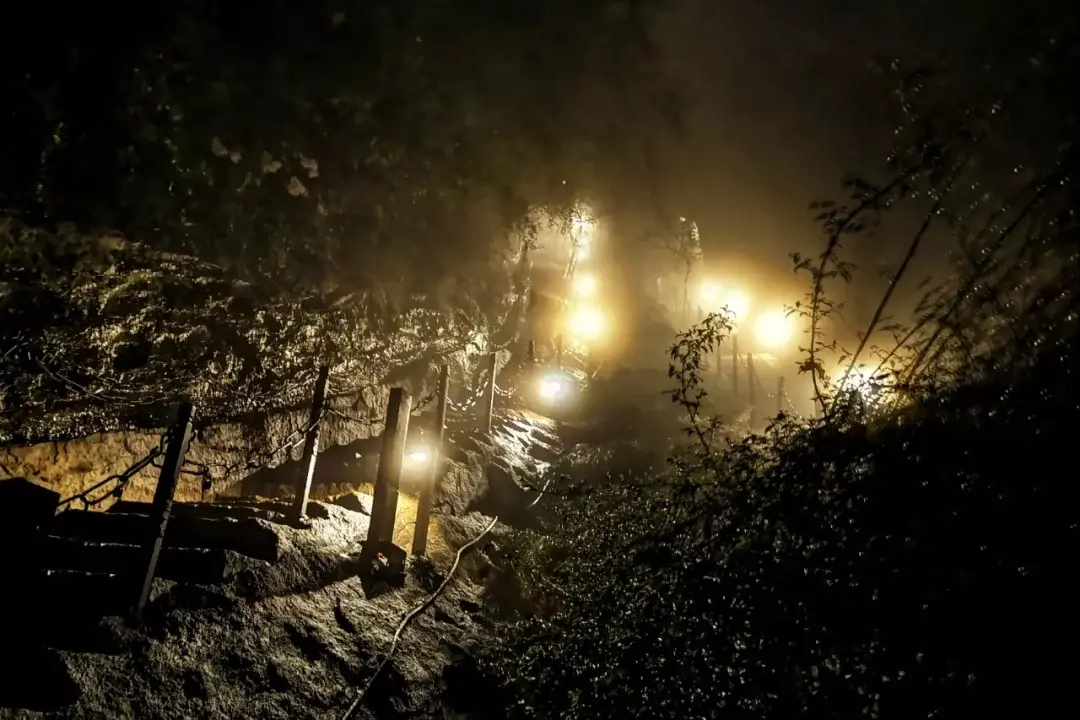
After passing through Laojun's furrow and going up to the ridge, you can see the "North Peak Summit" archway. At this time, the North Peak Summit is close at hand. Looking up, you can see the winding and undulating lights, like giant dragons circling among the mountains. The places we are about to travel through are clearly visible under the guidance of the lights.
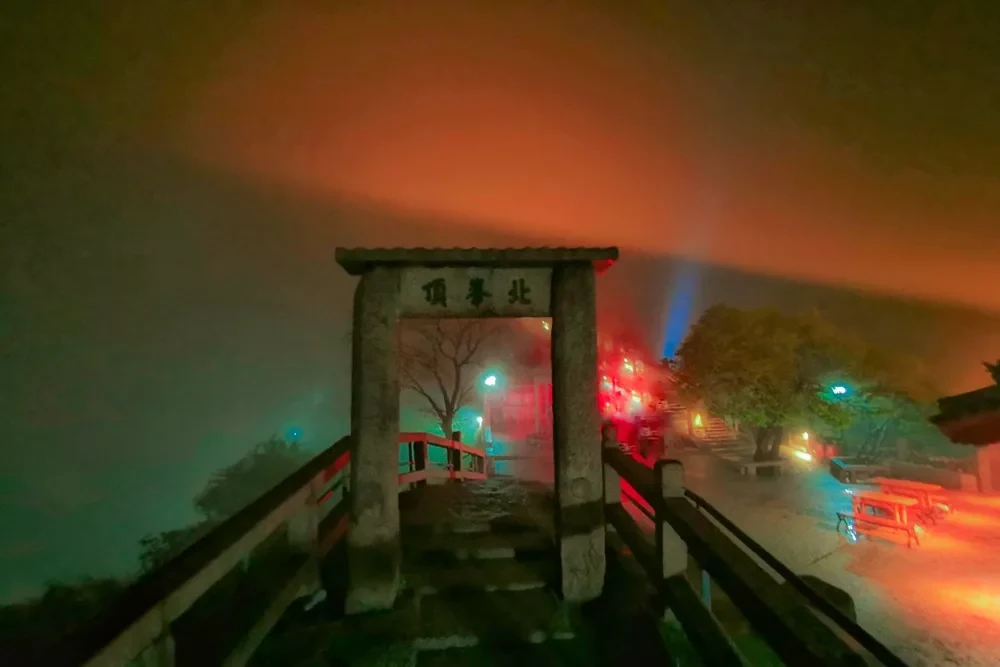
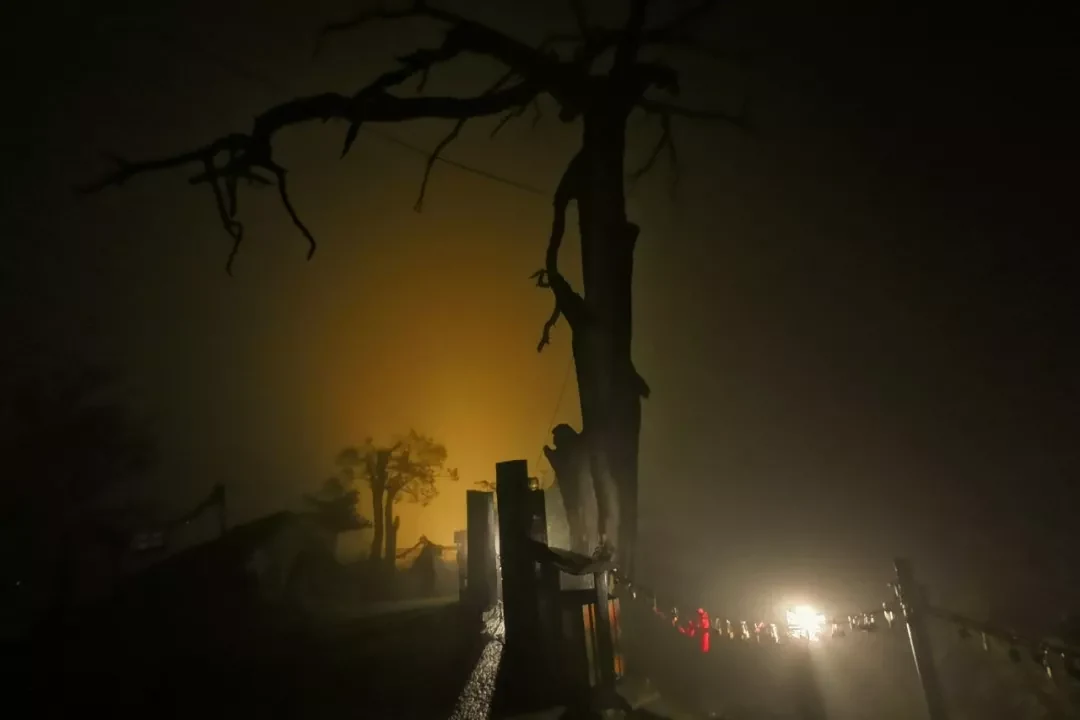
After five hours of arduous climbing, we reached the northern peak of Huashan Mountain - Yuntai Peak. Yuntai Peak is one of the main peaks of Huashan Mountain, with an altitude of 1614.7 meters. Here you can see Mr. Jin Yong’s mention of "Huashan Sword". Having grown up watching Mr. Jin Yong's "The Swordsman", I really want to look for traces of the Huashan School and Linghu Chong.
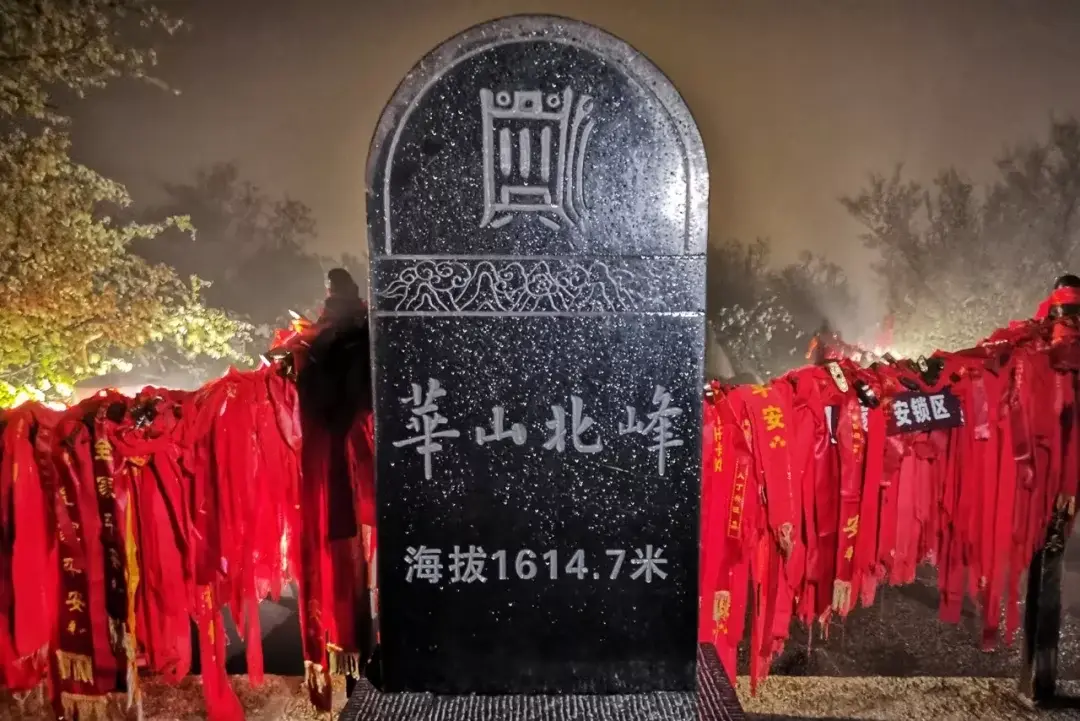
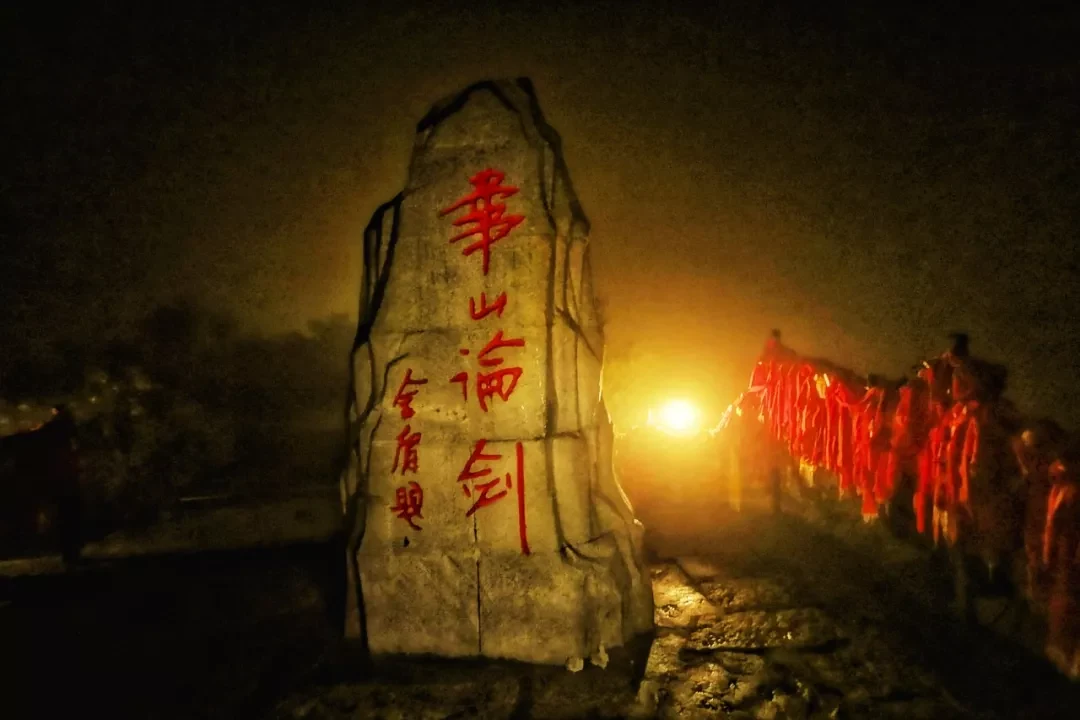
Not far from Beifeng, we arrived at Chaer Cliff. In ancient times, this section of the road was very narrow and could only accommodate one foot of a servant. To pass here, one had to lean sideways against the cliff to pass, hence the name "Cear Cliff".
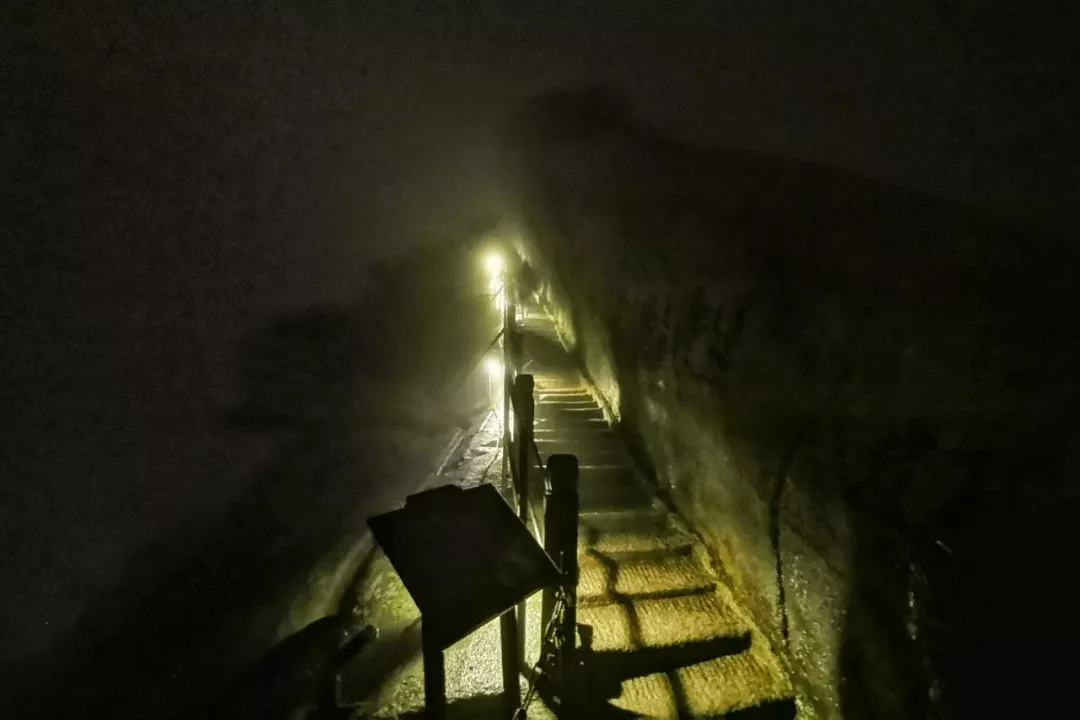
Canglong Ridge is one of the famous scenic spots in Huashan. When you walk here, you can see a line of lights shining straight up on Canglong Ridge. It suddenly feels extremely steep and makes people shudder. The ridge is pale black and has the power of a swimming dragon, hence the name "Canglong Ridge". Walking in Canglong Ridge, I feel like I have traveled through the story of Tomb Robbers Notes. There seems to be a voice saying that across this galaxy, I will reach Yunding Tiangong.
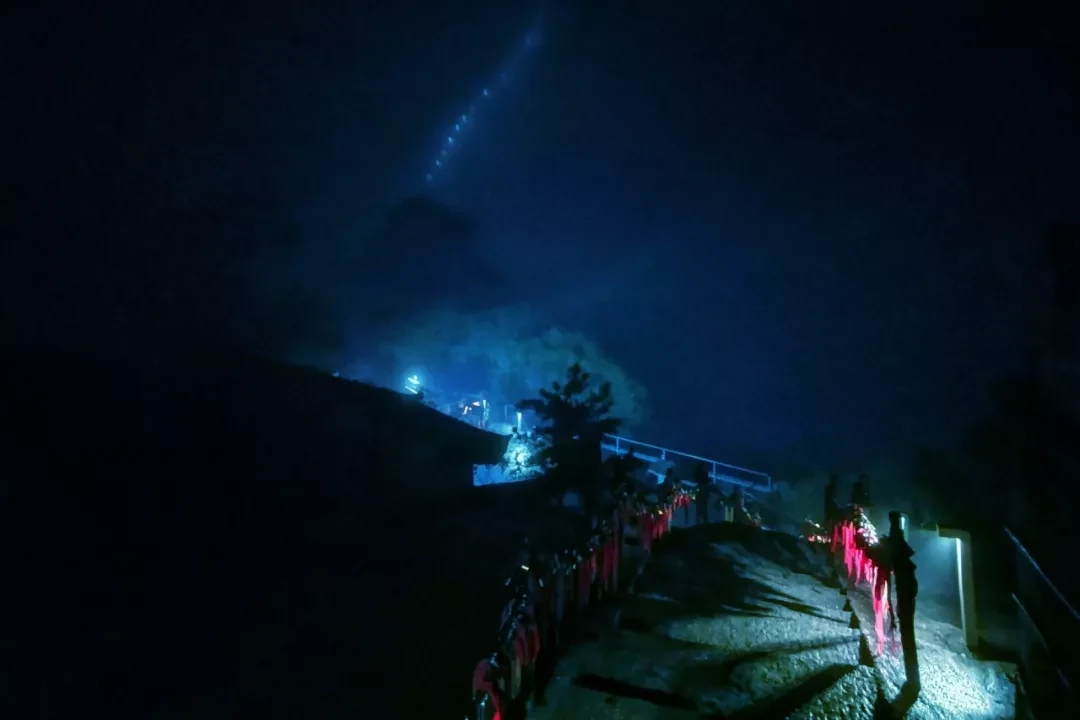
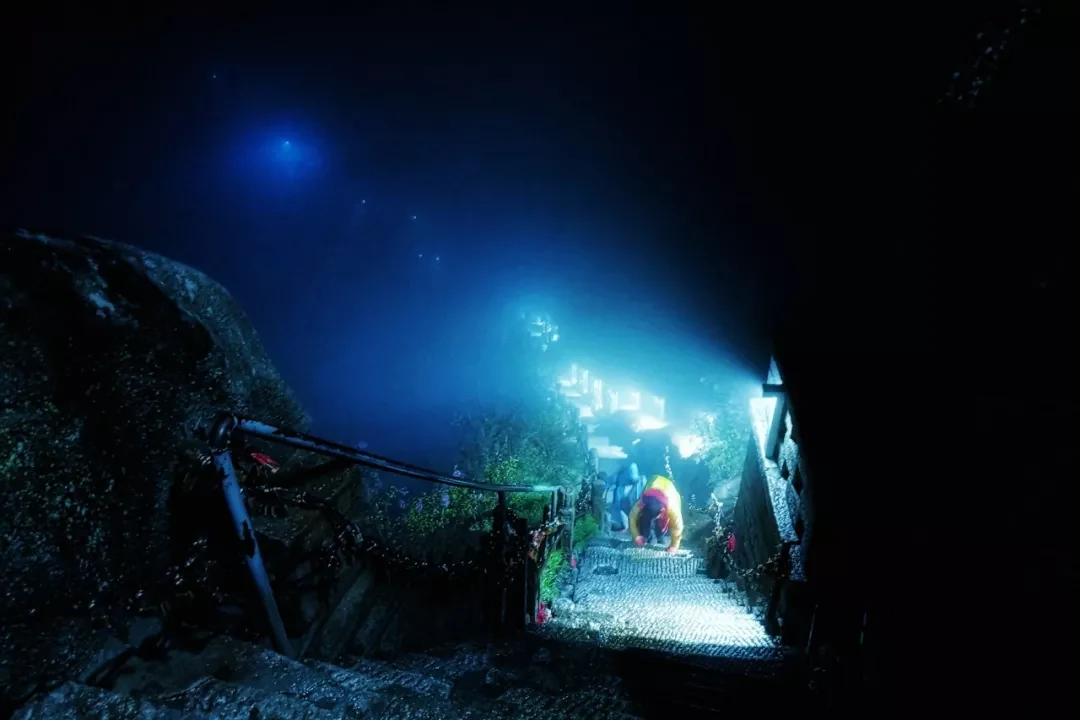
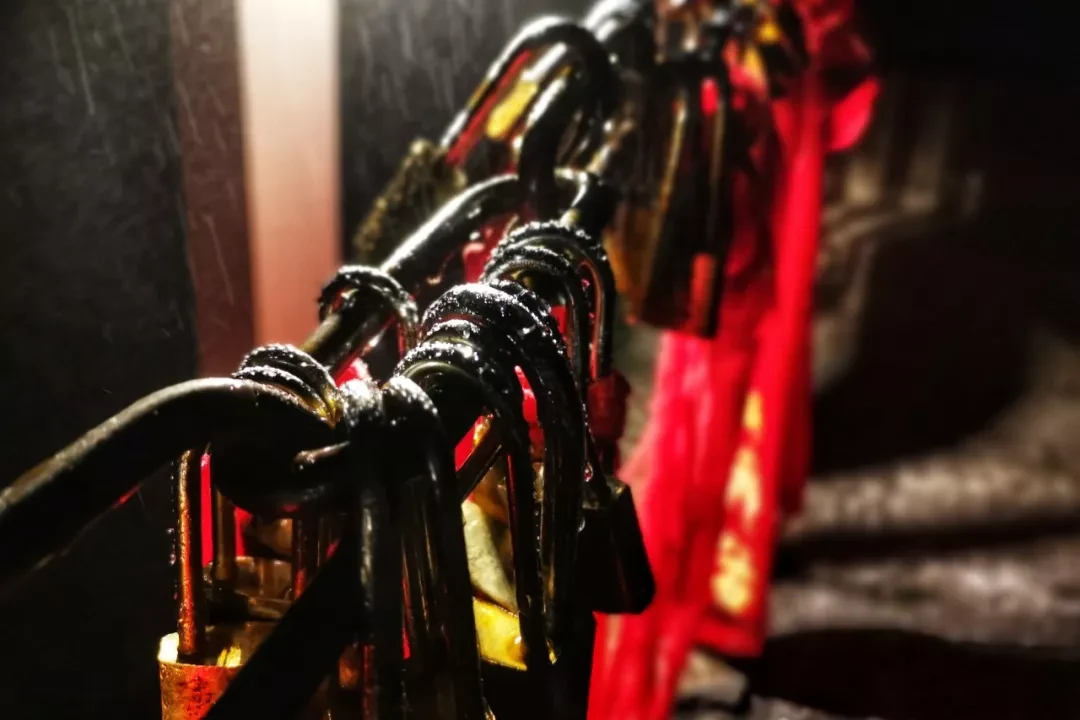
The end of Canglong Ridge is Wuyun Peak, and 400 meters after that is Jinsuoguan Pass. Many people who come to Huashan will ask for a safety lock for themselves or their families. Over time, the iron chains of Jinsuoguan have been surrounded by layers of blessing locks.
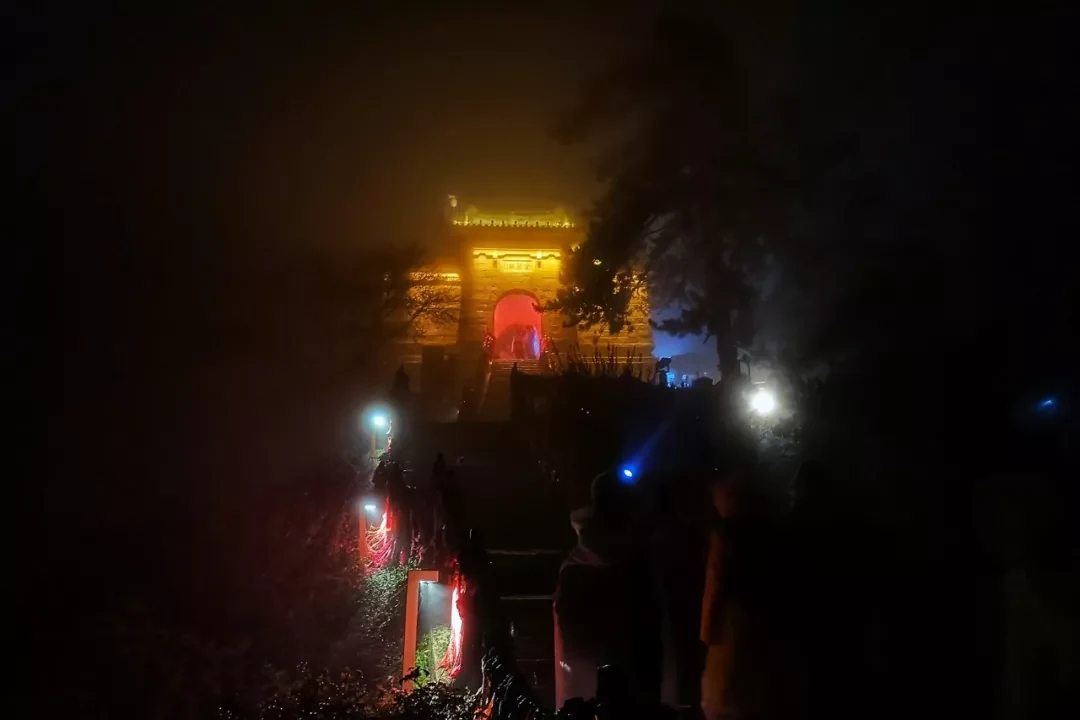
After passing Jinsuoguan, we reached the East Peak, also known as Chaoyang Peak, the best spot for watching the sun on Huashan Mountain. However, it was not bright yet and the rain was getting heavier. We knew that we were destined to miss the sunrise, and the East Peak was unobstructed. After checking in, the group hid in the Huashan Hotel to take shelter from the rain, and then shivered as they watched the sky gradually whiten in the mist.
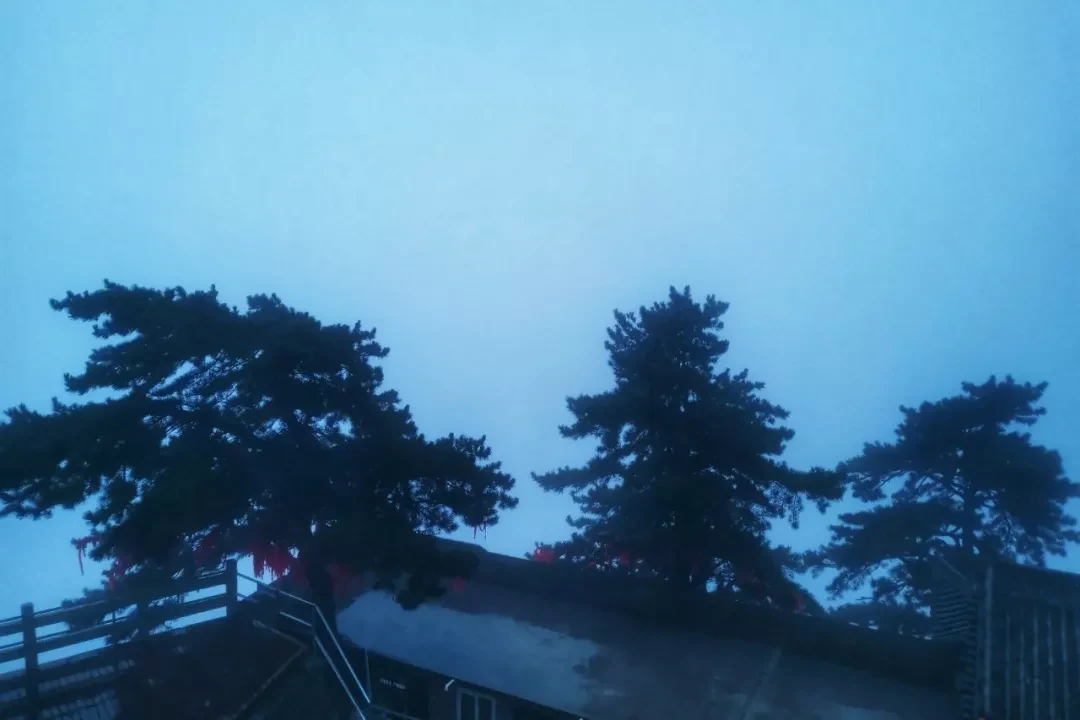
It was a pity that I didn’t see the sunrise. I wanted to go to the East Peak Cableway and take the cable car back down the mountain, but I felt scared looking at the slippery steep steps, so I simply went up to the South Peak Cableway, had a Dicos and then took the cable car down the mountain.
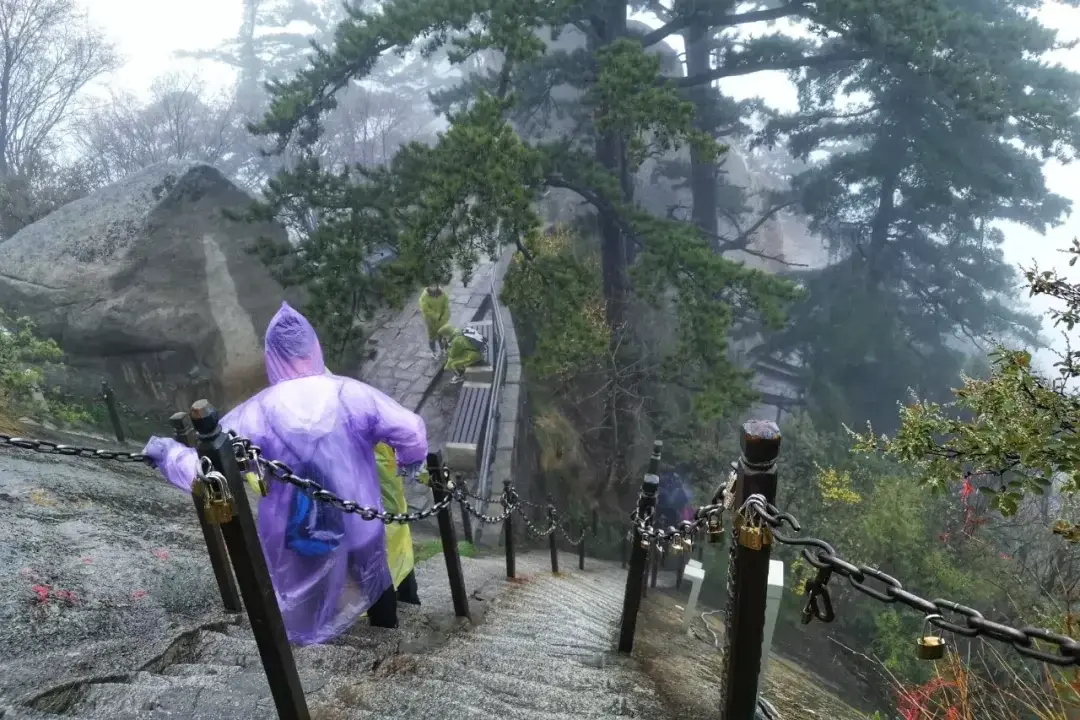
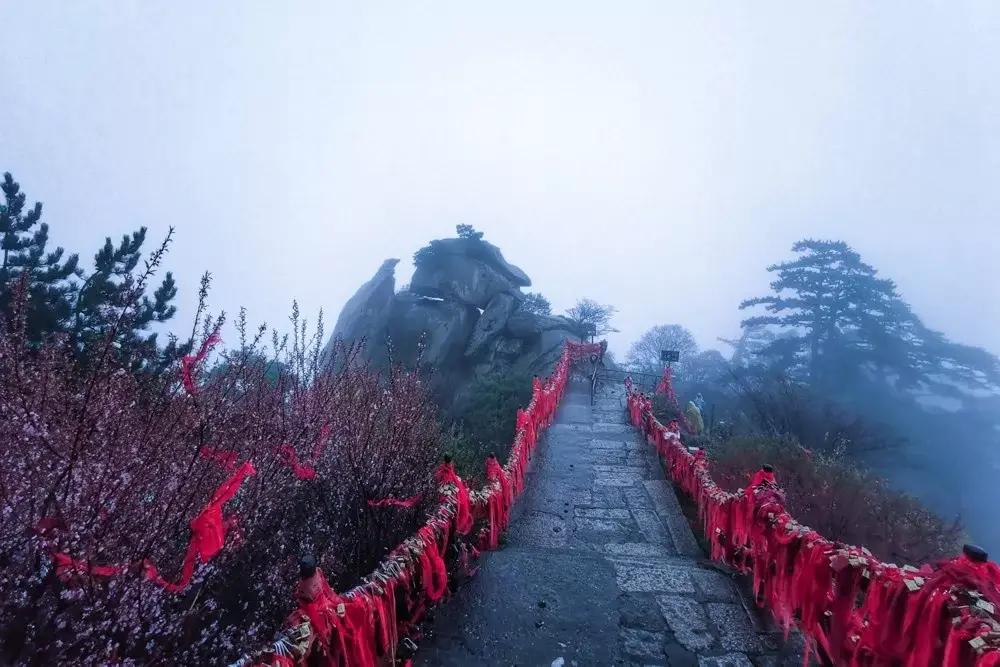
When going down the mountain, I felt a little disappointed. The cable car was surrounded by fog and I couldn't see anything. The drone couldn't fly without GPS. I guess I couldn't see anything when it flew. It was a pity that I didn't see the sunrise and didn't experience the pigeon turning over. However, the mist-shrouded Huashan Mountain is both sacred and mysterious. Visiting Huashan Mountain in the rain is also a unique experience! I posted a message on Moments out of frustration. Unexpectedly, many friends asked me for tips. I was also careful and calm.
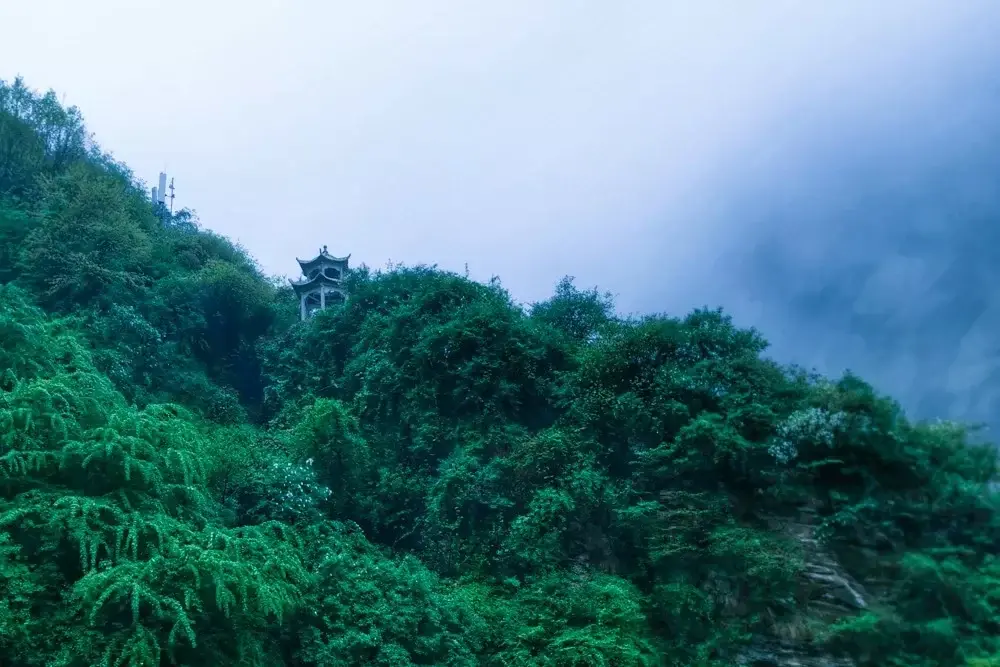
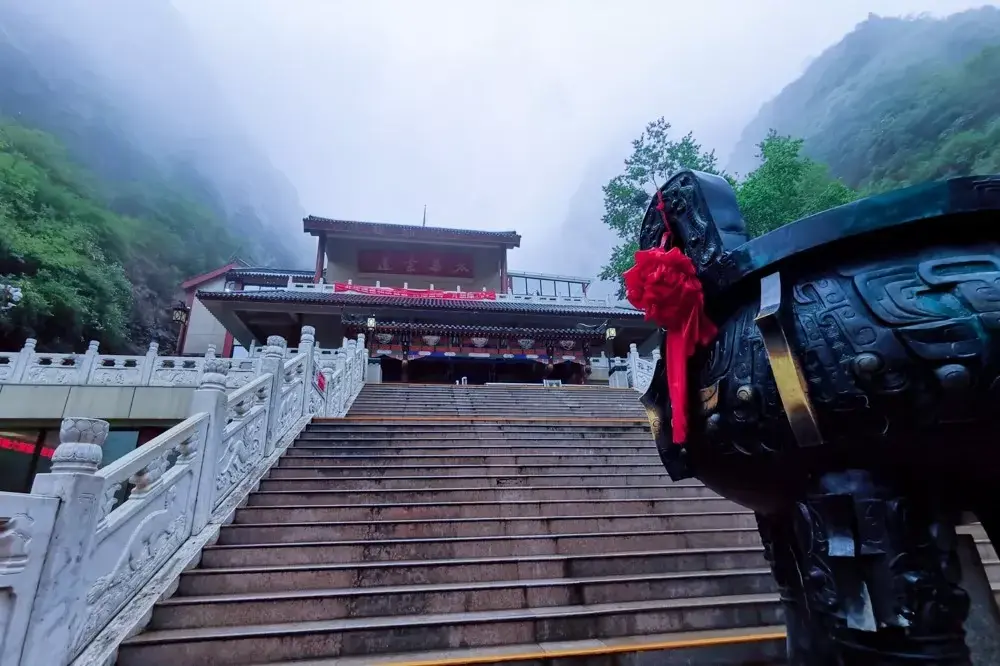
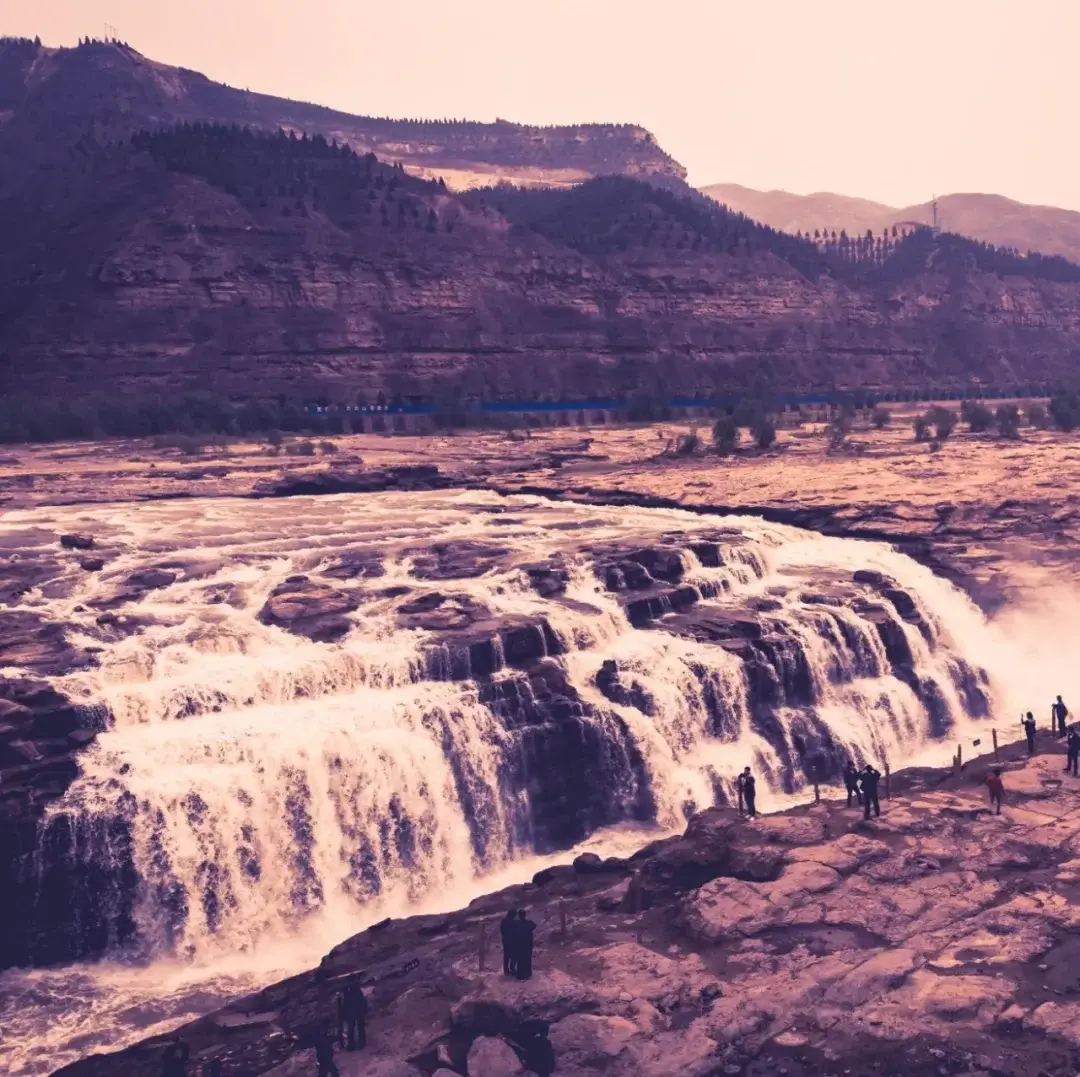
This land is magical enough. After climbing to the top of the "Root of China", I came to the "Soul of China" the Yellow River the next day. If the Yellow River is an immortal epic of the Chinese nation, Hukou is an exclamation point on this epic, the world's largest yellow waterfall - Hukou Falls.
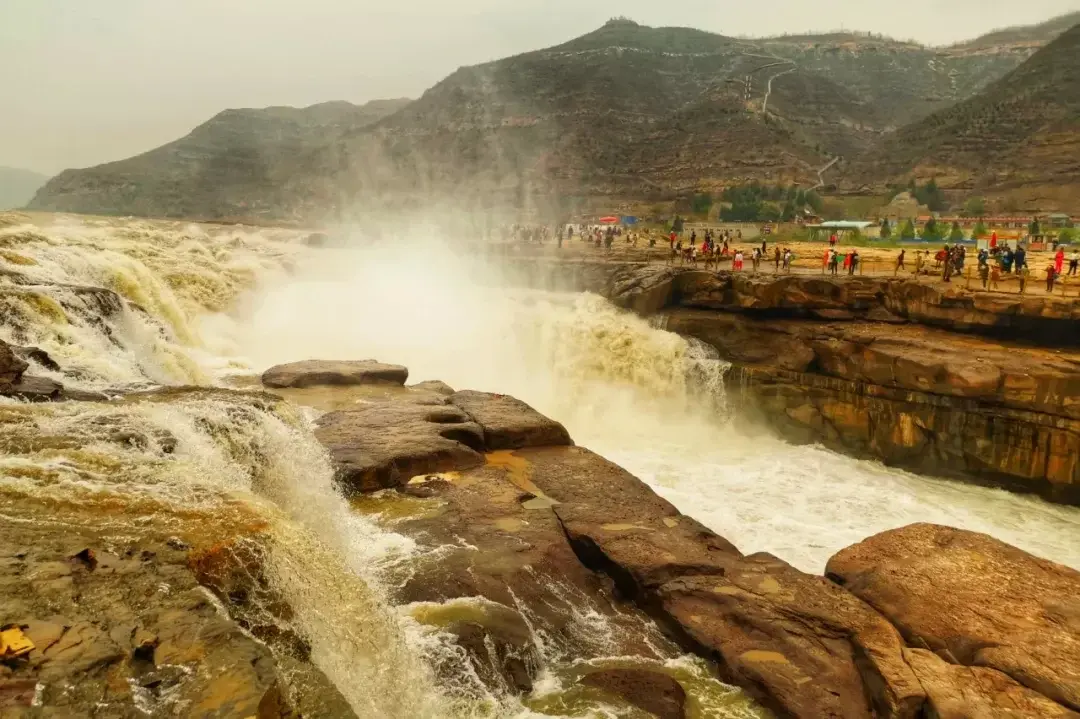
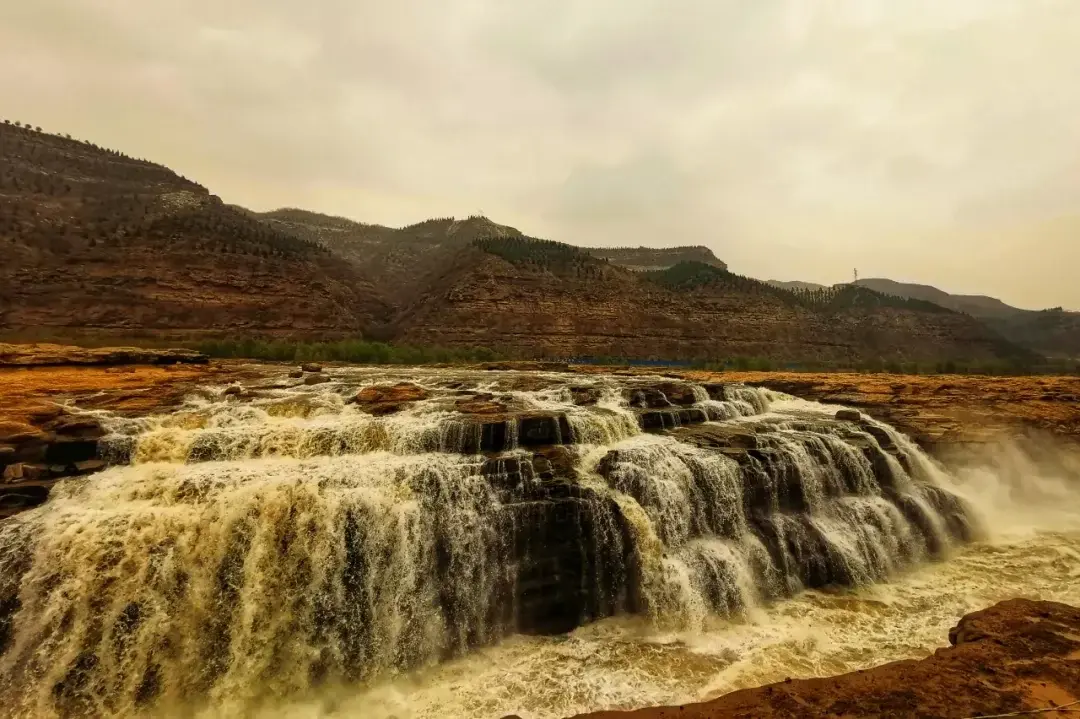
The Yellow River narrows from a width of 300 meters to 50 meters here. It flows straight down and the roaring waves are like thousands of troops galloping and roaring. The sound can be heard dozens of miles away. Its overwhelming majestic momentum is known as "It is difficult to recognize the true face of the Yellow River without looking at the Hukou Falls." The main waterfall is majestic, while the second waterfall is full of beauty.
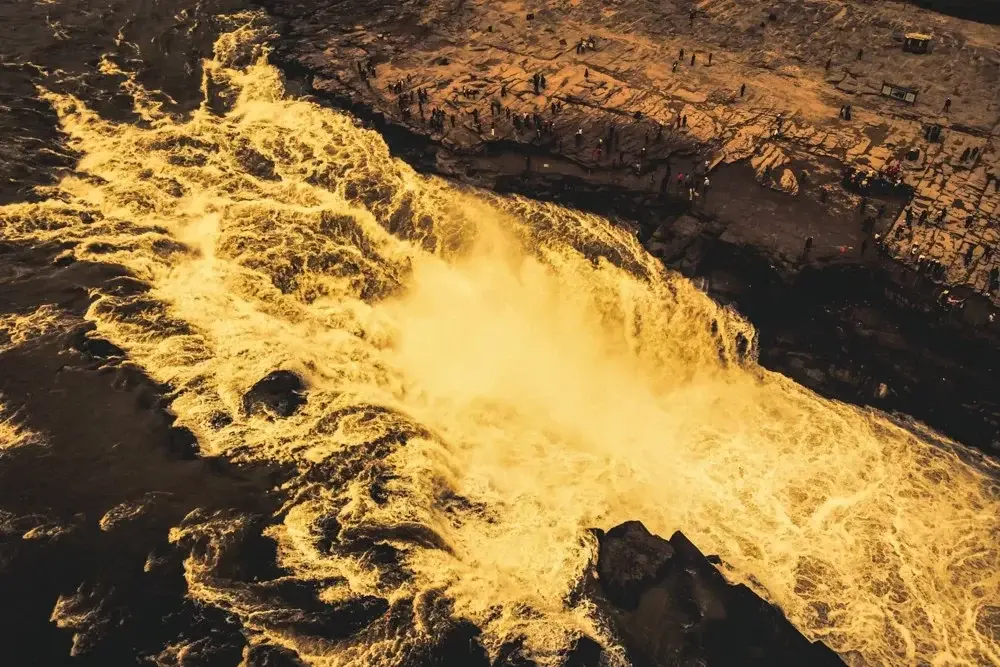
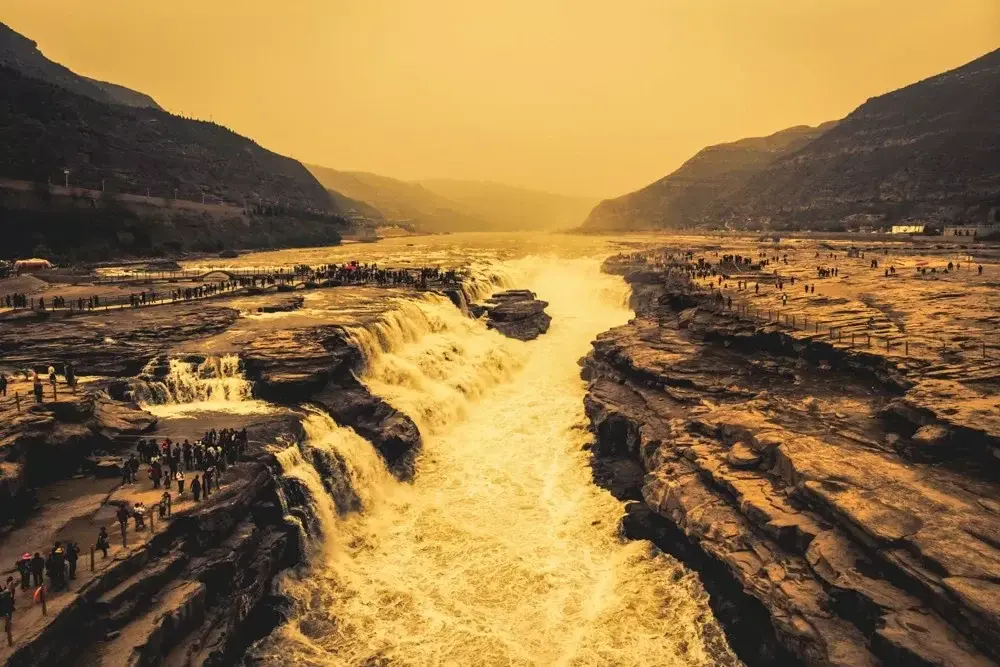
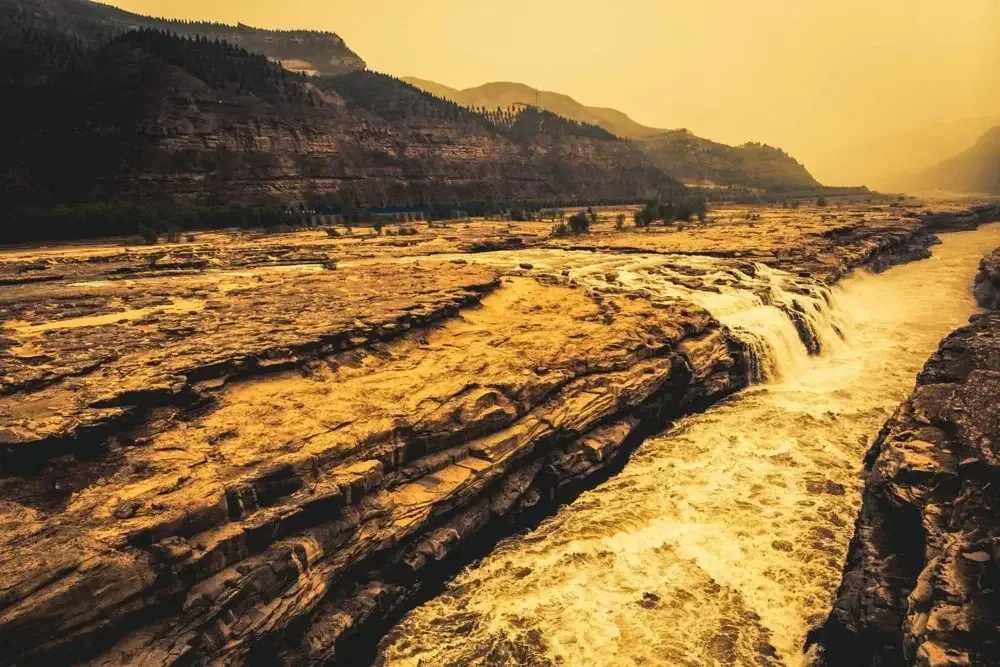
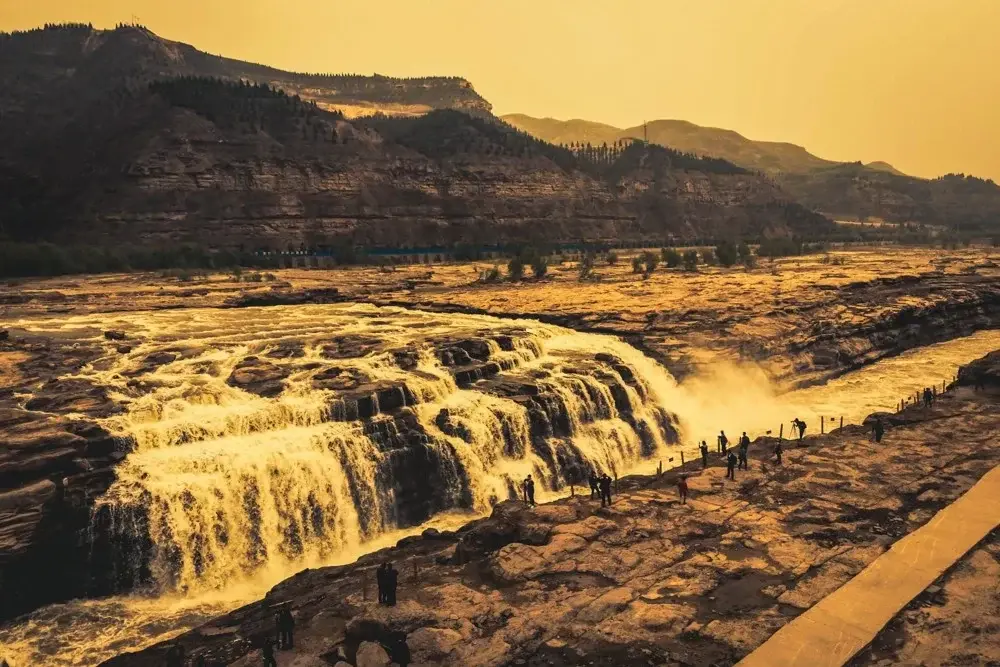
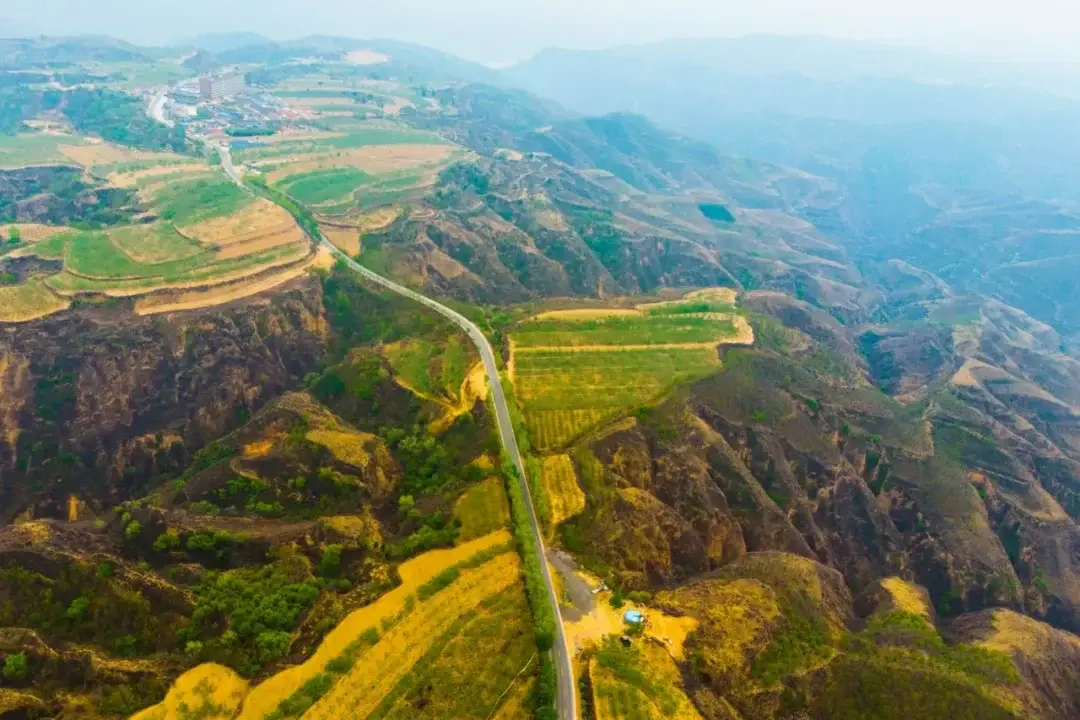
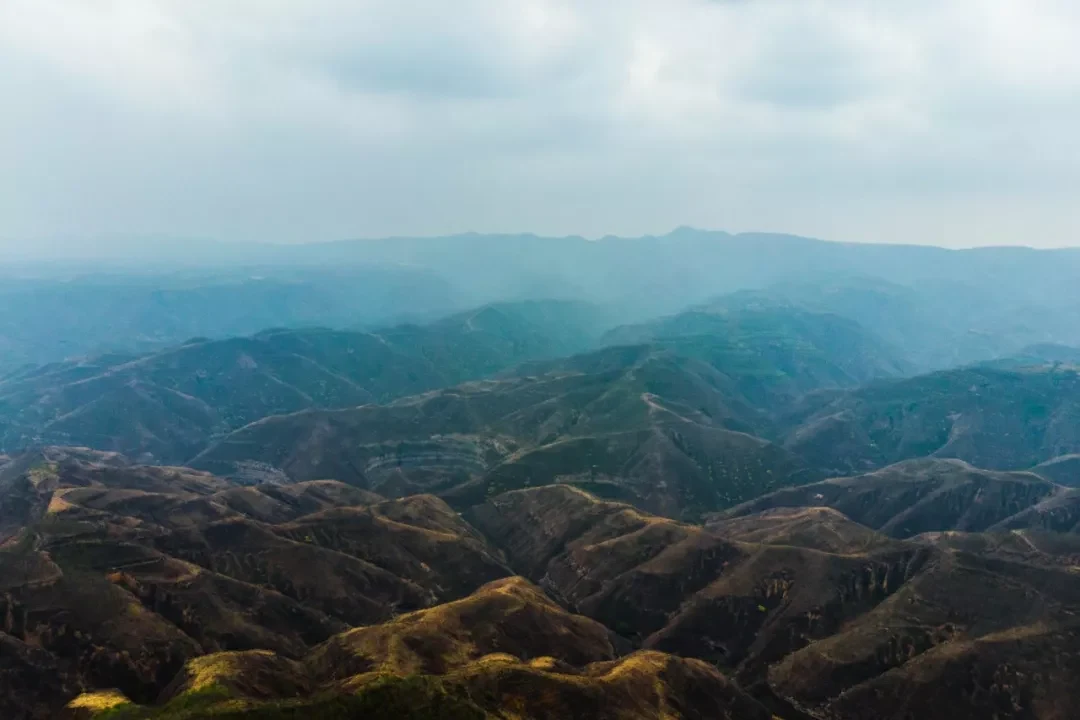
The high loess slopes captured in aerial photography have an indescribable desolation, and Yan'an is not far away. In addition, the "Yellow River Cantata" played all the time in the Hukou Scenic Area, and the sound of the powerful waterfalls also gave me a deeper understanding of this land.
digression
Before leaving Xi'an, I went to meet an old classmate, Qiannan, whom I hadn't seen in almost ten years. Qiannan was the school belle in junior high school. She was very bright. Now she is a married woman and she recently gave birth to a baby. In fact, I didn't want to disturb her at first, but after seeing her post on her baby's Moments this morning, I decided to go and meet her old classmates.
Although we haven’t seen each other for almost ten years, our old classmates are still bright and beautiful. There are still endless topics to talk about, and you can still look forward to your future life and discuss trivial worries, just like ten years ago. I just lament that time goes too fast and I can never get back to those shining times.
I had a dream that night. In 2003, Qiannan was walking on the streets of Xinglong. She looked so young and bright, just like the sunshine on the street. Later I told her that if wrinkles will eventually be engraved on our foreheads, the only thing we can do is to prevent them from being engraved on our hearts.
- End -
Words · Arsenan
Photos · Arsenan
Design · Arsenan